Bosco Sodi
Bosco Sodi: Where Matter Becomes Meaning
Artist Spotlight · The Collection Editorial
“I don't control the work. I create the conditions and then I let go.”
Bosco Sodi
In the spring of 2023, visitors to the ancient walled city of Jericho encountered something arresting: hundreds of raw clay cubes, each one unique, each one cracked and weathered by the Palestinian sun, arranged across the landscape in a gesture that felt simultaneously monumental and deeply humble. The installation was the work of Bosco Sodi, and it captured in a single image everything that makes this Mexican artist one of the most compelling figures working today. For Sodi, the earth itself is a collaborator, and the results of that collaboration have been drawing collectors, curators, and art lovers from Mexico City to Tokyo to New York for more than two decades. Sodi was born in Mexico City in 1970, and the capital's layered energy, its collision of indigenous tradition, colonial history, and urgent contemporary life, seeped into him early.
Bosco Sodi
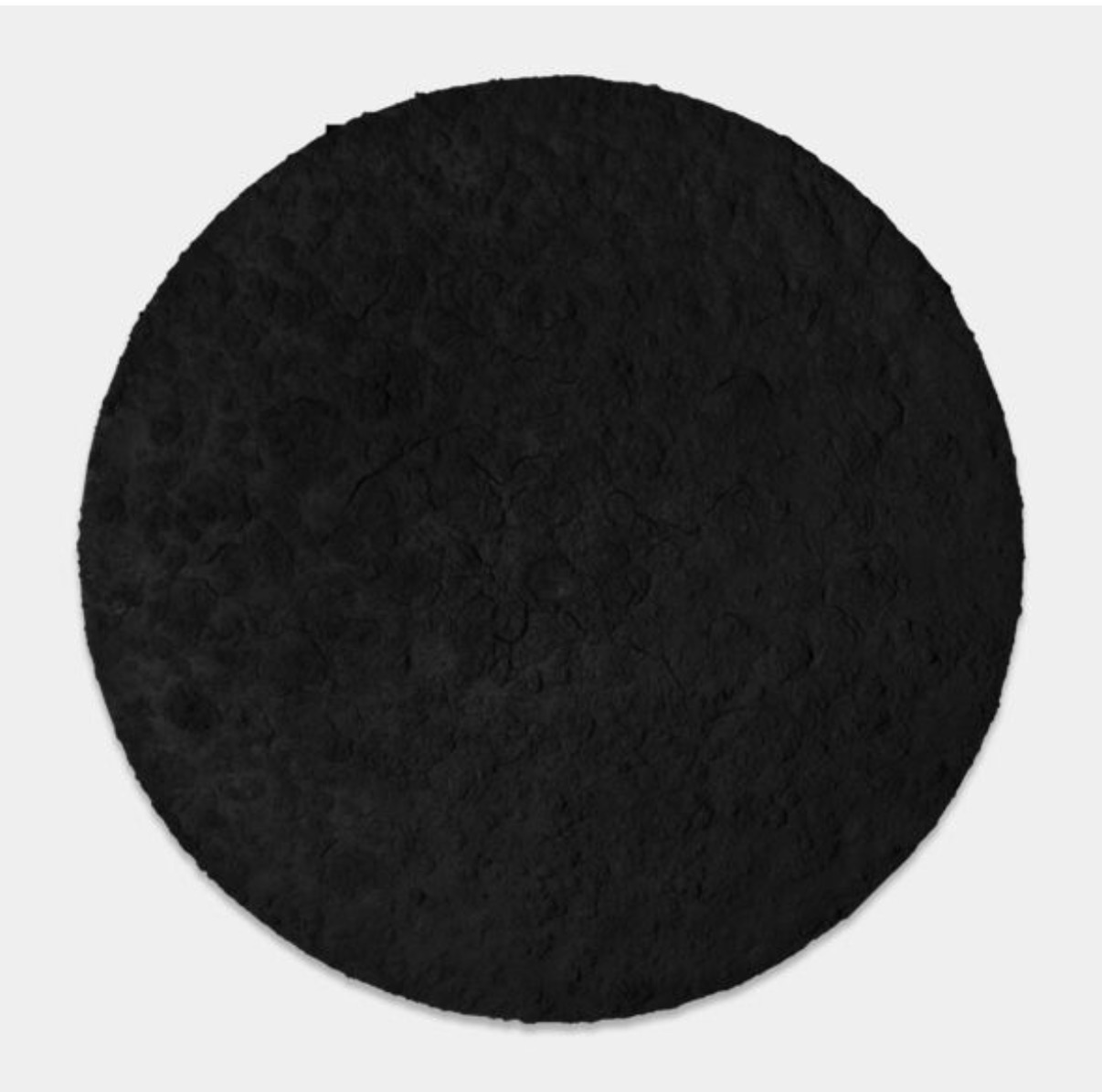
Untitled, 2024
He studied at the Escuela Nacional de Pintura, Escultura y Grabado La Esmeralda, one of Mexico's most storied art schools, where painters such as Frida Kahlo and Diego Rivera had also found their footing. The school's emphasis on craft, on the physical and political weight of materials, left a lasting imprint. From Mexico City, Sodi traveled to Barcelona and then to Boston, each city adding a new layer of influence to a sensibility that was already in motion. The wandering was not restlessness but research: he was learning, city by city, what he needed to say and what he could not say with words alone.
The years in Barcelona introduced Sodi to a European lineage of material experimentation, from Antoni Tàpies's scarred surfaces to the Arte Povera movement's insistence on humble, organic matter as a carrier of meaning. Japanese aesthetics arrived as a quieter but equally transformative influence. The Zen concept of wabi sabi, the beauty found in imperfection and impermanence, offered Sodi a philosophical framework that aligned with instincts he had carried since childhood. These threads converged into a practice built on patience, surrender, and trust.
Bosco Sodi
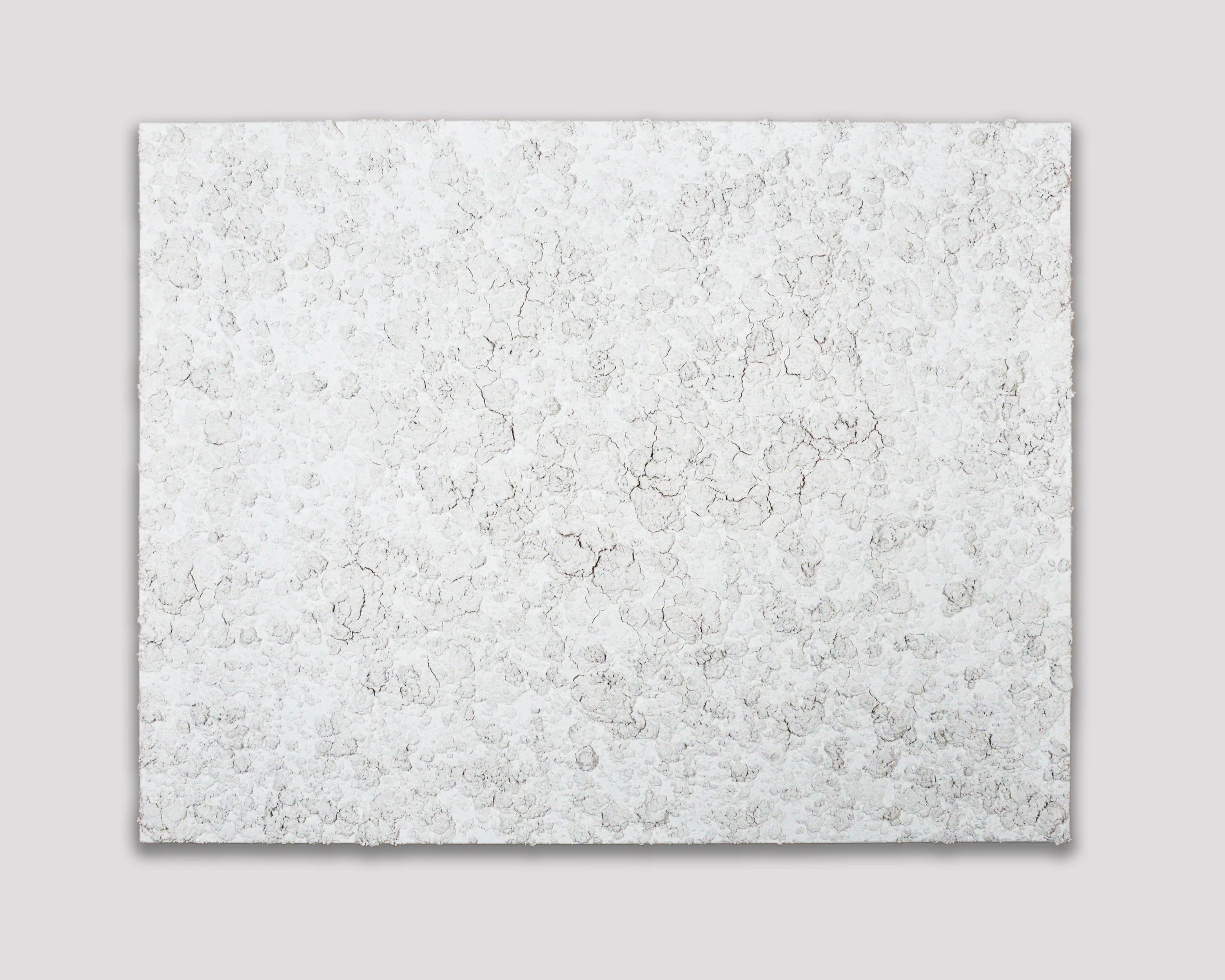
Untitled, 2023
Sodi does not paint in the conventional sense. He mixes sawdust, glue, pure organic pigments, and other raw materials onto large canvases and then sets them aside, allowing heat, gravity, and time to determine the final surface. The results are paintings that look as if they have been excavated rather than made. Sodi's signature works are large scale abstract canvases and sculptures that stop viewers in their tracks precisely because they resist easy categorization.
“The material has its own intelligence. My job is to listen to it.”
Bosco Sodi
Works such as Organic Blue, composed of sawdust, glue, pure organic pigment, and rose petals on canvas, carry a tactile intensity that photographs can barely suggest. The surface buckles, fissures, and blooms with color in ways that feel geological rather than painterly. His 2010 circular canvases, several exceeding 185 centimeters in diameter, pushed his process to a new scale and demonstrated that his material logic could hold at any size without losing its intimacy. The 2012 work Rojo Redondo, a commanding circular canvas saturated in deep red tones, shows Sodi at his most elemental: the composition is stripped of narrative, gesture, and ego, leaving only the raw encounter between pigment and surface.
Bosco Sodi
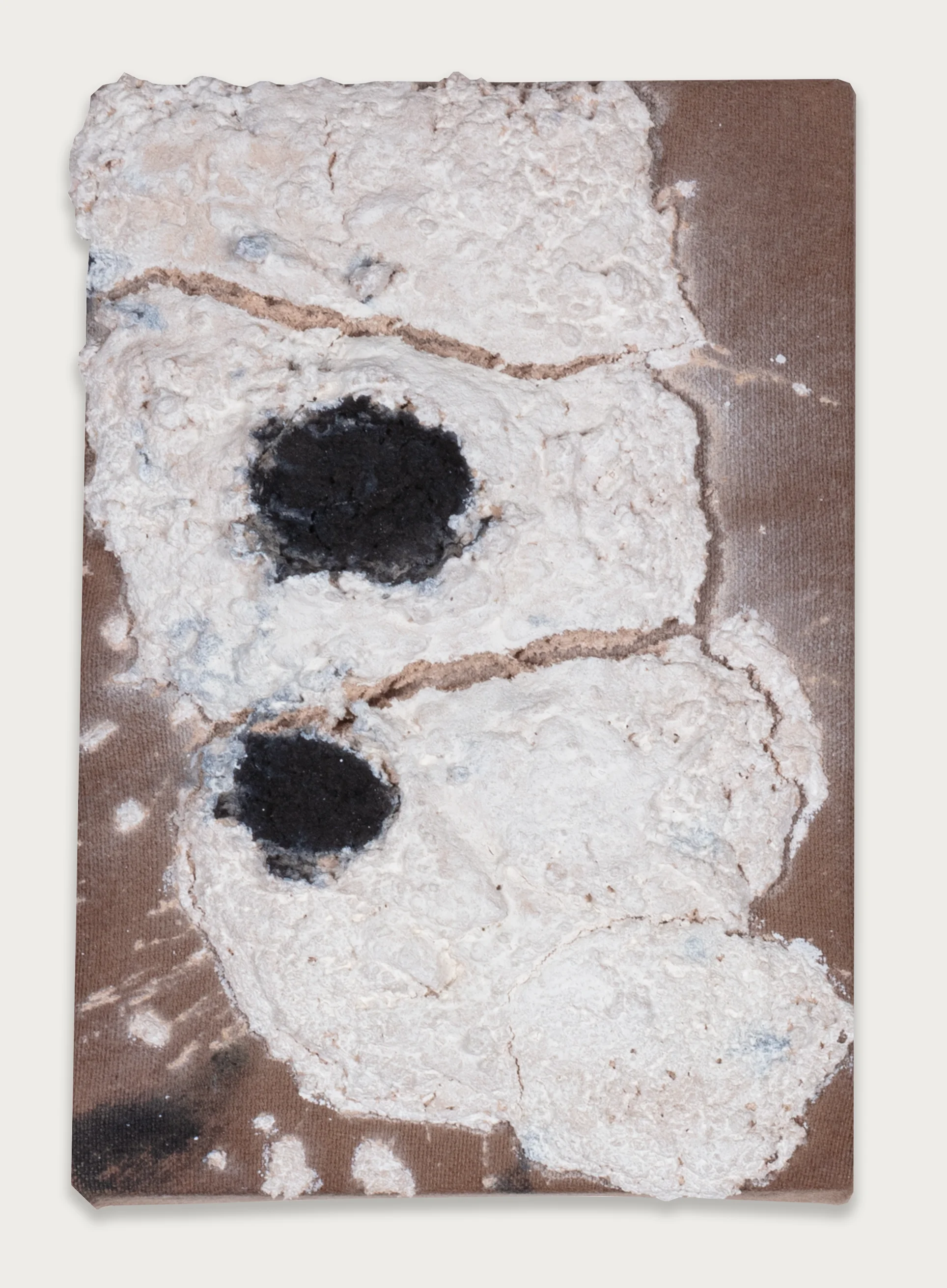
Untitled, 2018
More recent works from 2023 and 2024 suggest a practice that continues to deepen rather than repeat itself, with new combinations of mixed media on canvas that feel both more refined and more unpredictable. For collectors, Sodi represents one of the most compelling propositions in the contemporary market today. His works are held in significant private and institutional collections across North America, Europe, and Asia, and his gallery relationships with Kasmin in New York and other respected international galleries have helped build a sustained and serious market around his practice. Auction results have confirmed what private collectors already know: works on linen or canvas that demonstrate his fullest material range, particularly those with strong coloristic presence and well developed surface complexity, tend to perform with notable consistency.
The circular format, which Sodi has returned to repeatedly throughout his career, holds particular appeal for collectors who understand its art historical resonance. What distinguishes Sodi in the market is the combination of intellectual seriousness and genuine physical beauty, works that reward living with as much as looking at. To understand where Sodi sits in art history, it helps to think of him in relation to several overlapping traditions. His material practice echoes the existential weight of Jean Dubuffet and the surface investigations of Alberto Burri, while his embrace of organic process and controlled chance connects him to John Cage's musical philosophy and to the Mono ha movement in Japan, which similarly elevated the encounter between materials and environment above the artist's directing hand.
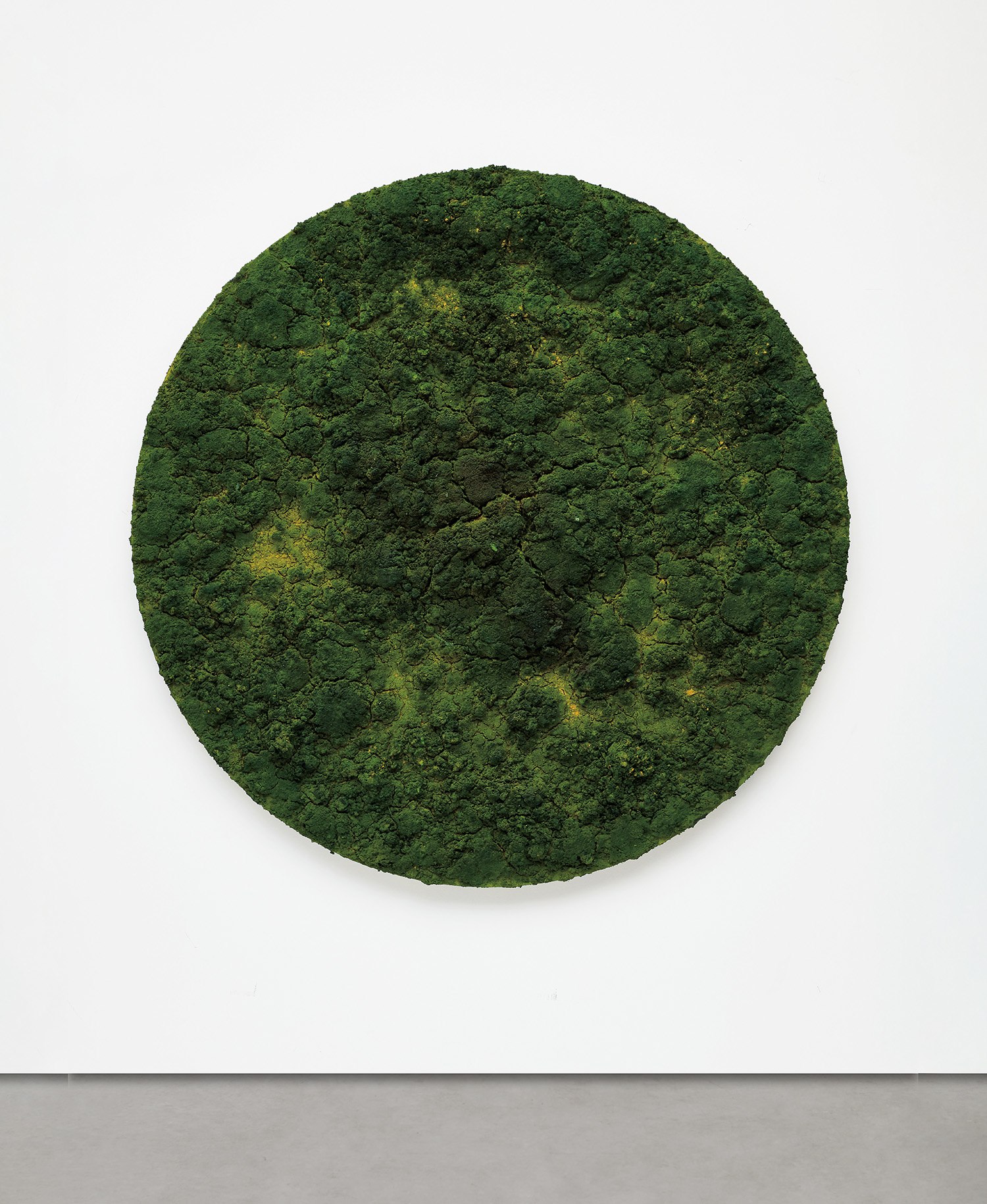
Bosco Sodi
diameter 73 in. (185.4 cm), 2010
Among his Latin American contemporaries, Sodi stands alongside figures who have insisted on the global relevance of work rooted in specific cultural and geographical experience. He shares with artists such as Abraham Cruzvillegas and Gabriel Orozco an interest in materials gathered from the margins of the everyday, transformed by attention and intention into objects of genuine contemplative power. Yet Sodi's voice remains distinctly his own, shaped by a biography that crosses borders without losing its center of gravity. What makes Sodi matter now, in the mid 2020s, is precisely the quality of attention his work demands.
In an art world saturated with images, Sodi makes objects. In a market often drawn to surfaces that read well on screens, his canvases insist on physical presence. His ongoing projects, including his clay cube installations that have traveled to sites of historical and spiritual significance around the world, expand the terms of his practice without abandoning its essential commitments. He remains a living artist in the fullest sense: actively working, actively questioning, and producing bodies of work that will reward collectors and institutions for generations to come.
To acquire a Sodi is to bring into a home or collection something that continues to change as the light changes, as the seasons pass, as the viewer grows. That is a rare thing, and it is worth cherishing.
Explore books about Bosco Sodi