Julia Margaret Cameron
1
Followers
Artist Spotlight
Julia Margaret Cameron, Photography's Radiant Visionary
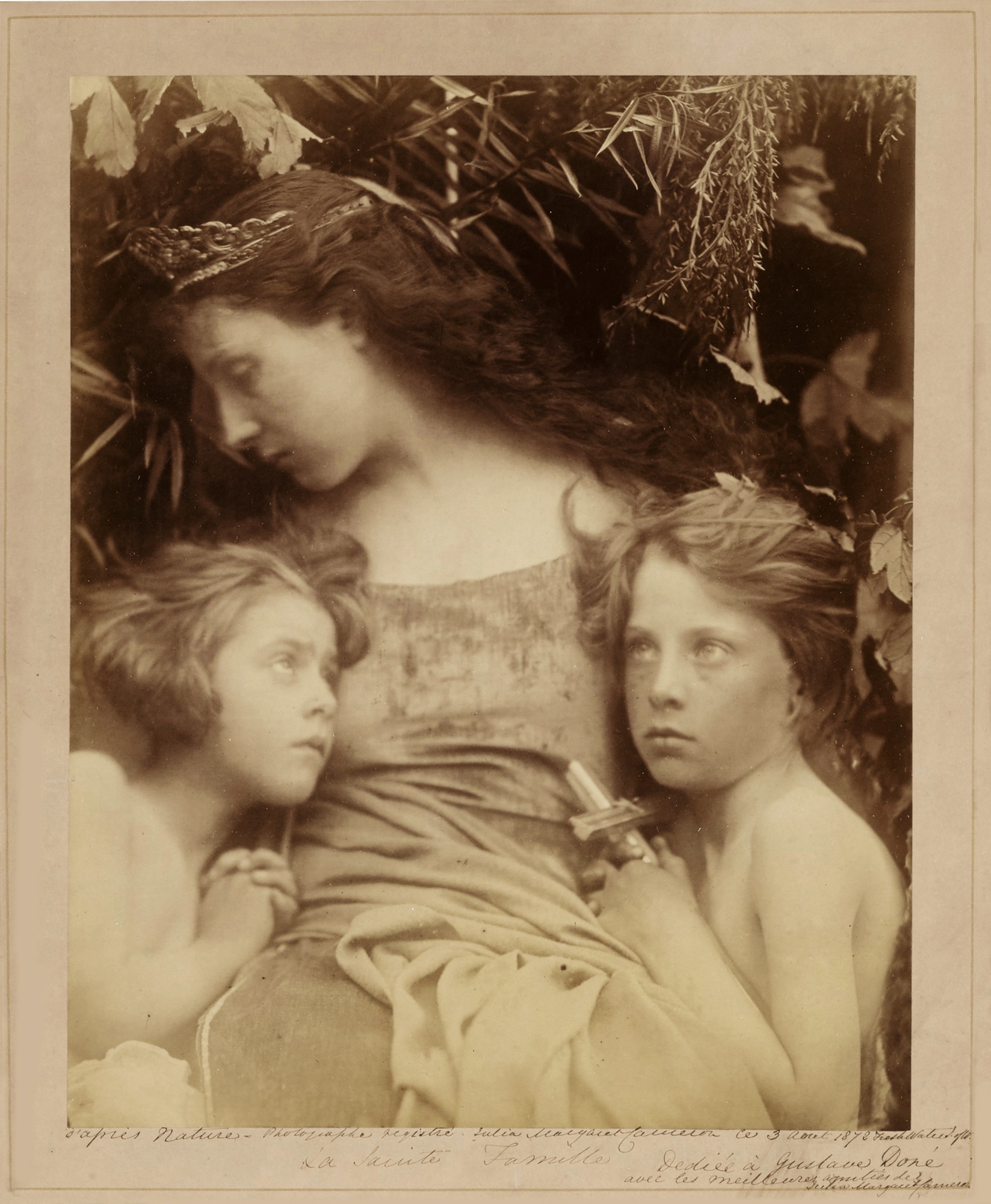
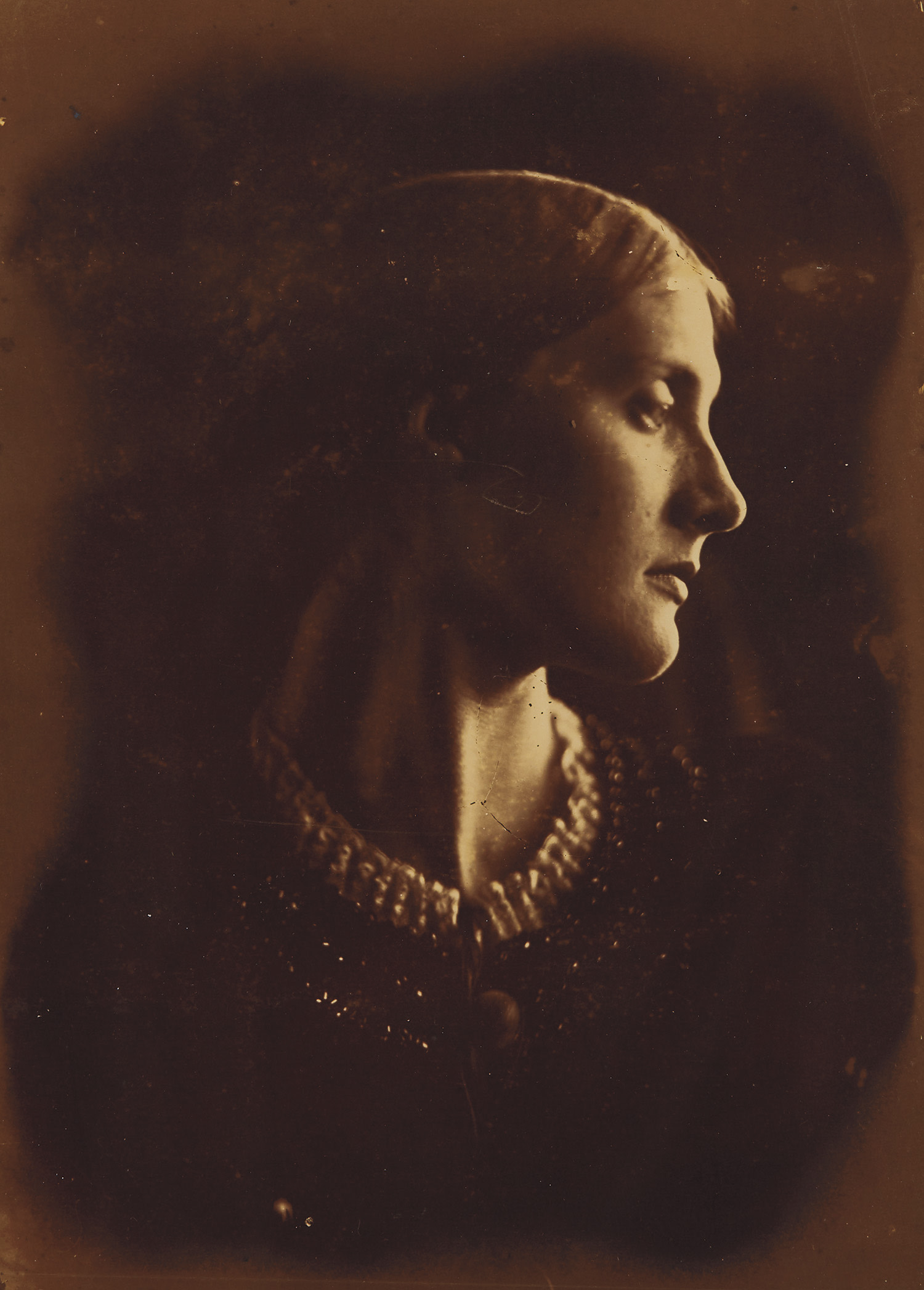
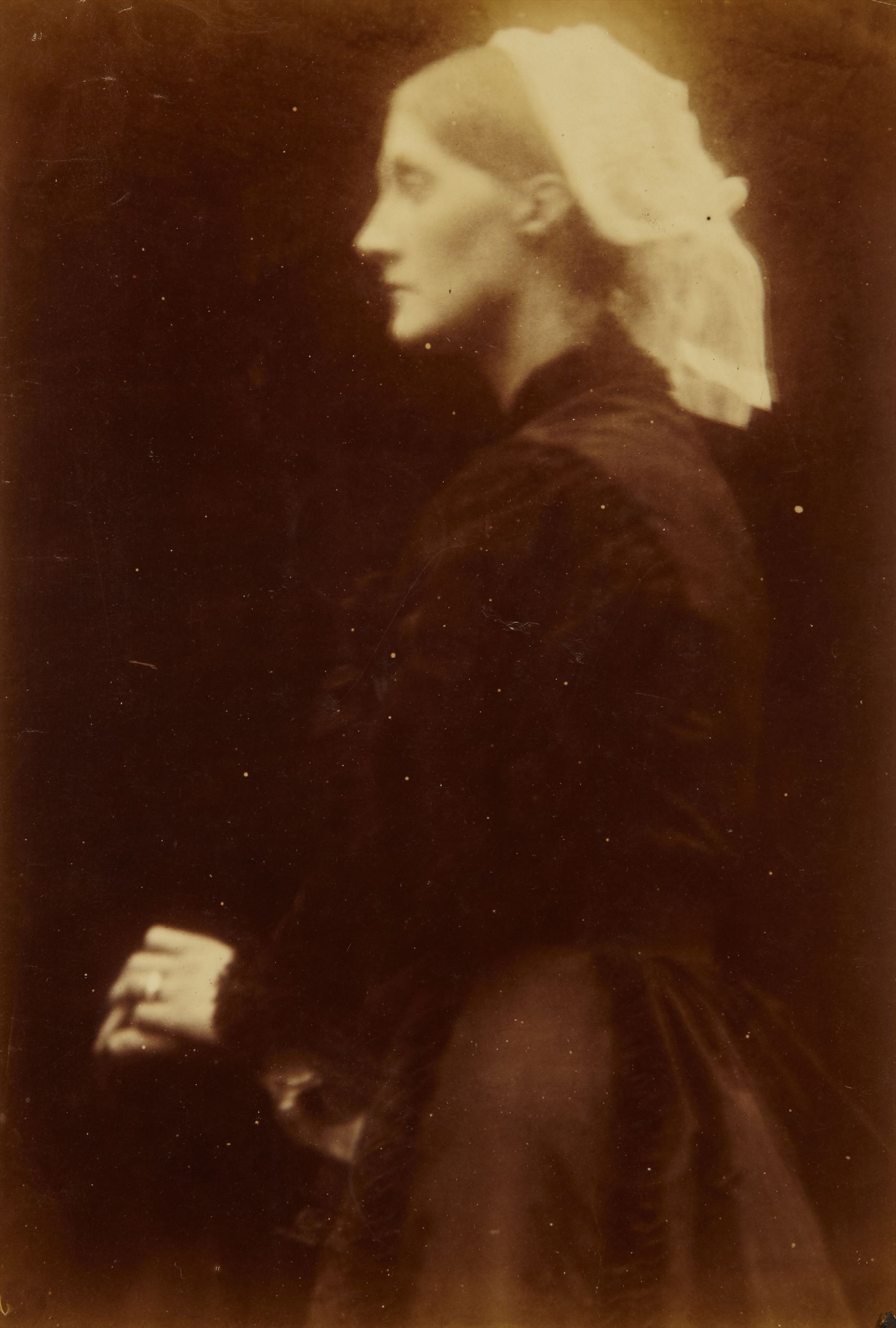
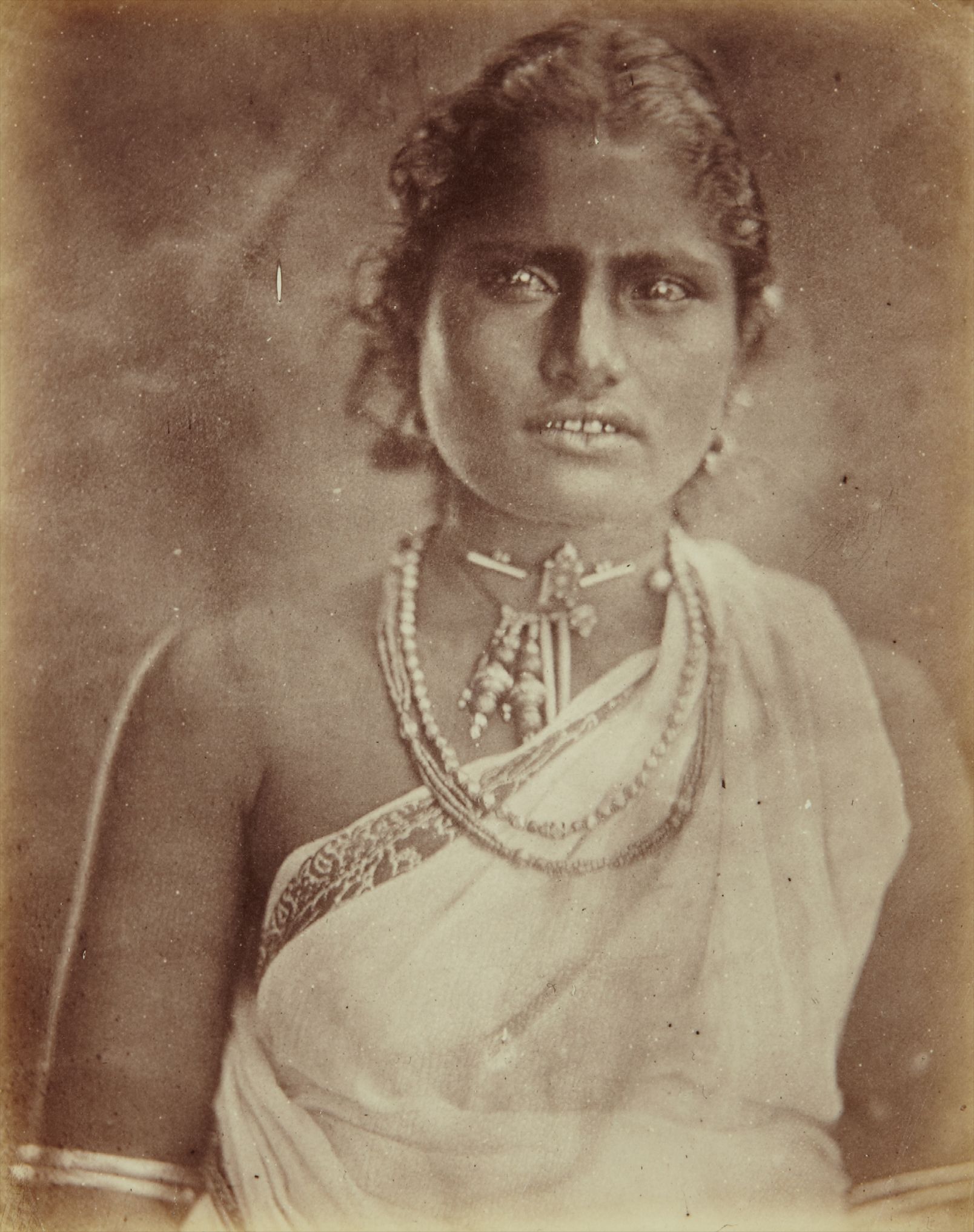
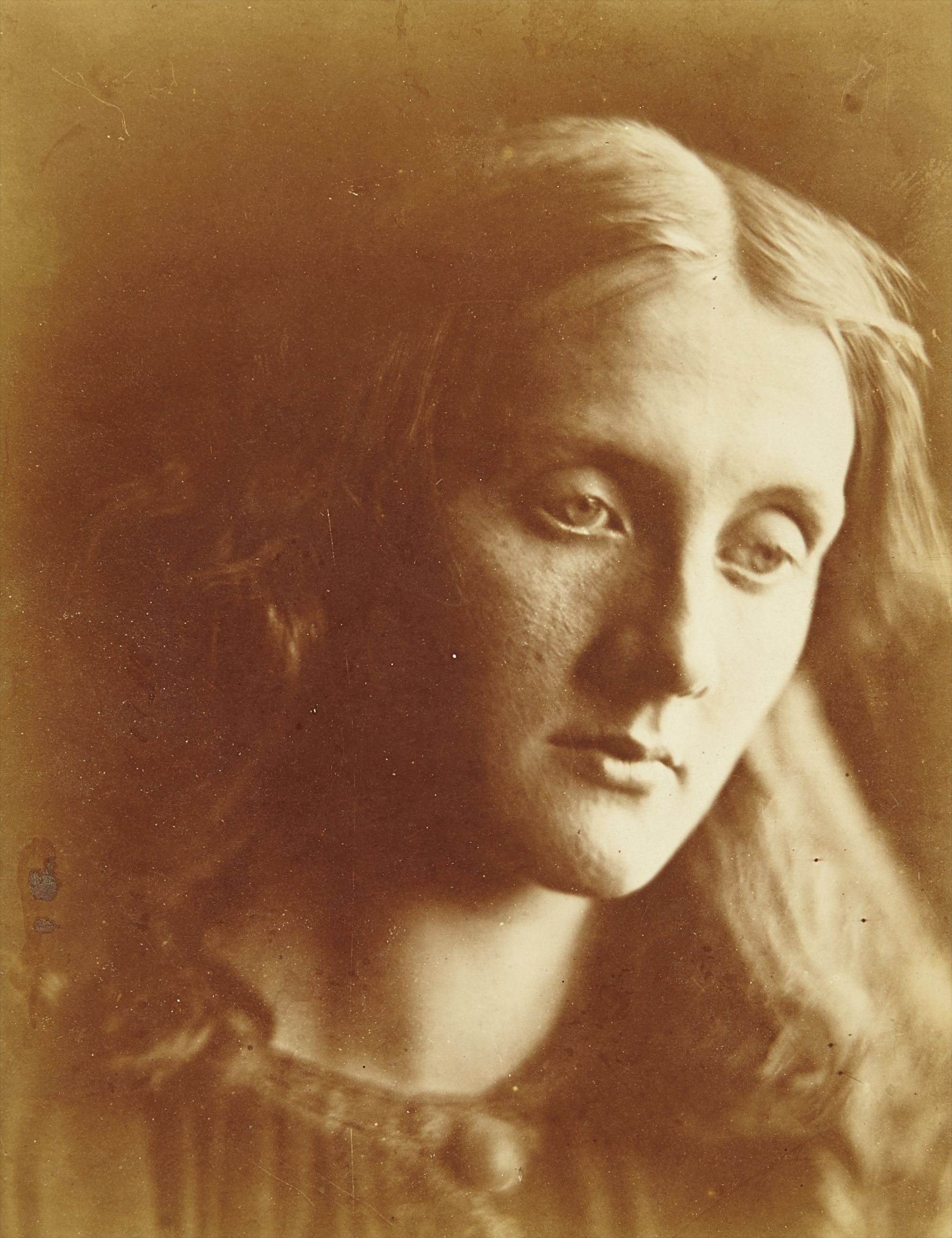
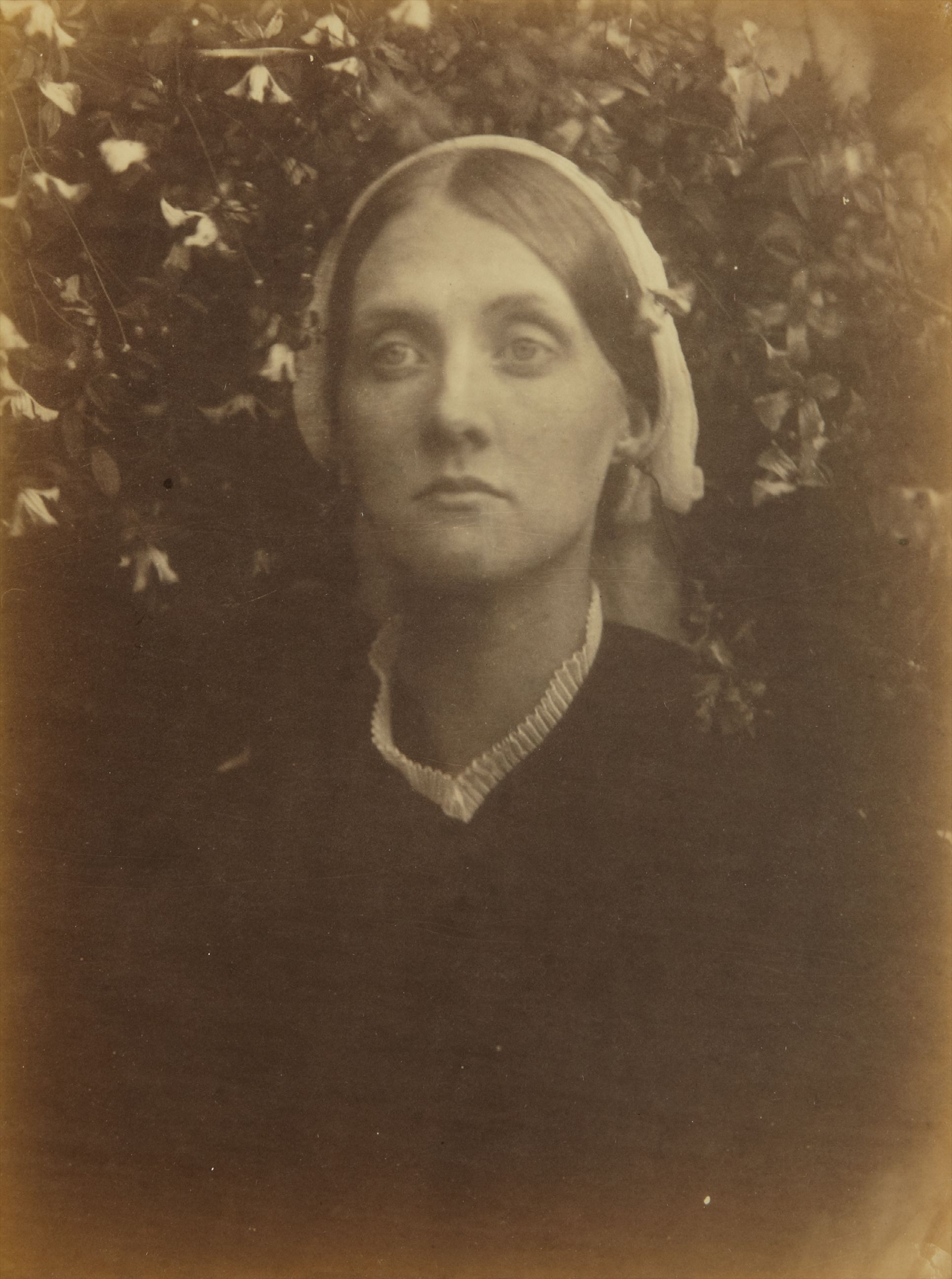
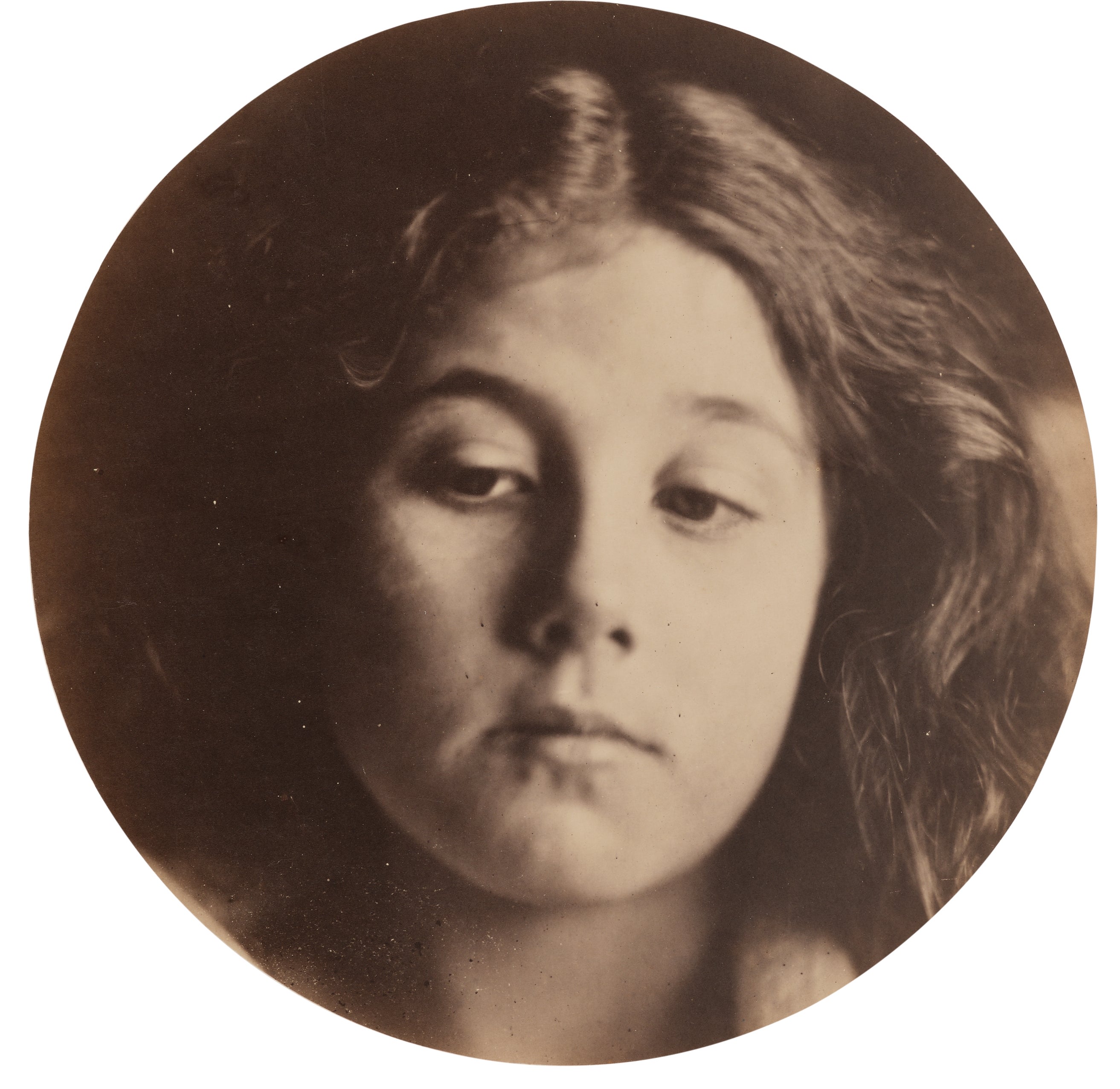
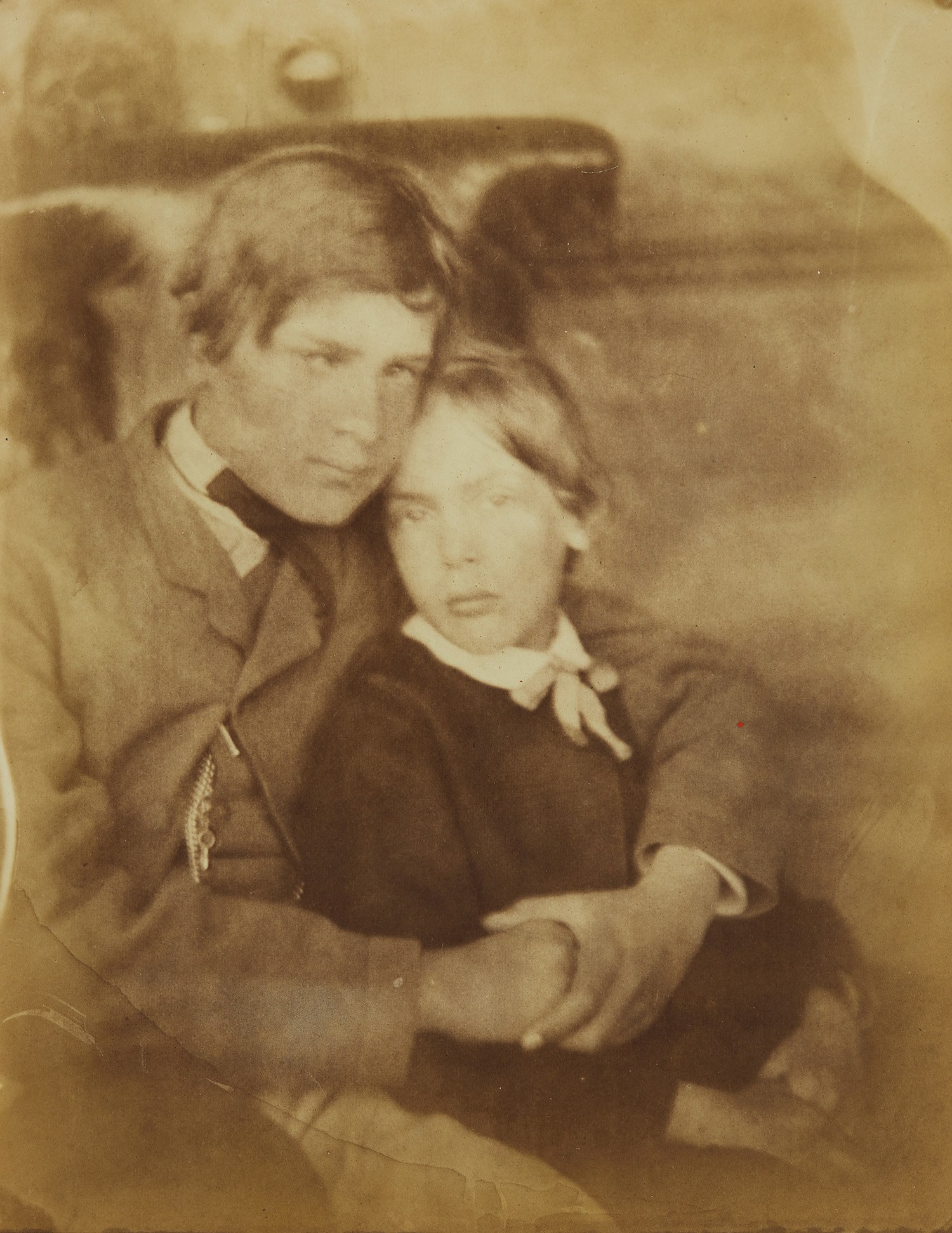
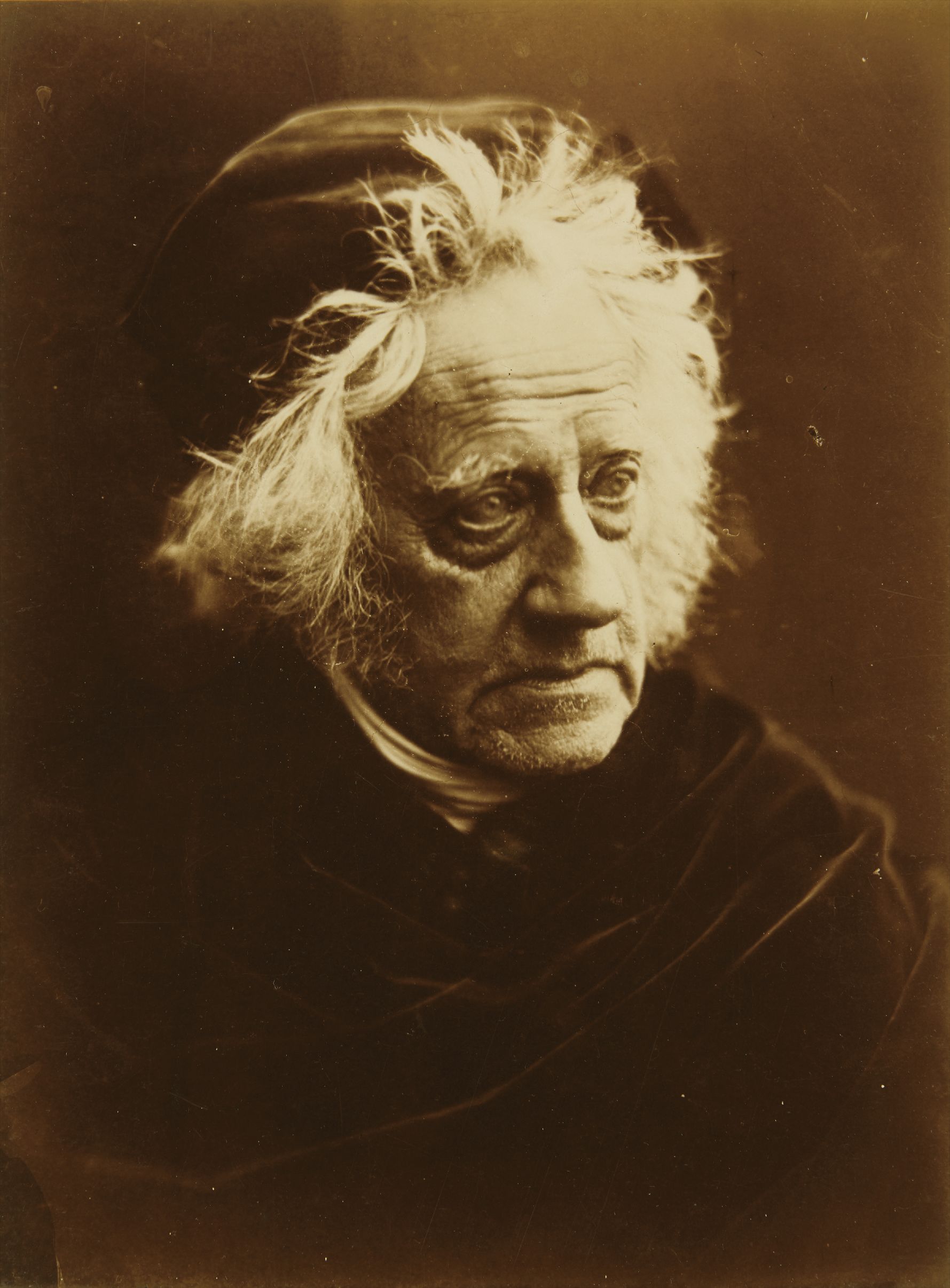
There is a moment, standing before one of Julia Margaret Cameron's large albumen prints, when the distance between 1868 and the present simply collapses. The face looking back at you is not a document. It is a presence. When the Victoria and Albert Museum in London, which holds one of the most significant collections of her work in the world, stages its periodic surveys of her practice, visitors consistently linger longer than expected, drawn into a gaze that feels startlingly alive. Cameron is having, in the truest sense, a permanent moment: her work has never really left us, and a growing… Continue reading
Artists in conversation
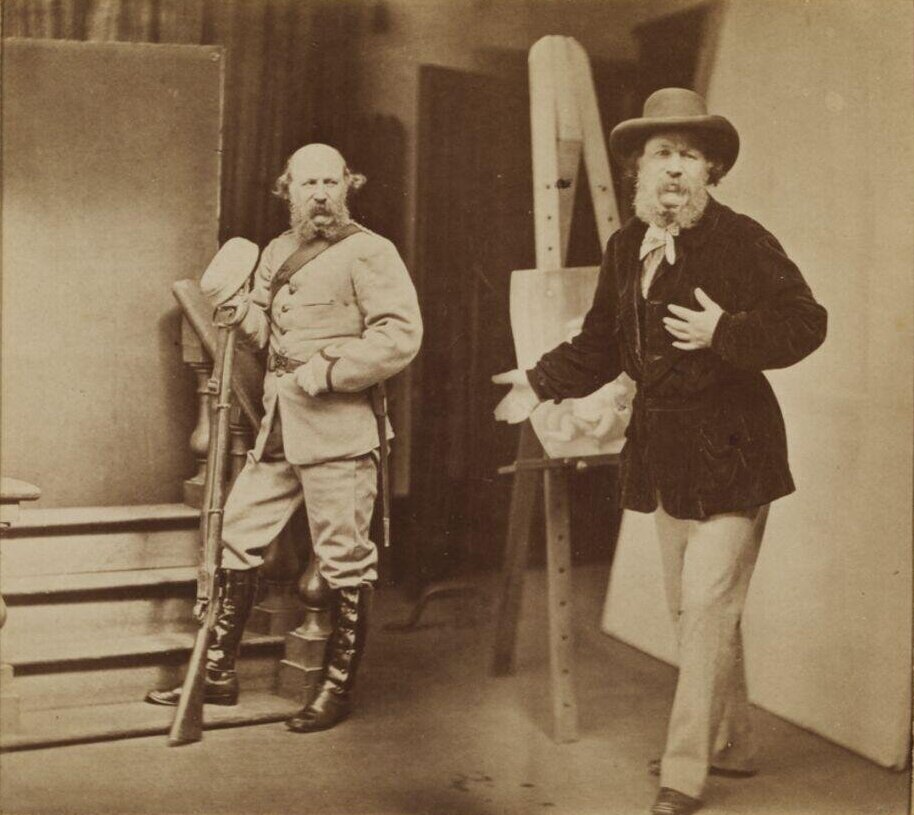
Oscar Gustave Rejlander
Rejlander similarly used photography as a fine art medium in Victorian Britain, producing allegorical and staged compositions that blurred the line between photography and painting. His soft focus portraits and literary themes closely parallel Cameron's approach to pictorial photography.
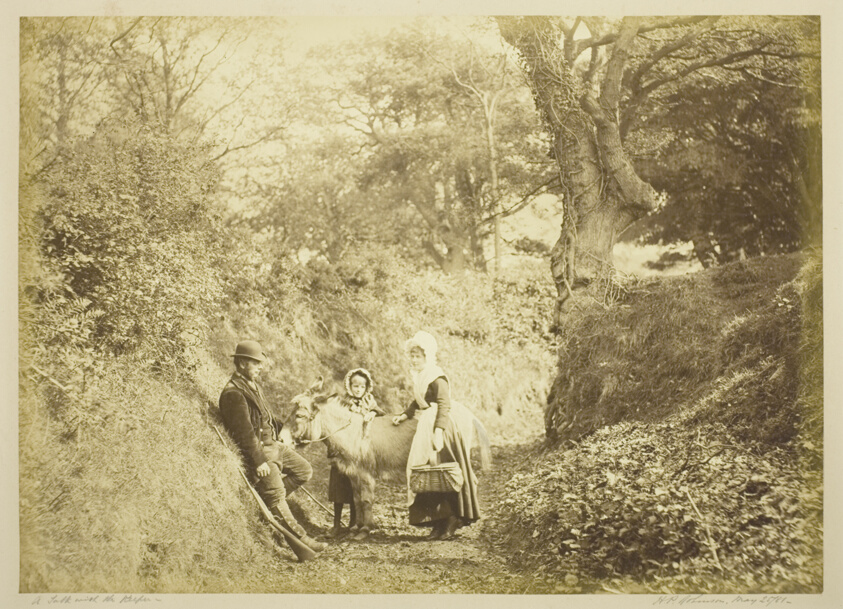
Henry Peach Robinson
Robinson was a leading Victorian pictorialist photographer who shared Cameron's commitment to staged, narrative compositions drawn from literary and allegorical sources. His soft focus aesthetic and idealized figurative imagery align closely with Cameron's romantic photographic vision.
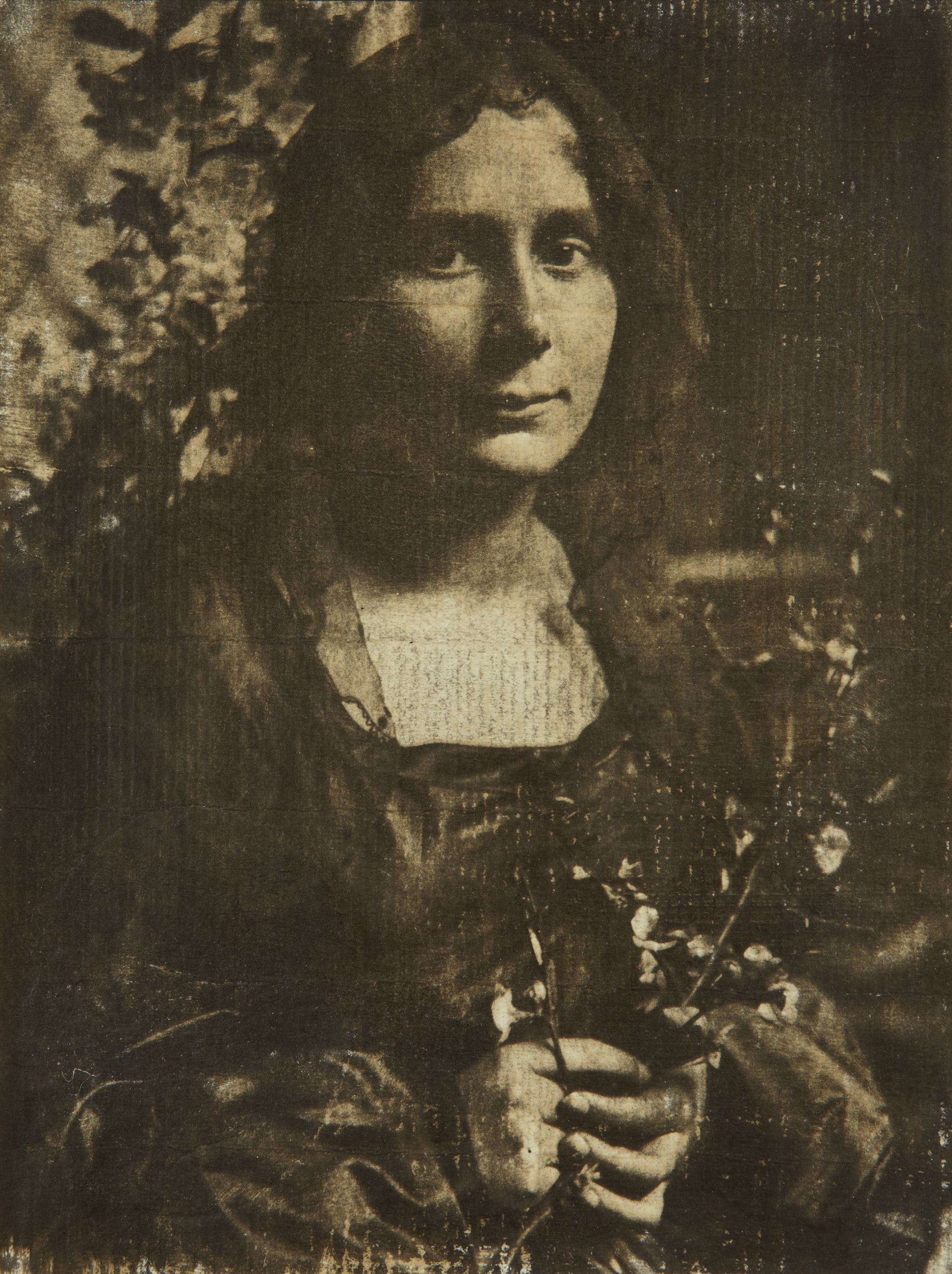
Gertrude Käsebier
Käsebier produced soft focus, tonally rich portrait photographs with a painterly quality that echoes Cameron's romantic and dreamy sensibility. Her focus on feminine subjects and symbolic imagery makes her work a close aesthetic counterpart to Cameron's.
Artists who inspired them
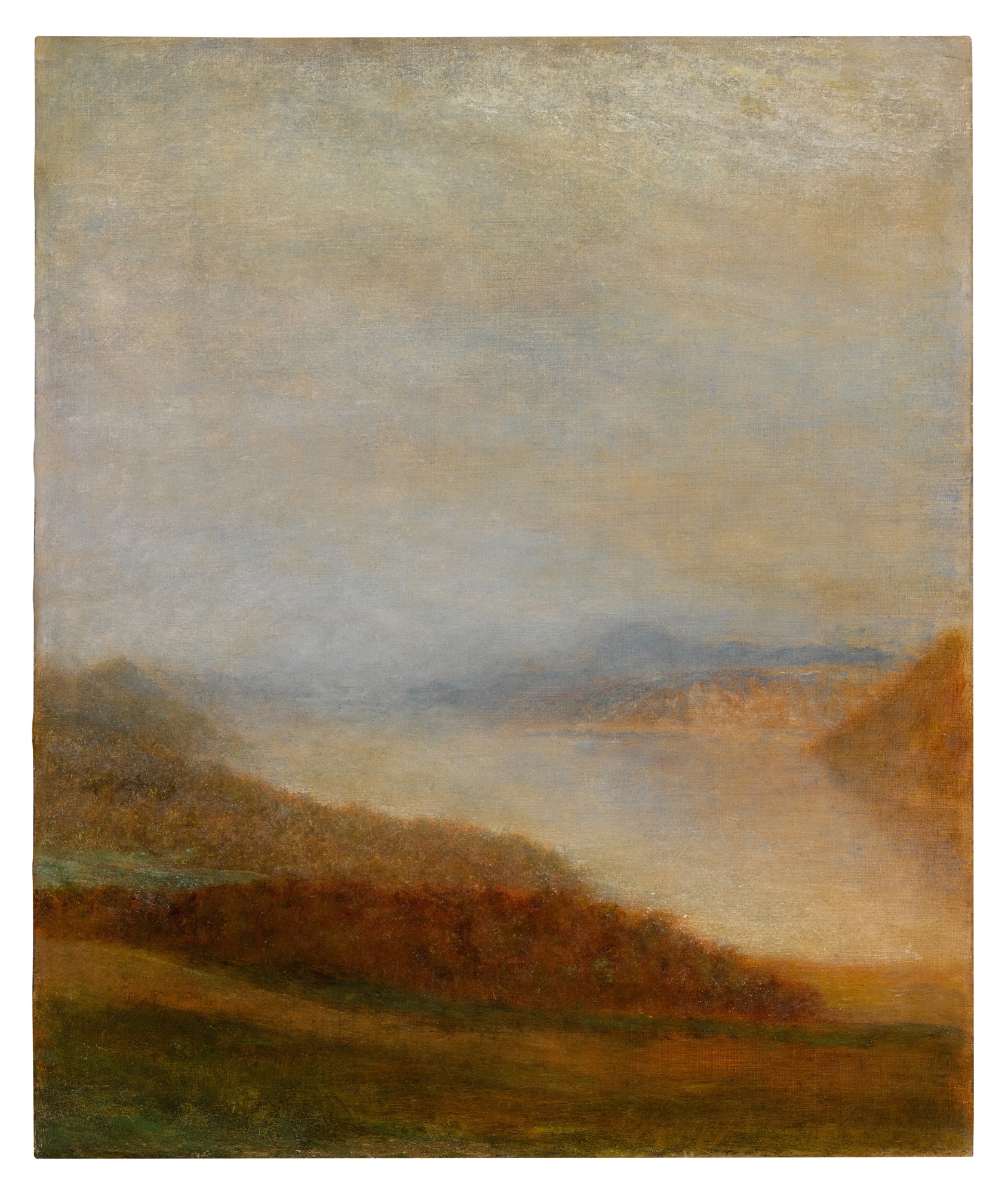
George Frederic Watts
Watts was a close personal friend and neighbor of Cameron who profoundly shaped her artistic ambitions through his allegorical and symbolist paintings. Cameron explicitly modeled many of her photographic compositions on his idealized figurative works and shared his belief in art as moral and spiritual elevation.
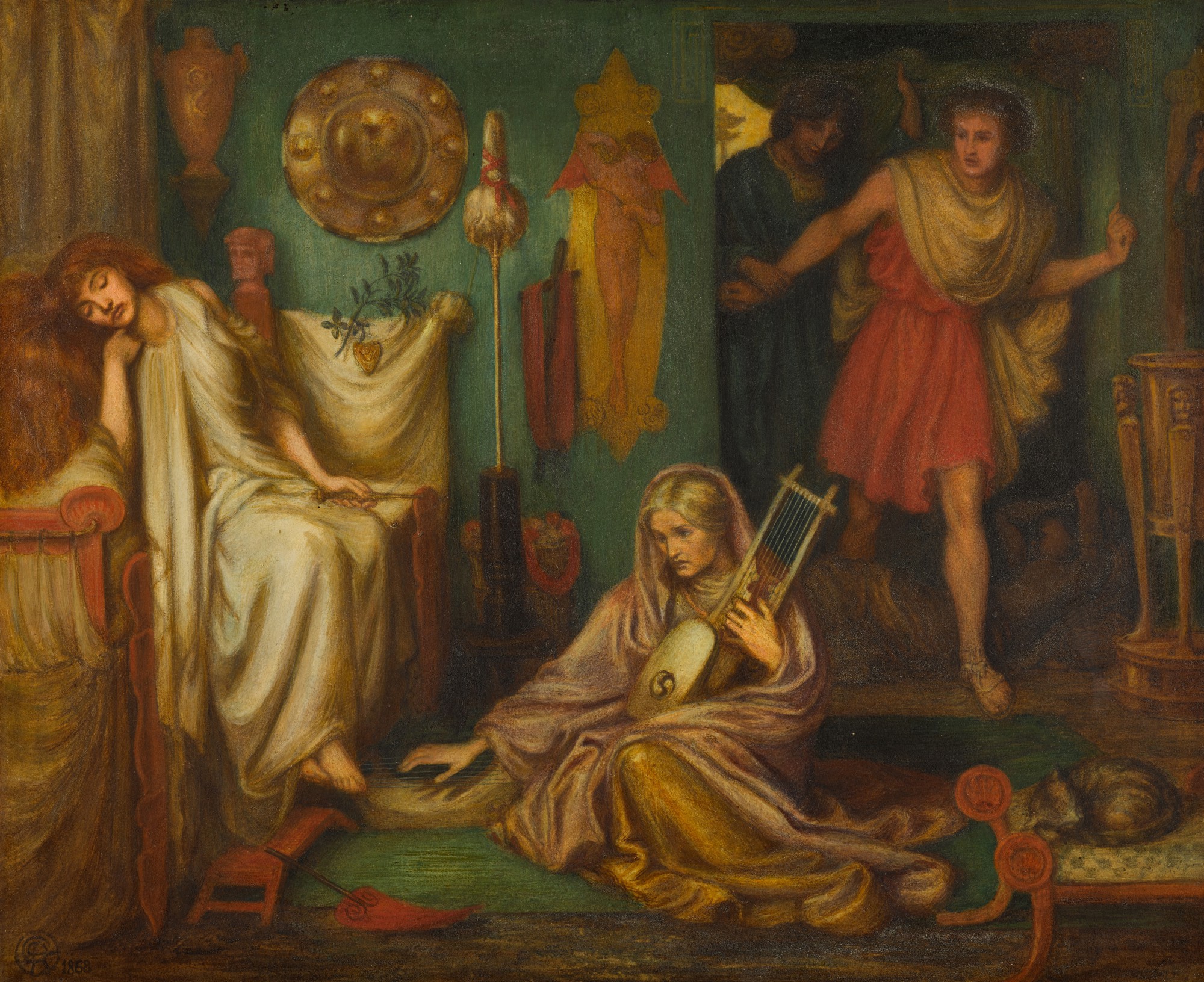
Dante Gabriel Rossetti
The Pre Raphaelite aesthetic championed by Rossetti deeply informed Cameron's idealized and romantic portrayals of women, with their flowing hair and luminous, otherworldly quality. Cameron absorbed the movement's emphasis on literary and medieval themes, which appear throughout her allegorical tableaux.
Artists they inspired
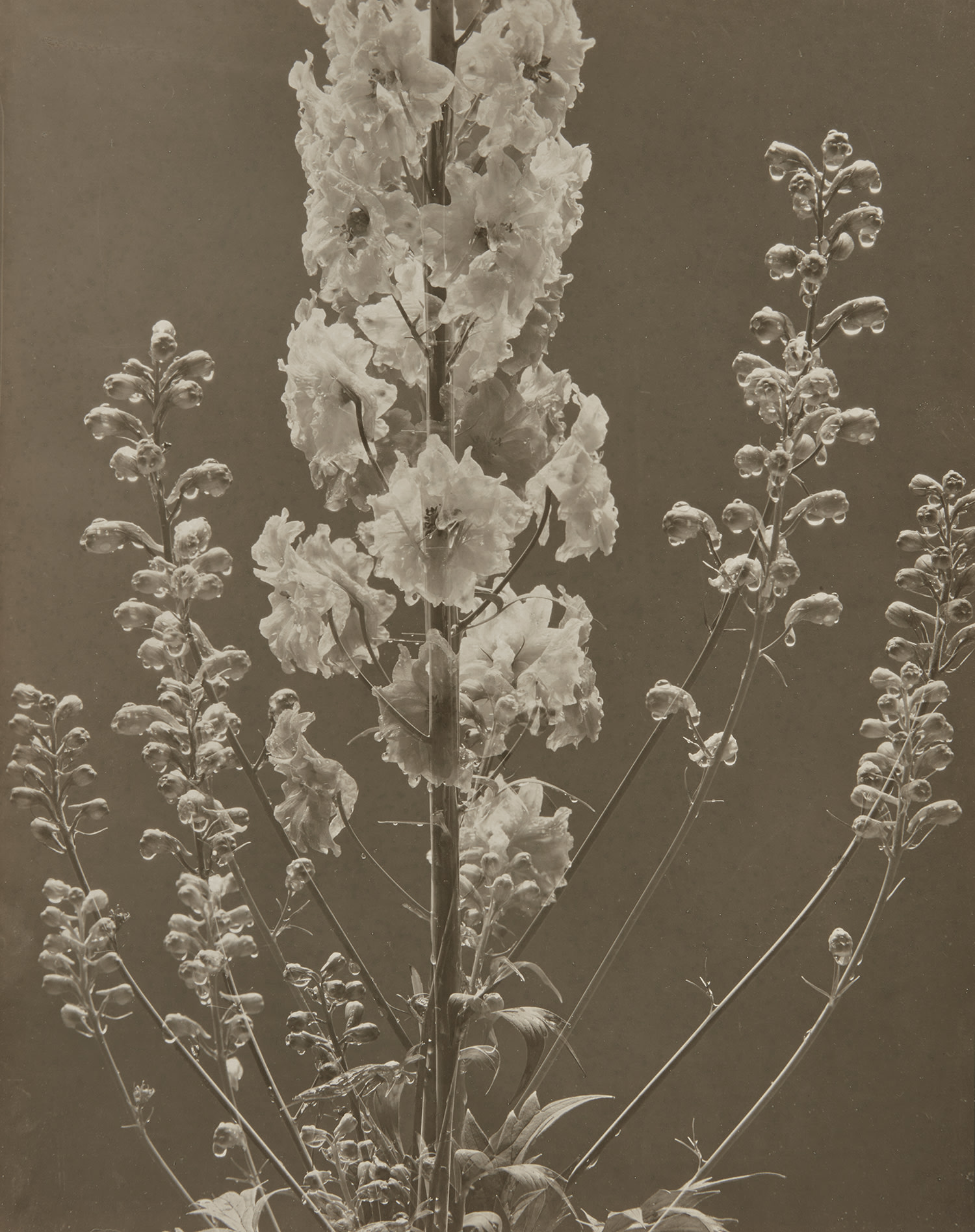
Edward Steichen
Steichen admired Cameron's pictorialist vision and her elevation of photography to a fine art, principles central to his own early soft focus and tonally evocative portrait work. Her legacy was a touchstone for the Photo Secession movement in which Steichen played a leading role.
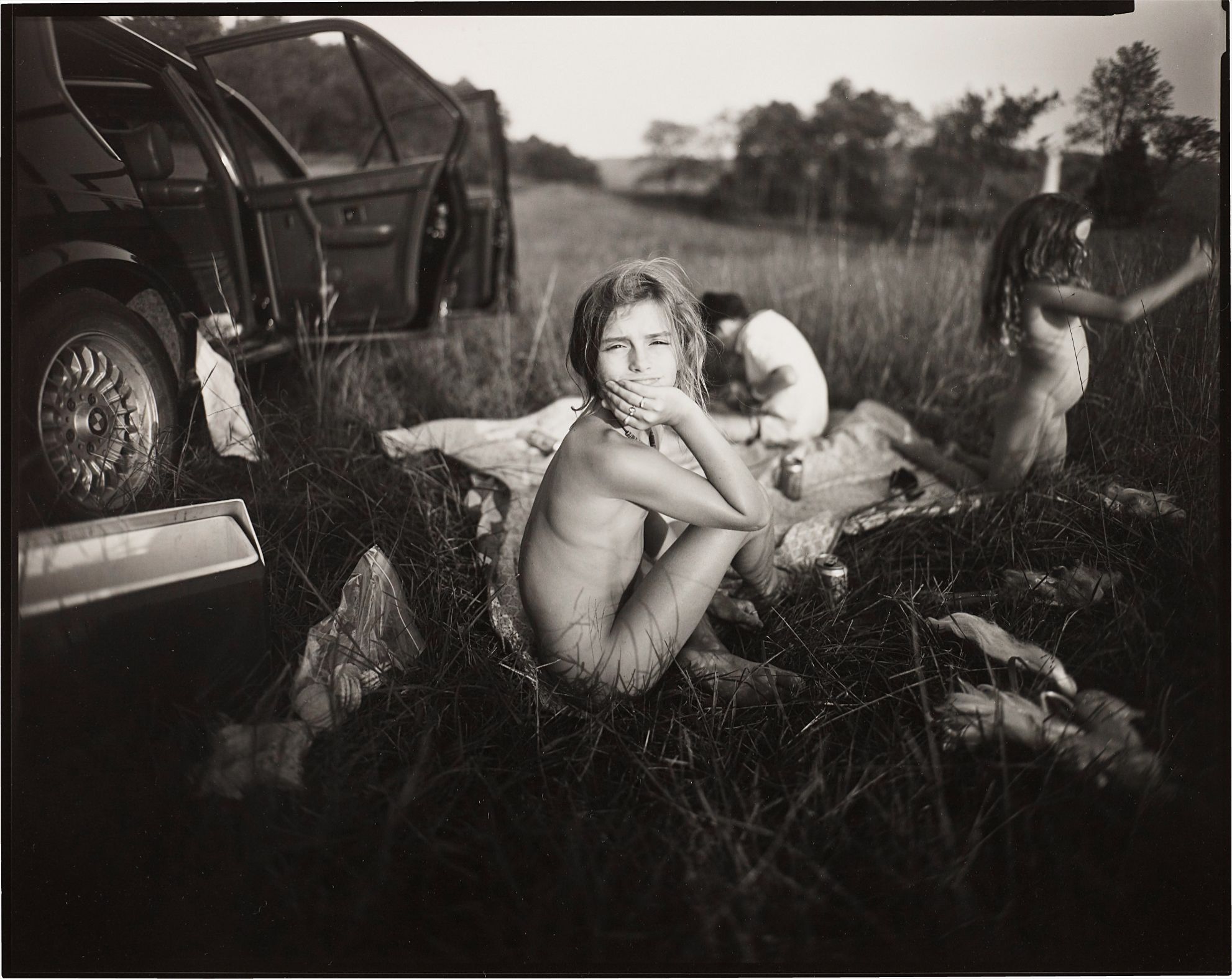
Sally Mann
Mann has explicitly cited Cameron as an influence on her use of wet plate and large format processes to create dreamy, emotionally charged photographs with soft focus and rich tonal depth. Both artists share a commitment to photographing intimate subjects with a painterly, timeless quality.
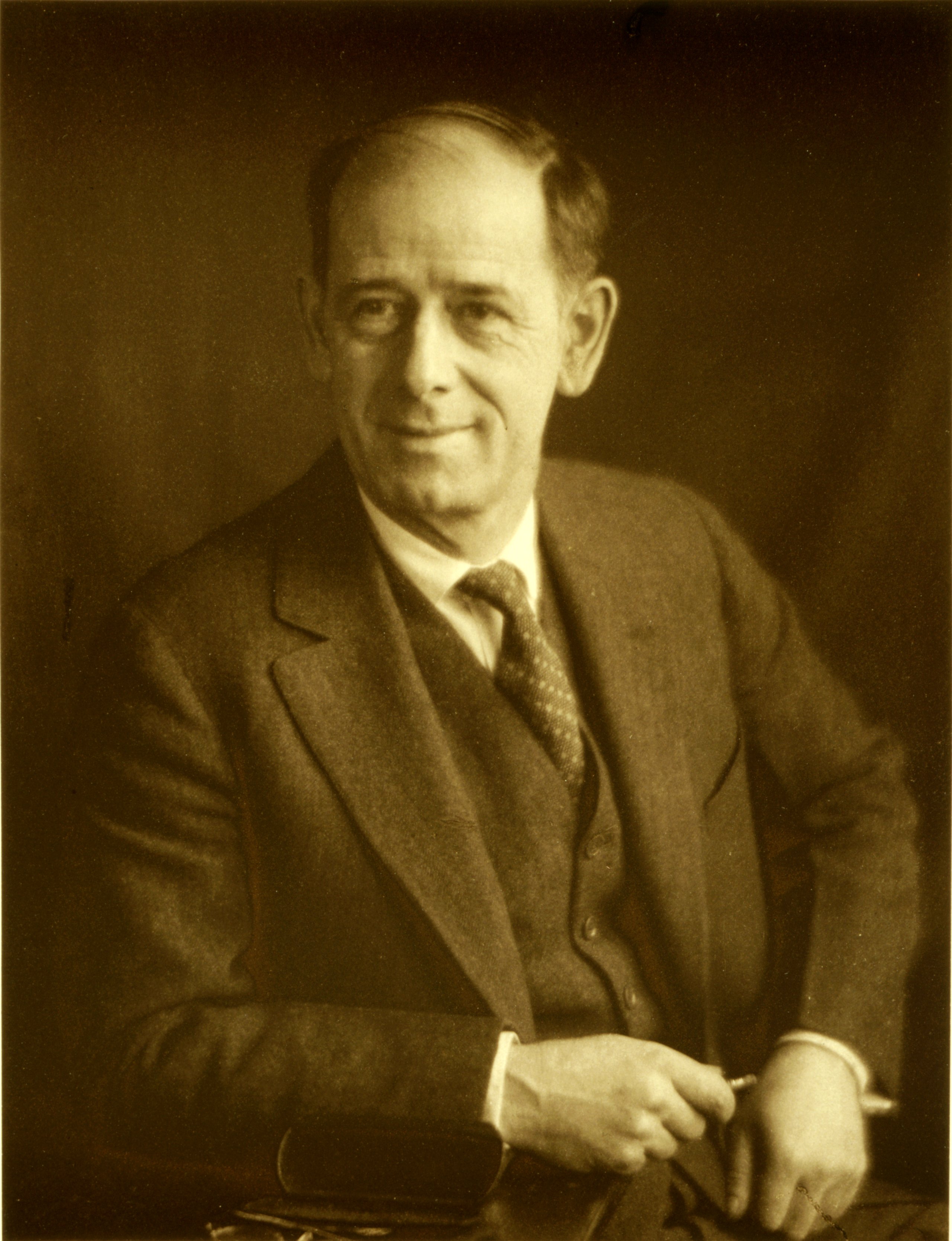
Clarence Hudson White
White was a leading pictorialist photographer whose soft focus, luminous figure studies and allegorical imagery owe a clear debt to Cameron's pioneering approach to photography as fine art. He taught generations of photographers a philosophy of expressive portraiture that Cameron had established decades earlier.