Julia Margaret Cameron
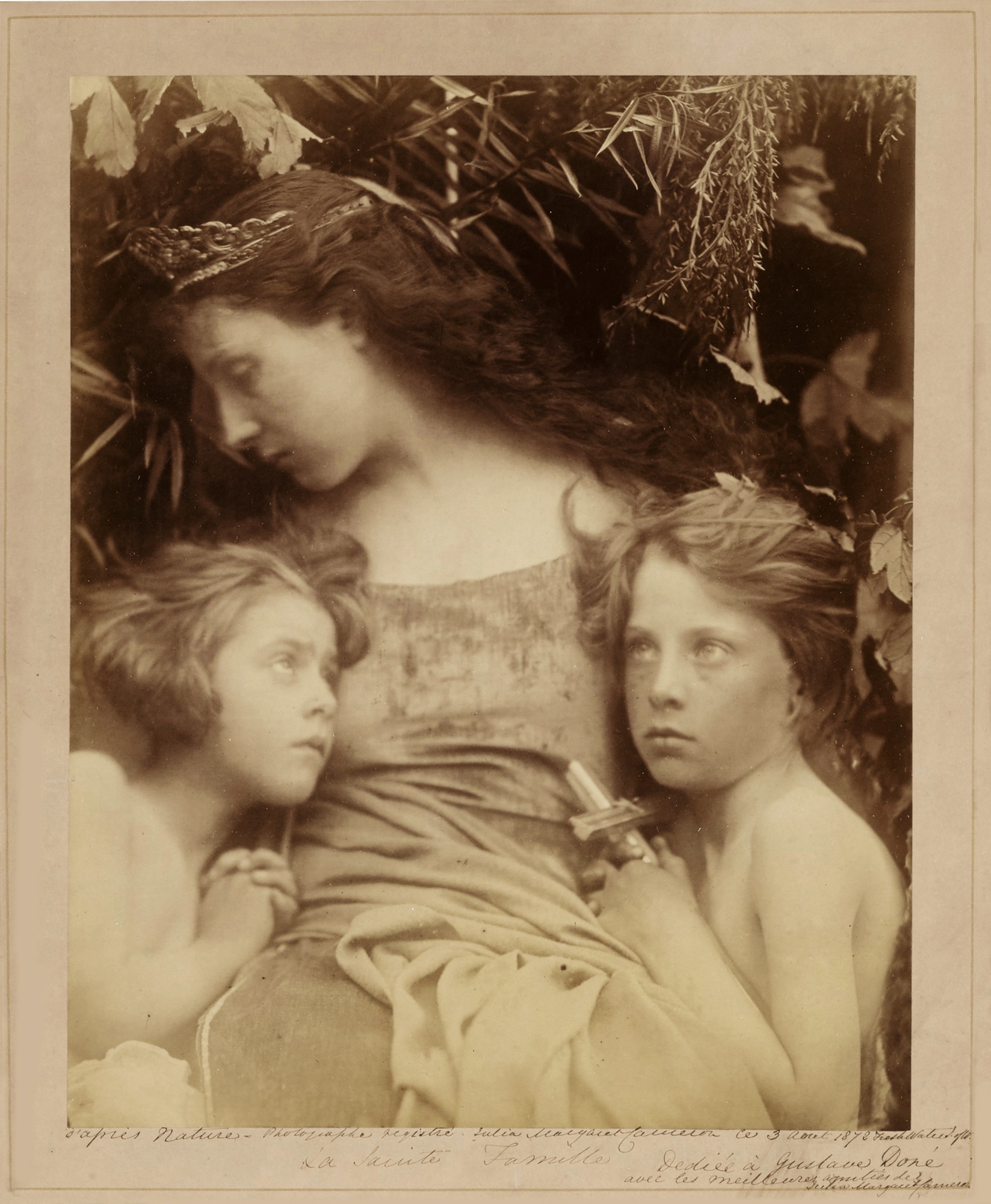
Julia Margaret Cameron, Photography's Radiant Visionary
Artist Spotlight · The Collection Editorial
“When I have such men before my camera my whole soul has endeavoured to do its duty towards them.”
Annals of My Glass House, Julia Margaret Cameron, 1874
There is a moment, standing before one of Julia Margaret Cameron's large albumen prints, when the distance between 1868 and the present simply collapses. The face looking back at you is not a document. It is a presence. When the Victoria and Albert Museum in London, which holds one of the most significant collections of her work in the world, stages its periodic surveys of her practice, visitors consistently linger longer than expected, drawn into a gaze that feels startlingly alive.
Julia Margaret Cameron
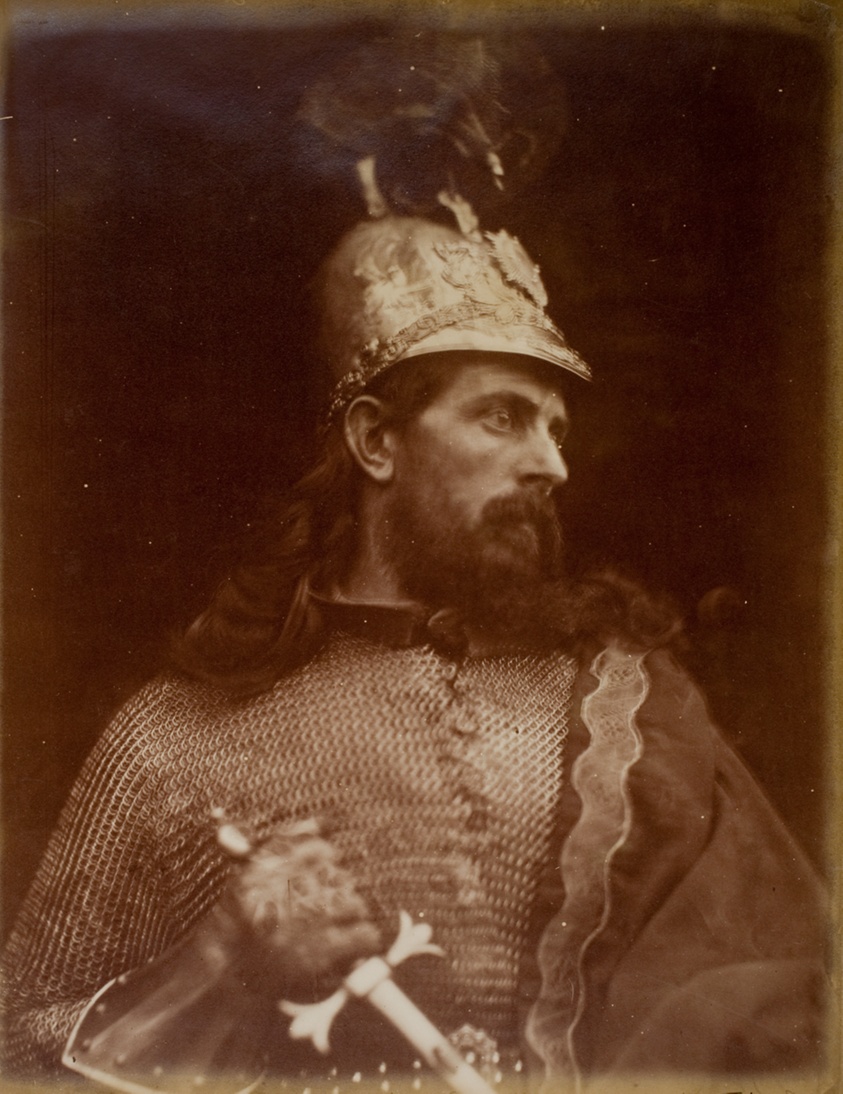
King Arthur, 1874
Cameron is having, in the truest sense, a permanent moment: her work has never really left us, and a growing wave of institutional attention and collector enthusiasm is reminding a new generation exactly why. Julia Margaret Cameron was born in Calcutta in 1815, the fourth of seven daughters born to James Pattle of the Bengal Civil Service. Her early life was shaped by the cosmopolitan, intellectually charged world of Anglo Indian colonial society, and she was educated partly in France, at Versailles, before returning to India. In 1838 she married Charles Hay Cameron, a jurist and philosopher twenty years her senior, and the couple eventually settled in England, where Julia entered the luminous social orbit of Tennyson, Herschel, Darwin, and the Freshwater Circle on the Isle of Wight.
That circle of artists, scientists, poets, and thinkers would become the living material of her art. Cameron came to photography unusually late by any standard. She received her first camera as a gift from her daughter and son in law in 1863, when she was 48 years old. What followed was one of the most concentrated and original bodies of work in the entire history of the medium.
Julia Margaret Cameron
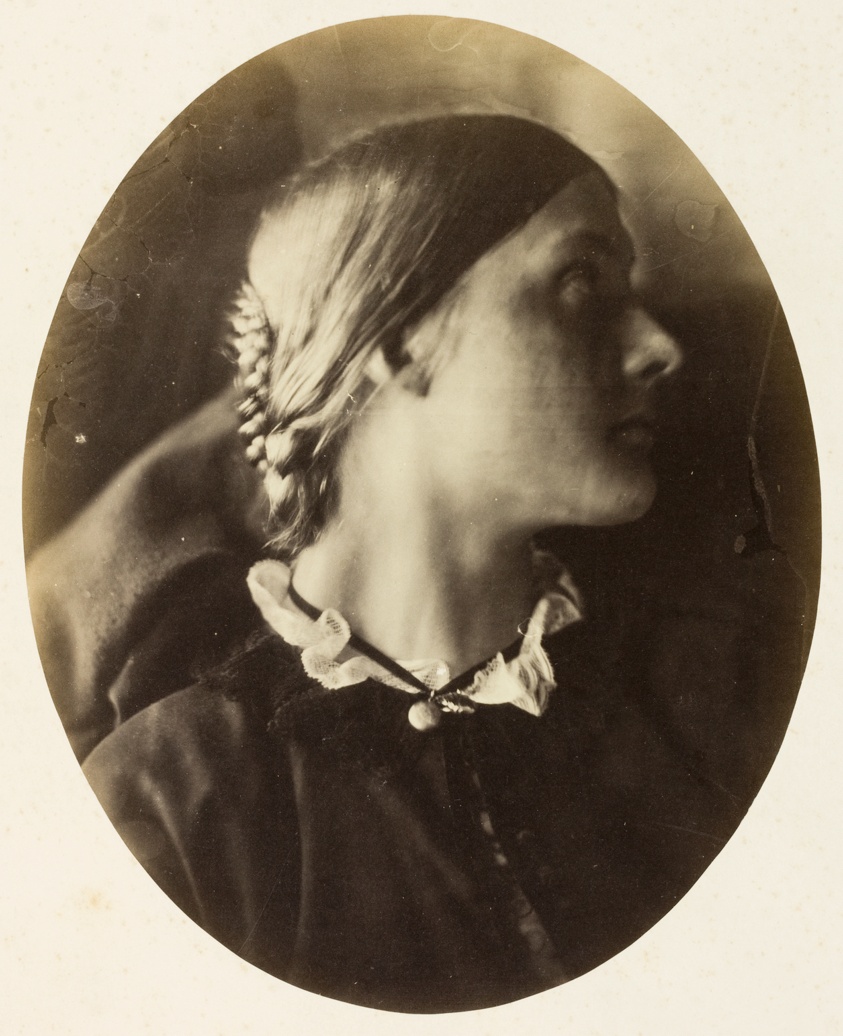
Untitled (Julia Jackson), 1867
Working from a converted chicken house on her property at Dimbola Lodge on the Isle of Wight, she taught herself the wet collodion process, embraced its accidents, and almost immediately began producing images that defied every convention photography had established for itself. Where contemporaries prized sharpness and documentary precision, Cameron pursued atmosphere, psychological depth, and what she herself described as the breath of life. Her portraits of the great Victorian minds are among the most arresting images of the nineteenth century. Her 1868 carbon print of Charles Darwin radiates intellectual weight without a trace of Victorian stiffness.
“I longed to arrest all beauty that came before me and at length the longing has been satisfied.”
Annals of My Glass House, Julia Margaret Cameron, 1874
Her studies of Sir John Herschel, the astronomer and scientist who was also a close personal friend, are among the most celebrated photographs ever made of a scientist, so intimate and searching that they feel less like portraits than like conversations made visible. Her images of Alfred Lord Tennyson, who lived nearby on the Isle of Wight, capture a brooding poetic authority that Tennyson himself reportedly found uncomfortable but that history has vindicated entirely. These works entered Camera Work, Alfred Stieglitz's legendary publication, in 1913, as photogravure reproductions, a signal honor that placed Cameron in direct conversation with the finest photographic minds of the early twentieth century and confirmed her canonical status decades after her death. Alongside her portraits of the famous, Cameron produced an equally extraordinary body of allegorical and literary work.
Julia Margaret Cameron
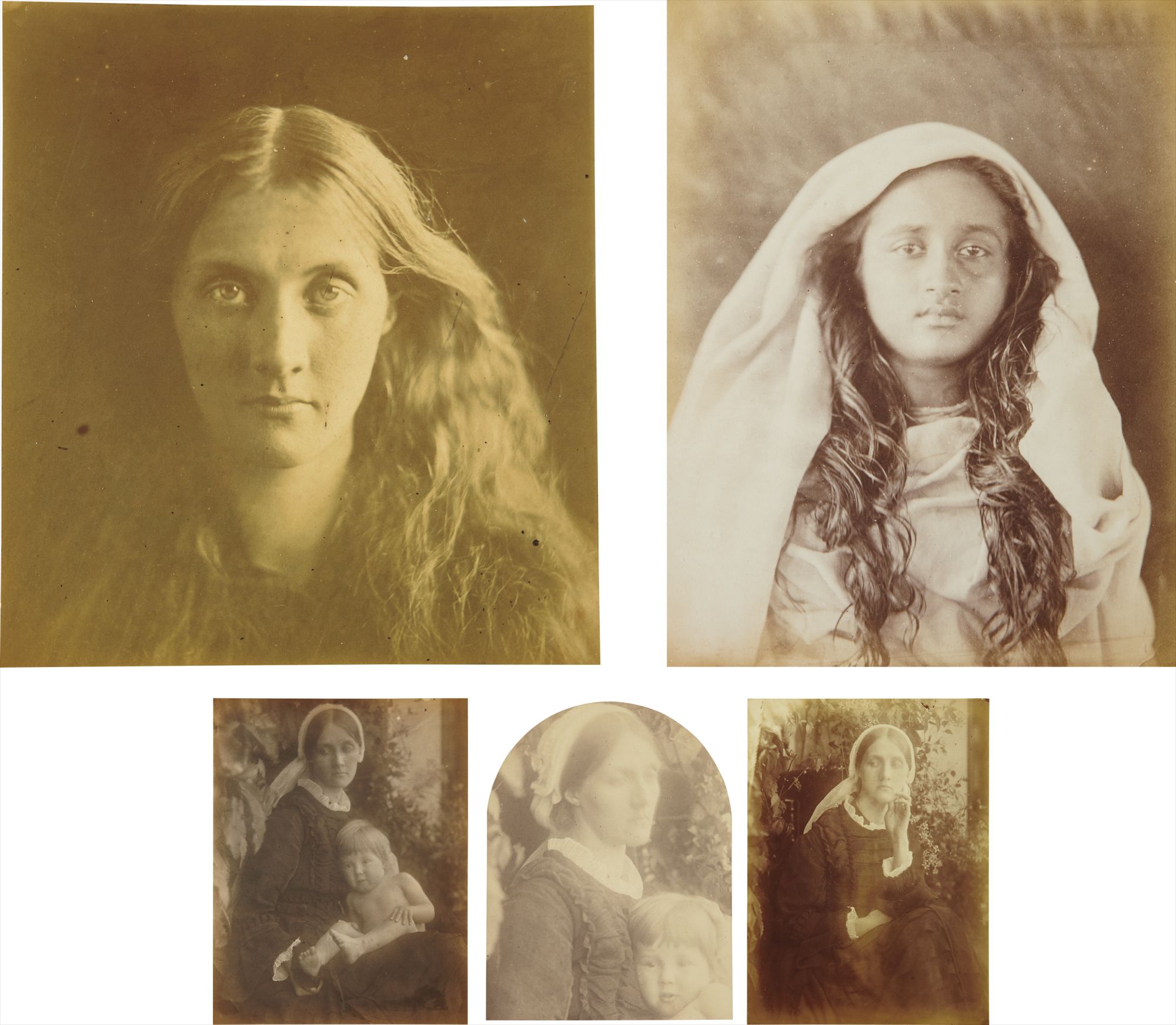
Selected Images
Inspired by Tennyson's Idylls of the King, she staged elaborate tableaux drawn from Arthurian legend, casting her maids, neighbors, and family members as Guinevere, Merlin, and the knights of the round table. Her 1874 albumen print titled King Arthur is characteristic of this vein: dramatically lit, softly focused, and imbued with a Pre Raphaelite intensity that places it in clear dialogue with the paintings of Dante Gabriel Rossetti and Edward Burne Jones. Cameron was friendly with several figures in that movement and shared their conviction that beauty, spirituality, and moral seriousness were not merely compatible but inseparable. Her Queen Henrietta Maria from the same year demonstrates her gift for historical imagination, transforming a simple studio setting into something approaching theater.
For collectors, Cameron's work presents a genuinely compelling case. Her prints appear across a range of formats and subjects, from intimate cartes de visite to large exhibition prints, and the market has grown steadily more sophisticated in its appreciation of condition, provenance, and the specific qualities that distinguish her finest work. Collectors are drawn particularly to her signed and dated prints, and to those bearing her characteristic blindstamps or ink inscriptions, all of which add layers of authentication and historical texture. Her portrait of Déjatch Álámáyou, the Ethiopian prince brought to England after the death of his father Emperor Tewodros II, is among the more historically complex and emotionally resonant works associated with her name, touching questions of empire, childhood, and loss that resonate with enormous force today.
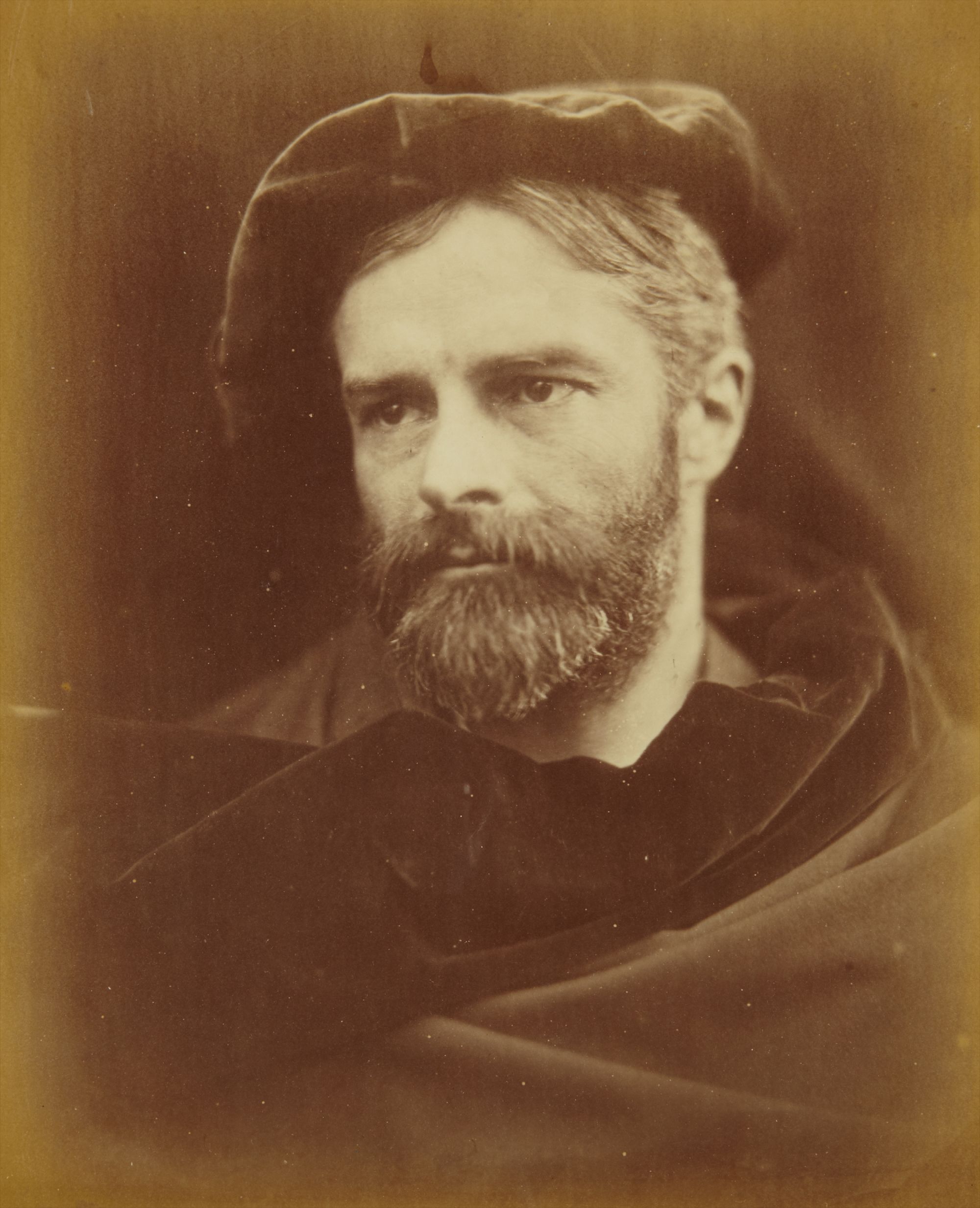
Julia Margaret Cameron
Clinton Parry
Works on paper in albumen silver carry her signature tonal warmth and that characteristic softness that she fought so hard to defend against critics who called it a technical flaw and that history has recognized as a deliberate, radical aesthetic choice. Cameron's place in the broader history of photography is now secure, though it was not always so. She worked in a period when photography was still arguing about whether it could be art at all, and she argued, with her camera and her prints, more persuasively than almost anyone. Her closest analogues in terms of ambition and approach are her near contemporaries Oscar Gustave Rejlander, whose allegorical composite photographs shared her literary ambitions, and Henry Peach Robinson, whose staged tableaux explored similar pictorialist territory.
In the generation that followed, Peter Henry Emerson engaged directly with questions she had raised about focus and naturalism. And in the twentieth century, the entire Pictorialist movement, from Edward Steichen to Gertrude Käsebier, owed a debt to the intuitions she developed in that converted chicken house on the Isle of Wight. What makes Cameron matter so urgently now is not simply that she was ahead of her time, though she was. It is that she understood photography as an act of empathy and imagination rather than merely an act of recording.
She insisted that the camera could carry the full weight of human feeling, could reach into character and soul, could make beauty out of blur and shadow and the unrepeatable quality of a single afternoon's light. At a moment when images are made and discarded faster than thought, her slow, effortful, deeply intentional practice stands as both a counterpoint and an inspiration. To collect Cameron is to collect that conviction, and to keep faith with one of the most original artistic minds the nineteenth century produced.
Featured Works
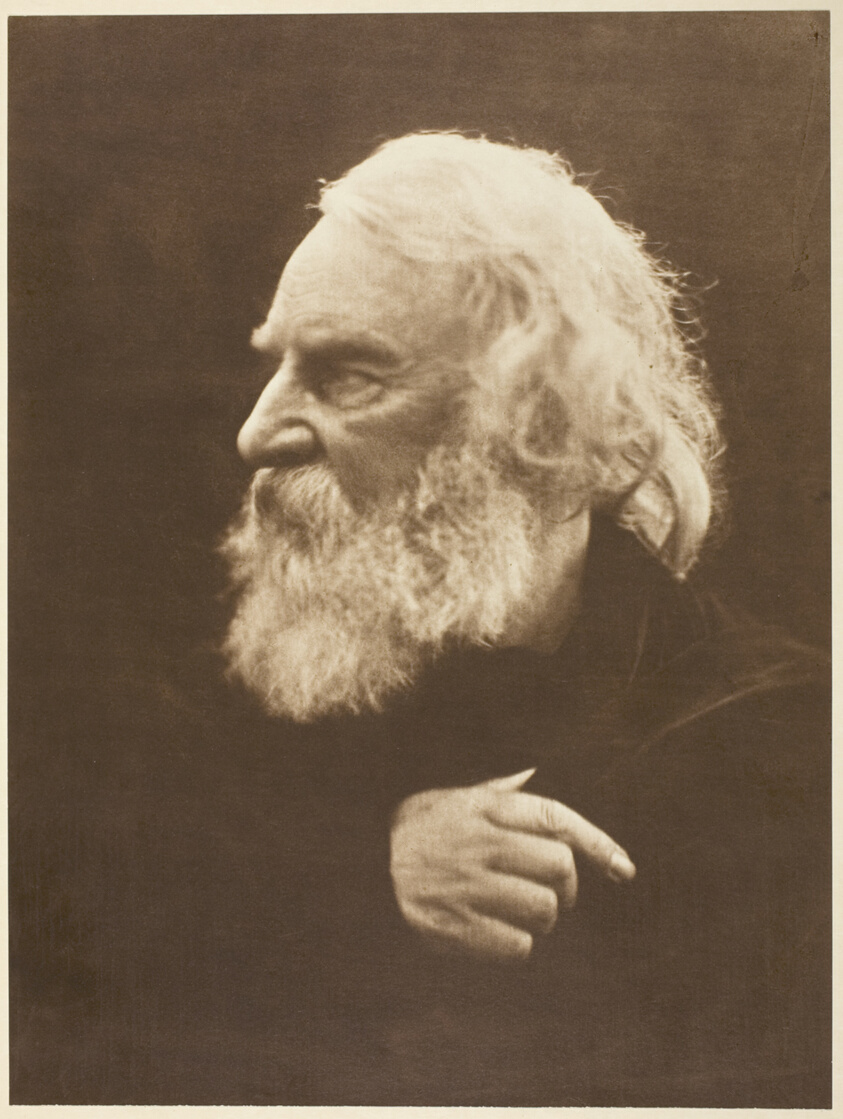
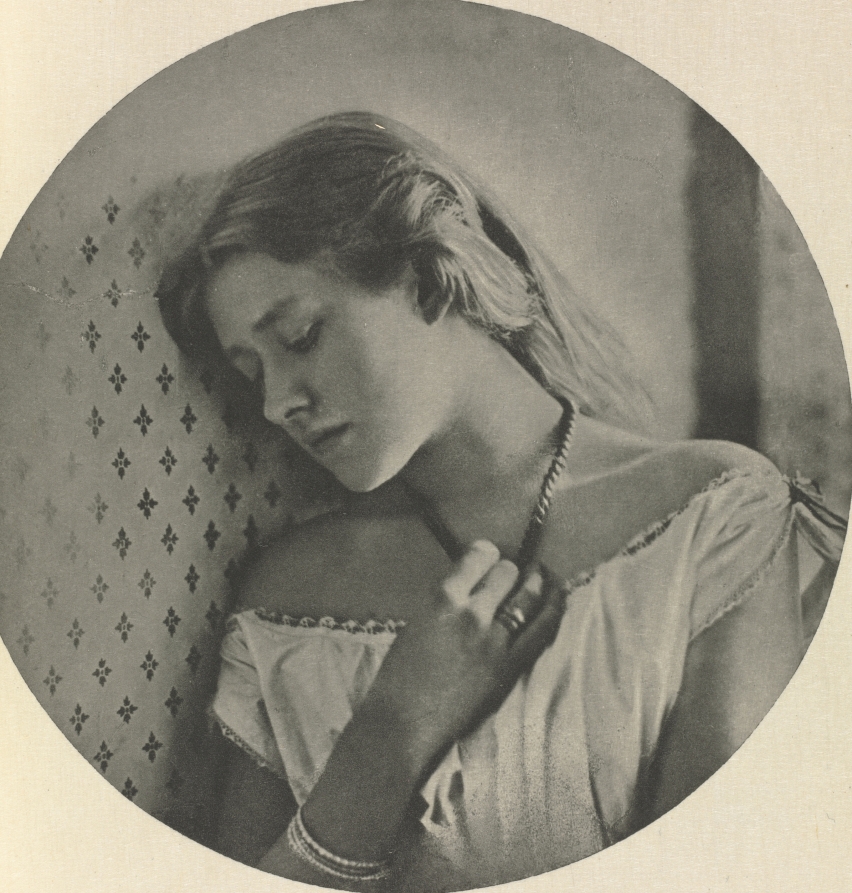
Explore books about Julia Margaret Cameron
Julia Margaret Cameron: A Life
Henrietta Garnett
Julia Margaret Cameron: The Complete Photographs
Julian Cox and Colin Ford
Julia Margaret Cameron: Photography, Gender, Kinship
Christine Knorr
Photography and the Art of Seeing
Freeman Patterson
Julia Margaret Cameron: Victorian Photographer
Mike Weaver
The Photography of Julia Margaret Cameron
Pierre Apraxine and Sophie Schmit
Julia Margaret Cameron: The Art of Photography
Sylvia Wolf