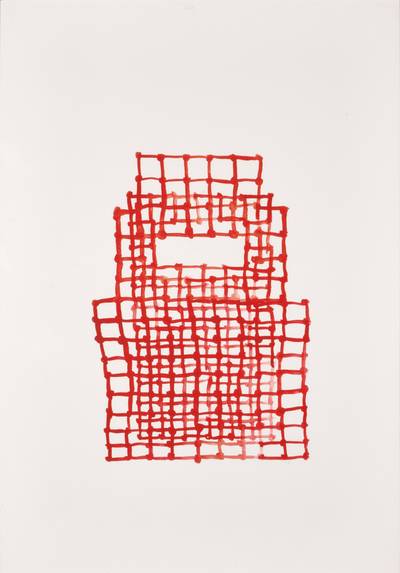
Susan Hefuna
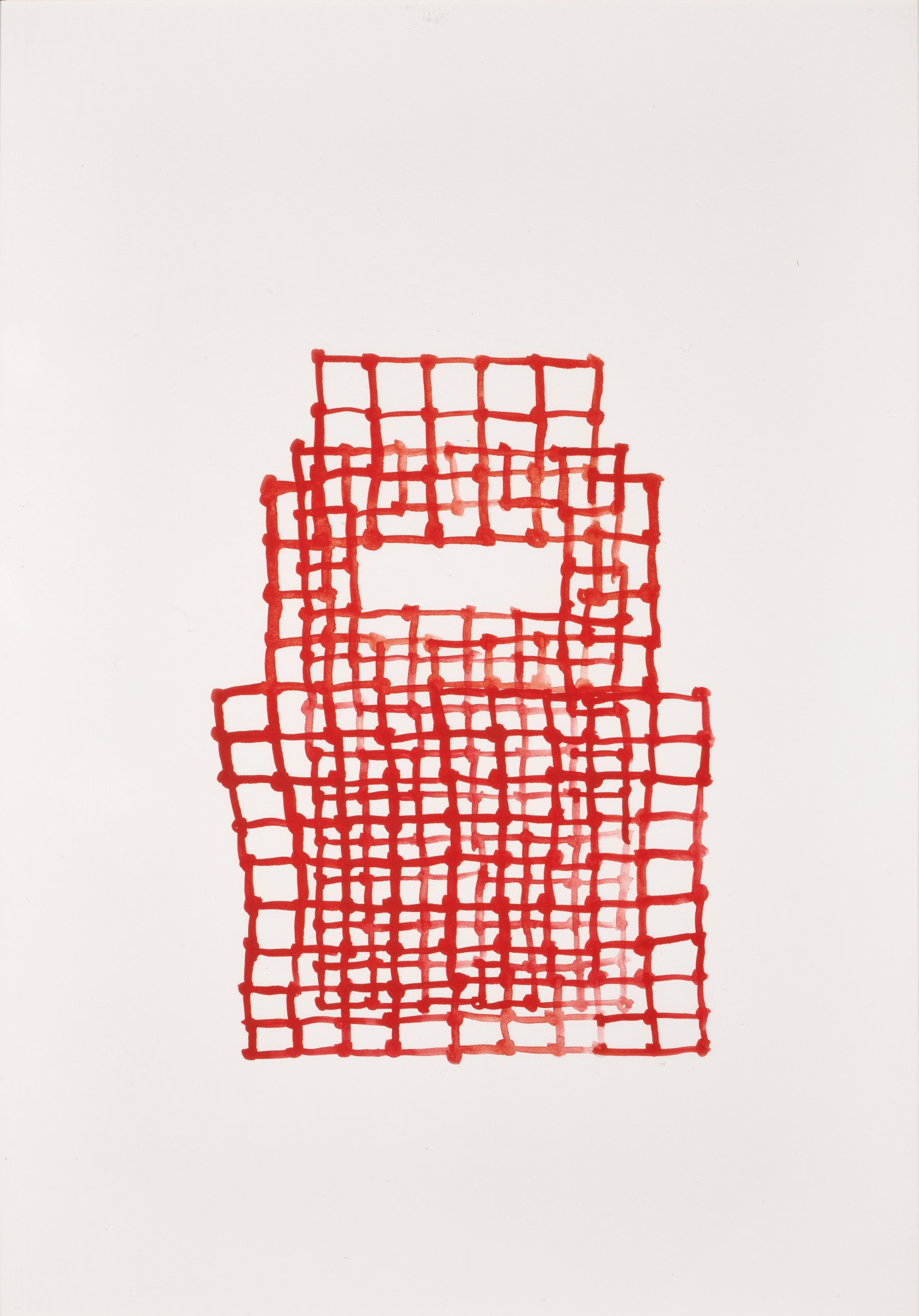
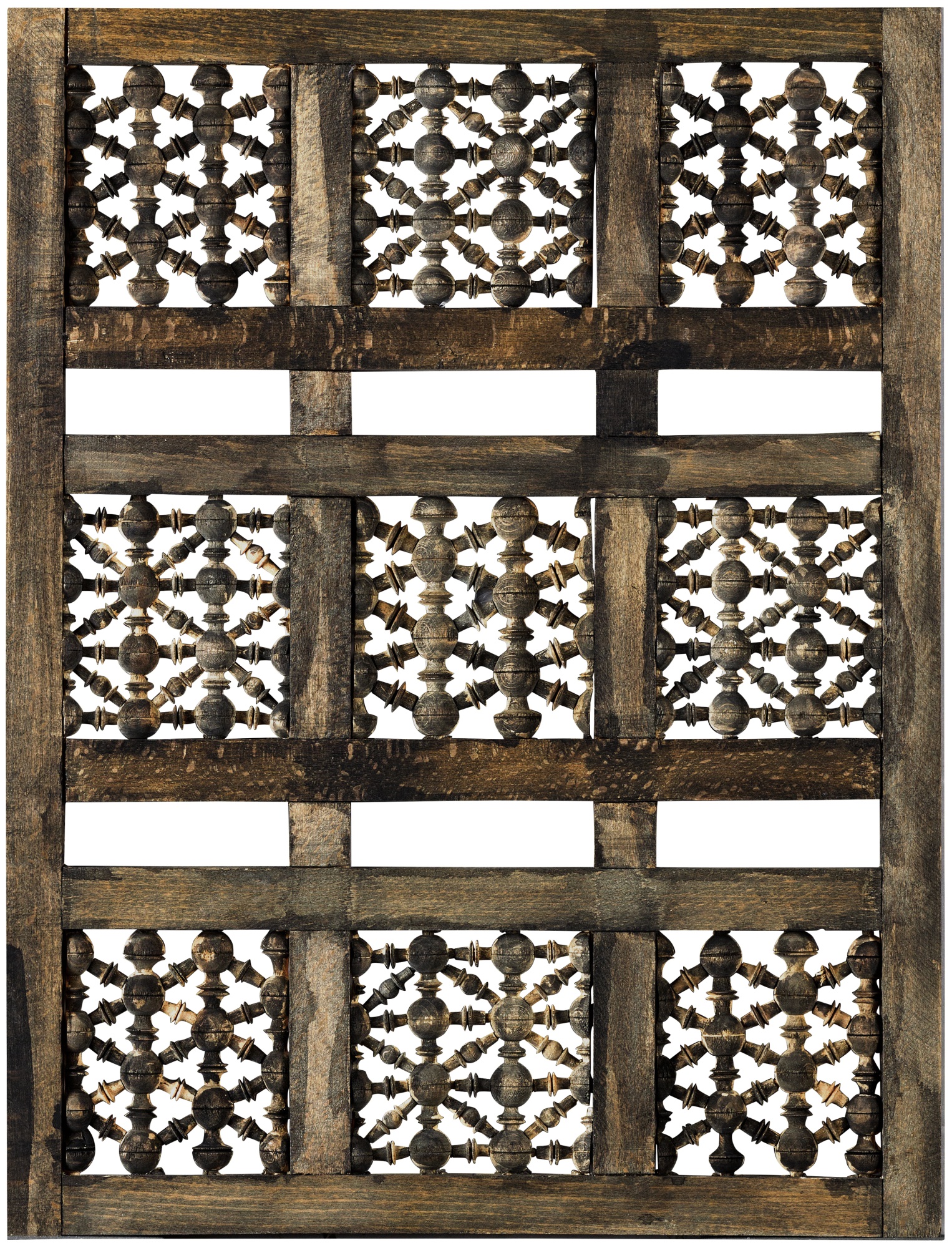
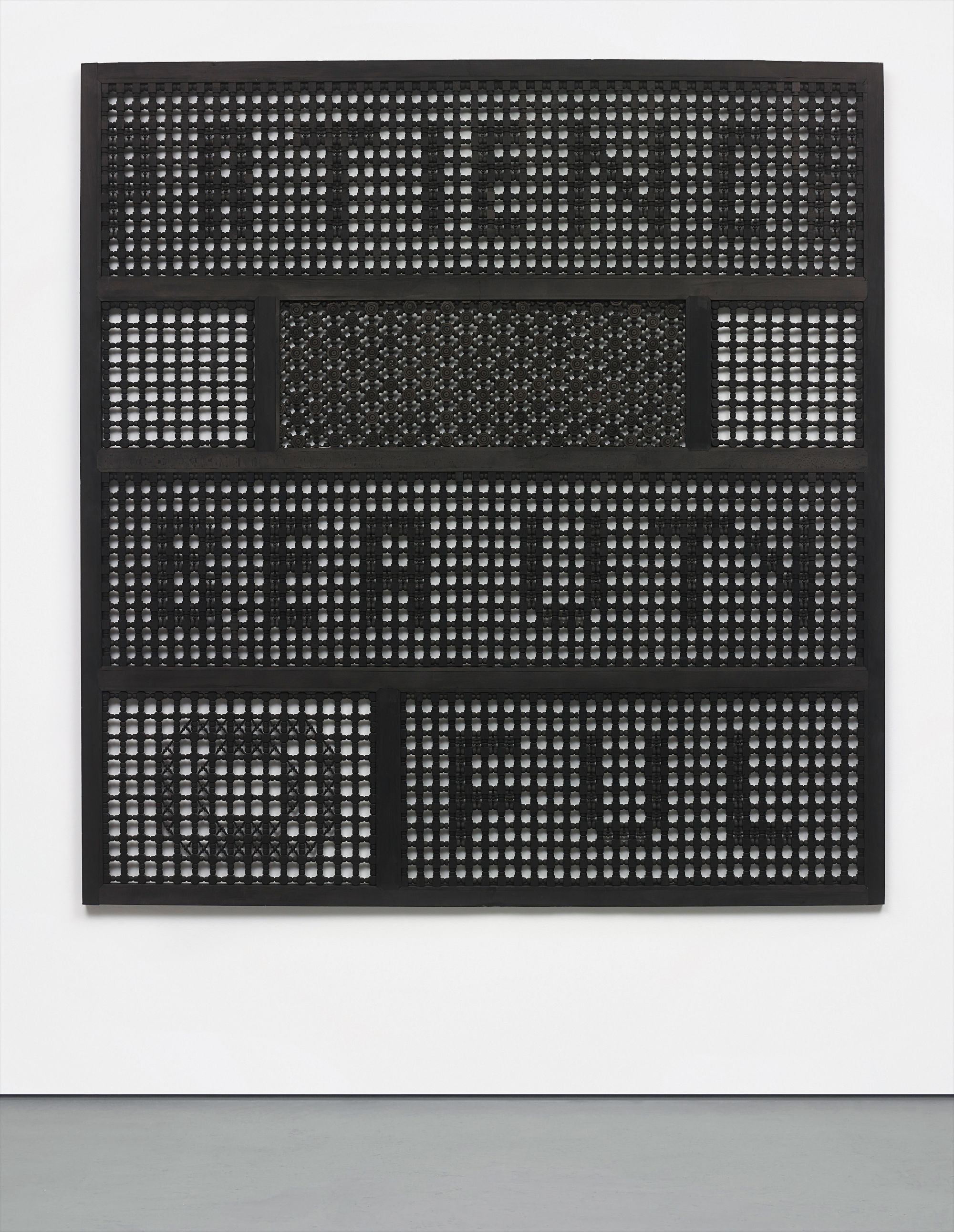
Susan Hefuna is a multimedia artist working with drawing, photography, sculpture, and video to explore architectural elements of the mashrabiya (latticed screens) and themes of visibility, privacy, and cultural translation. Her grid-based works investigate the boundaries between public and private space in Middle Eastern and Western contexts. She has exhibited at the Venice Biennale and her works are held in collections including the British Museum.
Artists in conversation
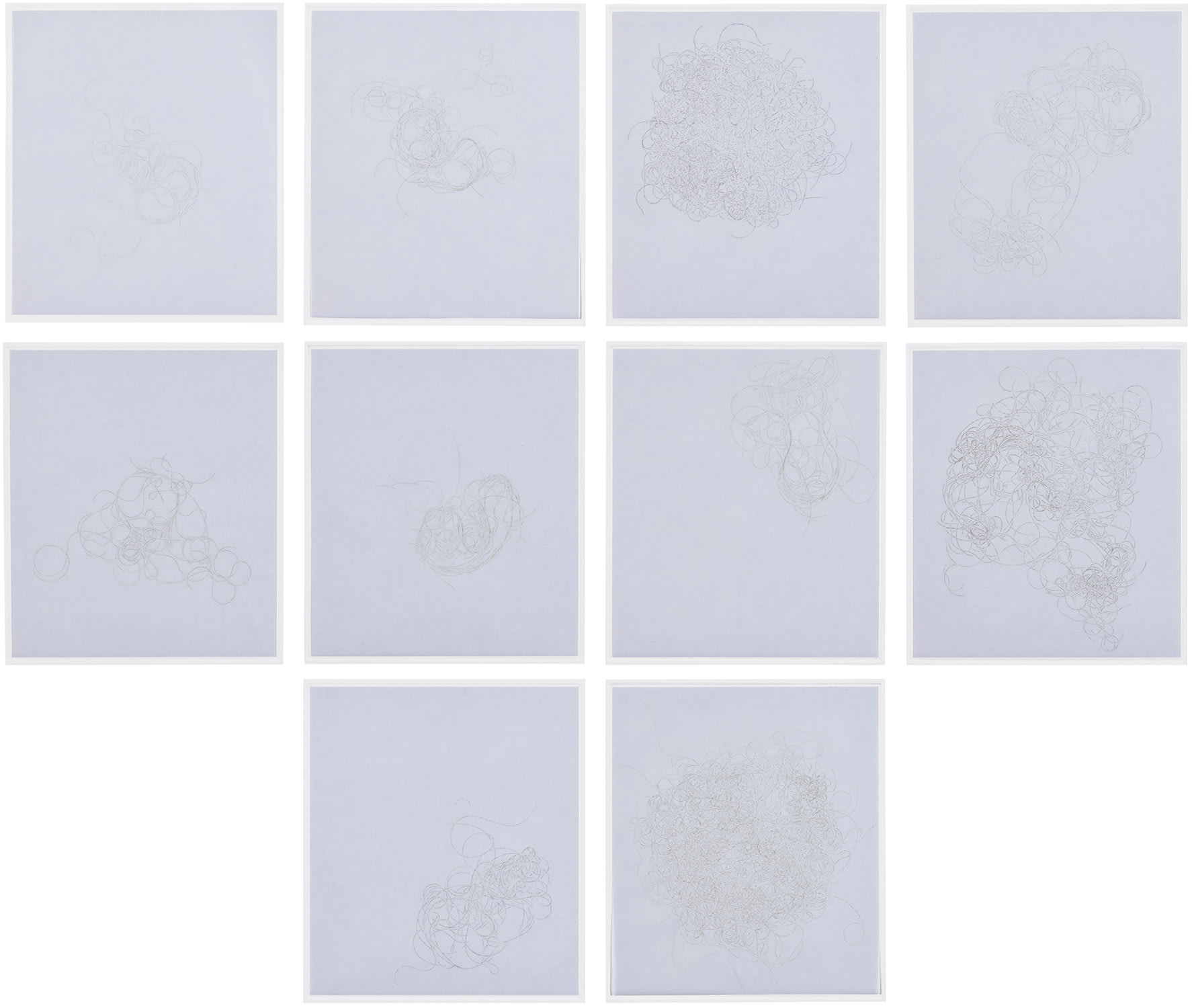
Mona Hatoum
Hatoum similarly employs geometric grids and architectural structures to interrogate borders, containment, and the tension between visibility and concealment in a cross-cultural context. Both artists use minimalist formal vocabularies to address displacement and the politics of space.
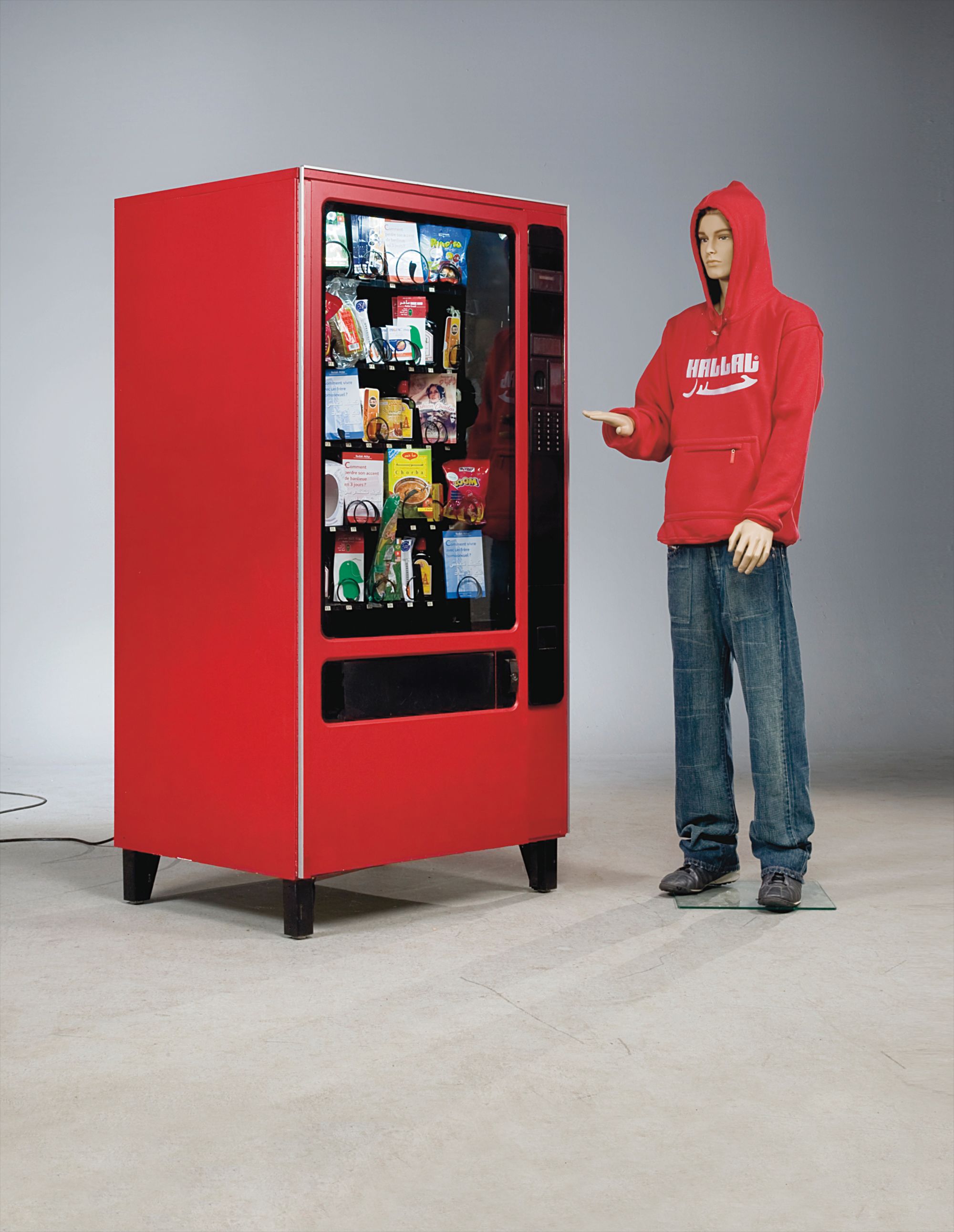
Kader Attia
Attia's conceptual practice explores the dialogue between Islamic architectural traditions and Western modernity, paralleling Hefuna's investigation of cultural translation through built form. Both use materiality and structure to probe postcolonial identity and the permeability of cultural boundaries.
Nasser Al Salem
Al Salem works with geometric abstraction rooted in Islamic visual tradition, producing ink and mixed media works that share Hefuna's interest in pattern as a vehicle for conceptual and cultural inquiry. His minimalist grid based compositions echo the structural sensibility found in Hefuna's mashrabiya works.
Artists who inspired them
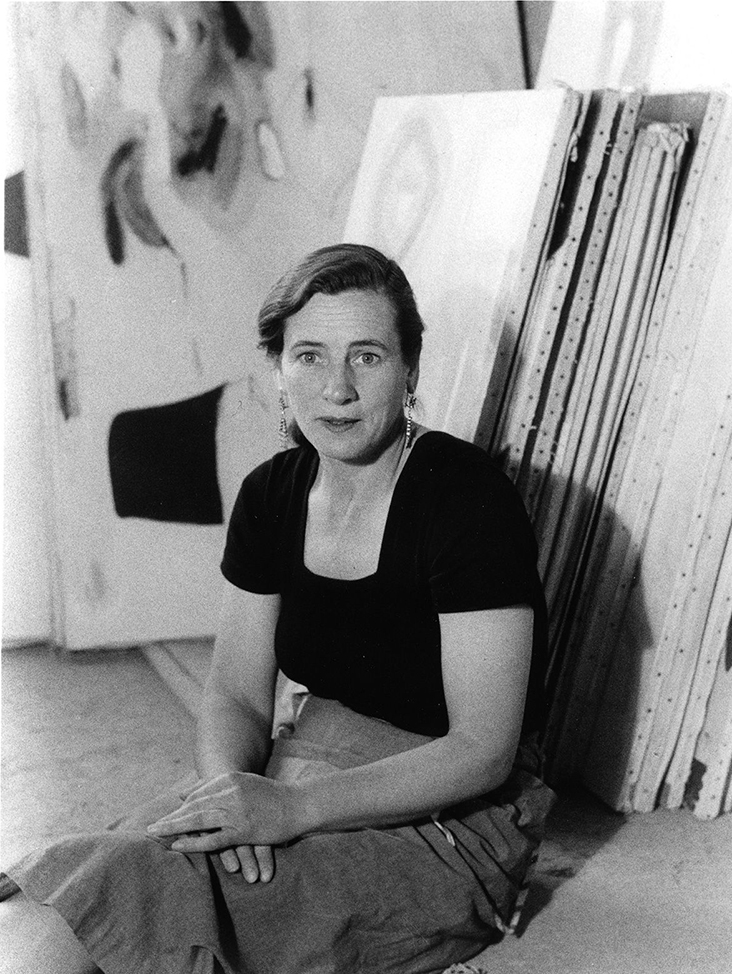
Agnes Martin
Martin's devotion to the hand drawn grid as a meditative and spiritually resonant form is a clear antecedent to Hefuna's own grid based ink works. Hefuna's repetitive linear mark making carries a similar contemplative quality rooted in the expressive potential of geometric structure.
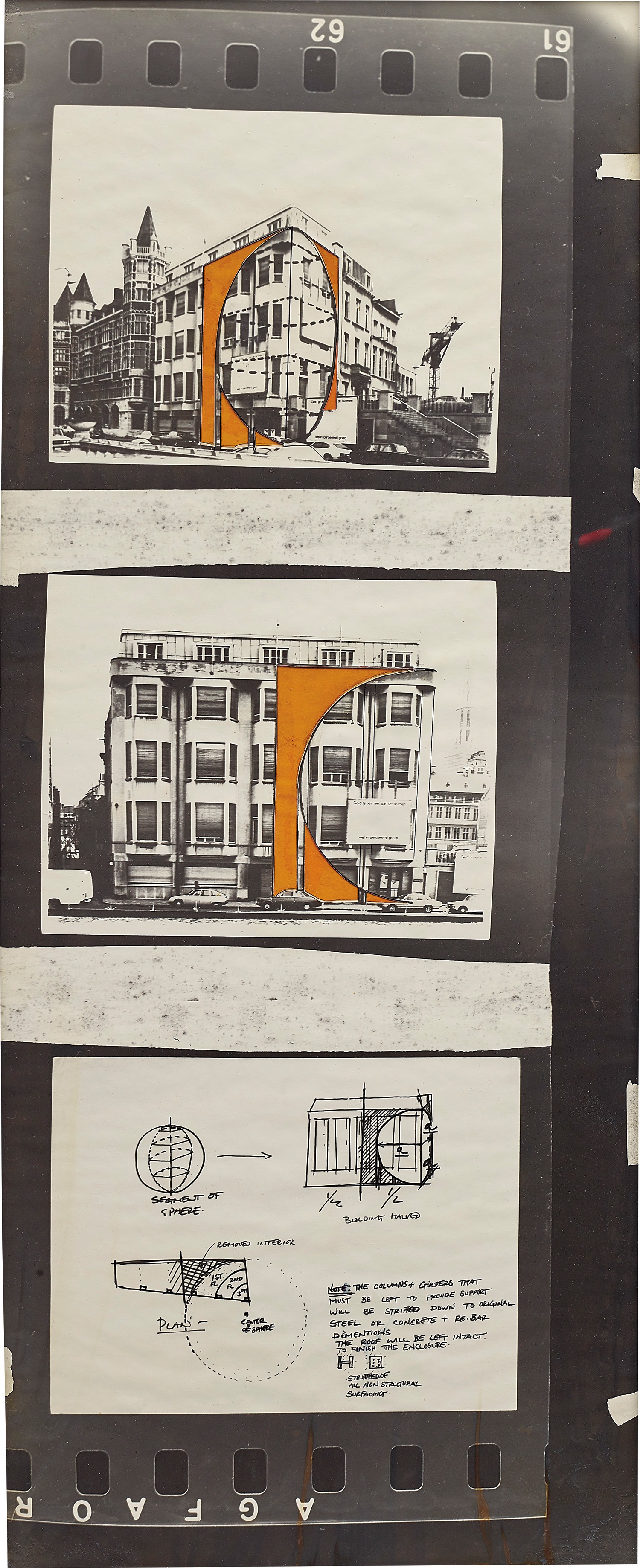
Gordon Matta-Clark
Matta-Clark's radical interventions into architectural surfaces to reveal hidden spatial and social relationships influenced Hefuna's conceptual approach to buildings as sites of meaning. Both artists treat architecture not as neutral backdrop but as a medium encoding power, privacy, and access.