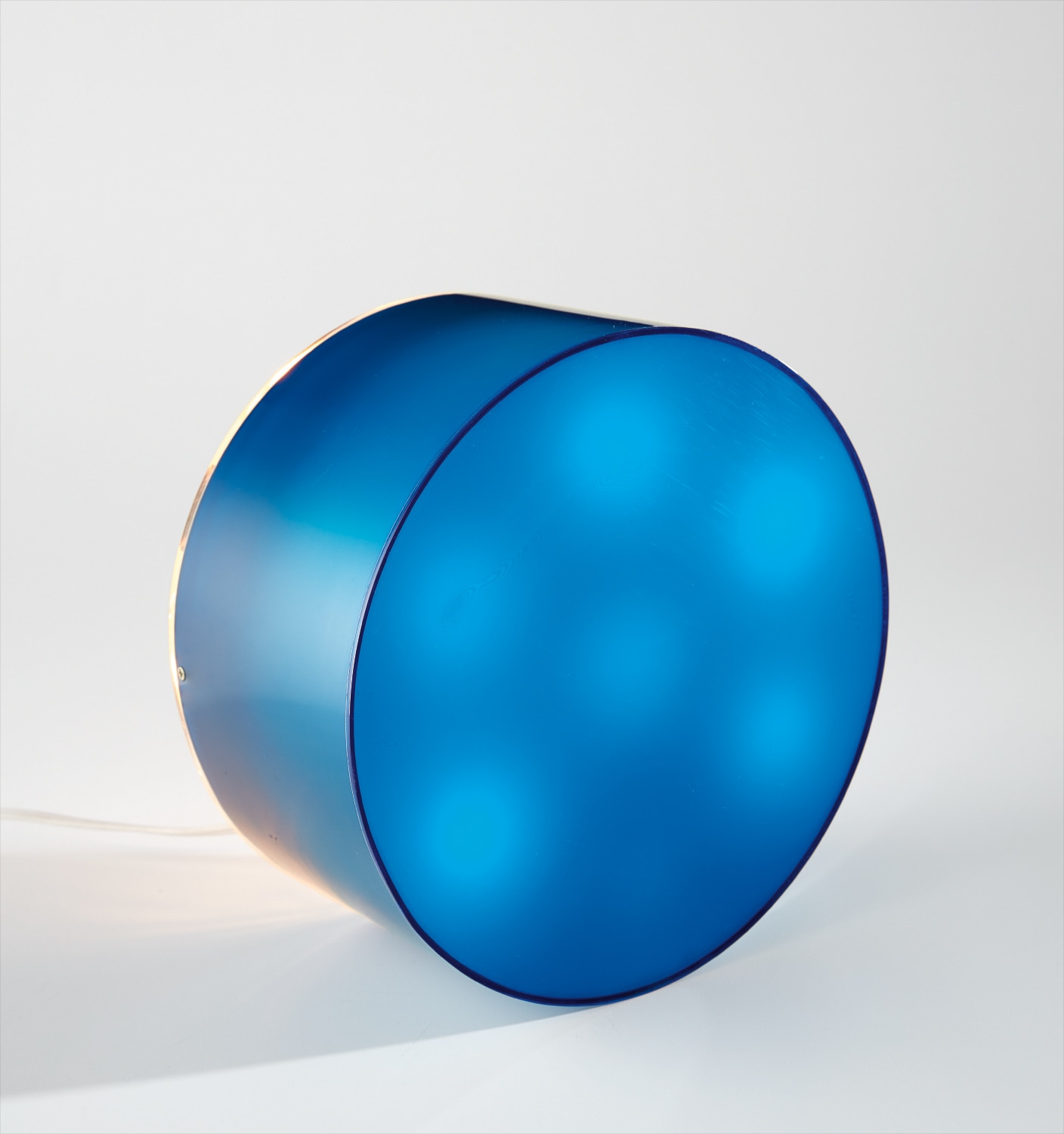
Leo Villareal
Artist Spotlight
Leo Villareal Lights the World Anew
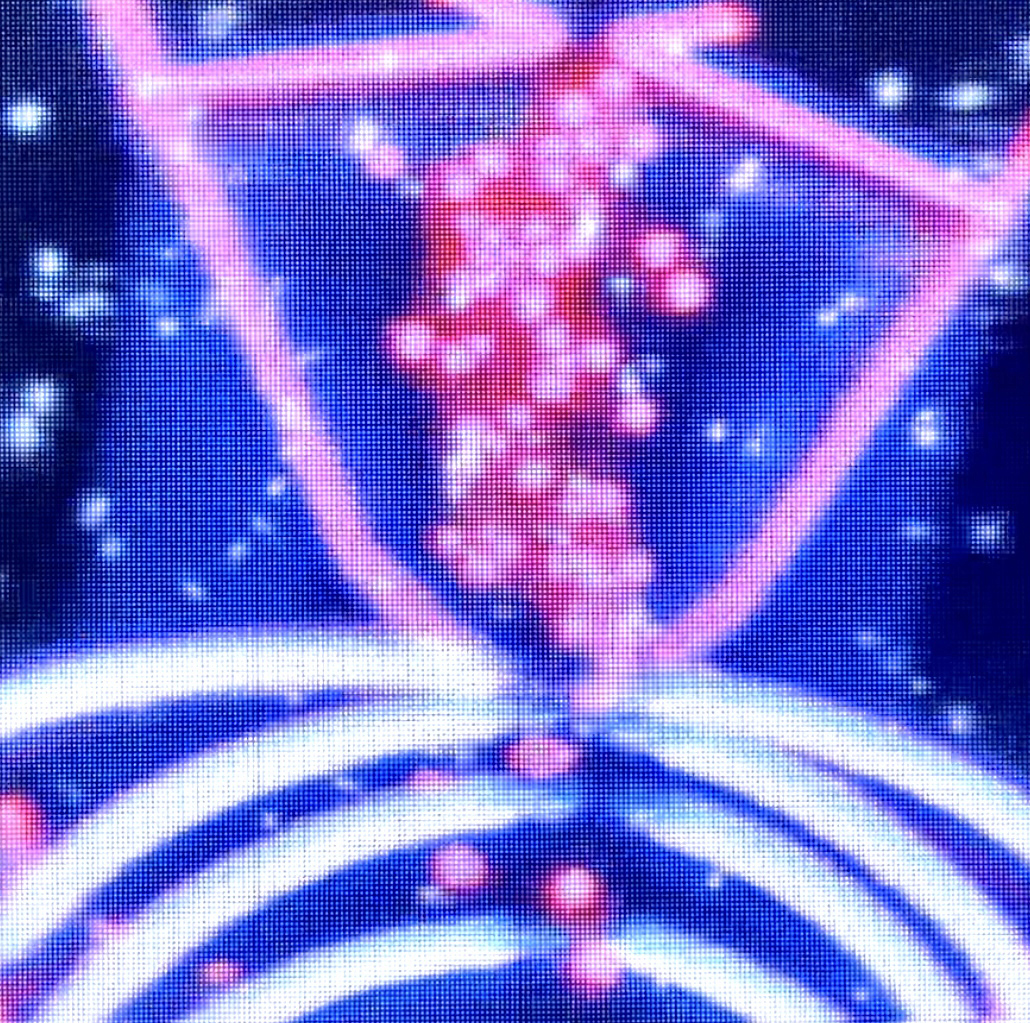
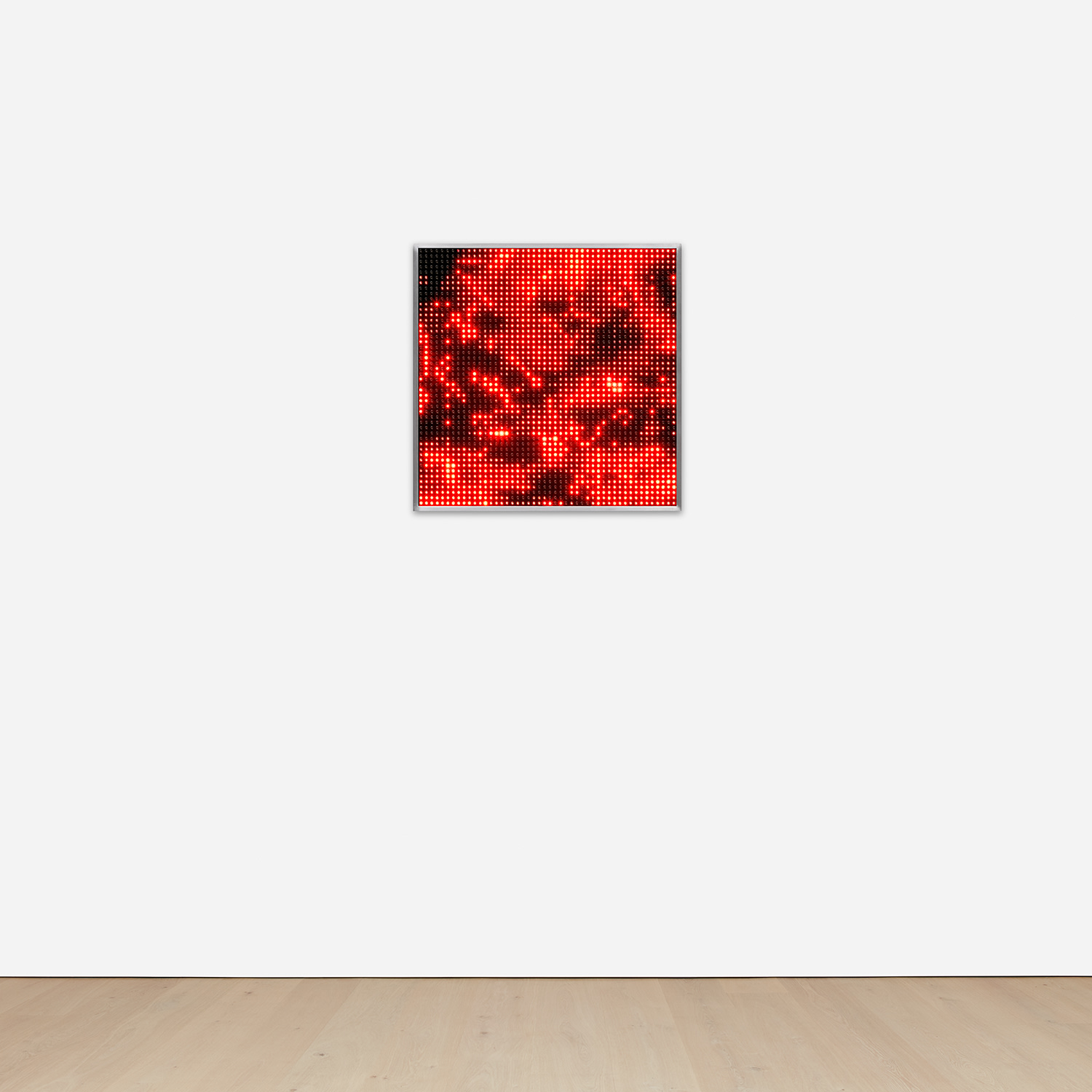
On a given evening in San Francisco, pedestrians crossing the Bay Bridge encounter something that stops them mid stride. Rippling, cascading sequences of white light travel across the suspension cables, appearing to breathe and pulse with an intelligence all their own. This is Illuminated River's spiritual predecessor and one of the most visited public artworks in American history, The Bay Lights, a permanent large scale installation that Leo Villareal completed in 2016 after its triumphant debut in 2013. That work, comprising some 25,000 LED nodes across the western span of the Bay Bridge,… Continue reading

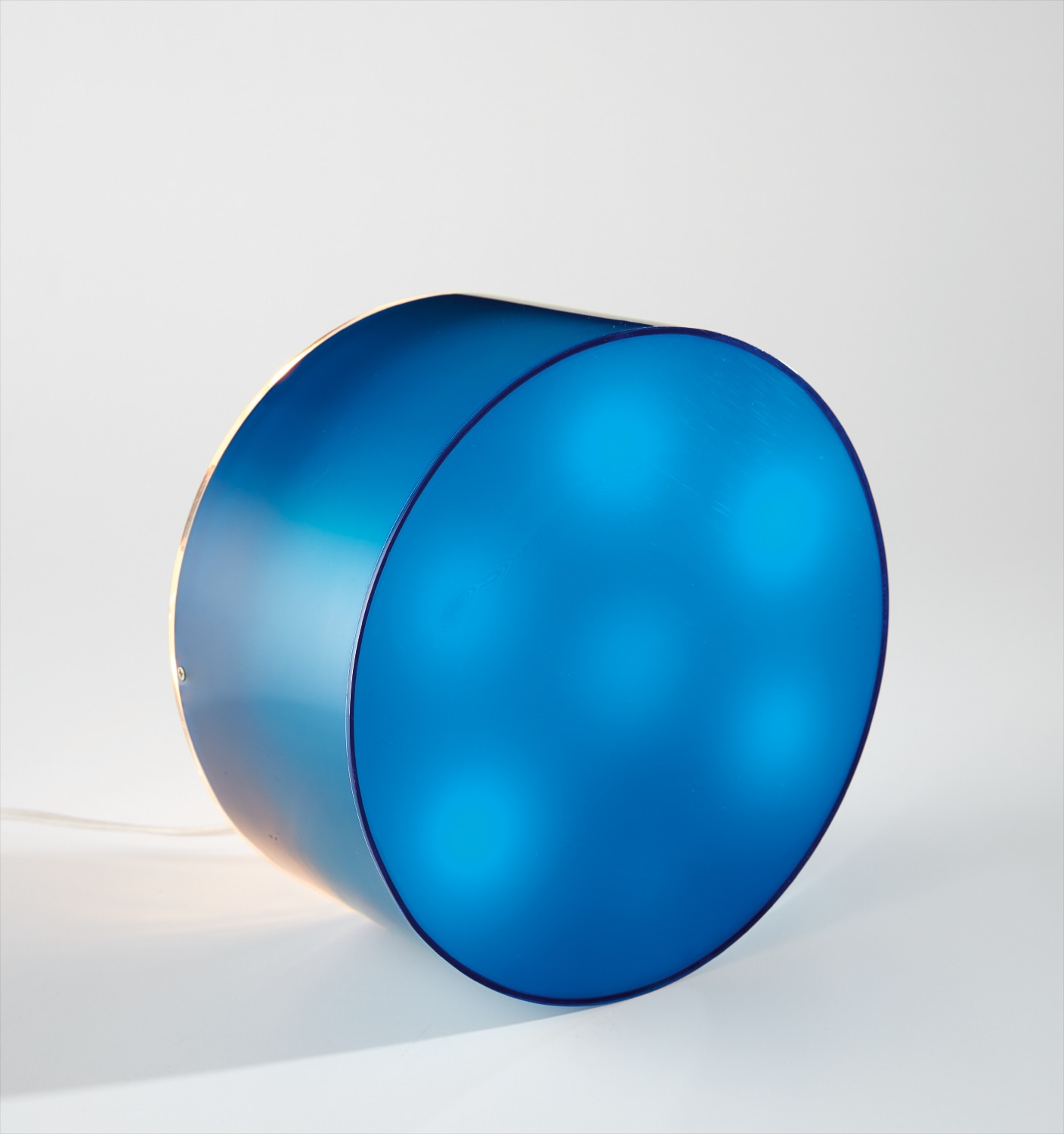
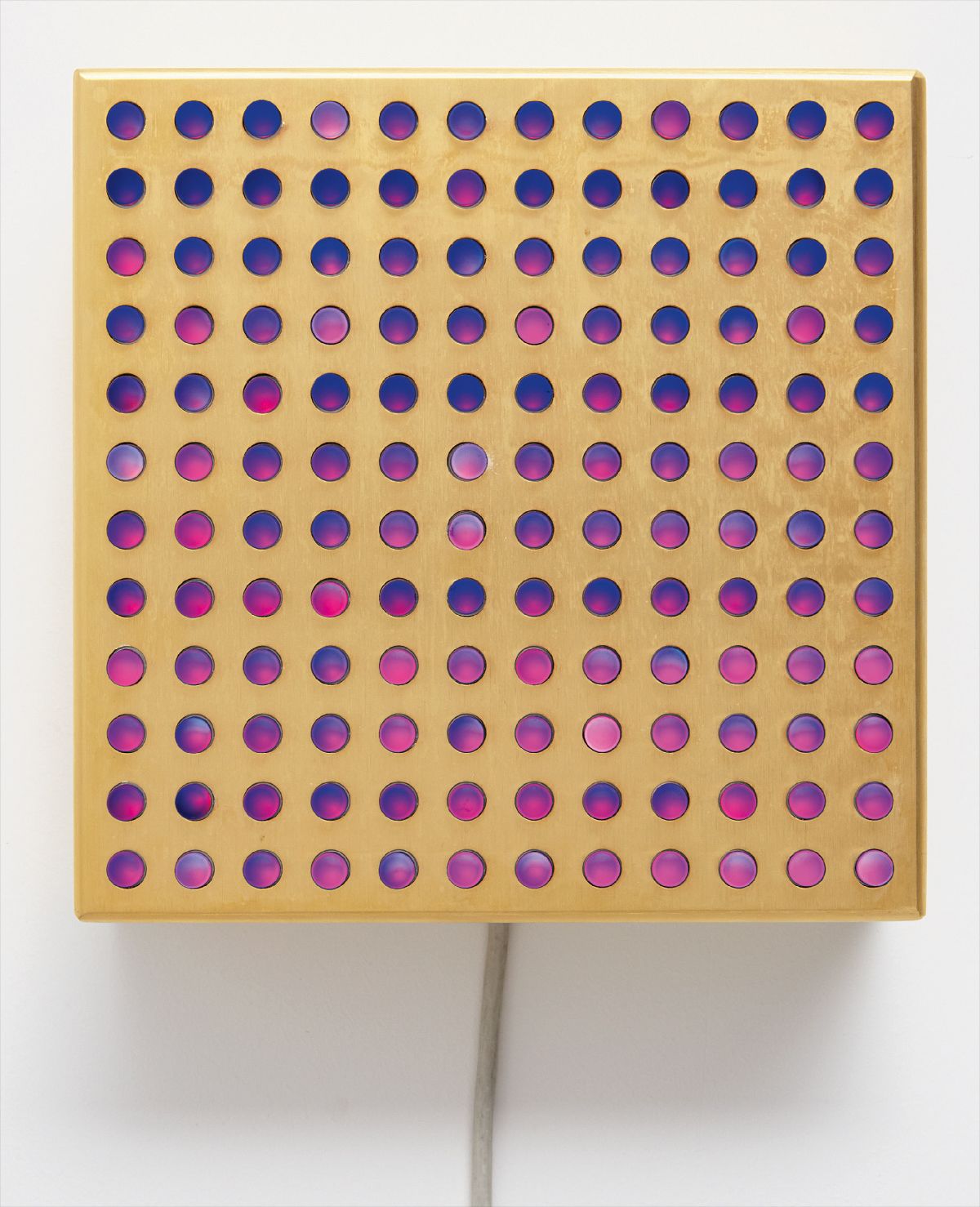

Artists in conversation
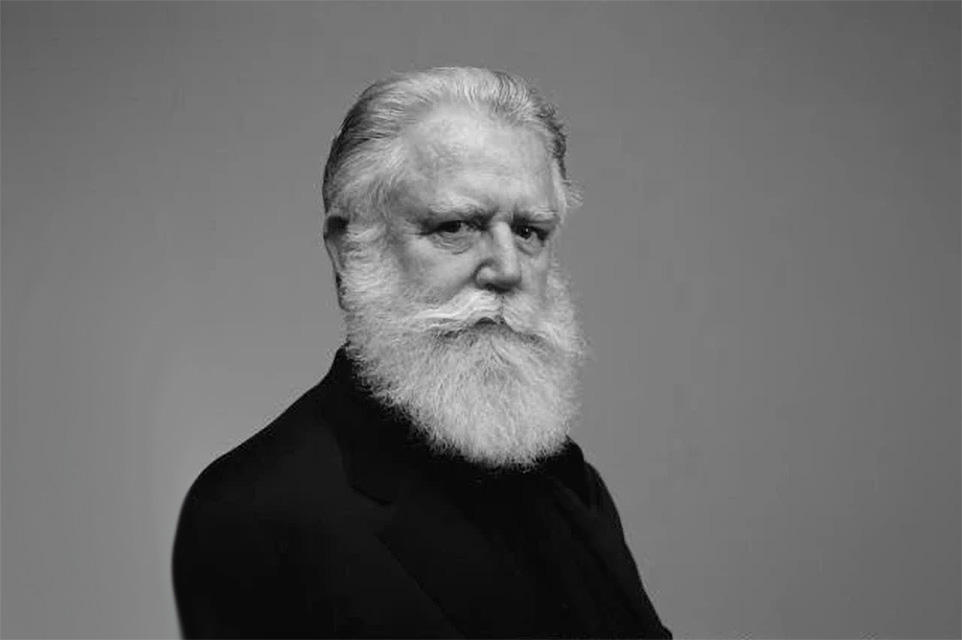
James Turrell
Turrell similarly uses light as his primary medium to create immersive, meditative environments that alter perception and invite contemplative viewing experiences. Both artists share a minimalist sensibility and a dedication to transforming architectural space through carefully controlled luminosity.
Olafur Eliasson
Eliasson creates large scale experiential installations that use light, technology, and natural phenomena to produce hypnotic and immersive environments for viewers. His interest in perceptual experience and the interplay of order and unpredictability closely parallels Villareal's conceptual concerns.
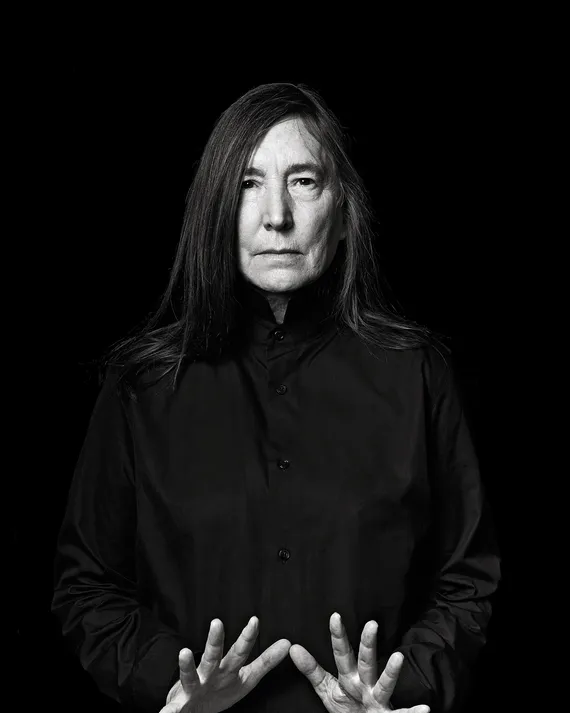
Jenny Holzer
Holzer has long deployed LED technology in large scale public installations that use programmed sequences and bold visual rhythms to engage audiences in urban and gallery environments. Her mastery of the LED medium in architectural contexts shares significant common ground with Villareal's practice.
Artists who inspired them
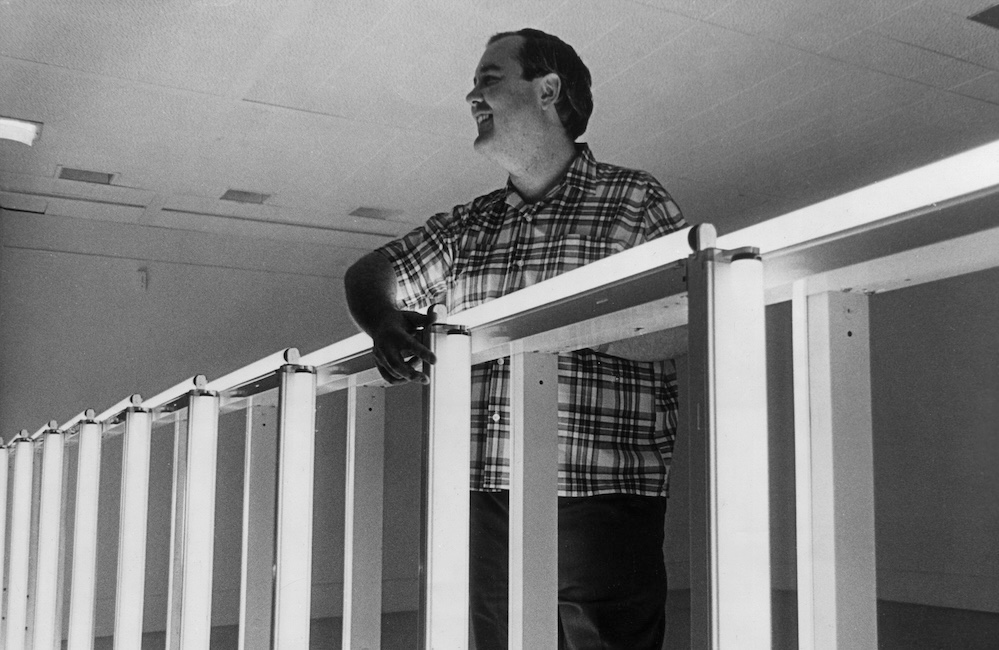
Dan Flavin
Flavin pioneered the use of commercially available fluorescent light tubes as a fine art medium, establishing a foundational vocabulary for light based minimalist sculpture that directly informed Villareal's approach to using artificial light as both form and content. His reduction of art to pure light and structure is a clear precursor to Villareal's aesthetic.
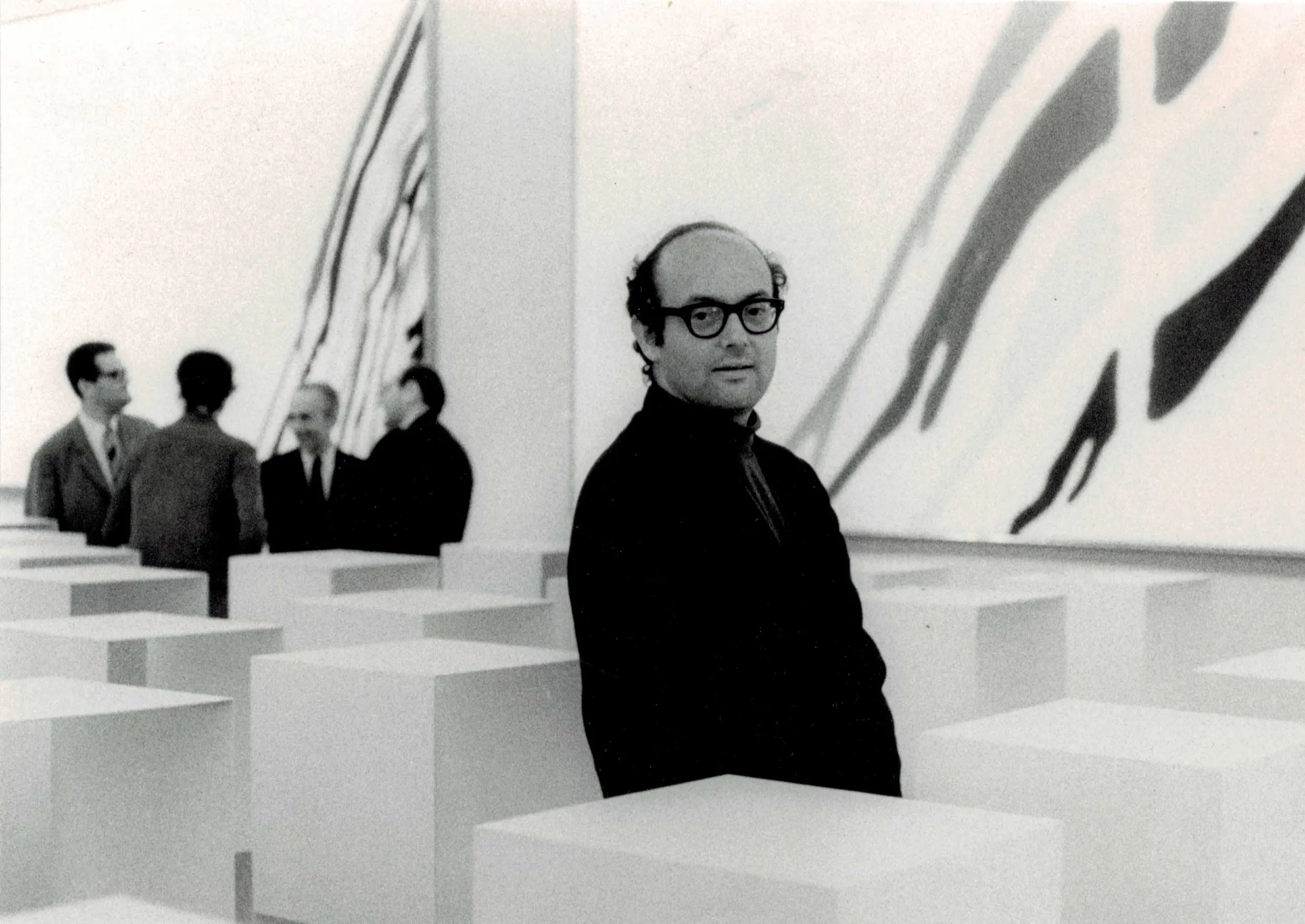
Sol LeWitt
LeWitt's conceptual art practice centered on the idea of using simple rule based systems and algorithms to generate complex visual structures, a philosophy that maps directly onto Villareal's use of custom software to produce intricate patterns from straightforward instructions. His foundational thinking about systems and permutation profoundly shaped Villareal's creative methodology.
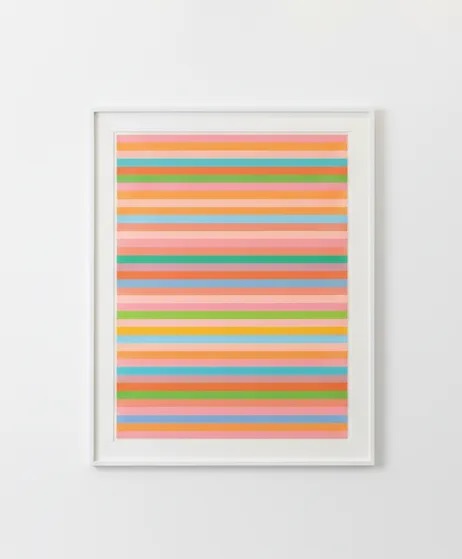
Bridget Riley
Riley's Op Art paintings explore the tension between order and visual chaos through rhythmic repetition and pattern, generating perceptual phenomena that feel both systematic and unpredictably dynamic. Her investigations into how structured repetition creates optical movement and immersive sensation provided an important visual and conceptual reference for Villareal's light works.