Light Art
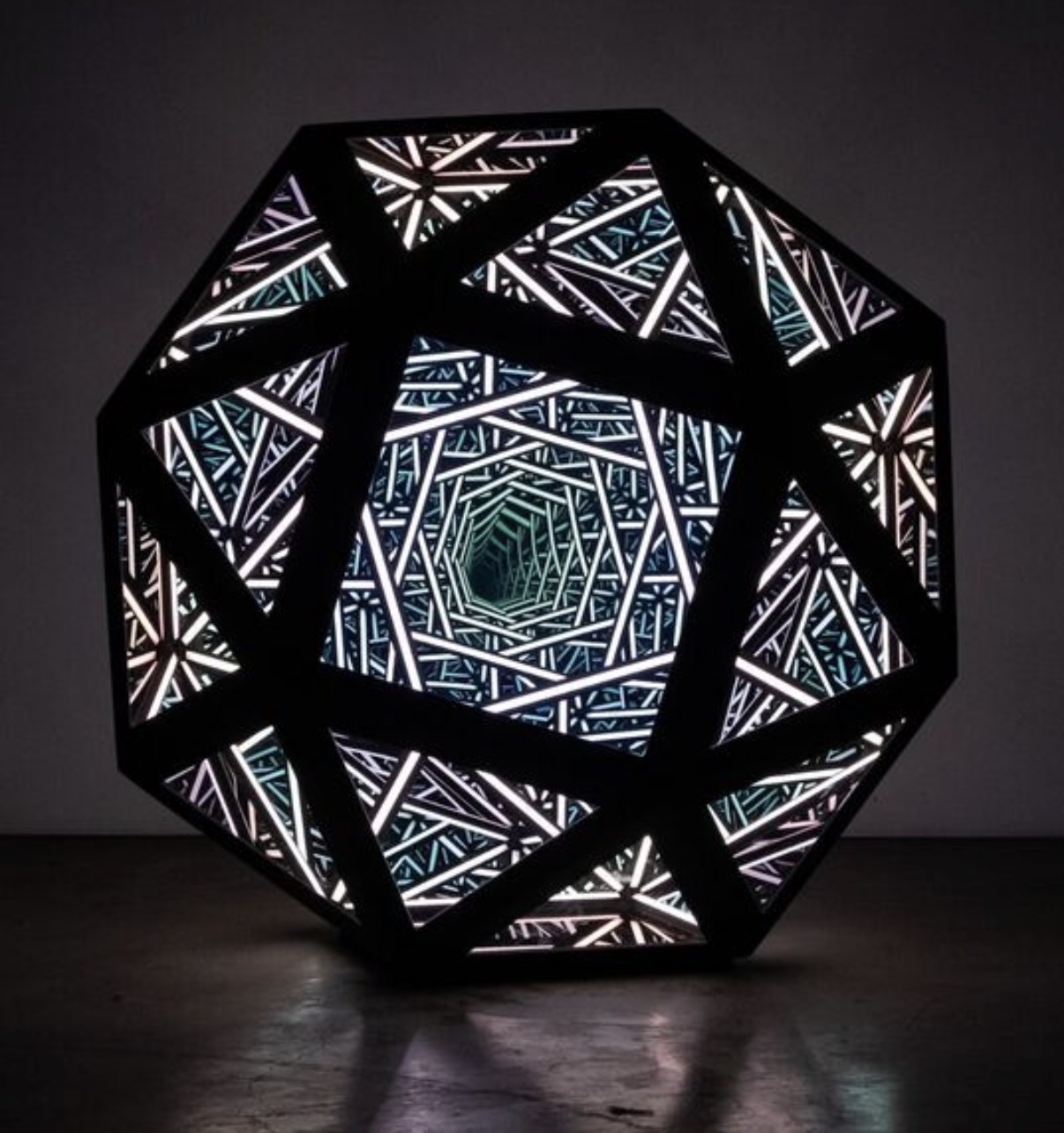
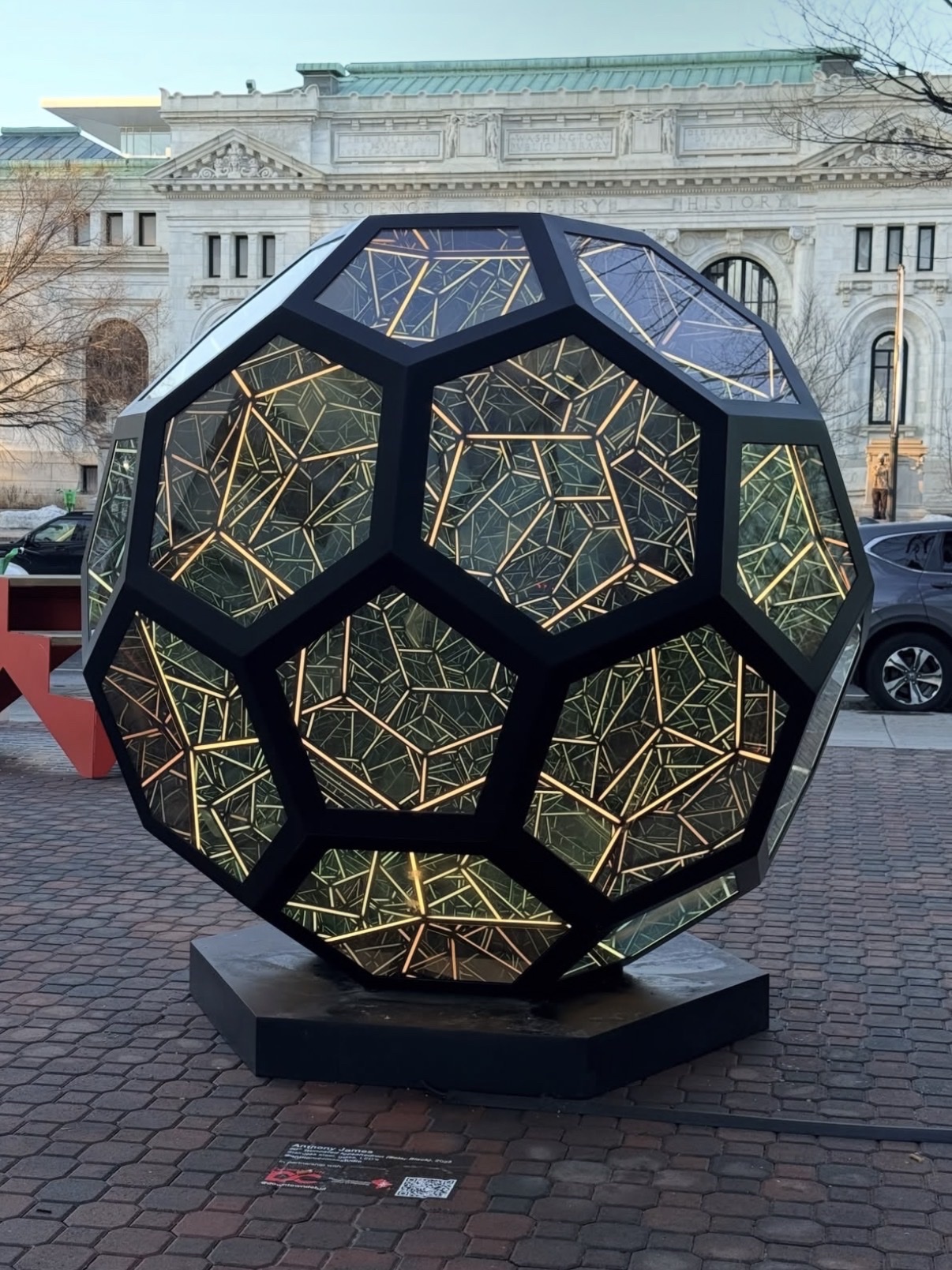
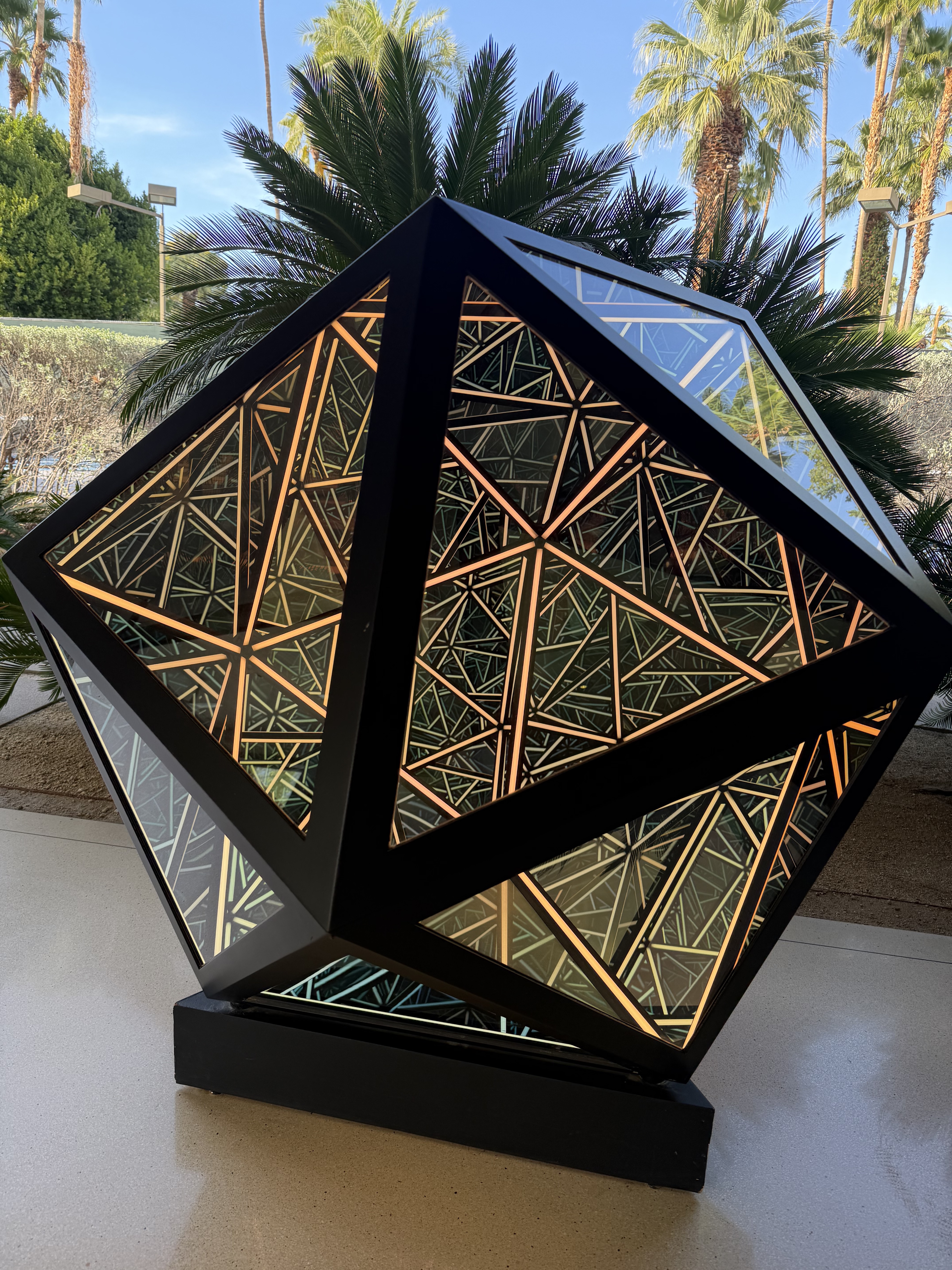
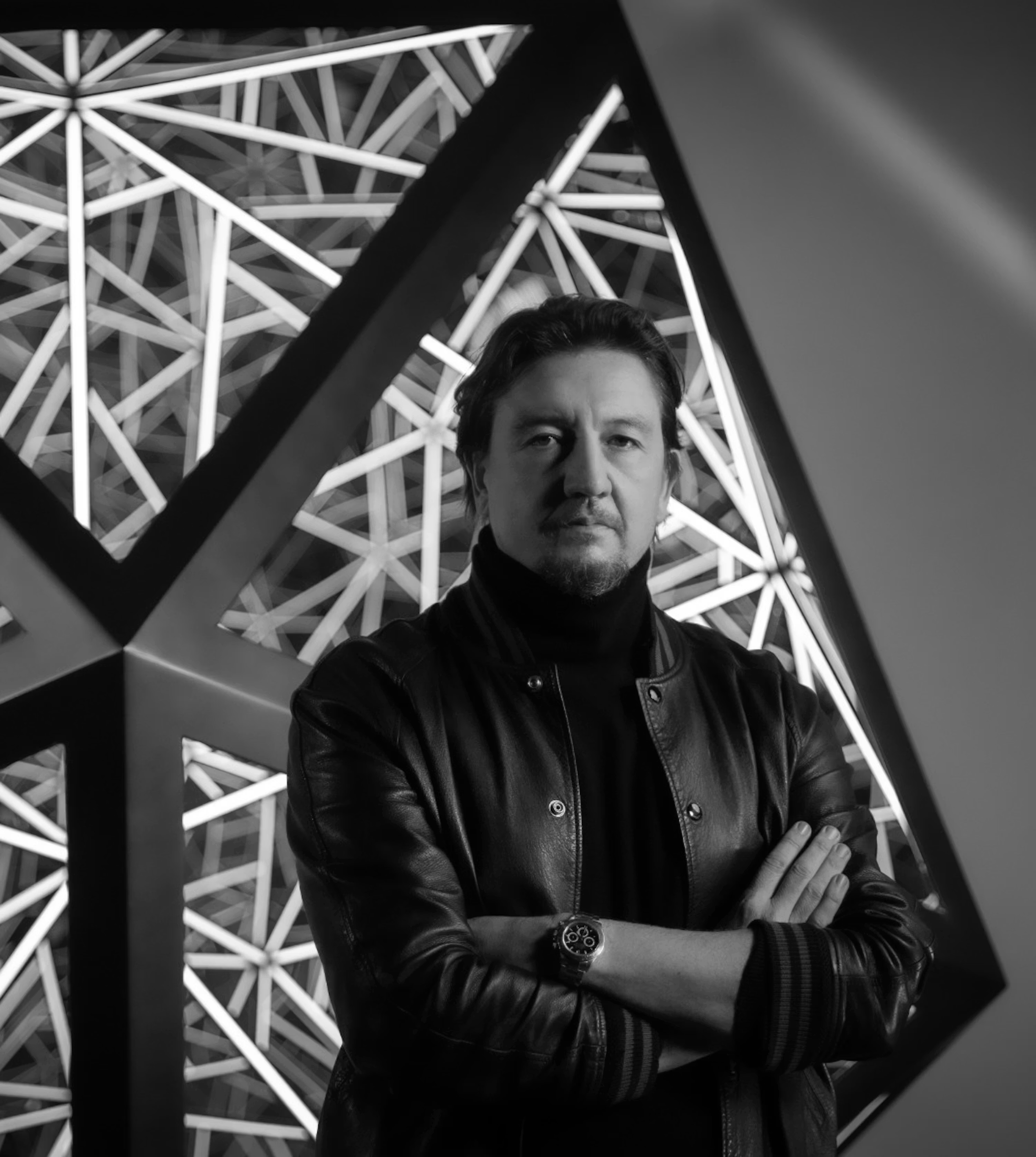
Anthony James
Snub Cube, 2018
When Light Itself Became the Medium
There is a moment, standing inside a James Turrell Ganzfeld installation, when your eyes stop working the way they are supposed to. The horizon dissolves. The room loses its walls. You reach out and touch what turns out to be nothing at all, just saturated color pressed against your cornea like something solid.
That disorientation is not a side effect. It is the point. Light art, at its most ambitious, does not decorate space. It rewires perception itself.
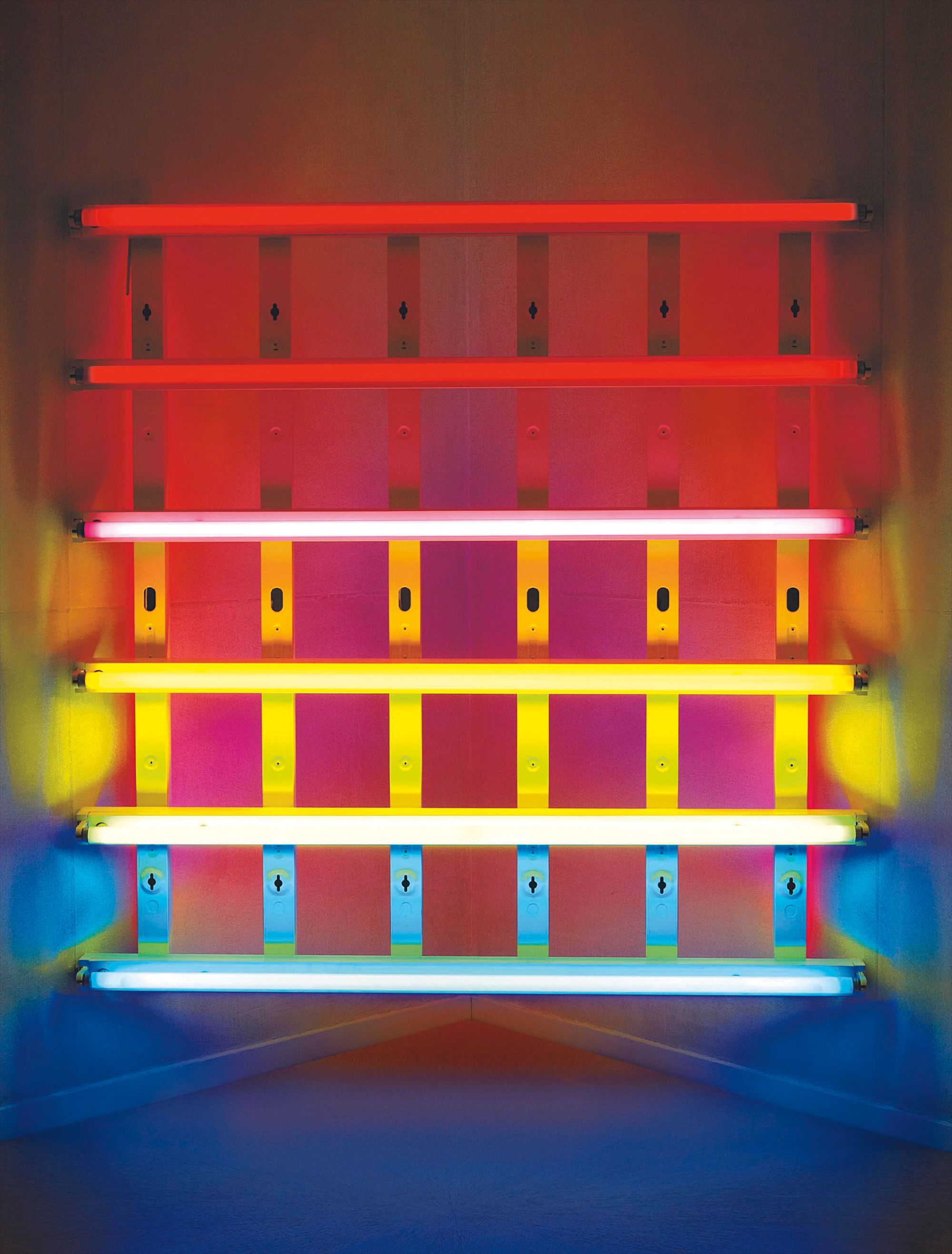
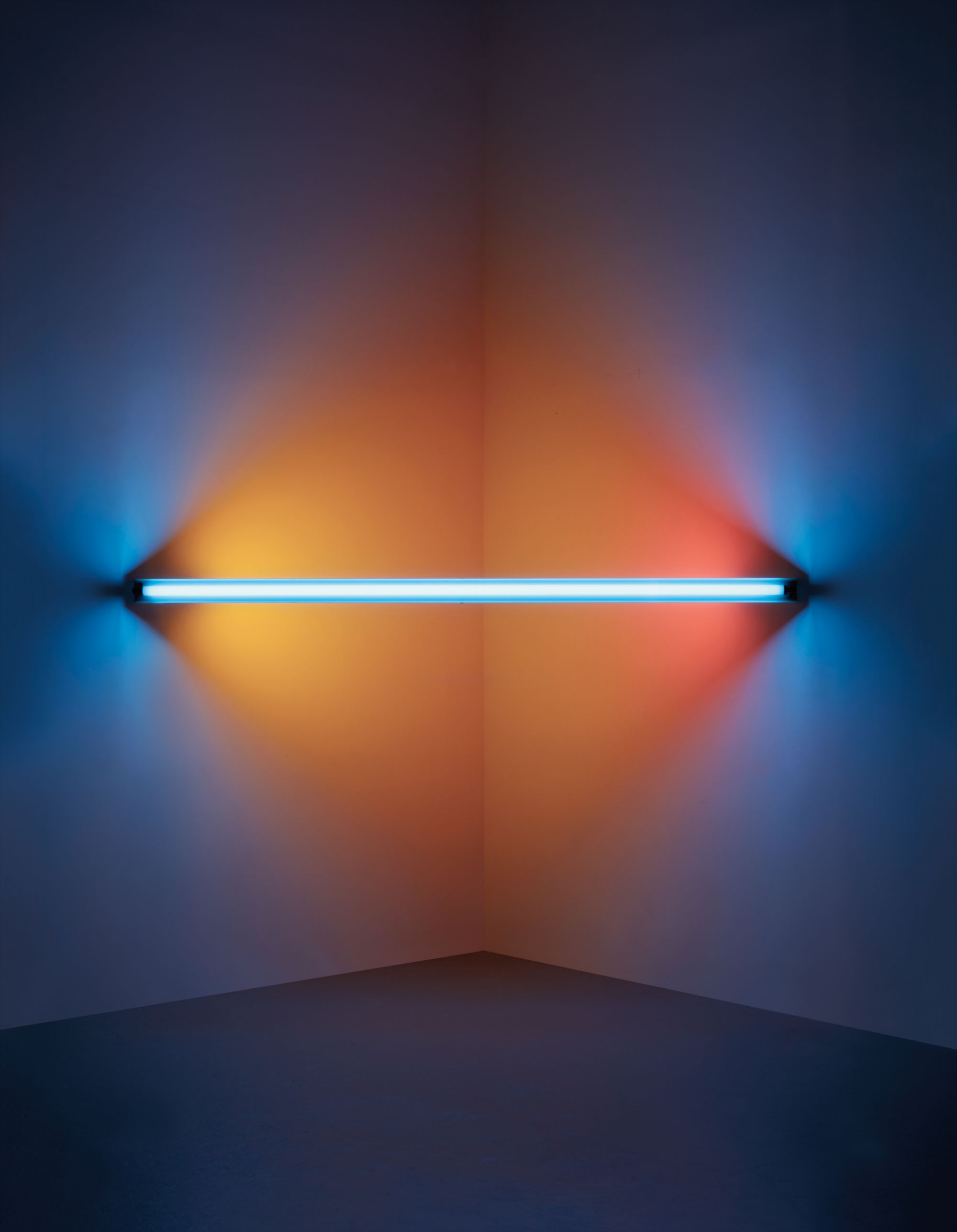
Dan Flavin
The light is an industrial object, and familiar…it is a means to new art.” -- Donald Judd, 1964, 1989
The idea that light could function as a primary artistic material rather than a tool for illuminating something else took hold with serious force in the early 1960s. Several movements converged at once. In California, artists associated with the Light and Space movement began exploring how optical phenomena could generate aesthetic experience without recourse to traditional objects. In New York, the Minimalist impulse stripped sculpture down to its barest logic, and some artists found that fluorescent tubes and neon could do what steel and plywood did, while also humming and glowing and filling a room with atmosphere.
In Europe, the GRAV collective in Paris and the Zero group in Düsseldorf were staging participatory light environments and kinetic works that challenged the passive role of the viewer. By the mid 1960s, light was no longer a metaphor or a backdrop. It was a fact, a substance, an argument. Dan Flavin is perhaps the purest example of this logic taken to its extreme.
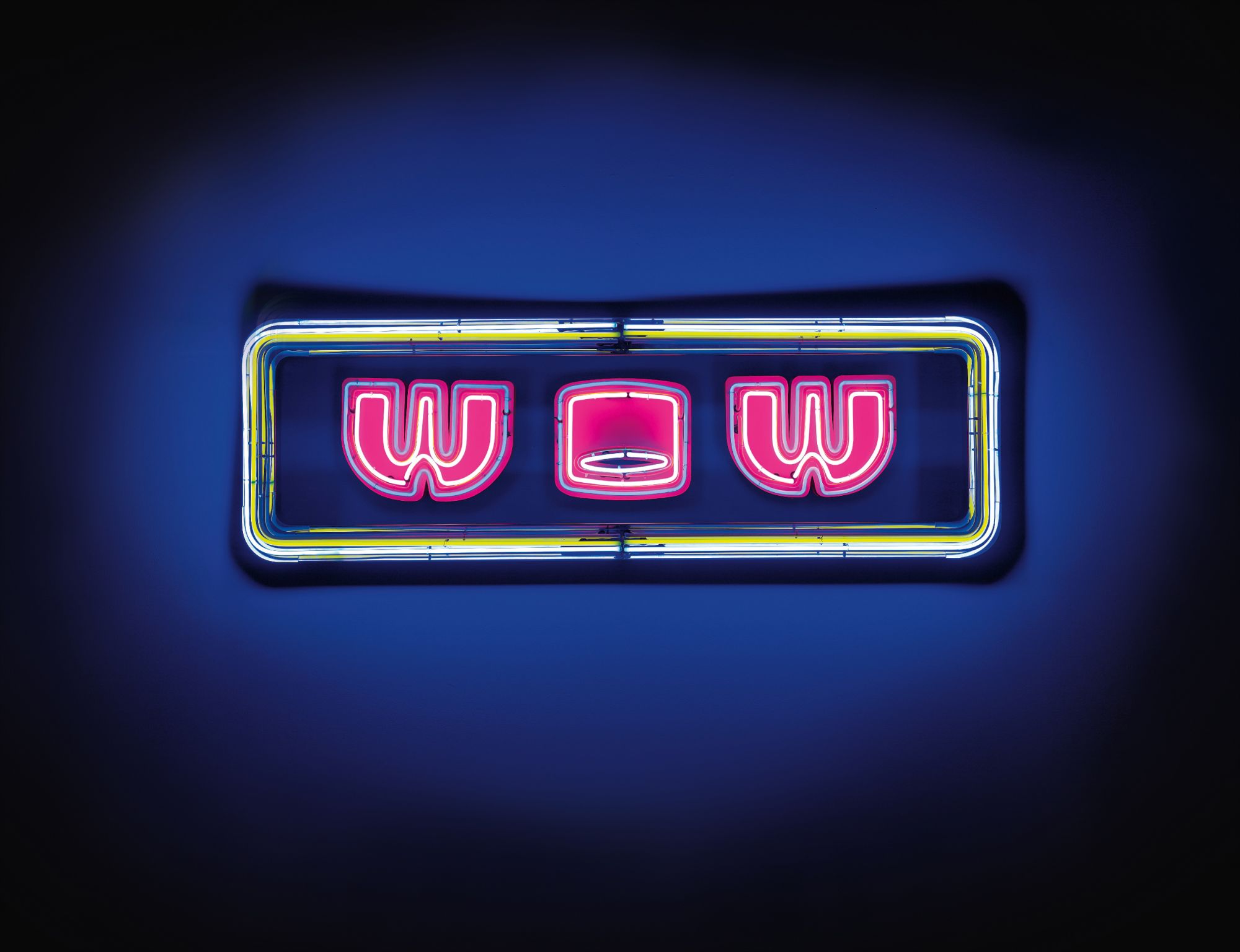
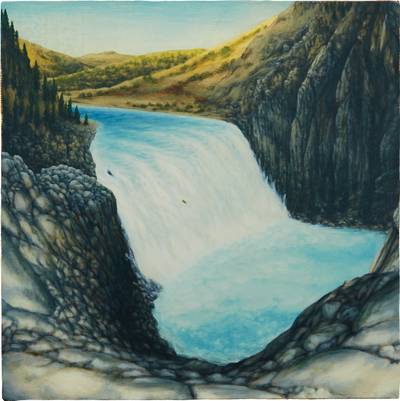
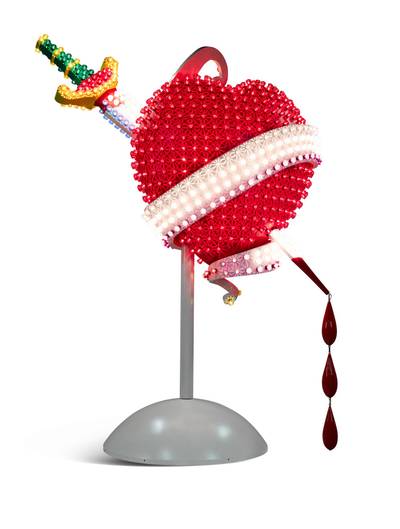
Tim Noble and Sue Webster
Walk on Water
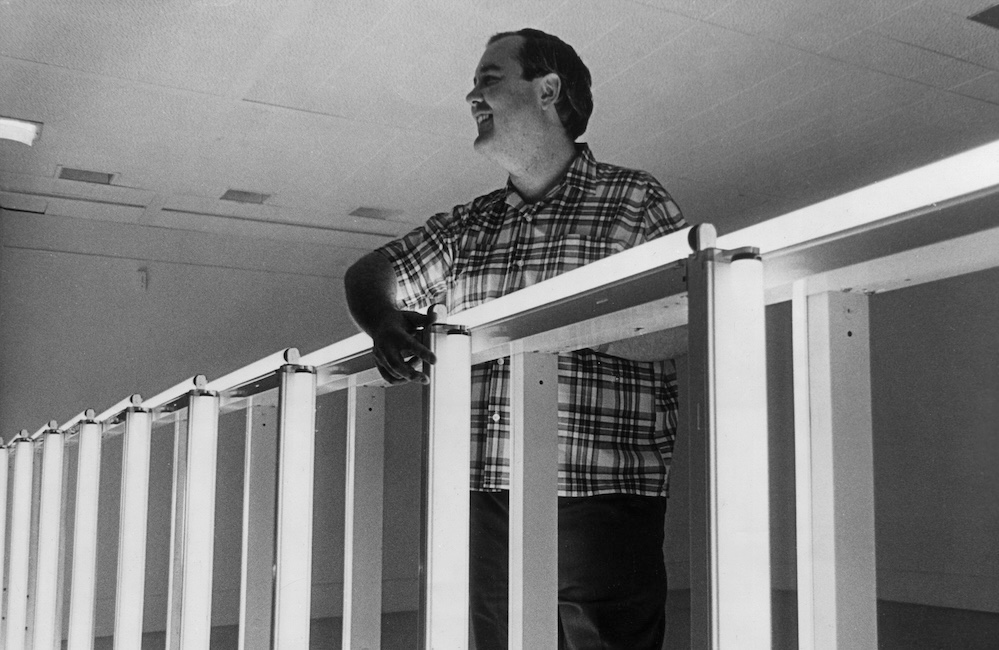
In 1963, he began making what he called proposals, arrangements of commercially available fluorescent light fixtures mounted directly on gallery walls. The materials were entirely ordinary, the kind of tubes you might find in a hospital corridor or a school cafeteria. But Flavin understood that the light itself, not the fixture, was the real form. It spilled out into corners, changed the color of adjacent walls, and made the room itself into something charged and deliberate.
His dedications to artists and friends, inscribed in the titles of his works, gave these glowing objects an unexpected emotional weight. Well represented on The Collection, his work remains among the most rigorous and quietly moving in the canon of postwar art. James Turrell came at the problem from a different angle entirely. Trained as a perceptual psychologist before he turned to art, Turrell began his Mendota Stoppages in Santa Monica in the late 1960s, blocking and redirecting light through the windows of a building he rented until the interior became a controlled optical environment.
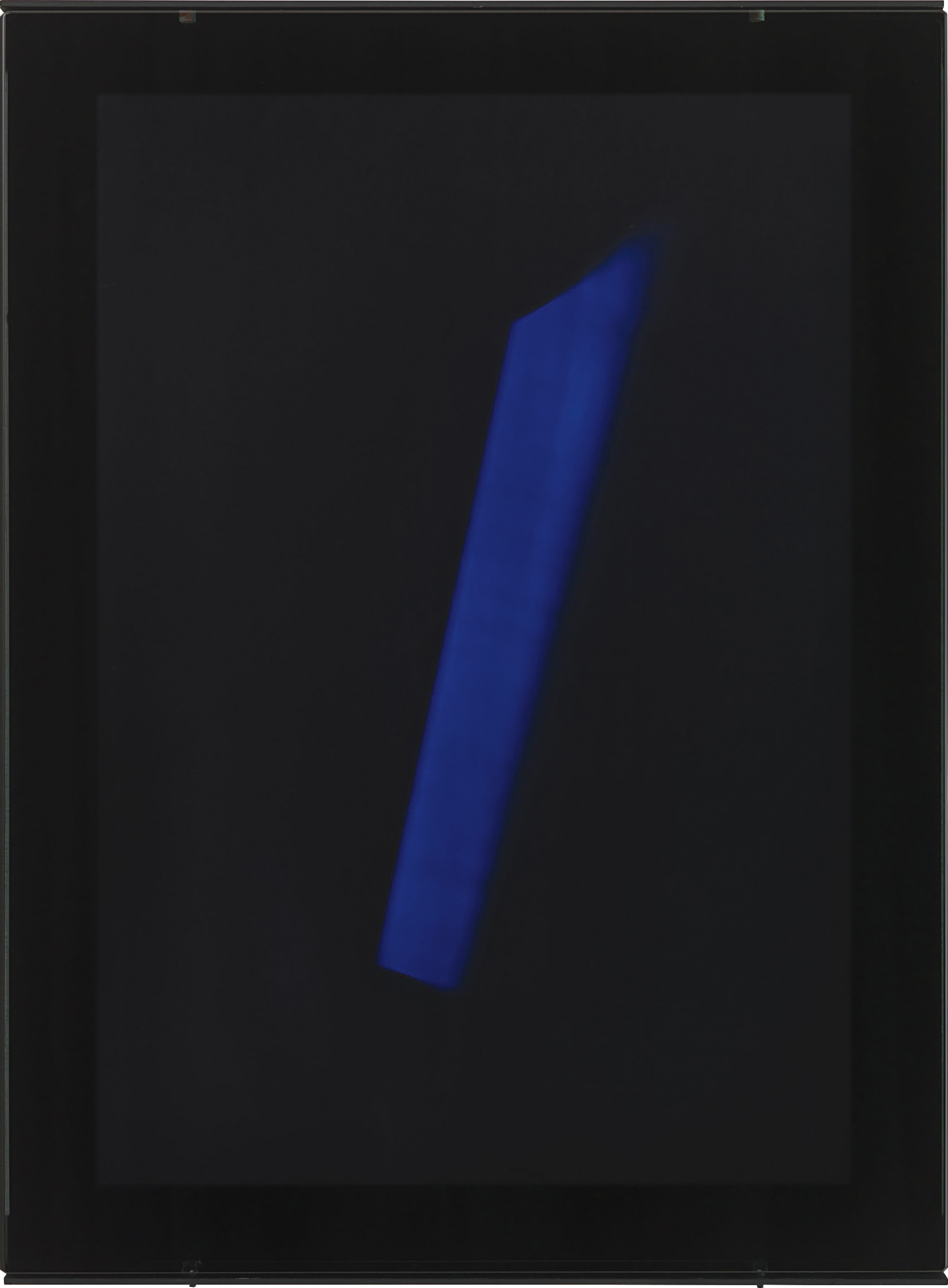
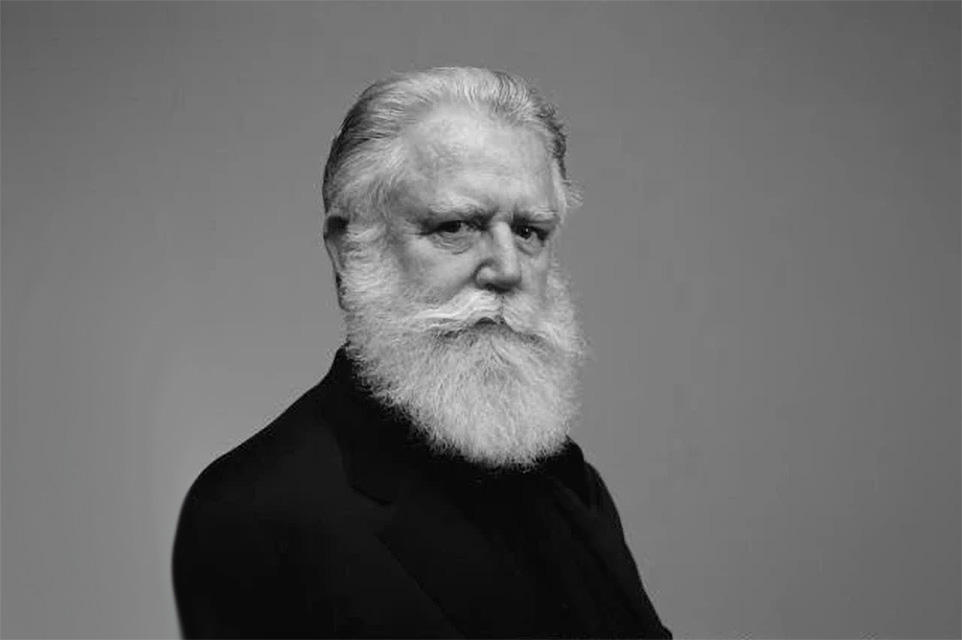
James Turrell
Hologram Series, #03 (Blau) - September 2001, 2001
The work was almost scientific in its precision and almost spiritual in its effect. His Roden Crater project, begun in 1977 in an extinct volcanic cone in the Arizona desert, remains one of the most ambitious single artworks ever conceived: a naked eye observatory designed so that the sky itself becomes a work of art framed by the earth. Turrell is exceptionally well represented on The Collection, and his works span the full range of his practice, from intimate projections to large scale immersive environments. What distinguishes the strongest light art from mere spectacle is conceptual seriousness.
Robert Irwin, whose single work on The Collection speaks to a career of radical inquiry, spent years dismantling his own practice until he arrived at what he called site conditioned installations, works that existed only in response to specific architectural conditions and ambient light. Irwin's thinking shaped a generation and influenced how we understand the relationship between artwork and environment. Olafur Eliasson, whose work on The Collection extends this tradition into the present, has built an entire practice around making the conditions of perception visible, using fog, mirrors, water, and artificial light to remind viewers that seeing is always an active, constructed process. His Weather Project at Tate Modern in 2003 drew more than two million visitors and announced definitively that immersive light art had moved from gallery experiment to cultural event.
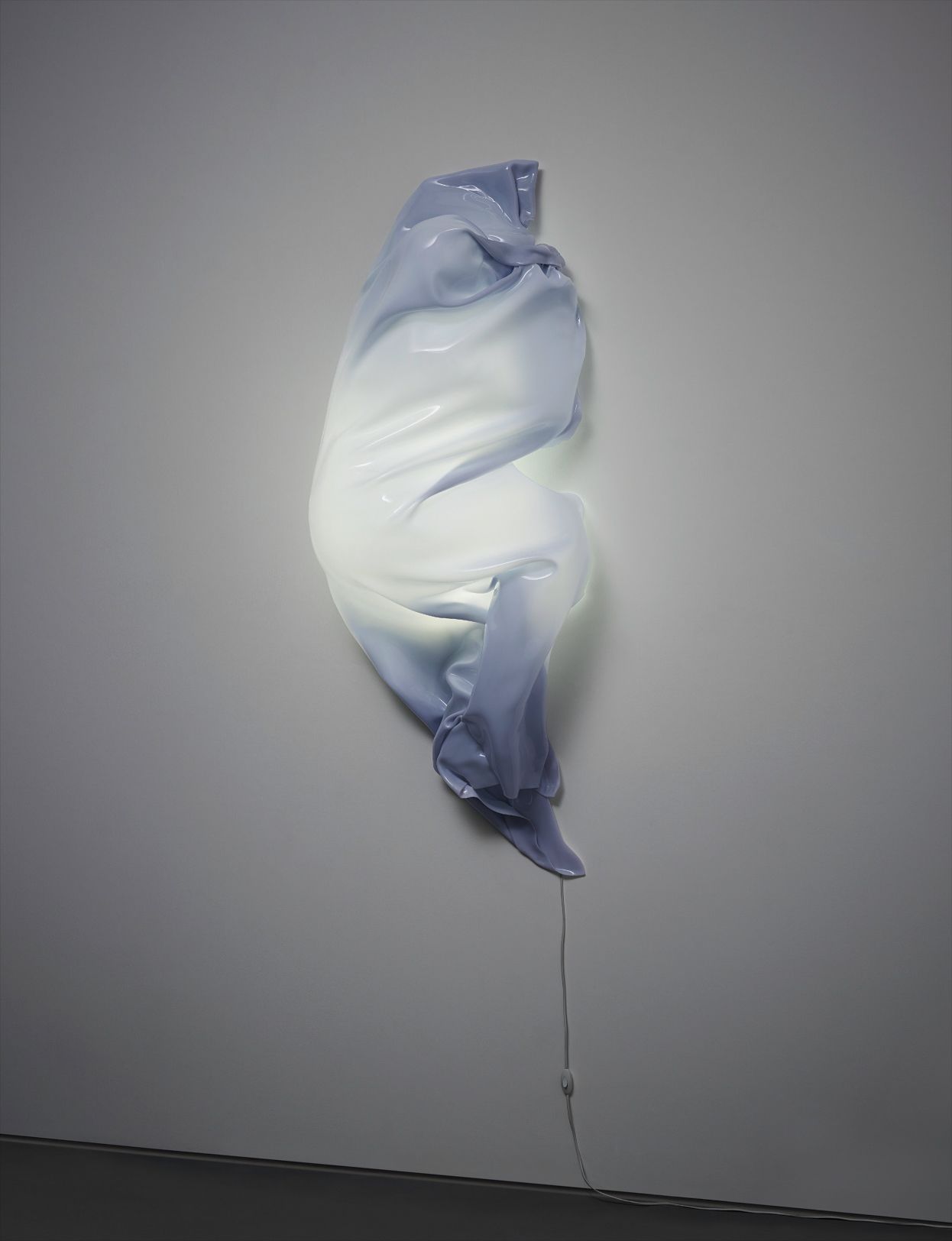
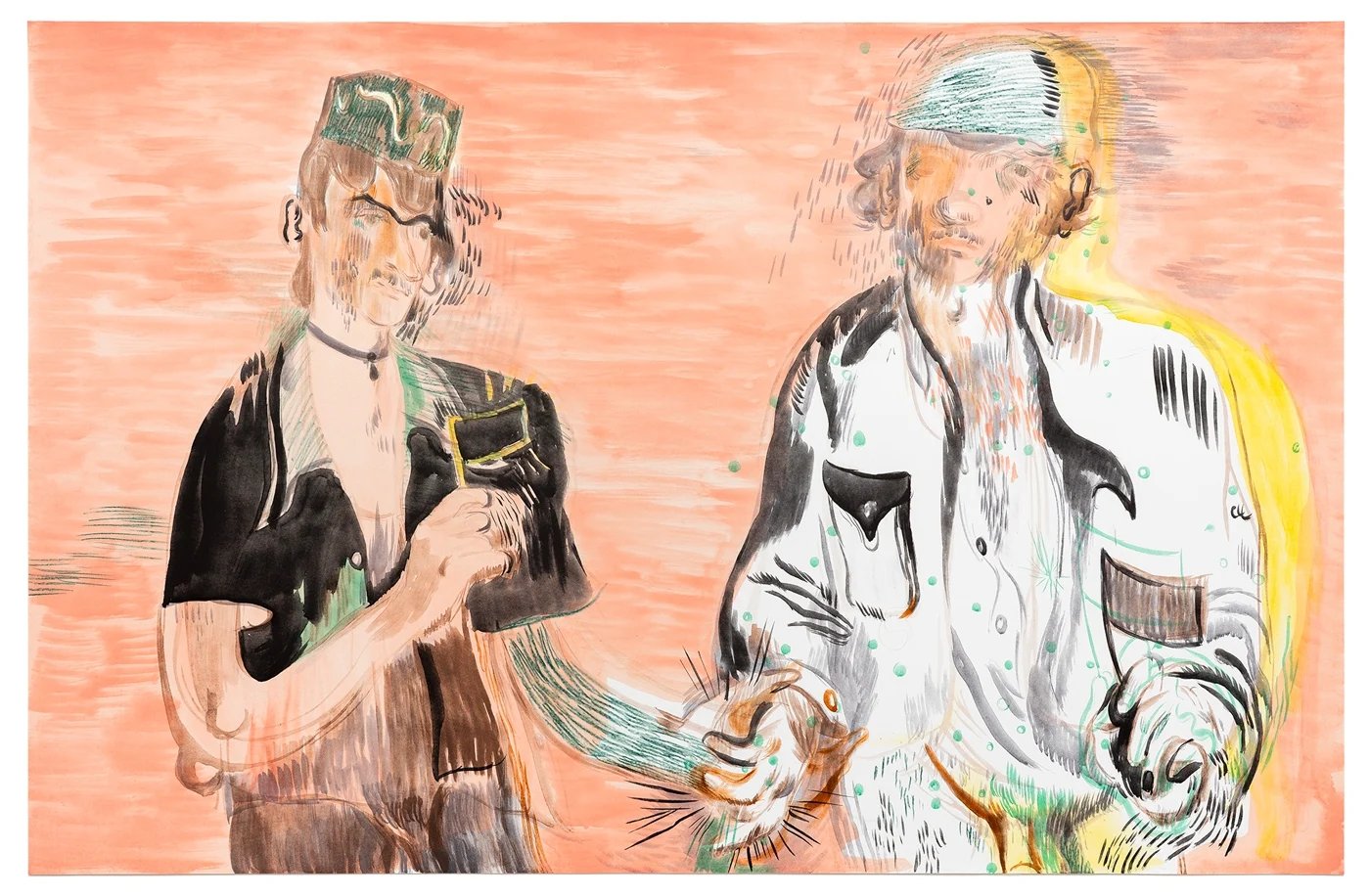
Philipp Dontsov
3D2R from the series Birth Certificate
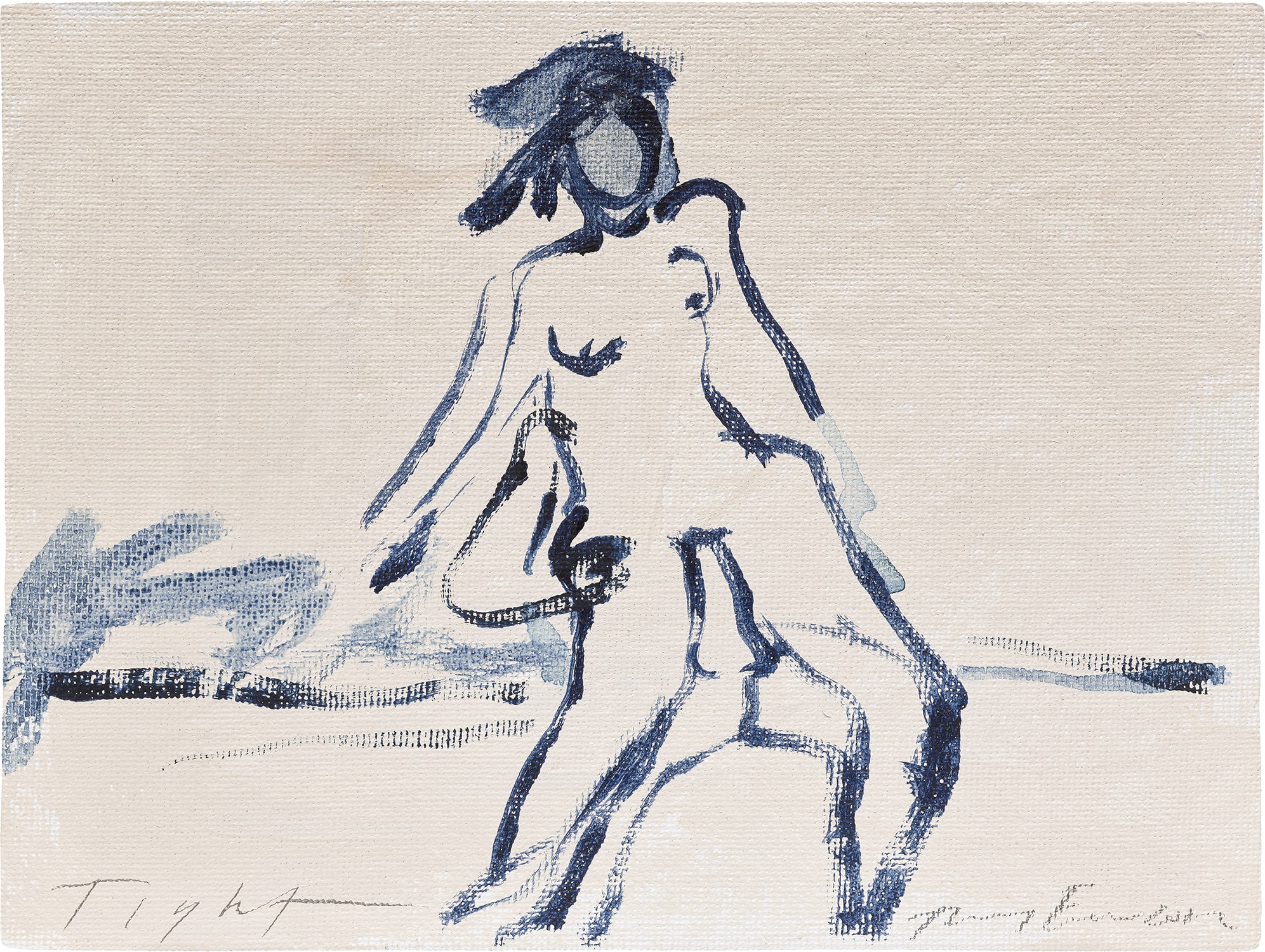
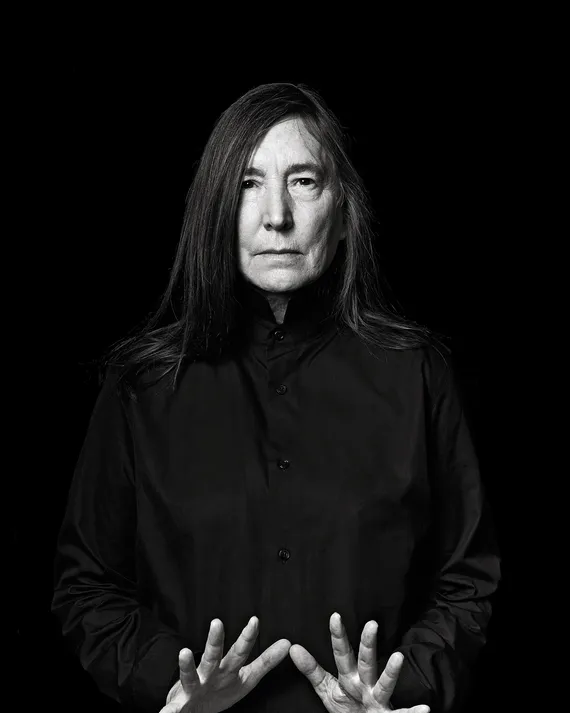
Neon carries its own distinct genealogy within this broader story. Keith Sonnier was among the first artists to use neon as a sculptural medium in the late 1960s, bending it into loose, gestural forms that felt more like drawing in space than lighting. That tradition extended into work with a very different emotional register, including the raw confessional neon of Tracey Emin, whose text based works in light make the medium feel urgent and personal rather than cool and formal. Jenny Holzer has used LED text in public spaces to deliver language that is by turns lyrical, menacing, and morally pressing.
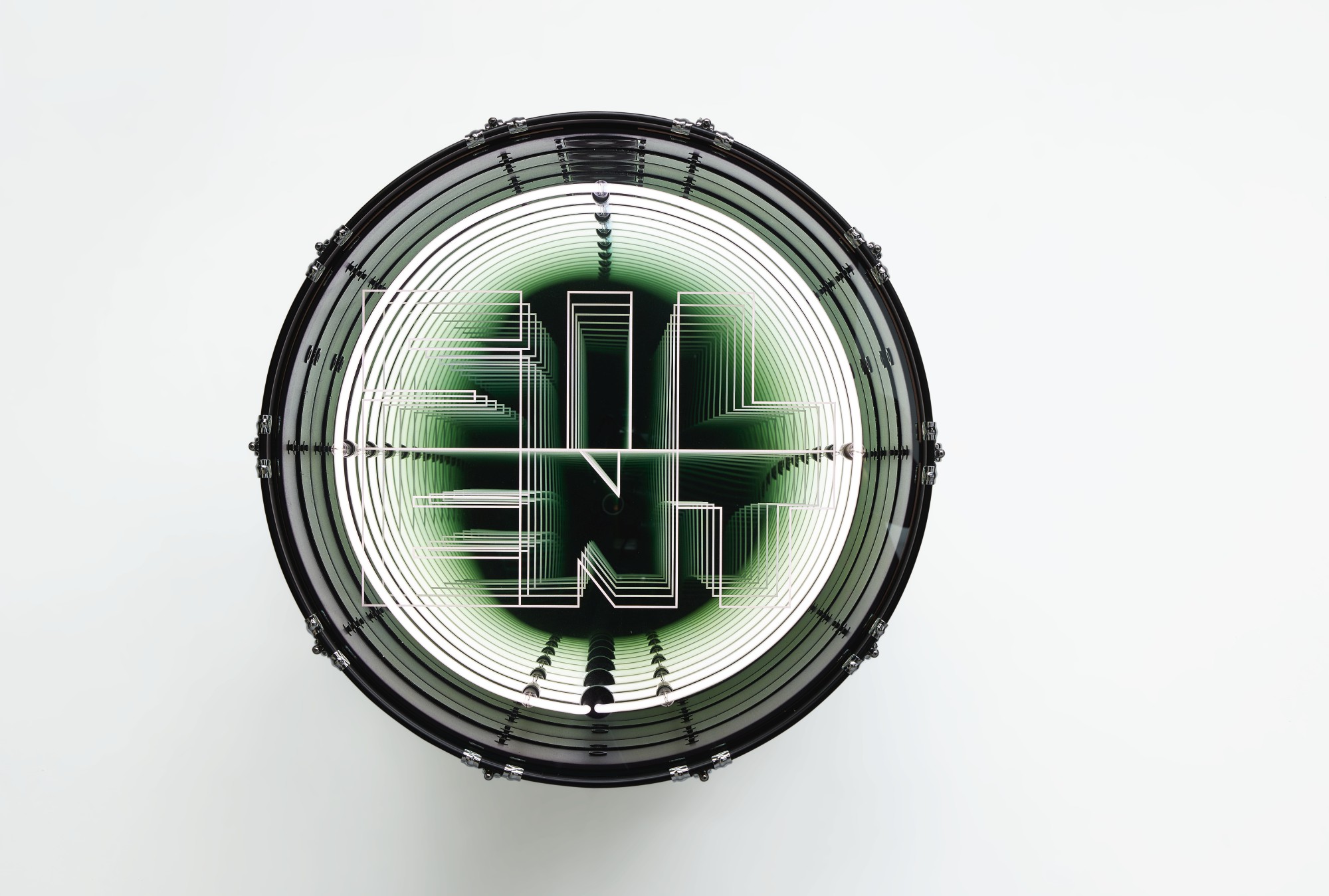
Iván Navarro constructs mirrored interiors lit with fluorescent tubes that produce infinite corridors, exploiting the phenomenology of reflection to make architectural space feel boundless and slightly vertiginous. Each of these practices begins with light and ends somewhere quite different: in politics, in desire, in memory. The cultural staying power of light art has something to do with its resistance to easy ownership. A glowing room cannot be rolled up and stored.
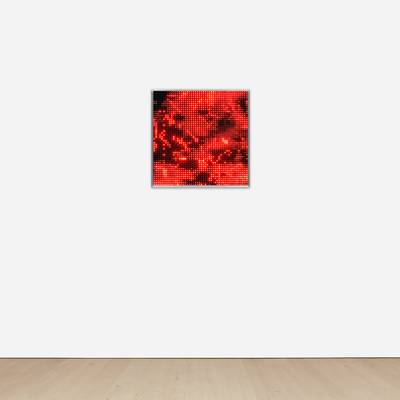
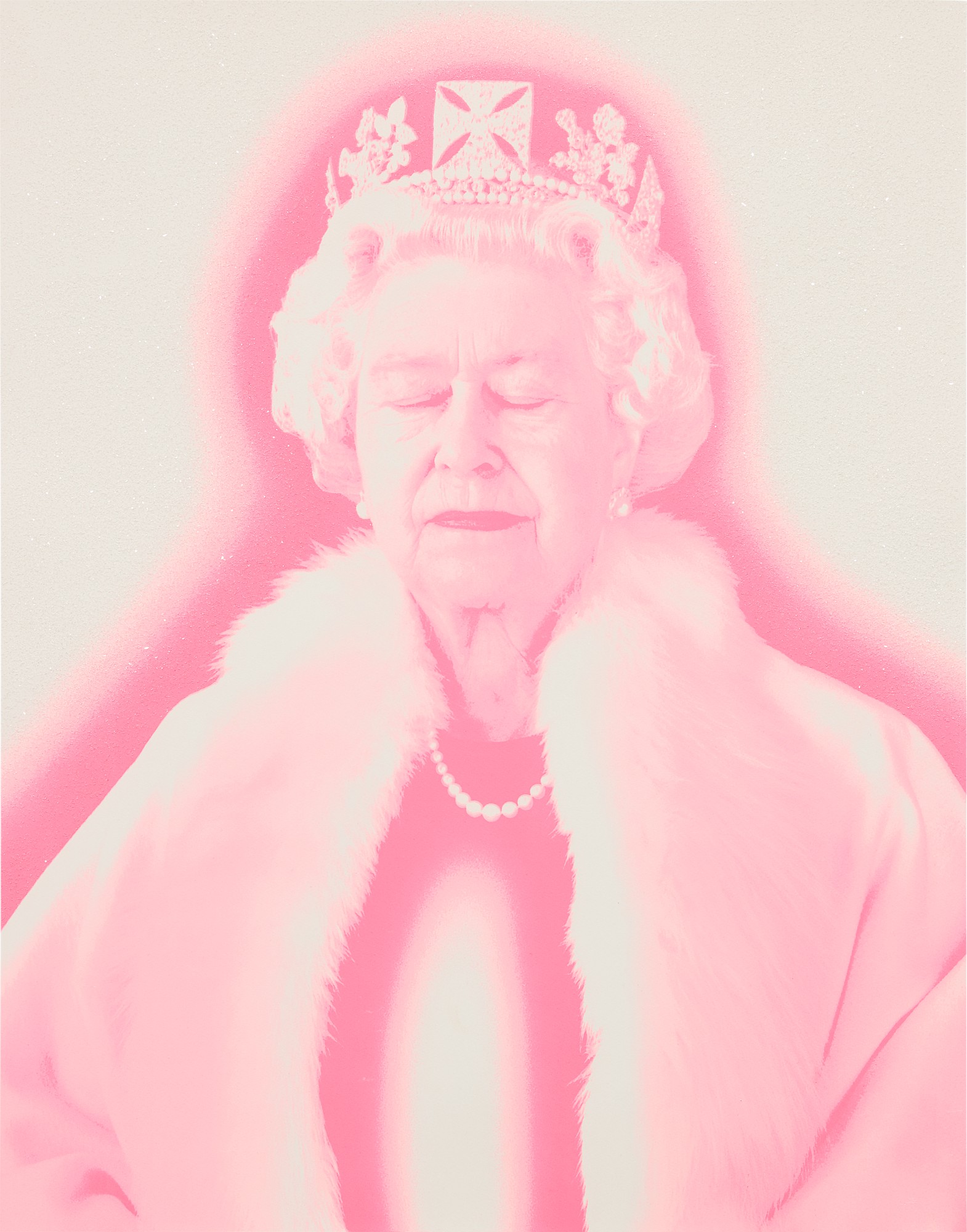
A ceiling aperture open to the sky exists differently at dawn than at noon. This has made light art philosophically interesting to collectors who think carefully about what collecting actually means, and it has driven considerable innovation in how such works are documented, certificated, and transferred. At the same time, artists like Leo Villareal, whose large scale LED works appear on The Collection, and Anthony James, with his geometric light sculptures, have demonstrated that light art can be made with a precision and materiality that translates well to private collections without sacrificing ambition. What persists across all of it, from Flavin's cool fluorescent corridors to Turrell's chromatic voids to Chris Levine's meditative light portraits, is a shared conviction that the eye is not a passive receiver but an instrument of understanding.
Light art trusts the viewer's nervous system to do something interesting when confronted with the right conditions. It is, in that sense, one of the few artistic traditions that literally could not exist without you standing in front of it. The work only happens when someone is there to see it, and that dependency between object and observer is not incidental. It is the whole idea.