Western United States
Timothy H. O'Sullivan
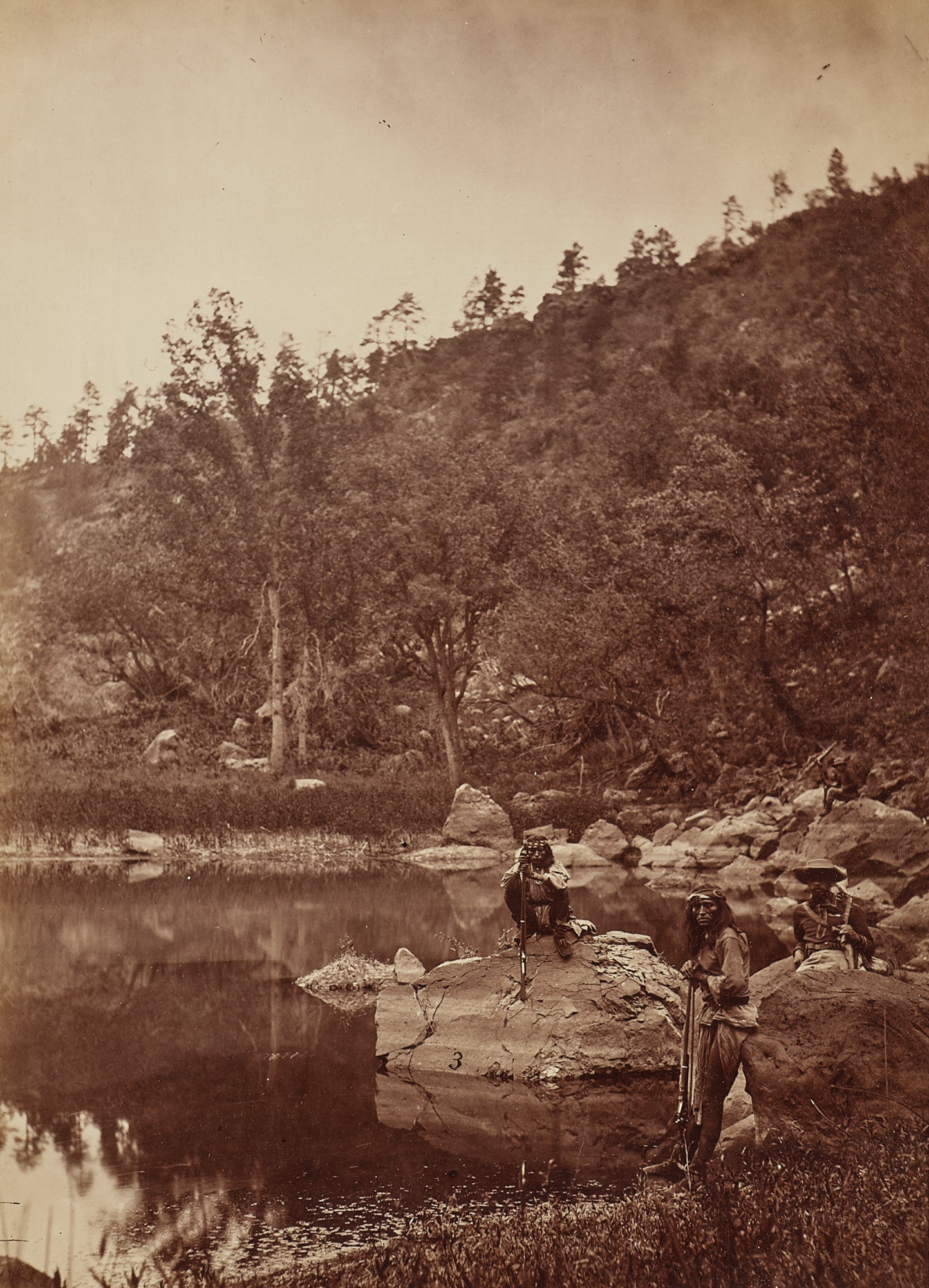
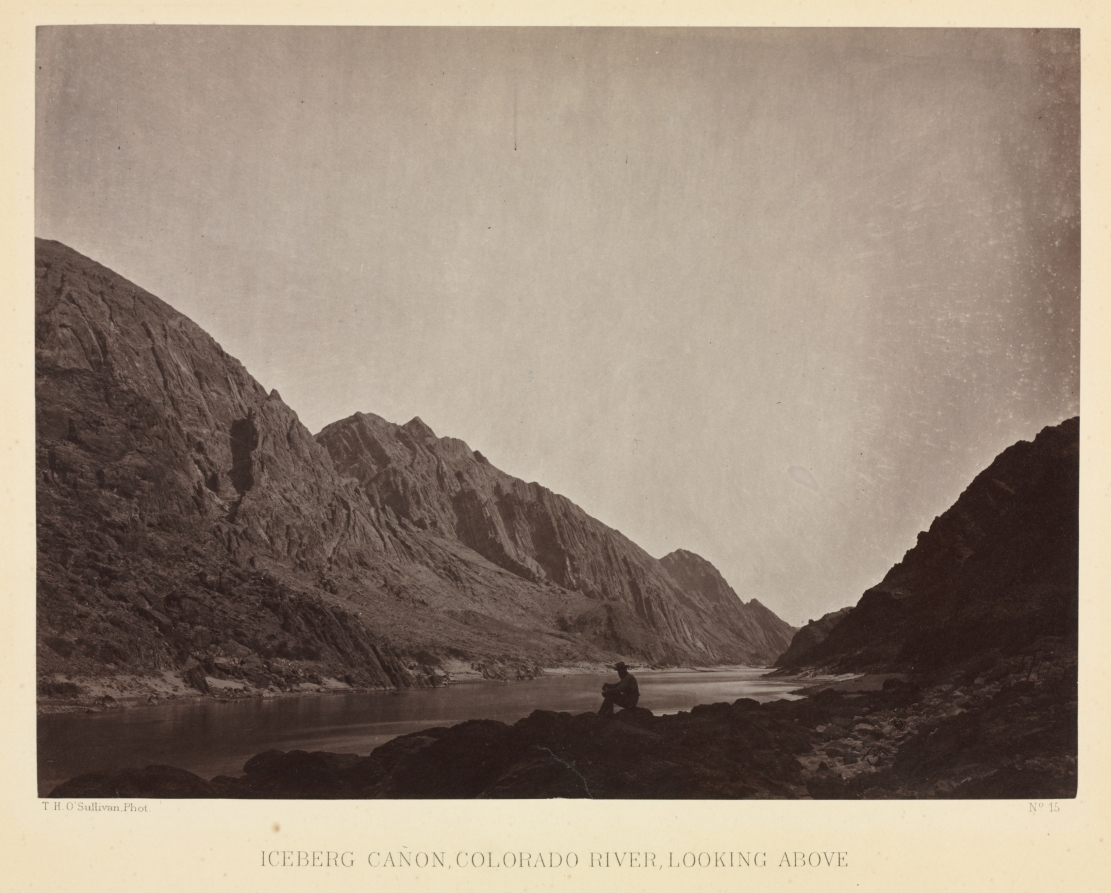
Iceberg Canyon, Colorado River Looking Above, 1871
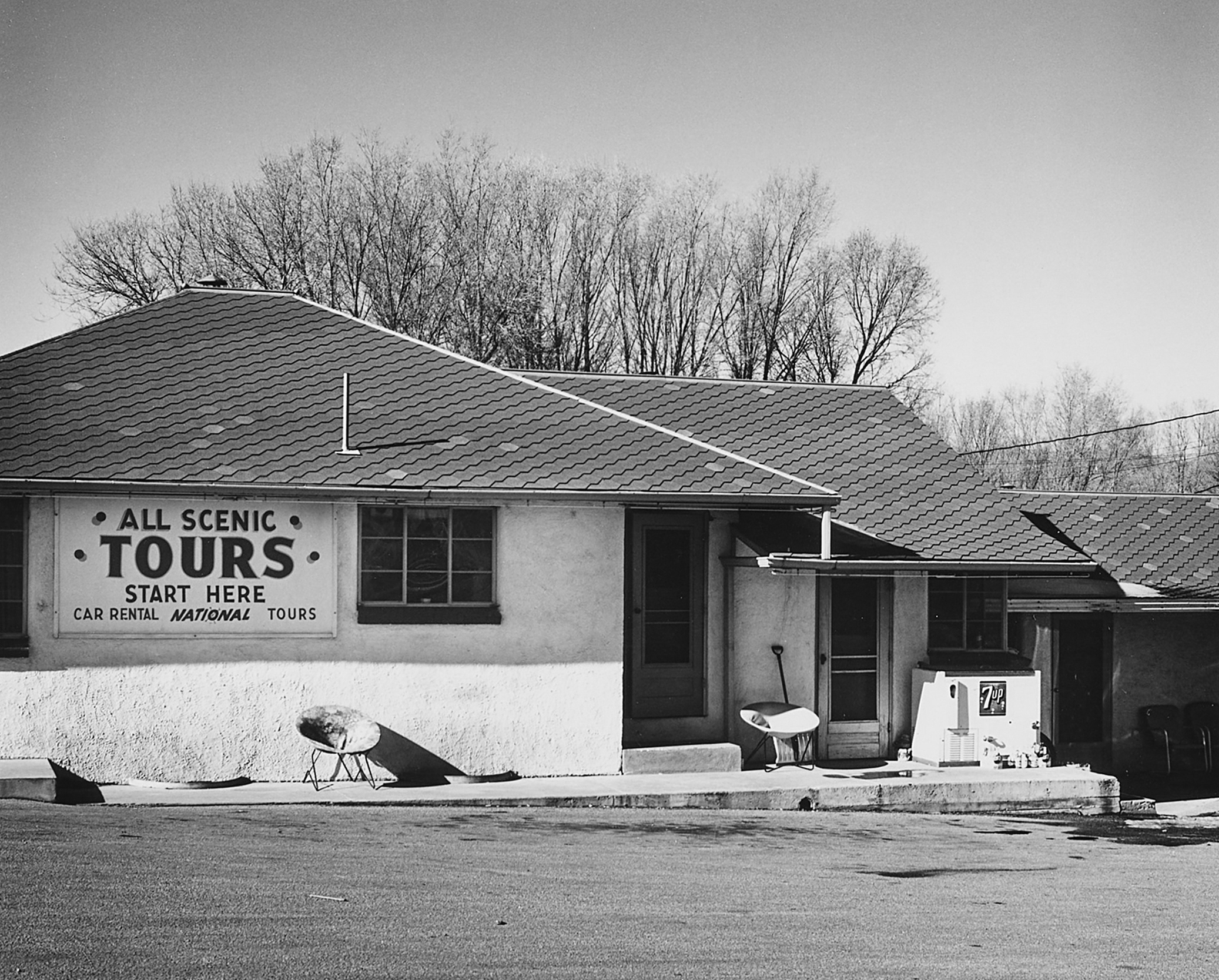
The West That Photography Refused to Romanticize
There is a particular quality of light in the American West that does something to a camera. It strips away sentimentality. It burns off the picturesque. What remains, in the hands of the right photographer, is something stranger and more honest than landscape has any right to be.
The tradition of photographing the Western United States is not simply a history of beautiful pictures made in beautiful places. It is a century and a half of artists grappling with what the land means, who it belongs to, and what civilization has done to it. The story begins in earnest after the Civil War, when the United States government sent survey expeditions into unmapped territories to document what the nation had theoretically just acquired. Timothy H.
Timothy H. O'Sullivan
Iceberg Canyon, Colorado River Looking Above, 1871
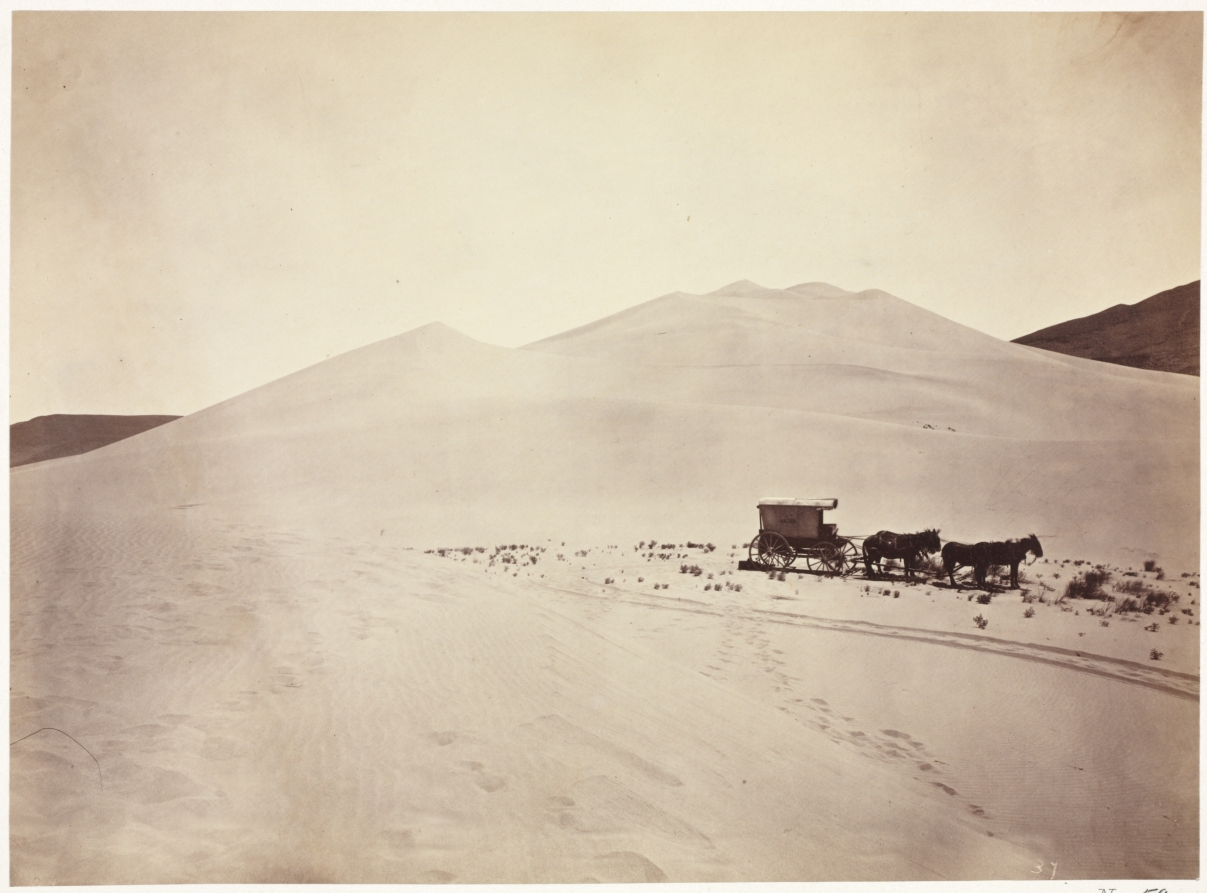
O'Sullivan joined Clarence King's Geological Exploration of the Fortieth Parallel beginning in 1867, and the photographs he made during that survey remain among the most extraordinary documents in the history of the medium. O'Sullivan worked under conditions that would have broken most artists. He hauled wet plate collodion equipment across alkali flats and into canyon systems that had no names in English, producing images that were officially scientific but are unmistakably something else. There is a photograph he made in the Nevada desert, a view of sand dunes near Carson Sink, that feels almost hallucinatory.
The dunes rise like architecture. The wagon used to transport his gear sits in the middle distance like an afterthought, and the sky is perfectly empty. It is an image about scale in the most unsettling possible sense. O'Sullivan's work circulated primarily as stereoviews and government reports during his lifetime, which meant it reached a wide audience without ever quite entering the category of art.
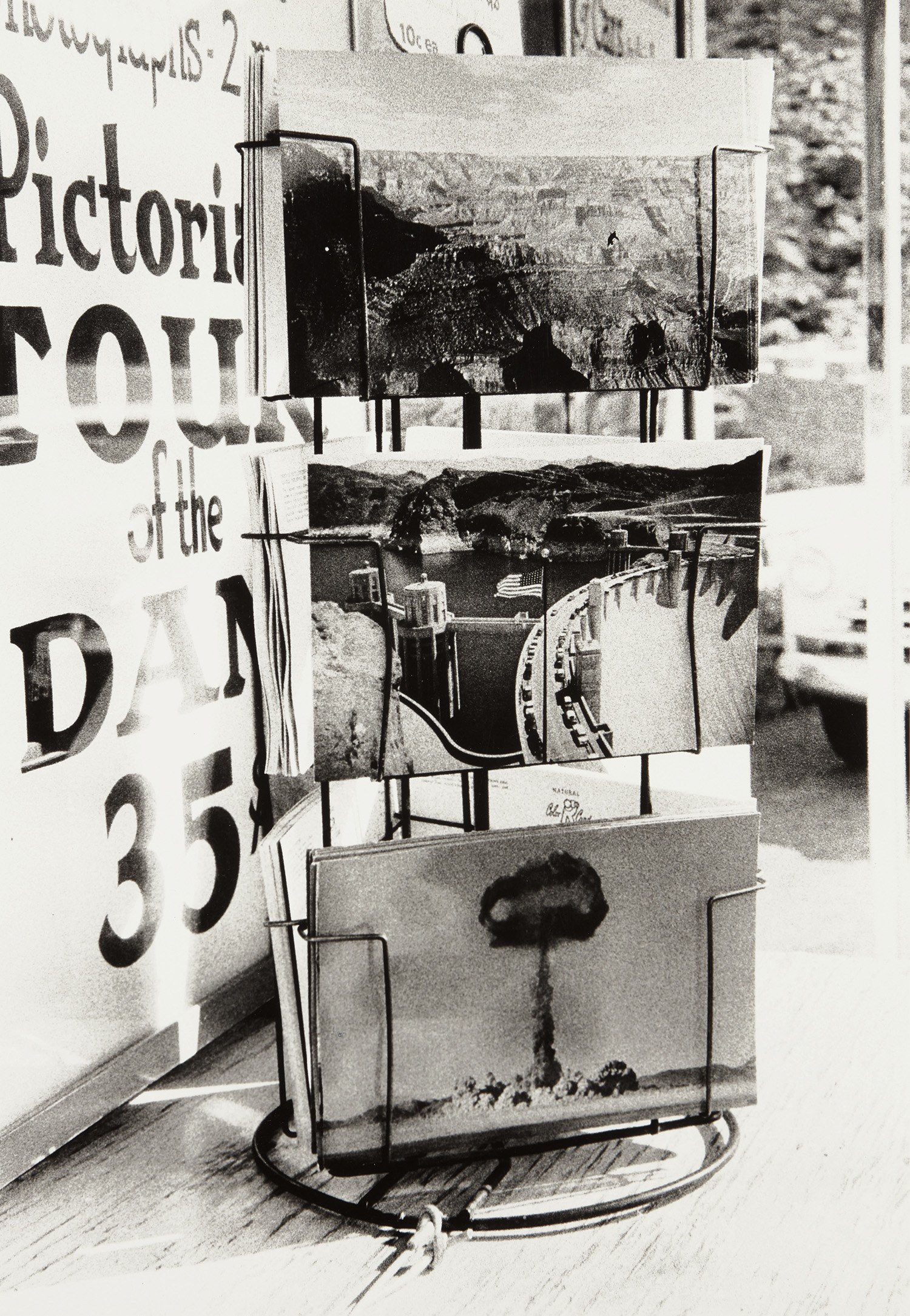
Robert Frank
Hoover Dam
That reclassification would take another century. What his photographs did immediately was establish the terms of engagement: the West as a place of geological time rather than human history, a landscape that predates and will outlast whatever the nation imagines itself to be. This was a convenient mythology for a government eager to justify expansion, but the images themselves are more ambivalent than their official purpose. O'Sullivan's West is not triumphant.
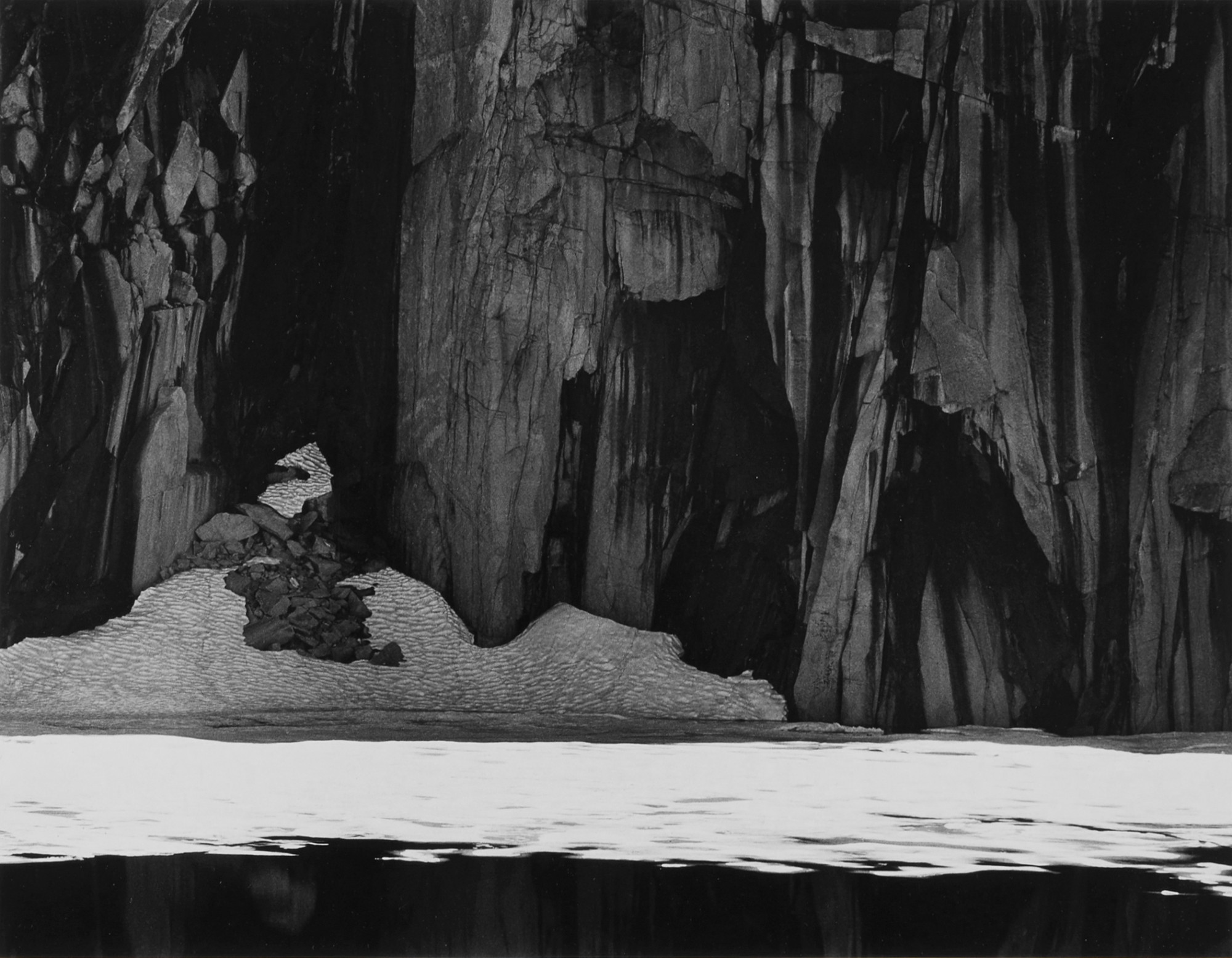
It is silent and enormous and slightly threatening. Ansel Adams arrived at a very different relationship with that same landscape, though his roots were in the same Sierra Nevada wilderness that had captivated painters of the previous century. Adams spent decades in Yosemite beginning seriously in the 1920s, developing his Zone System alongside Fred Archer in the early 1940s, a technical methodology for controlling tonal range in black and white photography that gave him an almost architectural command over how light appeared on paper. His prints have a physical presence that reproduction consistently fails to capture.
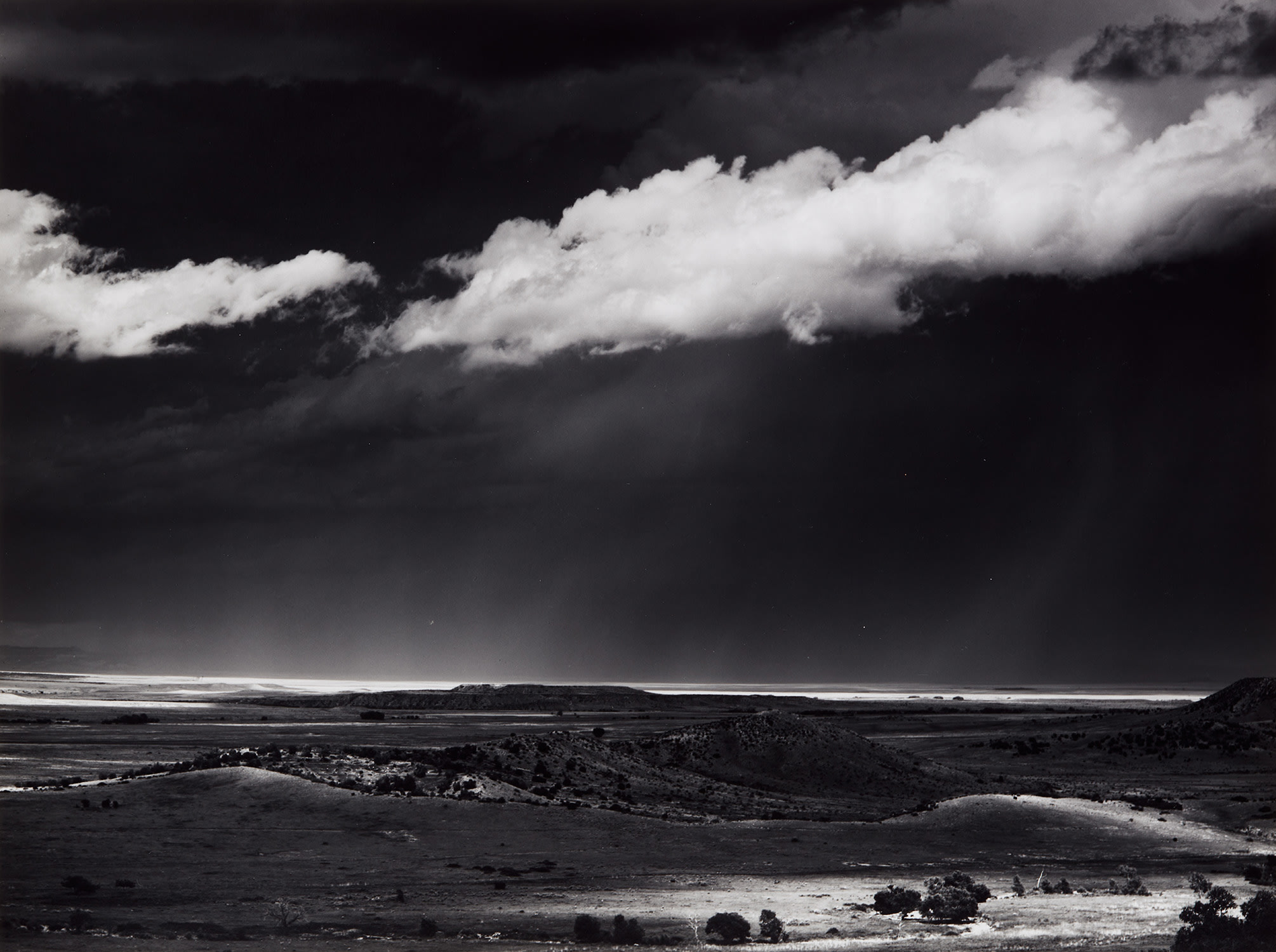
Ansel Adams
Storm over the Great Plains from Cimarron, New Mexico
Standing in front of an original Adams print, you understand that you are looking at craft of the highest order, at a man who understood the darkroom as a compositional space as much as the field. His work is sometimes accused of idealization, and the charge is not entirely unfair, but Adams was also a committed conservationist whose photographs functioned as political documents. The beauty was never purely aesthetic. It was argumentative.
The conversation shifted decisively in the 1970s and into the 1980s, when a generation of photographers began to question what Adams and the tradition he represented had left out. Robert Adams, no relation to Ansel, was among the most important voices of that reassessment. His book "The New West," published in 1974, turned the camera toward tract housing, strip malls, and the suburban sprawl consuming the Front Range of Colorado. These were not beautiful pictures in any conventional sense, and that was entirely the point.
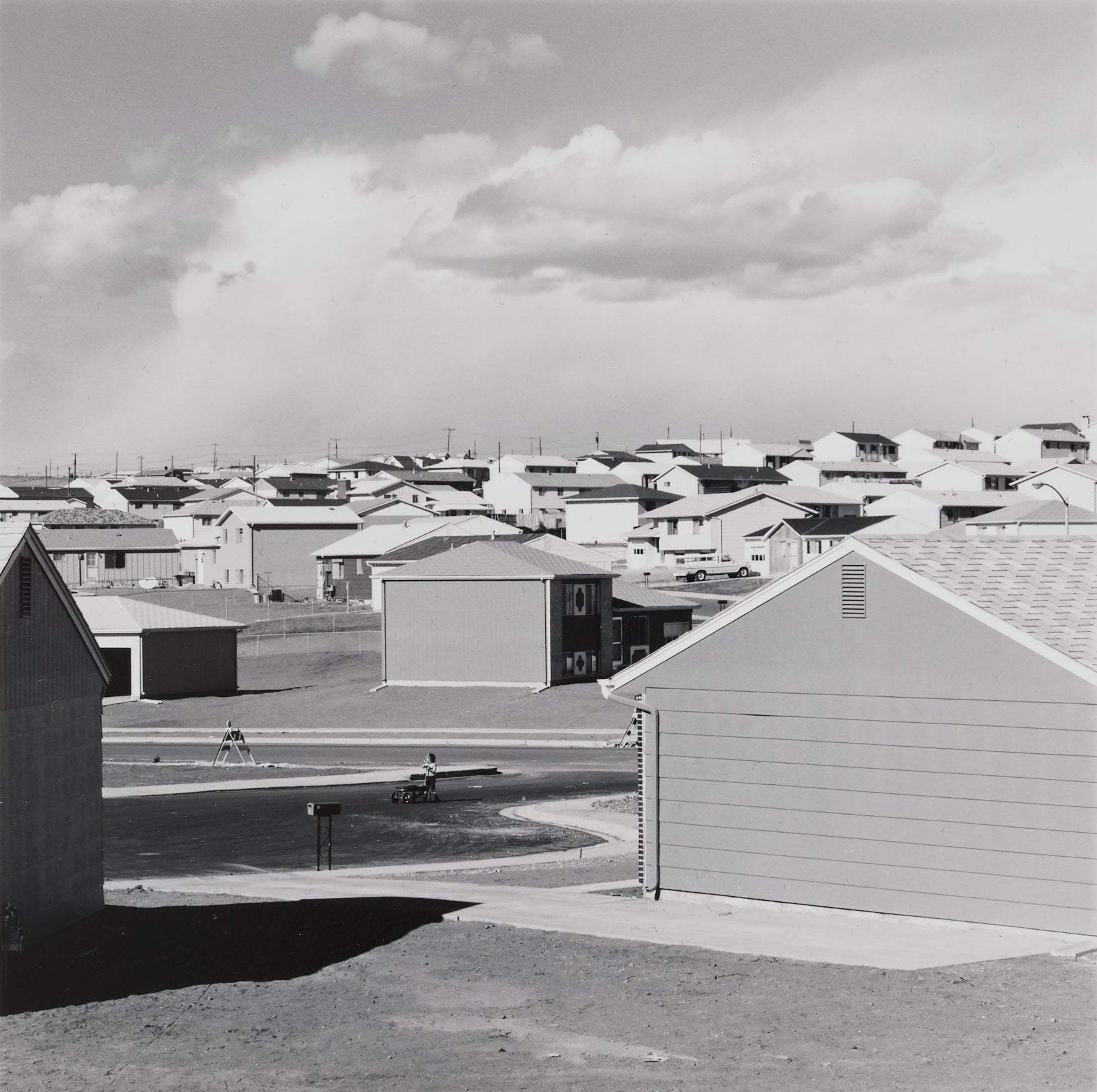
Robert Adams
Pikes Peak Park, Colorado Springs, Colorado
Robert Adams photographed the American West as a place where the promises embedded in the landscape had curdled into something disappointing and real. His work belongs to what critics came to call the New Topographics, a movement crystallized in the 1975 exhibition of that name at the George Eastman House in Rochester, which included Lewis Baltz, Joe Deal, and Stephen Shore alongside Adams. The show was not widely celebrated at the time, but it has since been recognized as one of the genuinely pivotal moments in postwar photography. Robert Frank, though associated primarily with his portrait of America made during his cross country road trip of 1955 and 1956 and published as "The Americans" in 1958, moves through this tradition with his own disruptive energy.
The West appears in "The Americans" not as landscape but as social space, a collection of gas stations, roadside diners, and isolated figures that refuse the mythology of frontier freedom even as they invoke it. Frank's photographs feel grabbed rather than composed, and that quality of urgency changed what American photography thought it was allowed to look like. His influence on subsequent generations is so pervasive as to be almost invisible, the way certain grammatical structures shape how we think without our noticing. What connects all of these artists, across their profound differences in temperament and technique, is a willingness to take the Western United States seriously as a subject rather than simply as a backdrop.
The land is not neutral in their hands. It carries the weight of what has been done in its name, what has been extracted from it, who has been displaced by the project of its settlement. The works on The Collection that engage with this tradition ask the same questions that O'Sullivan's survey photographs asked from the back of a wagon in 1867, and the fact that those questions remain urgent is itself a kind of answer. For collectors, this body of work offers something rarer than visual pleasure, though it offers that as well.
It offers a sustained meditation on place and power and the capacity of photography to bear witness to both. The Western United States has been one of the great subjects of American art for reasons that go well beyond scenery. It is where the country's self image was constructed, and it is where that self image has been most honestly examined.