Water Imagery
Archived article
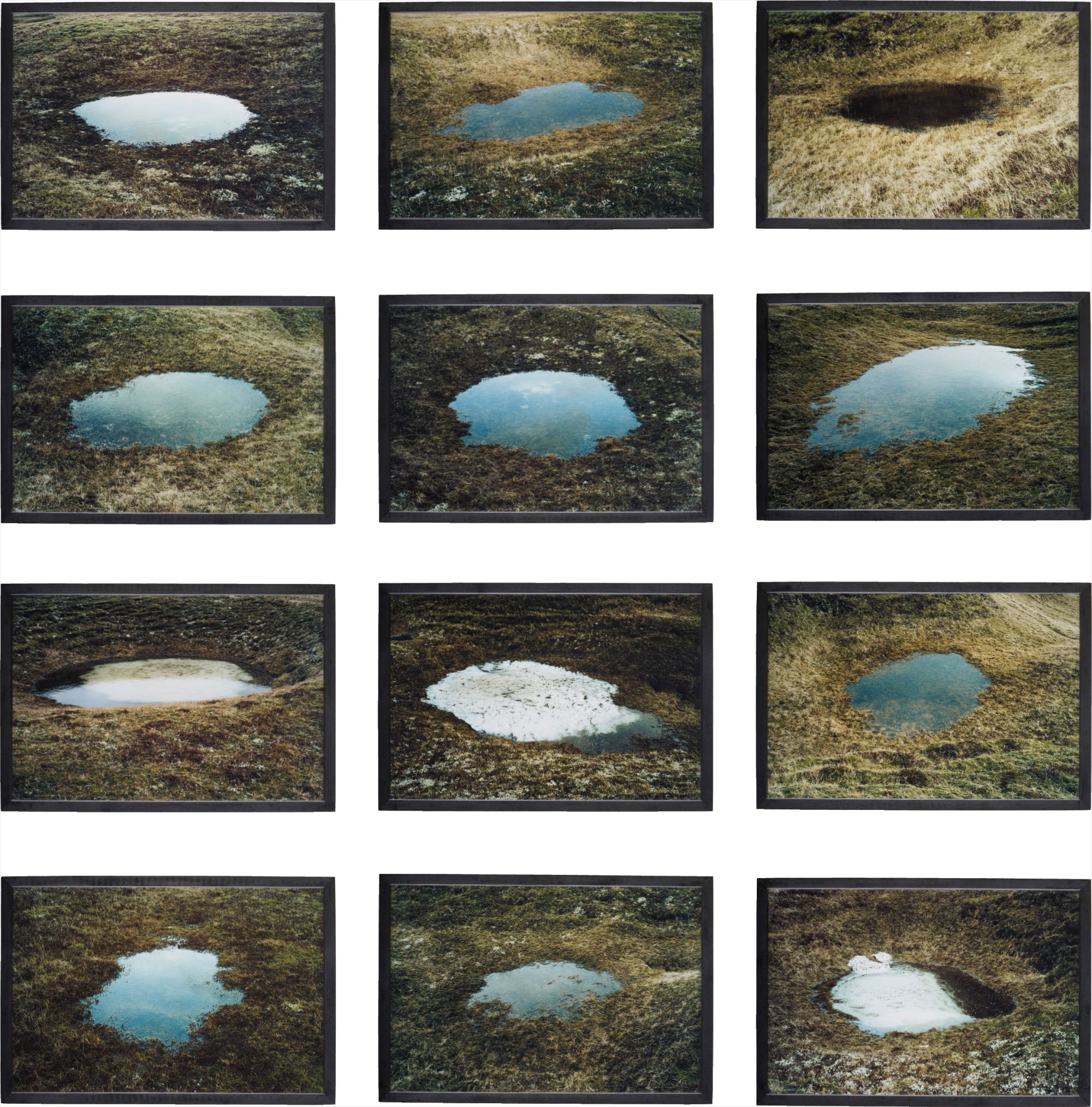
Will Fowler
Drops
You are reading a previous version of this article.
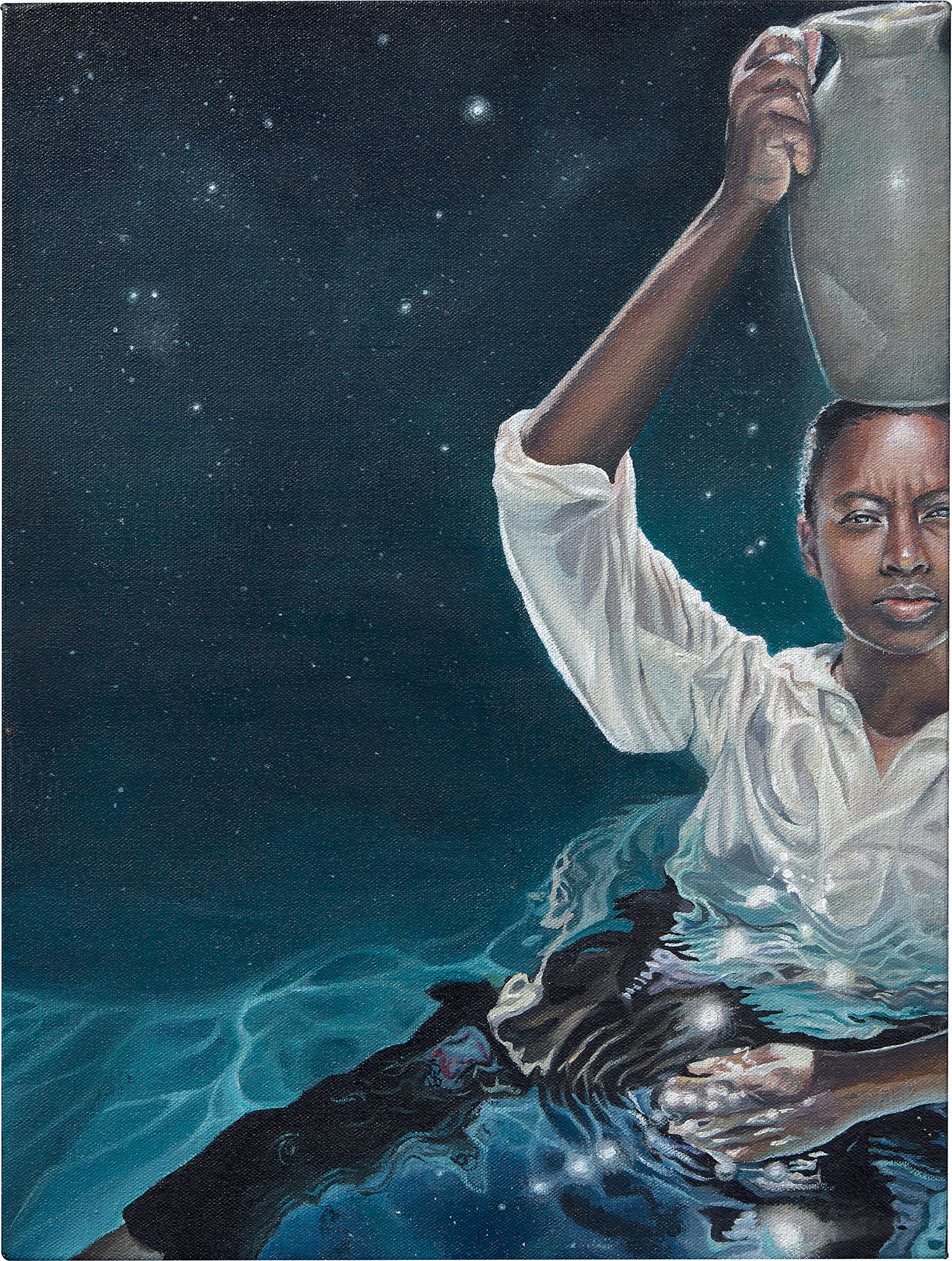
Read the latest version```json { "headline": "Water Never Lies: Collecting the Fluid Sublime", "body": "When Calida Rawles's large scale painting of a Black woman submerged in luminous blue water sold at auction in recent years, it did not simply break records for the artist. It reframed an entire conversation about who gets to occupy the space of the sublime, and what water means as a site of both danger and transcendence in American life. The work stopped people in a way that landscape painting rarely does anymore, precisely because it refused to be merely beautiful. That combination of formal mastery and urgent cultural meaning is exactly what is driving collector appetite for water imagery right now, across media, geographies, and generations of artists.
", "Water has always been present in art, but the current moment feels different from earlier periods of seascape painting or Impressionist river scenes. The ecological emergency has made water political in a way that sharpens the stakes of every work that engages it. At the same time, artists working with water imagery today are drawing on deeply personal and often underrepresented relationships to the ocean, rivers, and rain, relationships shaped by diaspora, by race, by the specific geography of bodies that have been both endangered and sustained by water. The result is a category that feels genuinely alive rather than settled.
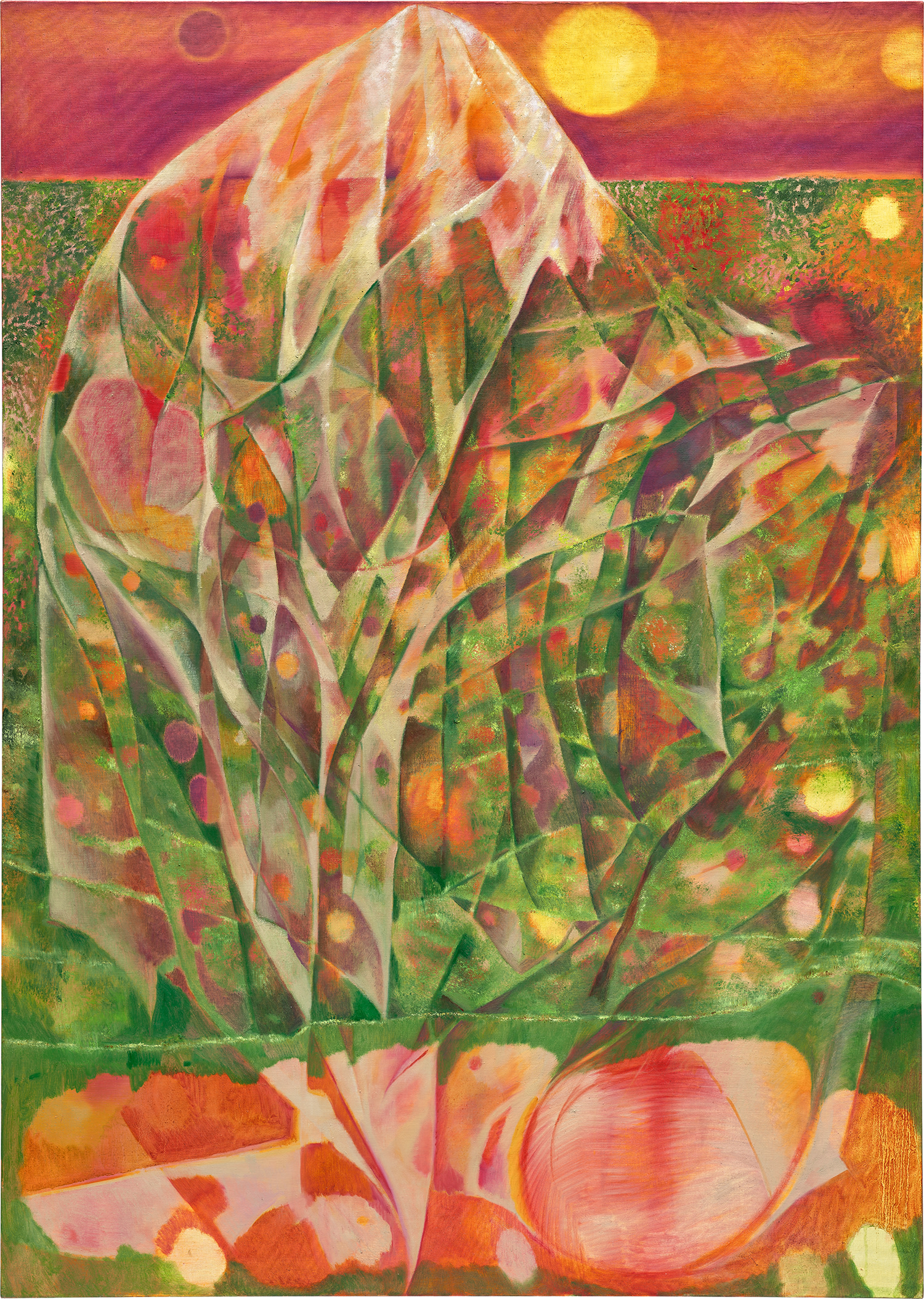
Li Hei Di
Unfolding a flood, 2022
", "Ólafur Elíasson has been one of the most significant figures in shaping how institutions think about water as artistic material rather than merely subject matter. His 2019 installation at Tate Modern, where glacial ice chunks from Greenland were placed outside the museum for visitors to touch and watch melt, collapsed the distance between gallery experience and planetary crisis in a way that exhibitions are still reckoning with. Elíasson's work insists that water is time, that it is a record of decisions made and unmade, and that insistence has influenced how curators frame the entire category. His presence on The Collection signals the kind of conceptual seriousness that anchors a broader conversation.
", "The auction market for water imagery has rewarded artists who bring that same seriousness without sacrificing visual pleasure. Marilyn Minter's hyper real photographs of water cascading across skin and glass have performed consistently at auction, with her work finding homes in major private collections and institutions including the Whitney Museum of American Art. Her images sit at an interesting pressure point between beauty and discomfort, the surface is seductive but the viewer is never quite allowed to relax into it. That productive tension is something sophisticated collectors have recognized, and her market reflects a genuine critical consensus rather than speculative enthusiasm.
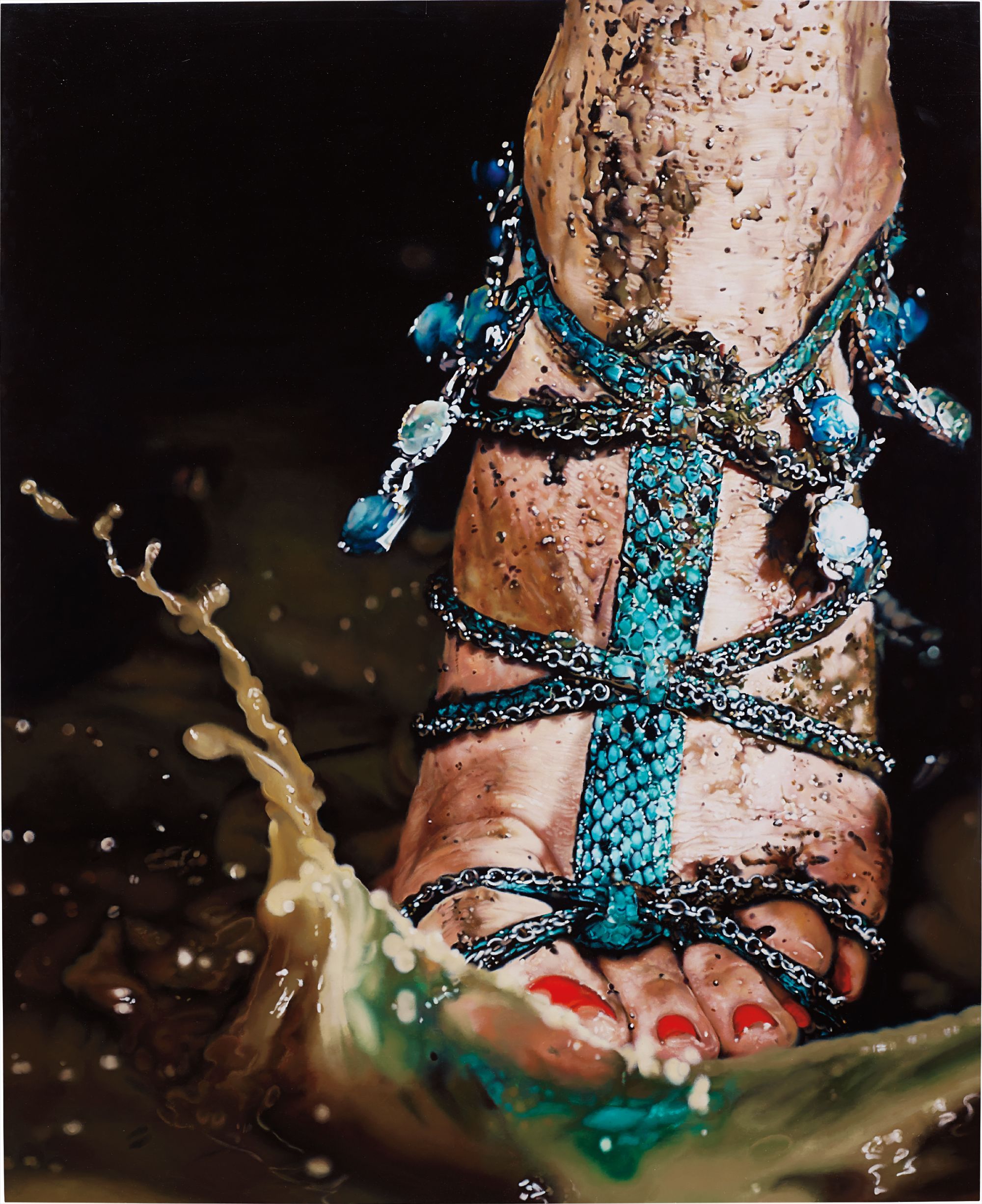
Marilyn Minter
Wave
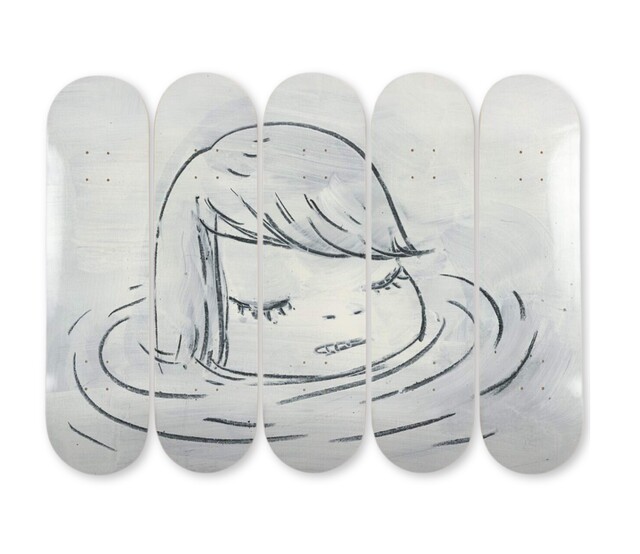
", "Yoshitomo Nara, whose quietly devastating paintings often place solitary children against vast or implied atmospheric spaces, has also engaged water in ways that connect his iconography to something larger than personal mythology. The dreamlike isolation in his figures, so often caught between weather and interior states, resonates with a global collecting base that finds in his work both intimacy and cosmic loneliness. His auction results at Christie's and Sotheby's have been among the most watched in contemporary art over the past decade, with individual works clearing well into the millions. What those results confirm is that emotional directness and formal clarity, when handled with genuine conviction, travel across markets in ways that more conceptually dense work sometimes cannot.
", "The institutional collecting picture tells its own story. The Museum of Modern Art, the Hammer Museum in Los Angeles, and the Studio Museum in Harlem have all made deliberate acquisitions in this space in recent years, and their choices signal a broadening of the canonical frame. The Studio Museum's sustained attention to artists like Rawles speaks to how water imagery is being understood not just as formal subject but as a locus of cultural memory and reckoning. When institutions of that weight move in a direction, the critical conversation tends to follow, and collectors who are paying attention have a window before that consensus fully hardens.
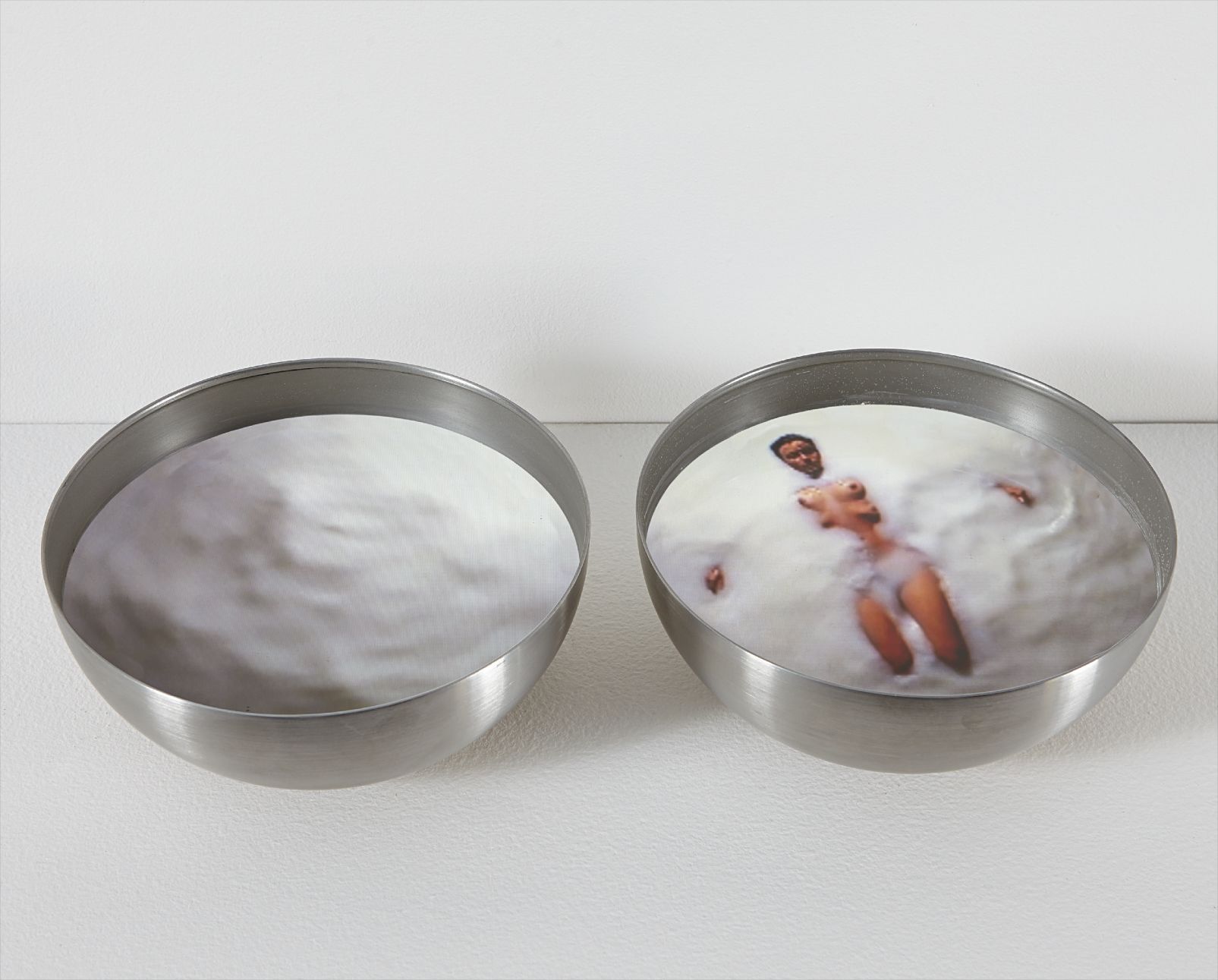
Peter Sarkisian
White Water Two (8 Inch Version)
", "The critical writing shaping this area is coming from several directions at once. Saidiya Hartman's scholarship on Black life, water, and the Atlantic has given artists and curators a conceptual vocabulary that extends well beyond the visual arts into how we think about representation itself. Publications including Artforum and frieze have run sustained features on artists engaging ecological and political dimensions of water, while smaller platforms and artist run journals are often quicker to identify the emerging voices. Curators like Naomi Beckwith and Rujeko Hockley have been particularly thoughtful in positioning water engaged work within broader historical and political frameworks rather than treating it as simply a formal category.
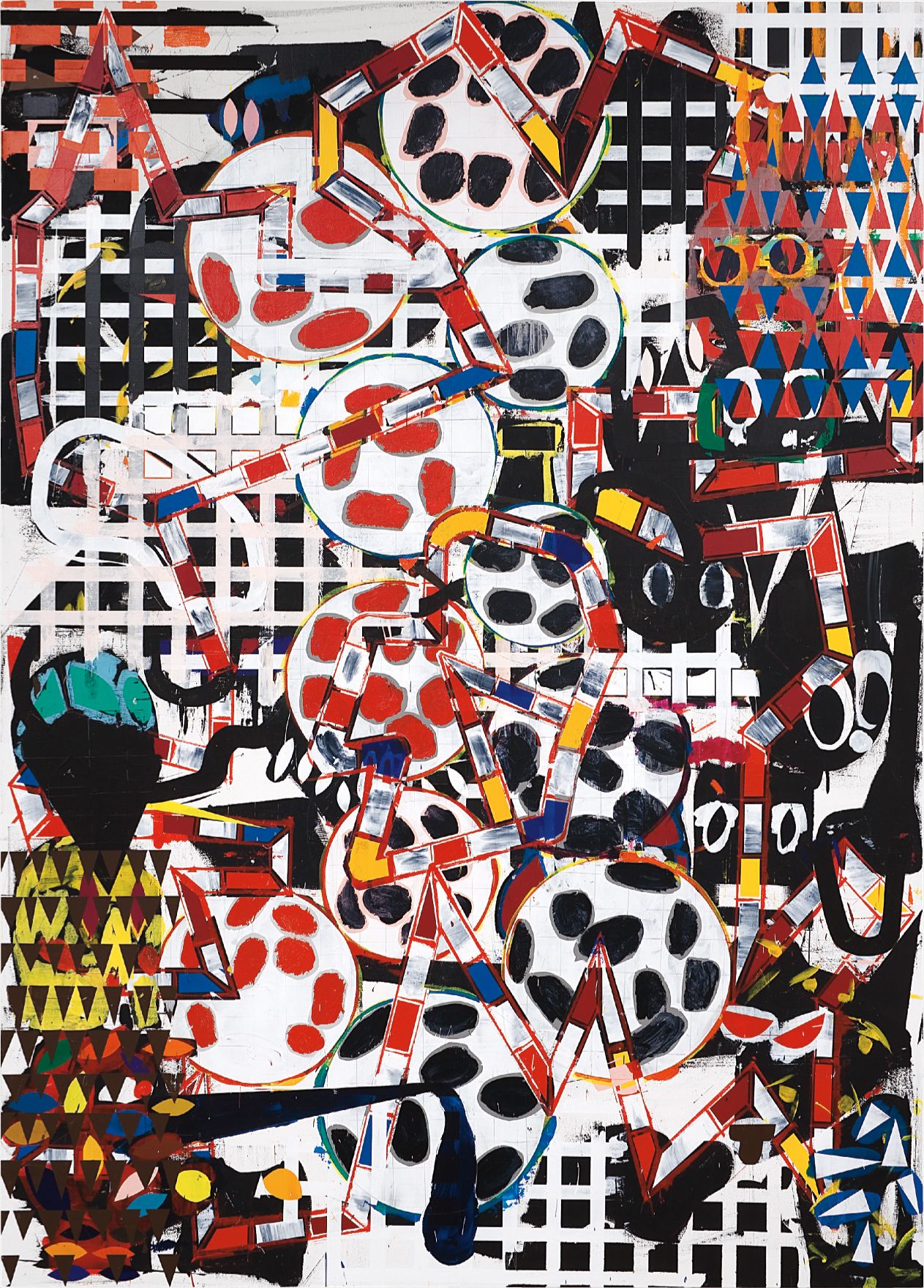
", "Among the artists on The Collection, the range of approaches to water imagery is genuinely striking. Peter Sarkisian's video work introduces a temporal and spatial disorientation that makes water feel less like a subject and more like a condition of perception. Imai Toshimitsu, the Japanese postwar painter associated with the Gutai group's radical materialism, approaches water through pure gestural force, where the liquid quality of paint and the implied presence of water become nearly indistinguishable. Li Hei Di brings a quieter, more atmospheric sensibility that recalls both Chinese ink painting traditions and contemporary photo based practice.
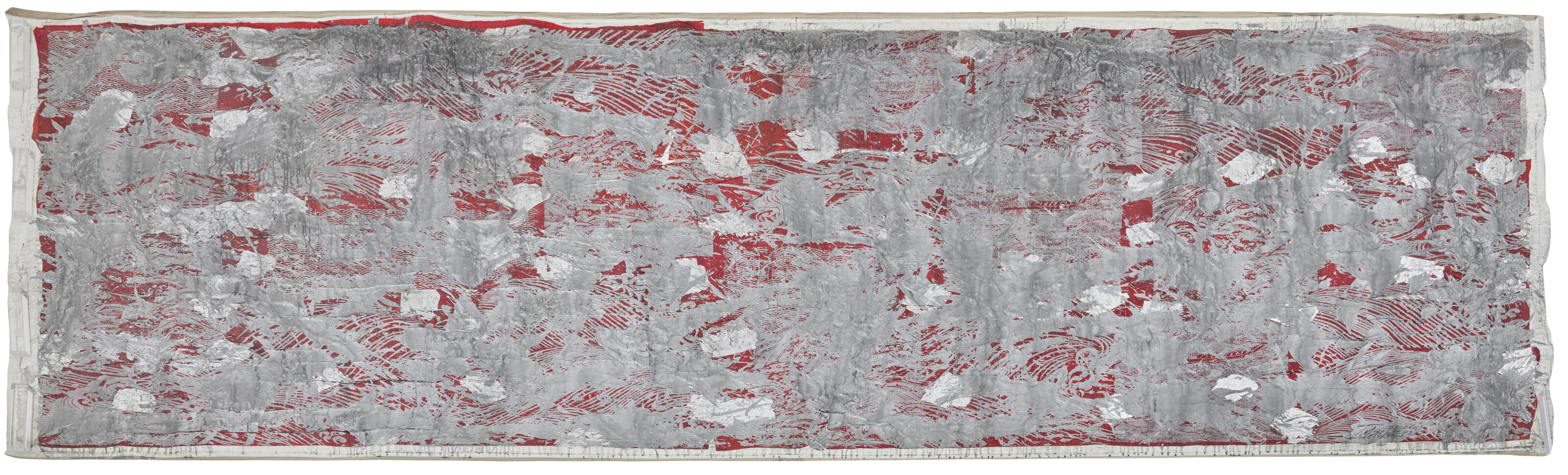
Imai Toshimitsu
Wave
Will Fowler's engagement with water tends toward the meditative, finding in surface and reflection a space for extended attention that feels almost countercultural in its slowness.", "Where is the energy heading? The most urgent conversations are happening around artists who refuse to separate the aesthetic pleasures of water imagery from its political and environmental meanings. There is also a growing collector interest in works that engage water through indigenous and non Western cosmological frameworks, where the relationship to water is not one of observation from a distance but of kinship and mutual obligation.
The surprise may be how quickly the market catches up with what curators and critics have been saying for several years: that the most important water imagery being made right now is not picturesque, not nostalgic, and not comfortable. It asks something of the viewer that the best art always asks, which is to see differently and, having seen, to be changed.
Works tagged Water Imagery