Walking Figure
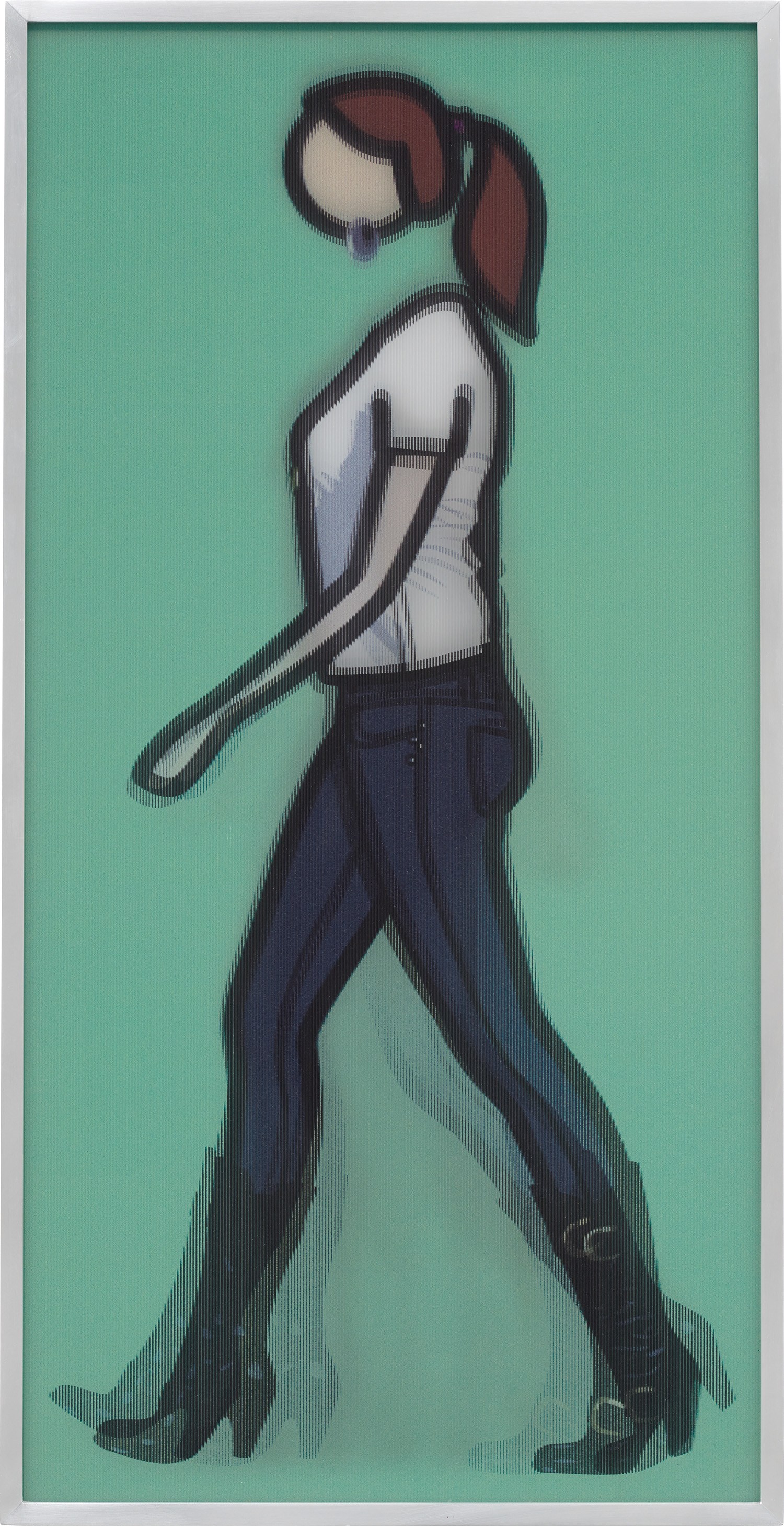
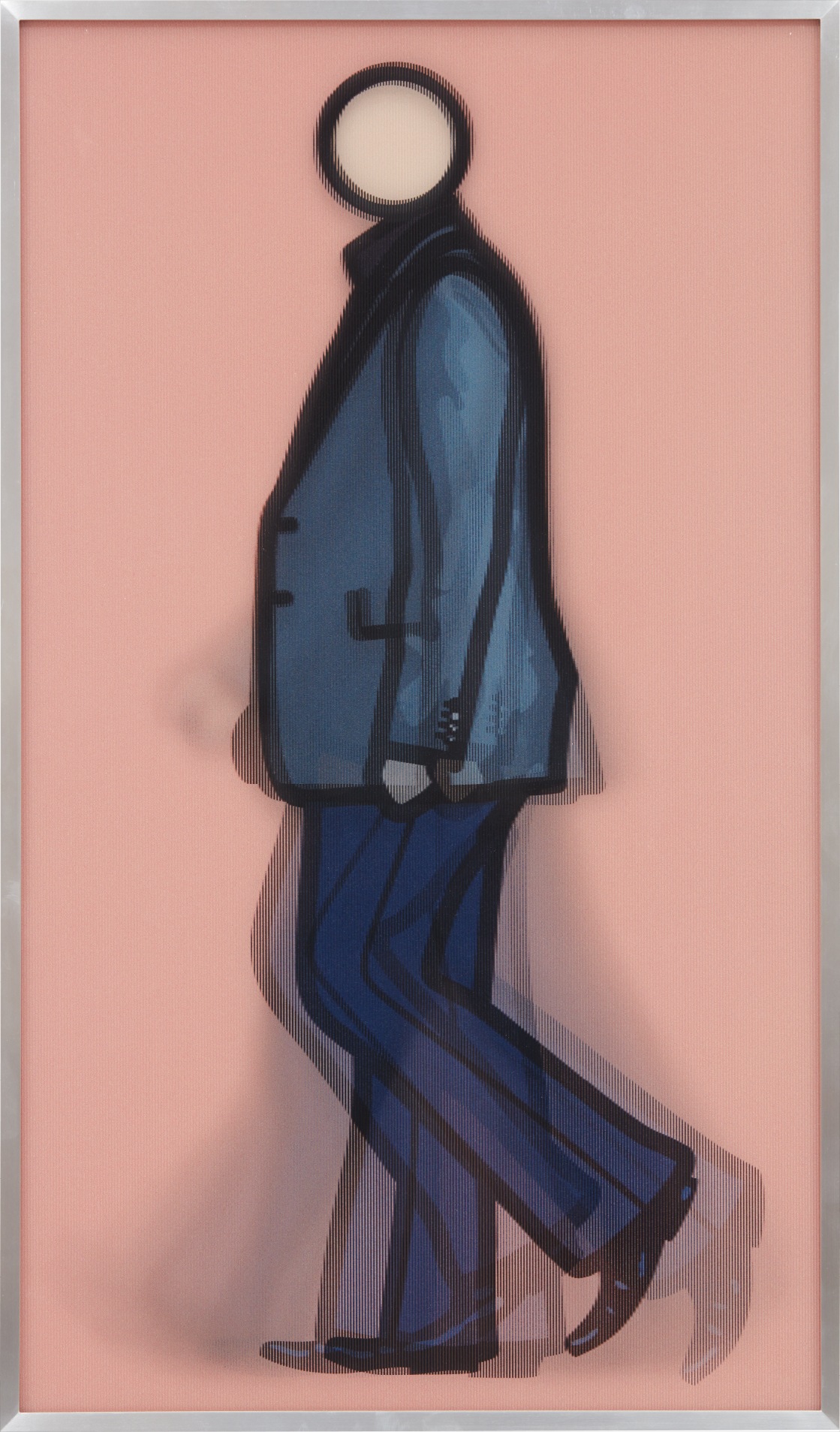
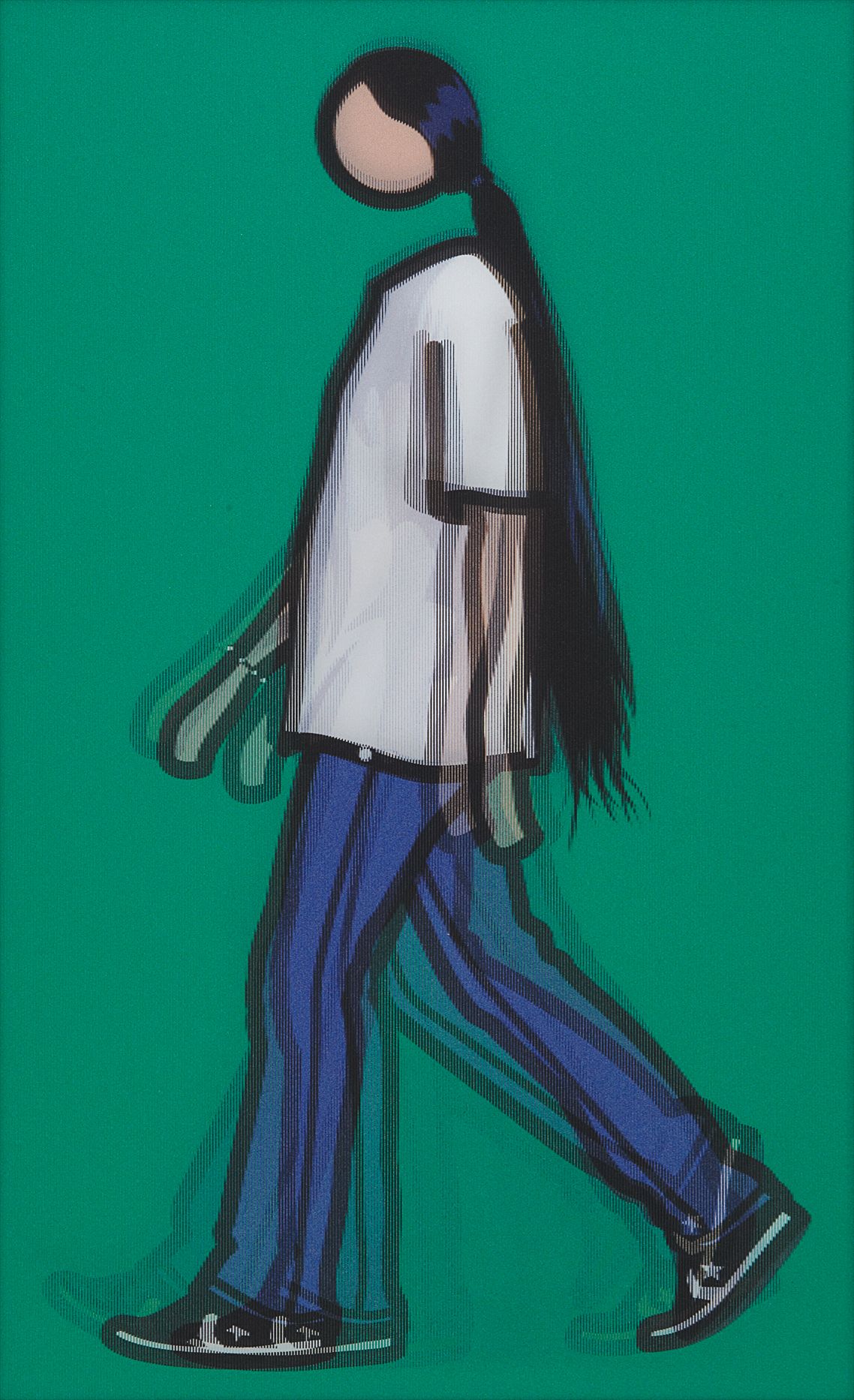
Julian Opie
Tina Walking (C. 143)
The Figure in Motion Never Stands Still
When Sotheby's London offered a bronze walking figure by Lynn Chadwick in a recent evening sale, the room held its breath in a way that felt genuinely instructive. The work sold well above estimate, not because it was a surprise, but because it confirmed something collectors have quietly understood for a while: sculpture that captures the human body in motion occupies a singular place in the market right now. It is not nostalgia driving that appetite. It is something closer to recognition, a sense that the walking figure as a subject has never been more philosophically urgent than in an era when we are rethinking what it means to move through public space.
The walking figure has one of the longest unbroken lineages in Western sculpture, from Rodin's striding figures to Giacometti's attenuated pedestrians crossing empty plazas. But the critical conversation around it shifted meaningfully in the past decade, moving away from the existential readings that dominated the twentieth century and toward something more sociological, even political. Who walks? Where?
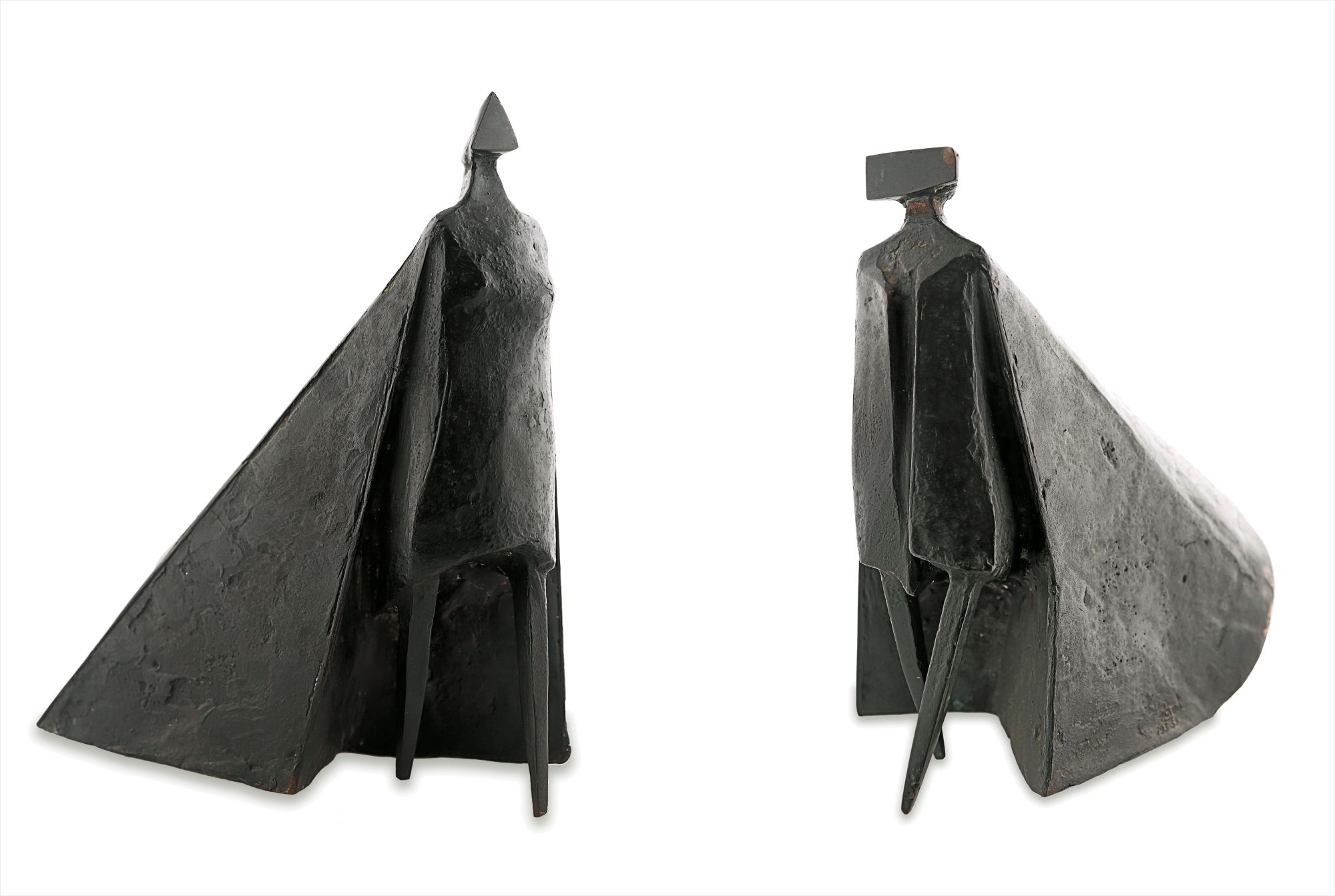
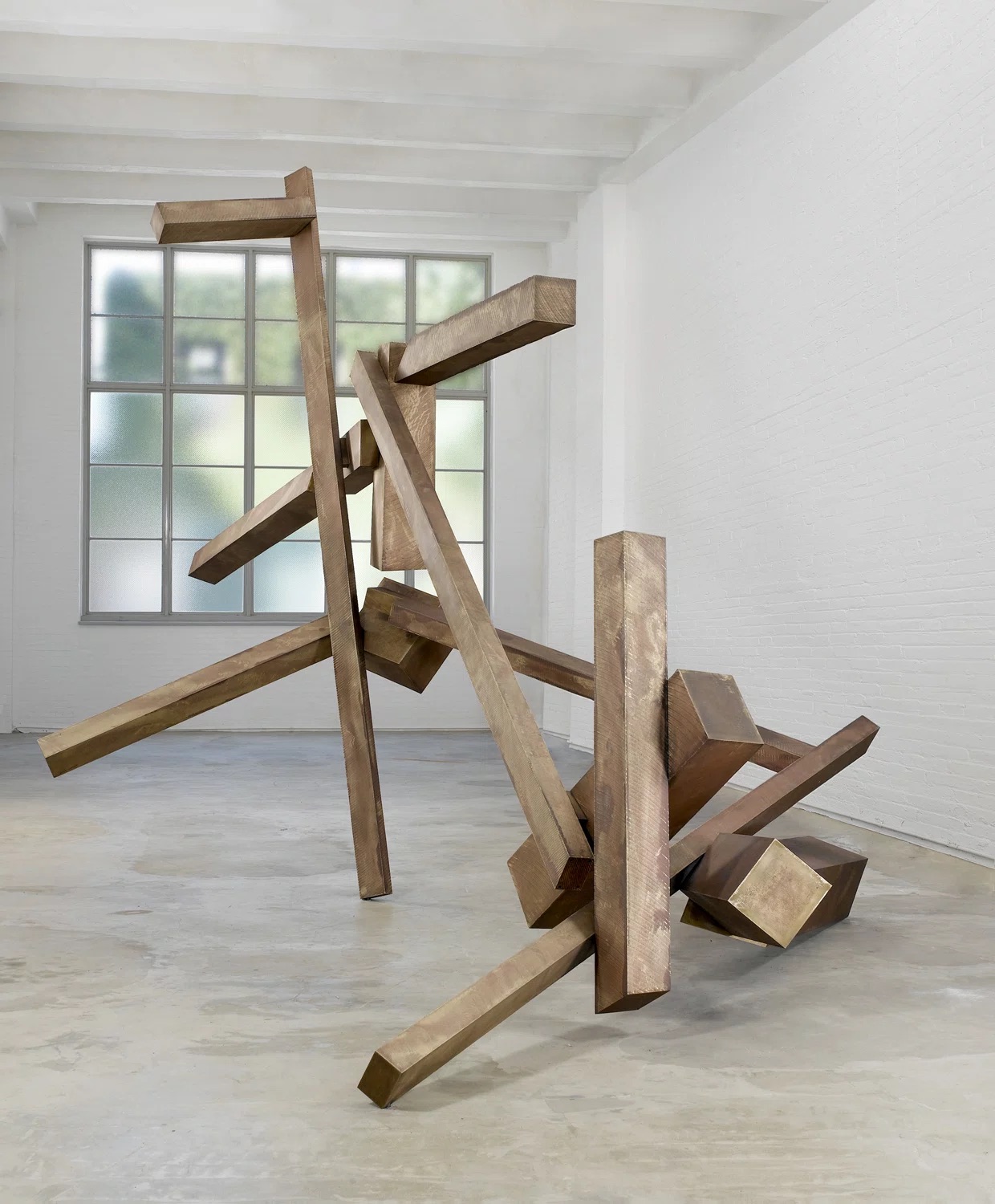
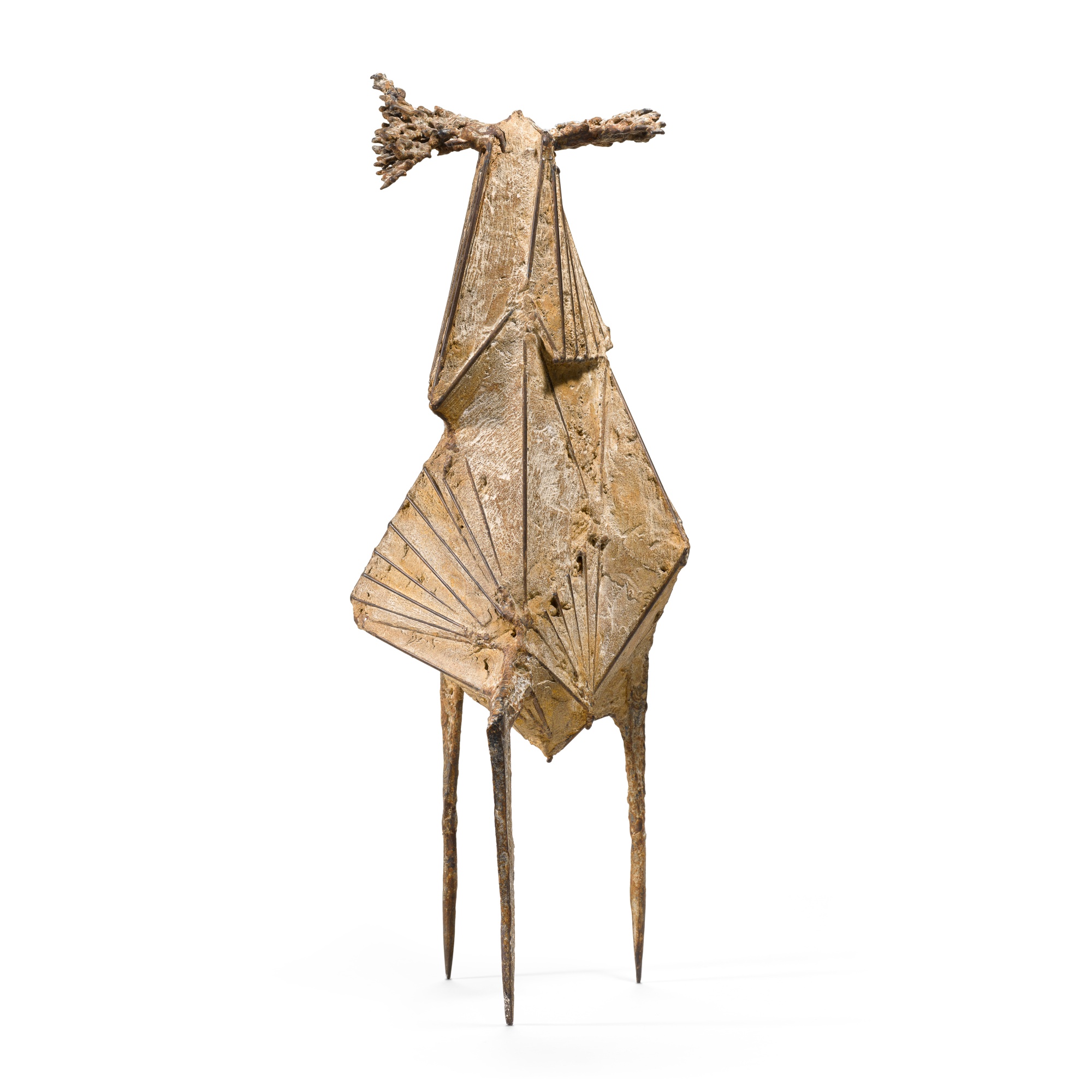
Lynn Chadwick
Walking Cloaked Figure VI
Who is watched while doing it? These questions animate the best contemporary work in this territory, and they are the questions that serious curators are now asking out loud. Lynn Chadwick's contribution to this story is considerable and somewhat undervalued in the broader public imagination relative to his standing among serious collectors. Chadwick won the International Sculpture Prize at the Venice Biennale in 1956, a moment that placed him alongside the defining figures of postwar British sculpture.
His walking figures, often cast in bronze with those distinctive angular, almost insect like geometries, carry a tension between weight and momentum that still feels alive. Institutions including Tate and the Museum of Modern Art in New York hold his work, and the secondary market has responded accordingly. When a strong Chadwick walking figure comes to auction, it draws competitive bidding from European and American collectors in roughly equal measure, which is a reliable indicator of genuine international relevance rather than regional sentiment. Julian Opie arrives at the walking figure from an entirely different direction, and the contrast is part of what makes collecting in this space so intellectually rich.
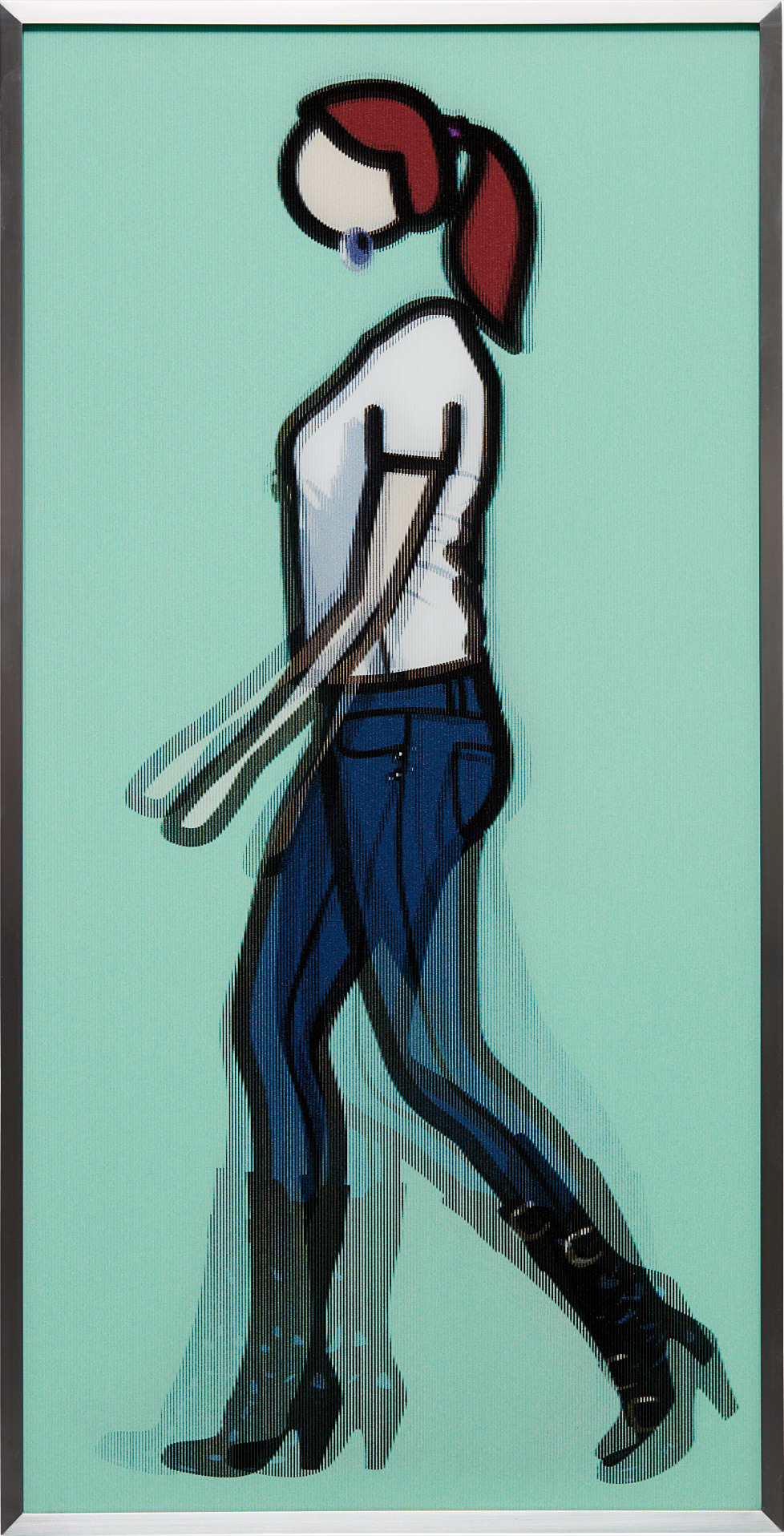
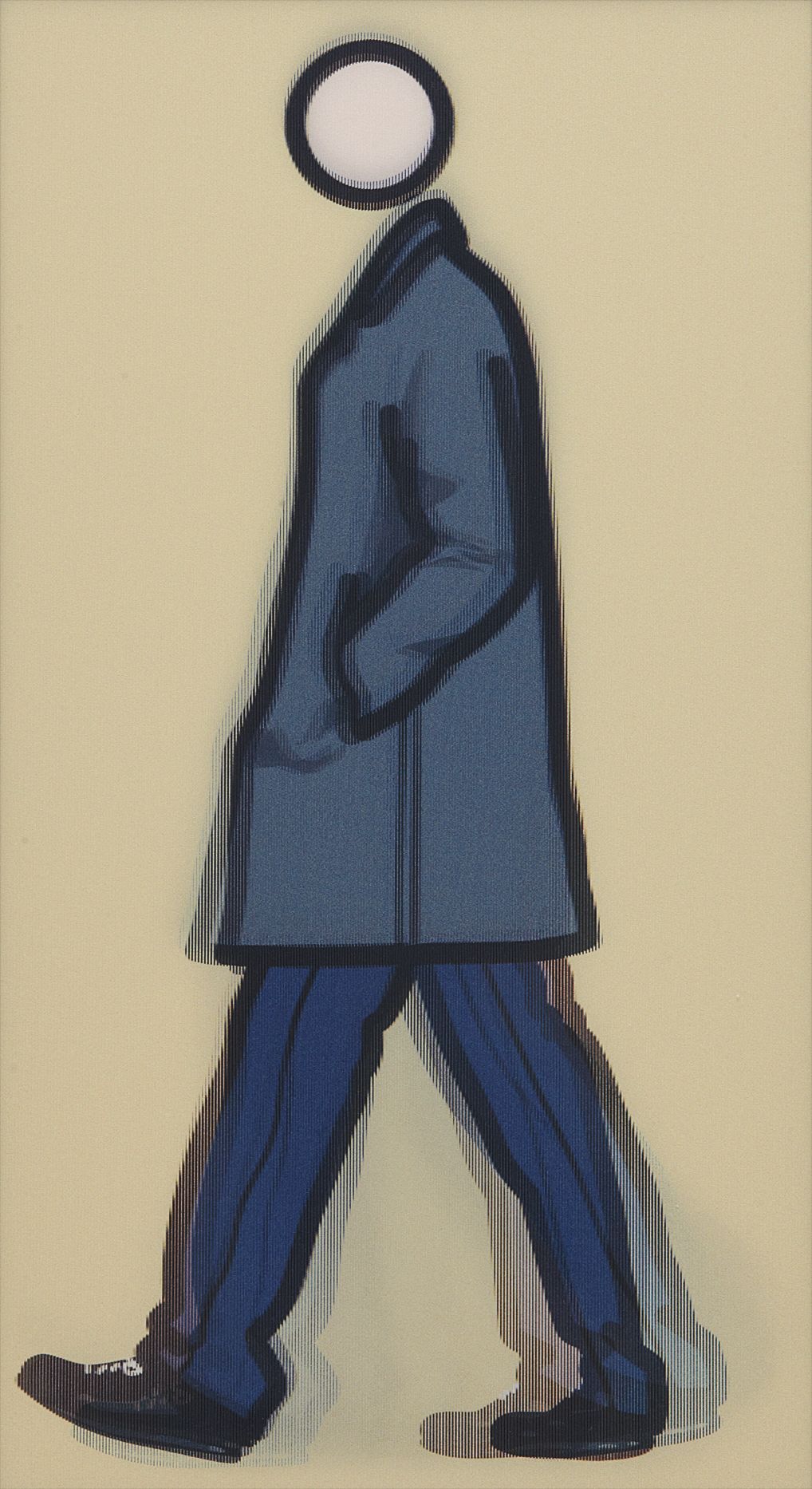
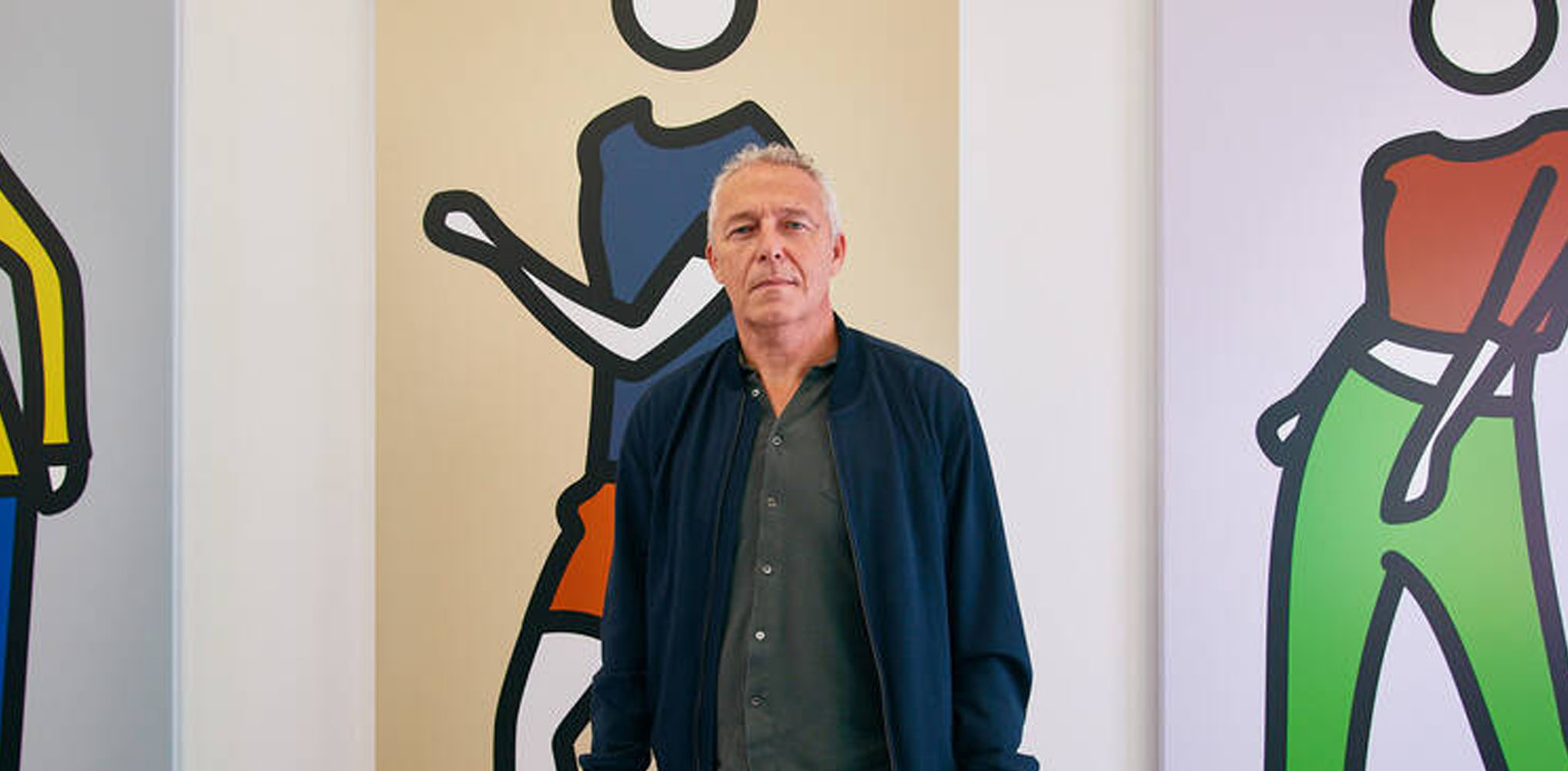
Julian Opie
Tina Walking (C. 143)
Where Chadwick works in mass and shadow, Opie reduces the figure to its most essential information: a silhouette, a rhythm, a logo almost. His walking figures, rendered in LED, vinyl, and print, have appeared in some of the most visible public contexts of the past two decades, from the London Underground to Times Square. The 2001 cover of the Best of Blur compilation introduced his iconic walking figures to an audience that had nothing to do with the art world, and that crossover moment accelerated his market in ways that are still playing out. At auction, Opie's works on The Collection represent an artist whose prices have climbed steadily through the 2010s and continue to find strong results, particularly for large format pieces where the graphic clarity reads with maximum impact.
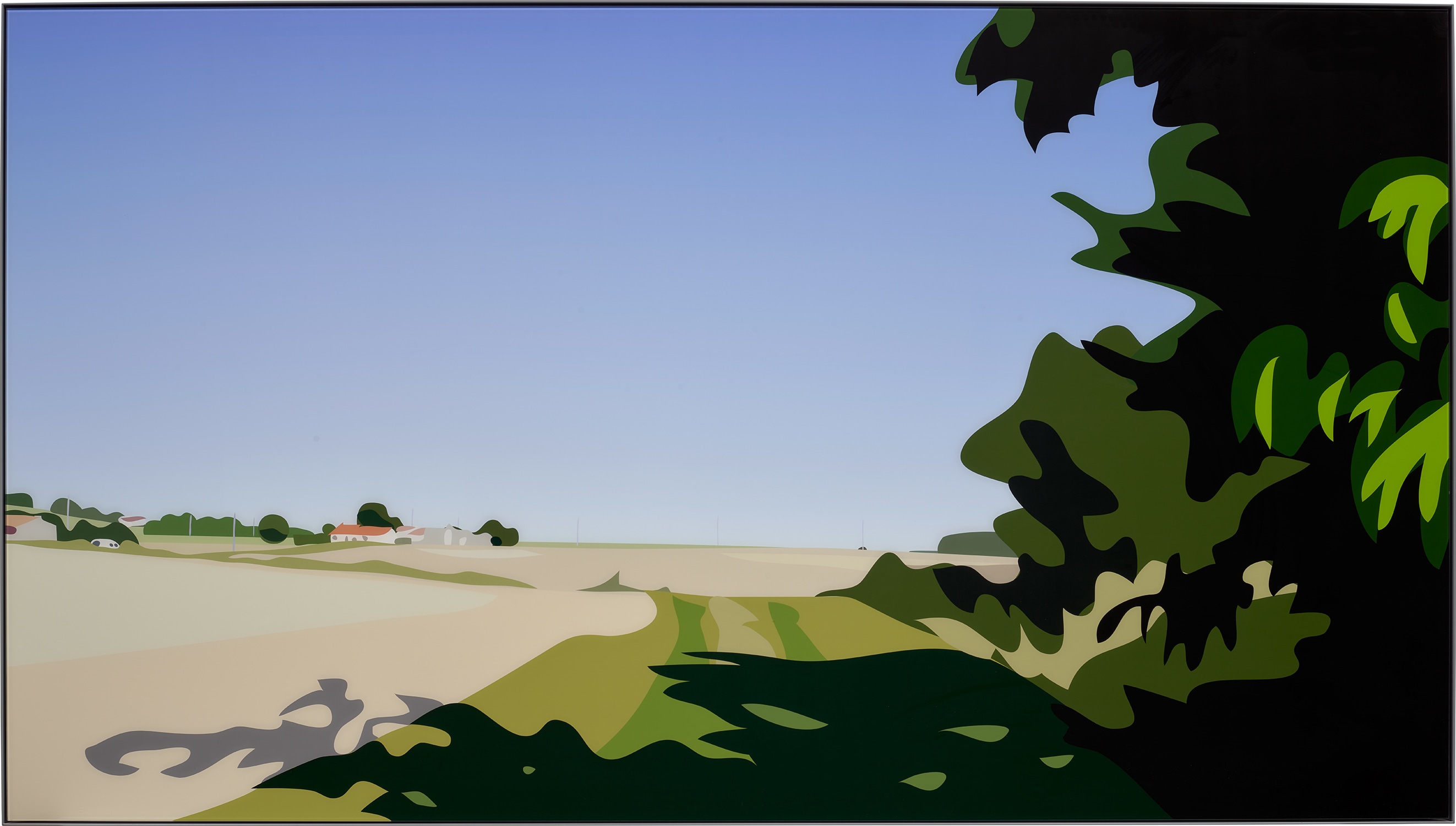
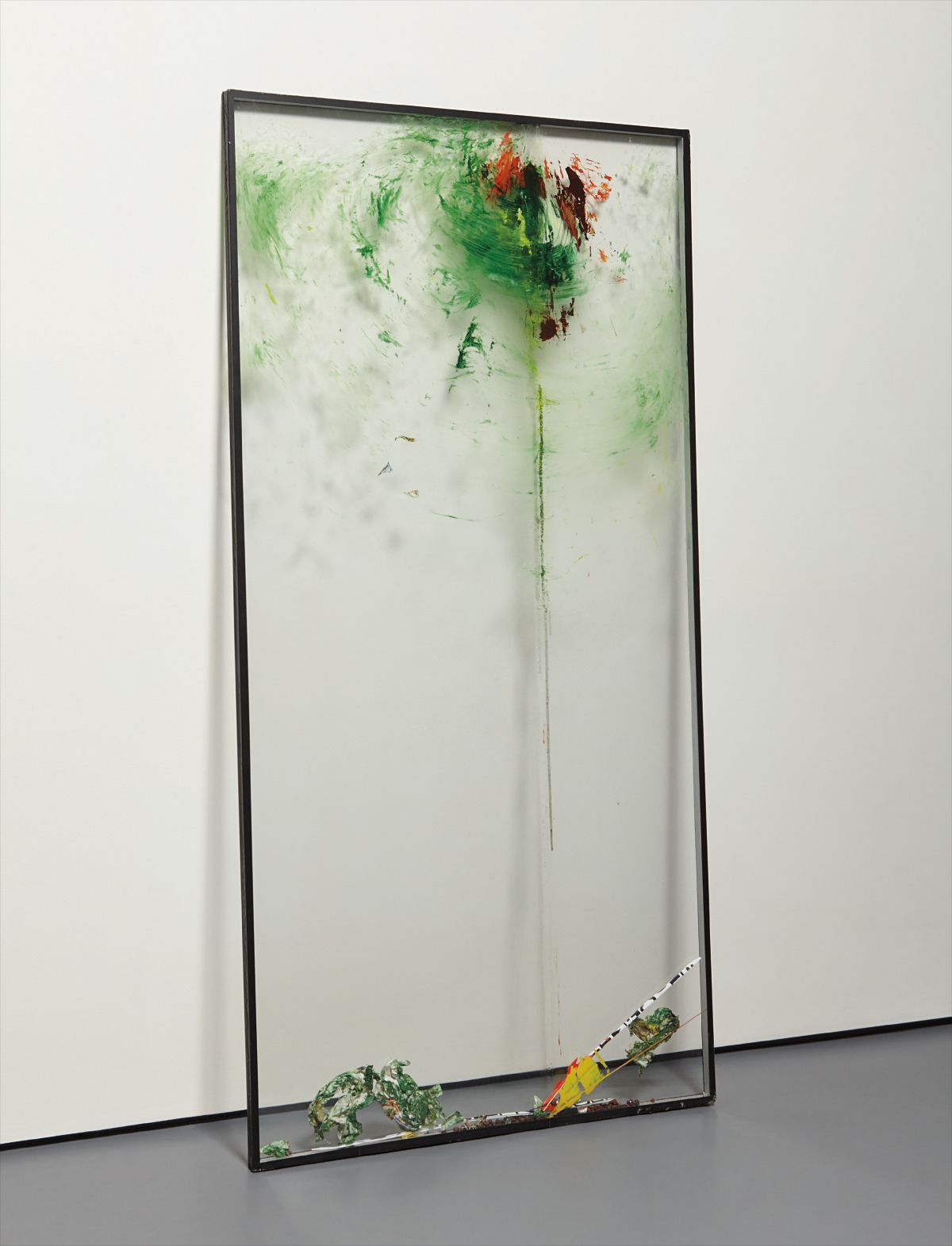
Jack Lavender represents the newer generation engaging with this subject, and watching how the market receives emerging artists working with the figure is genuinely interesting right now. There is a generation of younger sculptors and painters who grew up looking at Opie's simplified figures and Chadwick's bronze weights simultaneously, and their synthesis feels fresh rather than derivative. The institutional appetite for this work is real: smaller public museums and corporate collections are actively acquiring figure based work from artists in the earlier stages of their careers, partly because the subject matter carries immediate legibility and partly because the critical scaffolding around the figure has become so rich that curators feel confident contextualizing it. The exhibitions shaping this conversation are worth tracking closely.
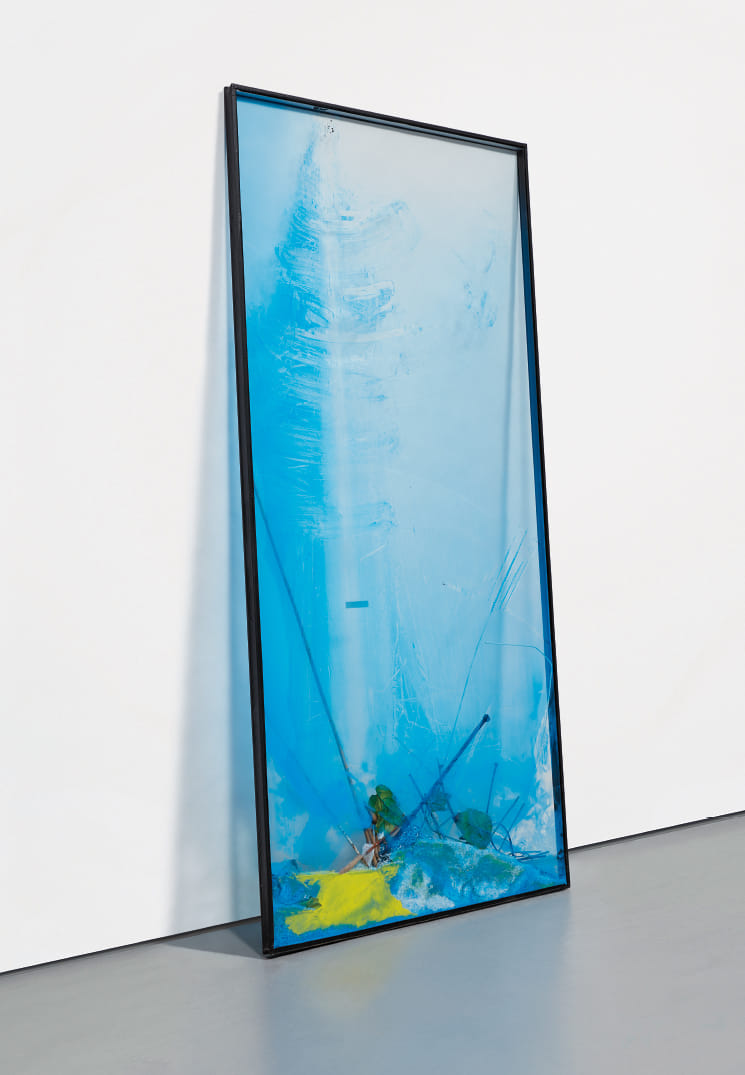
Jack Lavender
Walking Home 13, 2014
The Giacometti retrospective at Tate Modern in 2017 was a watershed moment in recent years, reframing the walking figure not just as an existential symbol but as a statement about visibility and fragility in urban space. It drew record attendance and generated a wave of critical writing that rippled outward into how we talk about all figurative sculpture. Around the same time, the Hayward Gallery was mounting shows that brought together artists across generations working with the body, and those pairings created unexpected dialogue between postwar masters and contemporary practitioners. Critically, writers like T.
J. Clark and more recently Parisian curator Christine Macel have been influential in pushing against a purely formalist reading of the figure, insisting on its social and political dimensions. Artforum and Frieze have both published significant essays in recent years arguing that figuration, far from being a conservative retreat, is where some of the most contested ideas about identity, presence, and power are being worked out. That critical backing matters enormously to the collector who wants to understand not just what something is worth today but where it is going.
The market signals are pointing in a clear direction. Walking figures in bronze with strong provenance and exhibition history are performing reliably at auction, with Chadwick leading the historical tier and Opie commanding the contemporary premium with consistency. The space between those two poles is where the energy feels most alive and most open. Artists who can speak to the figure's motion in ways that feel genuinely contemporary rather than merely skillful are finding institutional support and collector interest simultaneously, which is the combination that tends to build lasting careers.
For collectors paying attention, the walking figure is neither a settled category nor a speculative frontier. It sits in exactly the most interesting position: well understood enough to provide confidence, alive enough to still produce surprises. The works available on The Collection across Chadwick, Opie, and Lavender offer a genuine cross section of that story, from the postwar gravitas of beaten bronze to the graphic immediacy of LED and vinyl. Following this thread across generations is one of the more rewarding ways to think about collecting right now, because the figure keeps moving and so does the conversation around it.