Thai Artist
Archived article
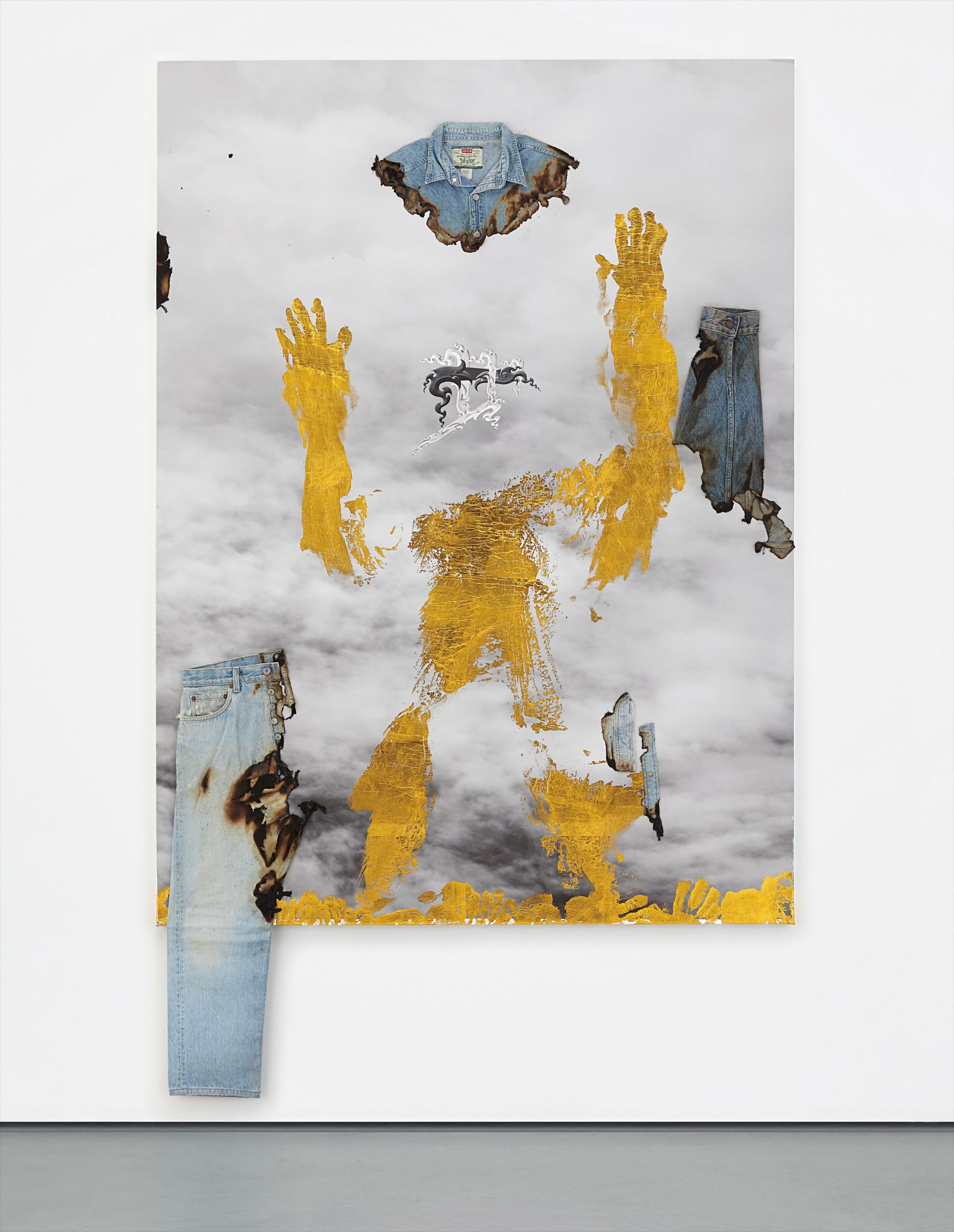
Korakrit Arunanondchai
My Trip to the White Temple #5
You are reading a previous version of this article.
Read the latest version```json { "headline": "Thai Art's Global Moment Has Finally Arrived", "body": "When Rirkrit Tiravanija's works began appearing regularly at major Western auction houses alongside those of Gerhard Richter and Cindy Sherman, it signaled something more than a market curiosity. It announced, quietly but unmistakably, that the international art world had stopped treating Thai contemporary art as peripheral. The past several years have confirmed what those early signals suggested: a sustained, serious reckoning with artists from Thailand is underway, and it is reshaping collections, museum acquisition strategies, and the critical conversation in ways that feel genuinely consequential.\n\nTiravanija remains the name most Western collectors encounter first, and with good reason.
His relational aesthetics practice, developed across the 1990s and into the 2000s, fundamentally challenged what an artwork could be. His famous cooking performances, where he prepared and served Thai food in gallery spaces, were not novelty acts but philosophical propositions about community, labor, and the transaction between artist and viewer. Retrospective surveys of his work at institutions including the Serpentine in London and various iterations across Asia have introduced his practice to new generations, and his market has responded accordingly. Works that once felt difficult to price are now hotly contested at Christie's and Sotheby's, with results regularly exceeding estimates in the contemporary evening sales.
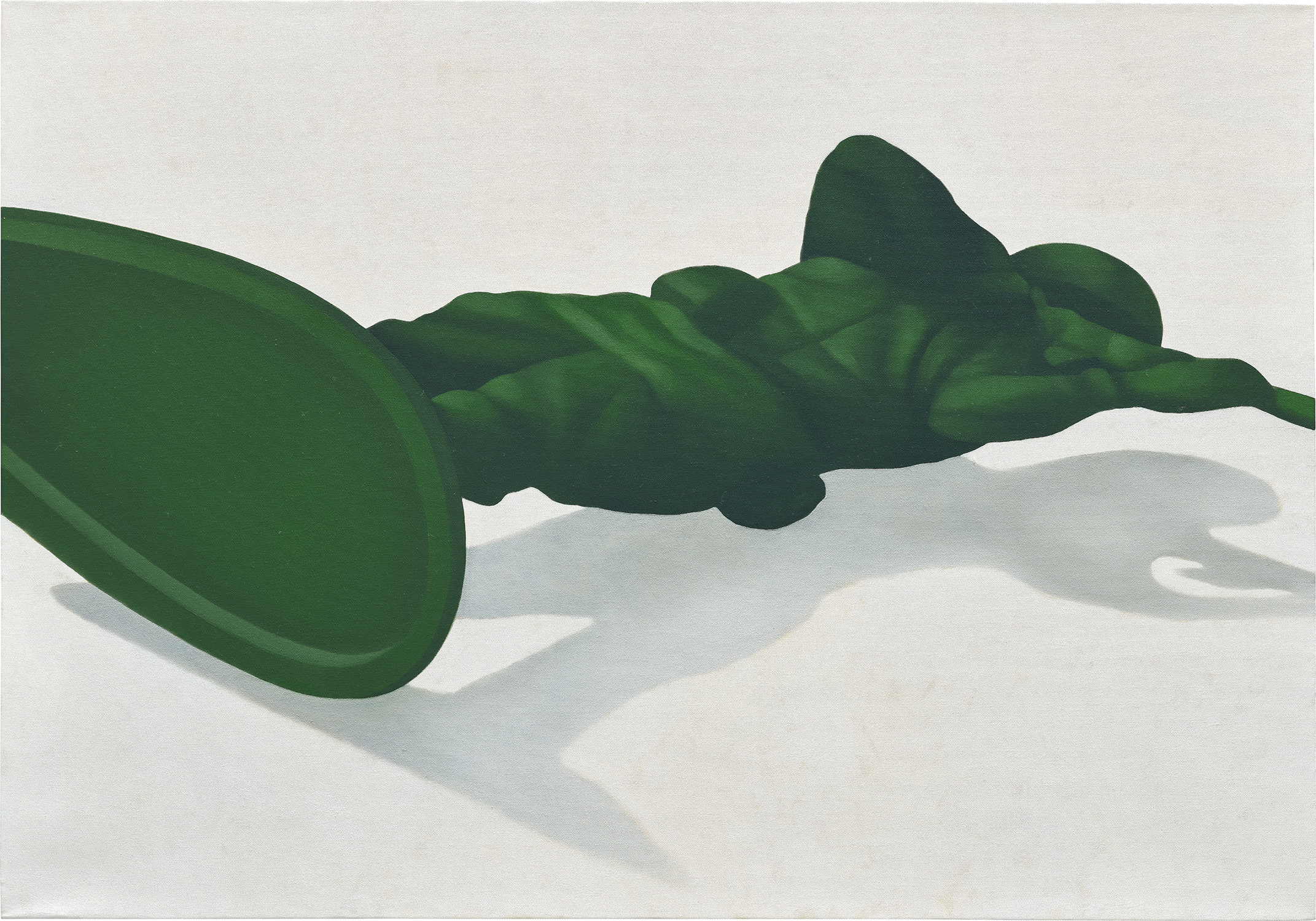
Natee Utarit
Dead Soldier, 2007
\n\nKorakrit Arunanondchai represents a different and perhaps more urgent energy. Younger, more maximalist, and working across video, painting, performance, and installation in ways that collapse categories deliberately, Arunanondchai has become one of the most discussed artists working anywhere in the world right now. His 2023 and 2024 presentations drew serious critical attention, and his collaborations with Alex Gvojic on the ongoing \"Songs for Dying\" and \"Songs for Living\" series have generated some of the most emotionally challenging and formally ambitious work being made in contemporary art. His presence across major platforms including The Collection reflects genuine collector conviction rather than speculative positioning, which tends to be a more reliable indicator of lasting value.
\n\nNatee Utarit occupies a different register entirely, and that distinction matters. Where Arunanondchai operates in a mode of sensory overload, Utarit works through restraint, painting in dialogue with nineteenth century European academic traditions while interrogating colonialism, religious authority, and the seductions of beauty itself. His solo exhibitions at Richard Koh Fine Art in Singapore and Kuala Lumpur have been particularly important in building regional awareness of his practice, and Western institutions are beginning to catch up. His auction results at regional houses including Christie's Asia Pacific and Bonhams have climbed steadily, and the intellectual seriousness of his project continues to attract institutional collectors who are not simply chasing market momentum.
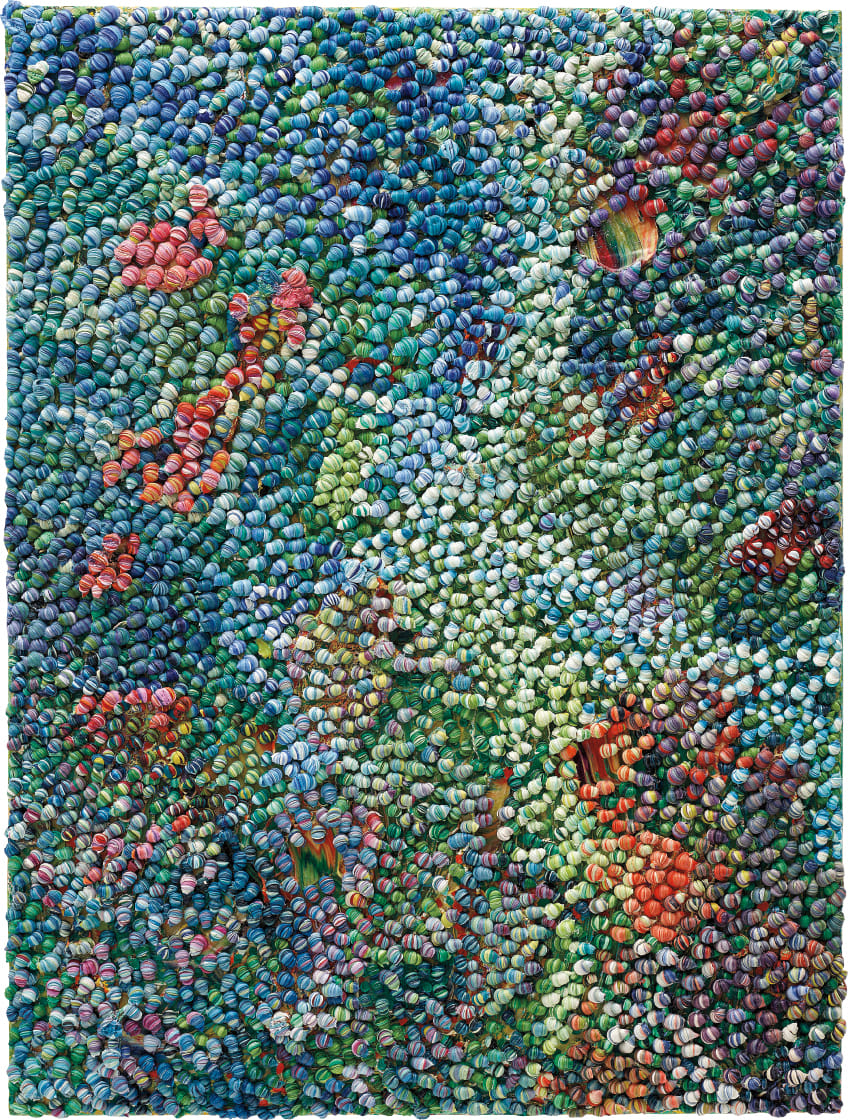
Udomsak Krisanamis
Tonight's the Night, 1998
\n\nThe institutional picture is shifting in ways worth watching closely. The Guggenheim's acquisition strategy in Southeast Asia has grown more deliberate, as has that of the M+ museum in Hong Kong, which opened its permanent building in 2021 and has positioned itself as the region's most ambitious institutional voice. M+'s collection includes works by Thai artists alongside those from across the region, and its curatorial team has made clear that they are not simply replicating a Western canon with Asian faces but attempting to construct genuinely alternative frameworks for thinking about postwar and contemporary art. The Queensland Art Gallery and its Gallery of Modern Art program in Brisbane, long a serious collector in this space through its Asia Pacific Triennial, continues to be a bellwether for which Thai artists are achieving genuine institutional traction.
\n\nThe critical writing around Thai contemporary art has matured considerably. Curators and scholars including Gridthiya Gaweewong, who has been central to the Thailand based art infrastructure for decades and leads the Jim Thompson Art Center in Bangkok, have provided intellectual frameworks that allow international audiences to engage with Thai artists on terms that are not simply borrowed from Western critical vocabulary. Publications including ArtReview Asia have been essential in covering artists like Udomsak Krisanamis, whose paintings made in New York in the 1990s worked in conversation with American abstraction while remaining productively strange and resistant to easy categorization. Krisanamis's work, well represented on The Collection, was ahead of its moment and is being rediscovered by collectors who previously overlooked it.
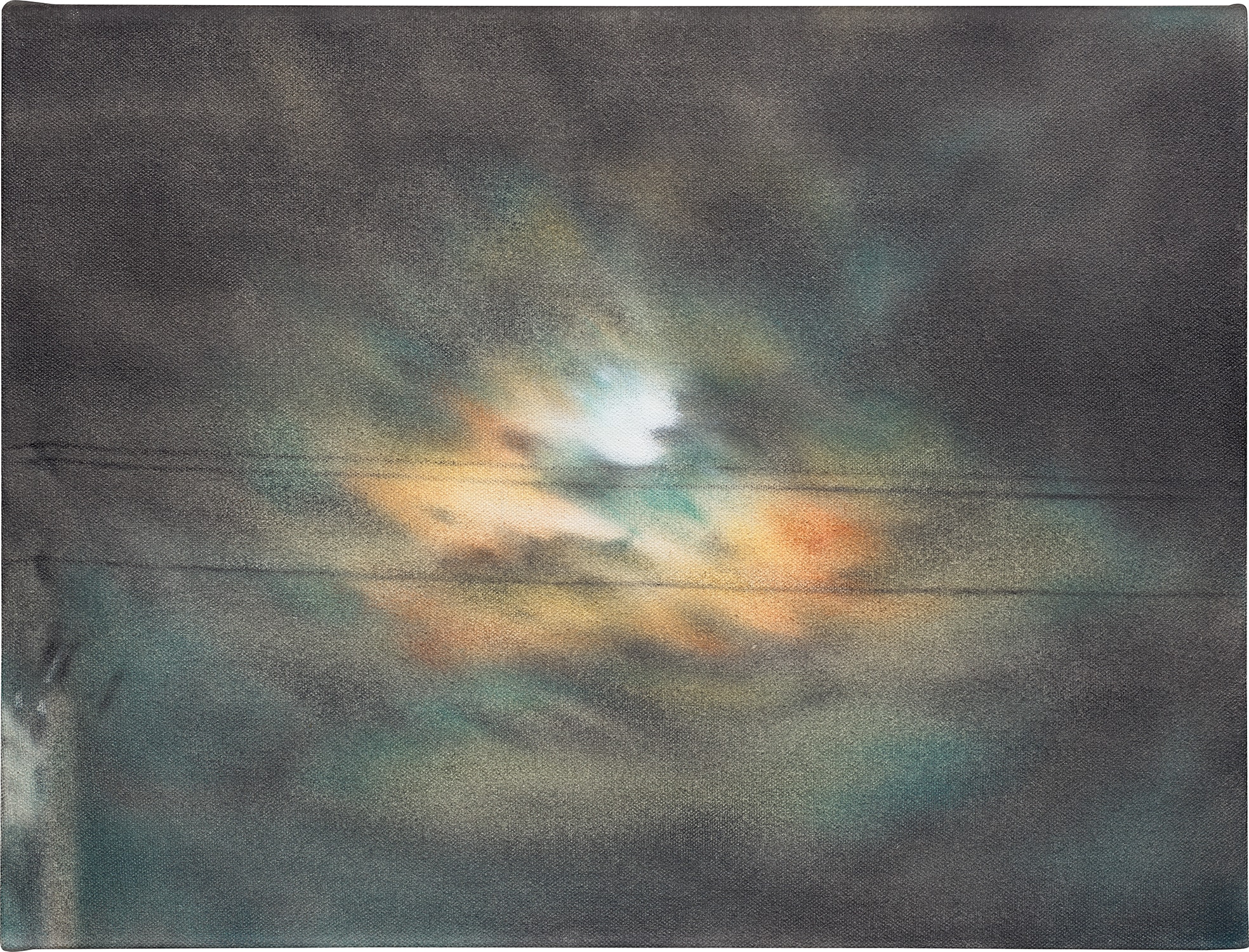
James Prapaithong
Afterglow, 2021
\n\nKitti Narod and James Prapaithong represent something the market is still calibrating. Both artists have developed serious bodies of work that engage with Thai cultural and spiritual iconography in ways that are neither nostalgic nor straightforwardly critical but occupy a more ambiguous and interesting space. As younger collectors, particularly those from Southeast Asia itself, gain buying power and influence auction results, artists working through specifically regional vocabularies are finding audiences that were simply not present a decade ago. This is not a correction to Western taste but a reorientation of who is setting the terms of the conversation.
\n\nWhat feels most alive right now is precisely this tension between the global legibility that artists like Tiravanija and Arunanondchai have achieved and the more locally rooted practices that have not yet translated fully for international audiences but carry enormous energy. The surprise that is coming, and it does feel like a matter of when rather than if, is a significant retrospective or biennale moment for a Thai artist currently known primarily within regional circuits that will reframe the entire conversation the way certain landmark shows have done for Korean or Chinese artists in the past thirty years. For collectors paying attention now, the field offers both the security of established names with proven market records and the genuine excitement of artists whose full significance has not yet been priced in.
Works tagged Thai Artist
Korakrit Arunanondchai
My Trip to the White Temple #5
Natee Utarit
Dead Soldier
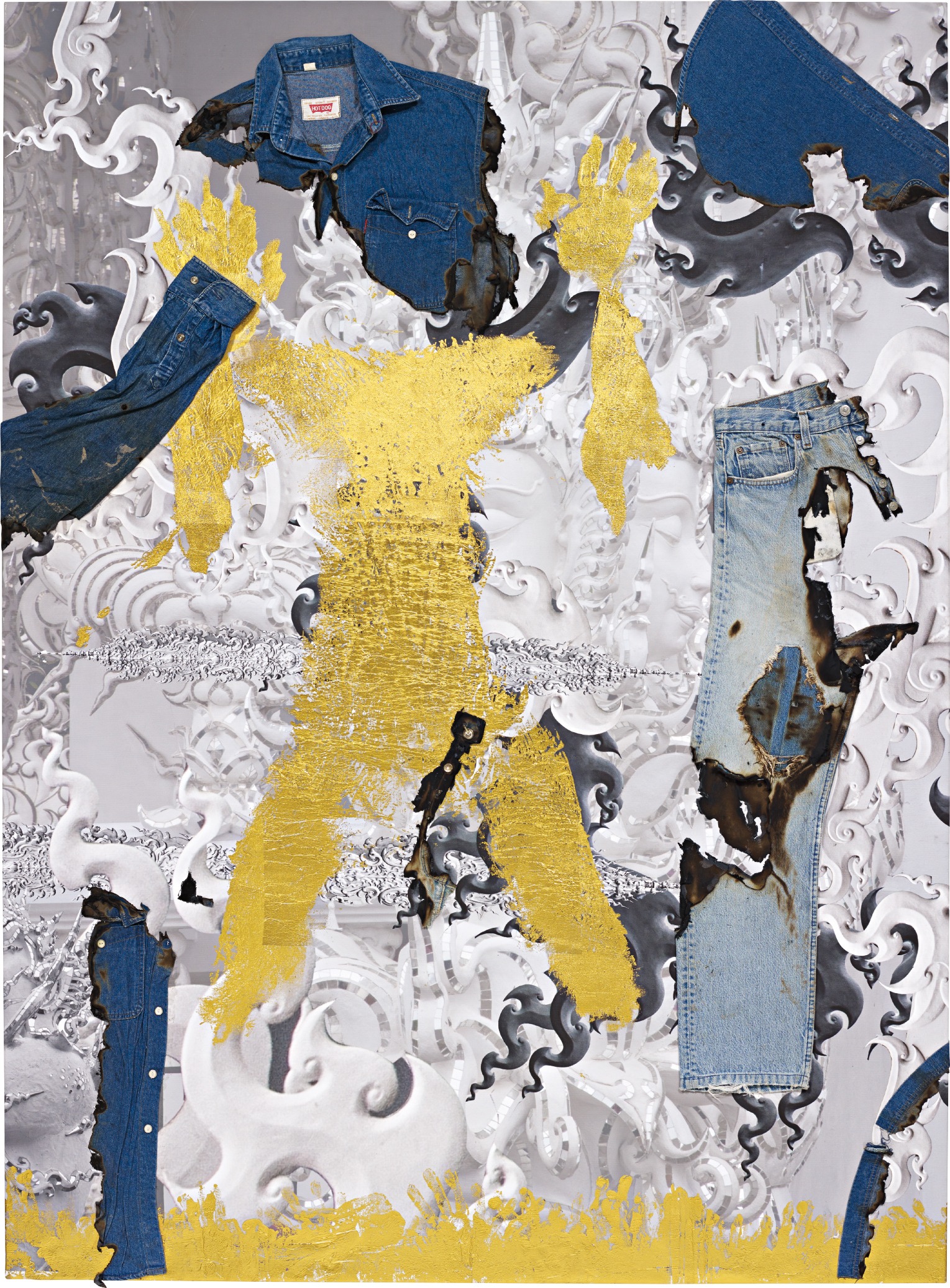
Korakrit Arunanondchai
inkjet print, burnt denim and synthetic gold leaf on canvas
Udomsak Krisanamis
Tonight's the Night
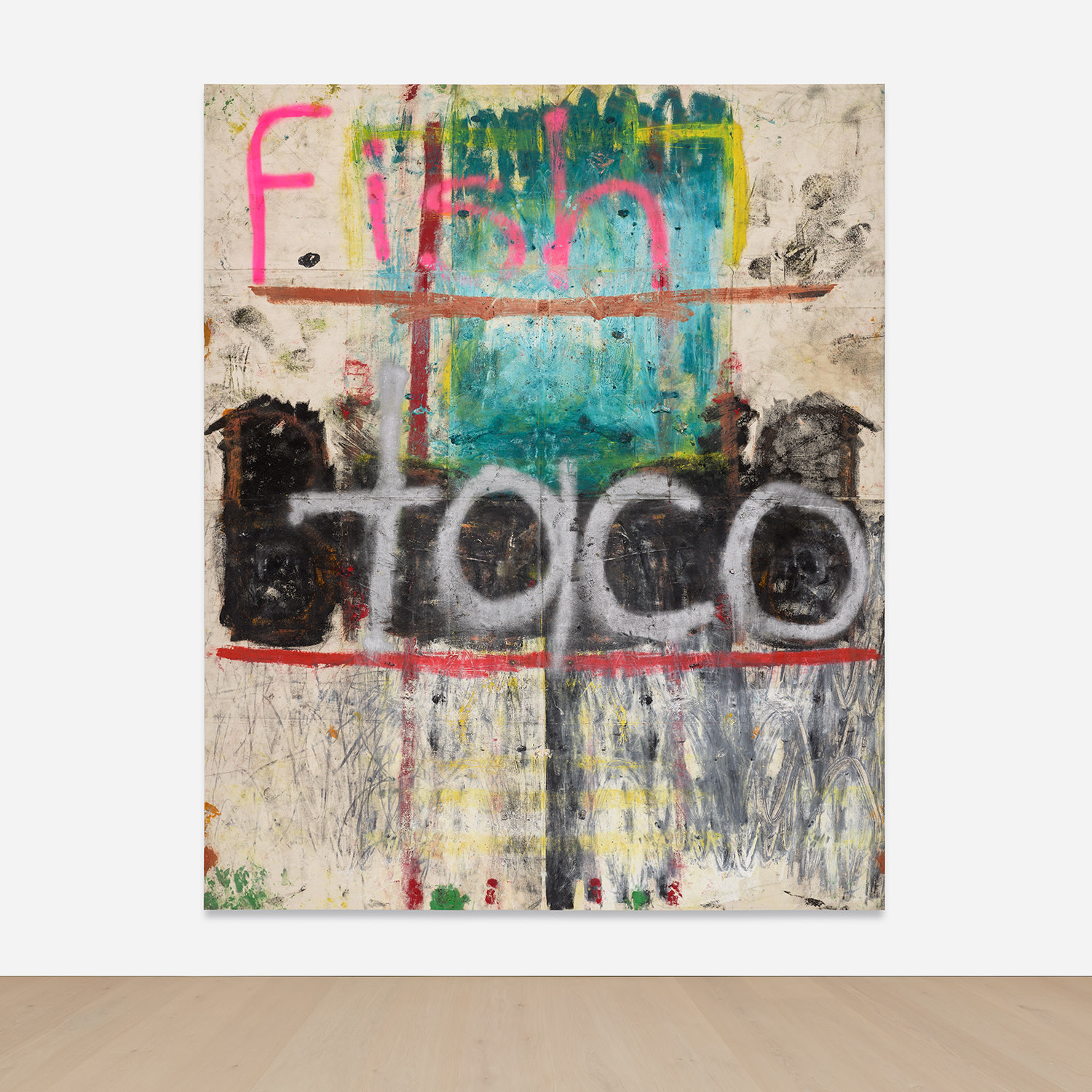
Korakrit Arunanondchai
denim and inkjet print on canvas

Natee Utarit
Still Life with Grocery Food and Opus One 靜物與雜貨食品及作品一號酒莊
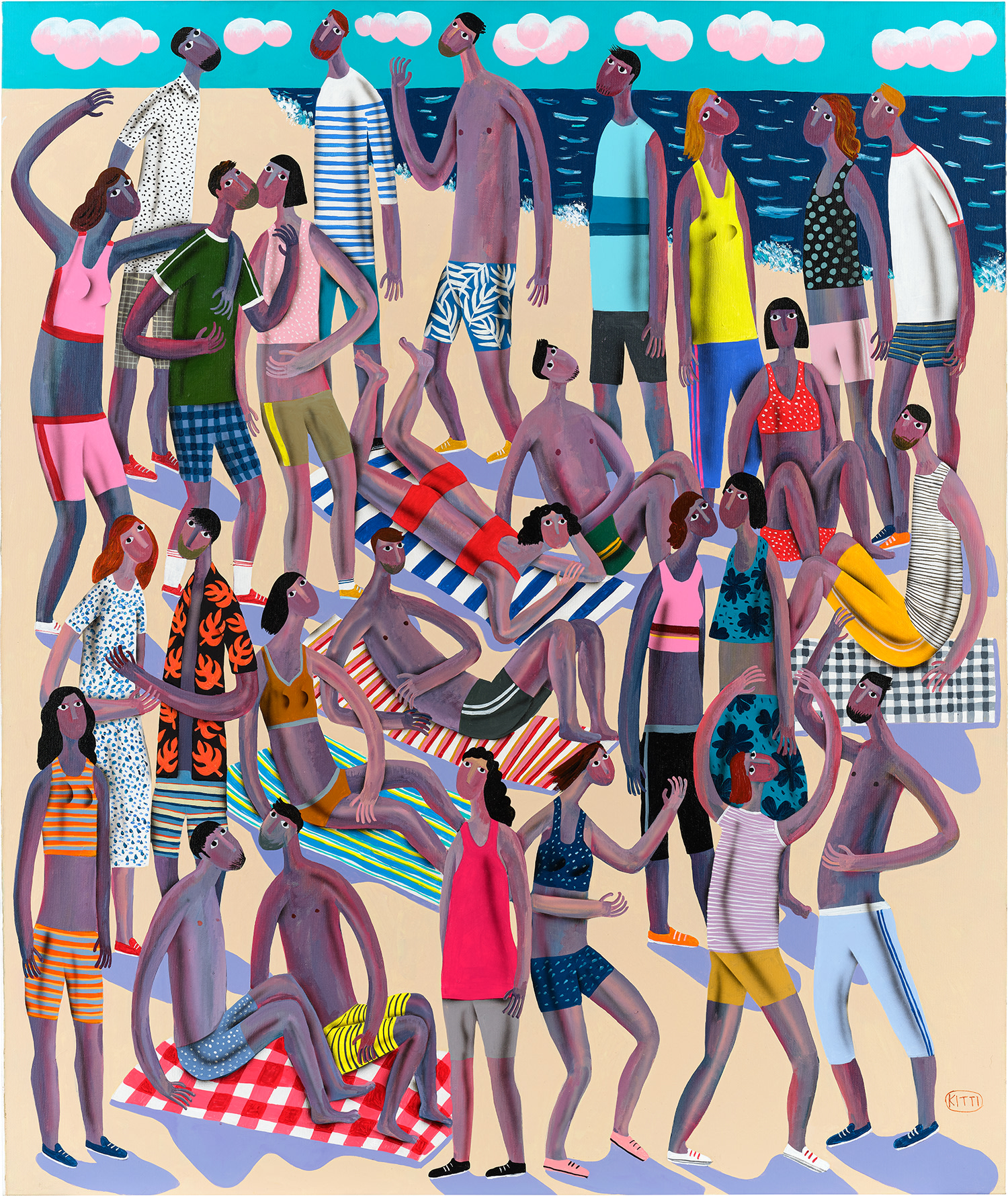
Kitti Narod
No. 1
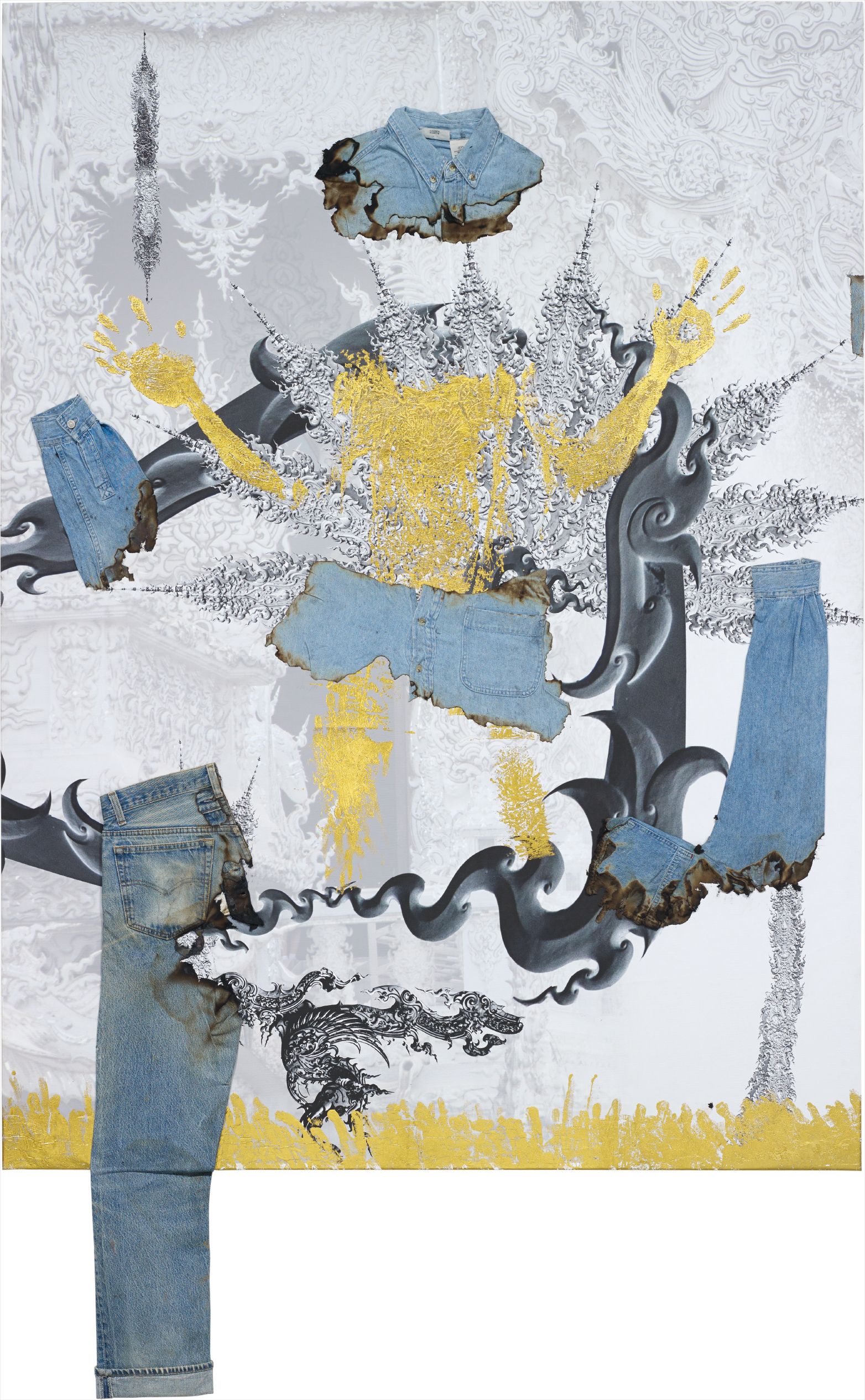
Korakrit Arunanondchai
My Trip to the White Palace #7
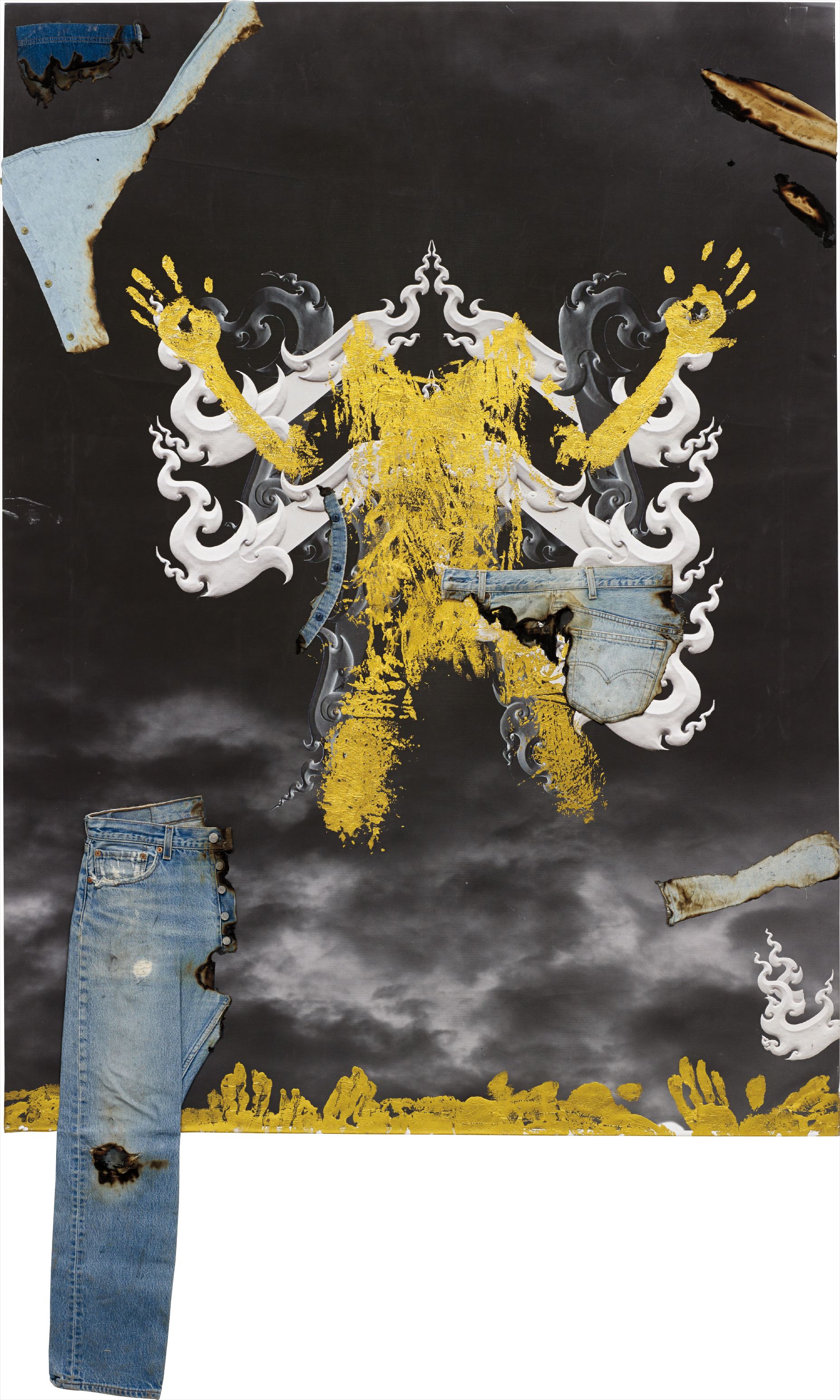
Korakrit Arunanondchai
My trip to the White Temple #9
James Prapaithong
Afterglow
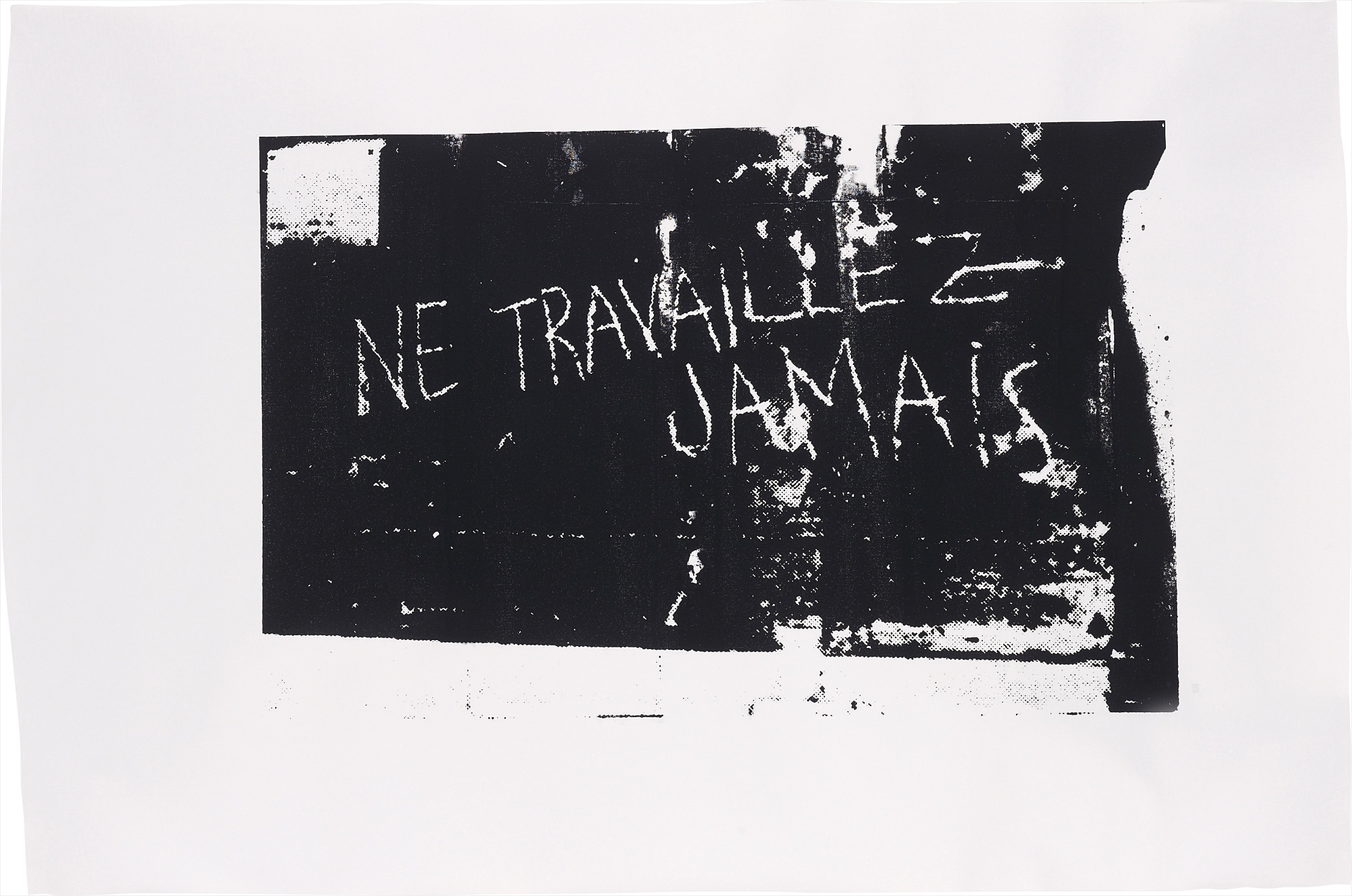
Rirkrit Tiravanija
Ava
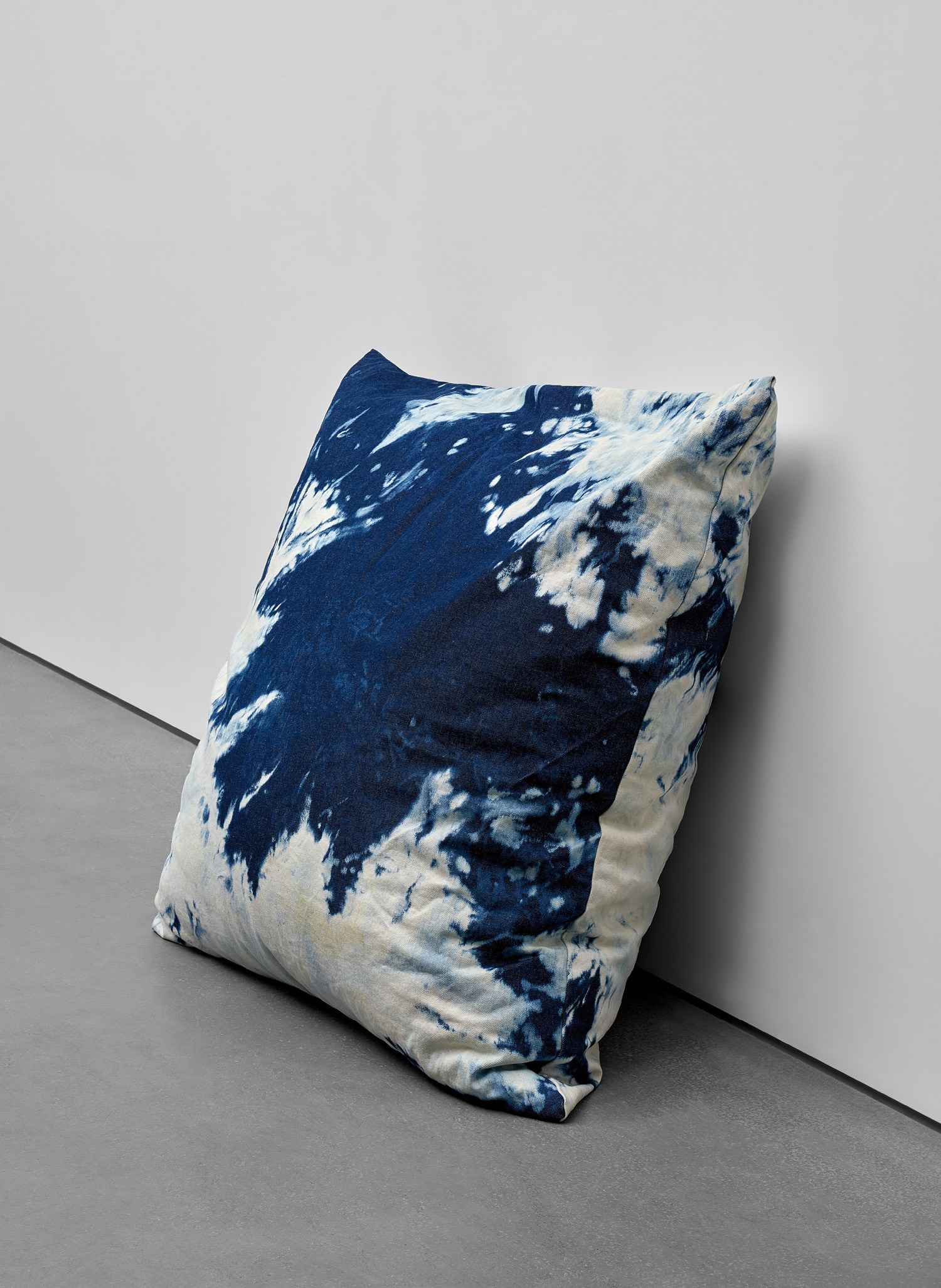
Korakrit Arunanondchai
Pillow
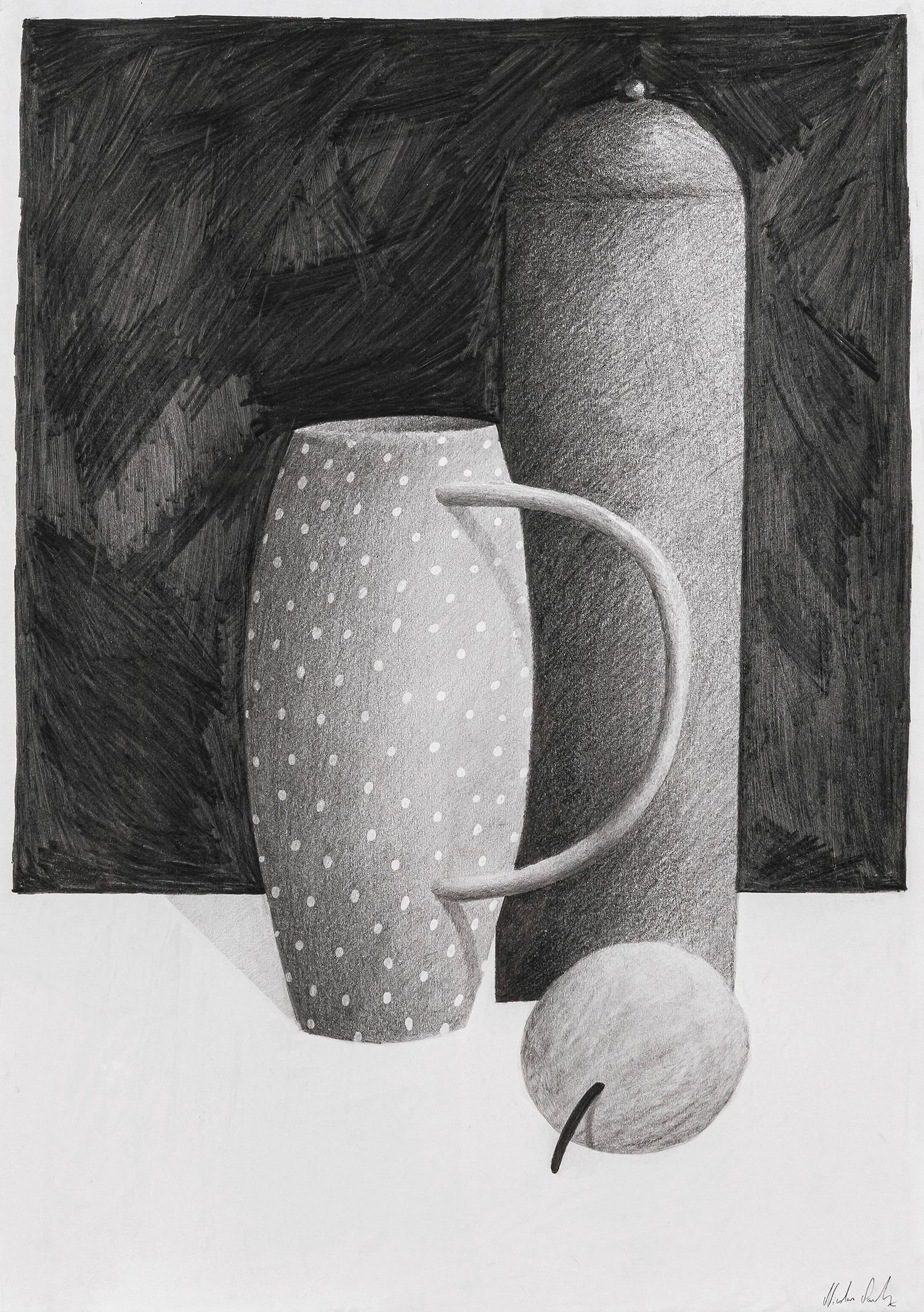
Rirkrit Tiravanija
graphite on paper, in artist's frame
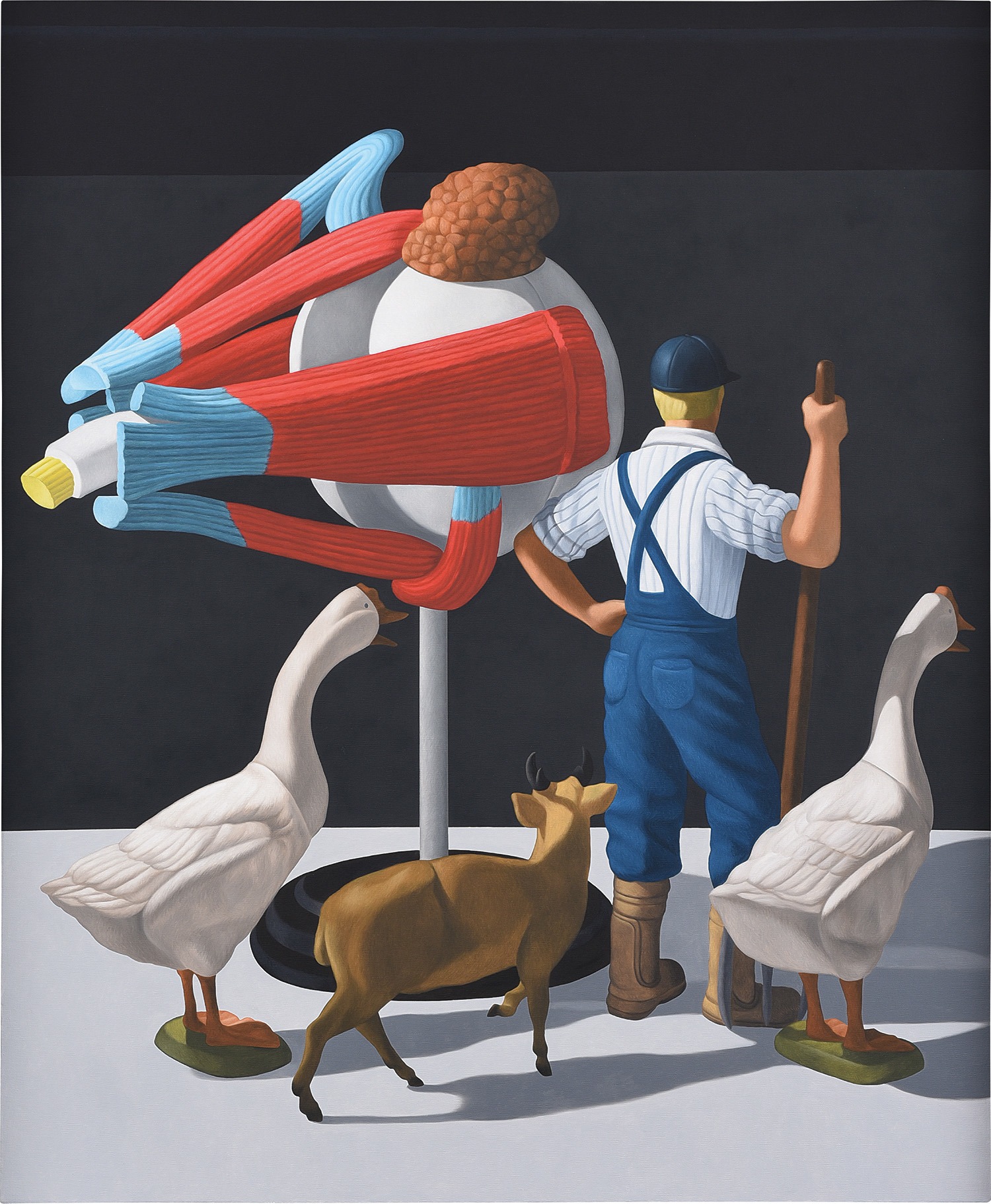
Natee Utarit
The Dawn of Day (Illustration of the Crisis Series)
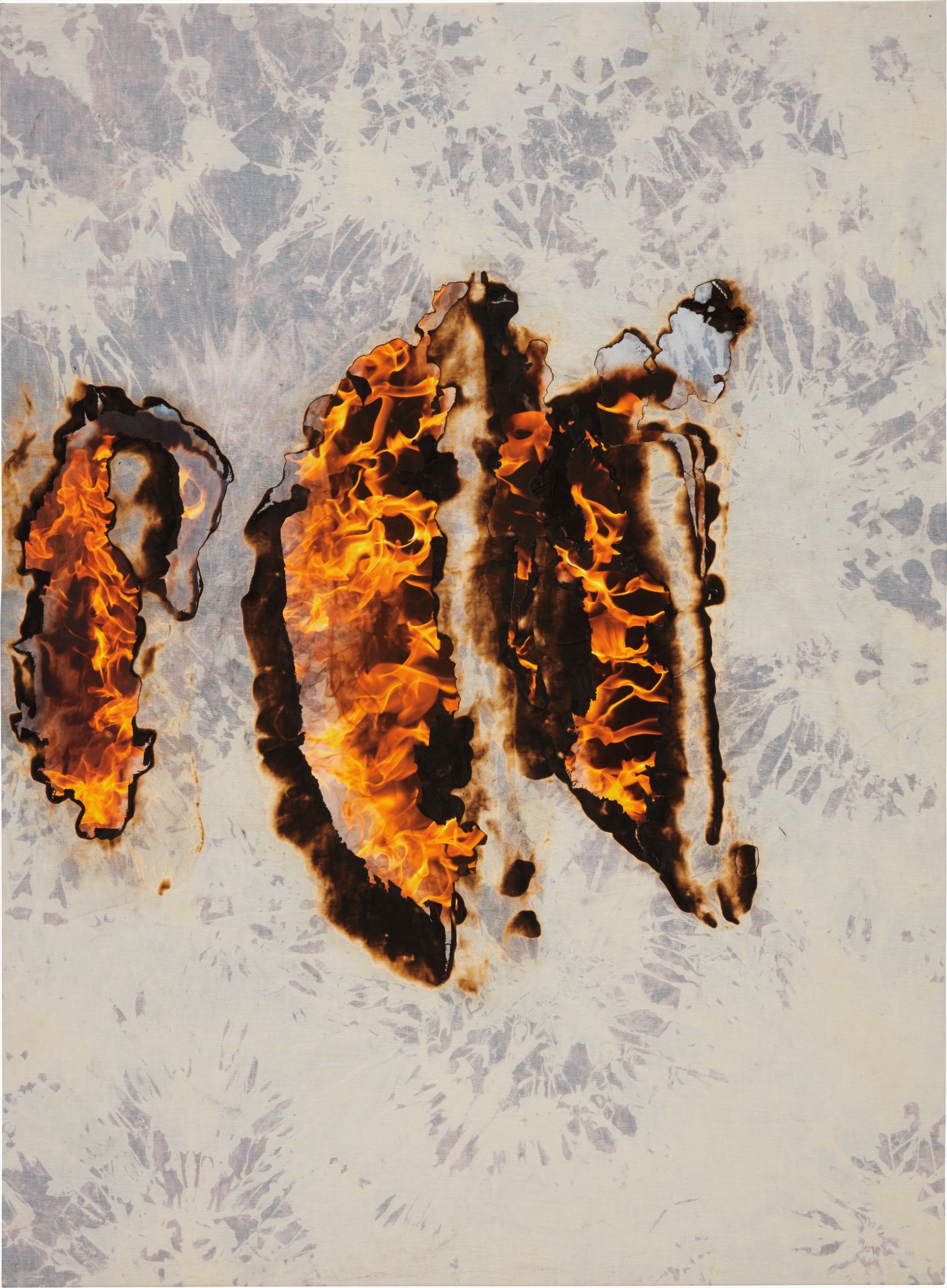
Korakrit Arunanondchai
bleach on denim over inkjet print, over canvas
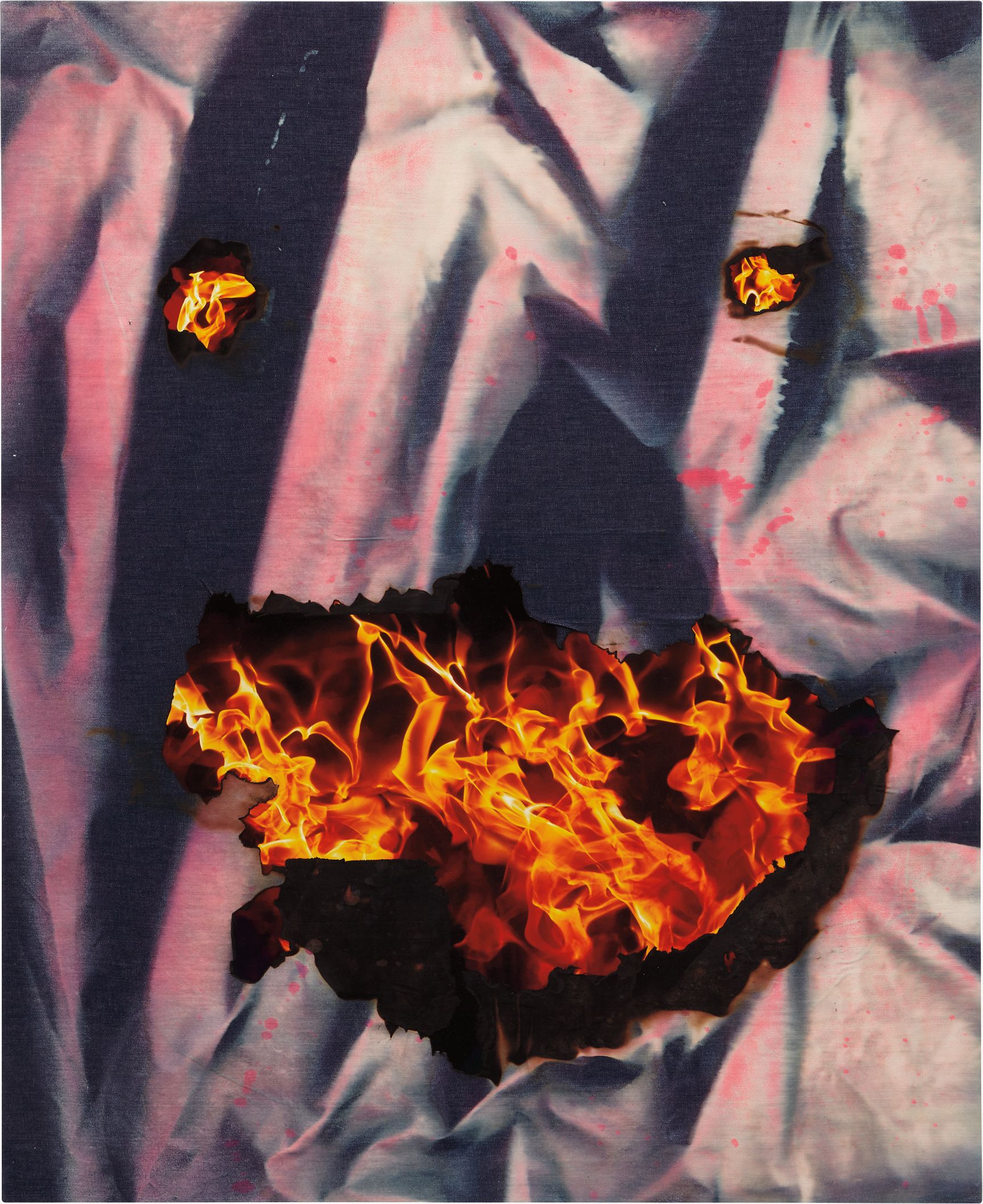
Korakrit Arunanondchai
denim, spraypaint and inkjet print on canvas
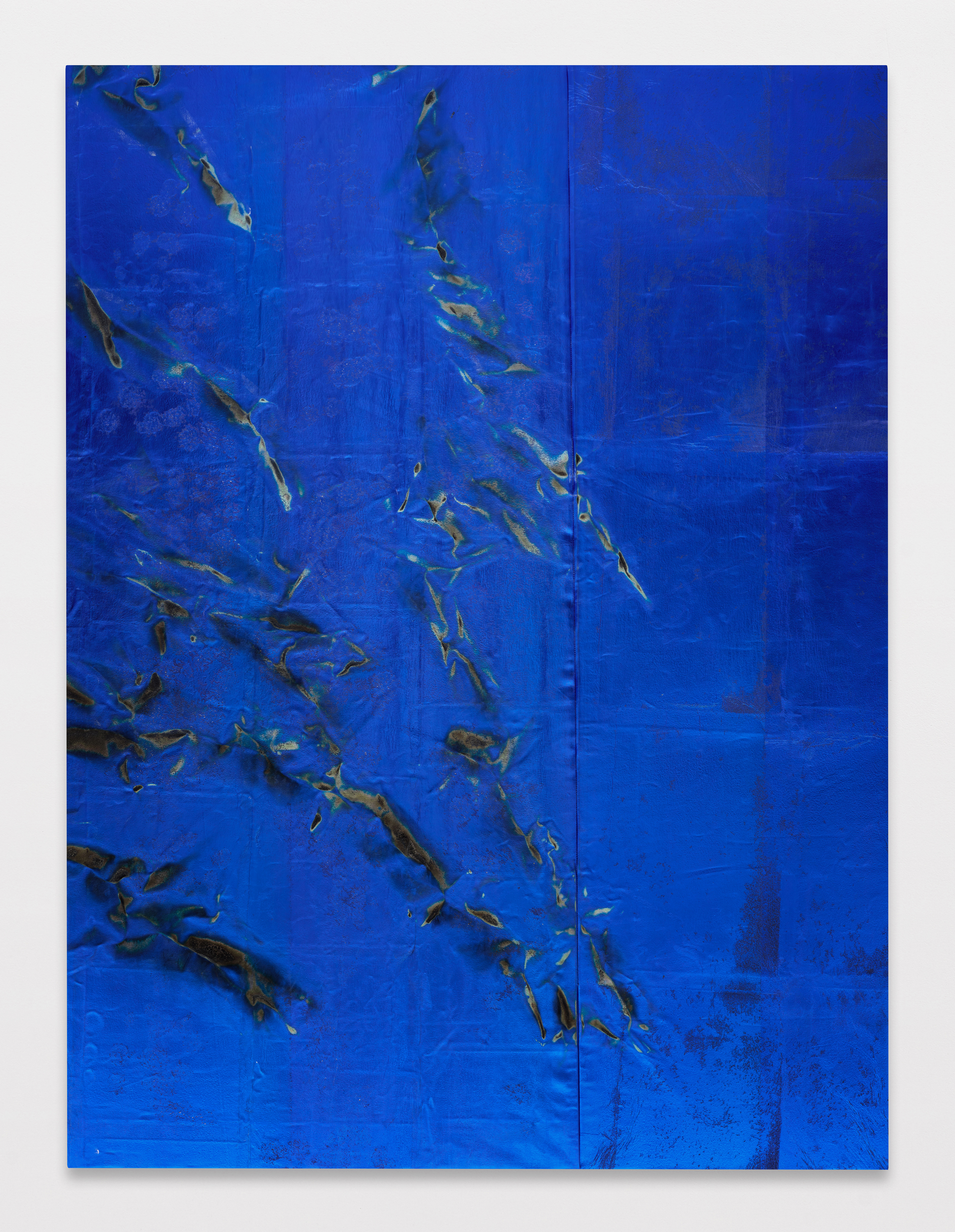
Korakrit Arunanondchai
Digestion
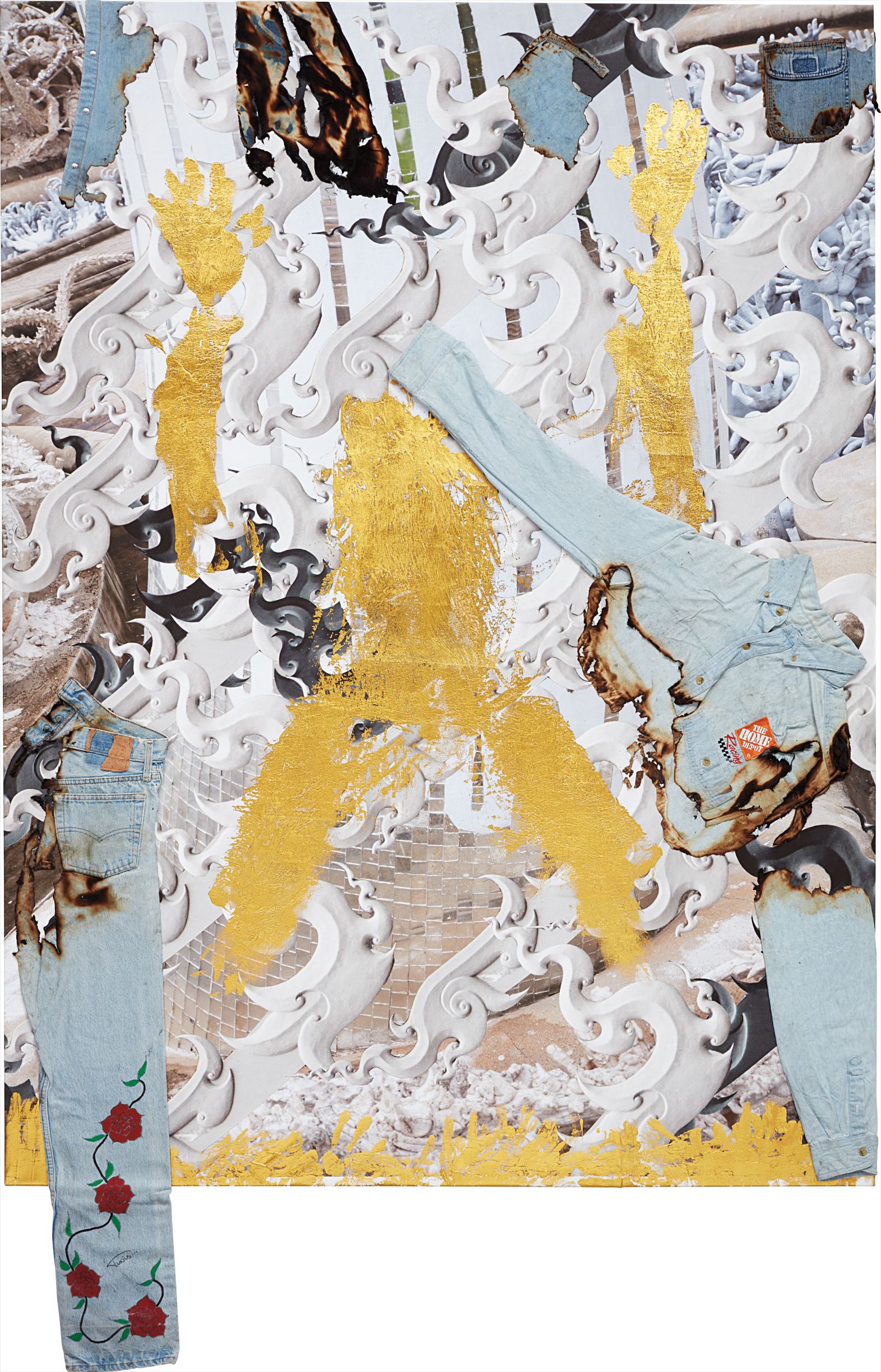
Korakrit Arunanondchai
My trip to the White Temple 3