Thai Artist
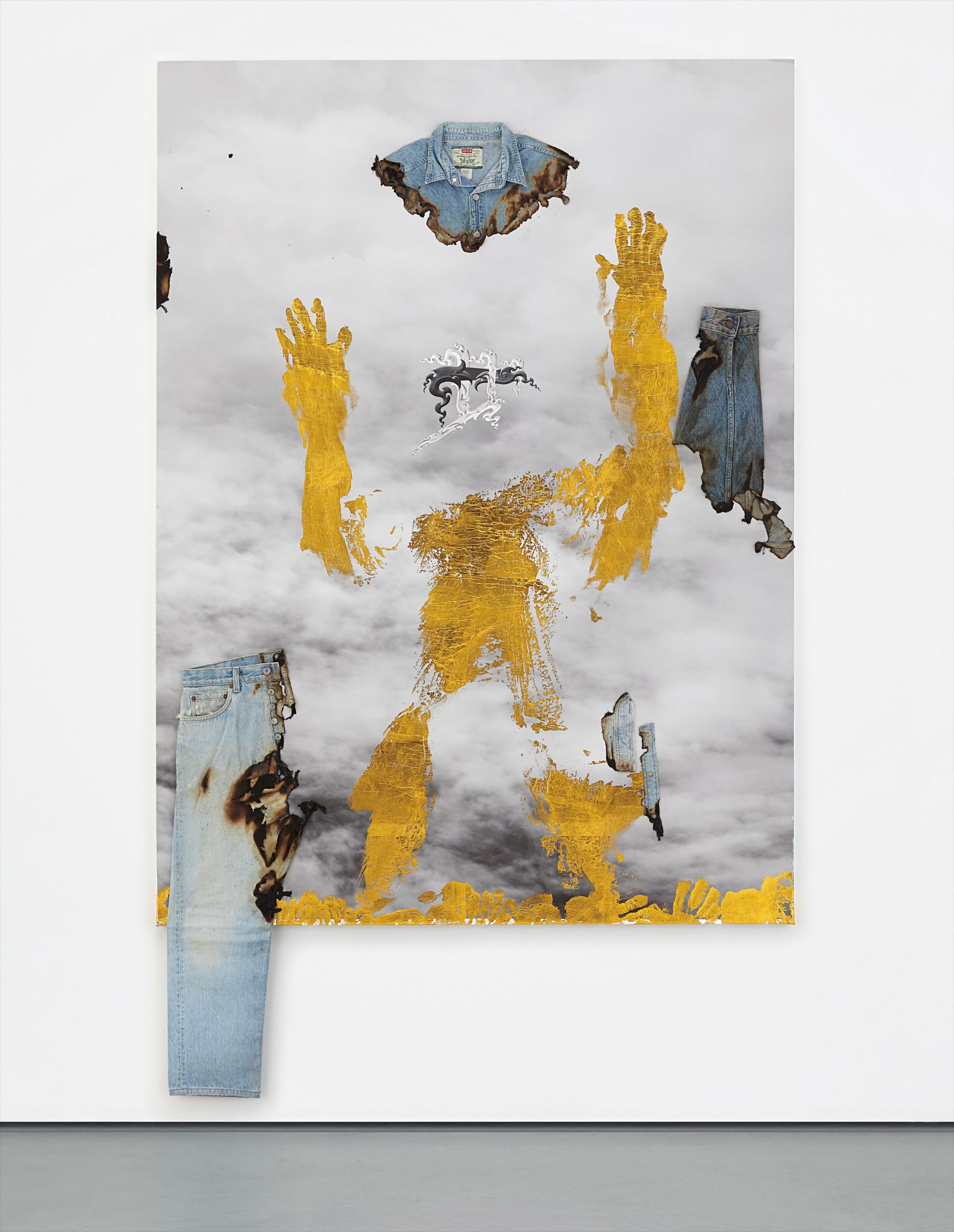
Korakrit Arunanondchai
My Trip to the White Temple #5

Thailand's Art Scene Has the World Listening
When Rirkrit Tiravanija's work sold at Sotheby's Hong Kong for well above estimate in recent years, it confirmed something many collectors already sensed: the appetite for Thai contemporary art is no longer a regional enthusiasm but a global one. The moment crystallized a shift that had been building quietly for decades, one rooted not in trend but in substance. Thai artists are now shaping conversations at the highest levels of the international art world, and the market is catching up to what institutions figured out long ago. The story of Thai contemporary art reaching global audiences is inseparable from the story of Rirkrit Tiravanija, whose relational aesthetics practice has been a fixture of major international exhibitions since the early 1990s.
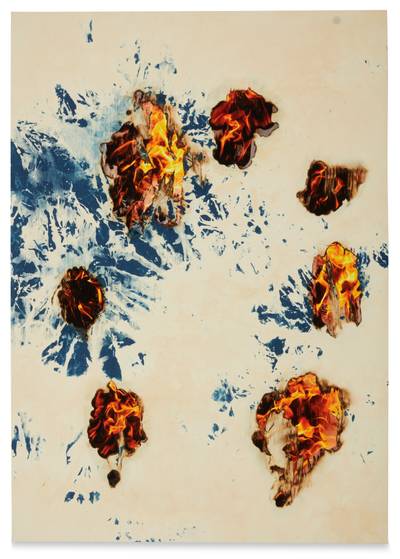
His cooking performances, communal installations, and radical reconsideration of what art is allowed to do set a template for socially engaged practice that influenced an entire generation of artists worldwide. His presence at MoMA, the Guggenheim, and documenta gave Thai art a foothold in the Western institutional canon at a moment when such footholds were hard won. Collectors who acquired his work early understood they were buying into a genuinely transformative set of ideas, not just an interesting object. Korakrit Arunanondchai represents a different kind of ambition, one that is denser, more mythologically charged, and entirely of the present moment.
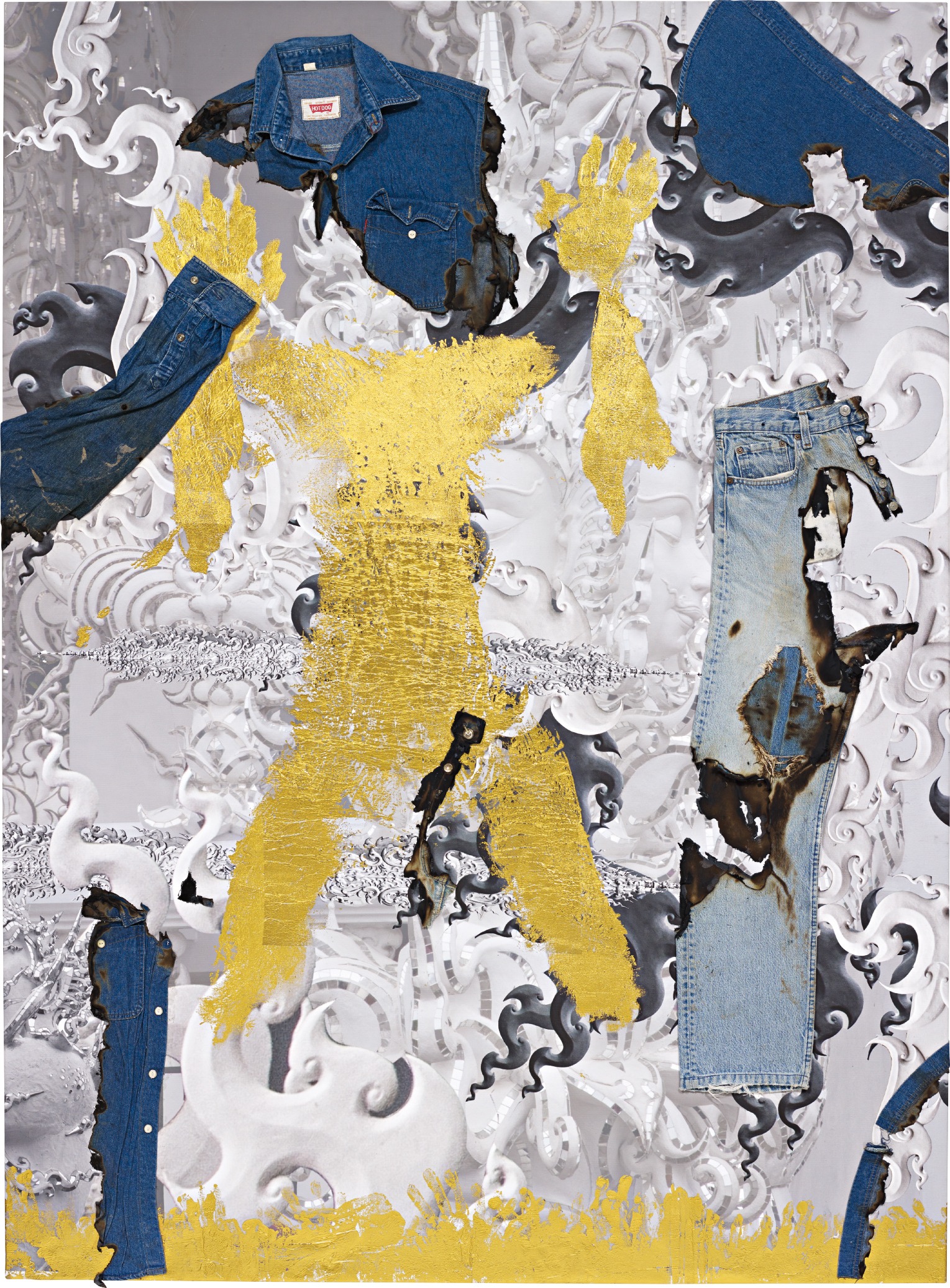
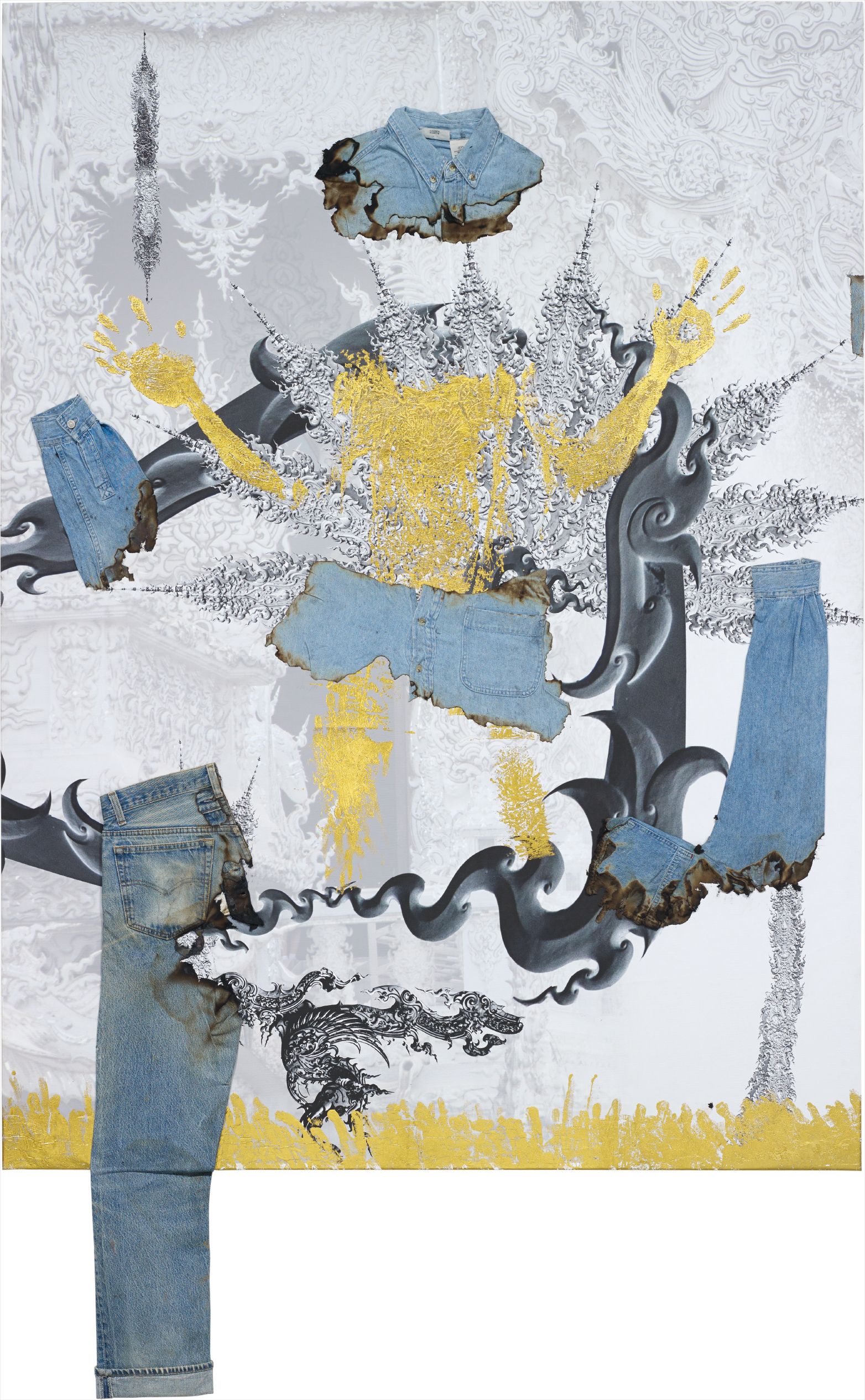
Korakrit Arunanondchai
My Trip to the White Temple #5
His practice weaves together video, painting, performance, and an elaborate personal cosmology that draws on Thai Buddhism, pop culture, and speculative ecology. His multi part film series, developed in collaboration with Alex Gvojic, has been presented at venues including the Palais de Tokyo in Paris, the Serpentine in London, and the New Museum in New York. His work is well represented on The Collection, and for good reason: it rewards sustained engagement. Each encounter reveals new layers of reference and feeling that accumulate over time rather than resolve neatly on first viewing.

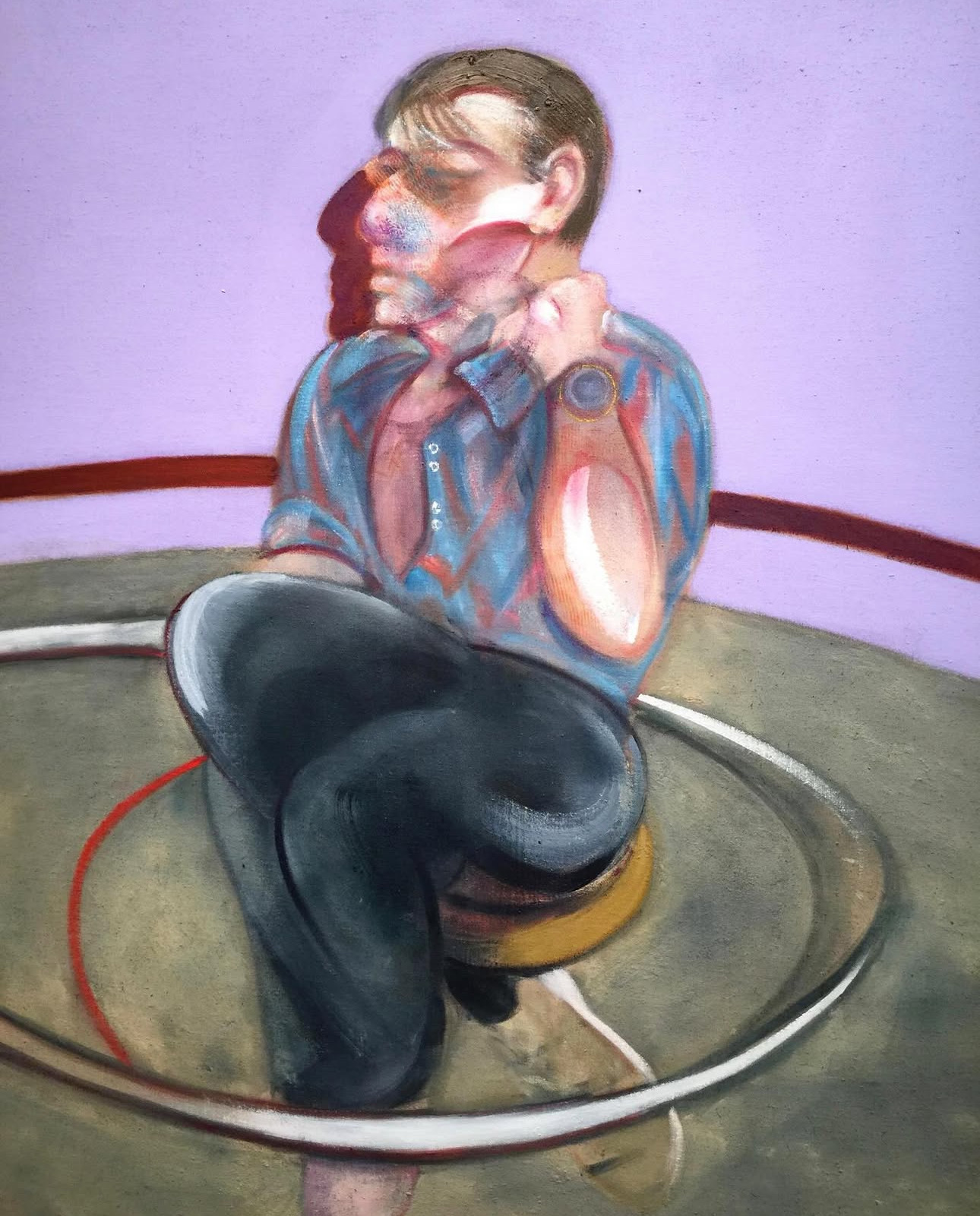
Natee Utarit occupies a more meditative register but commands serious attention from both institutions and collectors. His figurative paintings, which engage critically with colonialism and the seduction of Western classical traditions, have been shown at Tyler Rollins Fine Art in New York and have entered significant private and institutional collections across Asia and Europe. Utarit's work asks uncomfortable questions through beautiful means, which is a combination that tends to hold value well over time. The critical response to his practice has been thoughtful and sustained, with writers noting the way his paintings perform a kind of elegant subversion from within the very traditions they critique.
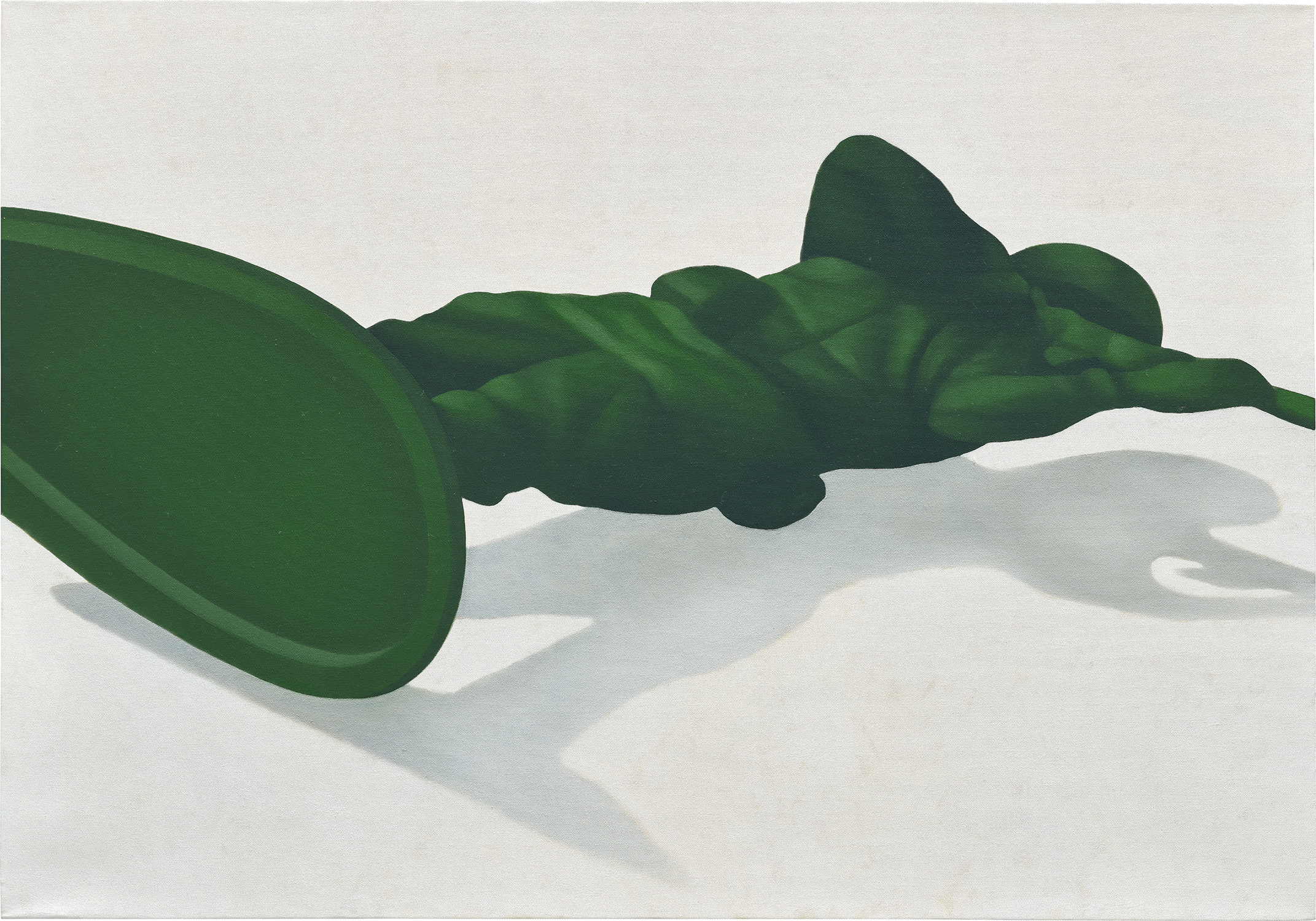
Natee Utarit
Dead Soldier, 2007
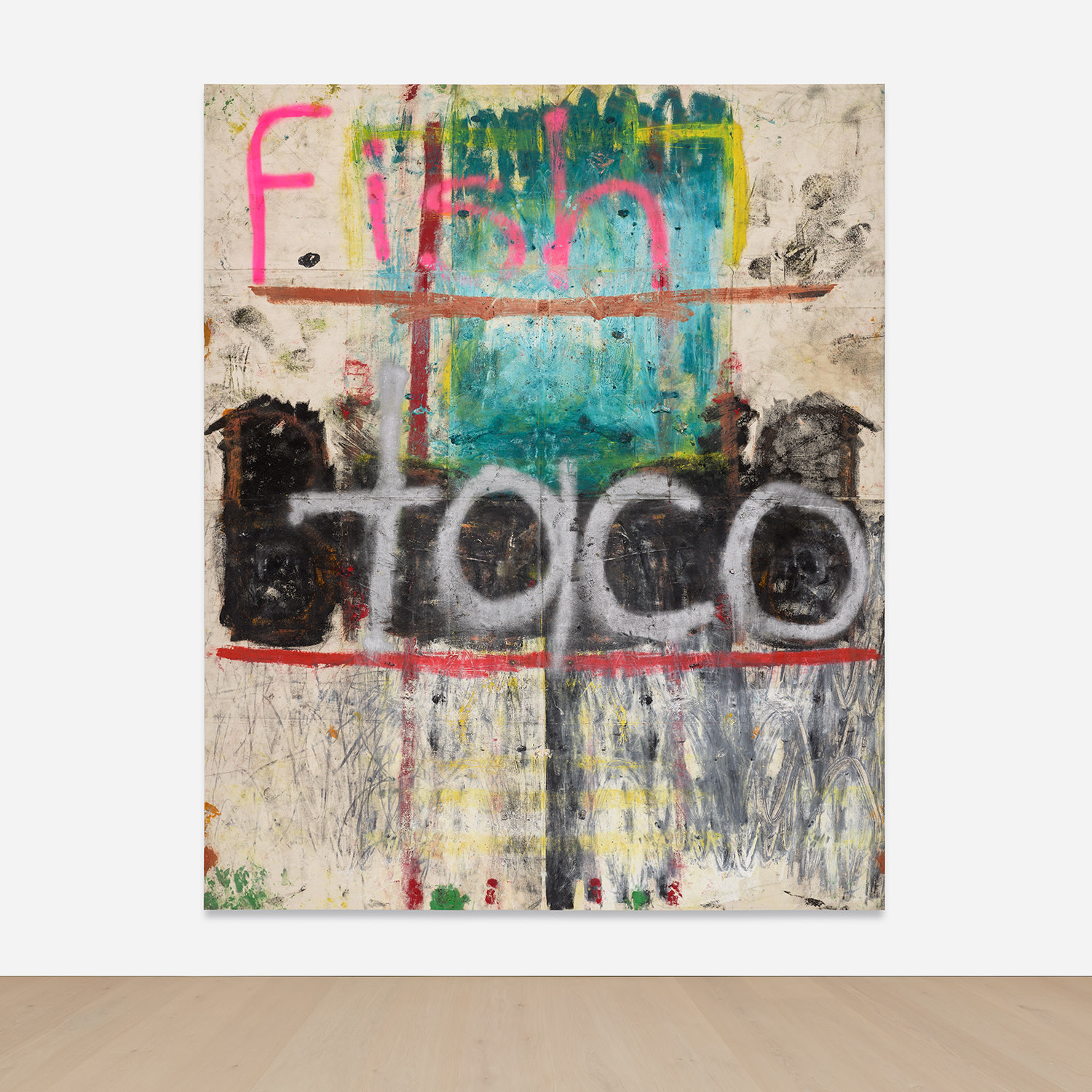
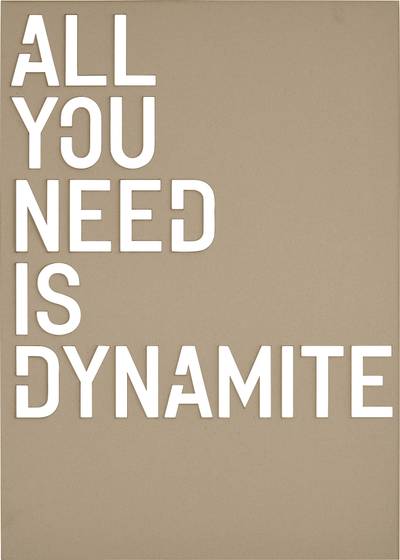
Udomsak Krisanamis is another figure whose reputation has solidified considerably over the past decade. His densely worked surfaces, covered in newsprint and layered paint, carry a physical intensity that photographs cannot fully convey. He showed with Gavin Brown's Enterprise in New York during a period when that gallery was arguably the most influential in the world, and his work entered collections that also held work by artists such as Peter Fischli and David Weiss, Urs Fischer, and Kara Walker. That kind of company matters in the long run, and it suggests a collector base that was buying on aesthetic conviction rather than geographical novelty.
The institutional picture has grown steadily more robust. The Bangkok Art and Culture Centre, despite periods of institutional turbulence, has provided a crucial public platform for experimental work in Thailand. Meanwhile, Art Basel Hong Kong has consistently included Thai galleries and artists in its programme, and the coverage in publications like Artforum, Frieze, and e flux has deepened considerably. Curators including Gridthiya Gaweewong, who has worked with the Jim Thompson Art Center in Bangkok, have been instrumental in contextualising Thai practice for international audiences while maintaining rigorous local roots.
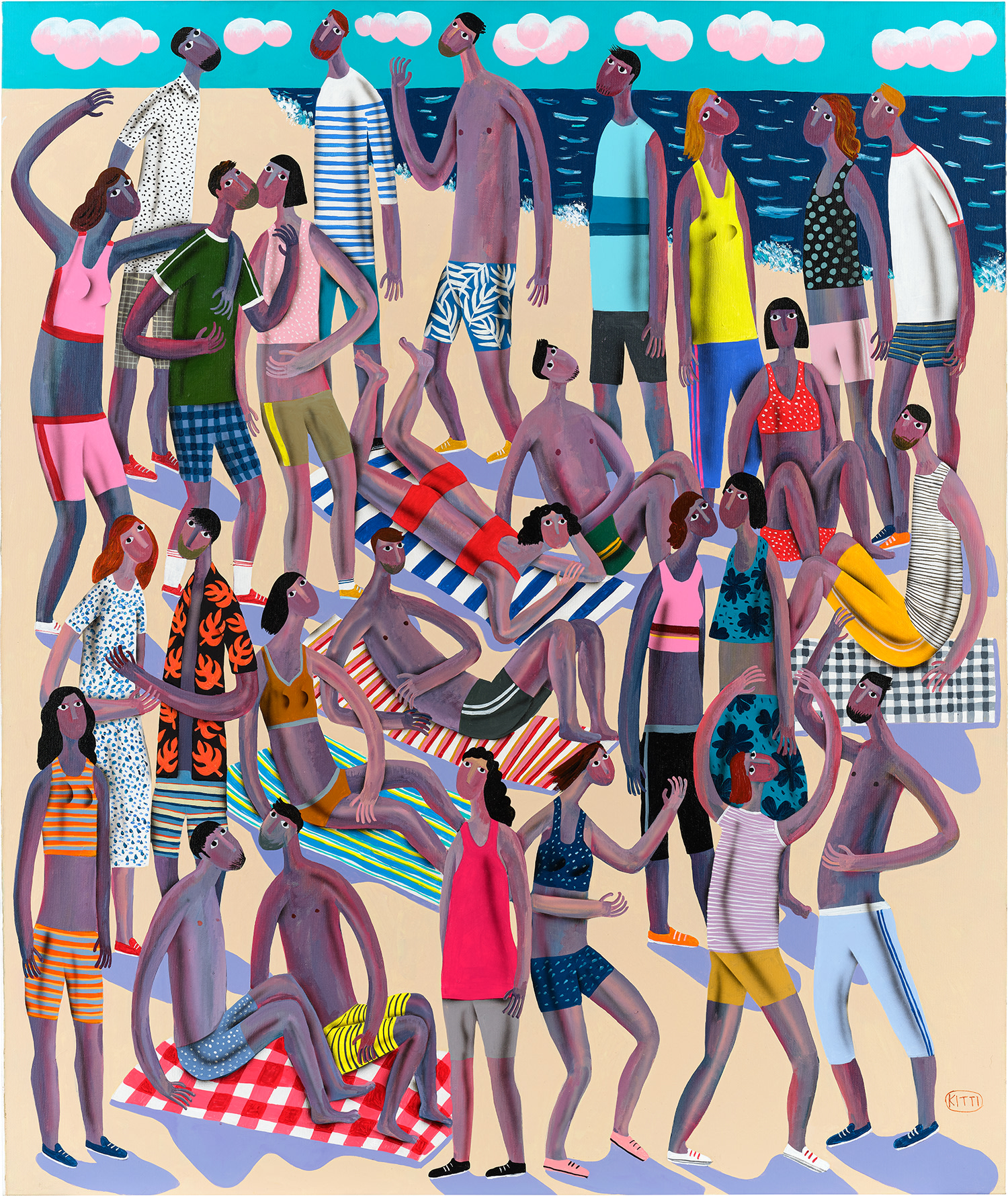
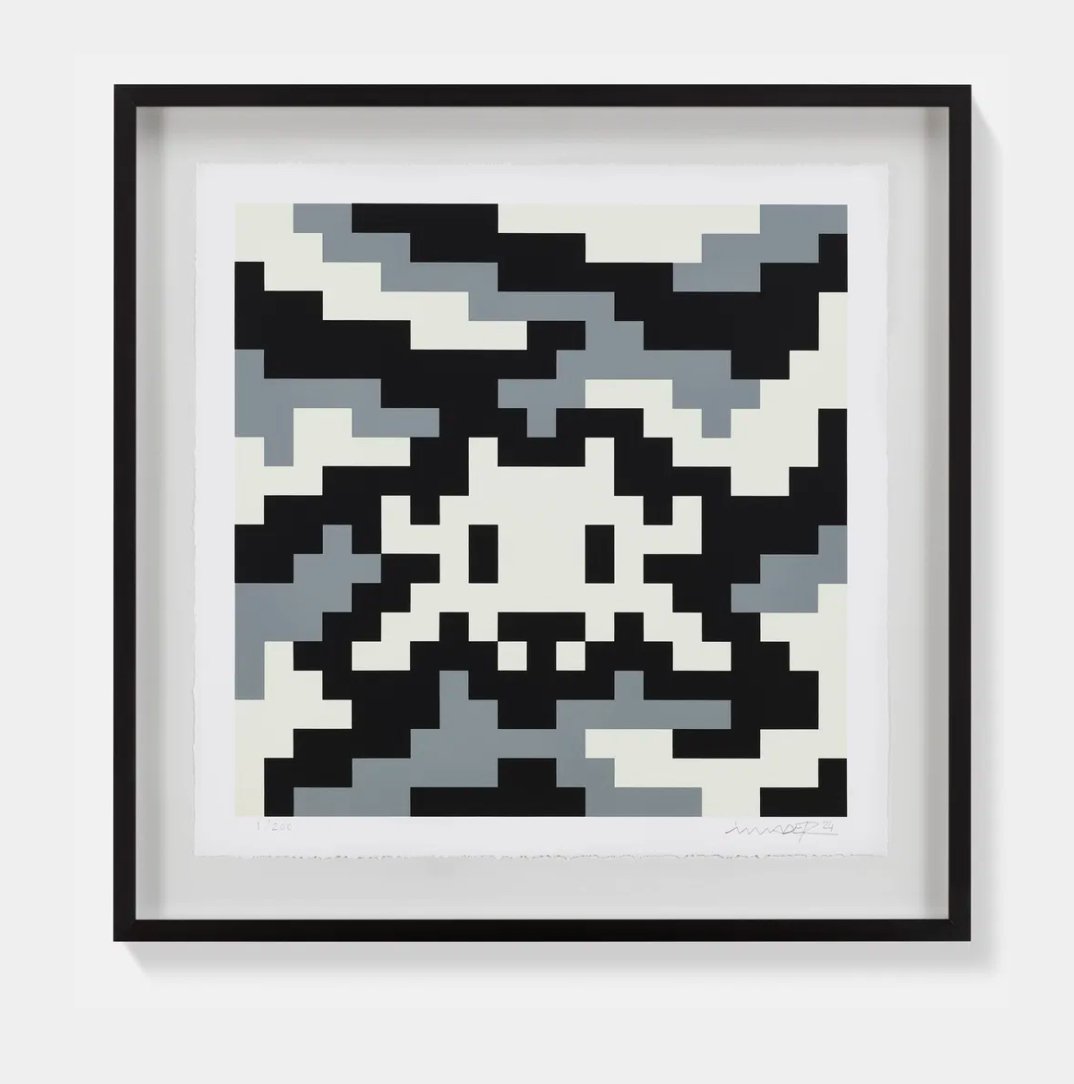
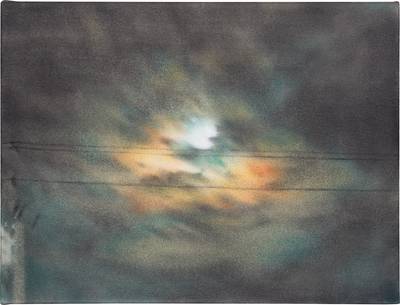
Kitti Narod
No. 1, 2021
Her work as a thinker and organiser has shaped how the global art world understands what is at stake in Thai contemporary practice. James Prapaithong and Kitti Narod represent a younger generation whose emergence signals that the energy in Thai art is generational rather than confined to a handful of established names. Both artists are finding audiences beyond Thailand at a moment when collectors are actively looking for work that feels genuinely grounded in a specific cultural and philosophical context rather than produced for a generic international market. The appetite for that kind of authenticity is real, and it tends to reward early attention.
What the auction results collectively reveal is a market that is maturing without losing its vitality. Prices for established figures like Tiravanija and Arunanondchai have risen steadily at Christie's and Sotheby's across their Hong Kong and New York salesrooms. Secondary market activity suggests a collector base that is holding rather than flipping, which is almost always a sign of genuine belief in long term value. Works that appeared at auction five years ago and are now resurfacing tend to carry meaningful premiums, and the bidding tends to come from multiple regions simultaneously, which speaks to the depth of the demand.
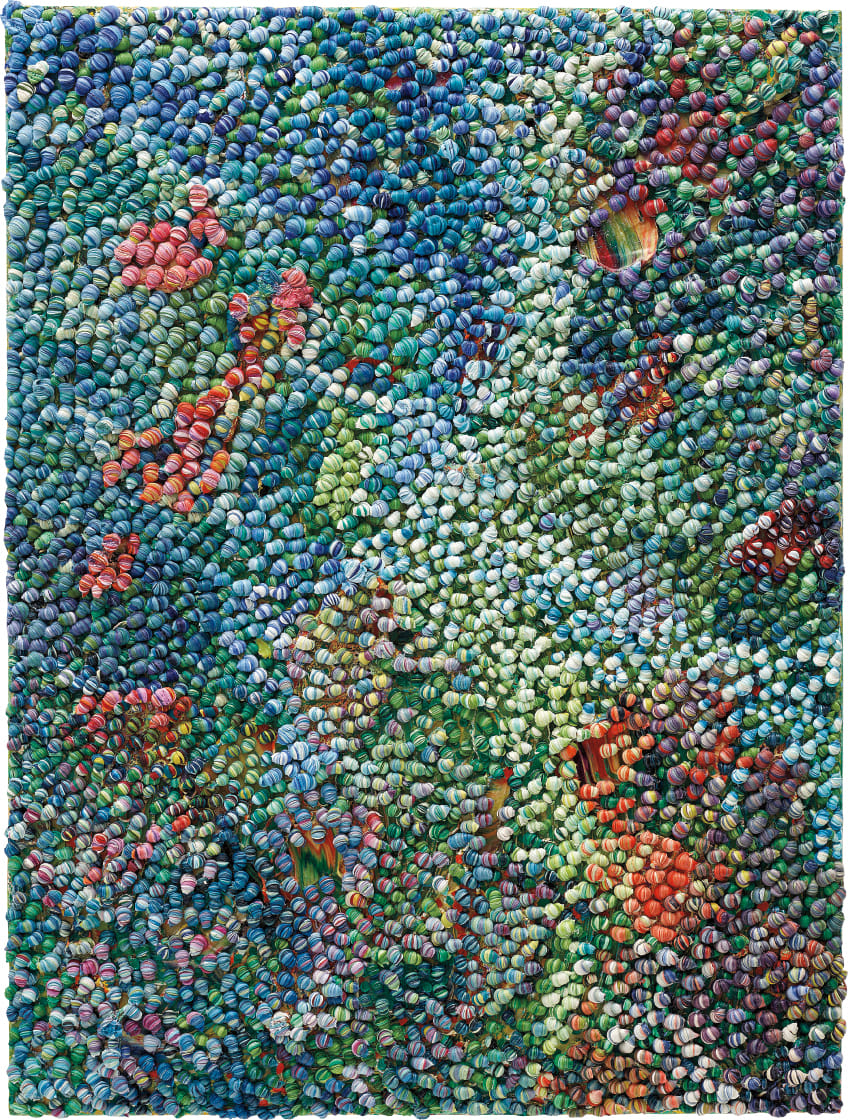
Udomsak Krisanamis
Tonight's the Night, 1998
The critical conversation is catching up to the market in interesting ways. Scholars are increasingly situating Thai contemporary art within frameworks that move beyond the postcolonial catch all, paying closer attention to the specific textures of Theravada Buddhist thought, the particular history of Thai modernism in the twentieth century, and the ways that Thai artists engage with global conceptual traditions on their own terms rather than as borrowers or respondents. That kind of intellectual infrastructure matters for the long run because it gives collectors and institutions a richer language for understanding what they have acquired. What feels genuinely alive right now is the intersection of spiritual inquiry and formal experimentation that runs through so much of the most compelling work.
Artists like Arunanondchai are pushing into questions about ecology, grief, and the nature of consciousness that feel urgently contemporary without being didactic about it. That quality of open, searching intelligence is what makes this moment in Thai art feel less like a market cycle and more like a genuine flowering. For collectors paying attention, the window for acquiring significant work at prices that will look modest in retrospect is probably narrower than it appears.