Stark Mood
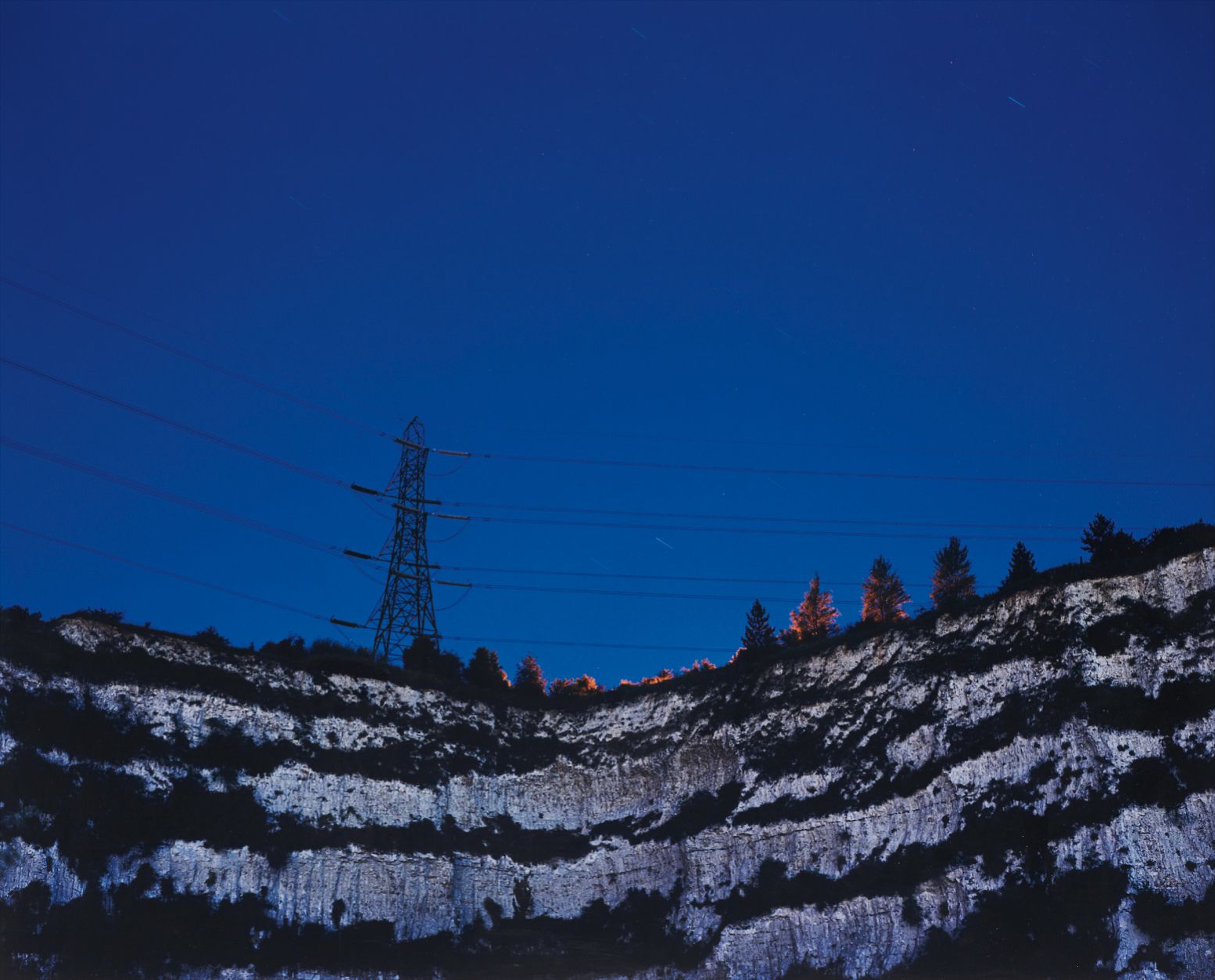
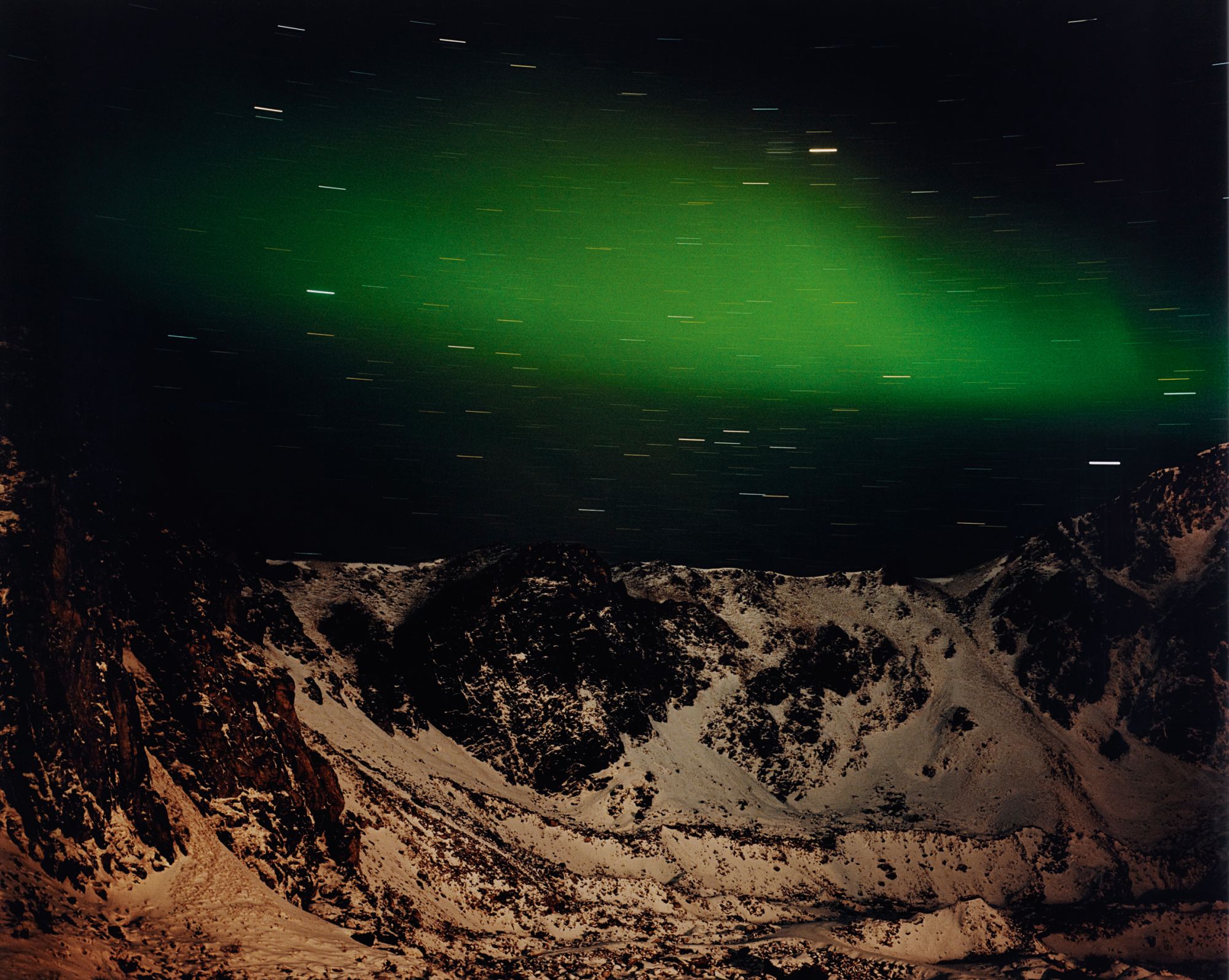
Dan Holdsworth
A Machine for Living 02
The Beauty That Lives in Severity
There is a particular kind of art that does not seduce. It does not flatter the eye or soften its edges to make the viewer comfortable. Instead it confronts, withholds, and demands. The aesthetic we call stark mood sits at the intersection of formal discipline and emotional austerity, and it has produced some of the most enduring work of the last hundred years.
To collect in this space is to understand that beauty and difficulty are not opposites. Sometimes they are the same thing. The roots of this sensibility reach deep into the early twentieth century, when modernism was stripping art of its decorative impulse and asking what remained. The straight photography movement of the 1910s and 1920s was among the first to codify starkness as a virtue.
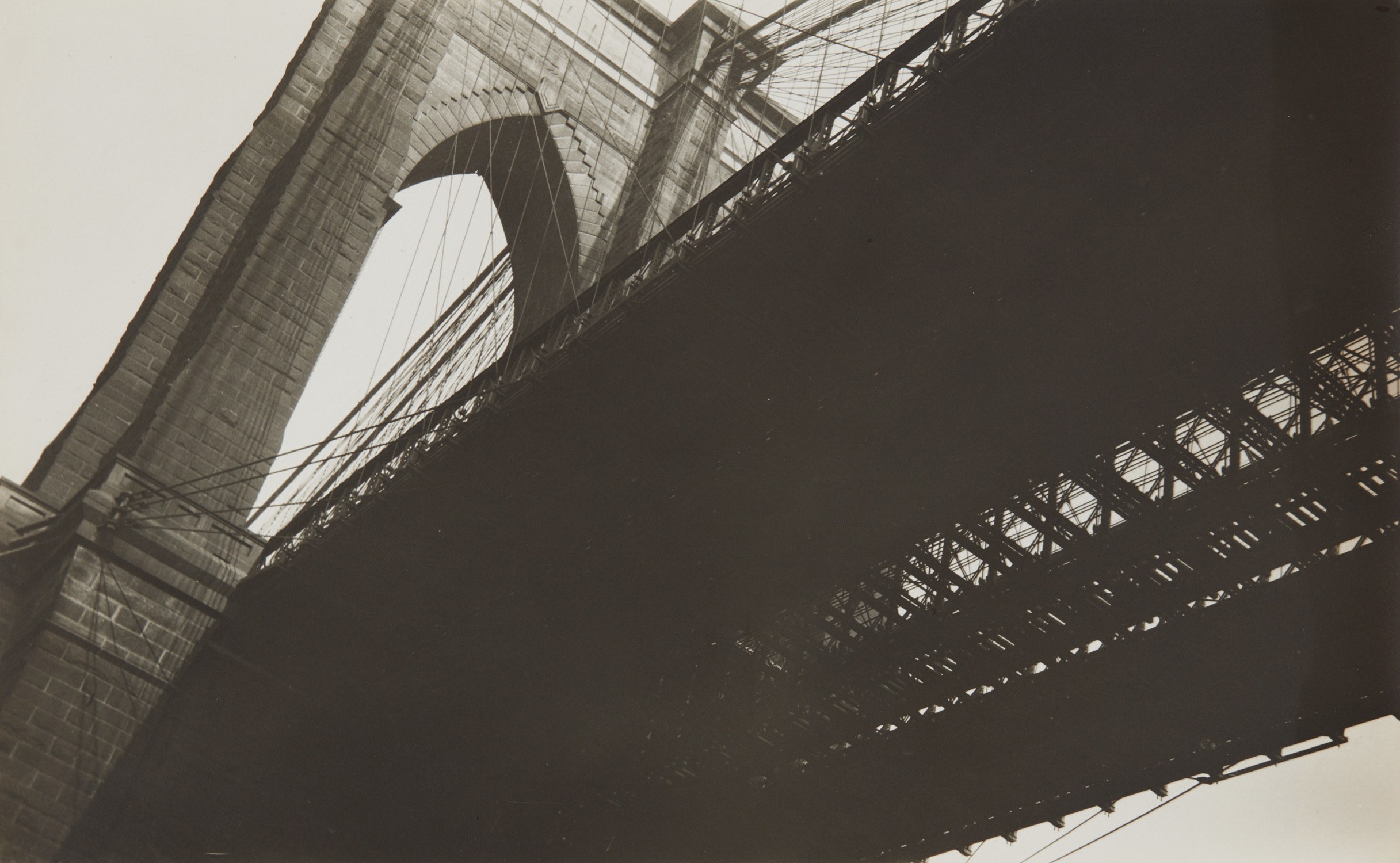
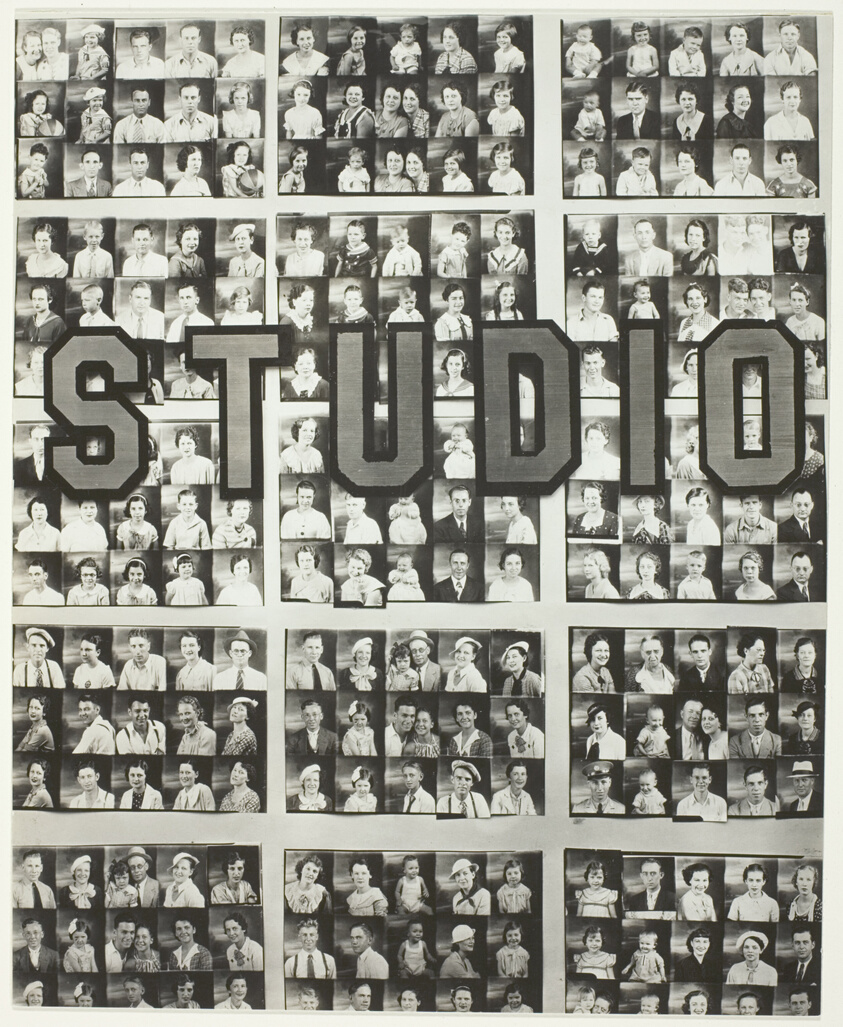
Walker Evans
Brooklyn Bridge
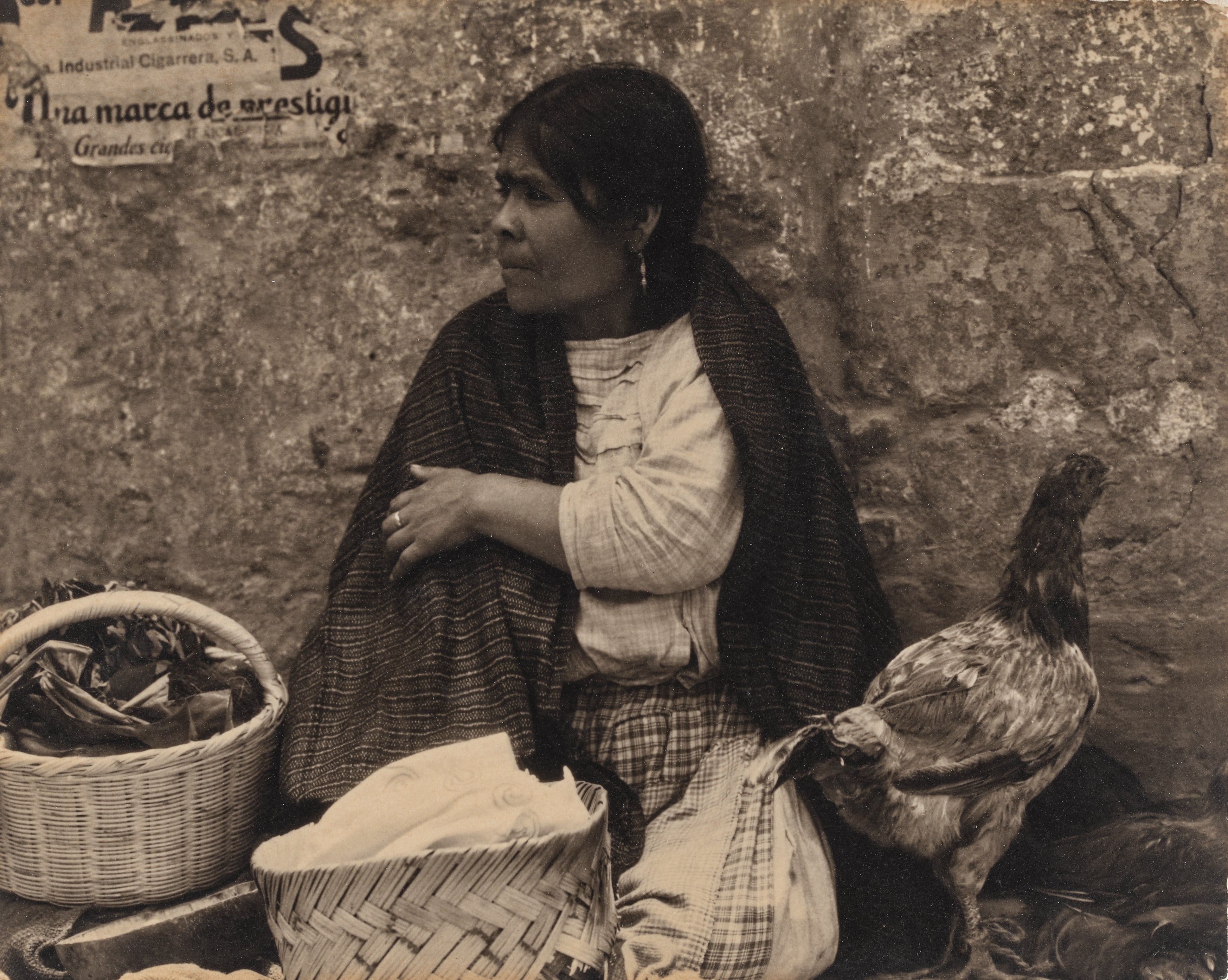
Paul Strand's close studies of machinery and working people in the late 1910s demonstrated that the unflinching gaze could carry more emotional weight than any painterly flourish. His 1916 publication in Camera Work, the final issue Alfred Stieglitz ever produced, announced a new visual ethics: nothing hidden, nothing prettified, everything present in its full, sometimes difficult, reality. The Depression era gave this tendency cultural urgency. Walker Evans, working for the Farm Security Administration in the mid 1930s, brought stark mood into documentary photography with such force and intelligence that the work transcended journalism entirely.
His images of tenant farmers and roadside storefronts in the American South were not reports on poverty. They were meditations on the dignity of plain things. Evans understood that the most severe compositions carry the most complex human feeling, and his restraint became a form of respect. His work, well represented on The Collection, continues to reward extended looking in ways that more obviously spectacular photography does not.
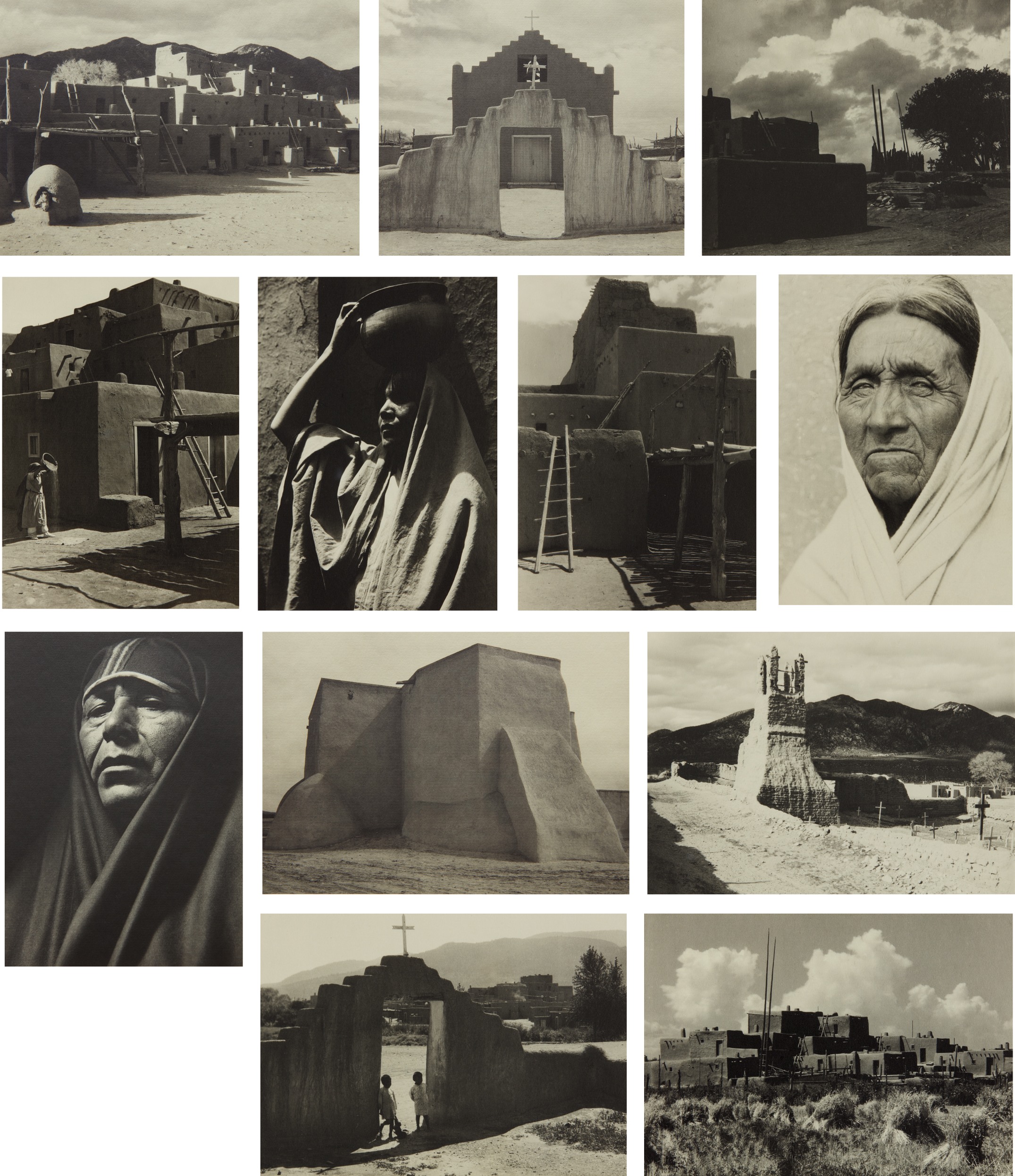
Ansel Adams
Taos Pueblo
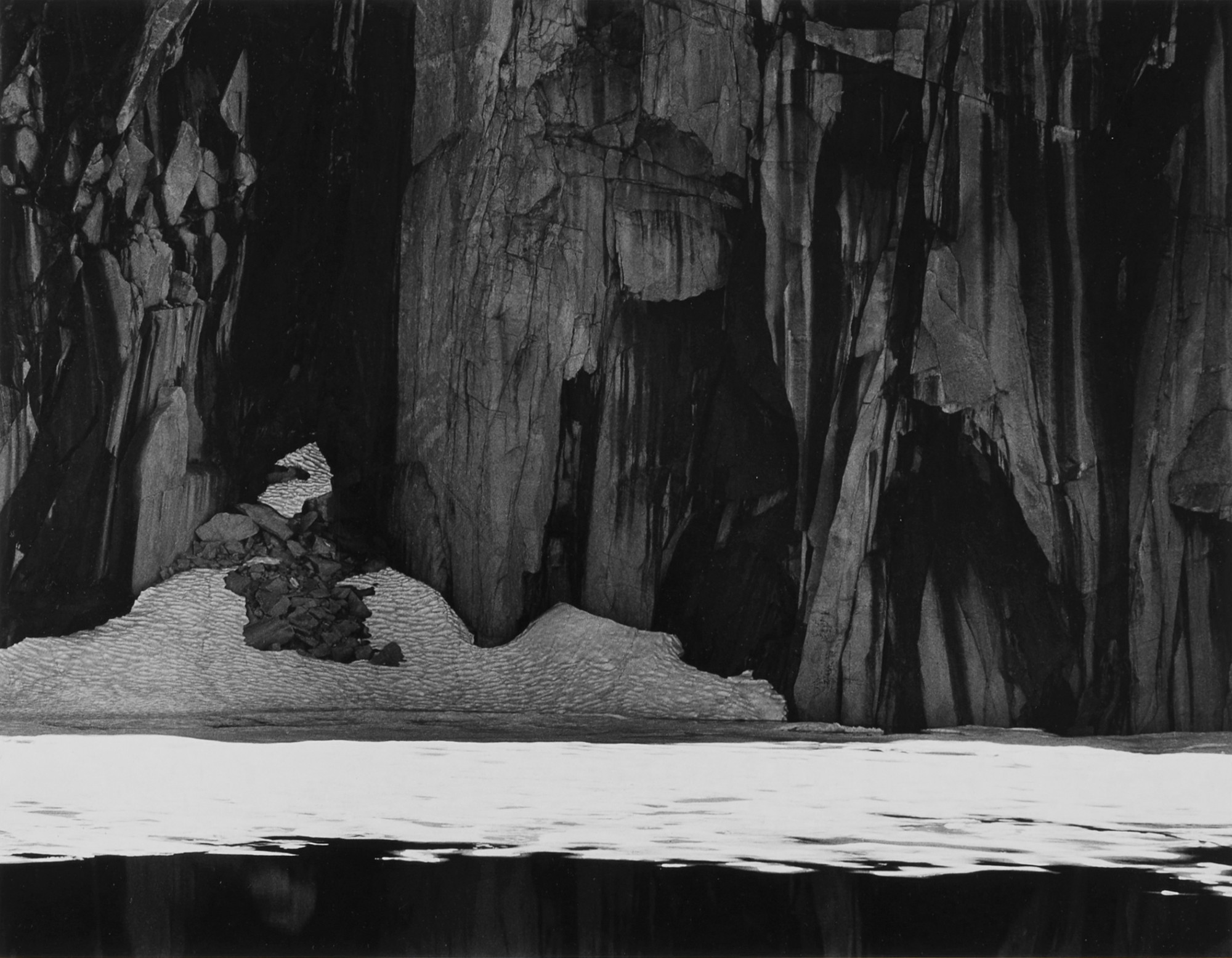
Ansel Adams arrived at stark mood through a different door. His zone system, developed in collaboration with Fred Archer in the early 1940s, was a technical framework for controlling tonal range in black and white photography. But the larger ambition was philosophical: to render the natural world with such precision and contrast that the viewer felt both the grandeur and the indifference of landscape. His photographs of the American West achieve their power not through warmth but through an almost geological stillness.
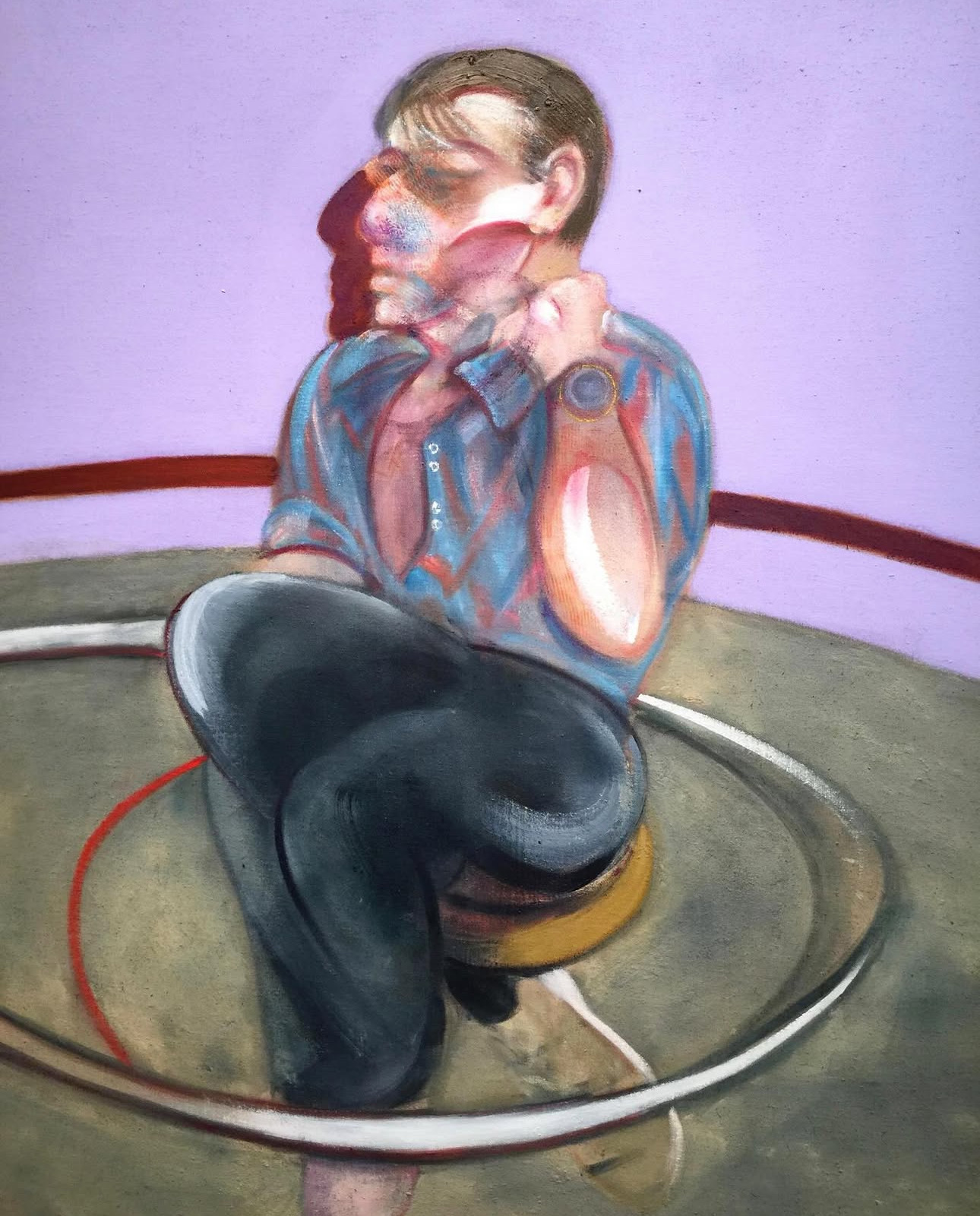
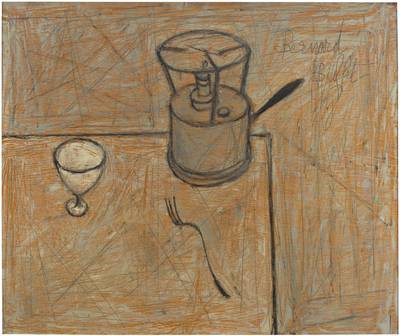
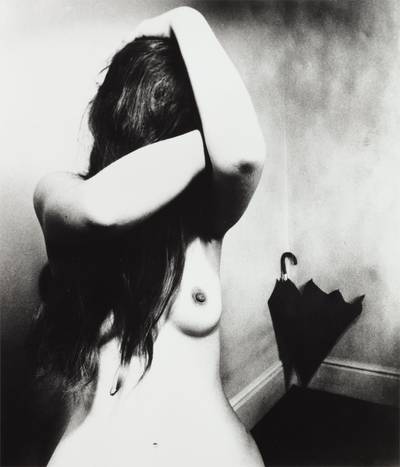
Bill Brandt, working in Britain across the same decades, pursued a similar extreme tonal range but applied it to the human figure and the urban environment, producing images that feel both documentary and dreamlike at once. In painting, the stark mood tradition runs through figures who refused the comforts of expressionistic looseness or colorist pleasure. Bernard Buffet emerged in postwar Paris in the late 1940s with a style that struck critics as almost aggressively unbeautiful: elongated figures, scratchy black outlines, a palette stripped to grays and cold blues. His 1948 Prix de la Critique win scandalized some and galvanized others.
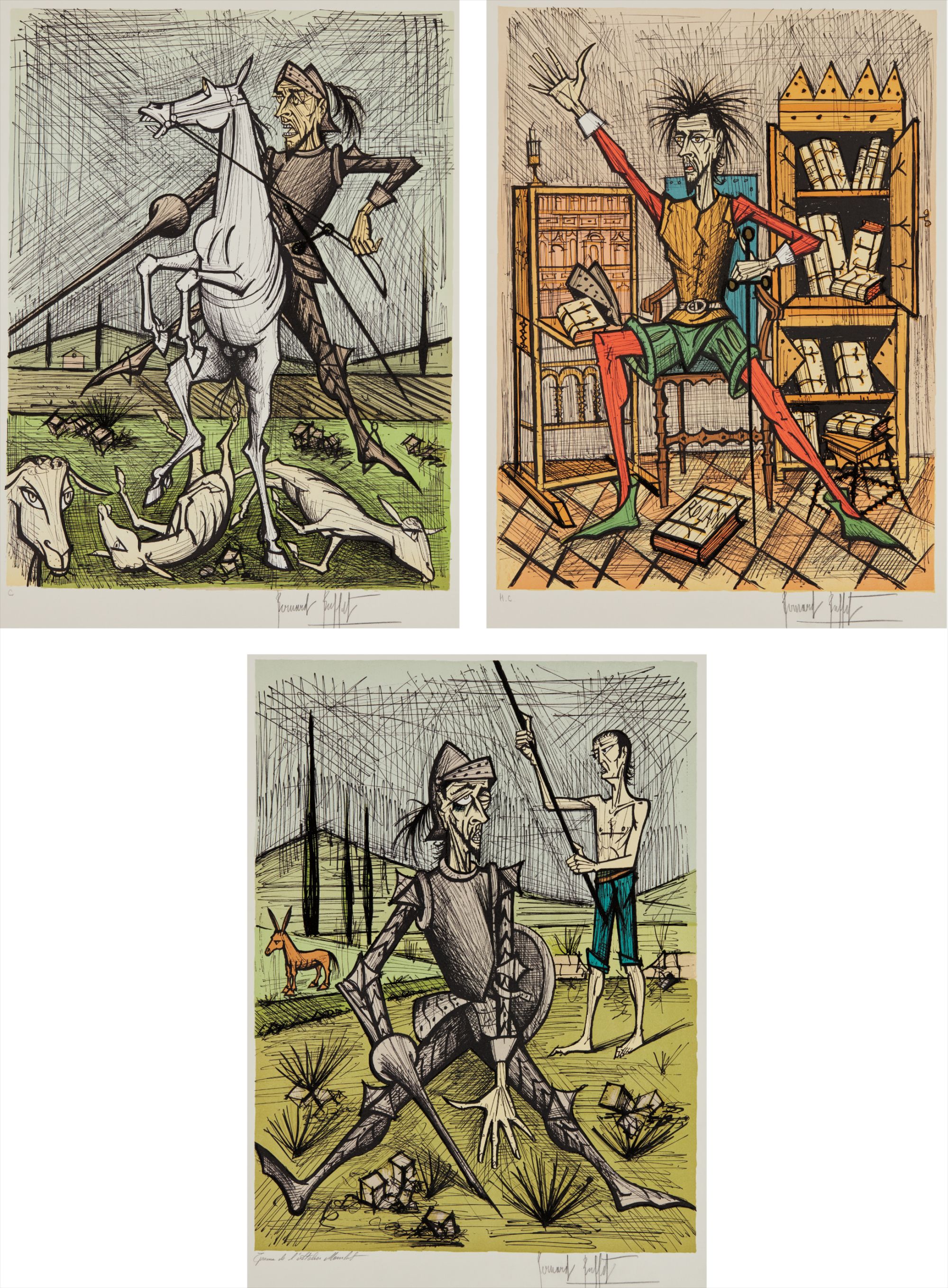
Bernard Buffet
Don Quixote recontre avec les muletiers (Don Quixote with the Mule Drivers); Don Quixote dans la bibliotheque II (Don Quixote in Library II); and Don Quixote et les moutons (Don Quixote and the Sheep)
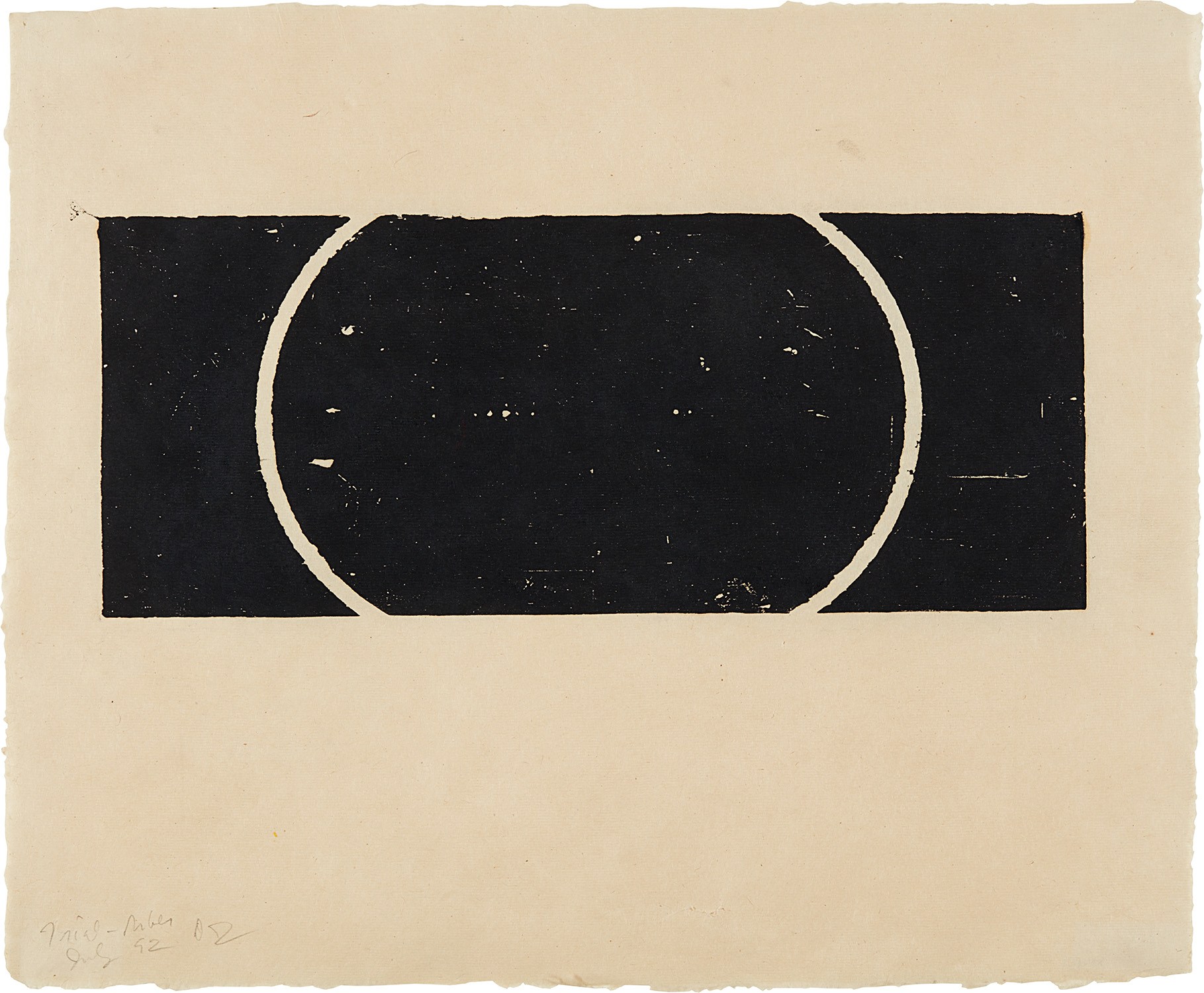
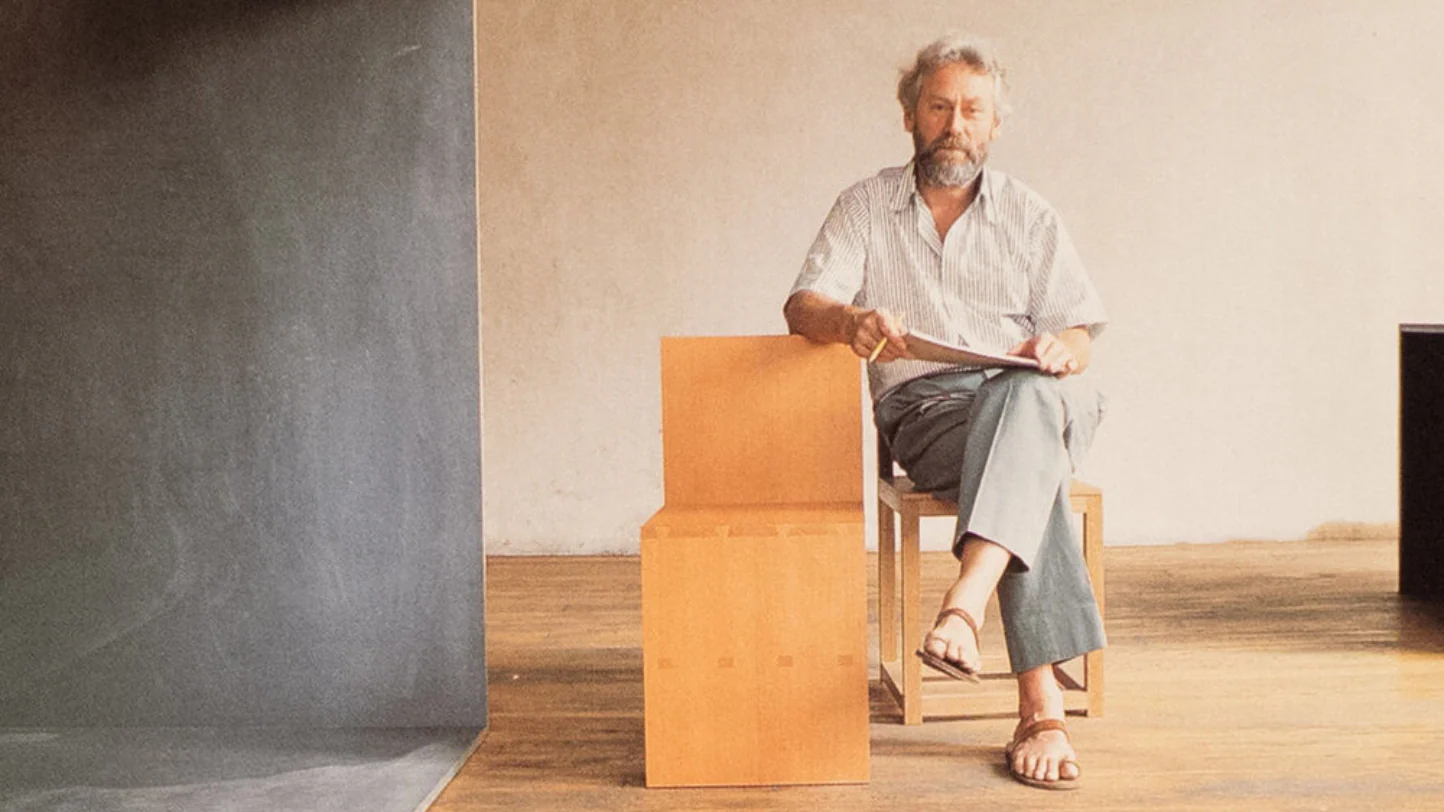
Buffet's work, generously represented on The Collection, felt to his generation like the only honest response to a Europe that had just destroyed itself. The paintings did not offer consolation and that was precisely their moral force. The minimalist movement of the 1960s translated stark mood into three dimensions and into pure abstraction. Donald Judd's stacks and progressions removed every trace of the artist's hand in favor of industrial fabrication and mathematical sequence.
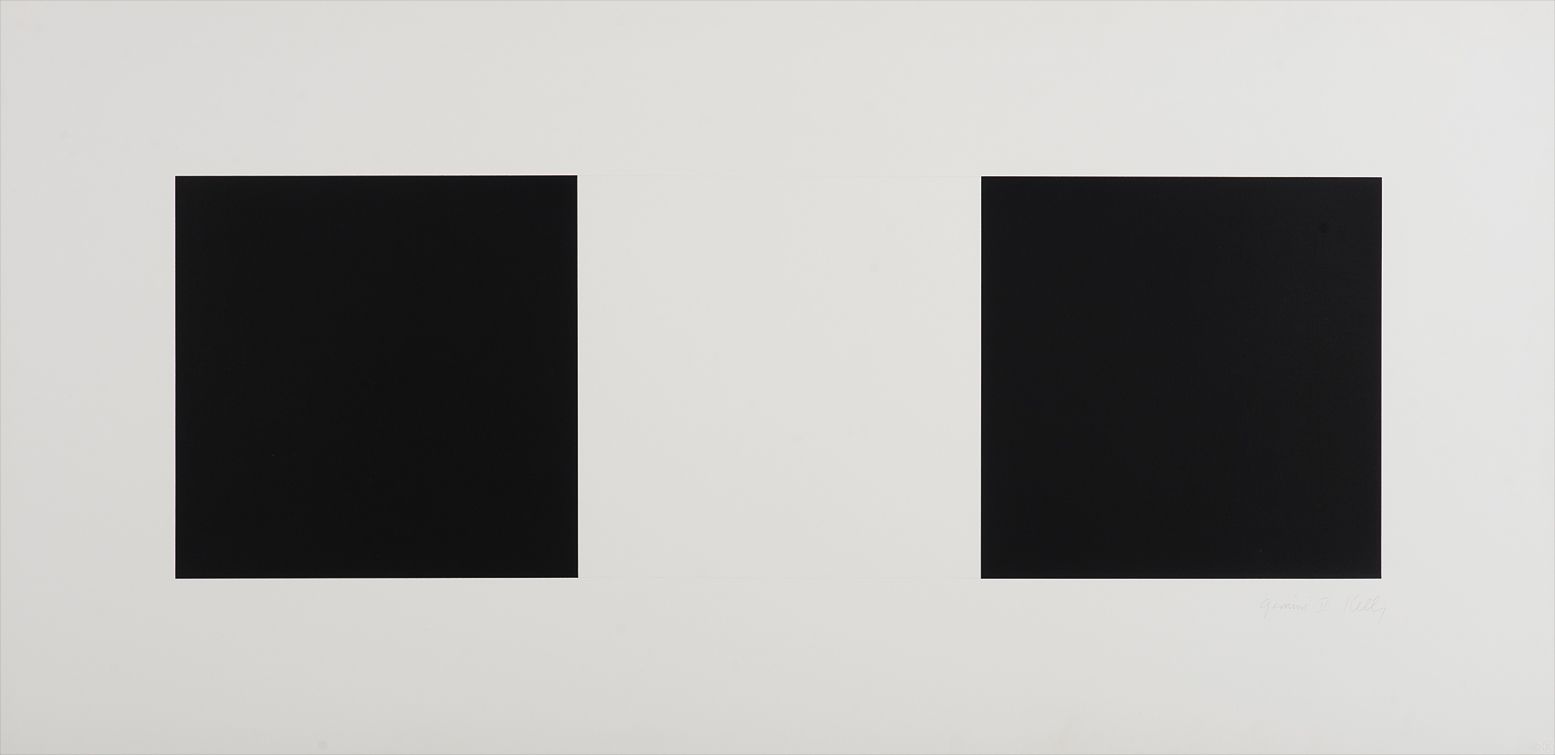
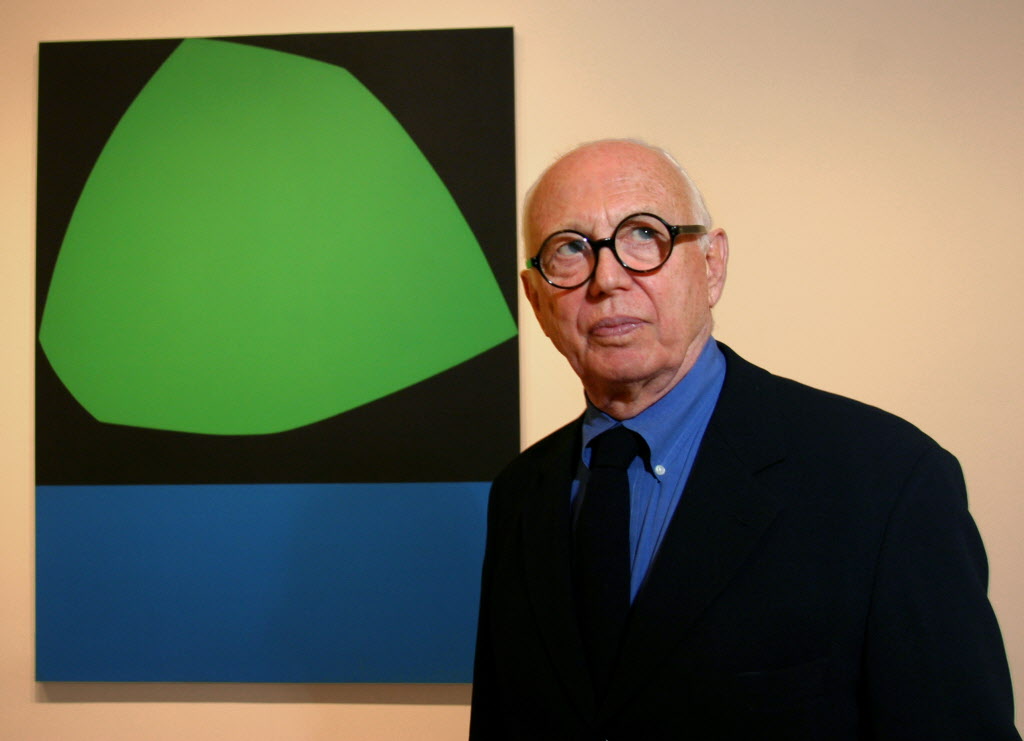
Judd argued that the work's meaning resided entirely in its physical presence, not in any symbolic or narrative content. Ellsworth Kelly, approaching the same territory from a painterly tradition, reduced form to single shapes and fields of unmodulated color. His works on The Collection exemplify the tension between severity and sensory pleasure that defines the most interesting strand of minimalist practice. Kelly insisted he was always working from observation of the world, which meant his austerity was earned rather than imposed.
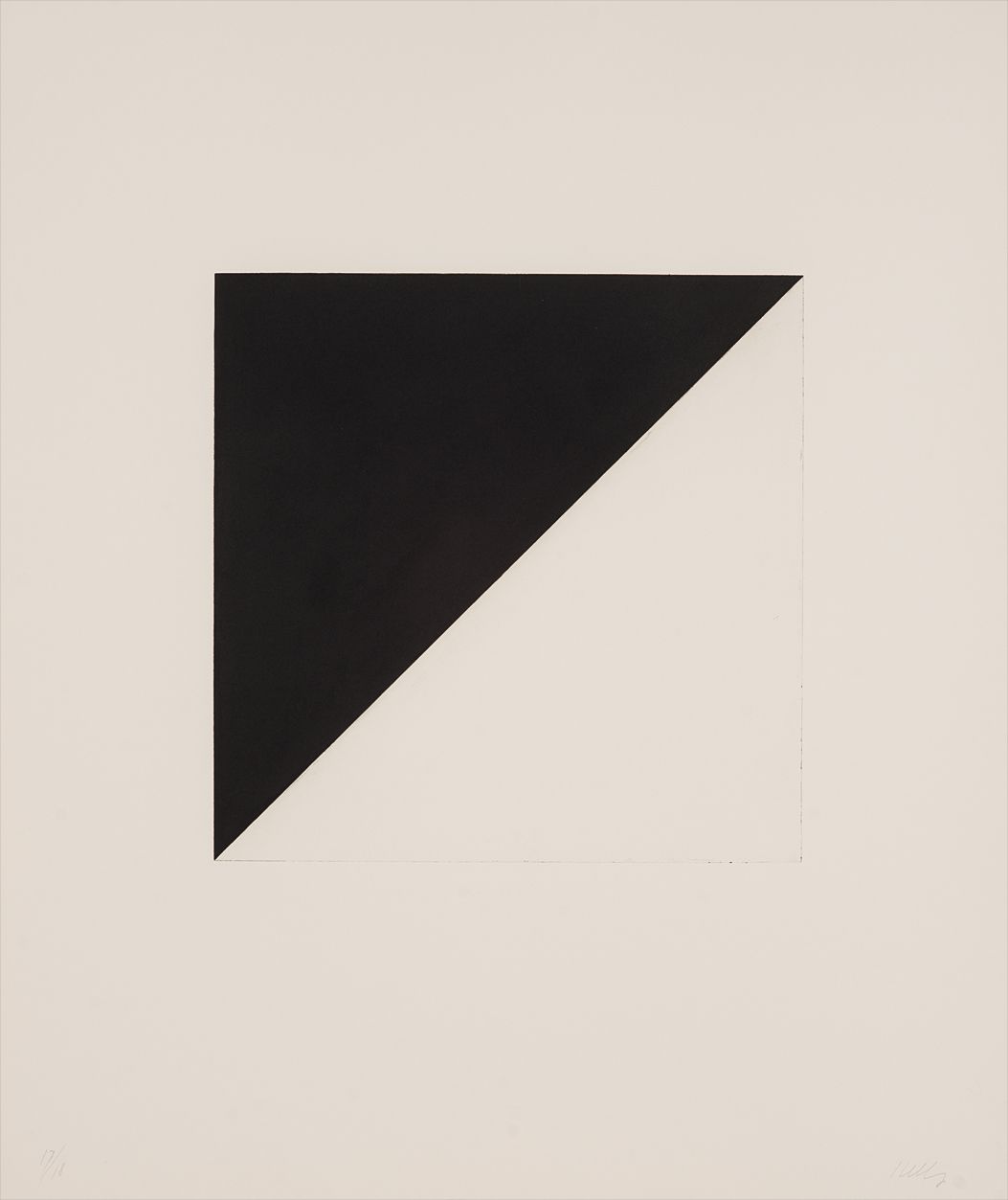
Ellsworth Kelly
Diagonal with Black
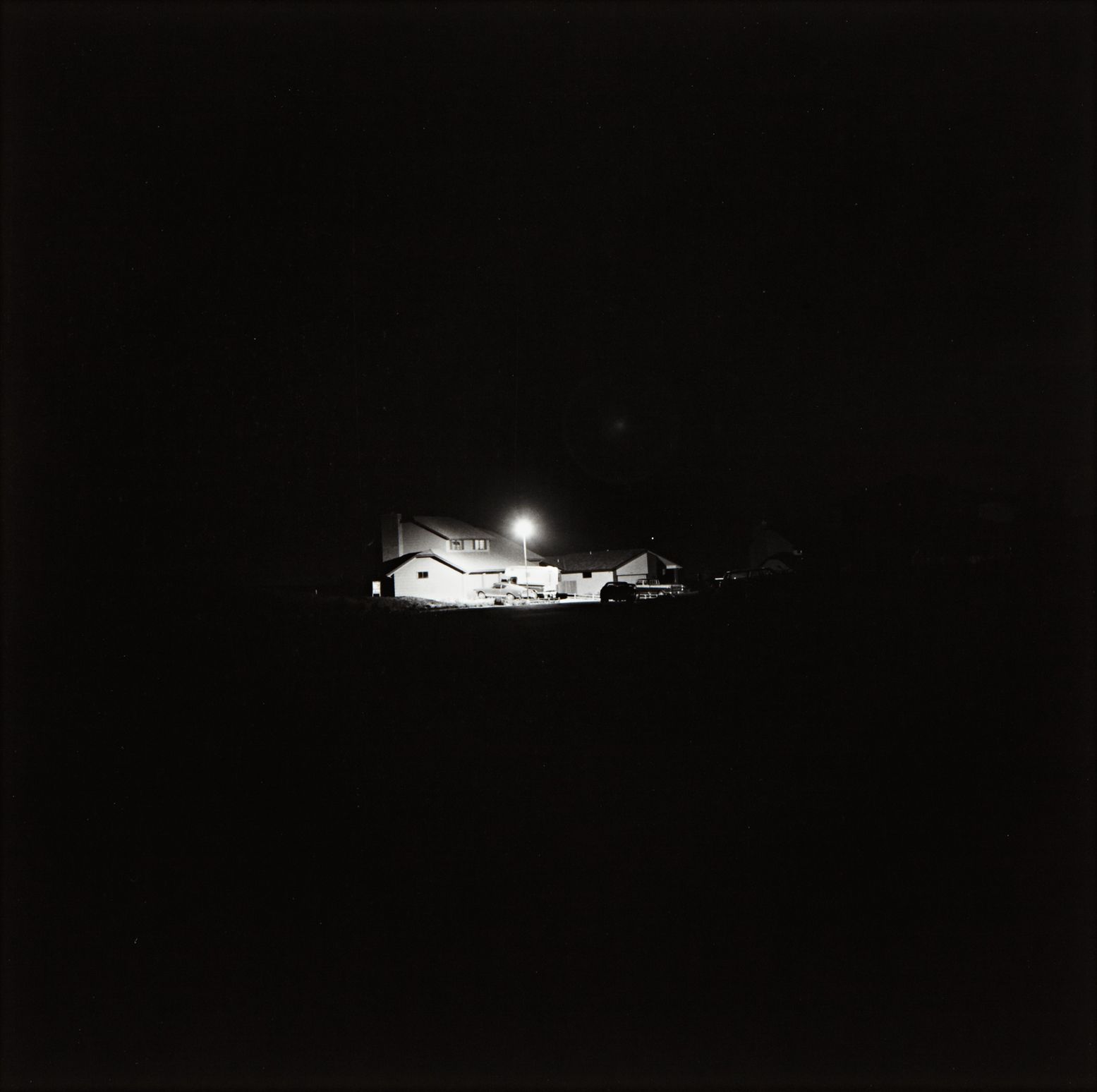
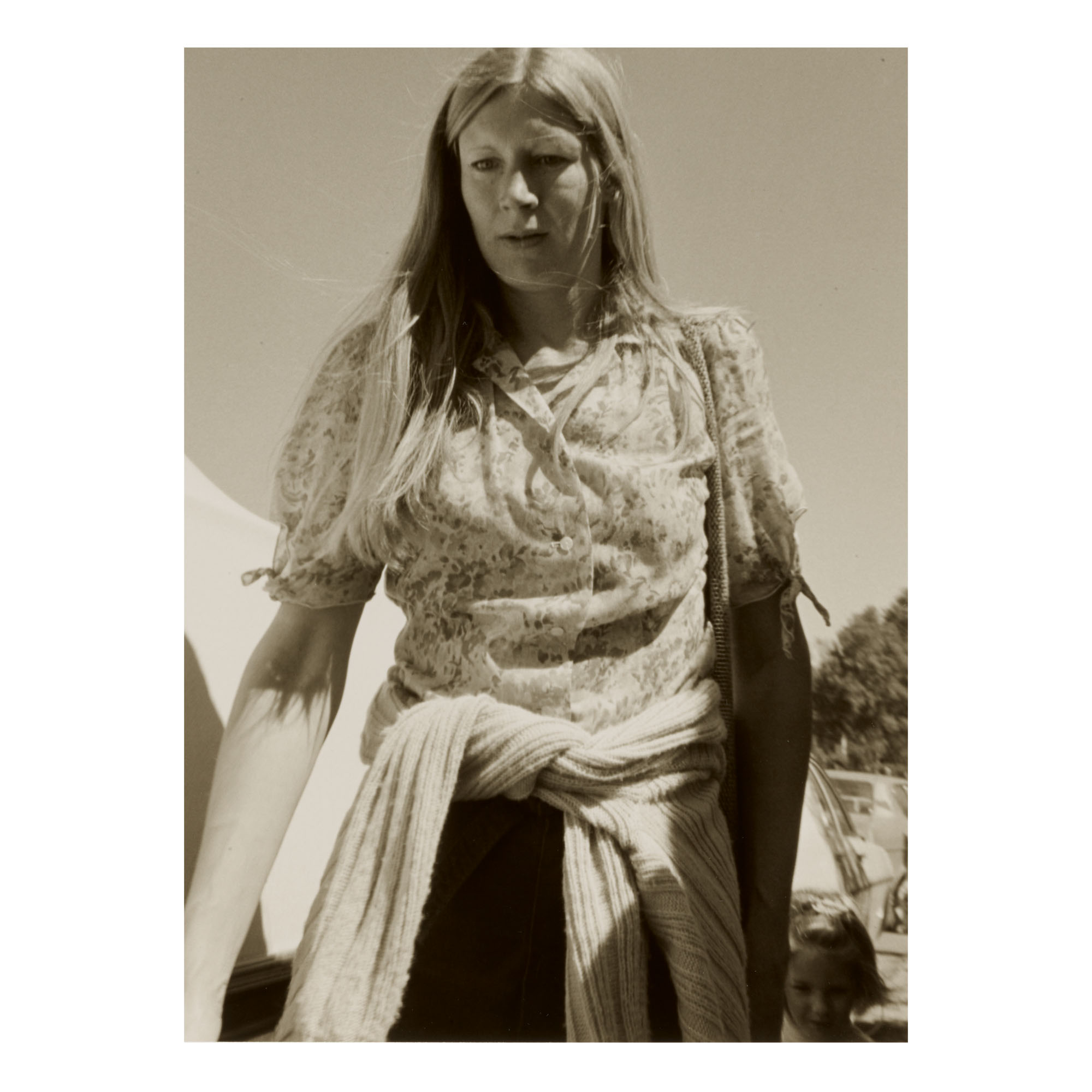
Photography continued to push the stakes of stark mood in the decades that followed. Lewis Baltz, associated with the New Topographics movement and its landmark 1975 exhibition at the George Eastman House in Rochester, applied Evans's documentary detachment to industrial parks and suburban construction sites. The images were deliberately draining, resistant to the picturesque, and quietly devastating as social documents. Robert Adams, also part of that 1975 show, brought a similar approach to the landscapes of the American West that Ansel Adams had made iconic, finding in the same terrain not sublimity but the quiet damage of human settlement.
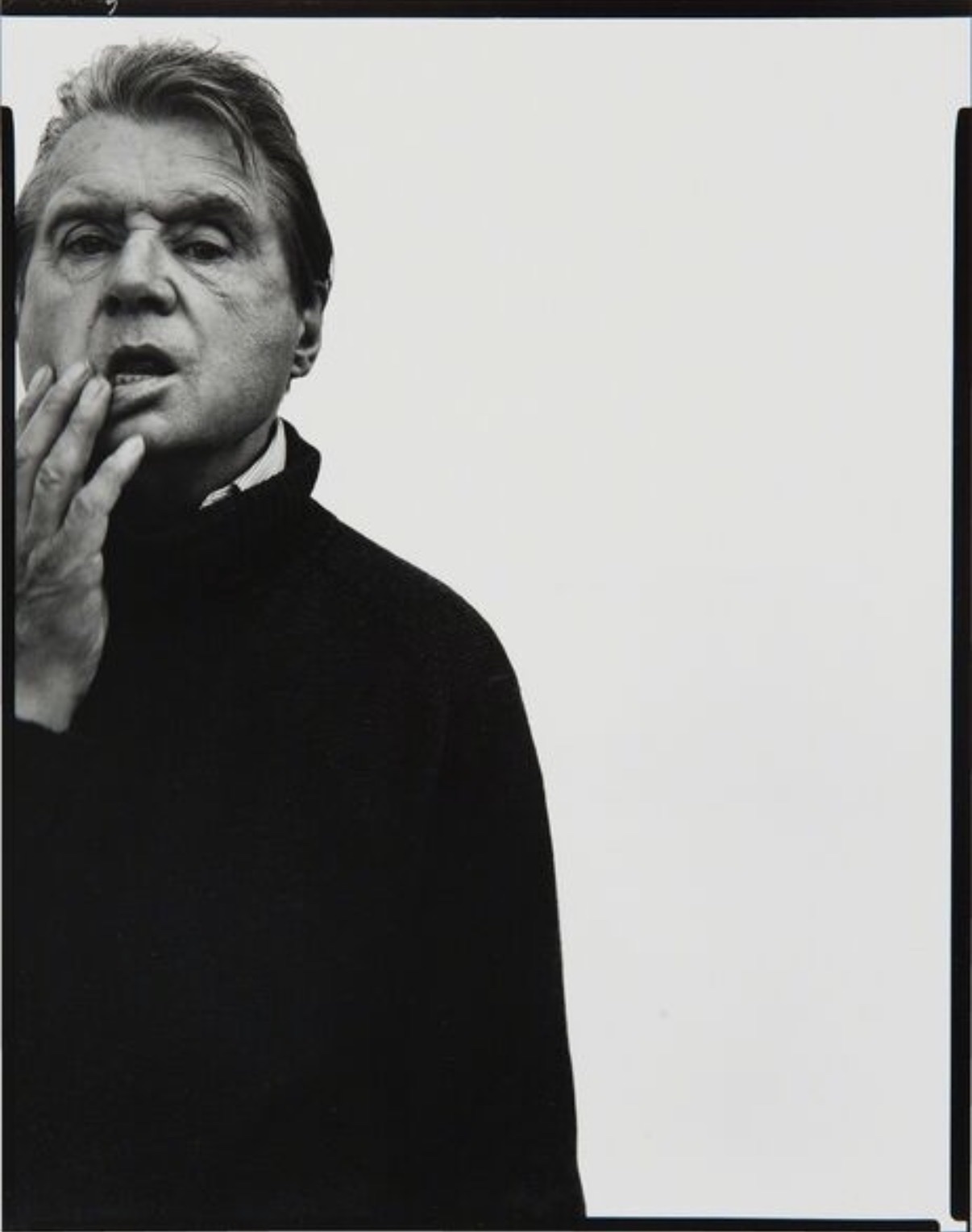
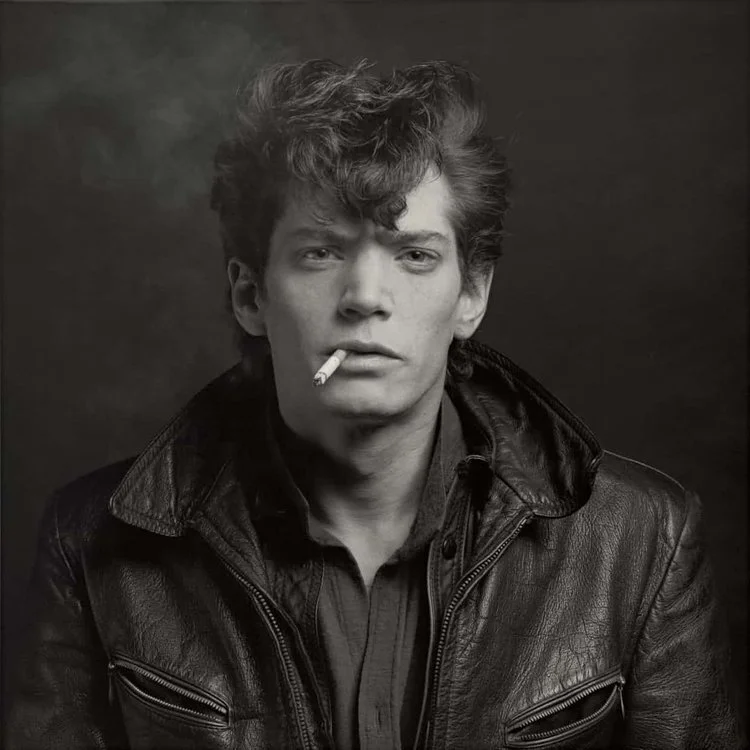
The two Adams photographers, sharing a surname but little else, effectively defined the moral poles of landscape photography in the twentieth century. The conceptual and psychological dimensions of stark mood continued to attract major artists into the 1980s and beyond. Robert Mapplethorpe's formal portraits and figure studies used the language of classical sculpture alongside a documentary precision that made his most challenging work impossible to dismiss on aesthetic grounds alone. Richard Avedon's late portraits, stripped of fashion context and placed against white backgrounds, were acts of exposure that discomforted their subjects and their viewers in equal measure.
Margaret Bourke White and Paul Shambroom, working in different eras and with different subjects, both used the stark visual language of industrial and institutional photography to implicate the viewer in systems of power they might prefer not to see. What unites this constellation of artists across time and medium is a shared conviction that the withheld is more powerful than the given. Stark mood operates through absence as much as presence, through what is not softened, not explained, not resolved. In an art world that increasingly competes for attention through spectacle and sensation, the works in this tradition ask for something rarer and more difficult: sustained attention and a willingness to remain with discomfort.
Collectors who are drawn to this territory often find it becomes a kind of discipline. Once you have learned to see what Evans or Judd or Buffet are actually doing, work that performs beauty without earning it starts to look thin. The stark and the severe begin to feel not like an acquired taste but like the truest taste of all.