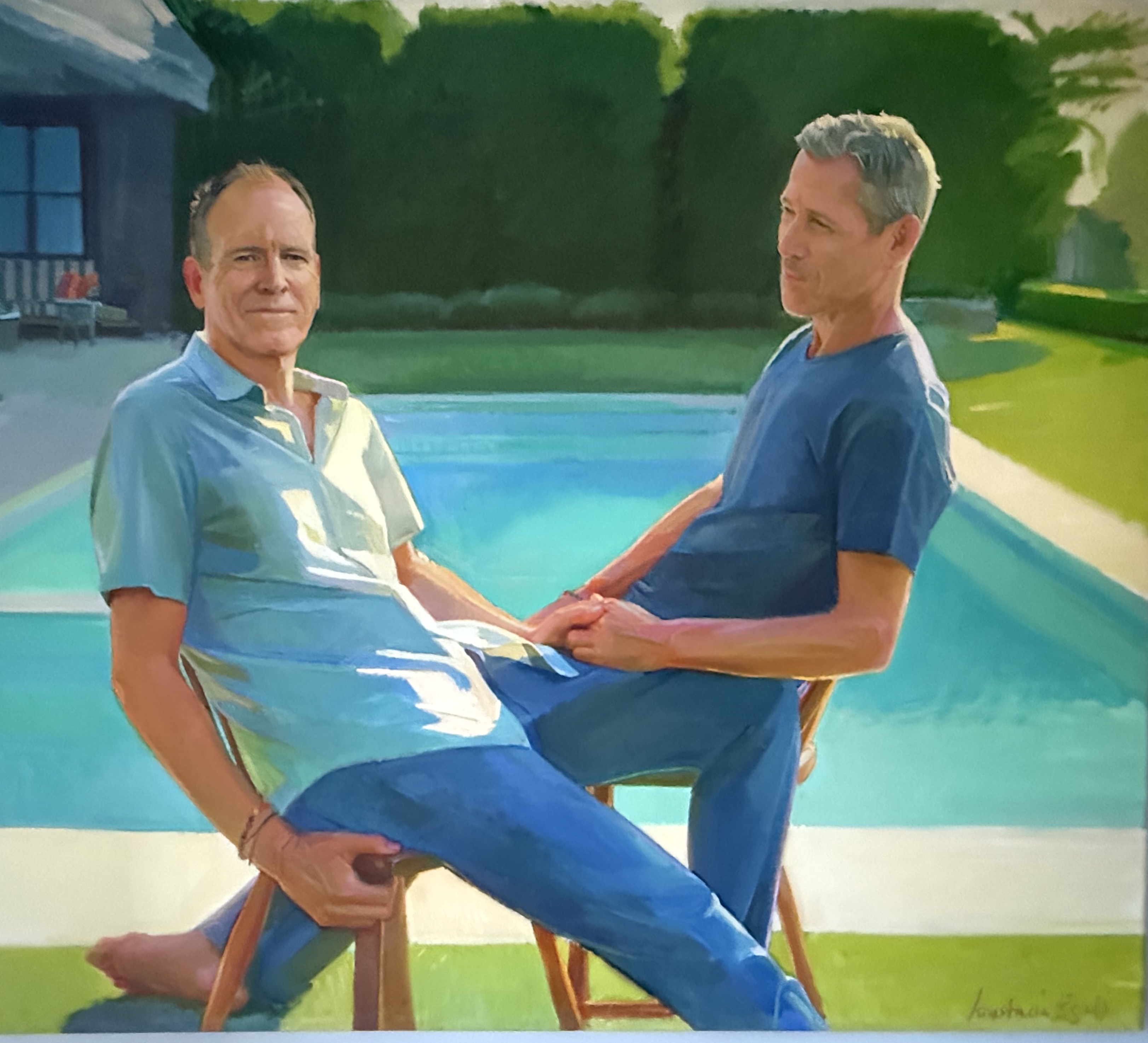
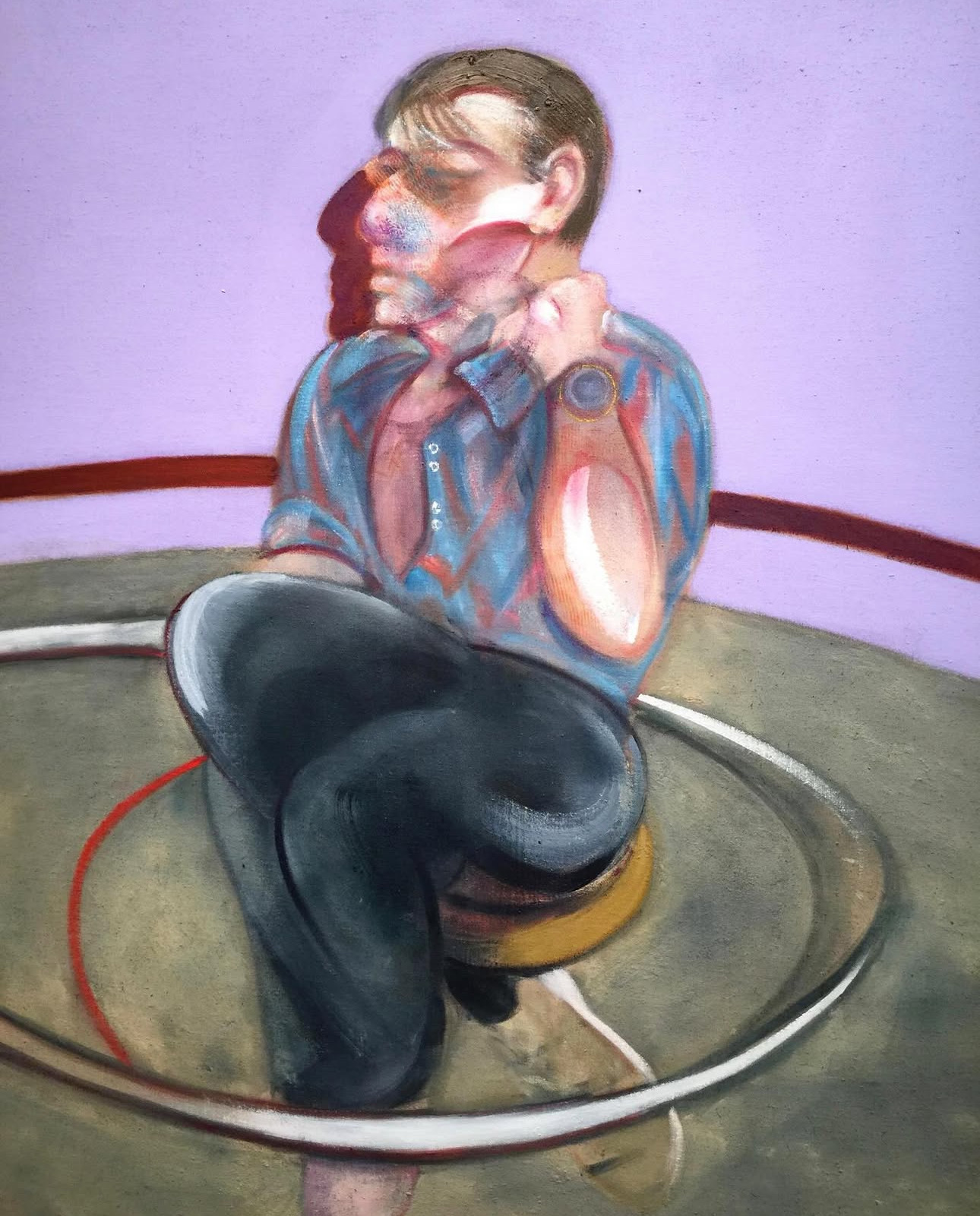
Preparatory Sketch
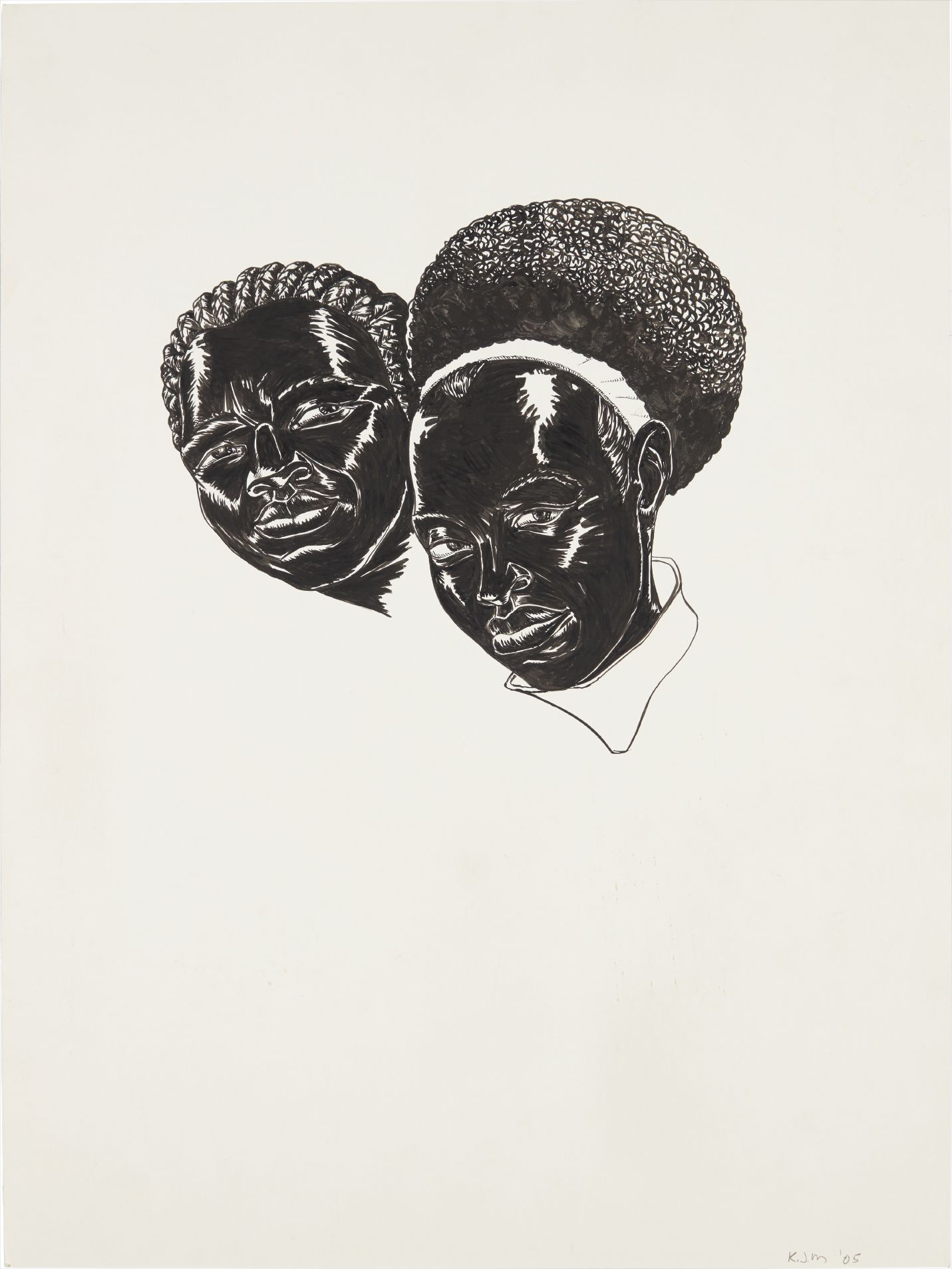
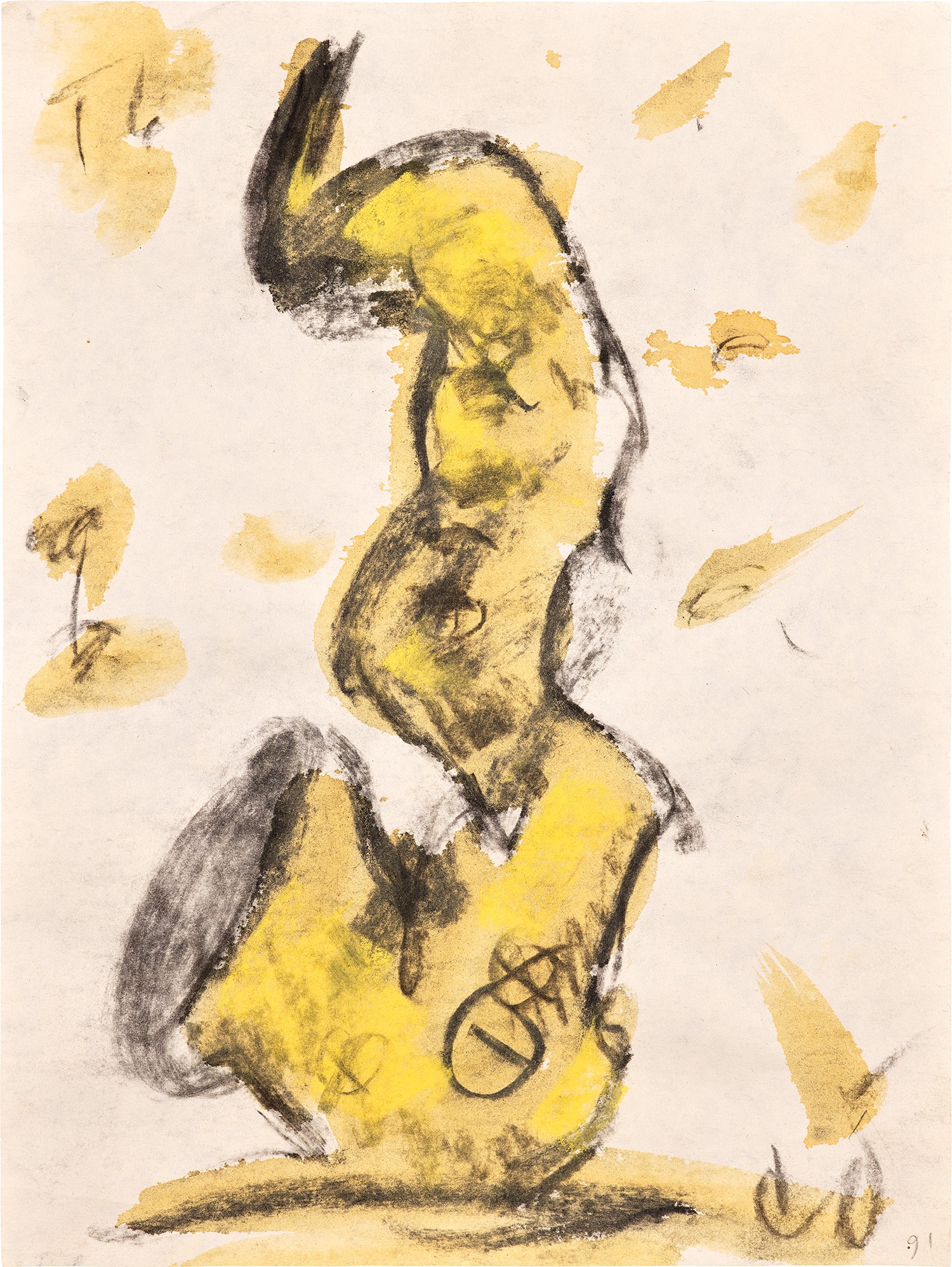
Kerry James Marshall
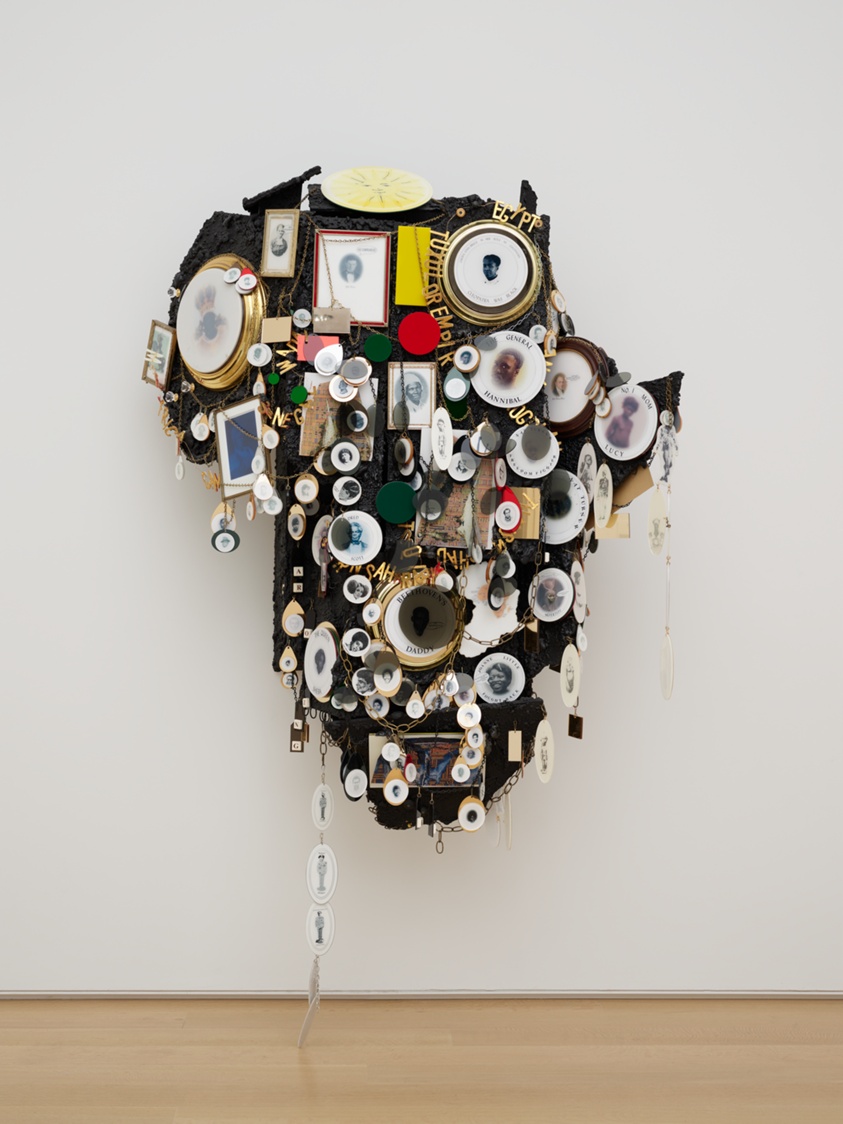
Drawing (Two Heads) (Study for Vignette), 2005
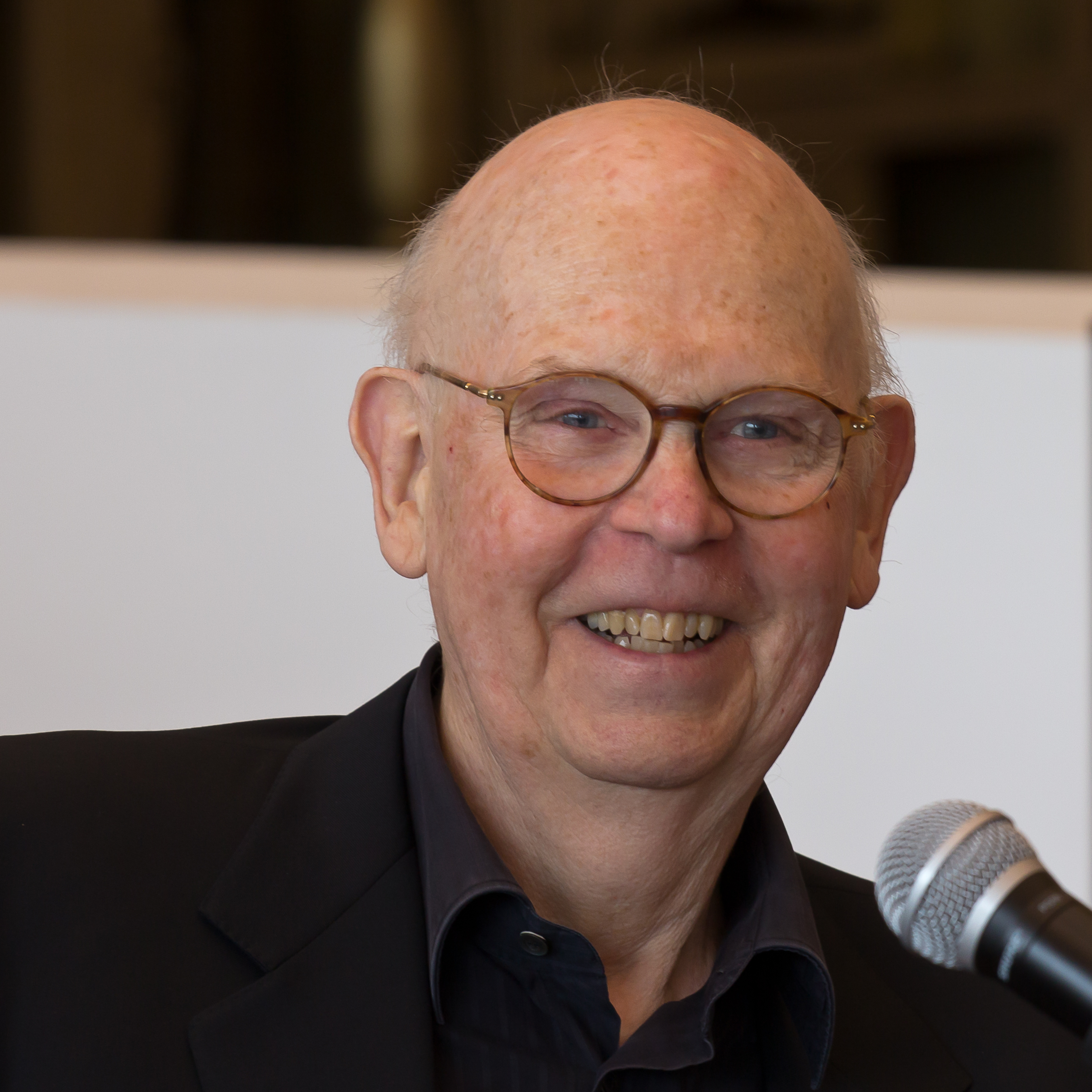
The Sketch Knows What the Painting Hides
When Christie's Paris brought a group of preparatory drawings by nineteenth century French masters to sale in early 2023, the room paid attention in a way that felt different from previous seasons. These were not finished objects. They were working documents, smudged and corrected, full of second thoughts and abandoned lines. And yet the bidding was fierce.
Something has shifted in the way serious collectors think about the sketch, and the shift feels permanent. The preparatory sketch occupies a peculiar and thrilling position in art history. It is the place where decisions get made, where the artist argues with herself before committing to canvas or stone. For centuries these works were treated as secondary objects, useful for scholarship but not quite fit for the drawing room.
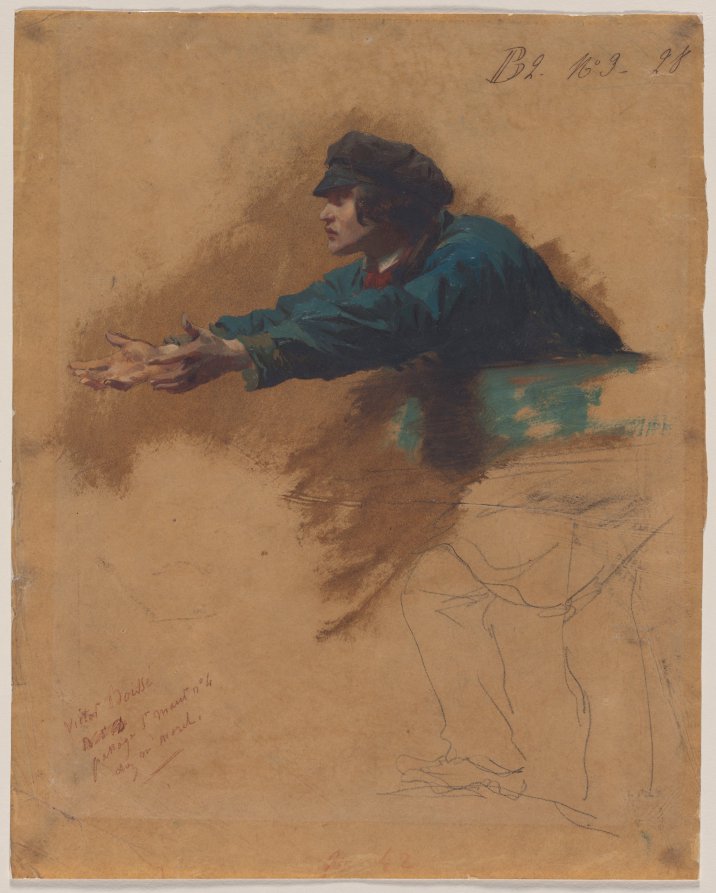
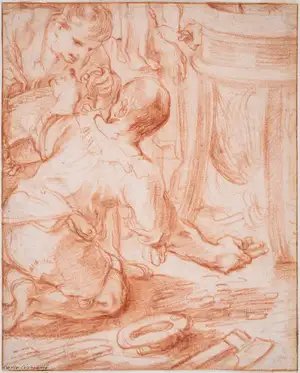
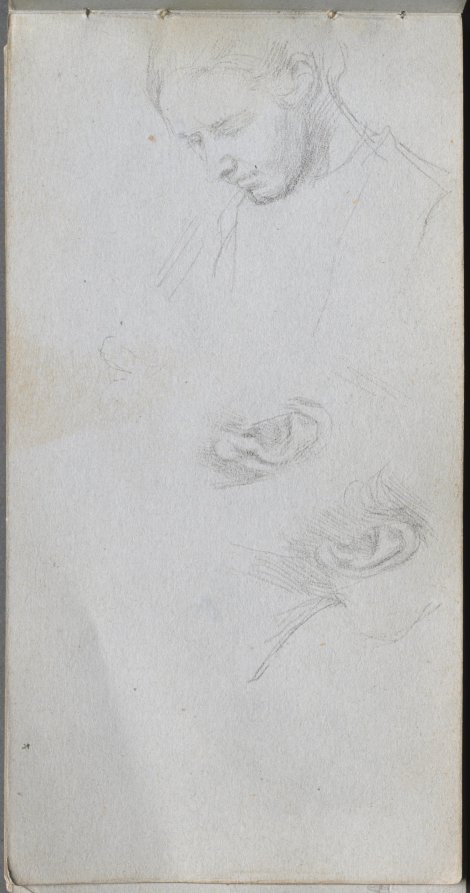
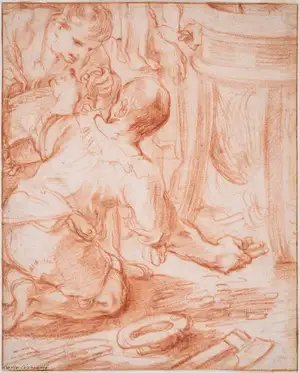
Isidore Pils
Young Man Leaning Forward with Outstretched Arms (Study for Soldiers Distributing Bread to the Poor), 1851
That condescension has evaporated. Today a strong preparatory drawing by the right hand can command prices that rival finished works, and institutions that once regarded drawings as purely archival material are now building dedicated gallery spaces around them. The Louvre's ongoing commitment to its Cabinet des Arts Graphiques, and the Morgan Library's decades long stewardship of drawings and sketches in New York, established the intellectual framework that made this market possible. But the conversation accelerated meaningfully after the Metropolitan Museum of Art mounted a serious reconsideration of French academic draftsmanship in the early 2010s, drawing scholarly attention back to artists like Isidore Pils, whose preparatory studies for large scale history paintings revealed a directness and emotional urgency that the finished canvases sometimes smoothed away.
Pils, now well represented on The Collection, made drawings that breathe in ways his official Salon paintings sometimes do not. Collectors who discovered this noticed they were getting closer to the artist's actual thinking. Ernest Meissonier is one of the most instructive cases in understanding how the preparatory sketch market works. Meissonier was obsessive about preparation.
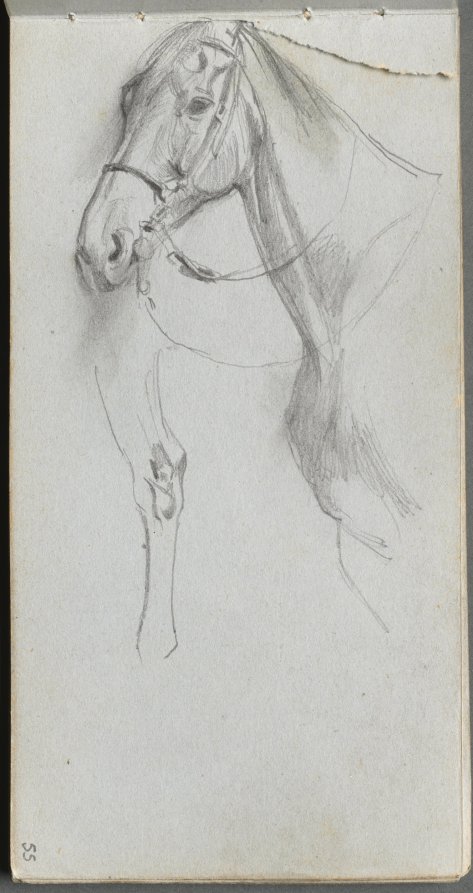
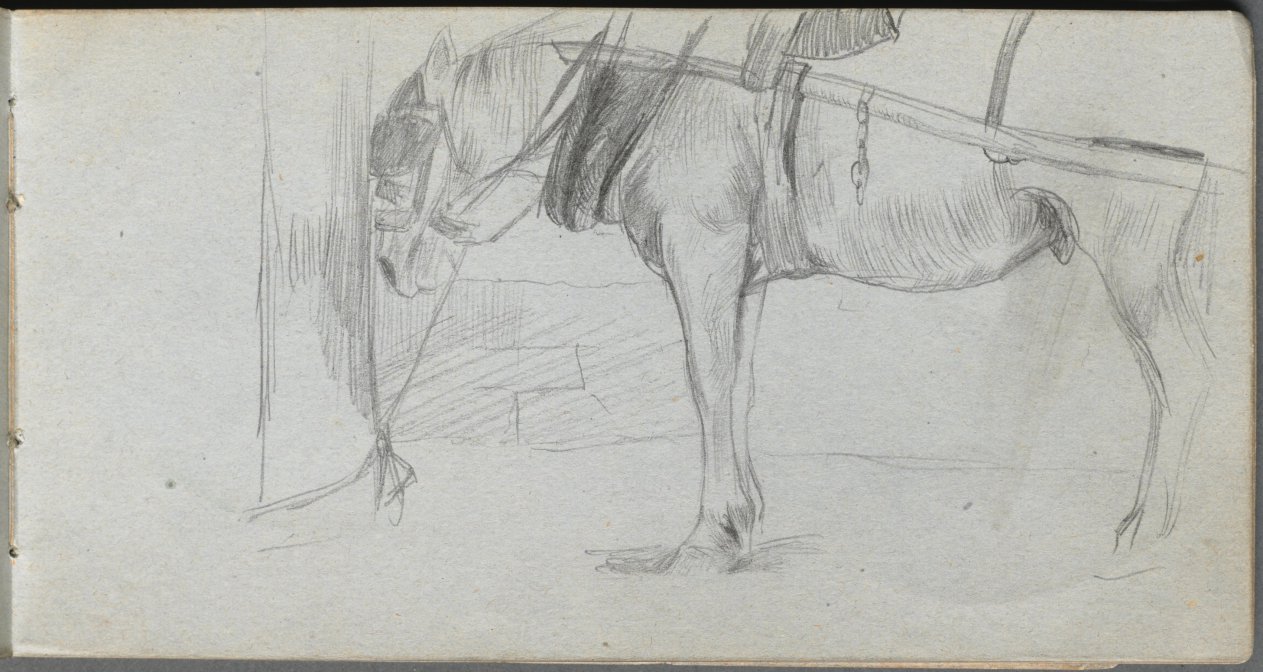
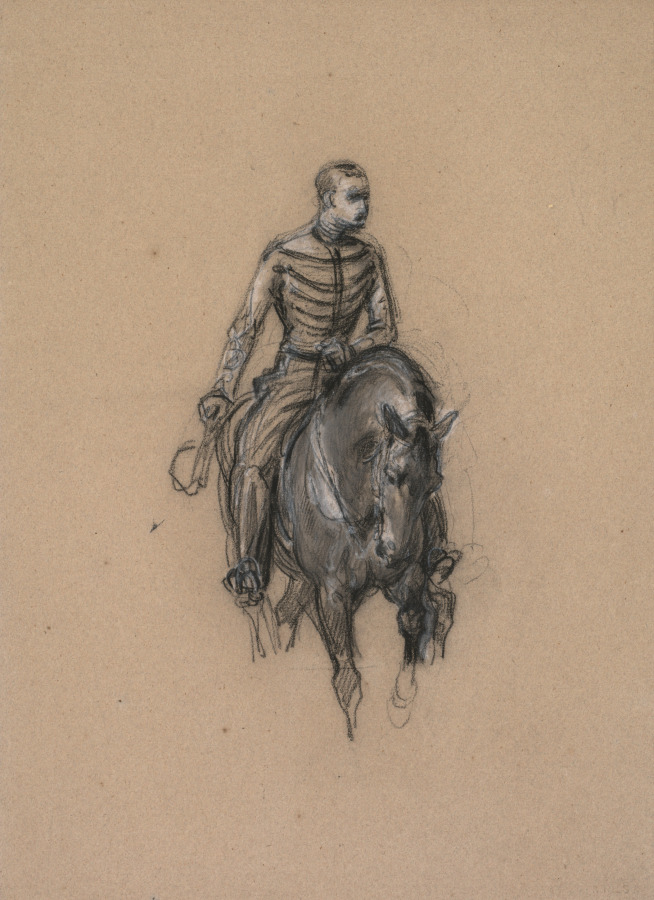
Ernest Meissonier
Sketchbook, page 55: Study for a Horse, 1860
He built scale models of Napoleonic battle scenes, dressed in period costume, and made dozens of studies before touching a final surface. His sketches circulate steadily through the major European sales rooms, and the prices they fetch reflect a recognition that in his case the preparatory work is inseparable from the achievement of the finished picture. The works by Meissonier on The Collection carry that same feeling of a mind fully engaged with a problem it has not yet solved. That tension is exactly what collectors are paying for.
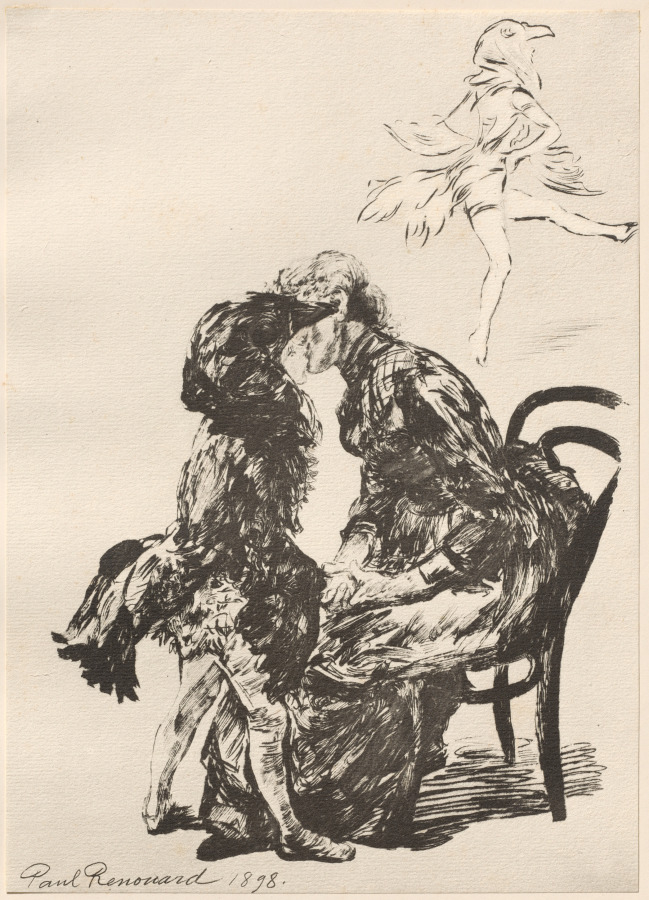
Charles Paul Renouard represents a different strain of the same impulse. A brilliant draughtsman who covered the social and political life of late nineteenth century Paris for illustrated journals, Renouard made preparatory sketches that capture gesture and crowd movement with a speed and accuracy that still astonishes. His working drawings feel contemporary in a way that connects directly to the documentary urgency that drives interest in artists like Kerry James Marshall, whose own preparatory work has been shown and discussed extensively alongside his major paintings. Marshall's sketches and studies have appeared in survey contexts at the Museum of Contemporary Art Chicago and the Metropolitan, and critics including Hilton Als and Darby English have written about how his preparatory process illuminates the deliberateness of his finished works.
Kerry James Marshall
Drawing (Two Heads) (Study for Vignette), 2005
Marshall is represented on The Collection, and the presence of his work in this context underscores how the sketch tradition spans centuries without breaking. The auction record that collectors in this space watch most carefully is not always for the most famous name. Ferraù Fenzoni, the late Mannerist painter whose preparatory drawings surface only occasionally at auction, has seen serious institutional interest from European print rooms and study collections. When a Fenzoni drawing came to sale at Sotheby's in recent years, competition came from museum buyers as well as private hands.
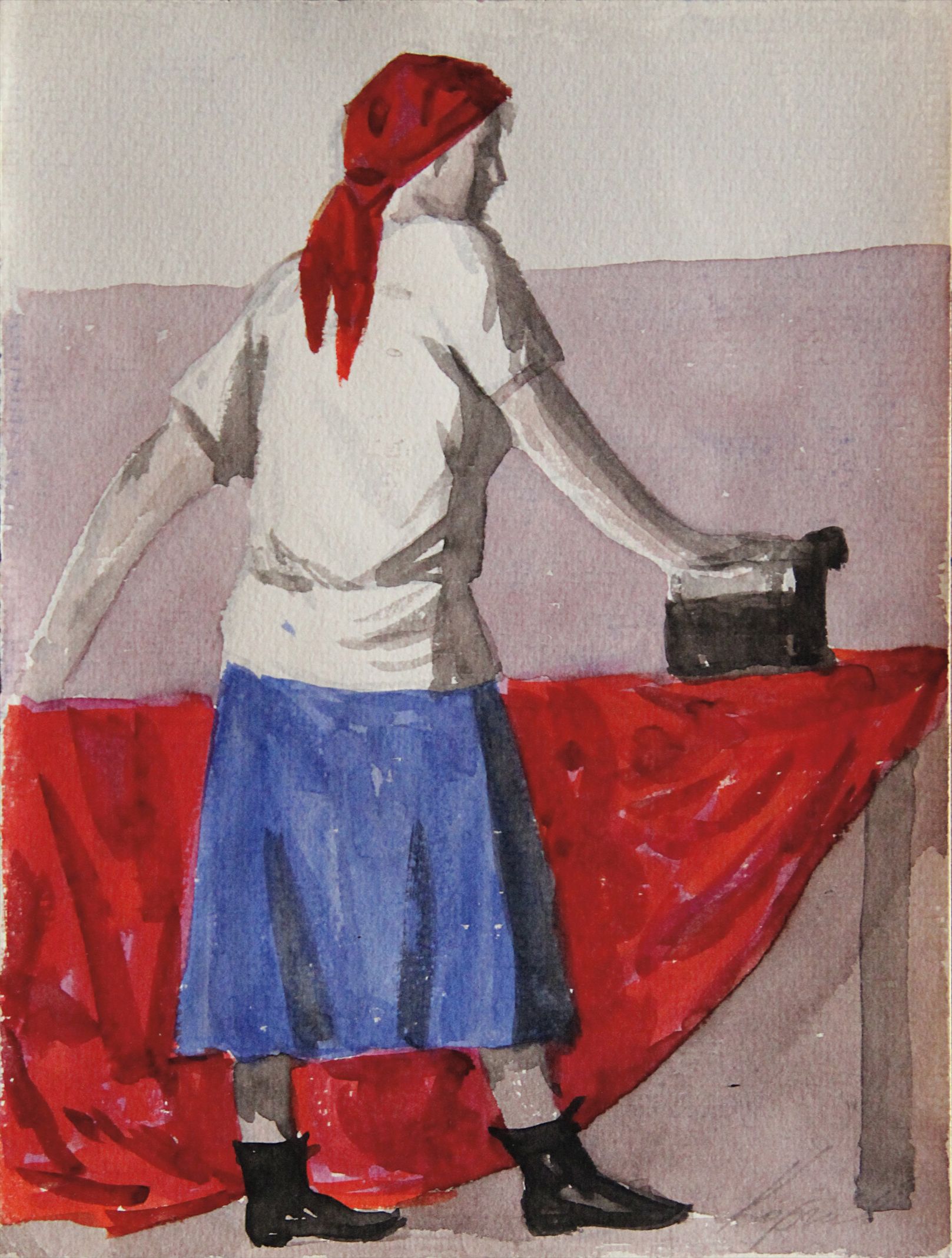
That kind of institutional bidding is a signal. It means the scholarly consensus has hardened around an artist's importance, and private collectors who move early can still find value before prices fully reflect the academic attention. Geli Korzhev presents one of the most compelling conversations happening right now around the preparatory sketch. His status as a major figure of Soviet realism has been reassessed substantially in the last decade, with exhibitions in Moscow and serious scholarly attention from curators working on Cold War era figuration.
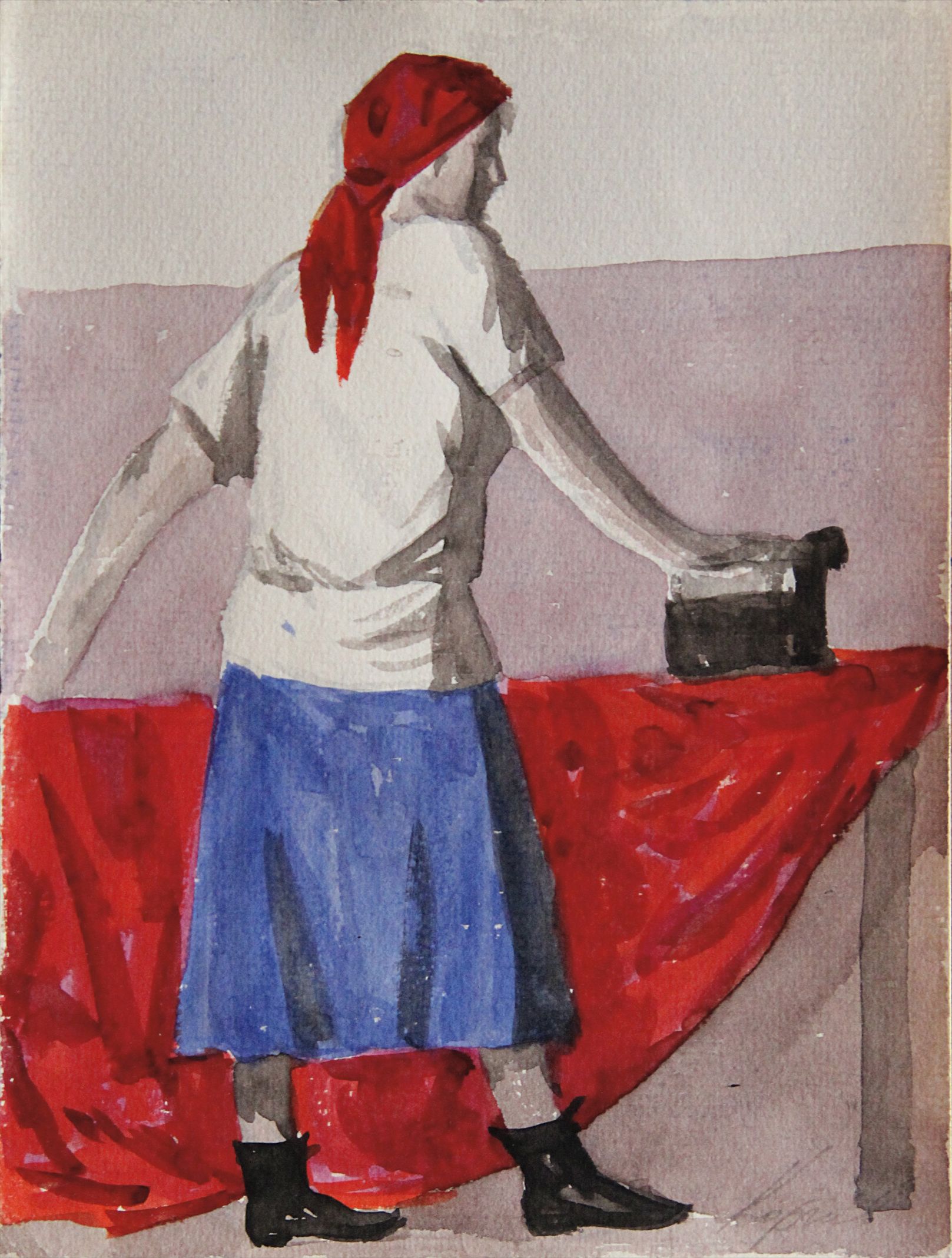
Geli Korzhev
Irons Red Fabric, Study for "New Slogan"
Korzhev's preparatory drawings for his monumental canvases are raw and emotionally direct, made by a painter who thought in charcoal and chalk before he thought in oil. As that reassessment deepens, the demand for his working drawings is rising among European and American collectors who missed the earlier moment with his finished paintings. The critical writing shaping this market comes from several directions at once. The journal Master Drawings remains essential, as it has been for decades.
But the conversation has broadened considerably through museum catalogue essays, particularly those accompanying the wave of reappraisal shows around academic and realist painters that major institutions mounted throughout the 2010s. Curators like Colta Ives at the Met and scholars working in the French drawings tradition have argued persuasively that the preparatory sketch is not a lesser object but a different kind of object, one that asks different questions and rewards different kinds of looking. Where is the energy moving? Collectors who have been watching closely point to two areas.
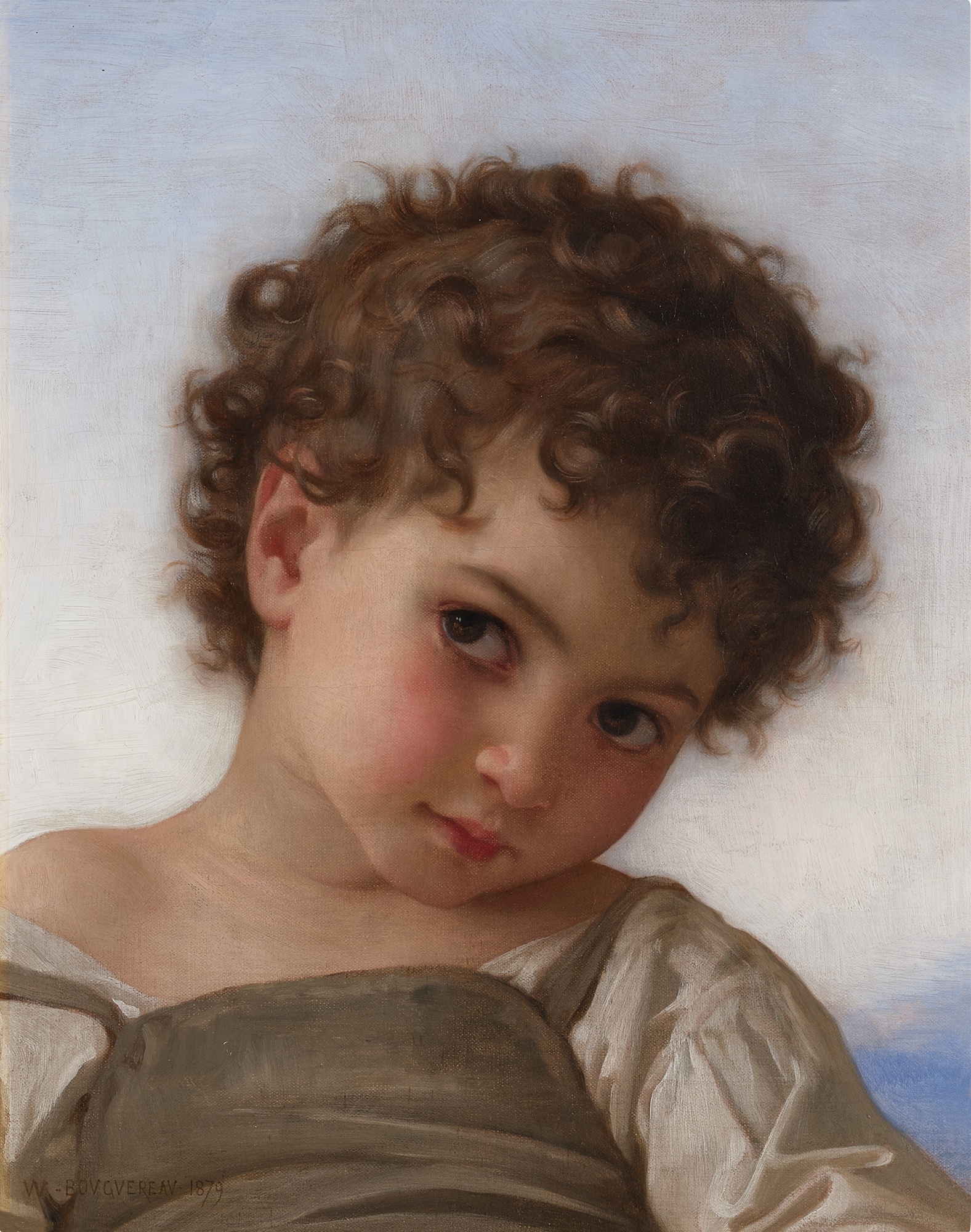
The first is exactly the kind of cross period collection that The Collection makes possible, where a working drawing by William Bouguereau sits in conversation with a sketch by Claes Oldenburg, and the formal rhymes between academic preparation and Pop era process become visible and interesting. The second is a growing appetite for works that show revision and doubt rather than effortless facility. A sketch full of pentimento, of changed minds and redrawn arms, tells you something about the cost of making that a perfect drawing never could. That is where the feeling is right now, and the market is beginning to catch up with it.