Polka Dots
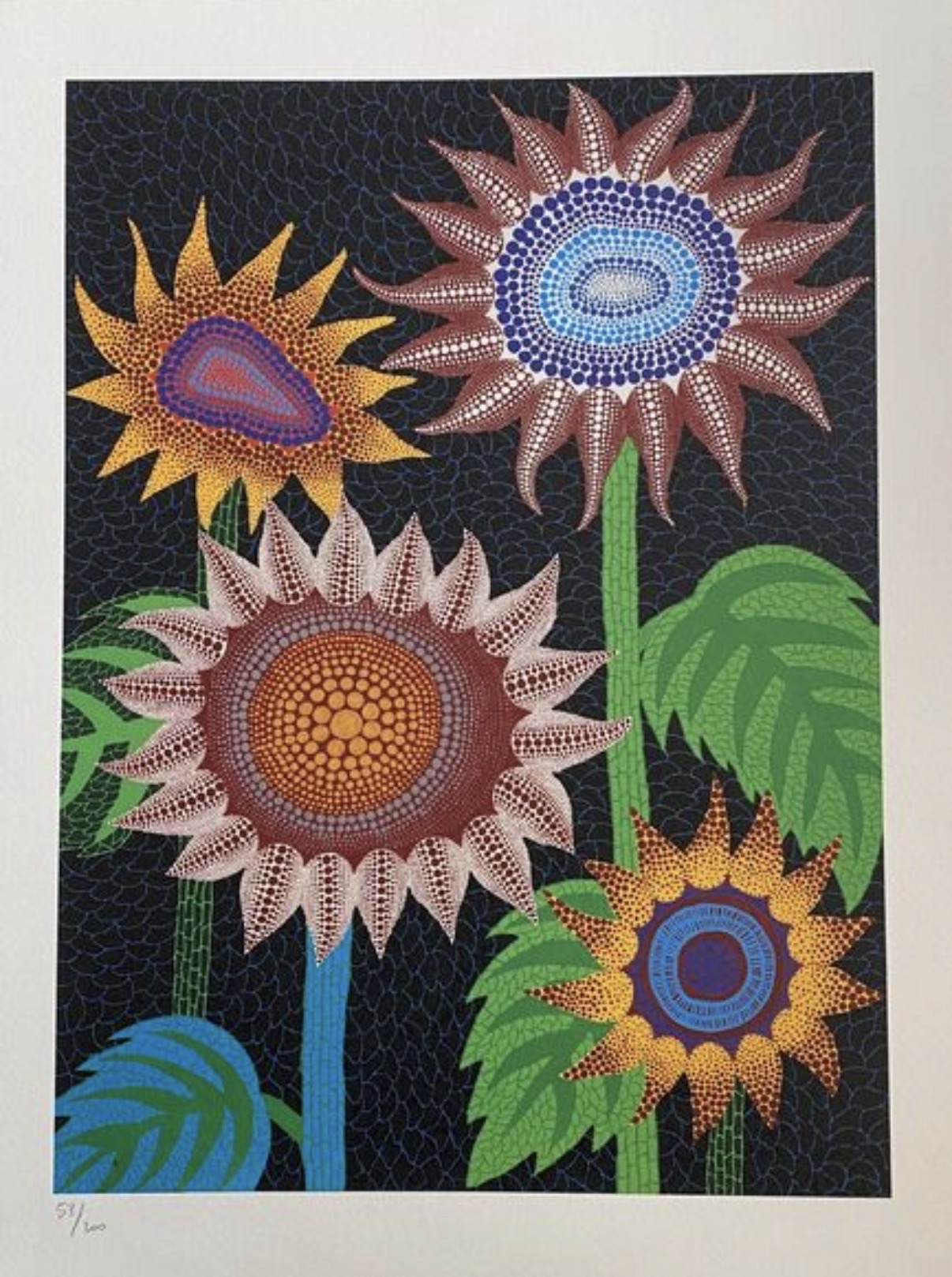
Yayoi Kusama
Sunflowers, 2011


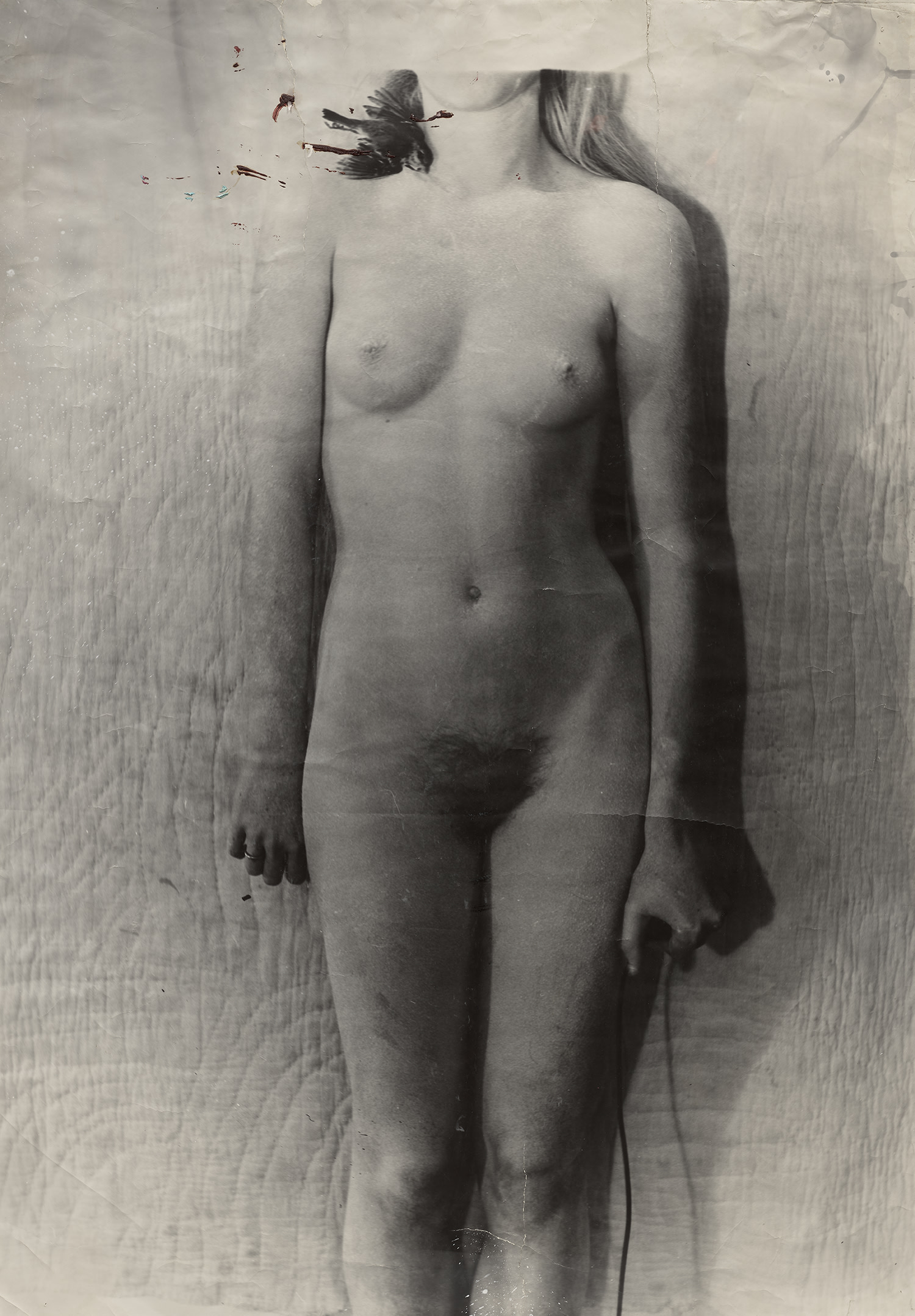
The Dot That Ate the Universe
There is something almost irrational about how completely a polka dot can take over a room. Collectors who live with dot based work often describe a similar phenomenon: the pattern refuses to stay on the canvas. It bleeds into perception, makes you see repetition everywhere, turns the ordinary world into something patterned and strange. This quality, at once playful and quietly destabilizing, is precisely what draws serious collectors to this territory.
The dot is deceptively simple as a form, which means it can carry an enormous amount of conceptual and emotional freight without ever announcing itself as difficult art. For collectors, the appeal is also deeply physical. Works organized around repetition and the dot have a commanding presence in domestic and institutional spaces alike. They negotiate scale in unusual ways, a small canvas covered in dense, precise circles can feel as spatially overwhelming as a monumental installation.
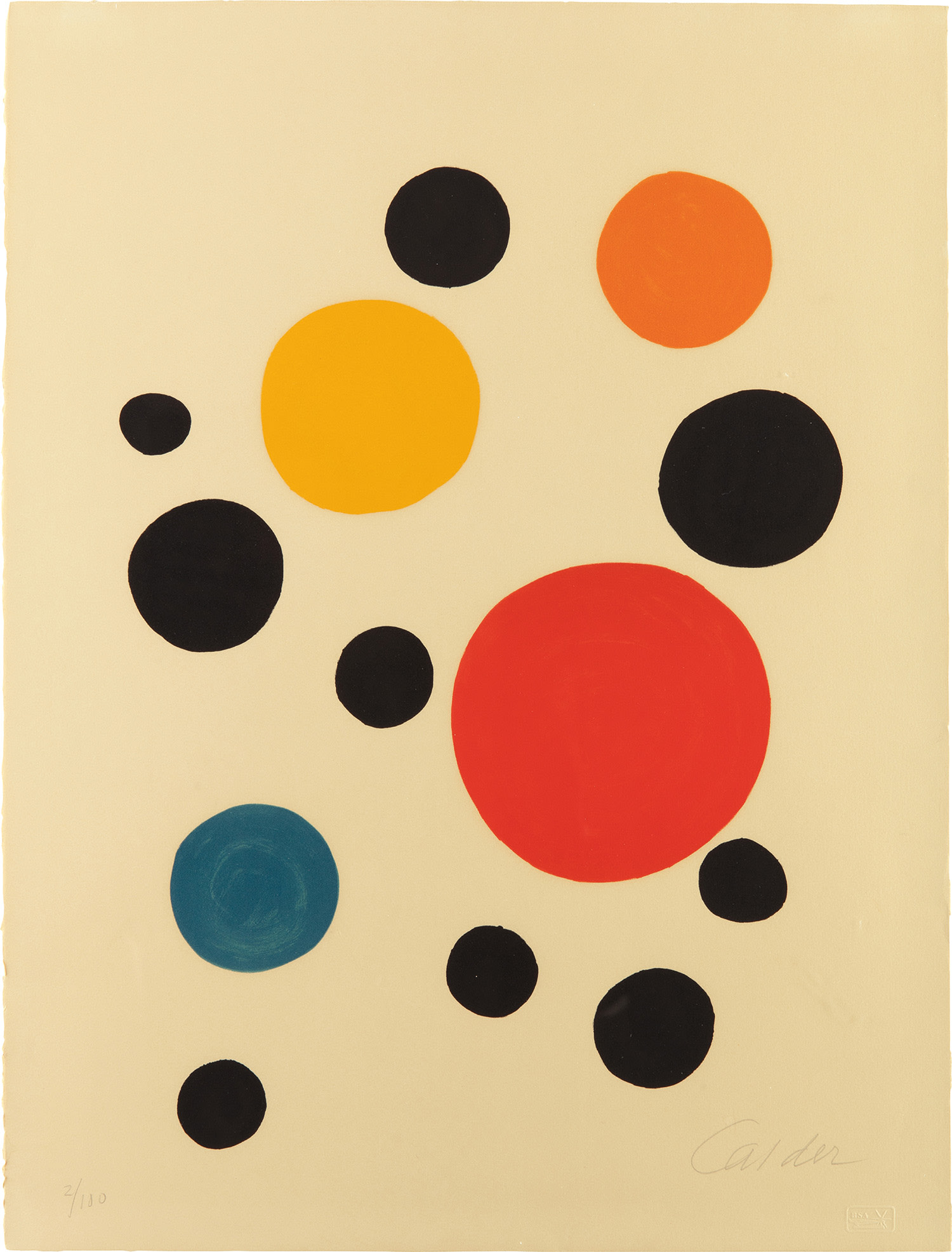
Alexander Calder
Polka Dots
That flexibility makes them remarkably livable over time. Unlike more overtly narrative or figurative works, dot based compositions tend not to exhaust you. They reward long looking, and they have a habit of changing character depending on the light, the hour, and the mood you bring into the room with you. What separates a merely good work from a truly great one in this area comes down to what the artist is doing with the dot as a unit of meaning.
In weaker examples, the dot is decoration. In the best work, it is a proposition. Ask yourself whether the repetition feels compelled or merely habitual, whether the color relationships between the dots generate genuine tension or simply prettiness, and whether the work has an internal logic that holds even when you step back from its immediate visual seduction. Scale matters too, but not in the way you might expect.
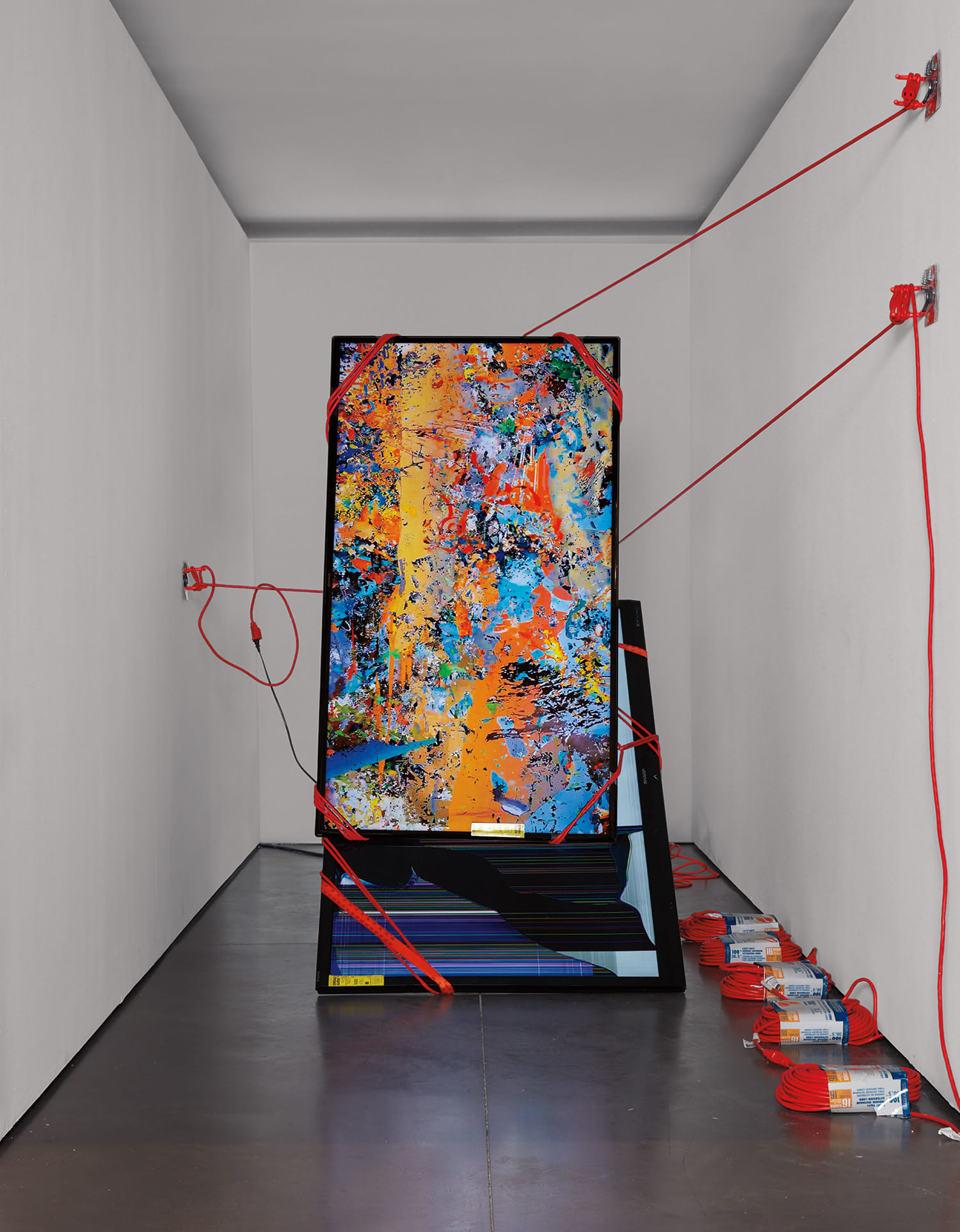
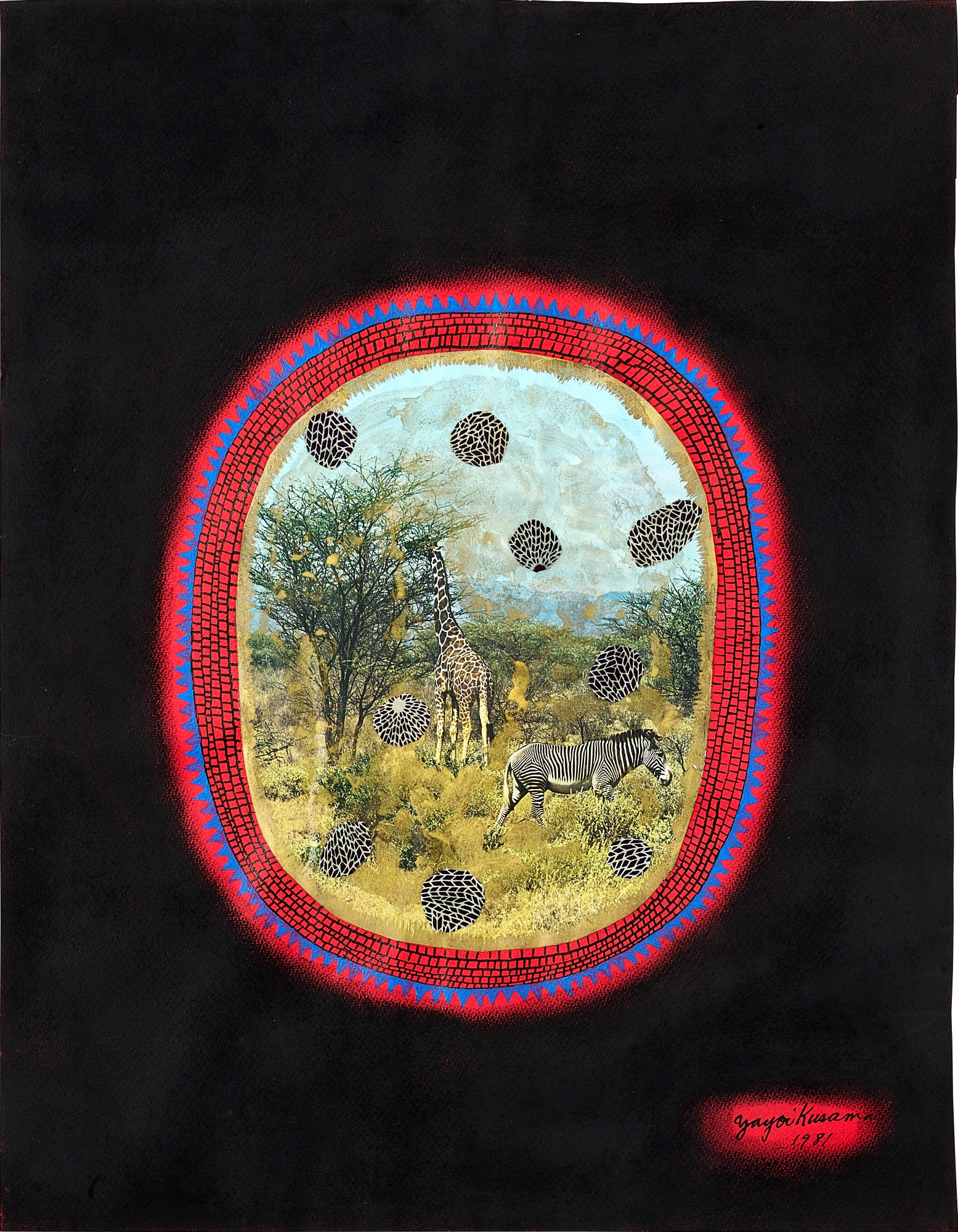
Yayoi Kusama
Wave, 1980
Some of the most powerful works are small, their density and rigor concentrated into something almost jewel like. Others require the full sweep of a wall to articulate their argument. Understanding which mode a given work belongs to is essential before you commit. No conversation about collecting in this space can avoid Yayoi Kusama, and it would be wrong to try.
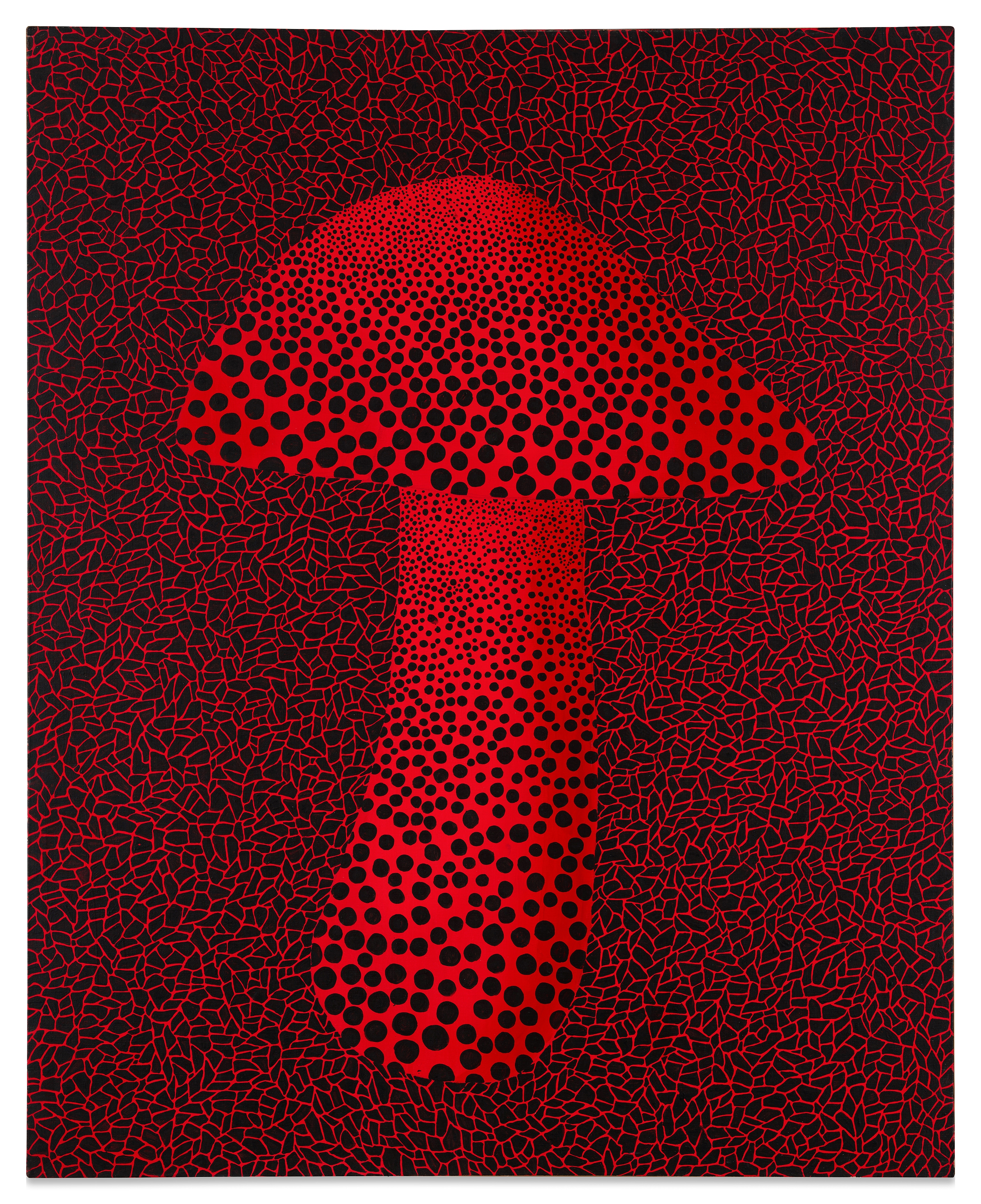
Kusama has been working with the dot since at least the late 1950s, developing it from a personal psychological necessity into one of the most recognized visual languages in contemporary art. Her Infinity Net paintings, her pumpkin works, her Infinity Mirror Rooms: all of them return to the same obsessive unit, the circle, the spot, the repeating mark that promises both annihilation and endless proliferation. The works well represented on The Collection span the range of her practice, and for collectors this breadth matters. Early works on paper carry a rawness and intimacy that her later, more market facing productions sometimes lack, while her large scale paintings from the 1990s and 2000s represent a period of serious critical reassessment and institutional validation.
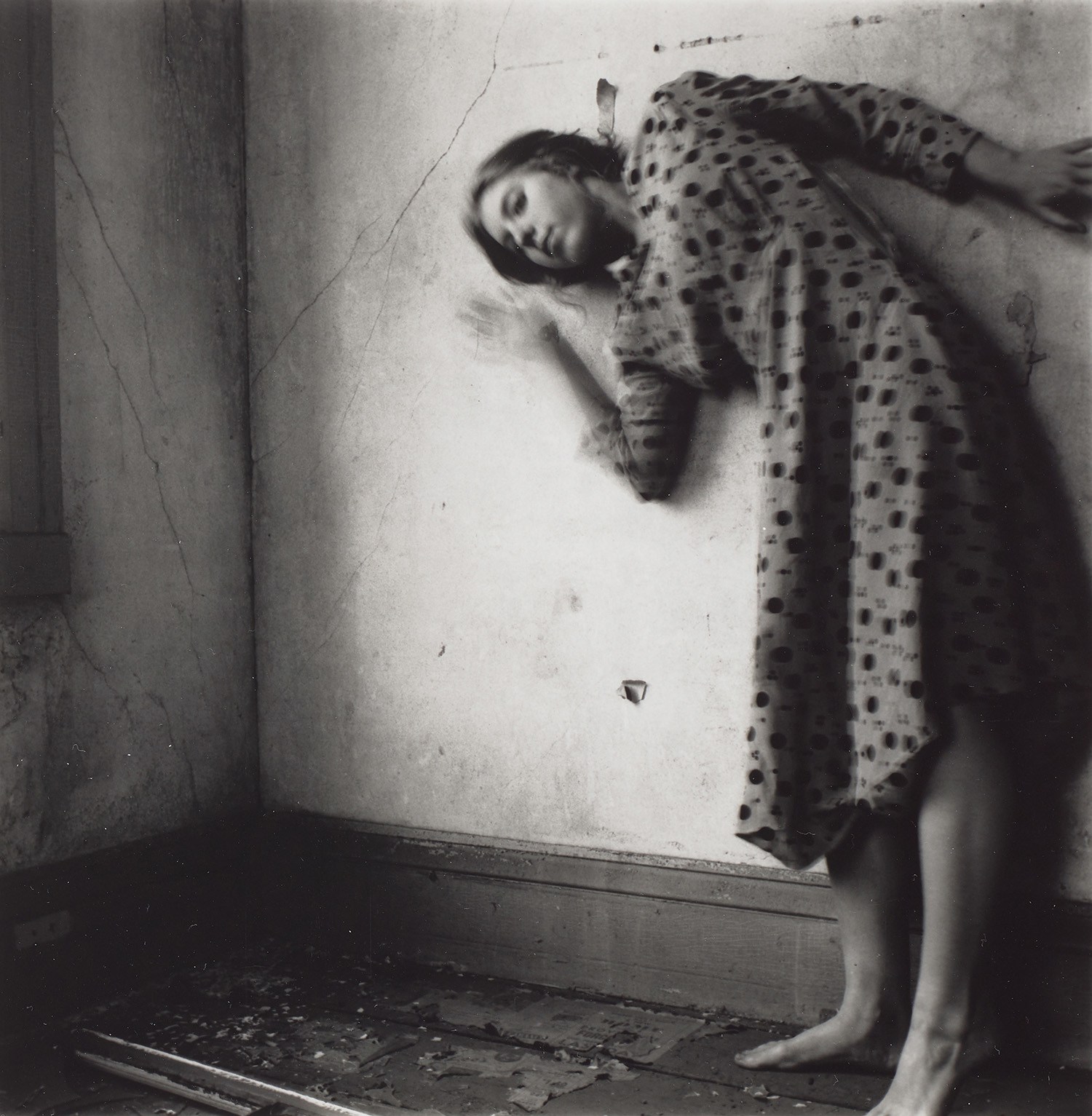
Francesca Woodman
Polka Dots no. 5, Providence, Rhode Island
Kusama is not a speculative bet. She is a cornerstone, and works acquired thoughtfully within her output tend to hold and appreciate with remarkable consistency. At auction, Kusama's secondary market performance has been one of the more remarkable stories of the last two decades. Her work has moved from relative undervaluation in the 1980s and early 1990s to achieving prices in the tens of millions for major paintings.
The 2022 sale of a large Infinity Nets canvas at Christie's New York demonstrated that institutional appetite for her work remains strong even in uncertain market conditions. What is instructive for collectors is that the works which outperform tend to be those with clear provenance, strong exhibition history, and a scale that allows the repetition to fully breathe. Small works and works on paper remain comparatively accessible entry points and have shown steady appreciation of their own. Beyond Kusama, the collecting conversation opens into genuinely exciting territory.
The dot as a formal strategy has been taken up by artists working across AI assisted and generative practices, where the circle and the repeating unit become tools for exploring how algorithms see and organize the visual world. Works in this category generated through artificial intelligence often use dot patterns and cellular repetition as a way of visualizing the underlying logic of machine perception. For collectors willing to engage with this emerging area, the opportunity is real. Prices remain accessible, the field is still being defined, and the works that succeed tend to be those where the generative process produces genuine visual surprise rather than merely mimicking the look of human made repetition.
Provenance in this space is different, you will want to understand the model, the dataset, the edition structure, and whether the artist retains meaningful creative control over the output. Edition versus unique work is a particularly live question when collecting dot based and generative art. Many of the most significant works in this area exist in editions, sometimes of considerable size, and the market has developed nuanced views about how edition number and edition size affect value. As a general principle, works from smaller editions with strong documentation, a reputable publisher or gallery, and a clear certificate of authenticity hold value more reliably than open or poorly documented editions.
For unique works, condition is paramount. Dot patterns are especially unforgiving of surface damage, abrasion, or fading, because the eye immediately registers any disruption in the repeating field. Ask galleries directly about condition reports, UV exposure history, and the materials used, particularly for works on paper or works with unconventional substrates. The practical advice that tends to matter most: see works in person before buying whenever possible, because reproductions of dot based work are notoriously unreliable guides to the actual experience of the piece.
Ask about display requirements, some works need specific lighting temperatures to read correctly, and others are sensitive to humidity in ways that affect long term care. And resist the temptation to treat the dot as simply a signature style to be acquired. The best collectors in this space are curious about what the dot is actually doing in a given work, what question it is asking, what discomfort or delight it is organizing. That curiosity, more than any market metric, is what leads to the acquisitions that still feel right twenty years later.
![Yayoi Kusama — Fruits [EPSOB]](https://rtwaymdozgnhgluydsys.supabase.co/storage/v1/object/public/artwork-images/auction-lots/manual-204f89bd-6e92-48f6-a0d8-856b78e88bab.jpg)