Pharmaceutical Theme
Archived article
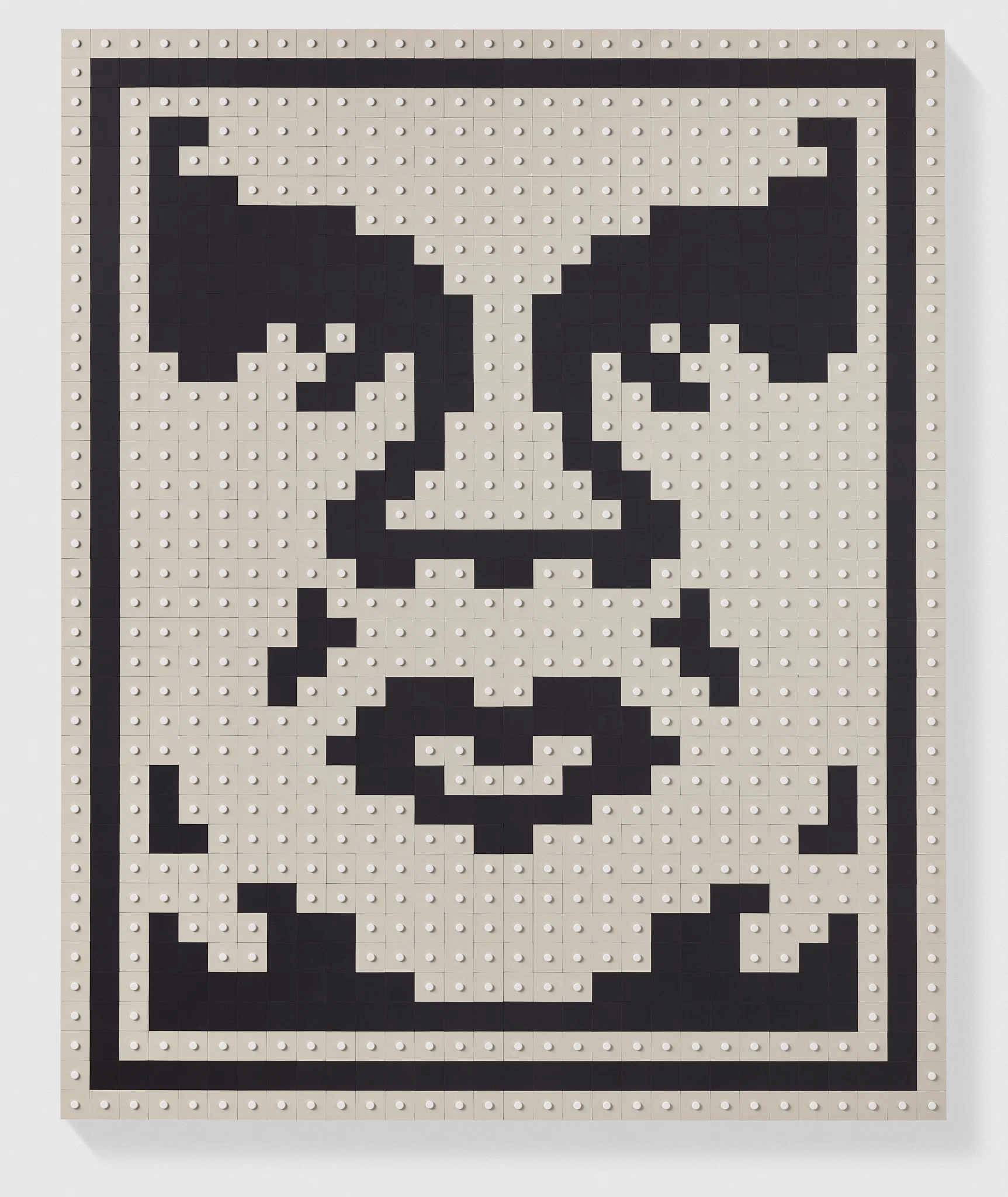
Shepard Fairey
Icon Pixel (with Pills)
You are reading a previous version of this article.
Read the latest version```json { "headline": "The Pill That Became a Painting", "body": "There is something deeply unsettling about pharmaceutical imagery hanging in a living room, and that is precisely the point. Collectors who are drawn to this territory tend to share a particular kind of intellectual courage, an appetite for work that refuses to let you simply relax in its presence. The pharmaceutical theme in contemporary art sits at the intersection of comfort and dread, consumer culture and mortality, the promise of healing and the reality of dependency. It asks difficult questions while wearing the seductive visual language of branding, symmetry, and clinical precision.
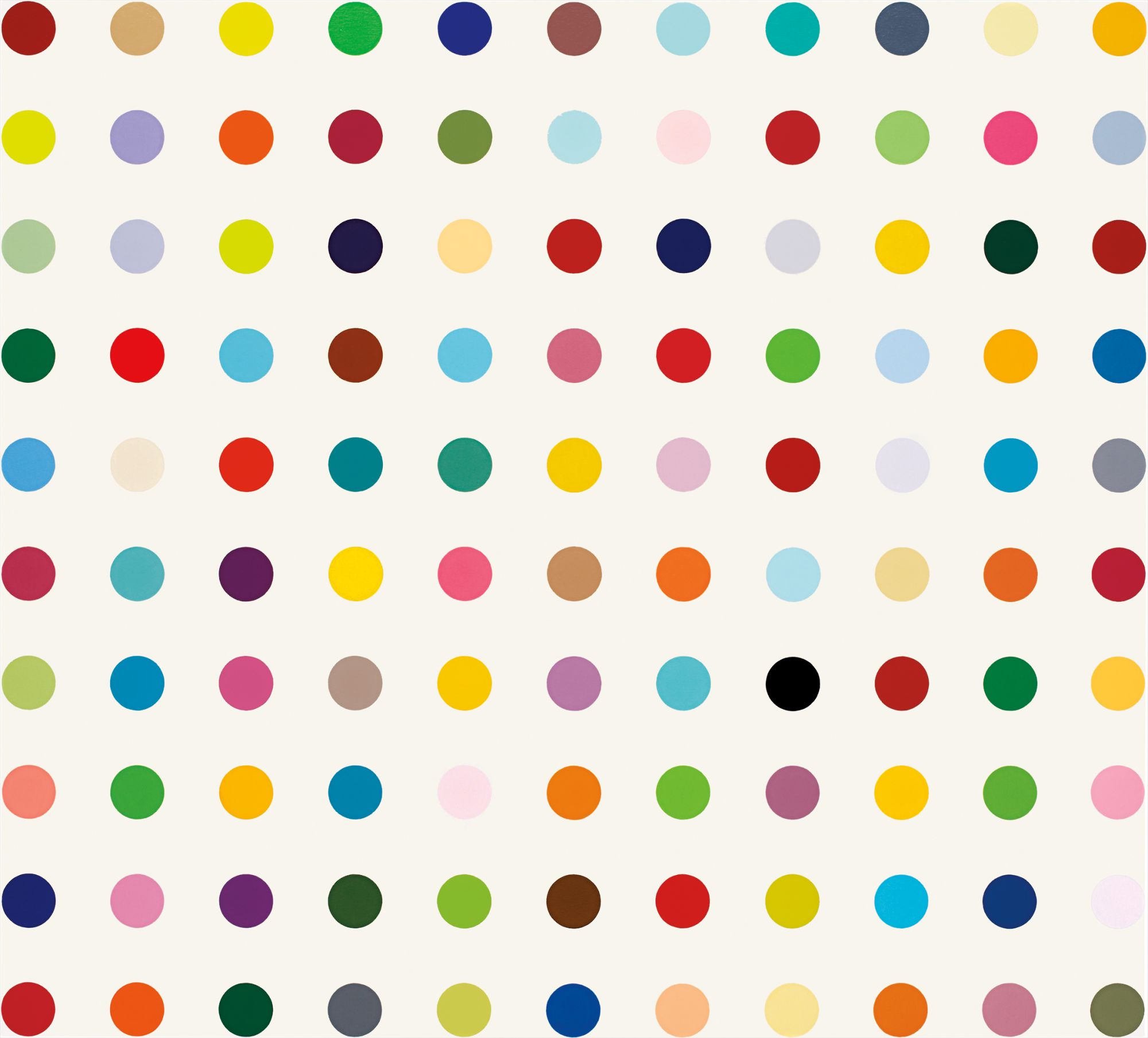
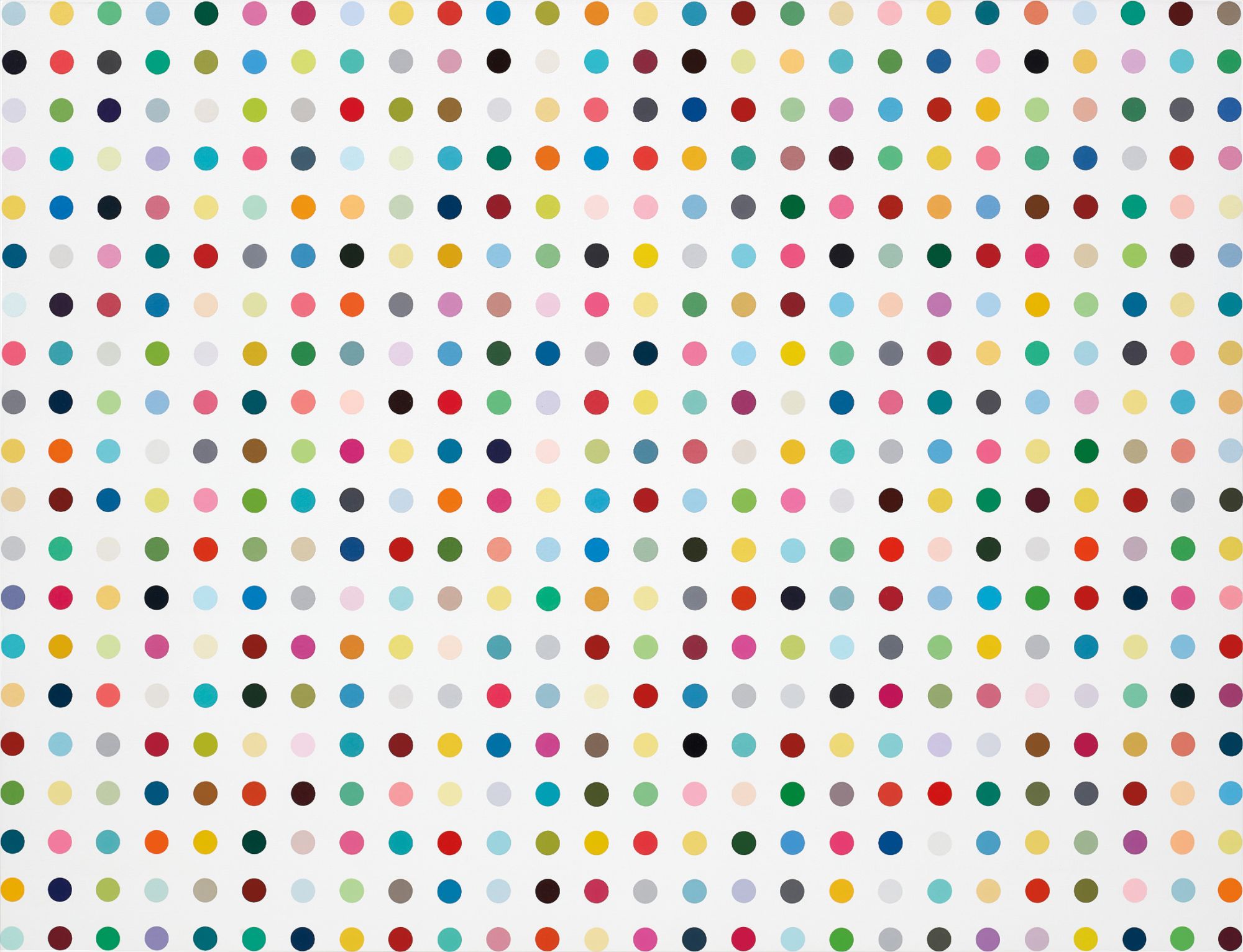
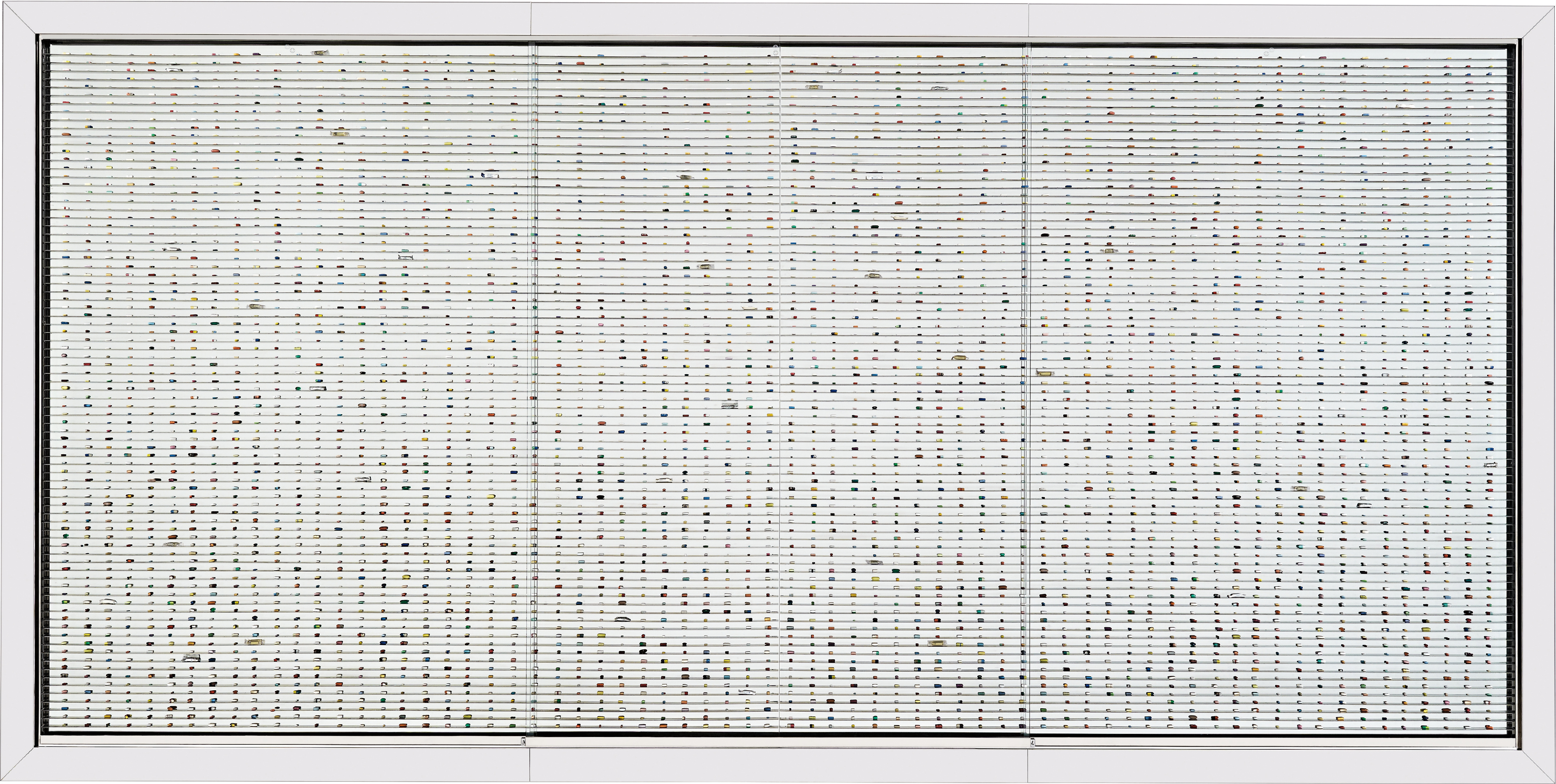
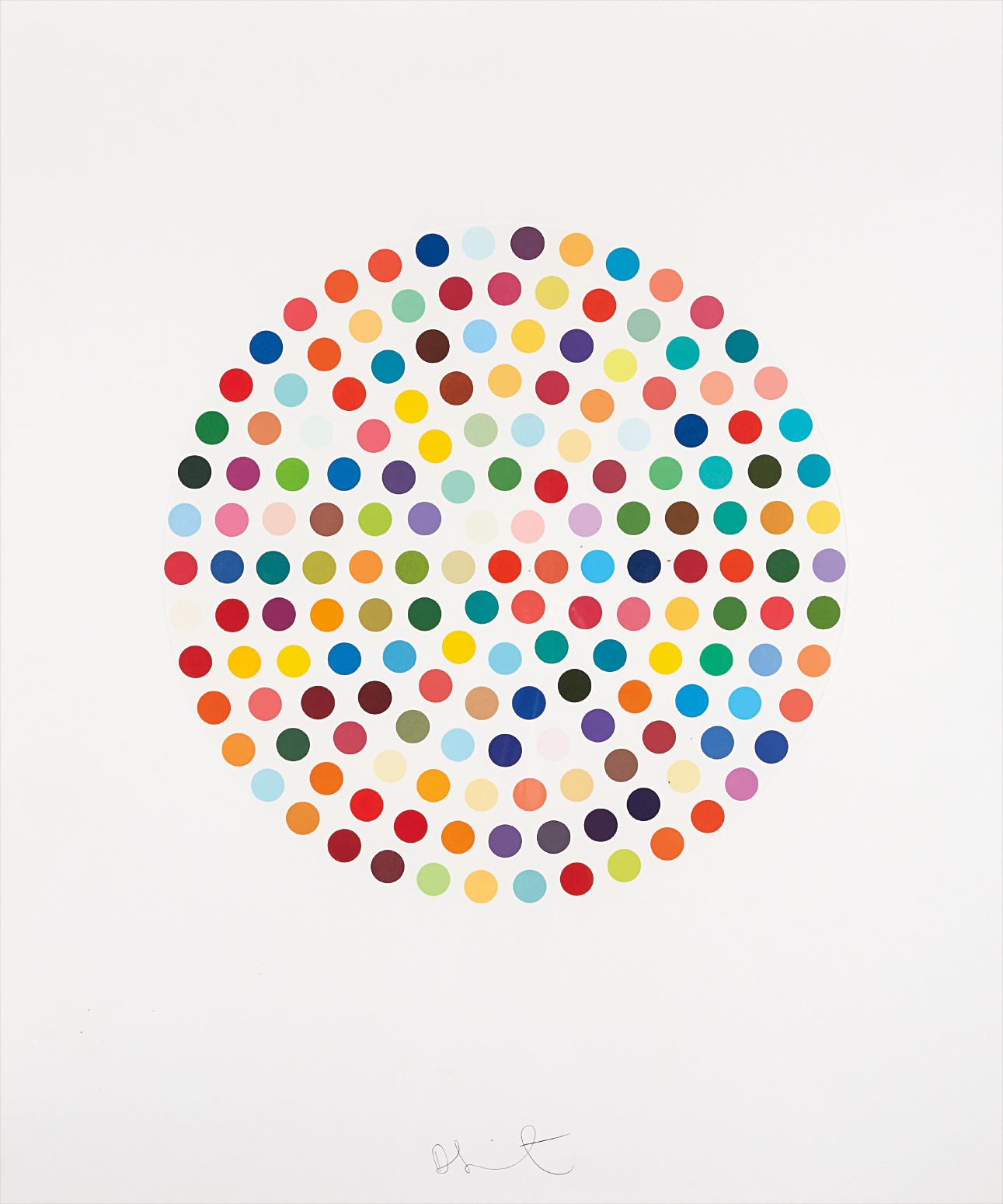
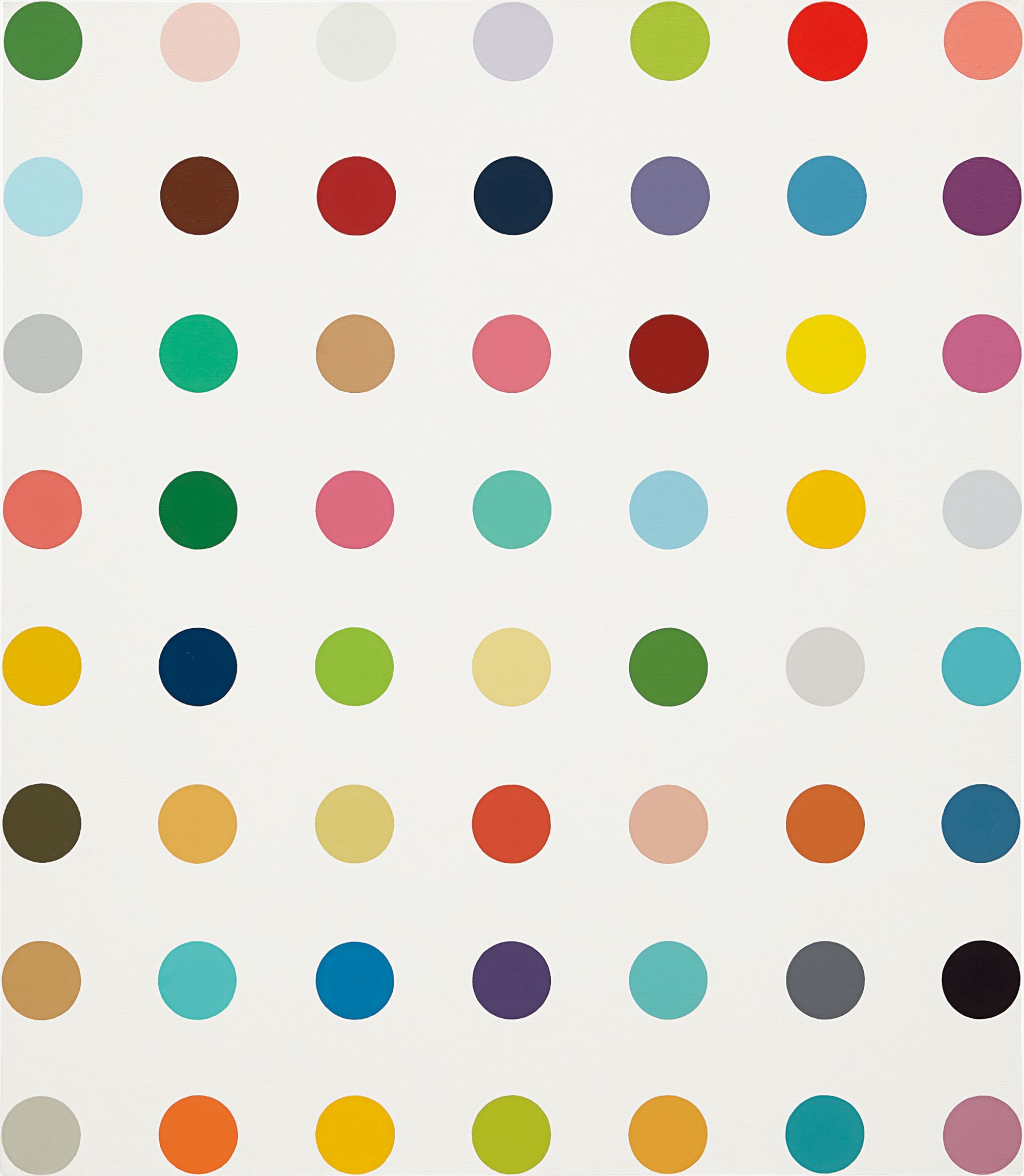
Living with this work means living with those questions every day, which is either a provocation or a meditation depending on your disposition and, honestly, probably both at once.", "Damien Hirst's engagement with pharmaceutical culture is so thorough and sustained that it has essentially defined the category for an entire generation of collectors. His spot paintings, first developed in the late 1980s, draw their conceptual DNA from pharmaceutical color charts and pill identification guides, turning the visual grammar of medicine into something simultaneously beautiful and cold. His cabinet works, filled with actual or replica medicine bottles and packaging, are even more direct in their confrontation with our relationship to pharmaceuticals as objects of desire and anxiety.
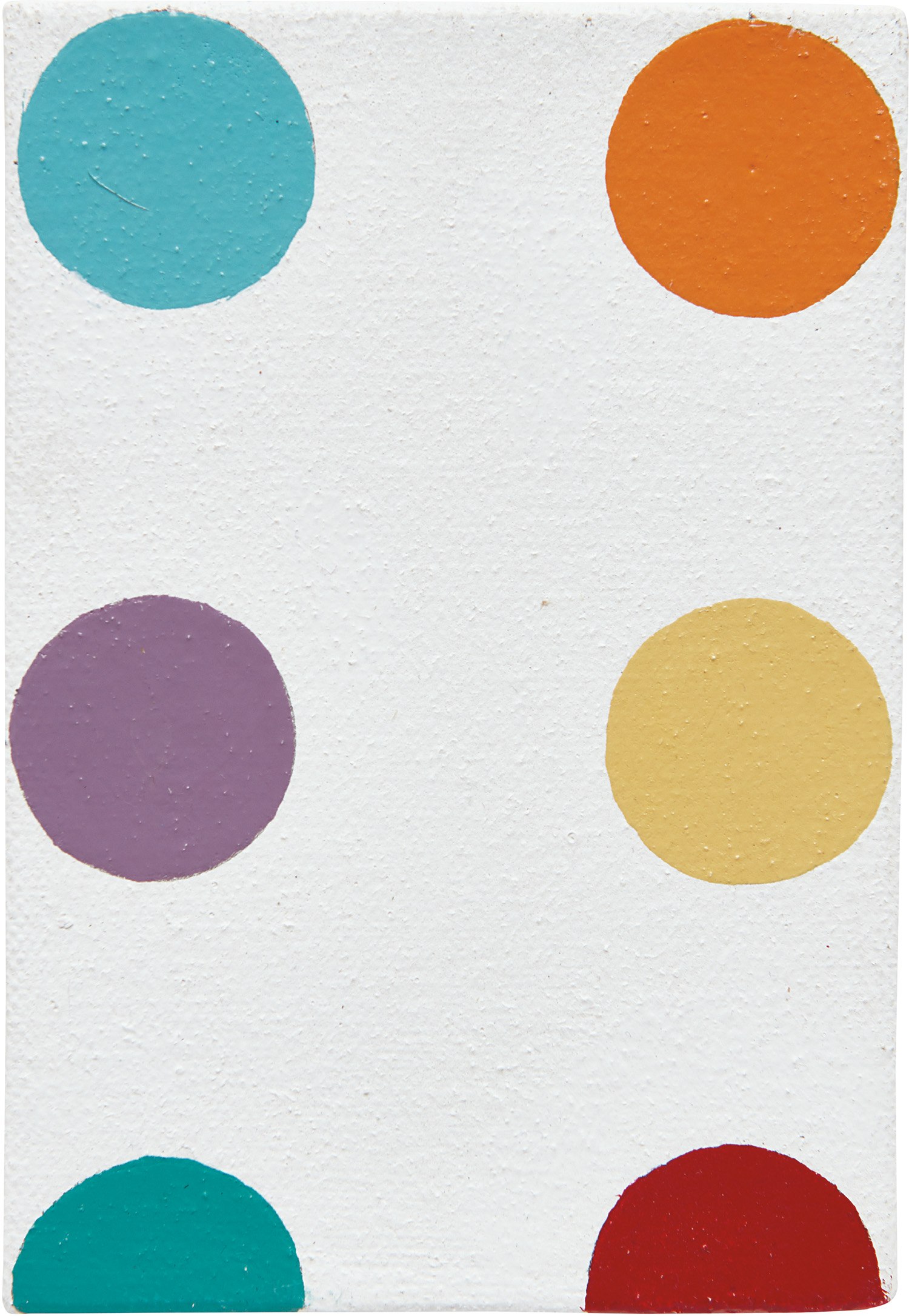
Damien Hirst
Bombesin
The works on The Collection from Hirst represent a serious opportunity to engage with an artist whose market remains among the most actively traded in the contemporary space, with his multiples and prints offering entry points that his large unique works no longer do.", "When distinguishing a good work from a great one in this thematic category, the most useful question to ask is whether the work earns its imagery or merely borrows it. The pharmaceutical aesthetic is instantly recognizable and commercially powerful, which means it can easily slide into decoration. A great work in this space does something more than reference medicine or mortality.
It creates genuine tension between what the object looks like and what it means. Look for works where the formal decisions, scale, material, seriality, or the deliberate absence of the human figure, feel absolutely necessary rather than incidental. With Hirst specifically, works where the clinical repetition creates an almost hypnotic unease tend to outperform more illustrative pieces over time, both critically and in the market.", "Shepard Fairey represents an interesting counterpoint within this thematic space on The Collection.
Fairey's practice has long engaged with the aesthetics of propaganda, public health communication, and institutional authority, and when his work brushes against pharmaceutical or medical imagery it carries the additional charge of street culture's skepticism toward corporate and governmental power. His work asks different questions than Hirst does, less about mortality and more about who controls the narrative around health, risk, and the body. Collectors who want a more politically inflected engagement with the theme will find Fairey's approach a compelling complement to the cooler, more formally precise work associated with Hirst's tradition.", "The secondary market for pharmaceutical themed work has shown remarkable resilience, in part because the conceptual territory feels more rather than less relevant with each passing decade.
Hirst's spot paintings and pharmaceutical cabinet works have appeared consistently at Christie's, Sotheby's, and Phillips over the past twenty years, with strong results for early and well documented examples. Edition works in this space, particularly signed and numbered prints with clean provenance, tend to hold value well because the demand base is broad and the works are visually approachable even when conceptually challenging. Unique works by Hirst from the 1990s and early 2000s command significant premiums when they come to market, reflecting both scarcity and the historical importance of that particular moment in British art.", "For collectors watching emerging opportunities in this space, the most interesting younger artists are those engaging with pharmaceuticals through the lens of personal or community experience rather than the more detached conceptualism of the YBA generation.
Artists working with chronic illness, mental health, addiction, and the economics of healthcare access are producing work that feels urgent and specific in ways that the earlier, more aestheticized approaches sometimes do not. This work is often messier, more autobiographical, and more politically direct, which means it is currently undervalued relative to its likely art historical significance. Building a collection that holds both the canonical figures and this emerging generation creates a genuinely interesting dialogue across time.", "Practically speaking, condition is a particular concern with pharmaceutical themed work because so much of it involves found or fabricated objects, packaging materials, and printed surfaces that can be sensitive to light and humidity.
If you are considering a cabinet work or any piece that incorporates actual pharmaceutical materials, ask for a detailed condition report and find out whether any components have been replaced or restored. For editions and prints, ask about the paper stock, whether the work has been framed under UV protective glass, and whether the certificate of authenticity is from the artist's studio directly or from a secondary source. These questions are not pedantic. They are the difference between a work that holds its value and one that quietly deteriorates.
", "Display considerations for this category deserve more thought than they typically receive. The clinical coolness of pharmaceutical imagery can feel alienating in certain domestic contexts, but that same quality becomes commanding and even beautiful in a more considered setting. Works in this tradition tend to benefit from space and clean sight lines, they do not want to compete with pattern or busy color in their surroundings. If you are living with a Hirst spot work, let it be the visual anchor of a room rather than one element among many.
The works are designed to hold attention absolutely, and the best collecting advice for this category is simply to trust that instinct and give the work room to do what it was made to do.
Works tagged Pharmaceutical Theme
Damien Hirst
Bombesin
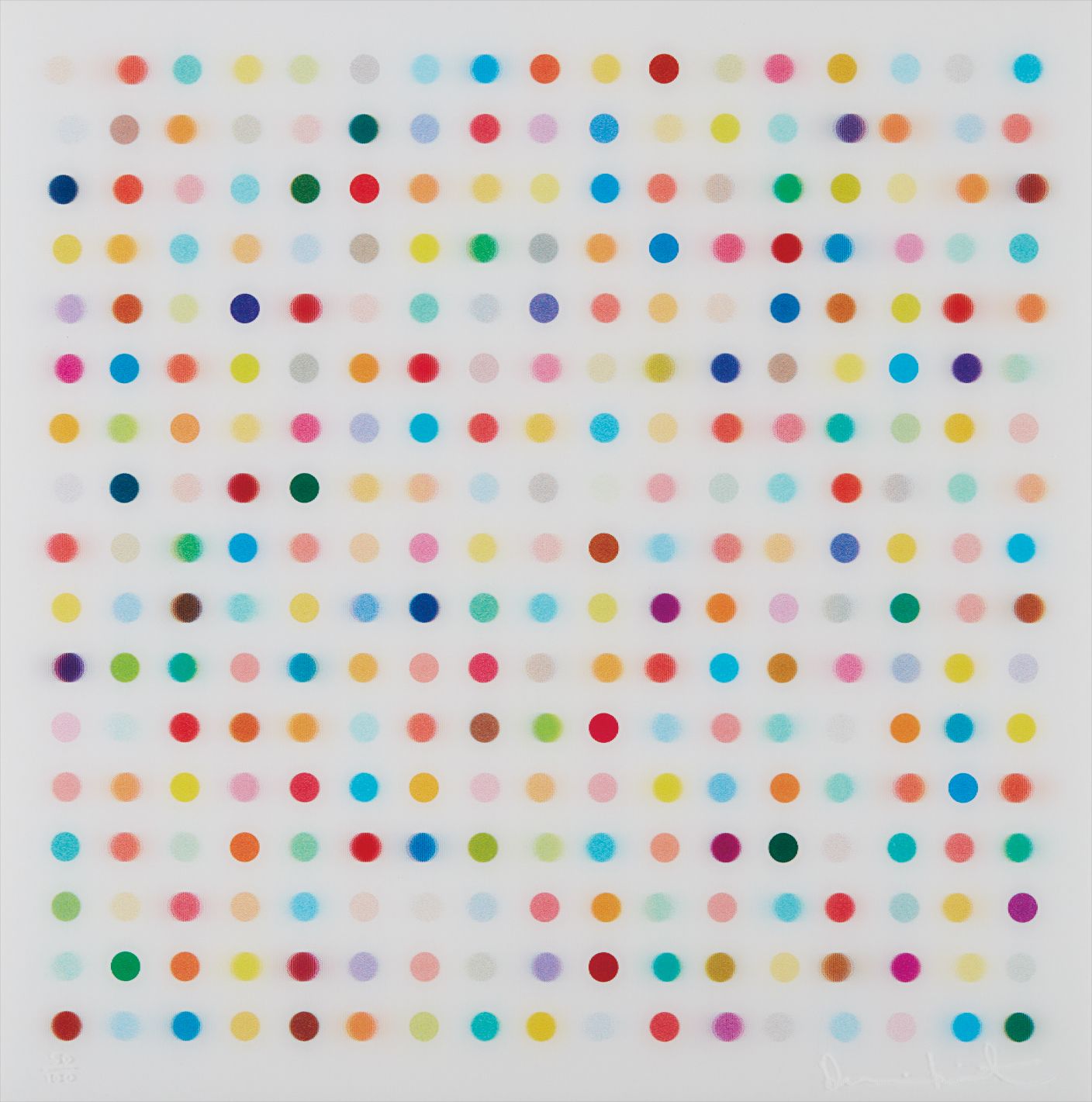
Damien Hirst
Mescaline
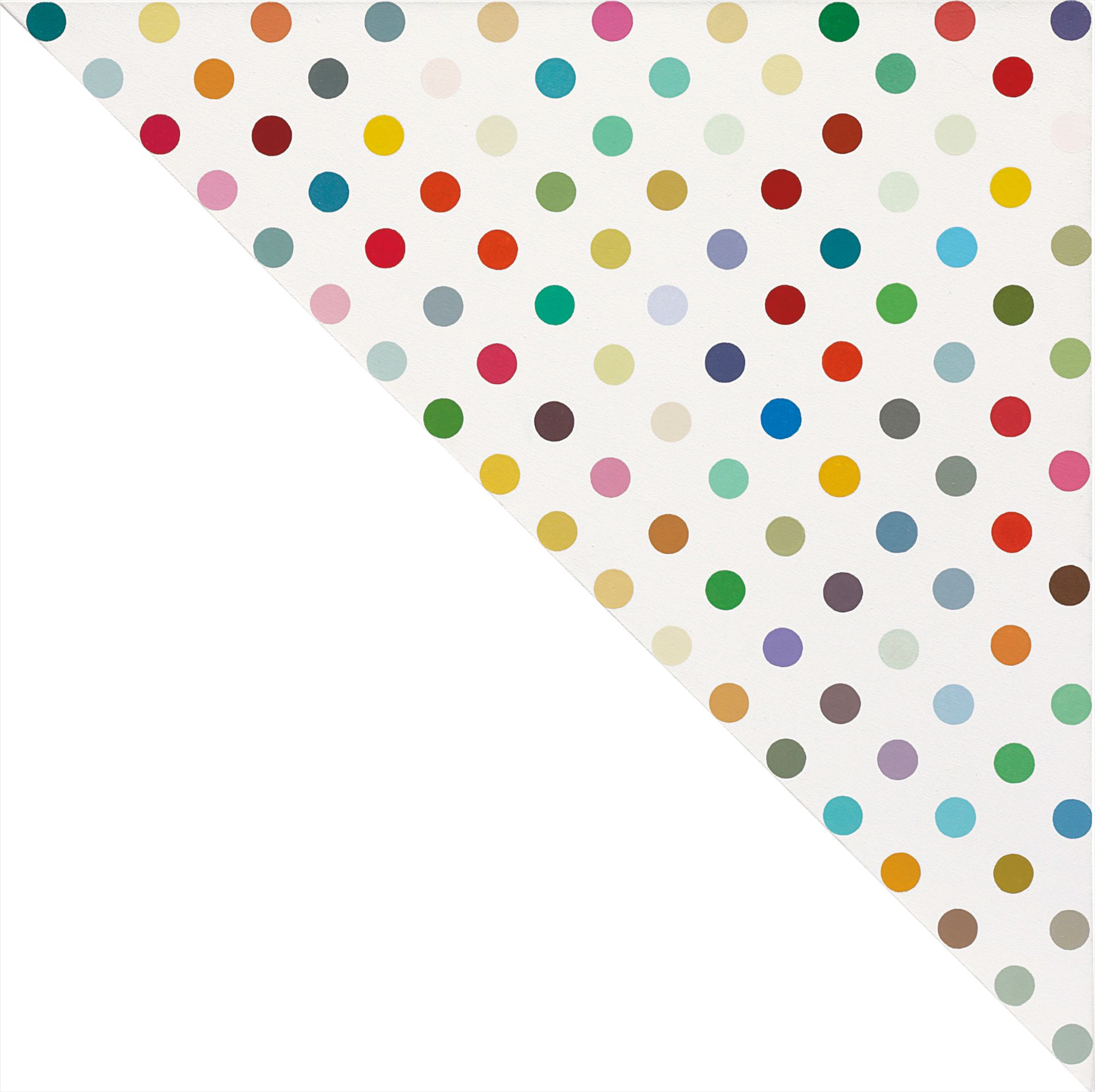
Damien Hirst
Levorphanol
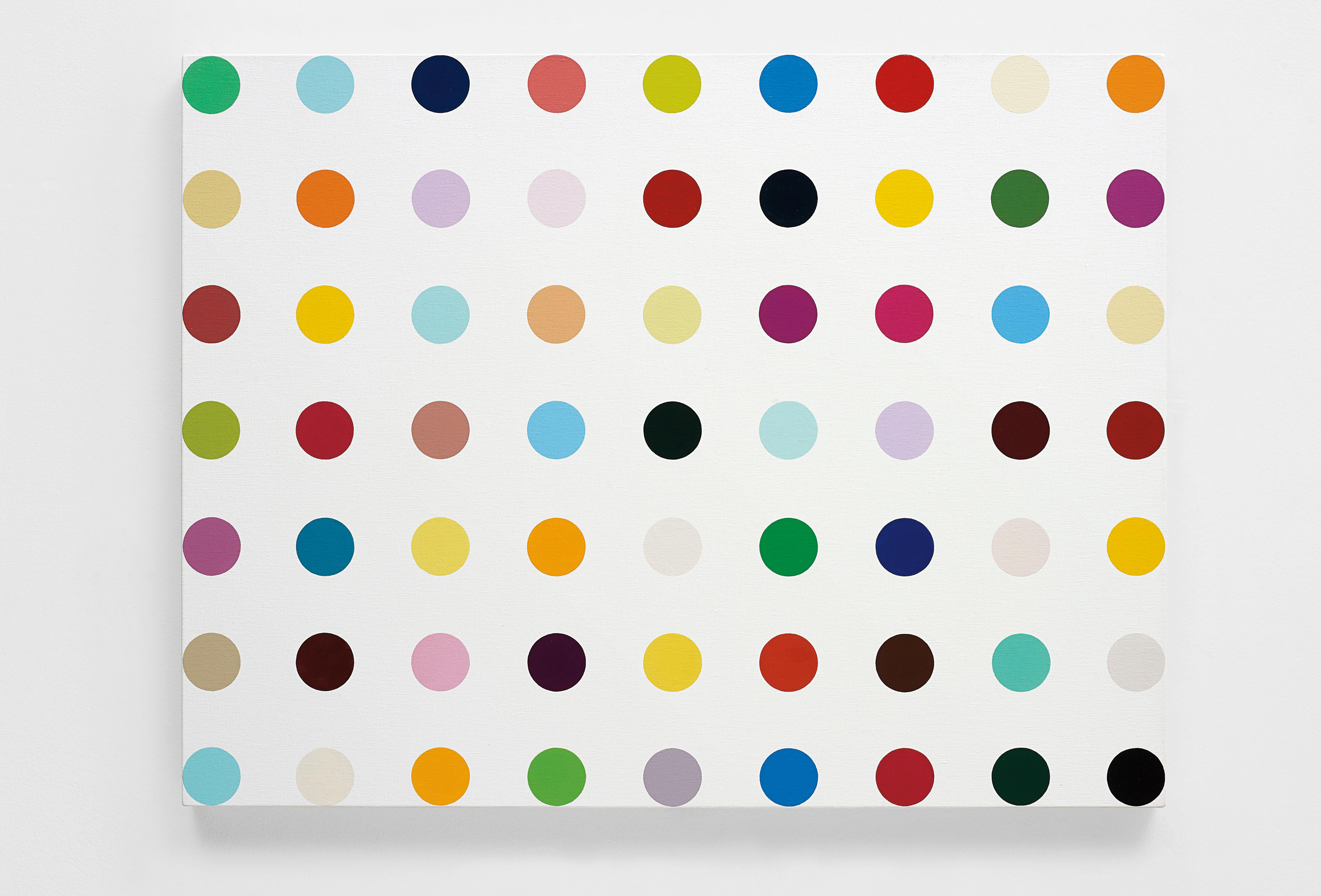
Damien Hirst
Phenylpropiolic Acid
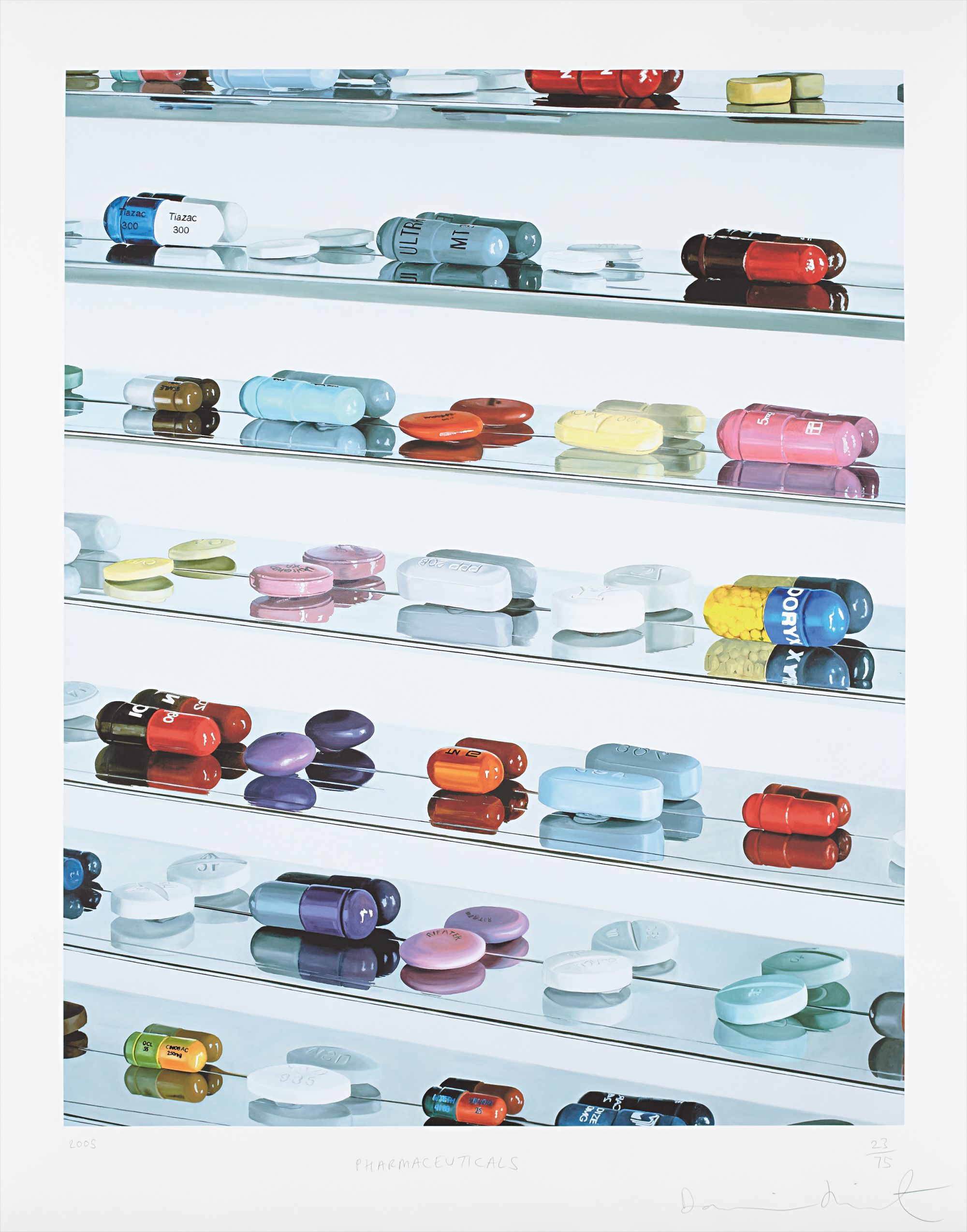
Damien Hirst
Pharmaceutical
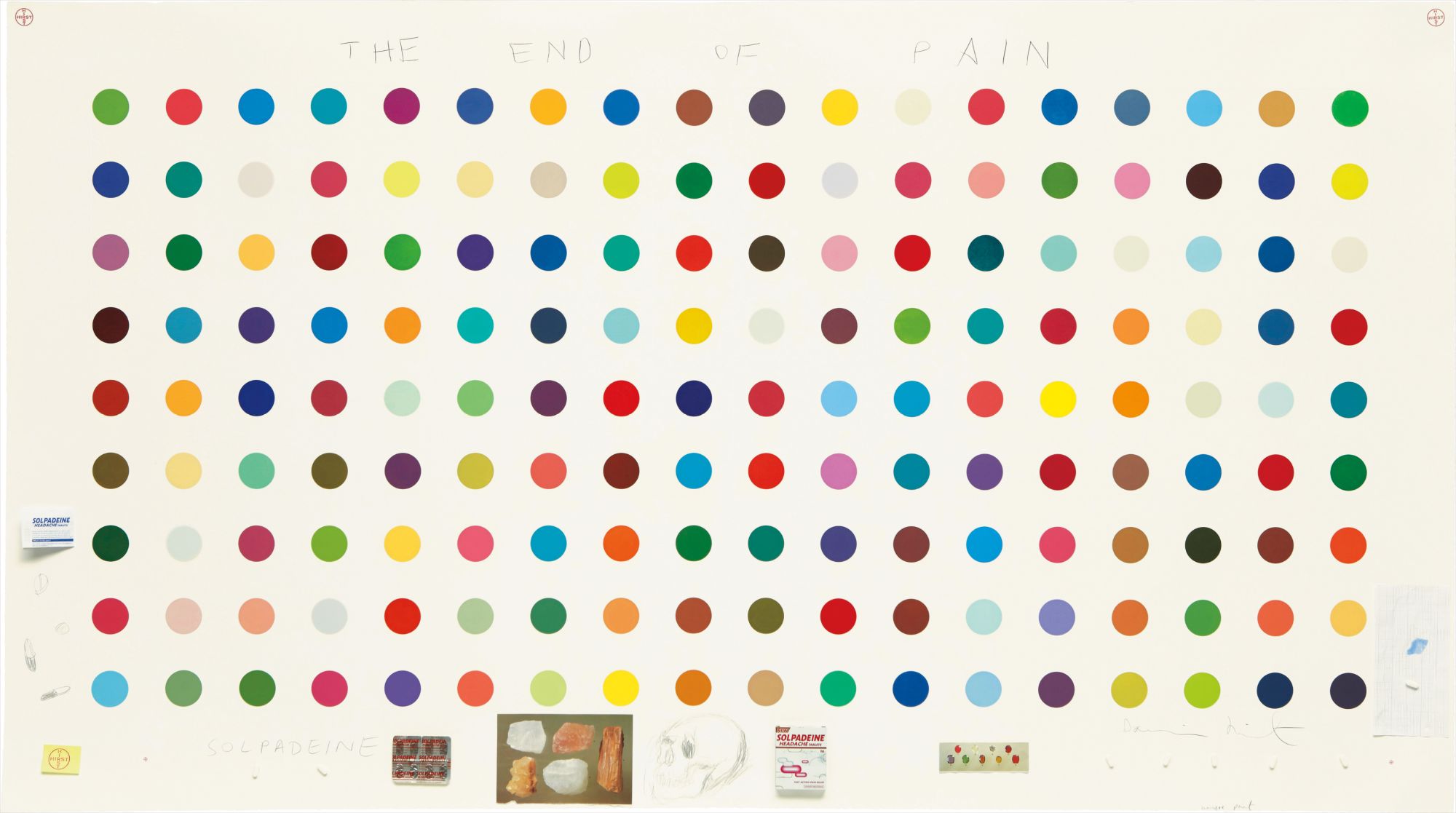
Damien Hirst
The End of Pain
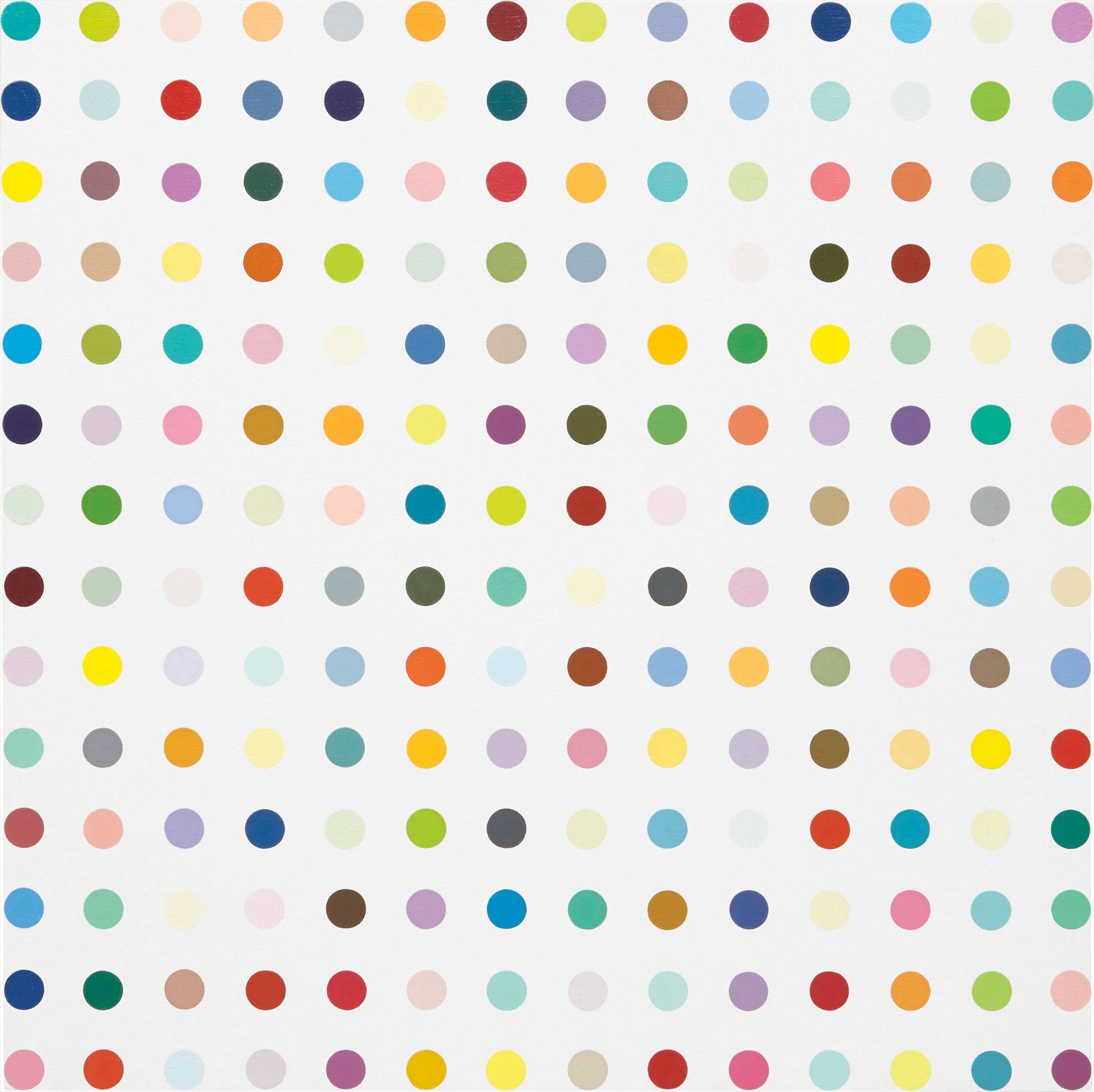
Damien Hirst
Potassium Chloride ACS Reagent
Damien Hirst
Sulbenicilina Disódica
Damien Hirst
Ergocalciferol
Damien Hirst
The Void
Damien Hirst
Cephalothin
Shepard Fairey
Icon Pixel (with Pills)
Damien Hirst
Asp-val