Oil And Pastel
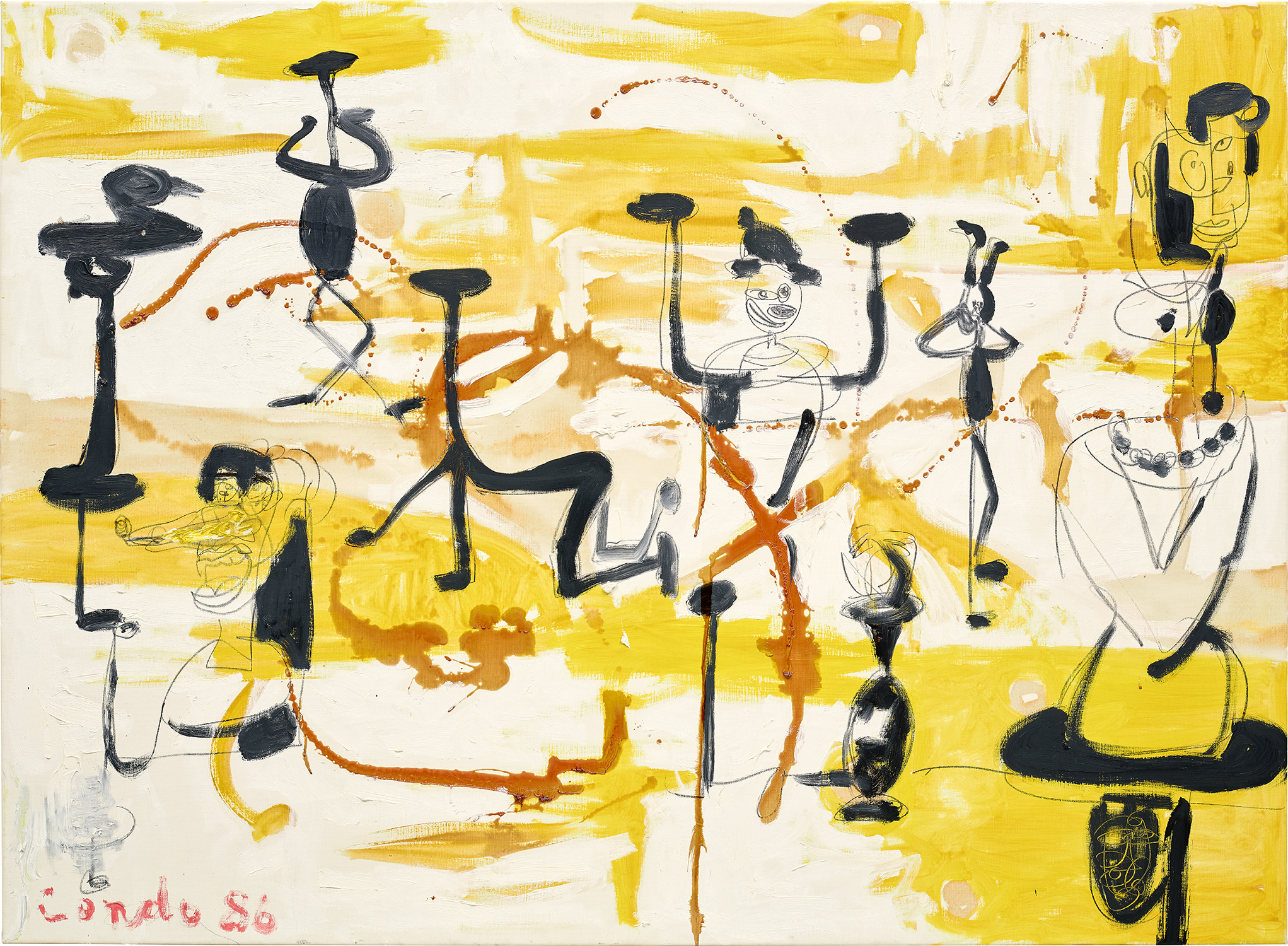
George Condo
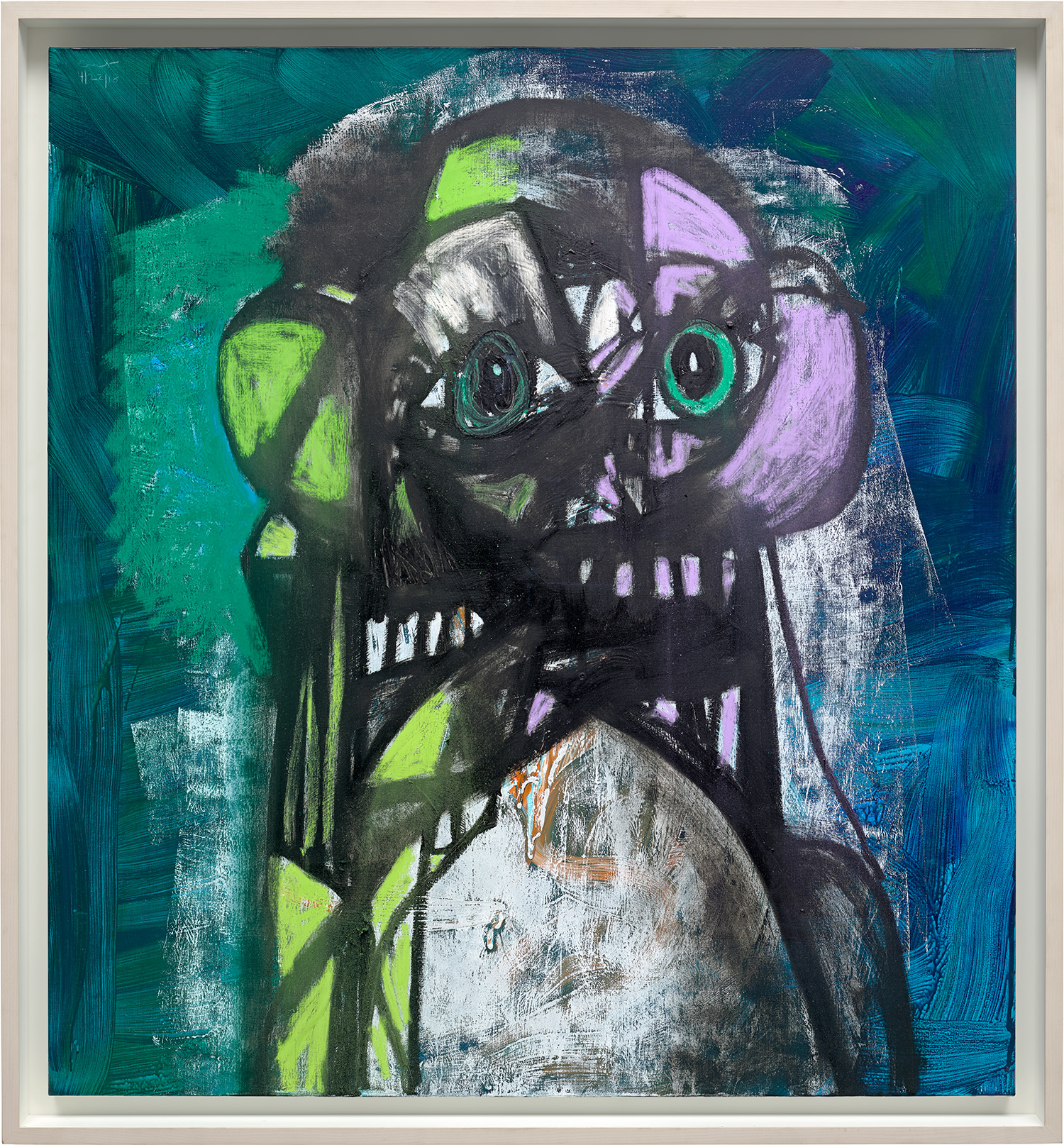
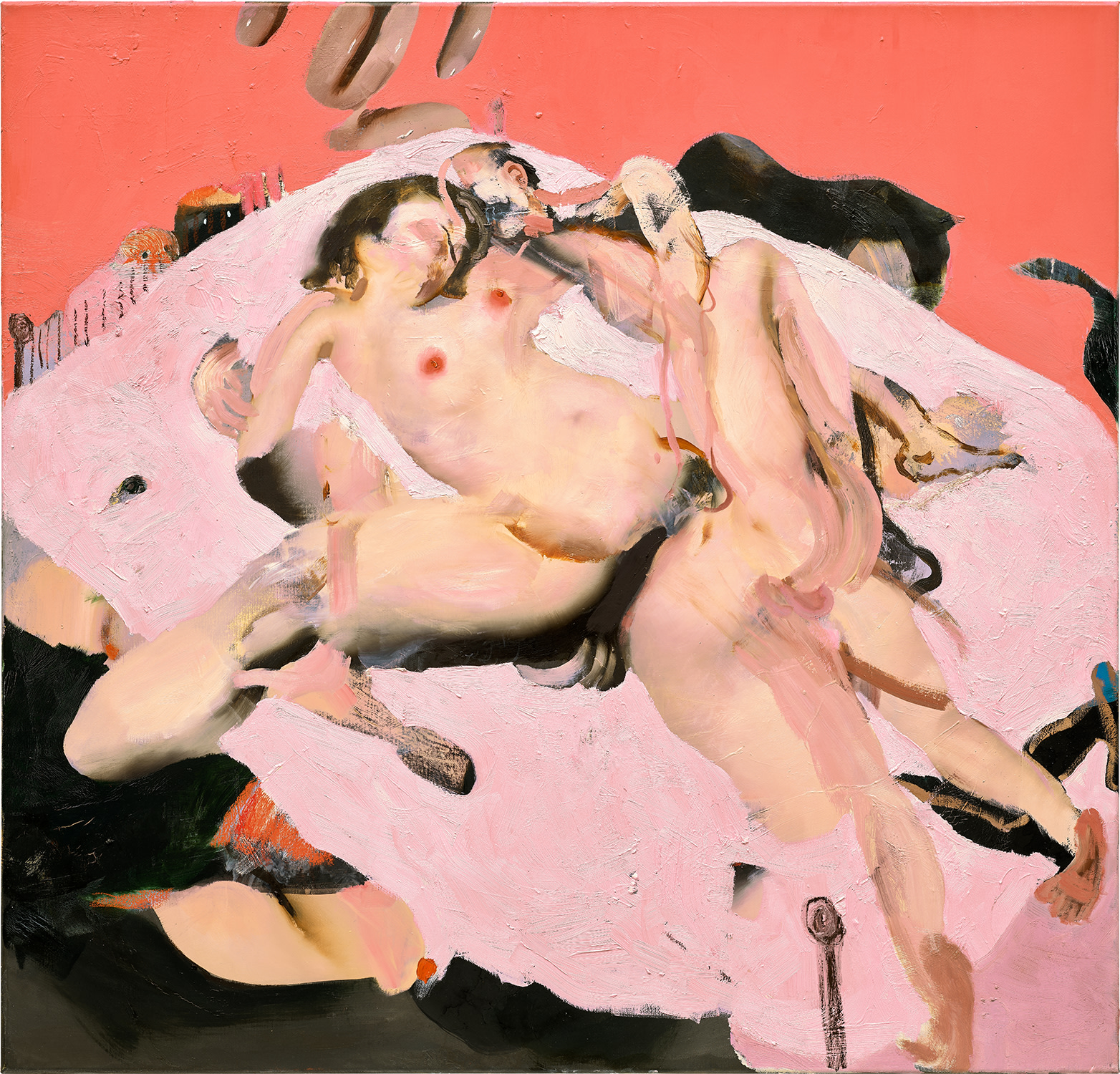
Black Dots - Playing on a Landscape, 1986
The Friction Between Oil And Pastel
There is something almost confessional about works that combine oil and pastel. The medium invites a kind of layered intimacy that pure oil painting rarely achieves, and collectors who live with these pieces often describe a similar experience: the work keeps changing, keeps giving, depending on the light and the hour. Part of what makes this combination so compelling is the visible tension between mediums, the way waxy pigment sits against painted ground, each material making demands of the other. That tension is not incidental.
It is the subject. For collectors, the appeal goes beyond aesthetics. Works in oil and pastel tend to feel uniquely handmade in a way that even the finest oil paintings can sometimes obscure. The pastel reveals process.
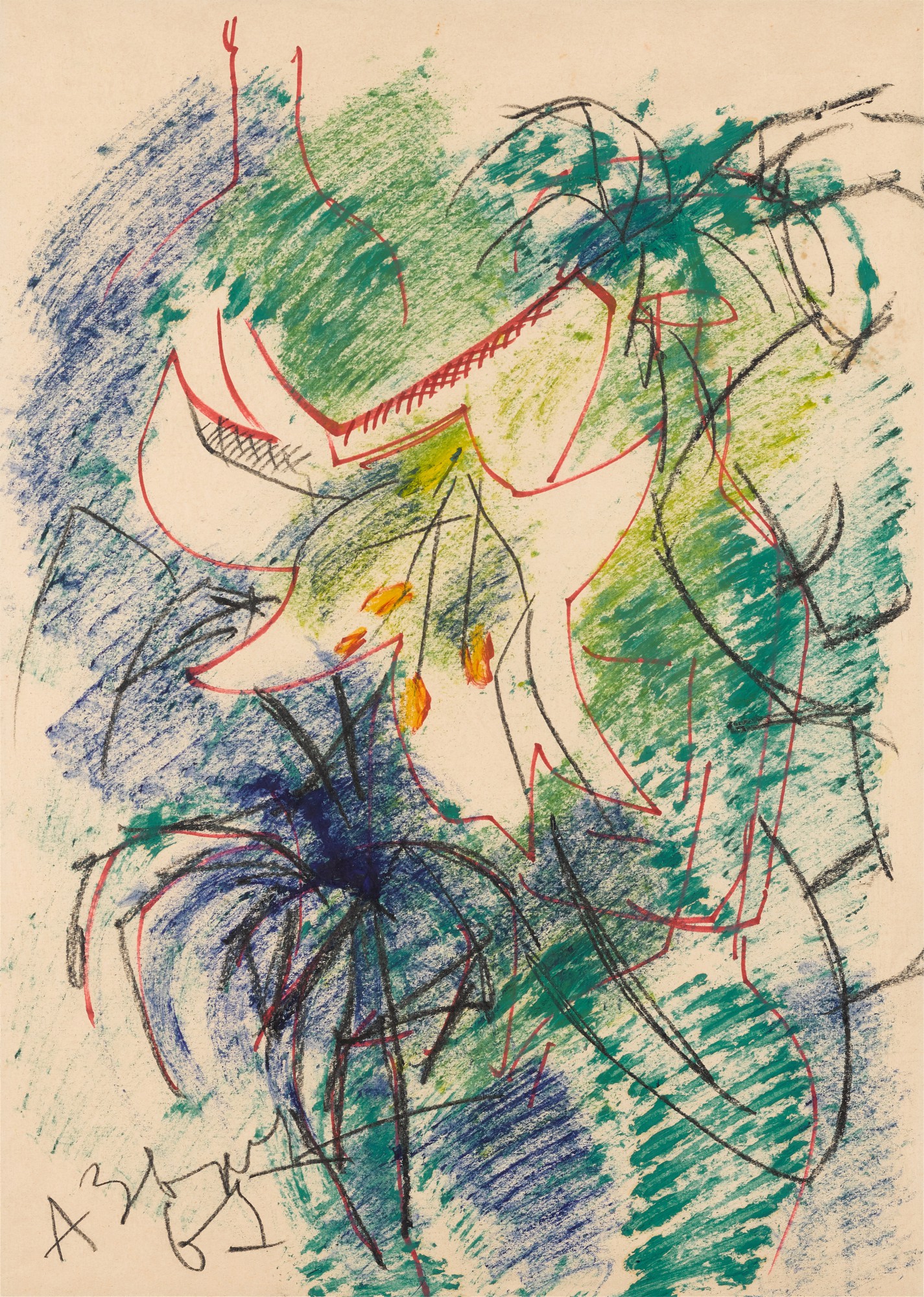
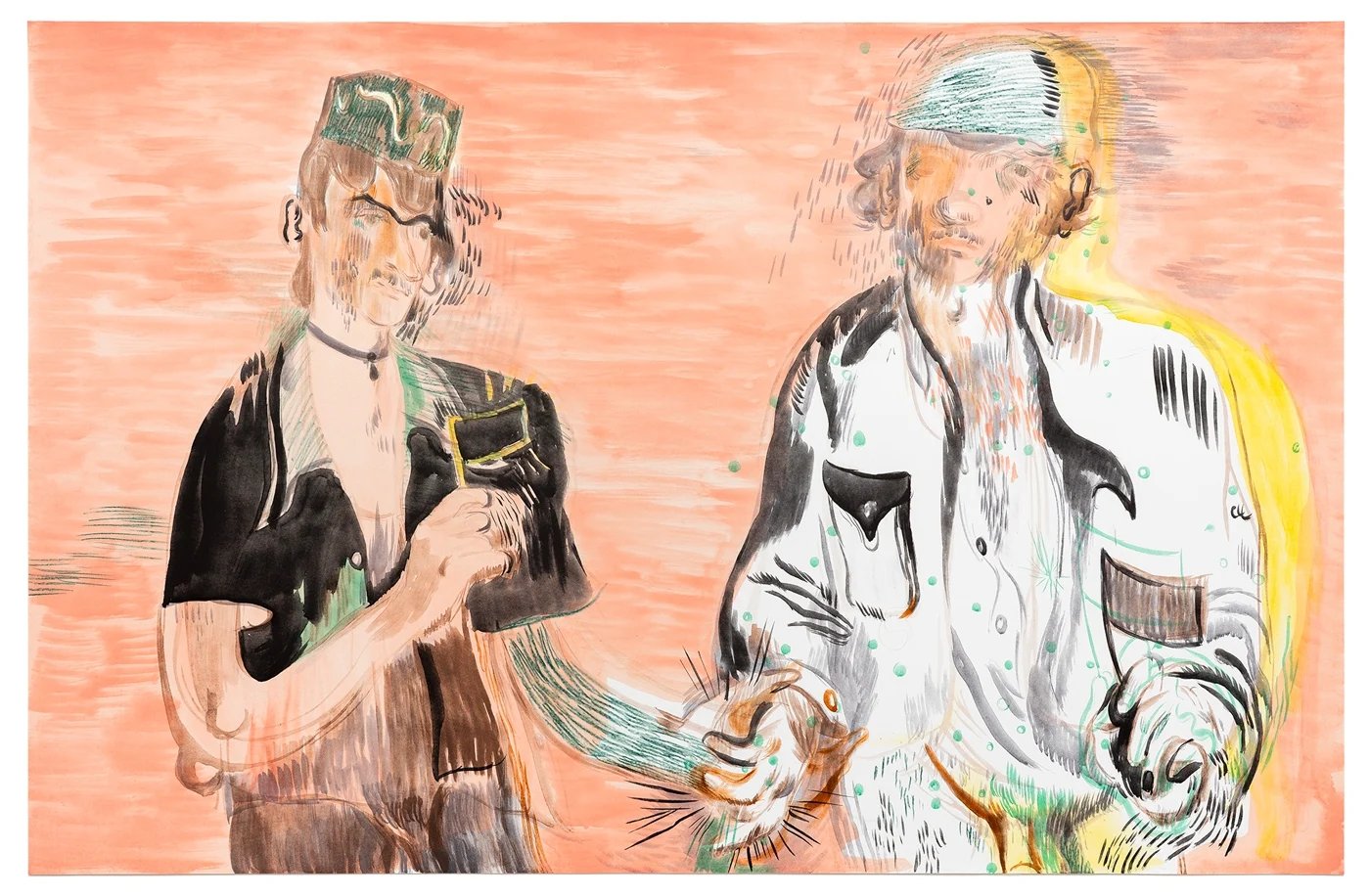
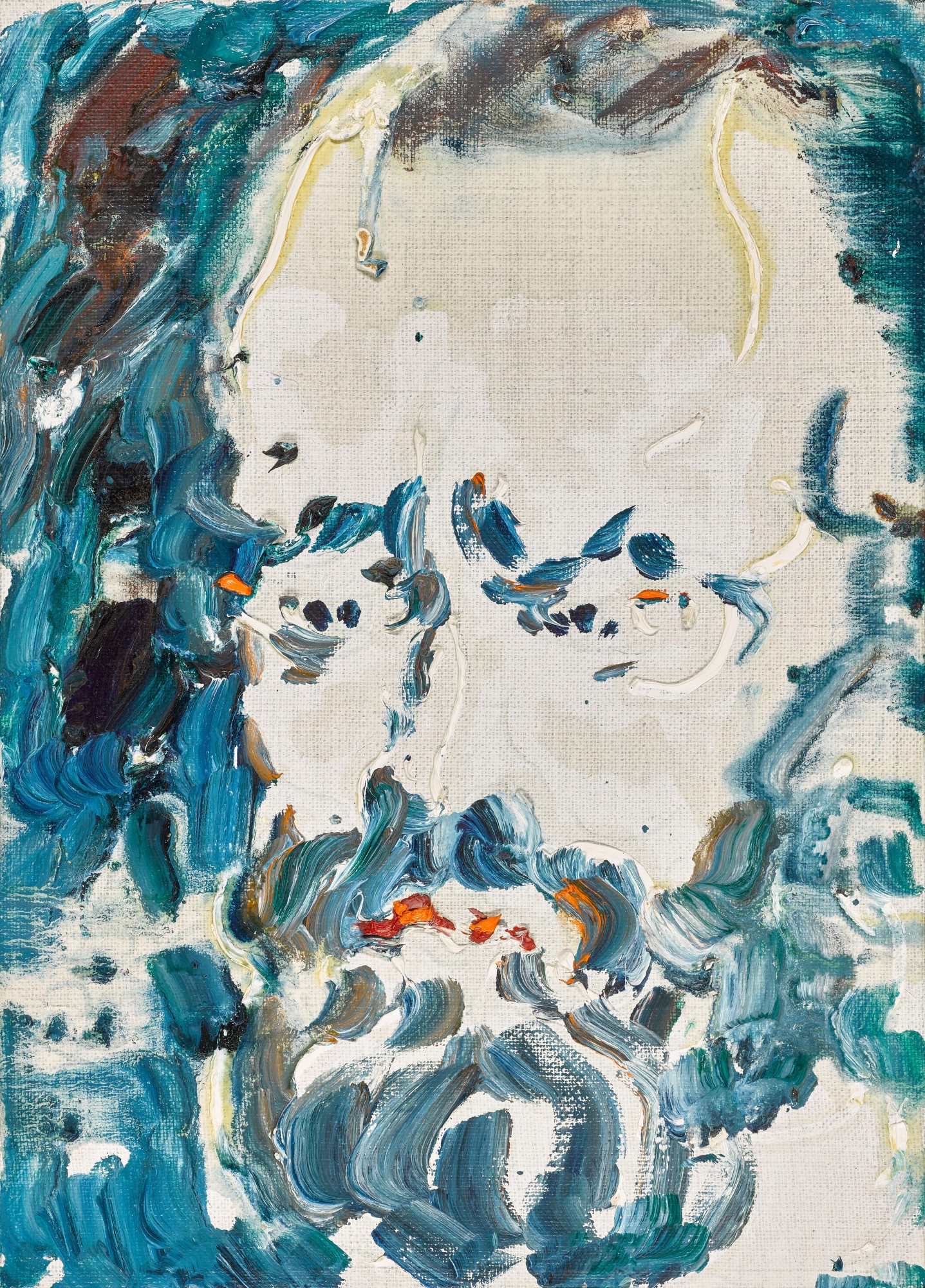
Anatoly Zverev
Still Life with Lily on Green Background
You see the artist's deliberation and instinct in equal measure, the reworking, the corrections, the moments of abandon. Living with these pieces means living with evidence of how they were made, which creates a relationship with the work that is harder to achieve with more finished or resolved surfaces. What separates a good work from a great one in this category comes down to integration and energy. When oil and pastel are used merely as sequential layers, the result can feel illustrative rather than alive.
The works that matter are ones where the mediums genuinely argue with each other, where neither dominates and neither disappears. Look closely at how the pastel activates or complicates the painted surface beneath it. Ask whether the combination feels necessary or decorative. A work where you cannot imagine the pastel removed, where its presence transforms the meaning of what lies beneath, is a work worth serious consideration.
George Condo
Black Dots - Playing on a Landscape, 1986
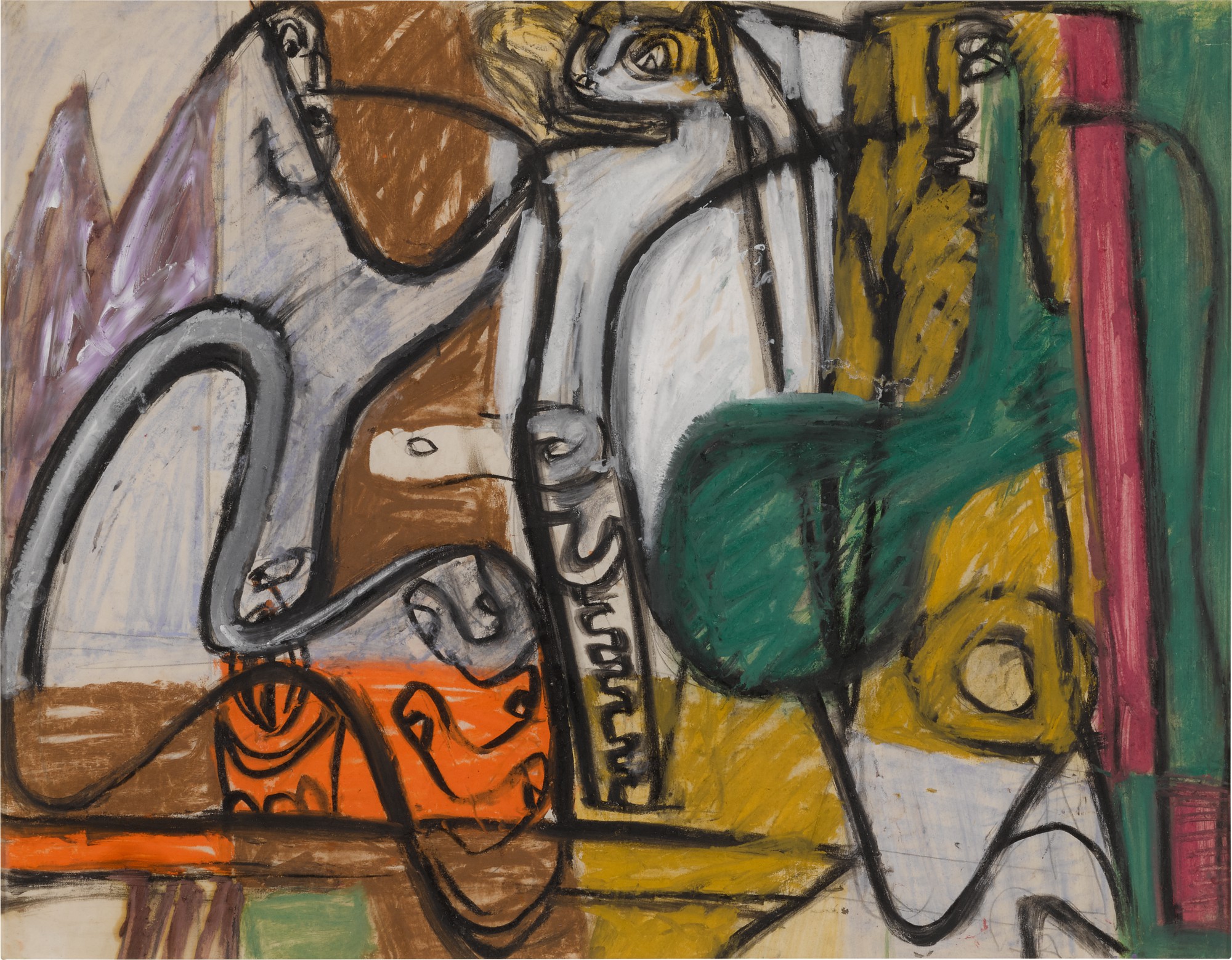
The artists represented on The Collection offer a particularly instructive cross section of how this dialogue between mediums plays out at the highest level. George Condo has long understood that pastel can function as both a structural and a destabilizing force, using it to push his distorted figures into a strange emotional register that oil alone could not sustain. His work commands serious prices at auction for good reason: the combination of technical sophistication and psychological charge is genuinely rare. Arnulf Rainer, working out of Vienna from the 1950s onward, used overpainting and abrasion in ways that anticipated much contemporary practice, and his works in mixed media remain undervalued relative to their art historical importance.
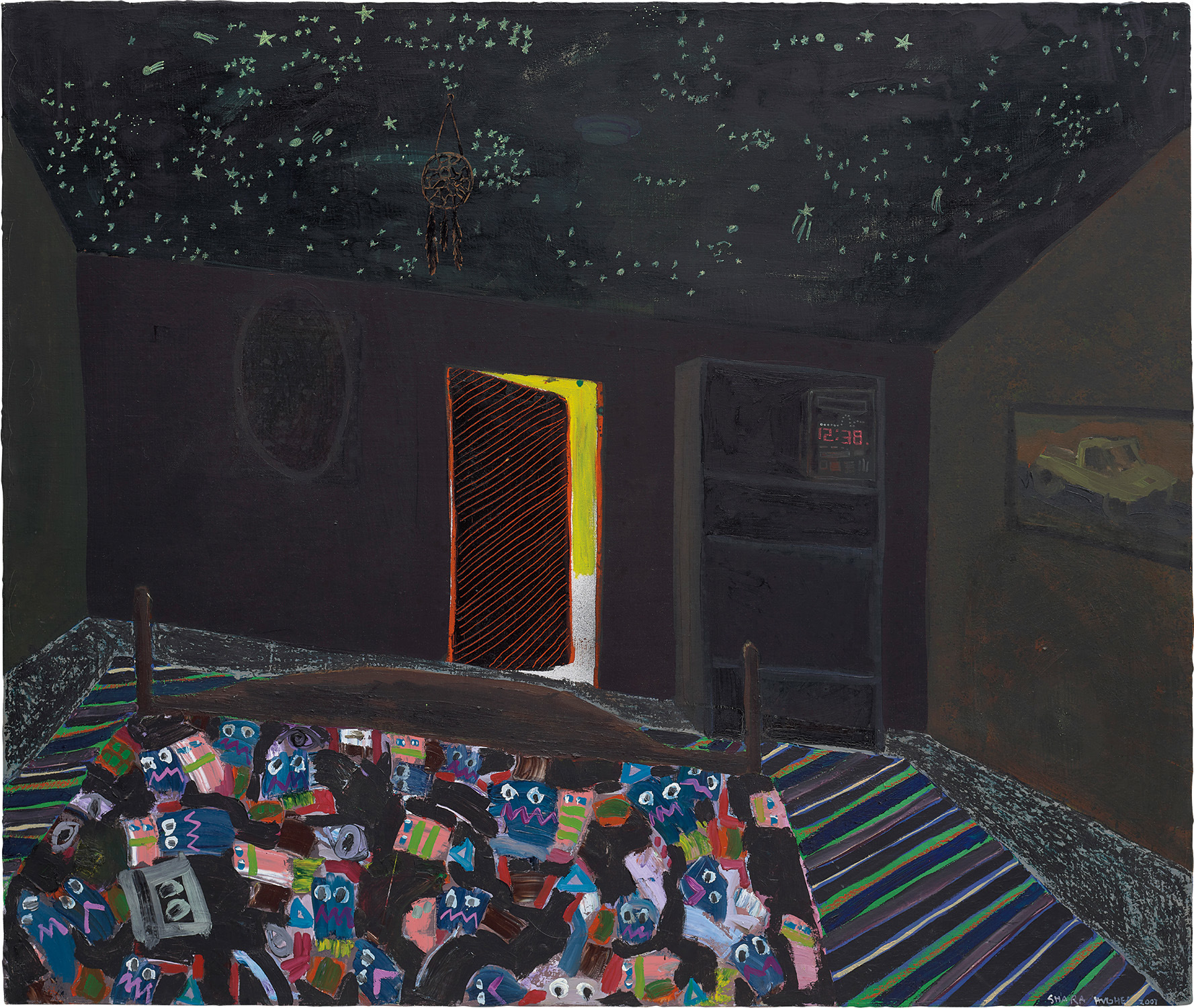
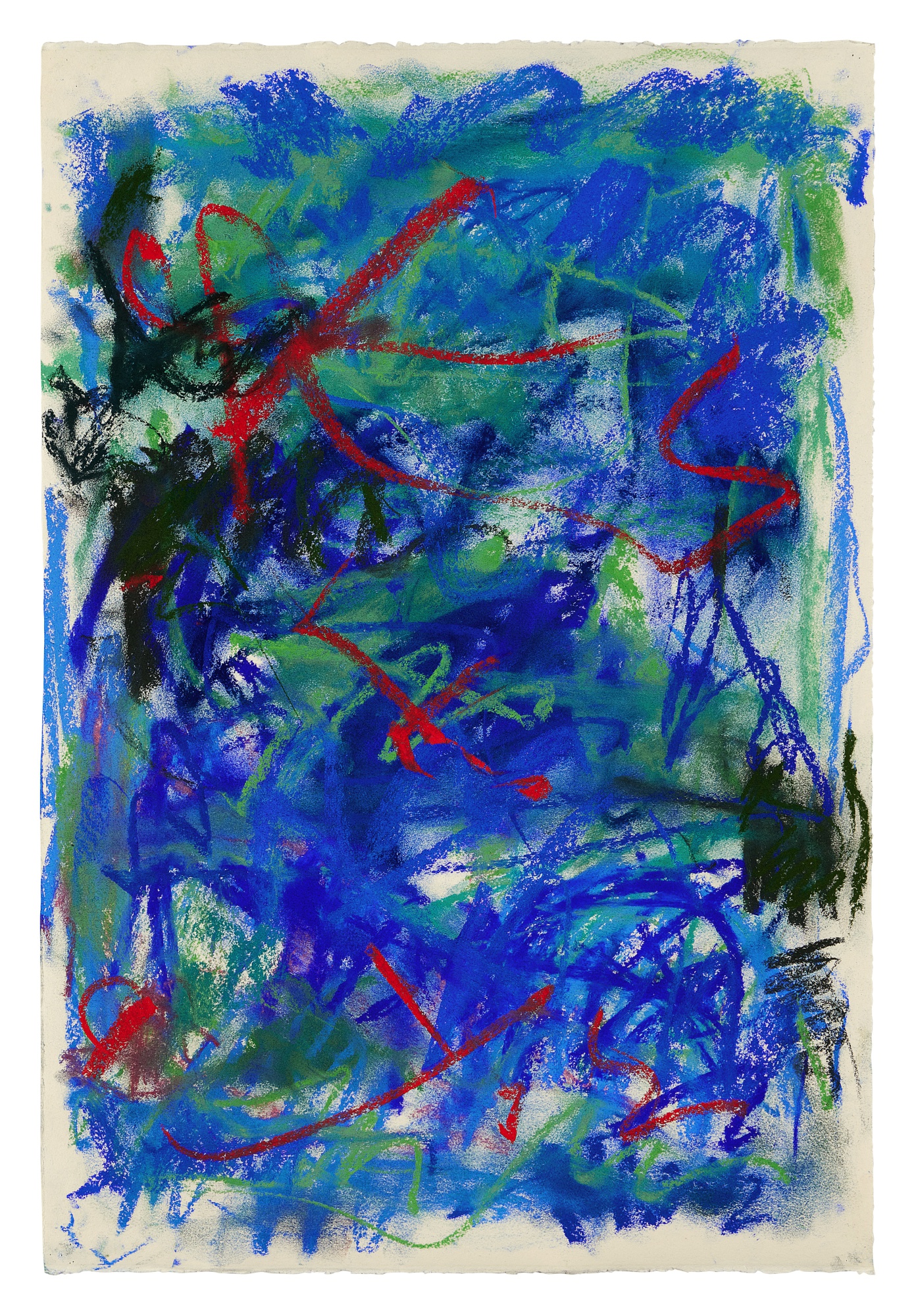
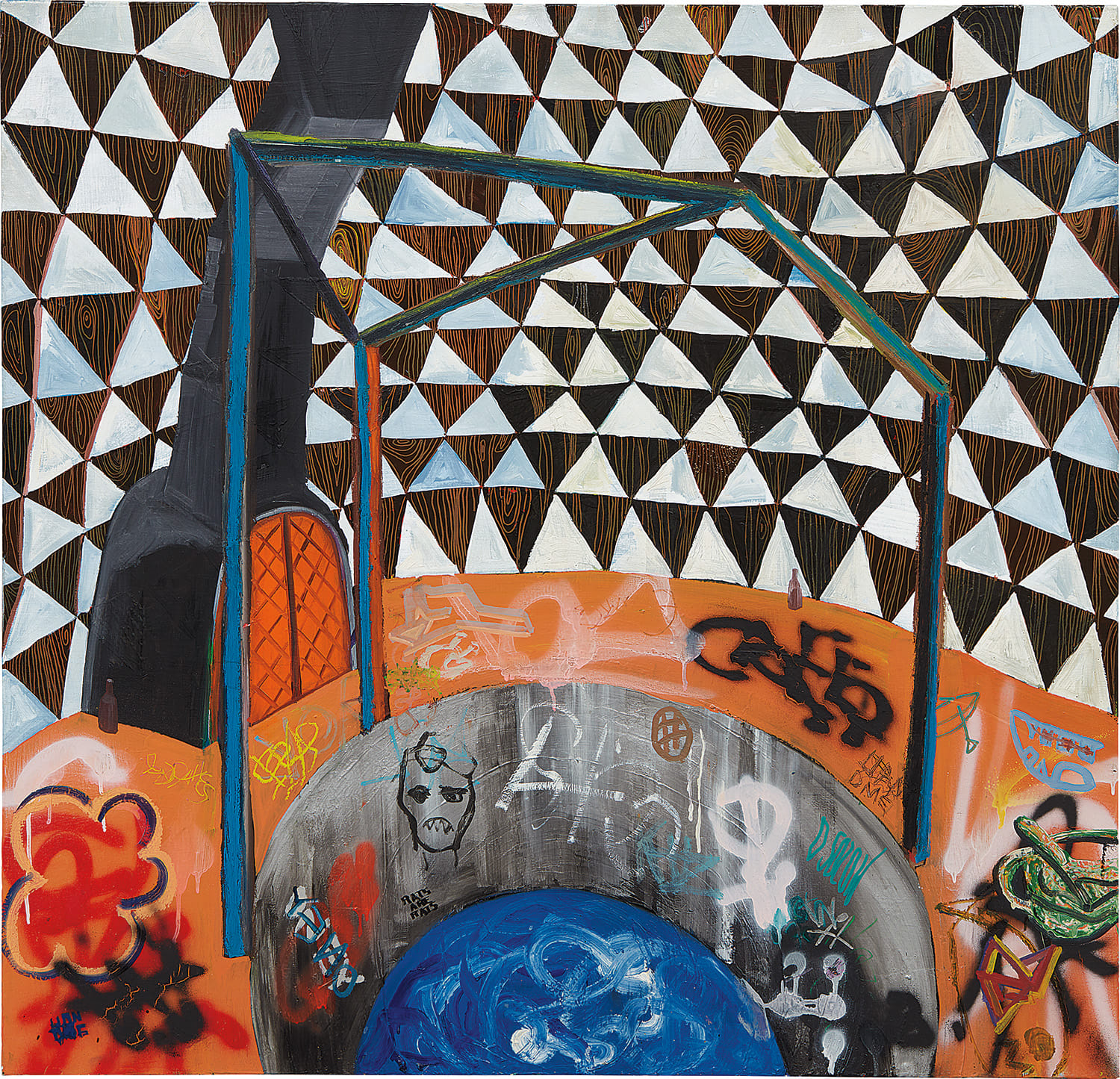
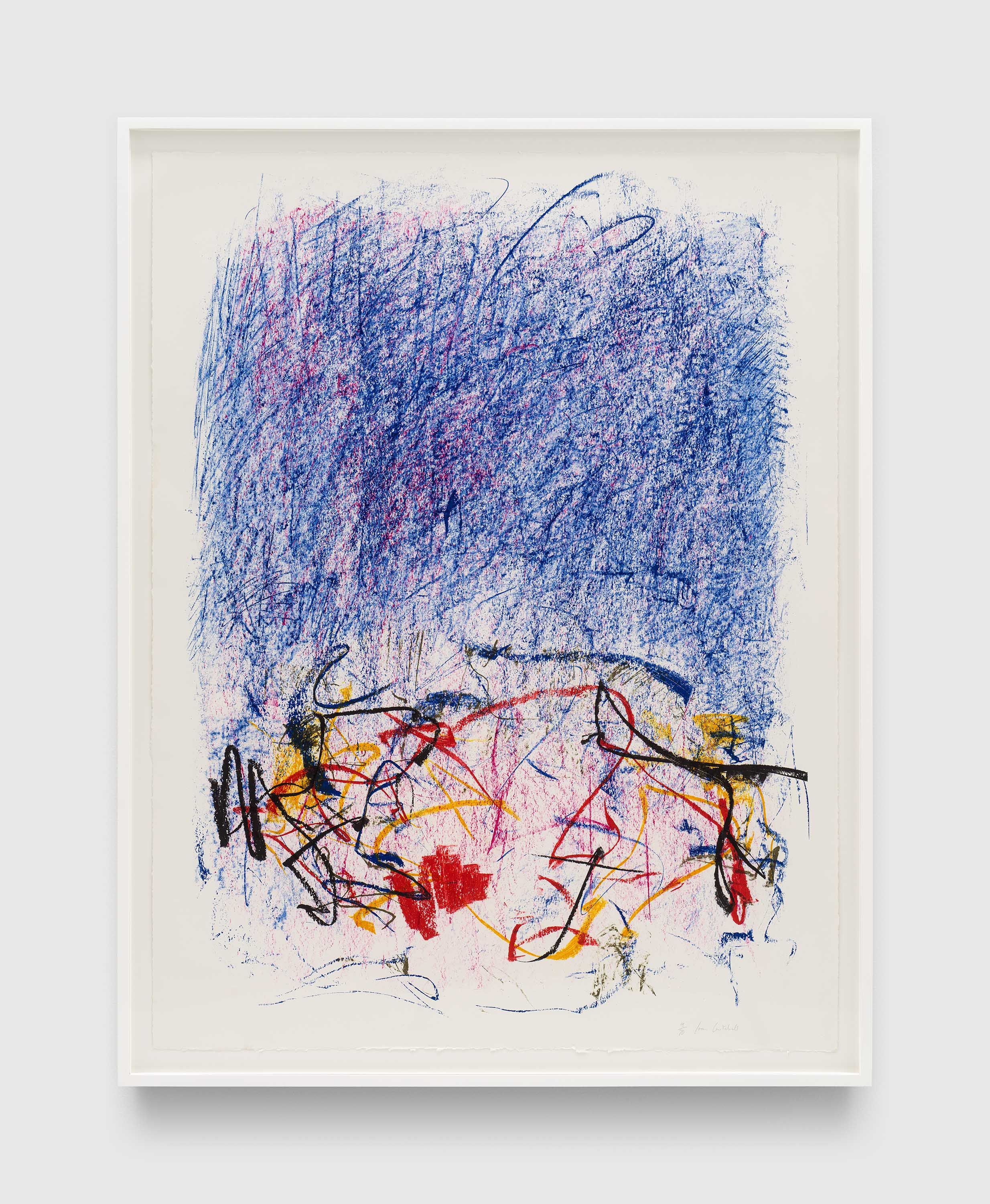
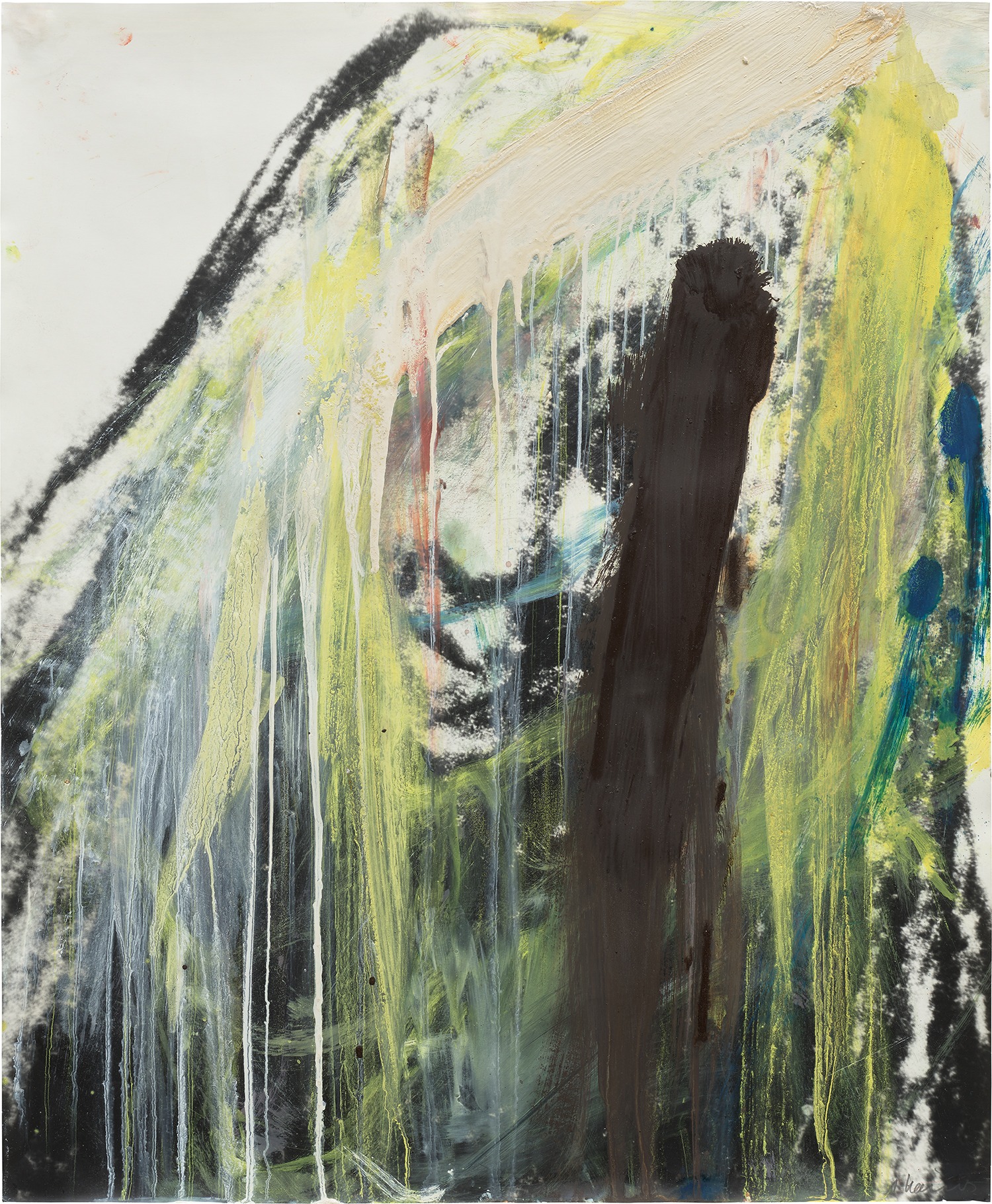
Joan Mitchell is another figure whose market has only strengthened over recent decades, and the energy of her mark making in works that incorporate pastel captures something about her process that her purely oil canvases sometimes contain more formally. For collectors thinking about where genuine value still exists, Shara Hughes deserves close attention. Her market has moved significantly since her solo presentation at the Venice Biennale in 2022, but compared to peers working in adjacent territory her prices remain relatively accessible at the secondary level. The expressionistic landscapes she builds through layered color and mark making have a quality of emotional directness that collects well: these are not works that require curatorial explanation to hold a room.
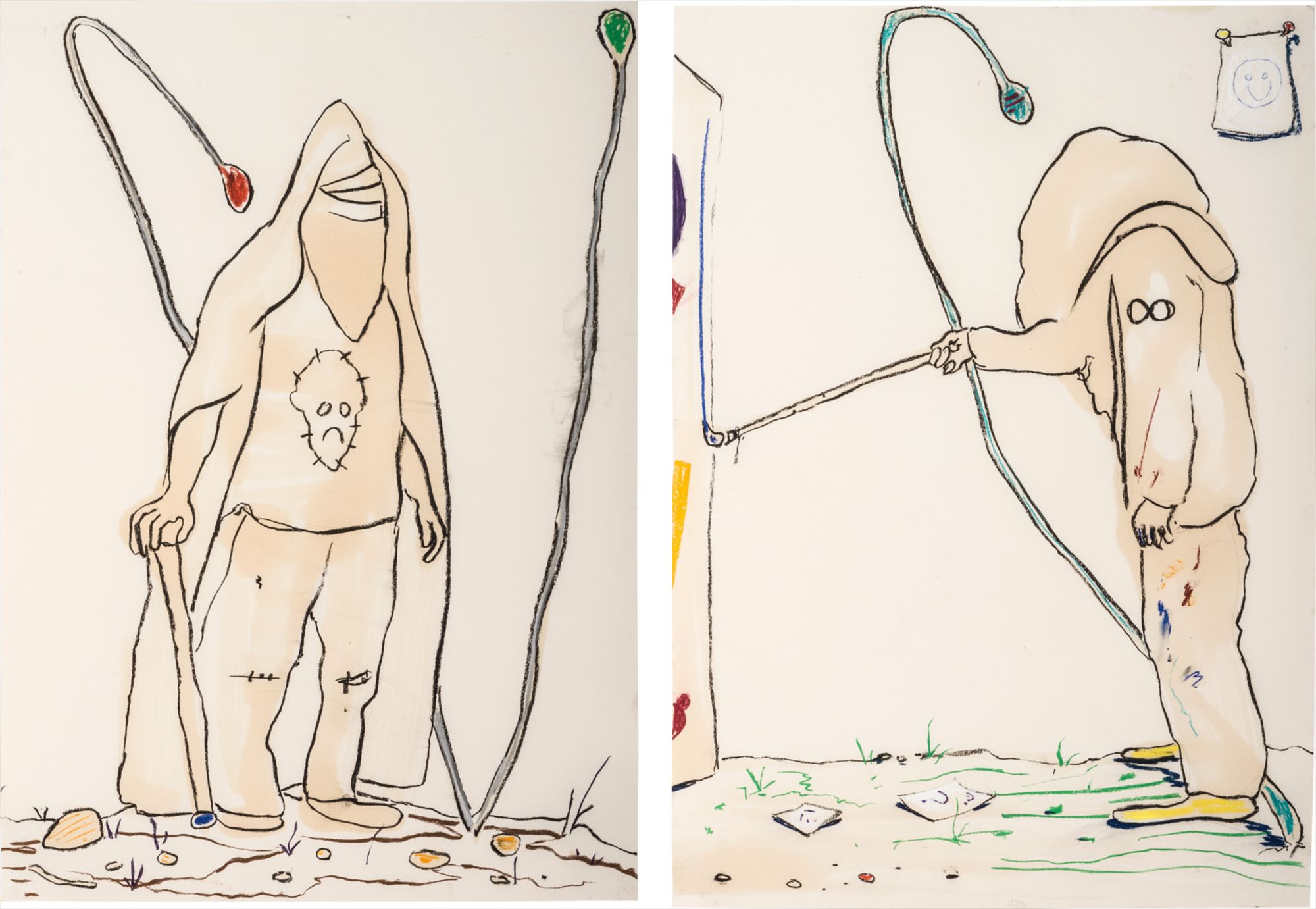
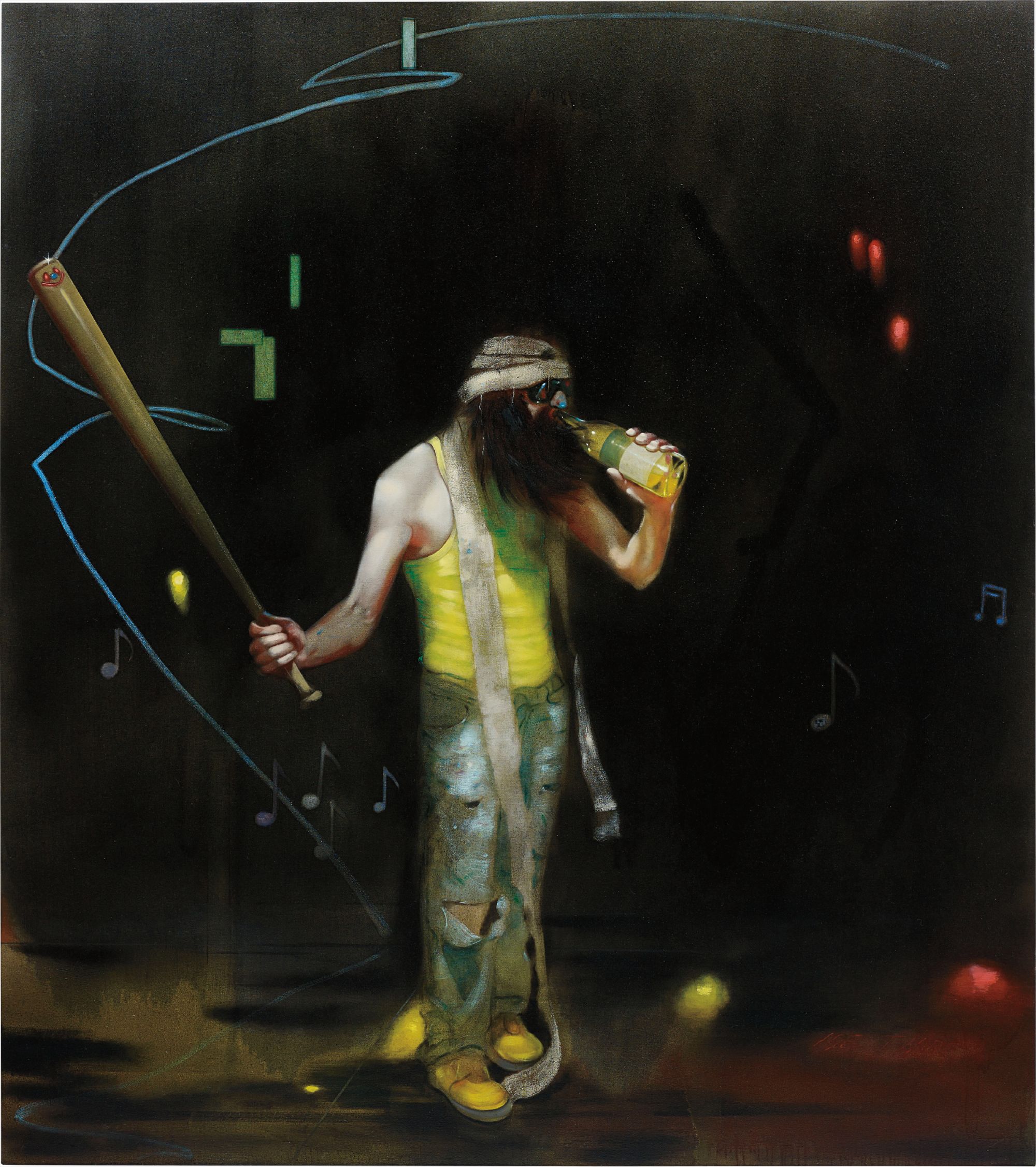
Nigel Cooke
Two works: (i) False Attachments; (ii) Atelier
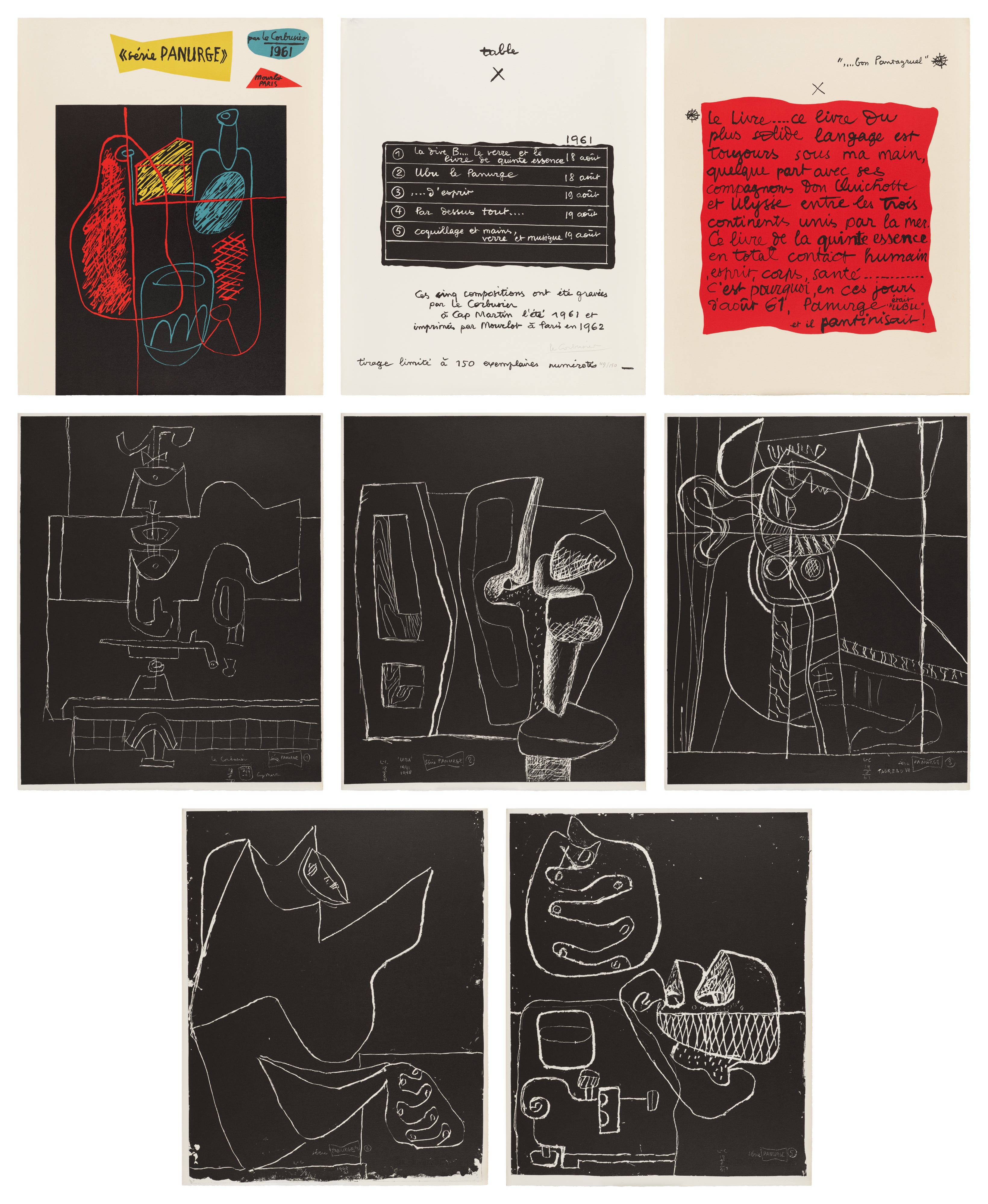
Nigel Cooke is another figure whose critical reputation has always outpaced his market, a situation that historically tends to correct itself. His paintings carry an intellectual density that rewards sustained looking, and collectors who have been paying attention to his exhibition history know that museum interest has been building steadily. Le Corbusier is perhaps the most surprising name in this context for collectors who know him primarily as an architect, but his works on paper and his paintings in oil and pastel have a legitimate place in twentieth century art history, not as architectural curiosities but as serious contributions to Purist visual thinking. Works attributed to him in this medium require careful provenance research, but authenticated pieces carry both art historical and cultural capital that few other names can match.
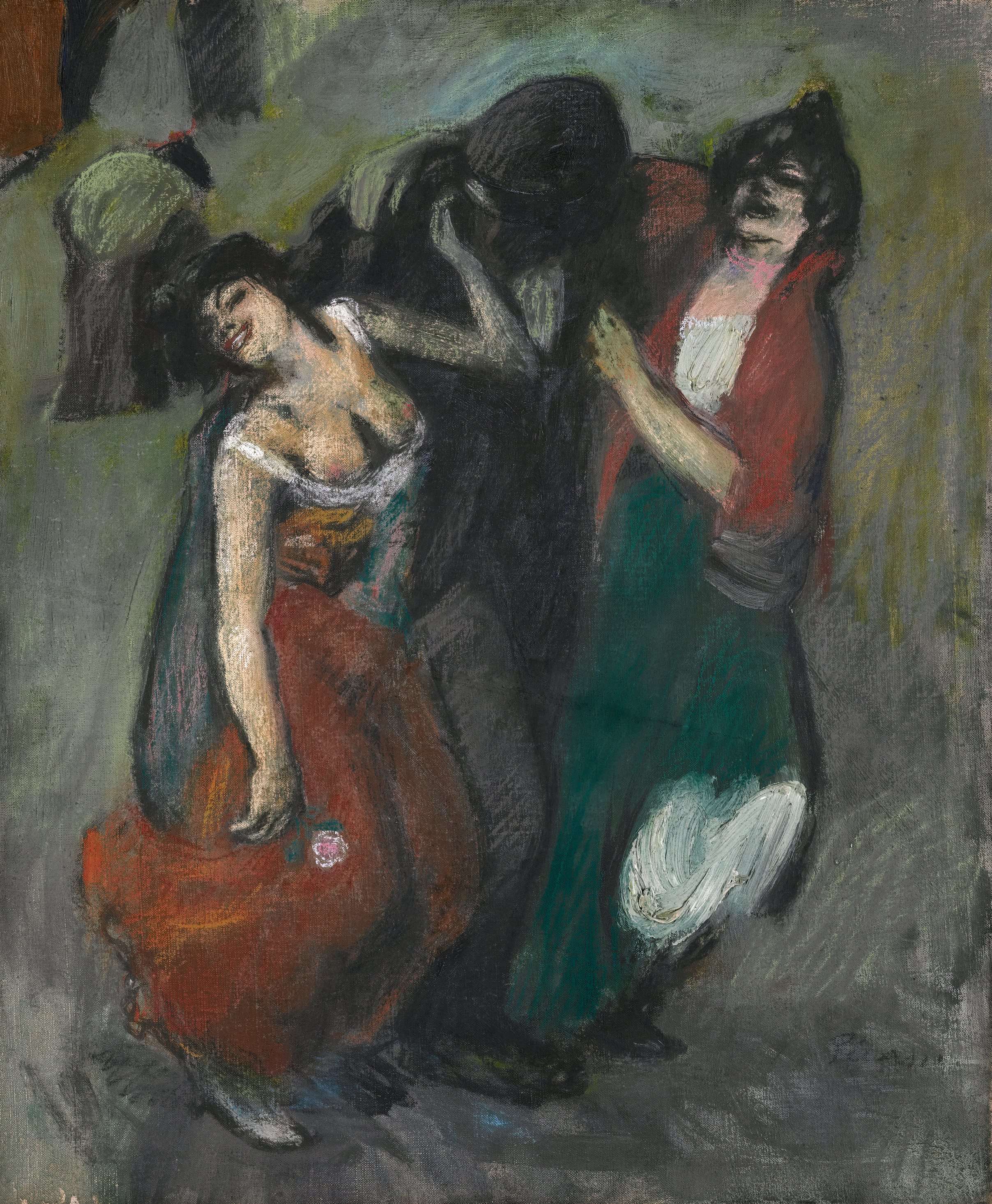
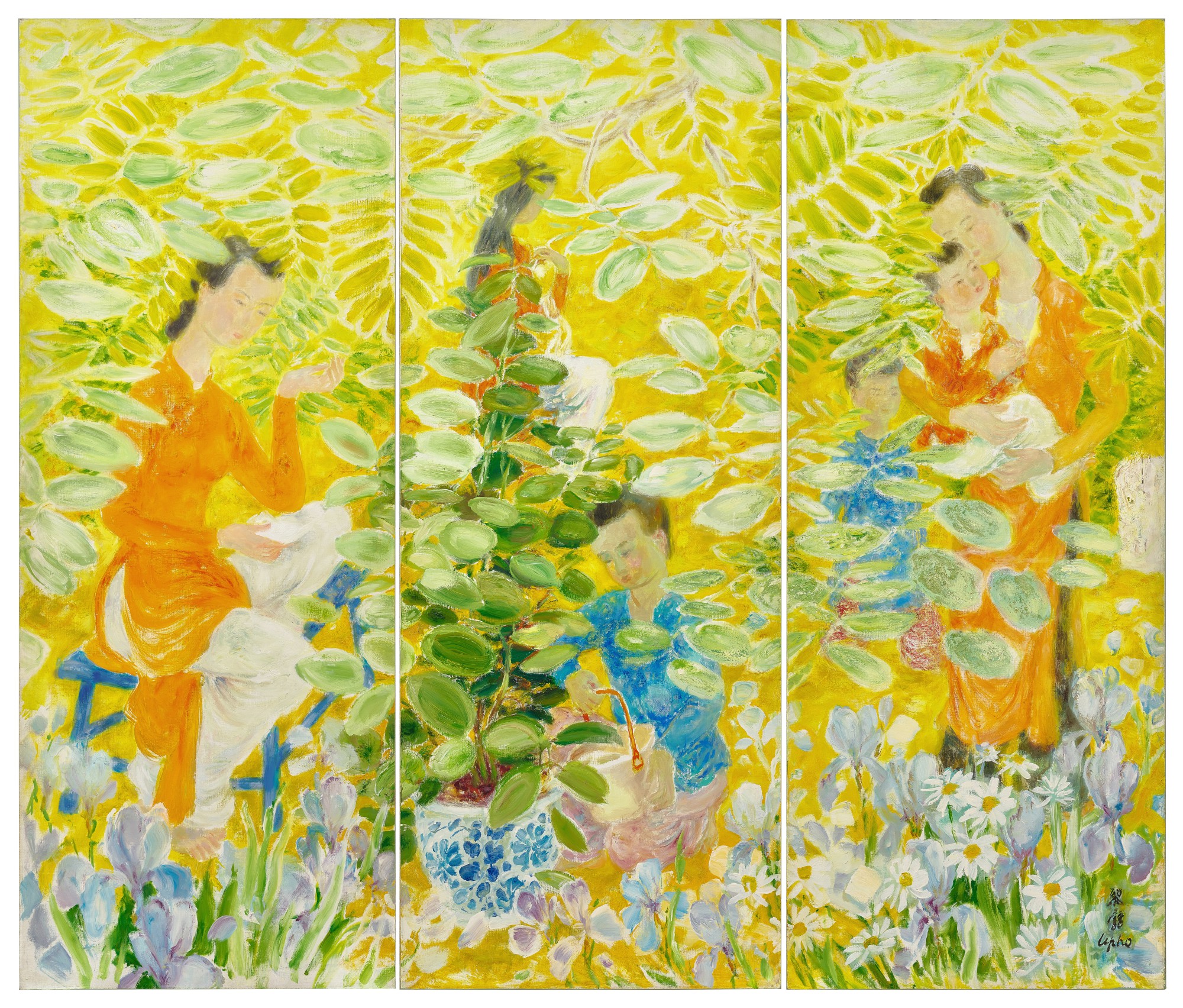
Similarly, Lê Phổ, the Vietnamese artist who worked in Paris through much of the mid twentieth century, has seen sustained market attention as collectors and institutions reckon with the full breadth of modernism beyond its European centers. His works represent a genuine convergence of influences, and prices have reflected growing institutional recognition. At auction, works combining oil and pastel have historically occupied an interesting middle position. They tend to attract fewer purely speculative buyers than highly liquid single medium works, which means the market for them is populated more by genuine collectors and less by flippers.
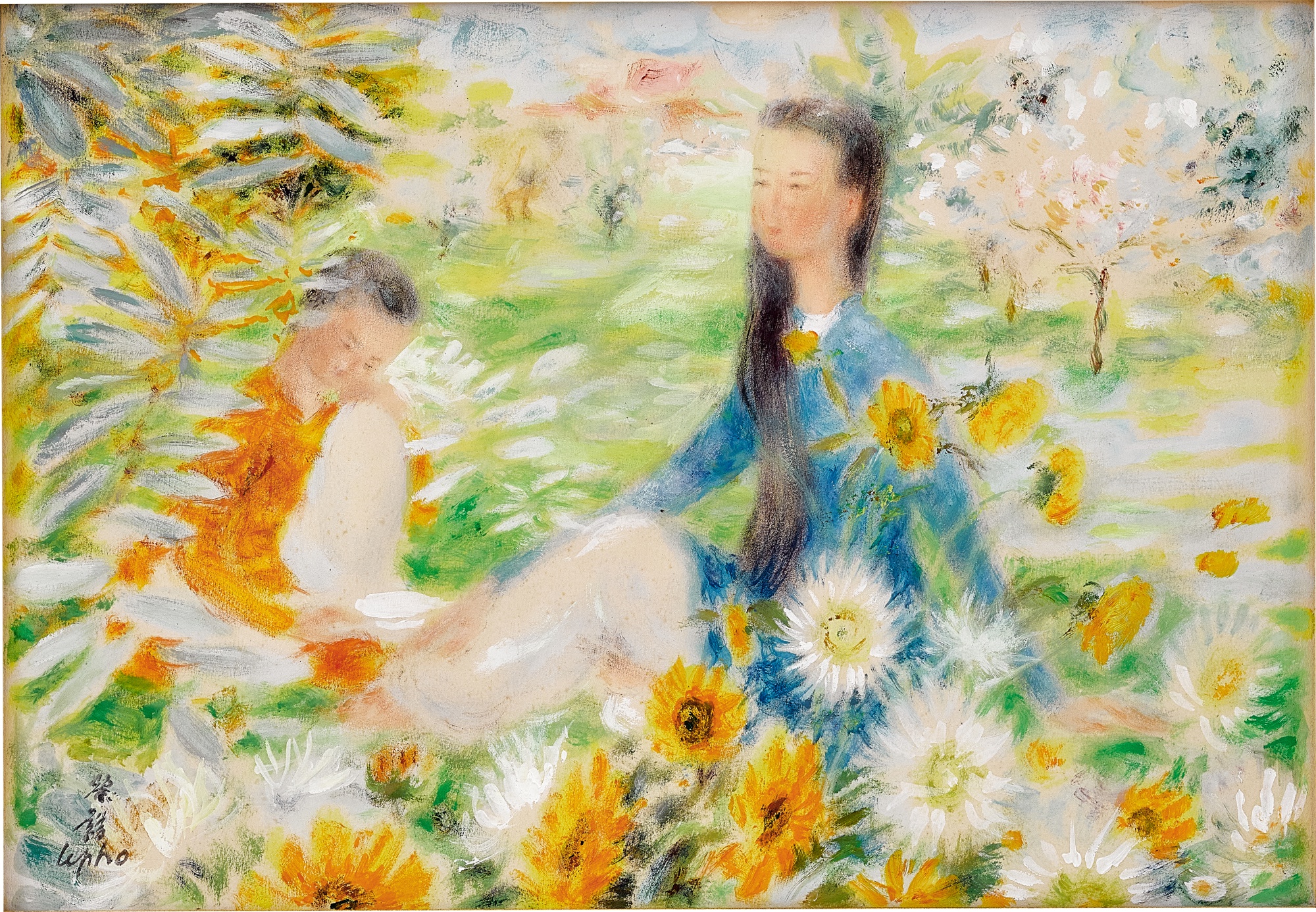
Lê Phổ
Mother and child 母與子
That is a healthy dynamic for long term value. The caveat is that condition matters enormously in this category, more than in almost any other. Pastel is inherently fragile. Fixed or unfixed, it is vulnerable to abrasion, humidity fluctuation, and improper framing.
Before acquiring any work in this medium, ask specifically about the fixative used, if any, and whether the work has been examined by a conservator. A Plexiglas or UV protective glass frame with adequate space between the glazing and the surface is not optional. When approaching a gallery about a work in oil and pastel, ask about provenance and exhibition history, both of which bear on condition as much as value. Ask whether the work has been professionally examined recently and request any conservation reports.
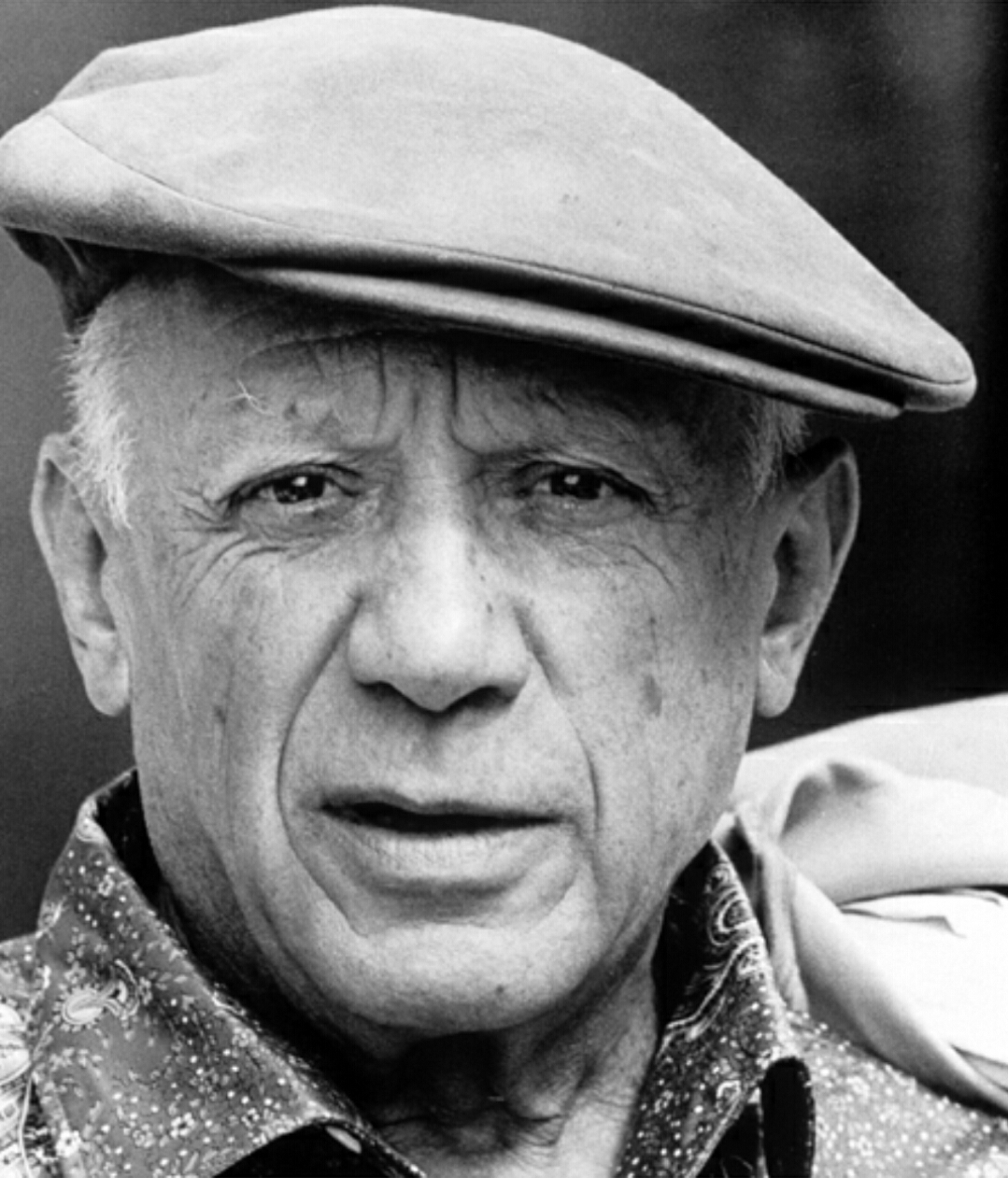
Unique works in this category almost always outperform editions at resale, and where editions exist, as with some works on paper by artists such as Picasso, the distinction between a lifetime impression and a posthumous reproduction matters enormously and is worth understanding precisely before purchase. The question to ask yourself when standing in front of any work in this medium is simple: does the combination feel earned. If the answer is yes, and the condition is sound, you are probably looking at something worth owning for a long time.