Narrative Figuration
Louis Fratino
September 3, 2026
The Stories Paintings Tell You Back
There is something particular that happens when you live with a figurative painting that carries a genuine narrative interior. It is not like living with an abstract work, where the relationship is primarily formal and emotional, a conversation between your mood and the painting's surface on any given morning. Narrative figuration pulls you into something more like a sustained dialogue. You find yourself returning to a canvas not because you have not yet decoded it, but because the story it seems to be telling keeps shifting depending on where you stand, what you have recently read, how the afternoon light moves across it.
Collectors who discover this quality often describe it as irreversible. Once you understand what it feels like to share a room with a painting that has genuine psychological weight and storytelling ambition, other work begins to feel quieter than you would like. The category covers an enormous amount of ground, which is part of its appeal and part of what makes collecting within it genuinely demanding. The term gathers together artists who are interested in the figure as a vehicle for something beyond likeness, where the scene unfolding on the canvas is doing narrative work rather than simply descriptive work.
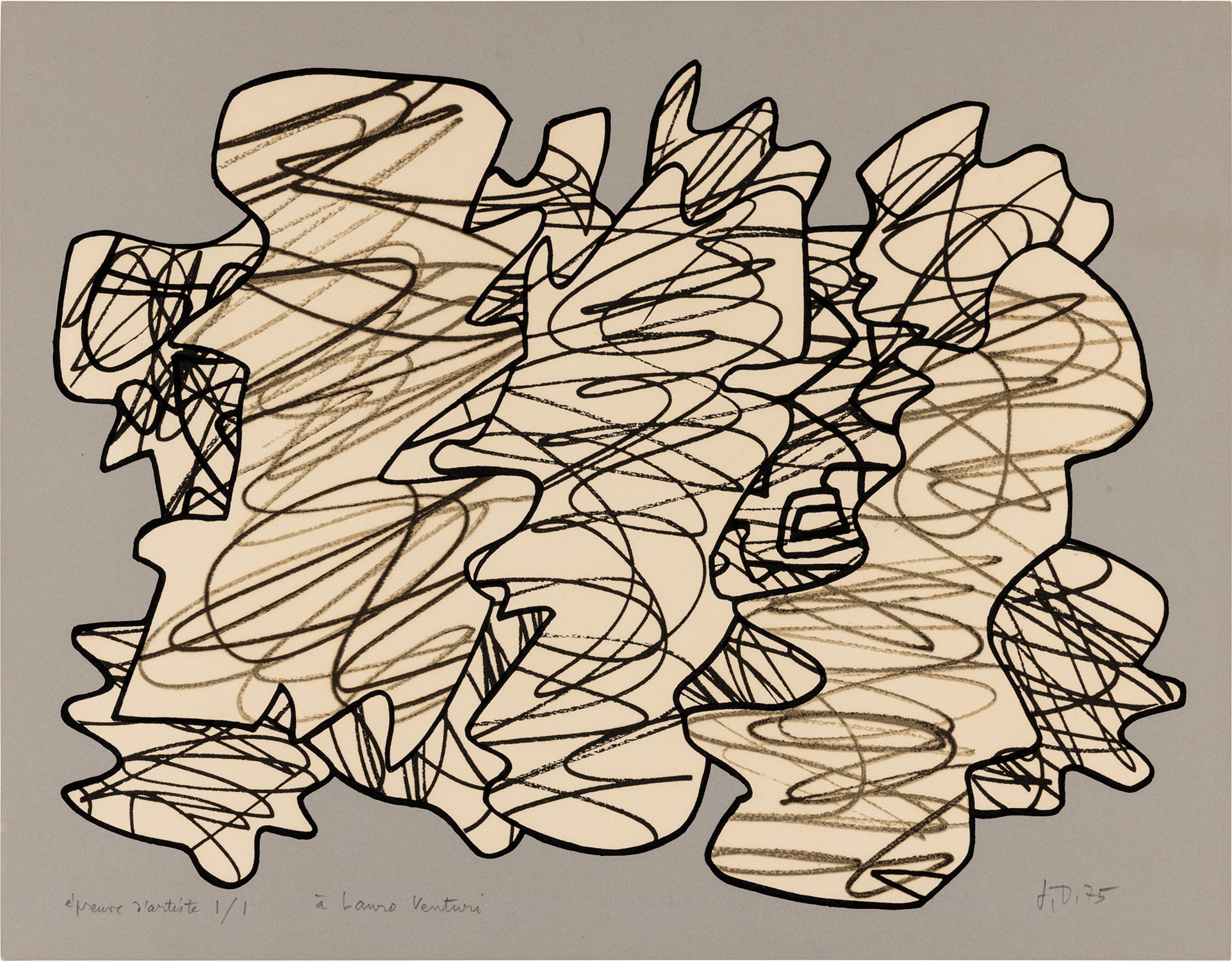
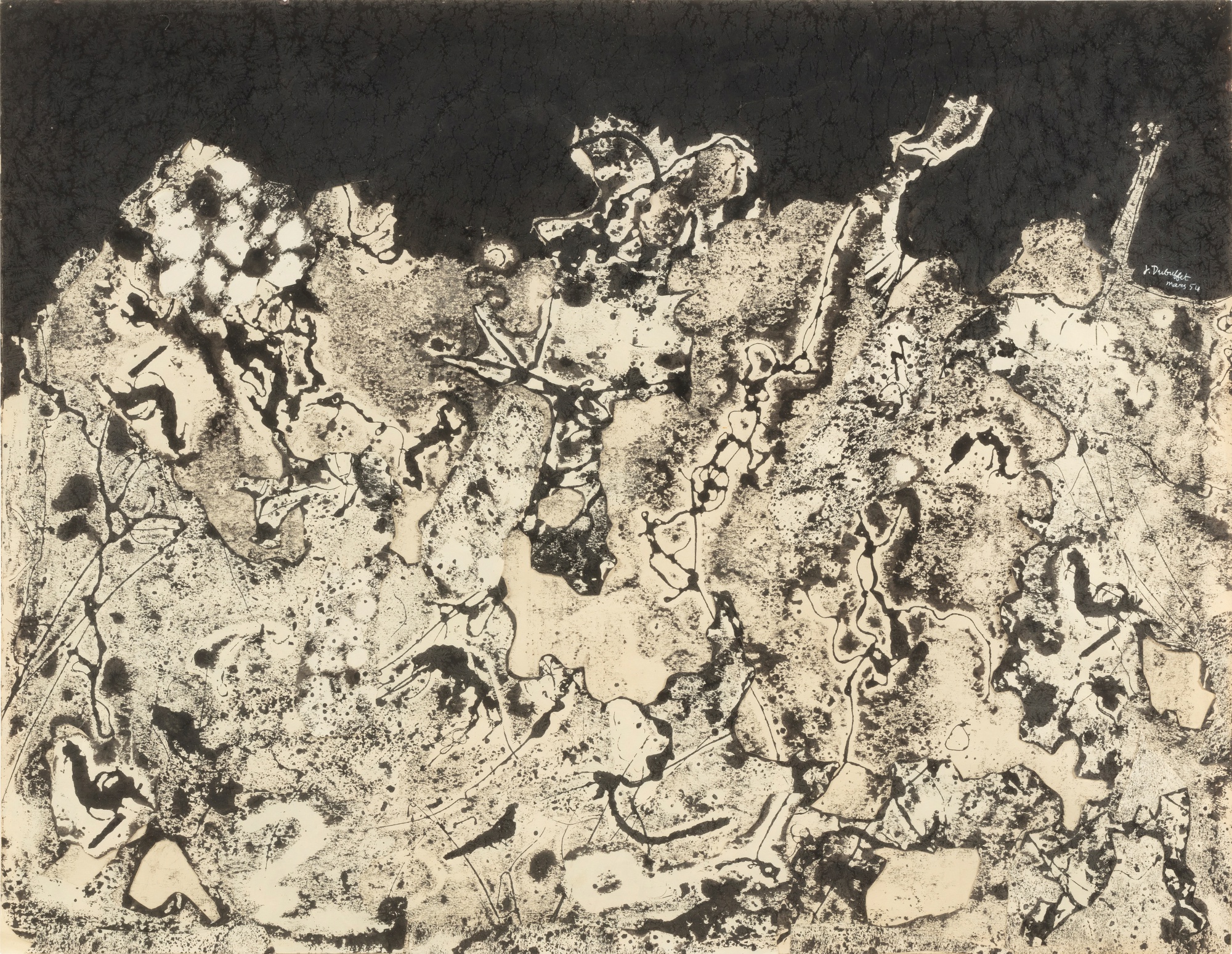
Jean Dubuffet
Récit (Story) (W. 1185)
Jean Dubuffet was an early and radical example of what this could mean when pushed toward extremes, using raw and destabilizing figuration to invert every assumption about what refined painting was supposed to achieve. His influence on how subsequent generations understood the figure as a site of cultural and psychological pressure was enormous, and works from his Art Brut period remain among the most contested and sought after in the secondary market. Understanding that lineage helps a collector orient themselves when looking at a contemporary painter working in territory that might initially seem difficult or even disturbing. What separates a good work from a great one in this space comes down to a quality that is genuinely hard to articulate but immediately felt in the presence of the right painting.
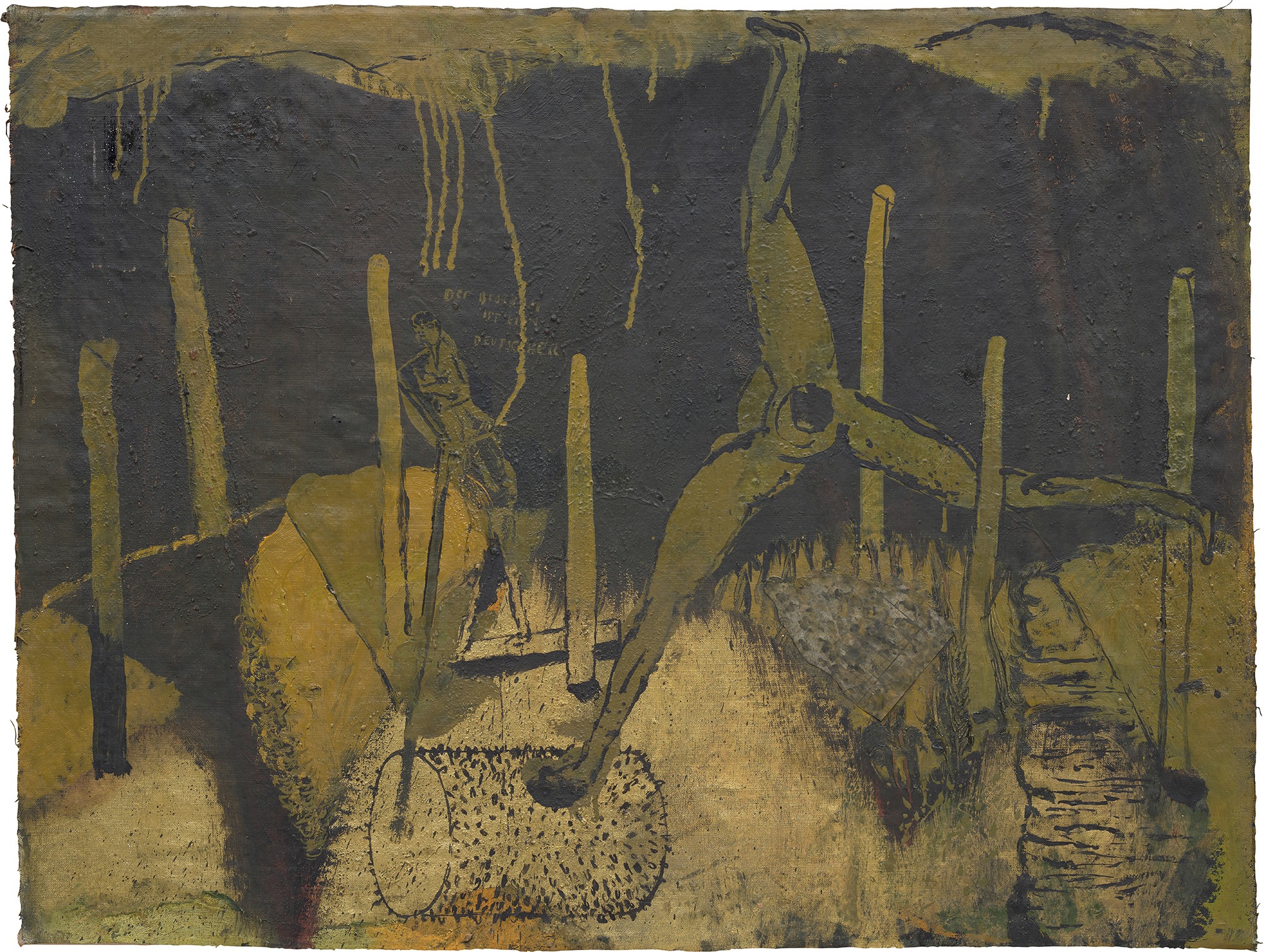
The scene has to feel necessary. When you look at a work by Neo Rauch, a painter whose dreamlike and politically inflected figuration has made him one of the most discussed artists to emerge from post reunification Leipzig, you sense that every element in the composition could not be otherwise. The figures, the light, the strange tools and garments and architectural fragments, all of it carries conviction. There is no decorative surplus.
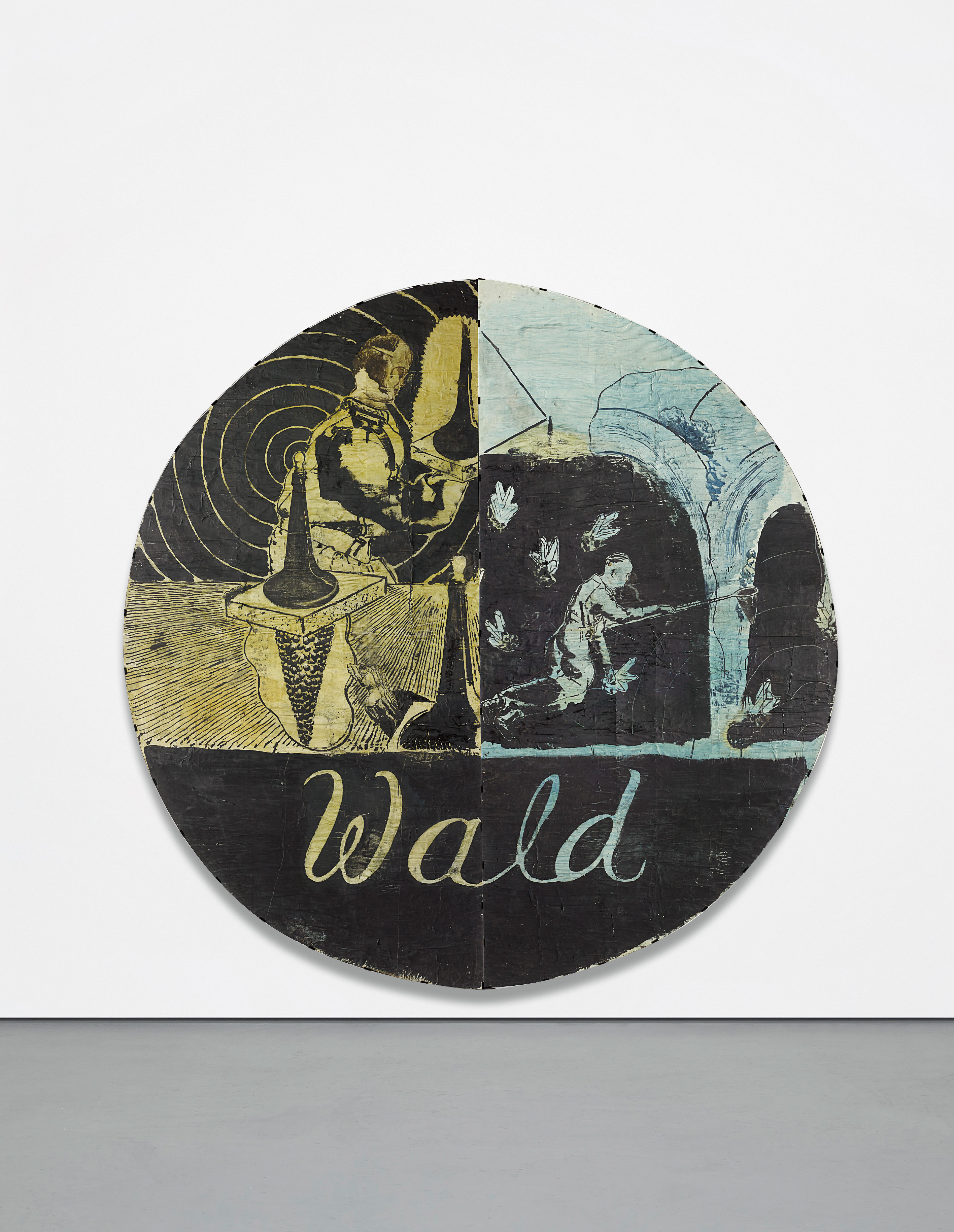
Neo Rauch
Wald
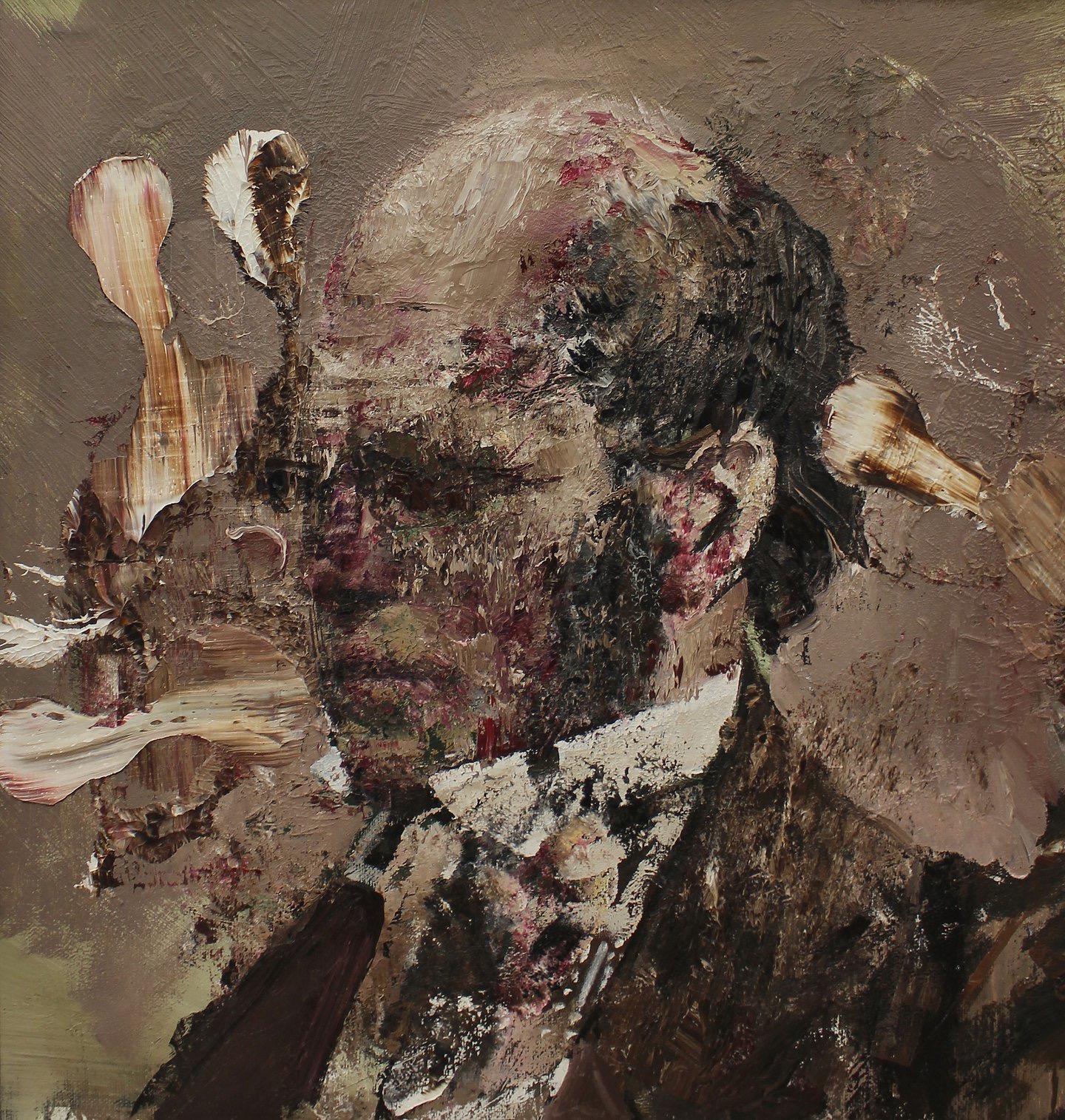
The same standard applies to Adrian Ghenie, whose paintings deliberately invoke and then destabilize art historical memory, pulling figures through processes of smearing and erasure that feel emotionally violent in the best possible sense. When collectors ask what to look for, the answer is almost always internal necessity. Does the narrative feel generated from inside the image, or has it been applied to a surface that would function just as well without it. The question of value within narrative figuration is genuinely interesting right now, because the market has been sorting itself in ways that create real opportunities for collectors paying close attention.
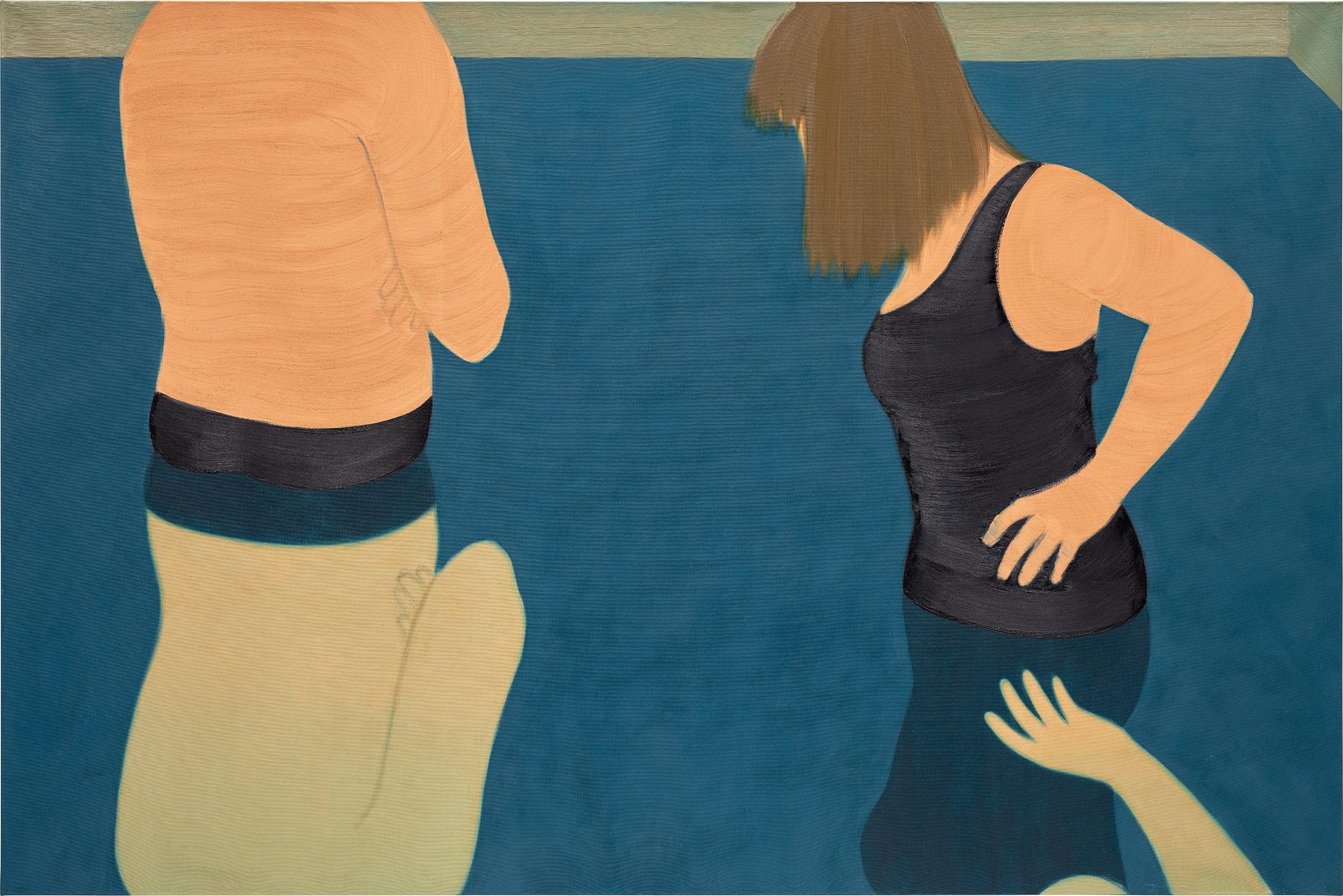
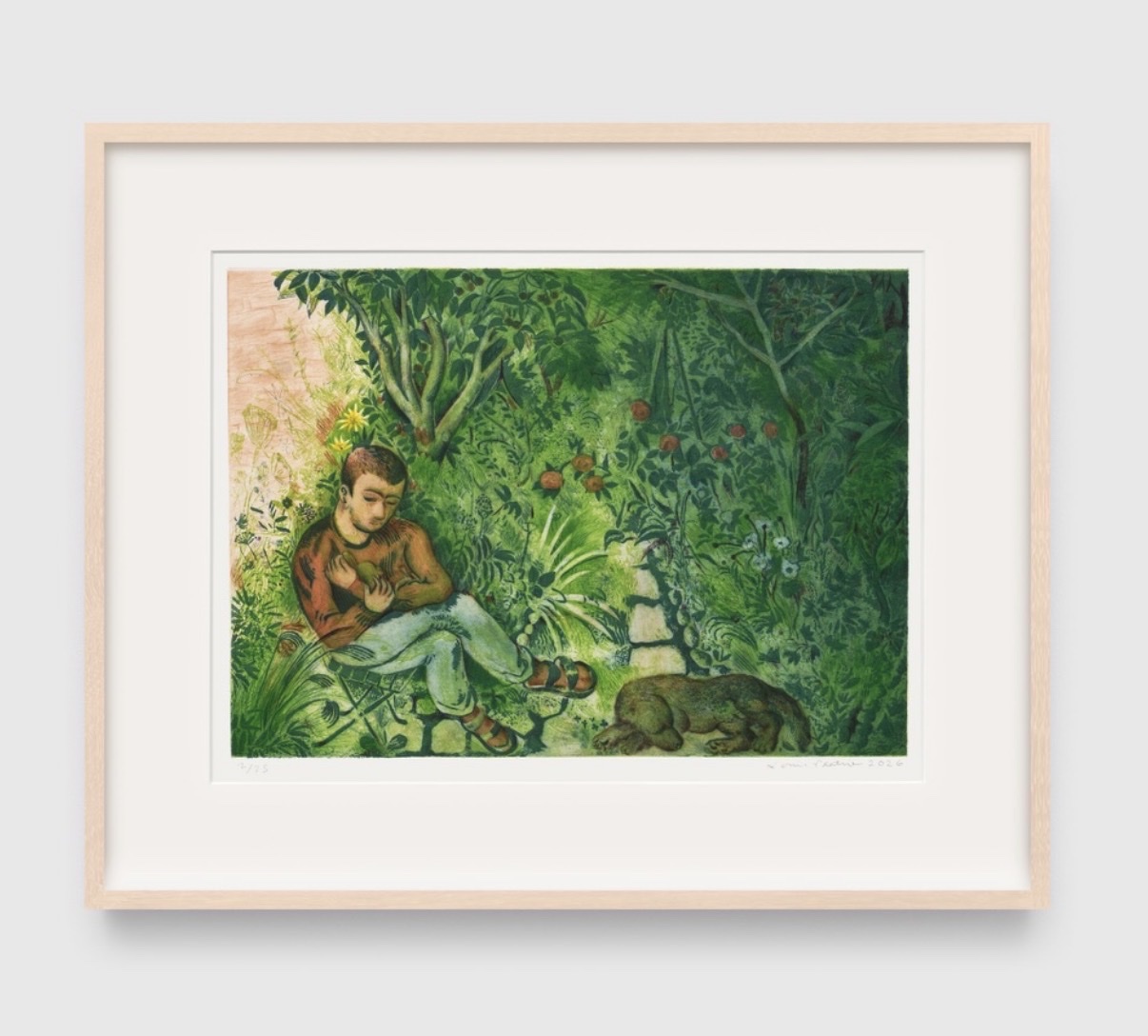
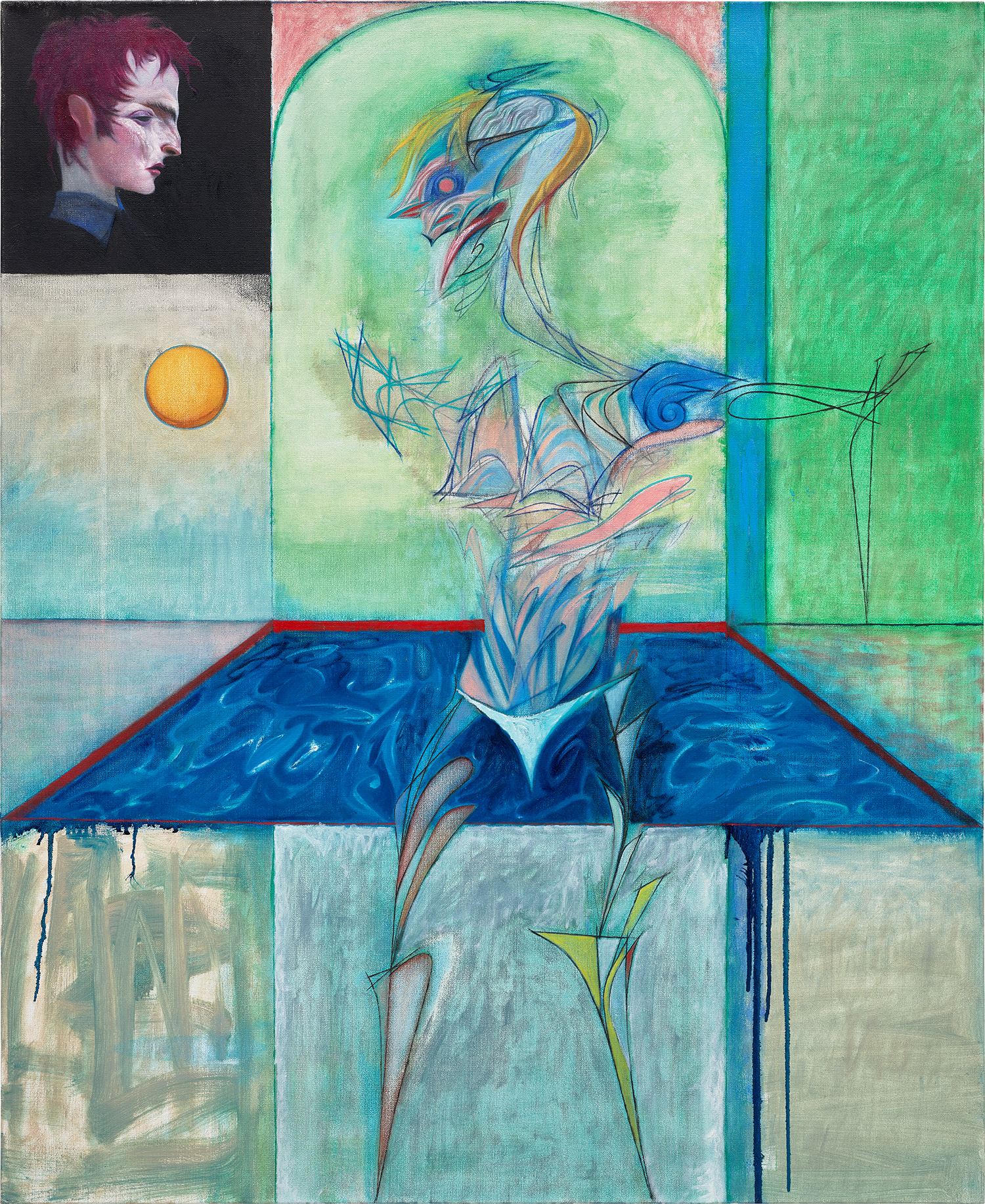
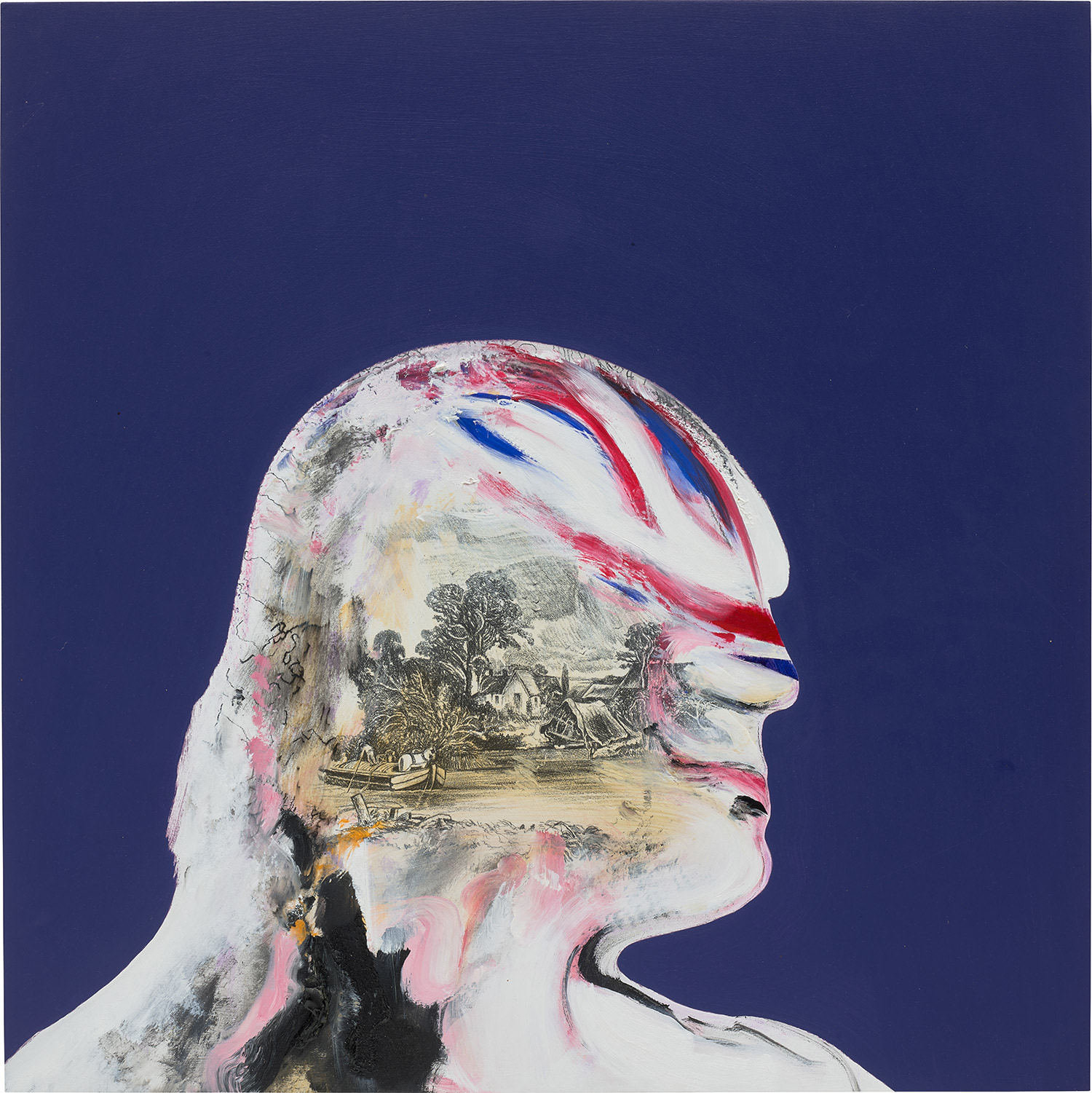
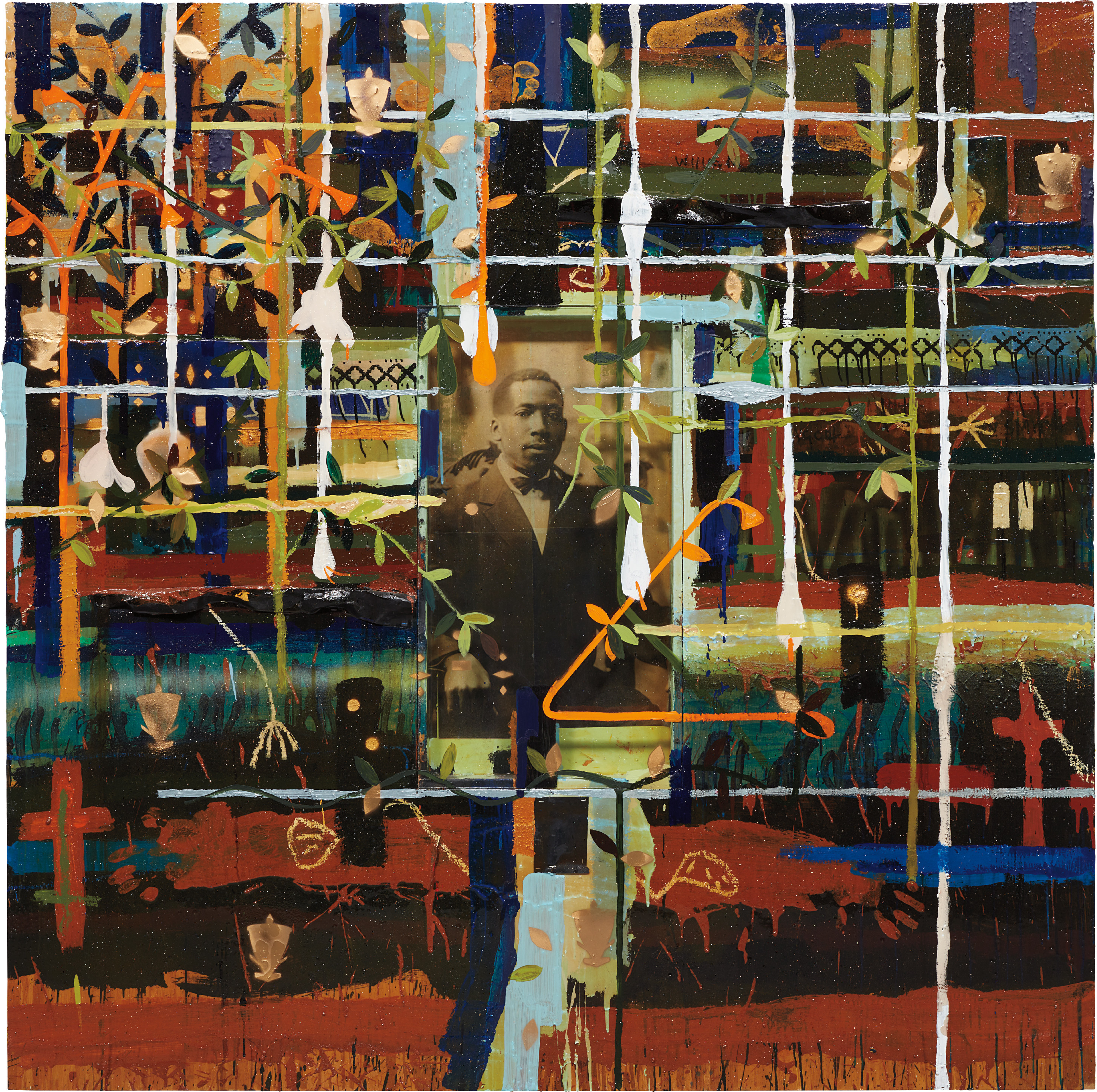
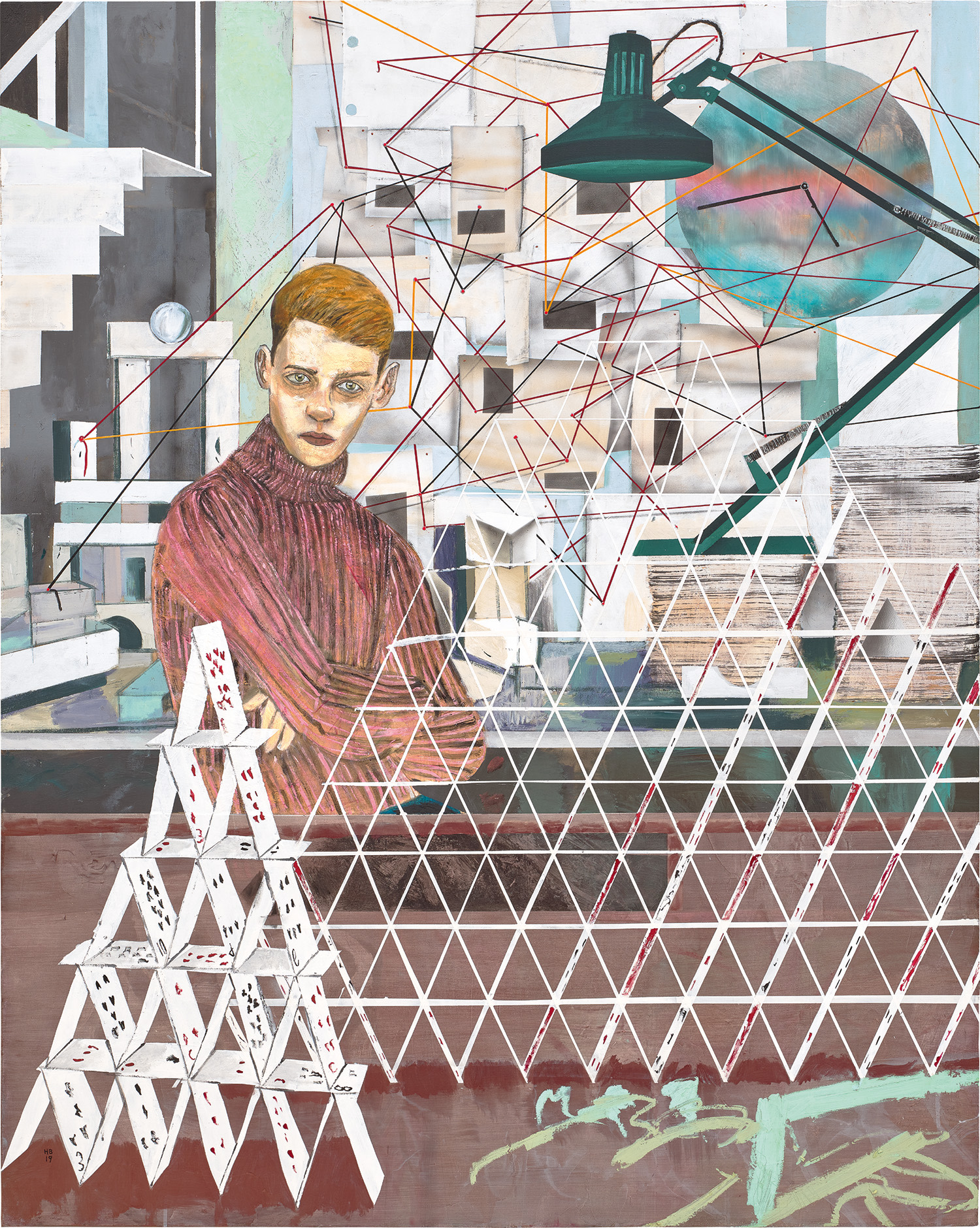
Hernan Bas, whose work moves through subcultural mythology and queer gothic storytelling with enormous intelligence, has developed a devoted following that the secondary market is beginning to reflect more consistently. Louis Fratino brings a tenderness and art historical fluency to figurative painting that feels increasingly significant, with his intimate scenes of queer domestic life drawing serious comparisons to earlier traditions of European figure painting in ways that have attracted museum attention alongside collector interest. Tammy Nguyen works across painting and works on paper with a dense symbolic vocabulary drawn from natural history illustration and political allegory, and she represents exactly the kind of rigorous and genuinely distinctive vision that tends to look prescient to early collectors within a decade. For collectors interested in emerging positions in this space, several names warrant sustained attention.
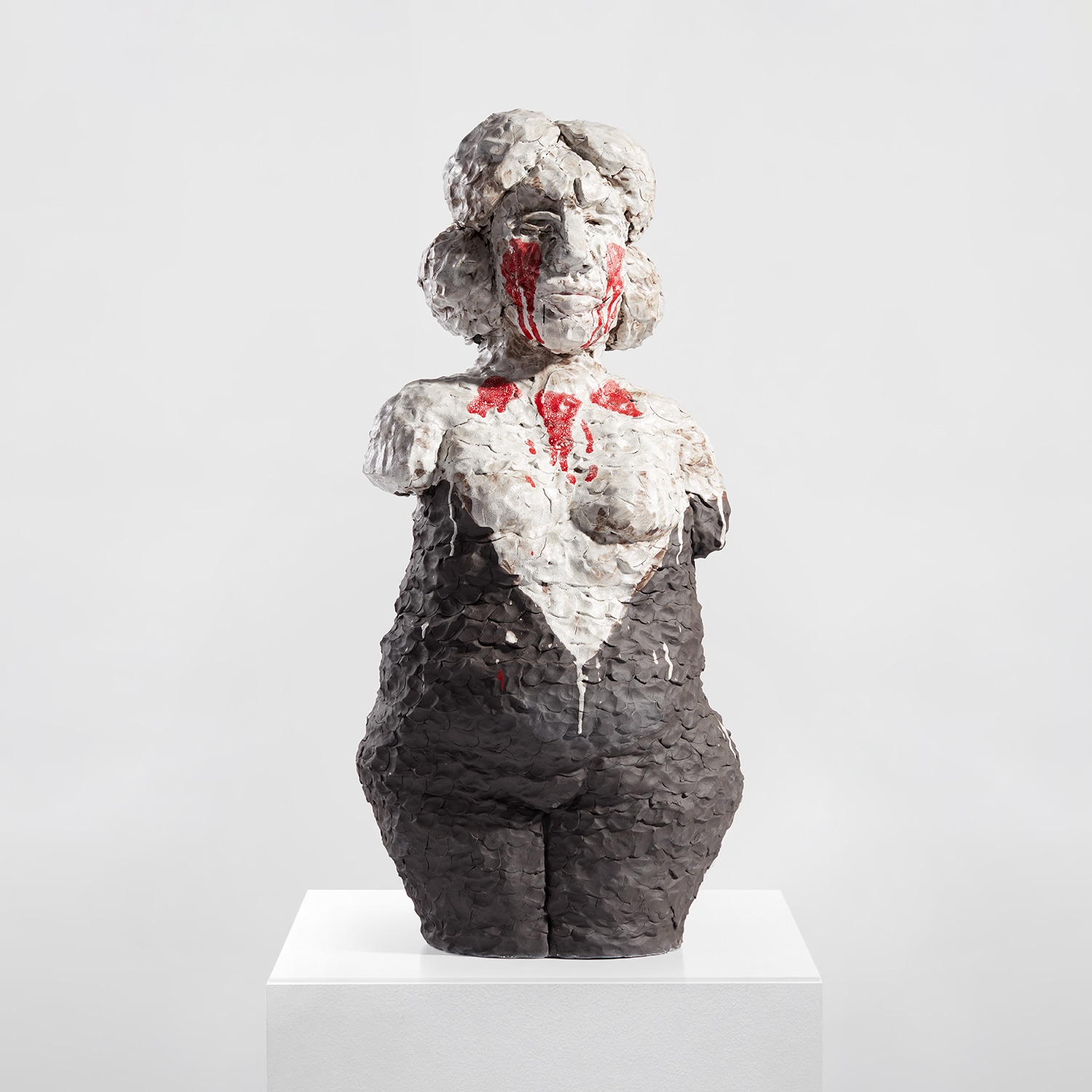
Tammy Nguyen
Northeast Storm and the Young King
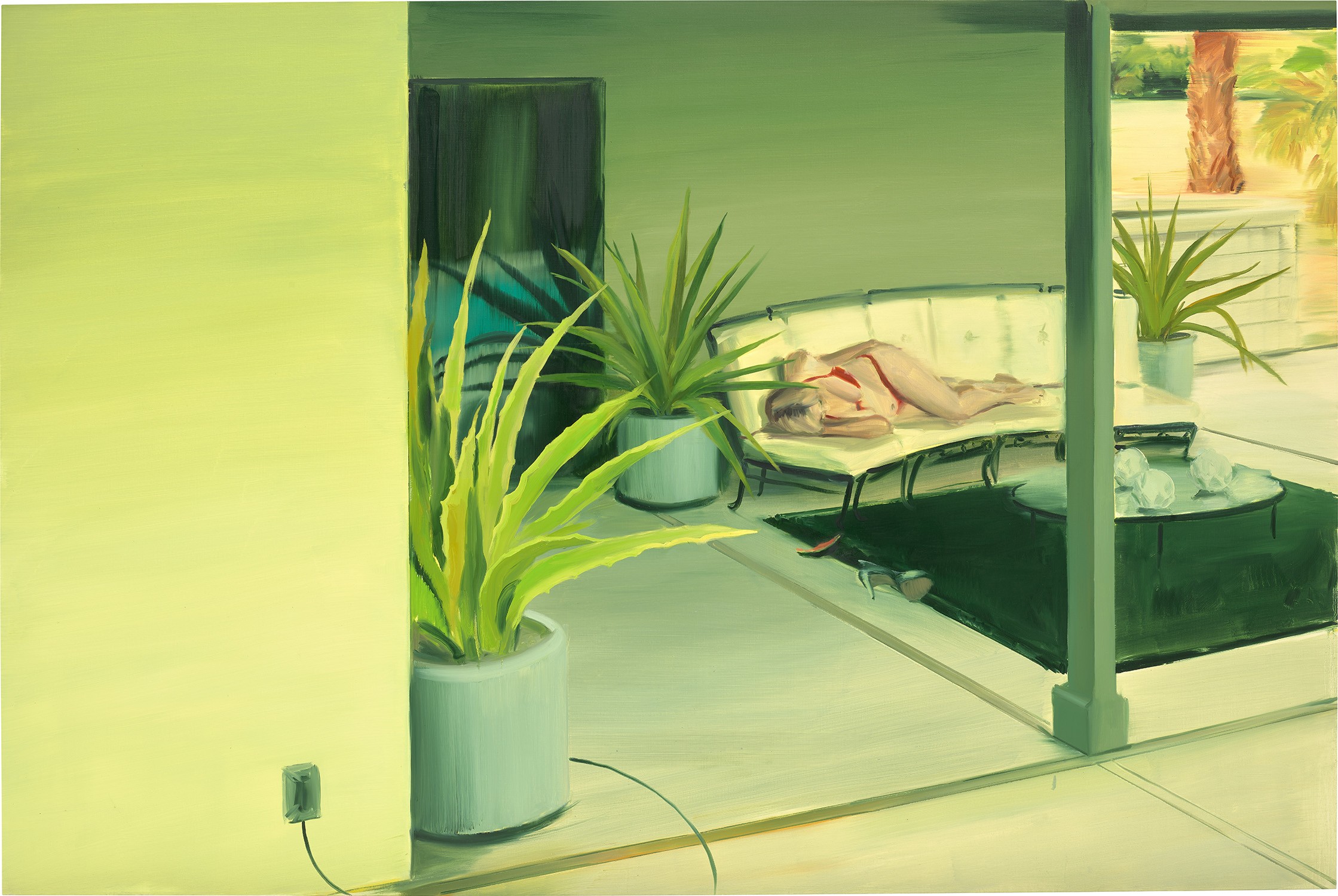
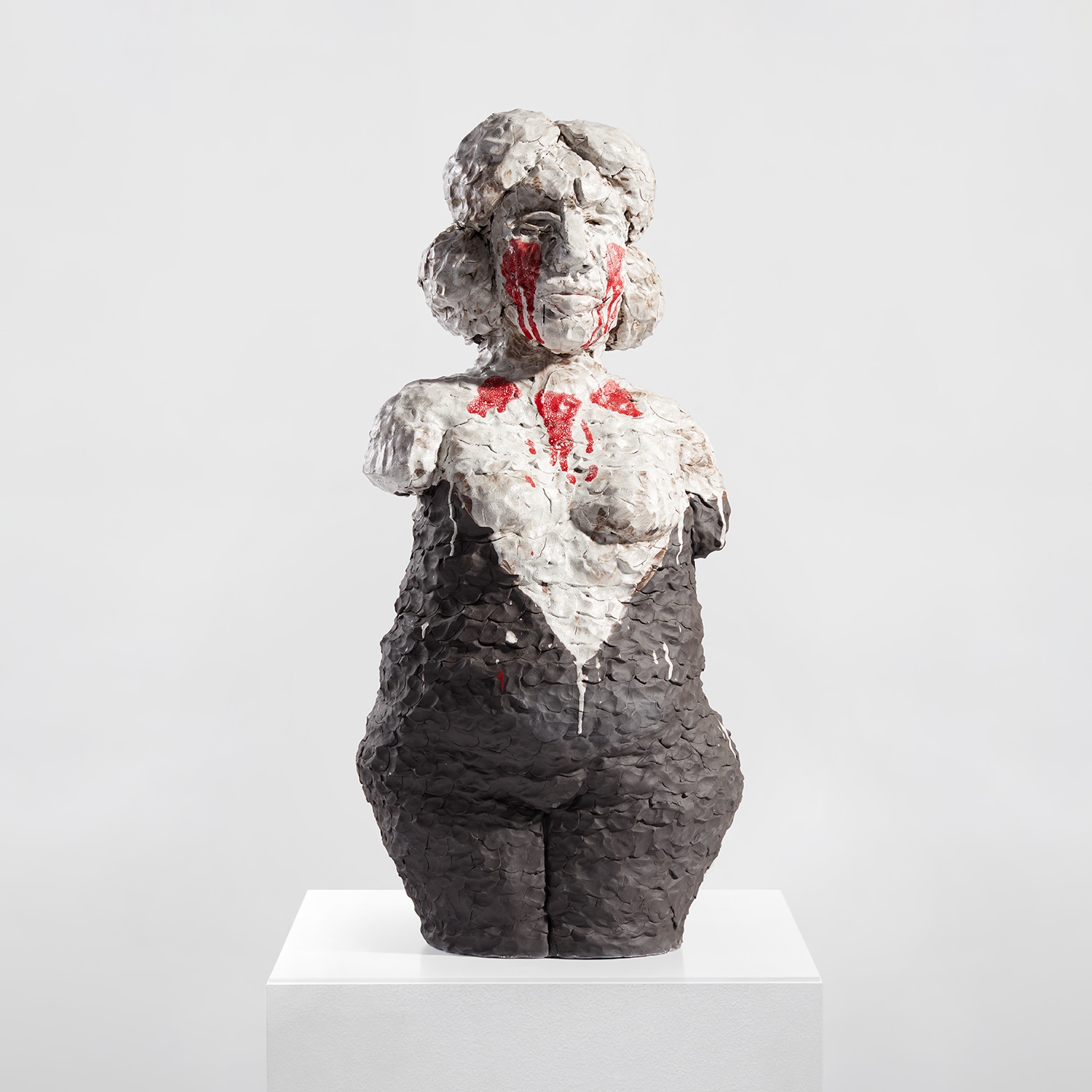
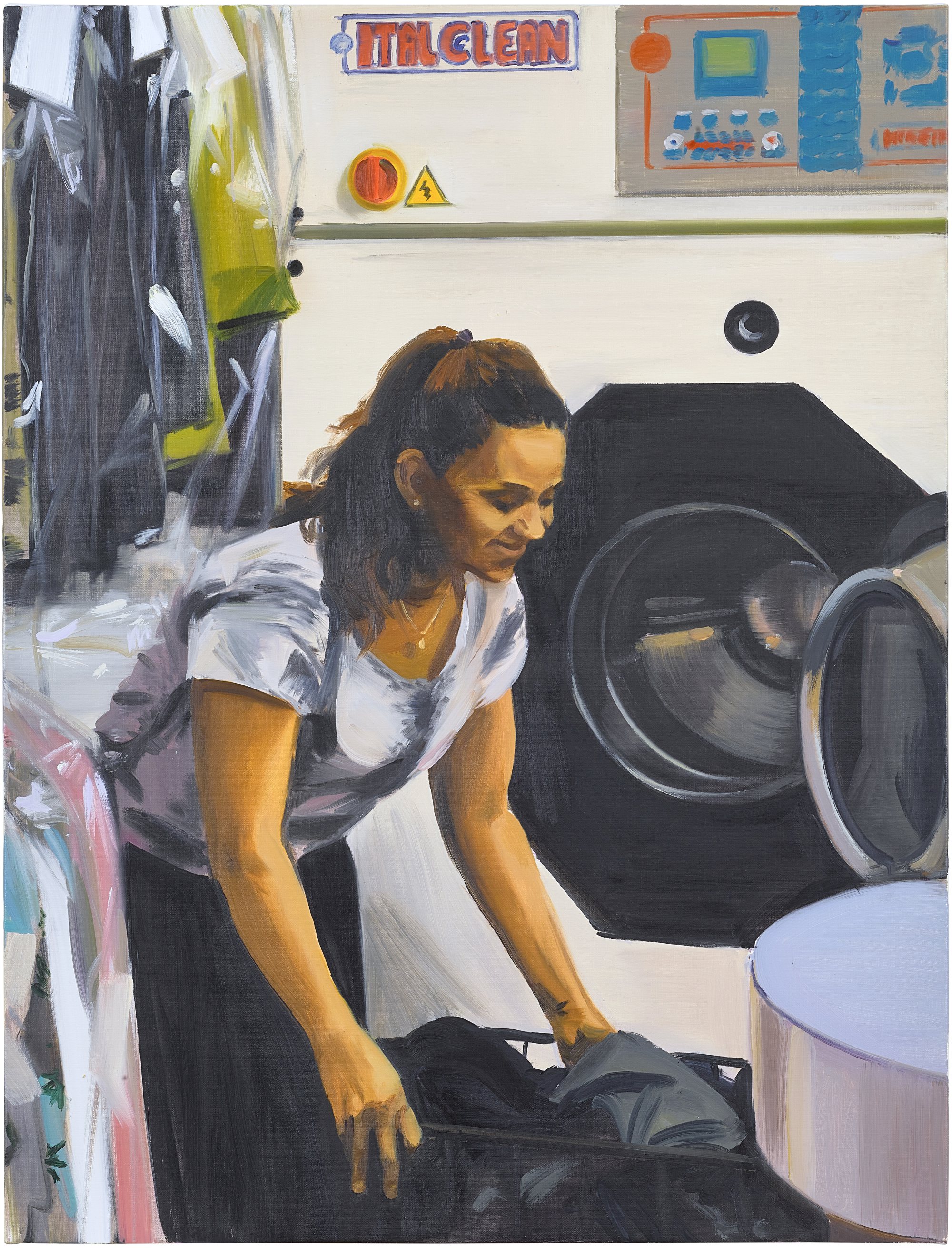
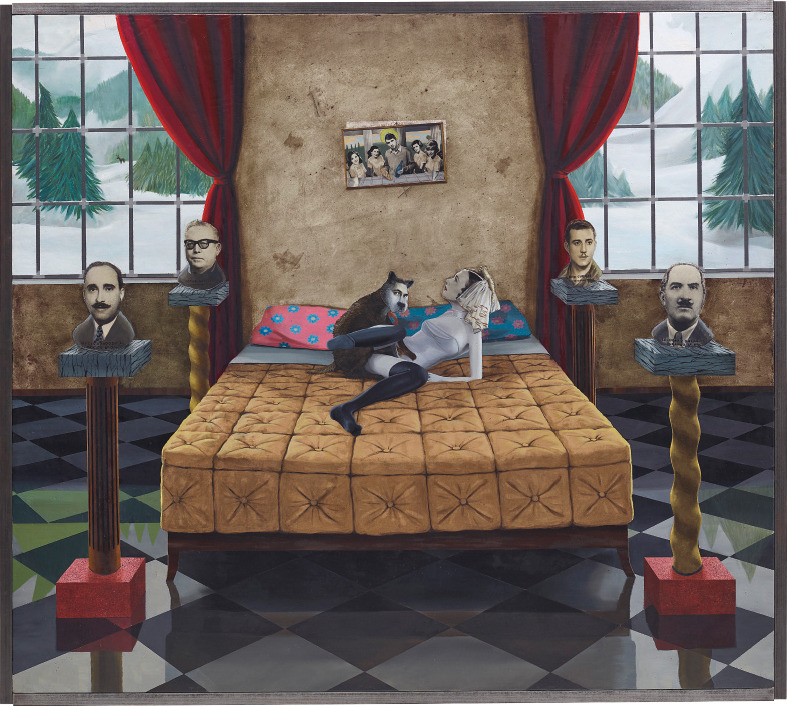
Eleanor Swordy brings an unsettling psychological precision to her figurative work that feels genuinely original rather than derivative of the painters who have shaped the current moment. Gino Rubert, the Barcelona based painter whose small scale figurative work carries an almost fable like narrative compression, has a European following that has not yet fully translated to broader international market recognition, which is exactly the kind of discrepancy that rewards patient and attentive collectors. Caroline Walker's large scale figurative paintings of women in domestic and institutional interiors work within a tradition that has serious historical weight, and her rigorous formal intelligence elevates the work well beyond the sociological reading it sometimes receives in critical coverage. At auction, narrative figuration has been one of the more consistently interesting categories to follow over the past decade.
Works by Ghenie have achieved significant results at Christie's and Phillips, with his larger paintings regularly outperforming estimates in ways that have attracted speculative attention alongside genuine collecting interest. The challenge with any category that achieves this kind of market heat is separating the signal from the noise, and the most reliable signal in figurative painting tends to be institutional validation combined with genuine critical durability. Museum acquisitions matter enormously here, because they represent a form of sustained attention that is harder to manufacture than market momentum. Practically speaking, narrative figurative works on canvas require the same diligent condition attention as any painted surface, but there are specific concerns worth raising with a gallery before purchase.
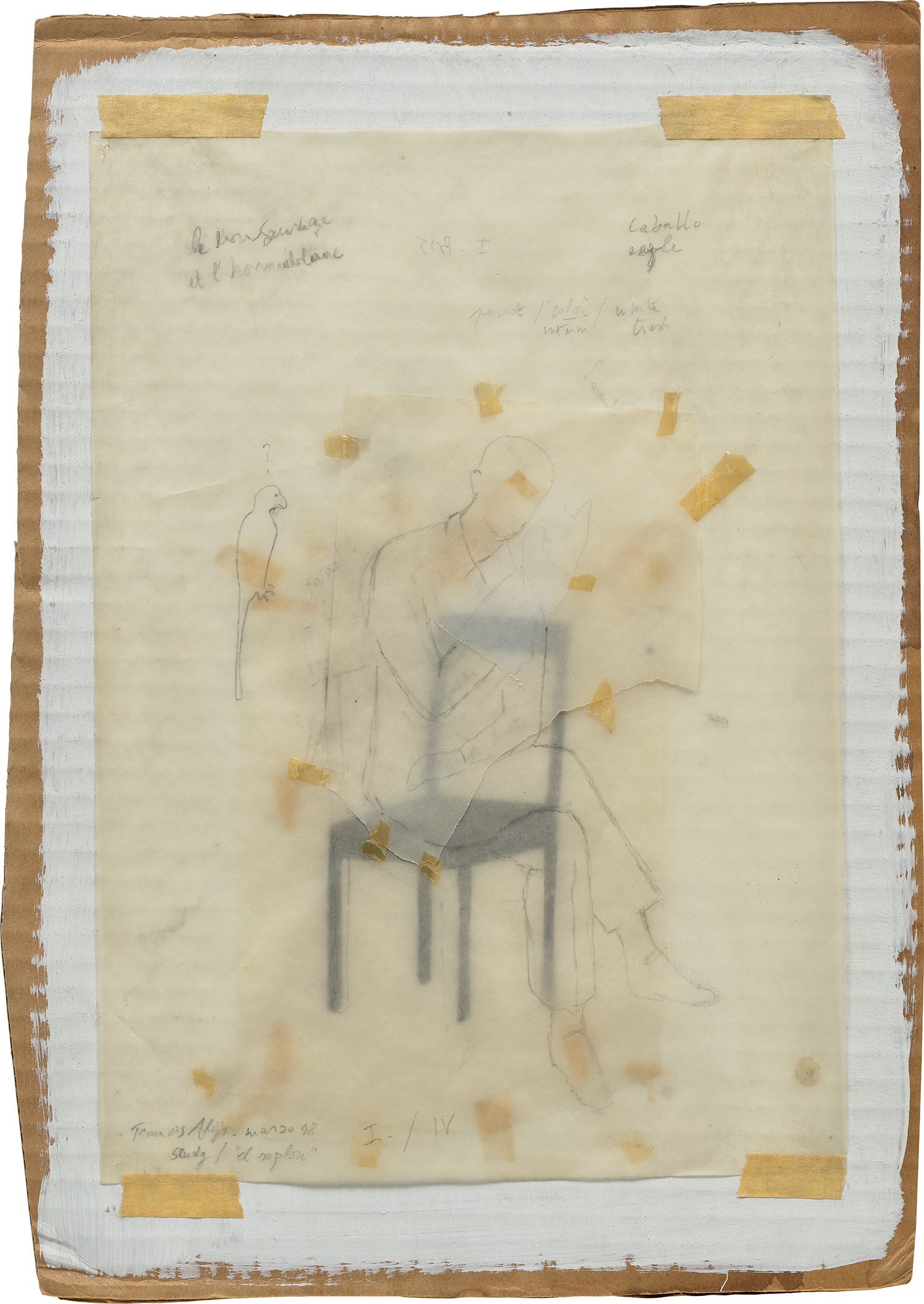
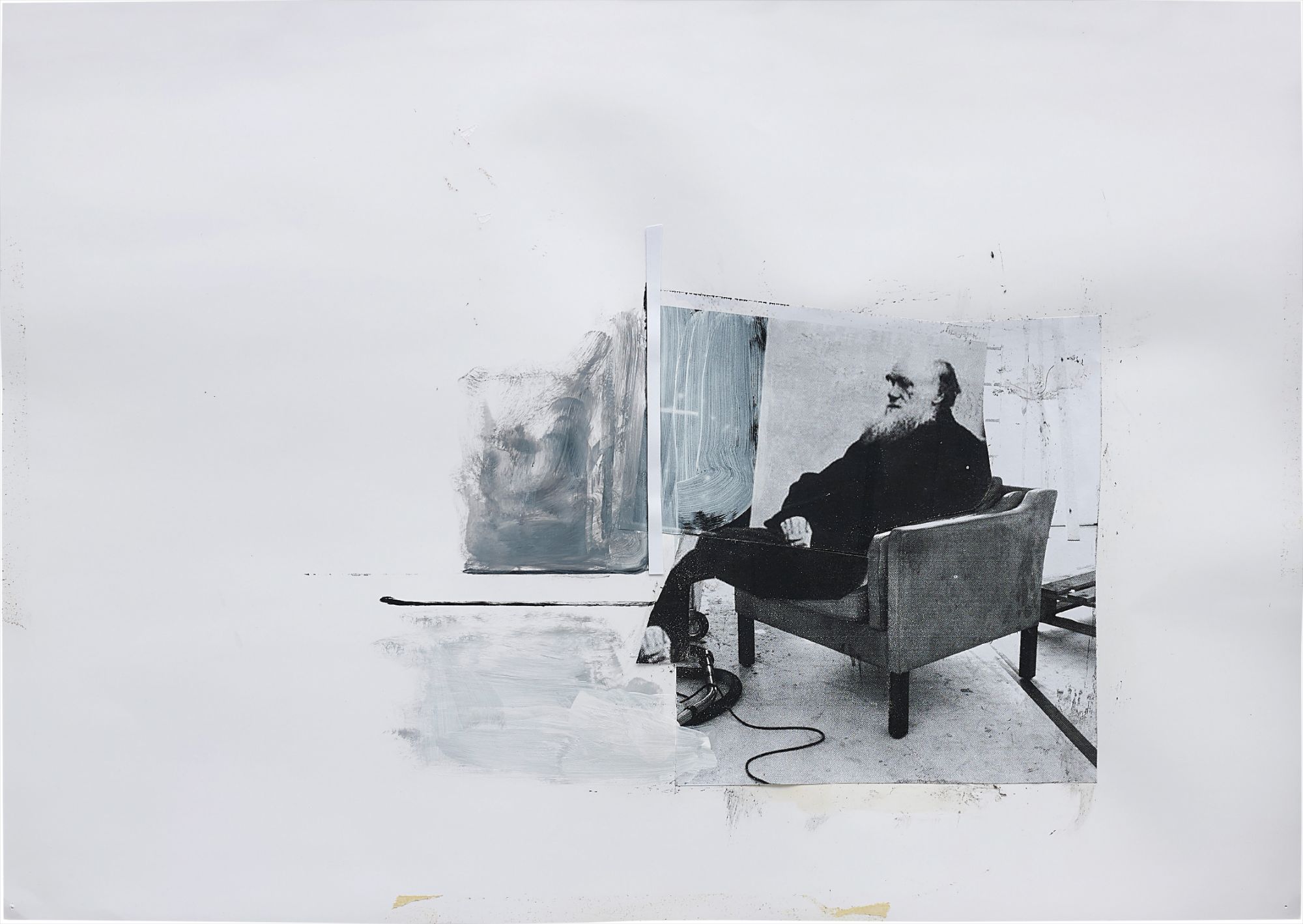
Francis Alÿs
Study for "El Soplon", 1997
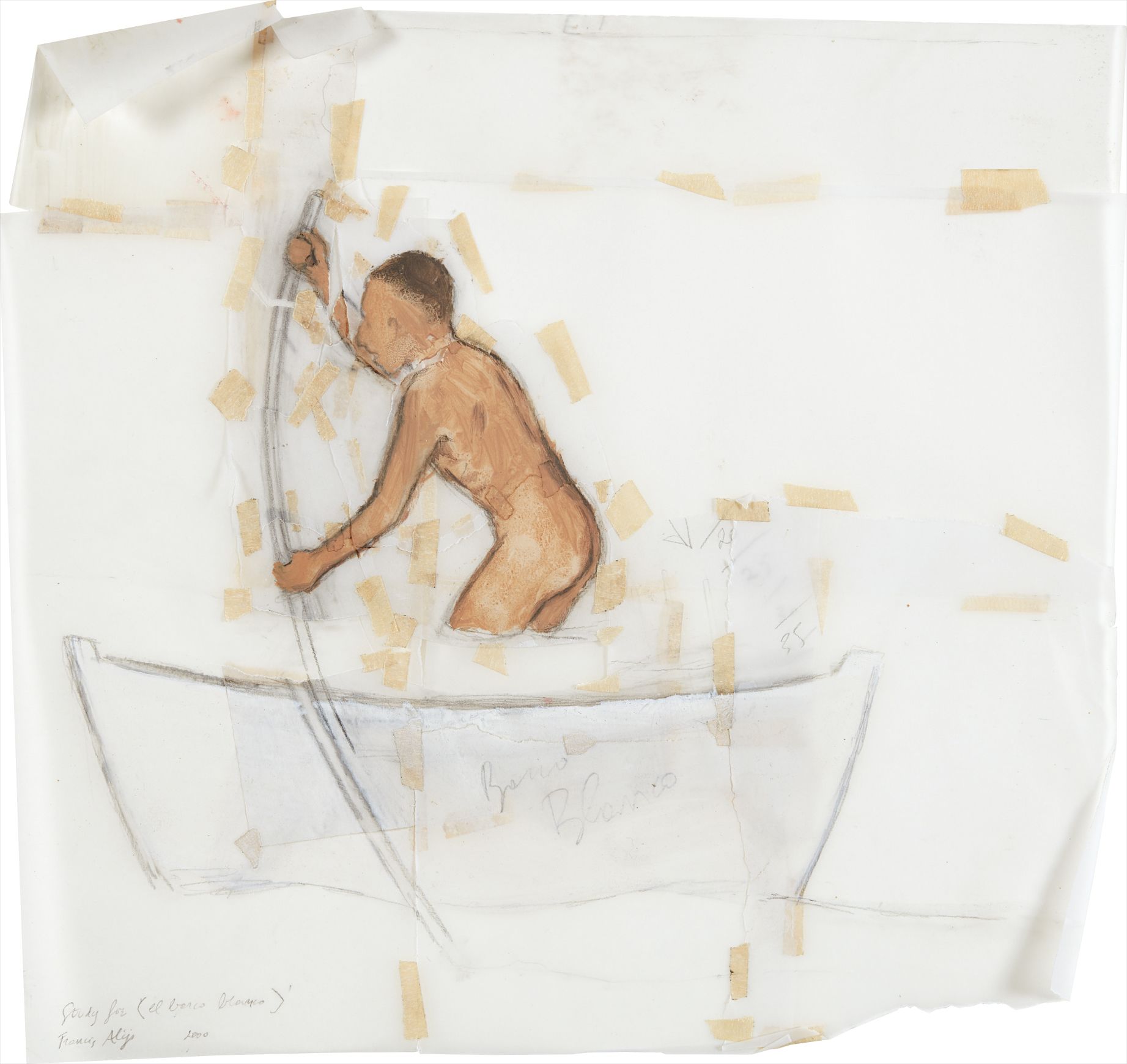
Ask directly about the support, about whether there are any known areas of paint loss or previous restoration, and about how the work has been stored and transported. For artists who work on paper as part of their practice, as Francis Alÿs does in ways that are central rather than supplementary to his overall output, ask whether the work has been framed with acid free materials and whether it has had any significant light exposure. Unique works will almost always carry stronger long term value than editions in this category, because the narrative power of a figurative painting is inseparable from its singularity. The story a painting tells you feels different when you know it is being told only to you.