Irish-American Artist
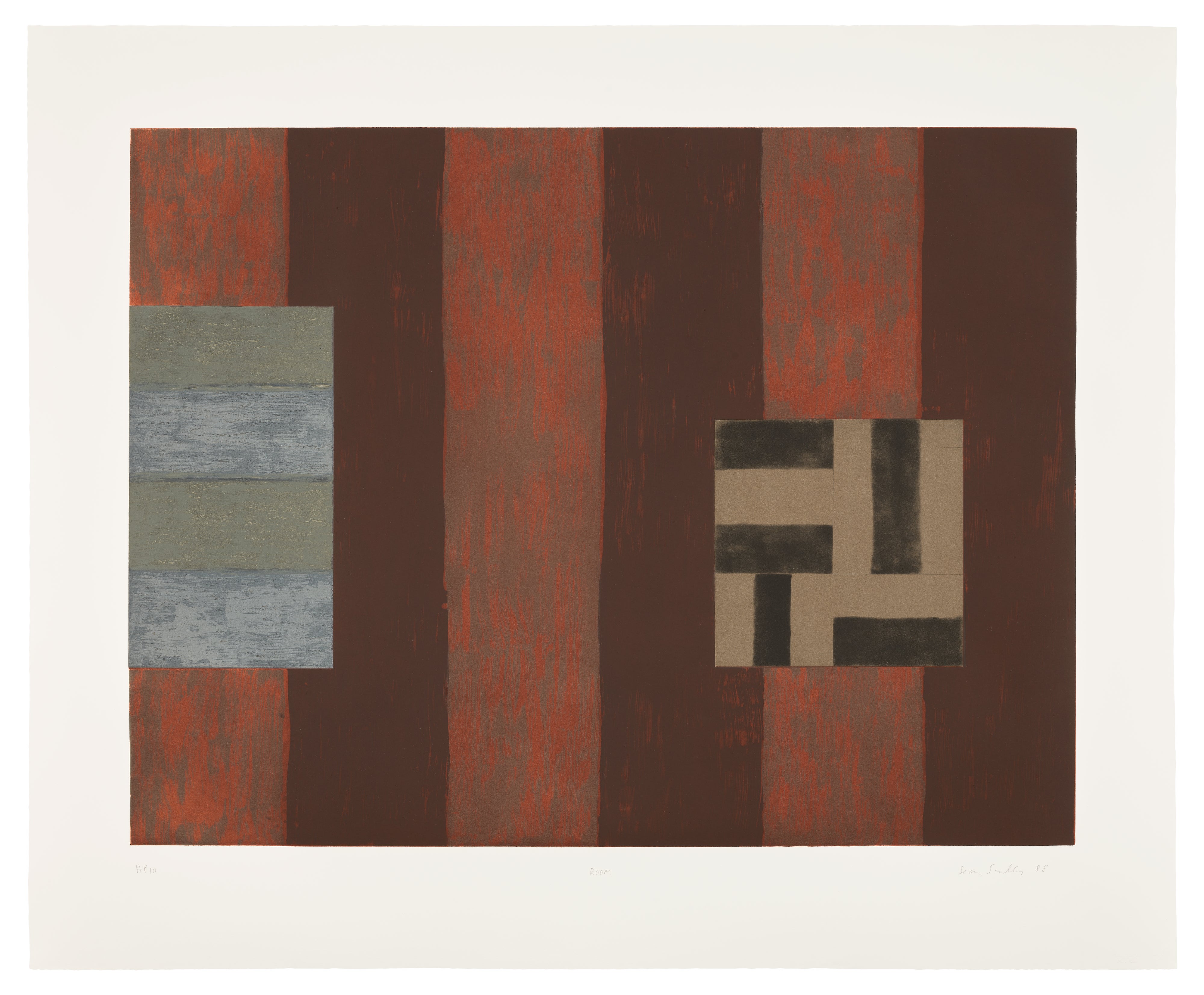
Sean Scully
Room
Between Two Shores, One Singular Vision
There is something particular about the artistic imagination that forms at the intersection of two cultures, especially when one of those cultures carries the weight of diaspora, displacement, and a mythologized homeland. Irish American artists have long occupied a rich and restless creative space, drawing simultaneously on the intellectual traditions of Europe and the expansive freedoms of American modernism. The results have been some of the most searching, formally rigorous, and emotionally charged works in contemporary art. To look at this lineage is to understand how identity, when it refuses easy resolution, becomes the very engine of aesthetic invention.
The story of Irish artists in America is inseparable from the history of immigration itself. The mass exodus following the Great Famine of the 1840s reshaped both Ireland and the United States in ways that reverberated through generations. By the early twentieth century, Irish Americans had established themselves across every layer of cultural life in cities like New York, Boston, and Chicago, though the fine arts took longer to claim as their own territory. It was the postwar period, with its explosion of Abstract Expressionism and the emergence of New York as the undisputed center of the art world, that created conditions in which artists of Irish heritage could truly come into their own on the international stage.
Sean Scully
Room
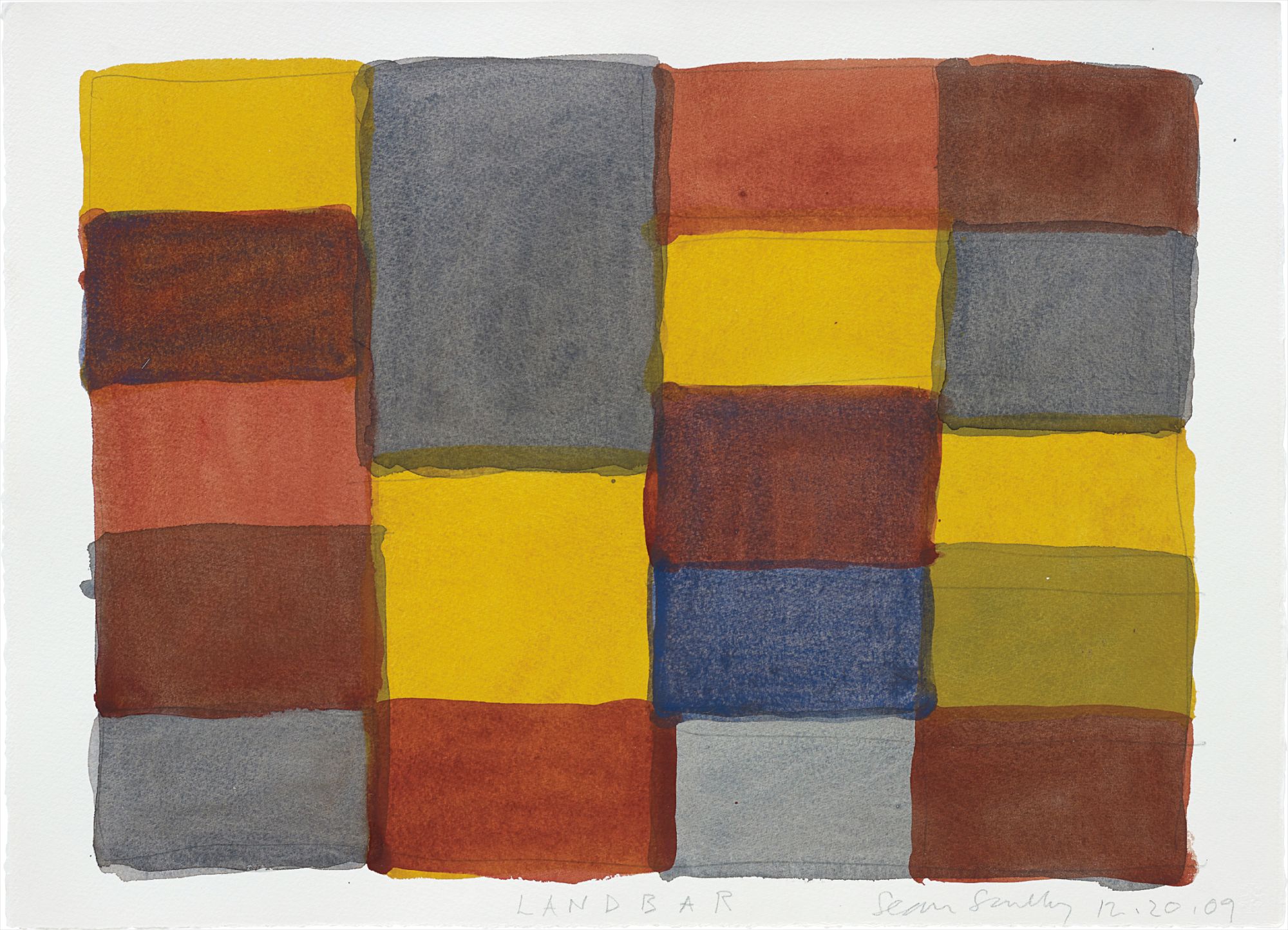
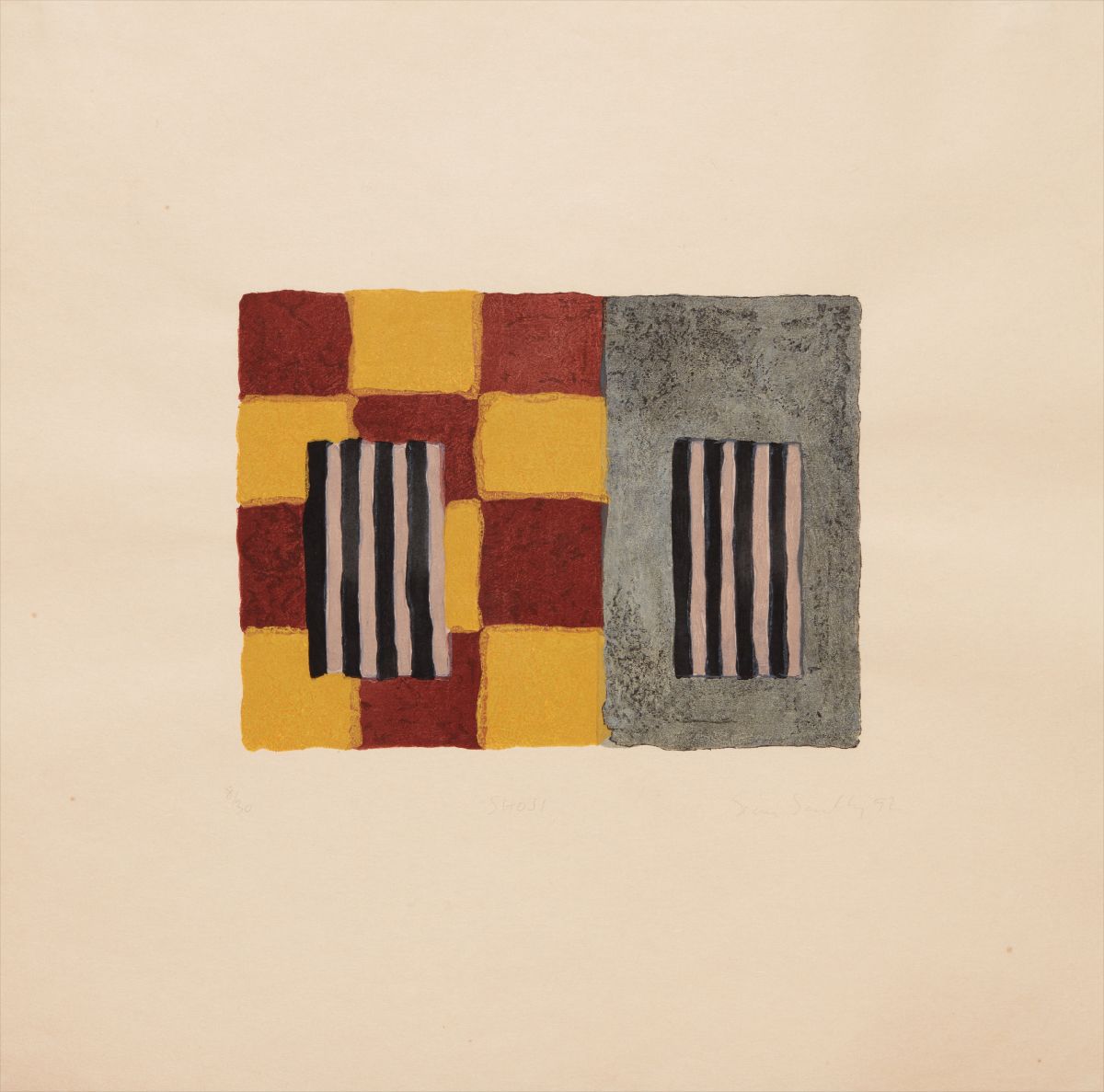
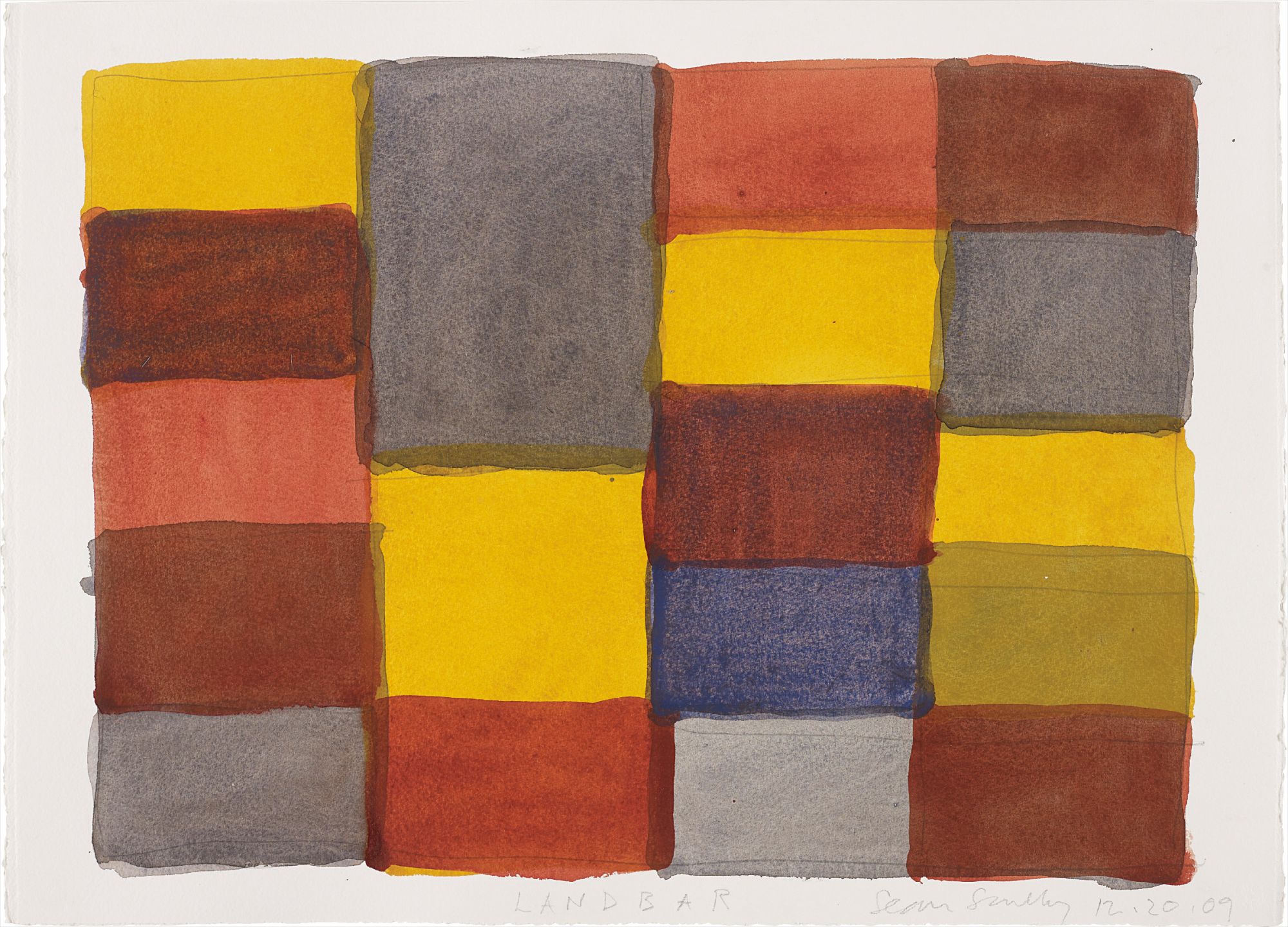
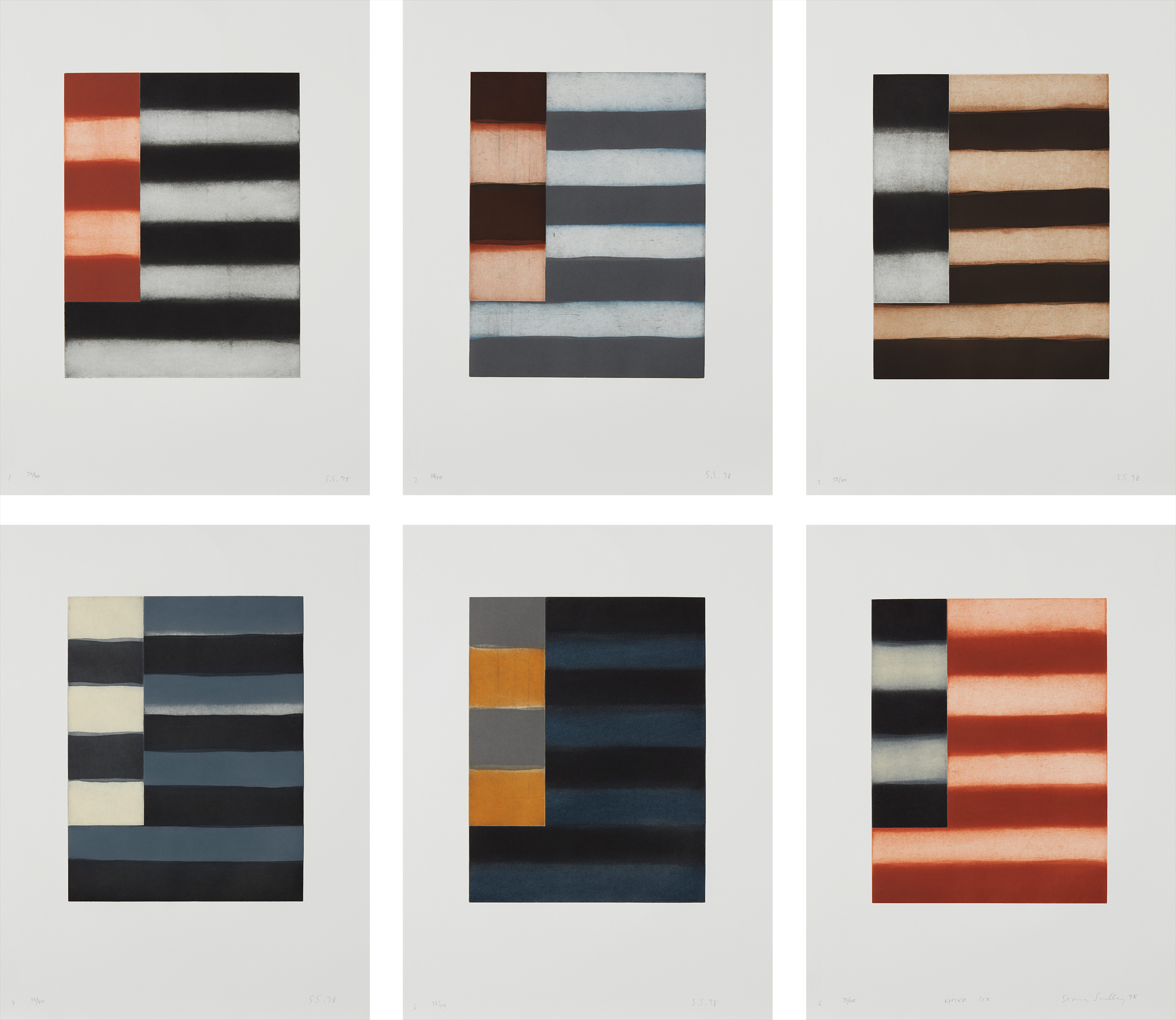
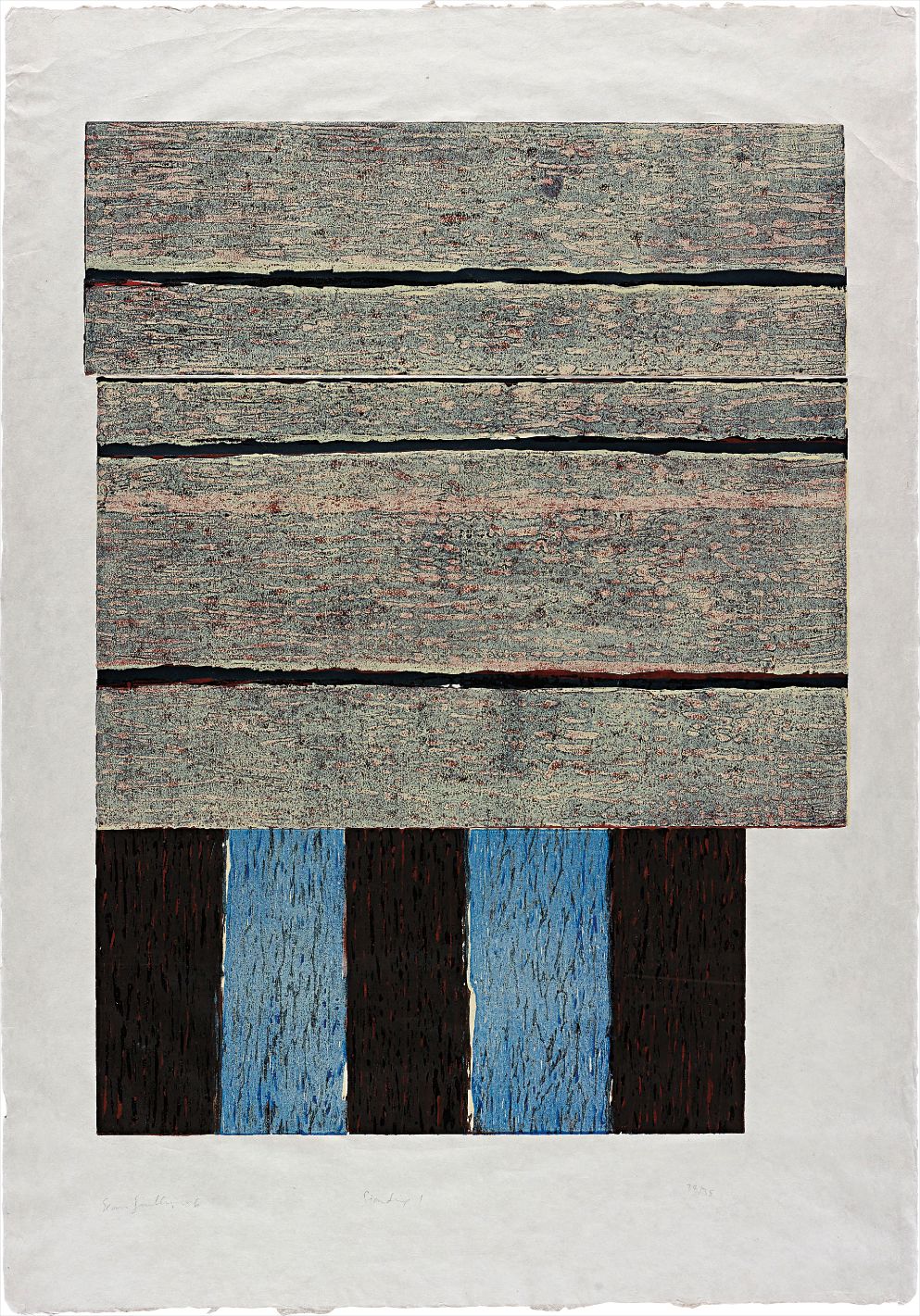
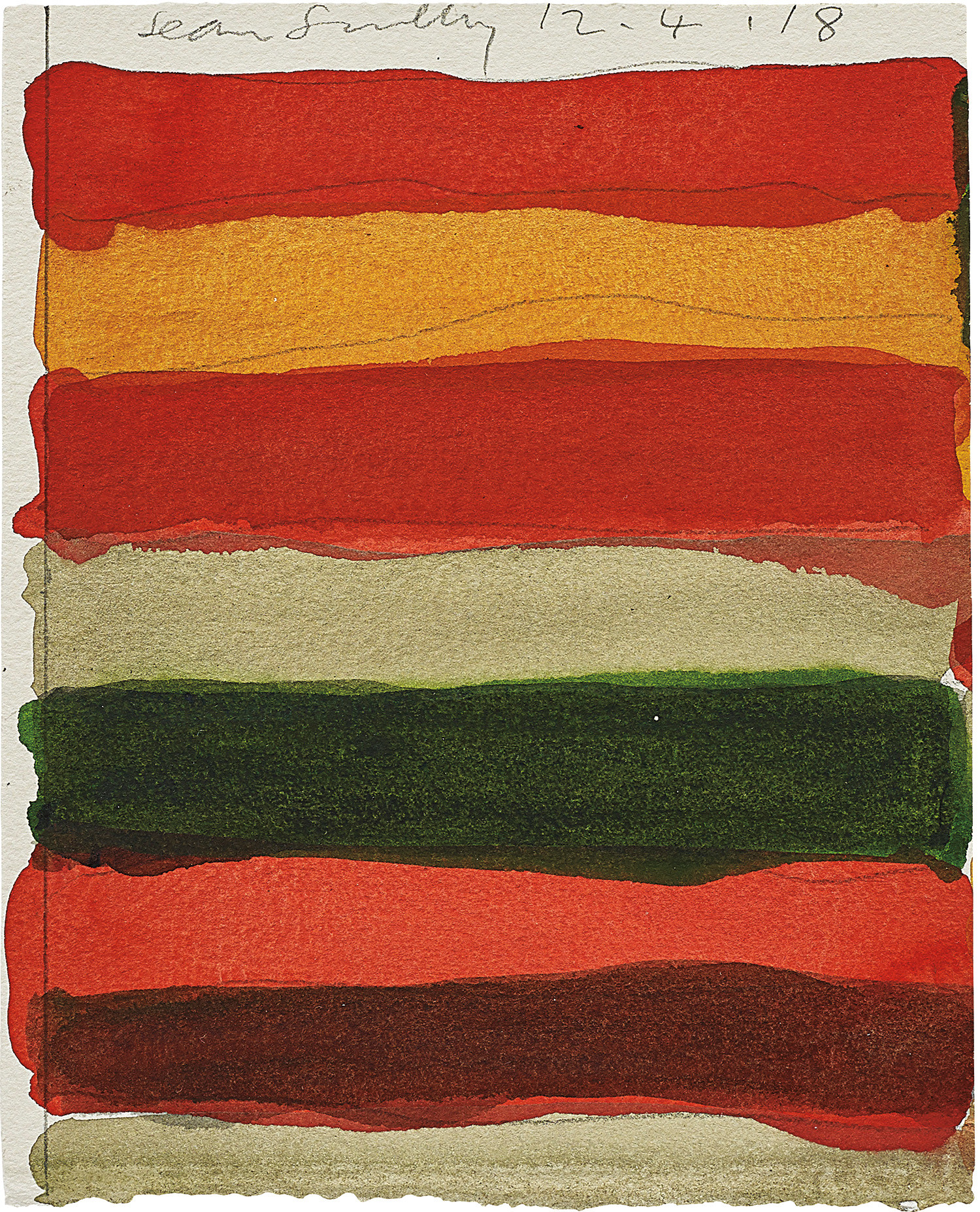
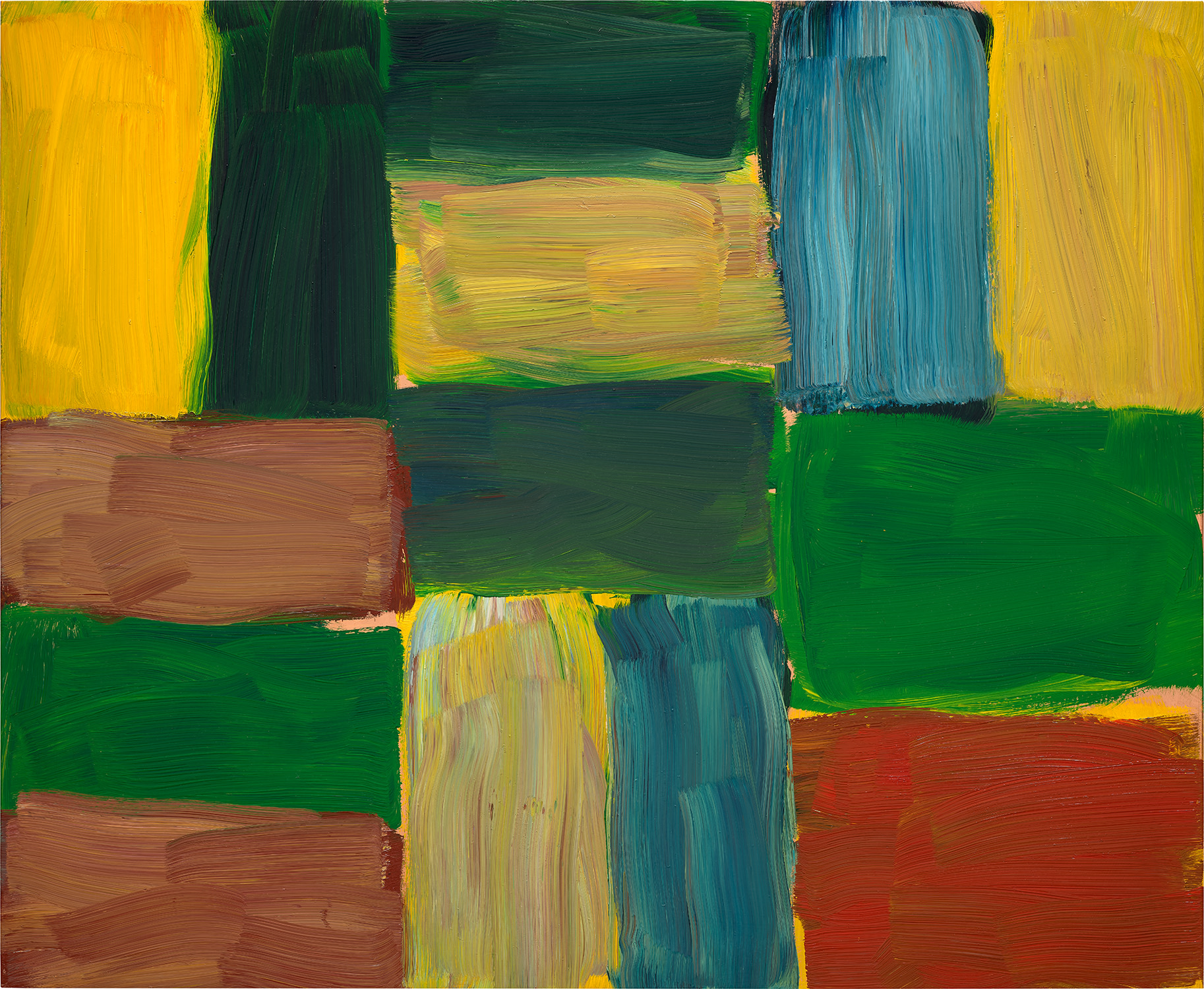
The energy of that moment, raw and ambitious, suited a sensibility shaped by centuries of lyrical resistance. No figure better embodies the culmination of this tradition than Sean Scully, who stands among the most significant painters working anywhere in the world today. Born in Dublin in 1945 and raised in London before relocating to New York in 1975, Scully absorbed the lessons of Abstract Expressionism and the discipline of geometric abstraction and forged from them something entirely his own. His signature language of interlocking bands of color, built up in thick, sensuous layers of oil paint, carries within it the emotional weight of his biography.
Works like the Wall of Light series, which he developed from the 1990s onward following travels to Mexico, demonstrate how rigorously formal painting can also be deeply felt, almost confessional in its relationship to light and loss. Scully is well represented on The Collection, and spending time with his work is to understand how the postwar inheritance was transformed by a consciousness formed between cultures. The Irish American experience in art is not monolithic, and one of its signal qualities is the diversity of directions in which artists have taken their cultural inheritance. Ellen Gallagher, born in Providence, Rhode Island, to an Irish father and a Cape Verdean mother, has built a practice that is among the most conceptually sophisticated of her generation.
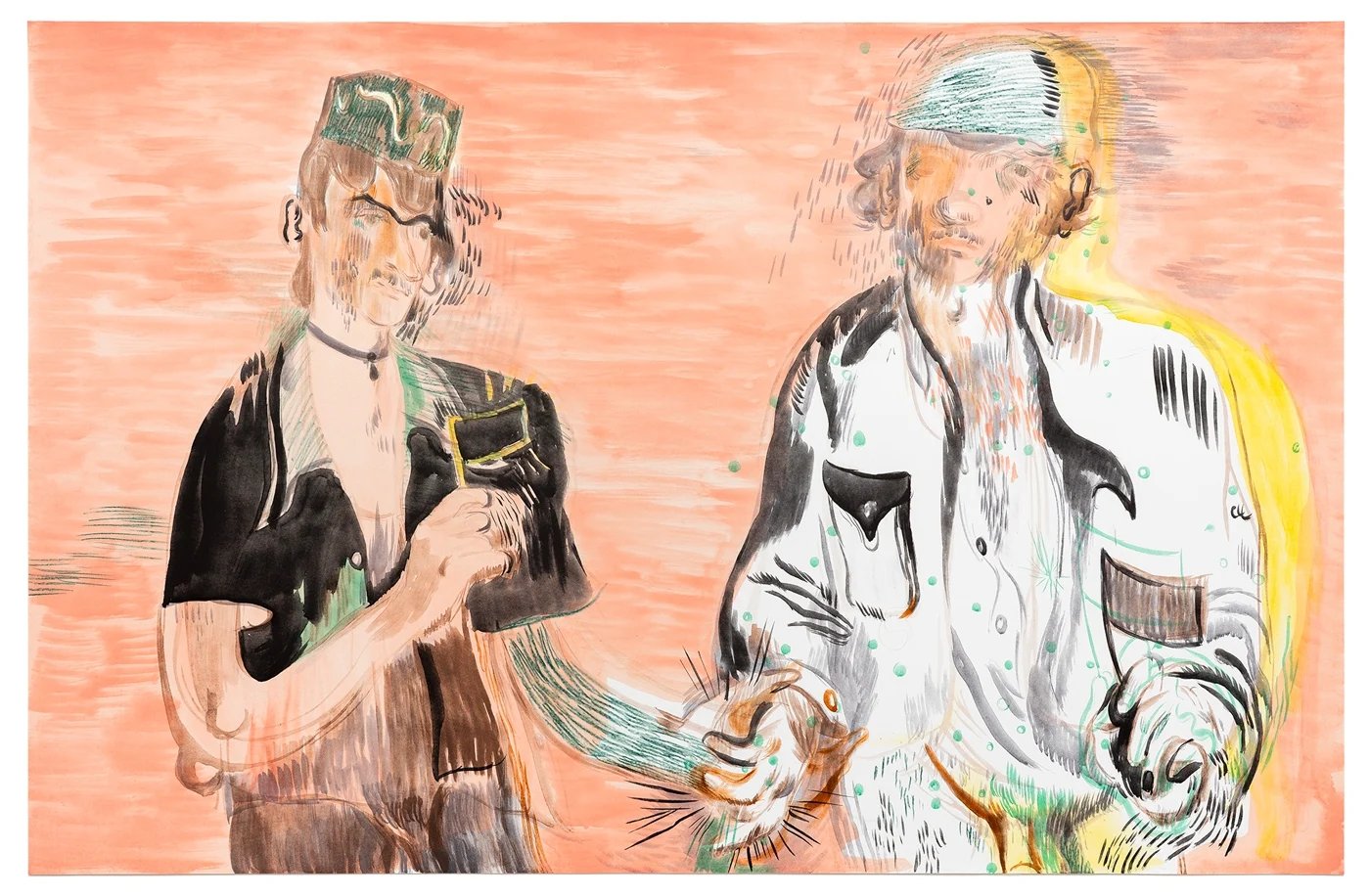
Ellen Gallagher
Ellen Gallagher
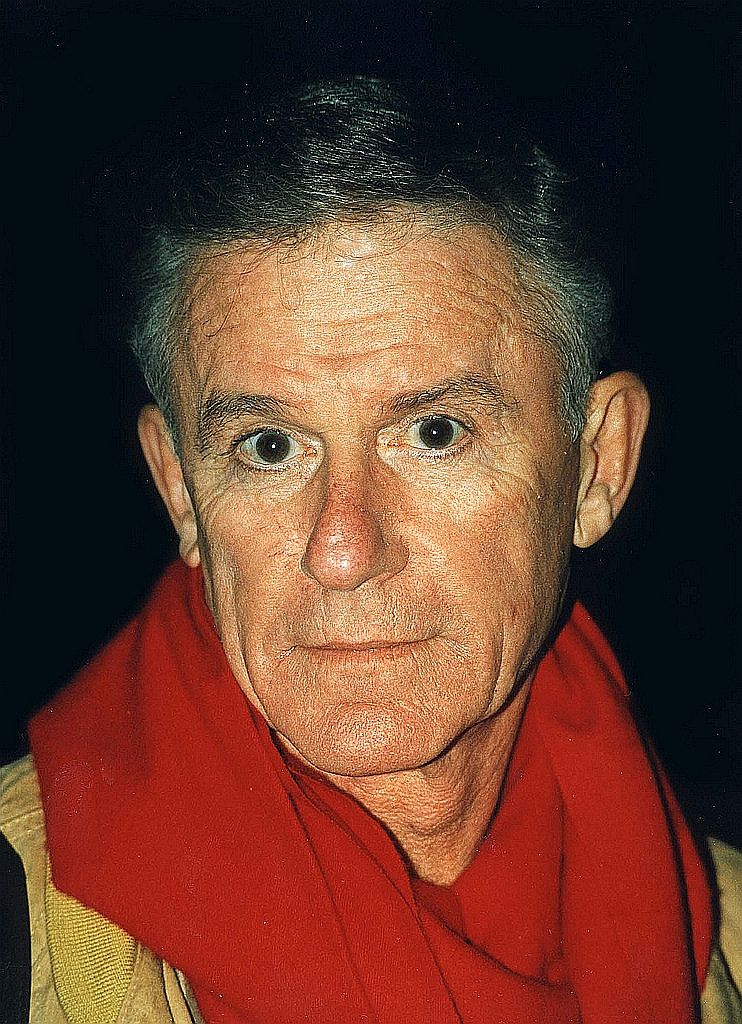
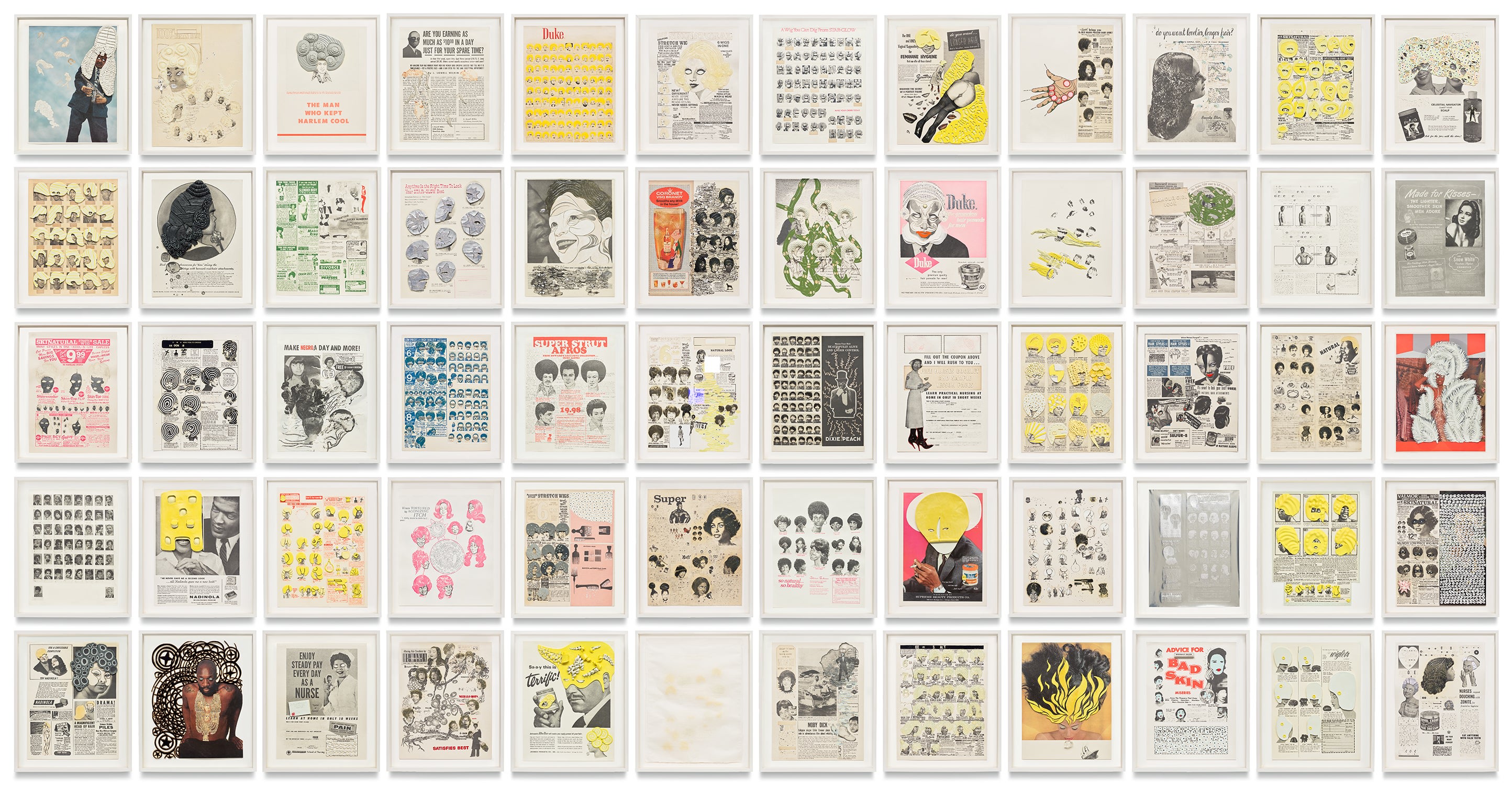
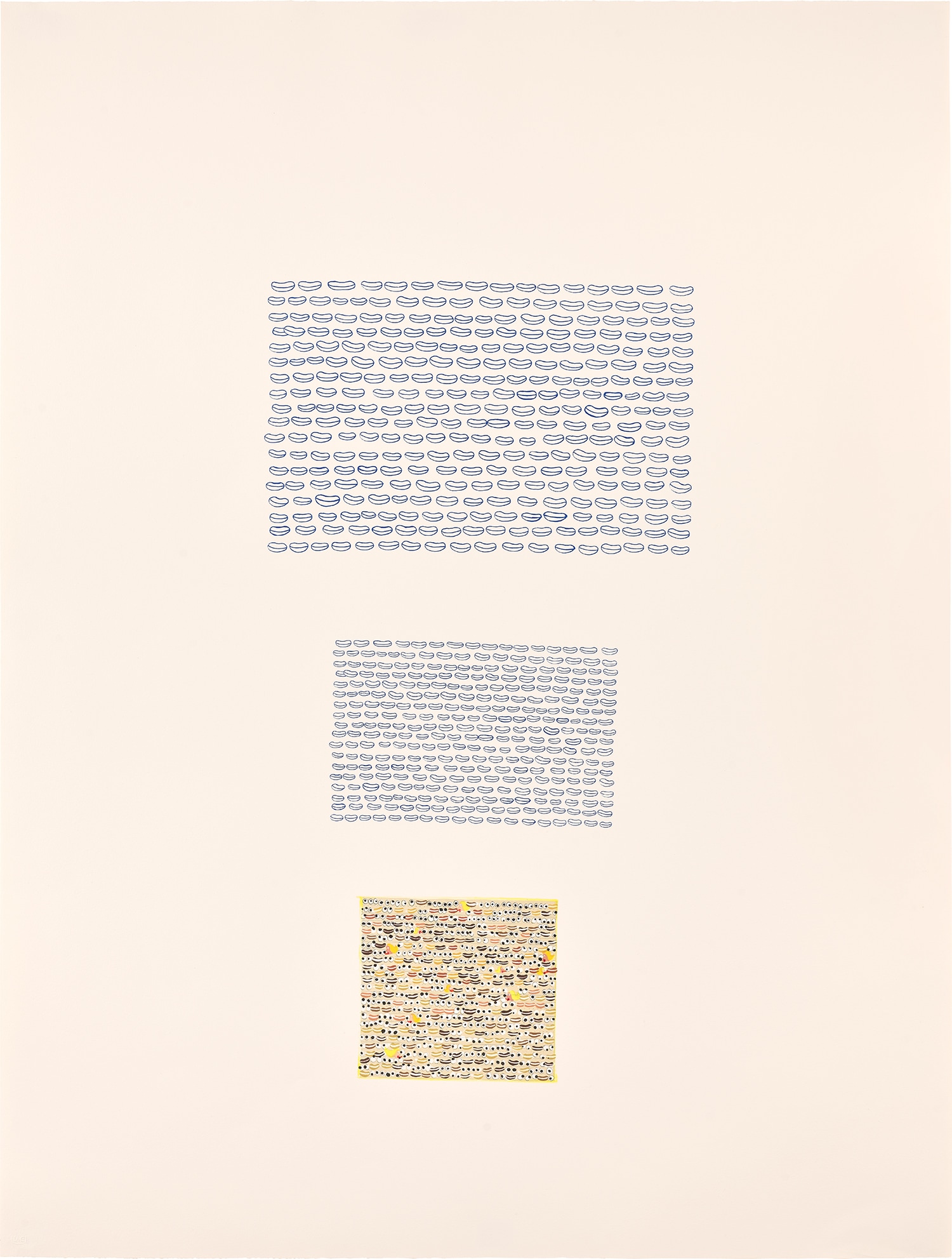
Her work reaches into the archives of American popular culture, particularly the imagery of minstrelsy and the Black press of the mid twentieth century, to excavate histories of racial formation and representation. In works like the DeLuxe series, she applies pharmaceutical blister packs, googly eyes, and layers of paint to the yellowed pages of vintage magazines, creating objects of strange beauty and deeply unsettling cultural critique. The Irish dimension of her identity is not separate from this project but woven into it, another thread in the complex fabric of what it means to exist between worlds. Roddy McDowall, known primarily as a film and stage actor, was also a devoted and serious photographer whose work built quietly into a significant body of portraiture over decades.
His photographic practice, centered on intimate images of the Hollywood luminaries he moved among, carried an outsider's attentiveness, the Irish immigrant's careful observation of a world he inhabited but could never quite take for granted. His work on The Collection offers a reminder that the Irish American creative impulse extends well beyond painting and sculpture, finding expression wherever a particular kind of seeing insists on making itself known. What unites artists as formally different as Scully, Gallagher, and McDowall is something harder to quantify than technique or subject matter. There is a quality of attention at work, a refusal to settle for surfaces, that runs through Irish literary and artistic culture and finds its American expression in work that pushes against easy resolution.
This is perhaps connected to what the scholar Luke Gibbons has described as a tradition of interpreting the world obliquely, through the strategies of indirection that colonialism and cultural pressure made necessary. Whether or not individual artists consciously locate themselves within this tradition, its traces appear in work that tends toward the layered, the ambiguous, and the emotionally charged. The broader art world has increasingly recognized the coherence and significance of this lineage. Major institutions have staged retrospectives and survey exhibitions that position Irish and Irish American artists within, rather than at the margins of, canonical art history.
The Irish Museum of Modern Art in Dublin has played a central role in this reframing since its opening in 1991, while institutions in New York and London have progressively incorporated these voices into their permanent collections and programming. The Venice Biennale has given Ireland its own pavilion since 1993, a platform that has amplified Irish artistic identity on the global stage and encouraged a generation of younger artists to engage explicitly with questions of origin and belonging. For collectors, Irish American art offers something rare in the current market: work that is historically grounded, conceptually alive, and frequently of the highest formal quality. The artists in this lineage have earned their places not through the mechanisms of trend but through the sustained pressure of genuine vision.
To collect in this space is to participate in an ongoing conversation about what it means to carry more than one history inside a single practice, and to trust that art made from that tension will continue to speak long after the cultural moment that produced it has passed. The works on The Collection gathered under this banner represent that conversation at its most compelling, and its most rewarding.