Impasto
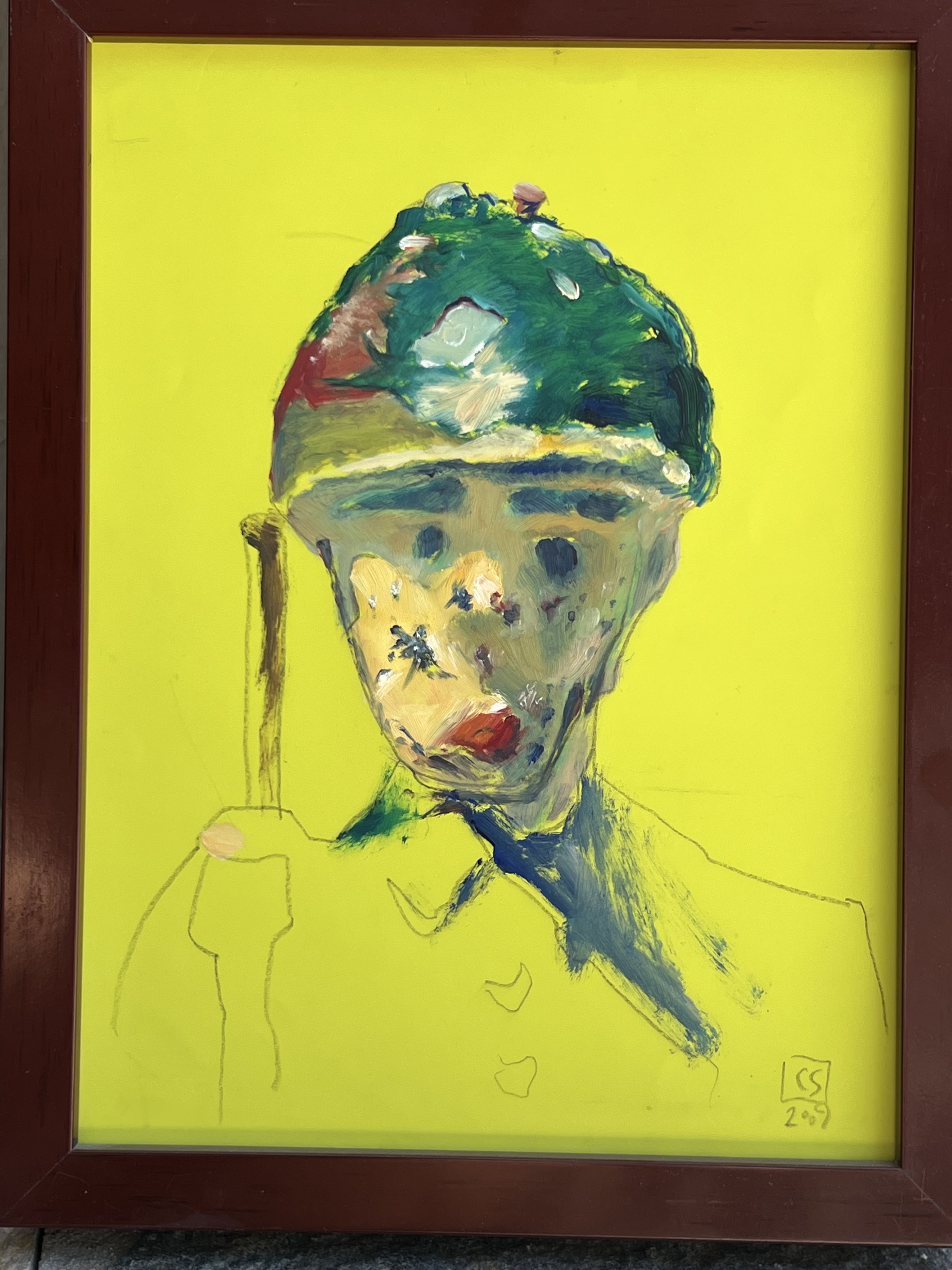
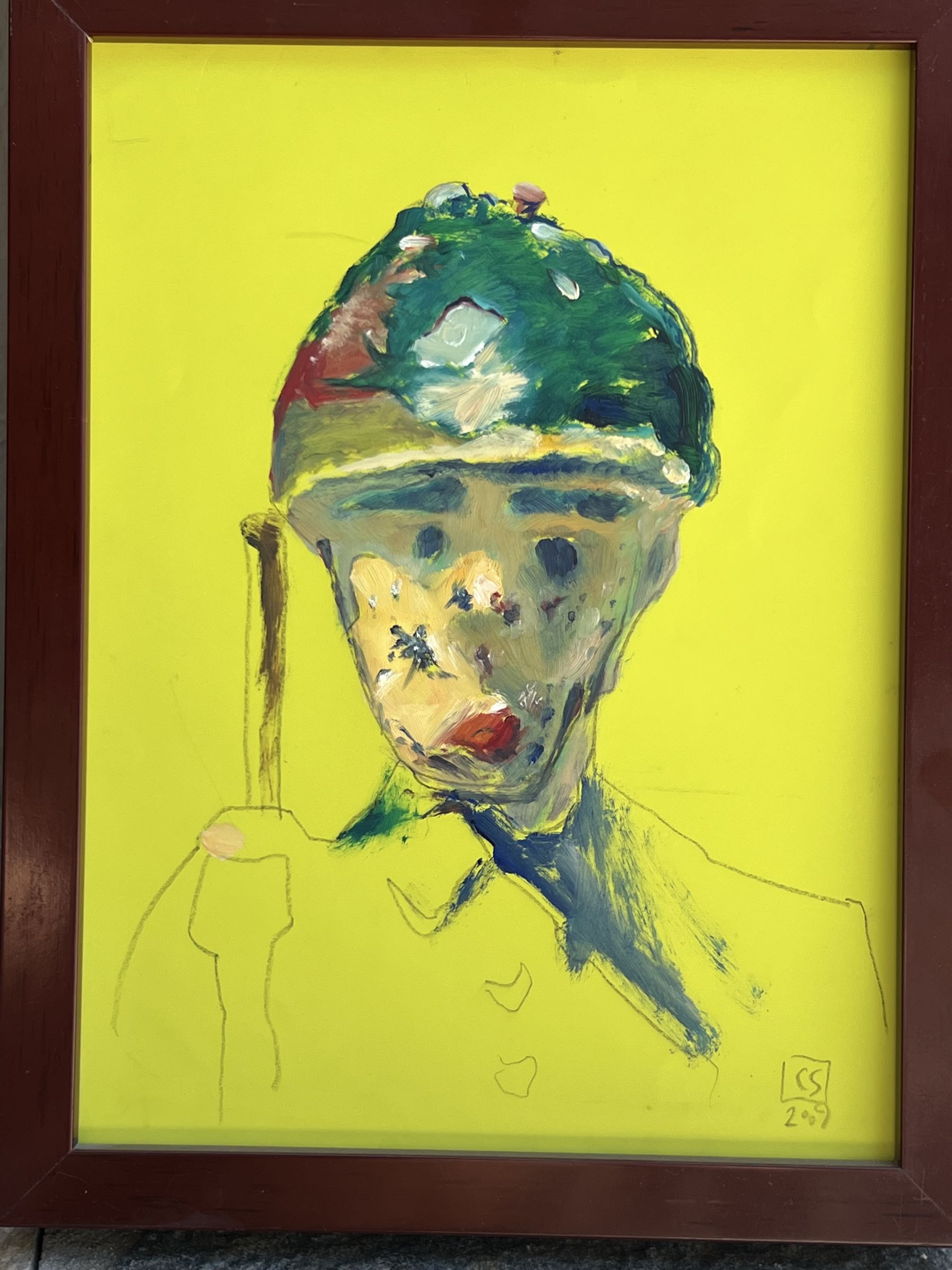
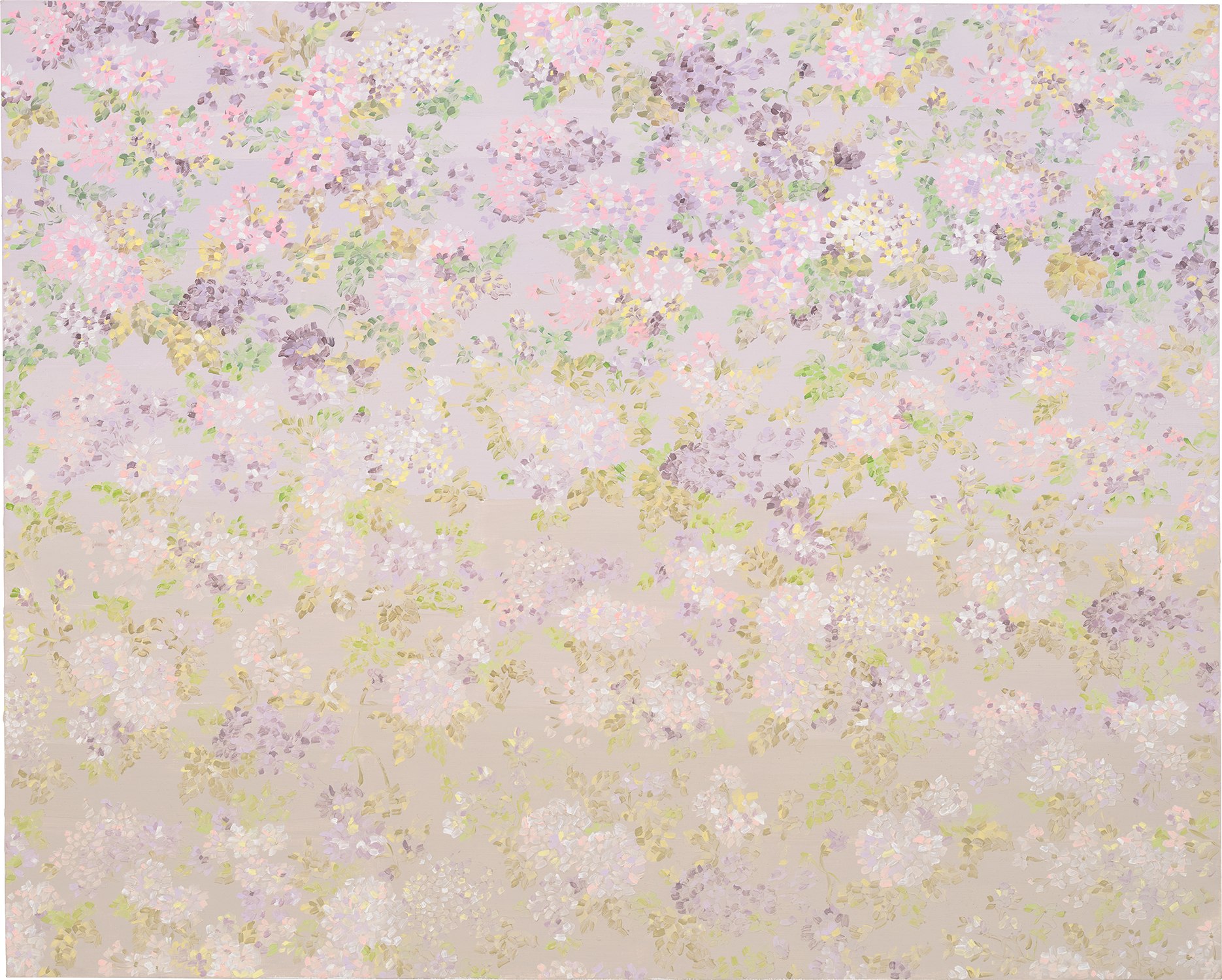
Thomas Fuhs
Untitled


The Painting You Can Almost Touch
There is something almost irrational about the pull of impasto. Before you have read the label, before you know who made it or when, the paint itself is already making an argument. It stands up from the surface. It catches the light from one angle and swallows it from another.
Living with a heavily worked painting is a genuinely different experience from living with a flat one, because the object keeps changing as you move through a room, as the day shifts, as a lamp is turned on after dark. Collectors who discover this rarely go back. The appeal is partly physical and partly psychological. There is an intimacy to thick paint that reproductions cannot communicate, which means that owning the work rather than knowing it from a screen or a catalogue carries unusual weight.
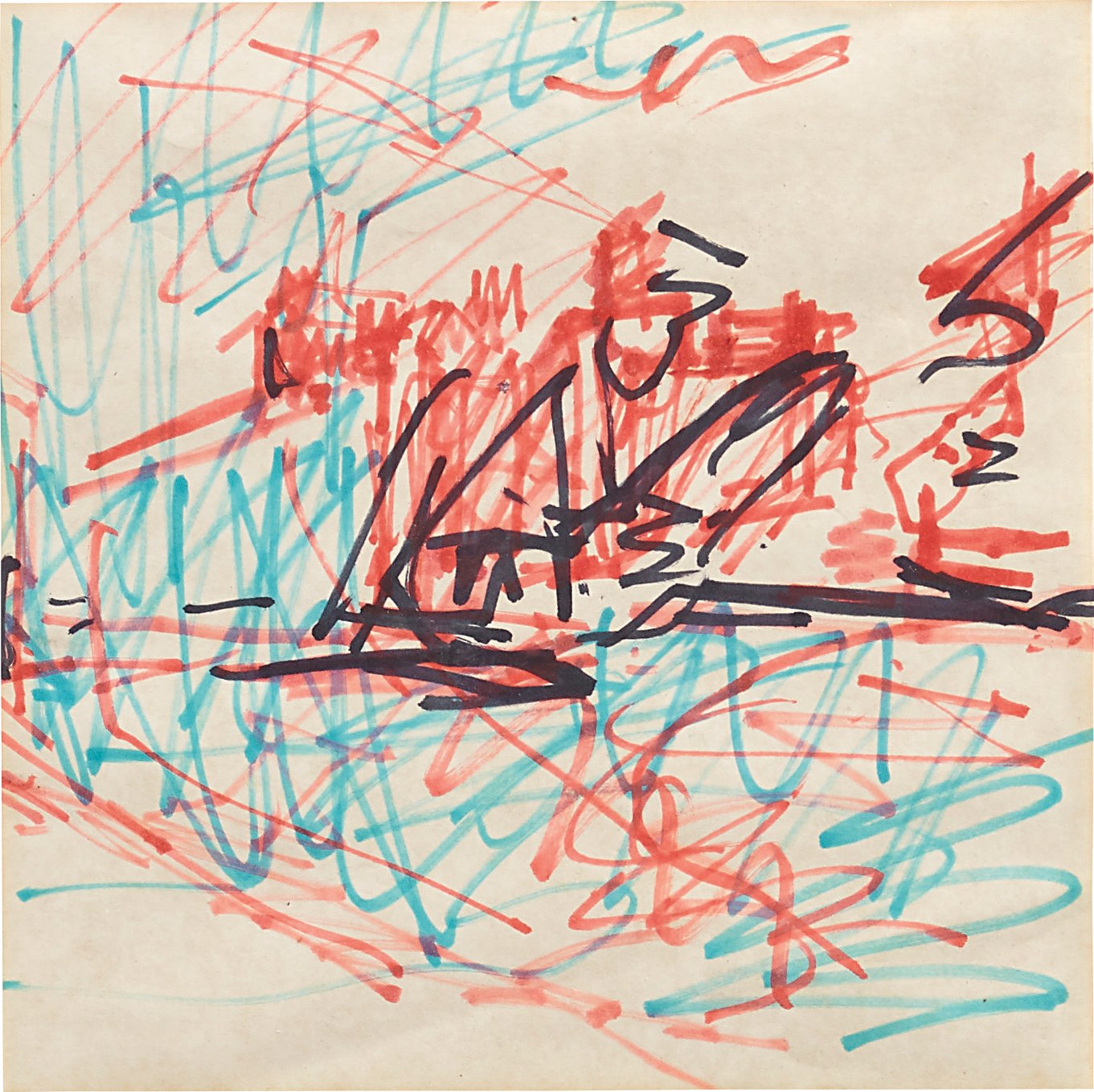
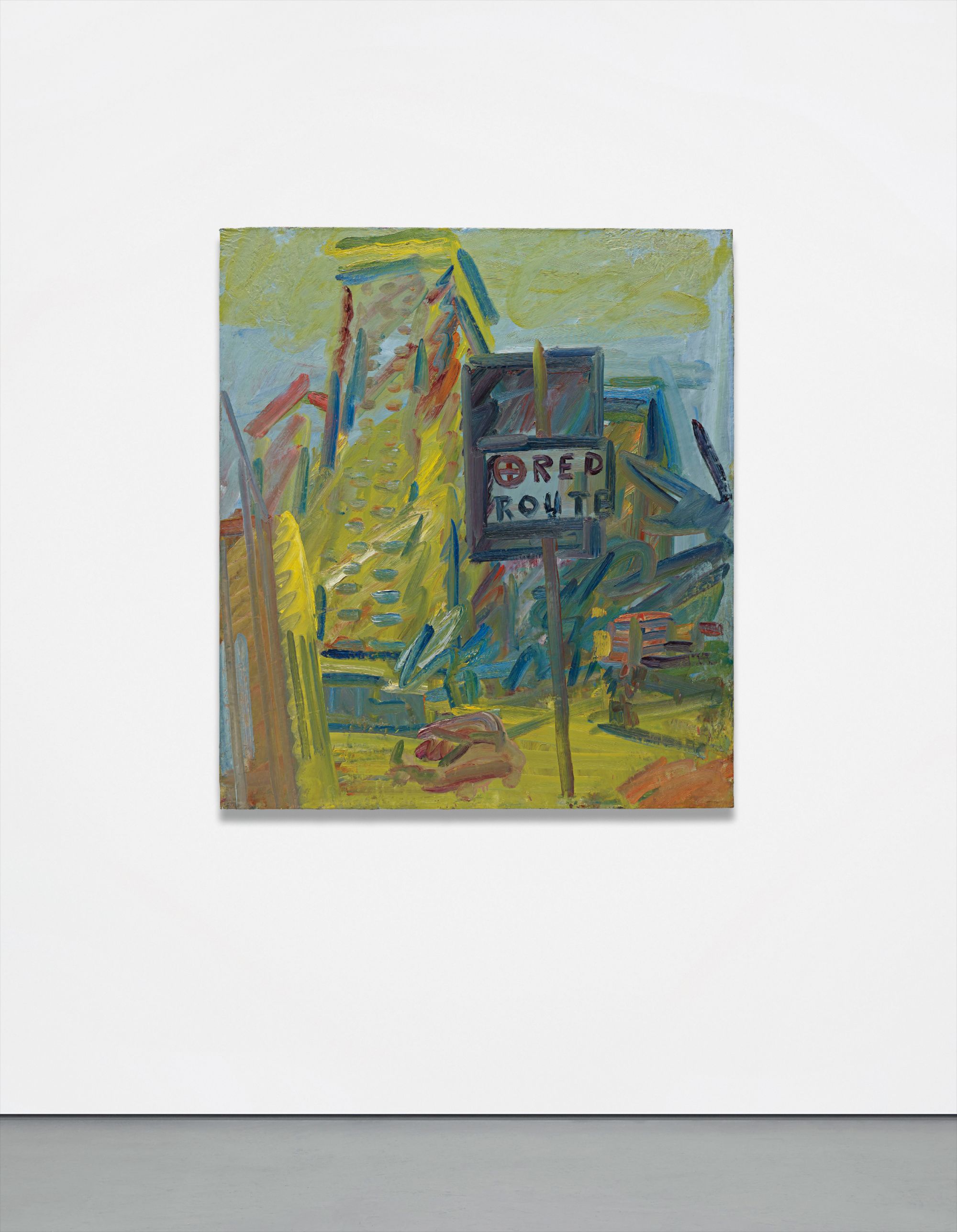
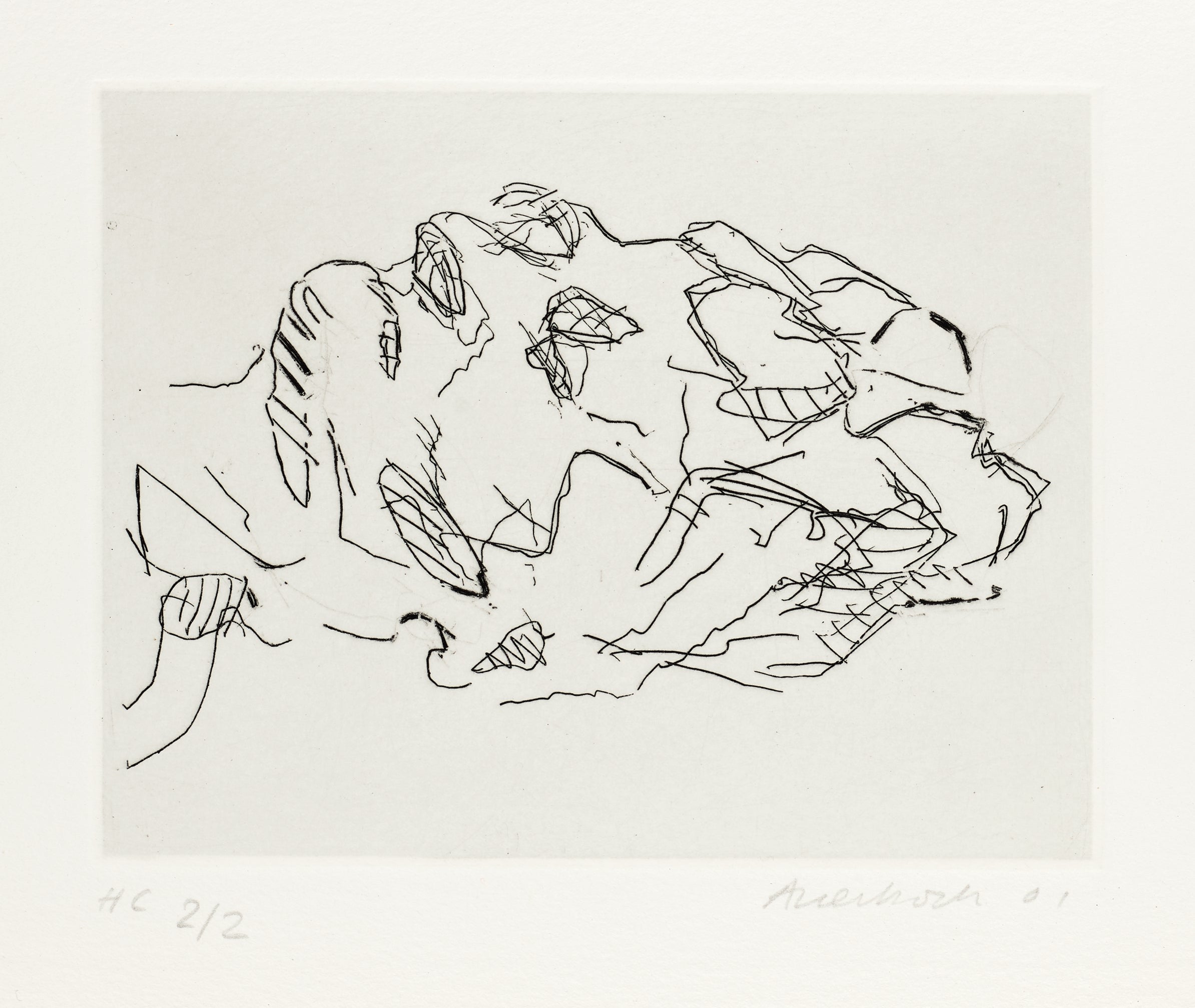
Frank Auerbach
Mornington Crescent, 1972
You are in possession of something that only fully exists in person. For collectors who think carefully about why they buy, rather than simply what they buy, that irreducibility matters enormously. It is also, frankly, one of the reasons impasto works tend to hold value. The gap between the reproduction and the reality is so vast that demand for the actual object stays strong.
What separates a good impasto work from a great one is harder to articulate but not impossible. The first thing to look for is intentionality in the surface. Paint that has been built up with purpose, where each pass of the knife or loaded brush is doing genuine compositional work, reads entirely differently from paint that has simply been applied thickly out of habit or bravado. Frank Auerbach, whose works are among the most compelling on The Collection, exemplifies this distinction.
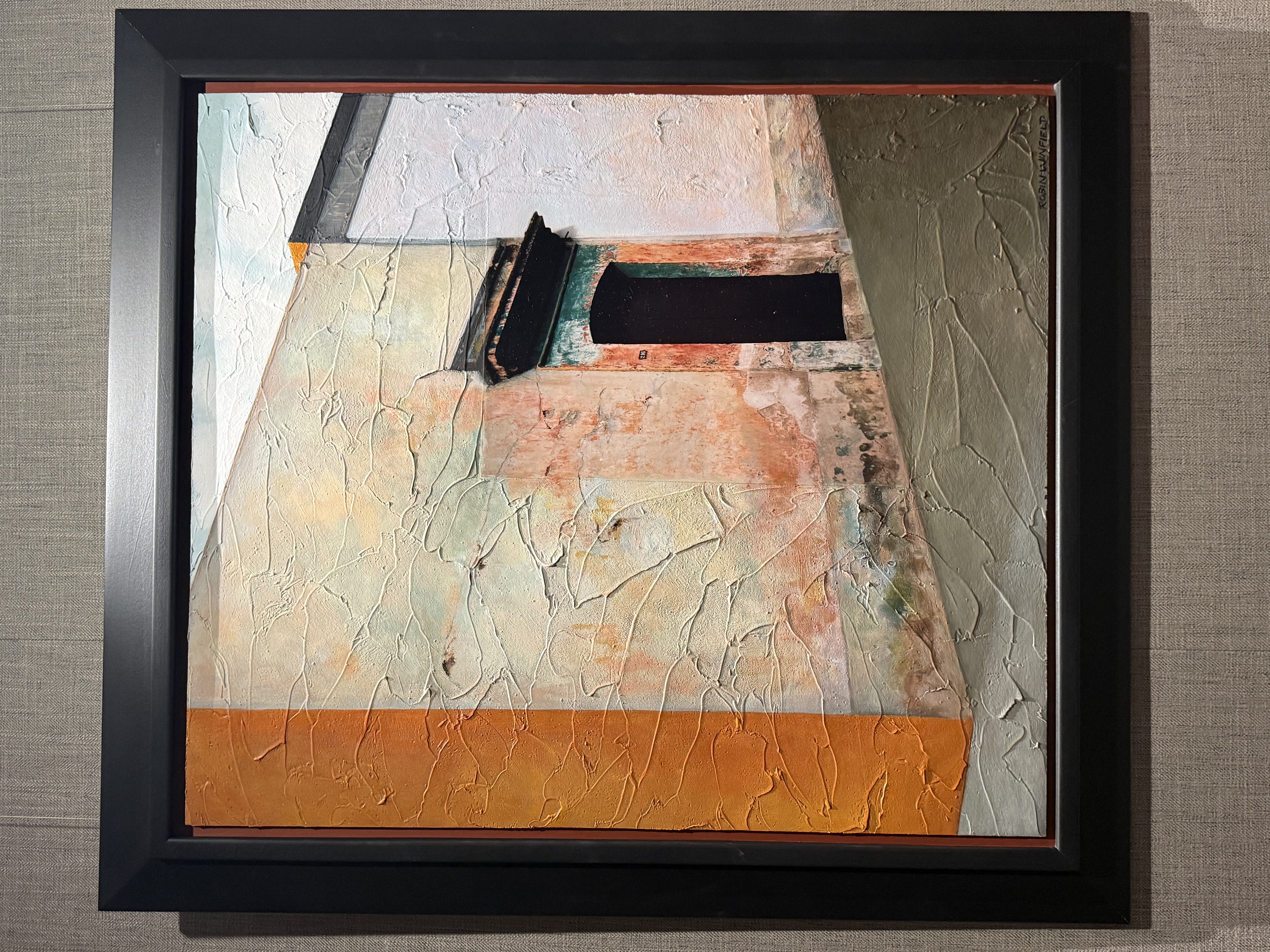
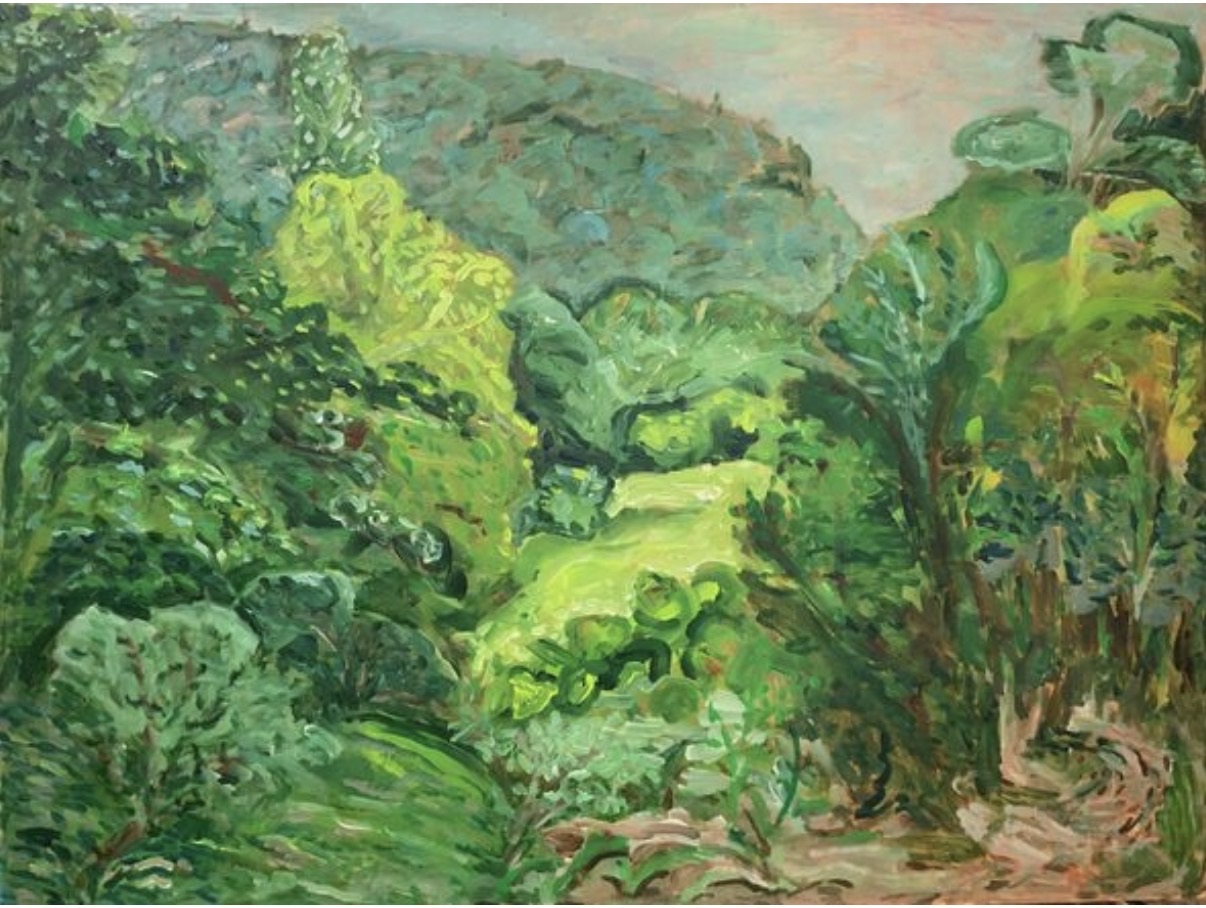
Robin Winfield
#216, Mexico
His surfaces are archaeological, built up and scraped back over weeks or months, and the resulting texture is inseparable from the image. The thickness is the meaning. When you find a work where that is true, where the material and the subject are locked together, you are looking at something serious. Also worth examining is how the paint handles light across the entire picture plane rather than just at its most dramatic passages.
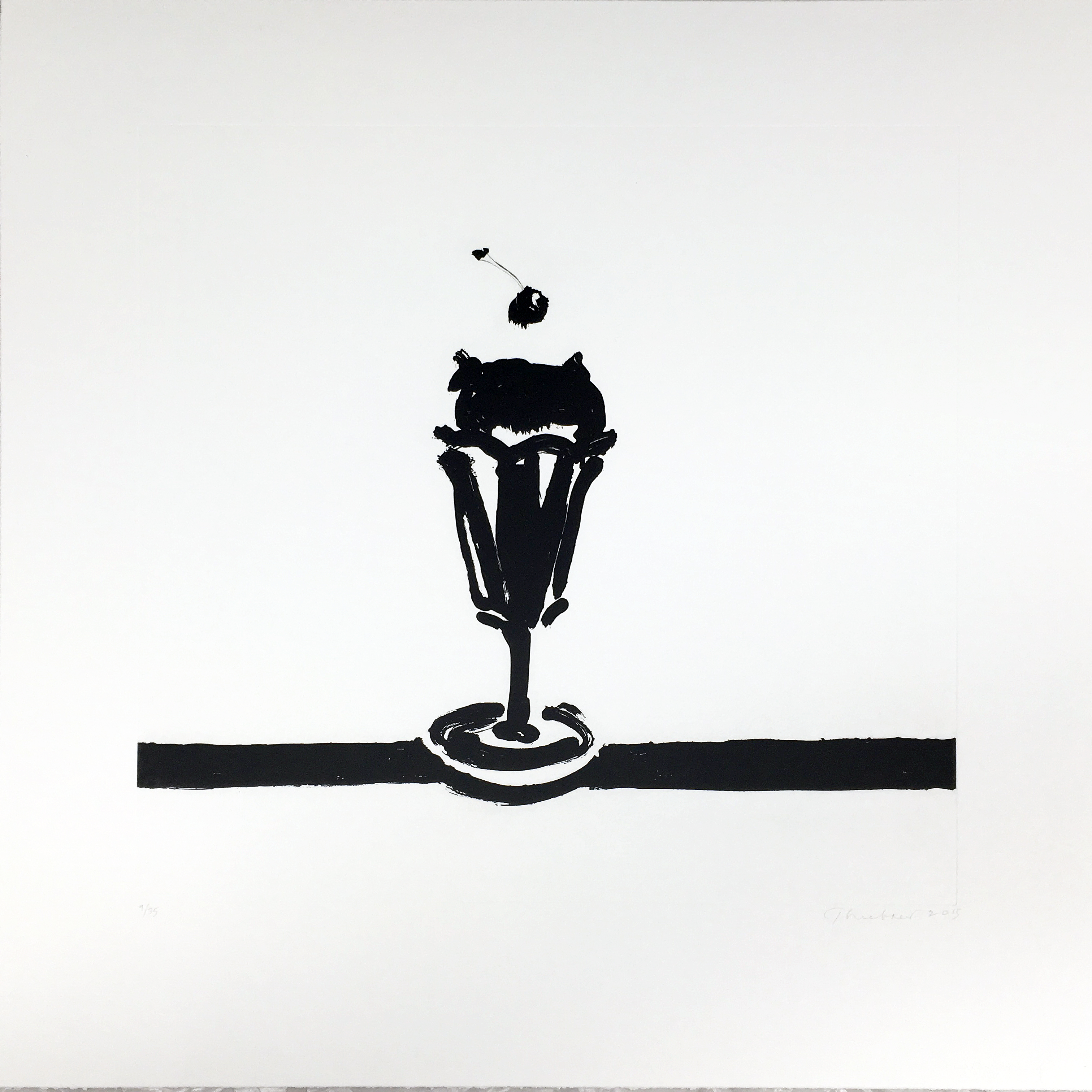
A strong impasto work tends to have a kind of internal coherence, even when the surface is visually turbulent. Wayne Thiebaud, whose confections of frosted cake and diner food brought impasto into an almost Pop register during the 1960s and 1970s, understood this instinctively. His pigment mimics the texture of what he was depicting, so the formal decision and the descriptive decision are the same decision. Works that achieve that kind of efficiency are the ones worth pursuing seriously.
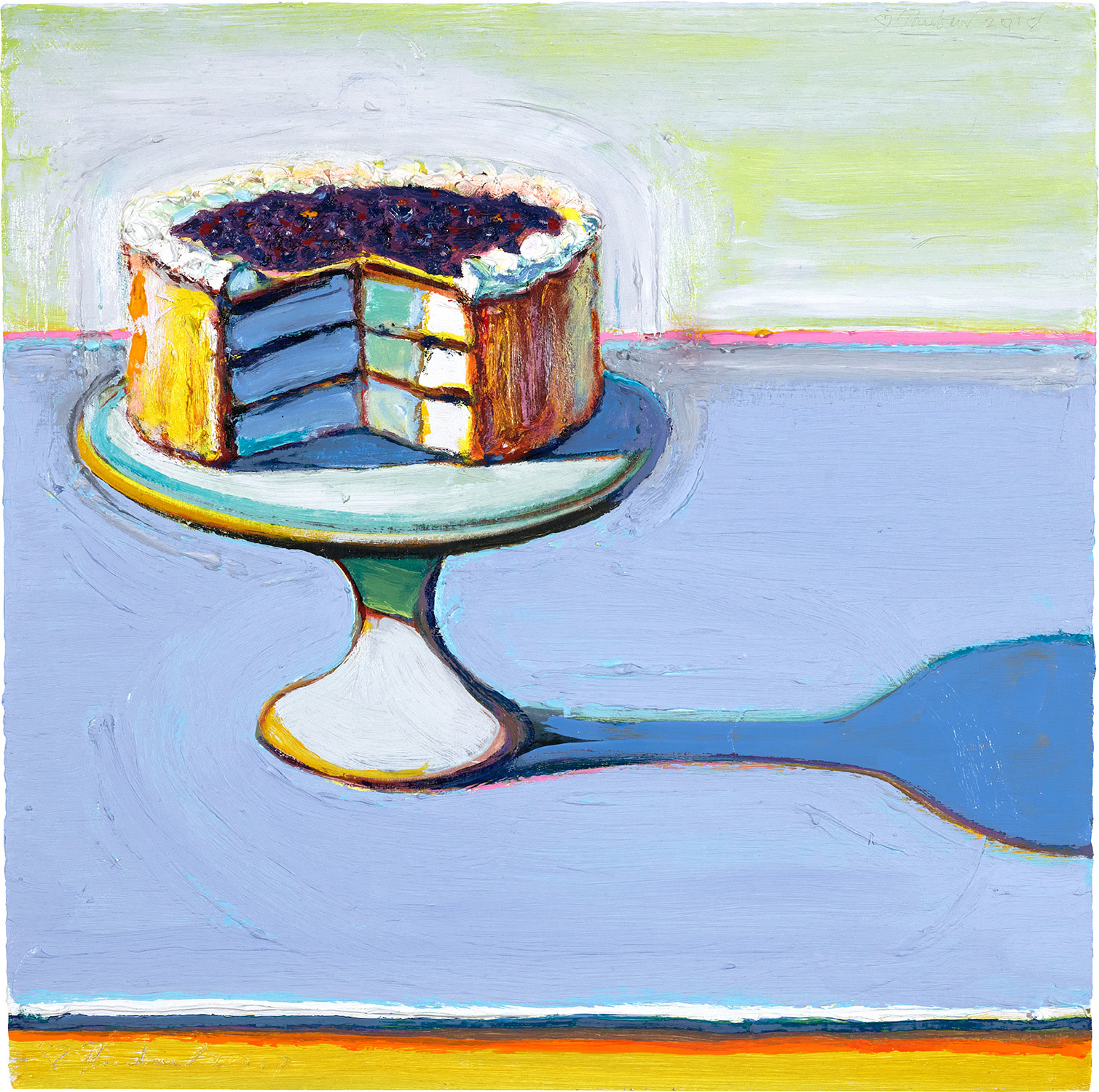
Wayne Thiebaud
Berry Cake, 2017
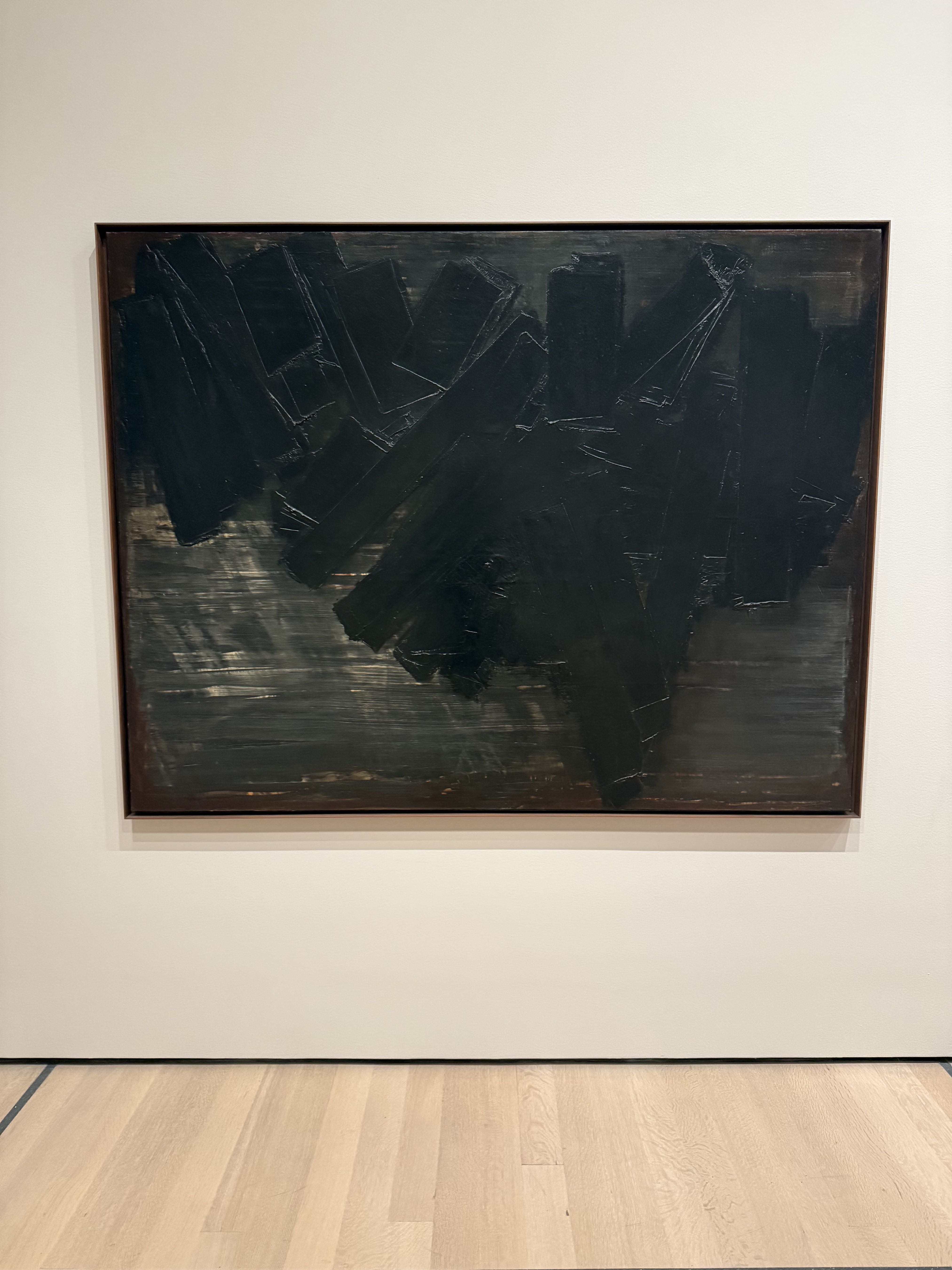
And Pierre Soulages, working in his Outrenoir period with black paint applied in massive architectural strokes, showed that impasto could be entirely abstract and still be governed by the same logic of light and surface coherence. For collectors thinking about value, the established names in this space offer different risk profiles worth understanding. Auerbach's market has been sustained for decades by institutional validation and a relatively constrained supply of major works, which makes even modestly scaled pieces significant acquisitions. Robin Winfield, also represented on The Collection, works in a gestural tradition that connects to that London School lineage while occupying a different market tier, which is precisely where attentive collectors find opportunity.
The fundamentals of the painting, not the auction record, should drive the decision, and Winfield's surfaces reward exactly the kind of close looking that the best impasto always demands. The emerging and underrecognized side of this space is genuinely exciting right now. Liang Yuanwei has attracted serious critical attention for a practice in which layered, encrusted surfaces carry an almost meditative weight, and her positioning across Eastern and Western collecting contexts gives her work an unusual range of institutional support. Thomas Fuhs brings a different set of material obsessions, working in ways that feel connected to the Arte Povera interest in the physical fact of the art object, and his presence on The Collection reflects a broader collector curiosity about painters who think rigorously about what paint can and cannot do.
Thomas Fuhs
Untitled
These are artists worth getting to know now, before the market fully catches up to what the work actually is. At auction, impasto works face one consistent challenge that collectors should understand before they buy or sell. Condition is genuinely complex. Thick paint is vulnerable to cracking, cleavage, and what conservators call tenting, where layers begin to separate from the support.
This is not a reason to avoid the category, but it is a reason to ask detailed condition questions before any acquisition. Request a full condition report, ask specifically about any previous conservation interventions, and if possible have your own conservator review a work before purchase. A painting that has been improperly stored, exposed to temperature extremes, or poorly lined can present risks that are not immediately visible to the naked eye. Display decisions matter more with impasto than with almost any other category of painting.
Lighting direction is not decorative, it is critical. A work by Auerbach or Soulages seen under flat overhead illumination is a fraction of what it becomes under raking light that travels across the surface and reveals its topography. When you are installing, work with your lighting designer to treat the wall as a landscape. The shadows cast by the paint itself are part of the composition.
This is also worth raising with any gallery you are buying from. A good dealer selling serious impasto work should be able to advise on installation, and if they cannot, that tells you something about how deeply they understand what they are selling. The question of unique works versus editions is largely settled in this category. Impasto is, almost by definition, a unique work practice.
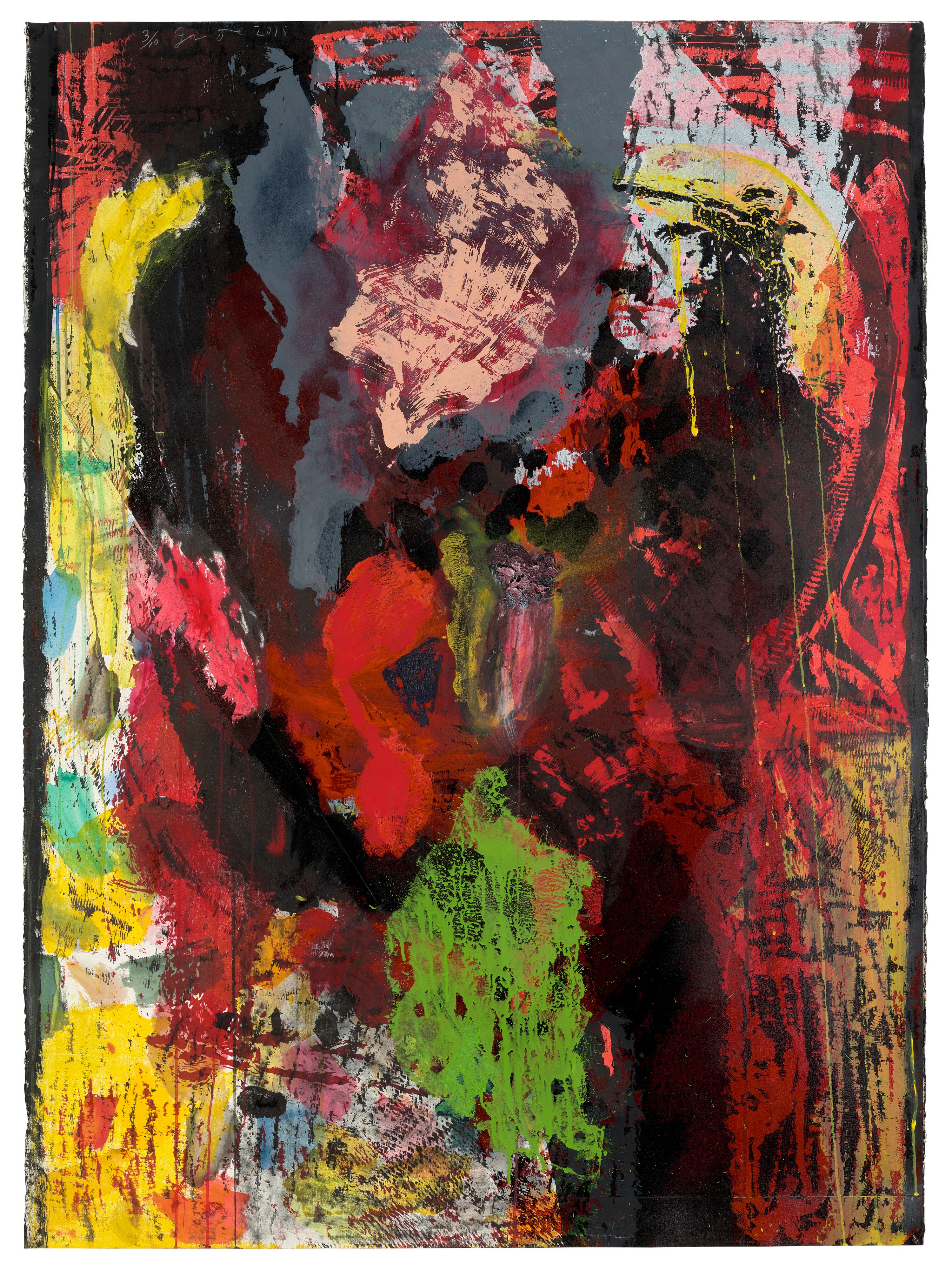
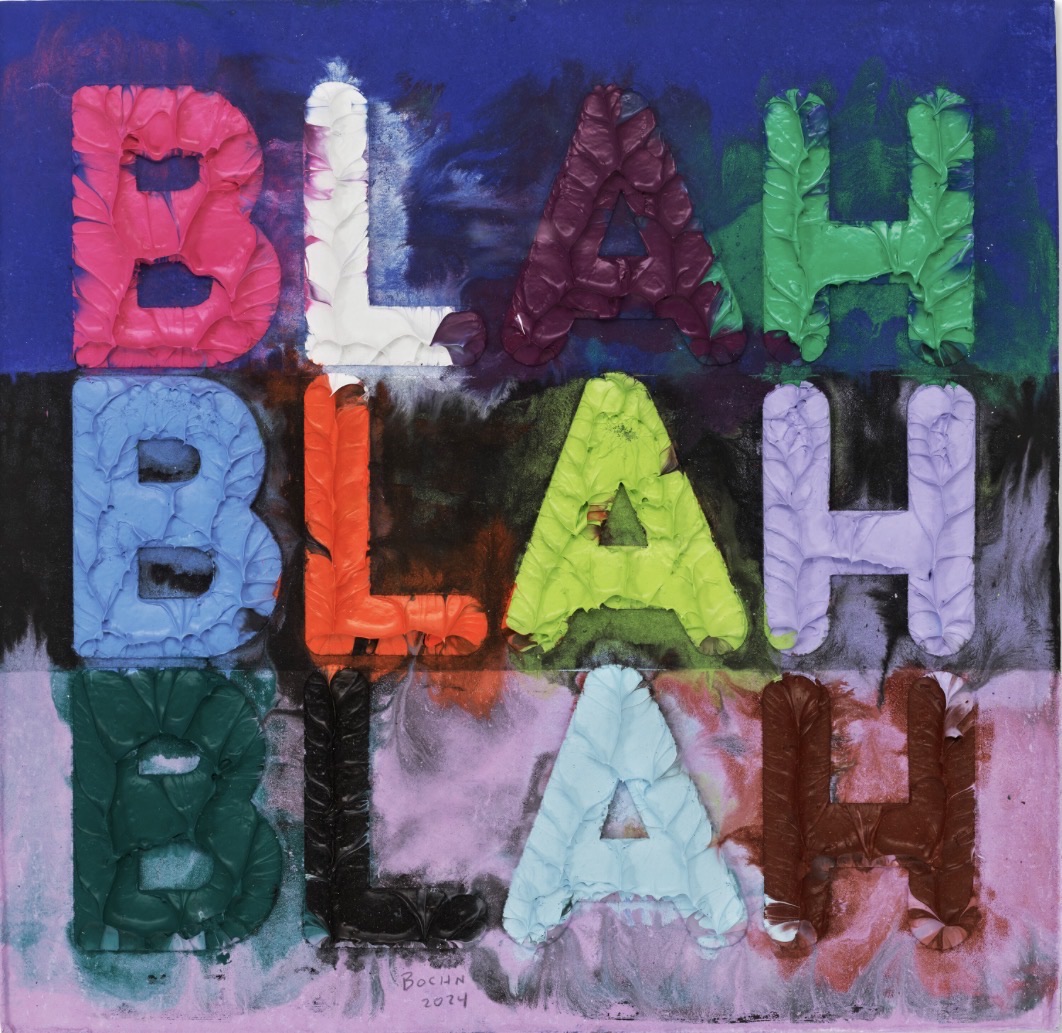
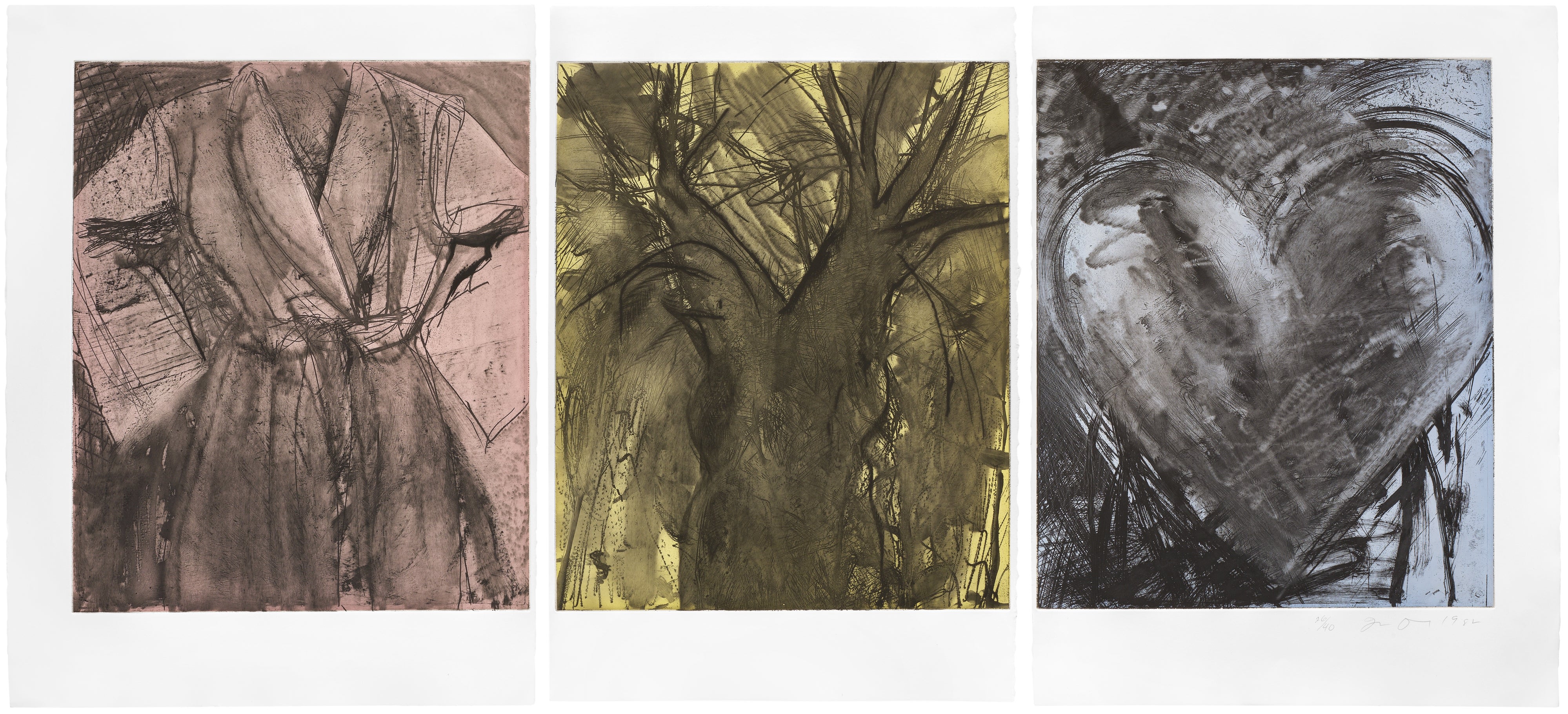
The surface cannot be reproduced and there is no meaningful edition structure for thickly painted canvases. Where you encounter prints or works on paper from artists known for their painted surfaces, including Jim Dine or Mel Bochner, evaluate them on their own terms rather than as proxies for the paintings. They may be excellent works, but they are different objects making different arguments. The impasto painting rewards collectors who are willing to engage with what it actually is, which is one of the most physically immediate and intellectually demanding things painting can be.