Gestural Lines
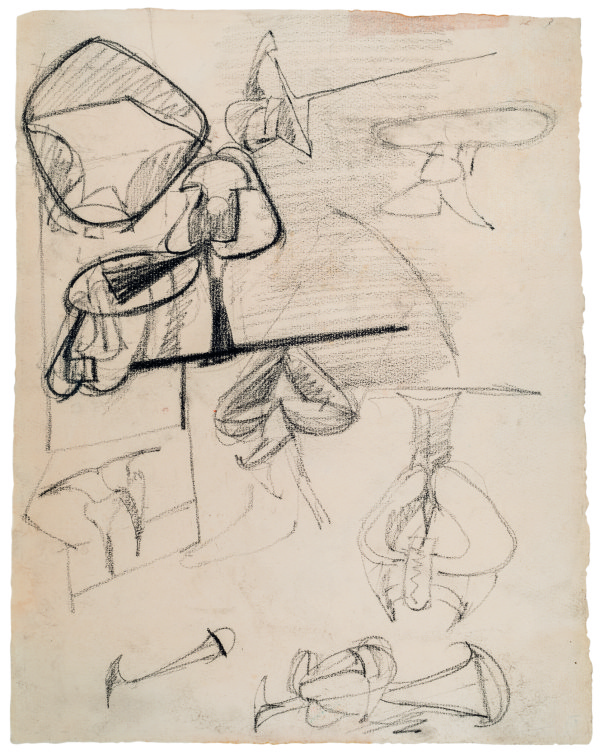
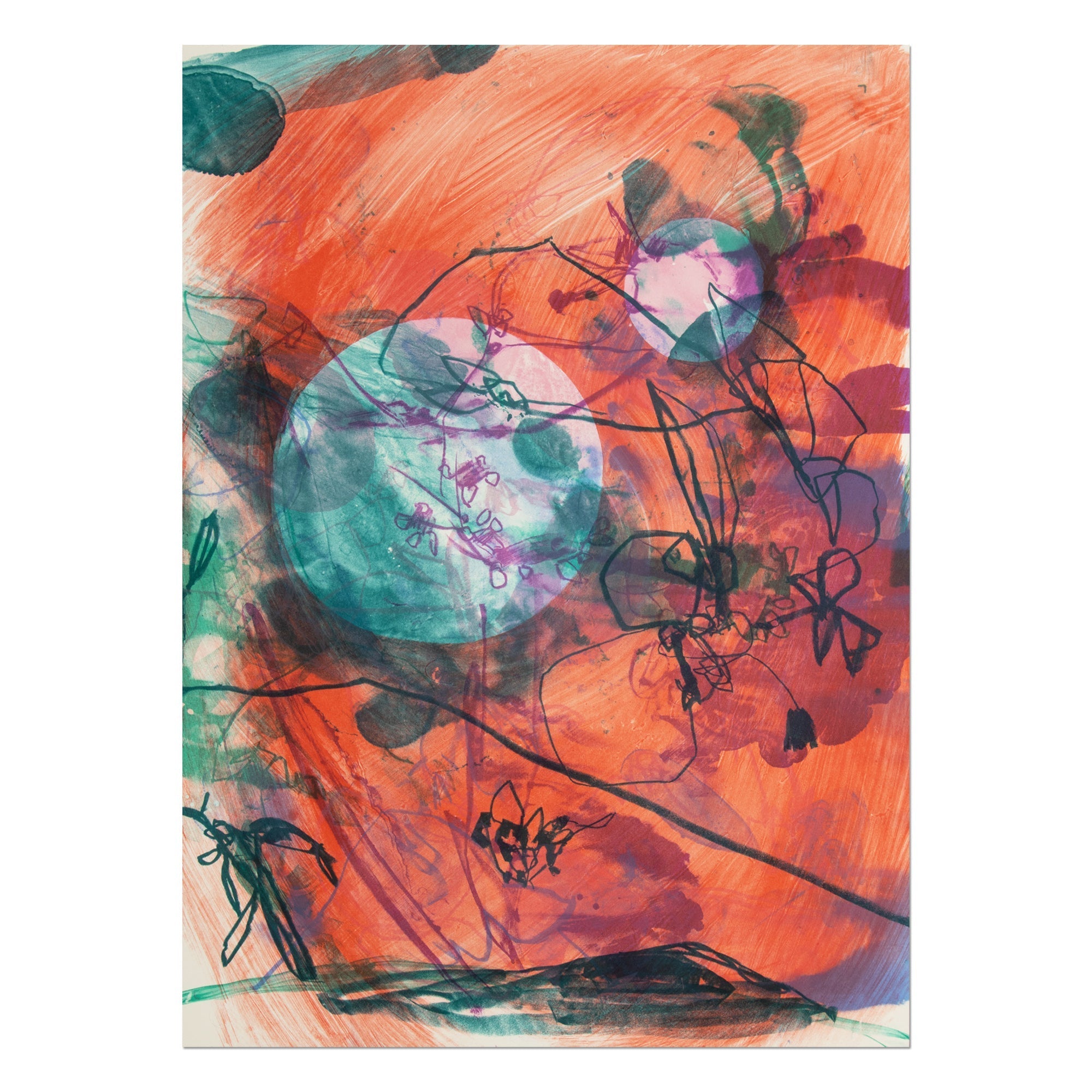
Arshile Gorky
Untitled, 1940
The Line That Refuses to Stay Still
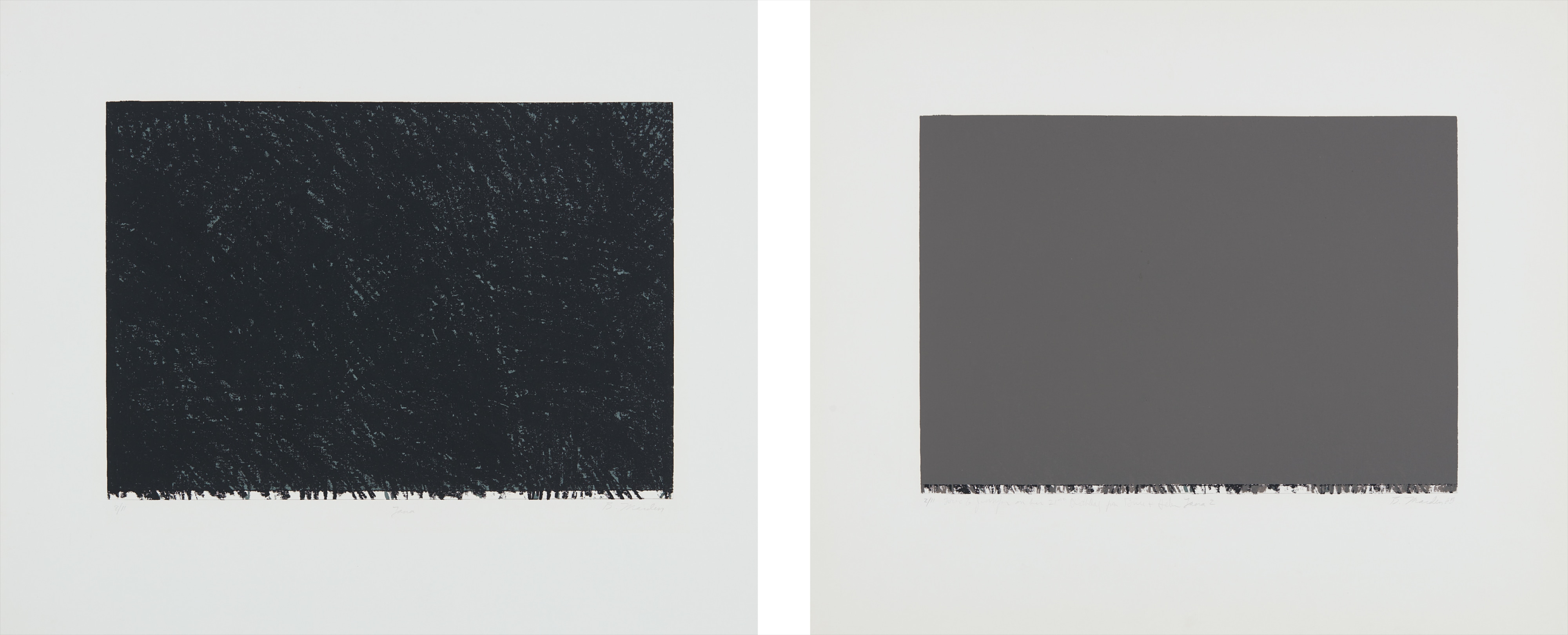
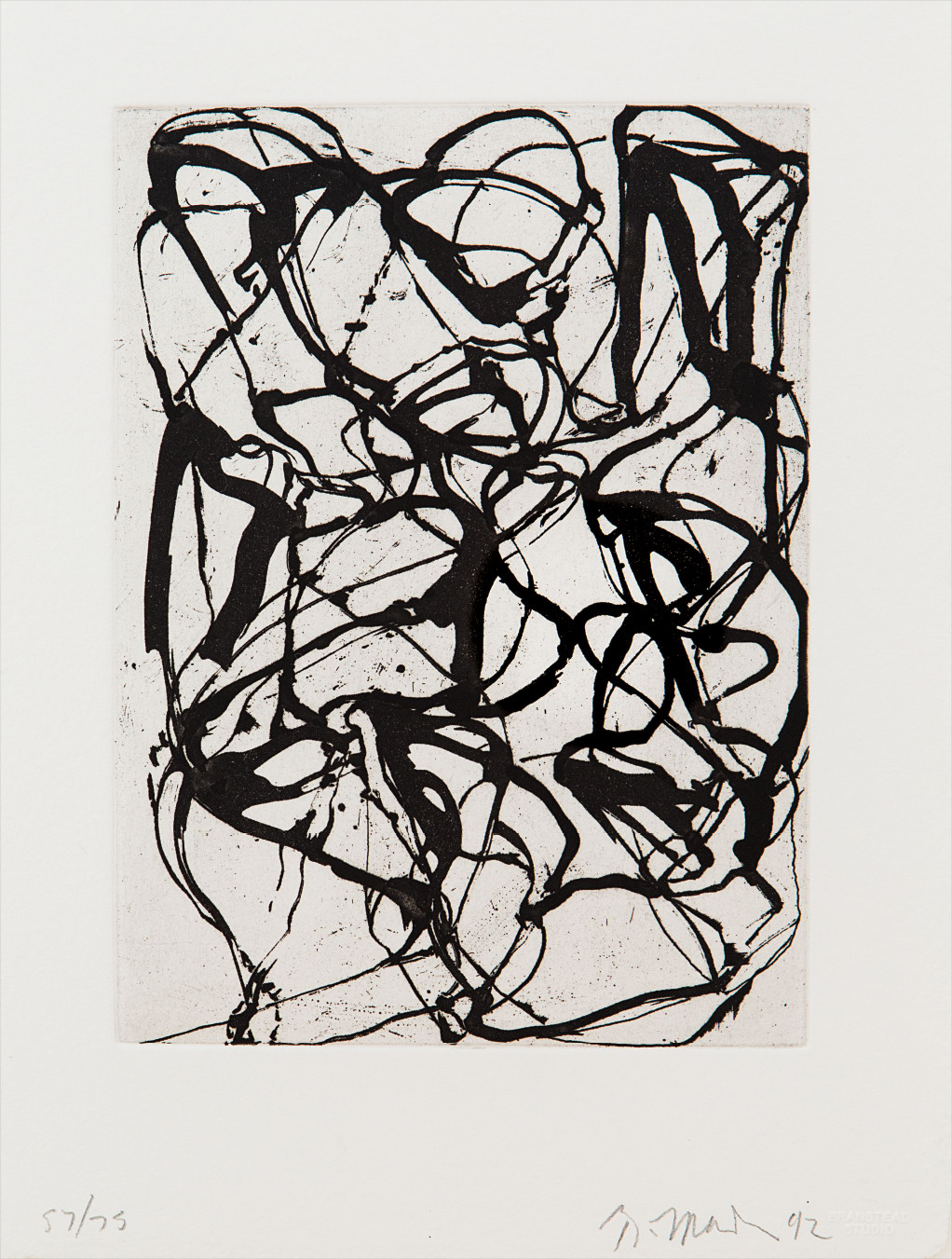
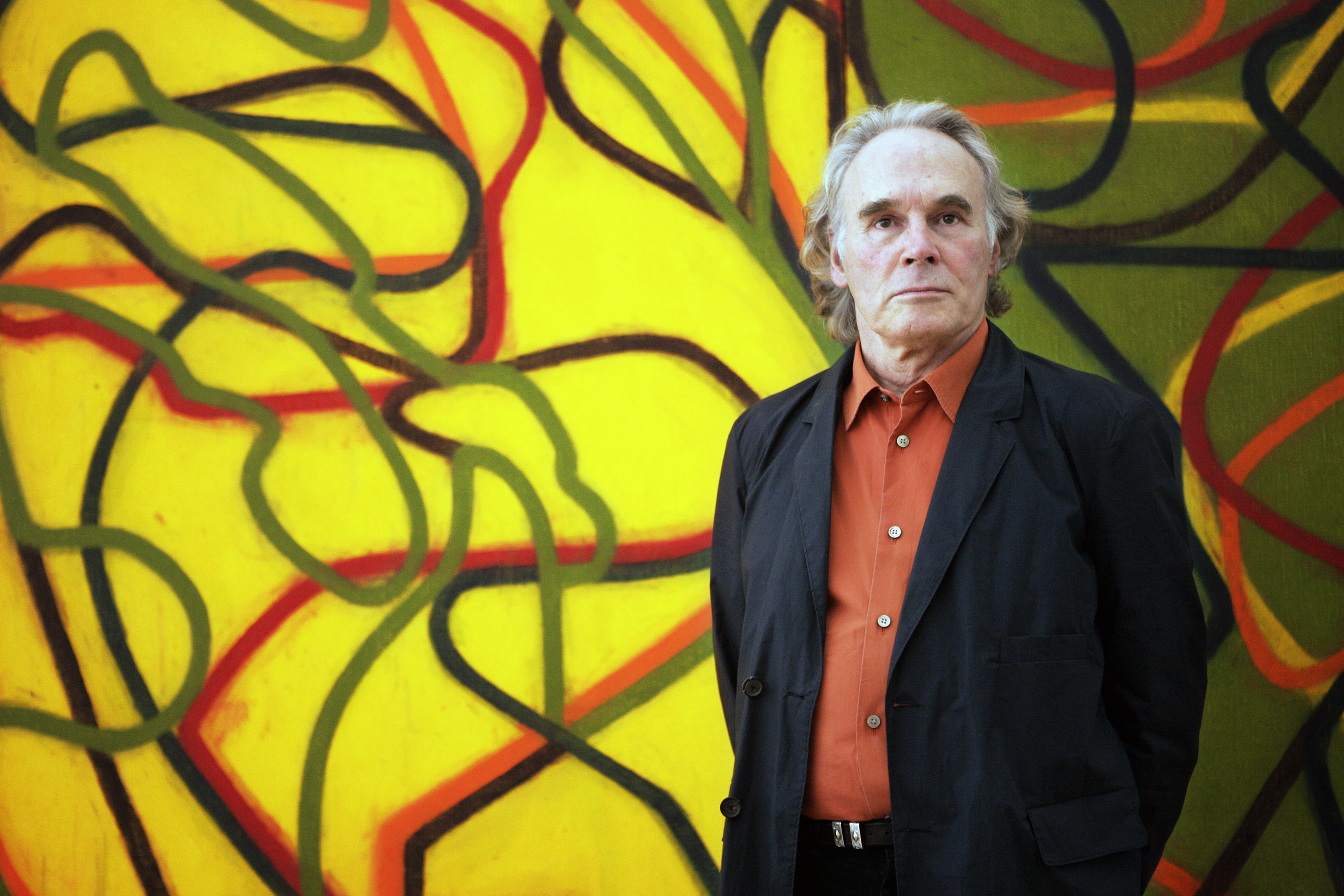
When a late work by Brice Marden sold at Christie's for over 10 million dollars in recent years, the room understood something that had been building for a long time: gestural line, once dismissed as the emotionalism of a previous generation, had reasserted itself as one of the most contested and commercially vital territories in contemporary art. The result was not a surprise to those watching the market closely, but it confirmed what museum curators and serious collectors had been quietly acting on for nearly a decade. The gesture, it turns out, was never finished. It was only resting.
Marden is perhaps the most instructive figure when thinking about where gestural line sits right now. His Cold Mountain series, developed through the late 1980s and into the 1990s and drawing on Chinese calligraphic traditions, rewired what an American painter could mean by a line on canvas. Those works proposed something that felt radical then and still does now: that a line could carry time inside it, that the hand moving across the surface was not expressing an emotion so much as conducting a duration. The Museum of Modern Art and the Guggenheim both hold significant examples, and their continued prominence in survey exhibitions has kept younger painters returning to Marden as a touchstone rather than a monument.
Willem de Kooning
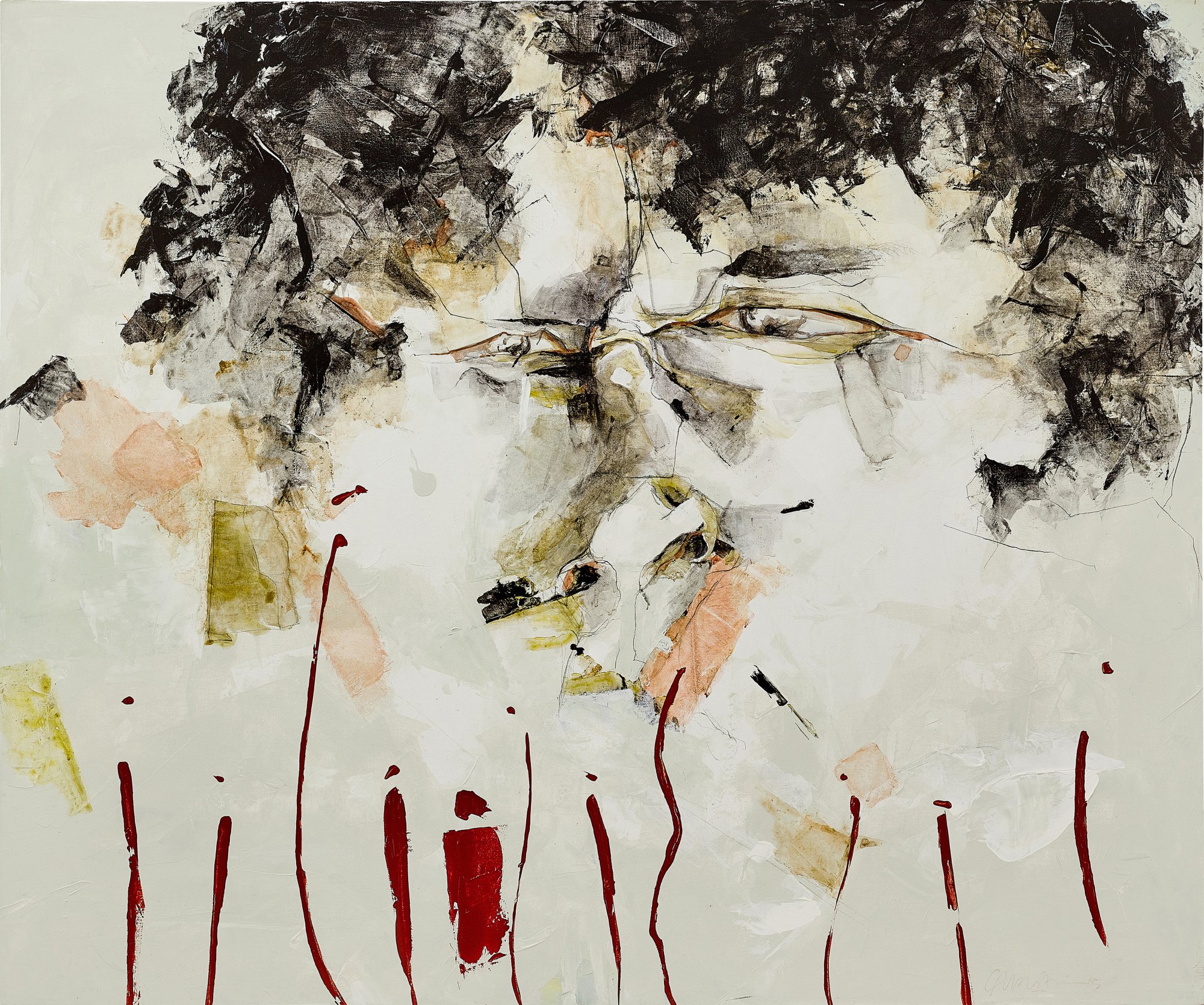
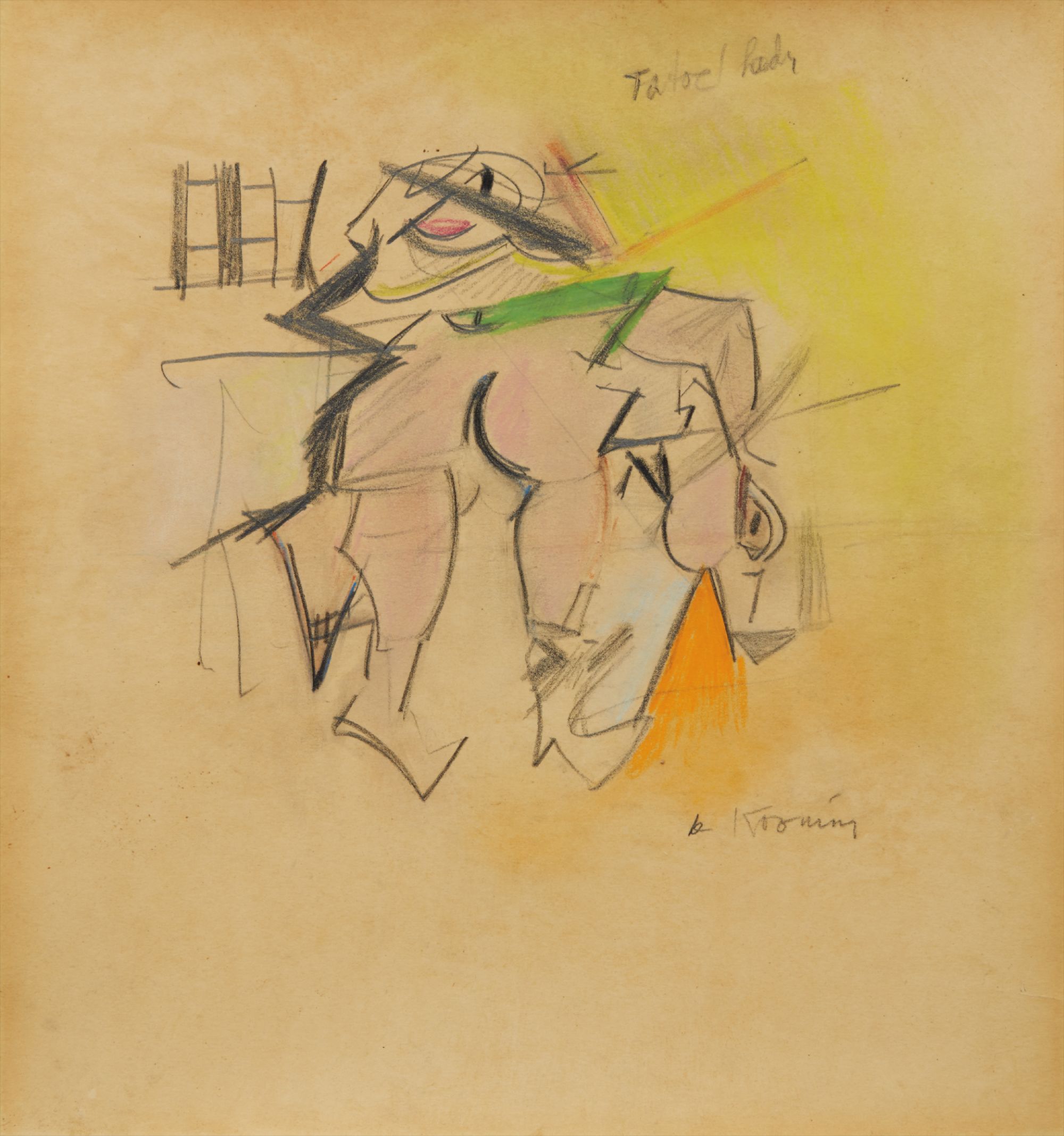
Tattooed Lady
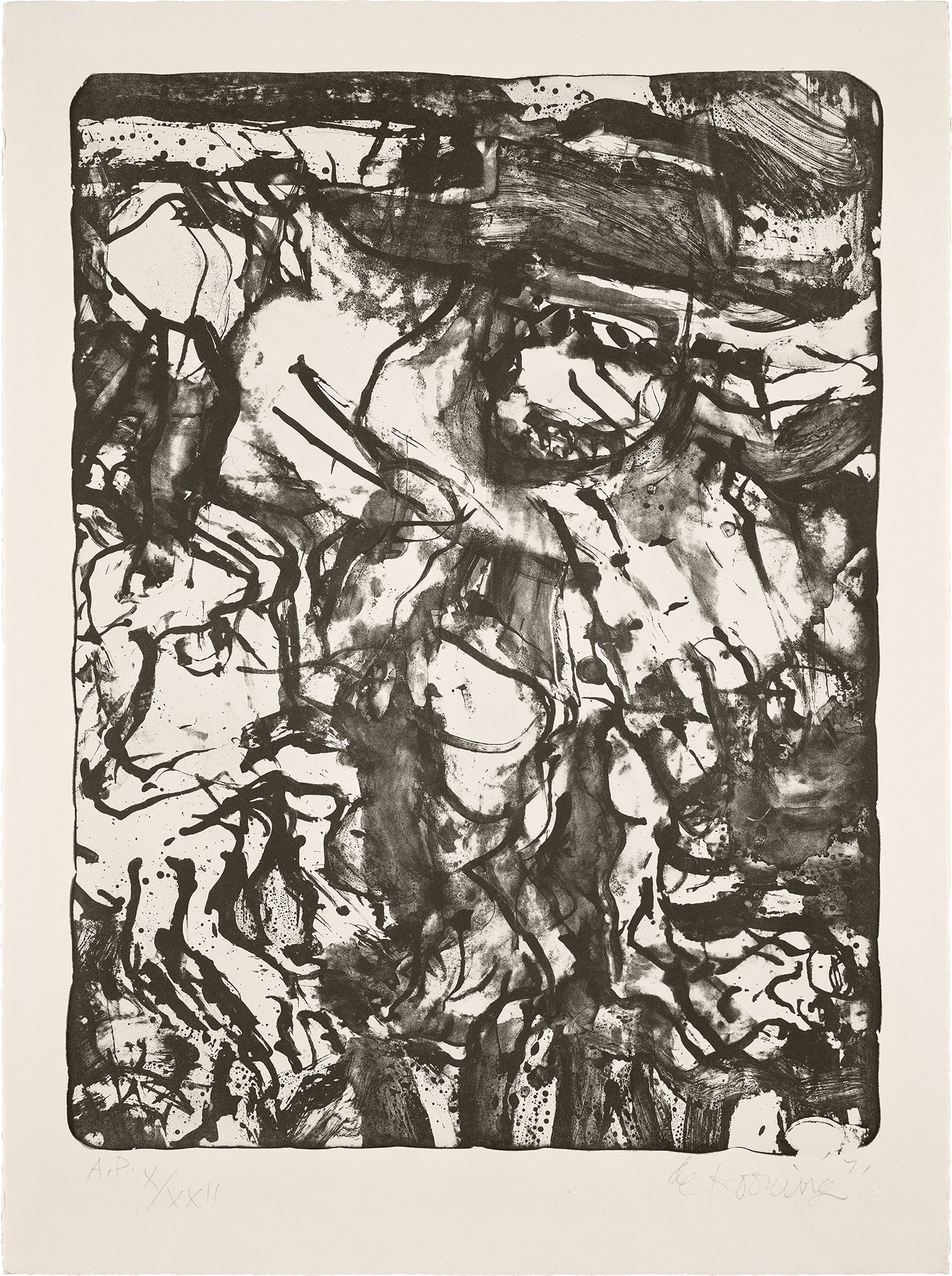
The critical energy around gestural drawing and painting has been shaped significantly by a handful of major institutional shows. The 2019 retrospective of Willem de Kooning at the Tate Modern, following the landmark MoMA retrospective of 2011, reinforced just how foundational his mark making remains to any serious conversation about abstraction. De Kooning's refusal to let the line settle into symbol or system, that constant state of becoming and revision, has become a kind of template for painters working now who want aggression and lyricism in the same breath. His influence sits differently than it did in the 1980s, less as a burden and more as a permission.
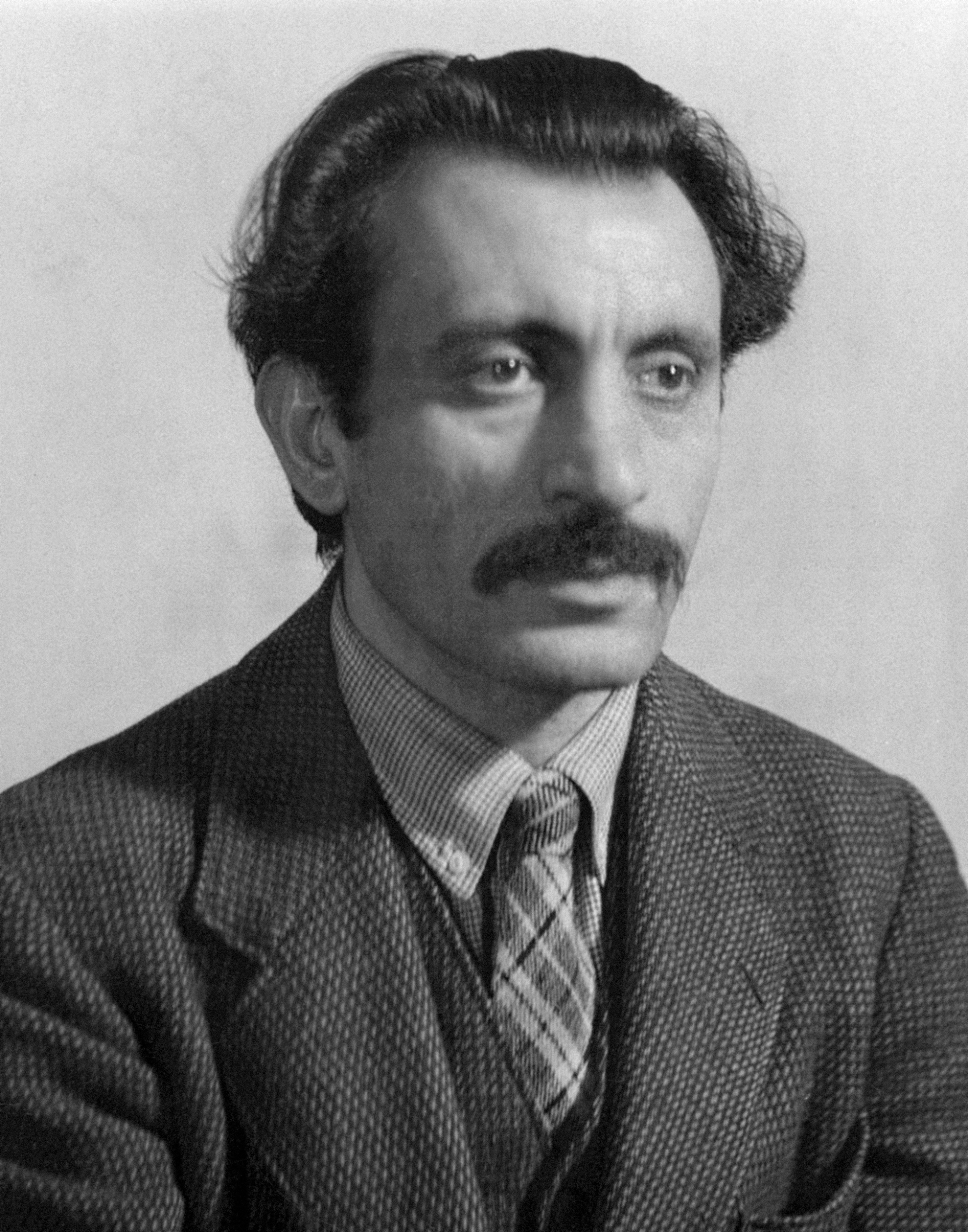
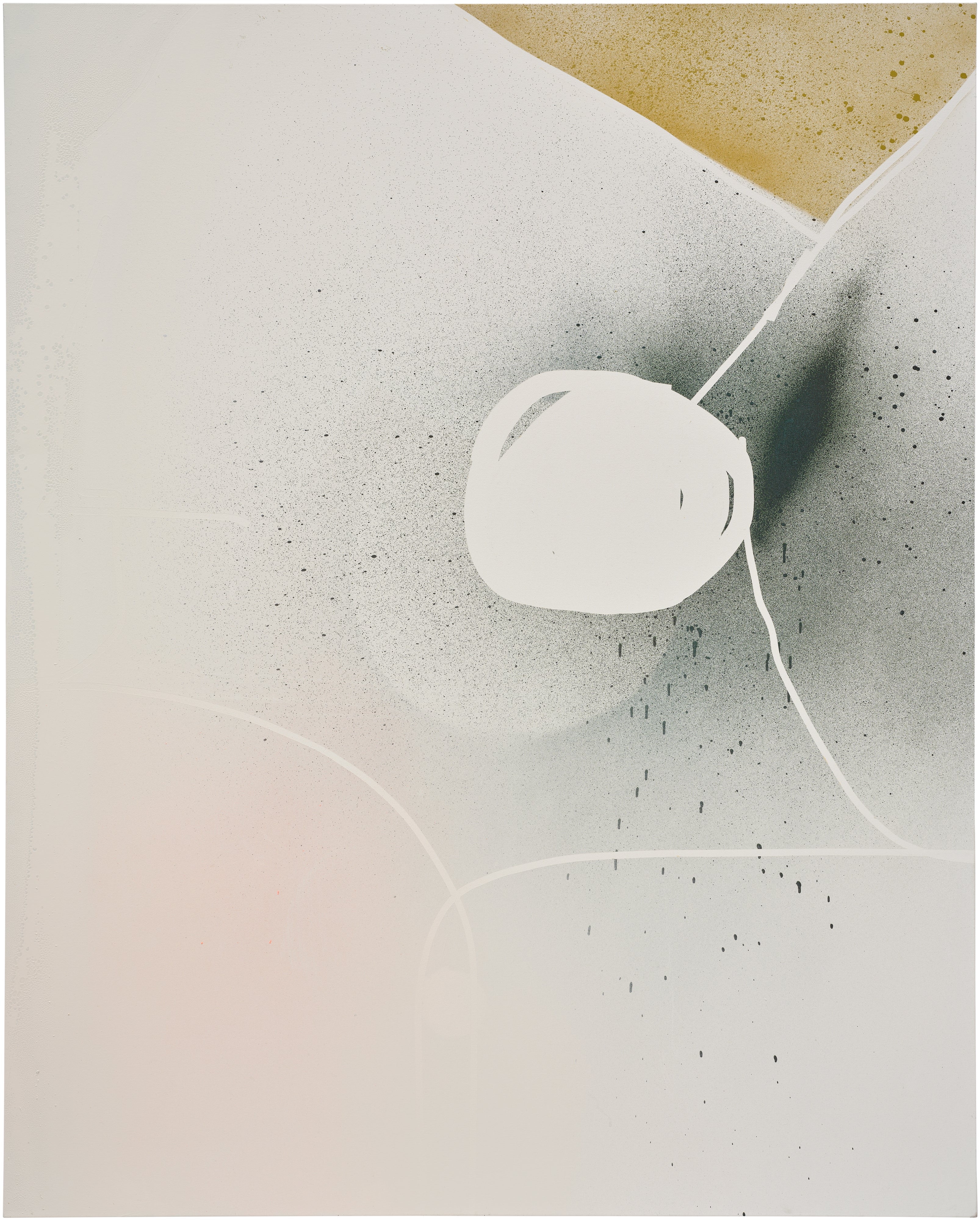
Arshile Gorky occupies a quieter but equally important place in the genealogy that institutions are currently tracing. The Whitney's holdings of Gorky remain some of the most studied in American abstraction, and recent scholarship has pulled him closer to the center of the conversation about gesture as psychological space rather than purely formal exercise. Gorky's line is intimate in a way that de Kooning's rarely is, and that intimacy has made him newly legible to a generation of collectors who are drawn to interiority over spectacle. His presence on The Collection speaks to that renewed appetite for painters who use the hand as a form of thinking out loud.
Arshile Gorky
Untitled, 1940
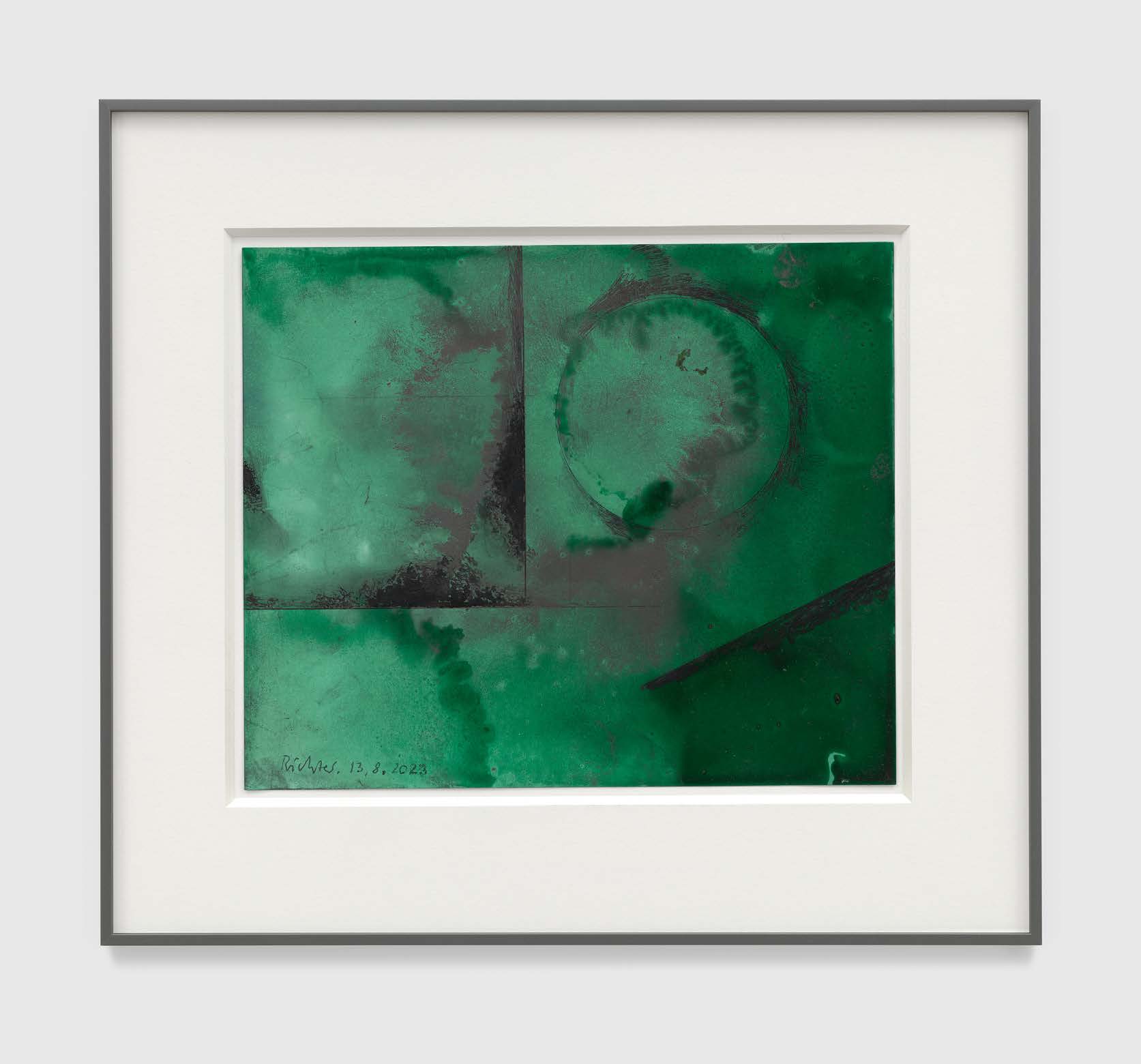
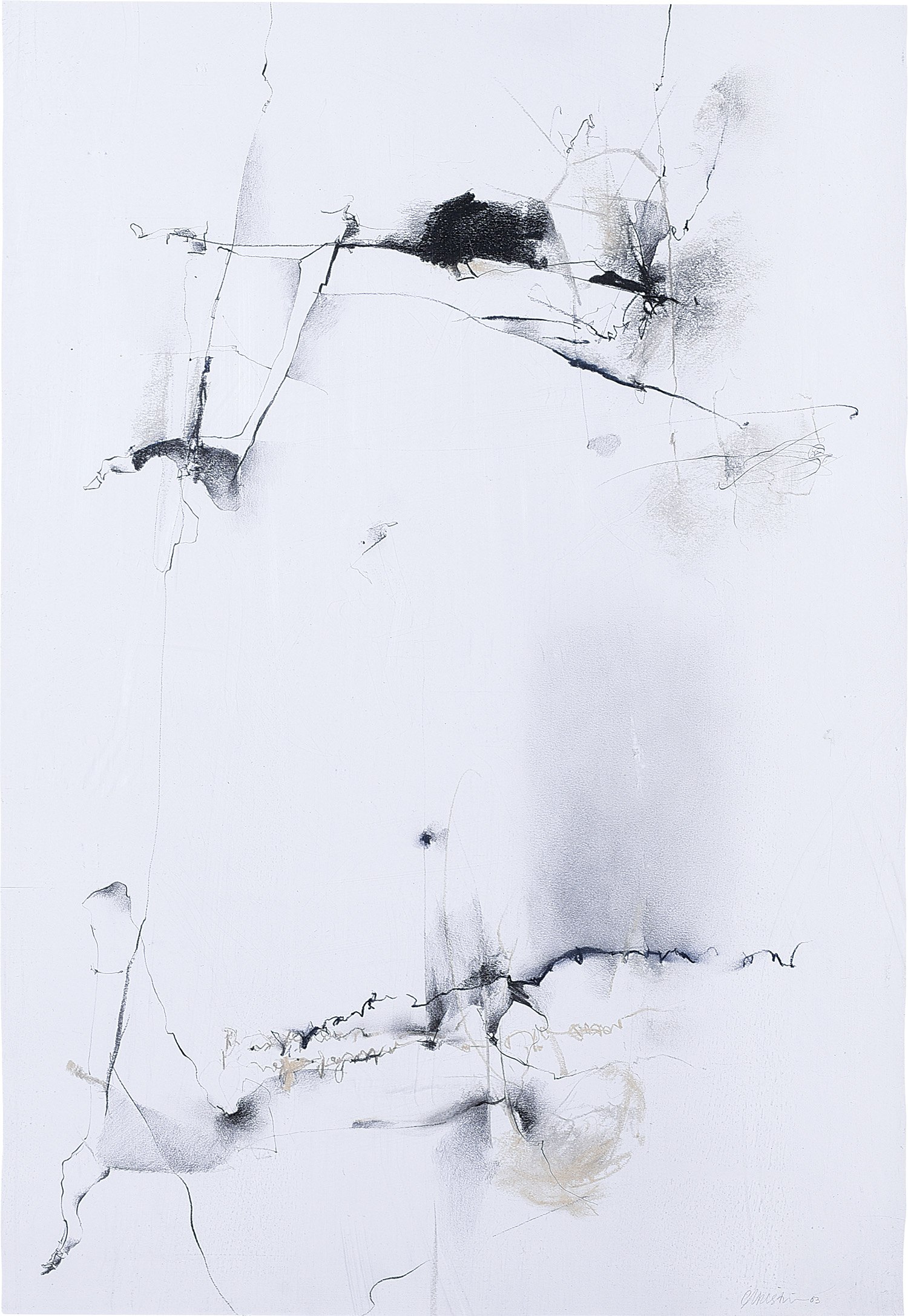
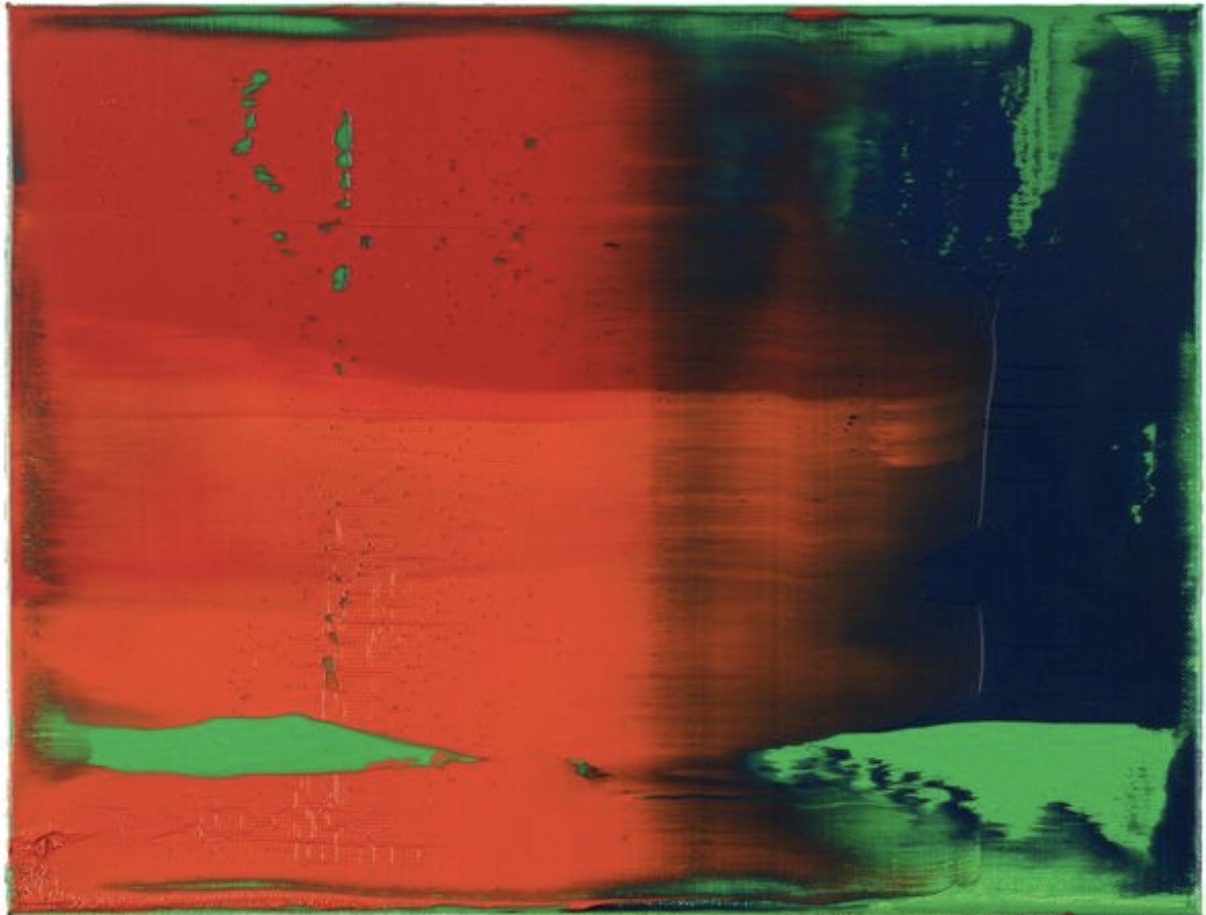
At auction, the market for gestural work has shown remarkable stratification. The very top of the market, where de Kooning and Gerhard Richter operate, has become increasingly institution driven, with major works rarely appearing without significant provenance and museum exhibition history behind them. Richter's abstract paintings, particularly his squeegee works, have become benchmarks for what gestural abstraction can command at the absolute summit. But the more interesting action in recent years has been in the tier below, where painters like Christine Ay Tjoe have attracted serious collector attention as institutions in Asia and Europe have begun acquiring her work with real intention.
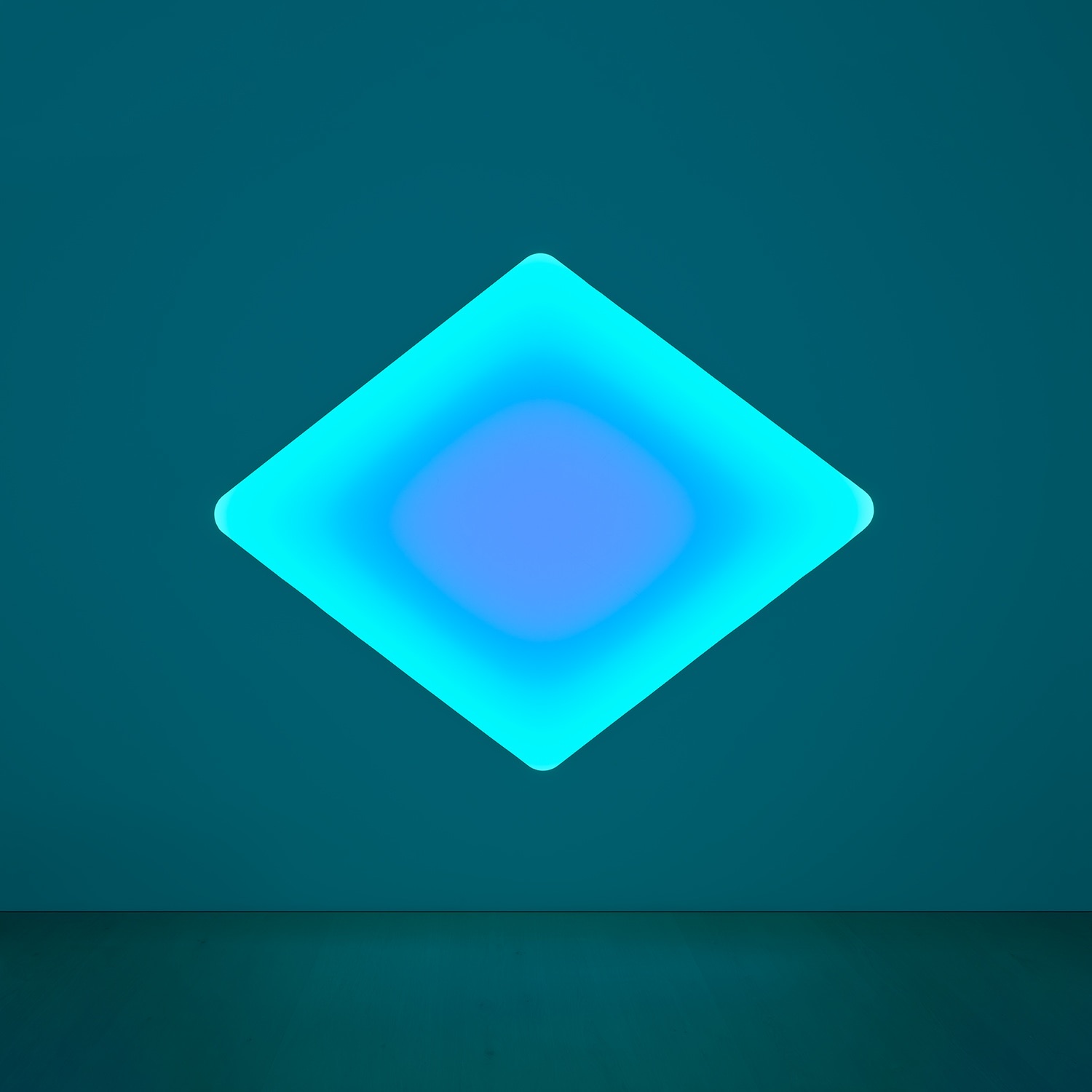
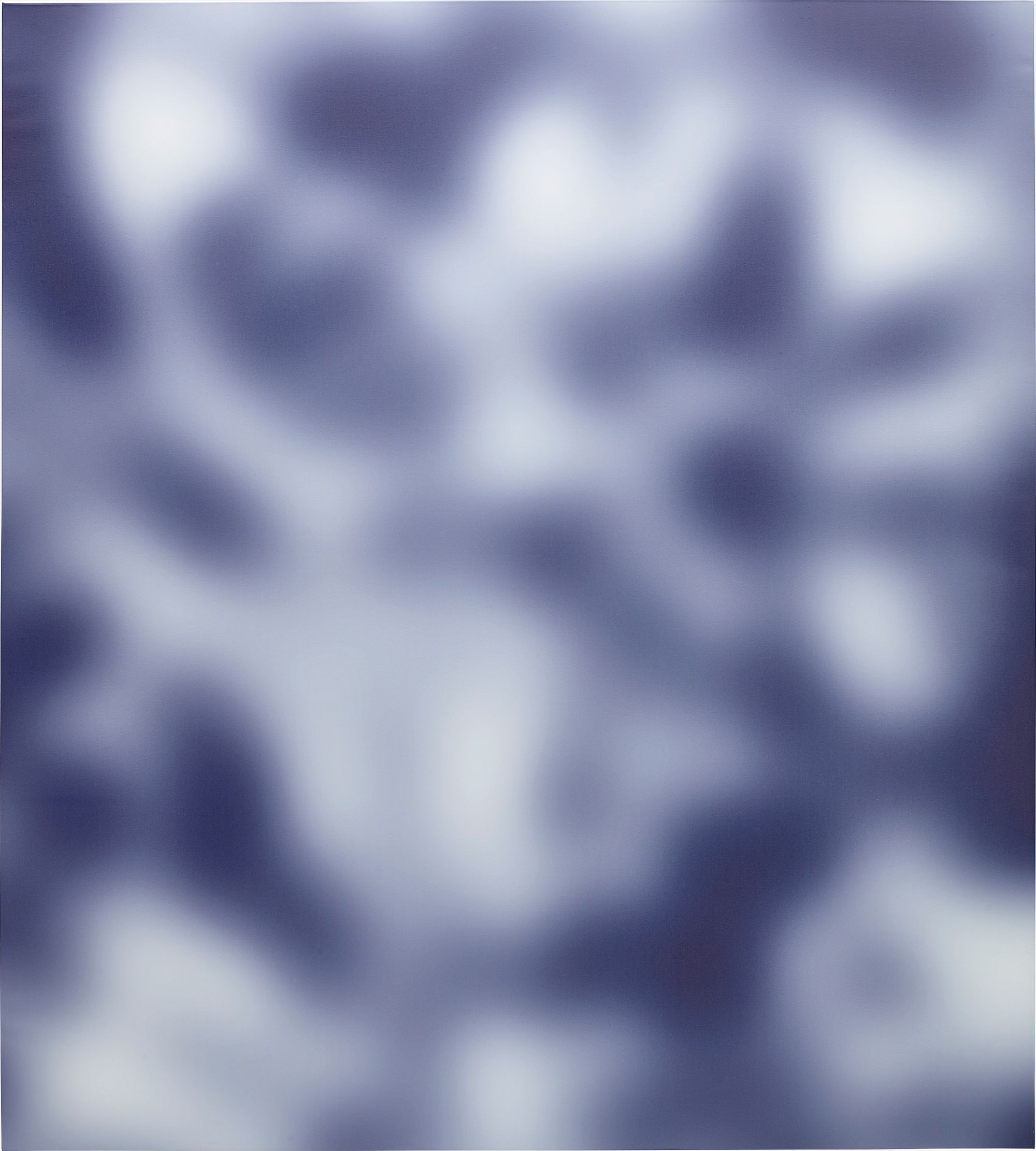
Her densely layered surfaces, built through accumulation and physical pressure rather than a single expressive gesture, complicate the received idea of what the gestural even means. Jeff Elrod represents a different kind of pressure on the category. His digital origins, working first with software to generate forms that he then translates into paint, raise questions about whether the gesture needs a body behind it or whether it only needs to read as bodily. This is exactly the kind of provocation that critics like Barry Schwabsky, who has written thoughtfully about painting's expanded possibilities for publications including The Nation and Artforum, have been circling.
Jeff Elrod
Hey Moon, 2013
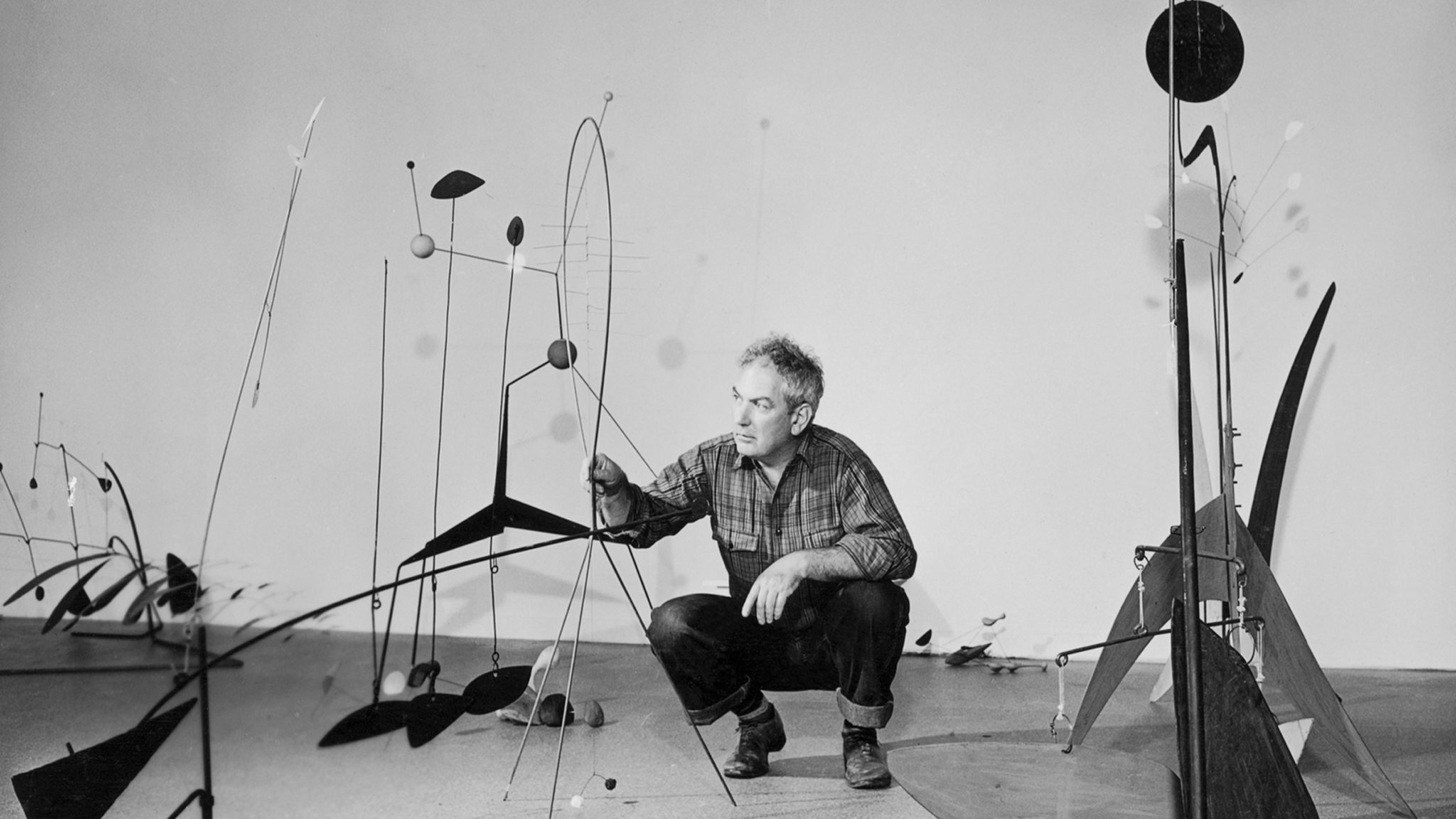
The critical conversation is less interested in purity now and more interested in what the appearance of gesture does to a viewer, regardless of how that appearance was produced. Alexander Calder earns a different kind of attention in this context. His drawn line on paper and his linear wire sculptures occupy a space between gesture and structure that feels genuinely sui generis, and recent exhibitions of his works on paper have reminded audiences that his contribution to what a line can do in space was happening in parallel with and sometimes ahead of the Abstract Expressionists who tend to dominate the gestural narrative. The Calder Foundation's ongoing efforts to contextualize his output within broader modernist histories have given collectors new frameworks for thinking about his work as investment as well as aesthetic object.
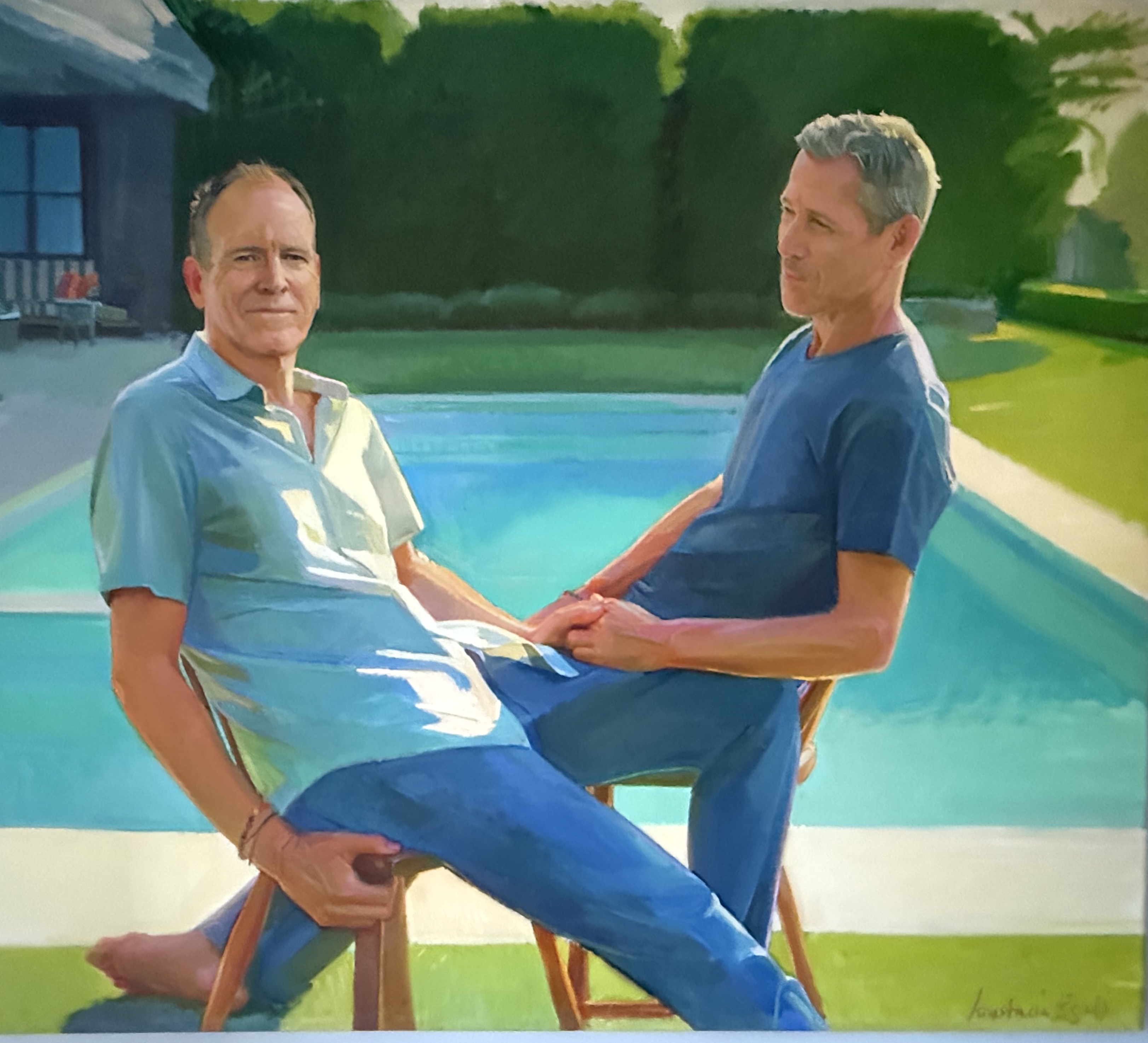
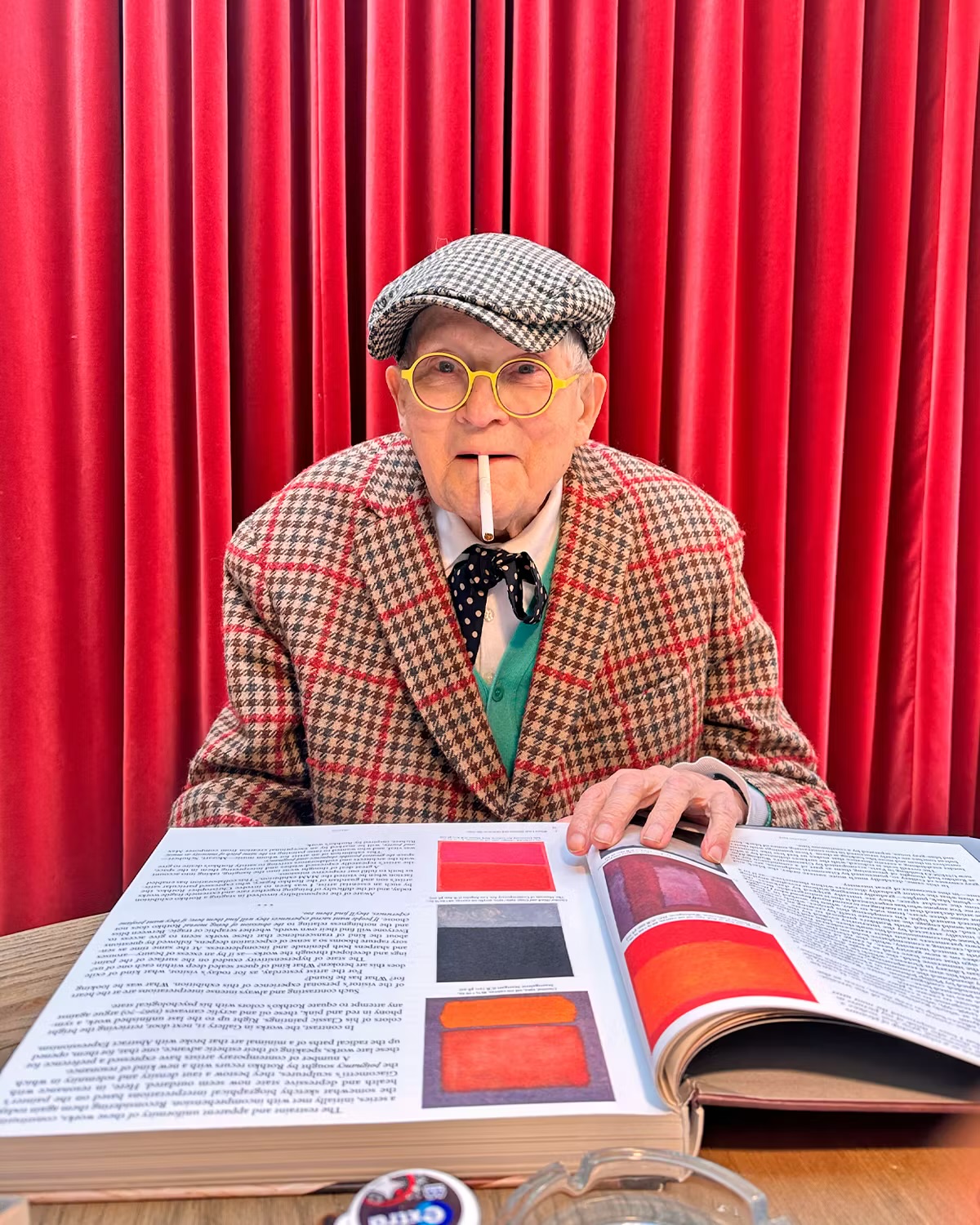
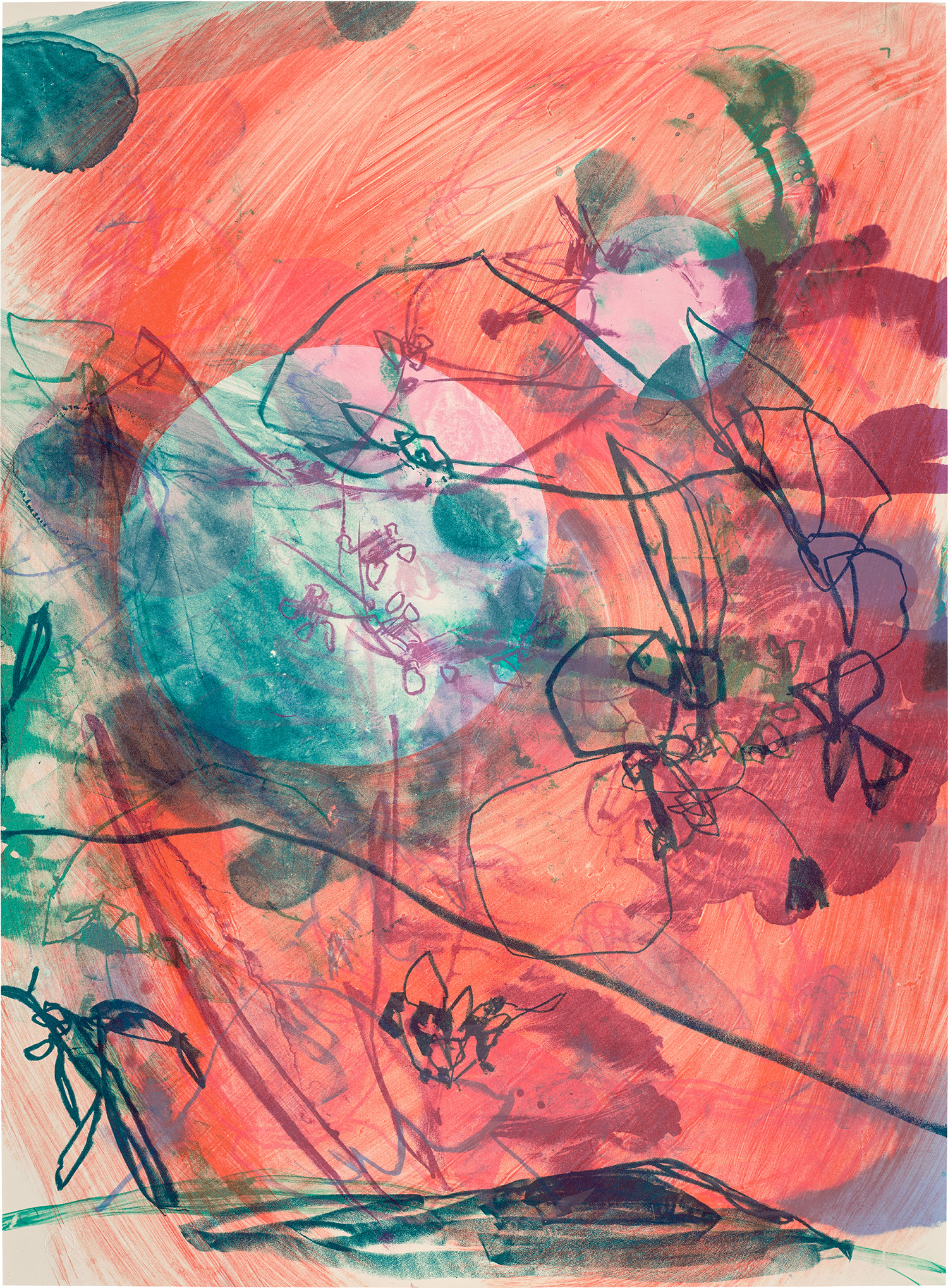
David Hockney complicates the picture in ways that the market has not always known how to handle. His iPad drawings, which he pursued with genuine seriousness beginning around 2009, brought gestural immediacy into a digital medium in ways that critics initially struggled to assess. The subsequent exhibitions at the Royal Academy and other major venues clarified that Hockney was not playing with technology but interrogating it, asking what speed and light and the pressure of a finger could do to the idea of drawing from observation. His presence in any conversation about gestural line is a reminder that the category is always larger and stranger than its received history suggests.
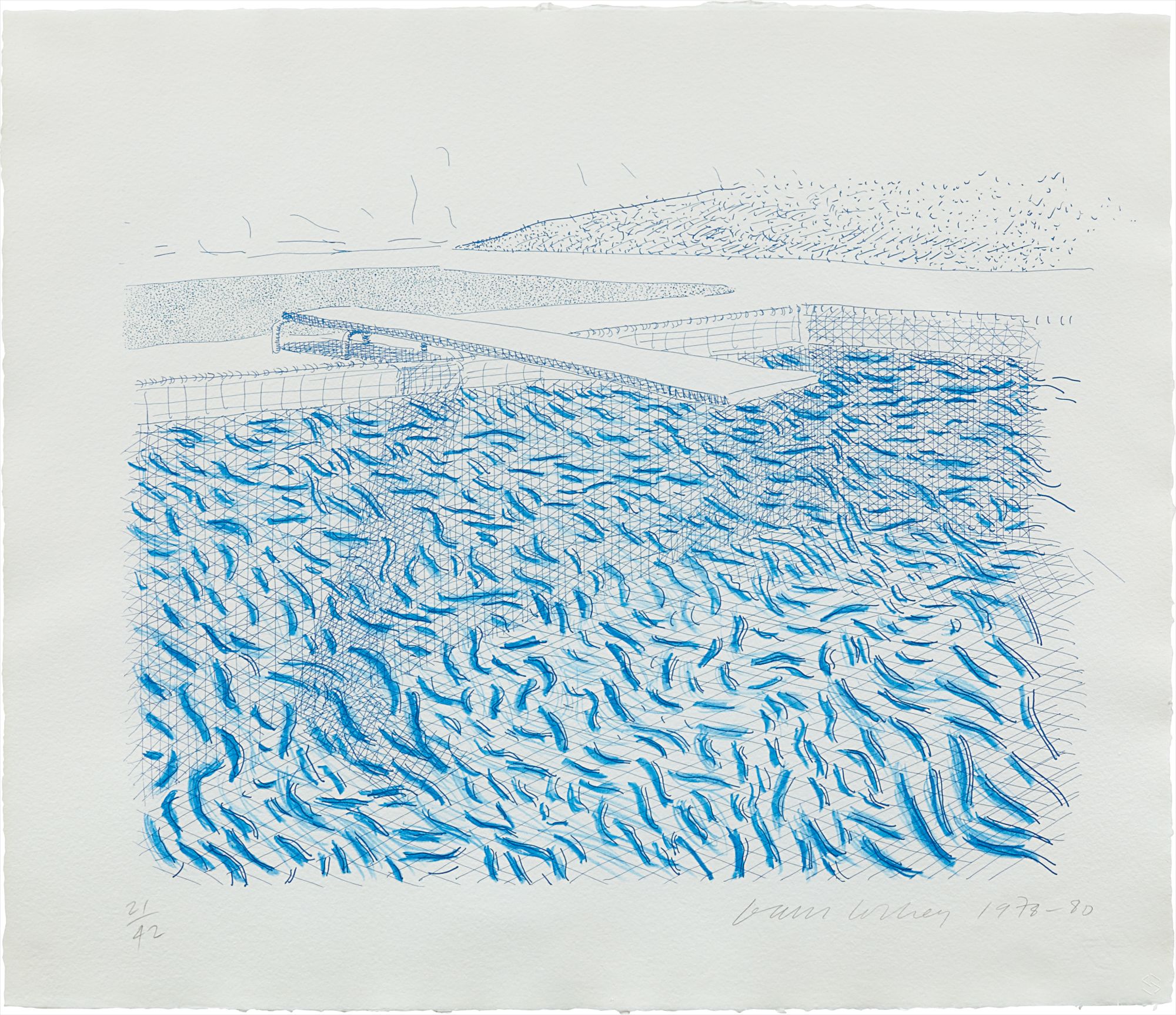
David Hockney
Lithographic Water Made of Lines and Crayon
What feels alive in this space right now is the interest in painters who slow the gesture down, who make the mark legible as process rather than performance. There is a tiredness with pure expressionist velocity, with the flourish that announces itself too loudly. What surprises are coming likely involve painters from outside the North Atlantic canon who are working with gestural traditions that have entirely different theoretical foundations, calligraphic, textile based, ceremonial, traditions that will force the critical vocabulary to expand or admit its limitations. The collectors who are paying attention to that shift, and building collections accordingly, are the ones who will find themselves ahead of both the market and the museums when the next significant reassessment arrives.