French American Artist
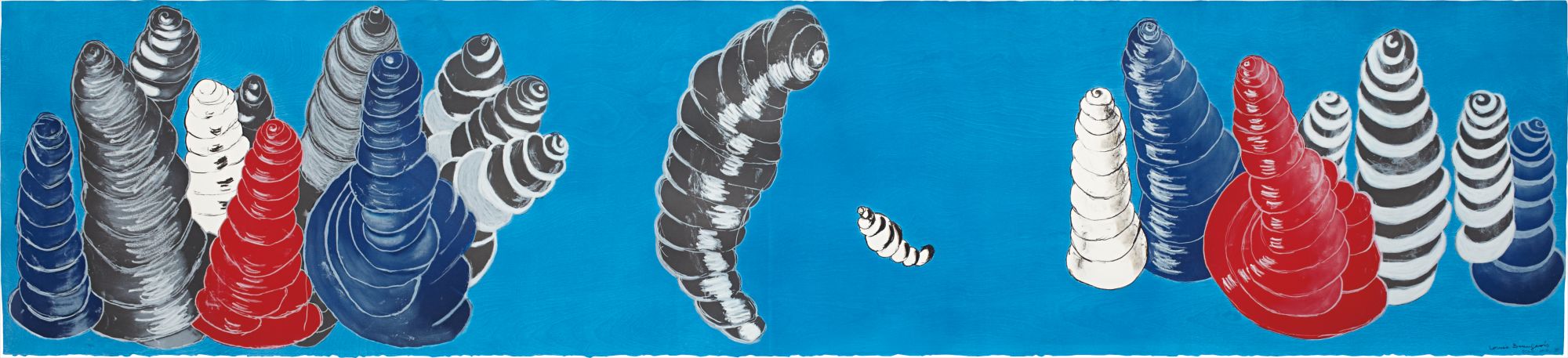
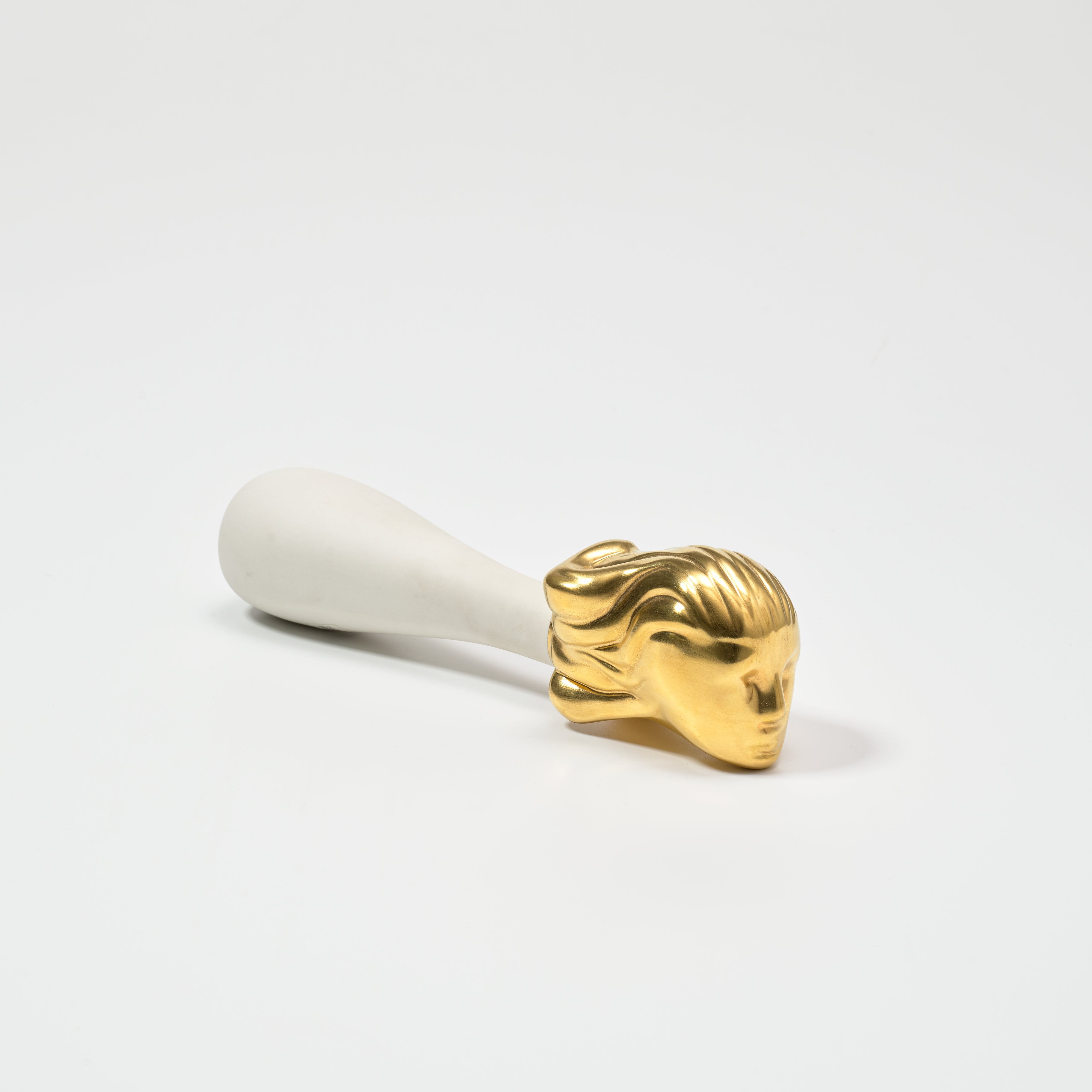
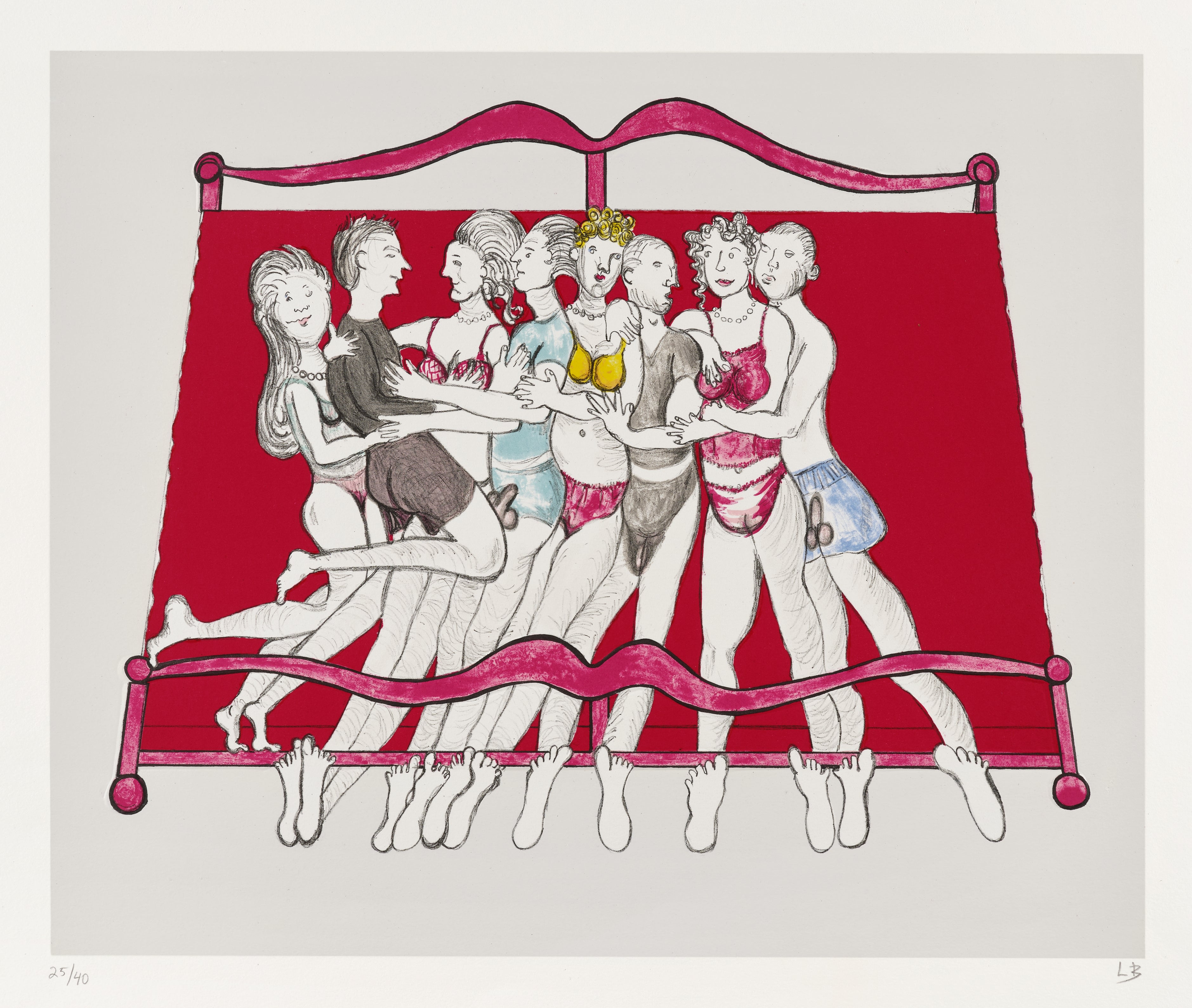
Louise Bourgeois
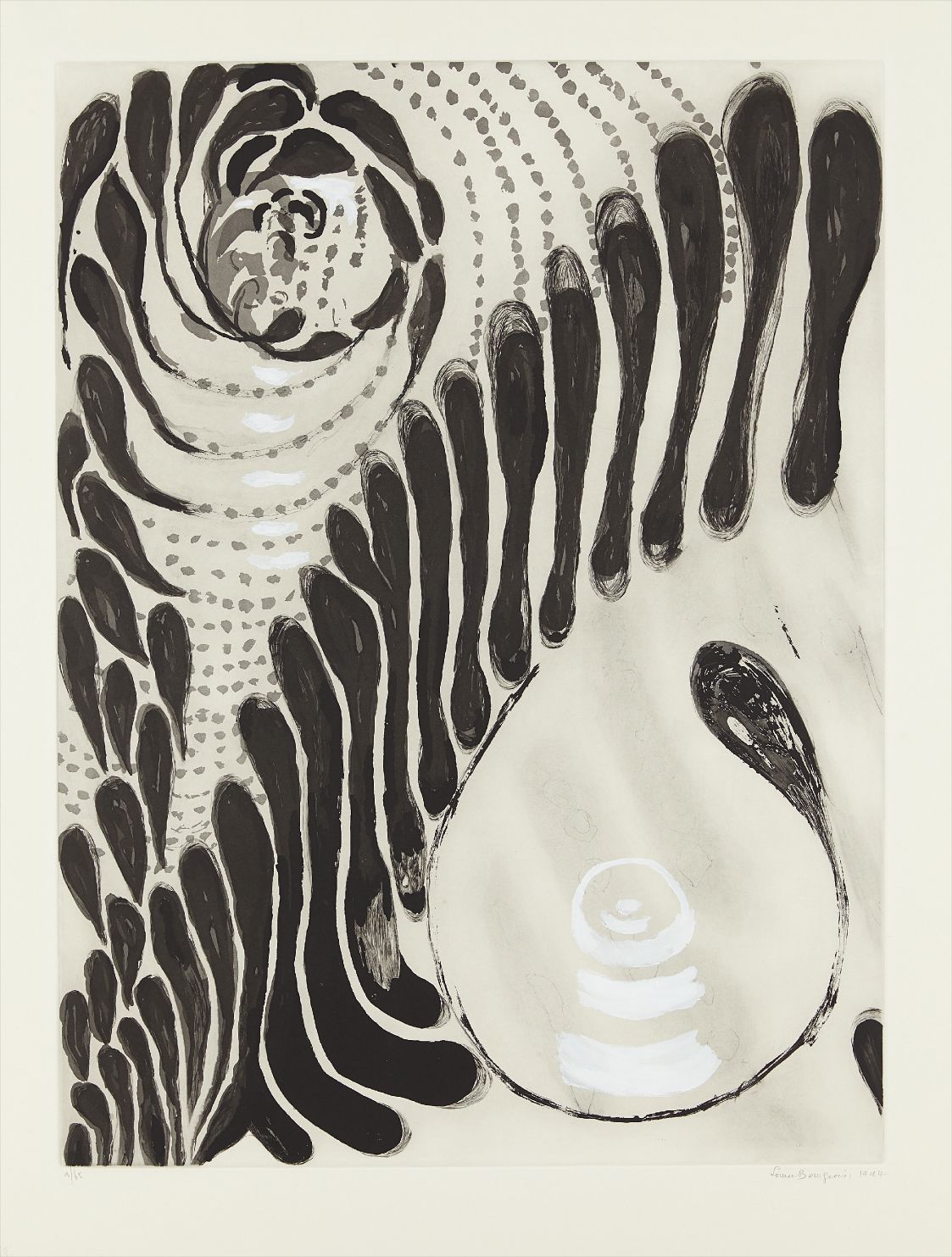
The Song of the Blacks and the Blues
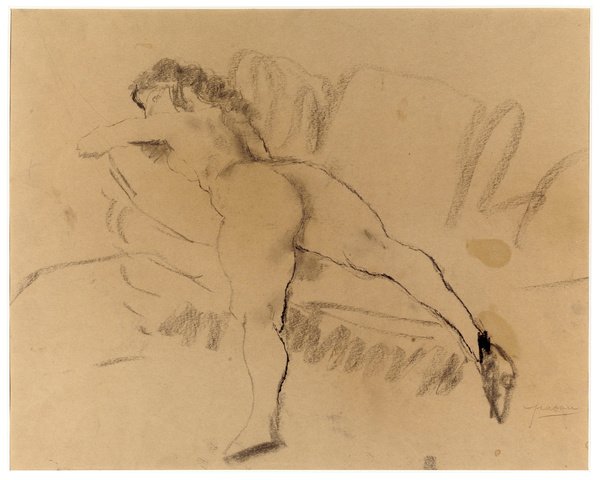
Between Two Worlds, Fully at Home in Neither
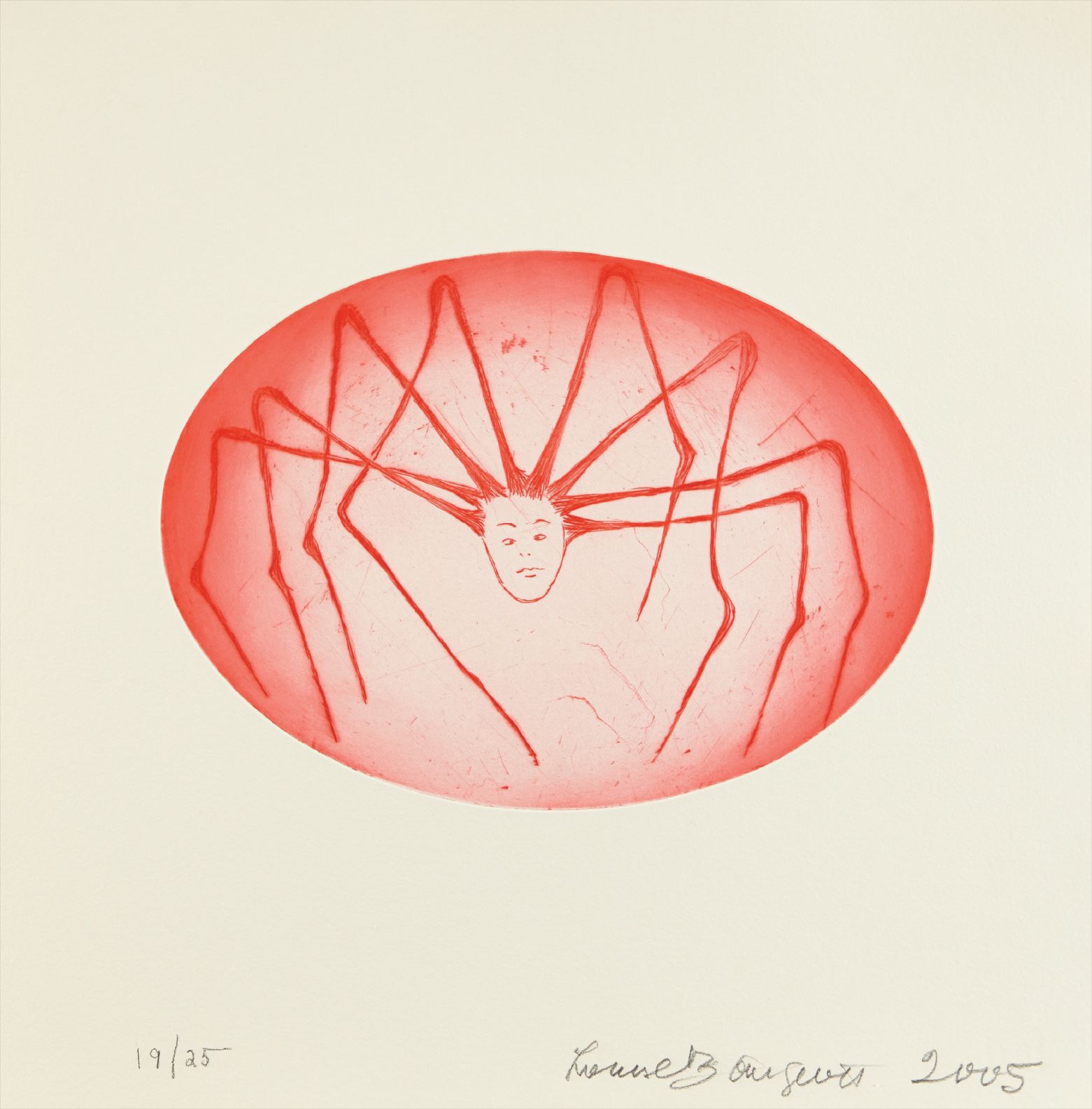
When a large format Louise Bourgeois spider sculpture sold at Christie's New York in 2019 for over 32 million dollars, the room understood something about the art market that had been building for decades. The result was not a surprise so much as a confirmation, a signal that the Franco American artistic identity, long treated as a footnote to more neatly packaged national narratives, had arrived at the center of the collecting conversation. Bourgeois, born in Paris in 1911 and resident in New York from 1938 until her death in 2010, spent her career refusing to let either culture fully claim her, and the market has rewarded that refusal with extraordinary appetite. The French American axis in modern and contemporary art is not a tidy category.
It encompasses artists who crossed the Atlantic in search of freedom, artists who fled persecution, artists drawn by the gravitational pull of the New York art world, and artists who simply found that living between cultures gave their work a productive restlessness. What unites figures as different as Louise Bourgeois, Jules Pascin, Arman, and Florence Henri is less a shared aesthetic than a shared condition: the experience of holding two cultural inheritances at once and finding that the tension between them is generative rather than paralyzing. Museum shows over the past decade have increasingly recognized this complexity. The Museum of Modern Art's 2017 retrospective of Louise Bourgeois, mounted in concert with Tate Modern, was a landmark moment that reframed her entire practice through the lens of displacement and memory rather than simply psychoanalytic abstraction.
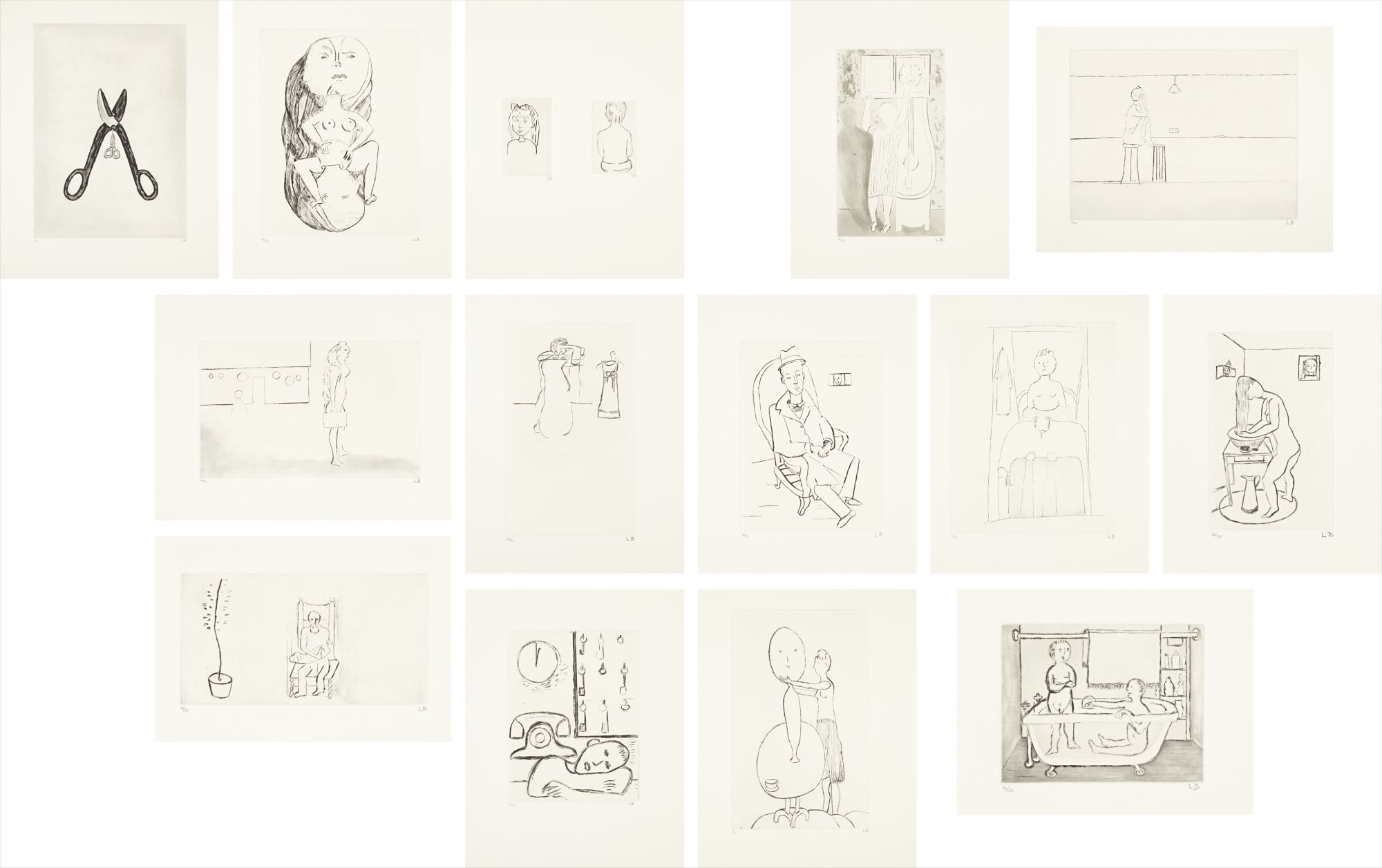
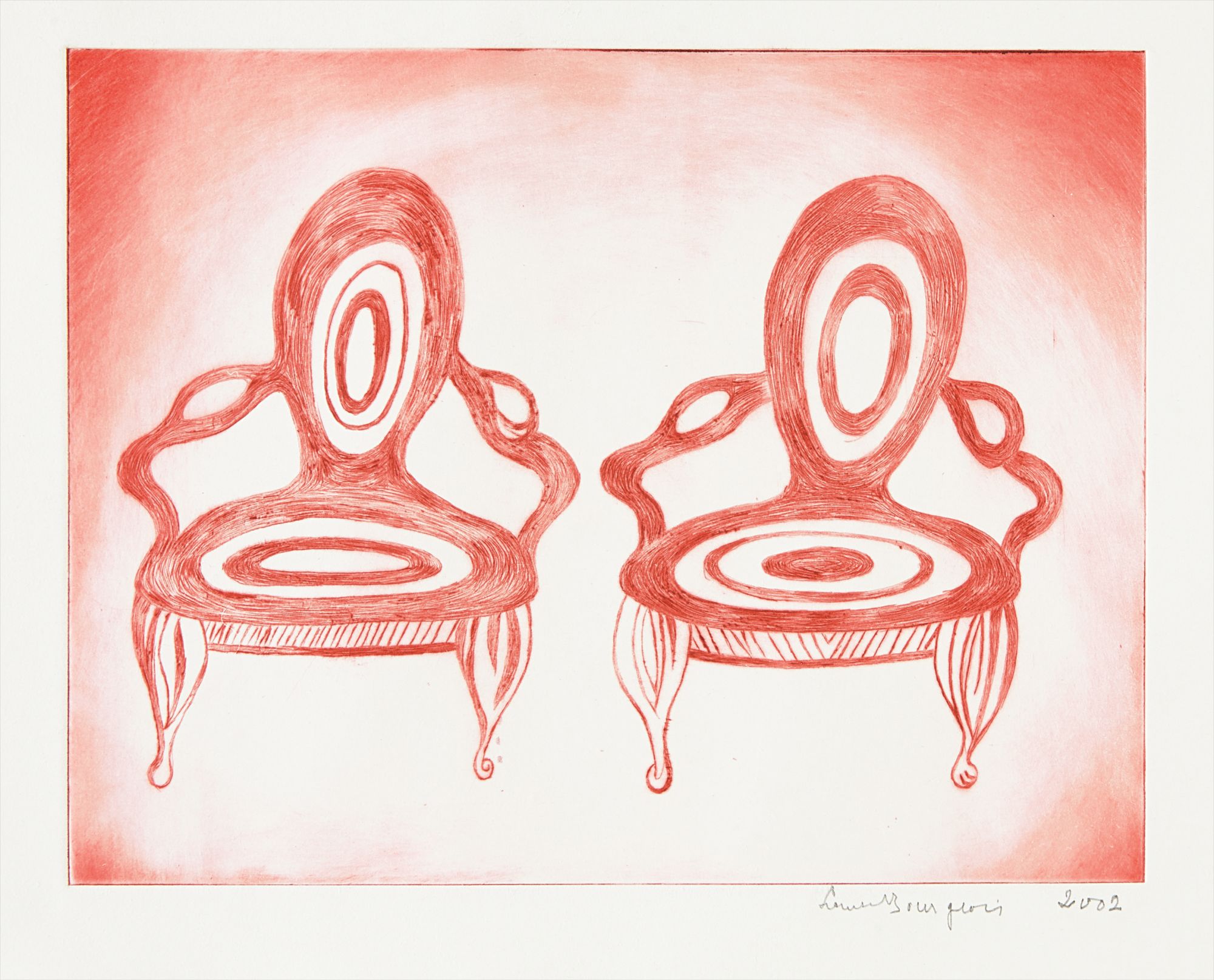
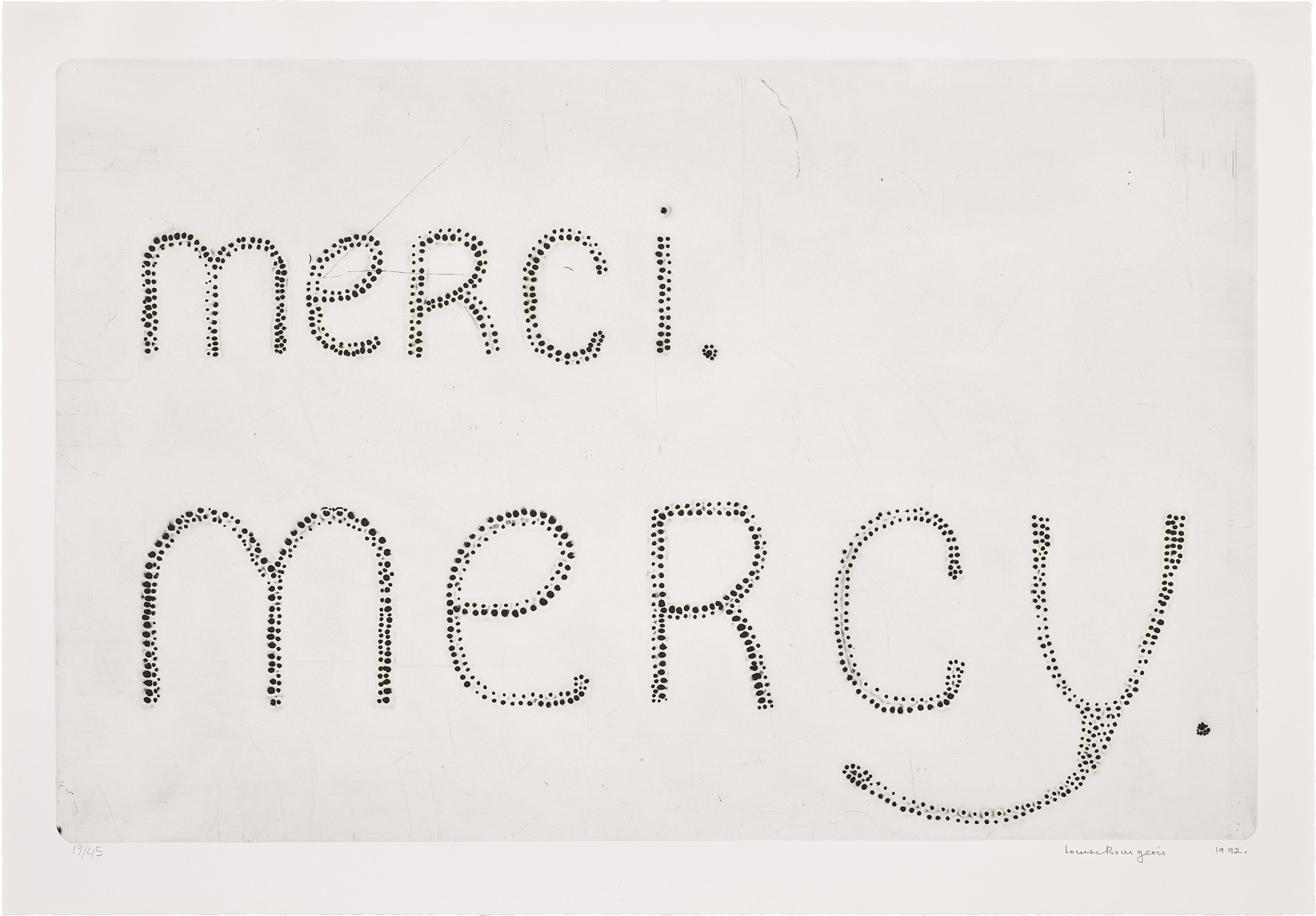
Louise Bourgeois
Autobiographical Series
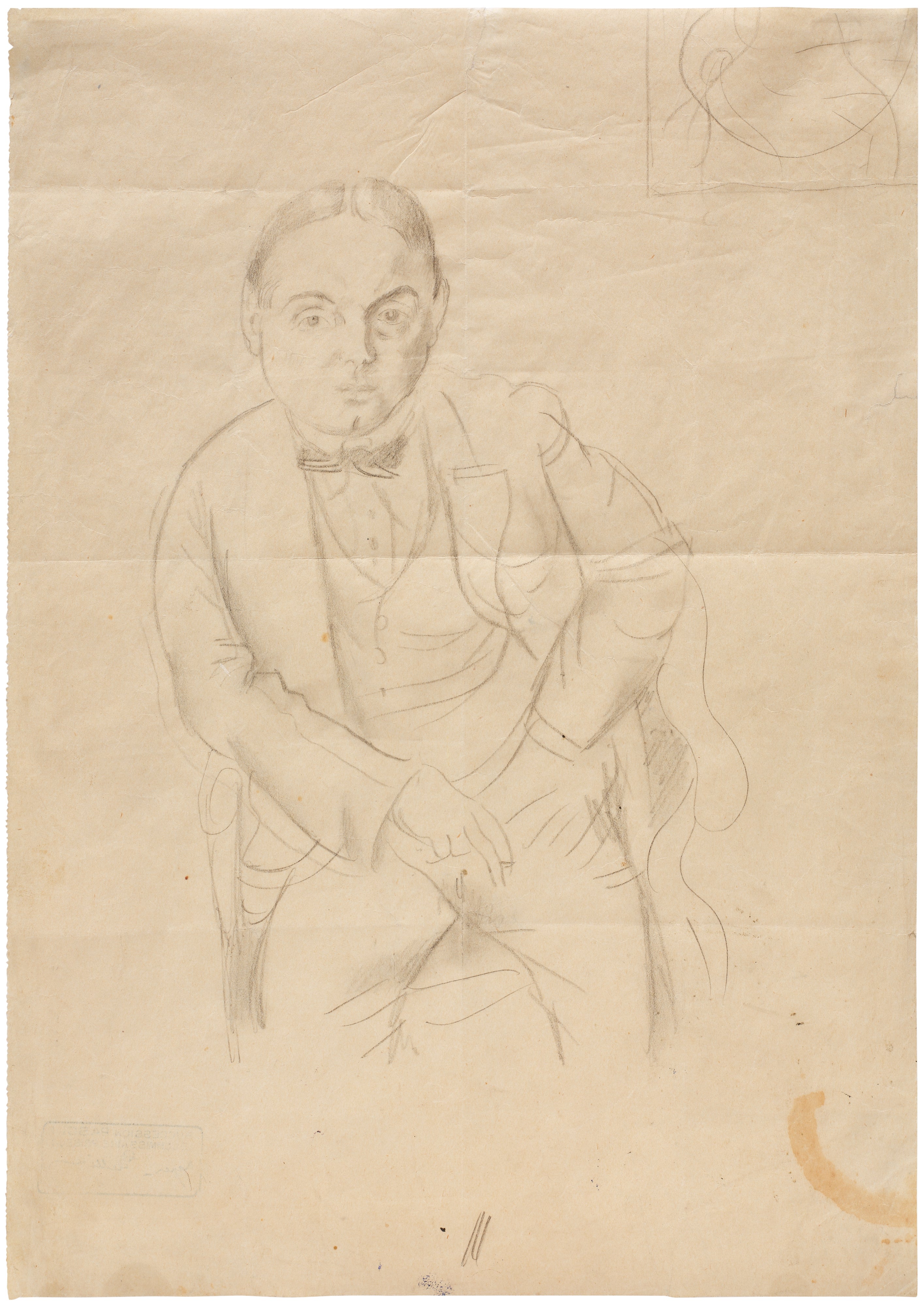
The show drew record attendance and provoked a serious reconsideration of her earliest work, the Personages sculptures she made in the late 1940s, which suddenly read as portraits of the people she had left behind in France. Curators Juliet Mitchell and Frances Morris brought a nuanced eye to the transatlantic dimensions of her practice in ways that earlier scholarship had undervalued. Jules Pascin, the Bulgarian born painter who became a French citizen and then spent formative years in New York during the First World War before returning to Paris, occupies a different but equally interesting position. His work sold modestly for much of the late twentieth century, but recent auction results in Paris and at Sotheby's have shown renewed interest in his tender, loosely painted figures and the bohemian world of Montparnasse he documented with such warmth.
Pascin's story is a reminder that the French American connection runs in both directions, and that artists who moved between the two cultures were often mapping something larger about modernity and rootlessness. Florence Henri represents yet another register of this story. Trained at the Bauhaus and deeply embedded in the Parisian avant garde of the 1920s and 1930s, Henri's photographs have attracted serious institutional attention in recent years. The Jeu de Paume in Paris staged a major retrospective that toured to several European venues, and her market has responded accordingly.
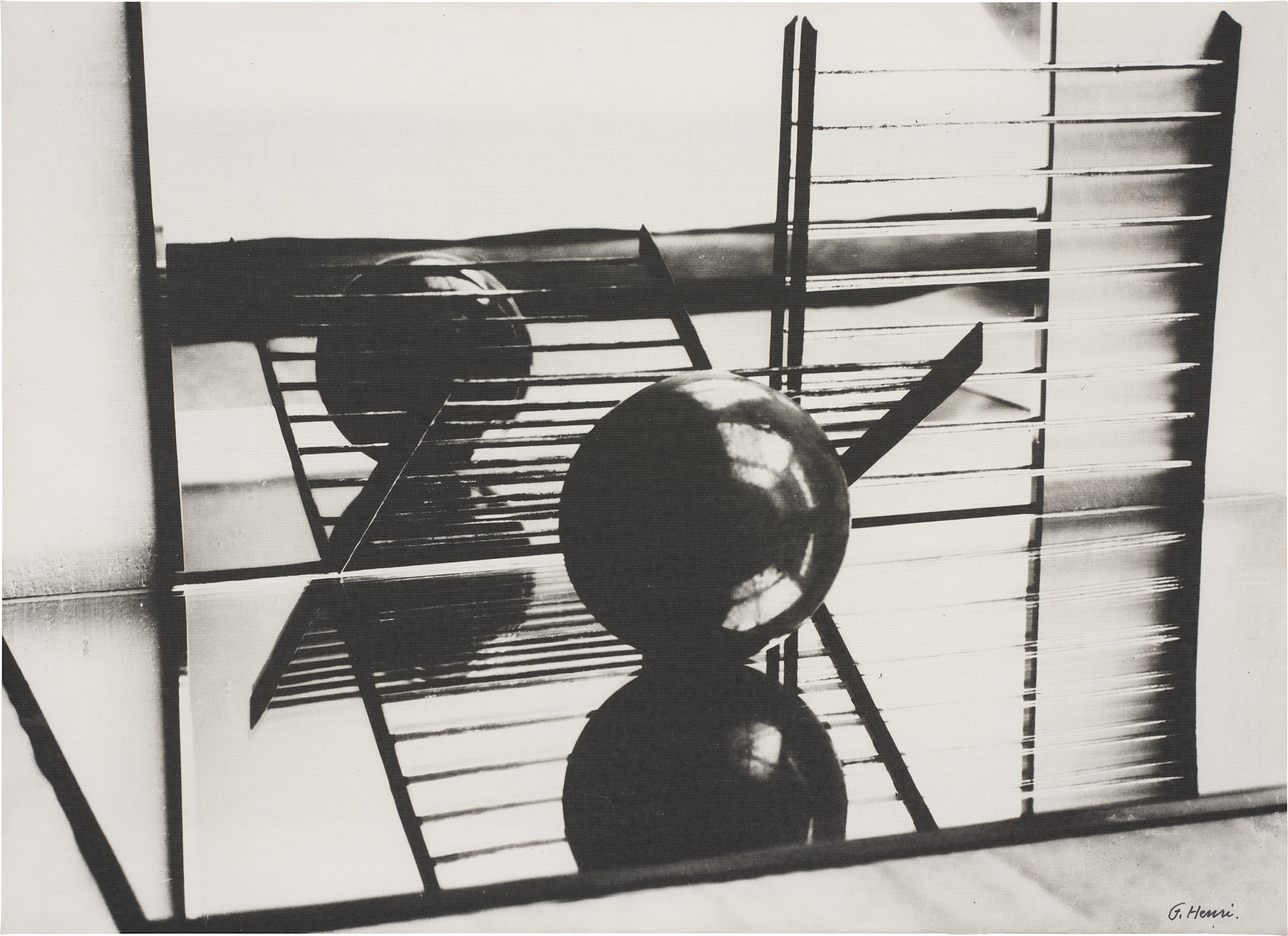
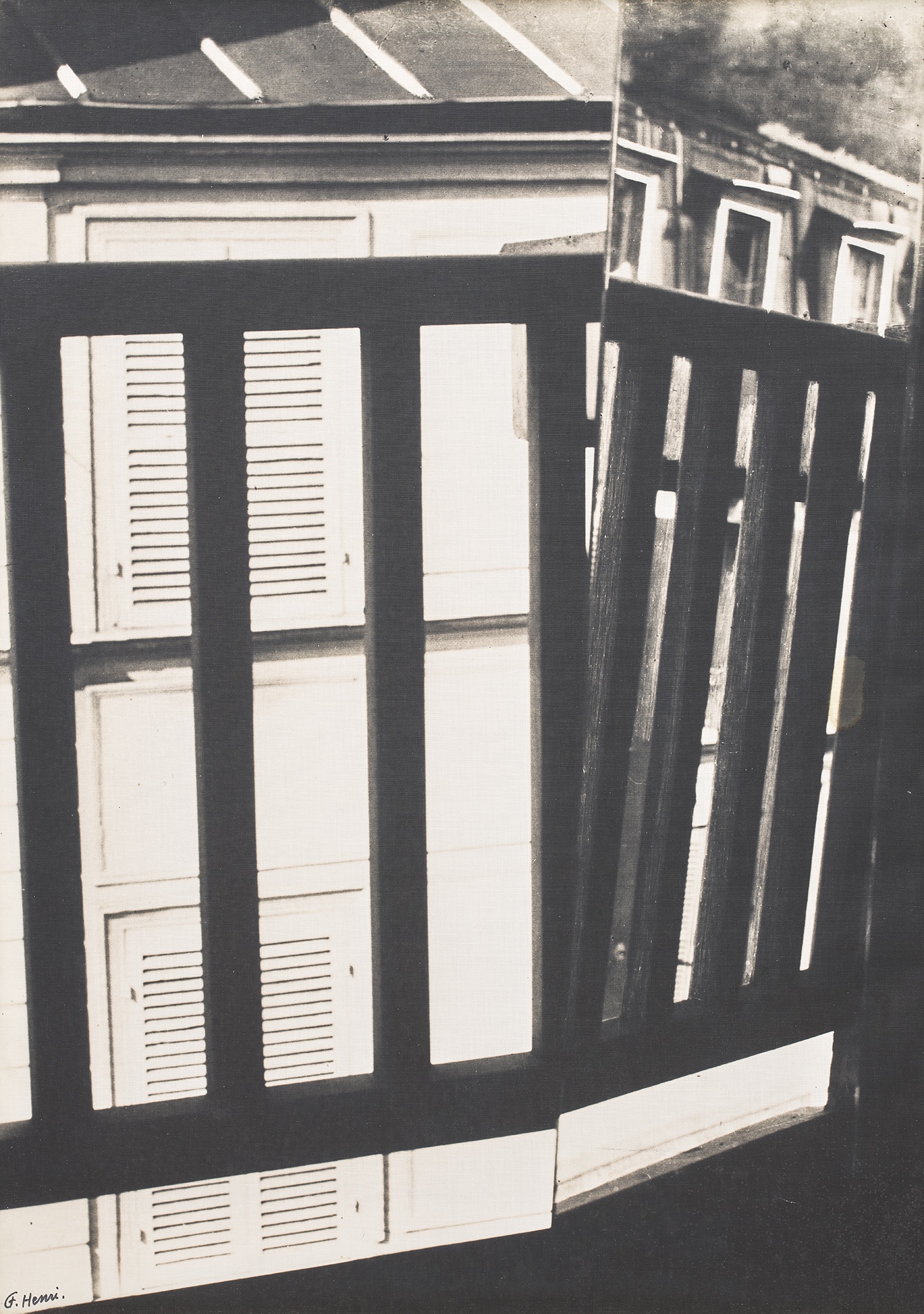
Florence Henri
Still Life Composition
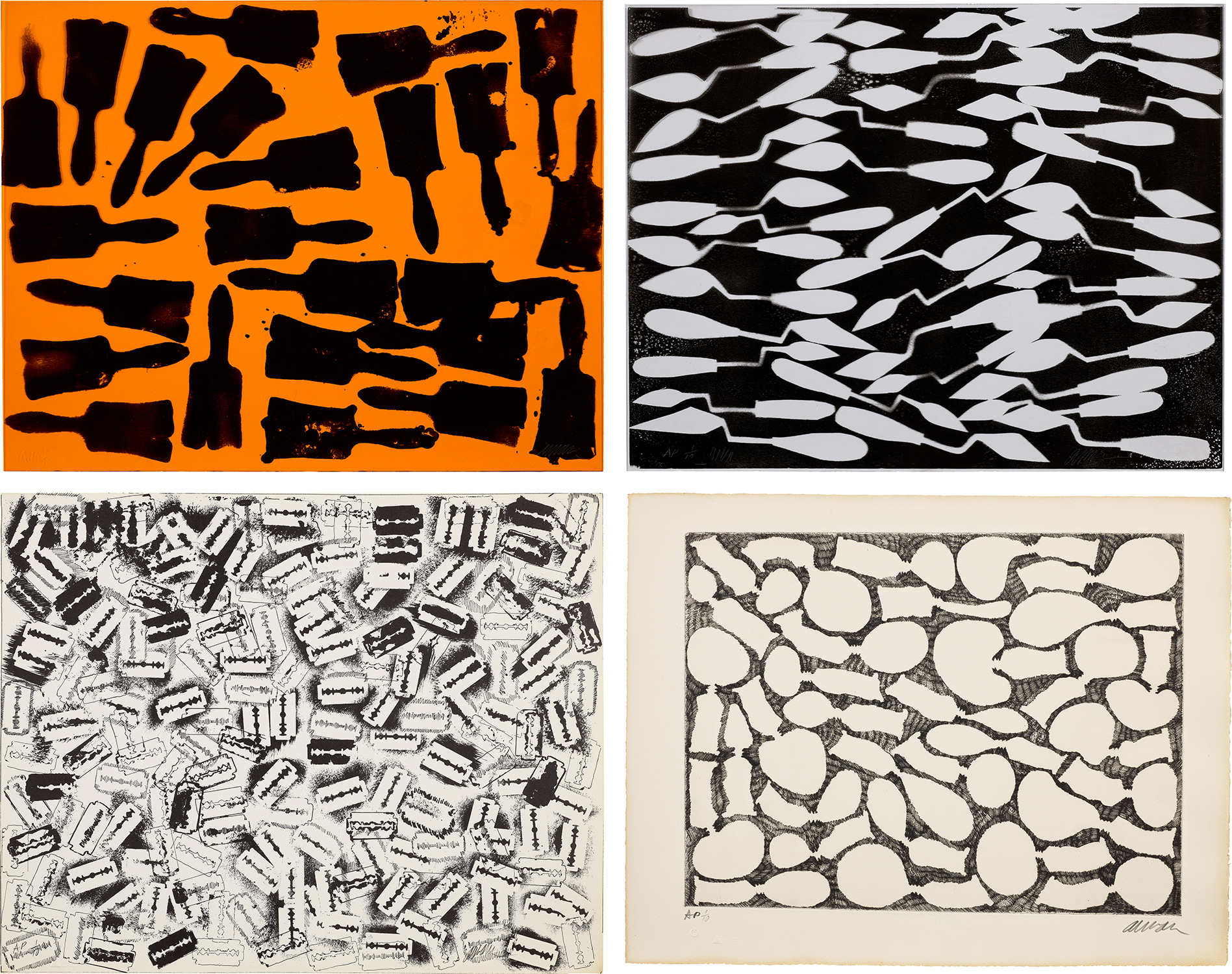
Her self portraits using mirrors, elegant and disorienting at once, feel newly relevant in an era preoccupied with constructed identity and the politics of self image. Collectors who acquired her work a decade ago at relatively modest prices have watched those valuations climb steadily. Arman, who became an American citizen in 1973 while maintaining deep roots in Nice and Paris, remains an important figure in any serious account of French American exchange. His accumulations and destructions, objects gathered and encased or violently fragmented, anticipated the culture of accumulation and waste that would define late capitalism in ways critics are only now fully articulating.
His public sculptures are permanent presences in major cities on both continents, yet the market for his works on paper and smaller objects still has room to grow. Serious collectors have noted that Arman's secondary market tends to undervalue the intellectual ambition of his project relative to his peers in the Nouveau Réalisme movement. The critical conversation around French American artists has been shaped substantially by scholars working at the intersection of immigration history and art history. Books by Wanda Corn and Tirza True Latimer on American artists in Paris, and by Temma Balducci on gender and expatriate culture, have given collectors and curators new frameworks for understanding these careers.
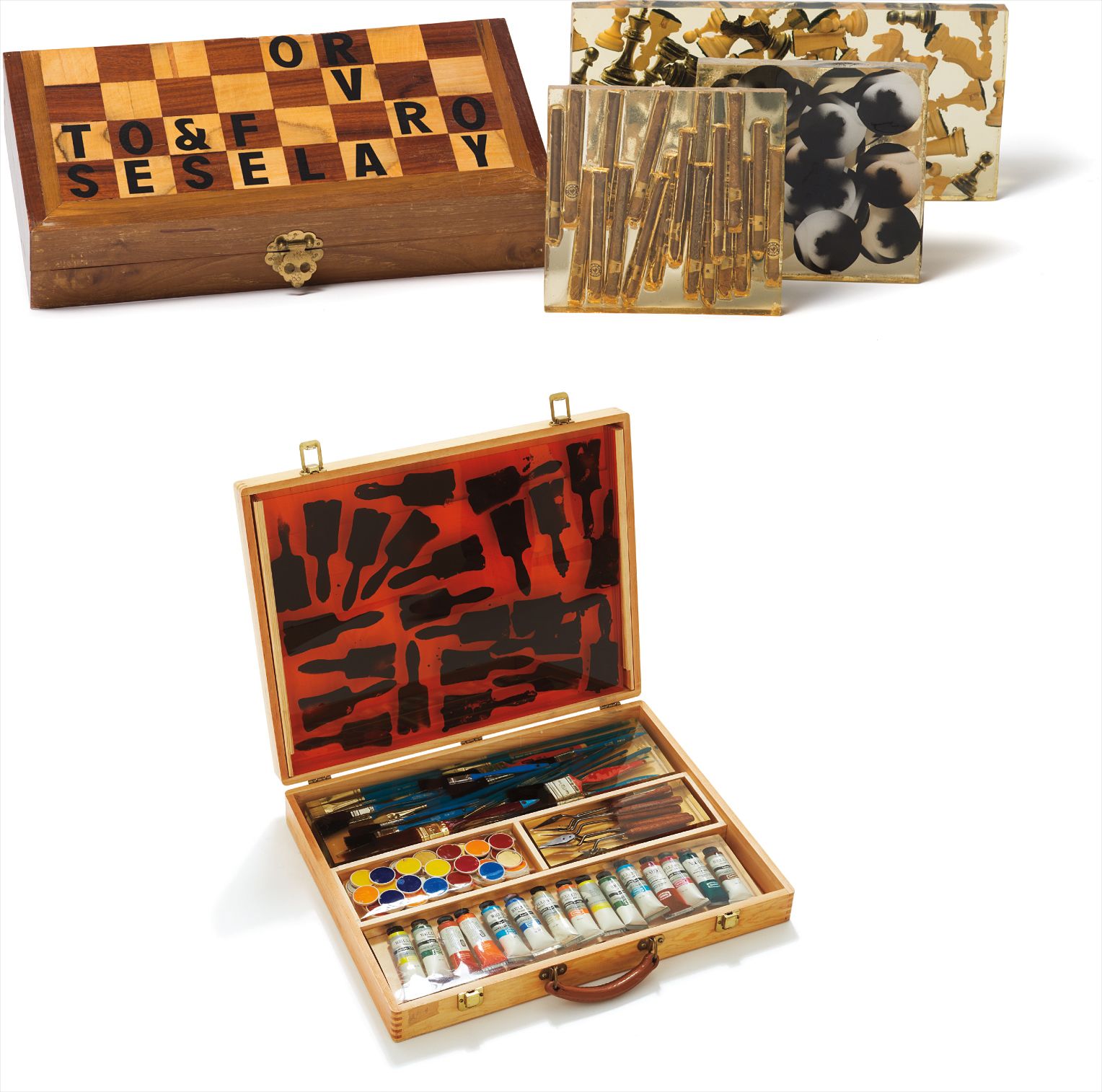
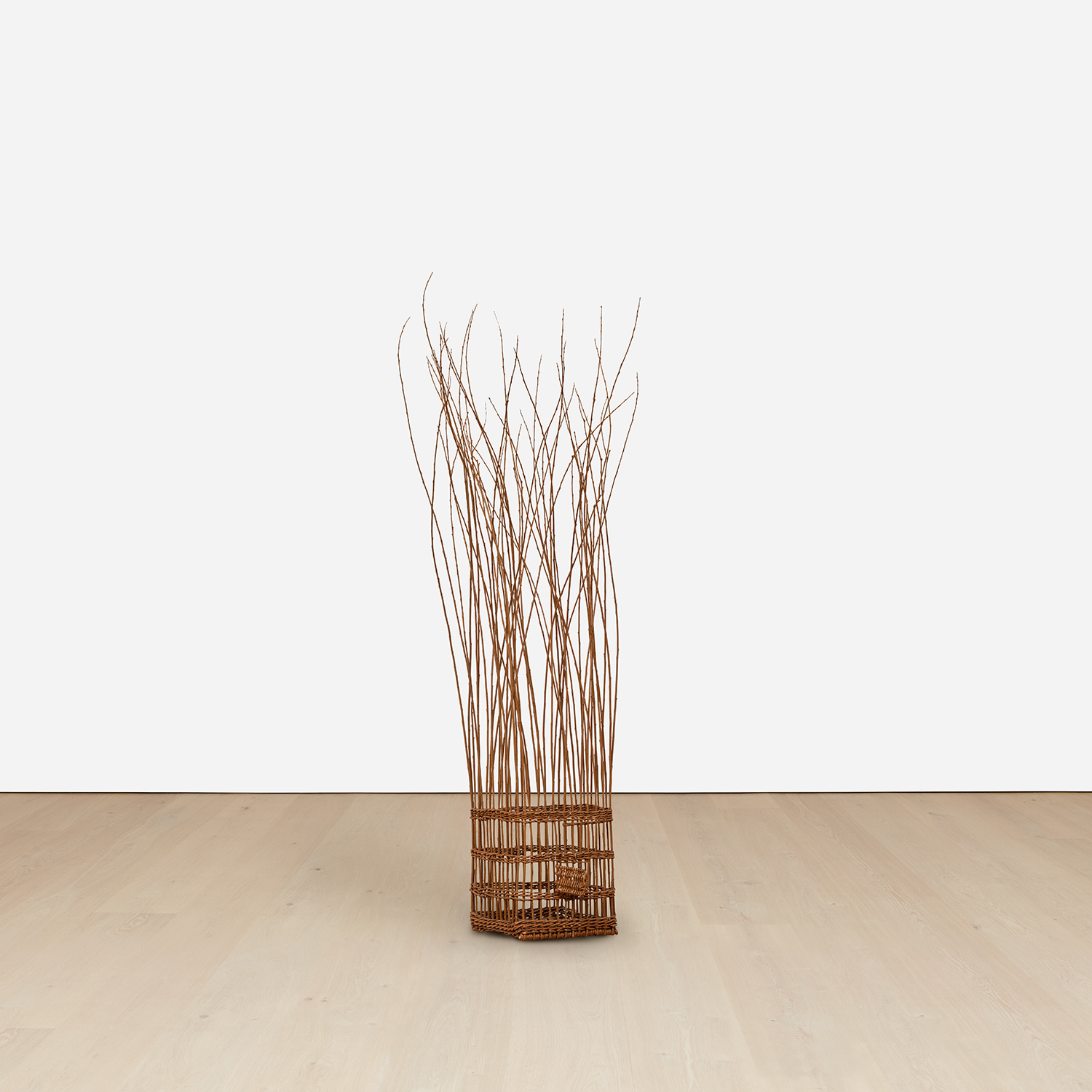
Arman
Paintbox; and Hommage à Duchamp: To and for Rose Selavy
The journal American Art has published important revisionist scholarship, and curators at the Smithsonian American Art Museum have been quietly building one of the strongest holdings in this area of any public institution. When institutions of that caliber commit to a collecting area, it tends to ratify private market interest in ways that play out over years. What feels alive right now in this space is the appetite for artists whose biographies were long treated as complications rather than assets. The transatlantic story, once framed as a kind of rootlessness or inability to commit to a single tradition, is being reread as a form of sophistication, an early version of the global mobility that defines contemporary art practice.
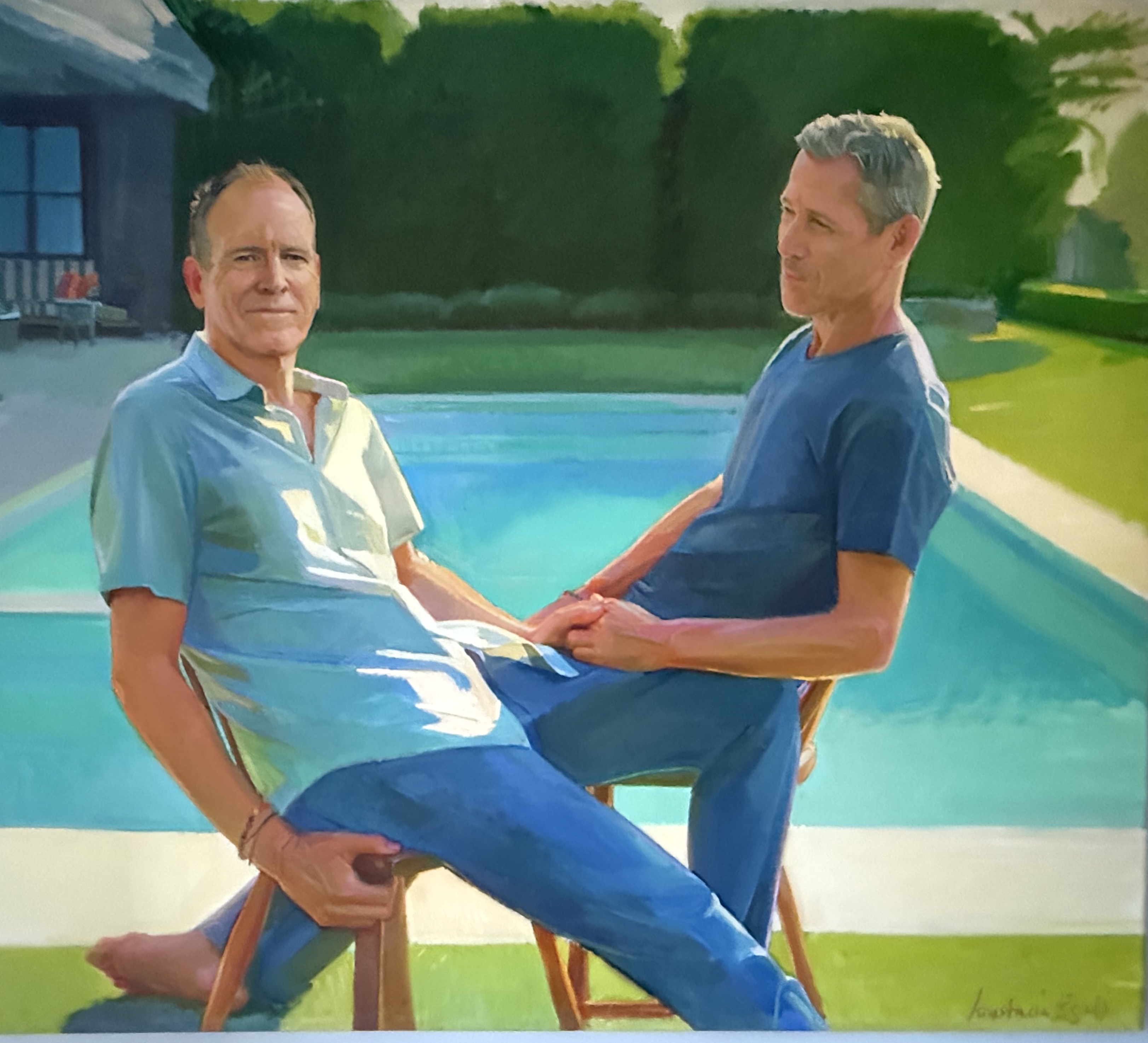
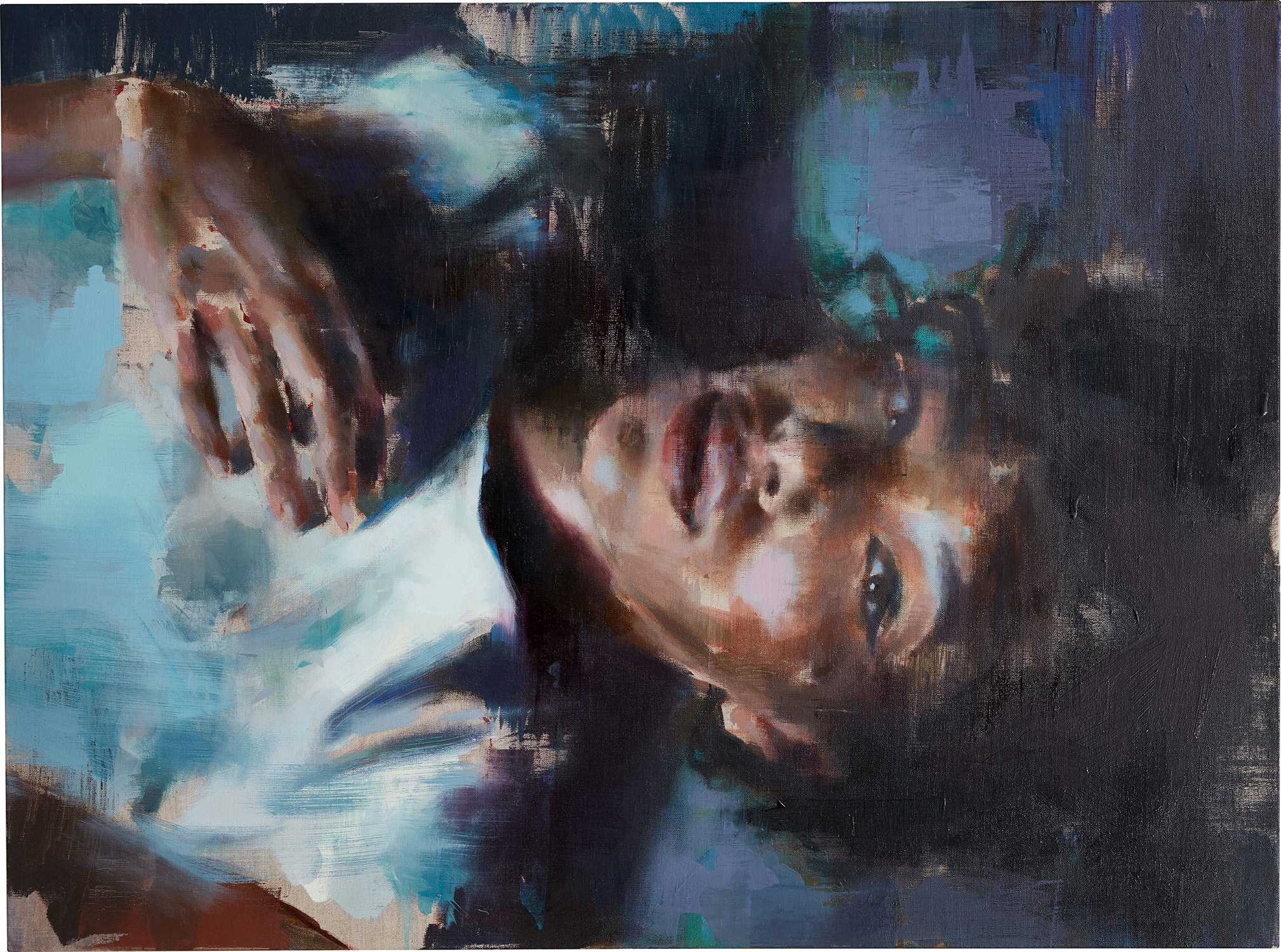
Bourgeois, whose presence on The Collection reflects deep and sustained collector interest, is the clearest example of an artist whose full significance was visible only once critics stopped trying to assign her to a single national tradition and started attending to the work itself. The surprises ahead are likely to involve artists whose French American dimensions have not yet been fully legible to the market. Jerome Lagarrigue, the painter whose luminous figurative work moves between the French tradition of painting light and an American engagement with contemporary Black identity, is exactly the kind of artist whose position between two cultures gives his work its distinctive charge. As the conversation about representation and canon formation continues to reshape institutional priorities, collectors who are paying attention to the transatlantic dimensions of his practice are positioning themselves well.
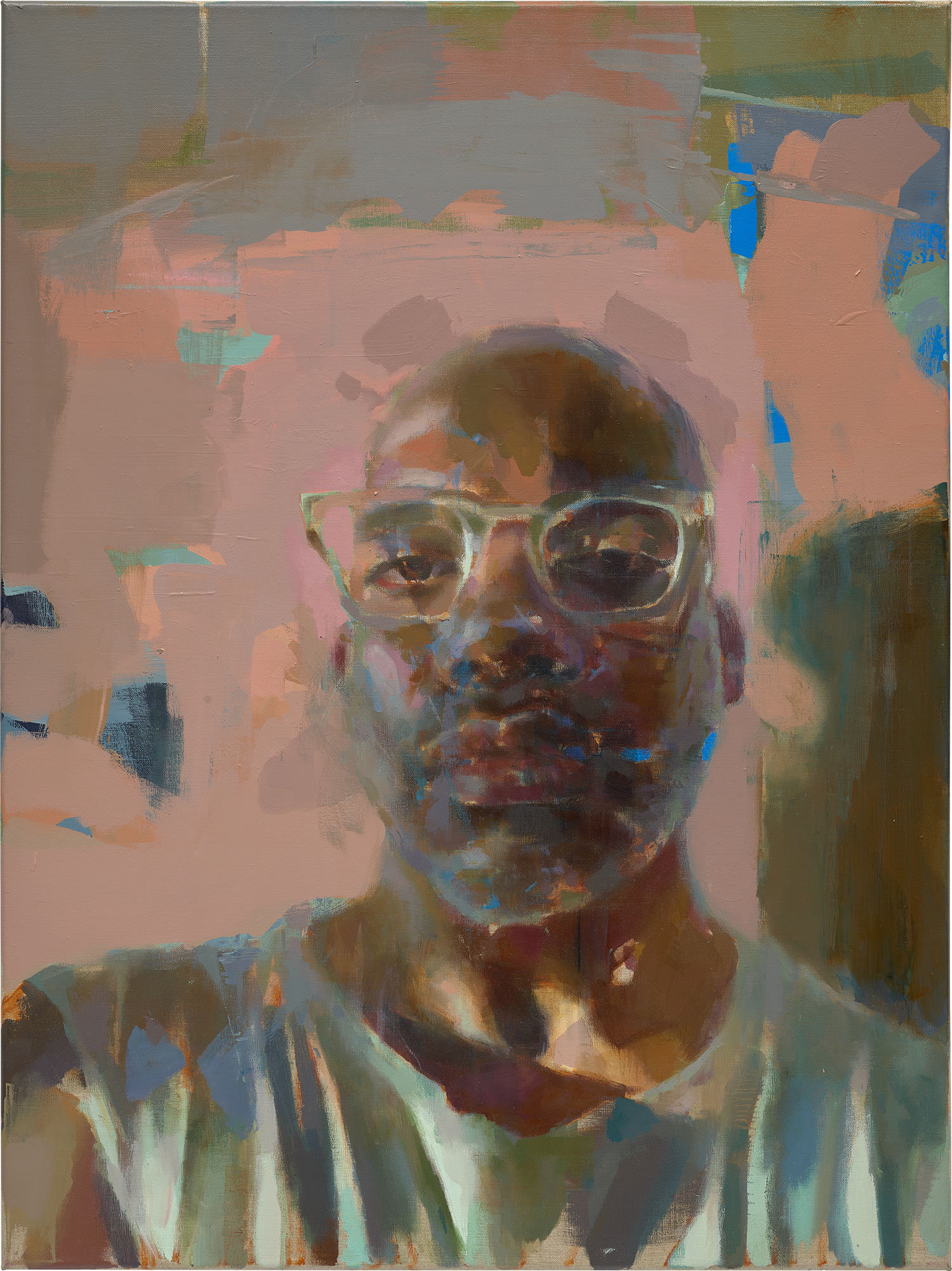
Jerome Lagarrigue
Late Afternoon, 2020
The most interesting collecting in this space has always been about seeing the whole person, not just the work that fits the available category.