Dynamic Brushwork
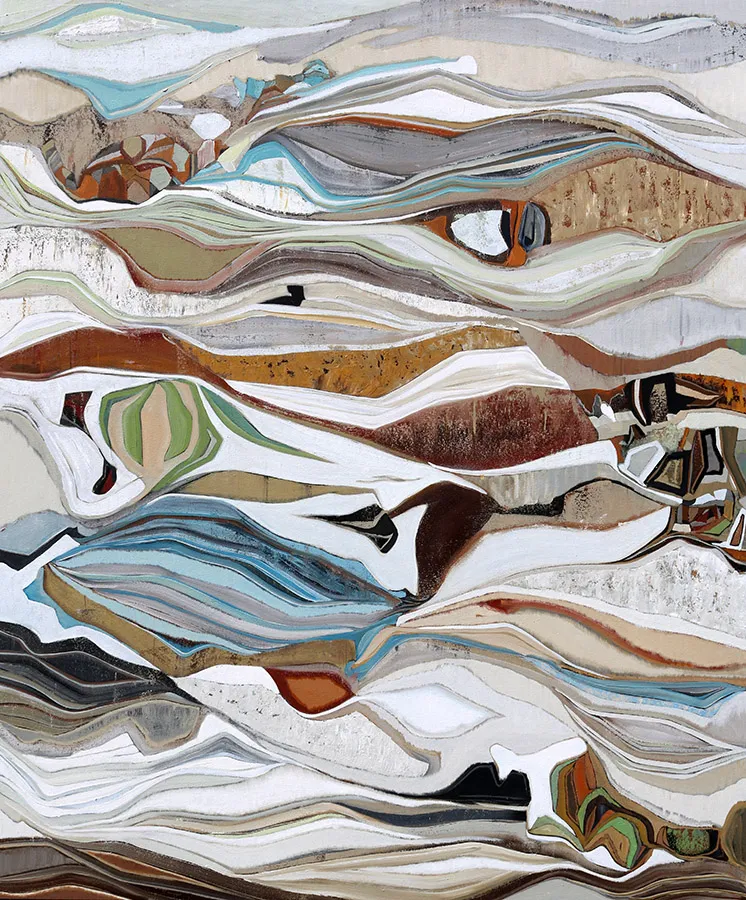
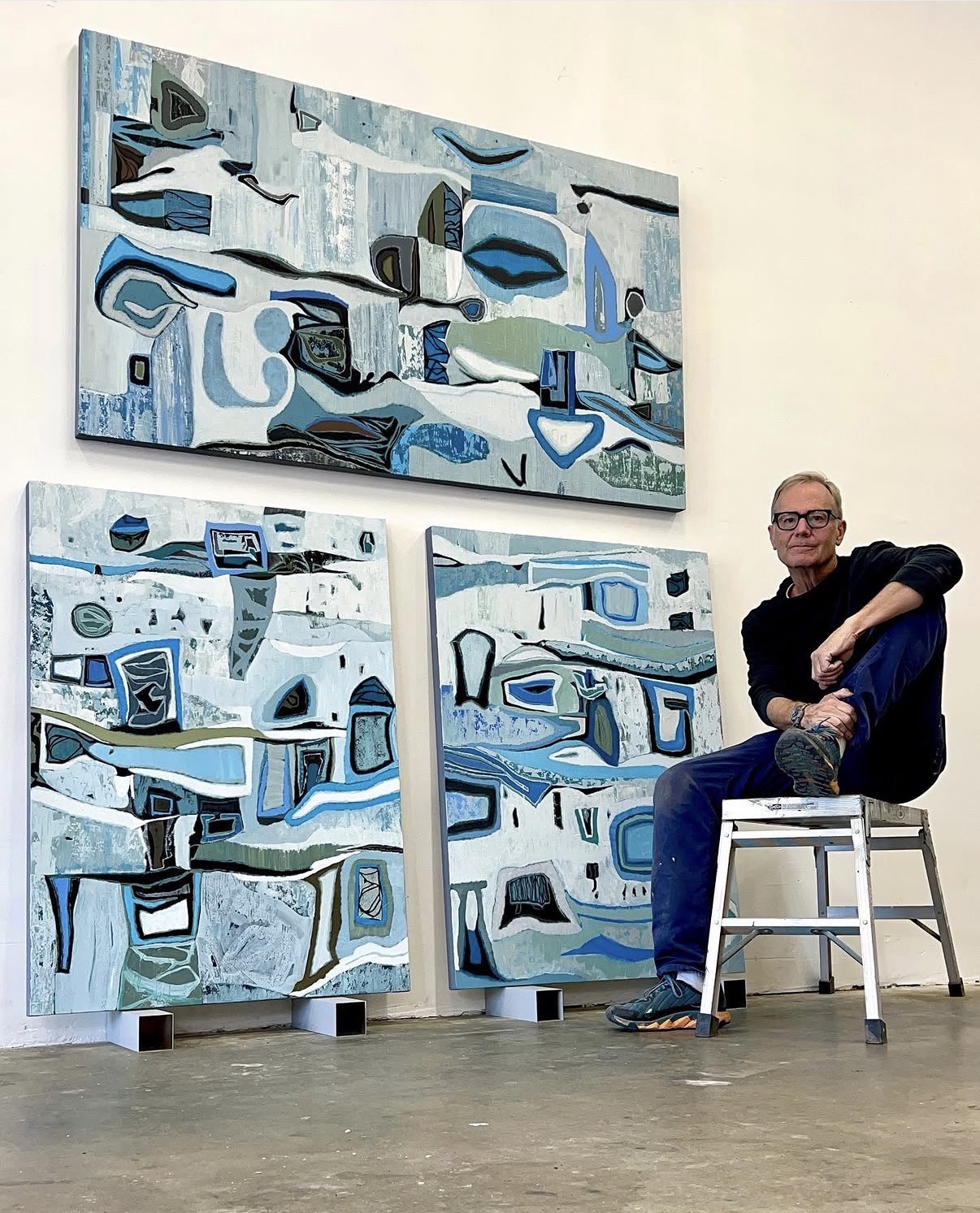
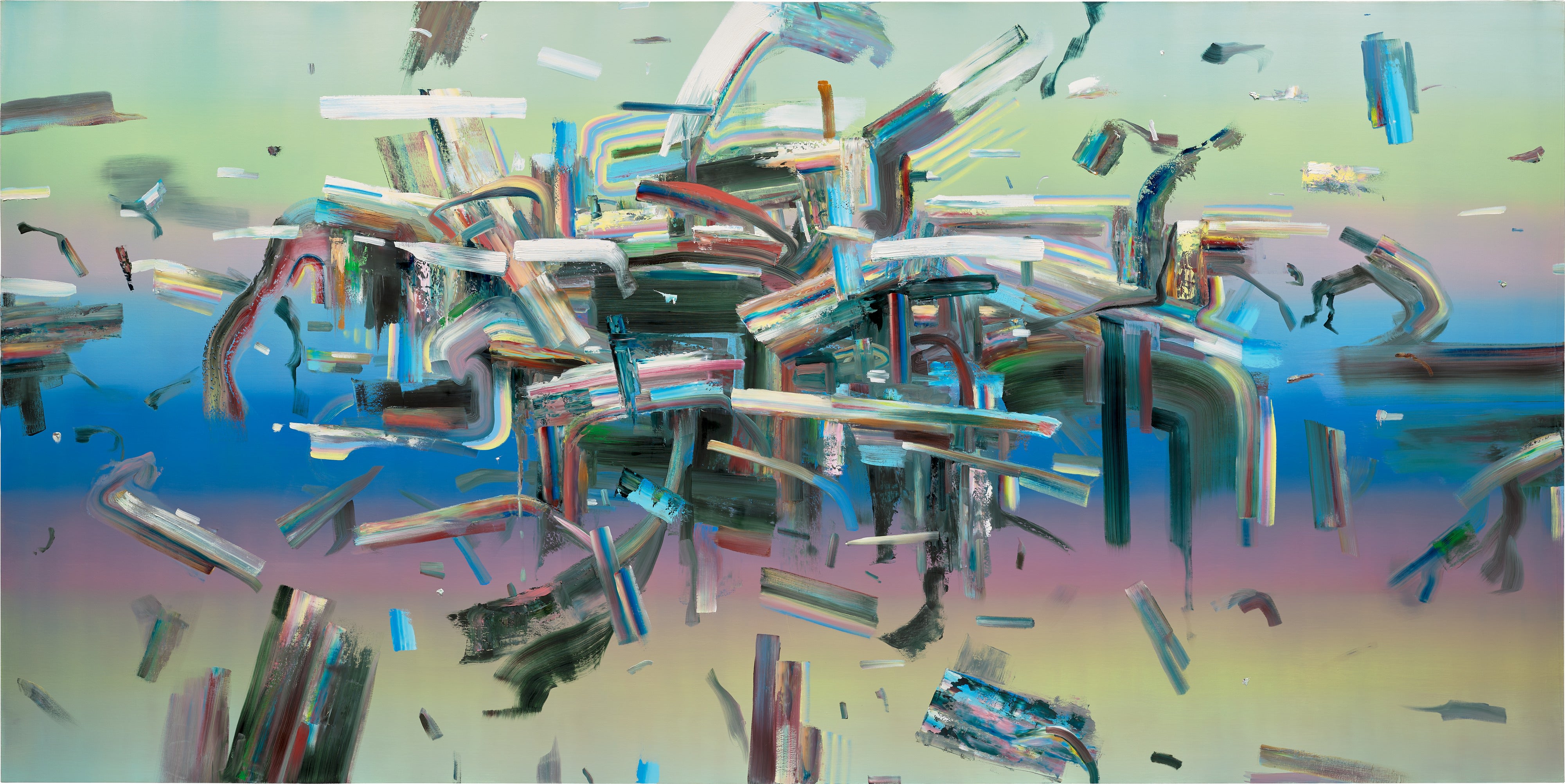
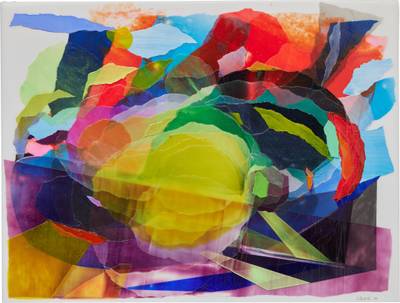
Chase Langford
Saddle Junction 12, 2022
The Gesture That Will Not Stay Still
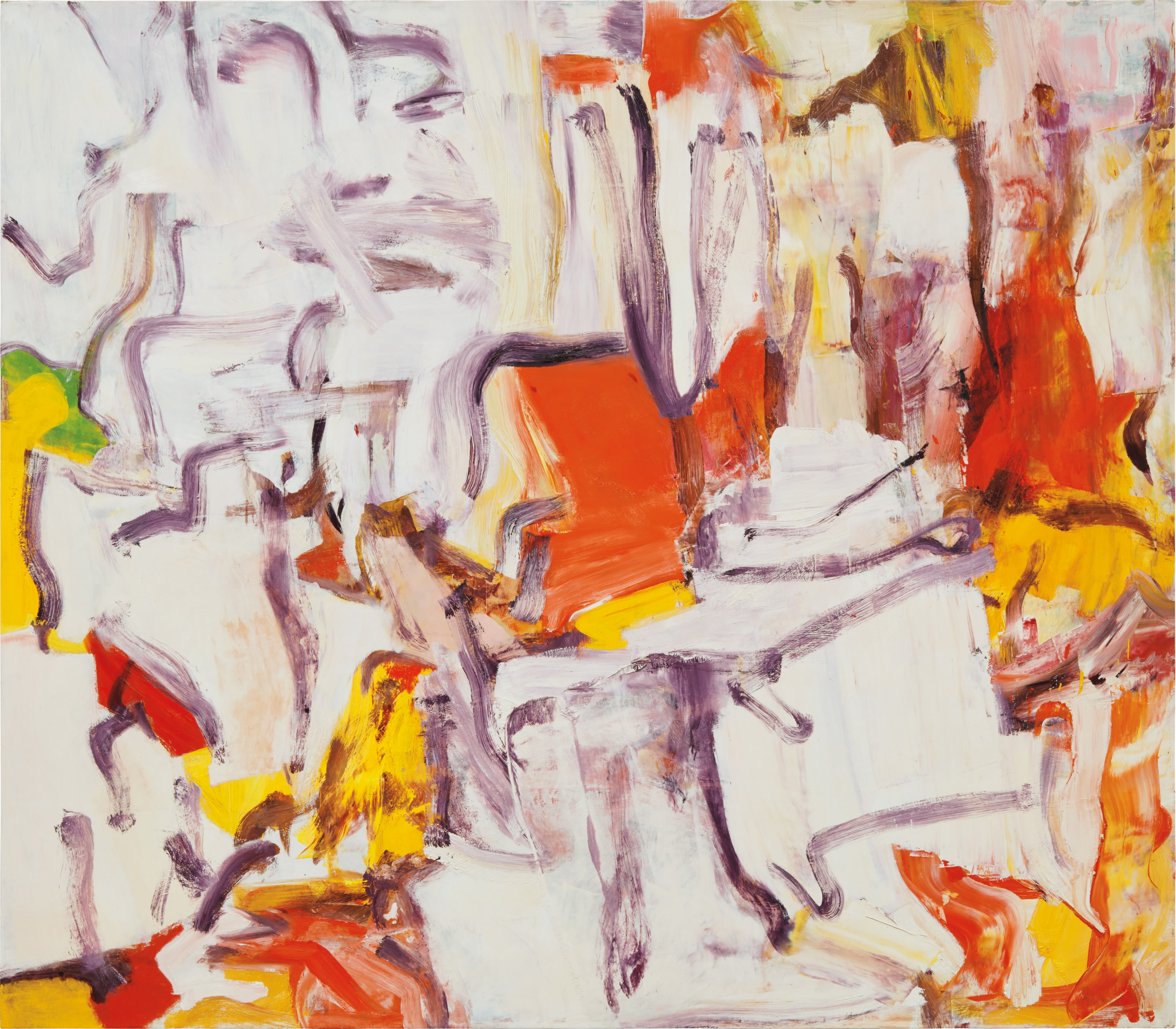
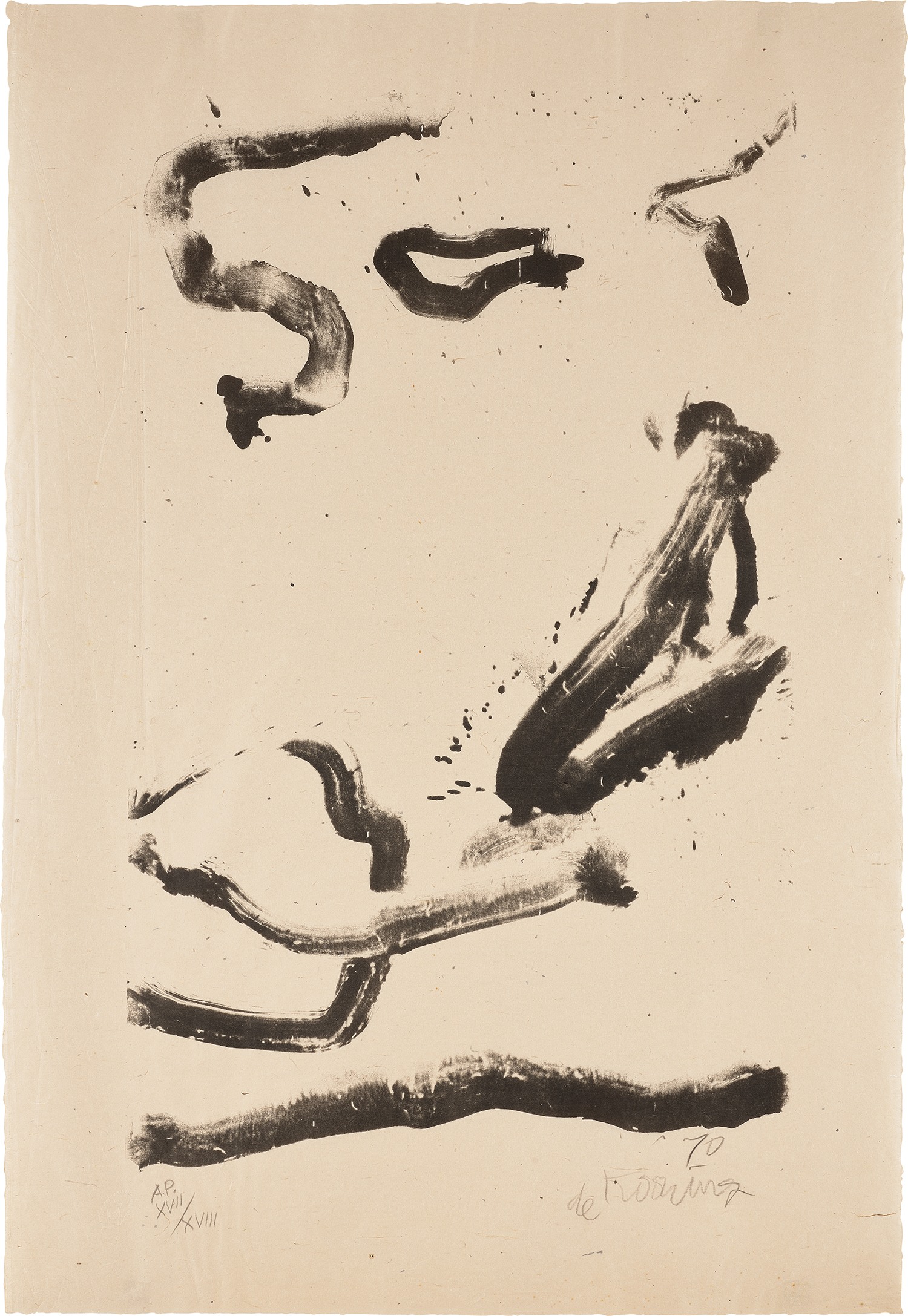
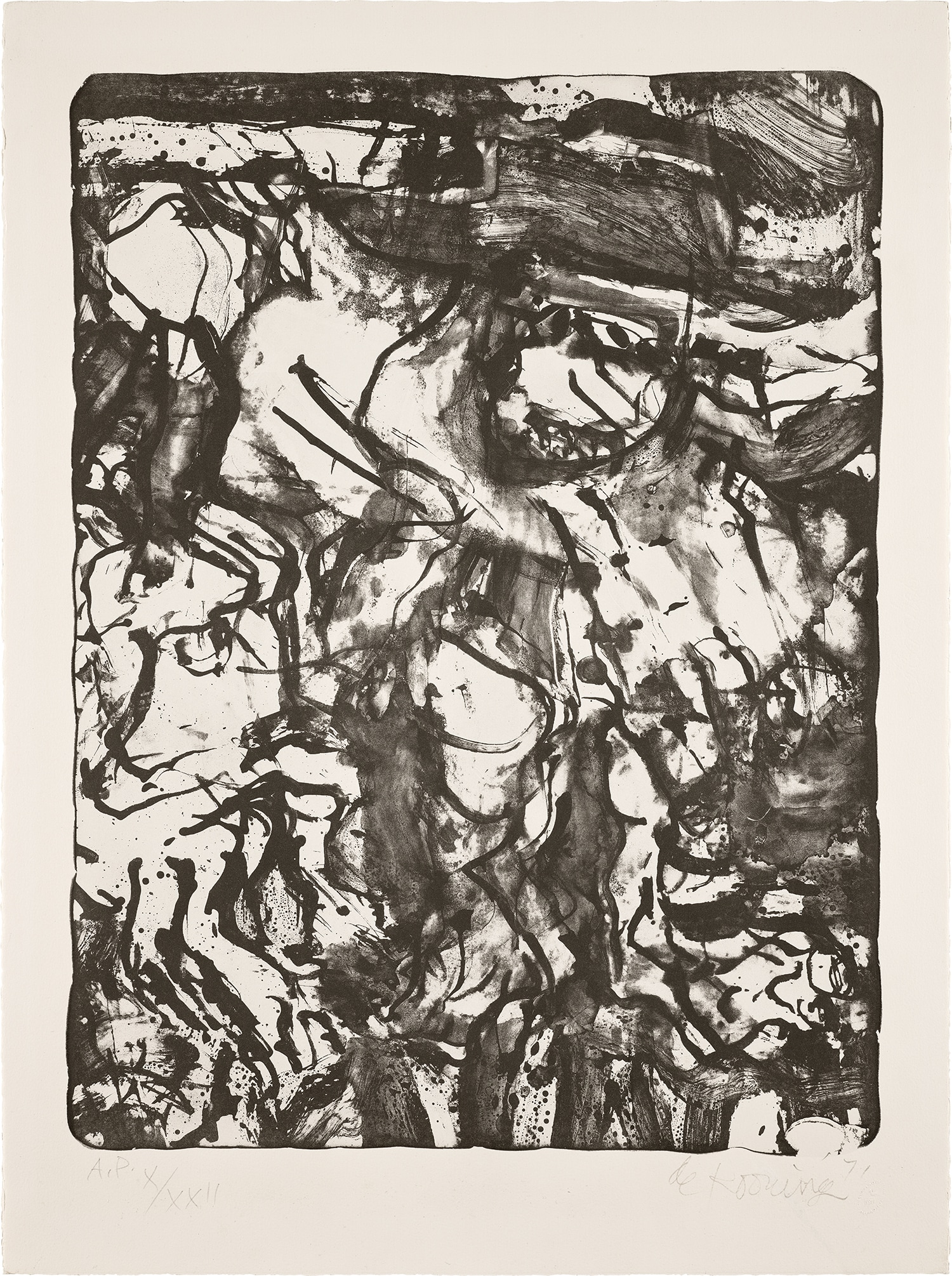
When a painting by Willem de Kooning sold at Christie's New York for over 35 million dollars in recent years, the room went quiet in a particular way that seasoned auction observers recognize. It was not the silence of surprise. It was the silence of confirmation. The market for dynamic, gestural painting has not simply survived the decades since Abstract Expressionism first electrified post war culture.
It has deepened, broadened, and grown more discerning in ways that make this one of the most intellectually rewarding categories to follow right now. De Kooning remains the gravitational center of this conversation, and his presence on The Collection is significant for exactly that reason. His work established a vocabulary of mark making so physical, so openly in dialogue with the body, that virtually every painter working in this mode has had to reckon with it. But what makes the current market moment interesting is the way collectors and institutions are simultaneously honoring that lineage and reaching beyond it toward figures who have been undervalued for too long.
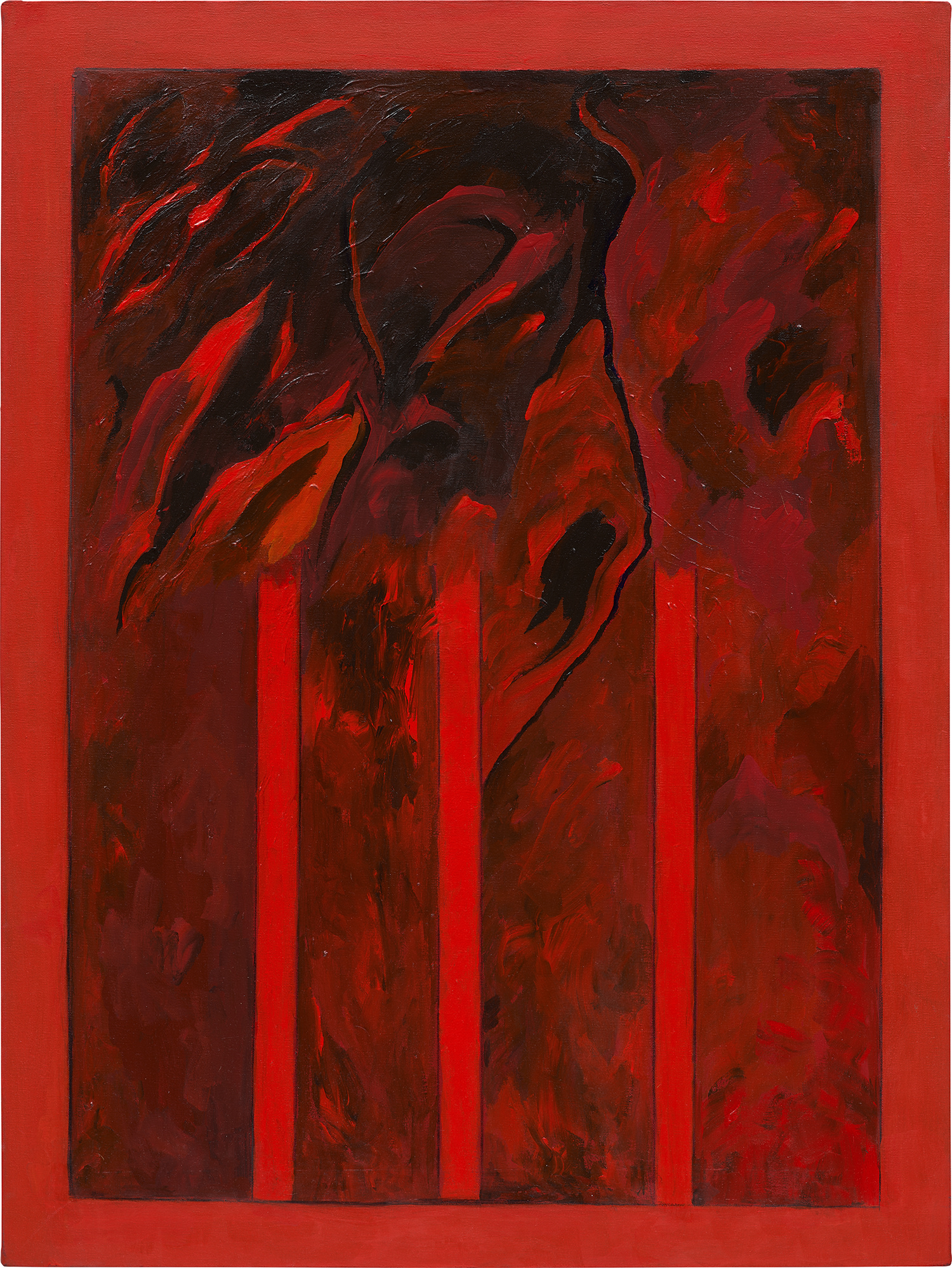
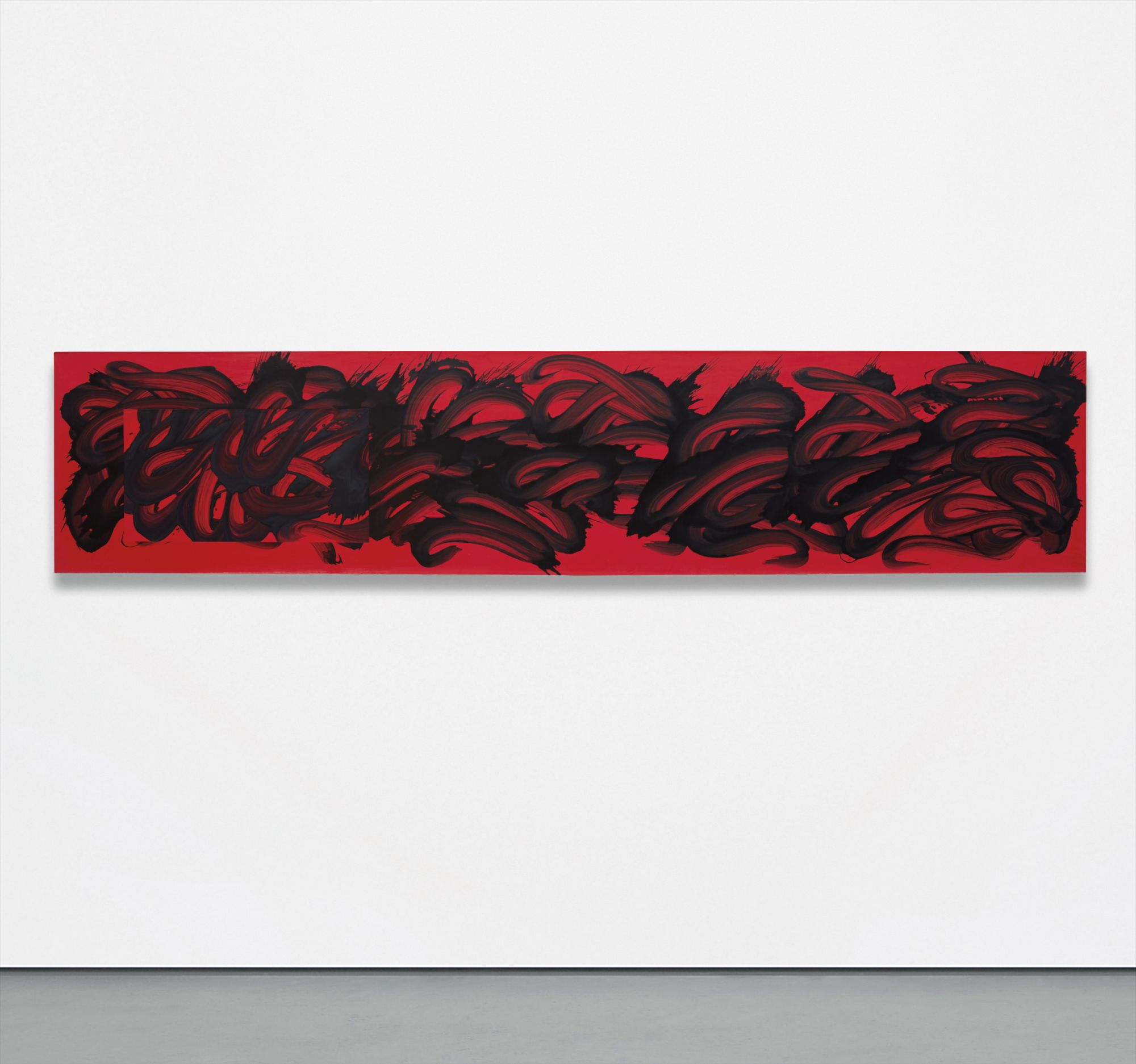
Sonia Gechtoff
In the Red, 2016
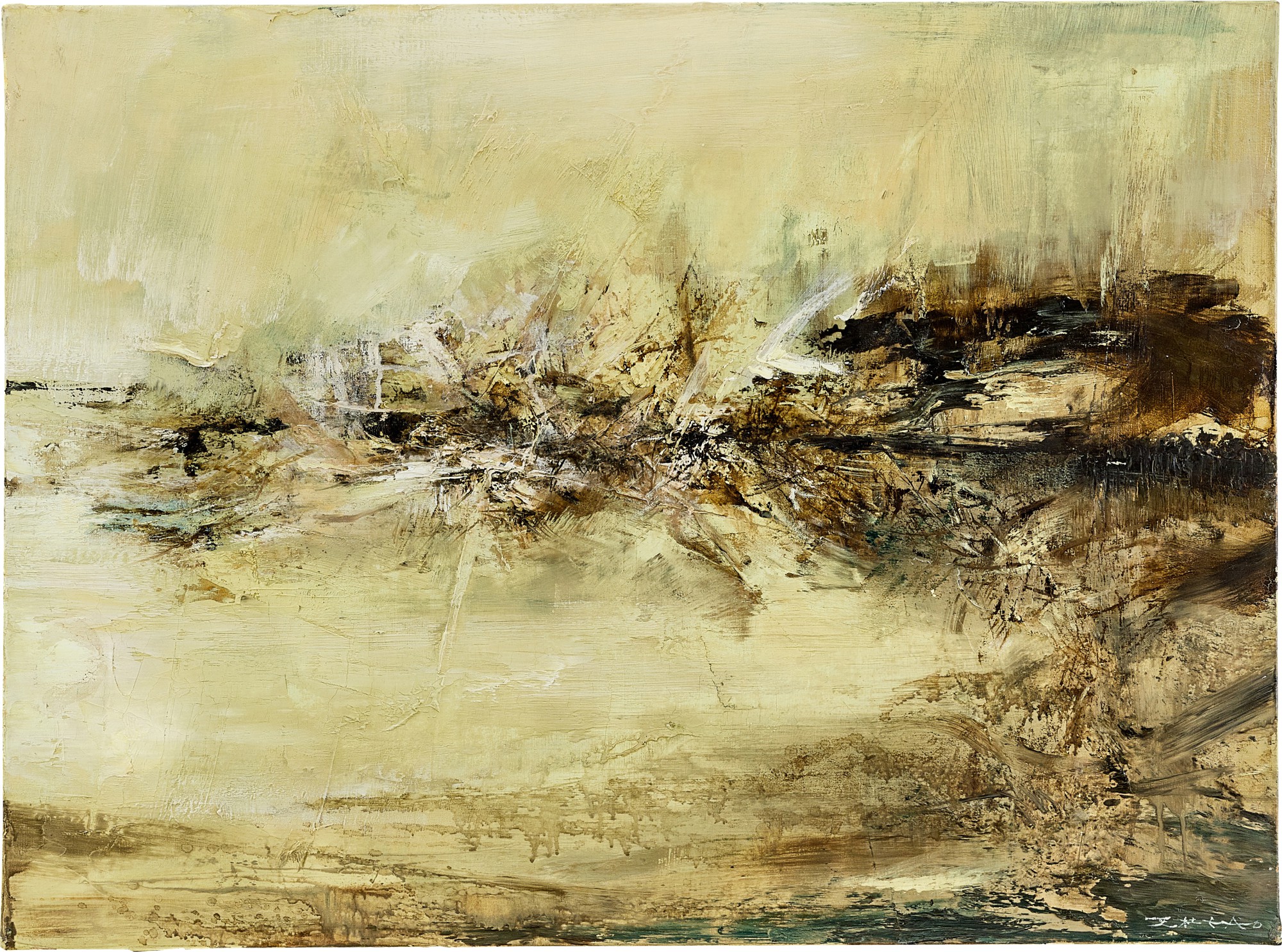
The critical reappraisal of Sonia Gechtoff, a key figure in the San Francisco School of Abstract Expressionism during the 1950s, is one of the more gratifying developments in recent scholarship. Her inclusion in major survey shows has reminded the field that the gestural tradition was never as geographically or demographically narrow as the canon once suggested. The exhibition record over the past several years has been genuinely illuminating. The Museum of Modern Art's sustained attention to post war abstraction, most notably through its reconsideration of works in its permanent collection, has placed painters like Zao Wou Ki and Chu Teh Chun in sharper critical focus.
Both artists bridge the gestural energy of the New York School with ink painting traditions from China, and the market has responded accordingly. Zao Wou Ki in particular has seen auction results that would have seemed implausible two decades ago, with major canvases regularly exceeding expectations at Sotheby's and Christie's Hong Kong. These results are not simply about the growth of Asian collecting bases, though that is part of the story. They reflect a genuine reassessment of how we periodize and locate modernism itself.
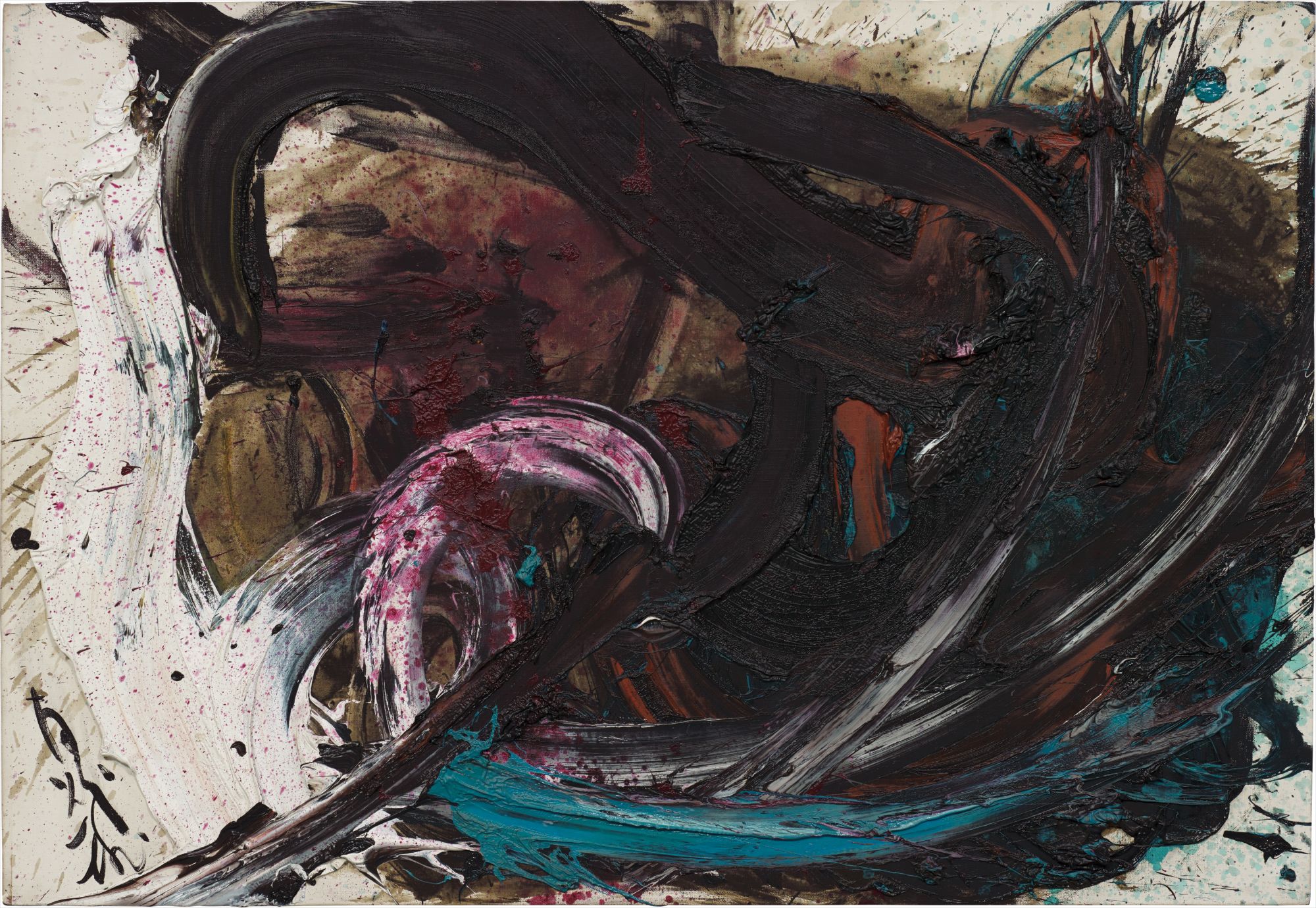
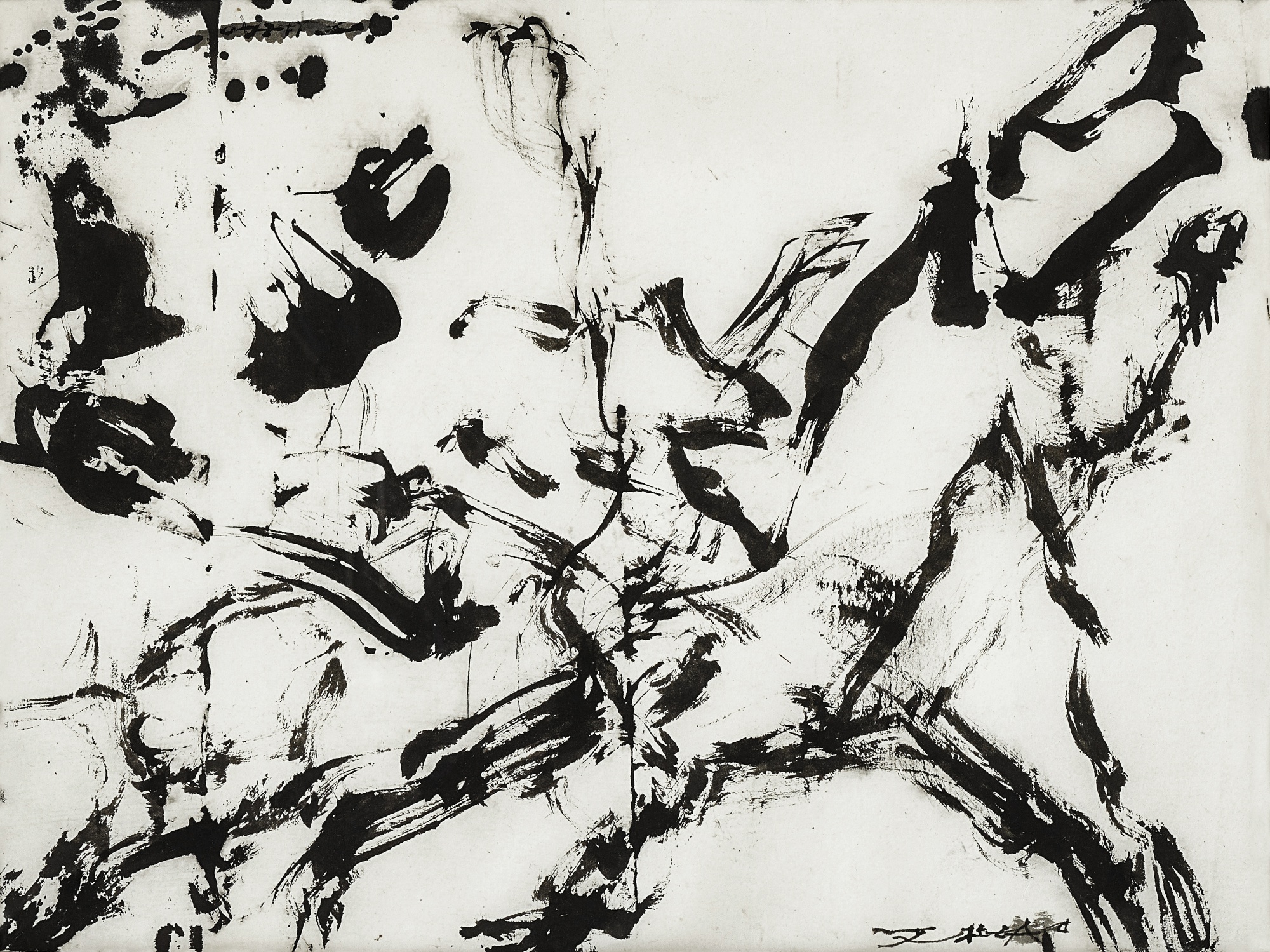
Kazuo Shiraga
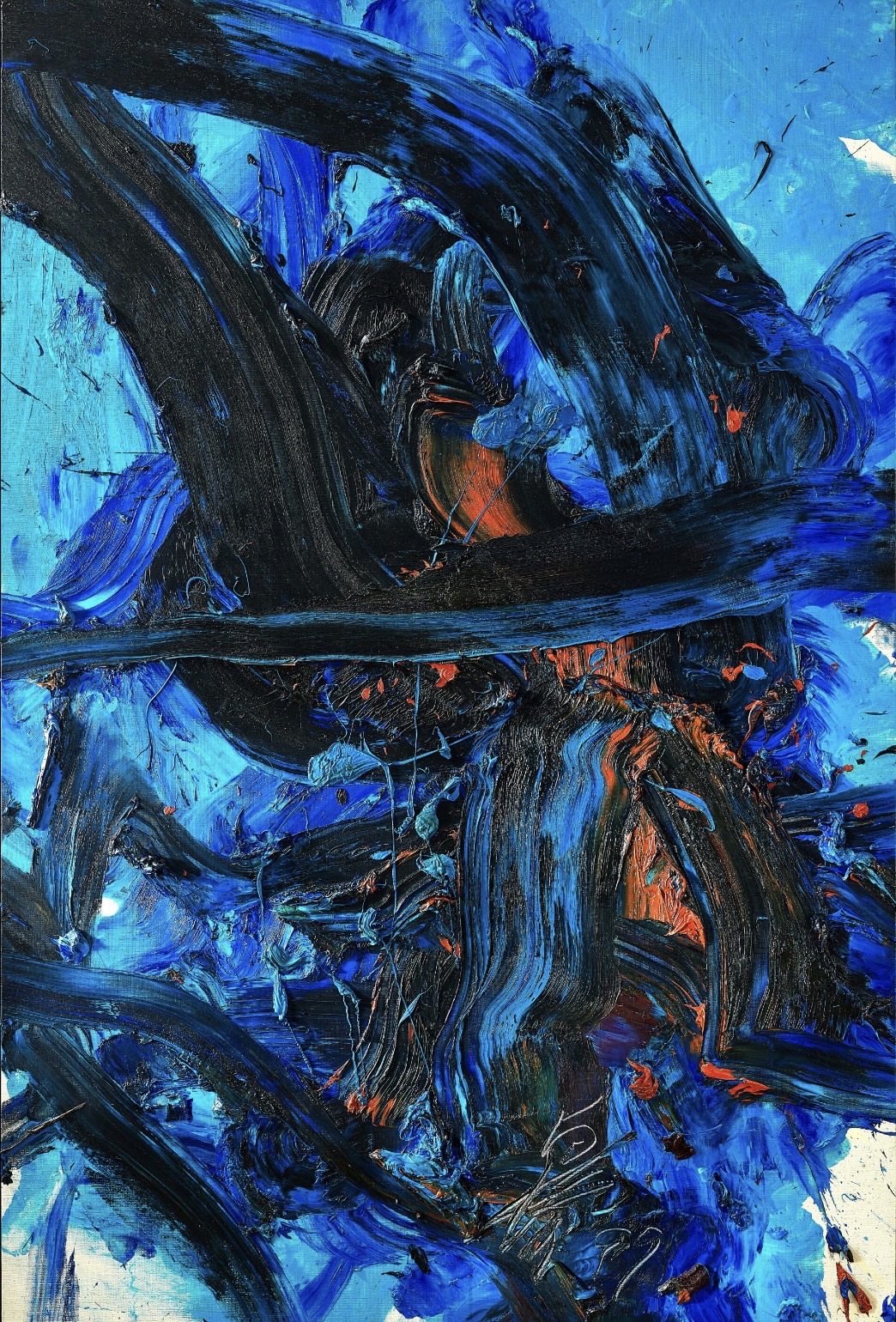
In 1955 Kazuo Shiraga wrote in the
Kazuo Shiraga occupies a different but equally compelling position. His Gutai works, produced by painting with his feet while suspended from ropes above the canvas, represent one of the most radical fusions of performance and object in the twentieth century. The Gutai group has benefited enormously from institutional attention, including major retrospectives and a growing body of scholarship that treats Shiraga and his peers as central rather than peripheral figures in post war art. Auction prices for his work have climbed steadily, and the waiting lists at galleries that represent his estate suggest demand that continues to outpace supply.
Georges Mathieu, another artist well represented on The Collection, performed his own kind of gestural theater, painting in front of live audiences in a manner that anticipated the spectacularization of artistic process that we now take for granted in contemporary practice. The critical conversation around dynamic brushwork has been shaped in recent years by a generation of curators willing to make bold connective arguments. Katy Siegel's writing on Abstract Expressionism has been particularly influential, as has the curatorial framework offered by shows like the Guggenheim's examination of Gutai, which traced lines of influence and parallel invention that complicated easy narratives of American dominance. Publications including Artforum and October have provided space for sustained theoretical engagement with what it means for a mark to carry weight, to carry intention, to carry the record of a body in motion.
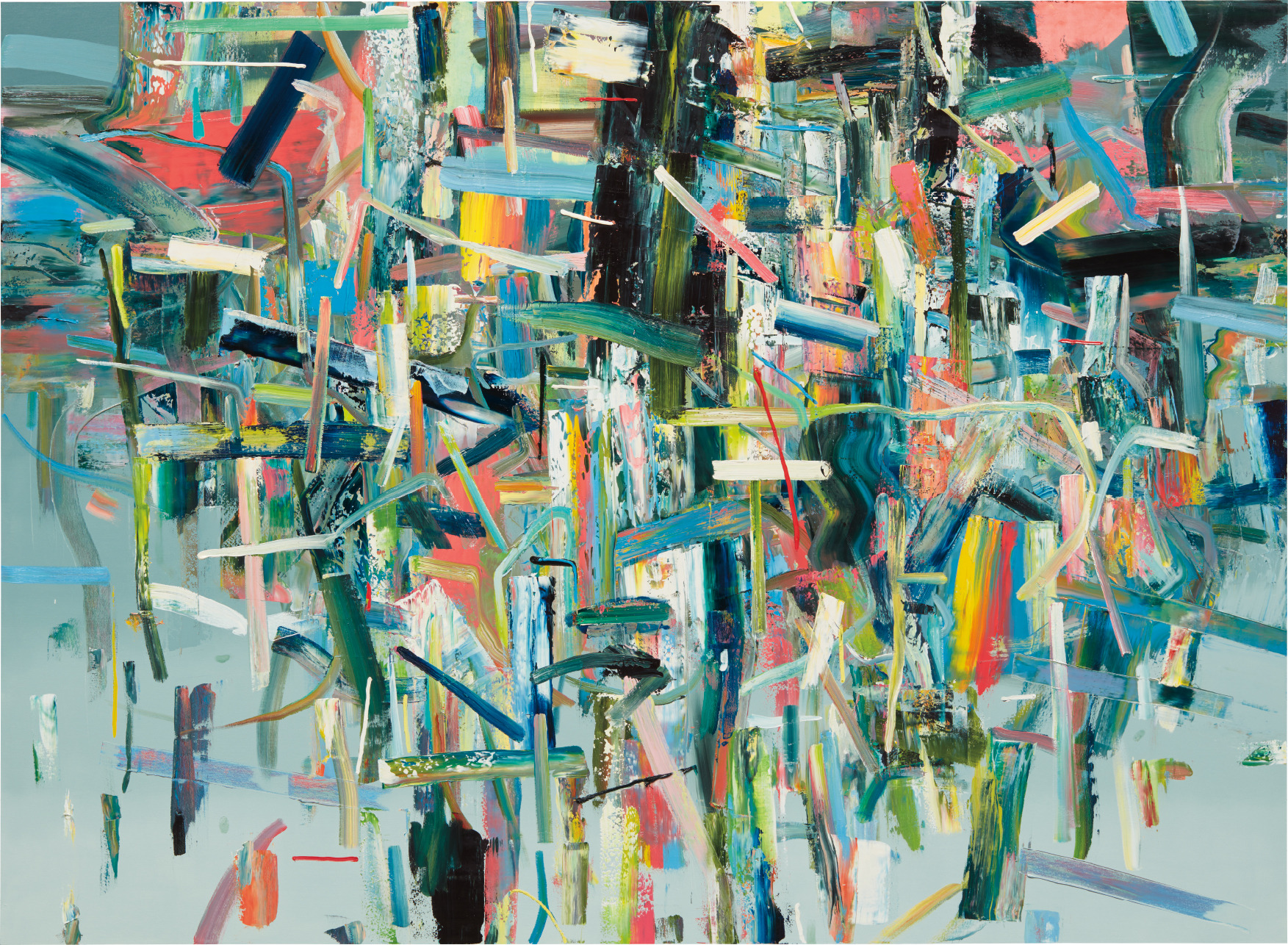
Tomory Dodge
Cascade Bravo, 2008
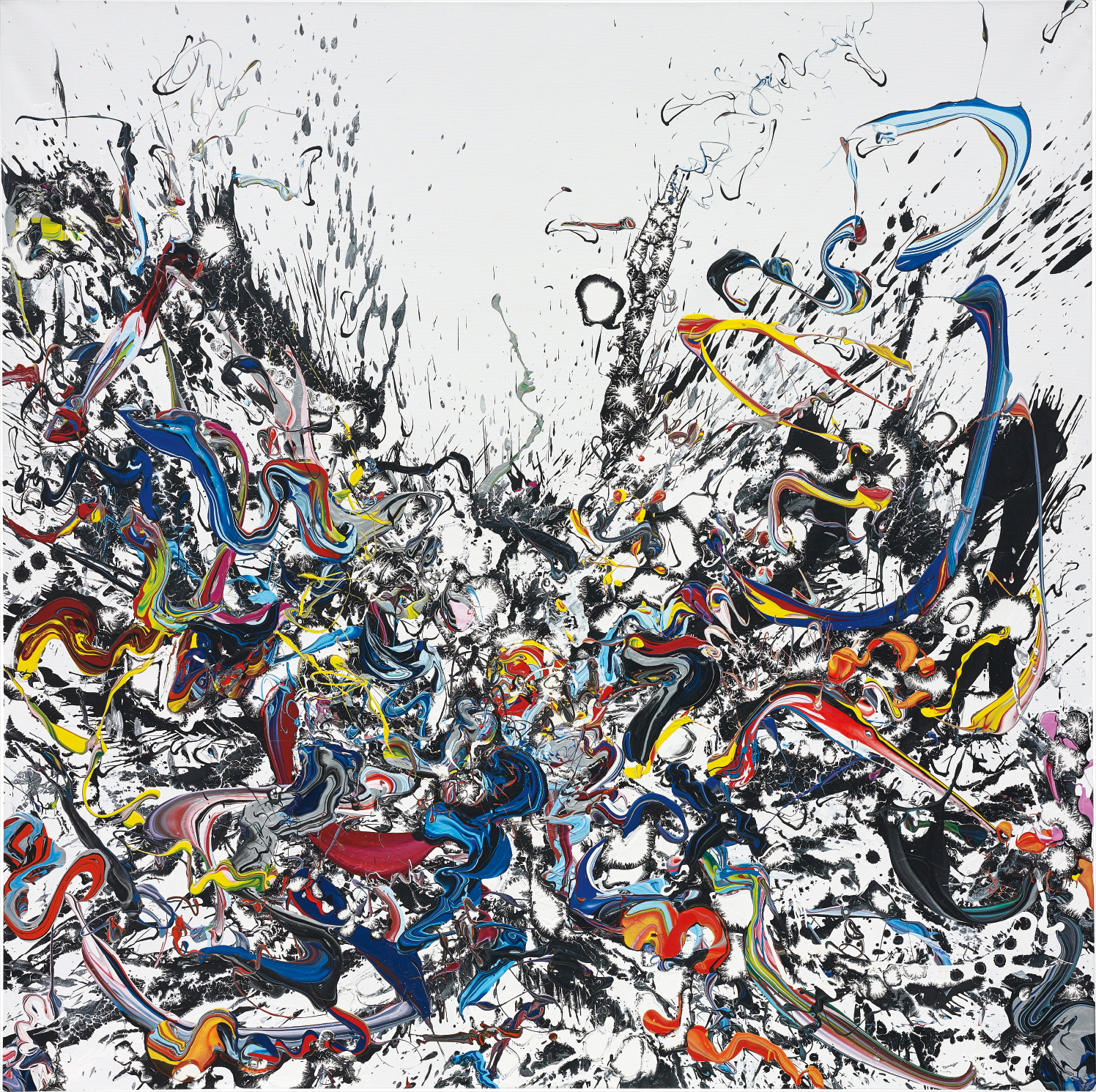
This is not merely art historical housekeeping. It has direct consequences for how collectors understand the works they are acquiring and what they believe those works are doing. Among the younger artists in this tradition, the work of Kristin Baker and Tomory Dodge has attracted serious attention from collectors who want to engage with gestural painting as a living practice rather than a historical artifact. Baker's work draws on racing and extreme sports imagery, filtering speed and velocity through layers of poured and dragged acrylic in ways that feel genuinely contemporary.
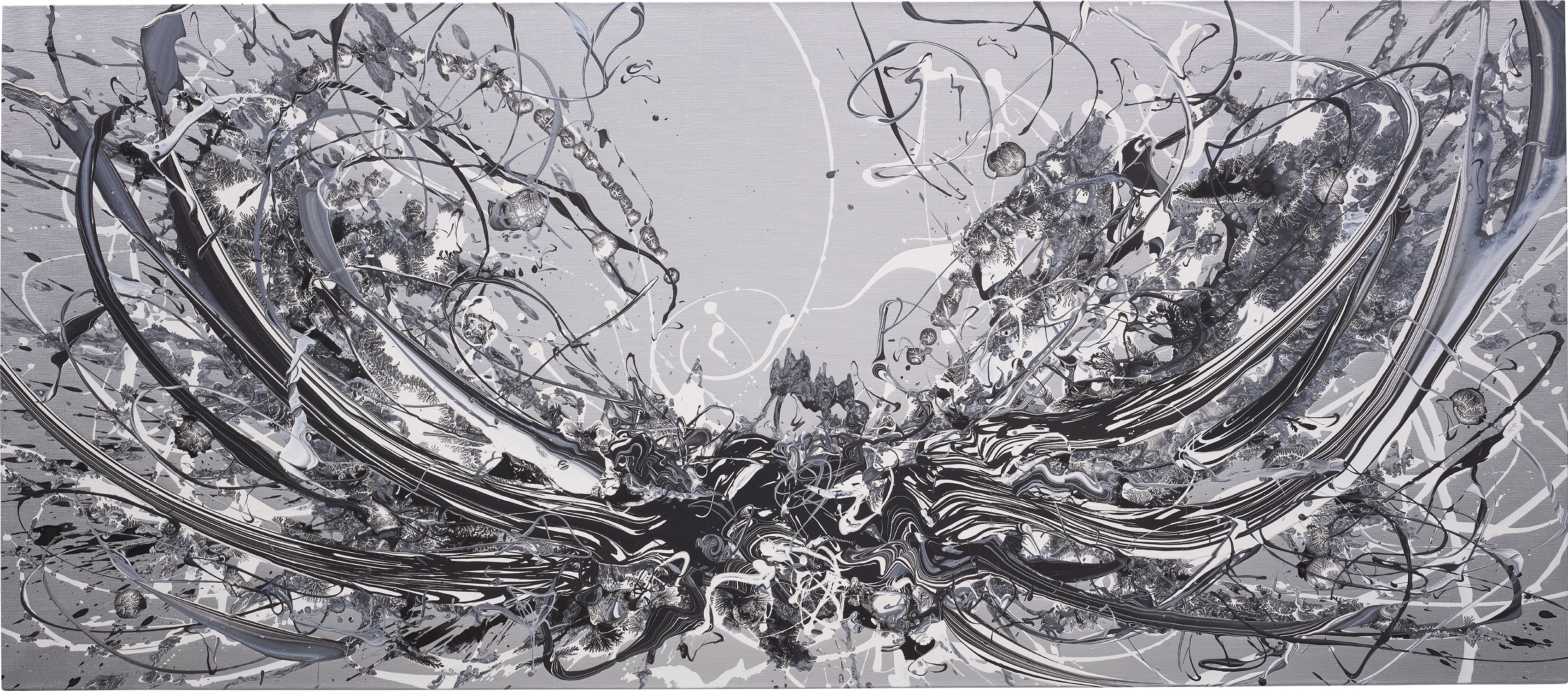
Cecily Brown, meanwhile, has become one of the most closely watched painters working today, her prices at auction reflecting a critical consensus that she has found something urgent to say within a tradition that has never been short of voices. Chase Langford's atmospheric canvases and Katrin Fridriks's explosive mark making represent different approaches to the same fundamental question about what a brush stroke can hold. David Reed is a figure who rewards particular attention in this context. His long, ribbon like strokes occupy a conceptual space between the gestural and the mechanical, and his influence on younger painters has been substantial.
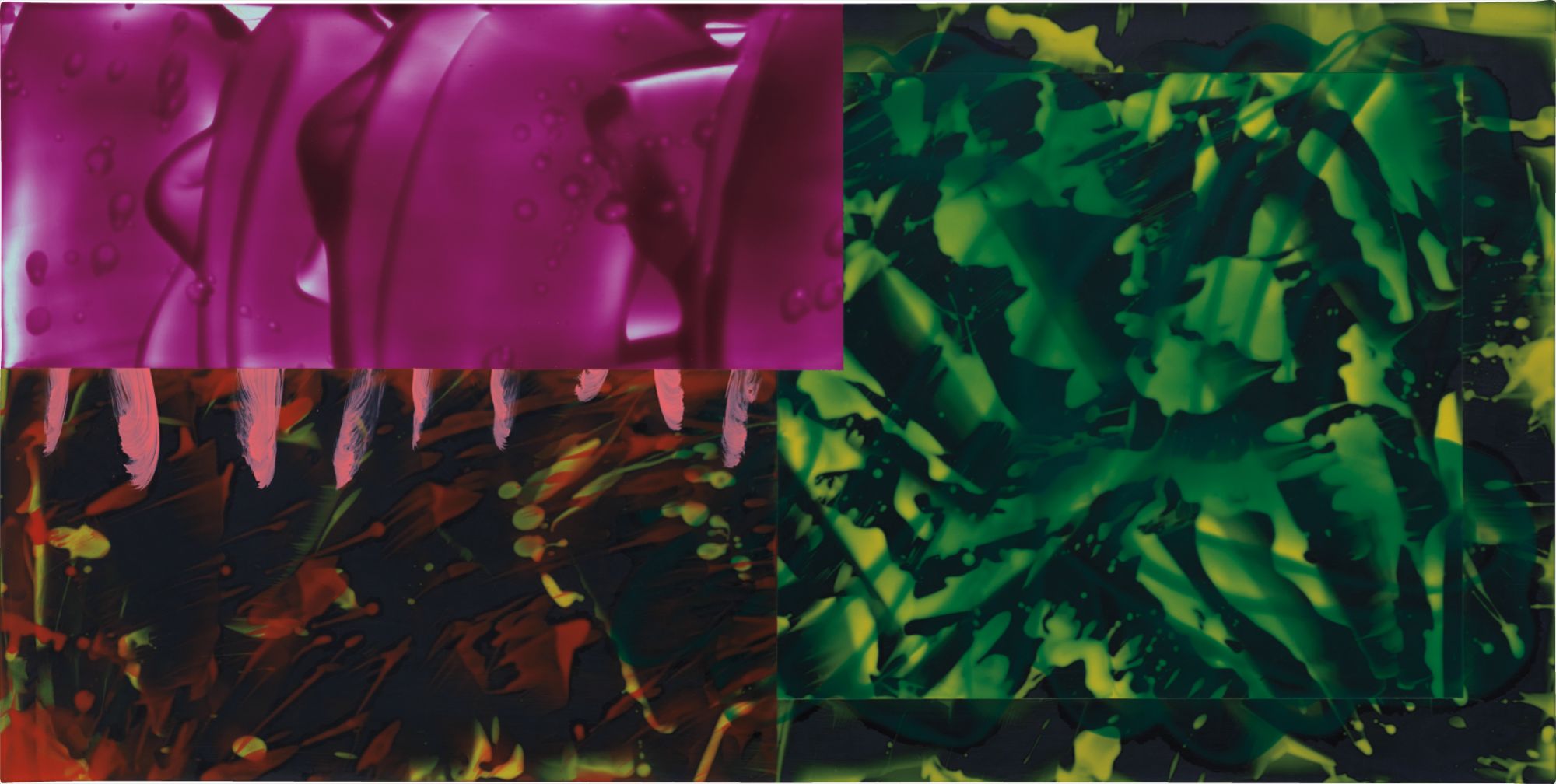
David Reed
#530
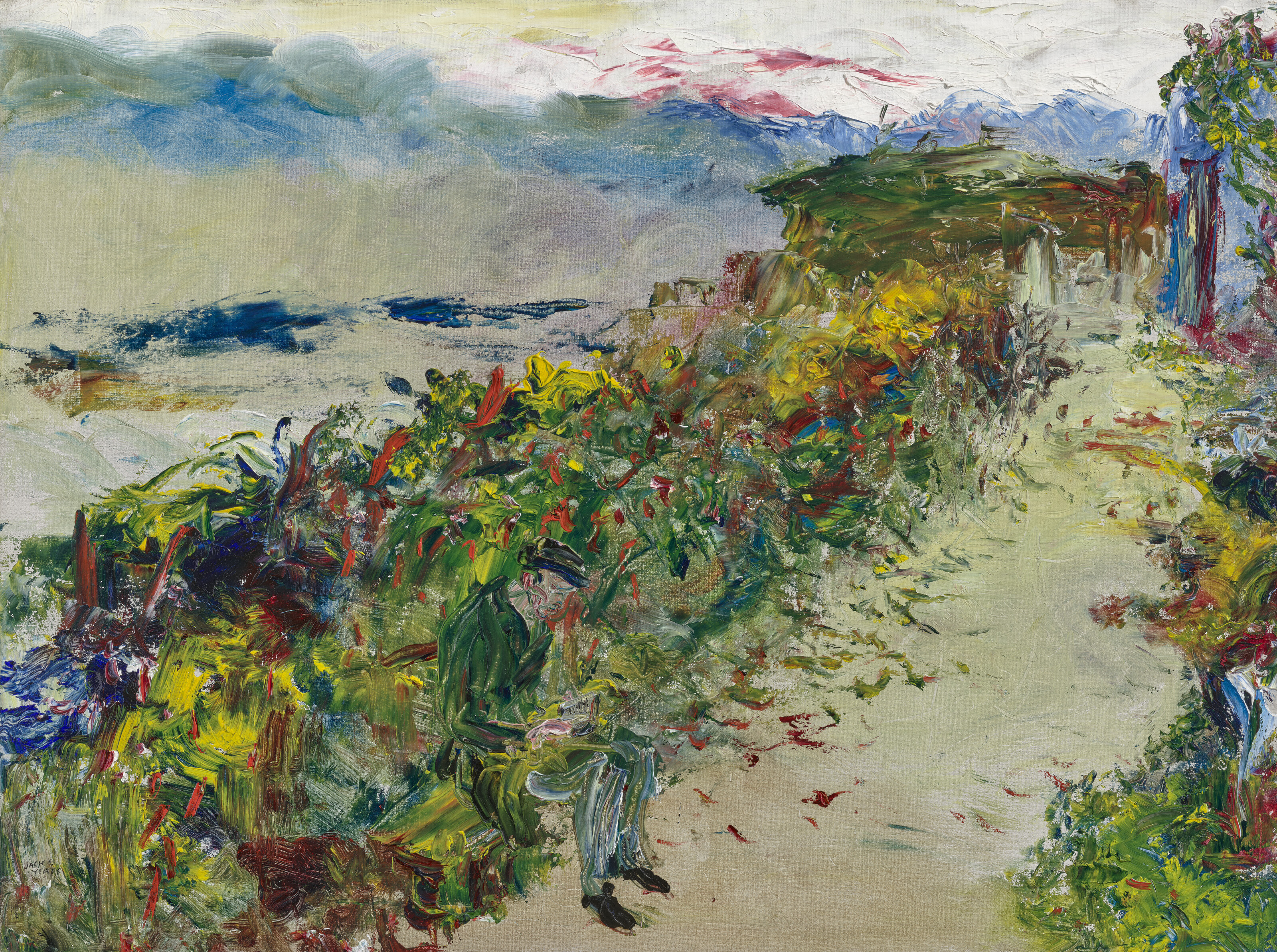
Reed has written and spoken seriously about his own practice in ways that enrich the viewing experience, and his presence in museum collections including MoMA speaks to the durability of his contribution. Jack Butler Yeats, included here as the sole representative of an older tradition of expressive figuration rooted in Irish Romanticism, serves as a reminder that dynamic brushwork is not a movement with a founding date but a recurring impulse in painting whenever a certain kind of temperament meets a certain kind of canvas. Where is the energy heading? There is a growing appetite among serious collectors for works that make the act of painting feel necessary rather than merely stylish, and the artists best positioned to satisfy that appetite are those who have something at stake in the gesture itself.
The market for second and third tier works in this category has been volatile, which is actually a sign of health: it means buyers are becoming more selective rather than simply buying the category. Institutions from the Hammer Museum in Los Angeles to the Pinault Collection in Paris are signaling continued commitment to gestural abstraction as a critical framework rather than a period style. For collectors willing to look carefully, the field remains full of surprises, and the works on The Collection represent a genuinely considered entry point into one of painting's most enduring and alive conversations.