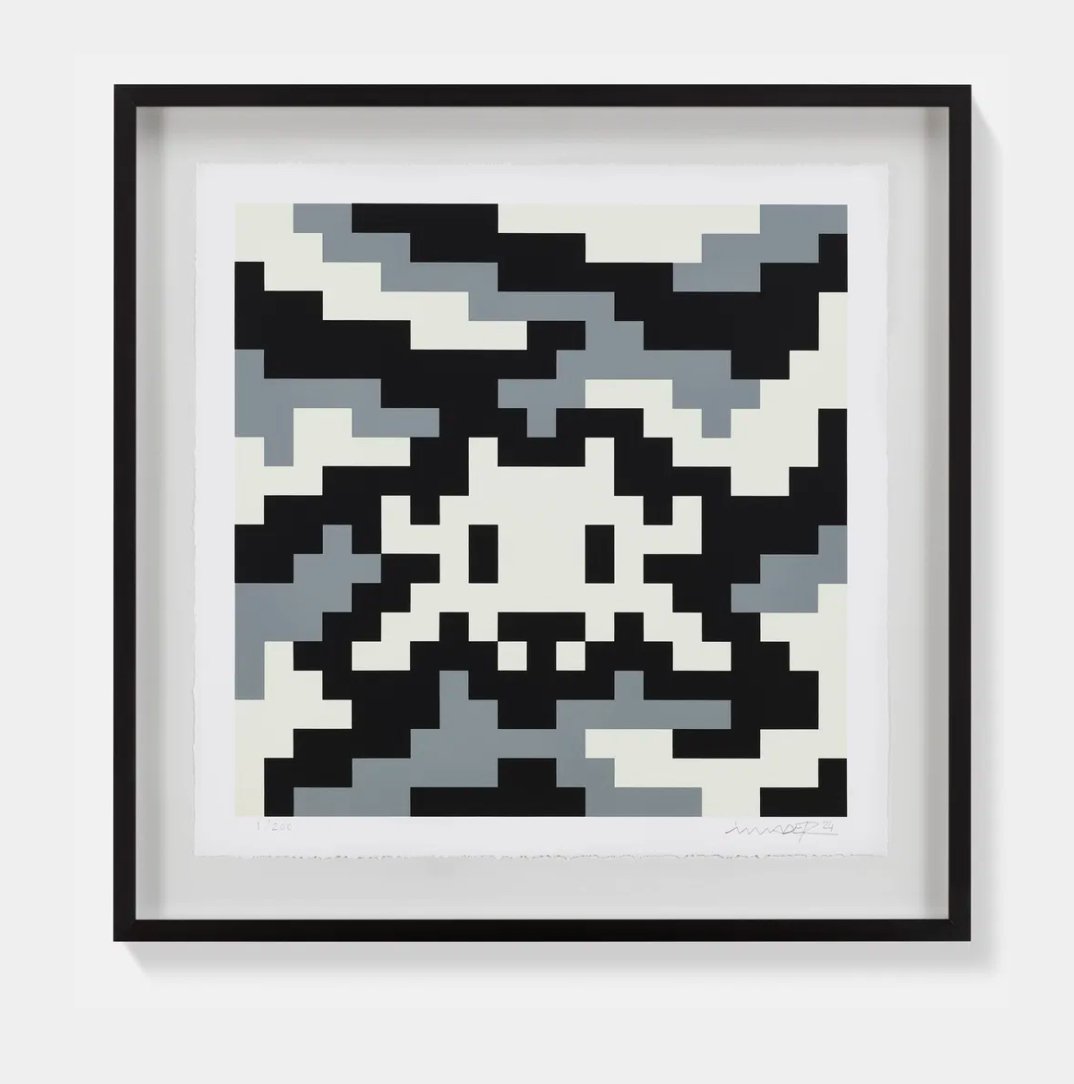
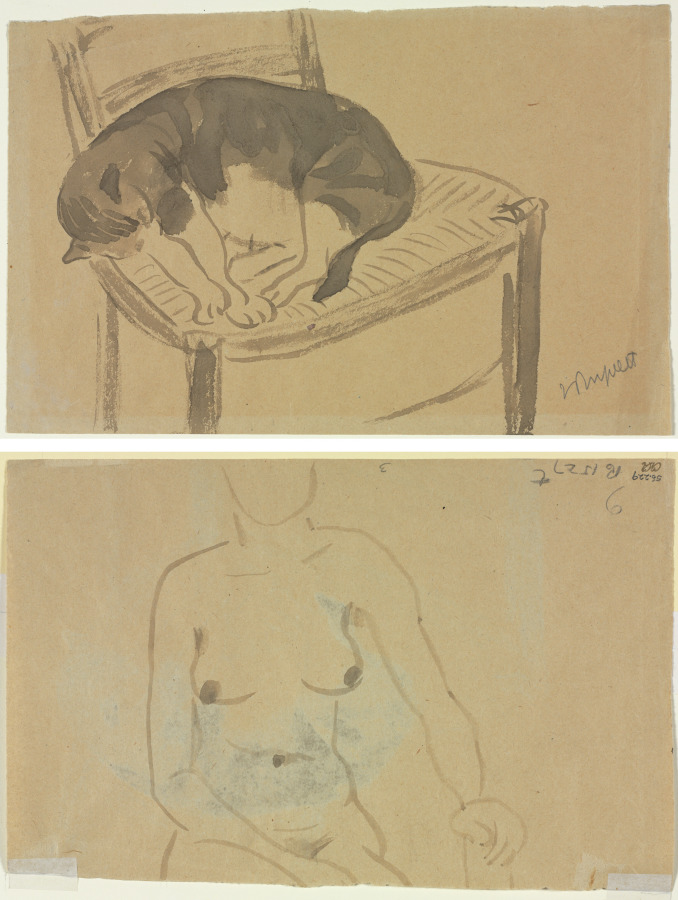
Dark Color Palette
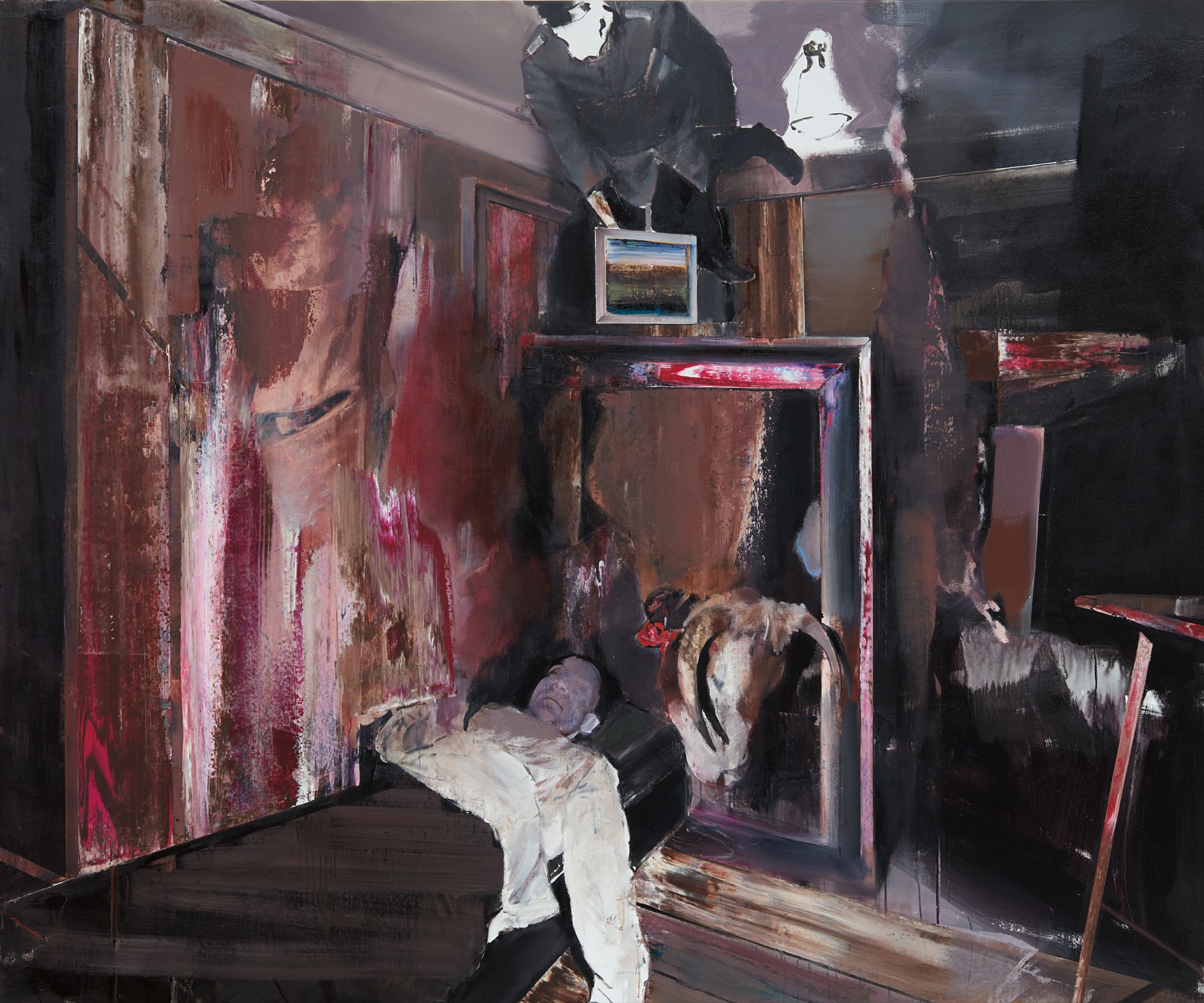
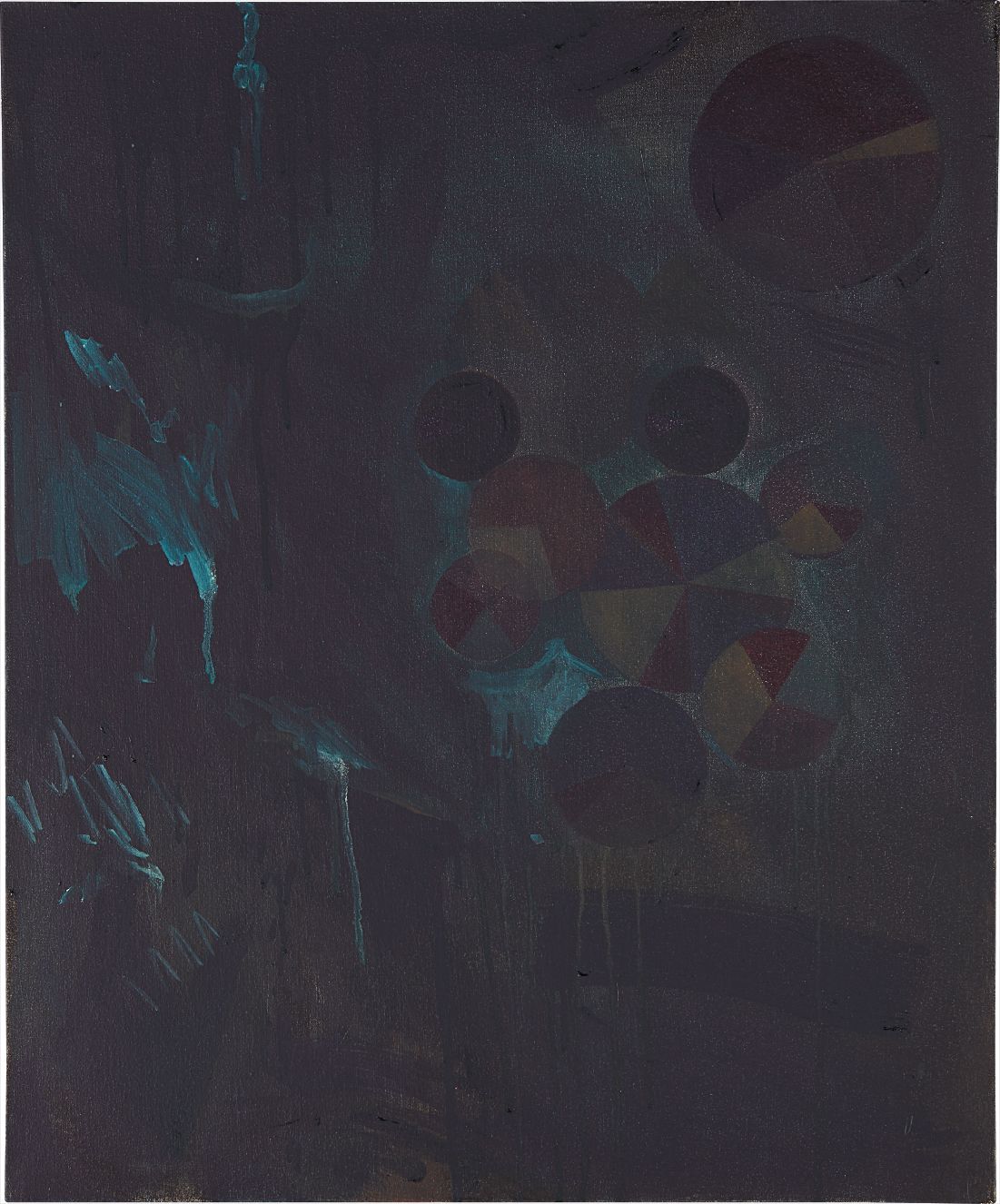
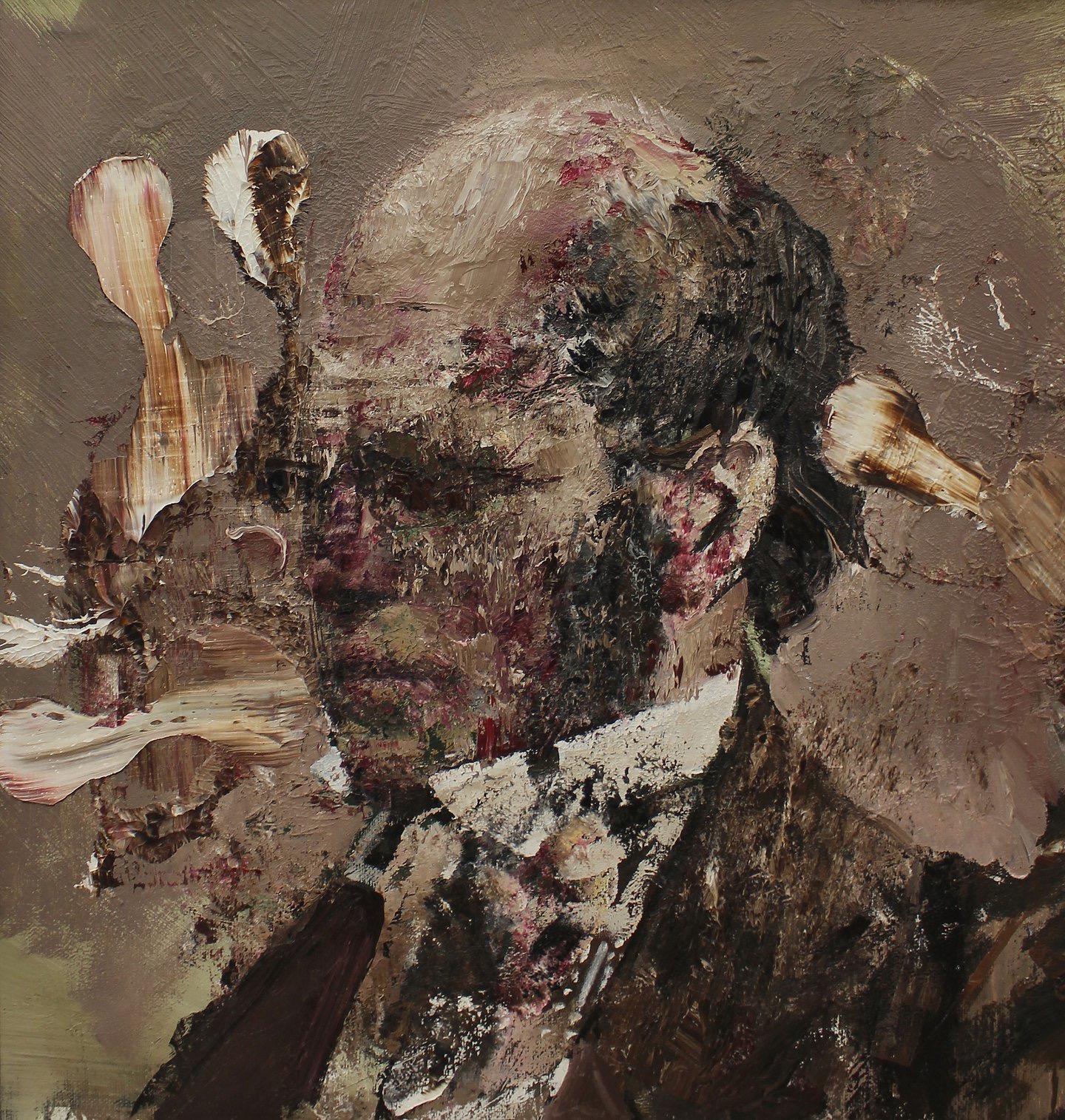
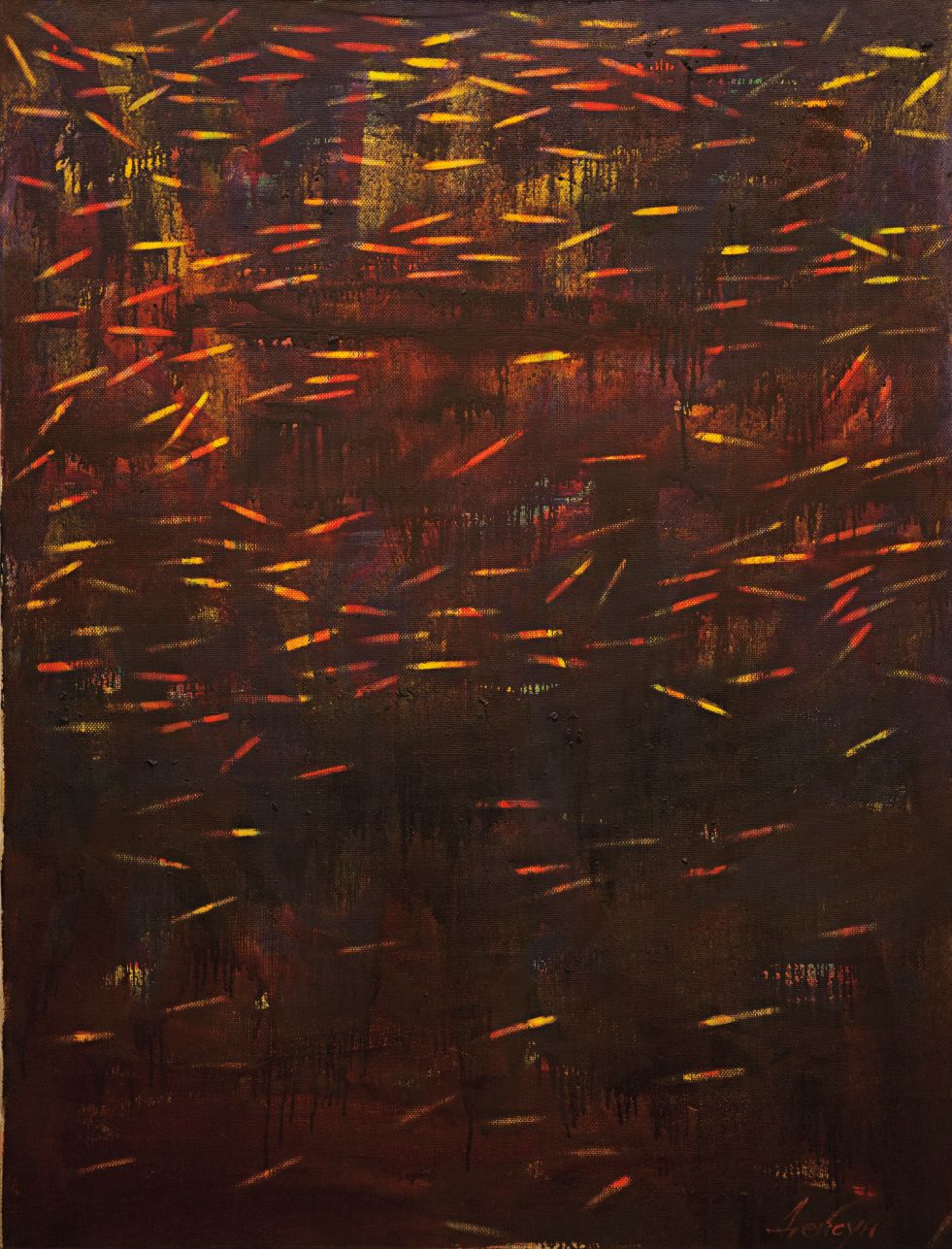
Adrian Ghenie
The Collector 4, 2009
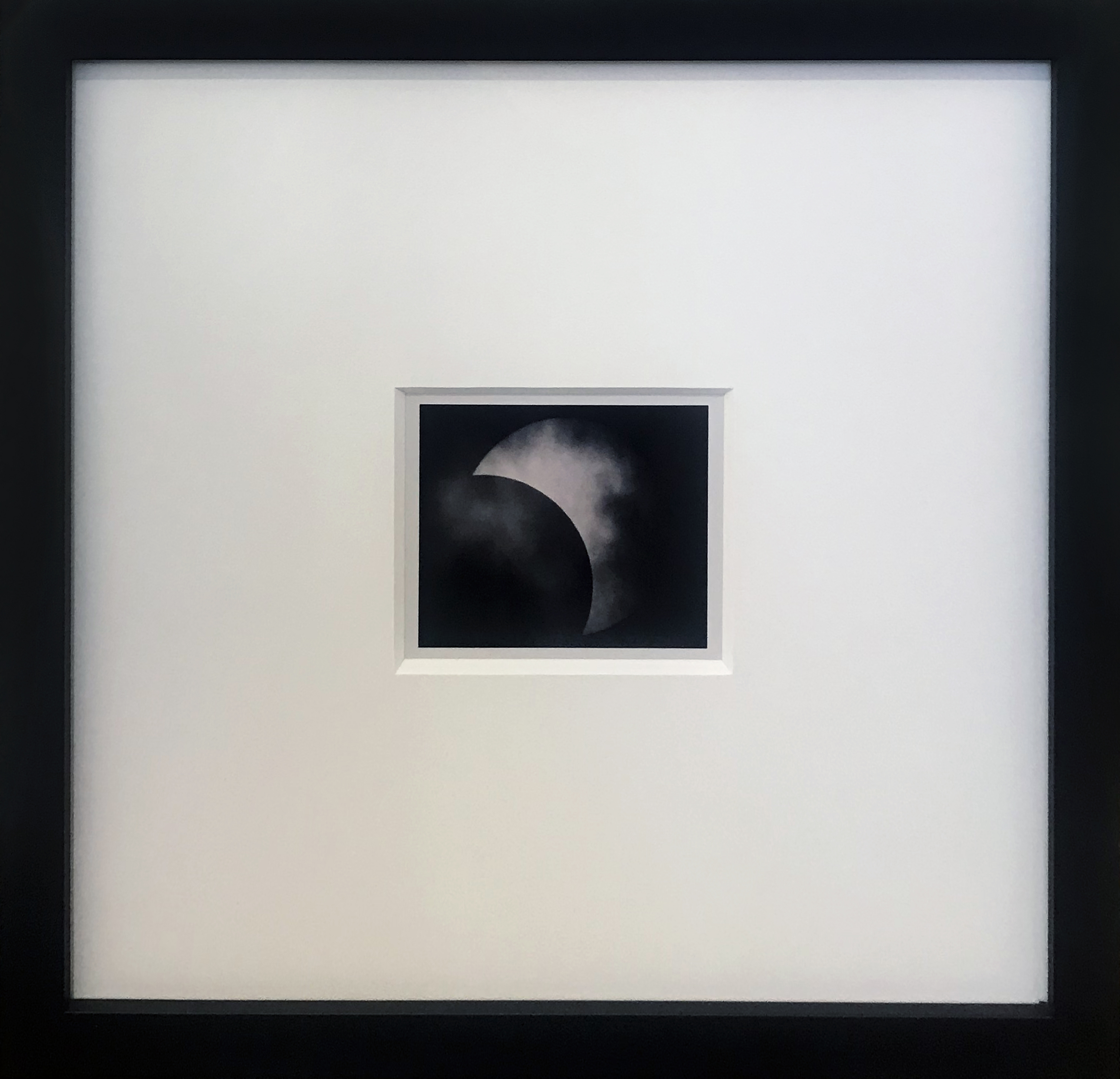
Into the Dark: Where Shadow Becomes Meaning
Last November at Christie's New York, an Adrian Ghenie painting from his Pie Fight series crossed its high estimate with the kind of room energy that makes specialists look up from their phones. The work, dense with bruised violets and near black passages that seemed to absorb the auction house lighting rather than reflect it, sold to a telephone bidder in under four minutes. It was the kind of result that confirms something collectors and curators have been quietly noting for several years now: darkness, as a deliberate and sustained chromatic commitment, is one of the most charged territories in contemporary painting. The appetite for what we might call the dark palette, works in which shadow is not absence but material, not mood but argument, has been building across museum exhibitions, secondary market results, and critical writing in ways that now feel impossible to ignore.
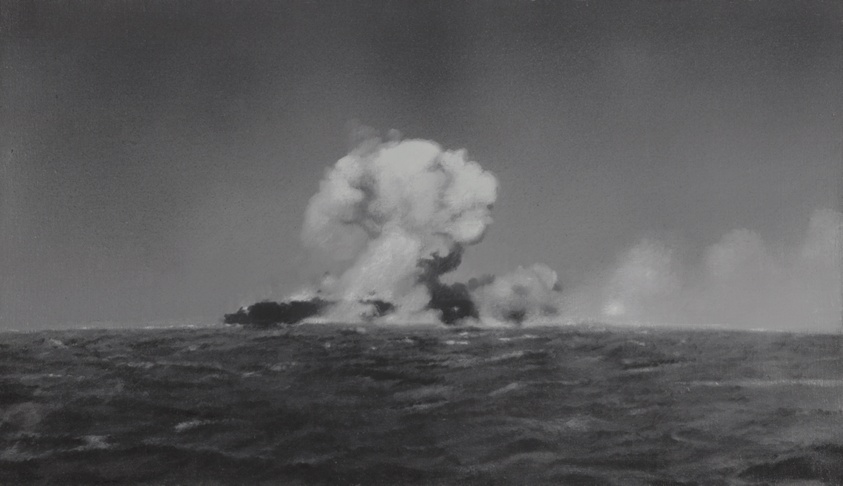
This is not the Gothic revival, nor is it nihilism dressed as aesthetics. The artists working seriously in deep, low key color ranges are making some of the most psychologically complex and formally ambitious work being produced today. The market is catching up to what the best curators recognized a decade ago. Vija Celmins, whose graphite and oil works render the ocean surface and night sky in tones so close to black they demand extended looking, has been the subject of major retrospective attention over the past decade.
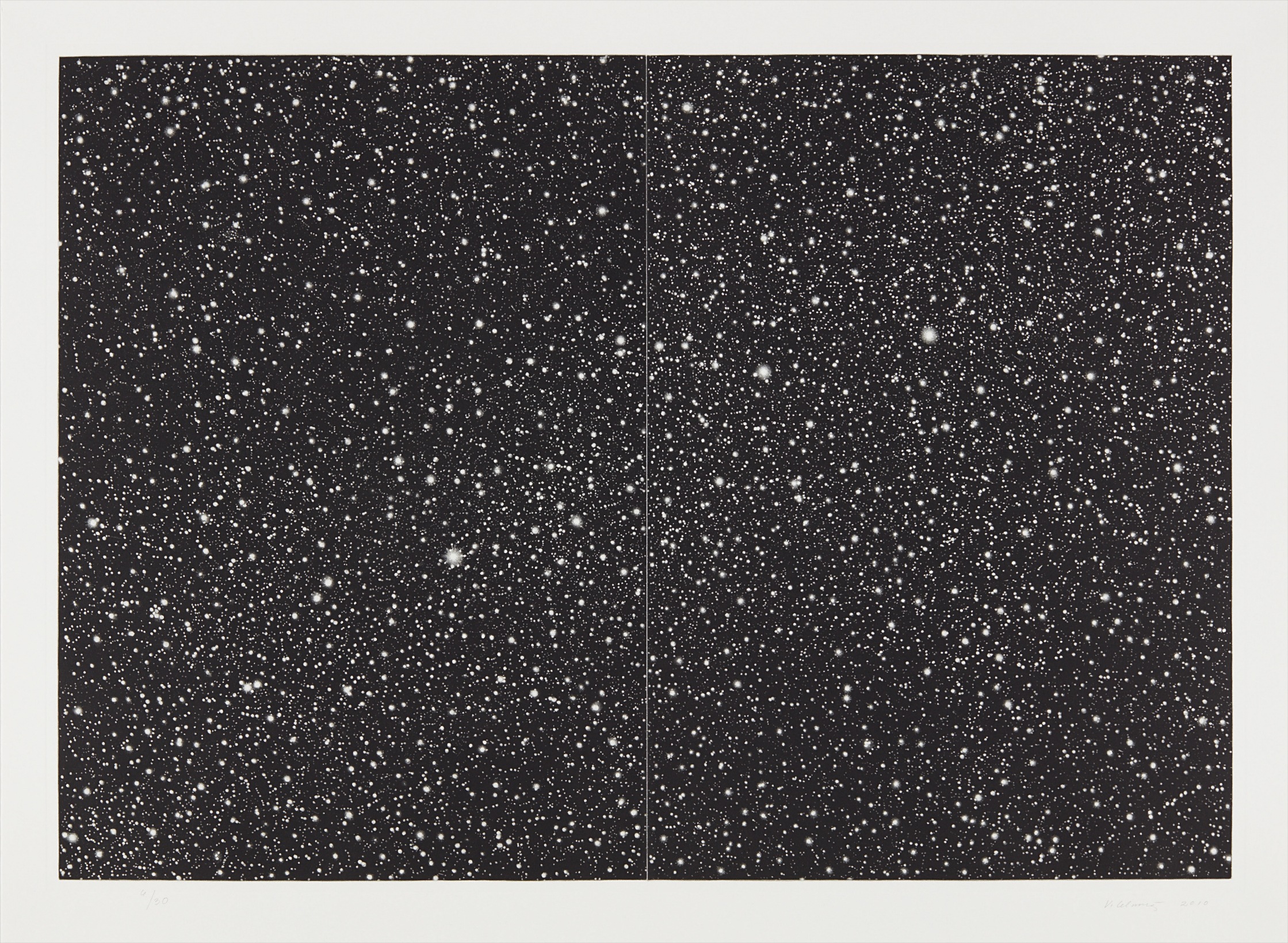
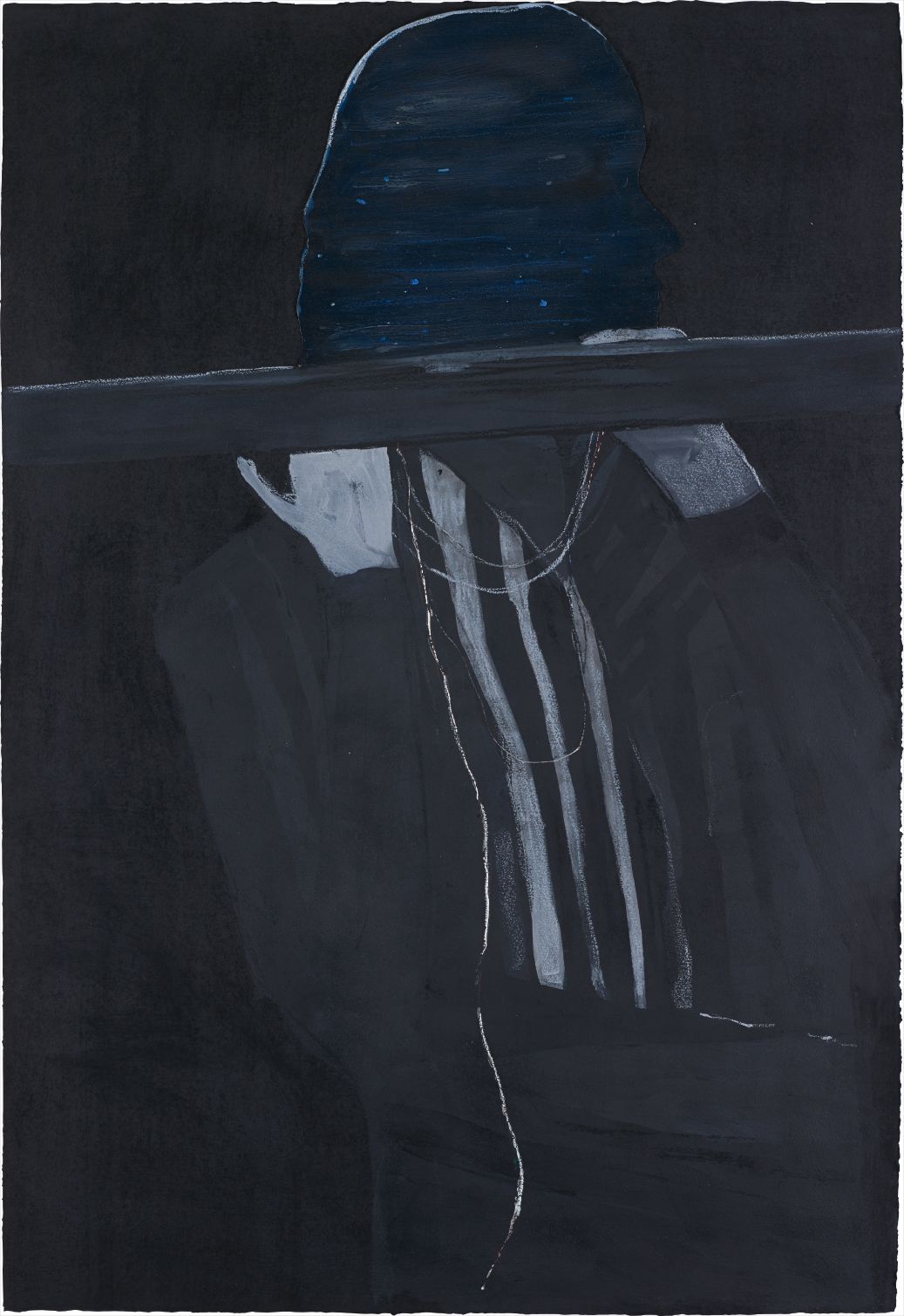
Vija Celmins
Starfield
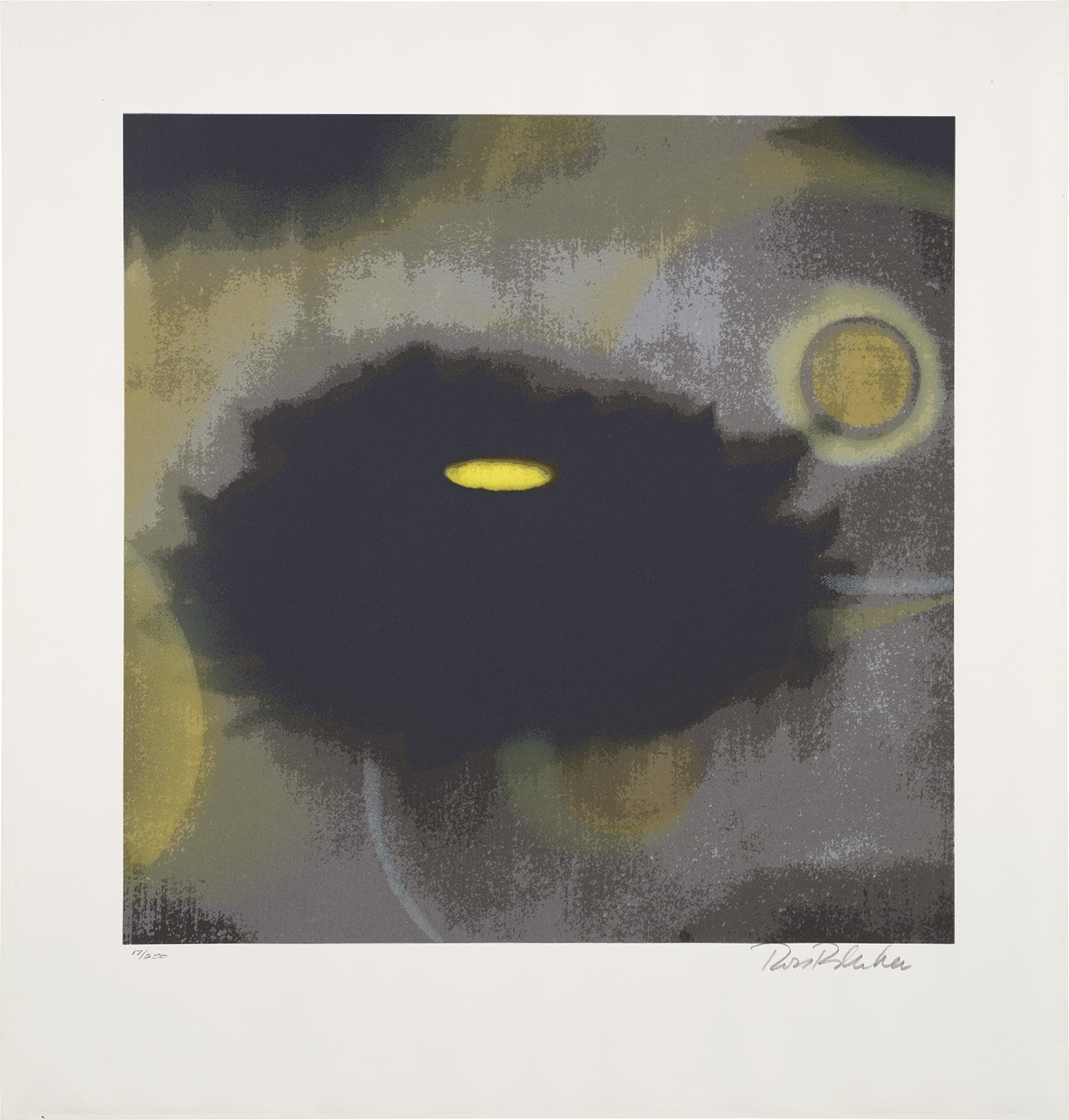
The Museum of Modern Art and the San Francisco Museum of Modern Art co organized a full survey of her work in 2019 and 2020 that traveled to the Met Breuer and reminded a new generation of collectors why her restrained, almost obsessive darkness is among the most rigorous positions in postwar American art. Her works on The Collection reflect that sustained critical and institutional seriousness. At auction, her pieces regularly exceed estimate, and the competition for them has broadened geographically as European and Asian collectors have entered the market for her work in significant numbers. Ross Bleckner, whose night bloom imagery and memorial darkness defined a particularly poignant moment in American painting during the AIDS crisis, has seen renewed institutional interest following retrospective programming that reframed his black grounds not as melancholy but as witness.
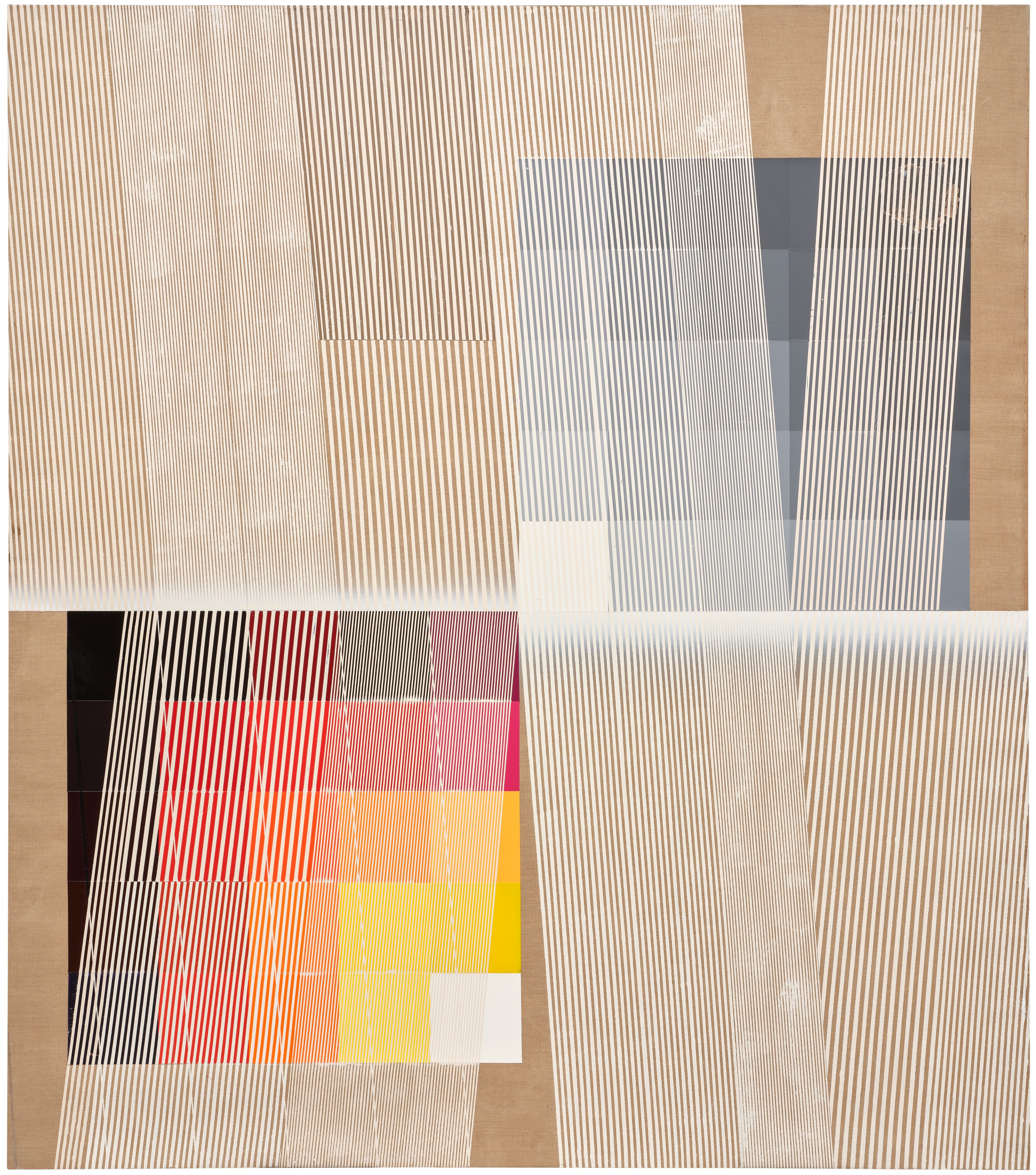
Sean Scully, meanwhile, continues to command strong prices at auction for works in which near black striations function almost like breathing, the color doing emotional work that pure abstraction rarely achieves. Both artists represent something important about how the dark palette operates at its best: it is not decorative or simply atmospheric, it is structural and philosophical. Collectors who have been building around these figures understand that the darkness in their work is load bearing. Chris Ofili's work introduces an entirely different register of darkness, one rooted in diasporic memory, spiritual iconography, and the lush materiality of resin and glitter built up over surfaces that glow from within even as they remain formally opaque.
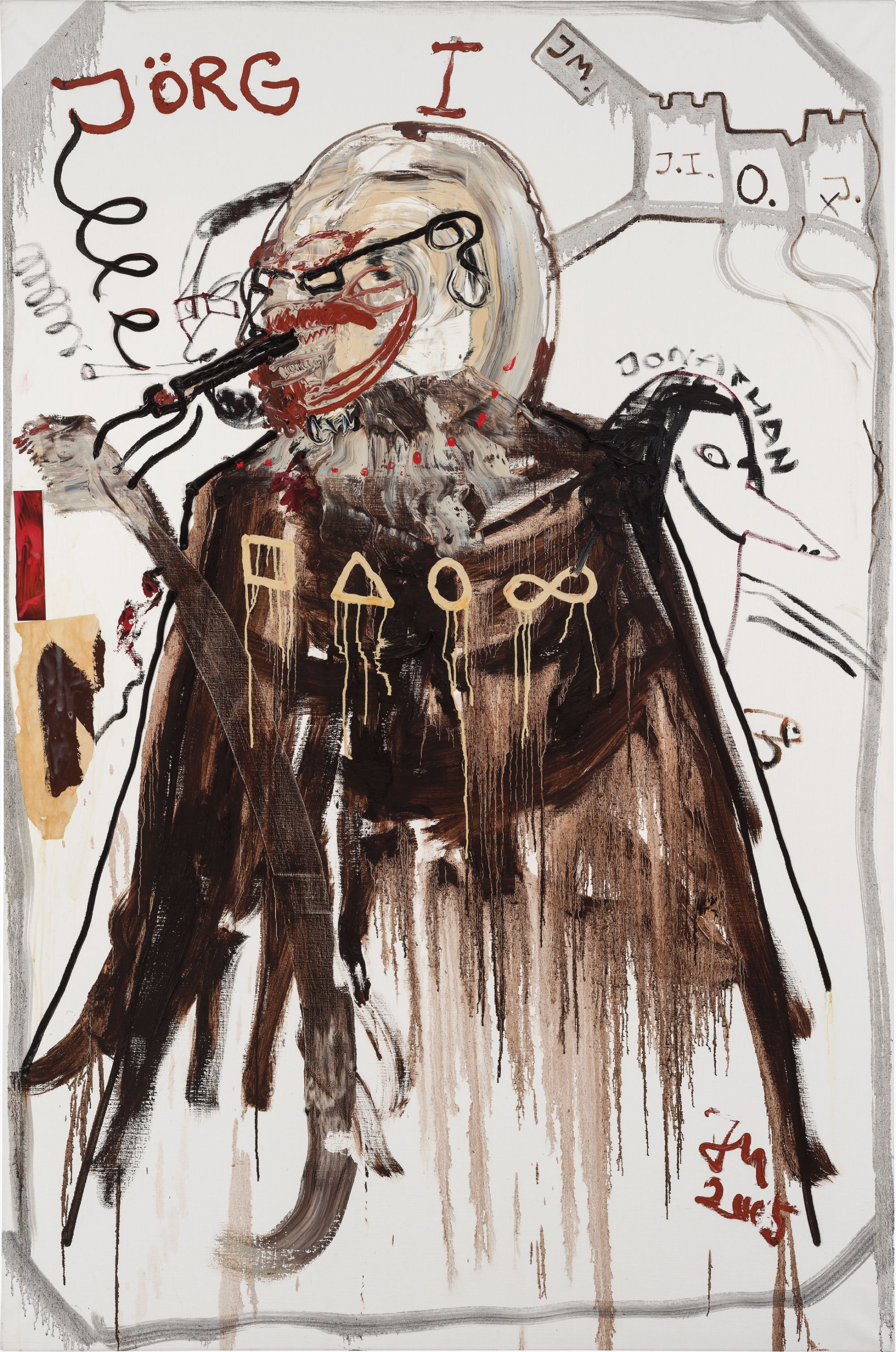
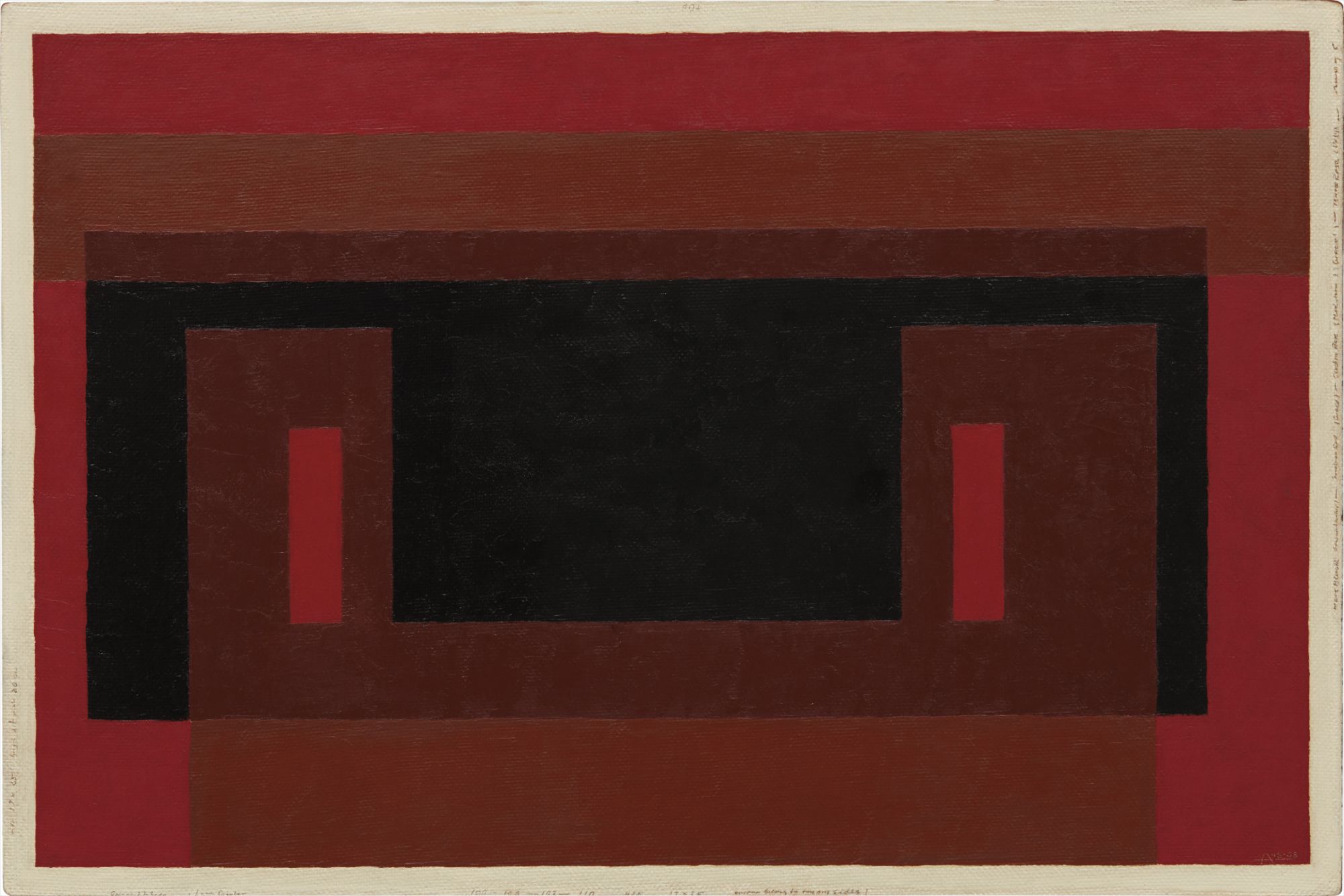
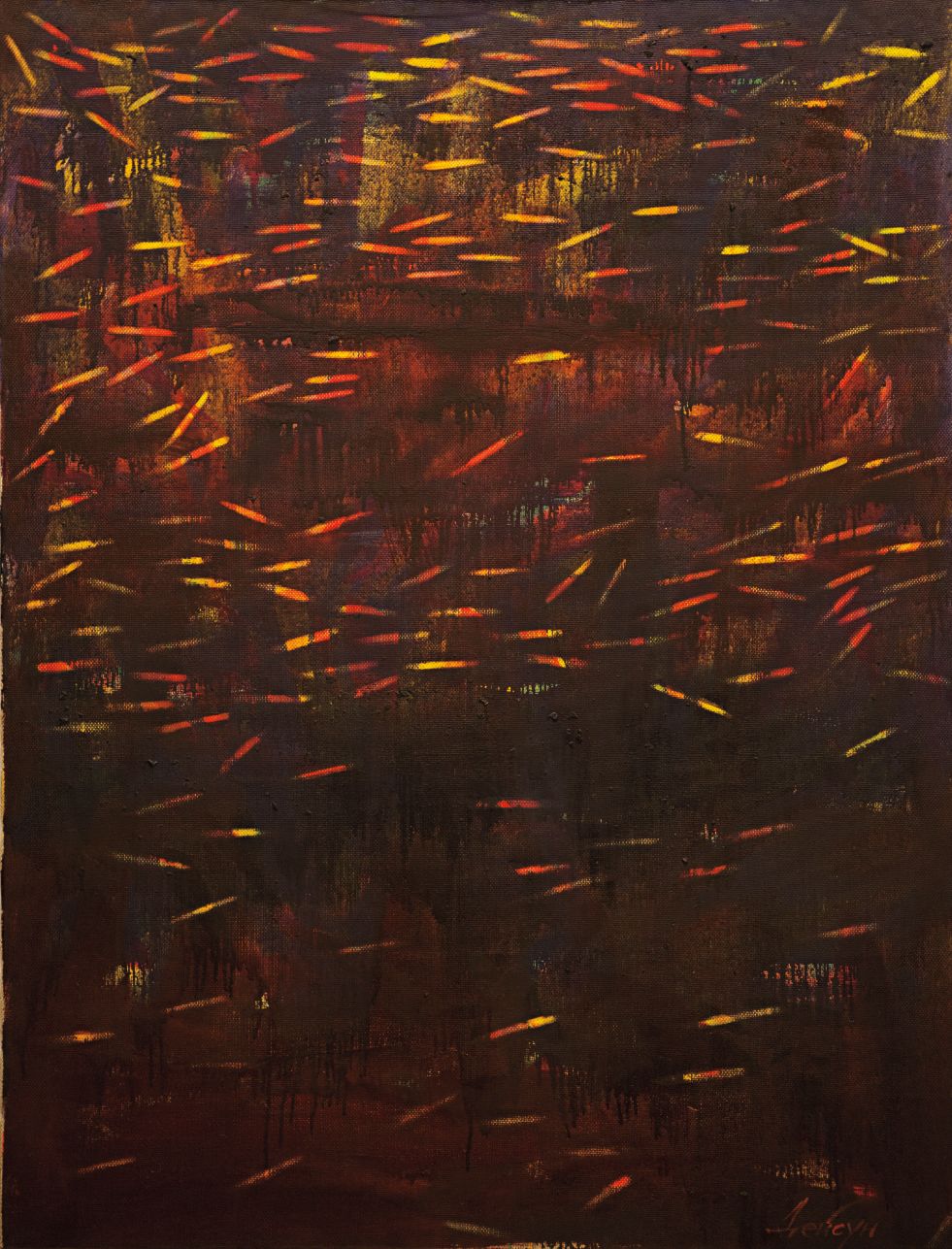
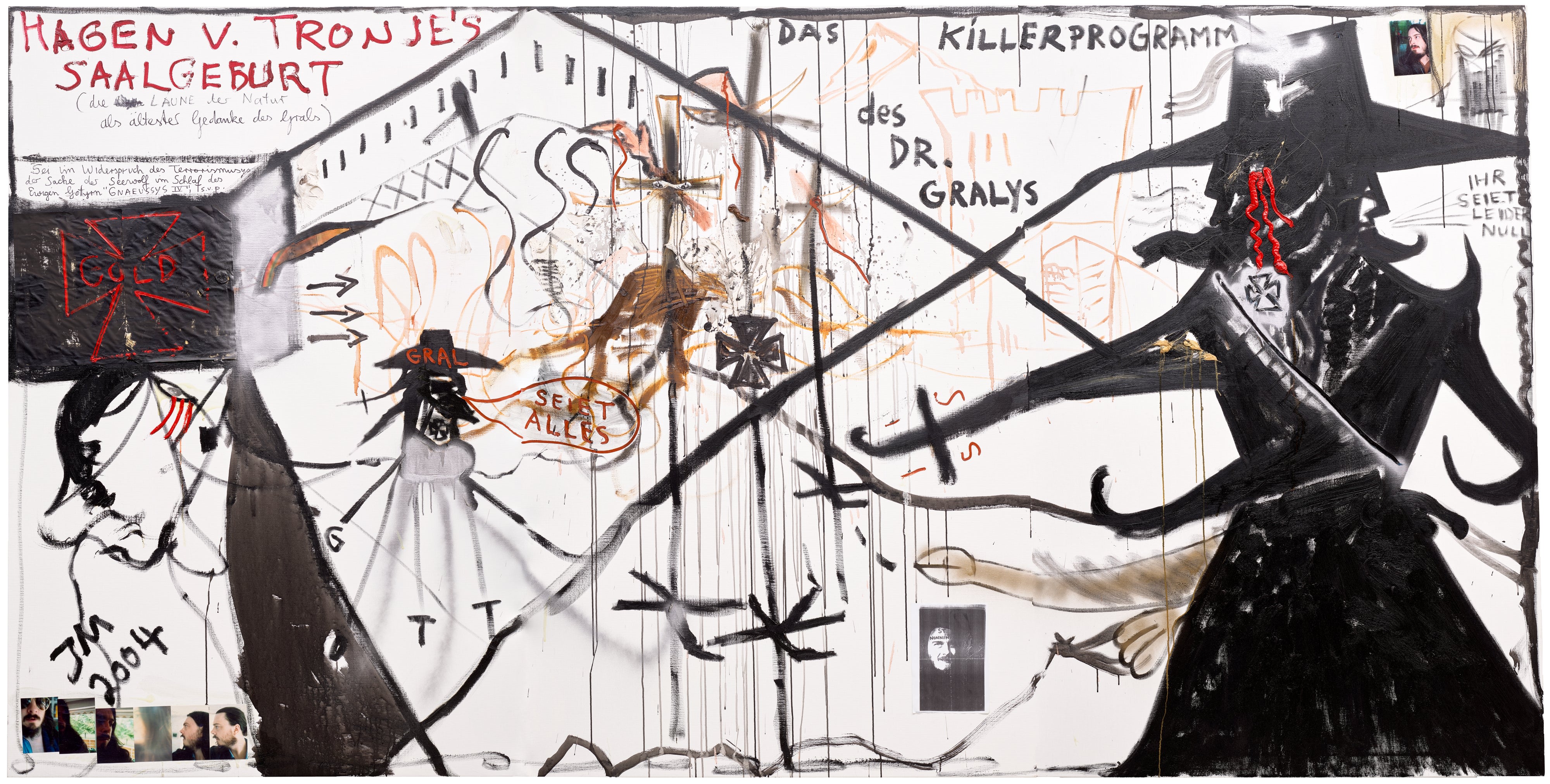
Jonathan Meese
Jörg Immendorf (Der Bergritter naht)
His Night and Day series, shown at the New Museum in 2014, remains a touchstone for understanding how darkness can be simultaneously celebratory and elegiac. Wangechi Mutu engages the dark palette from another angle entirely, her collage and painting practice drawing on Kenyan visual traditions and science fiction aesthetics to produce images in which darkness signals transformation rather than ending. The institutional embrace of both artists across the past decade, from the Venice Biennale to major American museum acquisitions, reflects a broader critical reorientation away from the assumption that darkness is inherently Western or inherently pessimistic. In the German tradition, Jonathan Meese and Anselm Reyle represent two very different engagements with dark chromatics.
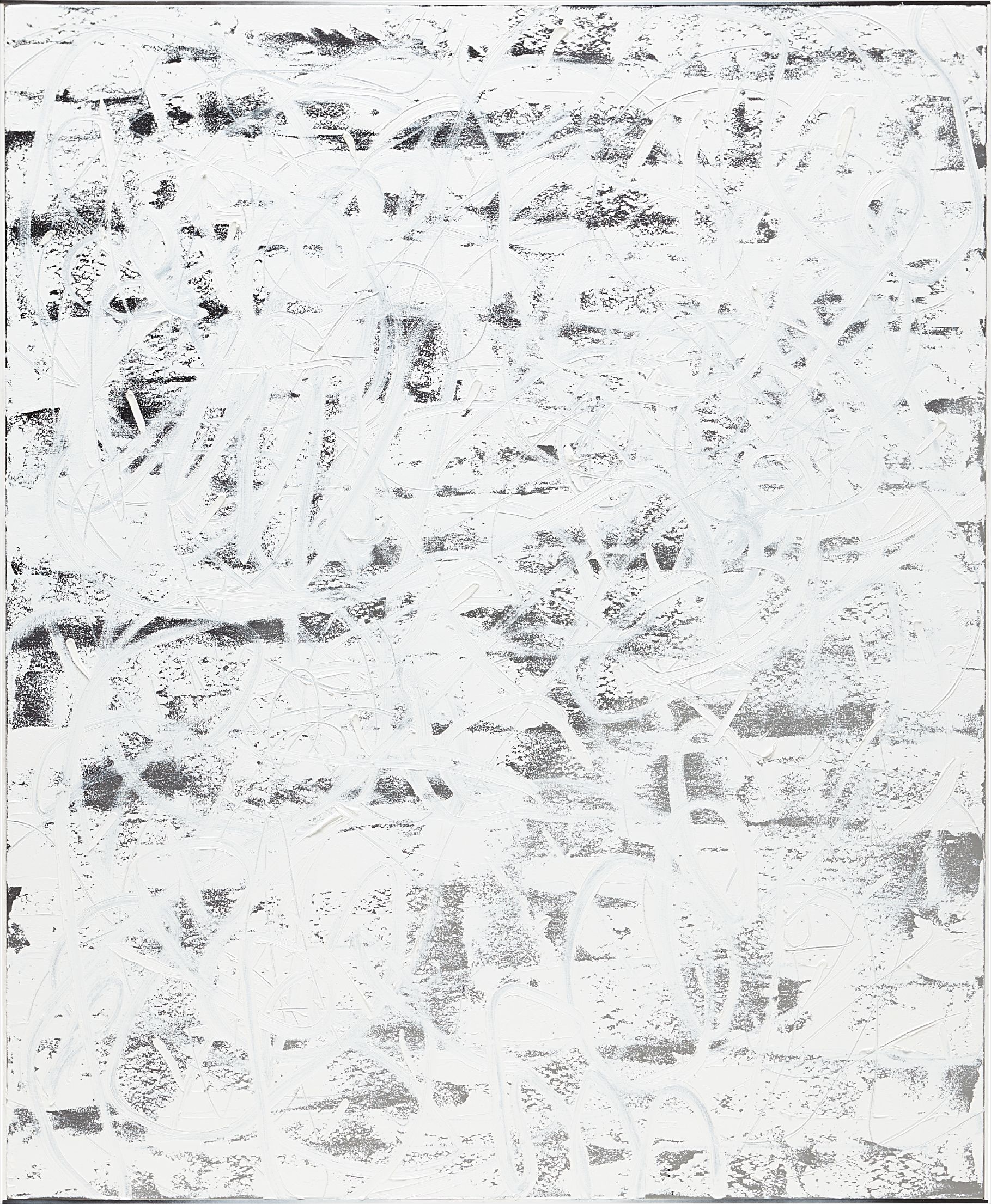
Meese's feverish, almost theatrical darkness has a Wagnerian excess that divides critics but sustains serious collector interest, particularly in Germany and Switzerland. Reyle's more coolly industrial approach, using foil, lacquer, and neon in works where black grounds create reflective tension, found a strong auction market in the late 2000s and has maintained relevance as institutional collections have incorporated his work into broader surveys of postpop abstraction. Chris Succo, whose works are well represented on The Collection, occupies related territory: his dark, gestural canvases have a physicality and urgency that positions him as one of the more compelling painters working in this vein today. The critical conversation around the dark palette has been shaped significantly by writers like Barry Schwabsky, whose long form criticism in The Nation and Artforum consistently treats chromatic darkness as a philosophical rather than merely aesthetic category, and by curators including Connie Butler, whose institutional work has repeatedly foregrounded artists for whom the low end of the tonal range carries specific cultural meaning.
![Chris Succo — Go Tell The Women That We´re Leaving [dr]](https://rtwaymdozgnhgluydsys.supabase.co/storage/v1/object/public/artwork-images/auction-lots/UK010215-132015-lot1774336934868.jpg)
Chris Succo
Go Tell The Women That We´re Leaving [dr]
The journal October has published important theoretical work on darkness and opacity in contemporary art, drawing on Édouard Glissant's concept of opacity as a political right rather than a failure of visibility. That framework has been particularly generative for understanding artists like Mutu and Ofili in relation to their darker formal choices. Teresita Fernández, whose large scale installations often work with light in ways that produce apparent darkness through accumulation and interference, represents the category's more perceptual edge. Her work, collected by major American institutions including the Smithsonian and the Guggenheim, suggests that the dark palette is expanding beyond painting into installation and object based practices in ways that will continue to attract both critical and market attention.
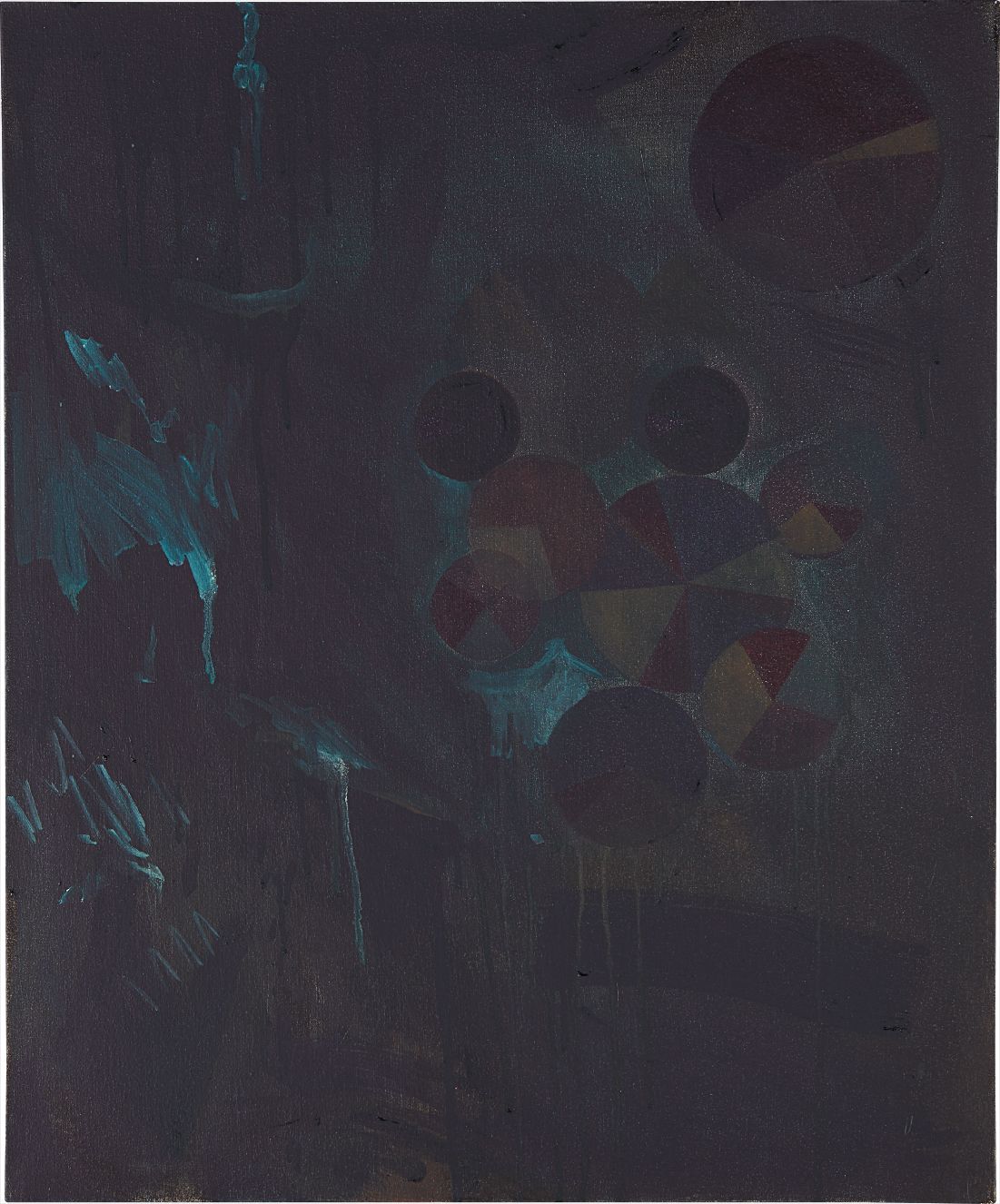
George Condo's psychological portraiture, with its dark tonal undergrowth beneath the surface grotesquerie, and Garth Weiser's abstract fields that seem to hold their black passages in suspension, each extend the conversation in distinct directions. Where does the energy go from here. The honest answer is that the dark palette feels far from settled, which is precisely what makes it interesting for collectors who want to be ahead of the critical curve rather than behind it. The intersection of this formal territory with questions of cultural opacity, of who has the right to darkness and what it means in different hands, is generating some of the most genuinely contested and alive writing in contemporary criticism.
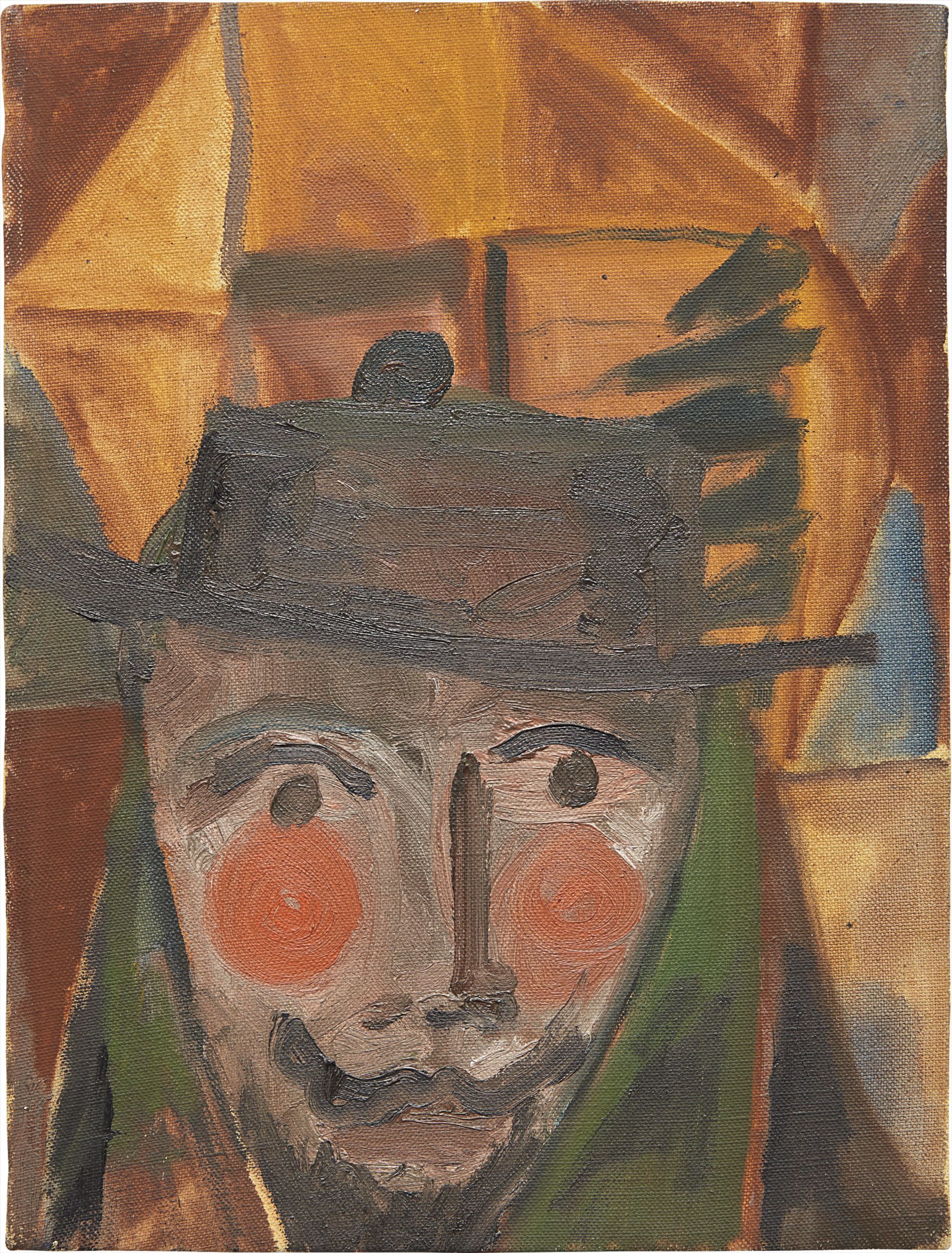
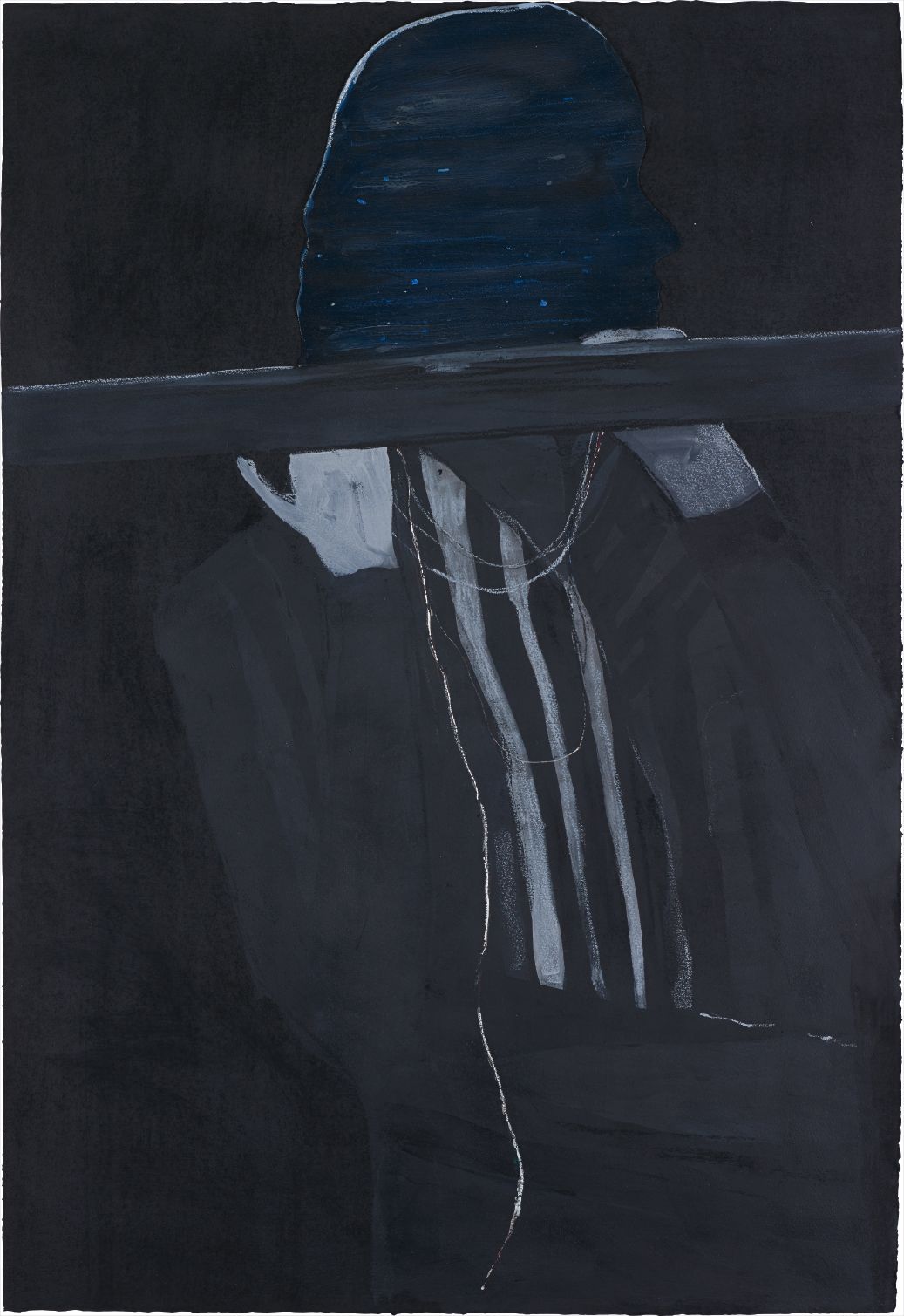
George Condo
Pirate in the Night
Works on The Collection that engage this territory range from the historically significant to the presciently current. The room, as they say, is still dark enough to see by.