Cutout
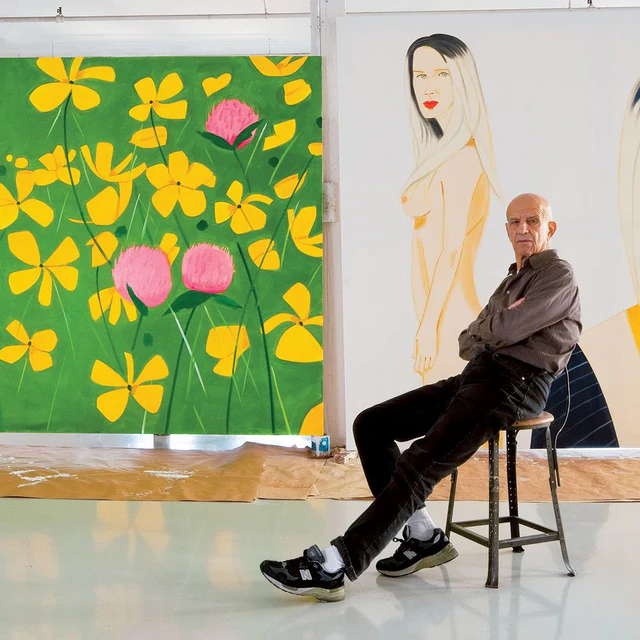
Alex Katz
John
The Cut That Changed Everything About Painting
When a late Alex Katz cutout sold at Christie's in recent years for well above estimate, the room understood something that had been quietly building for a long time. The cutout, that deceptively simple act of isolating a figure against nothing, had moved from art historical curiosity to genuine market force. Collectors who had spent decades thinking about the gesture as a footnote to painting were reconsidering. The cutout was not a deviation from serious art.
It was the point. The form carries a particular charge right now because it sits at the intersection of so many conversations happening simultaneously. Flatness, the body, the relationship between figure and ground, the question of what a painting even is when it walks off the wall and into three dimensional space. These are not new questions, but the cutout asks them with a directness that feels urgent in a moment when collectors and curators alike are rethinking the borders between media.
Henri Matisse
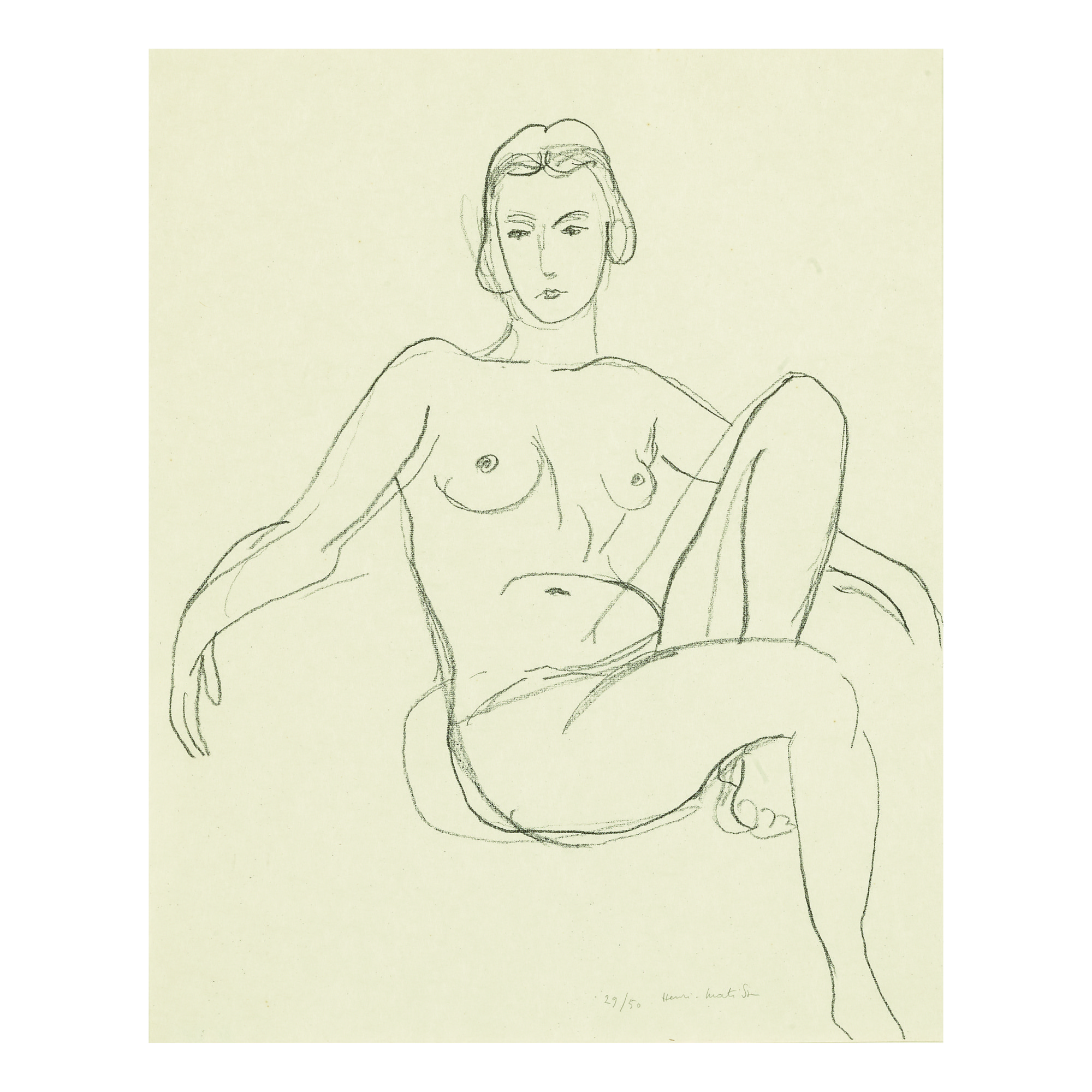
Nu Assis Les Bras Étendus (duthuit 468)
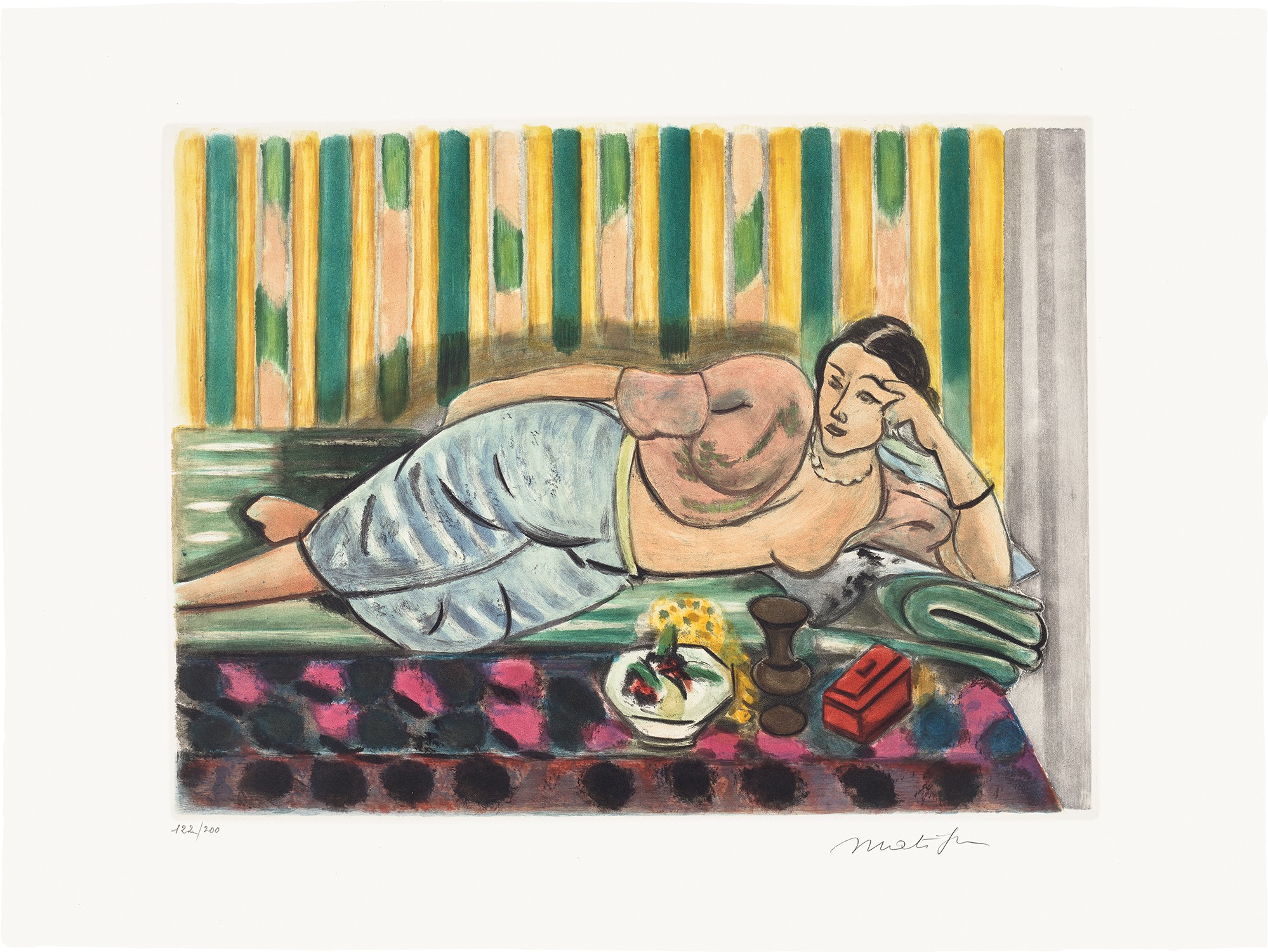
The gesture is both ancient and absolutely contemporary, which is a rare thing. Matisse arrived at the cutout late in his life, and what he found there was not a compromise with his failing body but something closer to liberation. The works from the early 1950s, the large scale compositions made with painted paper and scissors, redefined what late style could mean for a painter. When the Museum of Modern Art devoted serious attention to this period in its collection displays and catalogues, it confirmed what many already believed: that the cutouts were not a coda but a culmination.
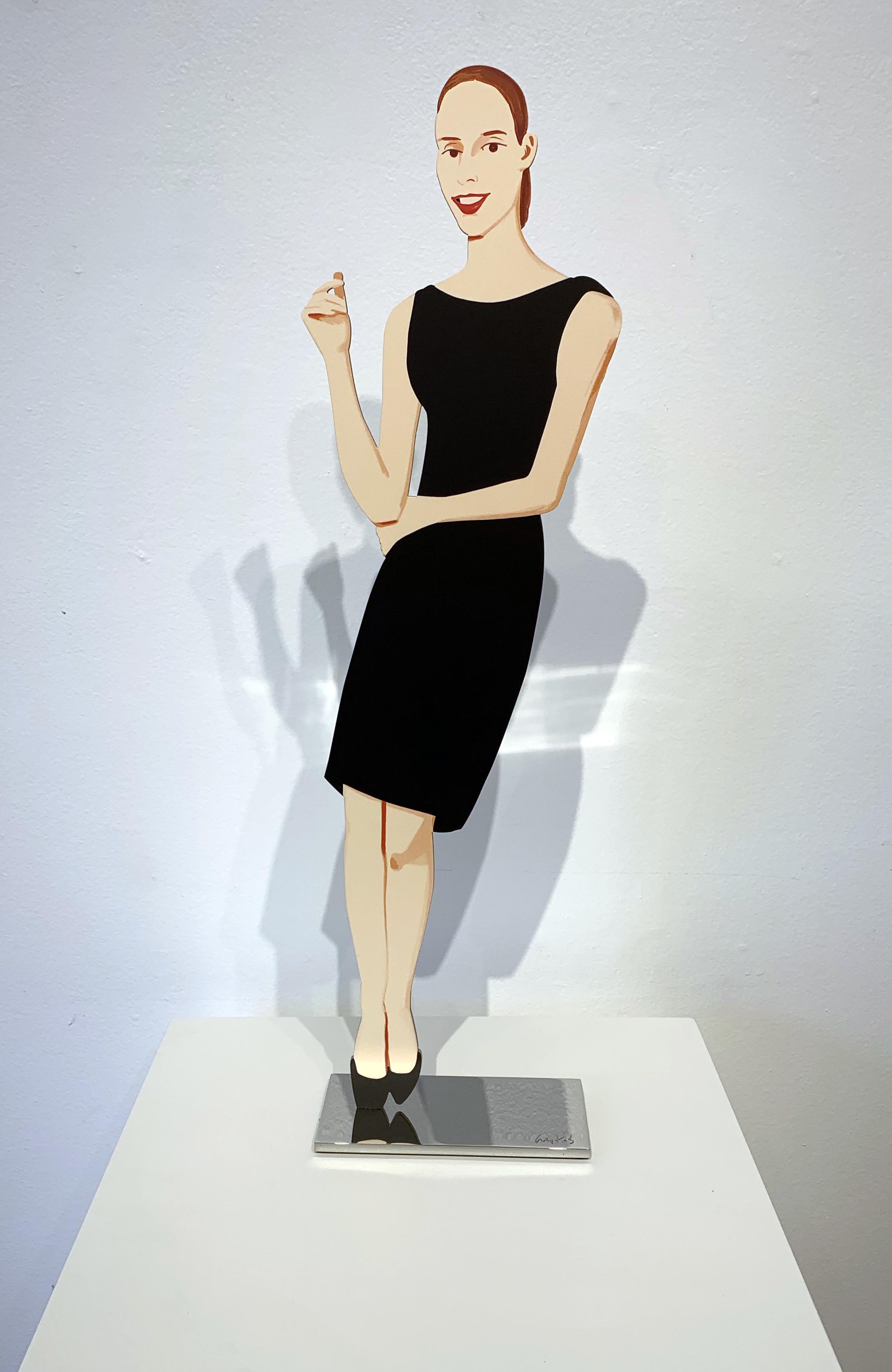
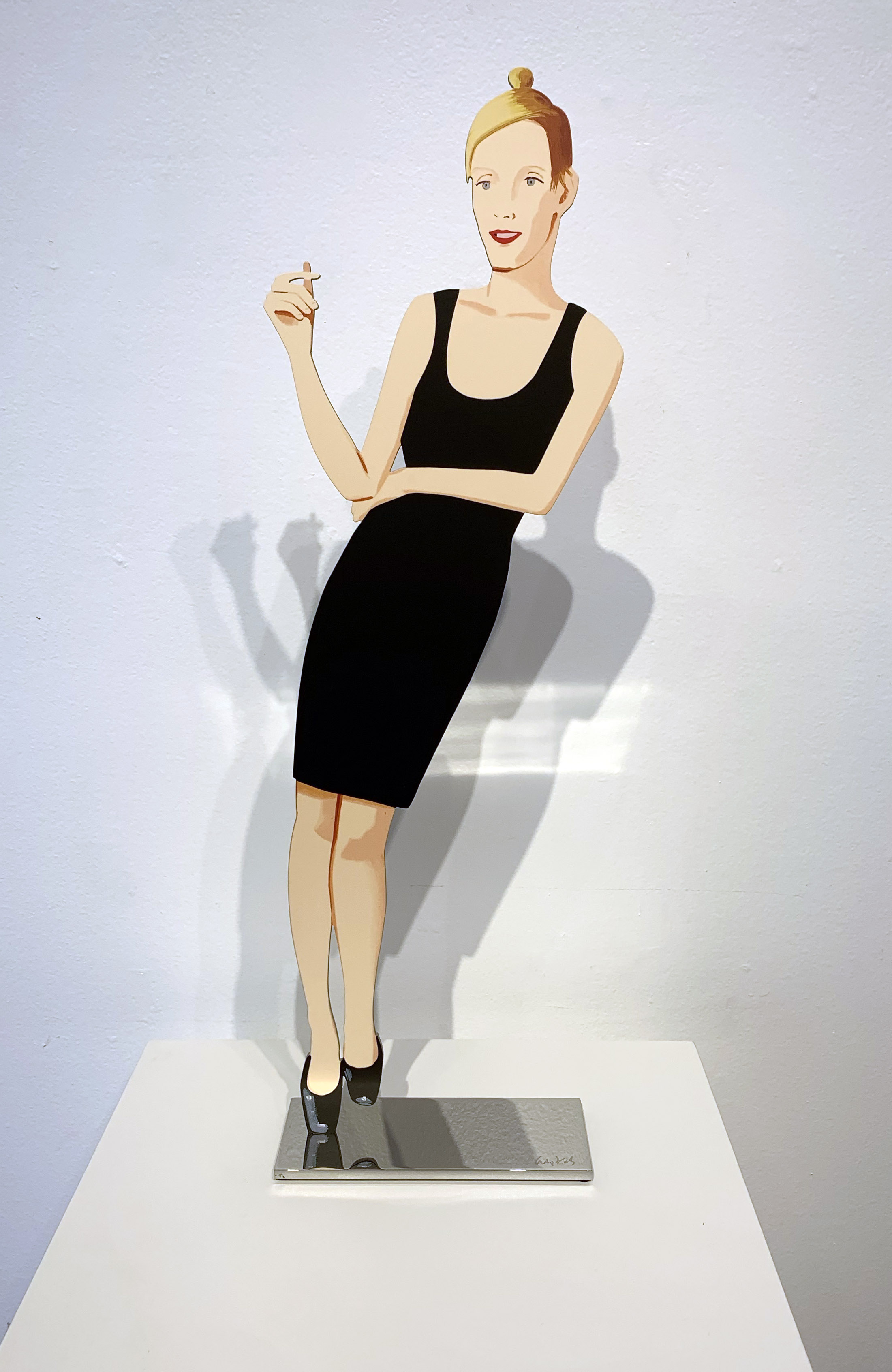
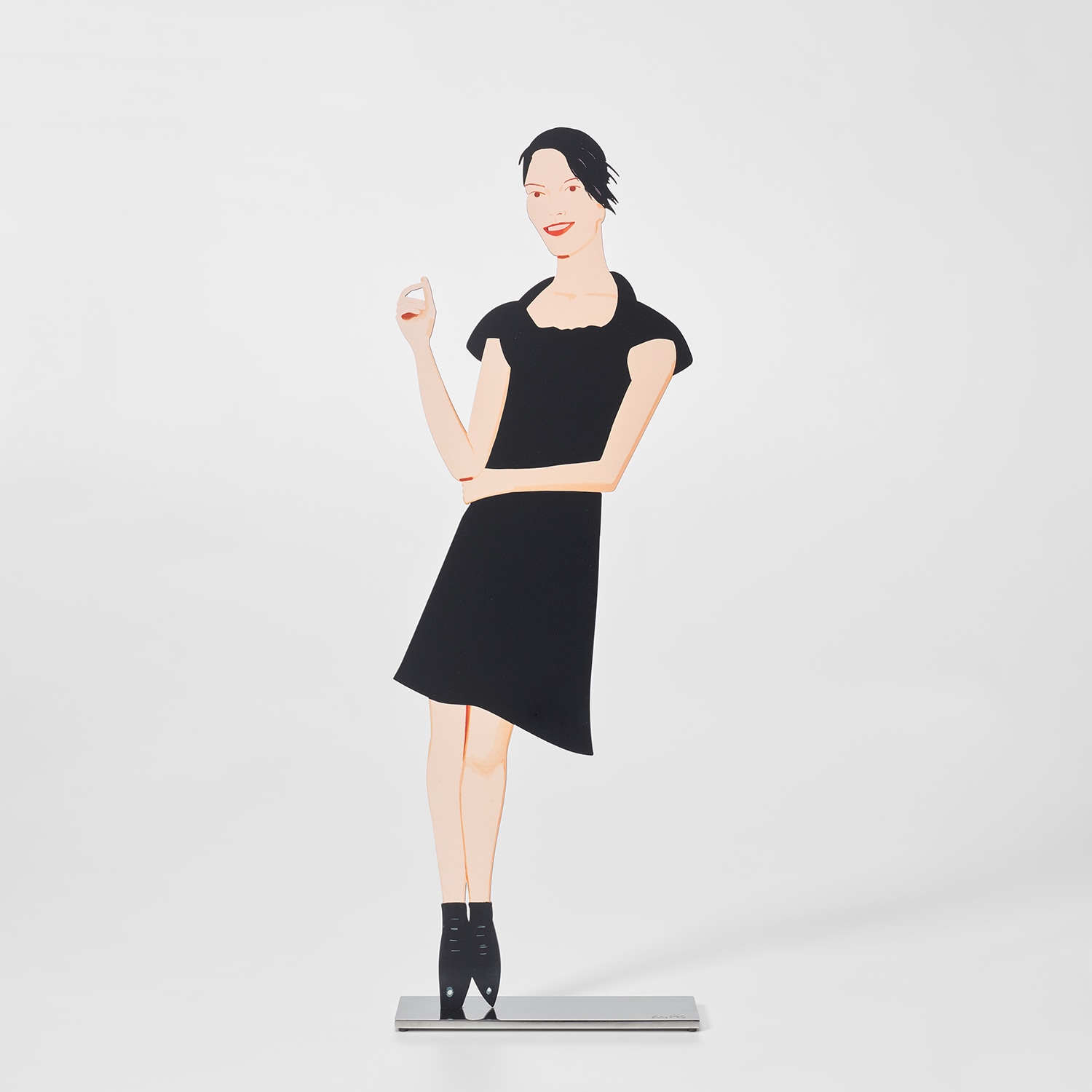
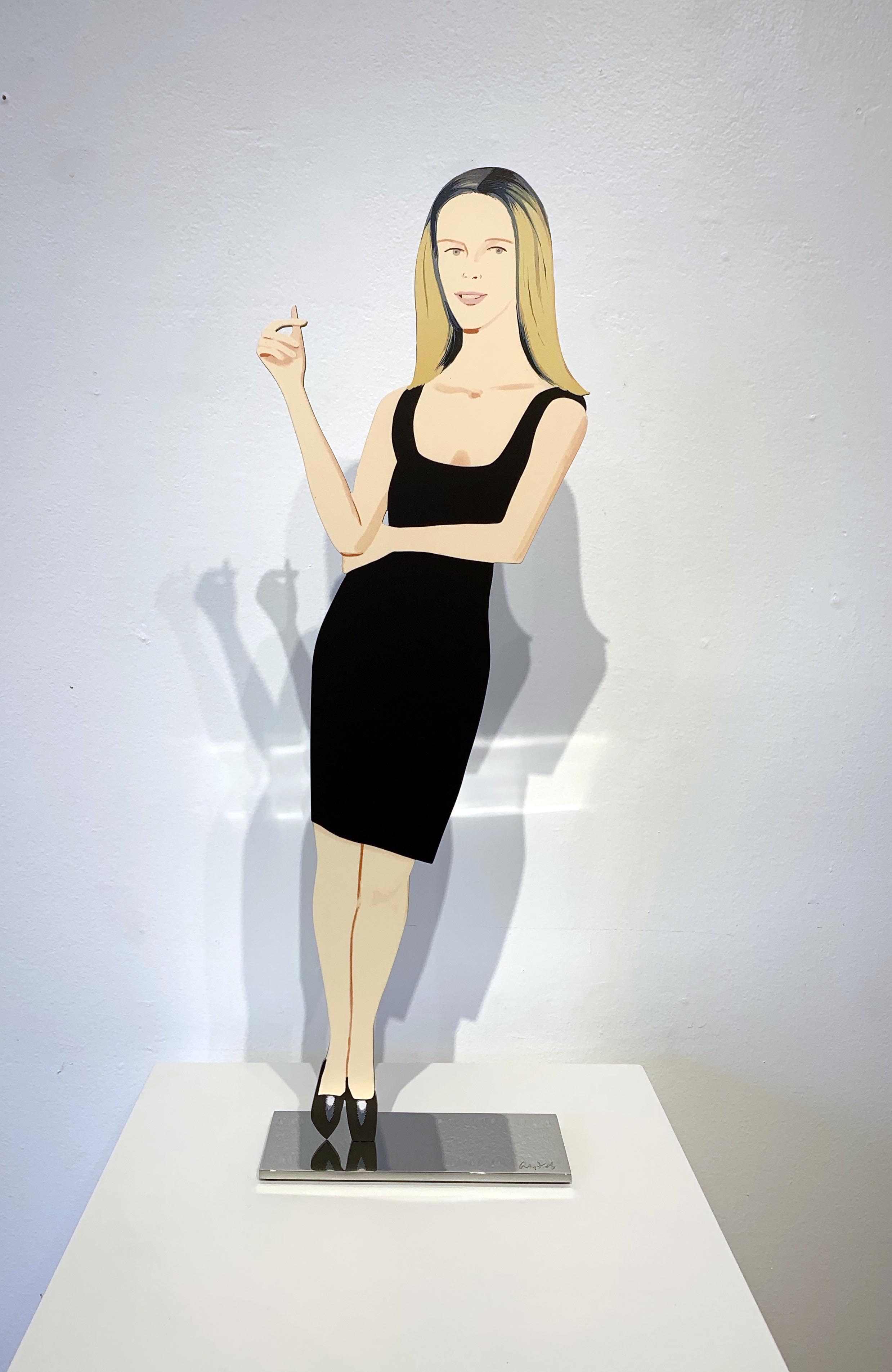
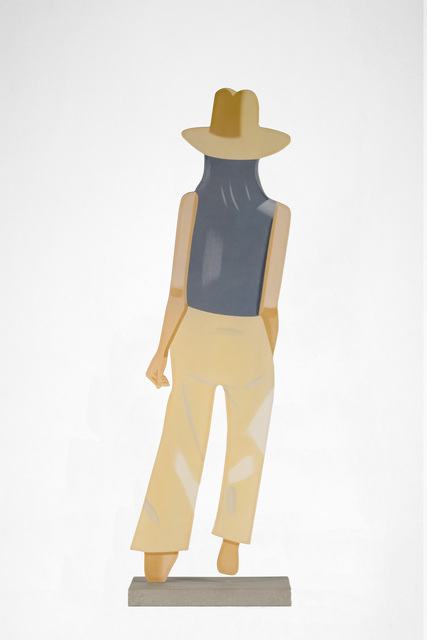
The critical reappraisal of that final decade has driven significant institutional attention, and it has raised the floor for works in this mode across the entire category. Alex Katz took the logic of the cutout in a direction that feels distinctly American and distinctly his own. His freestanding painted aluminum figures, placed outdoors or in gallery spaces, collapse the distance between portrait and sculpture in a way that still startles. The works on The Collection represent this strand of his practice with real depth.
Alex Katz
John
Katz has said that the cutout allowed him to think about painting in public, to put a face in a landscape without the landscape swallowing it. That tension, the figure holding its own against the world around it, is what makes these works resonate so powerfully in both institutional settings and private collections. His market has remained one of the most stable in postwar American art, with major works consistently attracting competitive bidding at all three of the major auction houses. Lucas Samaras brings something stranger and more unsettling to the same formal territory.
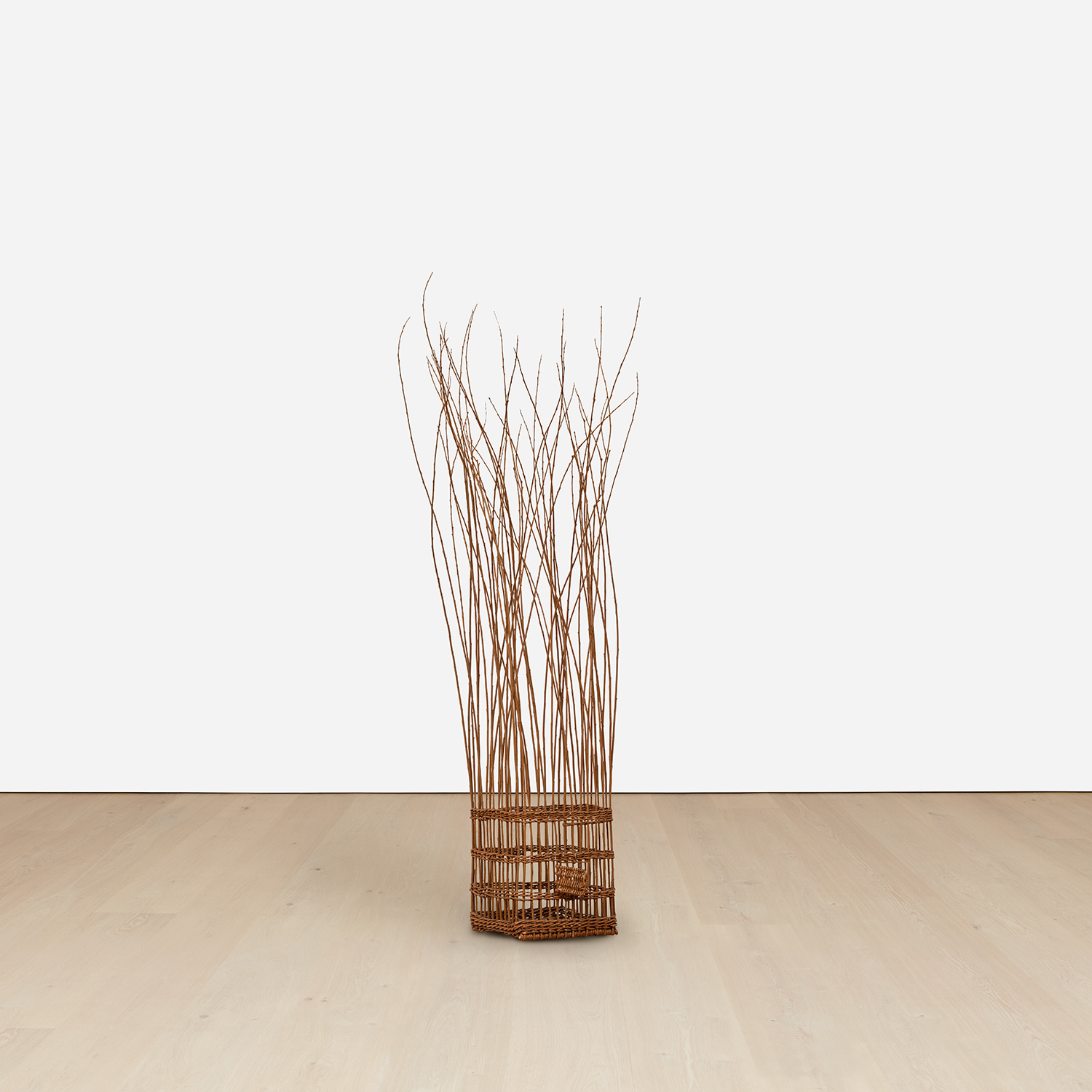
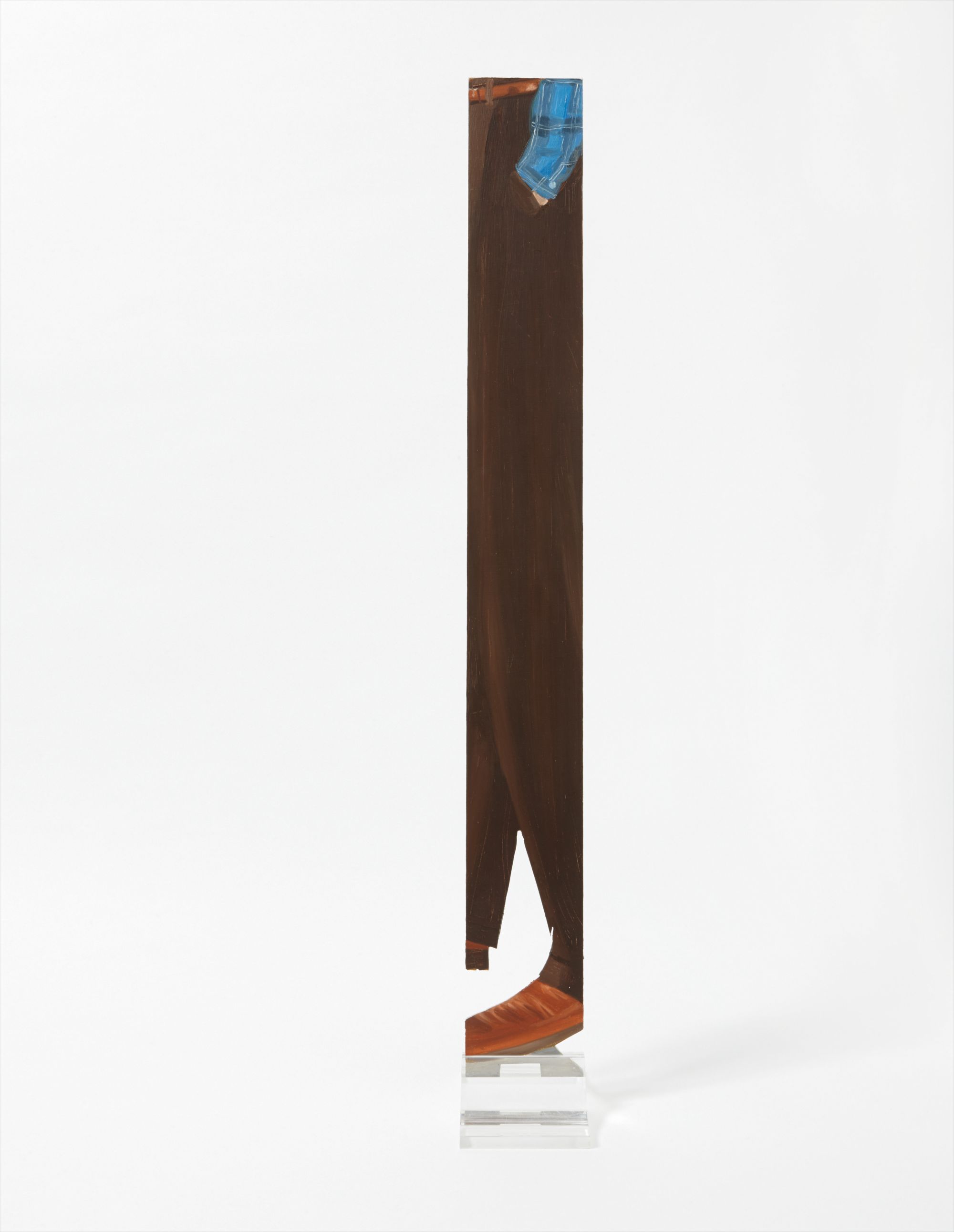
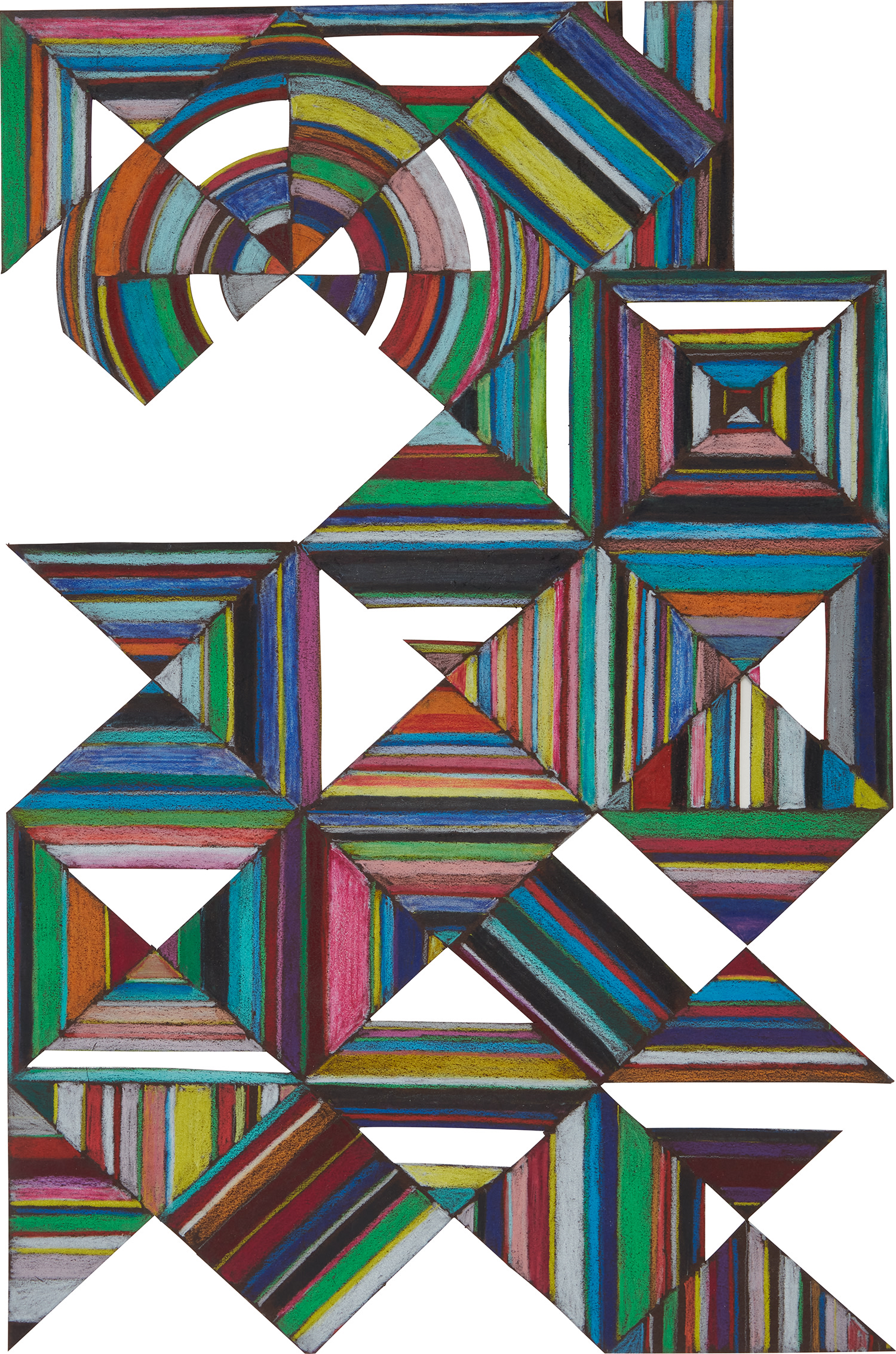
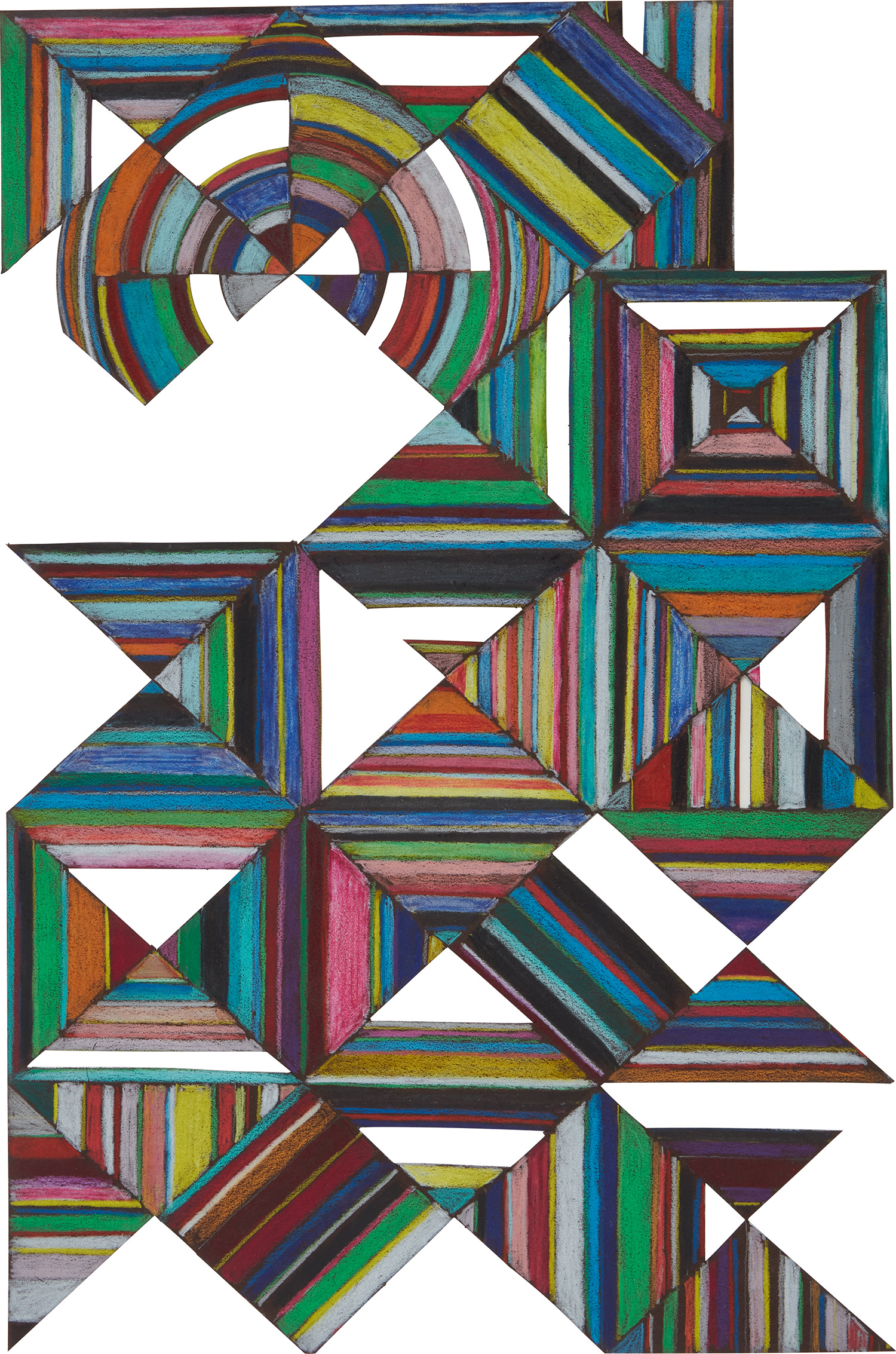
His cutouts and altered photographs, his manipulated surfaces, treat the body not as something to be celebrated or simplified but as something to be questioned and reassembled. Samaras has never been as broadly collected as Katz, but among serious collectors his work commands fierce loyalty. The Pace Gallery has done important work maintaining his visibility, and museum collections from the Whitney to the Met hold significant examples. His presence on The Collection alongside Katz and Matisse creates an interesting triangulation: the lyrical, the monumental, and the uncanny, all working through the same basic formal problem.
Lucas Samaras
Lucas Samaras
The institutional story around cutouts has accelerated over the past decade in ways that track closely with broader shifts in how museums are thinking about the boundary between painting and sculpture. The Tate Modern, the Centre Pompidou, and the Museum of Modern Art have all programmed exhibitions or major collection reinstallations that foregrounded this category, and their scholarly catalogues have shaped the critical vocabulary collectors now use. Curators like Ann Temkin at MoMA have written with real precision about flatness and presence in ways that give collectors intellectual scaffolding for decisions they were already making intuitively. In the critical press, the conversation has moved interestingly.
Artforum and Frieze have both run pieces in recent years that situate the cutout not as a modernist relic but as a live question for younger artists working in abstraction and figuration. There is a generation of painters and sculptors now in their thirties and forties who cite Katz alongside younger painters like Cecily Brown or Lynette Yiadom Boakye when discussing the problem of the figure. The cutout sits somewhere in that discussion as a kind of limit case: what happens when you commit fully to the edge of a form, when you refuse the comfort of a surrounding field? The auction market for this category has shown interesting divergence.
Works by Matisse in any medium remain aspirational for most collectors, the rare cutout works that appear at auction tend to carry estimates that reflect their museum quality status and they sell accordingly. Katz occupies a different position: accessible enough that a serious collector can build a real relationship with his practice, significant enough that the works hold and appreciate over time. The cutouts and freestanding figures in particular have attracted attention from collectors who came to Katz through painting and then found themselves drawn deeper into the spatial complexity of the three dimensional works. What feels alive right now is the conversation about scale and public space.
Several major outdoor installations featuring large format cutout figures have renewed interest in the form as something that belongs to the world rather than to the gallery alone. At the same time, smaller works, the intimate cutouts and studies, are drawing attention from a younger generation of collectors who want something that feels both historically grounded and formally adventurous. The surprise may be how much this category rewards sustained looking. The cutout appears simple.
It is not simple at all. That gap between first impression and deeper understanding is exactly where the best collecting decisions tend to live.