Ceramic Vessel
Archived article
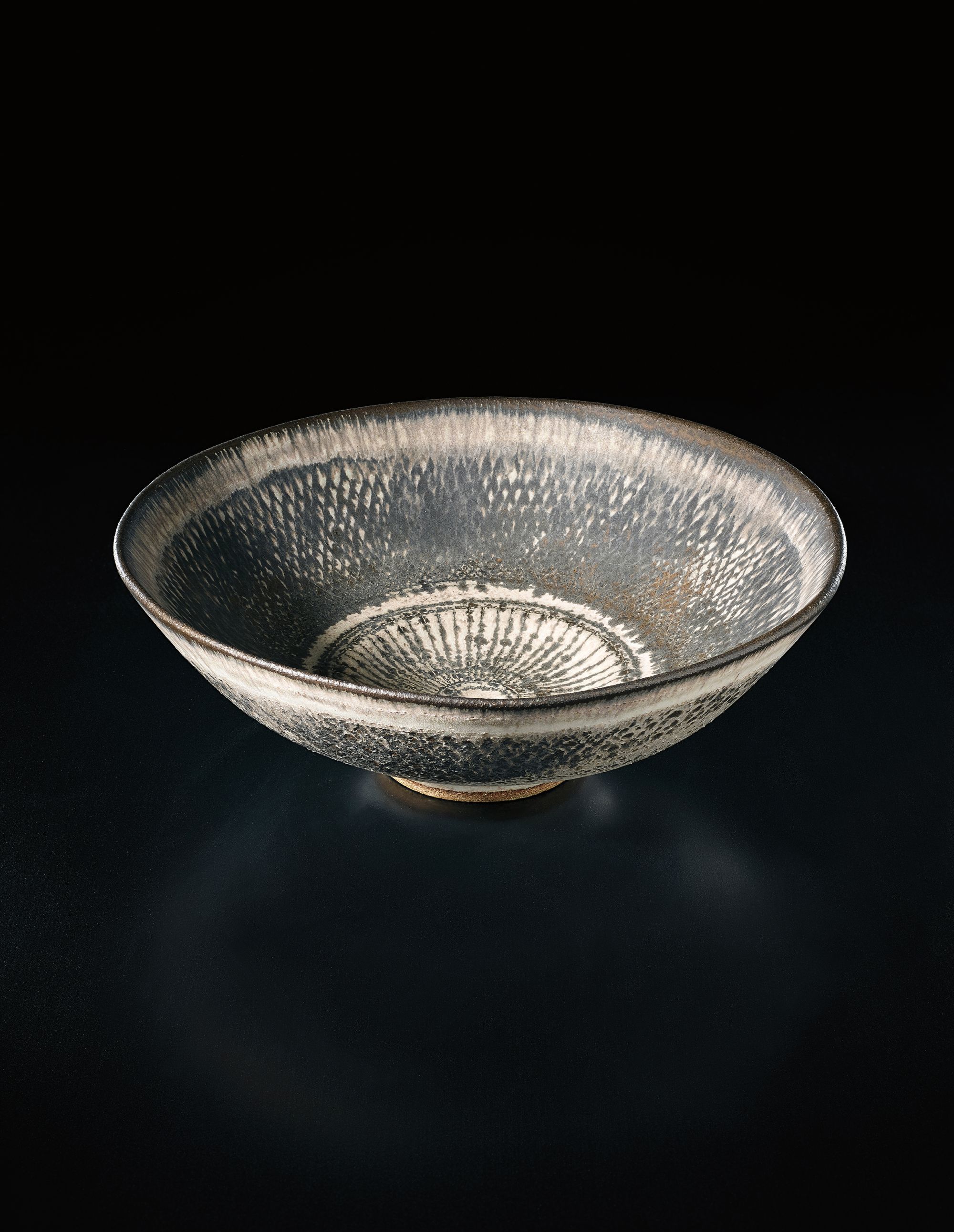
Lucie Rie
Monumental 'knitted' bowl
You are reading a previous version of this article.
Read the latest version```json { "headline": "The Vessel Knows Something You Don't", "body": "There is a particular kind of collector who falls for ceramics slowly, then all at once. It often begins with a single object placed on a shelf or windowsill, something that catches light differently at different hours, something that asks to be picked up. Unlike a painting, a ceramic vessel exists in the round. You live with it the way you live with another person, catching new angles, noticing how your relationship to it shifts depending on where you stand, what mood you are in, what season it is.
That quality of physical presence, of genuine three dimensionality, is what separates ceramics from almost every other category in the art market and why serious collectors keep returning to it.", "Thinking about what makes a great vessel rather than merely a good one requires getting past the idea that technical skill is the whole story. Skill matters, certainly, but it is table stakes. What elevates a work is the sense that the maker understood something essential about the relationship between form and intention, between constraint and freedom.
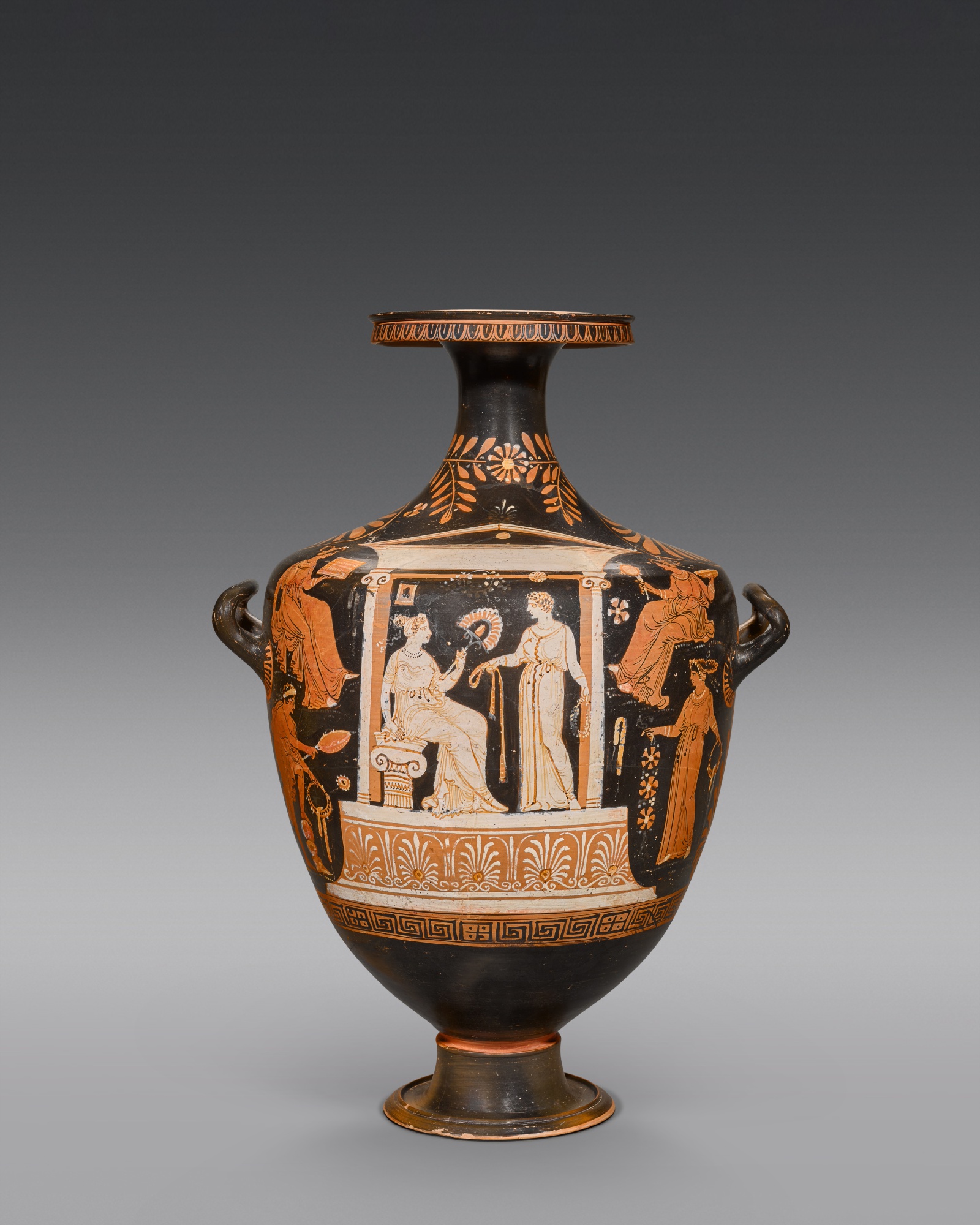
An Apulian Red-figured Hydria, circa 350-330 B.C.
An Apulian Red-figured Hydria, circa 350-330 B.C.
The best ceramic vessels hold a kind of tension within them. A wall that is almost too thin, a glaze that pools in ways that feel inevitable rather than accidental, a profile that seems simple until you realize you cannot stop looking at it. When you find a work where those elements align, where the object feels necessary rather than merely accomplished, that is the one worth acquiring.", "The historical range available to collectors of ceramic vessels is genuinely extraordinary, and the works represented on The Collection speak to that breadth beautifully.
Ancient Greek pottery, including Attic black figure and Apulian red figure traditions from the fifth and fourth centuries B.C., remains one of the most intellectually rewarding areas of the market. These objects carry both extraordinary age and remarkable visual sophistication.
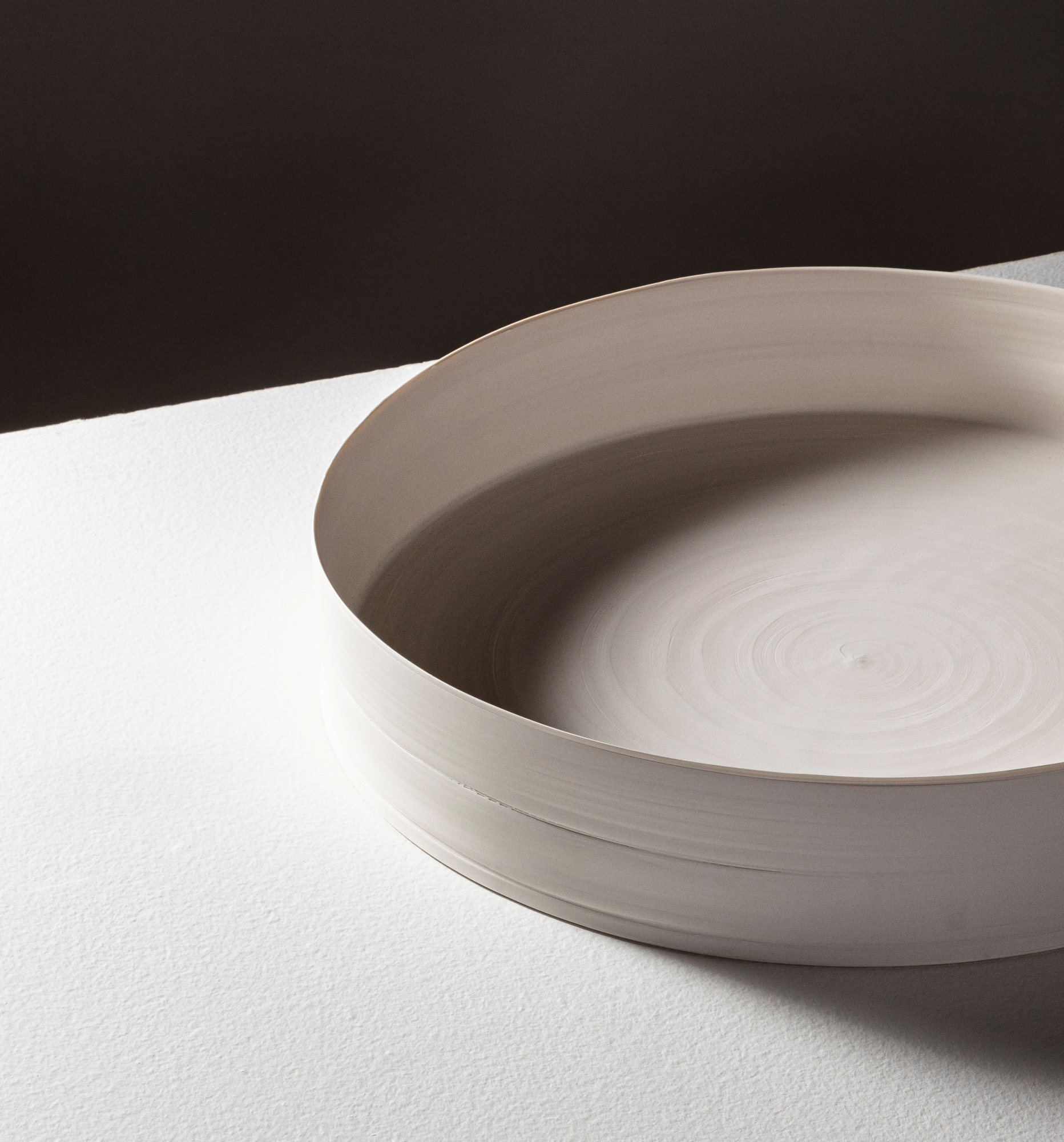
Taizo Kuroda
Untitled White Porcelain (Hachi) | 2006
An Apulian red figured hydria from around 350 to 330 B.C. represents a tradition at its peak, with figural narratives painted with a confidence that feels anything but archaic. The market for authenticated ancient ceramics with solid provenance has remained stable for decades, and significant pieces continue to perform well at the major auction houses, particularly Christie's and Sotheby's antiquities sales in London and New York.
", "Chinese ceramics occupy their own remarkable chapter in this story. Celadon glazed works from the Song dynasty tradition and later imperial production periods have long attracted the most serious institutional and private capital in the category. The luminous, jade like quality of a fine celadon glaze is one of those things that photographs cannot adequately convey, which is both a challenge and an opportunity for collectors willing to view works in person. Qing dynasty production from the seventeenth century brought extraordinary technical refinement to established forms, and pieces from this period with documented collection histories continue to find strong buyers.
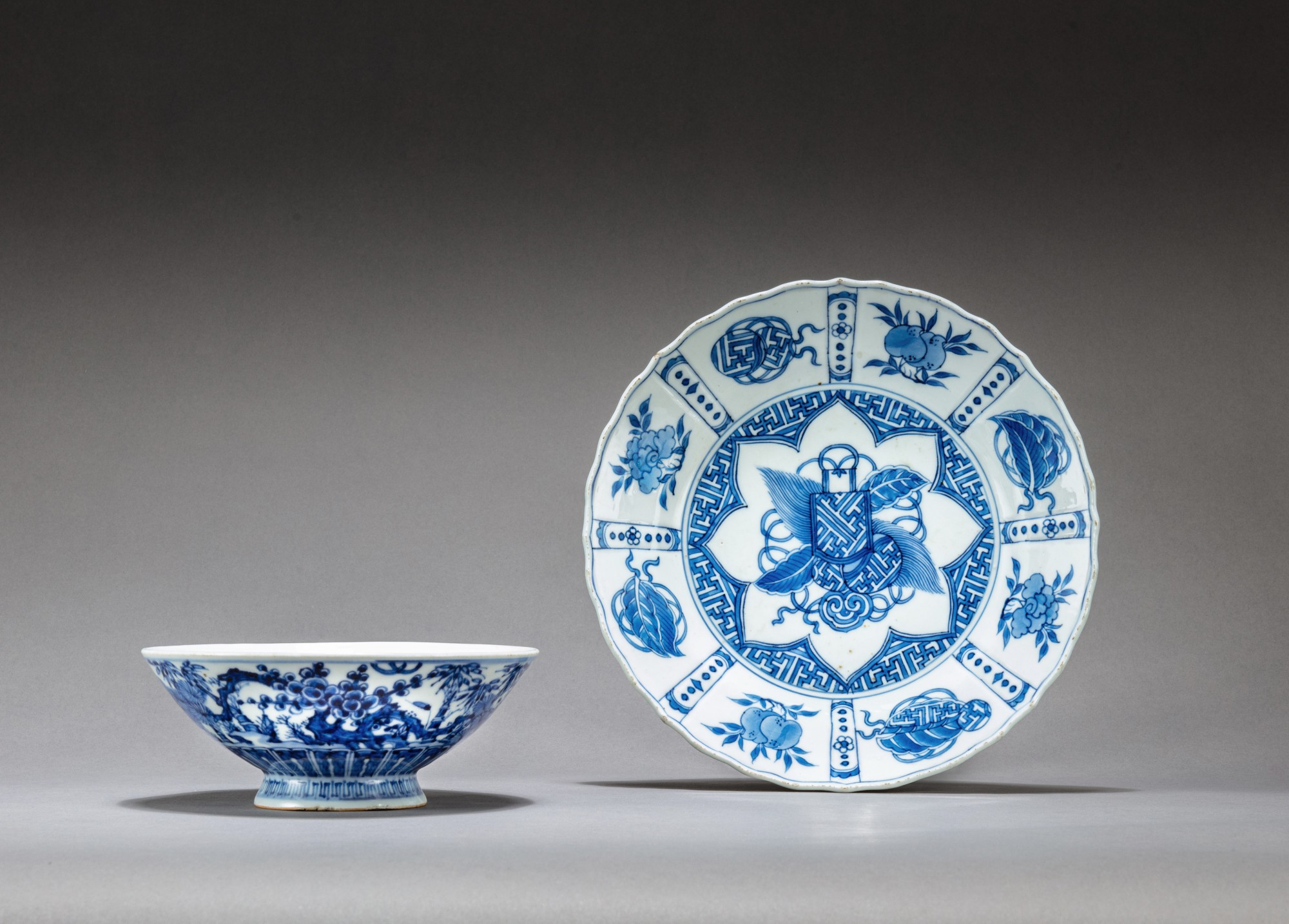
Qing dynasty, 17th century
清十七世紀 青花克拉克式盤及仿明式高足盤 一組兩件
The lesson from this part of the market is that condition and provenance documentation do an enormous amount of work, and the premium for both has only increased.", "Among modern and contemporary figures, Lucie Rie stands as one of the most significant ceramic artists of the twentieth century, full stop. Born in Vienna in 1902 and based in London from 1938, Rie developed a body of work that was deeply personal yet in constant dialogue with the formal concerns of modernist sculpture and design. Her vessels, often featuring those distinctive sgraffito banded surfaces and unusually fine walls, command serious prices at auction and have continued their upward trajectory over the past decade as institutional recognition of her contribution has grown.
A Rie pot in excellent condition, particularly from her mature period in the 1960s and 1970s, is among the most defensible acquisitions a collector of modern ceramics can make. The Taizo Kuroda works represented on The Collection offer a compelling counterpoint, bringing a Japanese philosophical sensibility to vessel making that rewards sustained looking and speaks to a growing collector appetite for work situated at the intersection of craft and contemplative practice.", "For collectors paying attention to where value is being created rather than simply confirmed, the younger end of the contemporary ceramics world is genuinely exciting right now. Katie Stout has attracted significant attention for her furniture and ceramic work that refuses the genre distinctions that more conventional collectors rely on.
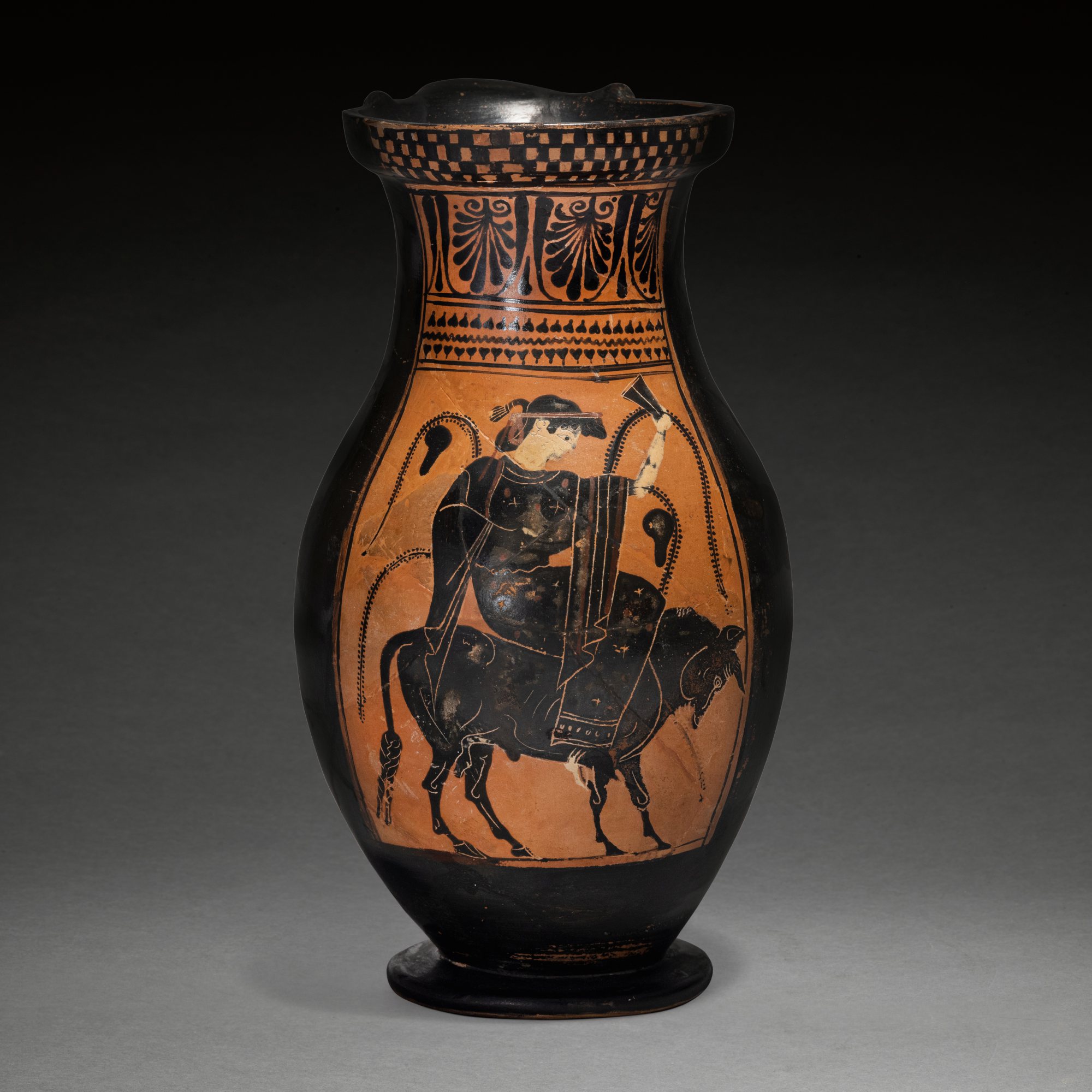
An Attic Black-figured Olpe, circa 500 B.C.
An Attic Black-figured Olpe, circa 500 B.C.
Her practice is deliberately destabilizing in the best sense, and galleries representing her have seen strong secondary market interest develop quickly. That pattern, where institutional and critical attention arrives ahead of auction market liquidity, is exactly the window serious collectors should be looking to enter. Works acquired now at primary market prices from strong galleries have the structural conditions that historically precede meaningful appreciation.", "Auction performance across the ceramics category tells a nuanced story worth understanding before you buy or sell.
Ancient works with unimpeachable provenance and export documentation perform predictably well and rarely disappoint serious bidders. The middle tier of the market, historical works without exceptional rarity or strong provenance chains, can be volatile and should be approached with care. Contemporary studio ceramics have seen genuine price discovery over the past five to ten years, with record results at Phillips and Wright in particular suggesting that the category has graduated from decorative arts positioning into fine art territory in the minds of major collectors. The artists who perform best in this environment share a combination of institutional exhibition history, gallery representation at recognized spaces, and a body of work coherent enough to reward sustained collector engagement.
", "Practically speaking, ceramics reward collectors who ask good questions before acquiring. Condition is paramount and more complex than it first appears. Hairline cracks invisible to the naked eye can be revealed under ultraviolet light, and restoration work on older pieces, while sometimes skillfully done, should always be disclosed and factored into price. Ask any gallery or dealer directly whether a work has been repaired, and request condition reports in writing.
For ancient and historical pieces, ask specifically about provenance documentation and export licensing, as the regulatory environment around antiquities has tightened considerably since the 1970 UNESCO convention, and works without clear pre 1970 collection histories face both legal uncertainty and reduced auction eligibility. For contemporary studio works, edition status matters enormously. Unique works command the strongest long term premiums, and even within a single artist's practice the distinction between a unique thrown piece and a cast or editioned work can be the difference between a speculative purchase and a genuinely sound acquisition. Display thoughtfully, away from direct sunlight where glazes can fade over decades, and give significant works the physical space they demand.
A great vessel, like good company, needs room to breathe.
Works tagged Ceramic Vessel
An Apulian Red-figured Hydria, circa 350-330 B.C.
An Apulian Red-figured Hydria, circa 350-330 B.C.
Taizo Kuroda
Untitled White Porcelain (Hachi) | 2006
Qing dynasty, 17th century
清十七世紀 青花克拉克式盤及仿明式高足盤 一組兩件
An Attic Black-figured Olpe, circa 500 B.C.
An Attic Black-figured Olpe, circa 500 B.C.
Lucie Rie
Monumental 'knitted' bowl
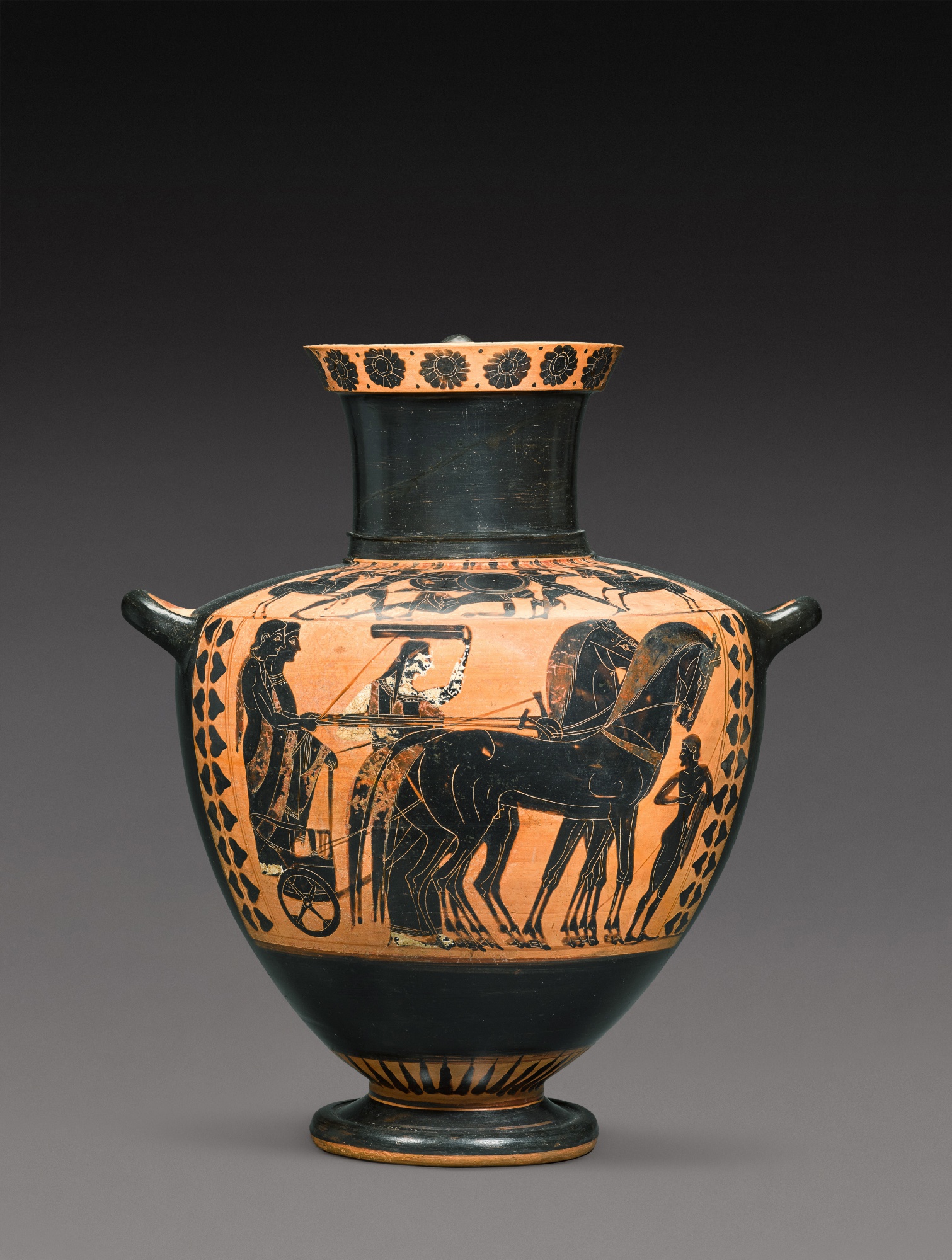
Unknown
An Attic Black-figured Hydria, attributed to the Swing Painter or to his Circle, circa 485 B.C.
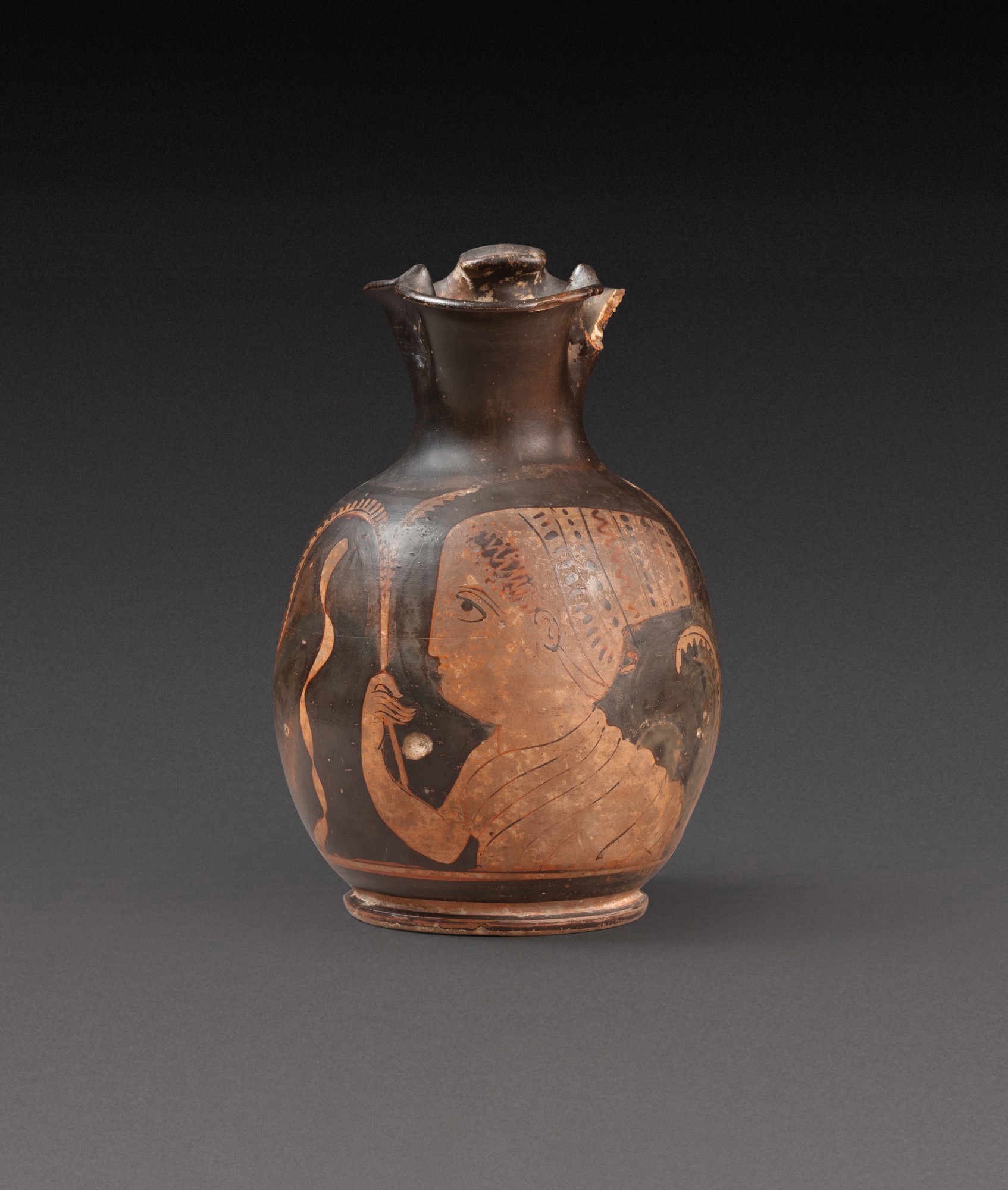
A Lucanian Red-figured Oinochoe
A Lucanian Red-figured Oinochoe, attributed to the Primato Group, circa 340-330 B.C
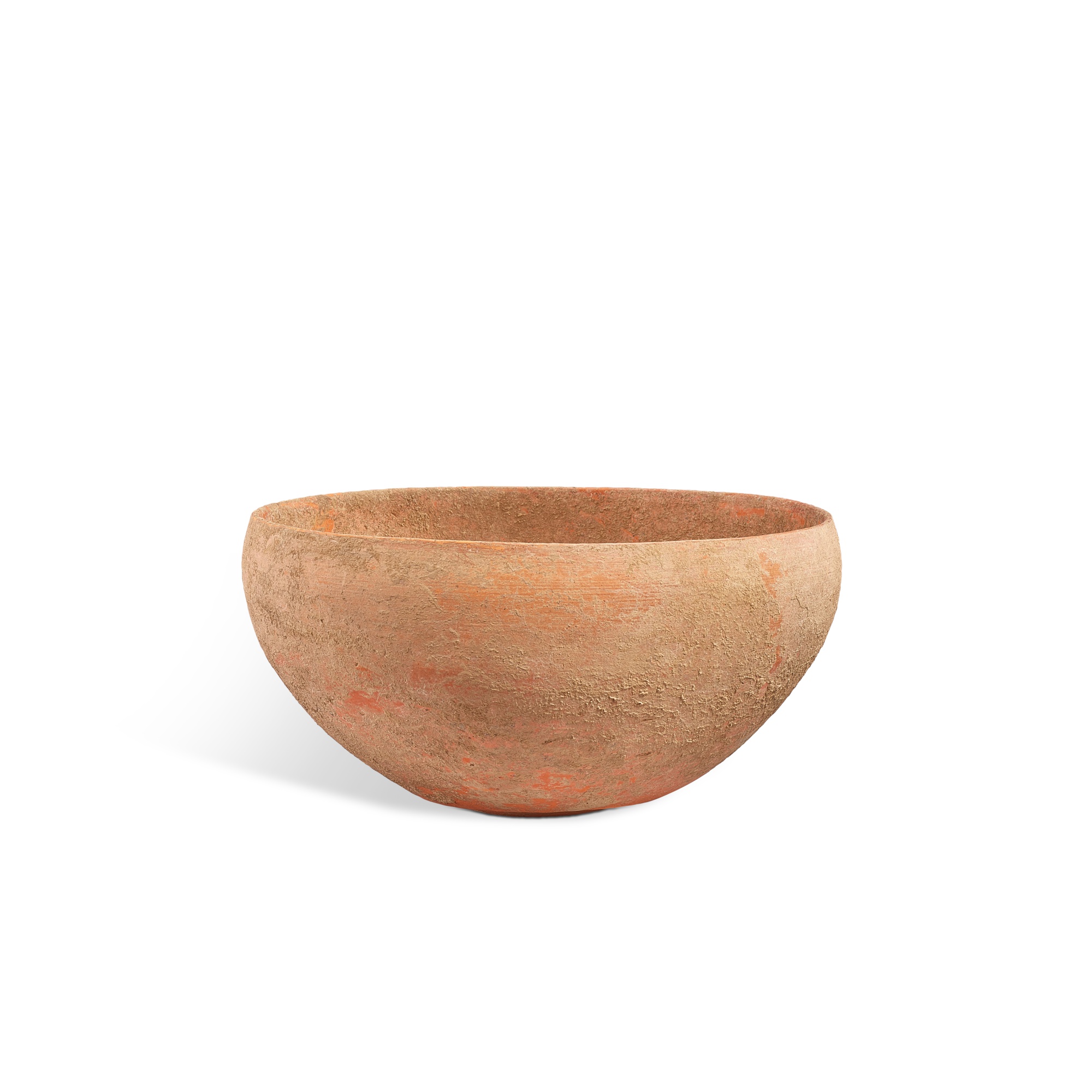
A red pottery plain alms bowl,
A red pottery plain alms bowl, Yangshao culture, Banpo phase, c. 4800-4300 BC 仰韶文化 半坡類型 紅陶盌
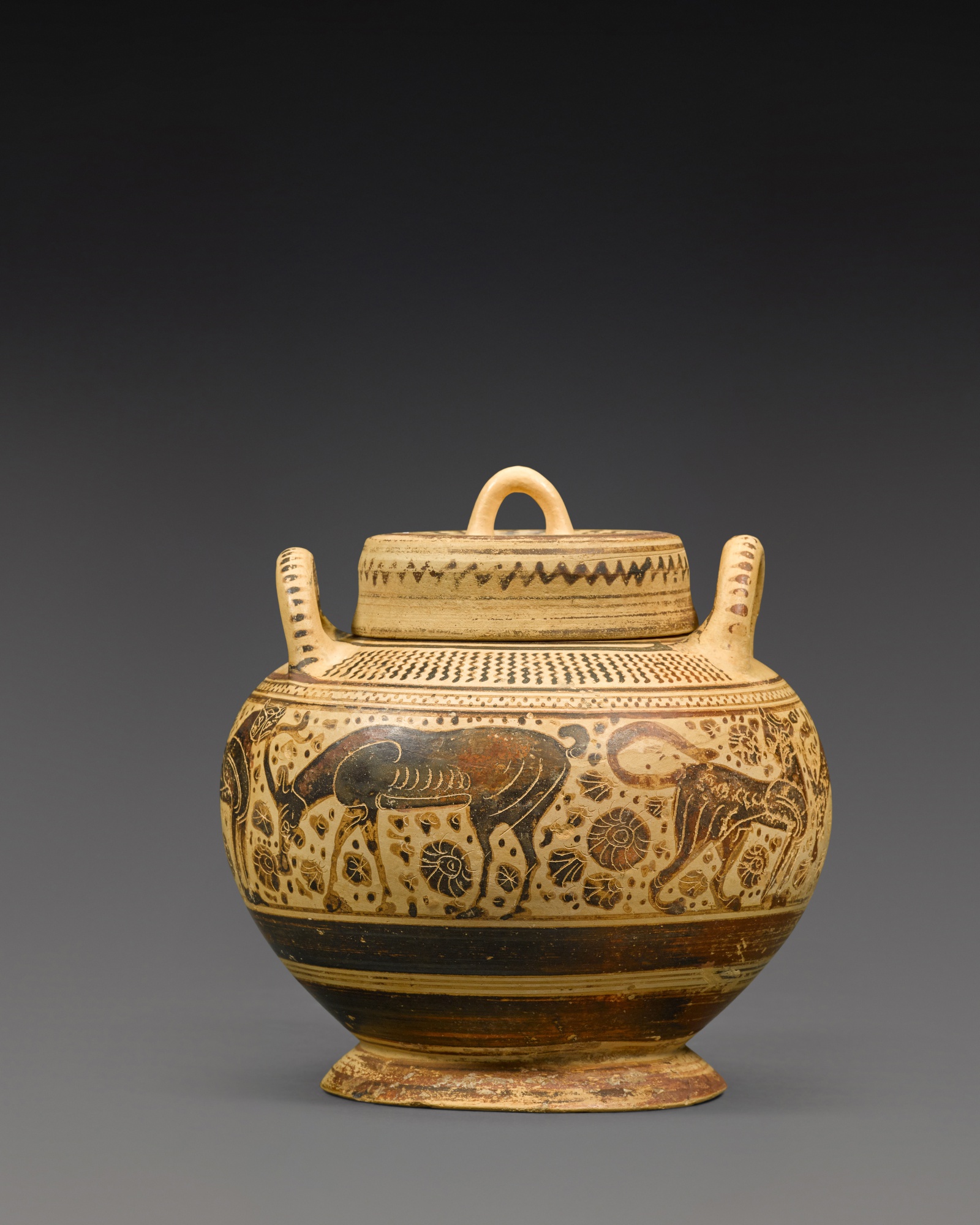
Unknown
A Corinthian Pottery Lidded Lekane, attributed to the Painter of Athens 931, circa 600 B.C.
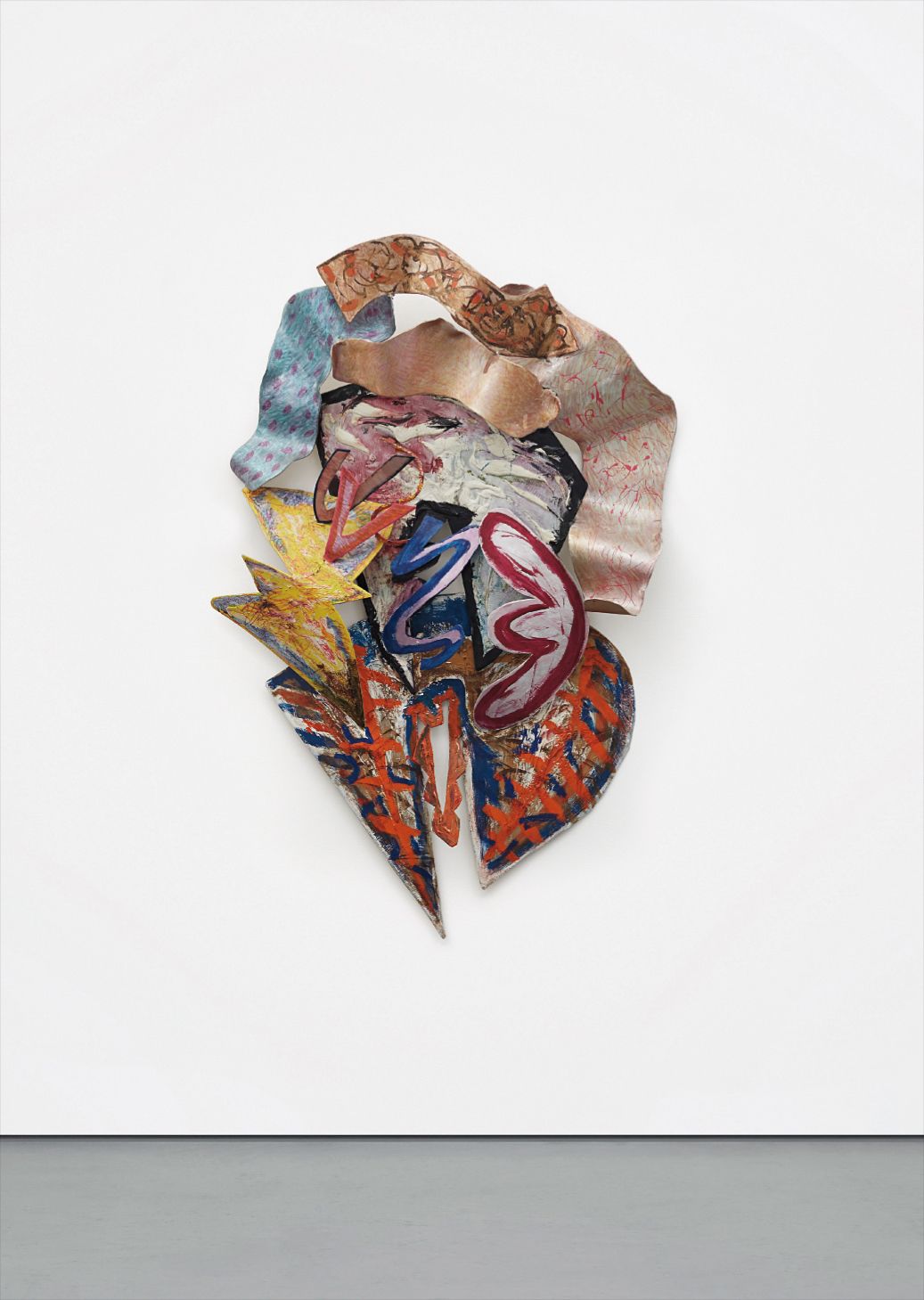
Jonathan Nash Glynn
Incised 'Jonathan Glynn '89' on lower edge. Further initialled 'JG' on the interior of the vase.
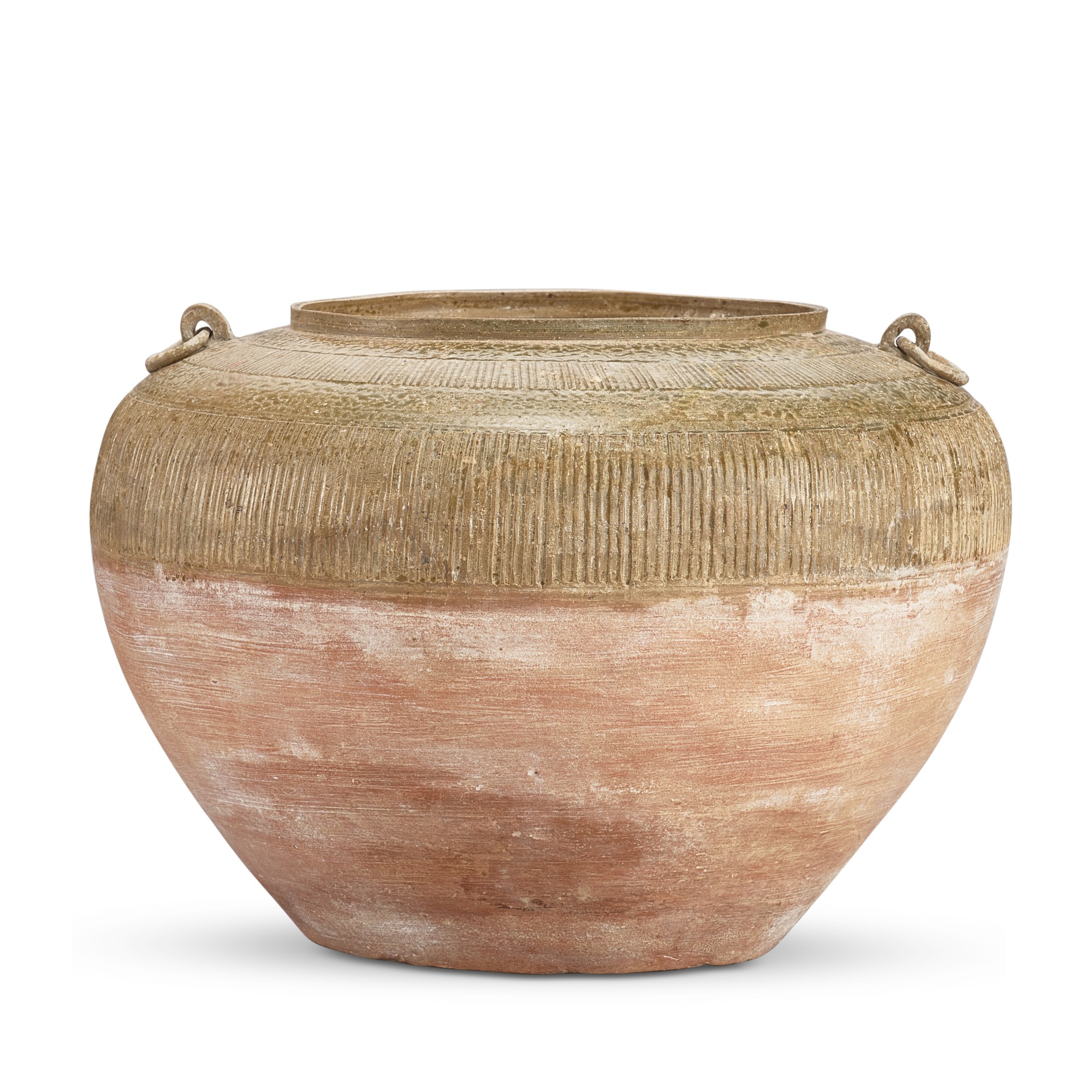
A celadon-glazed handled jar,
A celadon-glazed handled jar, Eastern Zhou dynasty, Warring States period 東周 戰國 青釉雙繫罐
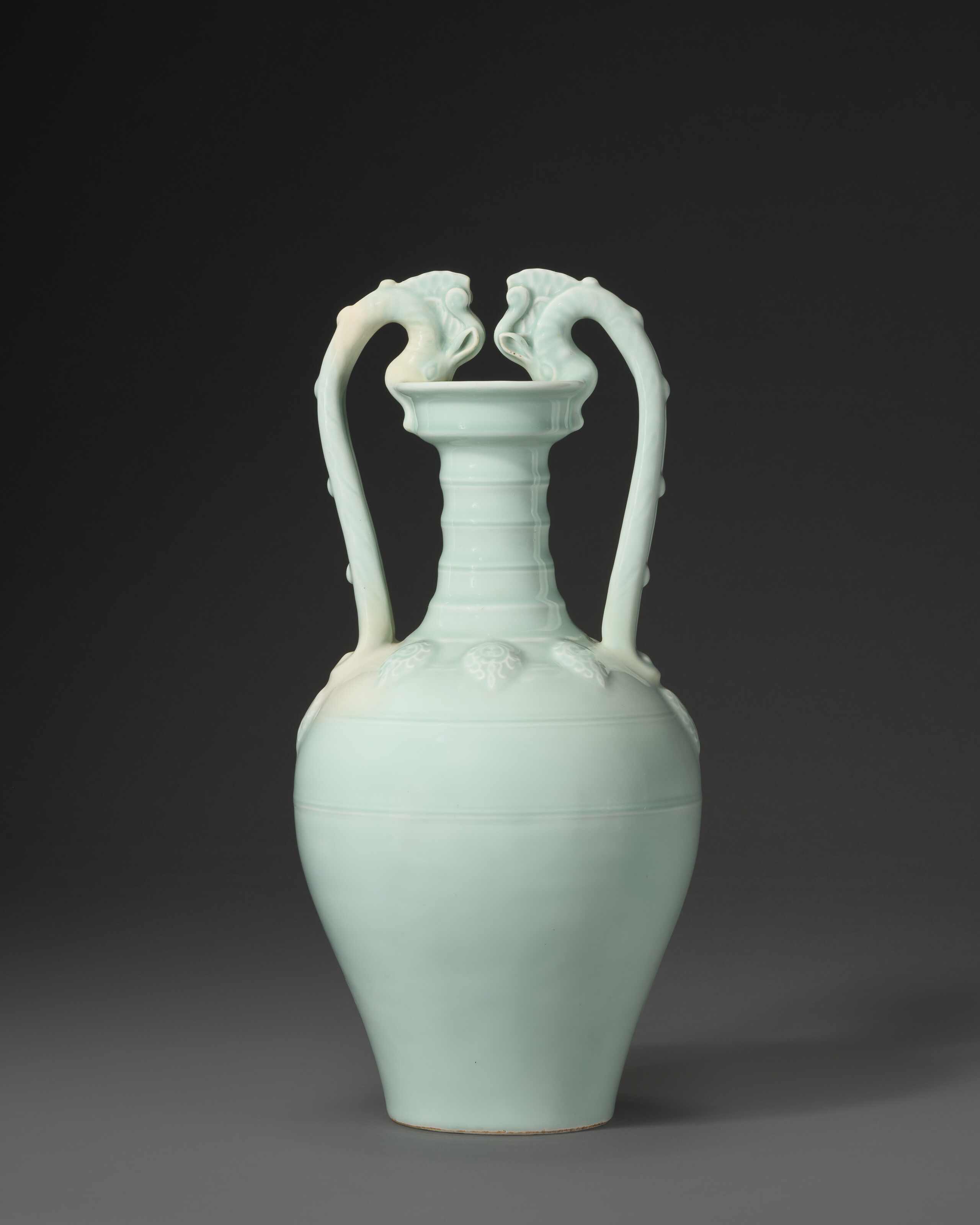
A Very Rare Large Celadon-glazed Amphora-form Vase
YONGZHENG SEAL MARK IN UNDERGLAZE BLUE AND OF THE PERIOD (1723-1735)
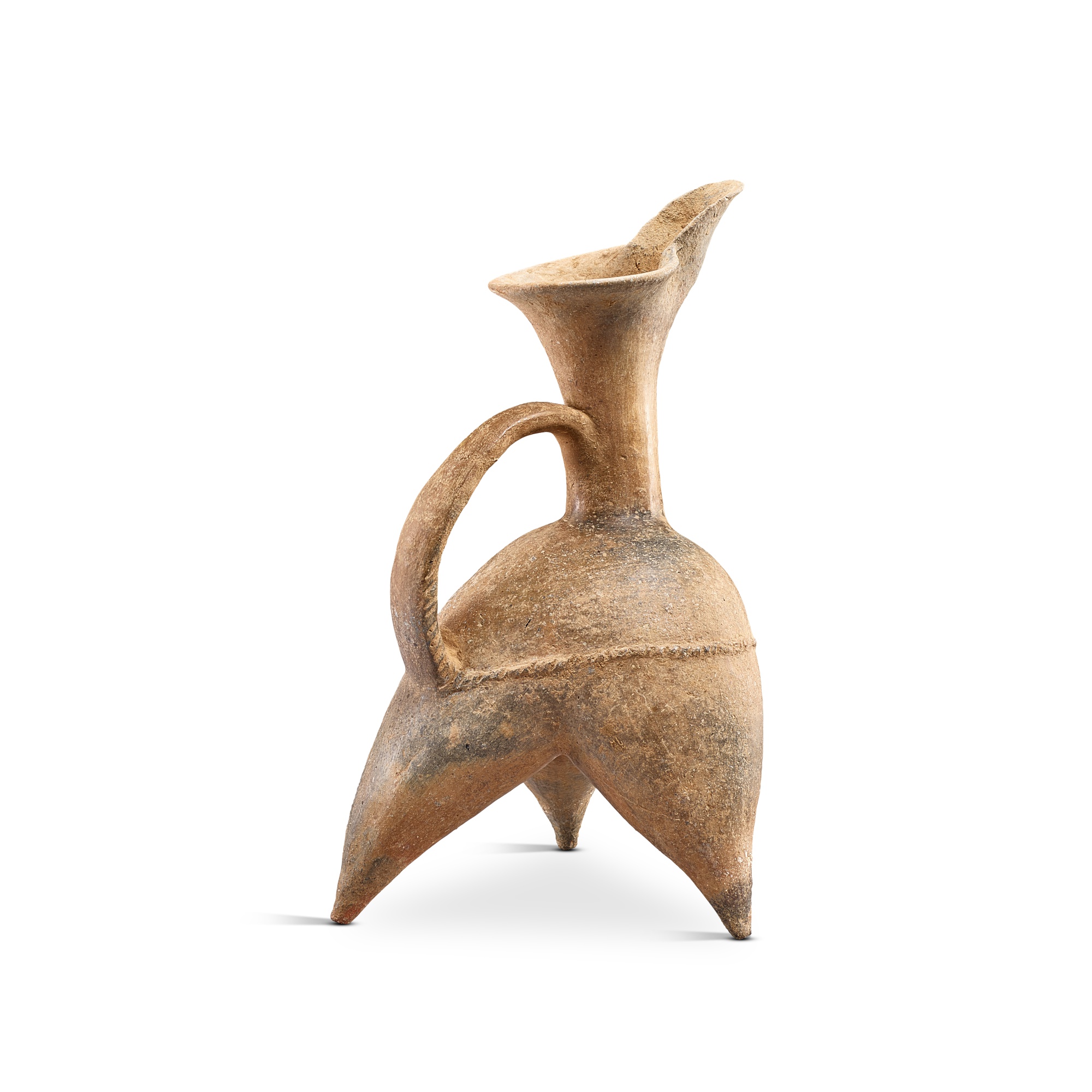
A pottery tripod ewer,
A pottery tripod ewer, Dawenkou culture, c. 4300-2400 BC 大汶口文化 陶鬹
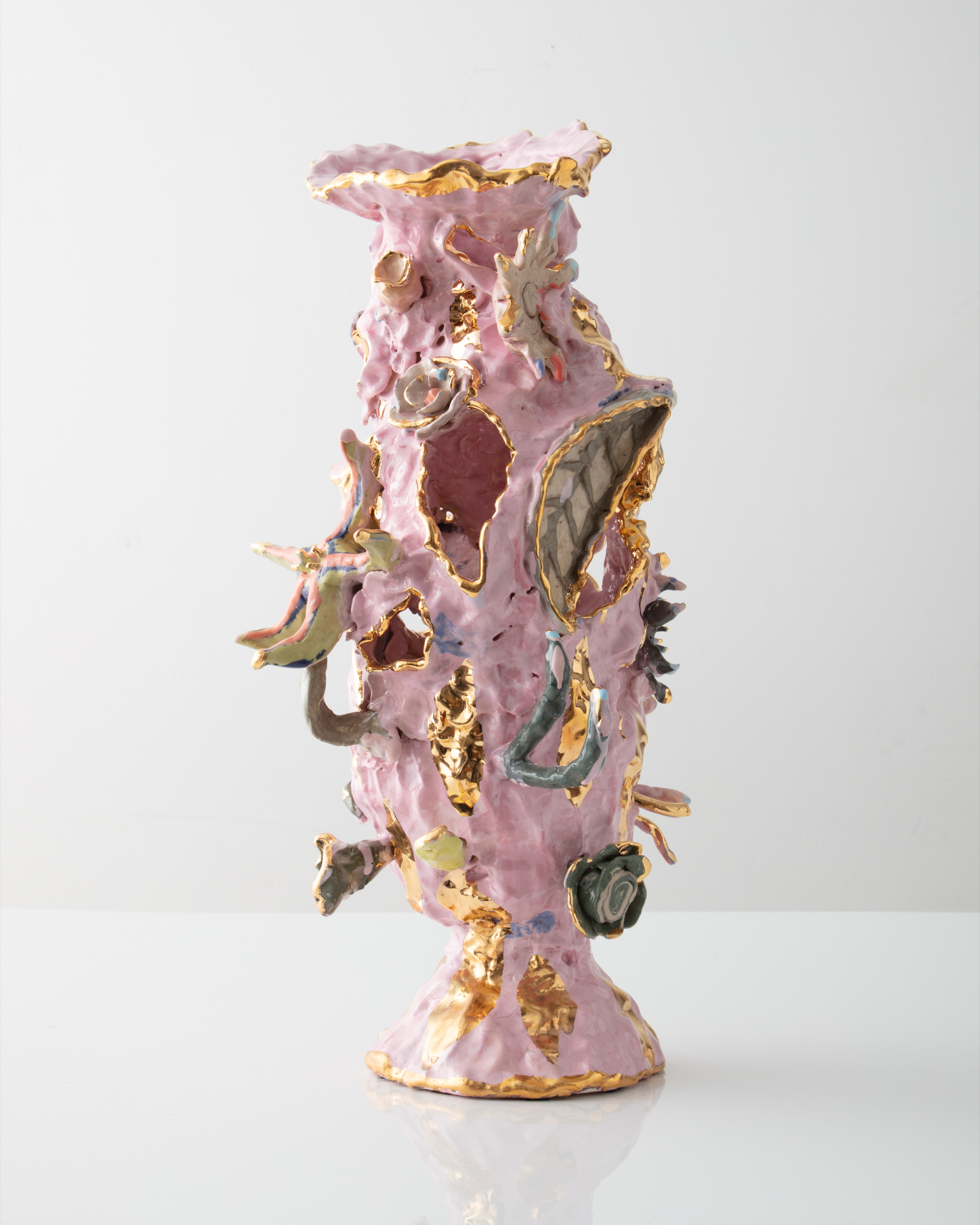
Katie Stout
Pink Patch Vessel
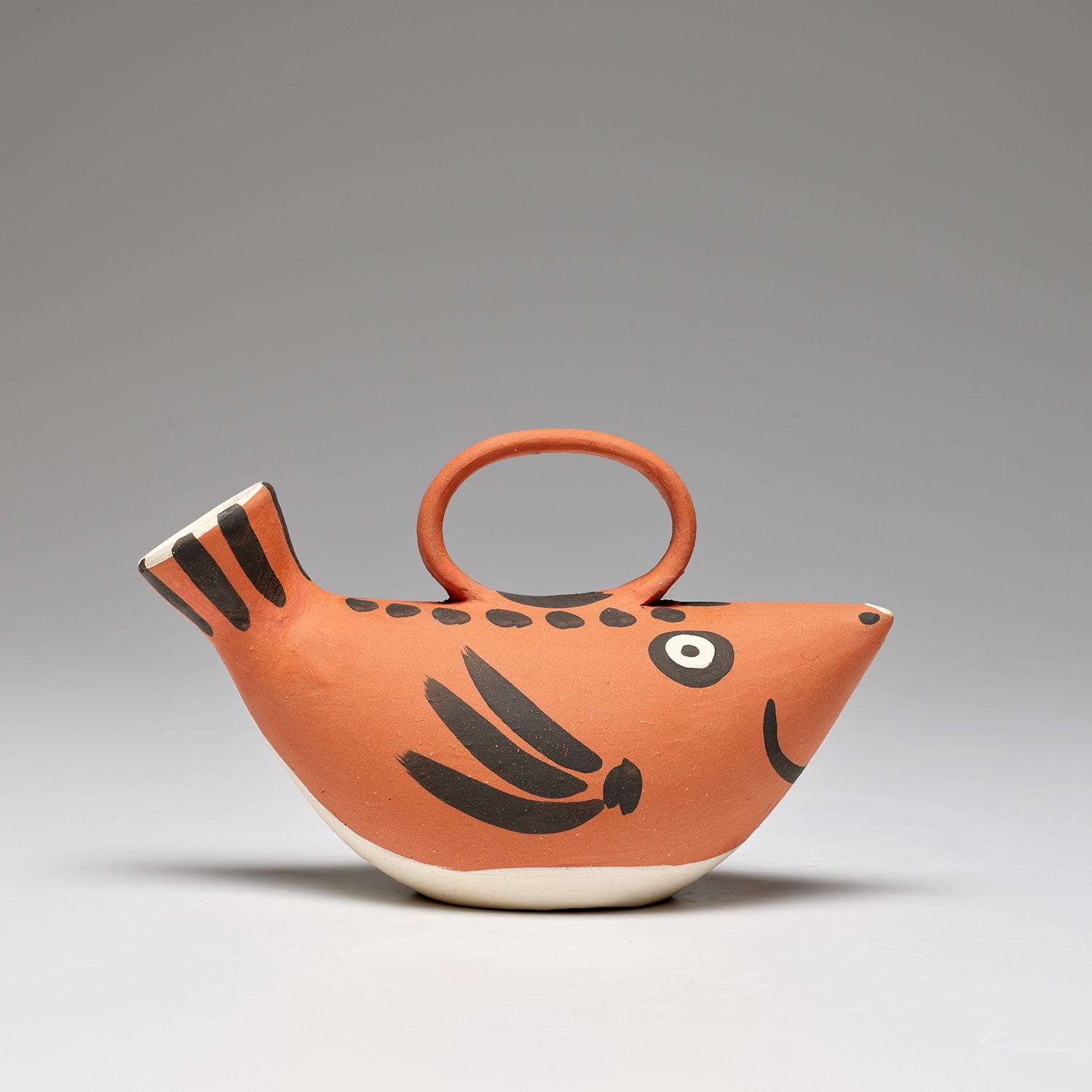
Pablo Picasso
Sujet poisson (Fish Subject) (A.R. 139)
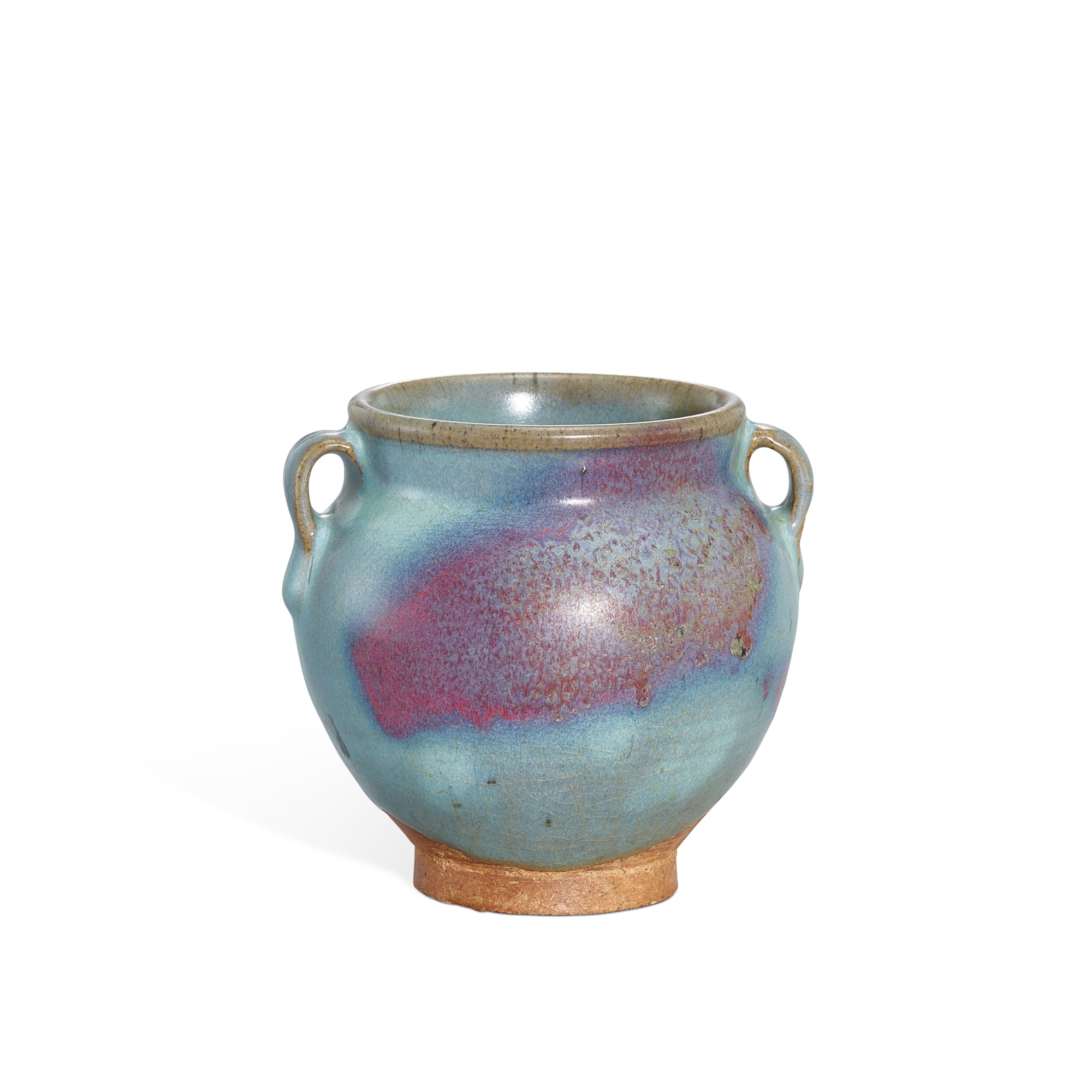
Unknown
A small Junyao purple-splashed handled jar, Jin dynasty 金 鈞窰天藍釉紫斑雙繫小罐
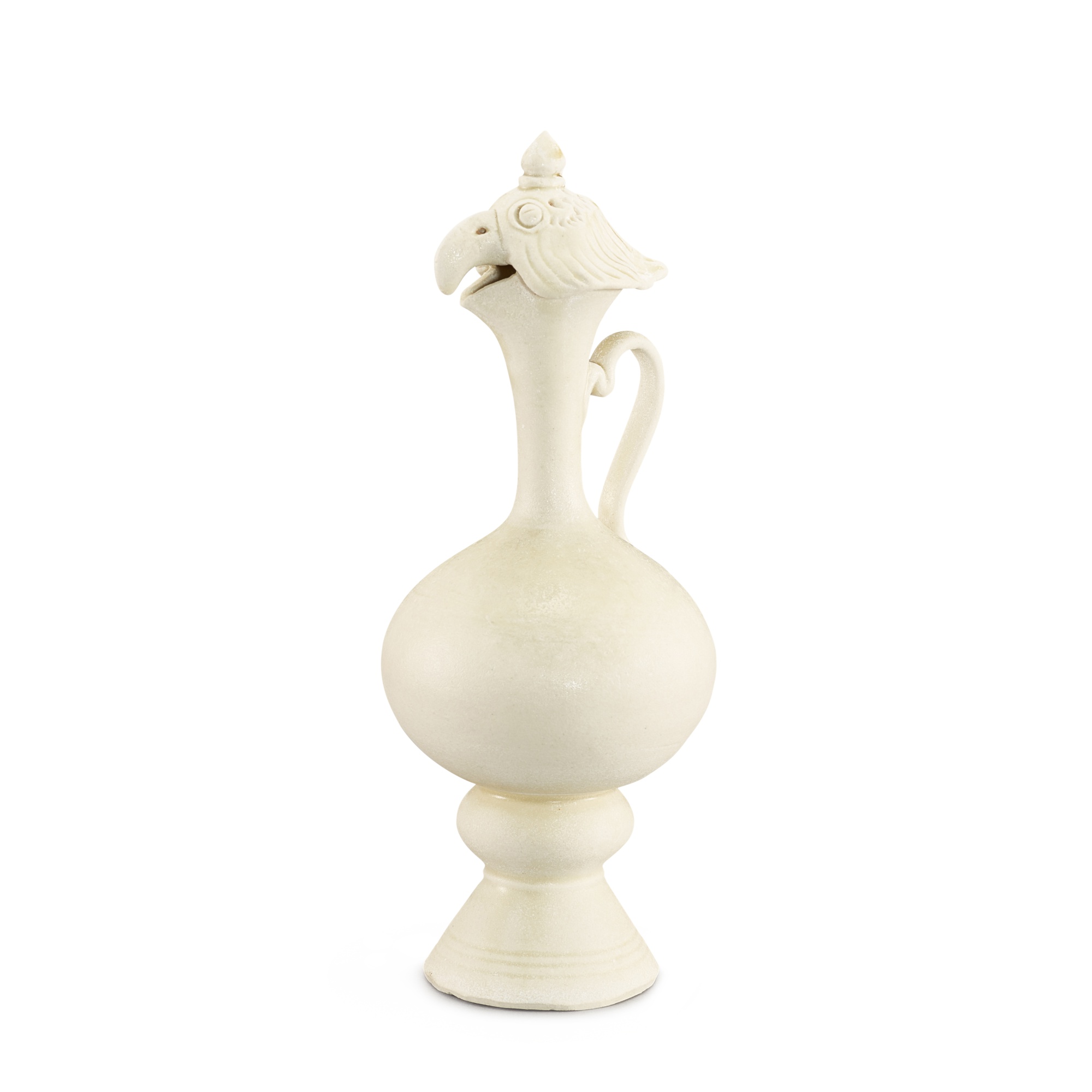
A Ding-type phoenix-head ewer,
A Ding-type phoenix-head ewer, Northern Song – Jin dynasty 北宋至金 定窰系鳳首執壺
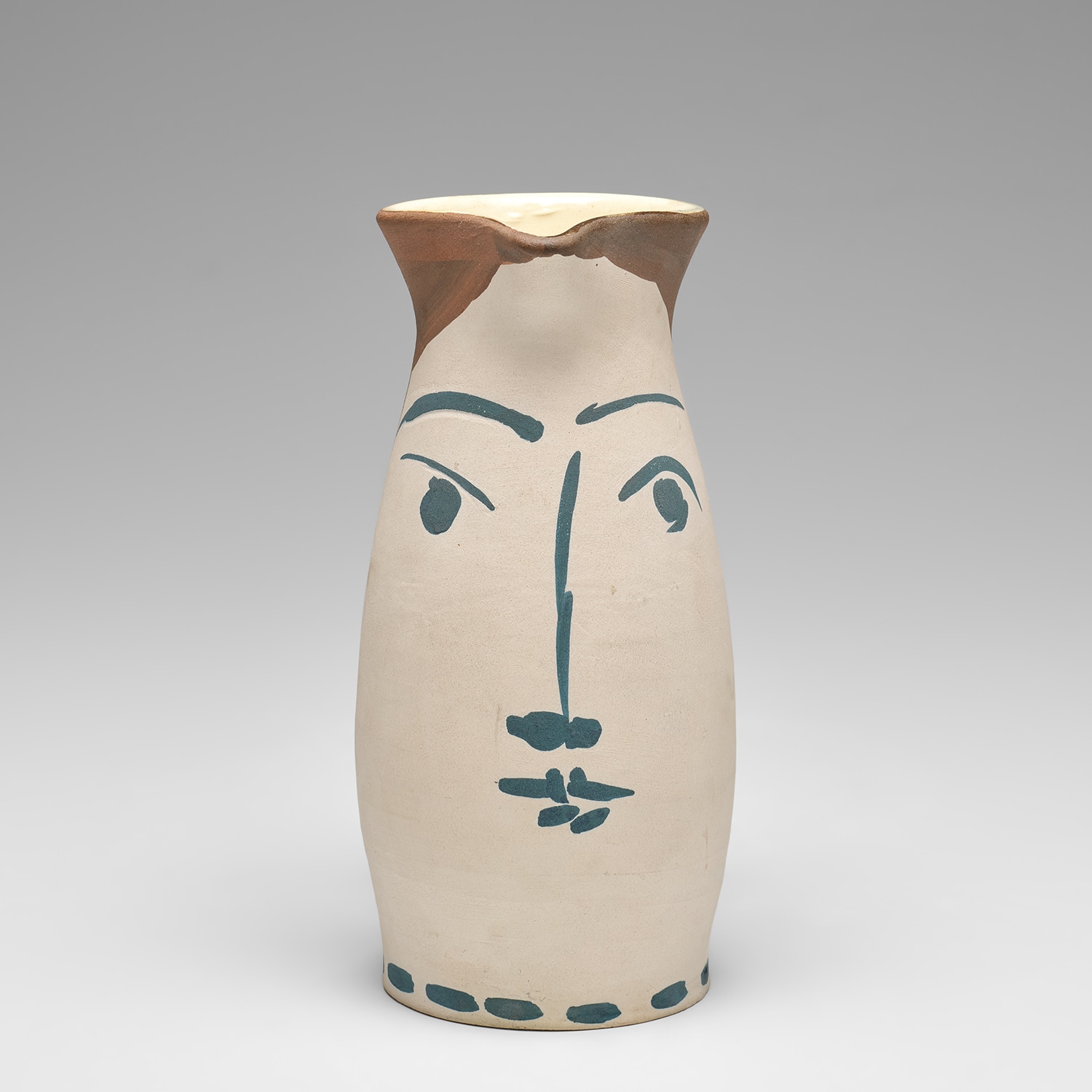
Pablo Picasso
Chope visage (Face Jug) (A.R. 434)
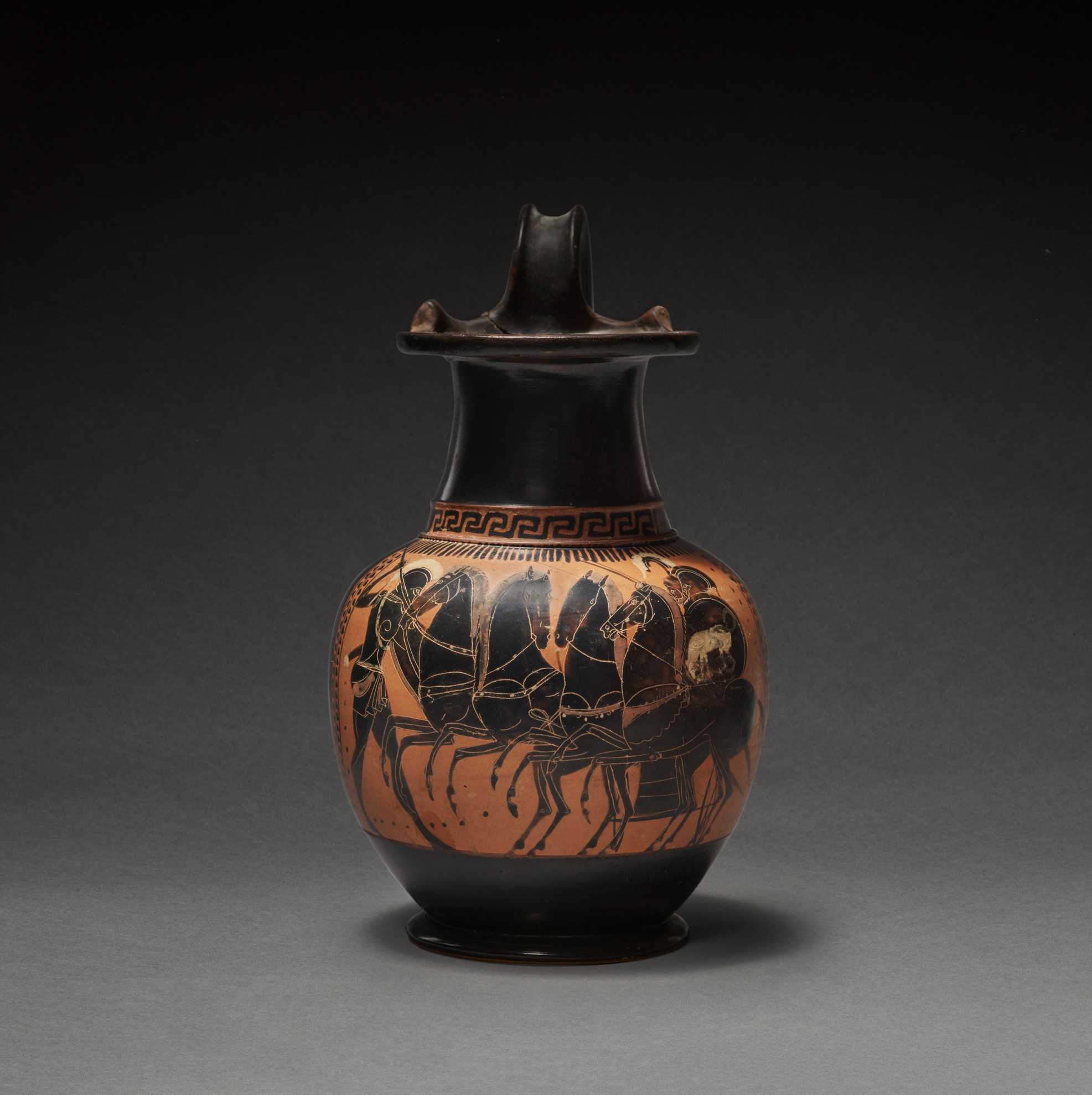
An Attic Black-figured Oinochoe
An Attic Black-figured Oinochoe, circa late 6th Century B.C.
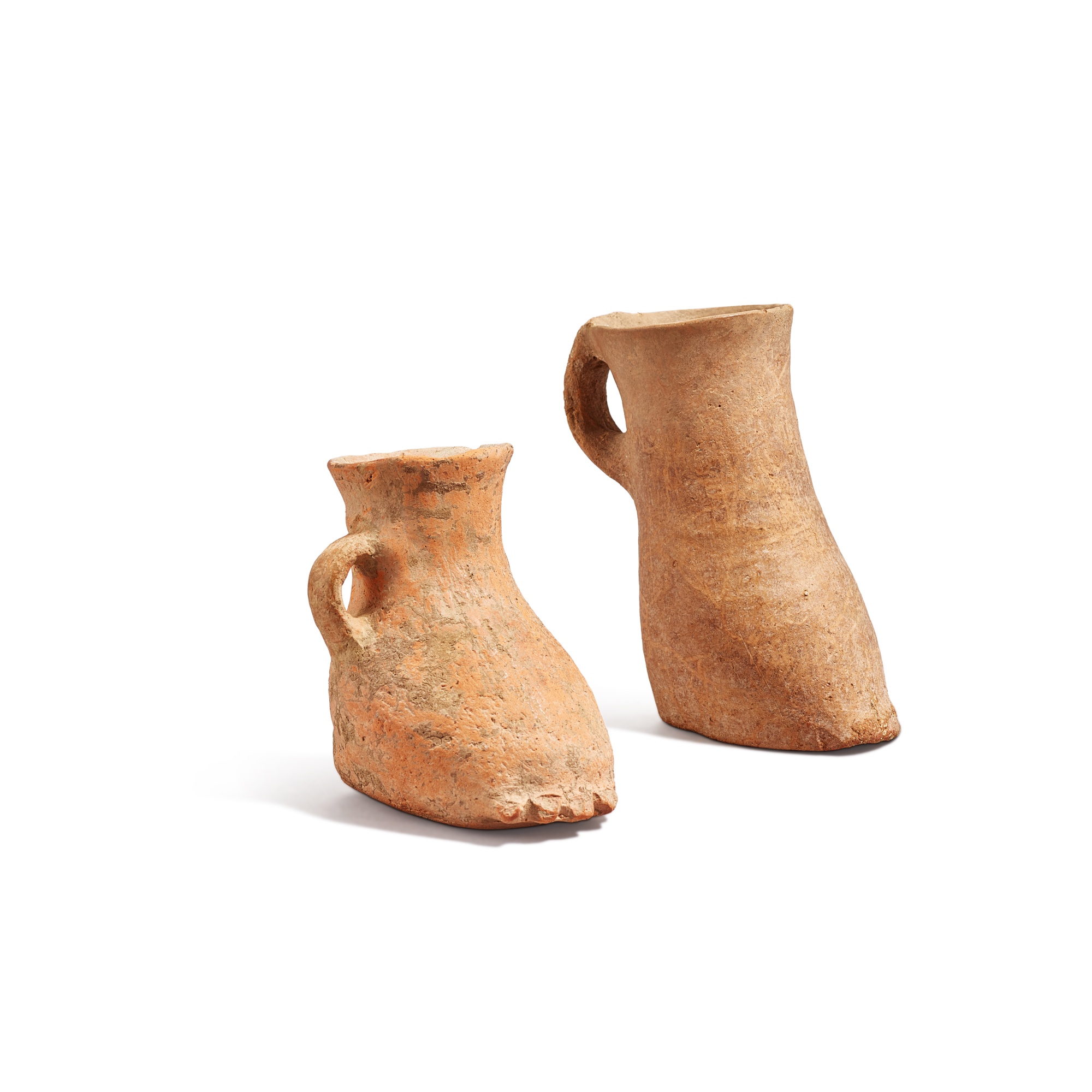
Two red pottery boot-form cups,
Two red pottery boot-form cups, Majiayao culture, Machang phase to Qijia culture, late 3rd to early 2nd millennium B.C. 馬家窰文化 馬廠類型至齊家文化 紅陶靴形壺一對
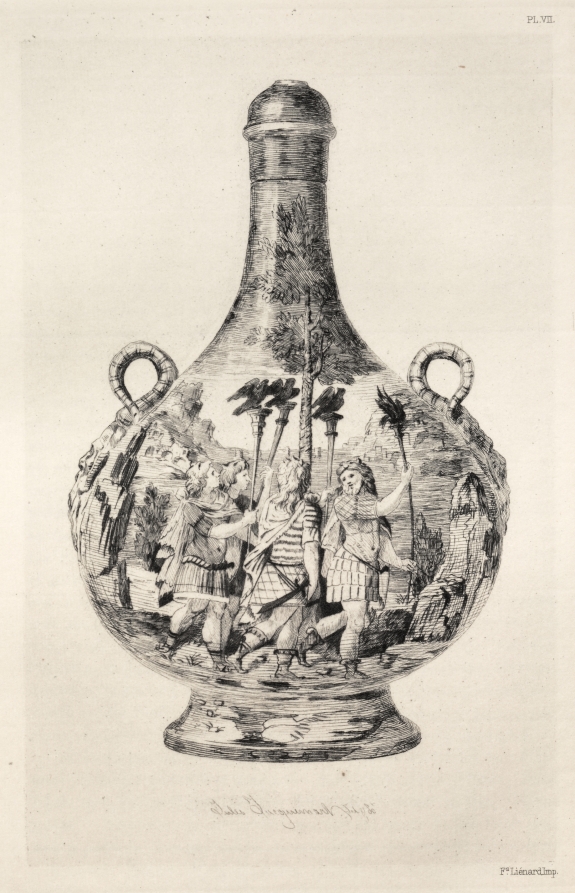
Jules Jacquemart
History of the Ceramic Art: A Descriptive and Philosophical Study of the Pottery of All Ages and All Nations: Italy: Renaissance- Majolica of Urbino- Ewer (Plate VIII)
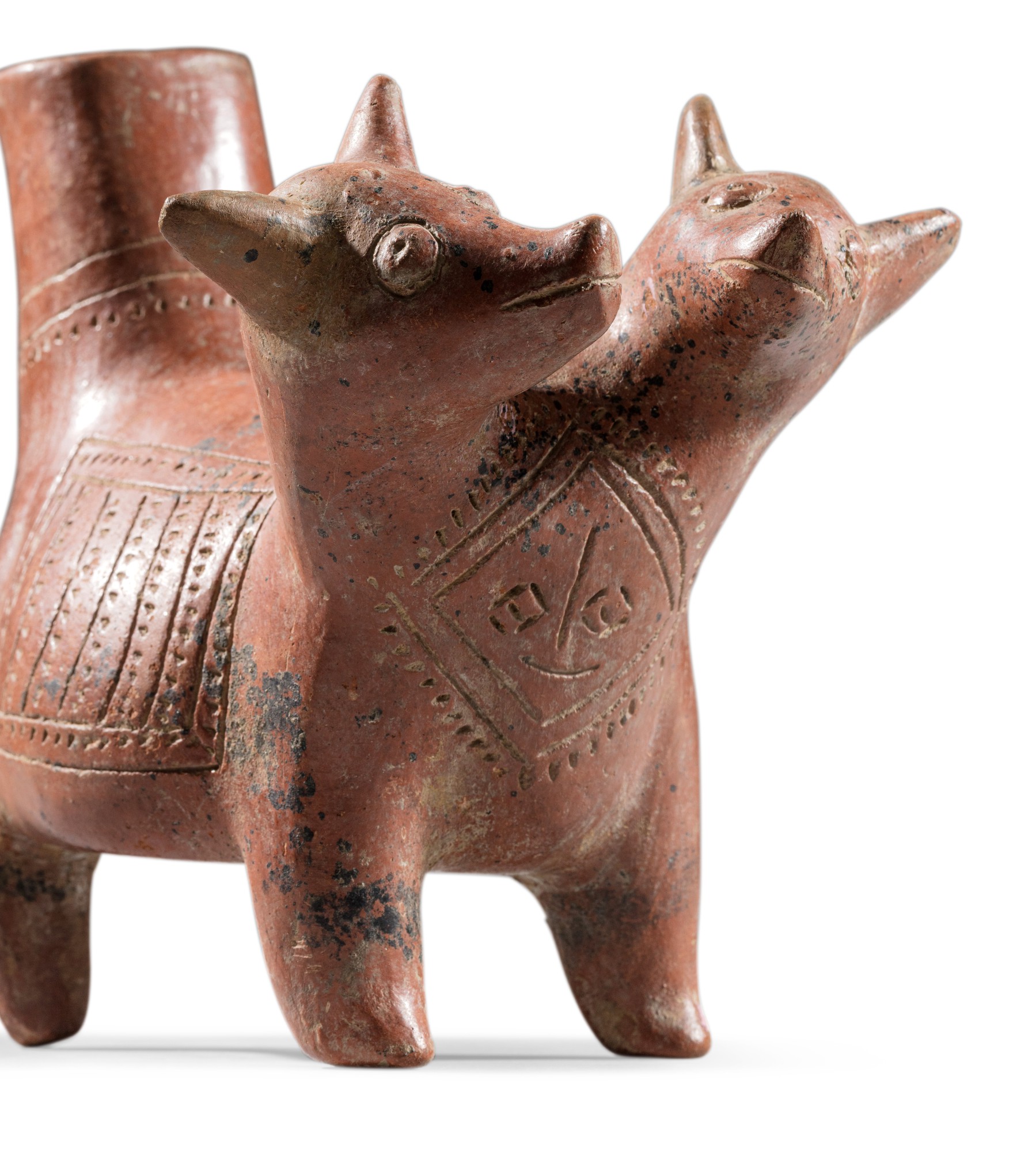
Vase en forme de chien à deux tête, Colima, Mexique, Protoclassique, 100 AV. J.-C.-250 AP. J.-C.
Colima vessel of a double headed dog, Mexico, Protoclassic, 100 BC-AD 250