Ceramic Vessel
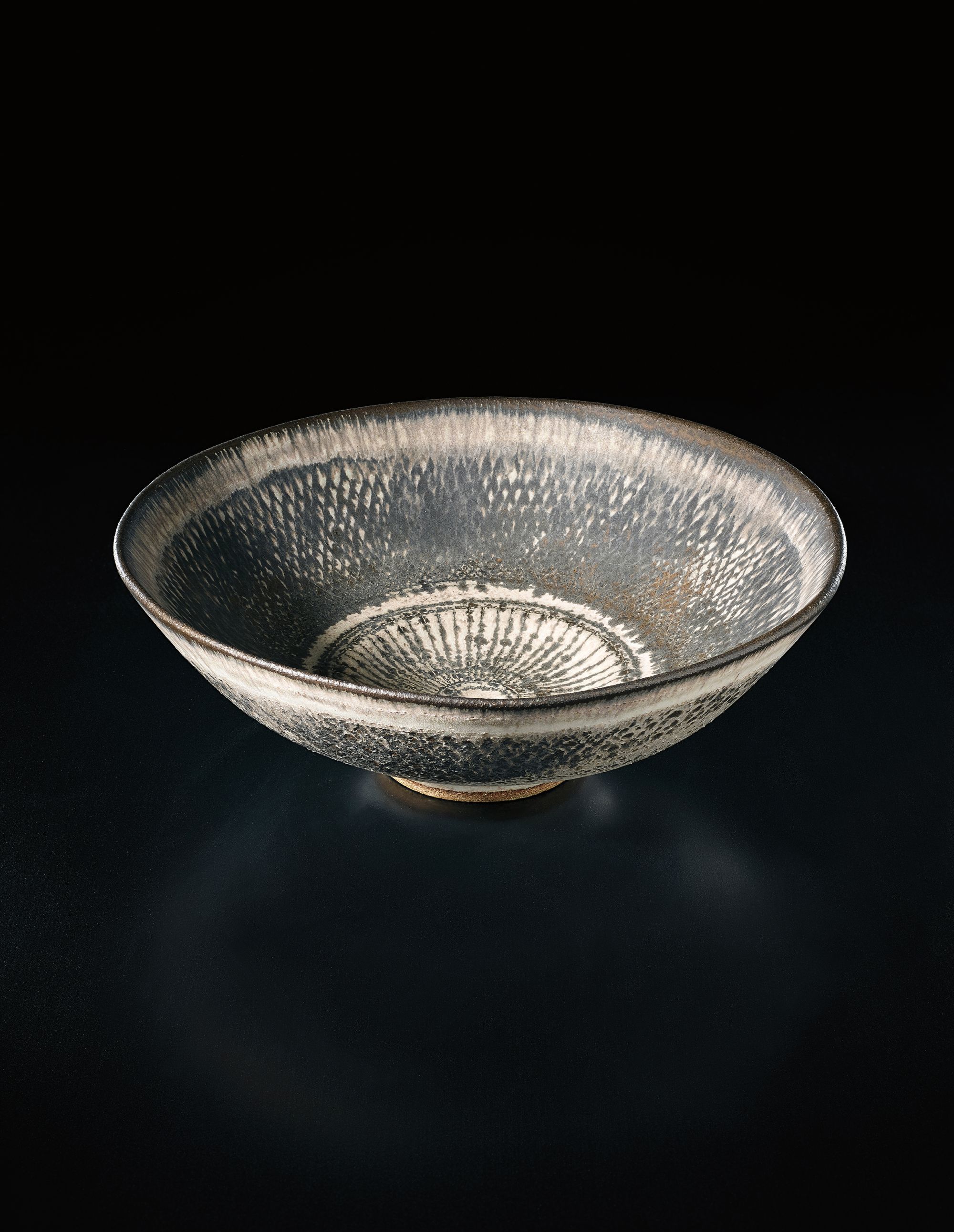
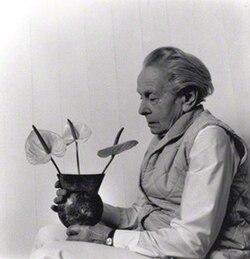
Lucie Rie
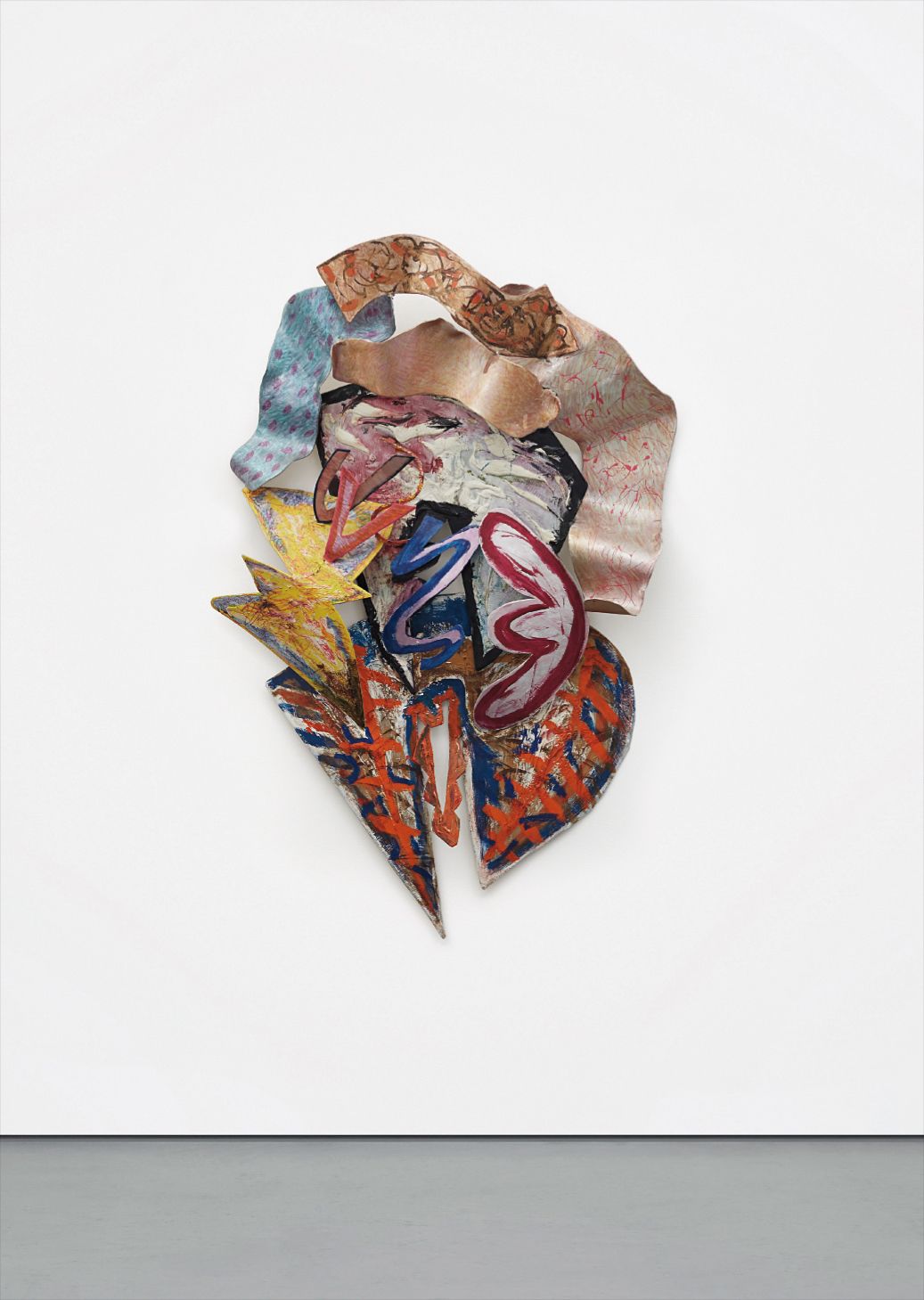
Monumental 'knitted' bowl, 1978

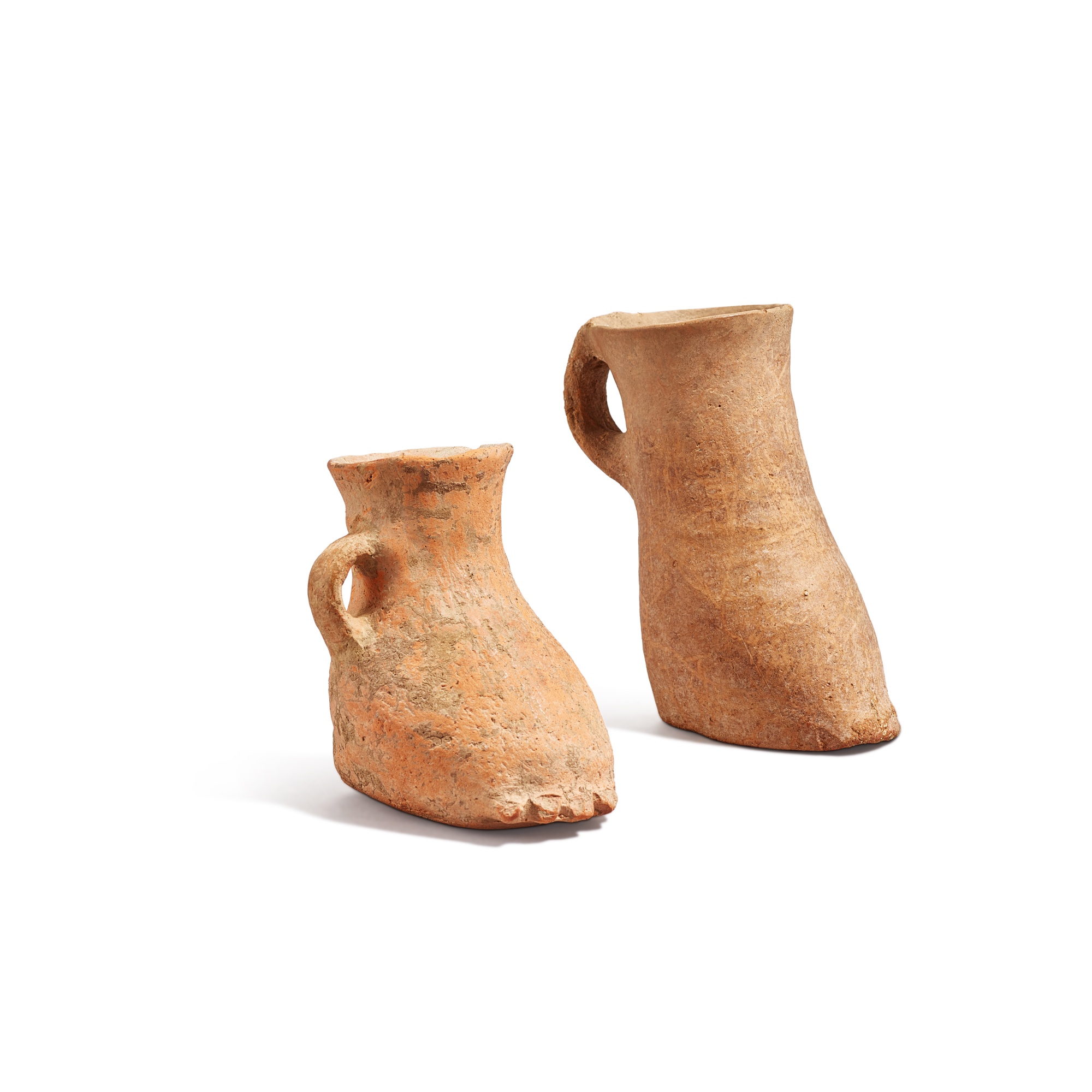
The Vessel Knows Things Paintings Never Could
There is something particular about living with ceramic vessels that collectors return to again and again when trying to explain the pull. It is not simply beauty, though beauty is often there. It is the sense that you are sharing space with an object that was made to be touched, filled, poured from, offered up. Ceramics carry the logic of the human hand in a way that almost no other medium does.
The fingerprints of the maker, sometimes literally, are baked into the surface forever. For collectors drawn to that intimacy, to art that refuses to stay behind glass in the imagination even when it sits behind glass in the cabinet, the ceramic vessel offers something paintings and works on paper simply cannot match. What separates a merely good piece from a genuinely great one in this category is harder to articulate than in most fields, which is part of what makes collecting ceramics so rewarding and so treacherous in equal measure. At the highest level, the quality of the glaze is everything.
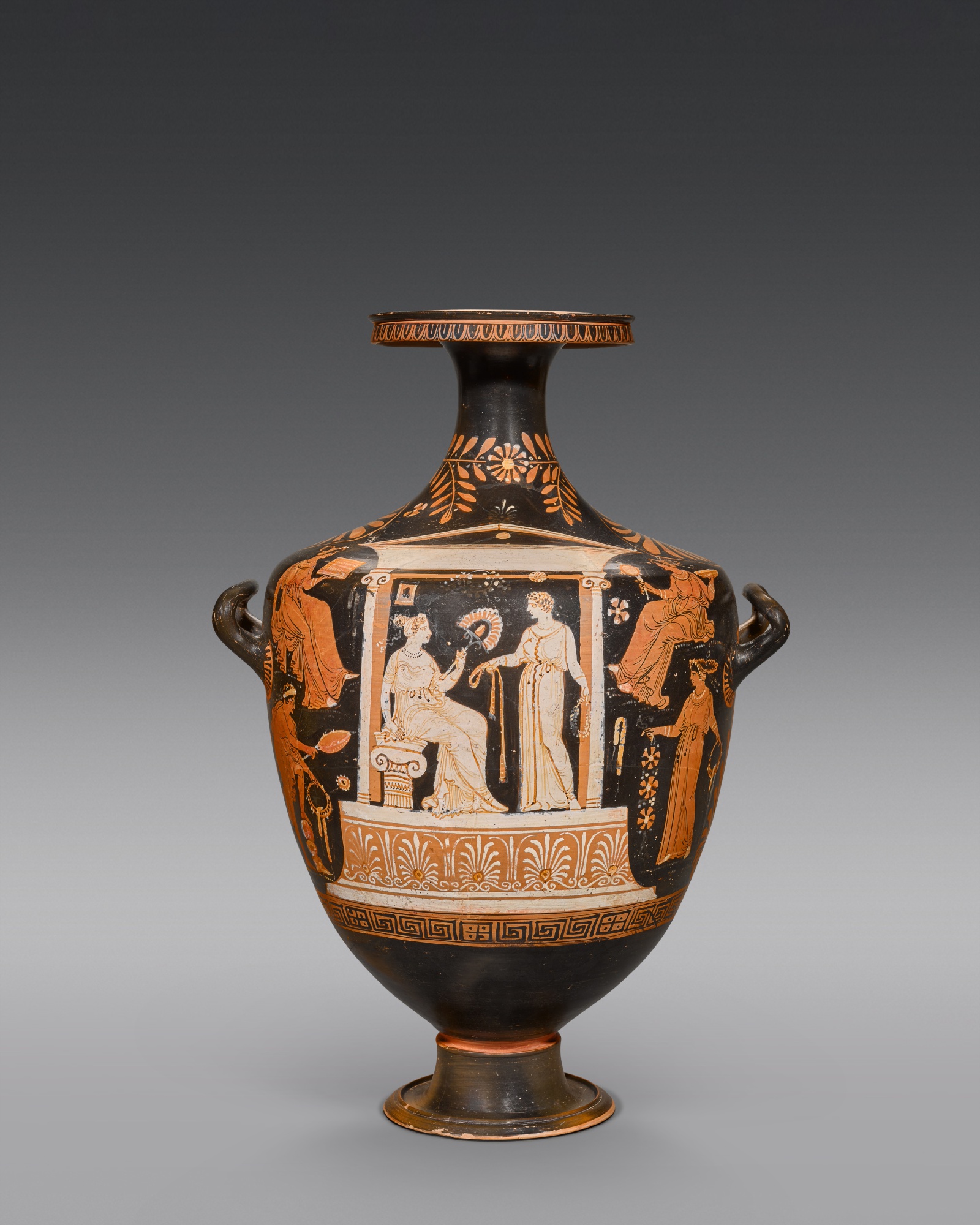
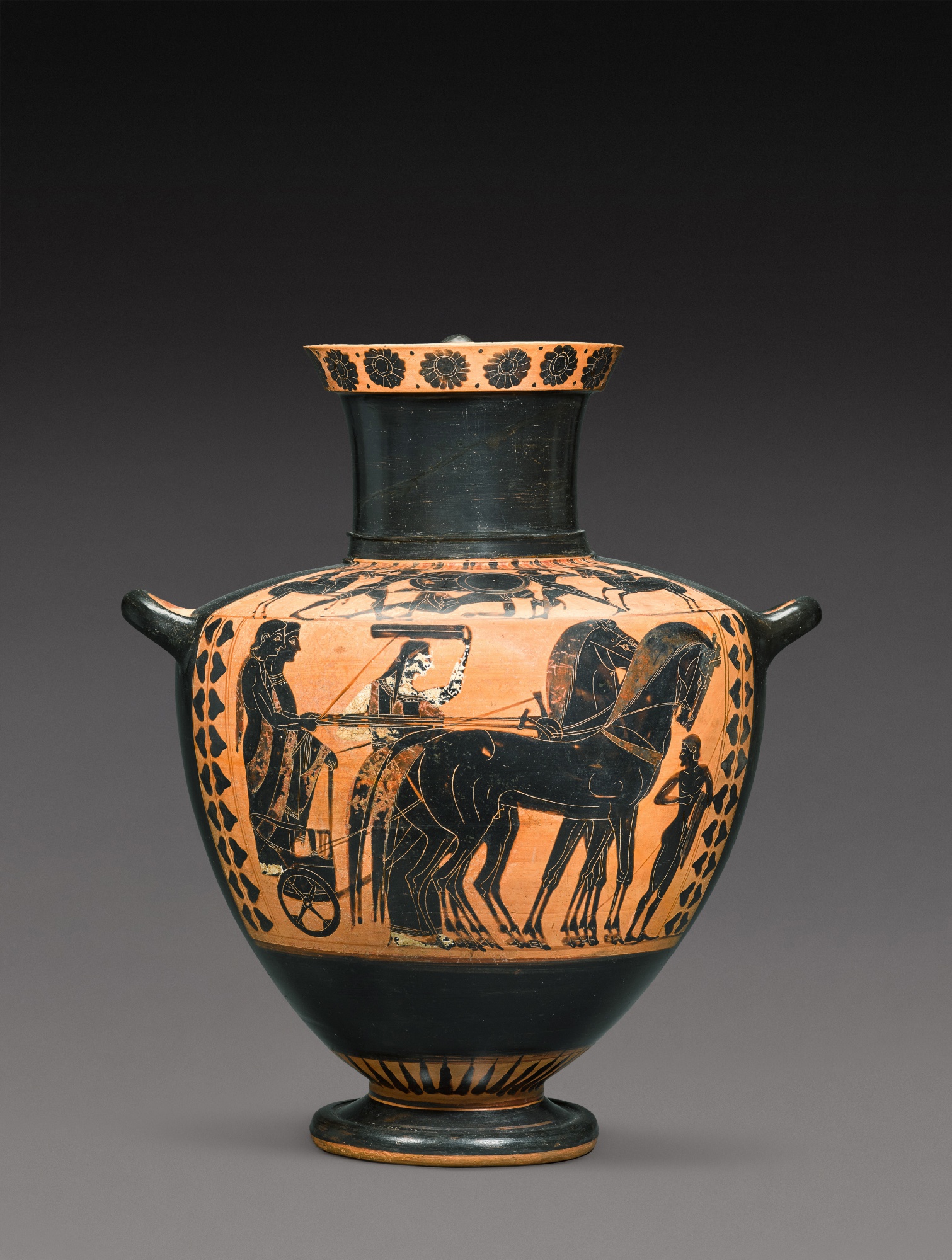
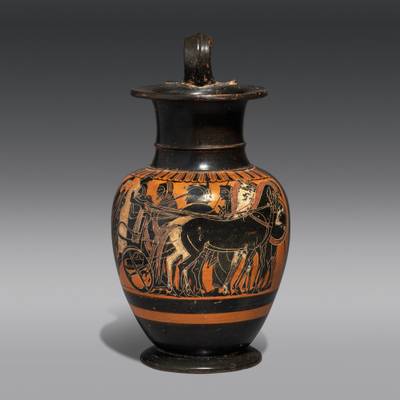
An Apulian Red-figured Hydria, circa 350-330 B.C.
An Apulian Red-figured Hydria, circa 350-330 B.C.
You are looking for depth, for the sense that light is moving through the surface rather than bouncing off it. In a celadon glaze, for instance, the finest examples achieve a kind of luminosity that feels almost liquid, as though the stone were still alive with water. Form matters just as much. The proportions of a great vessel create a visual tension between the widest point, the neck, and the foot that resolves itself in a way you feel before you consciously register it.
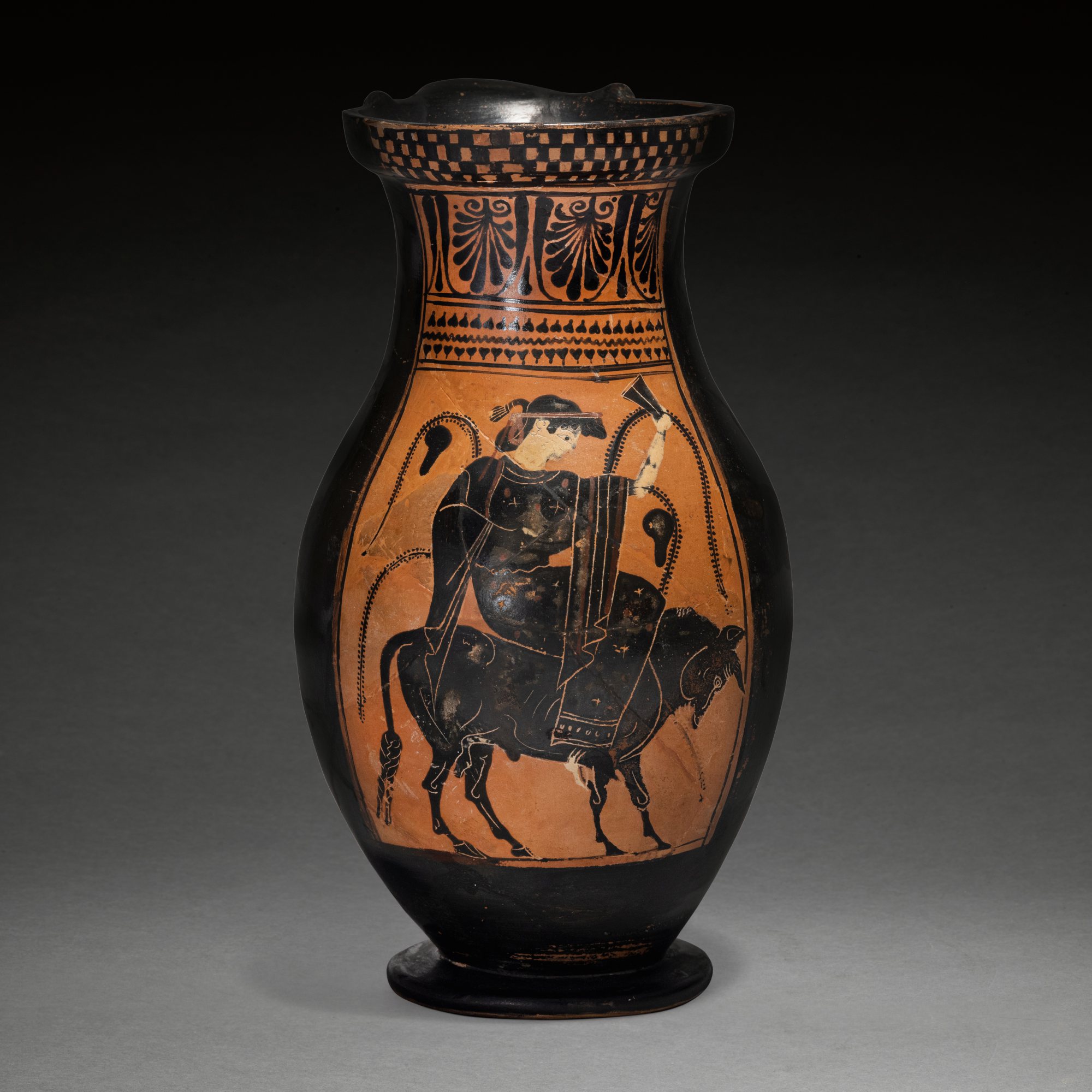
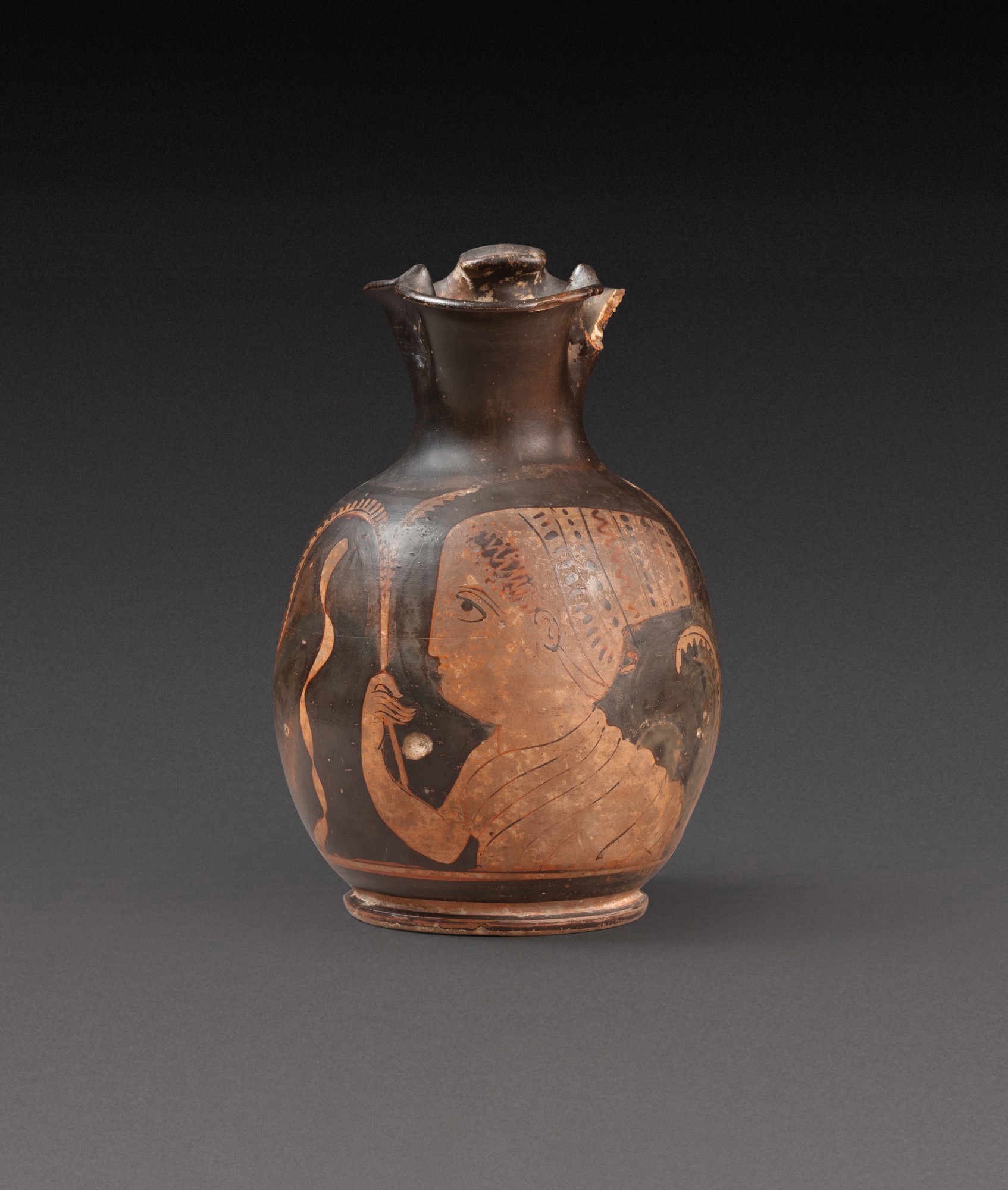
If a piece makes you want to pick it up and turn it slowly in your hands, the maker understood this. The historical breadth represented on The Collection is a real strength for anyone approaching this category seriously. Works attributed to the Qing dynasty in the seventeenth century sit alongside ancient Greek pottery including pieces like the Apulian red figured hydria from circa 350 to 330 BC and the Attic black figured olpe from around 500 BC. These ancient vessels reward attention far beyond what their auction estimates sometimes suggest.
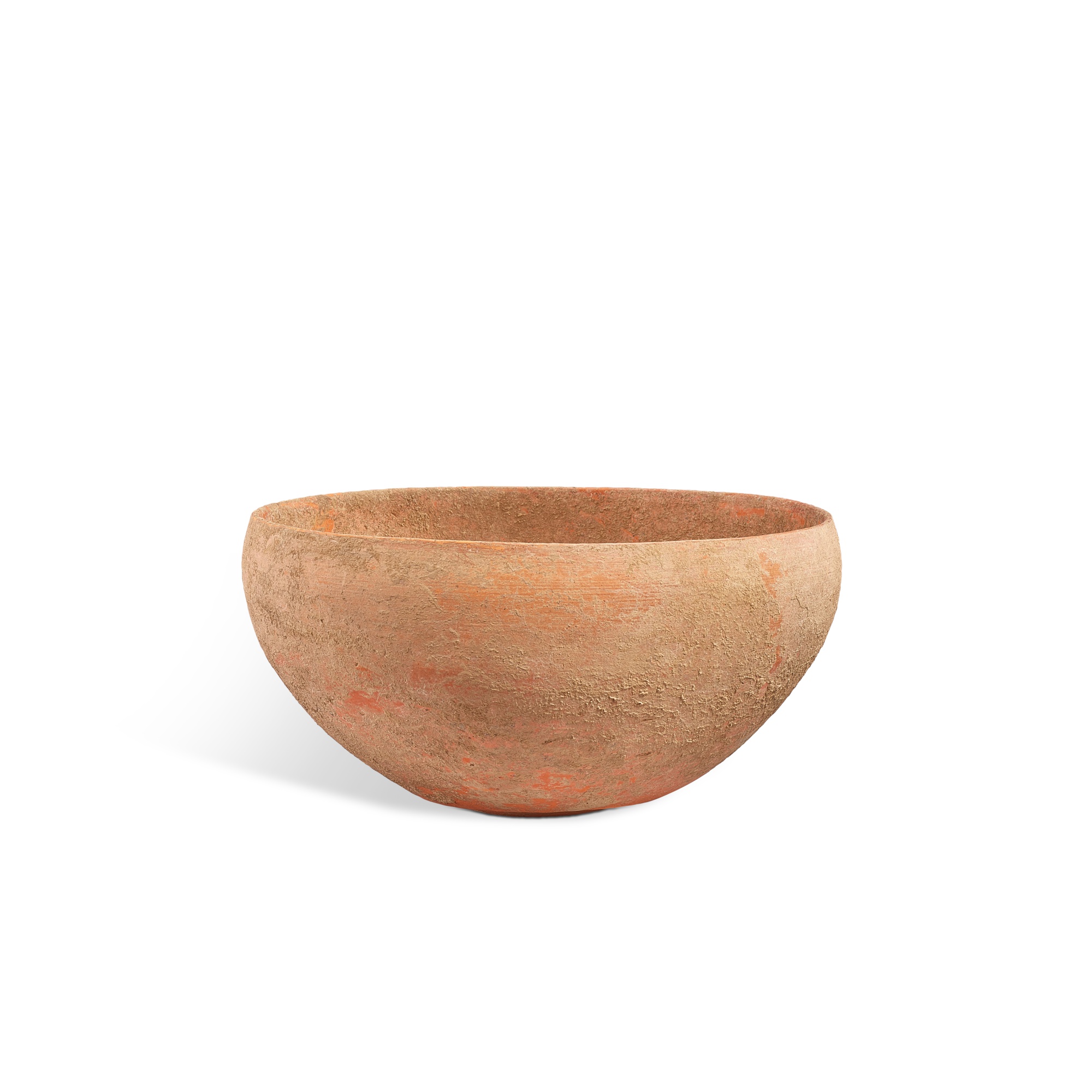
Lucie Rie
Monumental 'knitted' bowl, 1978
The Attic black figured tradition produced work of extraordinary compositional confidence, and individual pieces carry with them the whole narrative intelligence of Greek myth compressed into a register only a few centimeters tall. For collectors who understand ceramics as a long conversation across time, owning a piece like this is one of the most direct lines you can draw back to the origins of visual culture. Among the artists working today who genuinely command attention, Lucie Rie remains one of the most important figures to understand. Her work, produced largely in London across the mid to late twentieth century, helped redefine what studio pottery could aspire to.
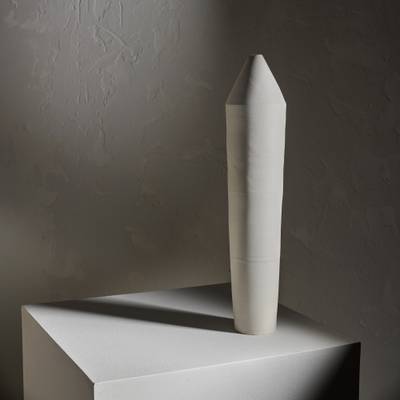
Her bowls and vases are exquisitely taut in form and carry glazes of extraordinary refinement. The secondary market for Rie has strengthened considerably over the past decade, with major auction houses regularly seeing her work exceed estimates at sale. Taizo Kuroda represents a different but equally compelling lineage, working from a deep engagement with Japanese ceramic tradition while producing surfaces of almost meditative stillness. His work has a quietness that rewards long acquaintance.
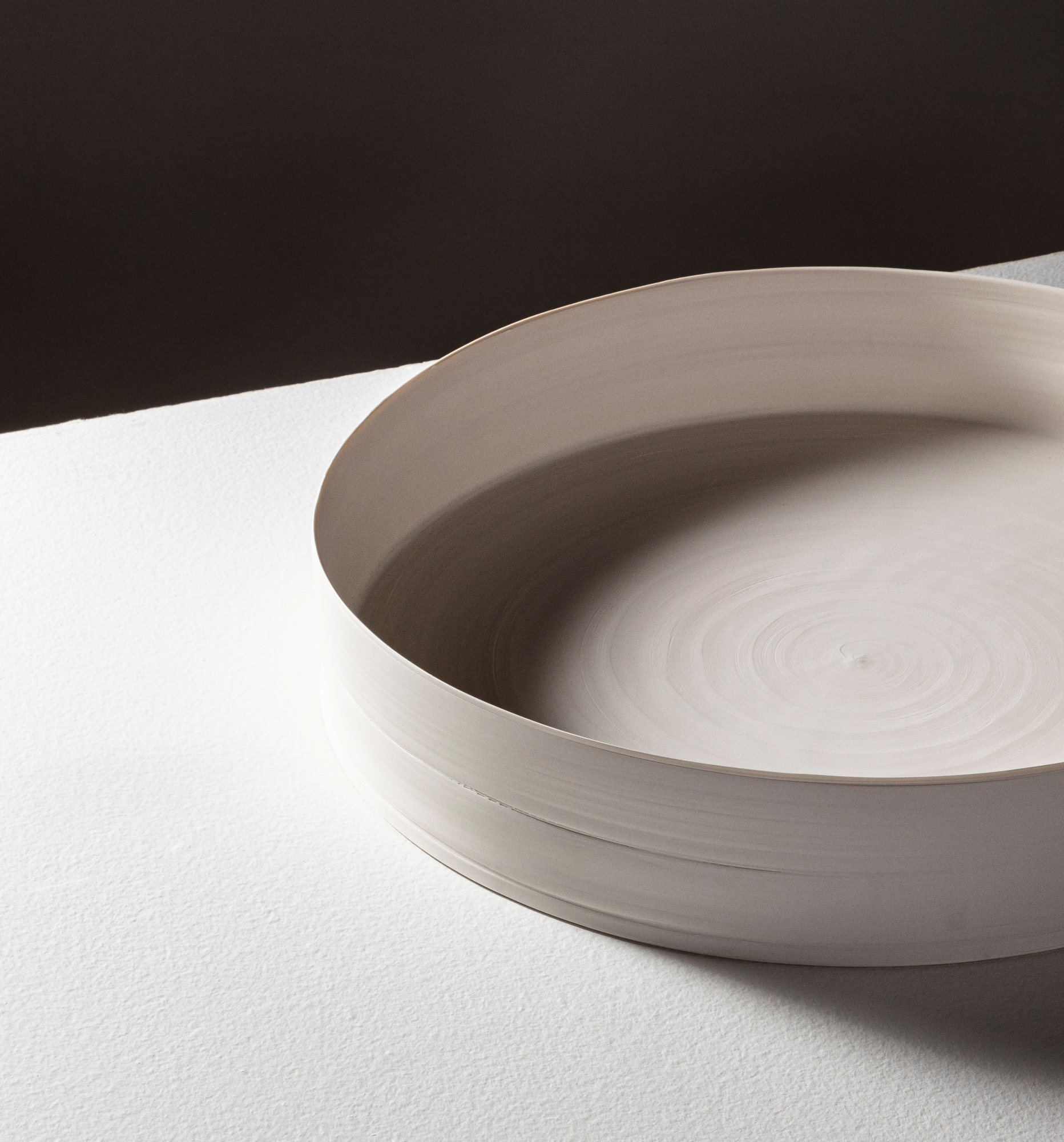
Taizo Kuroda
Untitled White Porcelain (Hachi) | 2006
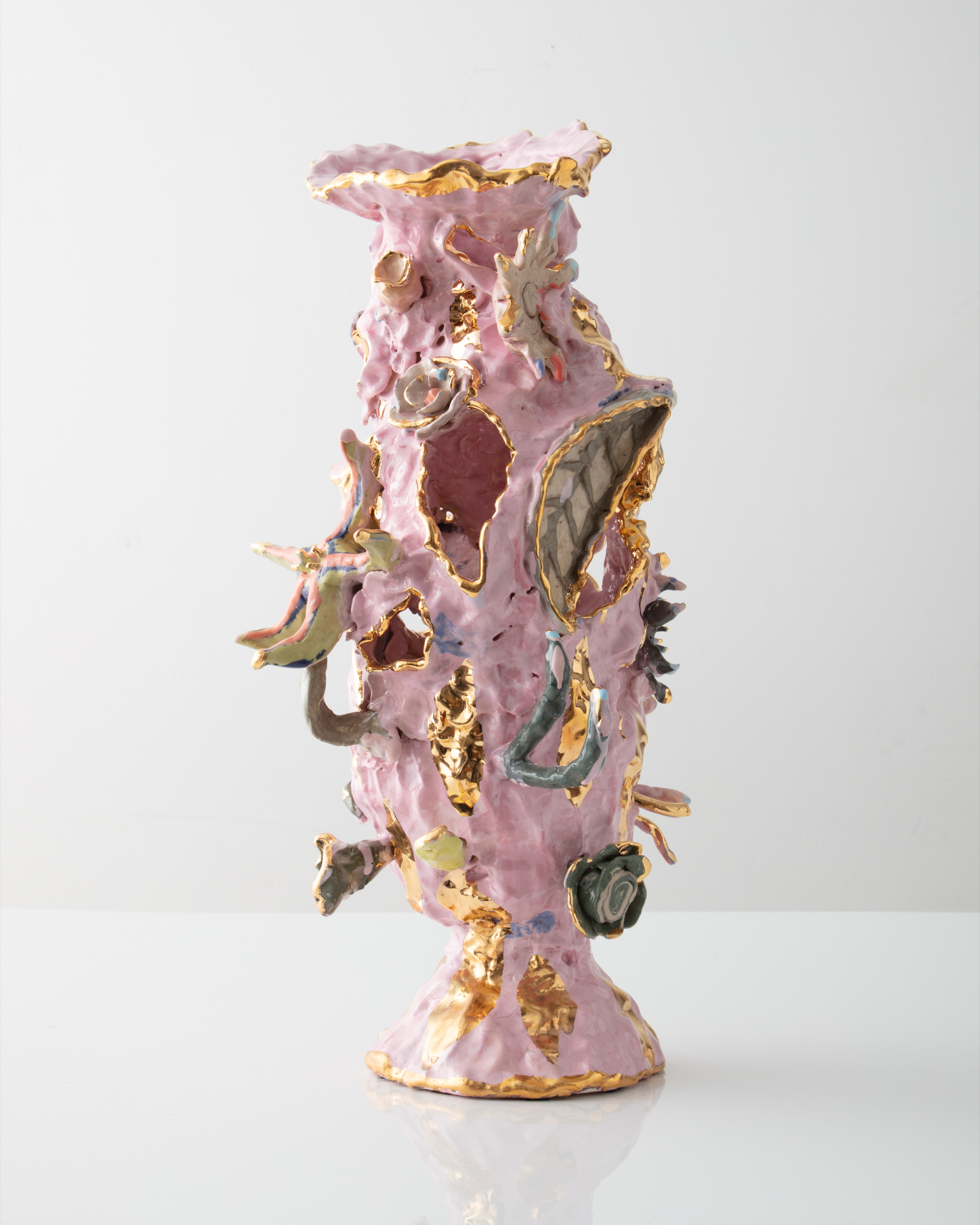
These are not pieces that announce themselves loudly but rather ones that deepen with time, which is the condition of the best collecting. For those looking toward emerging or underrecognized voices, Katie Stout and Jonathan Nash Glynn are both worth serious consideration right now. Stout works at the intersection of ceramics, furniture, and an irreverent pop sensibility that has attracted significant critical attention in recent years, but her work still sits at a price point that represents real opportunity relative to where comparable artists of her generation are heading. Nash Glynn brings a different kind of energy to form and surface, and his work reflects a generation of makers who have absorbed both the studio pottery tradition and a broader conversation with contemporary sculpture.
The moment to collect either of them is before the institutional shows that tend to consolidate market positions arrive, and those shows feel close. At auction, ceramic vessels present some specific patterns worth understanding. Ancient works and historical Chinese ceramics have shown remarkable resilience across market cycles, with top quality pieces from the Qing dynasty consistently attracting competitive bidding from international buyers, particularly from collectors in Asia. The celadon glaze tradition has been especially strong, and rare forms, the amphora shaped vase being a classic example, carry premiums that reflect their scarcity.
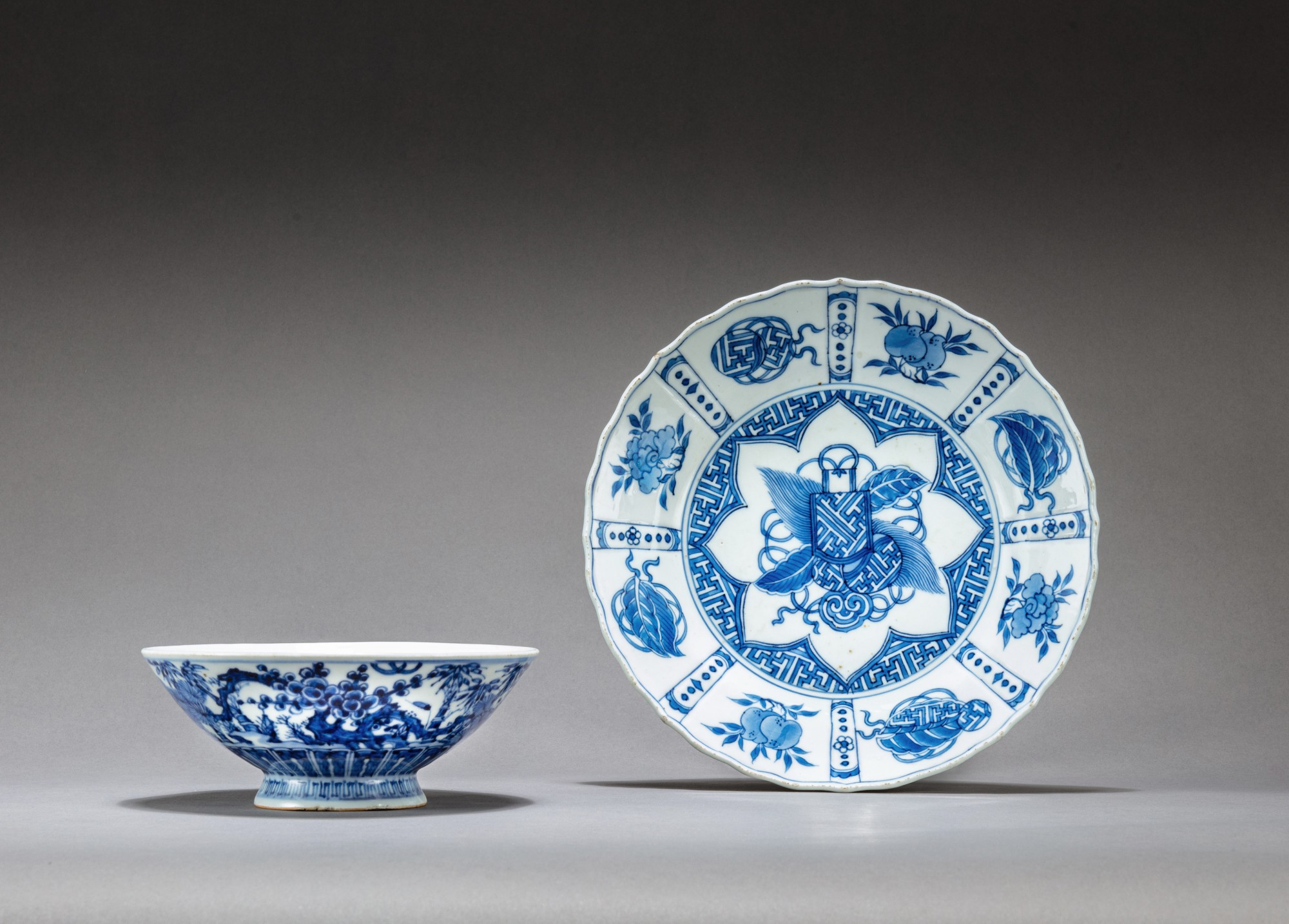
Qing dynasty, 17th century
清十七世紀 青花克拉克式盤及仿明式高足盤 一組兩件
Studio ceramics from the twentieth century, particularly by makers with strong institutional provenance, have outperformed many predictions over the past fifteen years as the category has been taken more seriously by major auction houses. Estimates in this space are still frequently conservative, which means informed buyers can find genuine value. Practically speaking, condition in ceramics is both more and less forgiving than it appears. A hairline crack that is invisible to the naked eye can reduce a piece's value by fifty percent or more, so always ask a gallery or dealer directly about condition reports and request that any restorations be disclosed in writing.
This is non negotiable. For display, ceramics reward natural light but suffer from direct sunlight, which can affect certain glazes over time. Ask whether a work is unique or, in the case of some contemporary makers, part of a limited series, because edition structures affect both the experience of ownership and the long term value proposition quite differently. And when you are standing in front of something that moves you, ask the gallery who else has been collecting this artist and where the work has been shown.
The answers will tell you more about where a piece is headed than any price list will.