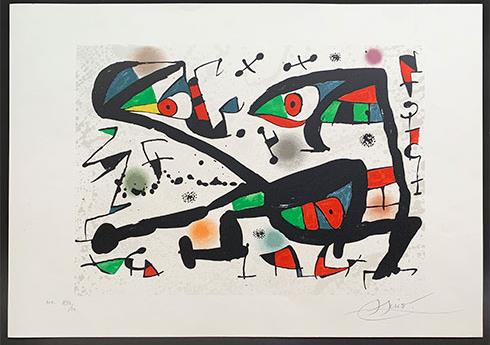
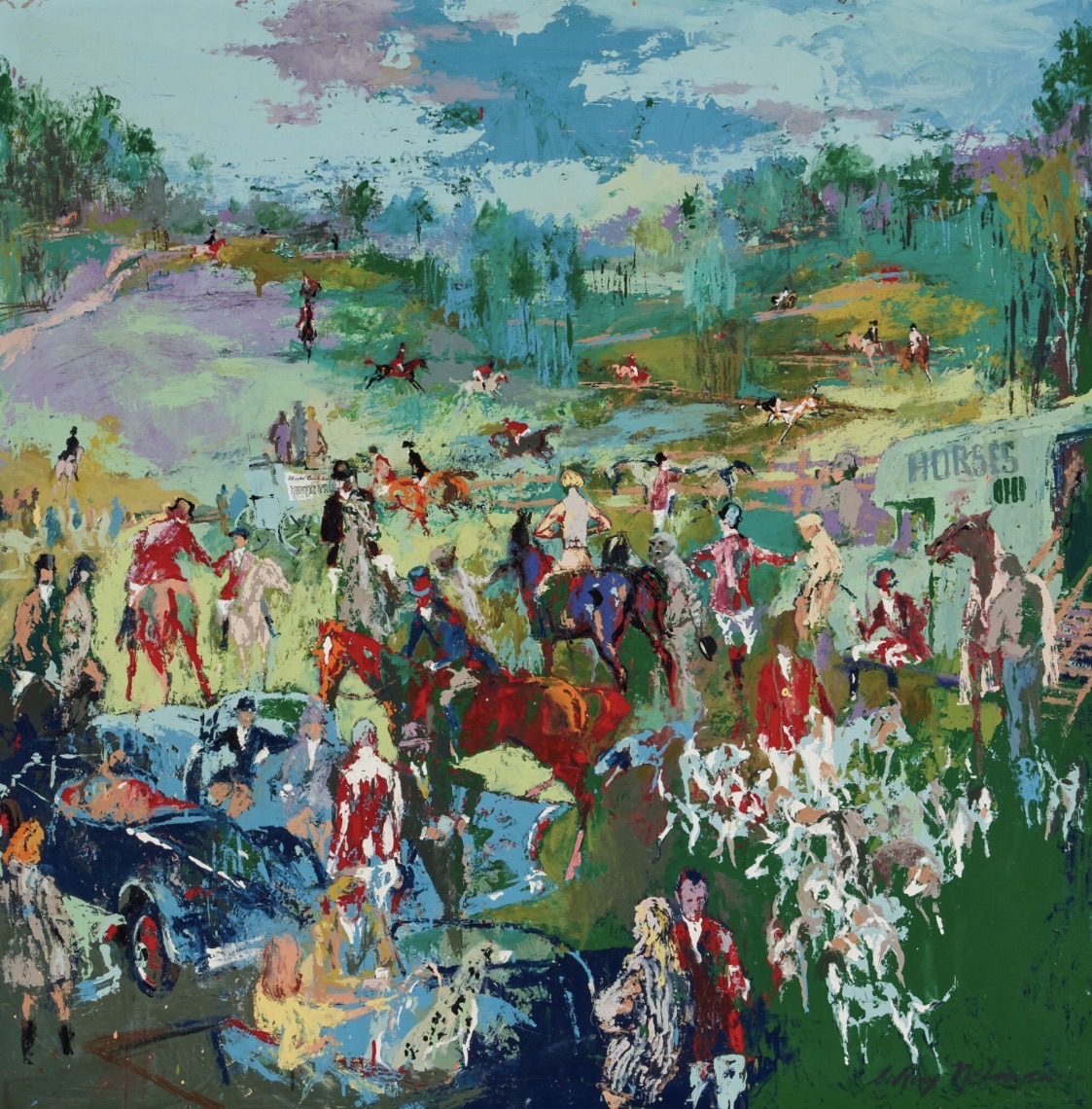
Bulls
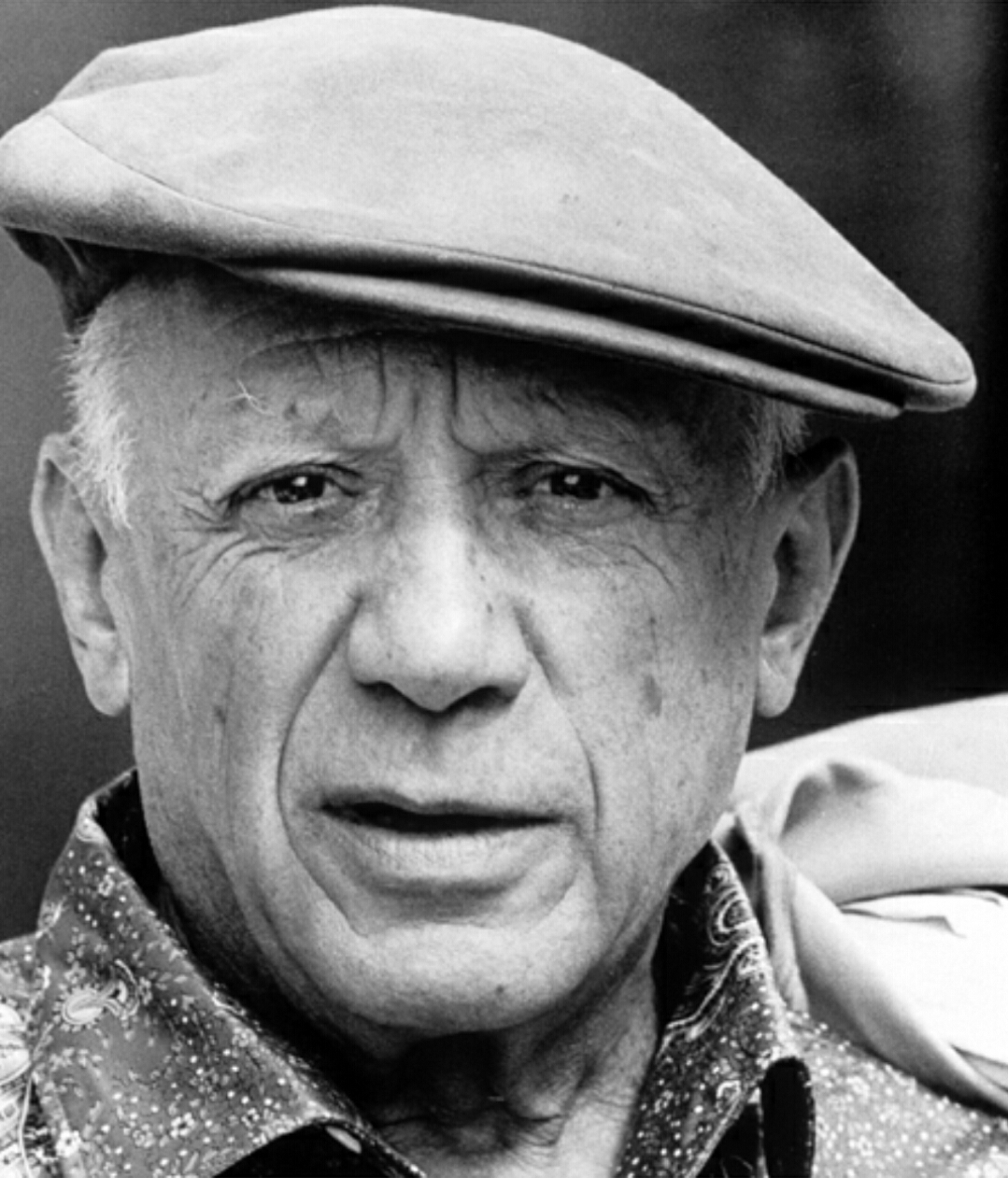
Pablo Picasso
Toros (Bulls) (A.R. 161)
The Bull Never Lies to You
There is something about the bull that cuts through the noise of a crowded collection. It is not merely an animal subject. It carries weight, literal and symbolic, in a way that few motifs in Western art history can match. Collectors who live with bull imagery often describe a similar experience: the work demands presence.
It does not recede into the wall the way a landscape might on a quiet afternoon. It holds its ground, and over time, that quality becomes exactly the point. The appeal to serious collectors goes beyond iconography. Bull imagery sits at a fascinating intersection of raw physicality and intellectual tradition, from ancient Minoan frescoes to the corrida culture of modern Spain and France, from mythological transformation to political allegory.
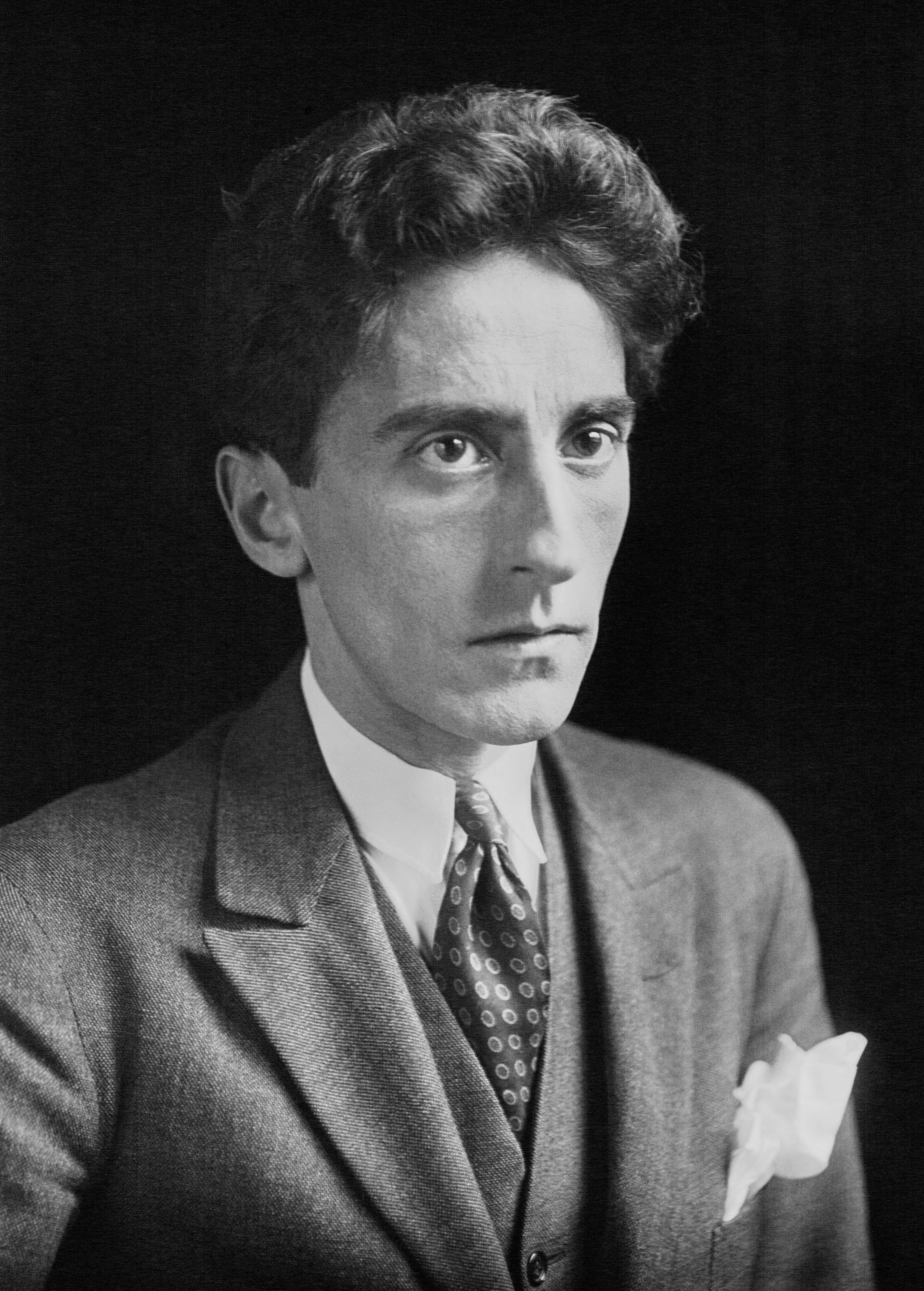
Jean Cocteau
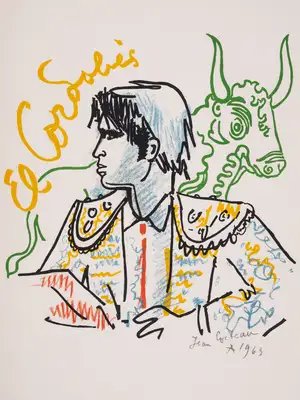
Taureaux
For a collector building a coherent body of work, a strong bull piece can function almost architecturally. It anchors a room, creates tension with surrounding works, and opens genuine conversations about the nature of power, sacrifice, and spectacle. These are not themes that age out. When it comes to separating a good work from a great one in this area, the question collectors should ask is what the bull is actually doing.
In weaker works, the animal is rendered with technical competence but no inner life. The great examples carry a kind of psychological charge, a sense that something is either about to happen or has just happened just outside the frame. Look for economy of line alongside genuine force. Look for works where the artist's hand feels irreplaceable, where you sense that no one else could have made exactly this mark at exactly this angle.
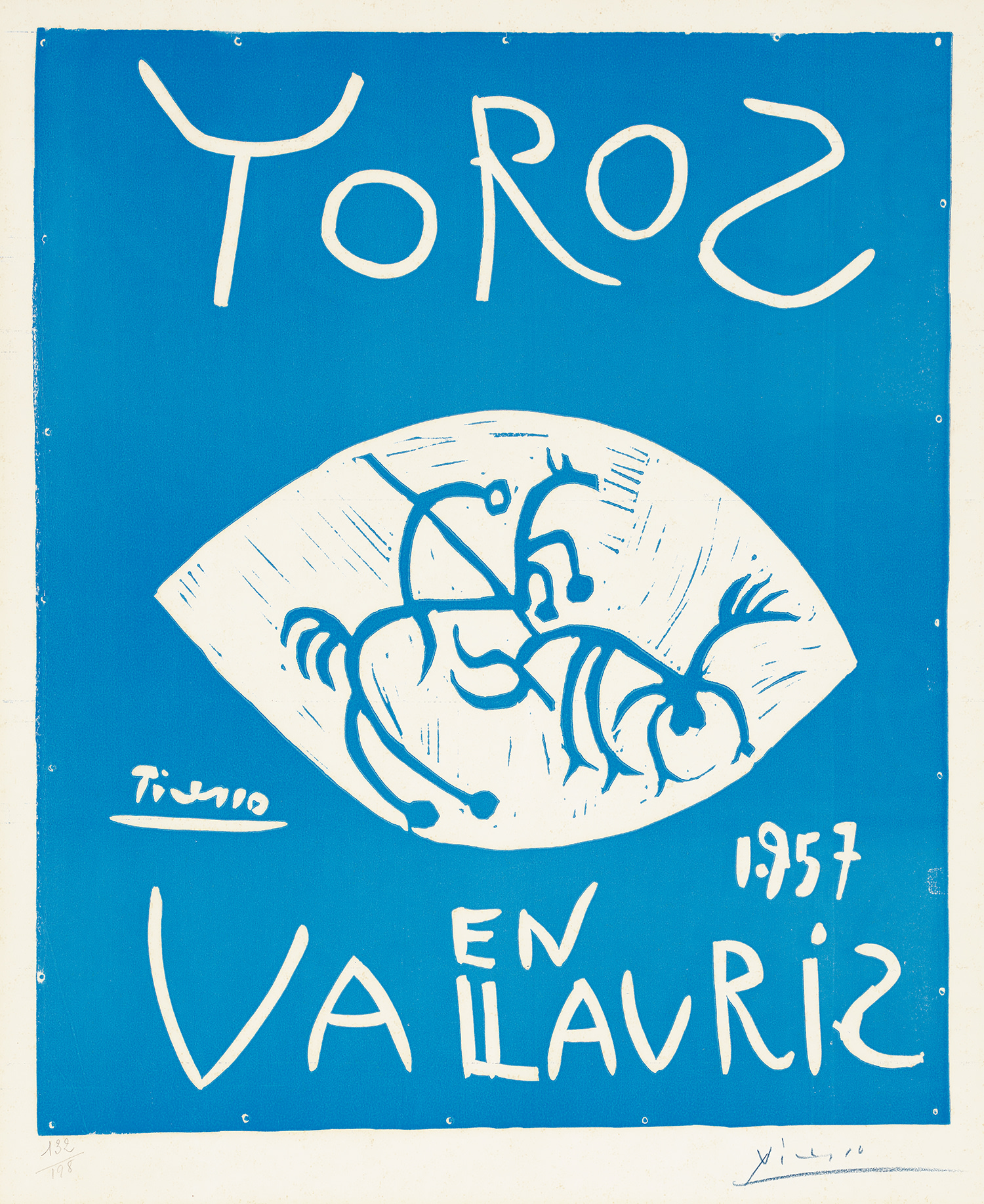
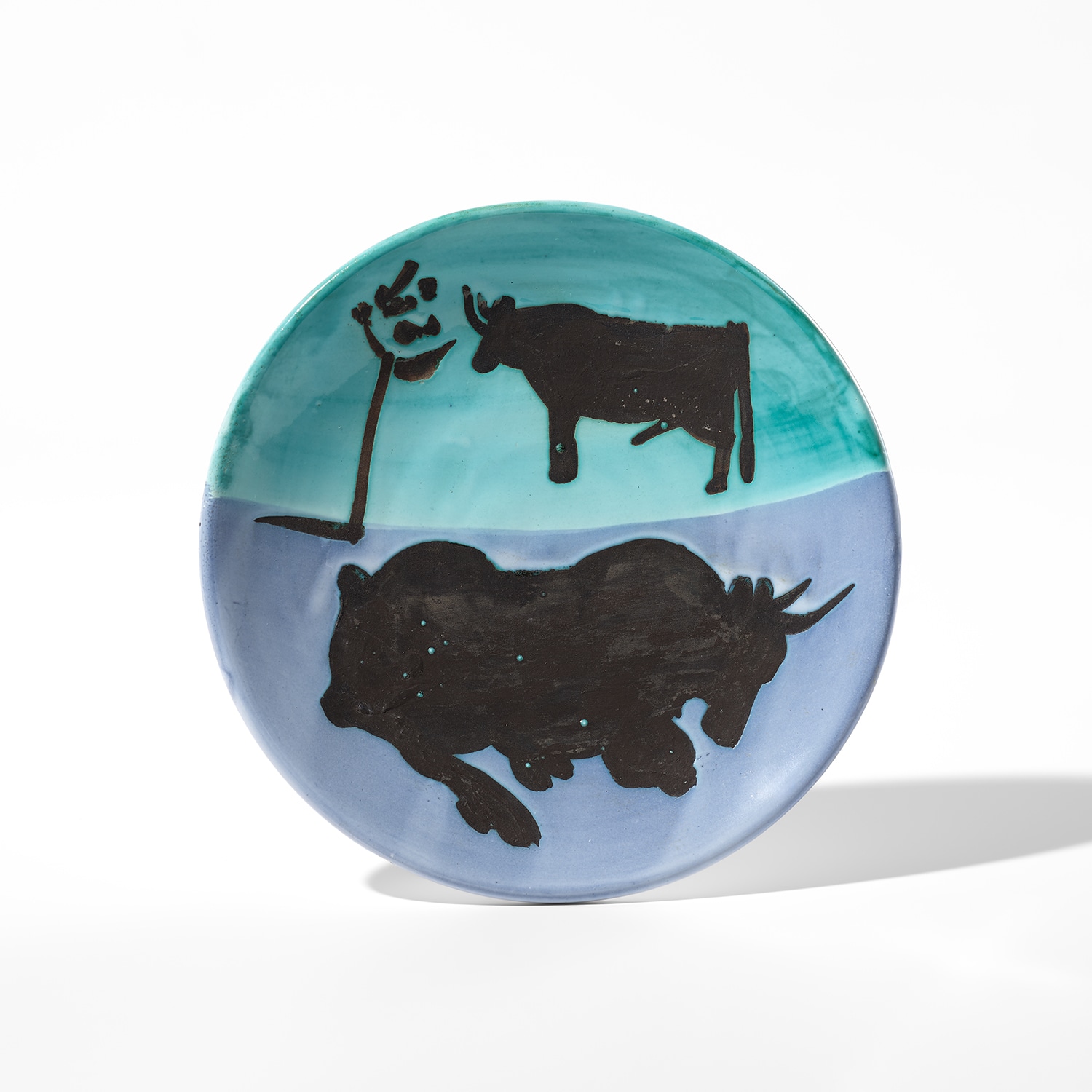
Pablo Picasso
Toros (Bulls) (A.R. 161)
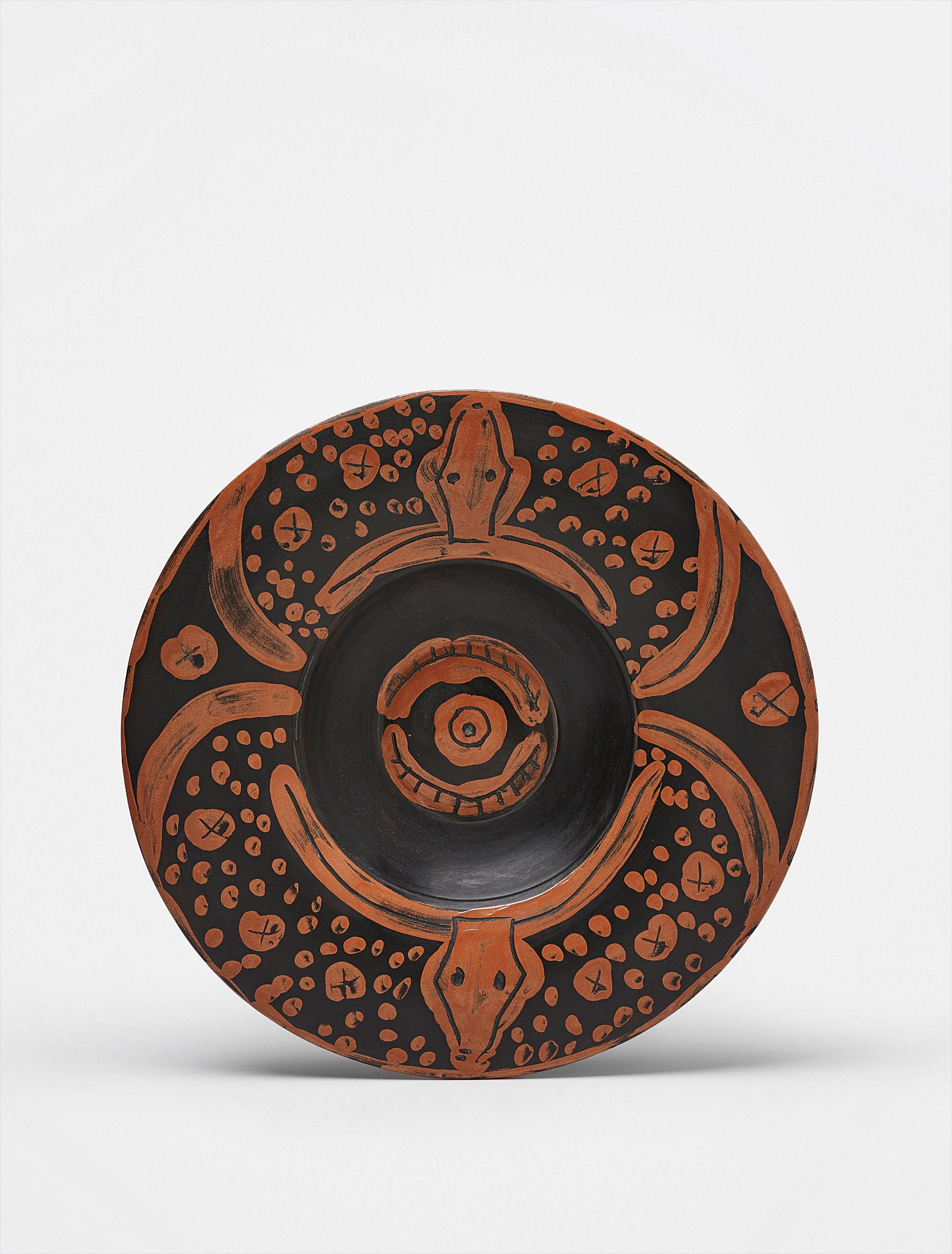
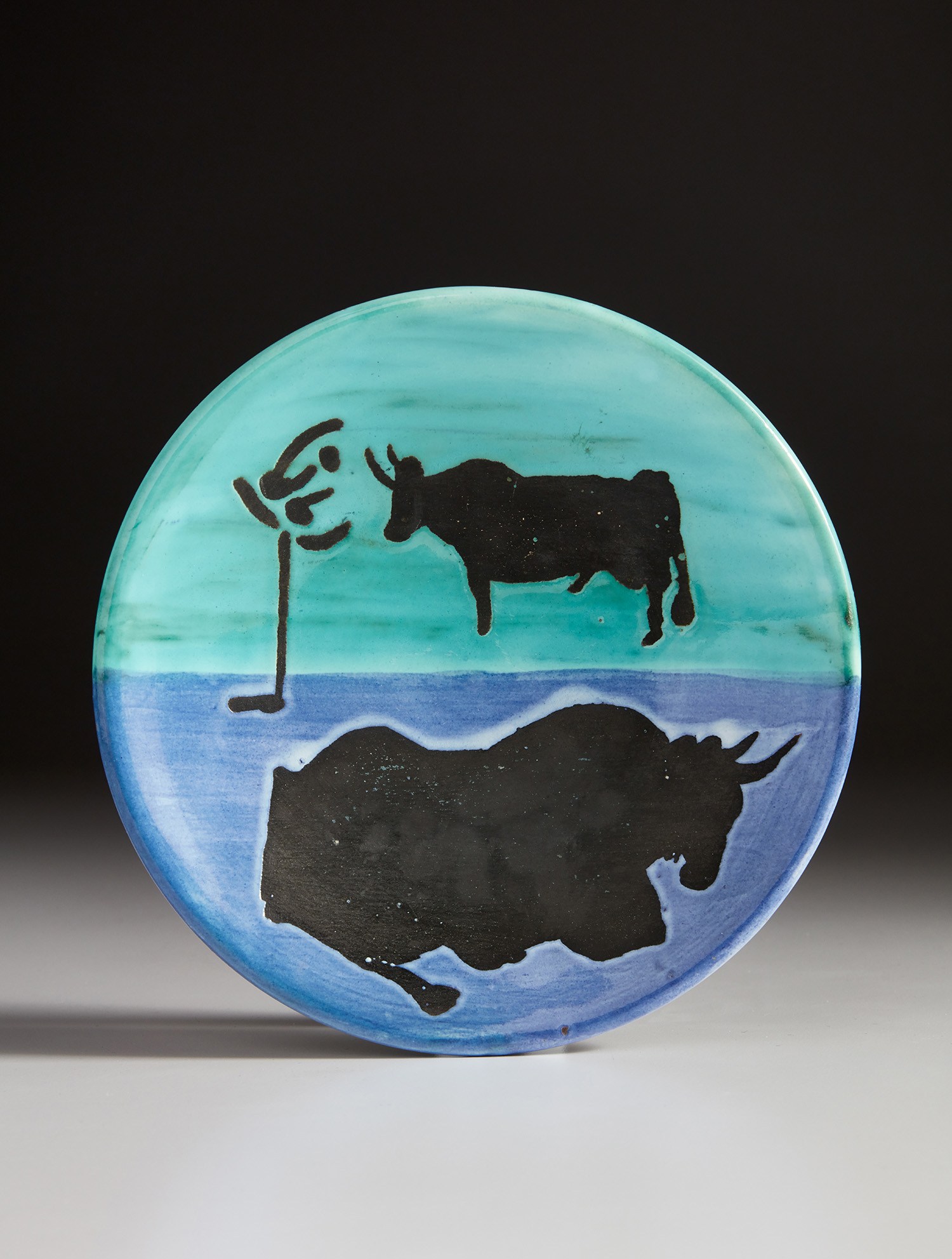
The bull is a test of conviction in any medium. No serious conversation about bulls in twentieth century art begins anywhere other than Pablo Picasso. His engagement with the bull was not a passing interest but a sustained obsession that ran across decades and across mediums, from painting to sculpture to the famous lithographic series completed in late 1945 and early 1946. In that series, Picasso worked through eleven progressive states of a single bull image, moving from dense naturalism toward radical reduction, arriving at something that felt more essential than any realistic rendering ever could.
For collectors, Picasso's bull works represent some of the most studied examples of how an artist interrogates a subject rather than simply depicting it. The works on The Collection offer a meaningful entry point into this conversation, and Picasso remains the standard against which bull imagery in modern art is measured. Jean Cocteau, also represented on The Collection, approached the bull from a different angle entirely. Cocteau was drawn to the mythological dimensions, to the Minotaur and the labyrinth, to the erotic and tragic dimensions of bull culture in the Mediterranean imagination.
His line work is deceptively casual, almost effortless in appearance, but it carries an unmistakable surrealist undercurrent. A Cocteau drawing of a bull or bull related figure rewards close looking in a way that a casual first encounter might not suggest. For collectors interested in the intersection of literary modernism and visual art, Cocteau represents a compelling and sometimes undervalued proposition. In terms of emerging opportunities, younger artists working with animal imagery and particularly with the bull as a loaded cultural symbol are finding real traction in both the primary and secondary markets.
Artists coming out of Spain, Latin America, and North Africa are bringing fresh cultural perspectives to a subject that can easily become overfamiliar in European contexts. The best of this generation are not simply referencing Picasso. They are contending with him, using the bull to interrogate colonial history, masculinity, ecological crisis, and spectacle in ways that feel urgent rather than retrospective. These are names worth tracking at smaller fairs and in gallery programs that operate just below the major institutional radar.
At auction, works involving bull imagery by major modernist names have shown consistent strength, particularly when provenance is clear and condition is excellent. Picasso bull studies and related works on paper have performed exceptionally well at the major houses over the past two decades, with competition among American, European, and Asian collectors pushing results well above estimate in strong sale environments. The lithographic tradition in this area adds a layer of complexity for buyers: edition size, state, and printing quality matter enormously. A late pull from a worn plate and an early impression from the same series can represent entirely different collecting propositions, and price accordingly.
On the practical side, there are several questions worth putting to any gallery or dealer when considering a bull work. Ask specifically about condition reports, and for works on paper, ask about any history of restoration or treatment, as this is an area where previous repairs can be invisible to the casual eye but highly relevant to long term value. For print works, ask which state and which edition number you are being offered, and ask whether the work has been exhibited or published, both of which support provenance and increase desirability. Display deserves real thought: works in this category often benefit from generous wall space and controlled light, as the drama of the image can be flattened by overcrowding or harsh directional lighting.
The enduring presence of the bull in serious collections is not nostalgic sentiment. It reflects something true about what art can do when it finds a subject equal to its ambitions. The artists who have returned to this motif again and again across history were not doing so out of habit. They were drawn back because the bull is genuinely inexhaustible, a form that holds meaning without announcing it, that changes with the light and the company and the decade in which you encounter it.
That is what a collection is ultimately for.