Architectural Form
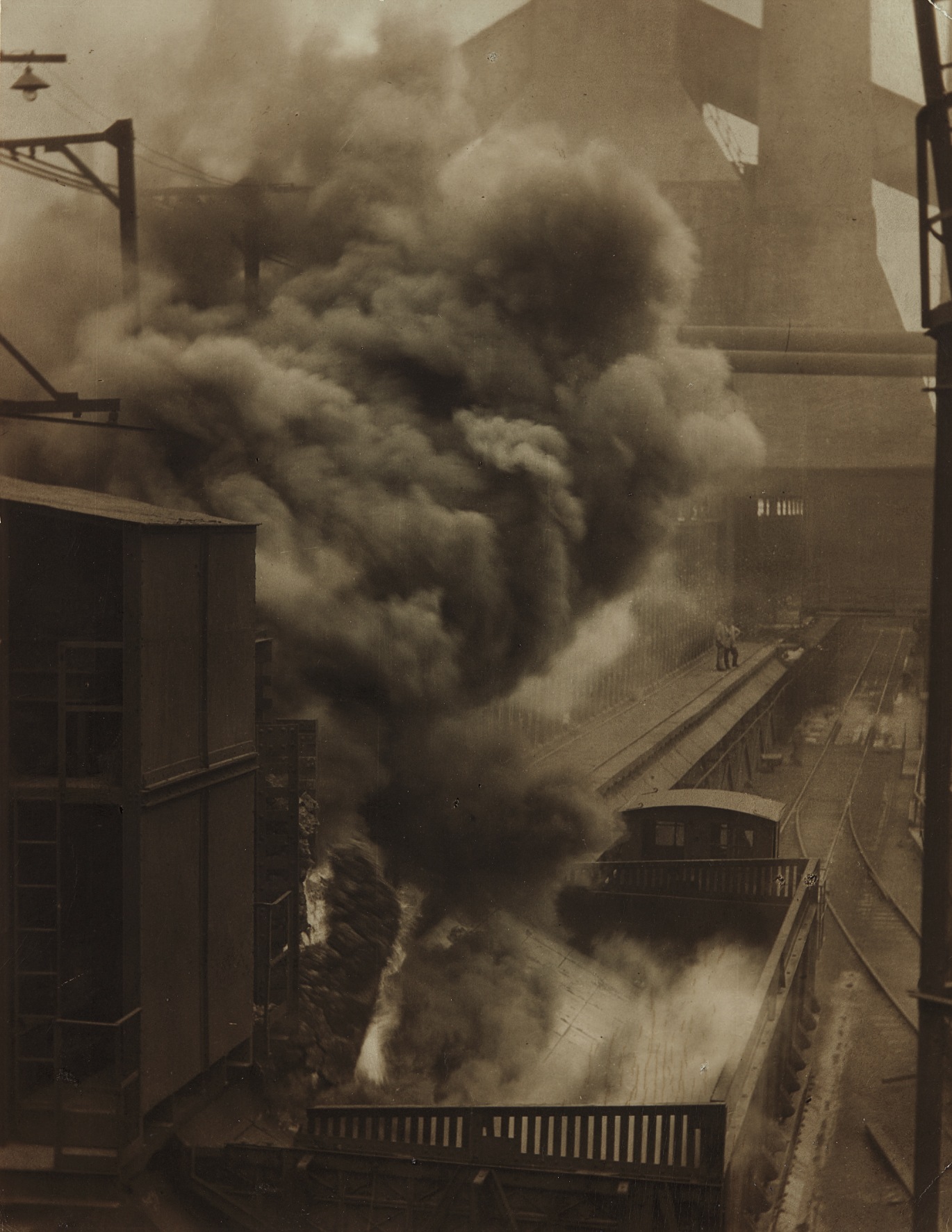
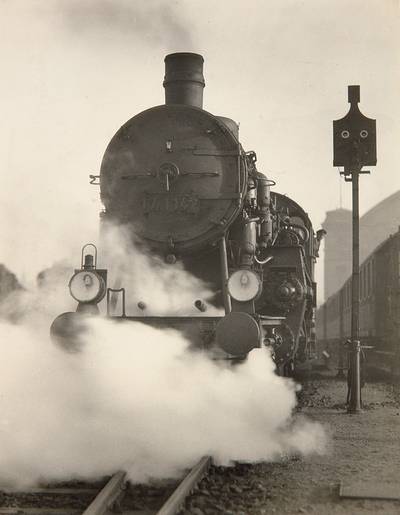
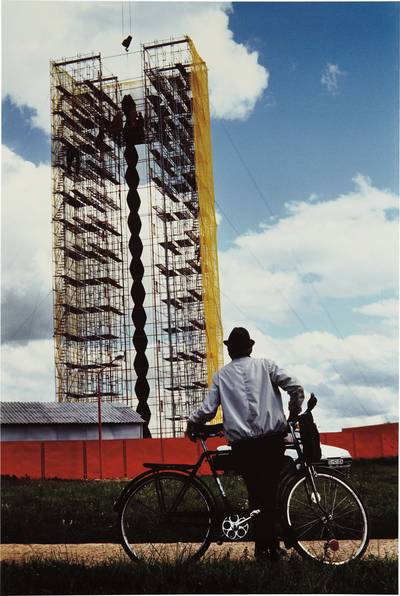
Emil Otto Hoppé
Stahlwerke Hösch, Dortmund, Germany
When Buildings Become the Art Itself
When Christie's brought a monumental Sol LeWitt wall drawing to auction in 2022, the bidding room held its breath in a particular way. Not because of uncertainty, but because of recognition. Everyone present understood they were watching something that exists at the precise intersection of architecture and art, a place where the wall is not just a surface but a collaborator. The work sold well above estimate, and the conversation afterward was less about price and more about what it means to collect something that requires the building itself to exist.
That tension, between object and structure, between art that sits in space and art that becomes space, is exactly where the most interesting collecting is happening right now. Architectural form as a category resists easy definition, which is part of what makes it so alive at the moment. It pulls in sculptors who think like builders, painters who flatten facades into pure geometry, photographers who find the uncanny in load bearing walls, and conceptual artists who use the logic of construction as their primary language. Sol LeWitt, whose work is particularly well represented on The Collection, understood this better than almost anyone.
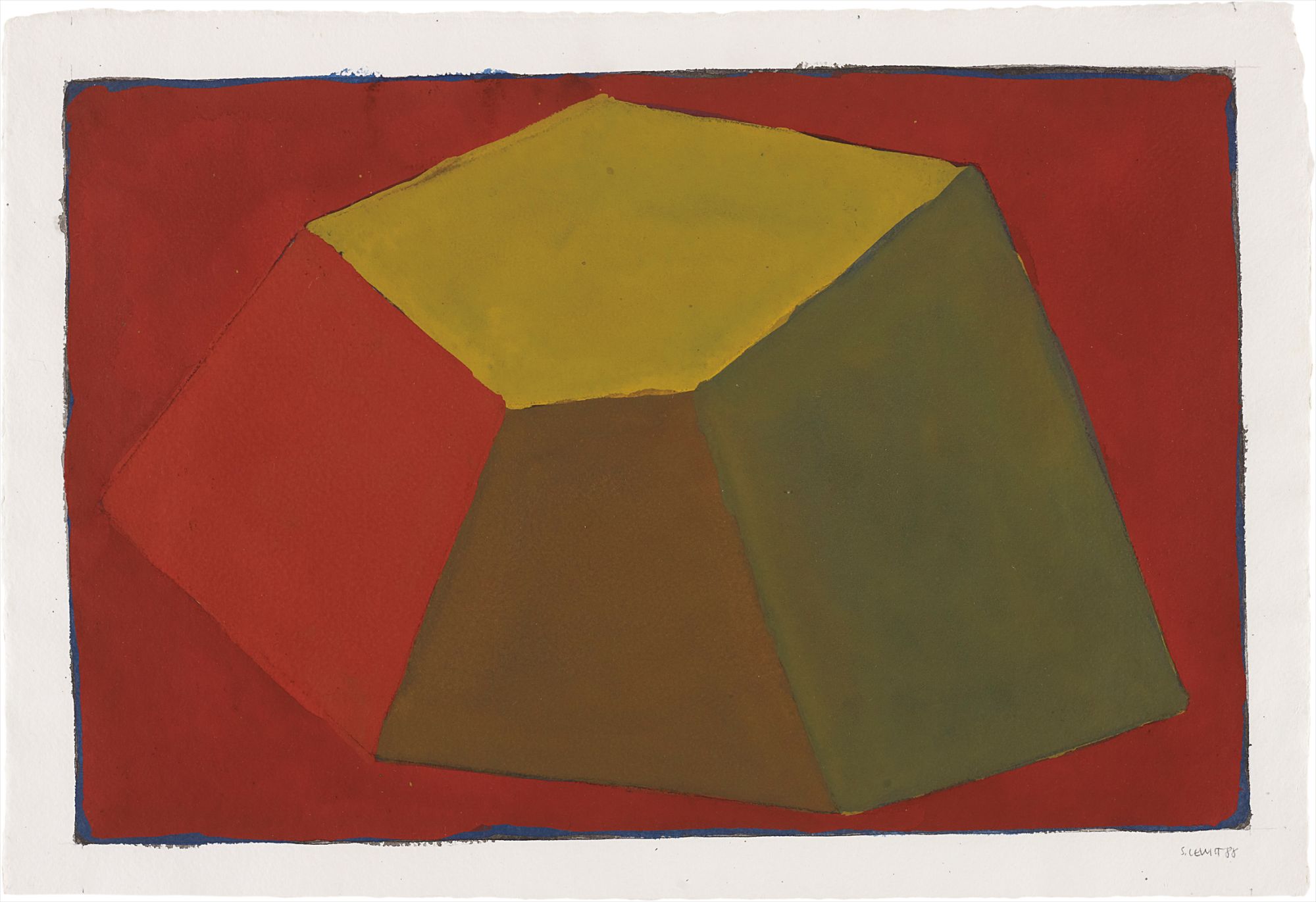
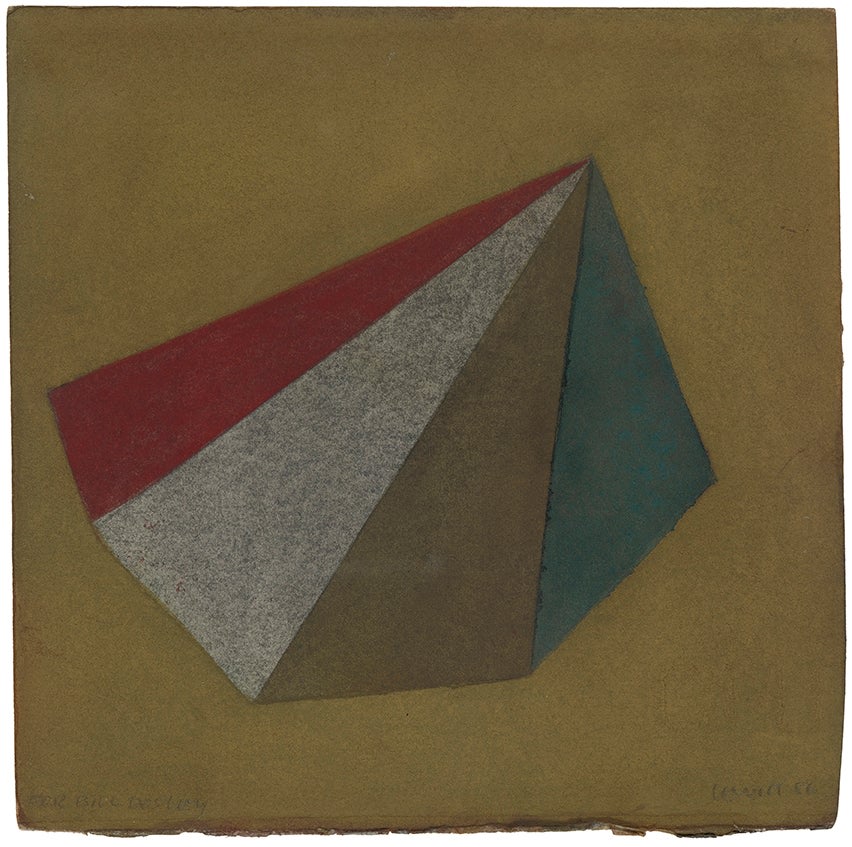
Sol LeWitt
Flat-top pyramid
His serial structures from the late 1960s onward treated architecture not as backdrop but as vocabulary. The cube, the open frame, the modular grid: these were not references to buildings, they were buildings reduced to their essential argument. The exhibition record of the past decade tells a clear story about institutional appetite for this territory. The Museum of Modern Art's 2019 retrospective of LeWitt drew enormous attendance and critical attention, reminding a new generation that conceptual rigor and visual pleasure are not opposites.
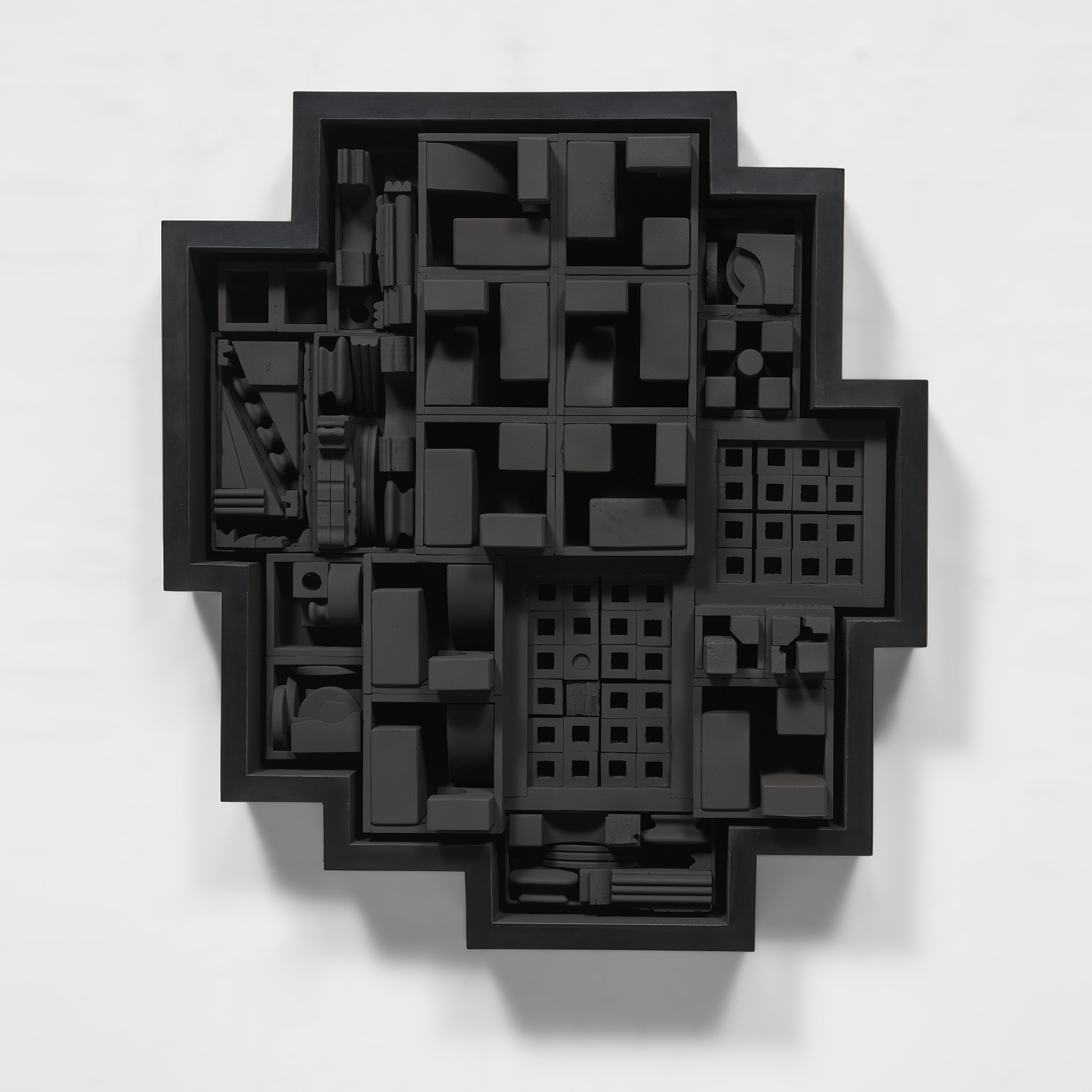
Around the same time, Tate Modern staged a substantial survey of Louise Nevelson, whose black painted wood assemblages function as architectural environments unto themselves. Nevelson spent decades assembling found wooden fragments into wall mounted structures that feel simultaneously like building facades, shadow boxes, and urban archaeological sites. Standing in front of a large Nevelson is not unlike standing at the base of a darkened building at night, where the geometry is clear but the meaning keeps shifting. The auction market for architectural form has been notably strong, with particular intensity around artists who work in three dimensions and at scale.
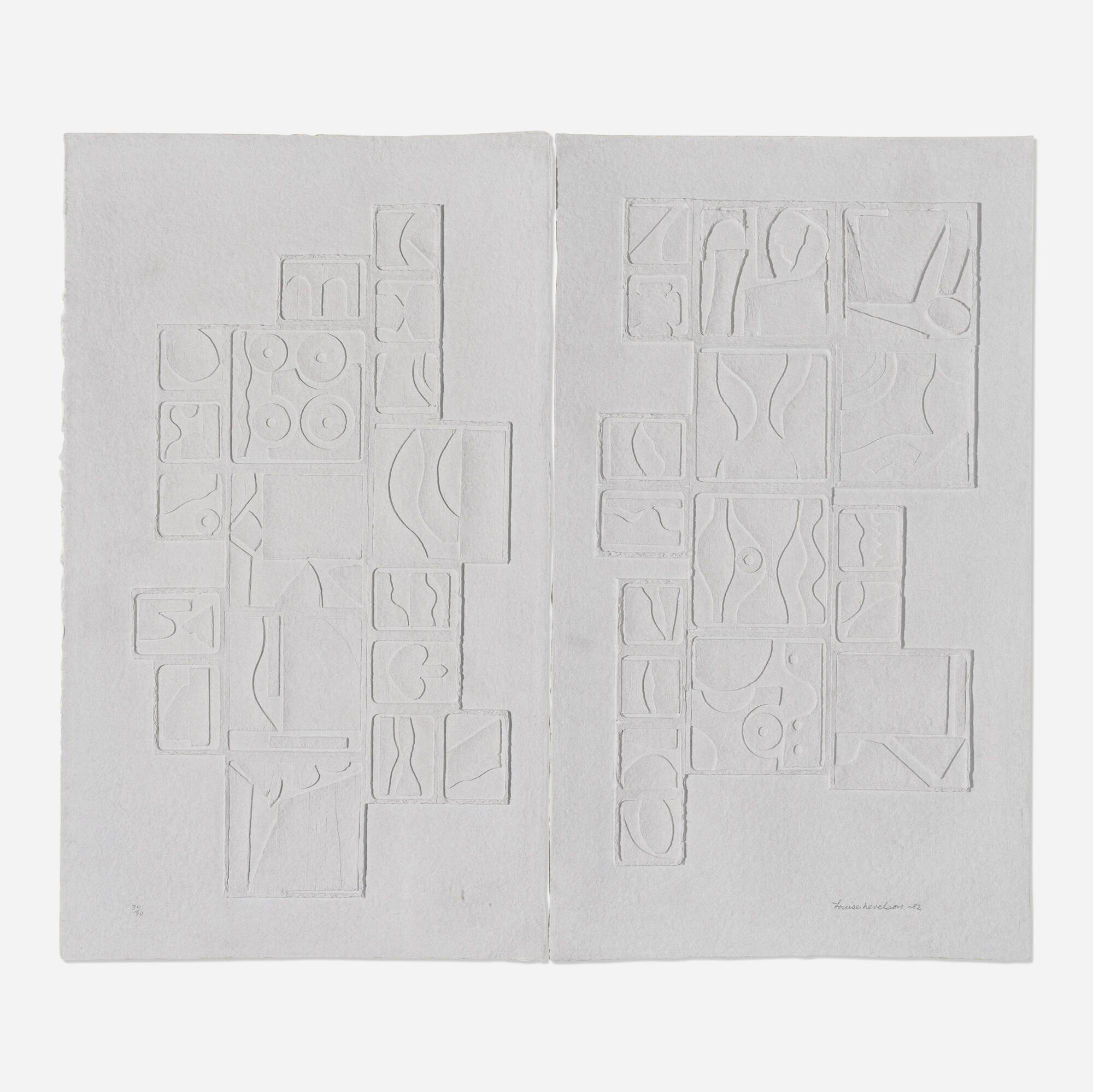
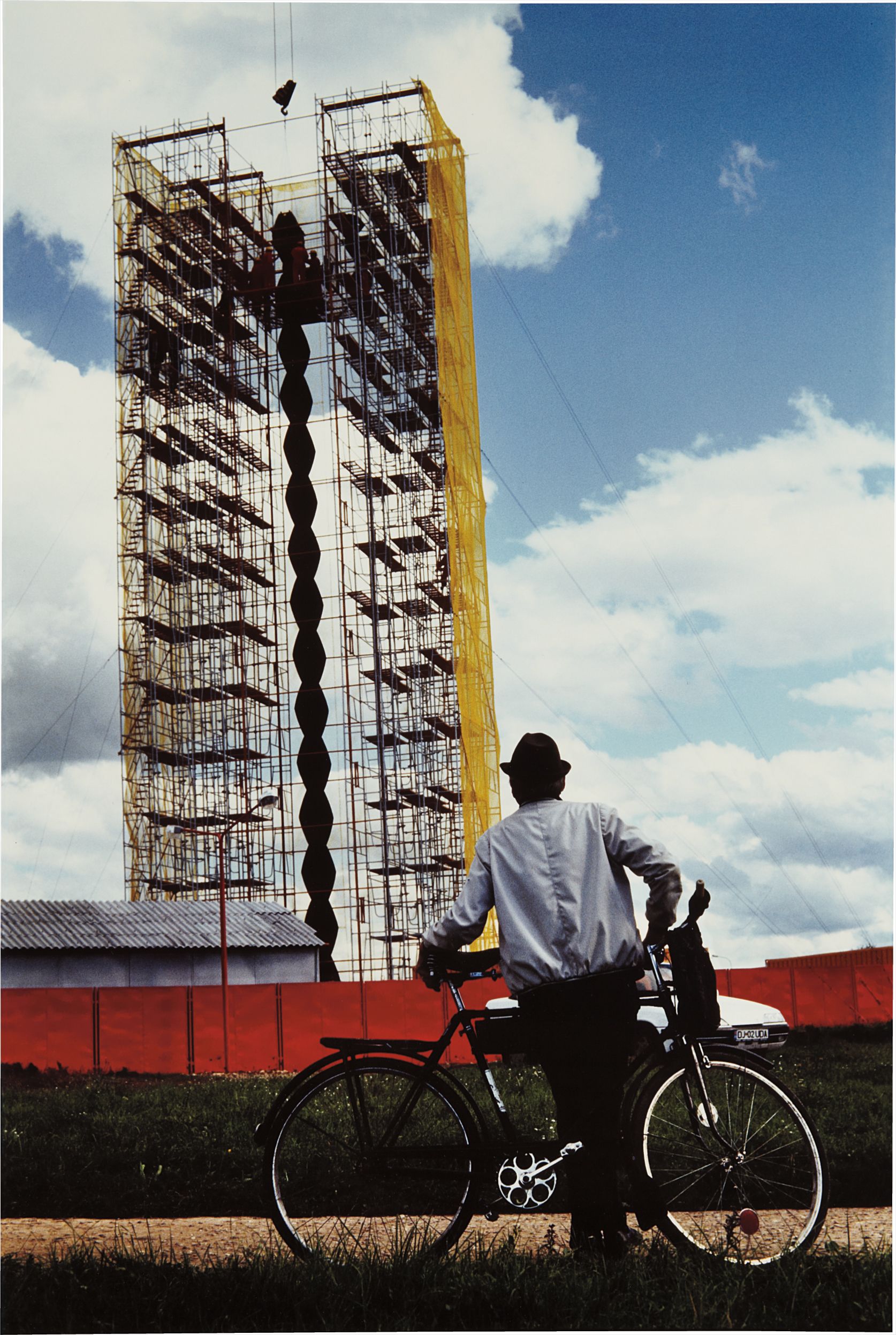
Louise Nevelson
Sky Gate II, 1982
LeWitt's structures consistently achieve results in the high six and seven figure range at the major houses, with his wall drawings commanding premiums when they come with the institutional documentation that allows future realization. Nevelson's market has seen genuine reappraisal over the past five years, with serious collectors and institutions competing for her large format black works in ways that would have surprised the market a decade ago. What these results reveal is that collectors are increasingly comfortable with work that challenges conventional notions of where a sculpture ends and an environment begins. The appetite is for art that makes demands on space, not just occupies it.
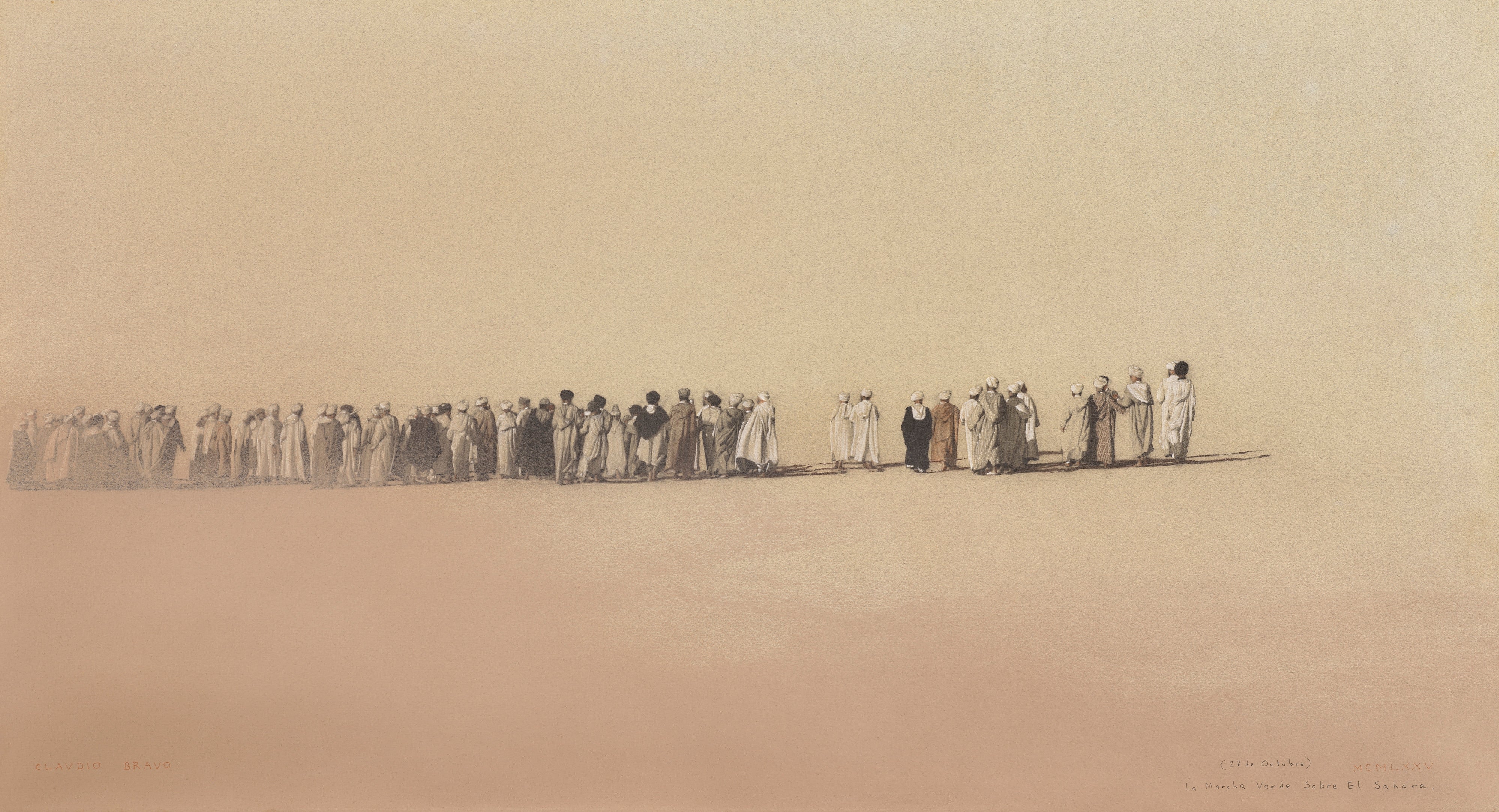
Claudio Bravo, the Chilean born hyperrealist whose extraordinary technical command extended to architectural subjects and draped forms, represents a different strand within this conversation. His work reminds us that architectural form need not be abstract to be rigorous. Bravo's painted surfaces possess a quality of material weight and spatial presence that owes something to his deep engagement with the built environment and the classical tradition. His prices have climbed steadily in the secondary market, particularly among Latin American and European collectors who understand his place in a longer lineage of artists for whom precision of rendering is itself a form of structural thinking.
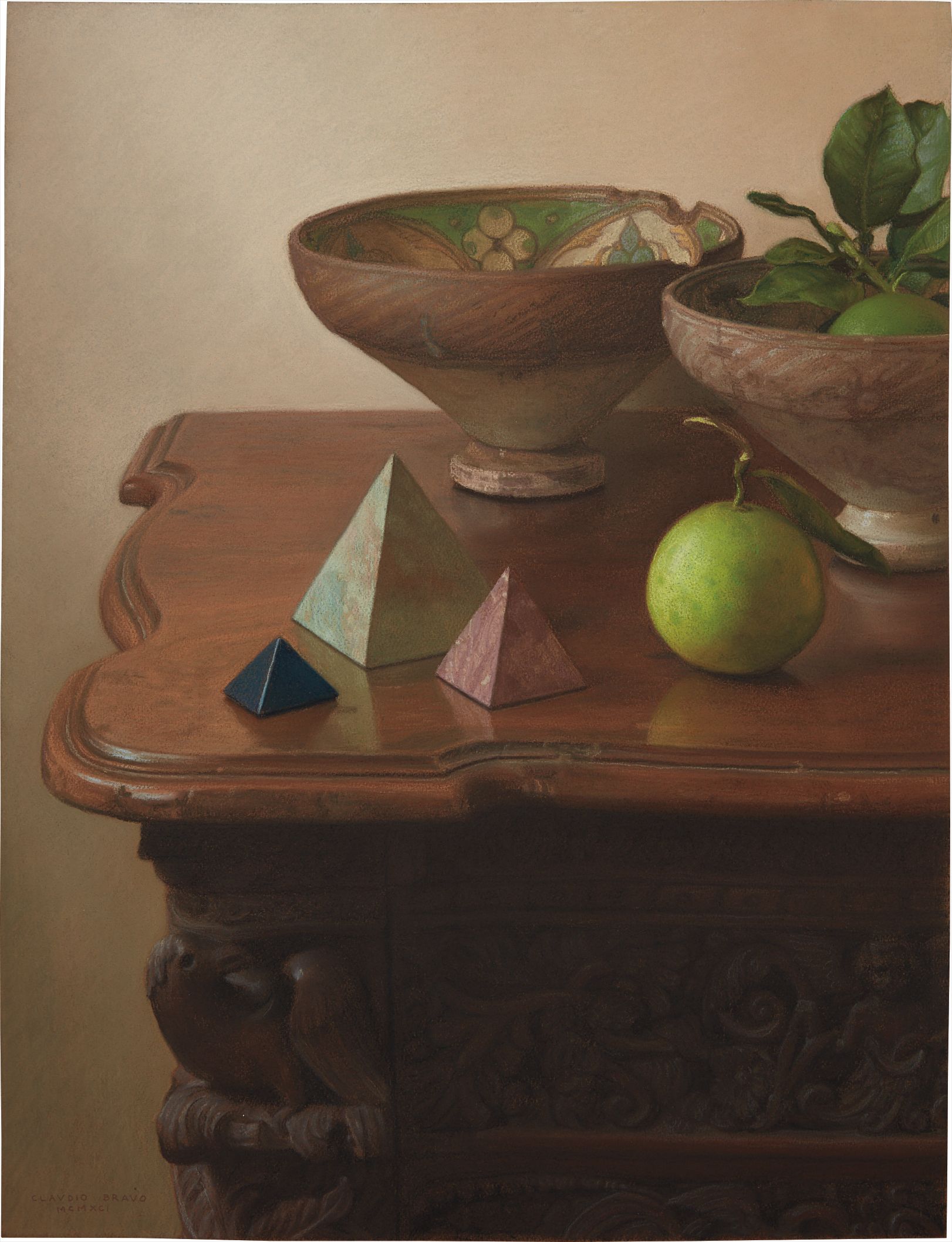
Claudio Bravo
Pyramids
The critical writing shaping this area right now is coming from unexpected places. Architects writing about art, and artists writing about architecture, are producing some of the most useful texts. The journal Log has published pieces by artists working in this territory that read as genuine contributions to both fields simultaneously. Curators like Martino Stierli at MoMA have brought architectural literacy to art historical arguments in ways that feel genuinely new rather than interdisciplinary in the tired promotional sense.
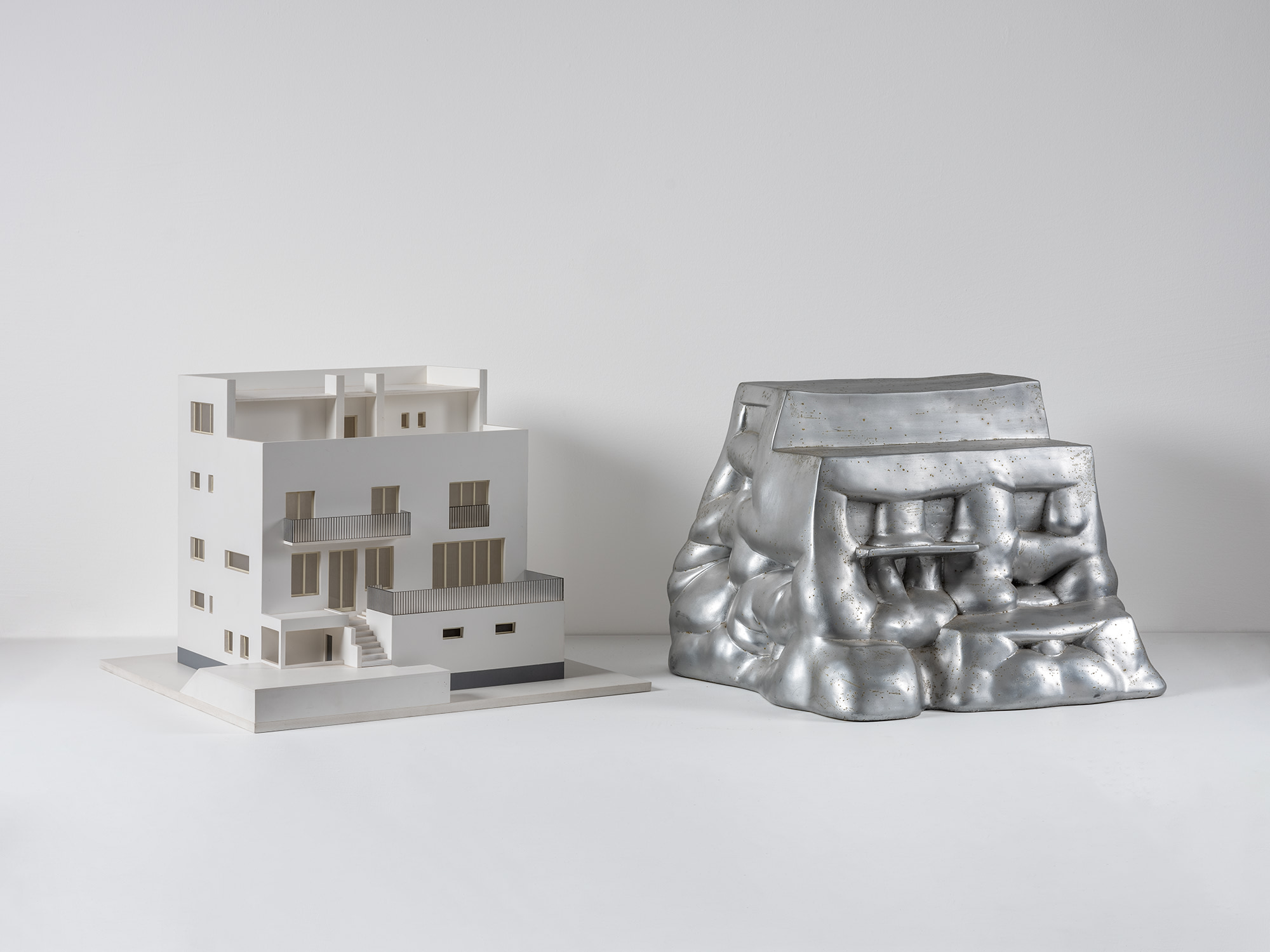
There is also renewed interest in Erwin Wurm, whose absurdist interventions on buildings and domestic structures use architectural form as a kind of punchline, though a philosophically serious one. His One Minute Sculptures and his distorted house works are increasingly understood not just as humor but as genuine spatial argument. Eleonore Nitzschke's presence on The Collection points toward another current running through this territory: the relationship between modernist architectural photography and the broader history of form. The great architectural photographers of the twentieth century were not simply documentarians.
Emil Otto Hoppé
Stahlwerke Hösch, Dortmund, Germany
They were making arguments about what buildings meant, and those arguments have aged into art objects with their own collecting histories. Emil Otto Hoppé, also represented on The Collection, understood the city as a site of visual philosophy, finding in urban structures a drama that purely aesthetic photography often missed. His work now reads as a bridge between pictorialism and the harder edged modernist vision that would follow. What feels alive in architectural form right now is the renewed attention to ancient and non Western traditions of built space as a source of artistic meaning.
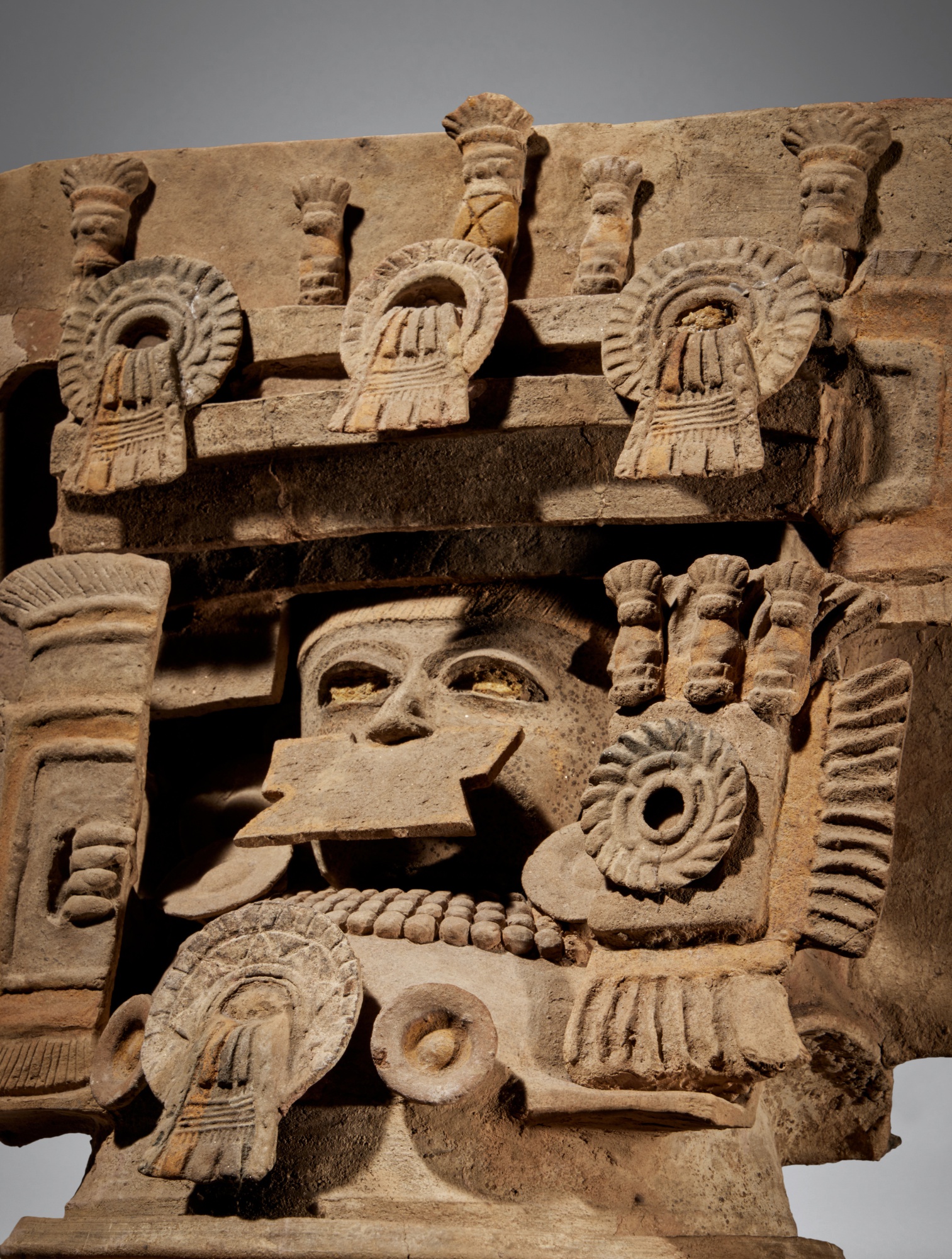
The presence of the Teotihuacan Two Part Lidded Incensario on The Collection is a quiet provocation in this regard. Pre Columbian ceremonial objects carry within them a complete architectural cosmology, a worldview expressed through form, proportion, and the relationship between vessel and void. As collectors and institutions become more genuinely global in their thinking, the conversation around architectural form is expanding to include traditions that were always rigorous but rarely centered in the Western market narrative. That expansion feels not just overdue but genuinely generative, and it suggests that the most interesting collecting in this category over the next decade will be the work that most honestly grapples with how humans have always made meaning through structure.