Maxime Du Camp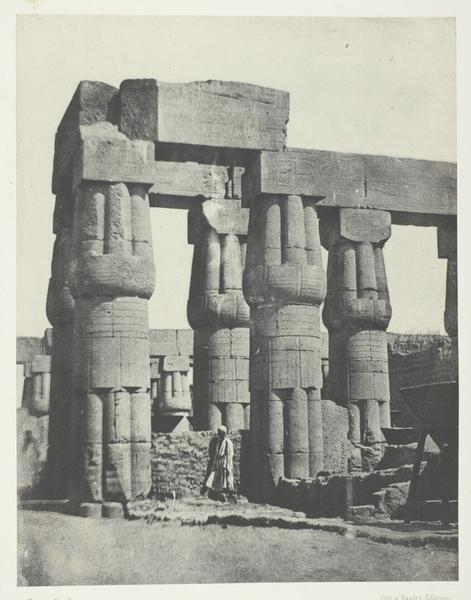
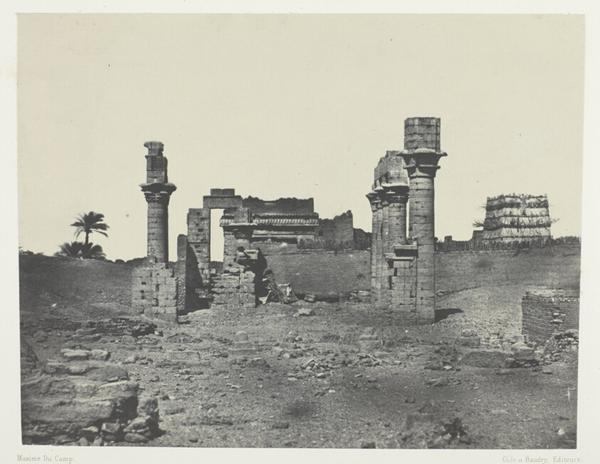
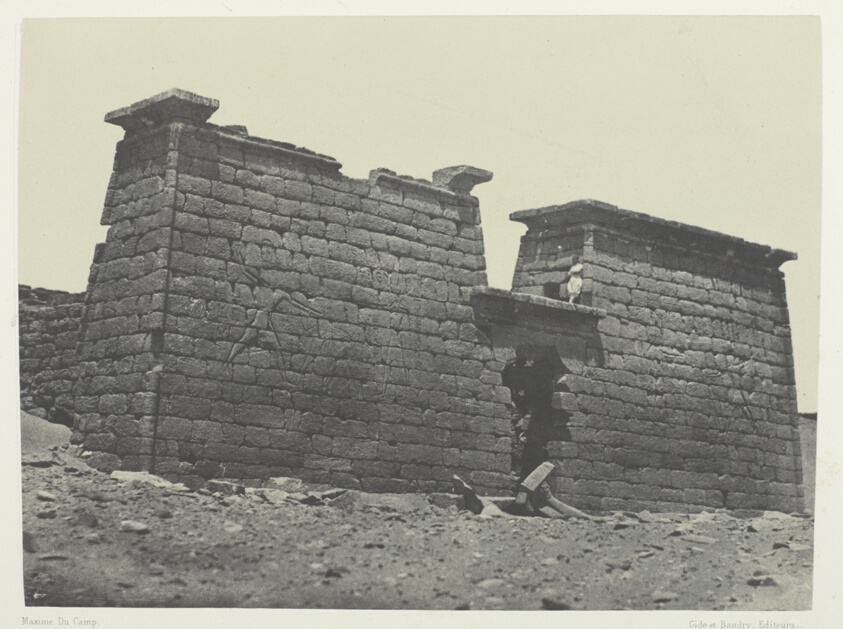
Hémi-Spéos De Séboua, Pylônes; Nubie, plate 98 from the album "Egypte, Nubie, Palestine et Syrie" (1852)
1849
Documenting the imposing pylons of the rock-cut temple at Wadi es-Sebua, this photograph exemplifies Du Camp's methodical approach to recording Egypt's monuments during the infancy of archaeological photography.
- Medium
- Salted paper print
More by Maxime Du Camp
Louqsor, Groupe de Colonnes dans le Palais; Thèbes, plate 26 from the album "Egypte, Nubie, Palestine et Syrie" (1852)
1849
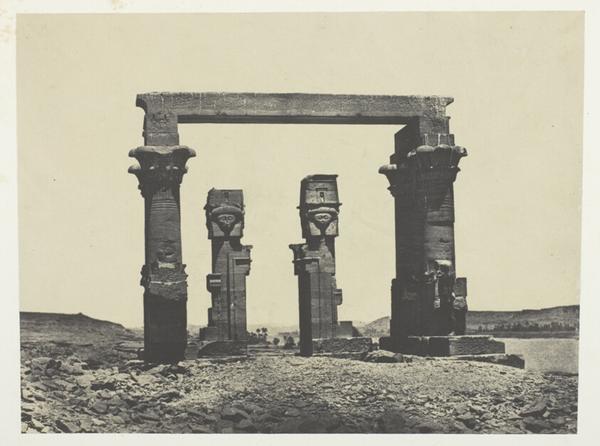
Temple de Kardassy, Nubie, plate 87 from the album "Egypte, Nubie, Palestine et Syrie" (1852)
1849
Temple d'Hermontis, Haute-Egypte, plate 63 from the album "Egypte, Nubie, Palestine et Syrie" (1852)
1849
Spotted works by Maxime Du Camp
Start the Discussion
Request access to join the discussion