Mantel Clock Clay Confetti
2025
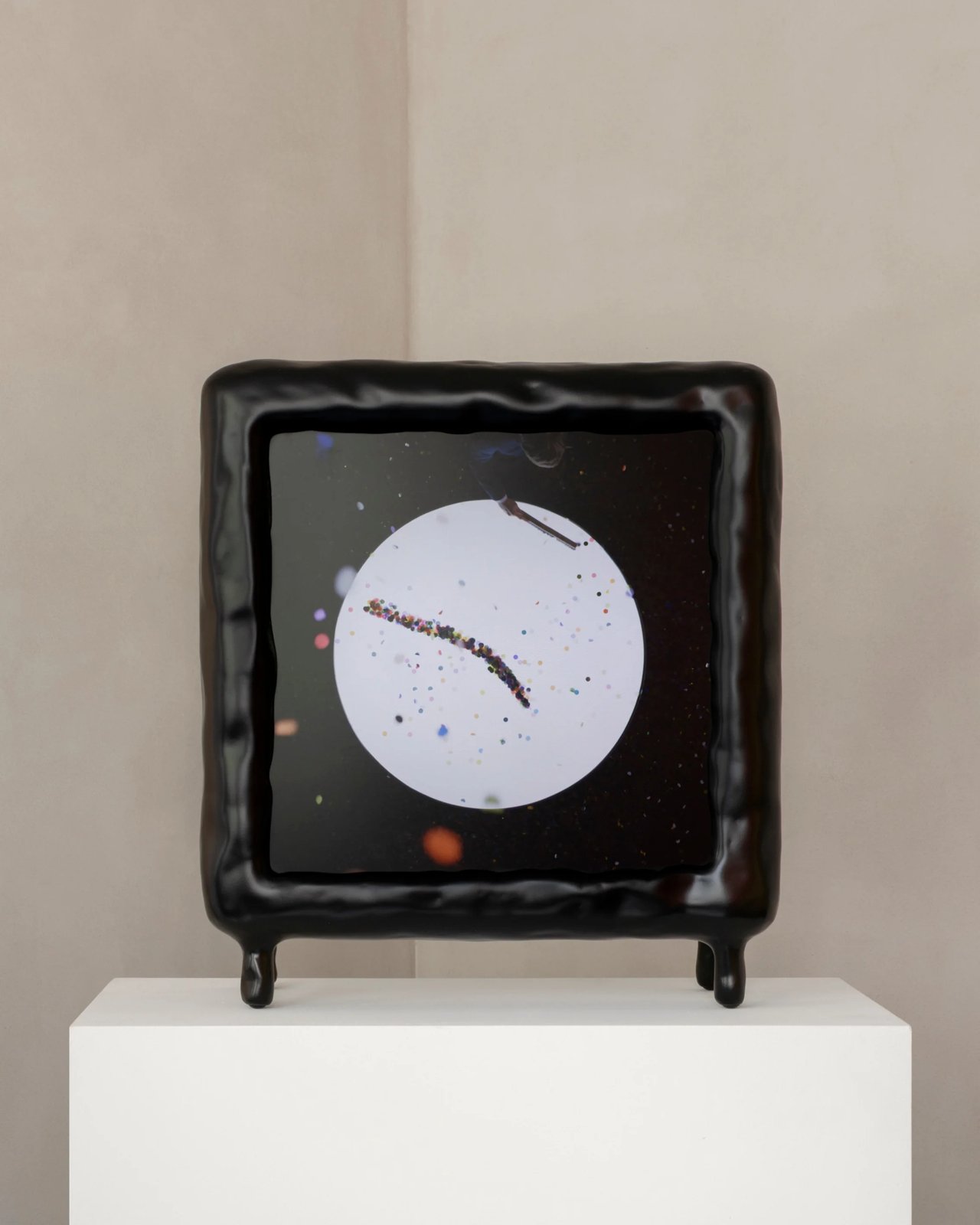
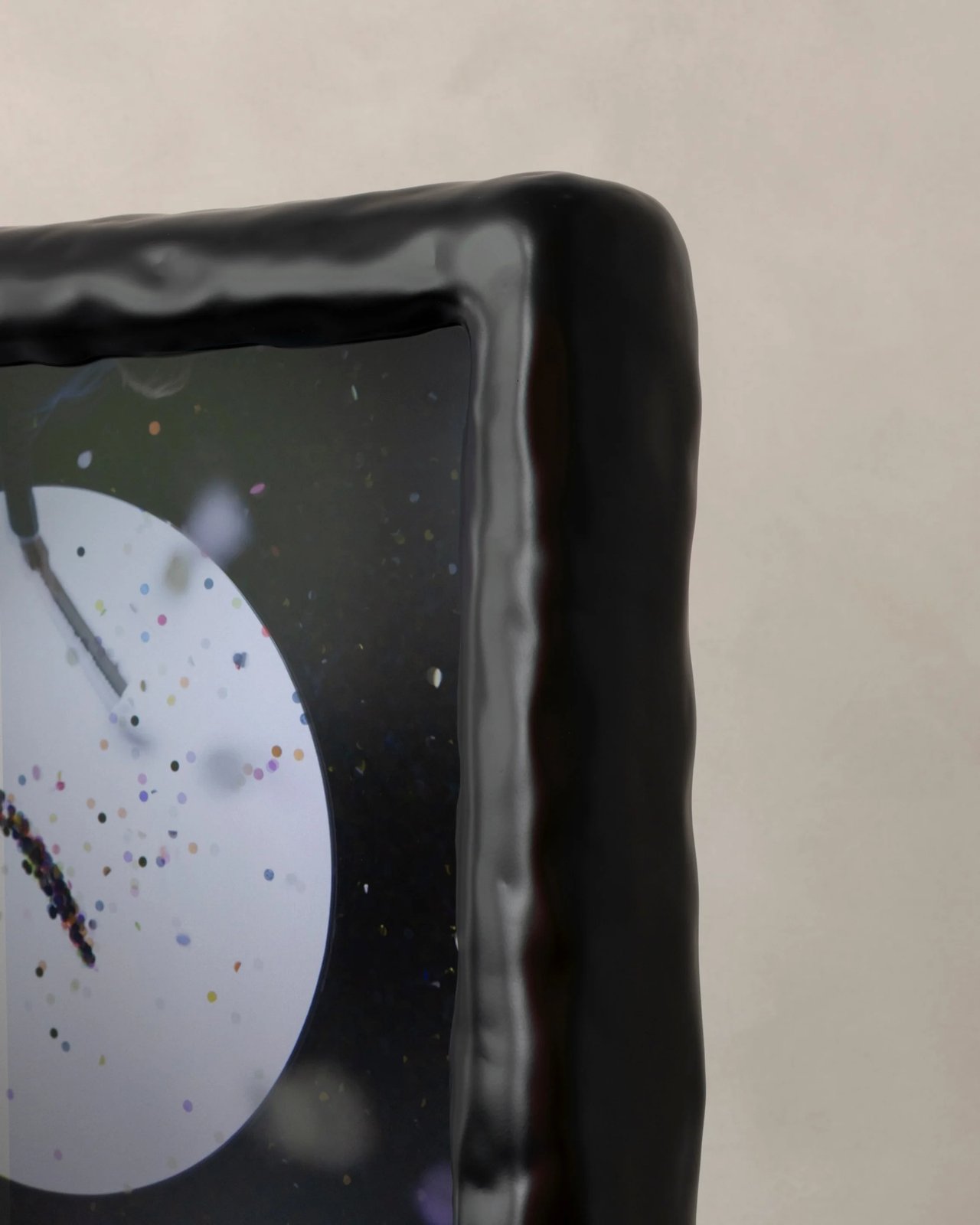
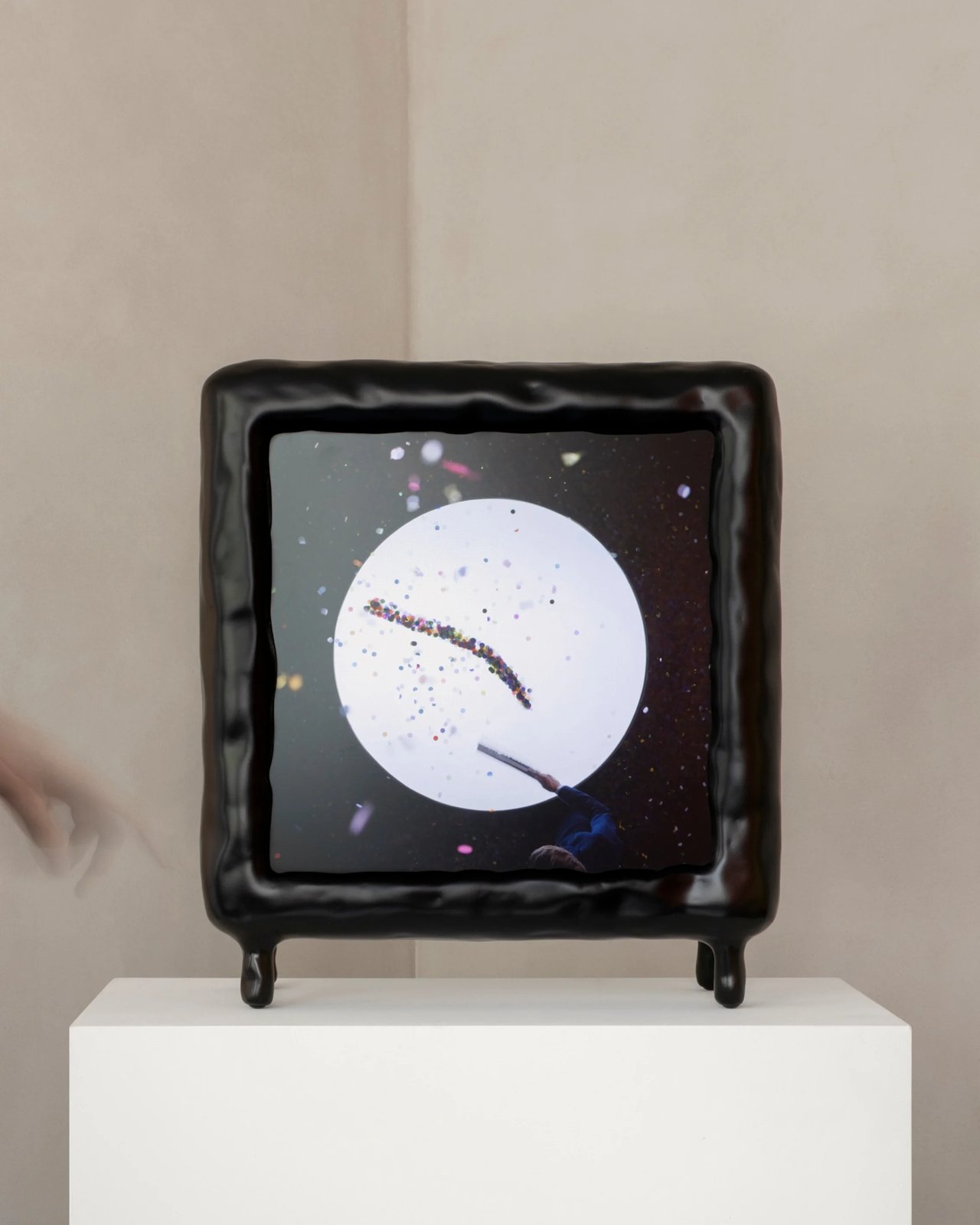
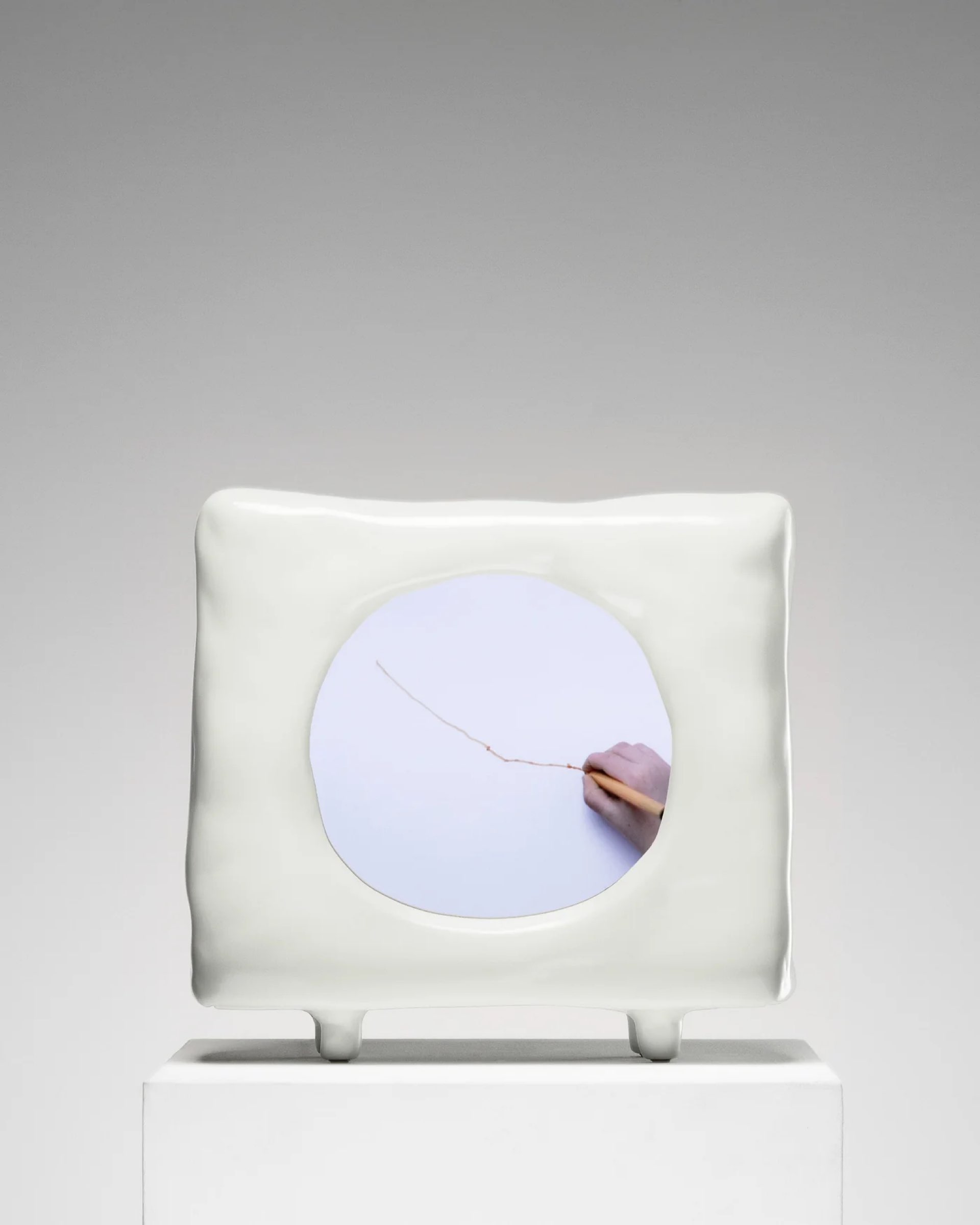
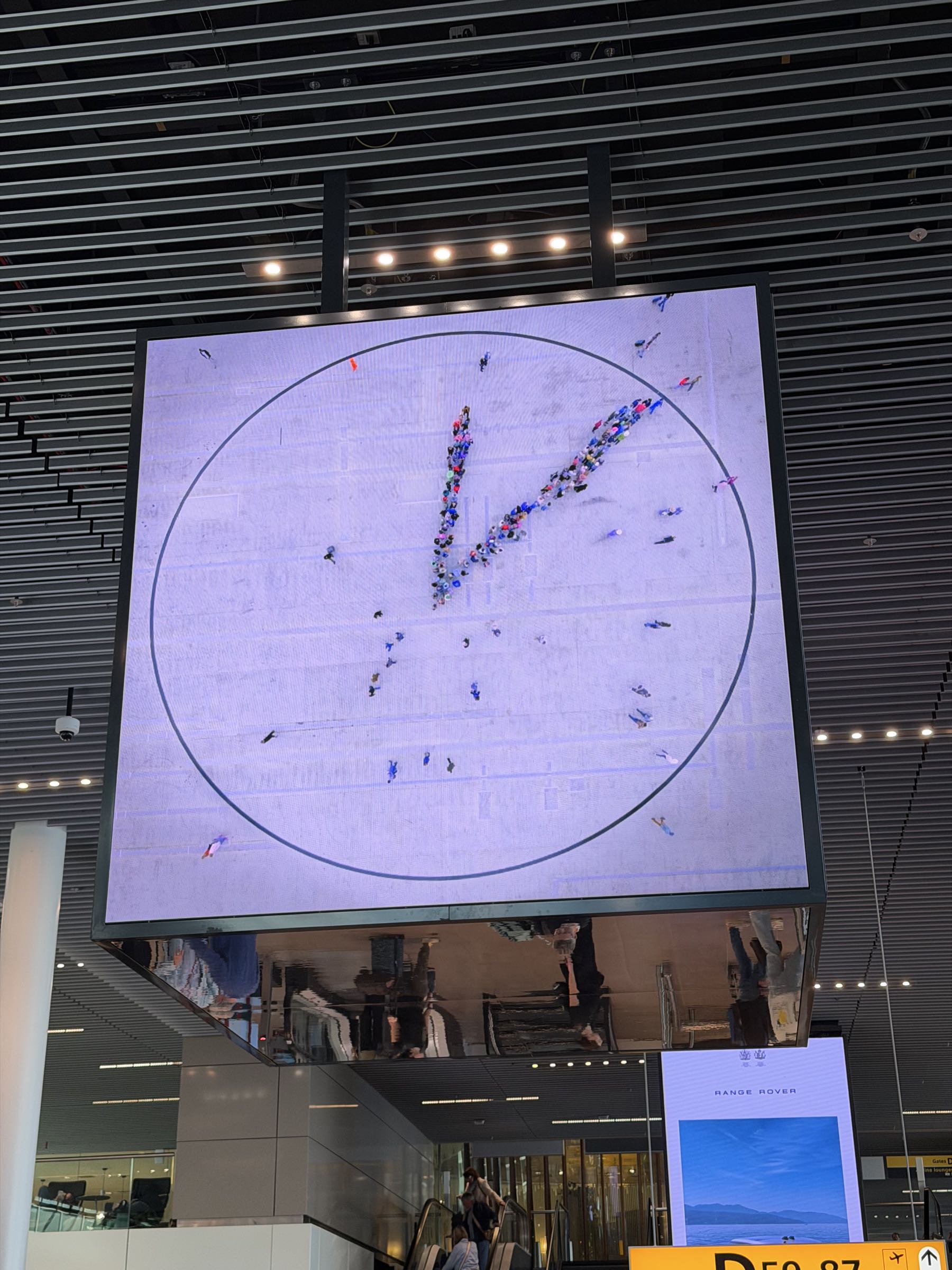
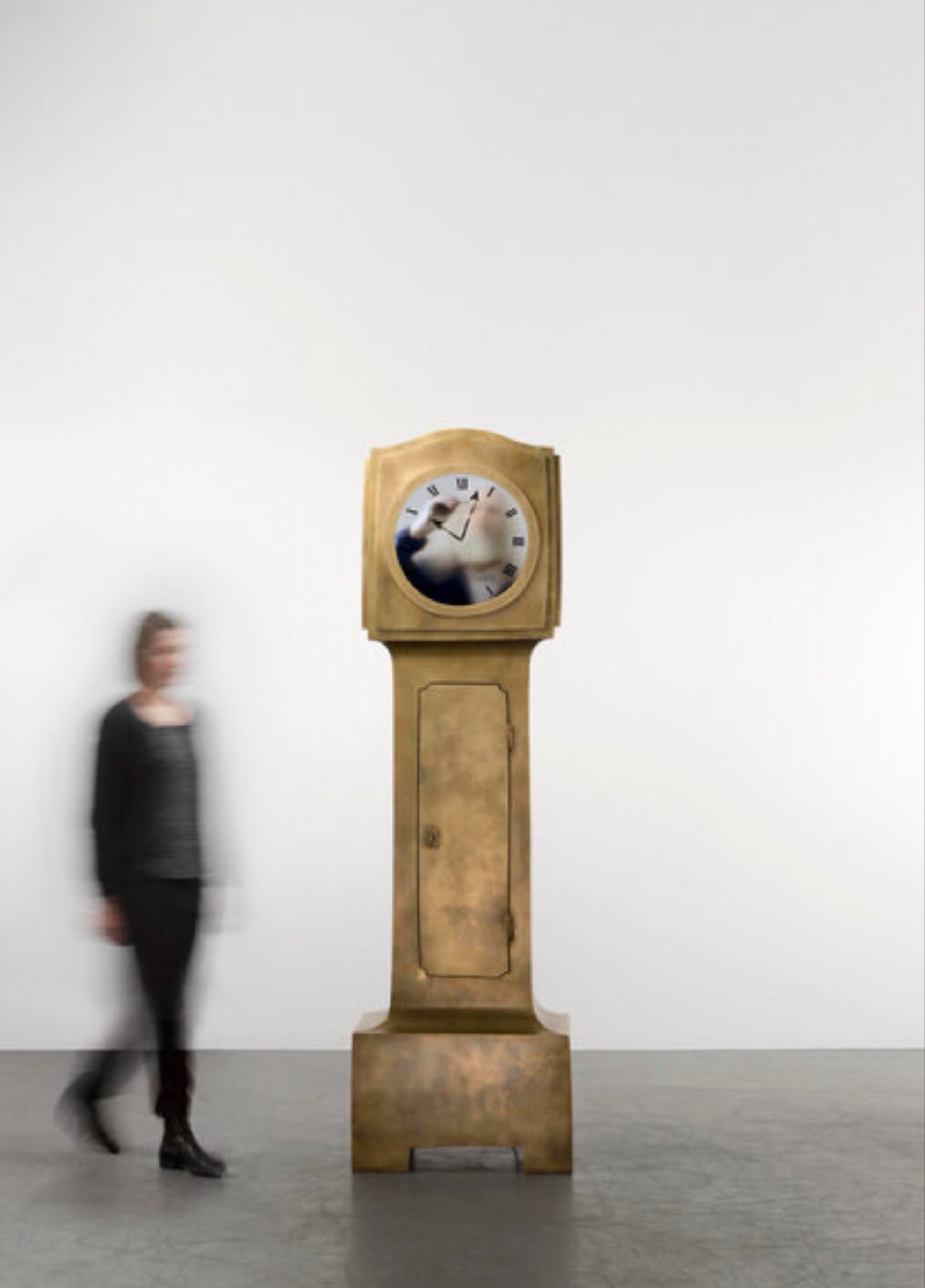
Confetti Clock by Maarten Baas symbolises time as a continuous celebration, with a film depicting a hedonistic scene filled with pleasure and entertainment. While endless streams of confetti are strewn, a stricter character persistently sweeps it up to keep time readable. The work also references a lyric from The Beatles, “Eleanor Rigby, picks up the rice where a wedding has been,” portraying someone dutifully cleaning the remnants of someone else’s party and seeking to organise them into something meaningful. Extra confetti falls every hour, at 11 minutes past the hour, with the number 11 symbolising the start of Carnival in certain European countries. This work is part of Baas’ Real Time series, which consists of filmed performances exploring the theme of time, which are screened on sculptures designed to resemble clocks.
- Medium
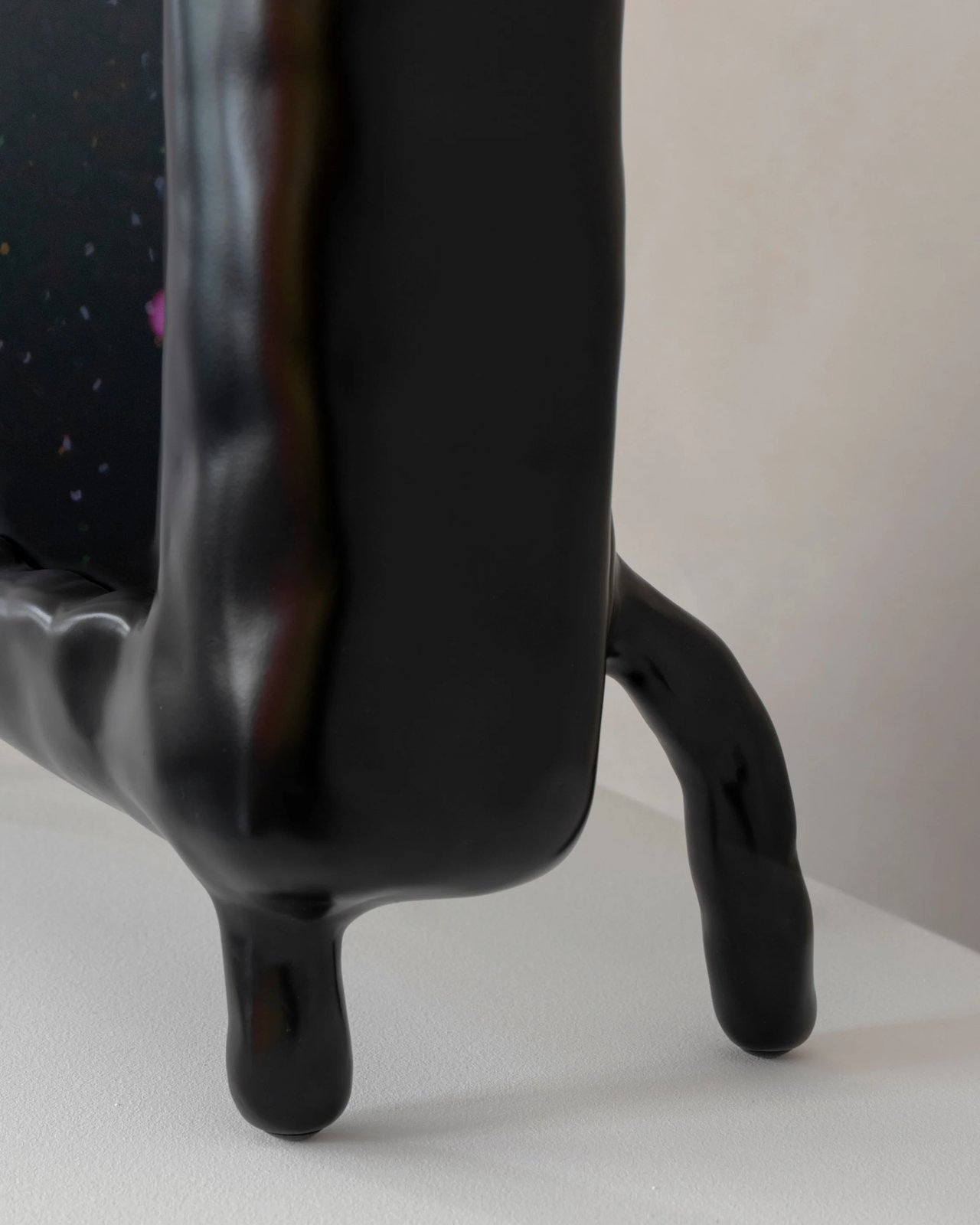
- Handmade Stainless Steel Casing, Clay, Digital Equipments, Silk Gloss
- Dimensions
- Location
- Carpenters Workshop Gallery, London, UK
Notes
Part of the artist's Real Time series, filmed performances exploring time, screened on sculptures designed as clocks. Unveiled at Carpenters Workshop Gallery London for the exhibition 'Reconstructing Time' (May 2026). Extra confetti falls every hour at 11 minutes past, the number 11 symbolizing the start of Carnival in some European countries. References The Beatles lyric 'Eleanor Rigby, picks up the rice where a wedding has been.' Edition of 20 plus 4 artist's proofs. USD equivalent: $ 52,000.00. Framing: Black.
For Sale — $52000.00
Spotted works by Maarten Baas


Artists in conversation
Carsten Höller
Belgian · b. 1961
Höller creates experience driven installations that treat hedonism, pleasure and sensory spectacle as conceptual subjects, directly paralleling Baas's celebration themed clock. His work similarly fuses kinetic movement, video, and participatory performance into objects that interrogate how humans experience time and joy.
Roman Signer
Swiss · b. 1938
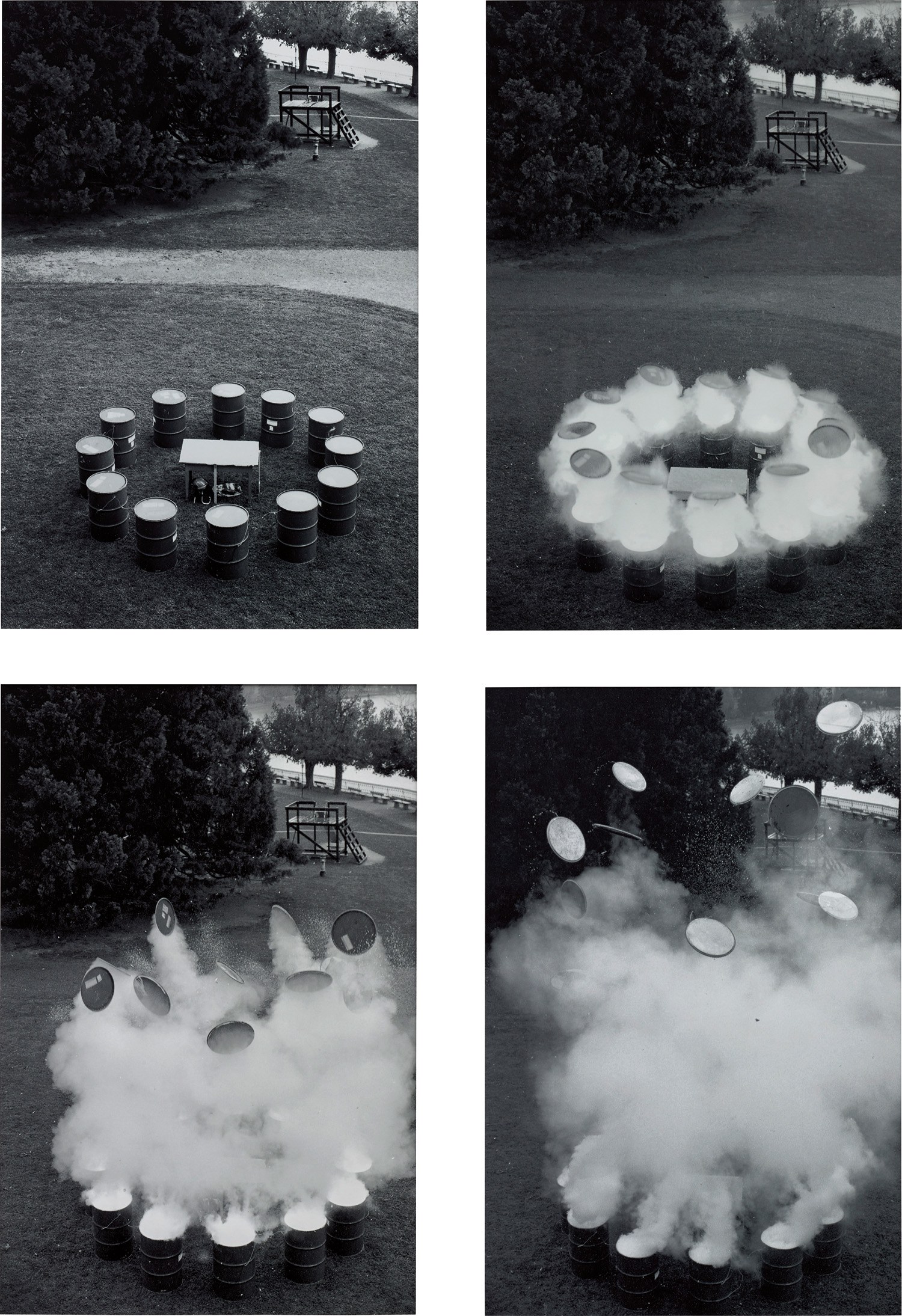
Signer's time based sculptures and video works use ephemeral physical events, often involving scattered or dispersed materials, to make duration and entropy visible as poetic gestures, closely mirroring Baas's confetti swept figure as a metaphor for the passage of time. Both artists embed narrative performance within functional or clock like objects.
Erwin Wurm
Austrian · b. 1954
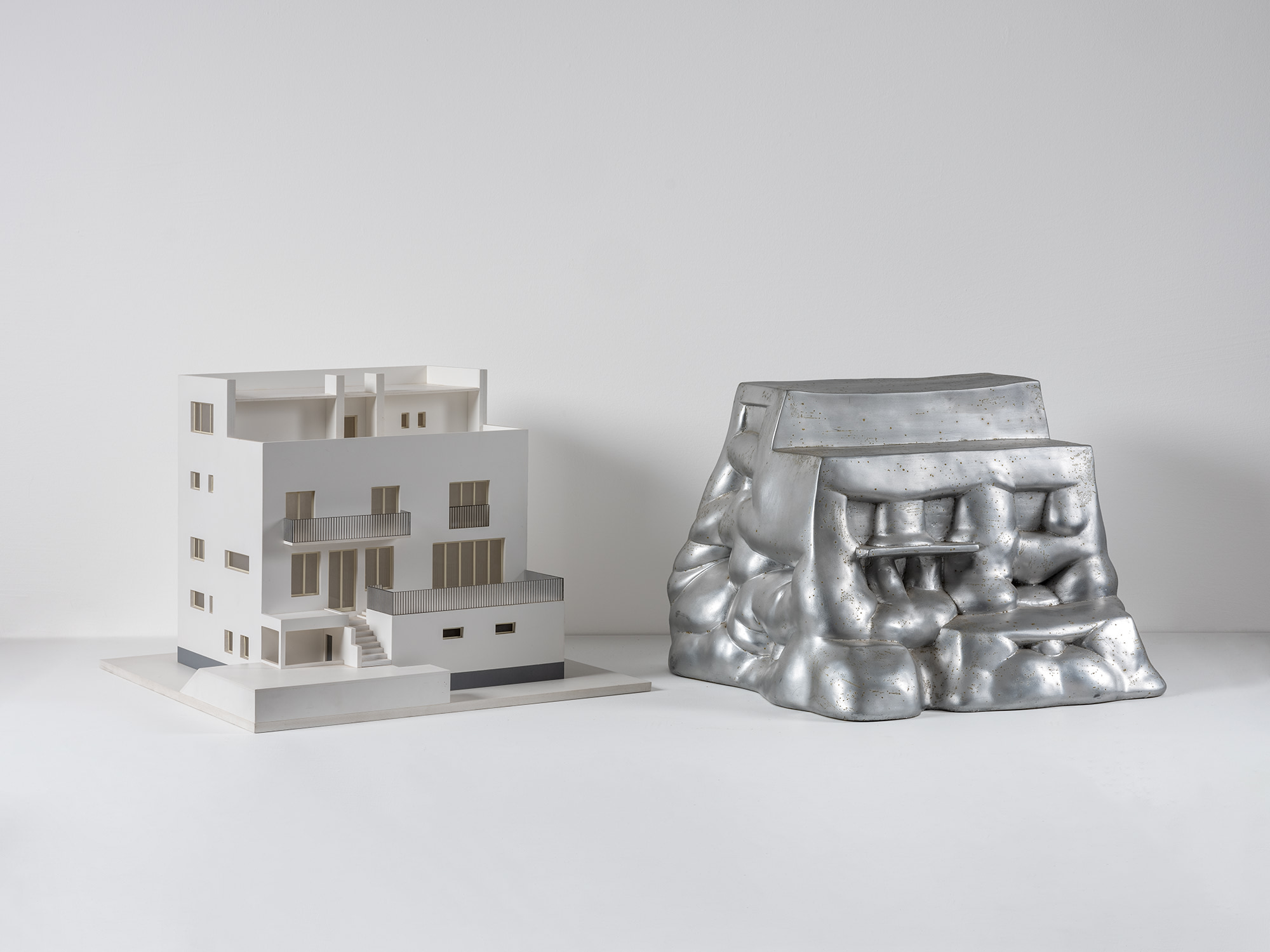
Wurm combines absurdist humor, everyday ritual, clay and handmade sculptural forms with conceptual precision to comment on social behavior, directly comparable to Baas's use of clay animation and a dutiful sweeping figure performing a repetitive ceremonial act. His work equally blurs the line between performance, sculpture and video art.
Start the Discussion
Request access to join the discussion