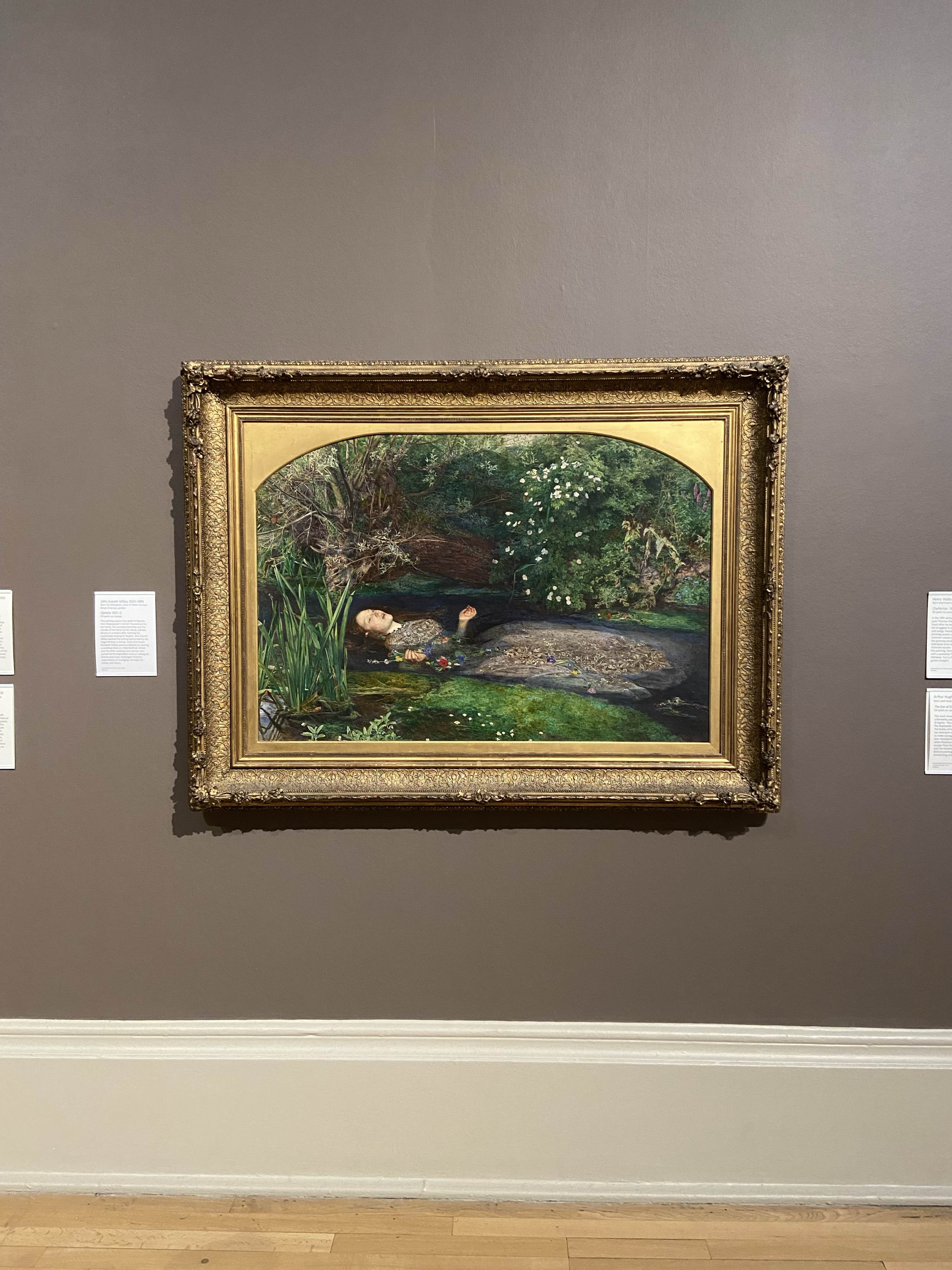
Ophelia
John Everett Millais completed Ophelia in 1851 and 1852, depicting the tragic drowning of Ophelia from Shakespeares Hamlet in extraordinary botanical detail that remains unmatched in Pre Raphaelite painting. The work is celebrated for its lush, minutely observed riverside flora and the hauntingly serene expression of the figure, for which the model Elizabeth Siddal famously posed in a bathtub of water for hours. Collectors prize this painting as one of the defining masterworks of the Pre Raphaelite Brotherhood, combining literary gravitas with a scientific fidelity to nature that reflects the movement's founding ideals.
- Medium
- Oil on canvas
- Spotted At
- Museum · Tate BritainView on map
Spotted works by John Everett Millais
Artists in conversation
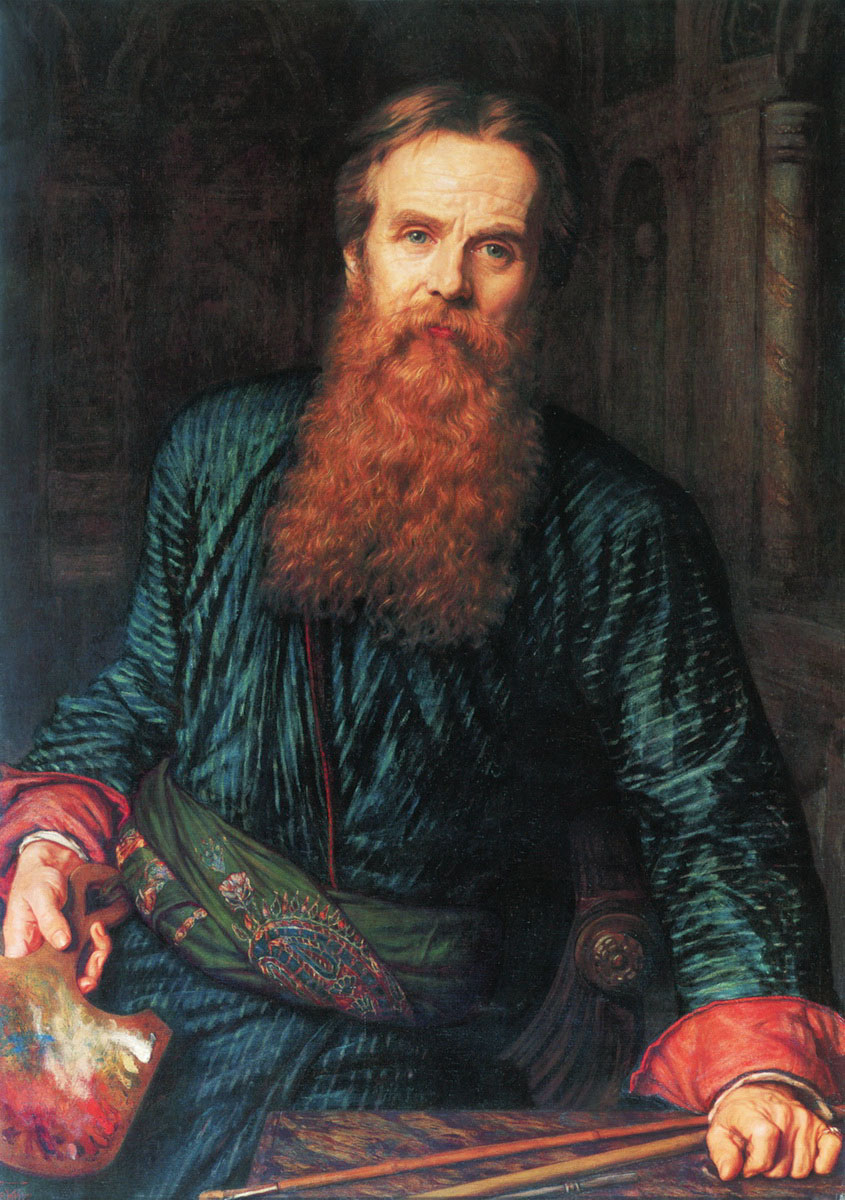
William Holman Hunt
British · b. 1827
Hunt was a founding member of the Pre Raphaelite Brotherhood alongside Millais and shares the same obsessive botanical precision, jewel toned palette, and morally charged narrative figuration seen in Ophelia. His works like The Lady of Shalott similarly blend literary subjects with hyper detailed natural settings and symbolic floral elements.
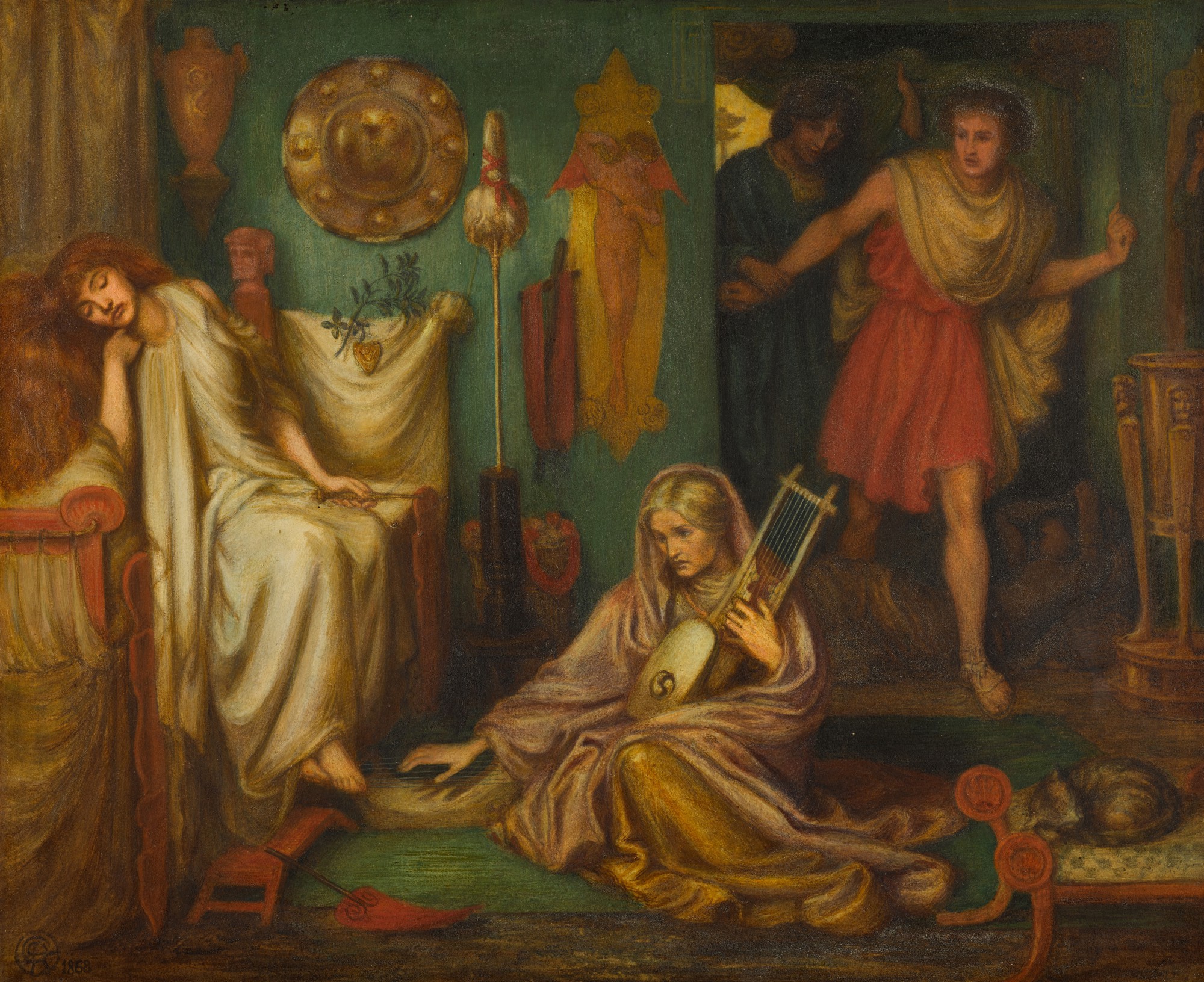
Dante Gabriel Rossetti
British · b. 1828
Rossetti repeatedly painted Elizabeth Siddal, the same model as Ophelia, and obsessively depicted tragic or dreaming female figures surrounded by dense symbolic vegetation in a richly sensuous Pre Raphaelite oil technique. His literary and Shakespearean subjects, lush natural detail, and haunting feminine mood directly parallel the qualities that define Millais's Ophelia.
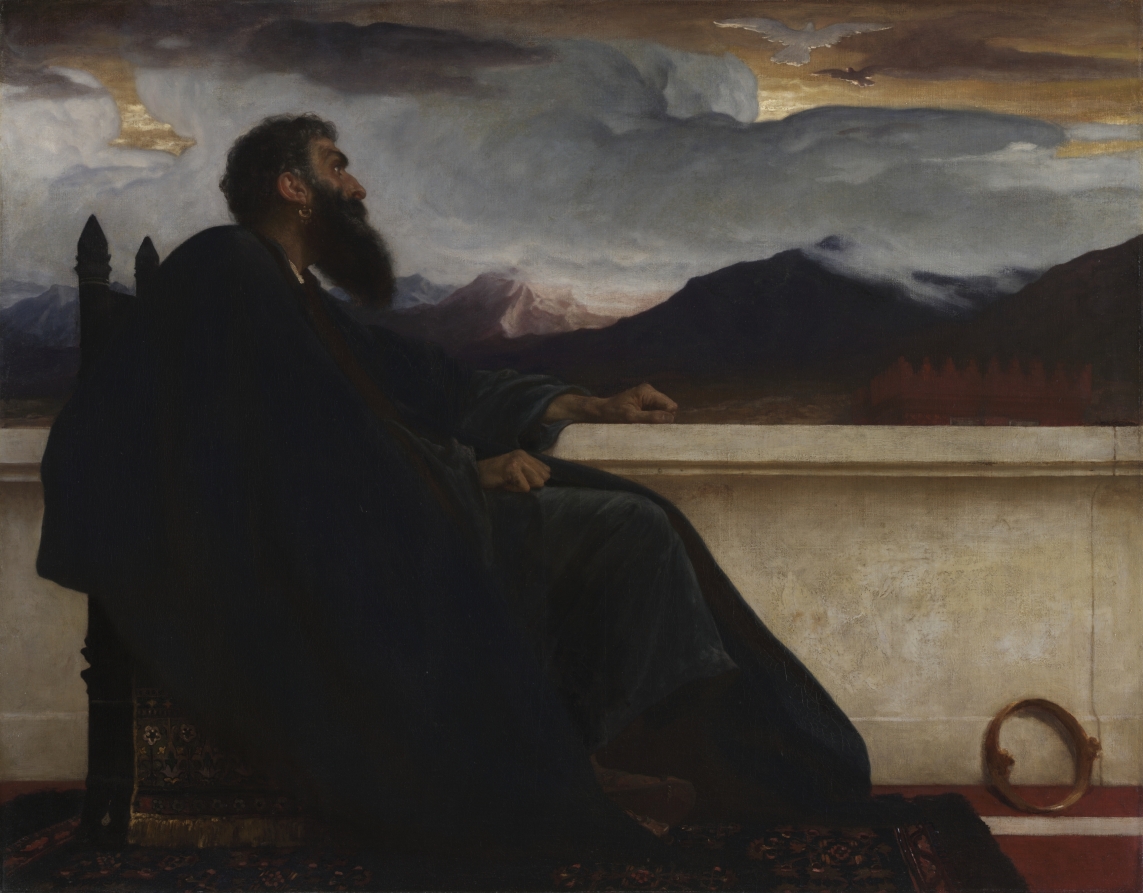
Frederic Leighton
British · b. 1830
Leighton created large scale Victorian oil paintings of serene or melancholic female figures in richly detailed outdoor and water settings drawn from literary and mythological sources, sharing Ophelia's combination of idealized feminine beauty, narrative pathos, lush botanical surroundings, and museum quality 19th century British painting craft.
Start the Discussion
Request access to join the discussion