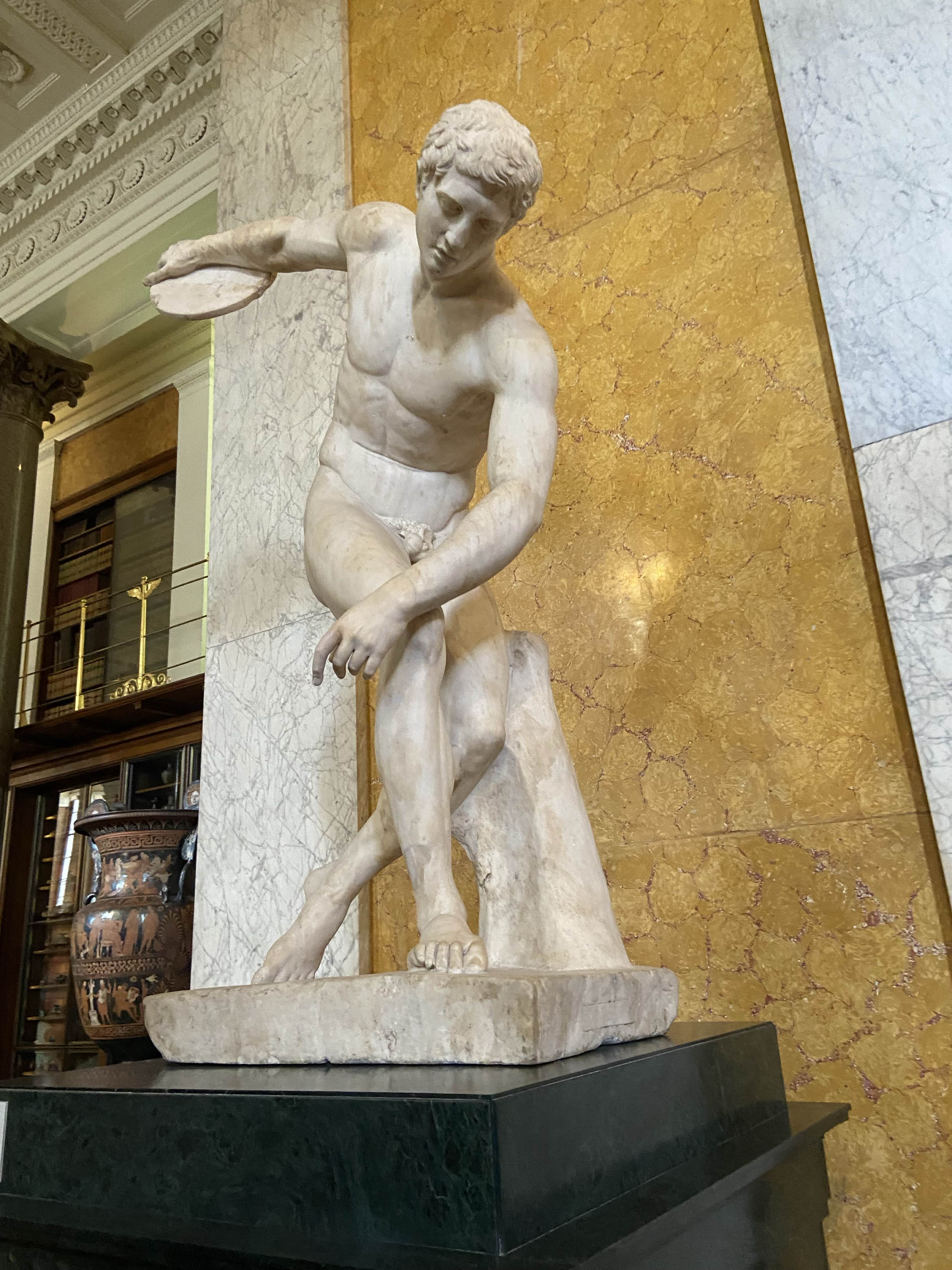
Discobolus (The Discus-Thrower)
This Roman marble copy after the celebrated original by the Greek sculptor Naukydes captures a young male athlete at the moment of dynamic tension before releasing the discus, showcasing the High Classical interest in depicting the human body in arrested motion. The figure demonstrates the refined musculature and naturalistic torsion that made Naukydes, a pupil of Polykleitos and brother of Daidalos of Sikyon, a sought after sculptor in antiquity. Collectors prize such Roman copies as rare surviving testaments to lost Greek bronze masterworks, and the refined white marble surface combined with the athletic subject matter makes this an exceptionally desirable acquisition for any serious collection of ancient sculpture.
- Medium
- Marble
- Spotted At
- Museum · British MuseumView on map
Spotted works by Naukydes
Artists in conversation
Myron
Greek · b. -480
Myron created the most celebrated ancient Discobolus, depicting the same athletic subject of a discus thrower in arrested dynamic motion using the same High Classical vocabulary of idealized male musculature and torsion. Both sculptors shared an obsessive interest in capturing the human body at a precise moment of athletic tension.
Polykleitos
Greek · b. -480
As the direct teacher of Naukydes, Polykleitos established the canonical system of ideal male athletic proportion and refined musculature seen in this Discobolus, with works like the Doryphoros sharing the same nude male figurative subject rendered in marble with naturalistic anatomical precision. Both sculptors worked within the High Classical tradition of depicting the perfected athletic male form.
Lysippos
Greek · b. -390
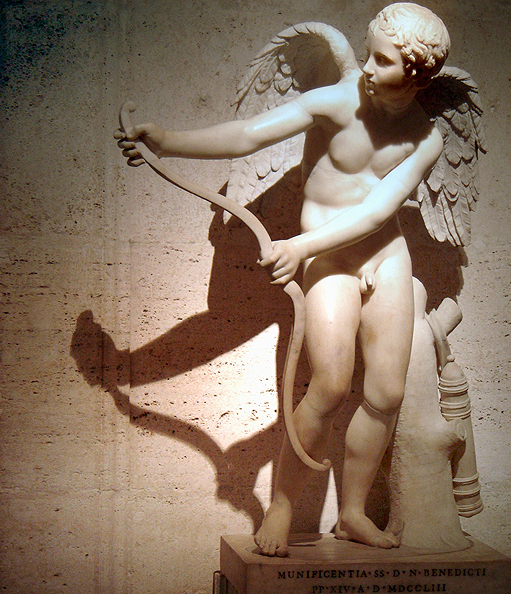
Lysippos produced celebrated bronze athletic figurative sculptures including the Apoxyomenos depicting a nude male athlete with similarly refined musculature and dynamic torsion, surviving through Roman marble copies just as this work does. His sculptures share the same collector and museum quality status as rare survivals of Greek athletic figurative tradition known through Roman copies.
Start the Discussion
Request access to join the discussion