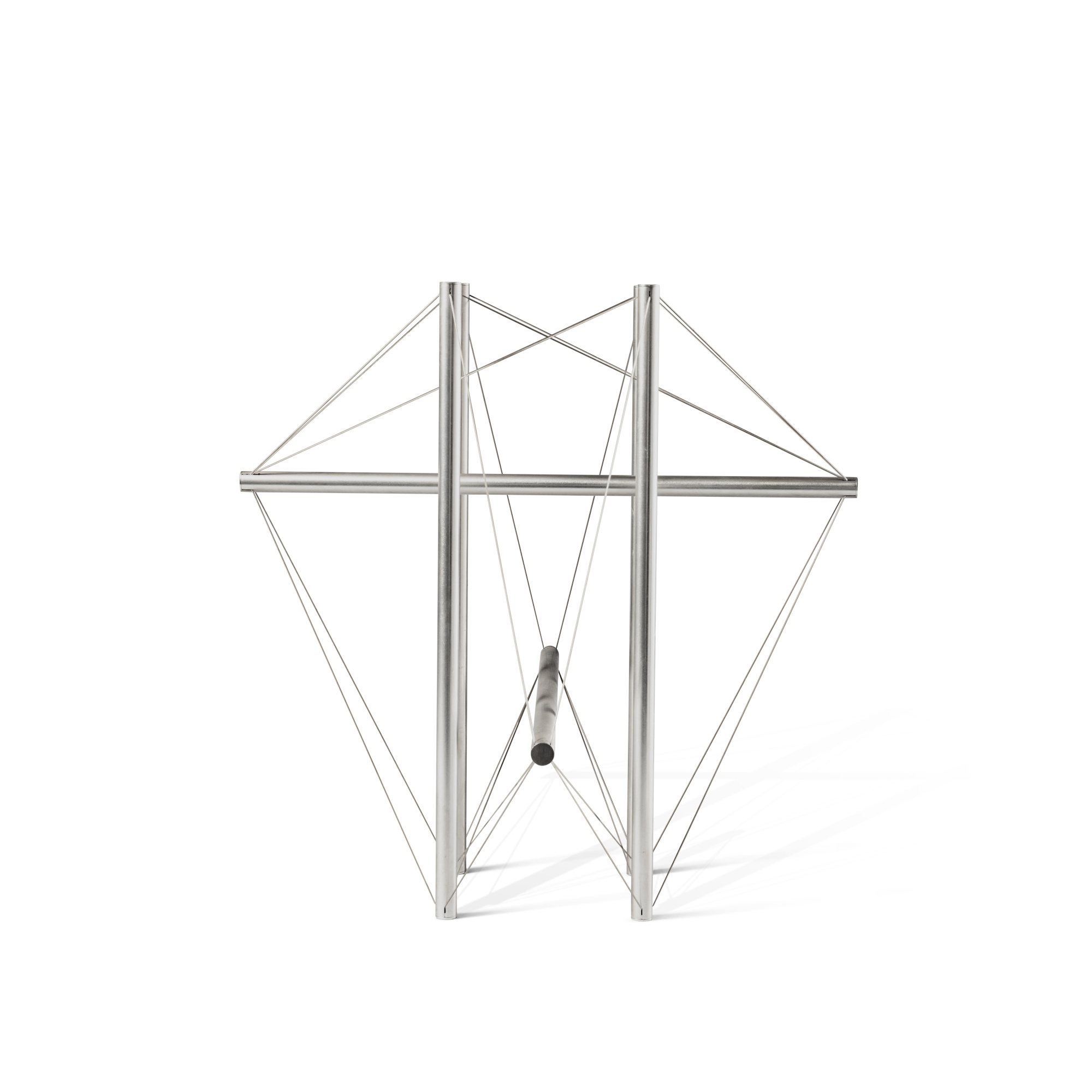
Maquette for Six #2
1967
Kenneth Snelson's "Maquette for Six #2" is a small scale sculpture executed in aluminum and steel that demonstrates the artist's pioneering work with tensegrity structures, where rigid and flexible elements achieve equilibrium through balanced tension and compression. The work exemplifies Snelson's exploration of geometric form and spatial relationships, translating his theoretical investigations into three dimensional objects that appear to defy conventional structural logic. As a maquette, it serves as a study or preliminary model for larger sculptural investigations, showcasing the elegant interplay between the industrial materials and the refined mathematical principles underlying the composition.
- Medium
- aluminum and steelon
- Location
- Sotheby's, New York, NY
- Spotted At
- Auction House · Sotheby'sView on map
🔨 Auction Lot
Collection Françoise Mayer et Marc Sohier
December 4, 2024
Estimate: $5,000 to $7,000
Lot 29
Artists in conversation
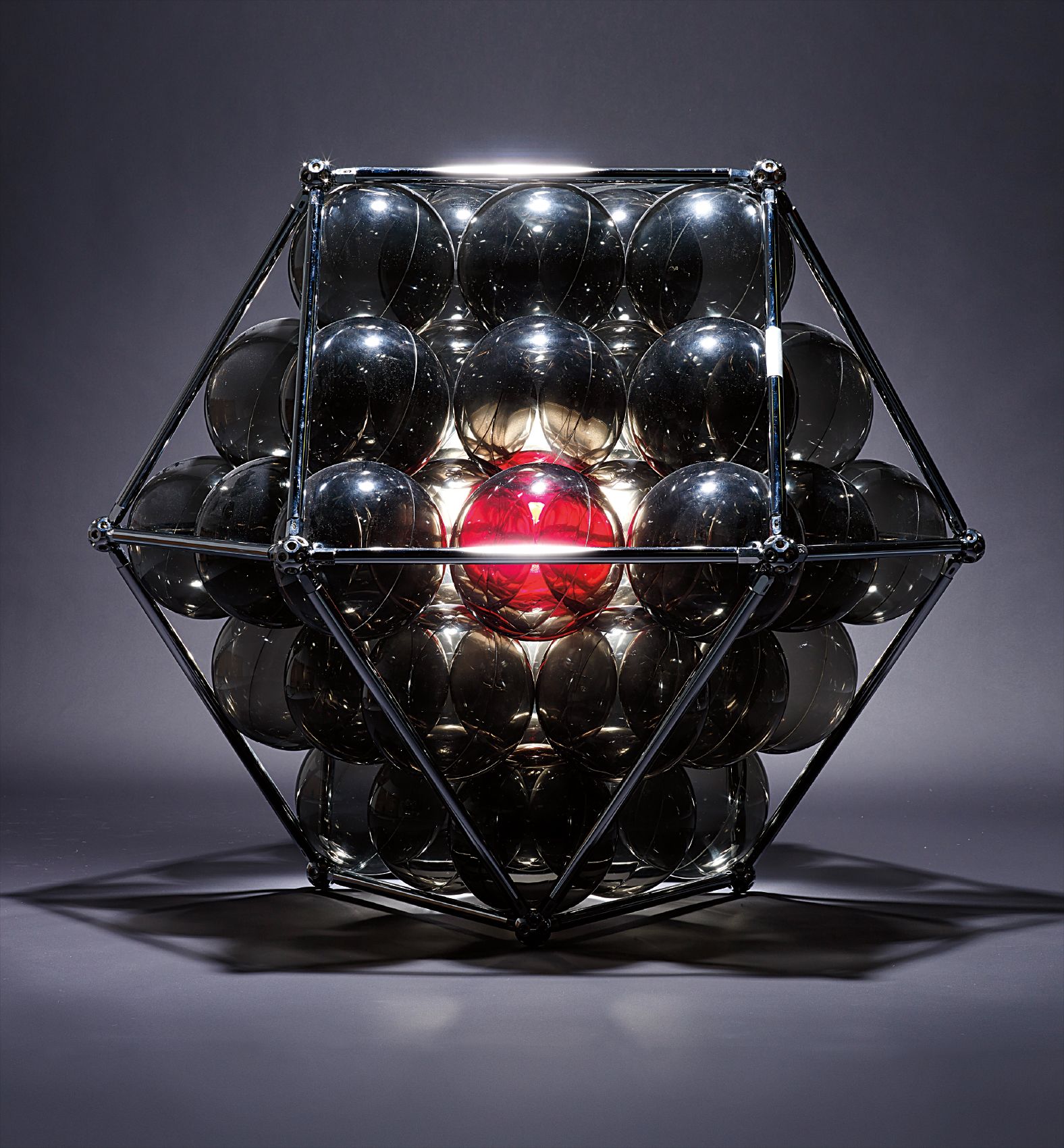
Buckminster Fuller
American · b. 1895
Fuller pioneered tensegrity as a structural and philosophical concept, creating three dimensional geometric constructions that balance tension and compression forces in ways directly parallel to Snelson's maquette. Both artists shared an obsession with efficient structural equilibrium expressed through minimal aluminum and steel forms.
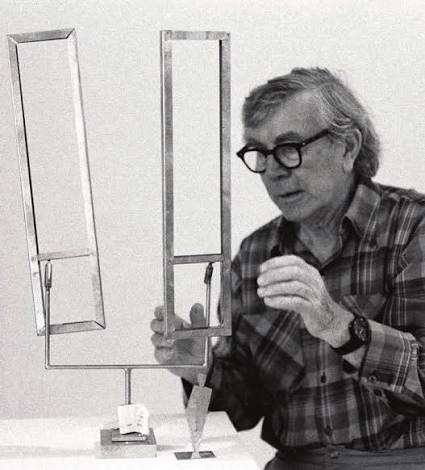
George Rickey
American · b. 1907
Rickey created precision engineered kinetic sculptures in stainless steel that explore geometric abstraction and spatial relationships through carefully balanced structural elements, closely mirroring the tensile equilibrium and minimalist aesthetic present in Snelson's work. His constructivist sensibility and use of metal components to investigate motion and balance align directly with this maquette.
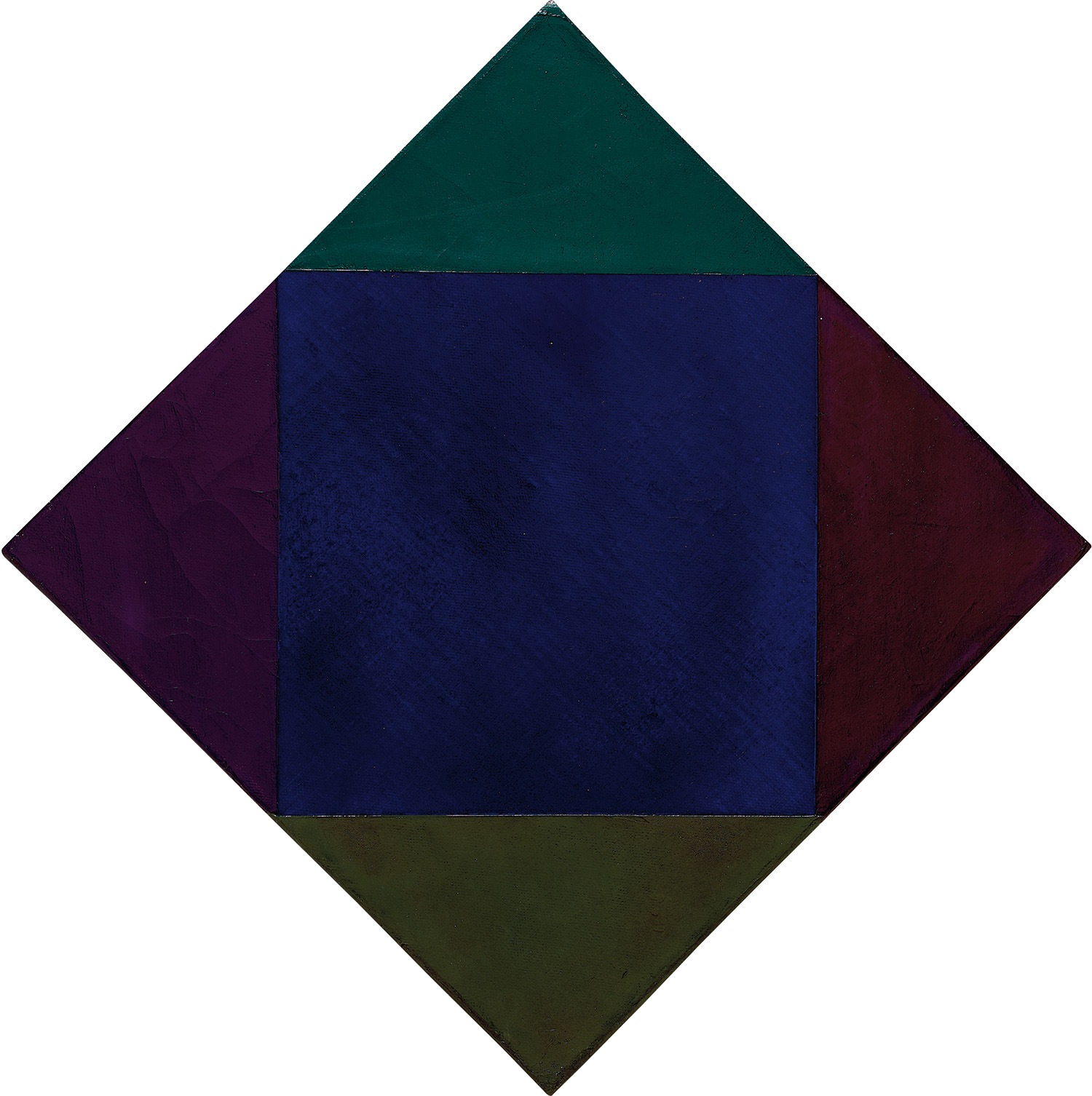
Max Bill
Swiss · b. 1908
Bill produced geometric abstract sculptures in aluminum and steel that investigate mathematical spatial relationships and constructivist principles, sharing the same modernist vocabulary of precise form and structural logic seen in Snelson's maquette. His work bridges theoretical geometric investigation and three dimensional physical form in a manner highly consistent with this piece.
Start the Discussion
Request access to join the discussion