Constructivism
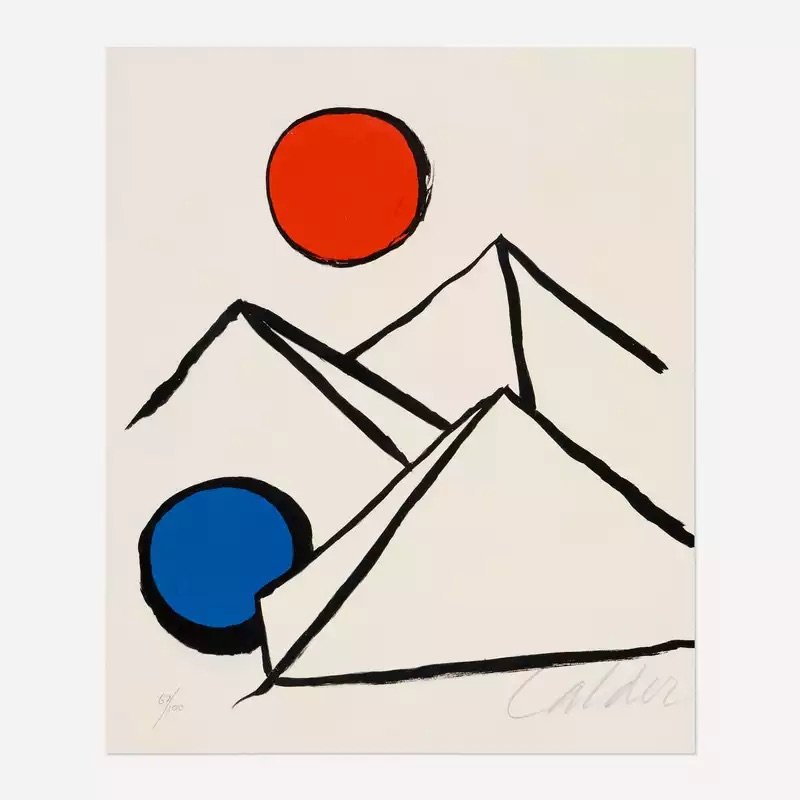
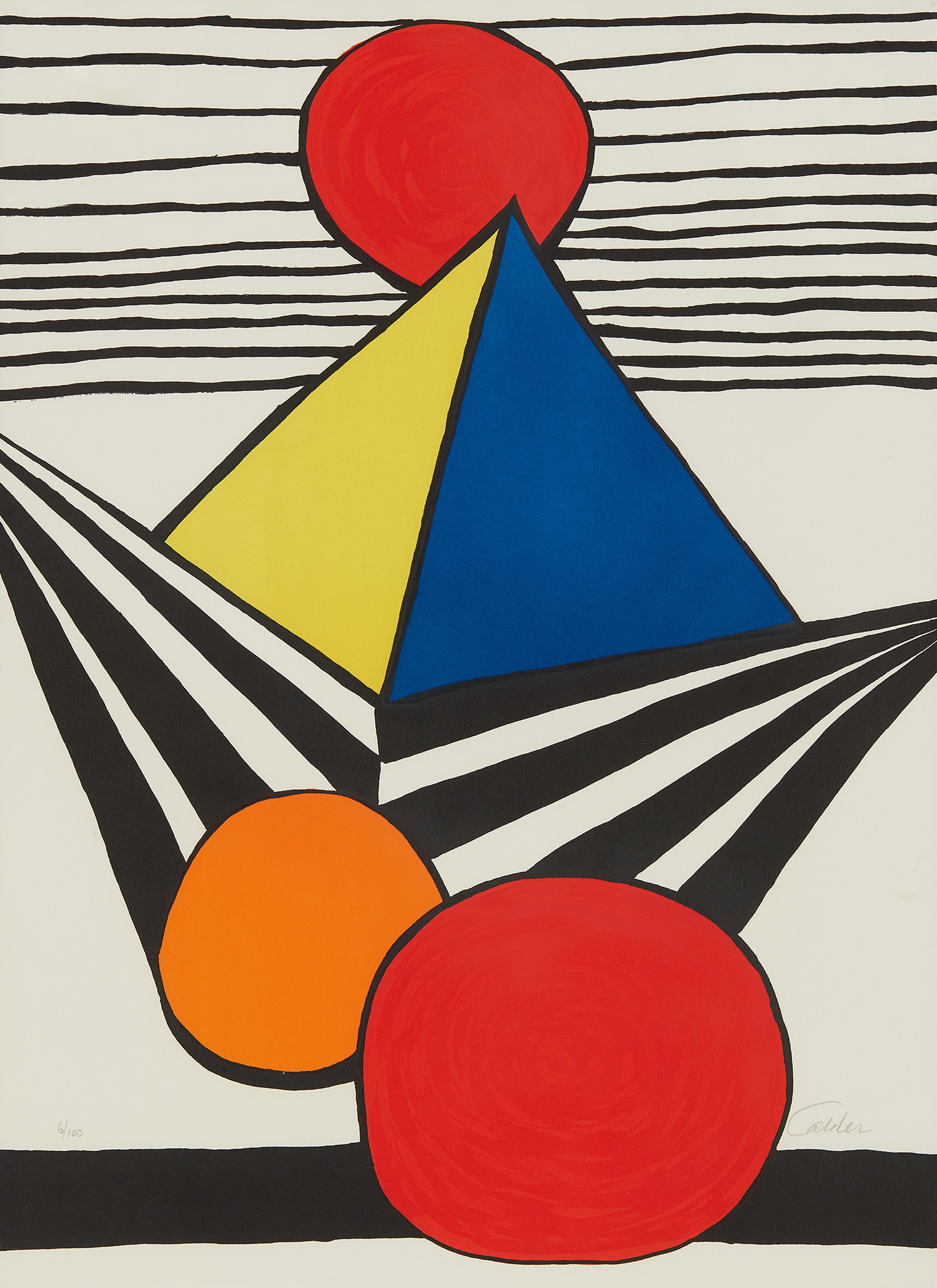
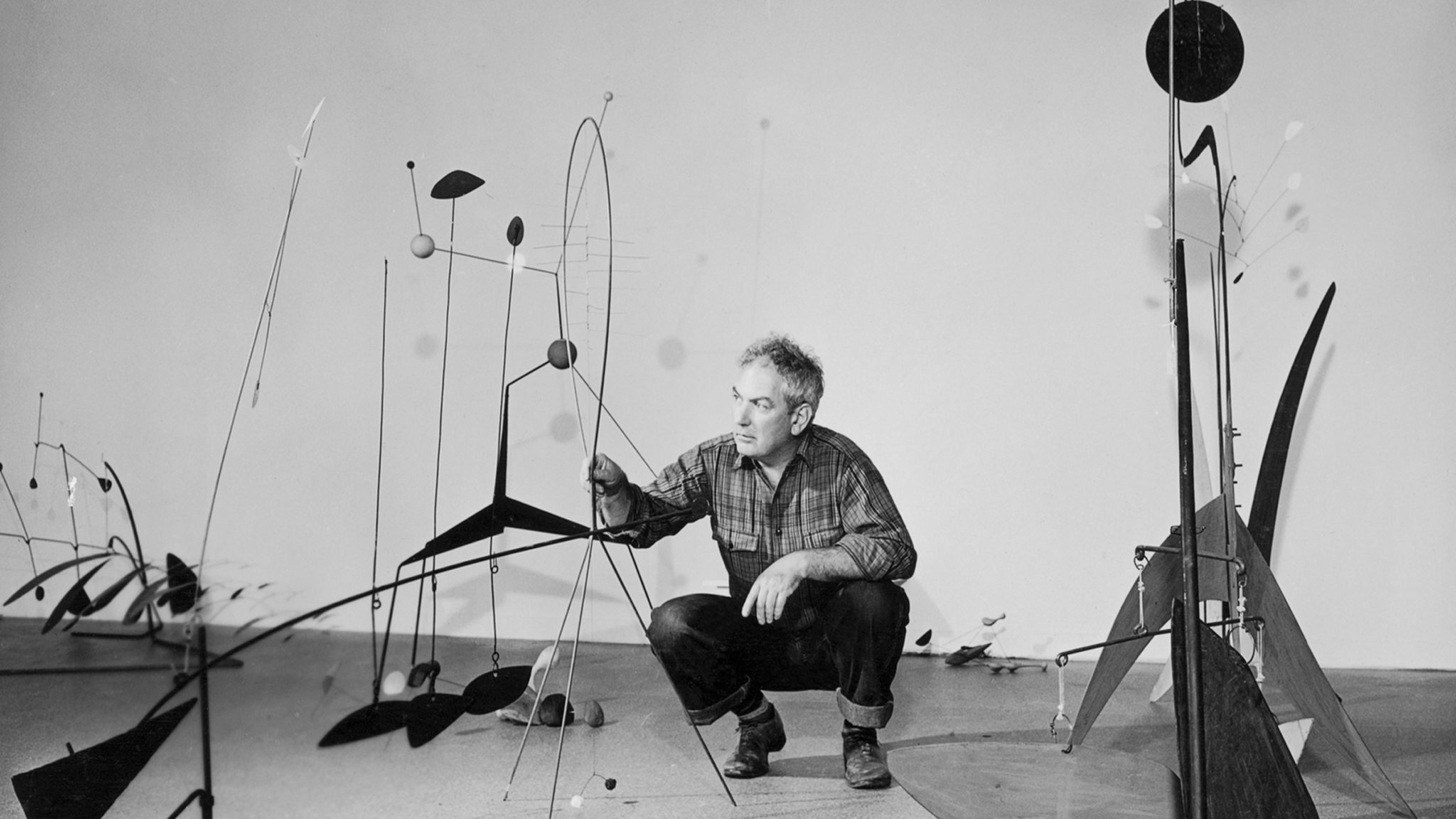
Alexander Calder
Fits and Starts, 1973


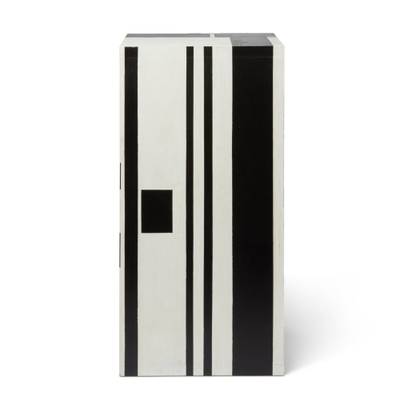

The Grid That Refused to Stay Still
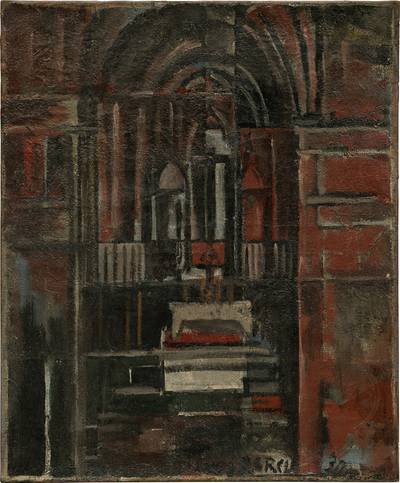
When a gouache by Joaquín Torres García sold at Sotheby's New York for well over a million dollars in recent years, the room took notice in a particular way. This was not the surprise of a rediscovered outsider or the spectacle of a blue chip name flexing its muscles. It was something more interesting: the market quietly confirming what a generation of curators had been arguing for decades, that Constructivism's story is far larger and far stranger than the European canon had allowed. The work, dense with symbols and that unmistakable inverted map of South America, made the case visually that the movement had always been plural, always restless, always looking for new ground.
The past decade of exhibitions has done more to reshape how we understand Constructivism than any comparable period since the 1970s. The Museum of Modern Art's 2019 survey of the Latin American holdings, along with the Reina Sofía's sustained commitment to figures like Torres García and the Venezuelan kinetic artists, has shifted the conversation decisively. We no longer speak of a metropolitan center transmitting ideas outward to peripheral recipients. Instead, the picture that emerges is of simultaneous and sometimes independent discoveries, of artists in Montevideo, Caracas, Havana, and São Paulo arriving at geometry not because Paris told them to but because the formal problems of modernity demanded it.
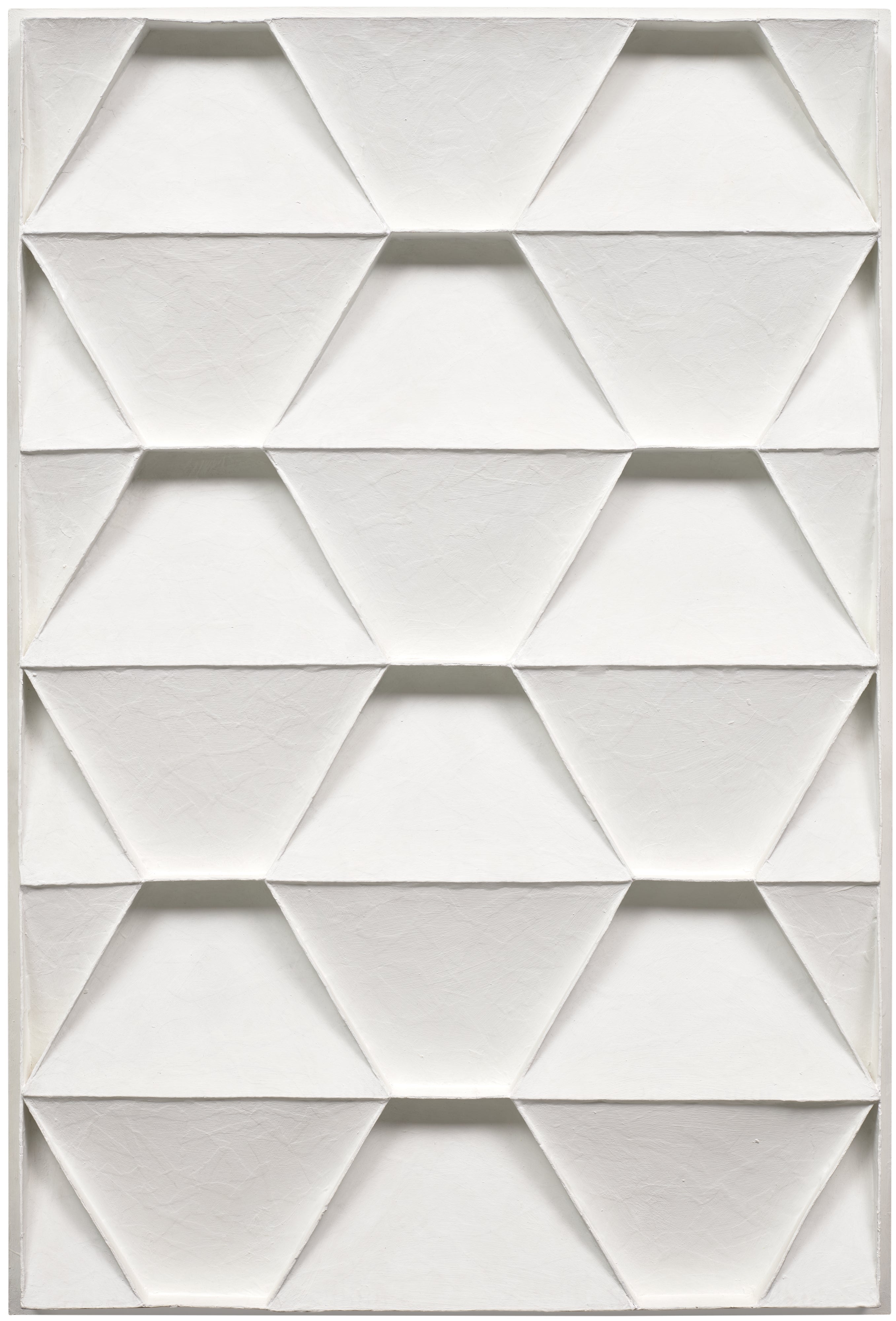
Jan Schoonhoven
R69-23, 1969
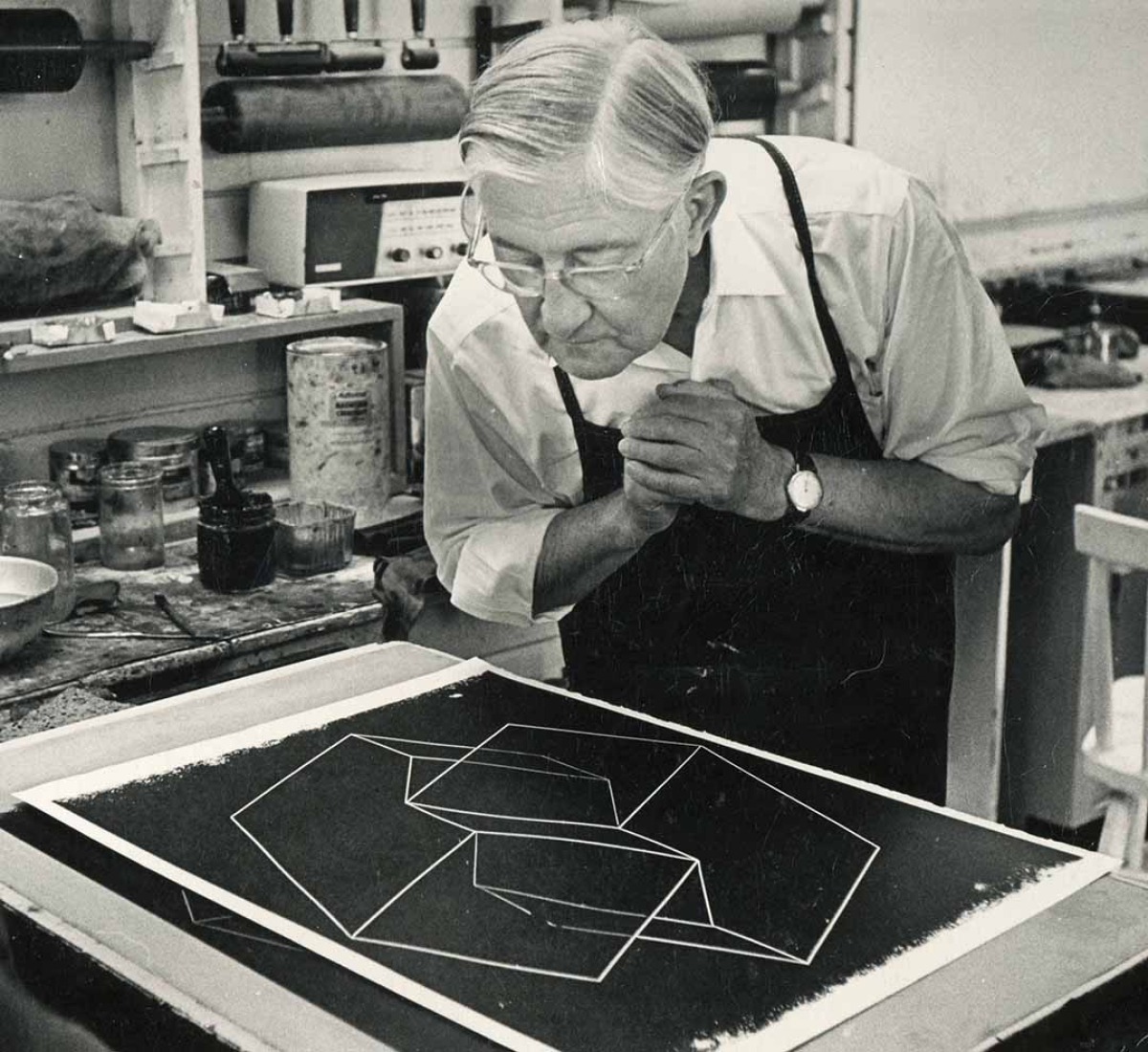
In the auction rooms, the hierarchy of names remains instructive. Alexander Rodchenko continues to command serious attention when major works appear, which is rarely, and the institutional weight behind his legacy ensures that collectors approach those occasions with real seriousness. László Moholy Nagy has seen steady growth, particularly for works on paper and the photograms that feel so contemporary in an age of image saturation. Josef Albers, represented so richly across The Collection, remains perhaps the most liquid name in the broader Constructivist field, with his Homage to the Square series providing a benchmark that the market returns to with remarkable consistency.
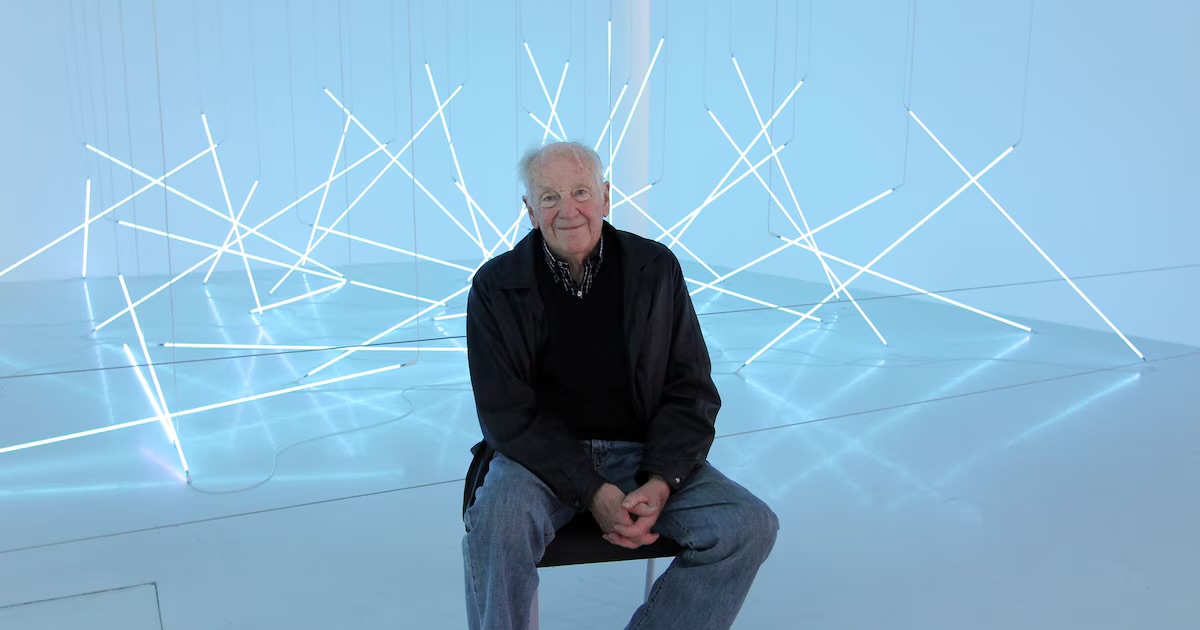
A strong example sold at Christie's in the past few years for figures that reminded younger collectors why the Albers Foundation's stewardship has been so consequential. What the auction data reveals, when you look across the field rather than at individual peaks, is an appetite that is both deepening and broadening. Ben Nicholson's reliefs, those quietly monumental things that once felt so specifically British, have found a genuinely international collector base. François Morellet, whose systematic investigations of optical phenomena were for a long time overshadowed by his more famous Op Art contemporaries, has been reappraised with something approaching urgency.
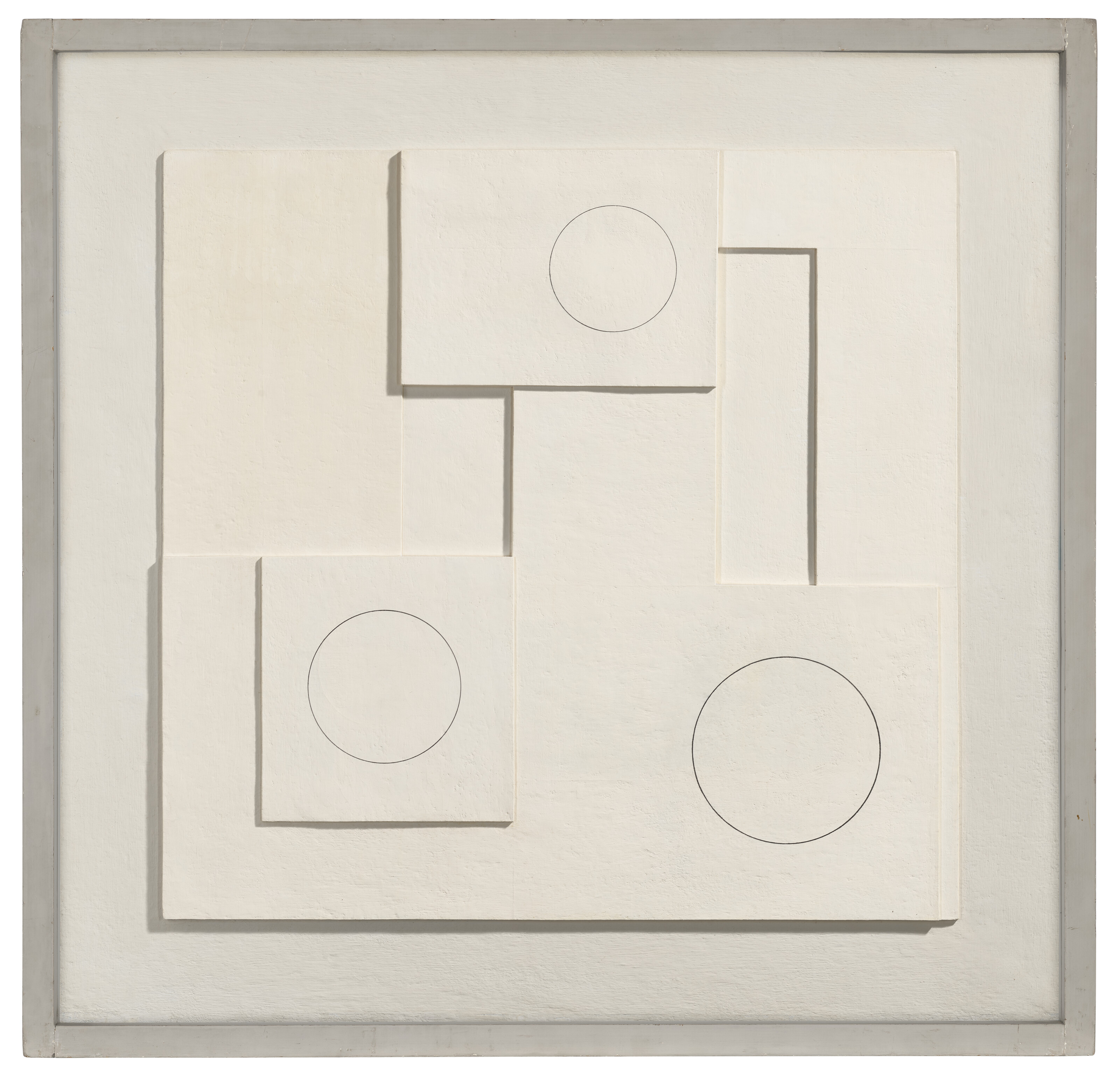
Ben Nicholson
1938 (white relief)
The Galerie Bortier in Brussels and various Paris dealers have done significant work here, and the results at auction have followed. Ilya Bolotowsky, whose work sits beautifully at the intersection of American abstraction and European geometric tradition, continues to offer what advisors sometimes call a quality gap, meaning the works consistently outperform their estimates by meaningful margins. Institutional collecting in this space tells its own story. The Tate Modern has deepened its holdings of kinetic and Concrete art in ways that signal a long term curatorial commitment rather than opportunistic acquisition.
The Pinacoteca do Estado de São Paulo has been quietly building one of the strongest collections of Brazilian Constructivism in existence, with Sergio Camargo's textured white reliefs among the objects that define the collection's ambition. In Venezuela, the Fundación Museos Nacionales holds extraordinary works by figures like Elsa Gramcko and Gerd Leufert, artists whose international profiles lag significantly behind the quality of the work, which for the attentive collector represents exactly the kind of asymmetry worth paying attention to. The critical conversation has become genuinely exciting in ways it has not been for some time. The scholar Jacqueline Barnitz, whose writing on Latin American modernism provided an essential foundation, has been joined by a younger generation of critics publishing in Artforum, Frieze, and OSSO who are making connections across national traditions with increasing fluency.
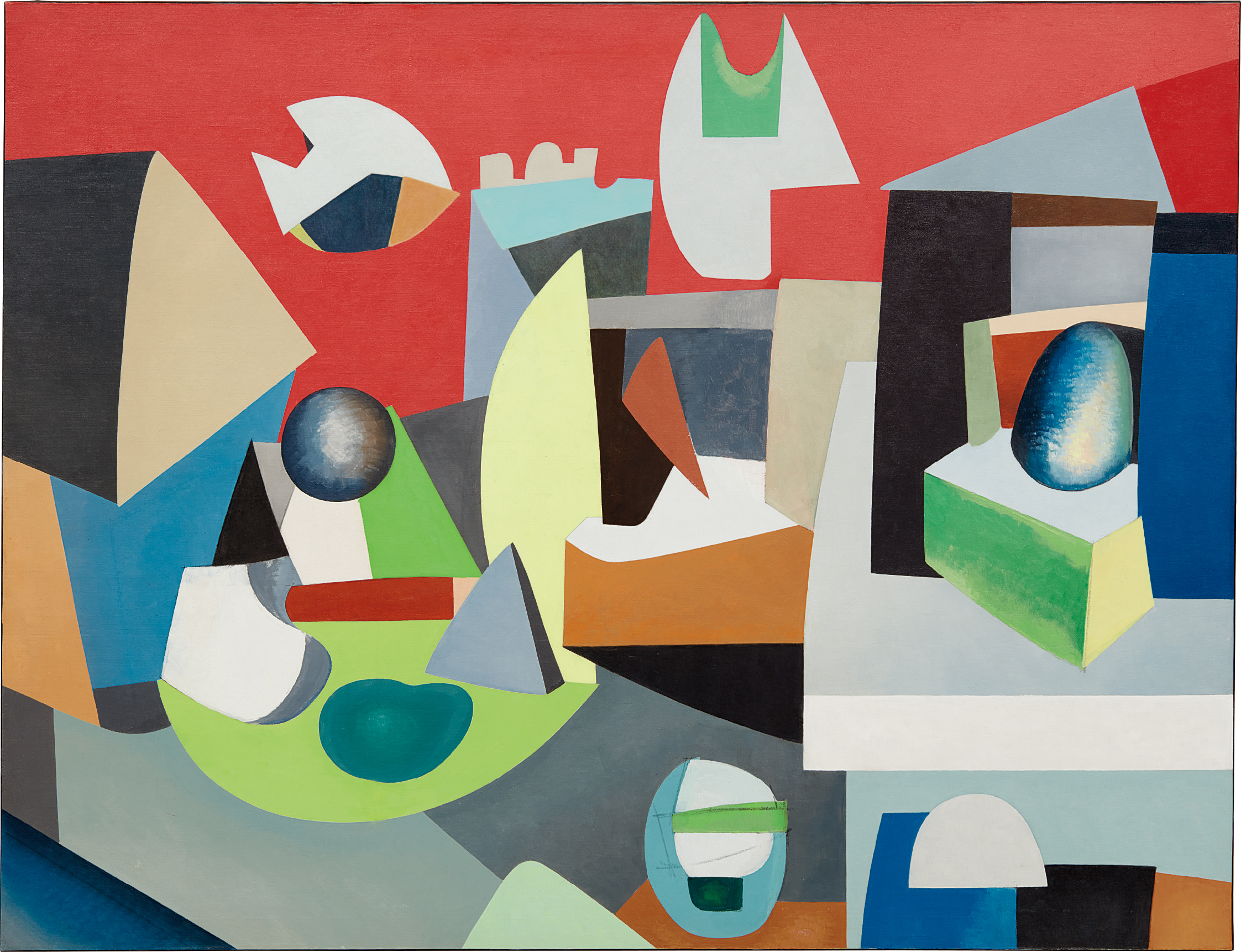
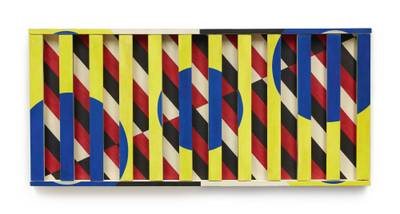
Jean Hélion
Abstraction, 1939
The question of how to think about Naum Gabo's spatial constructions alongside the work of Edgar Negret, the Colombian sculptor whose painted aluminum structures occupy such a distinctive formal position, is exactly the kind of cross cultural comparison that feels productive right now rather than forced. Both artists were working through similar problems about how sculpture could become transparent, could make space itself into material, and the comparison illuminates each of them. Sonia Delaunay occupies a position in the current conversation that would have surprised an earlier generation of critics. Her work, long credited primarily in relation to her husband Robert, is now understood as a formal contribution of the first order, and the textile work in particular has benefited from the broader revaluation of craft within fine art that has accelerated over the past ten years.
Anni Albers has been the most visible beneficiary of this shift, with her weavings now commanding prices that rival painting at the major houses, but Delaunay's simultaneous fabrics and her paintings on The Collection deserve the same scrutiny. Where does the energy feel most alive? The answer, perhaps counterintuitively, is at the edges of the movement rather than its celebrated center. The Cuban Concrete artists, figures like Sandú Darié whose work bridged the geometric and the playful in ways that feel remarkably contemporary, are attracting the kind of serious scholarship that precedes major market movement.
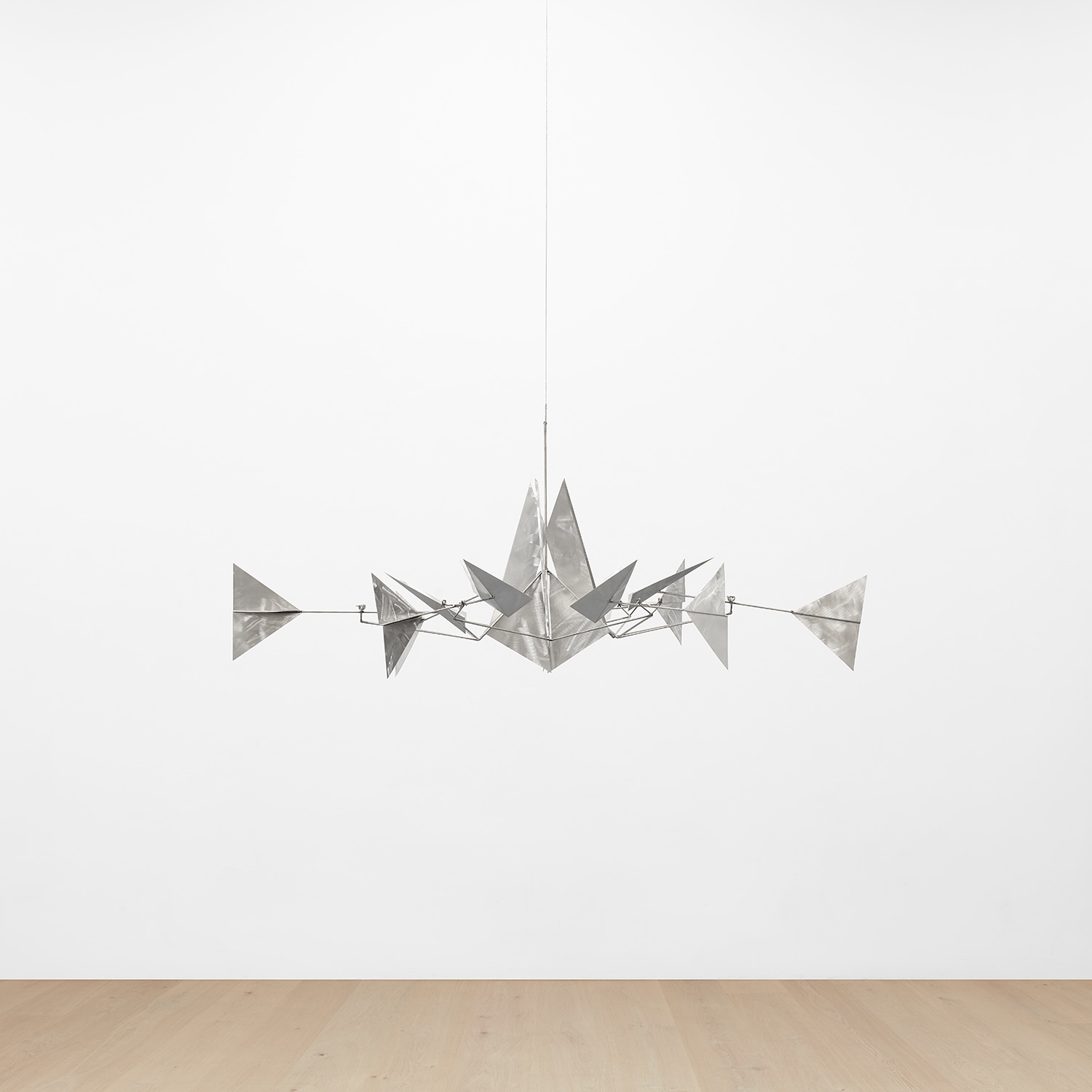
George Rickey
Etoile X, 1984
George Rickey's kinetic sculptures, whose slowly turning blades of stainless steel respond to actual air currents, feel newly relevant to a generation thinking about duration, environment, and the artwork as a system rather than an object. Max Bill, whose rationalist Swiss Concrete practice provides the most rigorous philosophical framework in the field, remains curiously underpriced relative to the depth of his influence. The market has a way of correcting these things, and when it does, those who paid attention to the critical conversation will have been well positioned.