Théodore Chassériau
3
Works
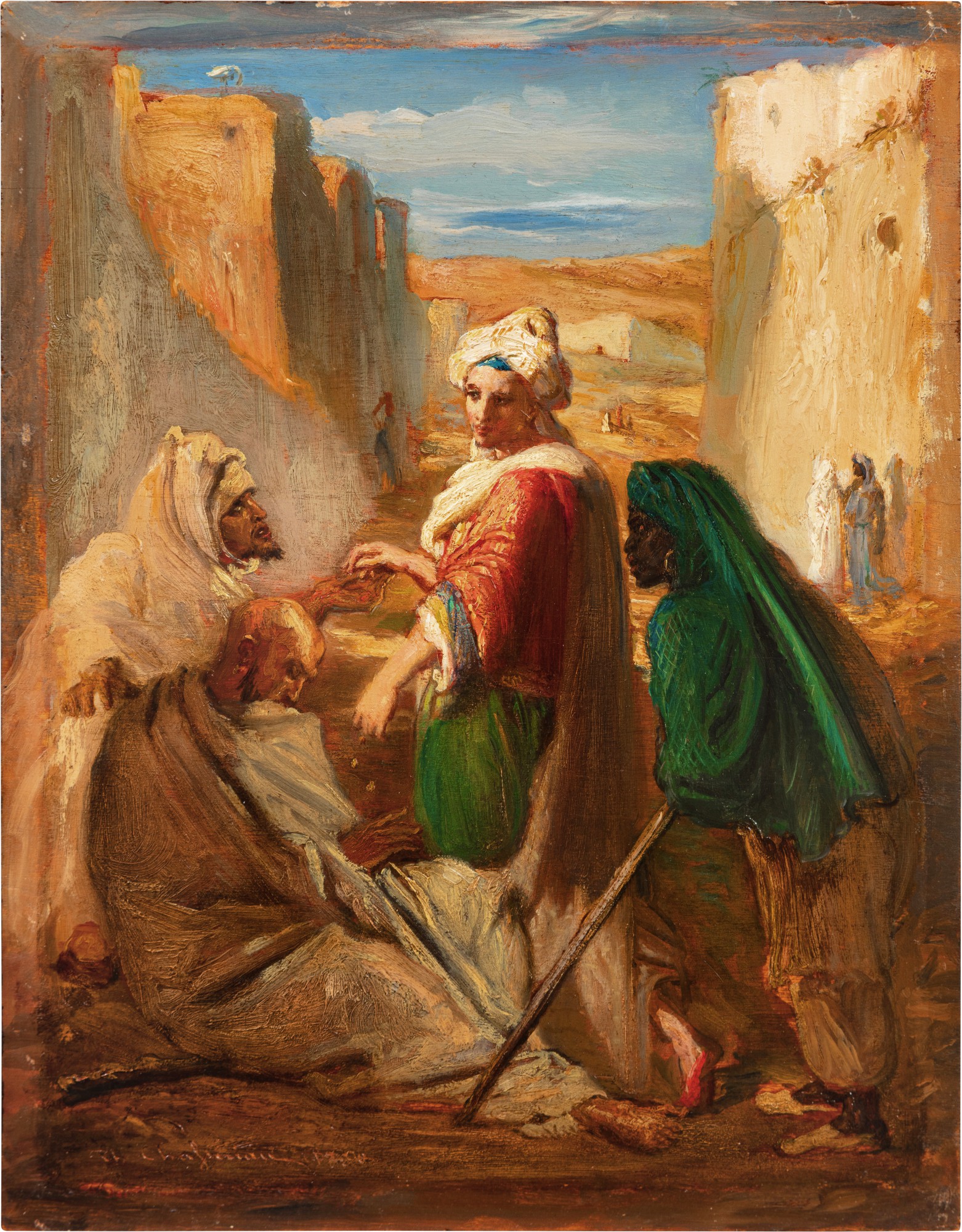
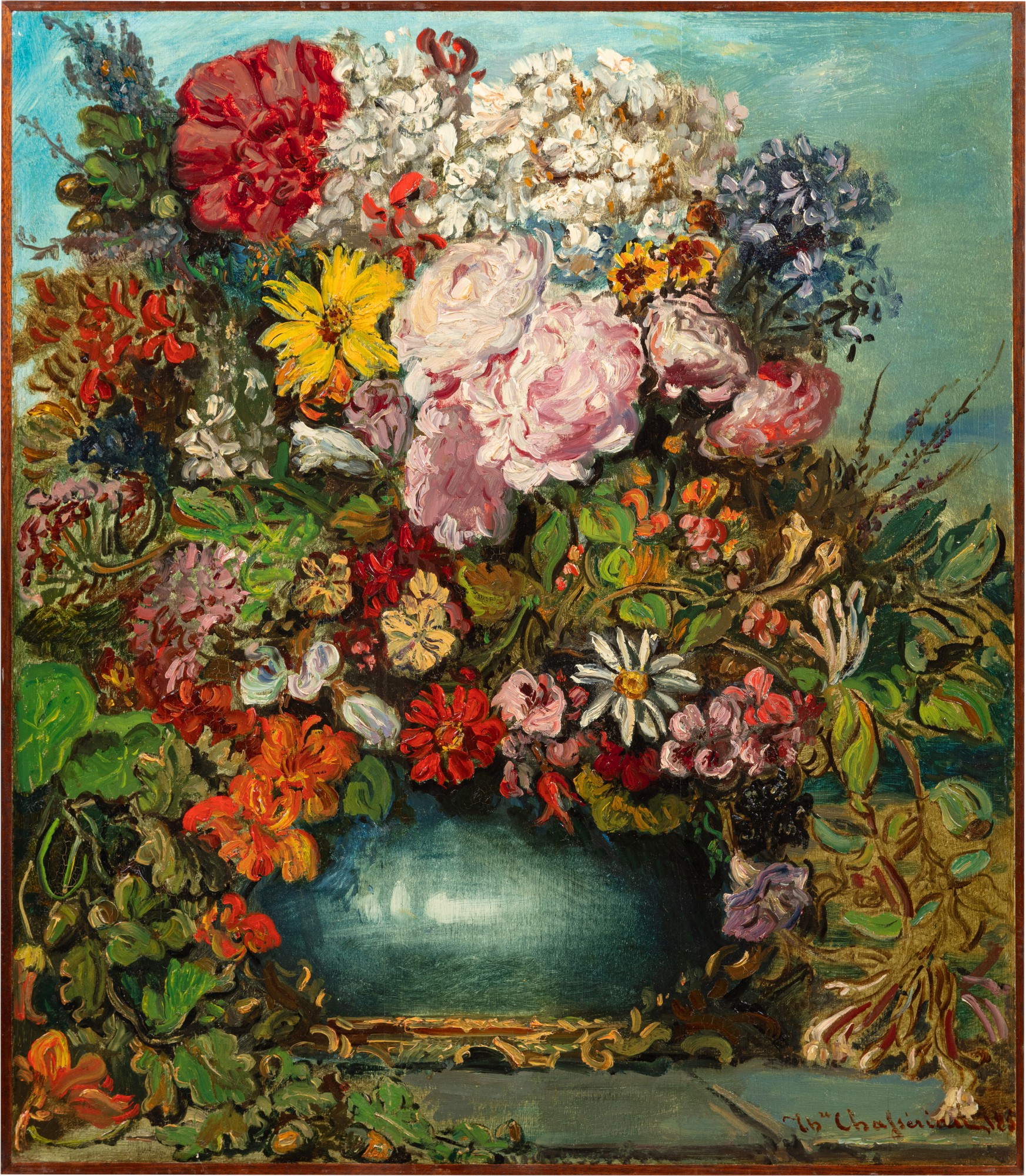
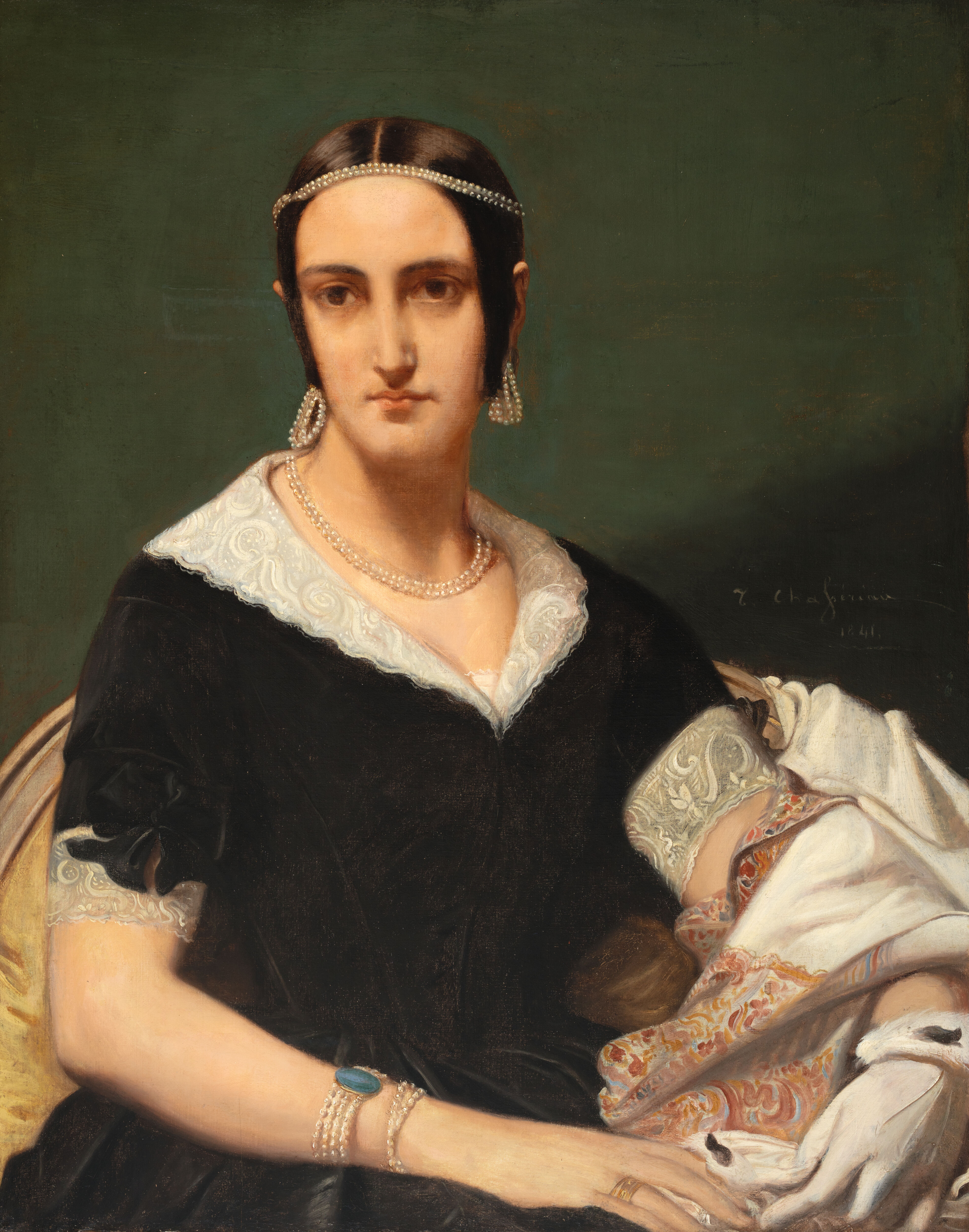
Théodore Chassériau was a French Romantic painter born in 1819 in Samaná, Santo Domingo (present-day Dominican Republic), to a French father and a Creole mother, though he was raised in Paris from an early age. A prodigious talent, he entered the studio of Jean-Auguste-Dominique Ingres at the age of eleven, and Ingres famously declared him 'the Napoleon of painting.' Chassériau developed an extraordinary synthesis of two seemingly opposing forces in French art: the classical draftsmanship and cool idealism of Ingres, and the passionate colorism and Romantic energy of Eugène Delacroix. This tension between line and color, between Apollonian restraint and Dionysian expressiveness, became the defining characteristic of his unique artistic vision. Chassériau is celebrated for his sensuous, psychologically complex figure paintings, portraits, and religious and mythological scenes. His major works include 'Suzanne and the Elders' (1839), 'The Tepidarium' (1853), a luminous depiction of Roman women bathing that caused a sensation at the Salon, and his portraits of remarkable psychological penetration, such as those of the Lacordaire and the Comtesse de La Tour-Maubourg. A pivotal journey to Algeria in 1846 introduced him to North African light, landscape, and culture, producing a series of Orientalist paintings suffused with warmth and ethnographic detail. He also executed ambitious large-scale frescoes for the Cour des Comptes in Paris, much of which was tragically destroyed during the Paris Commune of 1871. Chassériau died at only thirty-seven years of age in 1856, cutting short what many historians regard as one of the most promising careers in nineteenth-century French art. Despite his brief life, his influence was profound: he is widely recognized as a crucial bridge between Ingres and Delacroix, and his synthesis of classical form with Romantic spirit anticipated the Symbolist movement and directly influenced artists such as Gustave Moreau and Pierre Puvis de Chavannes. His legacy was reassessed in a landmark retrospective held jointly by the Galeries nationales du Grand Palais in Paris and the Metropolitan Museum of Art in New York in 2002, cementing his place as one of the most original and significant painters of the French Romantic era.
Spotted by
Artists in conversation