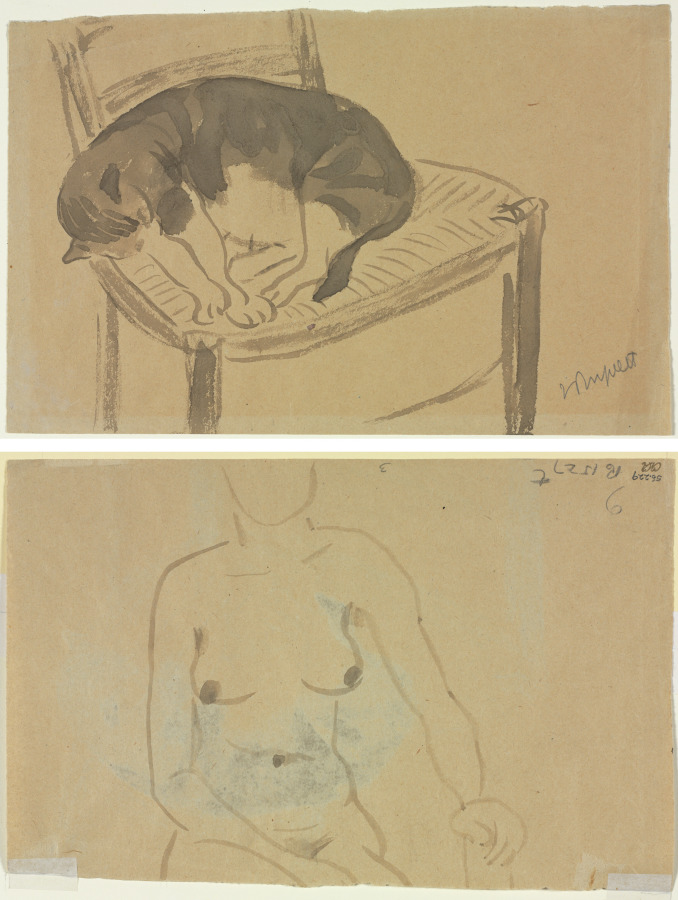
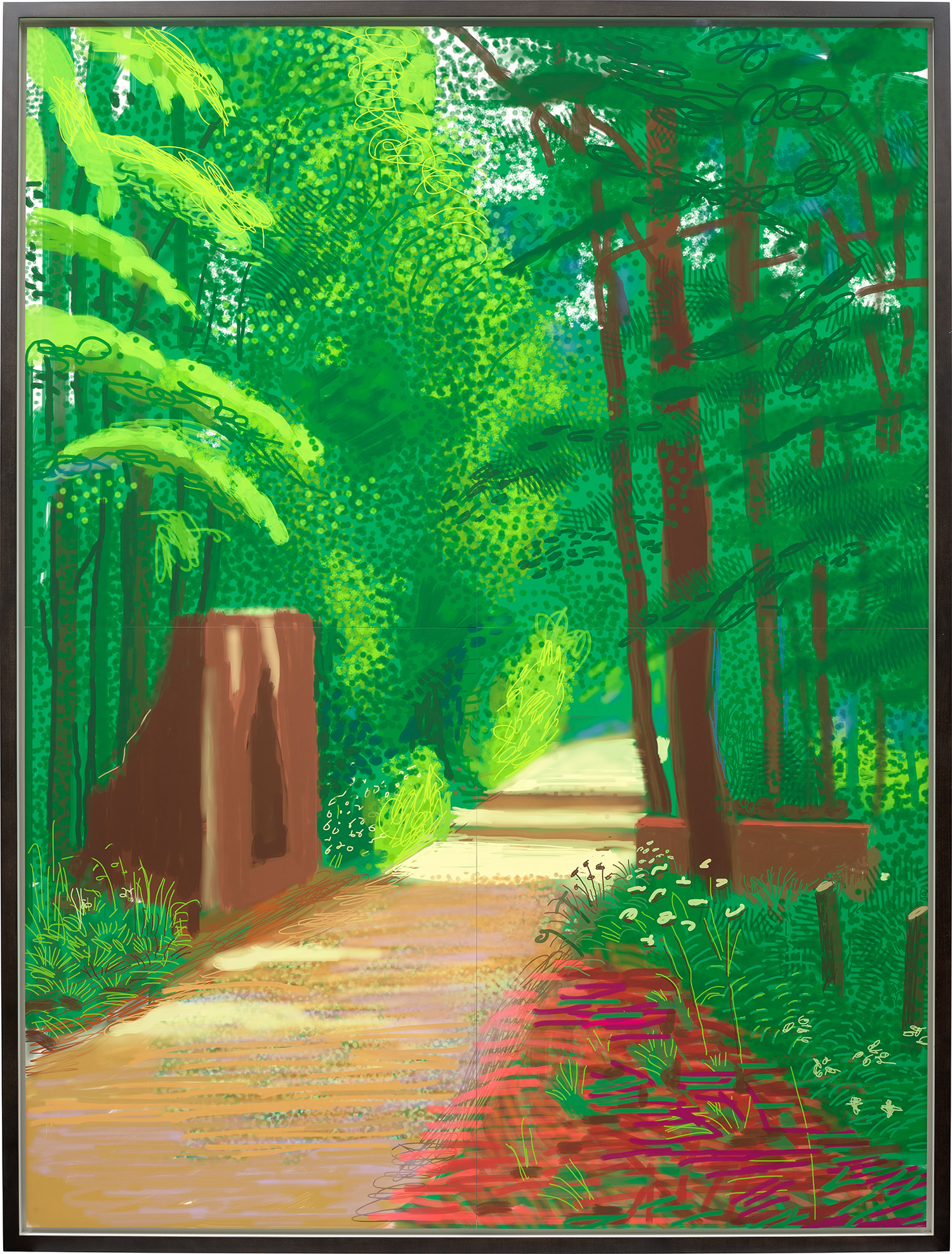
Academic Art
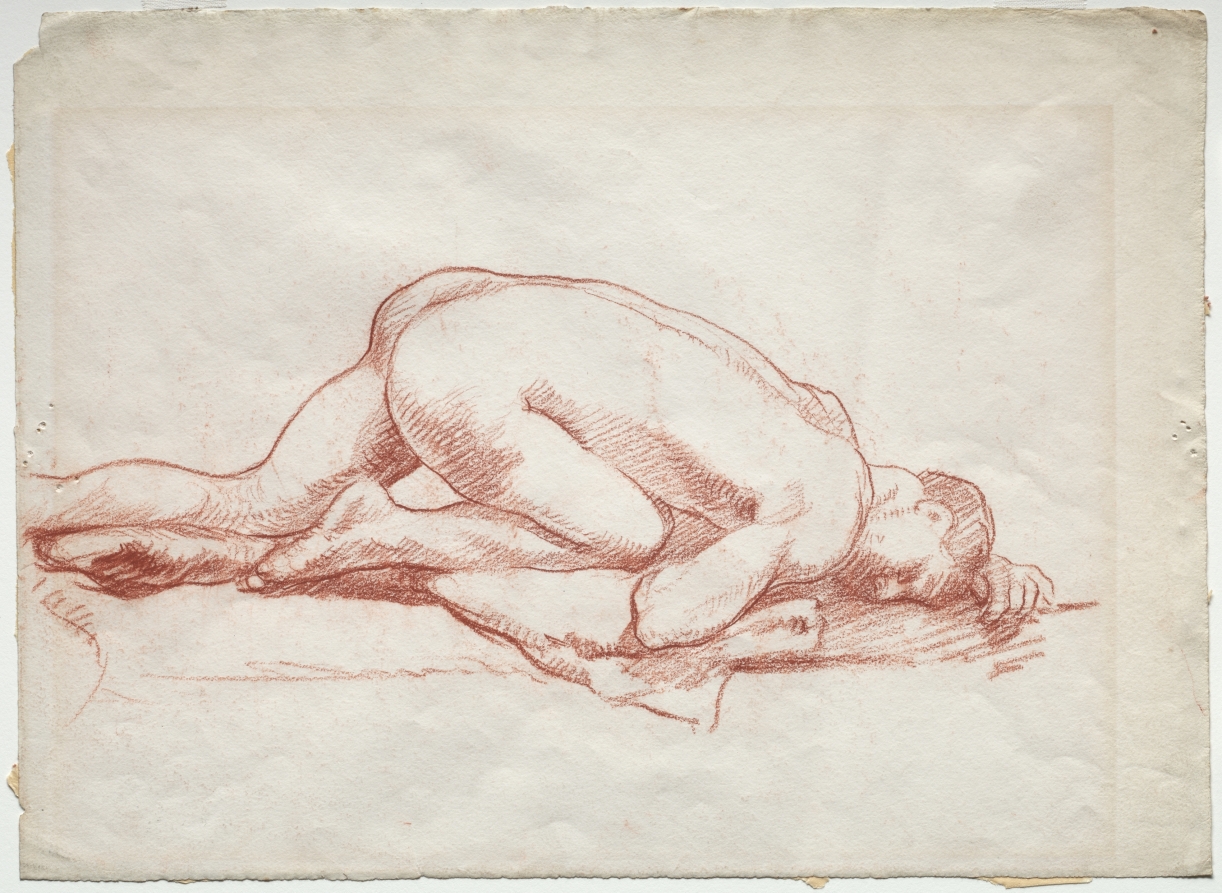
Unknown Artist
Crouching Male Nude, 1900
The Salon Is Back, and Collectors Know It
When a painting by Jean Léon Gérôme titled 'The Snake Charmer' became one of the most reproduced and debated images in Edward Said's landmark 1978 text 'Orientalism', nobody could have predicted that the same visual tradition it was used to critique would, four decades later, be among the most actively traded categories at the major auction houses. Yet here we are. In the spring of 2023, a large scale academic nude by William Adolphe Bouguereau sold at Christie's New York for well above its high estimate, drawing bidders from three continents and prompting the kind of murmuring in the salesroom that signals a market genuinely on the move. Academic art, long dismissed as the wallpaper of a discredited establishment, is being reconsidered with a seriousness that feels earned rather than fashionable.
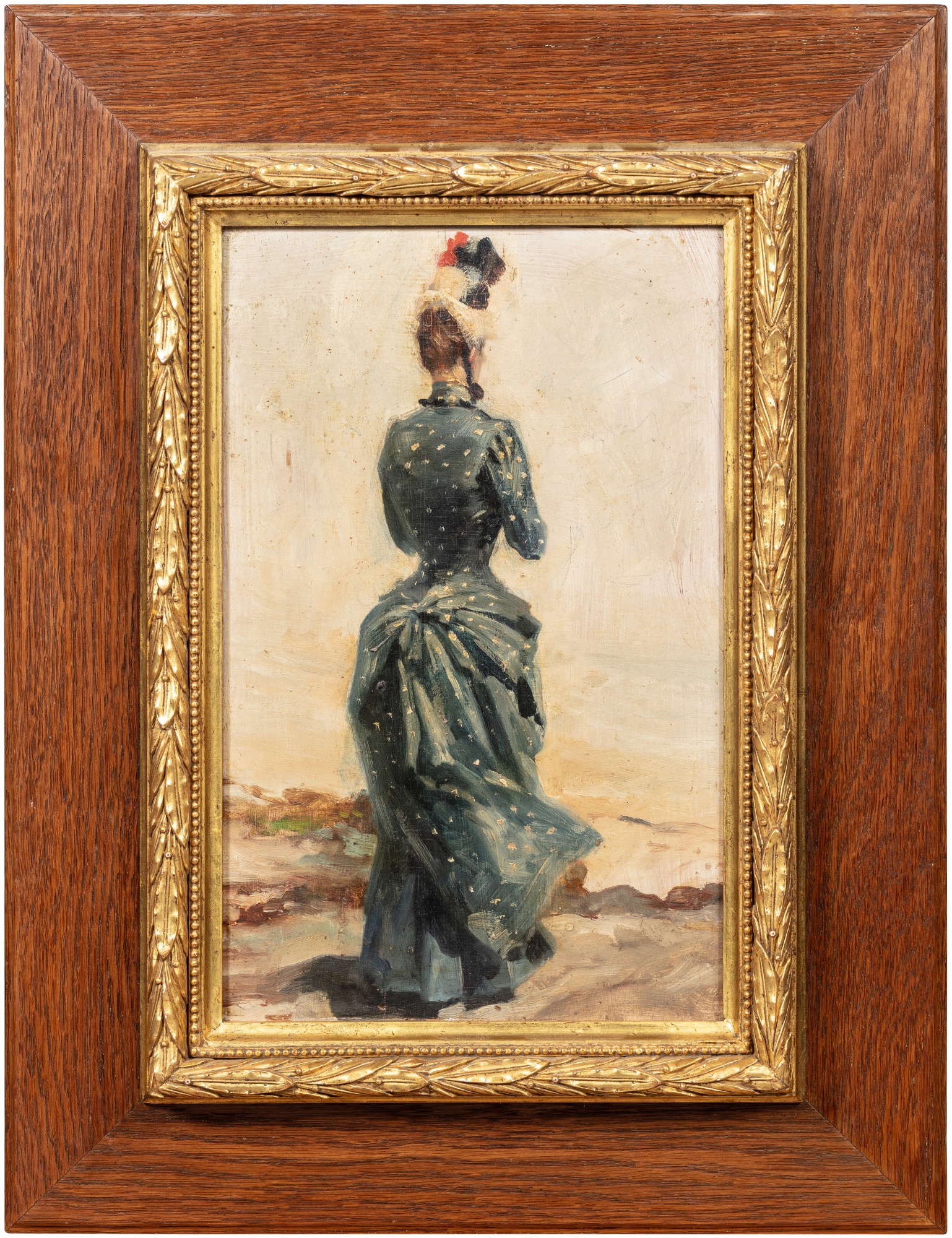
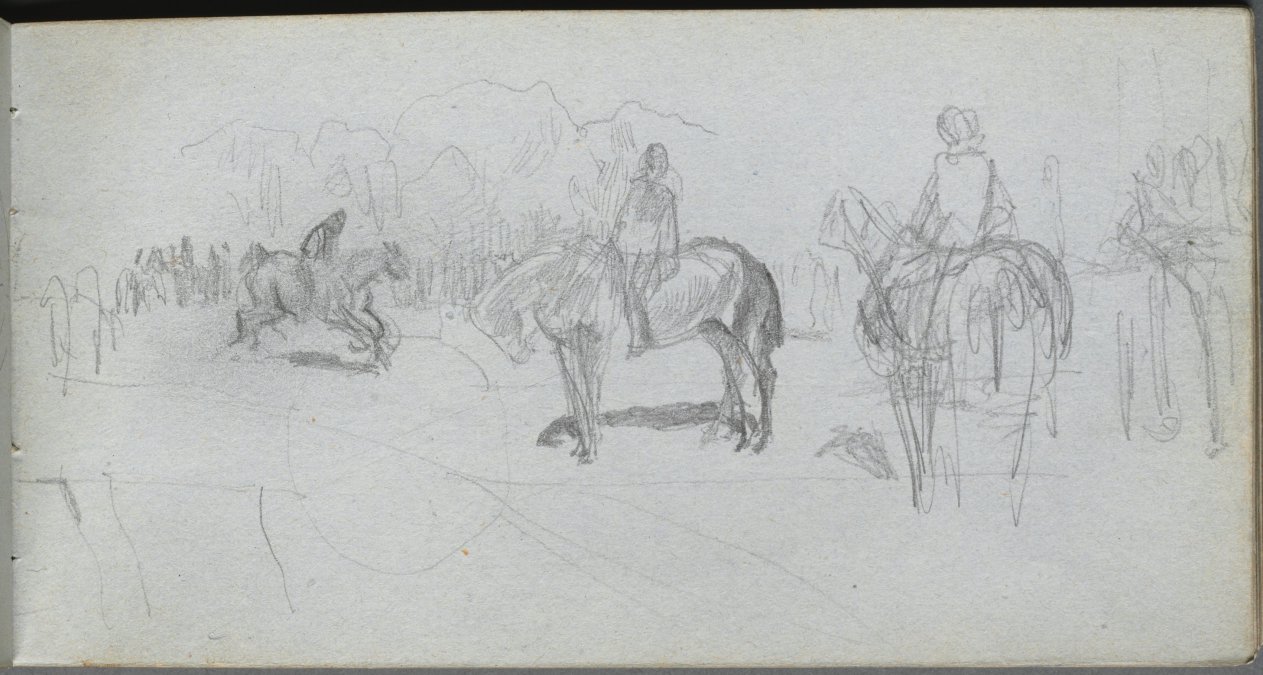
The rehabilitation has been slow, deliberate, and driven as much by scholarship as by speculation. The Musée d'Orsay in Paris has played a central role, steadily recontextualizing the work of figures like Ernest Meissonier and Jean Baptiste Carpeaux within a broader reckoning with nineteenth century French culture. Meissonier in particular rewards this kind of attention. His battle scenes and Napoleonic subjects, painted with a jeweler's precision on surprisingly intimate canvases, are nothing like the bombastic public art the word academic might suggest to an uninitiated eye.
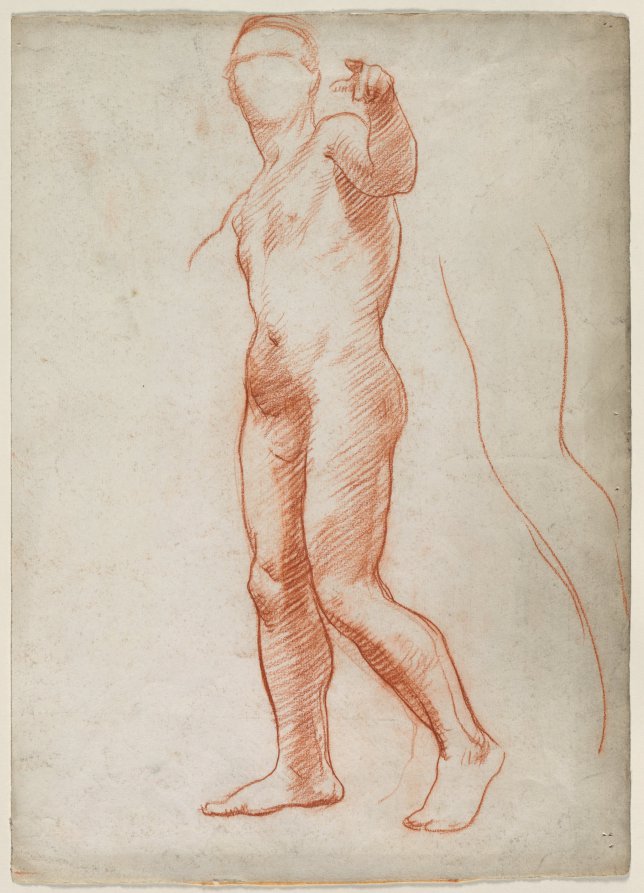
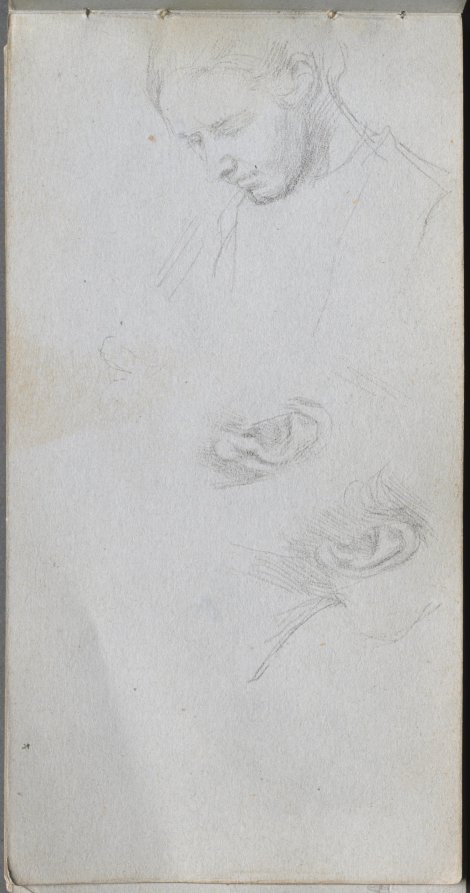
Ernest Meissonier
Sketchbook, page 52: Figure Study , 1860
They are controlled, fastidious, and quietly overwhelming. His work is exceptionally well represented on The Collection, and spending time with it in close succession reveals something that a single museum encounter rarely does: the man had a genuine obsession with the texture of time. Auction results tell an interesting story about which names have broken through and which are still waiting. Gérôme consistently commands seven figure sums at Sotheby's and Christie's when important examples come to market, with his Orientalist subjects drawing the deepest competition.
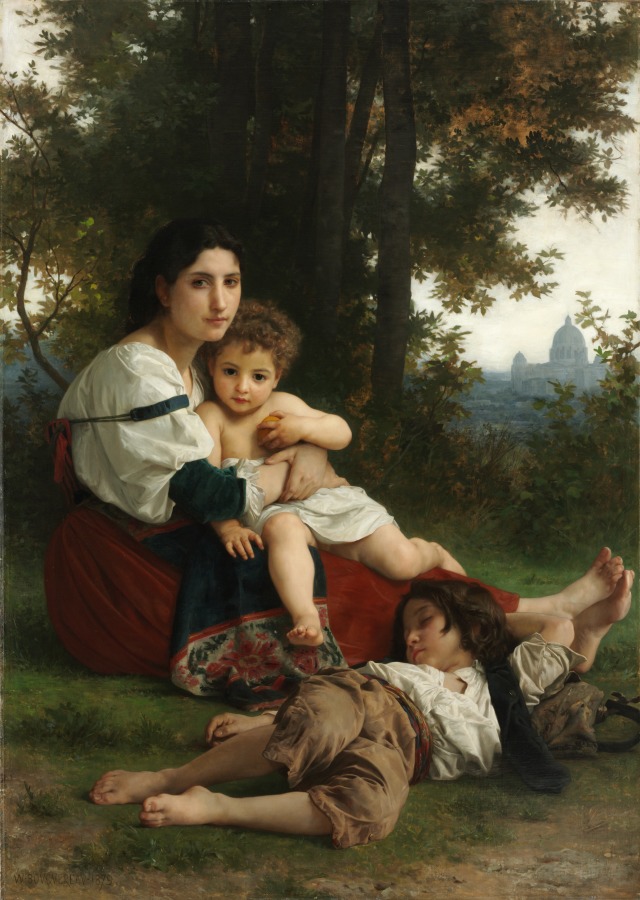
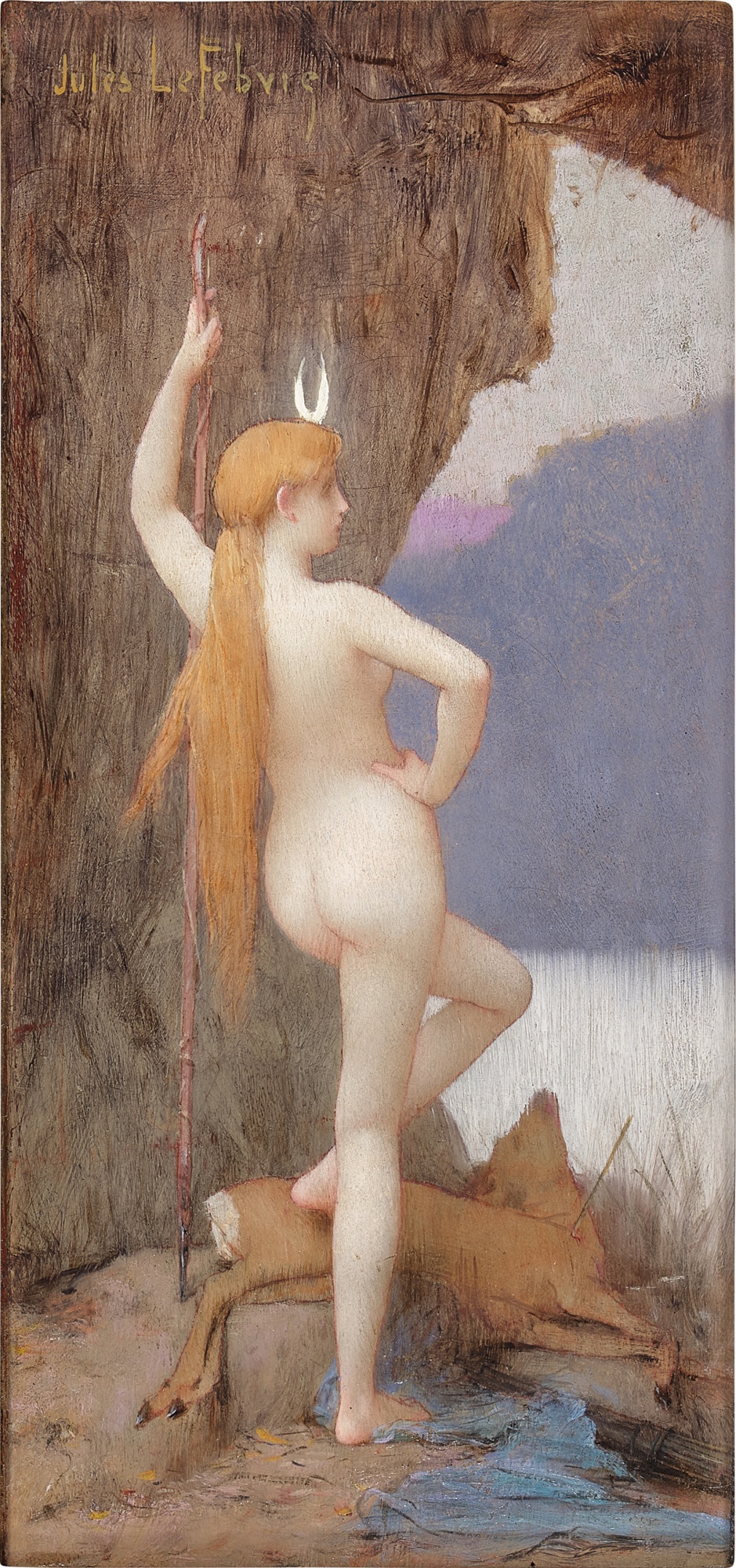
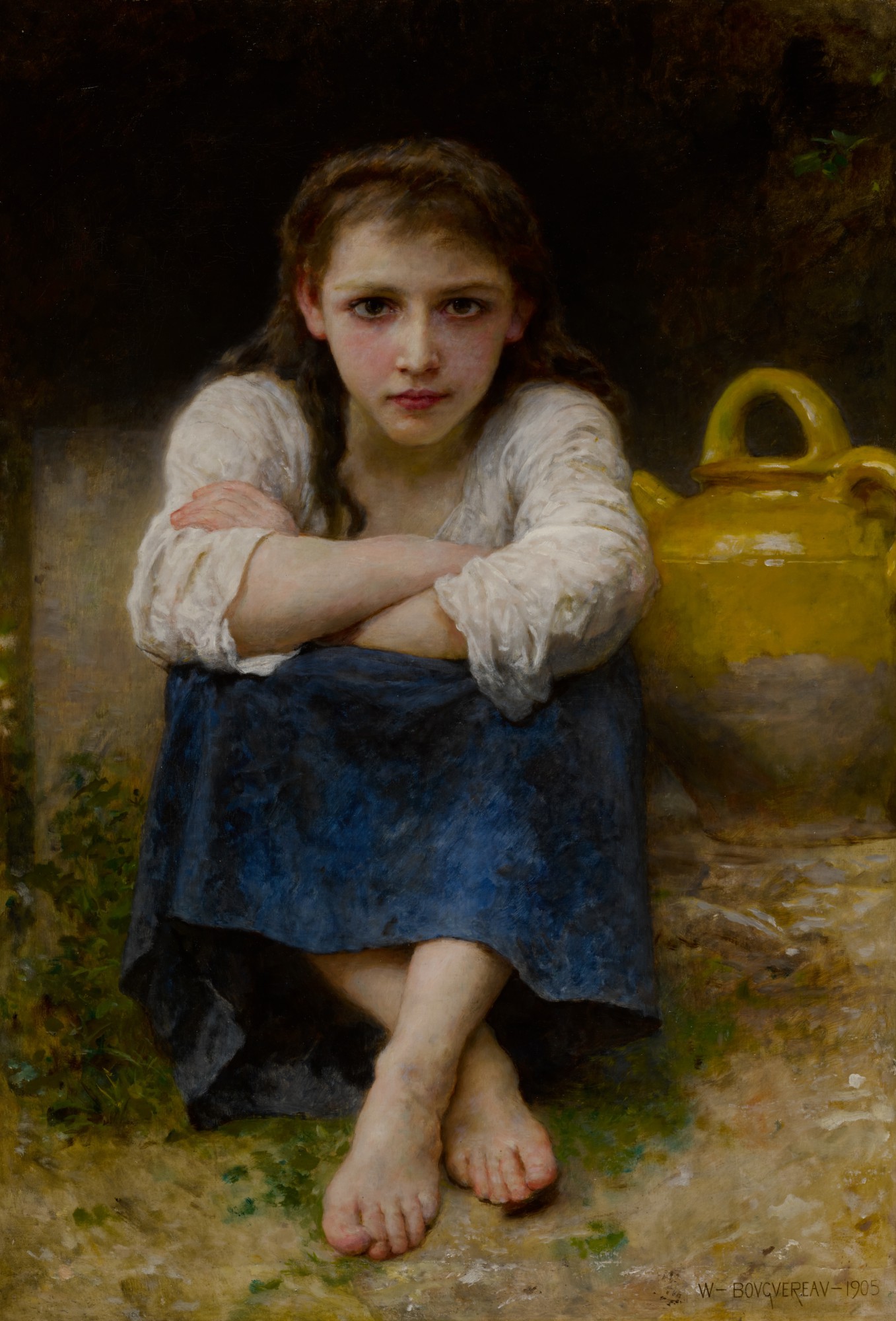
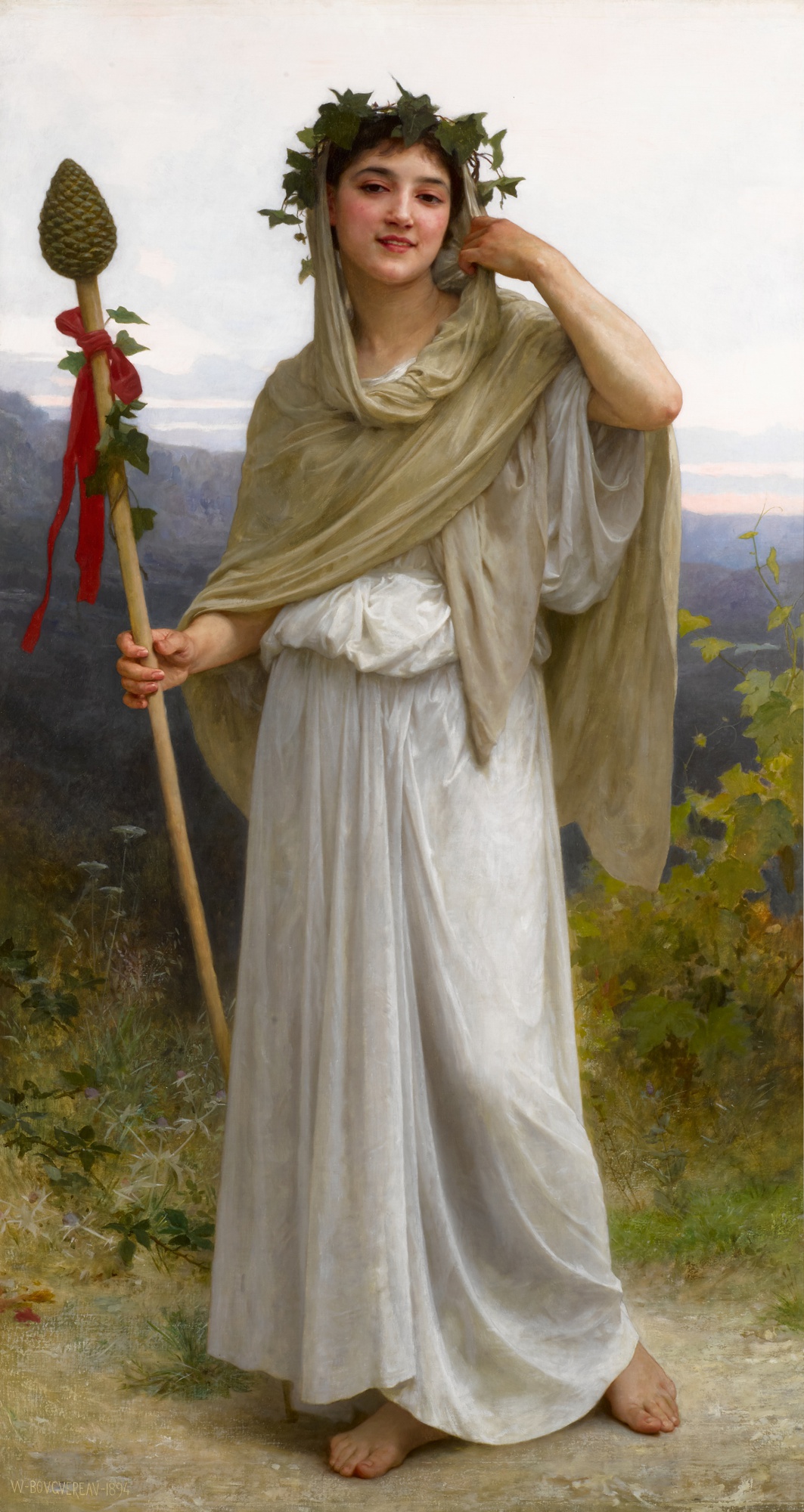
Bouguereau's mythological and allegorical compositions have followed a similar trajectory, particularly among North American and Middle Eastern buyers who respond to the technical bravura without the ideological baggage that still clouds reception in certain European critical circles. Jules Joseph Lefebvre, whose work on The Collection demonstrates his mastery of the academic female nude, achieves strong results at auction but remains slightly below the headline tier, which may represent exactly the kind of opportunity that experienced collectors recognize. The gap between critical standing and market price is where the interesting conversations happen. Museums are collecting and exhibiting in this space with renewed conviction.
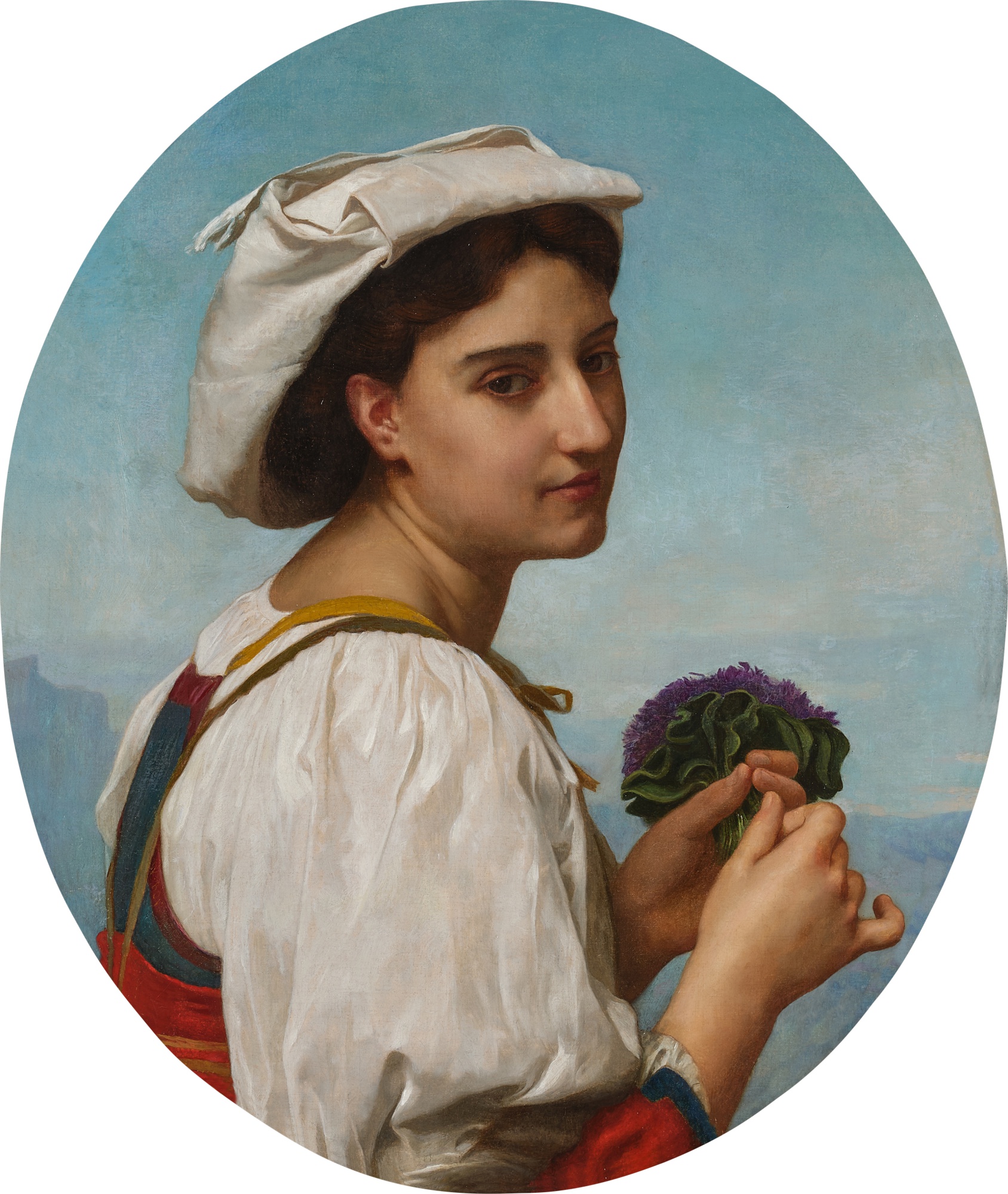
William-Adolphe Bouguereau
Prêtresse de Bacchus
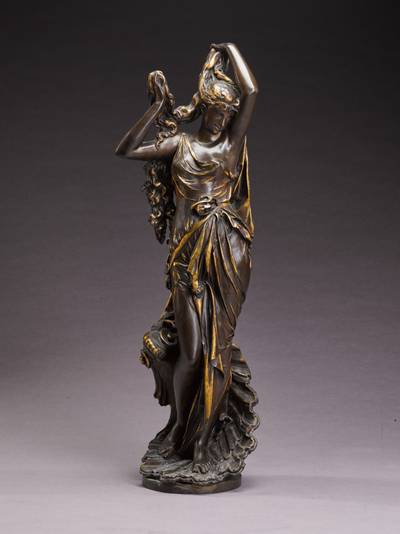
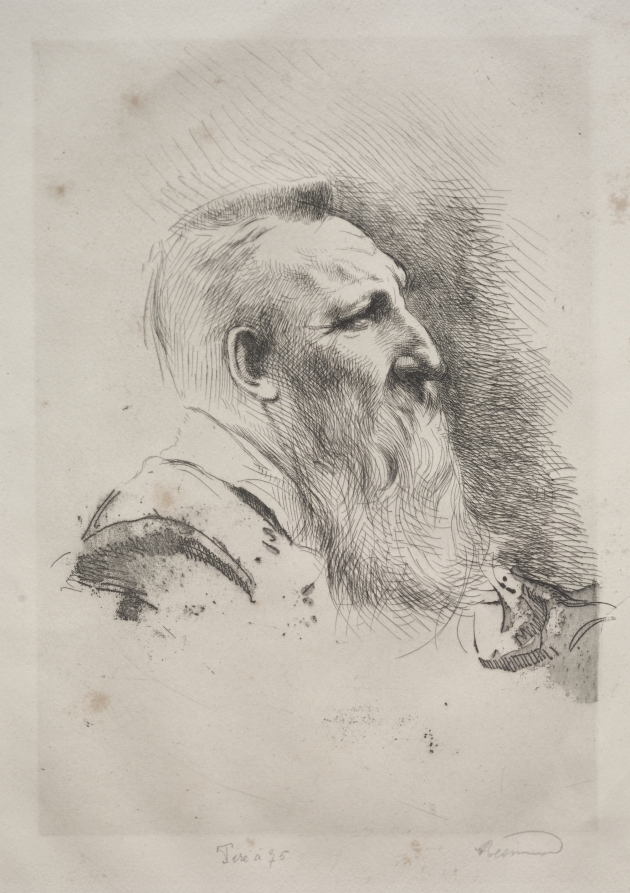
The Getty Museum in Los Angeles mounted a focused show on academic sculpture that brought serious attention to figures like Albert Ernest Carrier Belleuse, the prolific sculptor who ran a workshop that employed a young Auguste Rodin. The relationship between Carrier Belleuse and Rodin is one of those art historical joints that reveals how the academic tradition and the modernist revolution it supposedly gave birth to were far more entangled than the standard narrative allows. Jean Baptiste Carpeaux, whose emotionally charged figures occupy a fascinating middle ground between academic convention and raw expressive force, has also attracted significant institutional interest. The Petit Palais in Paris has done important work reexamining his legacy, and collectors who follow institutional attention as a leading indicator have taken notice.
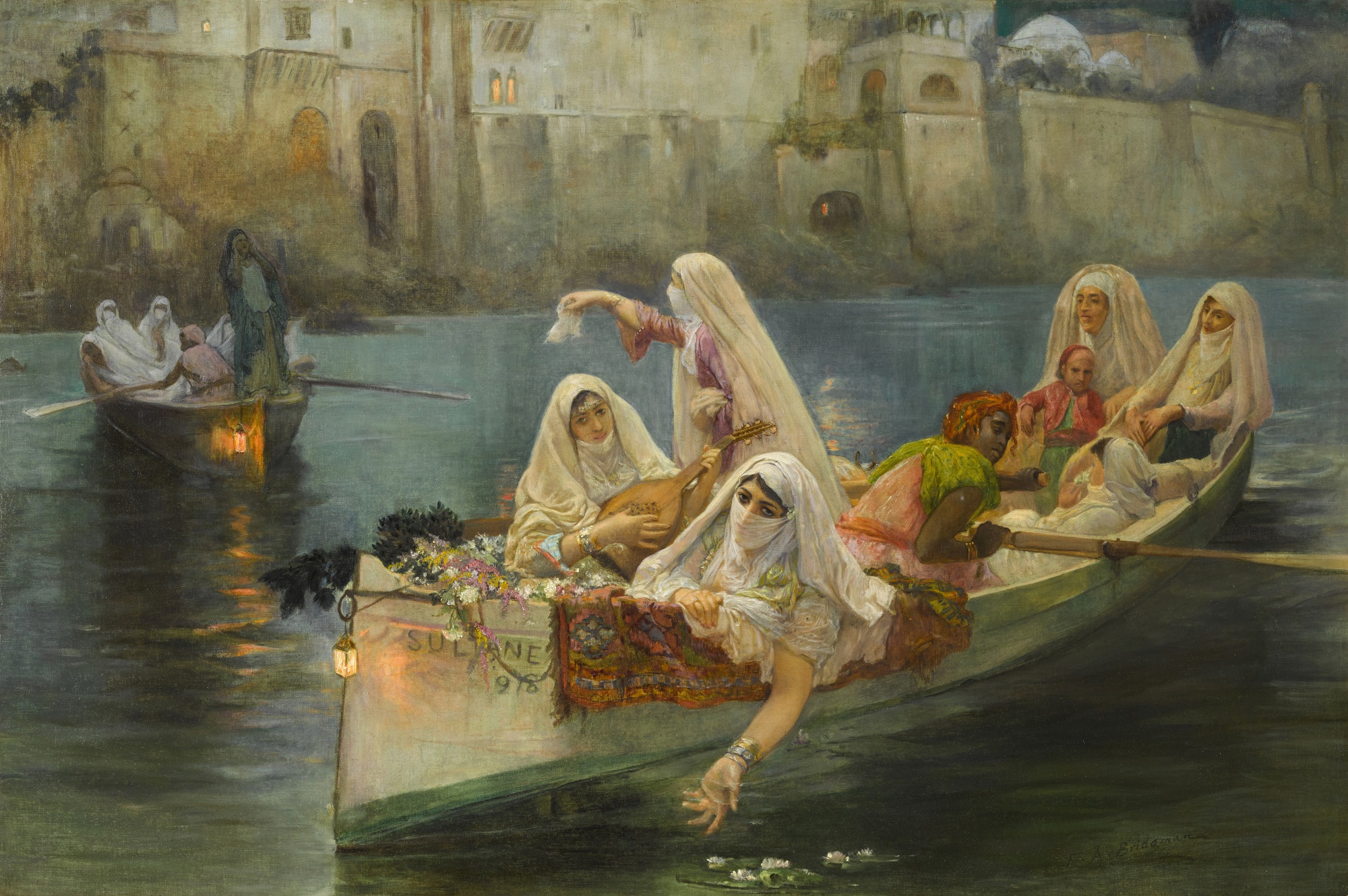
The critical conversation has matured considerably since the revisionist wave of the 1980s and 1990s, when scholars like Albert Boime were doing the foundational work of taking Salon painting seriously on its own terms. Today the discourse is more nuanced, willing to hold the beauty and the politics simultaneously without collapsing one into the other. Writers working in publications like The Burlington Magazine and the Oxford Art Journal have examined how figures such as Théodore Chassériau, whose work bridges the academic tradition and a genuine romantic individuality, resist the simple categories that once made the whole movement easy to dismiss. Frederick Arthur Bridgman, the American painter who studied under Gérôme and brought the Orientalist vocabulary back to audiences in New York and Boston, is another figure attracting fresh scholarly attention, particularly from researchers interested in how American collectors and institutions absorbed and transformed the Parisian academic model.
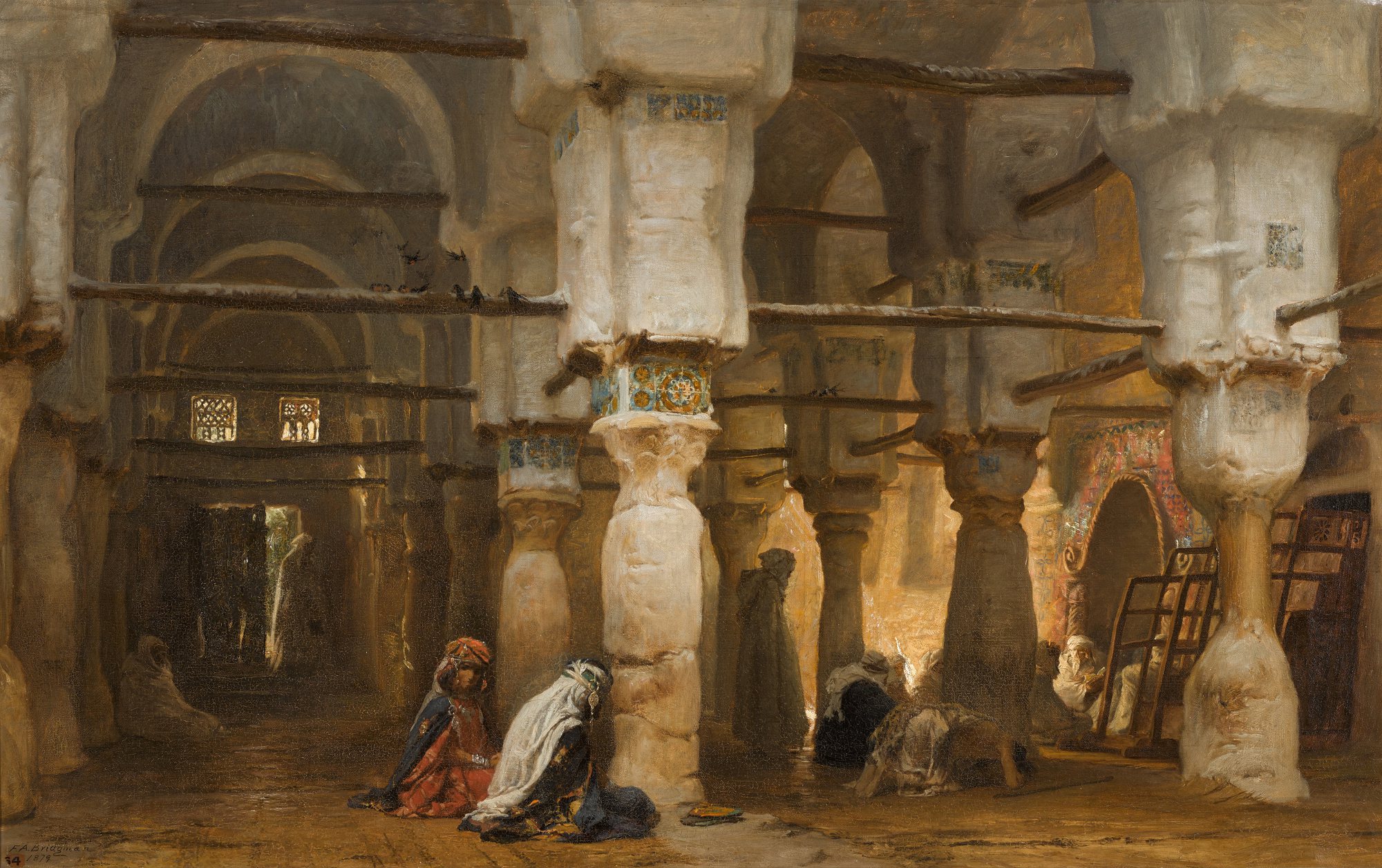
Frederick Arthur Bridgman
Sanctuary in the Sahara
There is also a generational dimension to the renewed appetite for this work. Younger collectors who came of age aesthetically in the era of photorealism and hyperrealist painting often find the technical achievement of Bouguereau or Lefebvre immediately legible in a way that the more gestural traditions of twentieth century modernism sometimes are not. This is not nostalgia and it is not reaction. It is a genuinely different visual education producing a genuinely different set of responses.
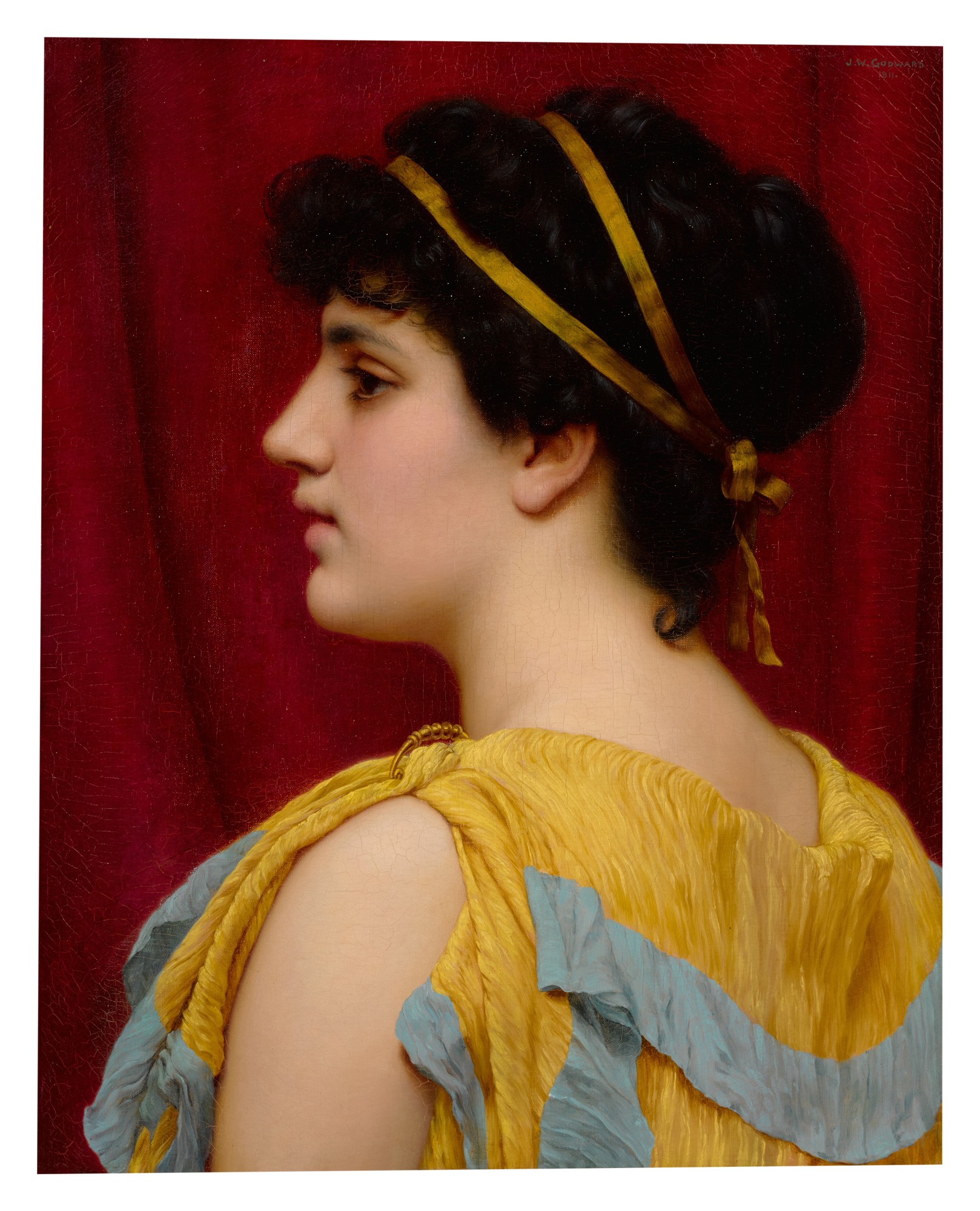
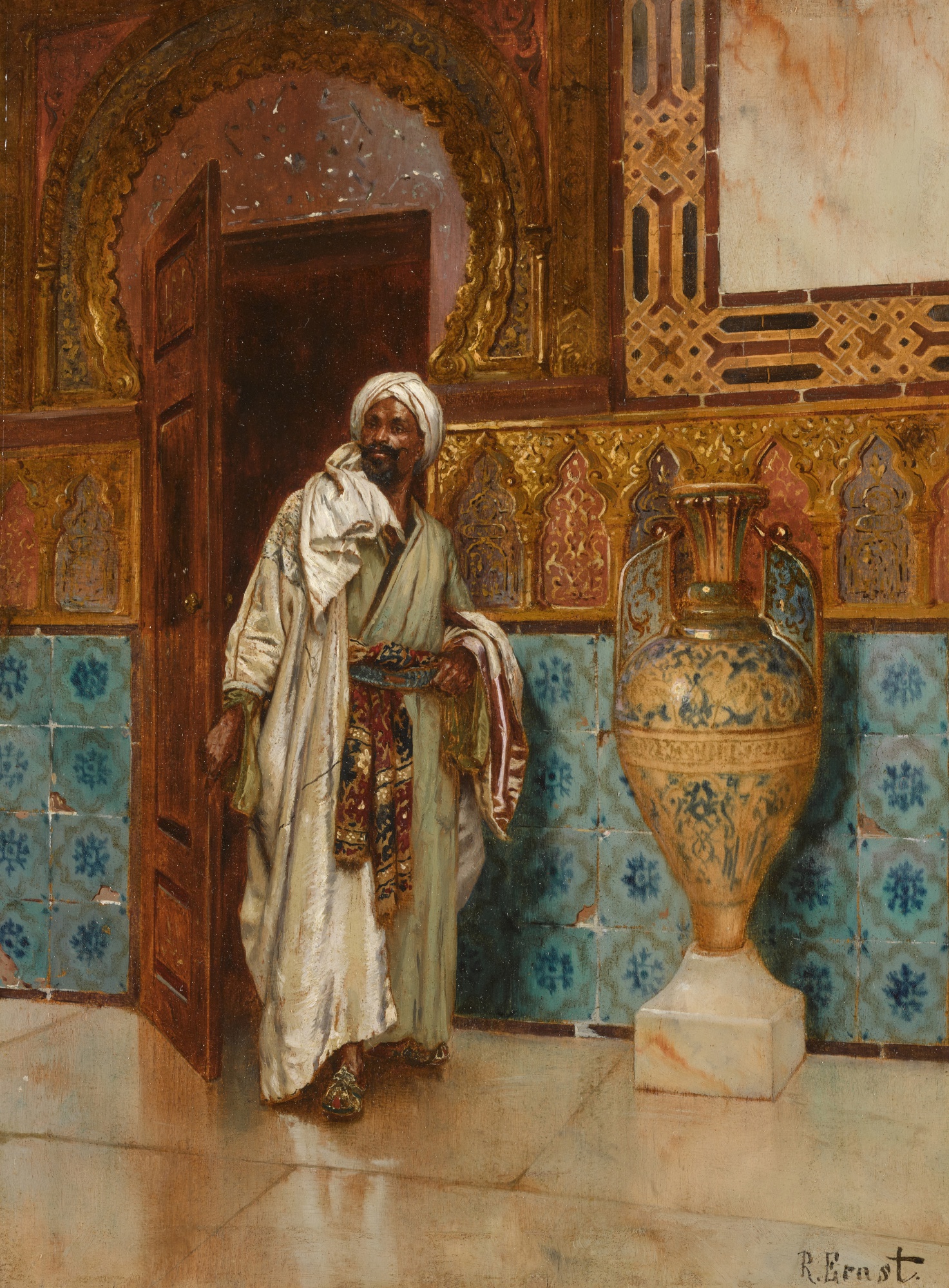
Elizabeth Jane Gardner Bouguereau, who studied in Paris at a time when women were formally excluded from the École des Beaux Arts and nonetheless built a serious exhibition career, is drawing particular interest from collectors and curators thinking carefully about the recovered histories of women artists working within and against institutional structures. What feels settled is the basic legitimacy of the category. The days when a serious collector needed to apologize for owning a Meissonier or a Gérôme are genuinely over, and the prices reflect that normalization. What feels alive is the secondary tier of the market, the Bridgmans, the Rudolf Ernsts, the John William Godwards, where scholarly attention is still catching up to collector enthusiasm and where sharp eyes can still find significant work at prices that the top names left behind a decade ago.
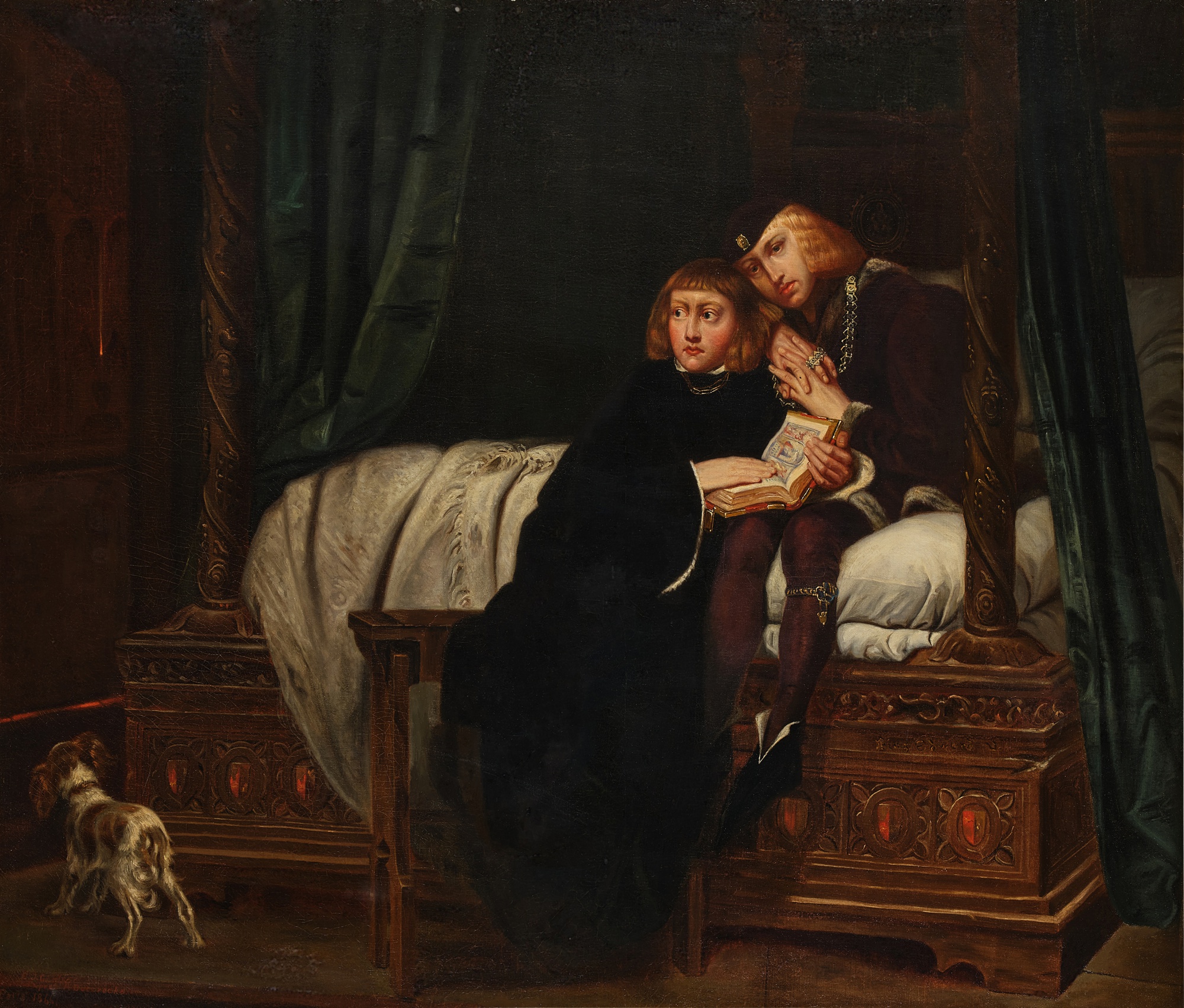
Elizabeth Jane Gardner Bouguereau
Edward Prince of Wales and Richard, Duke of York in the Tower of London
What might surprise people is how deeply the academic tradition is woven into the story of modernism itself. Renoir trained in the academic system before he dismantled it, and understanding what he was reacting against turns out to enrich rather than diminish what he built. The Salon is not the enemy of the avant garde. It is, more often than not, its most interesting mirror.