Mercedes Pardo
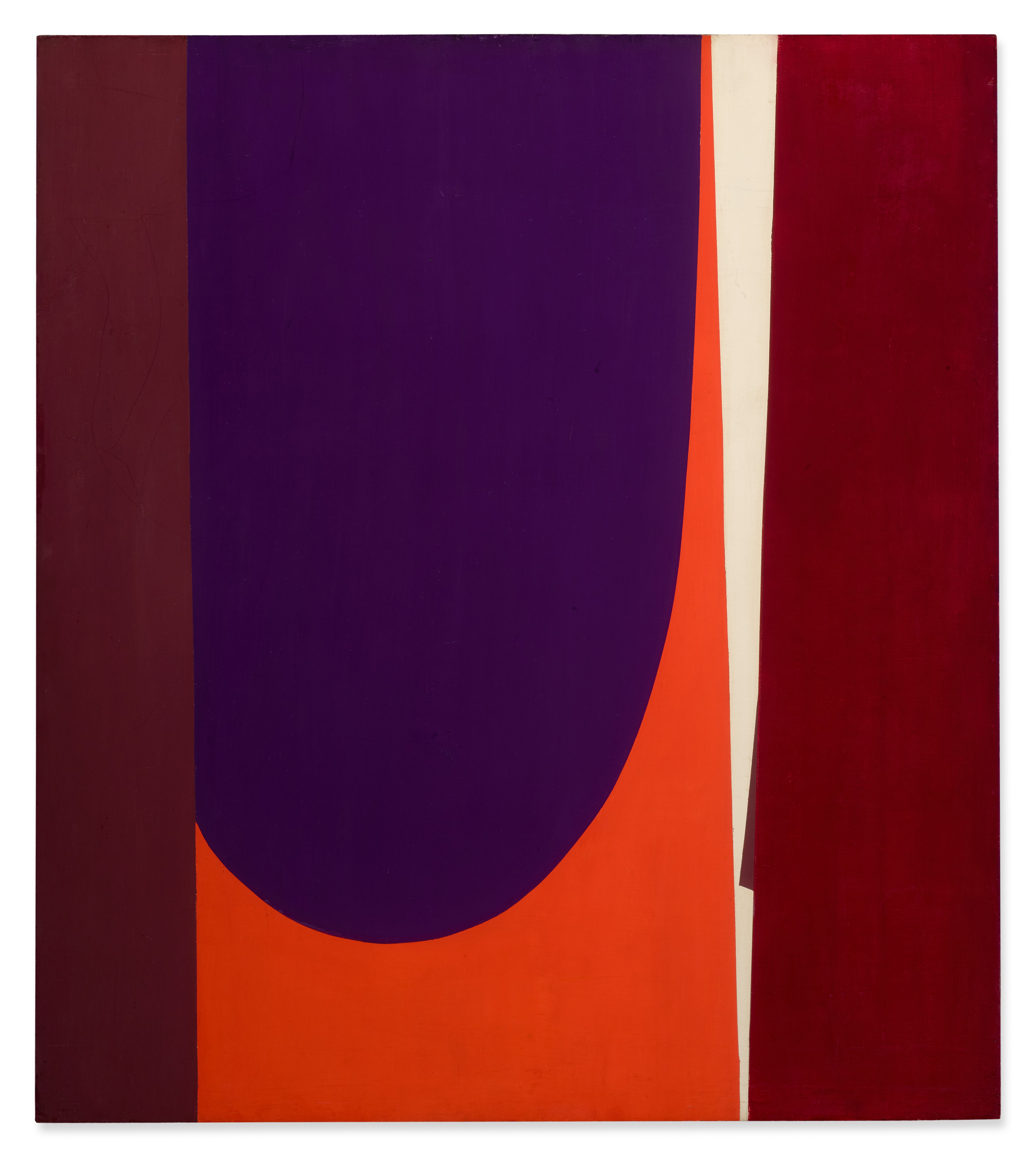
Mercedes Pardo, Where Color Becomes Light
Artist Spotlight · The Collection Editorial
There is a moment, standing before a canvas by Mercedes Pardo, when the eye stops searching for form and simply surrenders to radiance. Her paintings do not ask you to decode them. They ask you to feel the particular frequency of a color vibrating against its neighbor, to sense the warmth that pools at the center of a composition and dissolves outward like heat rising from sun warmed stone. That sensation, at once immediate and ineffable, is precisely why institutions across Latin America and Europe have returned to her work with renewed urgency in recent years, and why collectors who discover her for the first time often describe the experience as something closer to an encounter than a transaction.
Mercedes Pardo
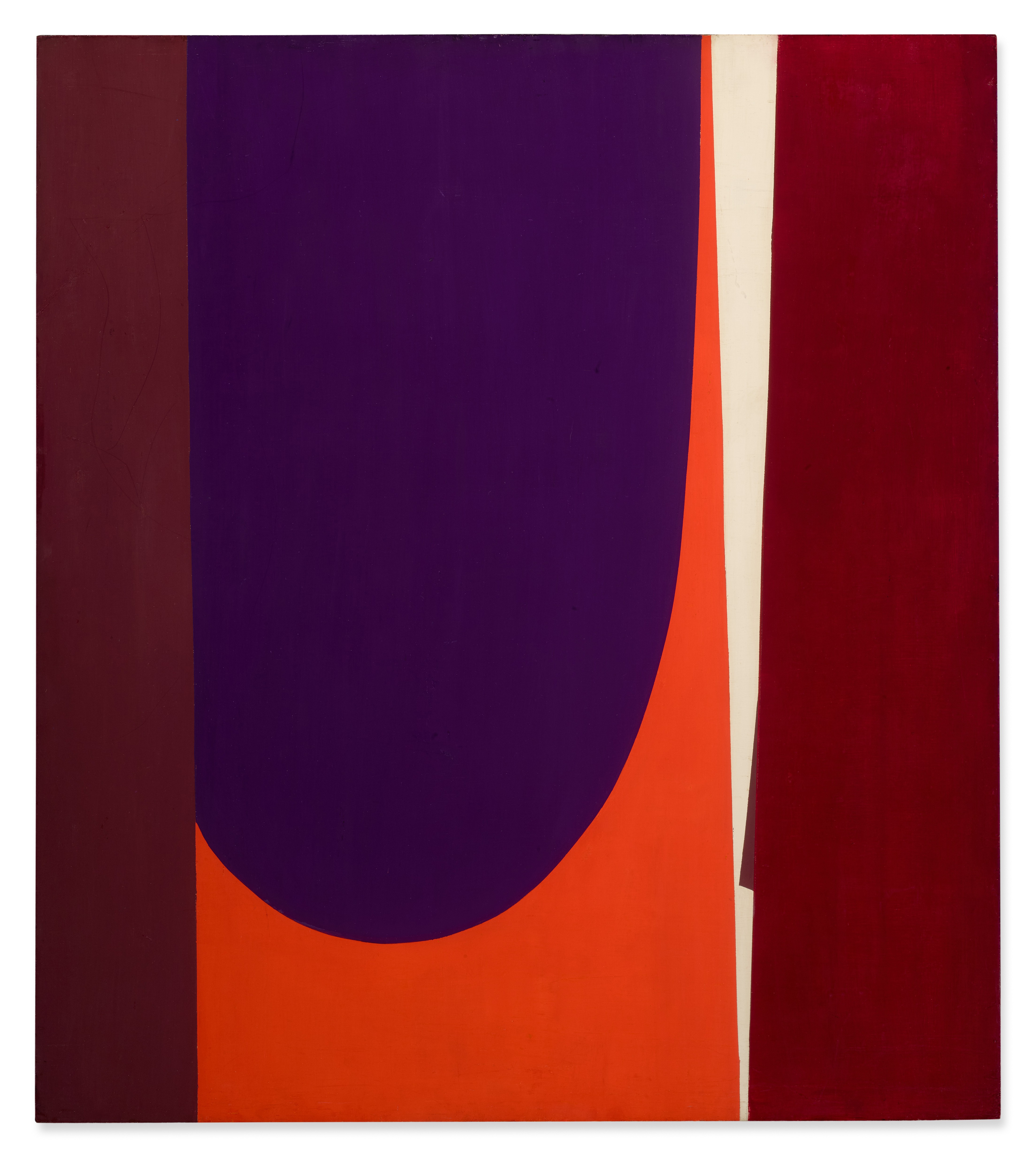
Un pequeño sobresalto, 1973
Mercedes Pardo was born in Caracas in 1921, into a Venezuela that was still finding its cultural bearings, a country rich in natural spectacle but only beginning to build the institutional frameworks that would later nurture a world class art scene. From an early age she demonstrated a sensitivity to visual experience that her family recognized and encouraged. Her formation as an artist would take her far from Caracas, first to Santiago de Chile, where she absorbed the intellectual ferment of a city deeply engaged with European modernism, and then to Paris, the gravitational center of the postwar avant garde. It was in Paris that the essential elements of her vision coalesced.
She studied with rigor and curiosity, absorbing the lessons of lyrical abstraction, the chromatic experiments that were transforming painting in the 1950s, and the particular quality of northern light that artists had traveled to France to understand for centuries. When Pardo returned to Venezuela she brought with her not an imitation of Parisian painting but something distilled and entirely her own. Venezuela in the mid twentieth century was experiencing a remarkable cultural awakening. Caracas was being transformed architecturally and intellectually, and a generation of Venezuelan artists including Carlos Cruz Diez and Jesús Rafael Soto were beginning to attract international attention for their investigations into optics and kinetics.
Mercedes Pardo
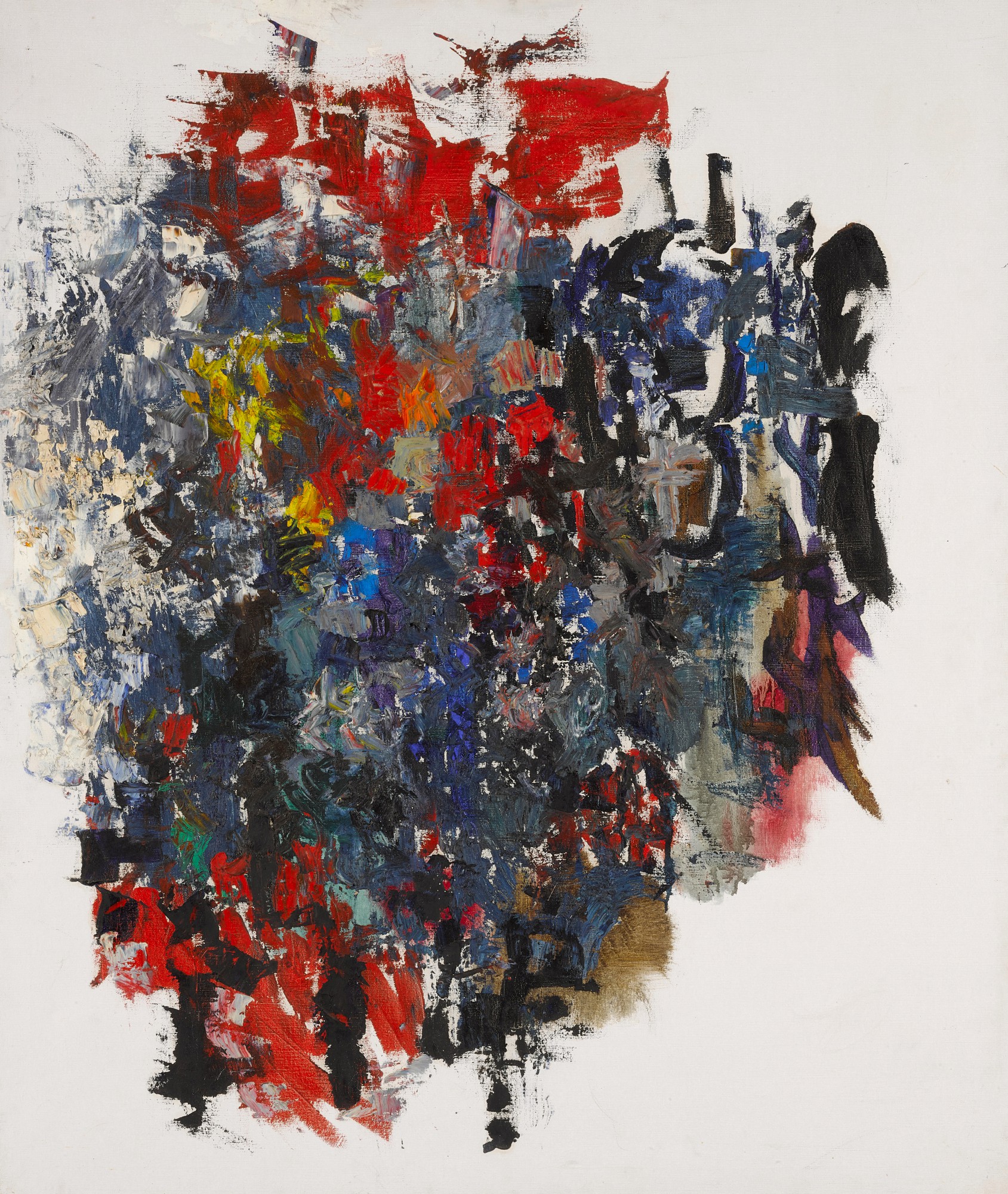
Sin título, 1960
Pardo occupied a different but equally significant position within this constellation. While her contemporaries pursued the systematic and the scientific, she remained committed to the lyrical and the intuitive, to a painting practice rooted in felt experience rather than theoretical proposition. This made her singular within the Venezuelan context and gave her work a warmth that sets it apart to this day. The arc of her development across the 1950s and 1960s shows an artist refining her command of color relationships with growing confidence and ambition.
Her 1960 oil on canvas known simply as "Sin título" is a compelling document of this period, a work in which the pictorial field has been liberated from any residual obligation to represent the visible world. Color here is the subject, the structure, and the atmosphere simultaneously. The surface carries evidence of a searching, physical engagement with paint, and the result is a composition that feels both rigorously considered and genuinely alive. By the time she painted "Un pequeño sobresalto" in 1973, working in oil on panel, her mastery had deepened into something more concentrated.
Mercedes Pardo
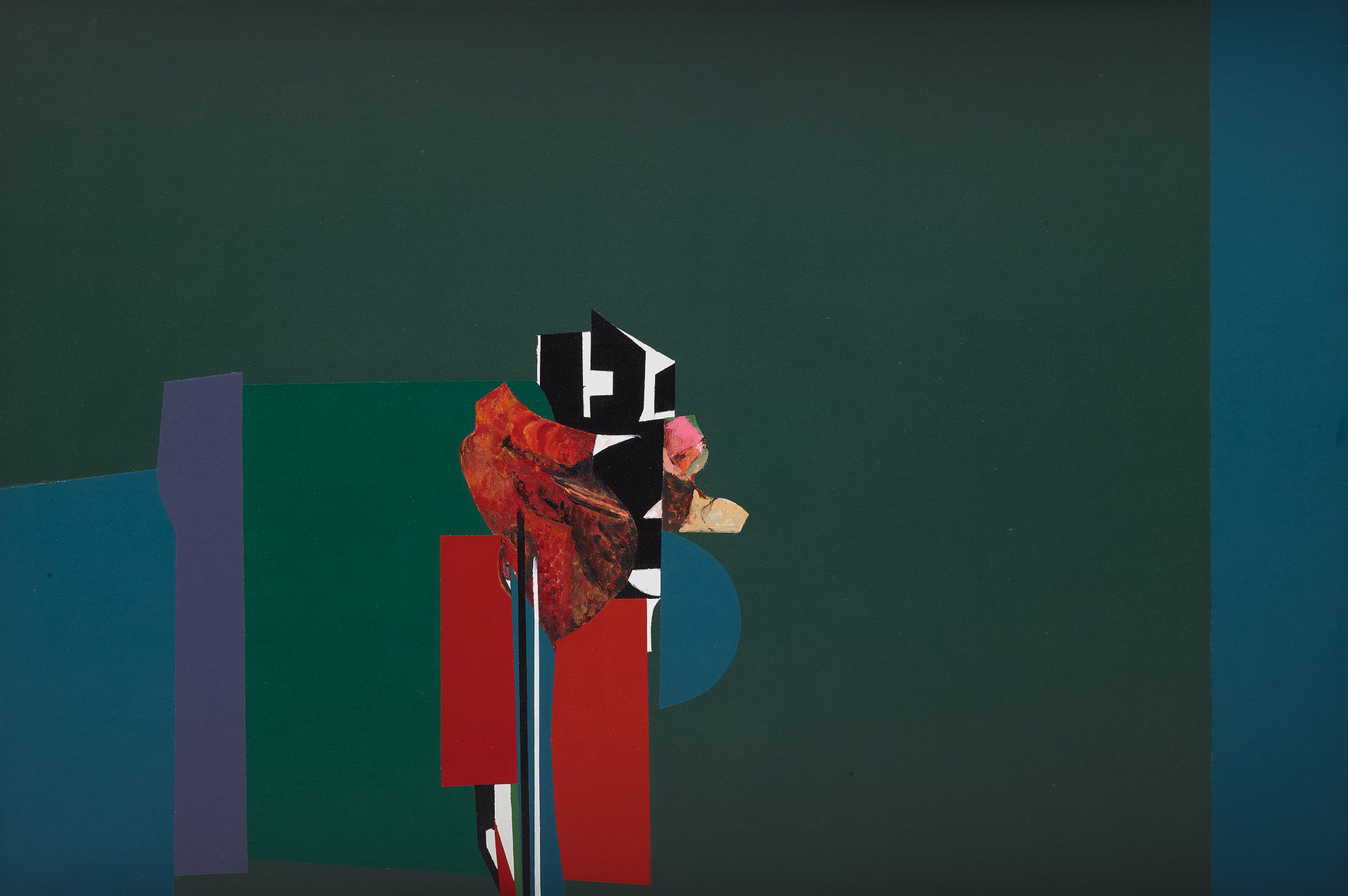
El faro
The title, which translates roughly as a small start or a small jolt of surprise, captures perfectly the experiential quality she was after: not the grand dramatic gesture but the precise, calibrated surprise of a color encounter that catches you off guard and lodges in memory. Her later work in acrylic, exemplified by "El faro," demonstrates her willingness to evolve her materials in service of her persistent concerns, the lighthouse of the title serving not as a literal subject but as a metaphor for what she always sought to create: a point of radiant orientation within a field of color and light. For collectors, works by Mercedes Pardo represent a genuinely compelling proposition on multiple levels. Her place in the narrative of Venezuelan modernism is secure and celebrated, which provides a strong institutional foundation for any acquisition.
She exhibited throughout her career in major venues in Caracas, Paris, and across Latin America, and her work entered significant public and private collections during her lifetime. She was recognized with major awards in Venezuela and her reputation has continued to grow in the decades since her death in 2005, as curators and scholars have worked to give full account of the breadth and achievement of Latin American abstraction in the twentieth century. Works that come to market carry with them not only aesthetic distinction but genuine art historical weight. Collectors drawn to lyrical abstraction, to the tradition of color field painting, or to the remarkable story of Latin American modernism will find in Pardo a painter of the first order whose work rewards close and sustained attention.
To place Pardo within art history is to see how essential her contribution is to a broader story. The lineage of lyrical abstraction to which she belongs connects figures like Nicolas de Staël and Hans Hartung in Europe with a generation of Latin American painters who transformed those impulses into something new and specific to their own experience and geography. The blazing light of the Venezuelan landscape, the particular intensity of color at tropical latitudes, and the cultural confidence of a generation that had studied in the great capitals of the world and returned home with something to say: all of these forces are present in her canvases. In this sense she belongs in conversation not only with Cruz Diez and Soto but also with painters like Alejandro Otero, whose trajectory from figuration toward abstraction traced a parallel path through many of the same decades and many of the same questions.
Mercedes Pardo died in Caracas in 2005, leaving behind a body of work that spans more than five decades of sustained and evolving inquiry. Her legacy is not merely a matter of historical record. It is a living presence in the way we understand what painting can do, how color can carry emotion and intelligence simultaneously, how an artist working at the periphery of the canonical art world centers can produce work of absolute and universal quality. At a moment when collectors and institutions are actively reassessing the full geography of twentieth century modernism, expanding the map beyond its traditional European and North American coordinates, Pardo emerges as exactly the kind of figure whose time has come again.
To hold one of her paintings is to hold a concentrated measure of light, and to understand that some things in art are simply beyond the reach of geography or era.
Explore books about Mercedes Pardo
Mercedes Pardo: Obra Completa 1945-1990
Dorota Wróblewska
Mercedes Pardo: La Geometría del Espacio
Juan Calzadilla
Mercedes Pardo: Esculturas y Relieves
Ramón Palomar
La Abstracción Geométrica en Venezuela: Mercedes Pardo
Arleen Láfer