Jacob Kassay
Jacob Kassay Turns Reflection Into Revelation
Artist Spotlight · The Collection Editorial
“The whole point is that the thing is being absolutely transformed, also that I was somehow removed in this process.”
Jacob Kassay
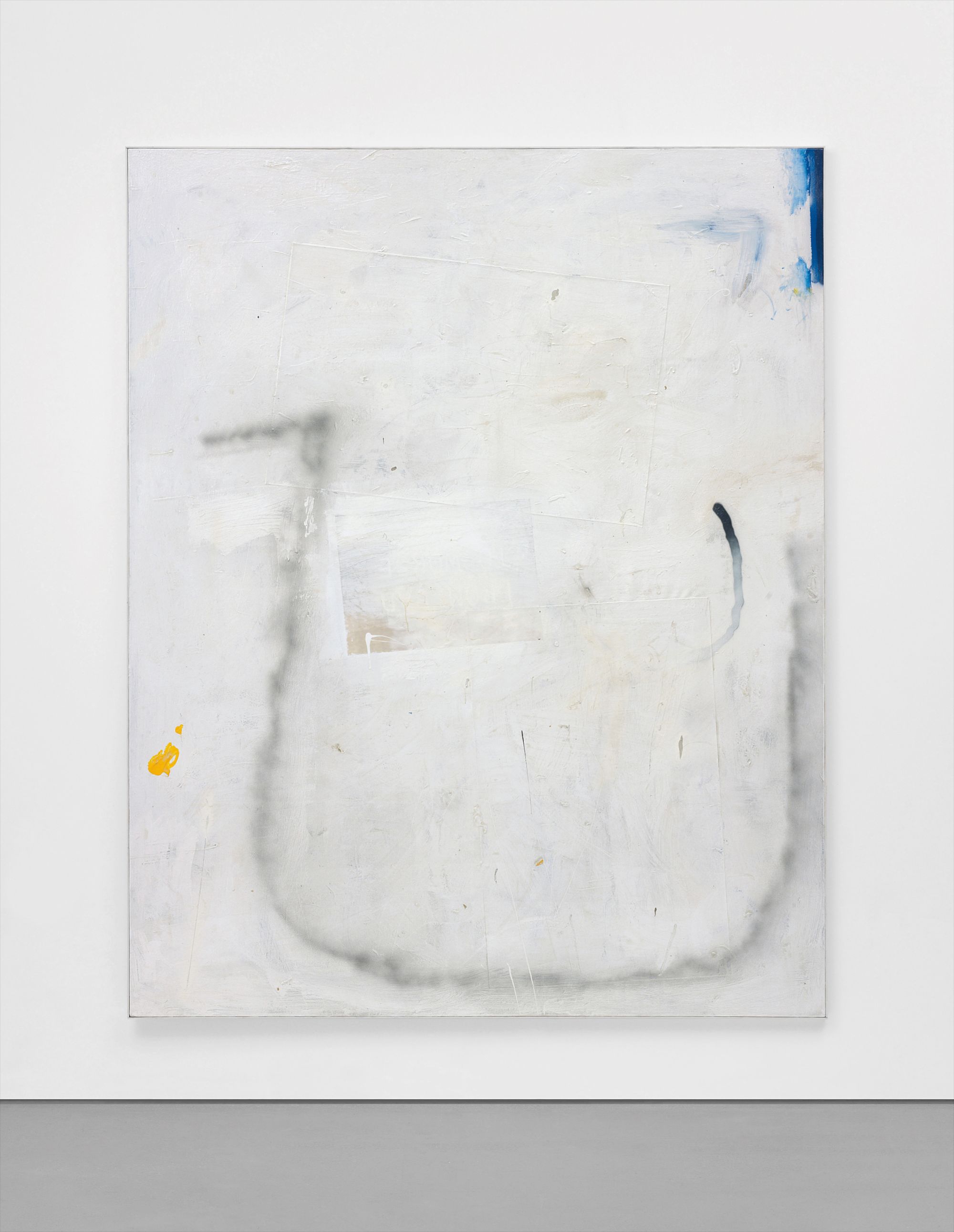
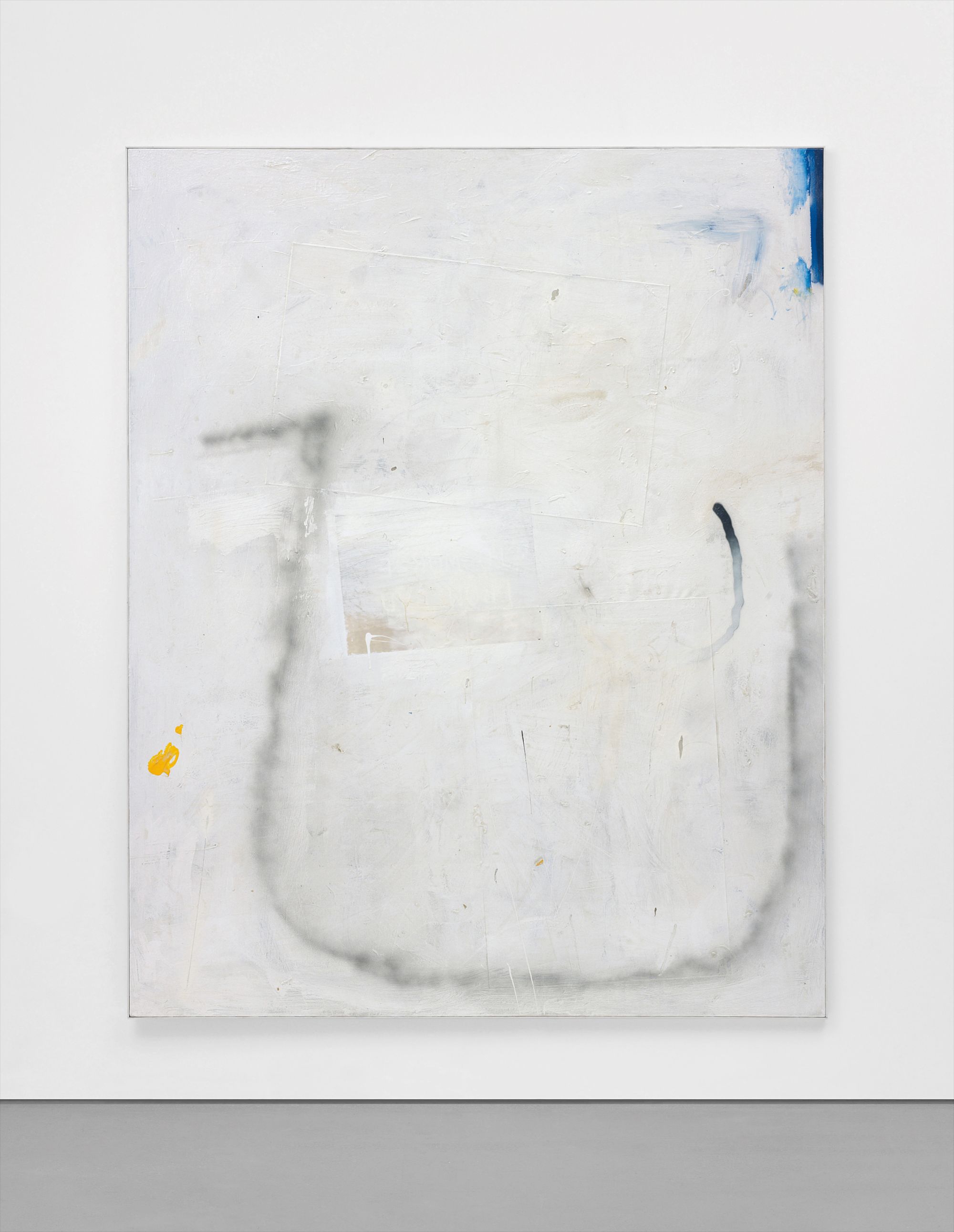
There is a particular kind of stillness that descends when you stand before a Jacob Kassay painting. The canvas does not give you an image so much as it returns you to yourself, a shimmering, slightly displaced version of you, suspended within a field of electrodeposited silver. That experience, at once intimate and disorienting, has made Kassay one of the most compelling painters of his generation. His inclusion in the 2010 Whitney Biennial, when he was still in his mid twenties, announced an artist who had already found something genuinely new to say about one of the oldest mediums in Western art.
Jacob Kassay
As a trained photographer, Kassay has translated many of photography’s essential techniques and concepts into his painting practice. In
Kassay was born in 1984 and grew up in the United States, eventually training as a photographer before turning his full attention to painting. That photographic background is not incidental to understanding his work. The darkroom, with its logic of chemical transformation and latent revelation, provided a conceptual framework that Kassay would carry directly into his studio practice. Rather than applying paint in the conventional sense, he developed a process by which canvases prepared with acrylic ground are subjected to a silver electroplating deposit, a technique borrowed from industrial and photographic chemistry.
The result is a surface that is neither paint nor photograph but something that moves between both. The process itself is central to the meaning of the work, and Kassay has spoken openly about the degree to which he relinquishes authorial control at a critical moment. Once the support has been prepared and placed into the chemical bath, the transformation proceeds on its own terms. The silver deposits according to its own logic, responding to the surface, the temperature, and the chemistry of the solution.
Jacob Kassay
“It often reminds me of the autofocus of a digital camera, which doesn’t know what to do with a silver painting’s surface when I’m trying to document the work. It goes in and out, unable to separate the painting’s present surroundings from the object itself.” JACOB KASSAY
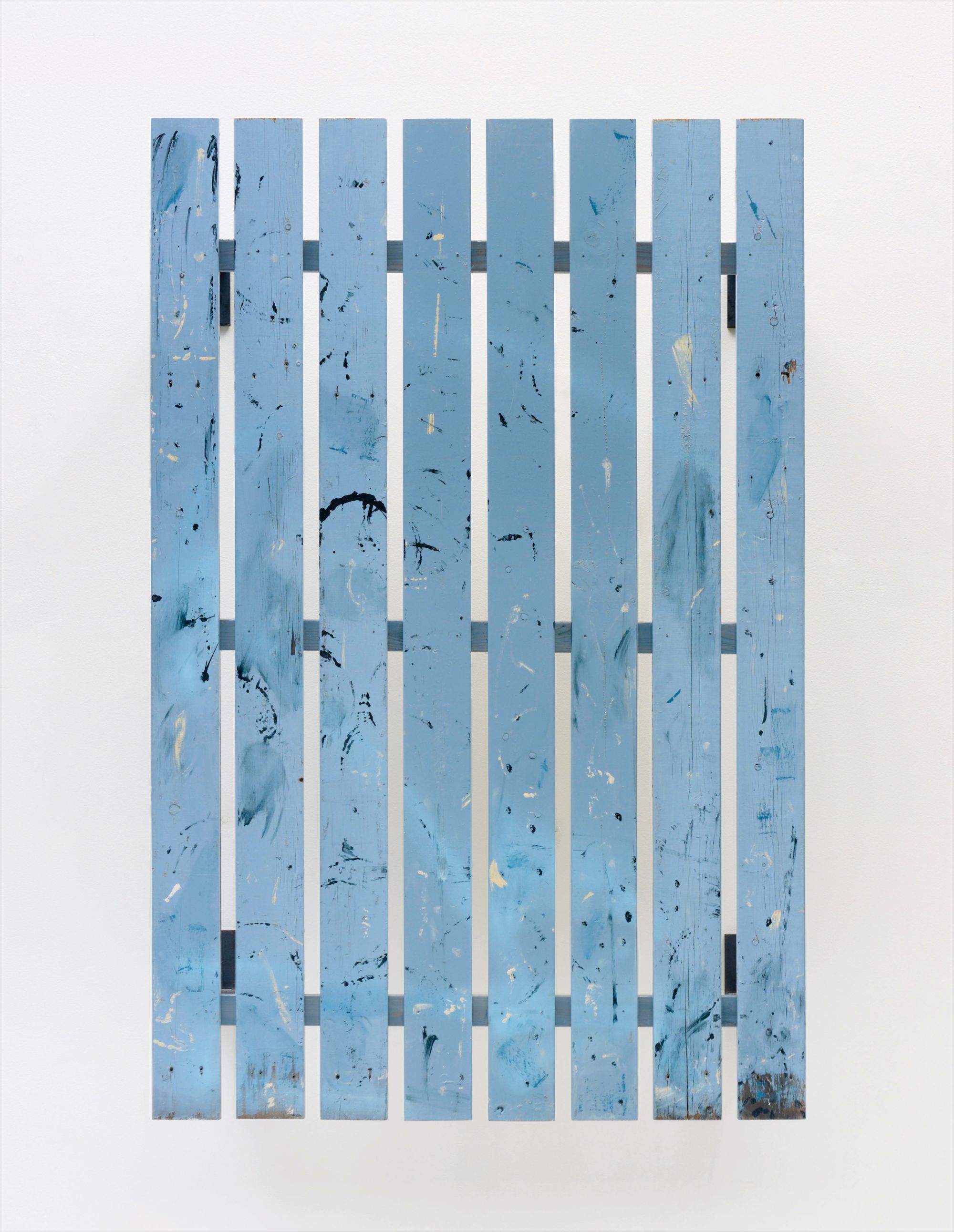
This removal of the artist's hand at the decisive moment places Kassay in a lineage that includes John Cage's chance operations and the Fluxus tradition, while also rhyming with the automatism of Surrealism and the industrial procedures that fascinated artists like Andy Warhol. Yet the results feel entirely his own: luminous, austere, and charged with a quiet conceptual intelligence. Kassay has cited Lucio Fontana as a touchstone, and the connection is instructive. Fontana's slashed and punctured canvases were not acts of destruction but gestures of absolute transformation, ways of making the canvas into something other than a flat picture plane.
“They're meant to be objects that engage the space around them.”
Jacob Kassay
Kassay pursues a similar ambition through opposite means. Where Fontana cut into the surface to open it up to space, Kassay coats it in a material that folds space into the surface itself. His paintings reflect the room, the viewer, the window, the shifting light of the day. They are, as he has put it, objects that engage the space around them rather than pictures that describe a space elsewhere.
Jacob Kassay
"The whole point is that the thing is being absolutely transformed, also that I was somehow removed in this process, all I had to do was develop a support for the catalyst and then it was then out of my hands but this is not unfamiliar territory for painting…" - Jacob Kassay
This is a distinction with enormous consequences for how we understand what painting can be in the twenty first century. The works that established his reputation most firmly are the large scale silver deposit paintings, created in the years surrounding his Whitney Biennial debut and exhibited subsequently at MoMA PS1 in New York and the Museum of Contemporary Art Cleveland. These pieces operate at a scale that makes the reflective effect immersive rather than merely optical. Standing before one of the larger canvases, a viewer does not simply see a reflection; they feel implicated in the work, their own presence becoming a kind of variable that the painting absorbs and reemits.
“It often reminds me of the autofocus of a digital camera, which doesn't know what to do with a silver painting's surface.”
Jacob Kassay
The surfaces carry an extraordinarily refined quality, oscillating between a warm mercurial glow and a cooler, almost photographic grey depending on the ambient light and the angle of view. Each work is, in this sense, never quite the same painting twice. From a collecting perspective, Kassay represents one of the more fascinating cases of a young artist whose market trajectory and critical reception have moved in productive tension with each other. His work began attracting serious auction attention very early, with secondary market results at major houses reflecting genuine demand among sophisticated collectors who recognized the conceptual rigor underlying the seductive surfaces.
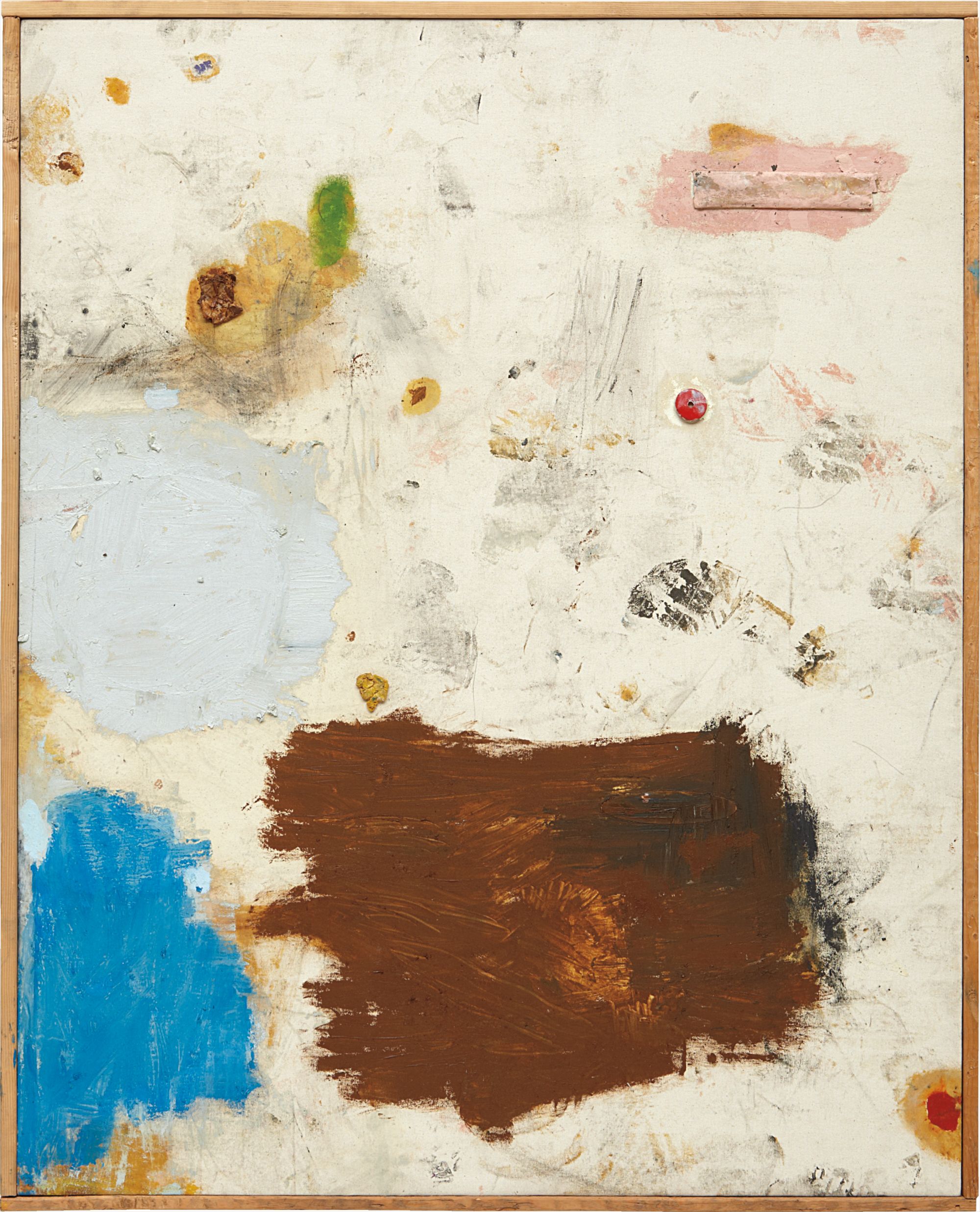
Jacob Kassay
The present lot,
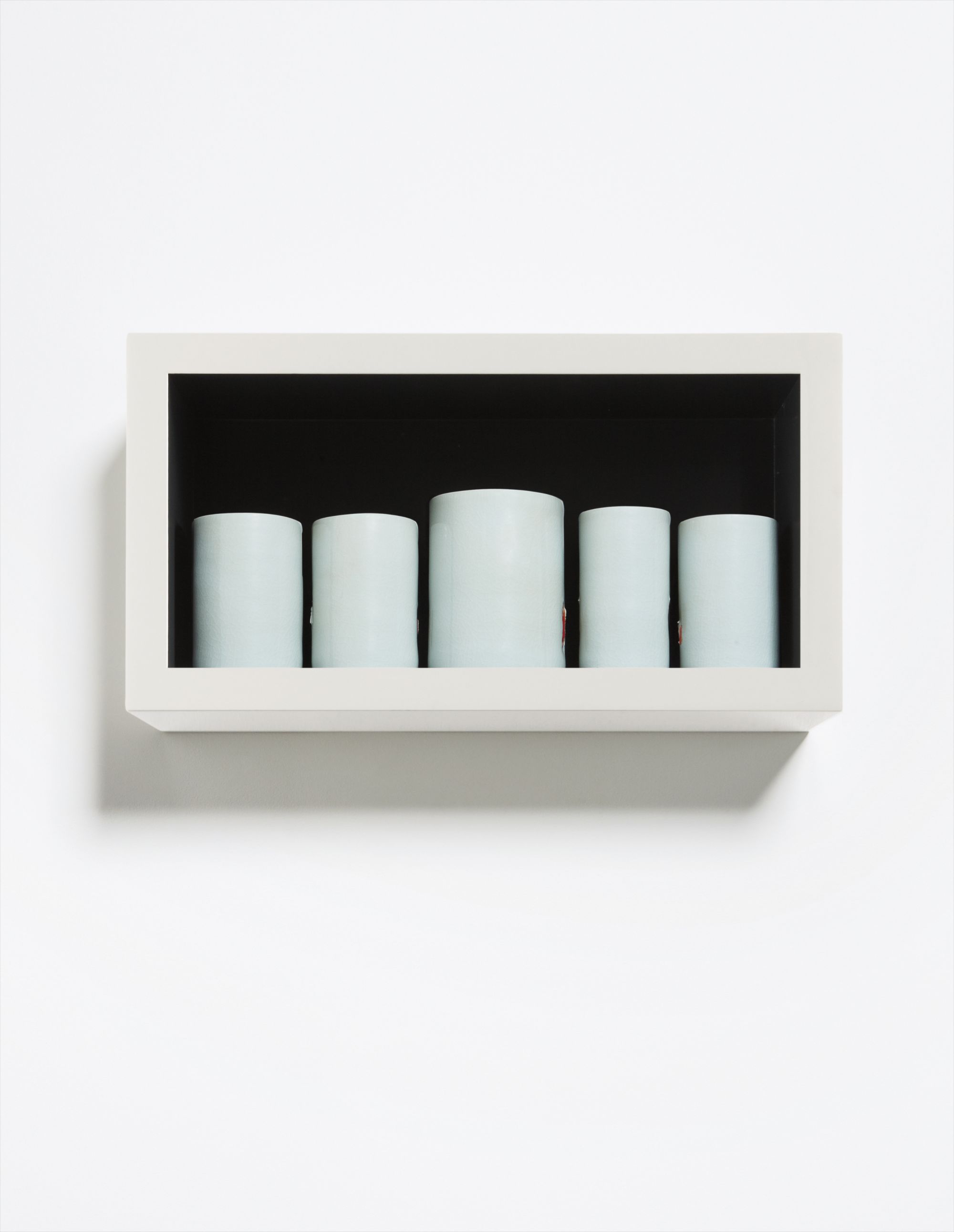
The silver paintings are objects of considerable beauty, but they also reward intellectual engagement, which gives them durability in a collection. Collectors drawn to the legacy of Minimalism, to figures such as Robert Ryman, Brice Marden, and Agnes Martin, will find in Kassay a contemporary heir who has absorbed those lessons and pushed them somewhere new. The works are also remarkably site sensitive, meaning that they interact differently with different architectural environments, which makes them among the more transformative acquisitions a collector can make. Kassay also produced a limited edition titled Sanded Edition in 2013, an object of considerable rarity given the edition size of ten plus two artist's proofs and its presentation in a bespoke white fabric covered clamshell box.
Works of this kind, where the artist has brought the same material logic of the paintings to a smaller, more deliberately objectlike form, occupy an interesting space between painting, print, and sculpture. They speak to the broader tradition of artist editions as a way of extending a practice into new contexts without diluting its core propositions. Contextually, Kassay belongs to a generation of painters who have taken seriously the institutional critique arguments about painting as commodity while refusing to abandon painting itself. Where some artists of this persuasion have responded with irony or strategic distance, Kassay responds with a kind of earnest precision, making the market dynamic visible within the work itself.
A reflective surface that literally mirrors the collector, the gallery, the auction room, is one of the more elegant and non polemical ways an artist has addressed the conditions of contemporary art production. It is a gesture that is simultaneously knowing and generous. The deeper legacy of Kassay's practice lies in what it proposes about transformation and authorship at a moment when both are genuinely contested. By developing a support and then releasing control to a chemical process, he articulates something true about the way meaning forms in art: not entirely in the intention of the maker, not entirely in the perception of the viewer, but in the charged and unstable space between them.
His canvases hold that space open with remarkable grace. For collectors who care about painting that thinks, and thinks beautifully, Jacob Kassay is an artist whose work will only grow in significance.