Im Spazio: The Space of Thoughts
Where Space Becomes Pure Thought
Artist Spotlight · The Collection Editorial
“Space is the only thing that exists. There is nothing but space.”
Lucio Fontana, in reference to the Spatialist Manifesto
There is a moment, standing before a cracked and fissured surface by Alberto Burri or feeling the cold weight of a Piero Manzoni concept materialize in a room, when Italian postwar art stops being historical and becomes urgently present. That moment is precisely what Im Spazio: The Space of Thoughts captures in its focused, beautifully assembled gathering of works. Drawing its name from the Italian for "in space," Im Spazio is less a conventional collection and more a sustained meditation on materiality, silence, and the philosophical ambition that defined European art from the late 1940s through the 1970s. It is a collection that rewards slow looking and rewards it generously.
Im Spazio: The Space of Thoughts
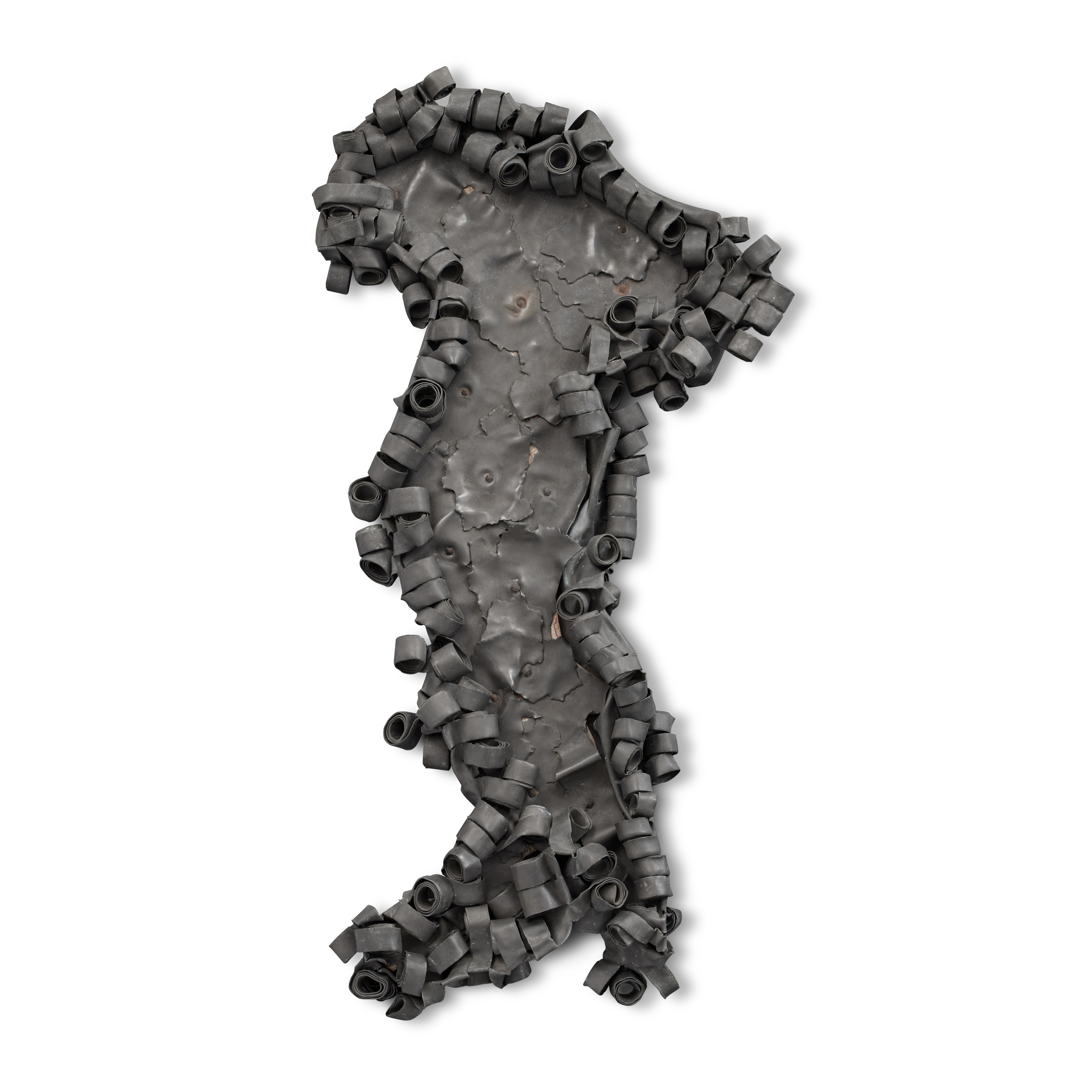
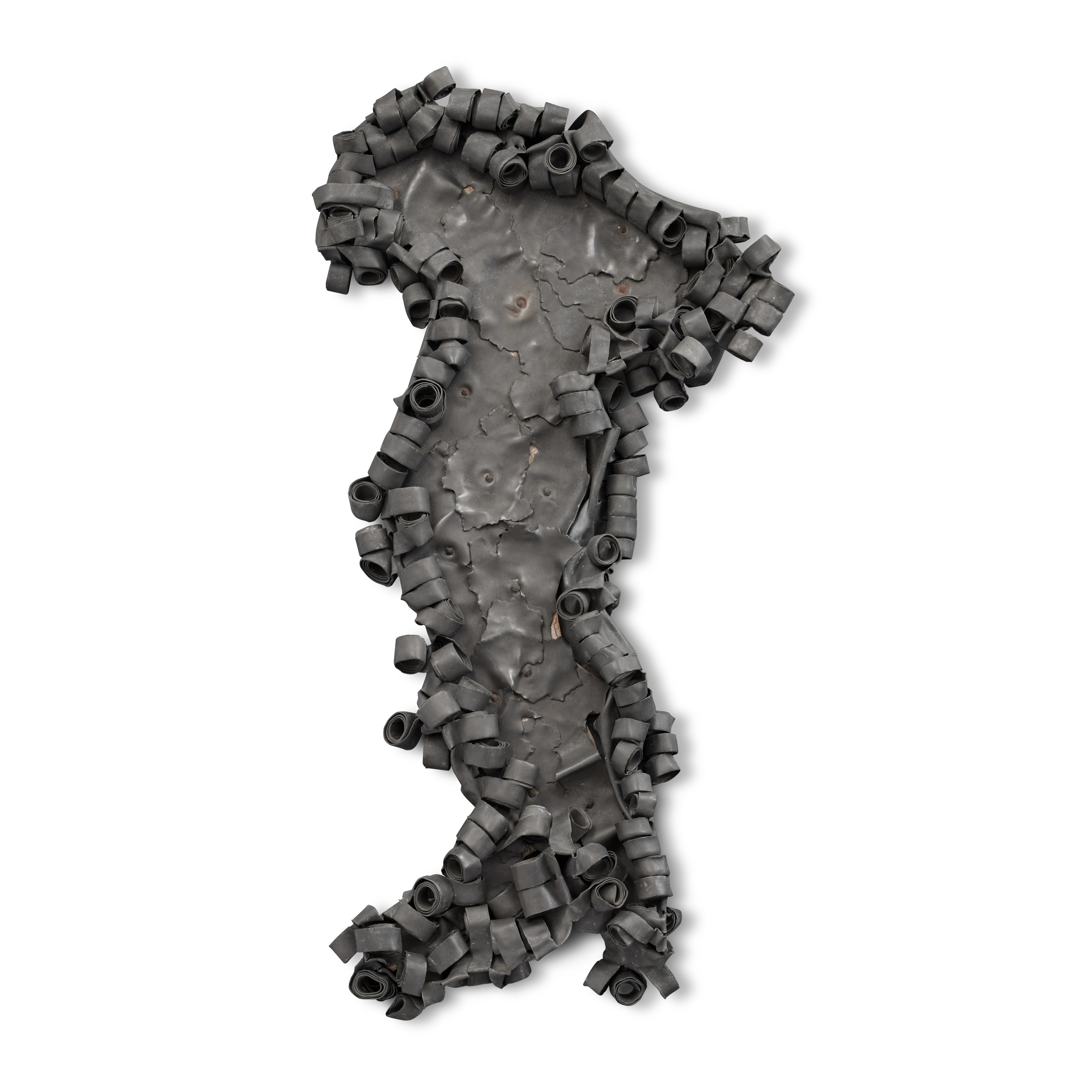
Sullo stato, 1970
The works gathered under Im Spazio span roughly three decades of transformative art making, anchored in Italy but reaching outward into the broader international conversation that connected Arte Povera, Spatialism, Conceptual Art, and Minimalism during one of the most intellectually charged periods in the history of modern art. The collection draws from artists who understood that the surface of a painting, the texture of a material, or the bare declaration of an idea could carry the same weight as centuries of academic tradition. These were artists who had lived through war, through the collapse of ideologies, and who responded not with despair but with a radical reinvention of what art could be and do. The oldest work in the collection, "Armada" from 1946, arrives just at the threshold of that reinvention, carrying the atmosphere of the immediate postwar moment when artists across Europe were reckoning with destruction and beginning to imagine new forms.
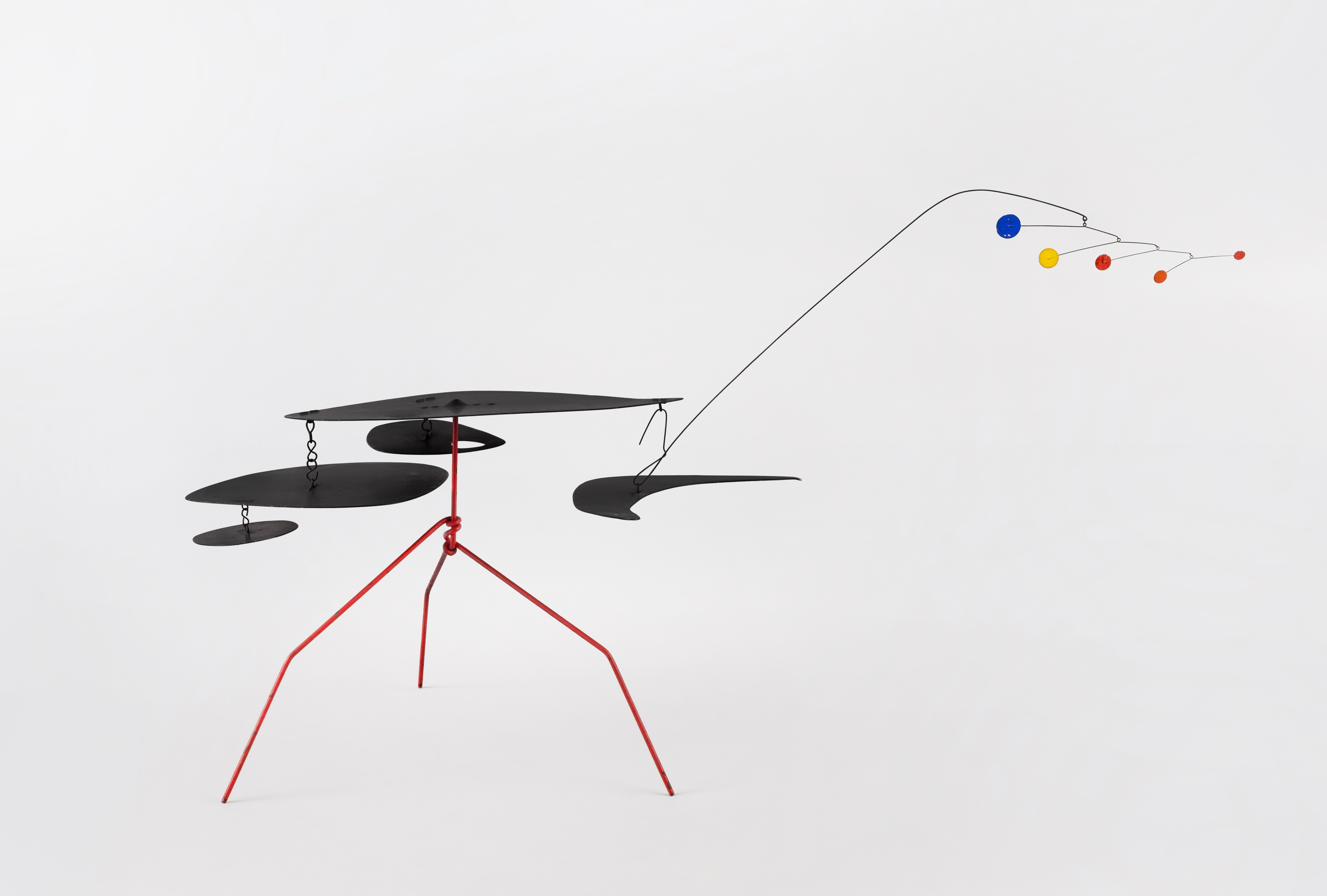
By 1948, "The Beetle" extends that early period, suggesting an interest in the organic, the found, and the unexpected that would come to define so much of what followed. These early works are not merely historical context. They are fully alive, fully themselves, and they set the terms for everything the collection develops afterward. At the heart of Im Spazio sits a group of works from the 1950s and 1960s that represent the collection at its most concentrated.
Im Spazio: The Space of Thoughts
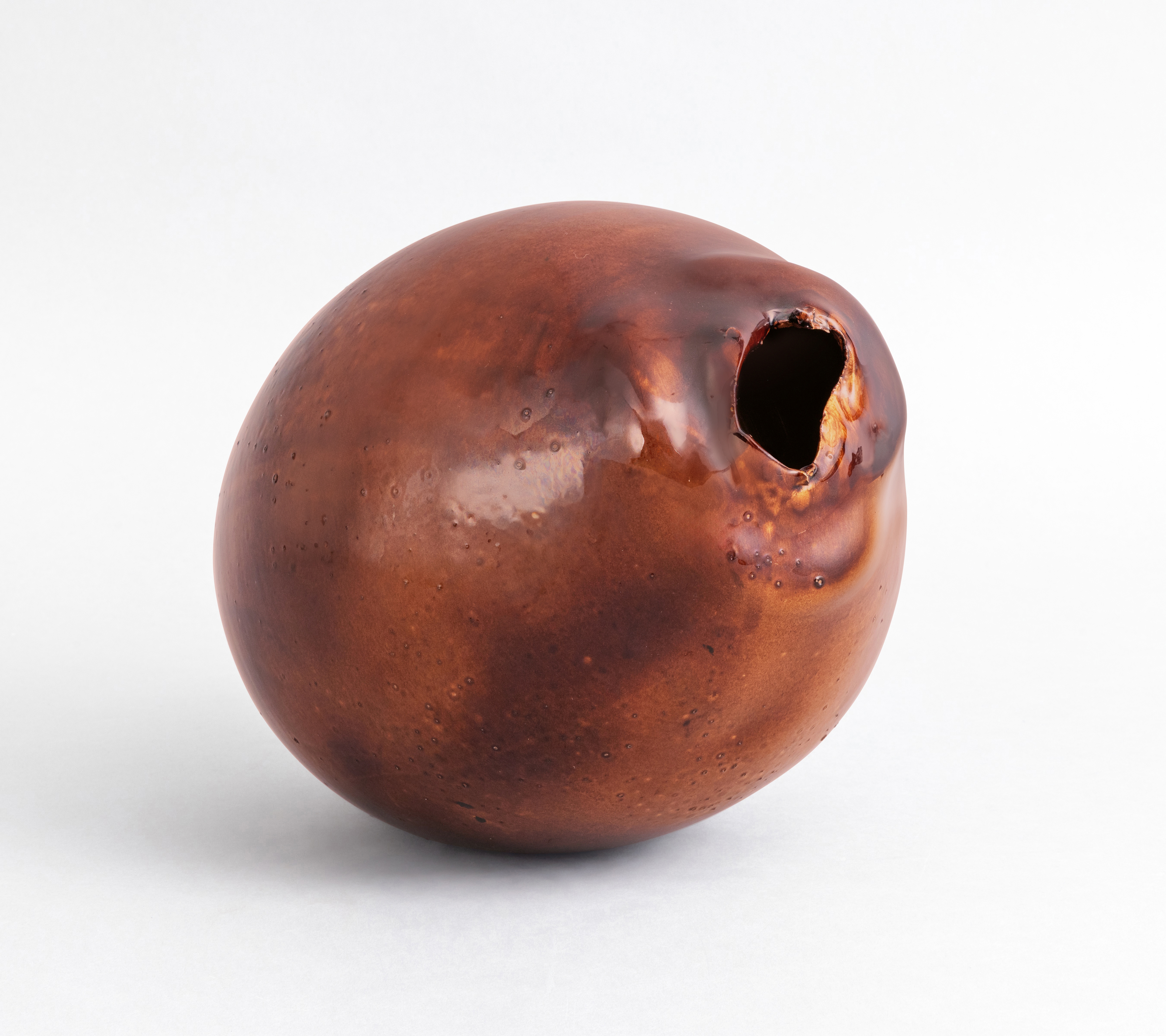
Concetto Spaziale, 1962
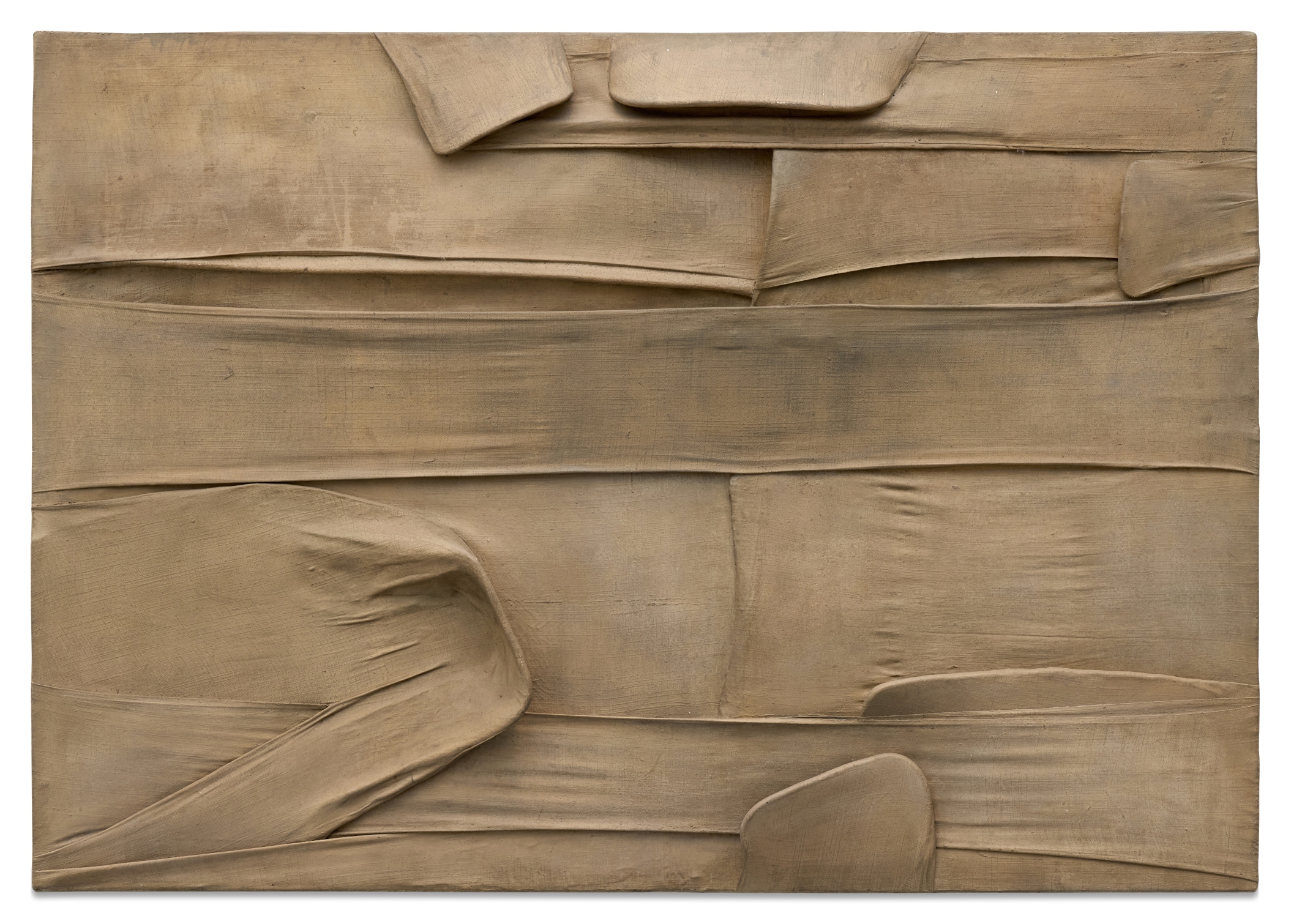
"Helikon" from 1959, constructed from bandages and mixed media, speaks directly to the material investigations that made postwar Italian art so distinctive. Bandages carry their own language, their own memory of the body and of healing, and the decision to elevate them into a work of art is both tender and radical. The two works titled "Concetto Spaziale," including the extraordinary "Concetto Spaziale, Teatrino" of 1965 rendered in waterpaint on canvas and lacquered wood, place the collection in direct conversation with the Spatialist movement founded by Lucio Fontana, whose belief that art must transcend the flat picture plane and engage with real space was among the most generative ideas of the twentieth century. Fontana's theatrical sense, his understanding that art is a performance of thought as much as a physical object, resonates through every room Im Spazio inhabits.
The "Achrome" of 1962, assembled from package in wrapping paper, string, a lead plate, and sealing wax on canvas, is one of the collection's most arresting objects. Achromes, works that refuse the conventional seduction of color in favor of surface and material truth, were central to Piero Manzoni's project of stripping art back to its most essential and honest conditions. This particular Achrome carries the full weight of that ambition. The industrial and domestic materials brought together in a single object create something that feels simultaneously humble and monumental.
Im Spazio: The Space of Thoughts
Helikon, 1959
For a collector drawn to work that thinks as much as it looks, this piece is a quietly profound achievement. "Tappeto" from 1968, made from steel wool, and "Sullo stato" from 1970, combining lead and roadmap on wood, extend the collection forward into the years when Arte Povera was at its most vital and searching. Arte Povera, the movement named by critic Germano Celant in 1967 and associated with artists including Jannis Kounellis, Mario Merz, Giovanni Anselmo, and Michelangelo Pistoletto, took as its mission a confrontation between natural and industrial materials, between the ancient and the contemporary. The use of lead in "Sullo stato" connects to a broader Arte Povera vocabulary of heavy, alchemical materials that carry both physical and symbolic presence.
The roadmap beneath the lead introduces geography, movement, and the texture of ordinary life into a work of striking formal intelligence. "Nero Cretto" from 1976, worked in acrylic and PVA on Celotex and housed in the artist's own frame, brings the collection into its final decade with a work that references the cracked earth surfaces most closely associated with Alberto Burri's late Cretti series. Burri, one of the towering figures of twentieth century art, developed his cracked surfaces into landscapes of extraordinary emotional and geological depth, and a work in this tradition holds a place of considerable significance both art historically and in the market. The artist's frame is itself a statement, insisting that the work arrive complete, on its own terms, without compromise or reinterpretation.
Im Spazio: The Space of Thoughts
The Beetle, 1948
"One and Eight: A Description" from 1965 introduces a Conceptual register that connects the collection to the international conversation happening simultaneously in New York, London, and Düsseldorf. The use of language and description as artistic material, the investigation of what it means to name and enumerate, places this work alongside the concerns of artists like Lawrence Weiner and Joseph Kosuth, reminding us that the Italian postwar avant garde was never provincial but was instead in constant dialogue with the wider world. For collectors considering works in this space, Im Spazio offers a masterclass in coherence and conviction. Collections that are built around a genuine intellectual position, rather than around market trends or trophy acquisitions, have a way of becoming more valuable over time in every sense of that word.
The artists represented here, working with Arte Povera materials, Spatialist ideas, and Conceptual strategies, have been the subject of major retrospectives at institutions including the Tate Modern, the Museum of Modern Art, and the Centre Pompidou, and the market for serious works from this period has remained consistently strong among both European and international collectors. Works combining unusual materials, artist provenance, and clear art historical positioning are among the most sought after by museum curators and serious private buyers alike. Im Spazio is a collection that understands what it loves and why. It is assembled with the patience and precision of someone who has spent real time in the presence of these works, thinking about what they ask of us and what they offer in return.
In a moment when the art world moves quickly and loudly, there is something genuinely valuable about a collection that insists on slowness, on materiality, and on the enduring power of thought made physical. That, finally, is what space of thought means, and Im Spazio lives up to every word of its name.