Hippolyte Bayard
Hippolyte Bayard: Photography's Most Generous Pioneer
Artist Spotlight · The Collection Editorial
There is a photograph that stops every visitor who encounters it. A man reclines with eyes closed, hands folded, his bare torso pale against dark drapery. He appears to be dead. Yet the man is very much alive, and the image is not a document of tragedy but an act of protest, one of the most quietly radical gestures in the history of art.
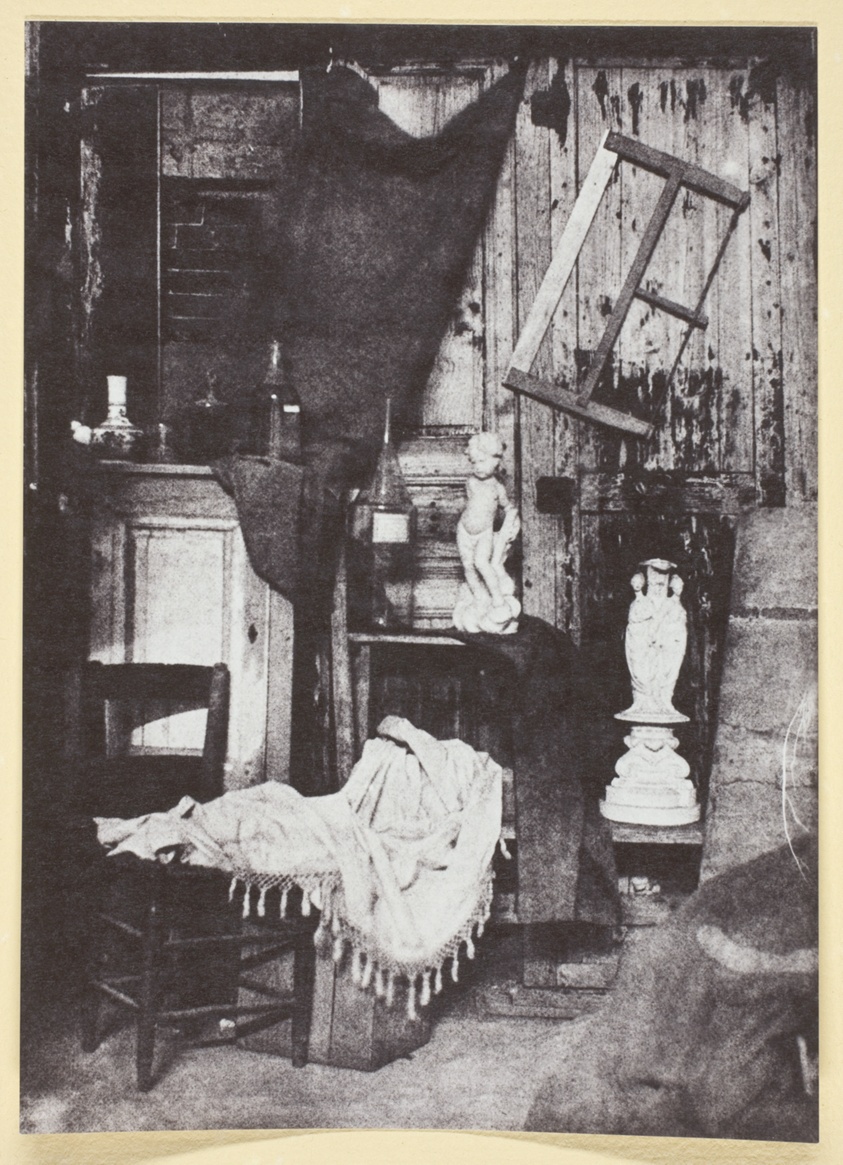
Hippolyte Bayard
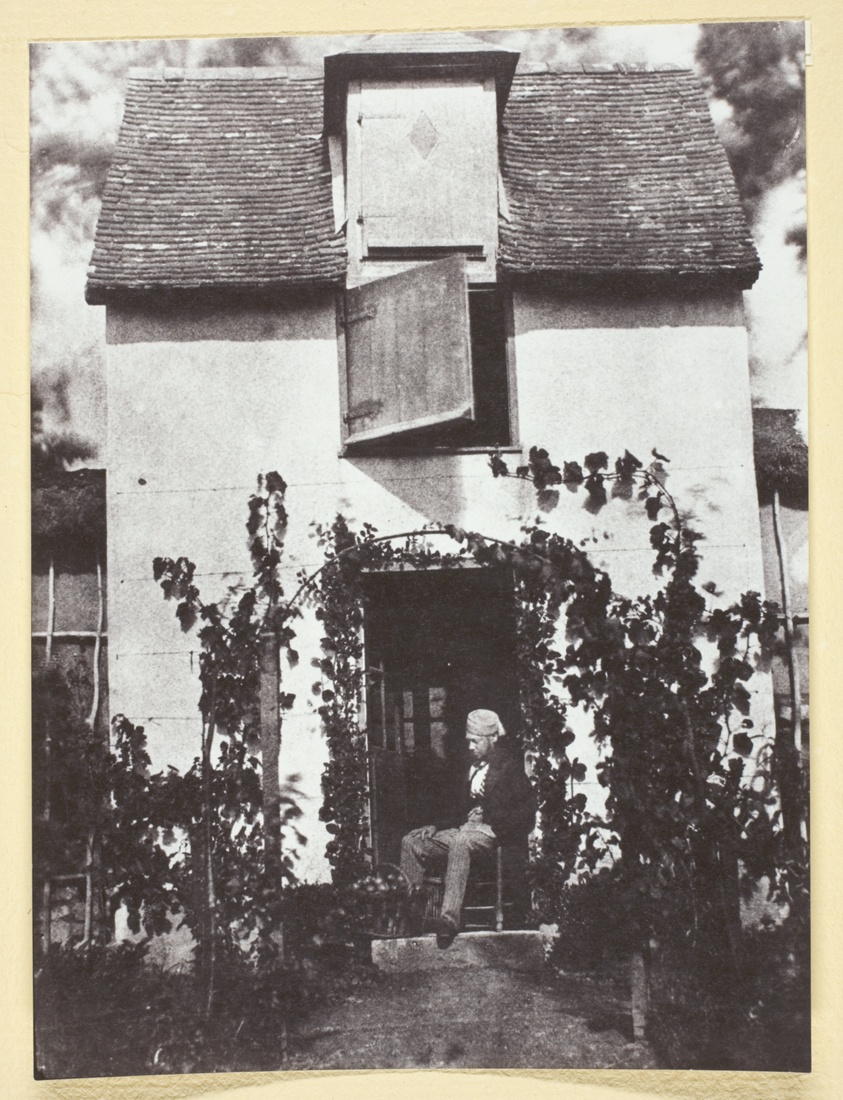
Grenier, 1842
That man is Hippolyte Bayard, and his 1840 self portrait as a drowned man stands as one of the earliest examples of staged, conceptual photography ever made. In a medium barely a year old at the time, Bayard was already using it to tell a story, to argue a case, to speak truth to power. That this image was made at all tells you everything about the kind of artist and the kind of man he was. Bayard was born in 1801 in Breteuil sur Noye, a small town in the Oise department of northern France.
He came from modest provincial origins and made his way to Paris, where he found work as a civil servant in the Ministry of Finance. The position was steady but unremarkable, the kind of life that rarely produces lasting legacies. What saved him from obscurity was an insatiable curiosity and a willingness to experiment at a moment when experimentation was about to change the world. In the late 1830s, with whispers circulating through Parisian scientific circles about methods for fixing light onto surfaces, Bayard began his own independent investigations.
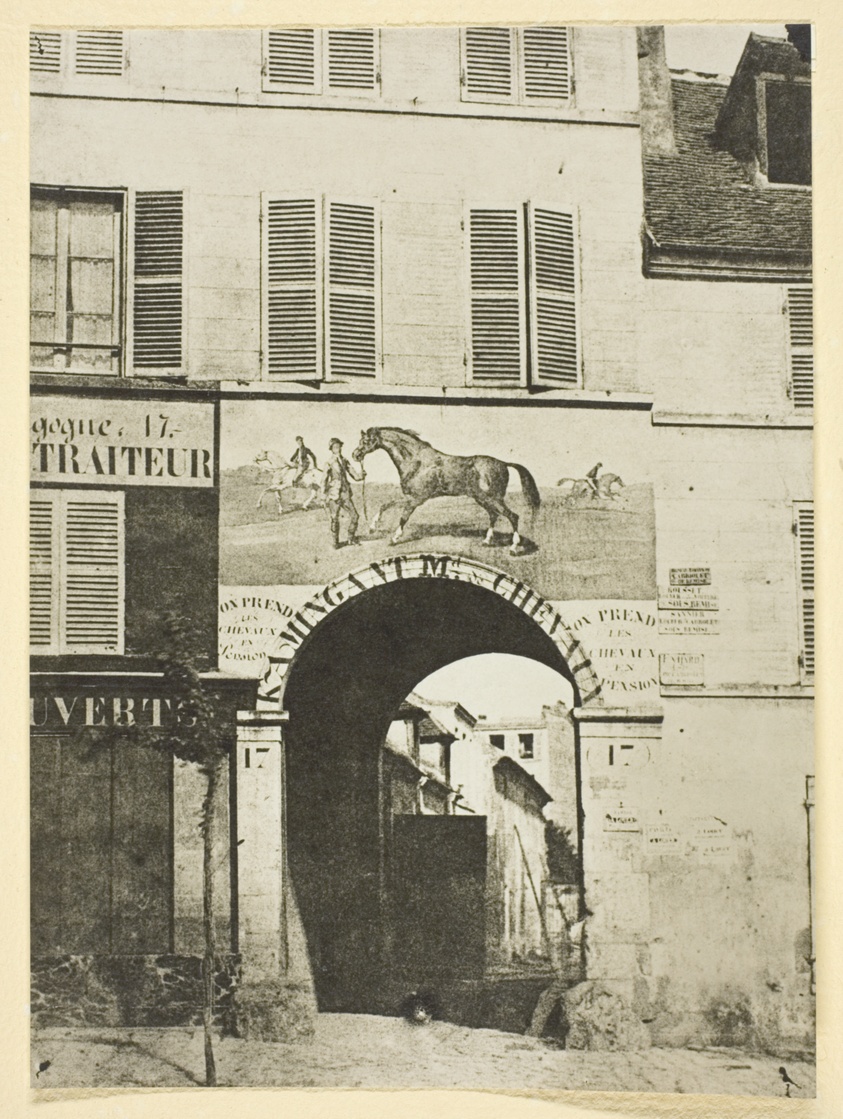
Hippolyte Bayard
Enseigne d'un Marchand de Chevaux, 1842
He was not a chemist by training, not a scientist by profession, but a determined autodidact driven by wonder. By 1839, Bayard had developed something genuinely remarkable: a process for creating a direct positive image on paper. Unlike the daguerreotype, which produced a unique image on a polished metal plate, Bayard's method yielded a print on paper that was softer in tone, warmer in feeling, and in certain ways more closely related to drawing and printmaking than to any prior technology. He demonstrated his results publicly in June 1839 with an exhibition of thirty prints, widely considered the first public exhibition of photographs in history.
The works shown depicted Parisian streets, plaster casts, still life arrangements, and the rooftops of the city he had made his own. The response was enthusiastic. The moment seemed ripe for recognition. What followed was one of the great injustices in the history of art and science.
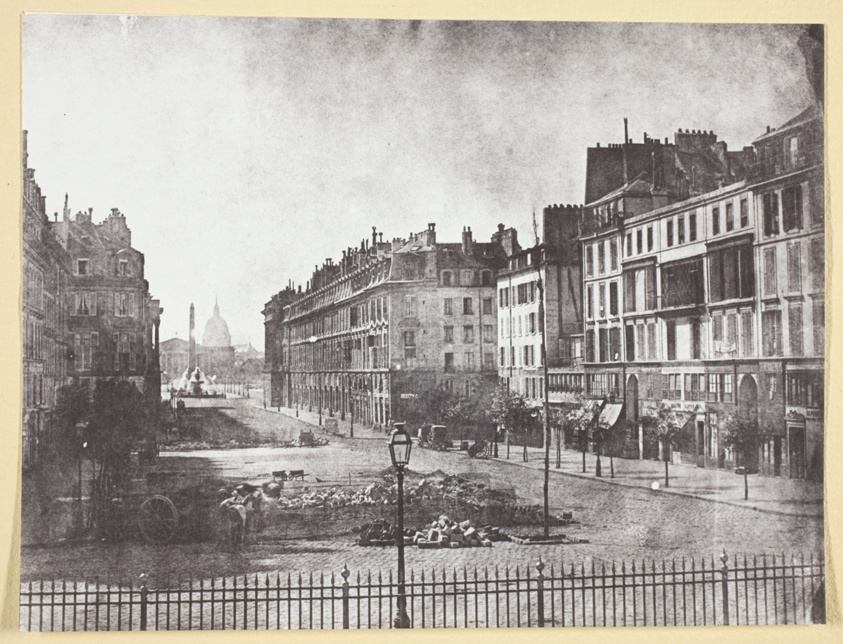
Hippolyte Bayard
Rue Royale et Restes des Barricades de 1848, 1848
Francois Arago, the physicist and politician who championed photography at the French Academy of Sciences, had already committed to promoting the daguerreotype as France's gift to the world. He persuaded Bayard to delay his public announcement, reportedly with a modest financial payment and vague promises of future recognition. The result was that Louis Jacques Mande Daguerre received the credit, the fame, and the pension that history now associates with the invention of photography. Bayard received almost none of that.
The self portrait as a drowned man, with its wry accompanying text composed in the voice of a corpse, was his response: witty, melancholy, and unforgettable. It was also, in retrospect, the birth of the artist's statement as artistic medium. Yet Bayard did not retreat into bitterness. He continued to work with astonishing range and productivity across four decades.
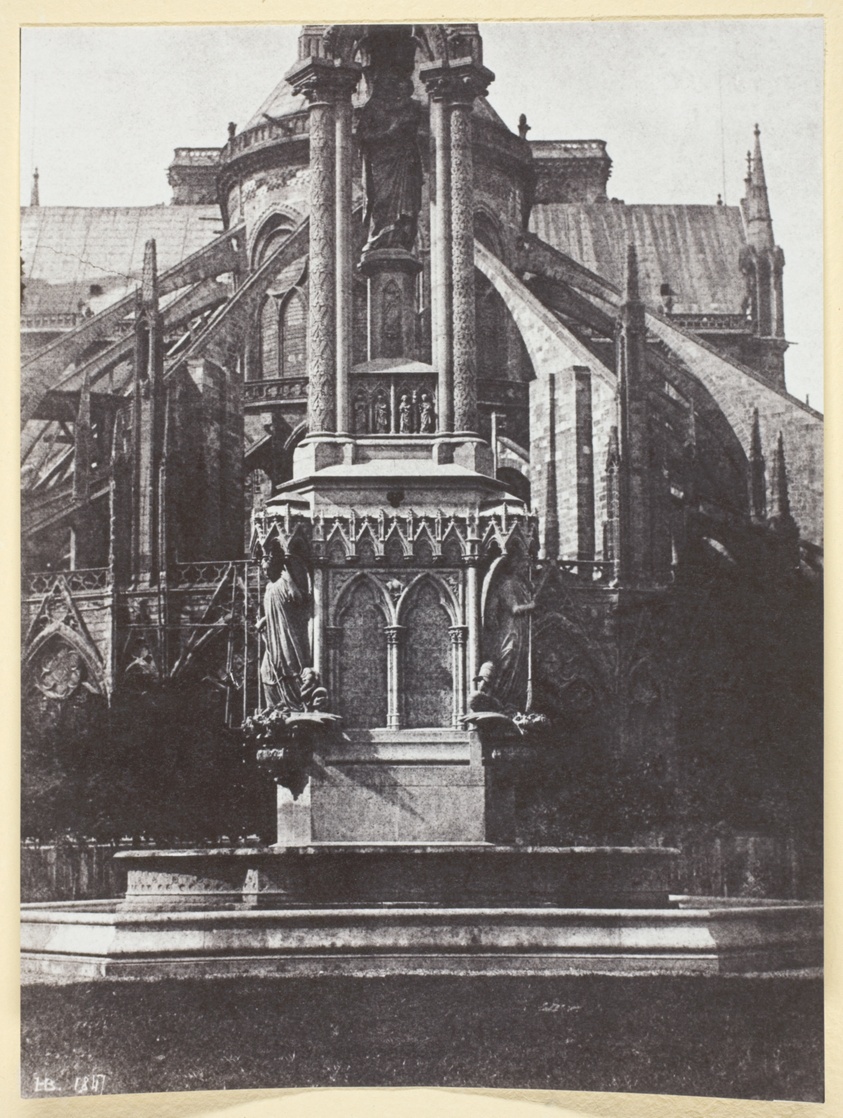
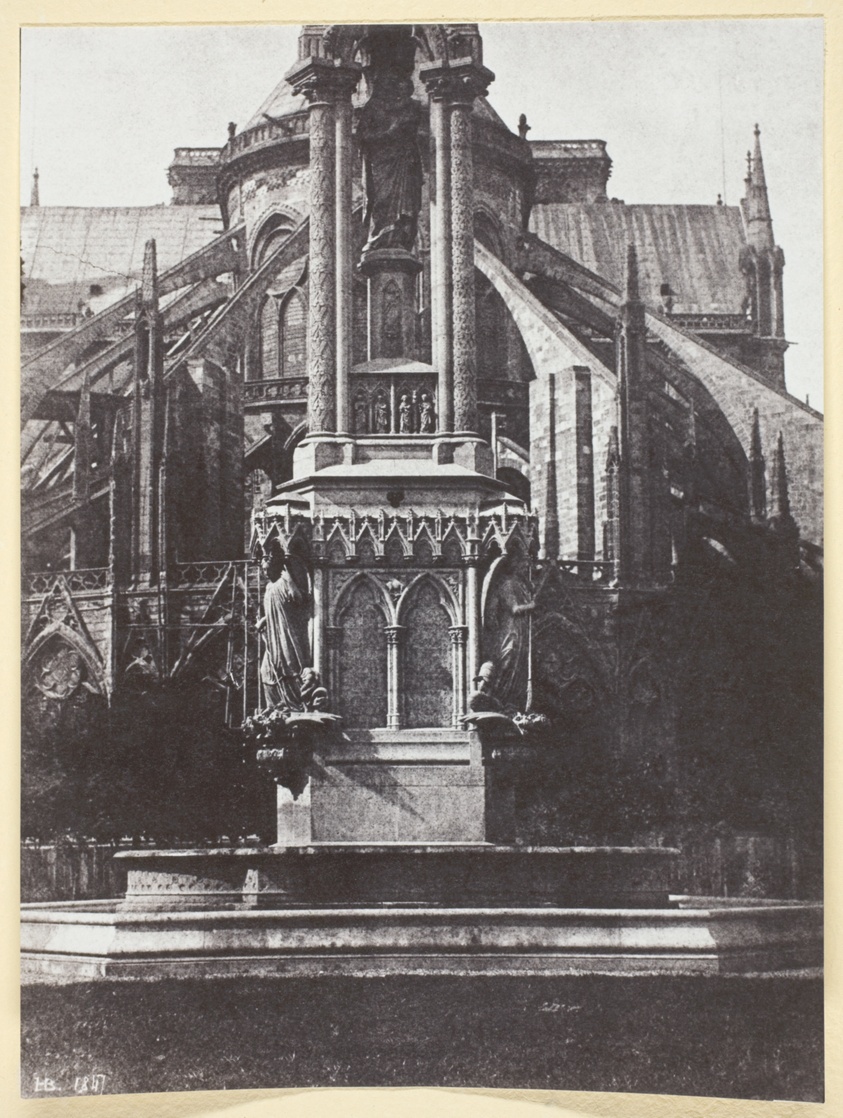
Hippolyte Bayard
La Fontaine du square de l'Archevêché; Derrière Notre-Dame, 1847
He embraced the calotype process developed by William Henry Fox Talbot, producing paper negatives and positives of Parisian monuments, windmills, fountains, and streets with a sensitivity that rewards close looking. His series of views made between 1842 and 1850, later compiled into the portfolio Bayard: XXV Calotypes, 1842 to 1850, published in 1965, reveals a photographer of genuine compositional intelligence. Works like Le Moulin de Saint Ouen from 1845, La Fontaine du square de l Archeveche from 1847, and Rue Royale et Restes des Barricades de 1848 are not mere documents. They are considered, lyrical images in which light and shadow are handled with the care of a painter who happens to be working in a new medium.
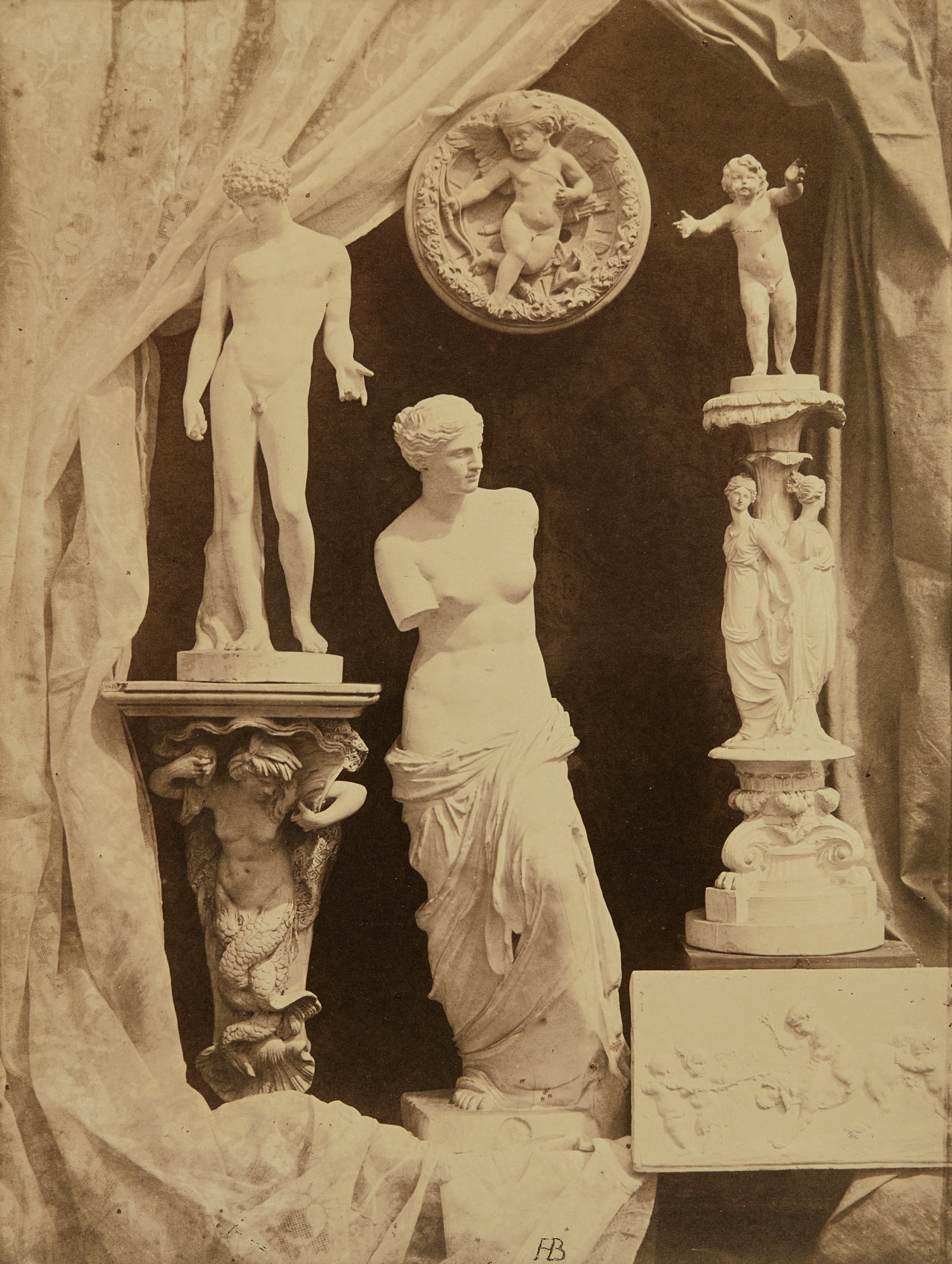
Bayard's still life work deserves particular attention from collectors and art historians alike. His studies of plaster casts of classical sculpture, including the luminous Still Life with Statuary and Drapery from 1850, demonstrate his understanding of how photography could engage with and extend a tradition of art making that stretched back centuries. Plaster casts were the standard teaching tools of the French academic system, familiar objects freighted with cultural authority. By training his lens on them, Bayard was both honoring that tradition and quietly transforming it.
His later work in albumenized salt prints from wet collodion negatives shows a photographer who never stopped evolving, always alert to what new processes could offer in terms of detail, tonal range, and expressive possibility. For collectors, Bayard presents a genuinely compelling proposition. His work sits at the absolute origin of the photographic medium, and to hold a Bayard print is to hold something from the first generation of images ever made by light acting on a prepared surface. The calotype works, with their warm, slightly grainy texture and their honest relationship to the physical world, have an intimacy that later photographic processes sometimes sacrificed in the pursuit of precision.
The prints from the 1965 portfolio offer a considered and historically informed way into his practice, produced with care for those who recognized, even then, that Bayard's contribution had been unjustly overlooked. Alongside Talbot and Daguerre, he forms the third point of a triangle at the center of photography's founding moment, and his work holds its own in that extraordinary company. Within art history, Bayard belongs to a group of figures whose importance has grown as our understanding of photography's origins has deepened. Scholars and curators have increasingly placed him alongside Talbot, whose paper based processes shared a certain affinity with Bayard's own aesthetic sensibility, as a counterweight to the dominant narrative of the daguerreotype.
Major institutions including the Musee d Orsay and the Metropolitan Museum of Art hold examples of his work, and exhibitions devoted to the pioneers of photography have consistently positioned him as a figure whose rediscovery enriches our understanding of what the medium was and what it could be. Bayard died in 1887, having lived long enough to see photography transform from a scientific novelty into a global industry. He never received the official recognition he deserved in his lifetime, but he left behind a body of work of extraordinary range and beauty. Today, as collectors and institutions seek out the foundational moments of photographic history, Bayard's images feel not like relics but like living things, full of curiosity, feeling, and a quiet insistence on being seen.
He invented a way of making pictures, protested injustice through one of those pictures, and then simply continued making pictures for the rest of his life. That is not a story of defeat. That is a story of devotion.
Featured Works
Explore books about Hippolyte Bayard
Hippolyte Bayard: A Pioneer of Photography
Quentin Bajac
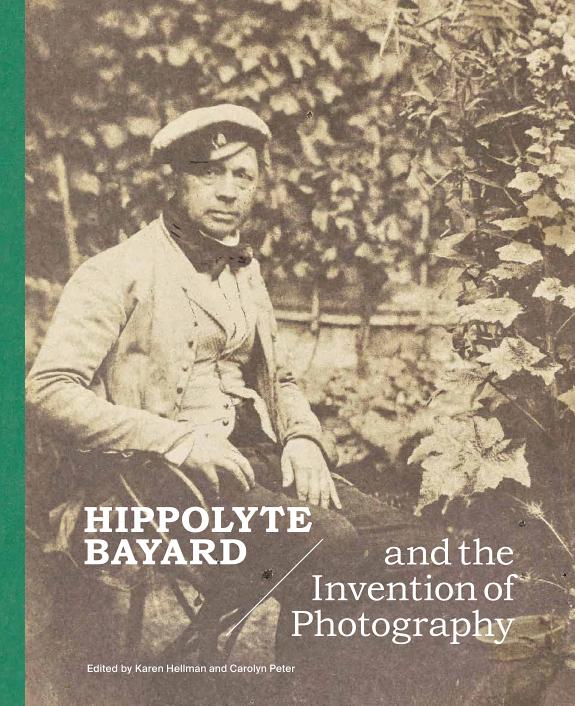
Hippolyte Bayard and the Invention of Photography
André Jammes
The Self-Portraits of Hippolyte Bayard
Anne McCauley
Hippolyte Bayard: 1801-1887
Roger Taylor
Direct Positive Processes: Hippolyte Bayard and Early Photography
Paul Chutoux