
Guy Debord
French Marxist theorist, writer, filmmaker (1931, 1994)
No public artworks yet
Artists who inspired them
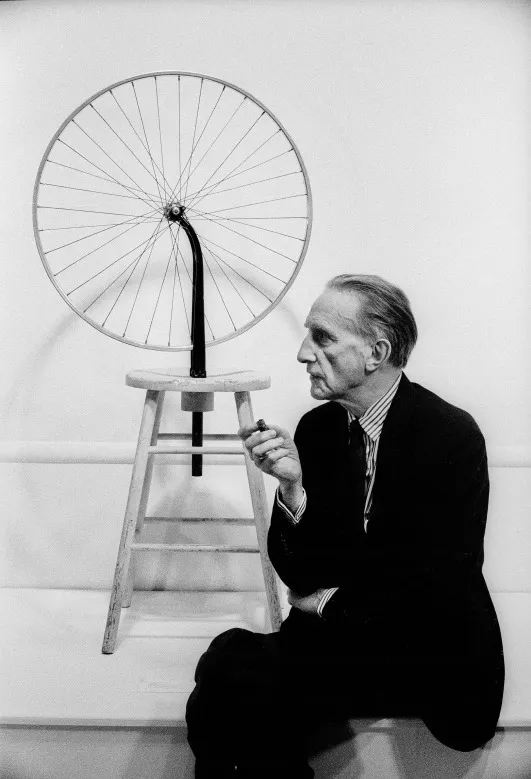
Marcel Duchamp
Duchamp's readymades and his radical questioning of artistic value and institutional frameworks were foundational for Debord's concept of détournement, the practice of repurposing existing cultural material to subvert its original meaning. Debord explicitly engaged with Duchamp's legacy in theorizing the Situationist project.
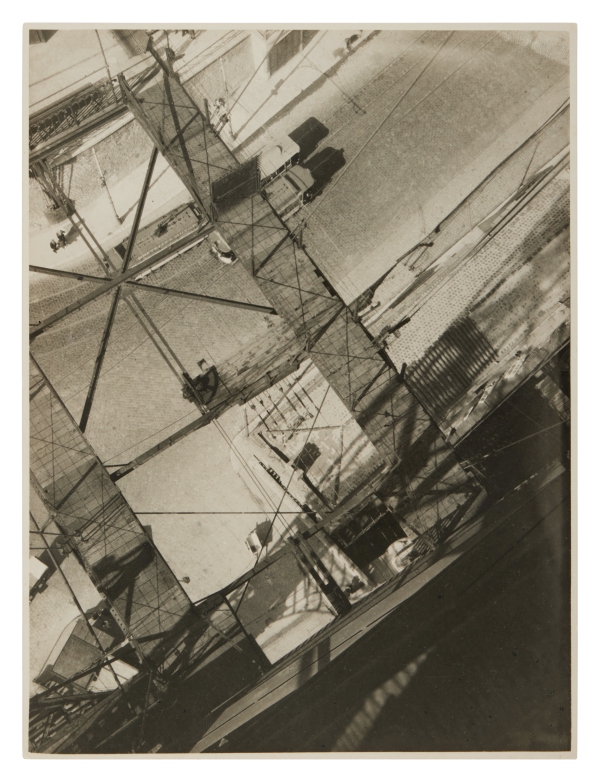
László Moholy-Nagy
Moholy-Nagy's Constructivist integration of typography, photography, and design into a unified critique of modern life influenced the Lettrist and Situationist approaches to visual communication and the transformation of urban space. His ideas about the total environment fed into Debord's concept of constructed situations.
Isidore Isou
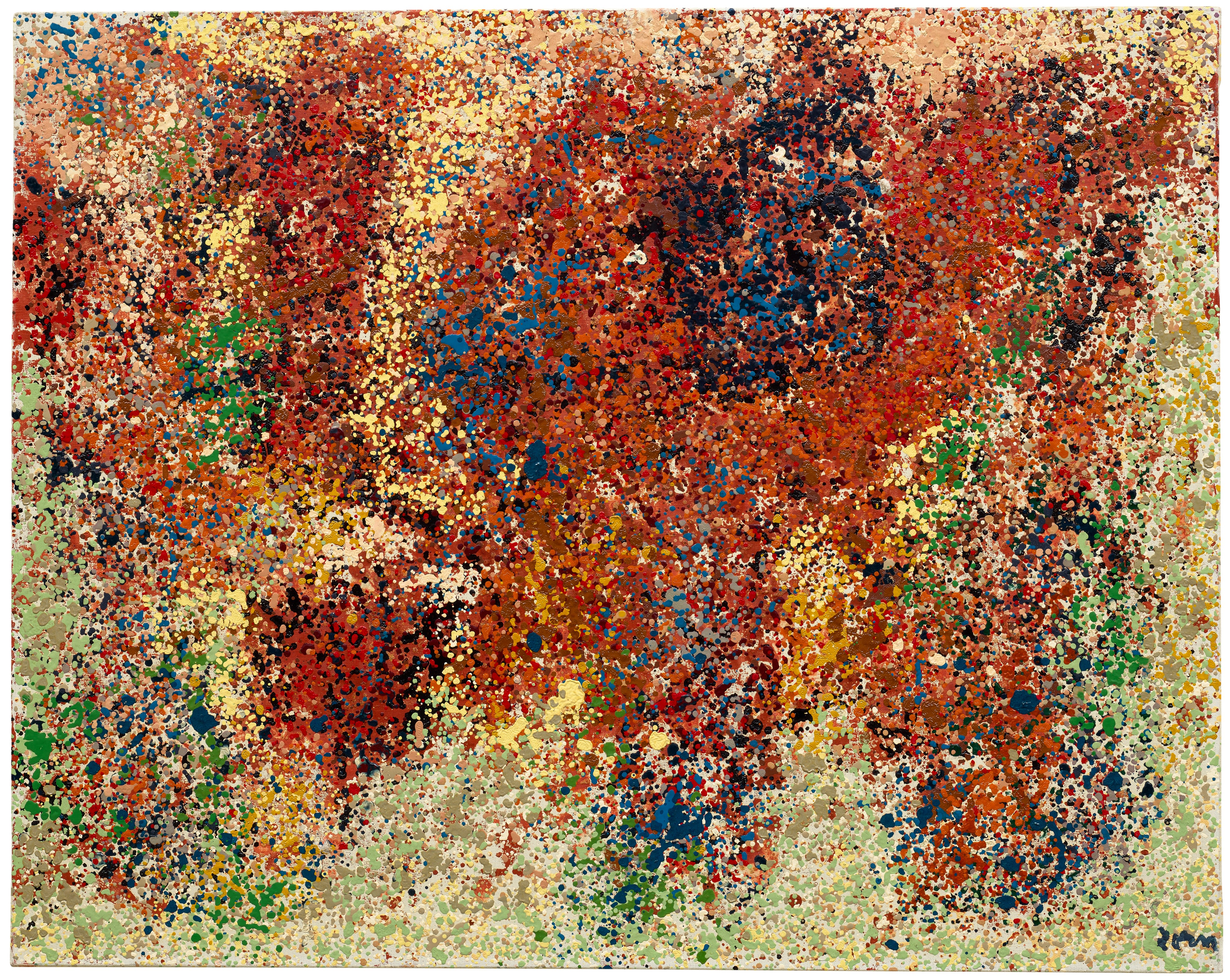
Isou founded the Lettrist movement which directly preceded and shaped the Situationist International, and Debord began his artistic and political career as a Lettrist under Isou's influence. Isou's experiments with decomposed language and film form provided Debord with his earliest framework for avant-garde cultural disruption.
Artists they inspired

Barbara Kruger
Kruger's appropriation of mass media imagery combined with text based slogans directly enacts the Situationist critique of spectacle that Debord theorized, targeting consumerism and power through the language of advertising itself. Her work is widely understood as a visual translation of Debordian ideas into the gallery and public space.

Banksy
Banksy's street art practice of subverting public and commercial imagery through ironic juxtaposition draws directly on the Situationist tradition of détournement that Debord codified. His interventions into the spectacle of urban consumer culture reflect a sustained engagement with Debord's theoretical framework.

Hans Haacke
Haacke's institutional critique and his use of the visual language of corporate spectacle against itself echo Debord's insistence on exposing the material and ideological structures underlying capitalist culture. His practice of appropriating and détourning the forms of power has been directly linked to Situationist influence.