Matthew Day Jackson
Artist Spotlight
Matthew Day Jackson Builds America From Scratch
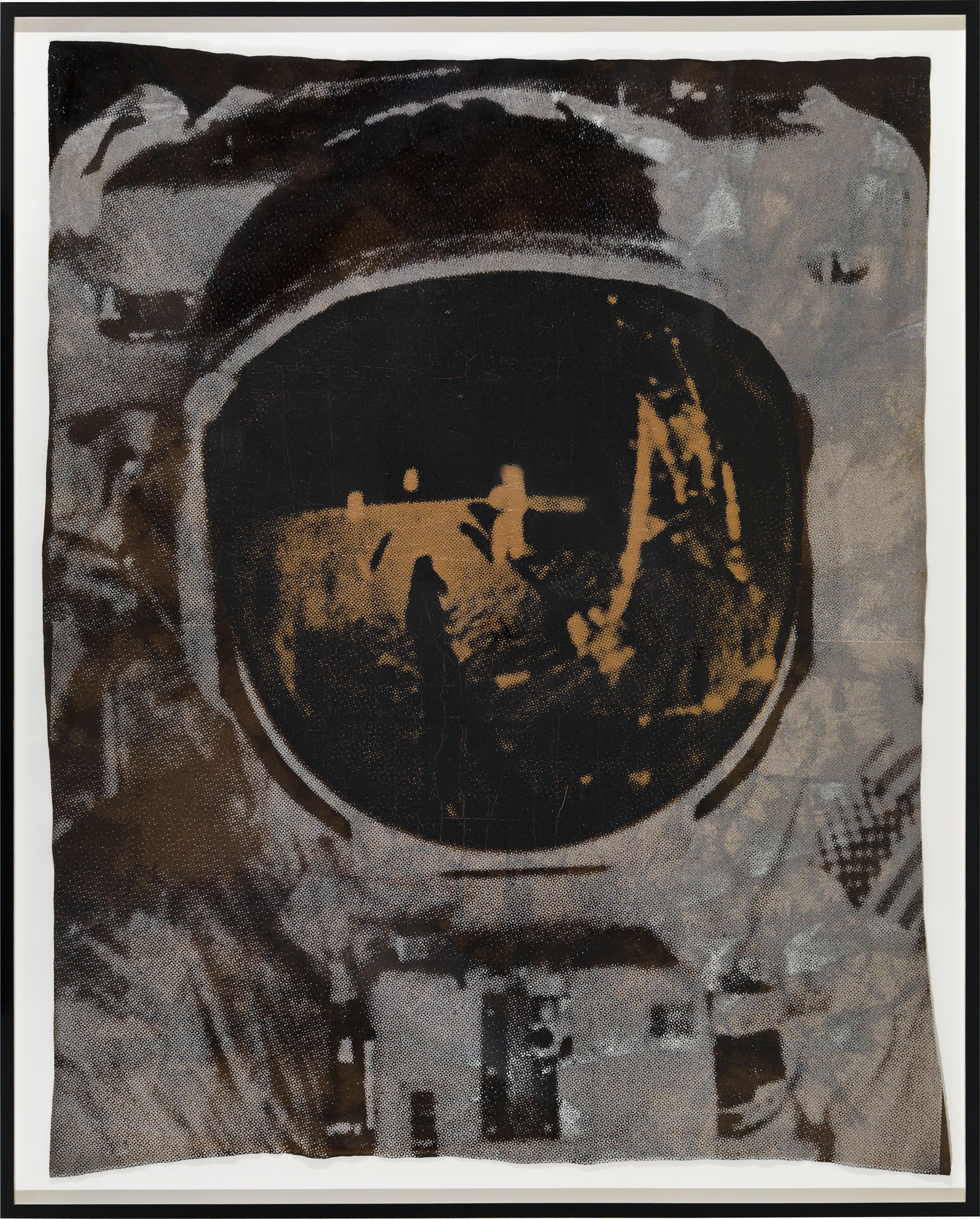
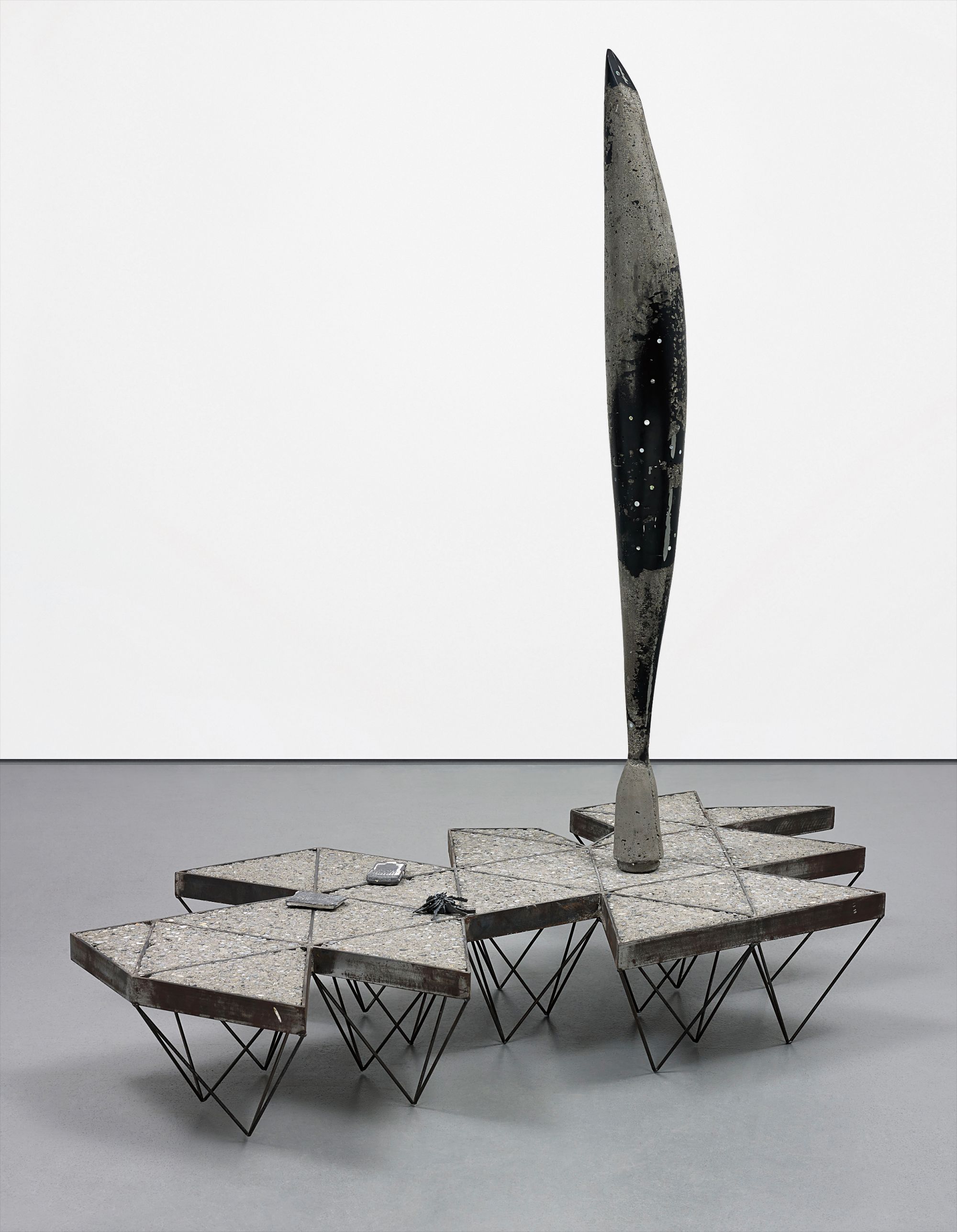
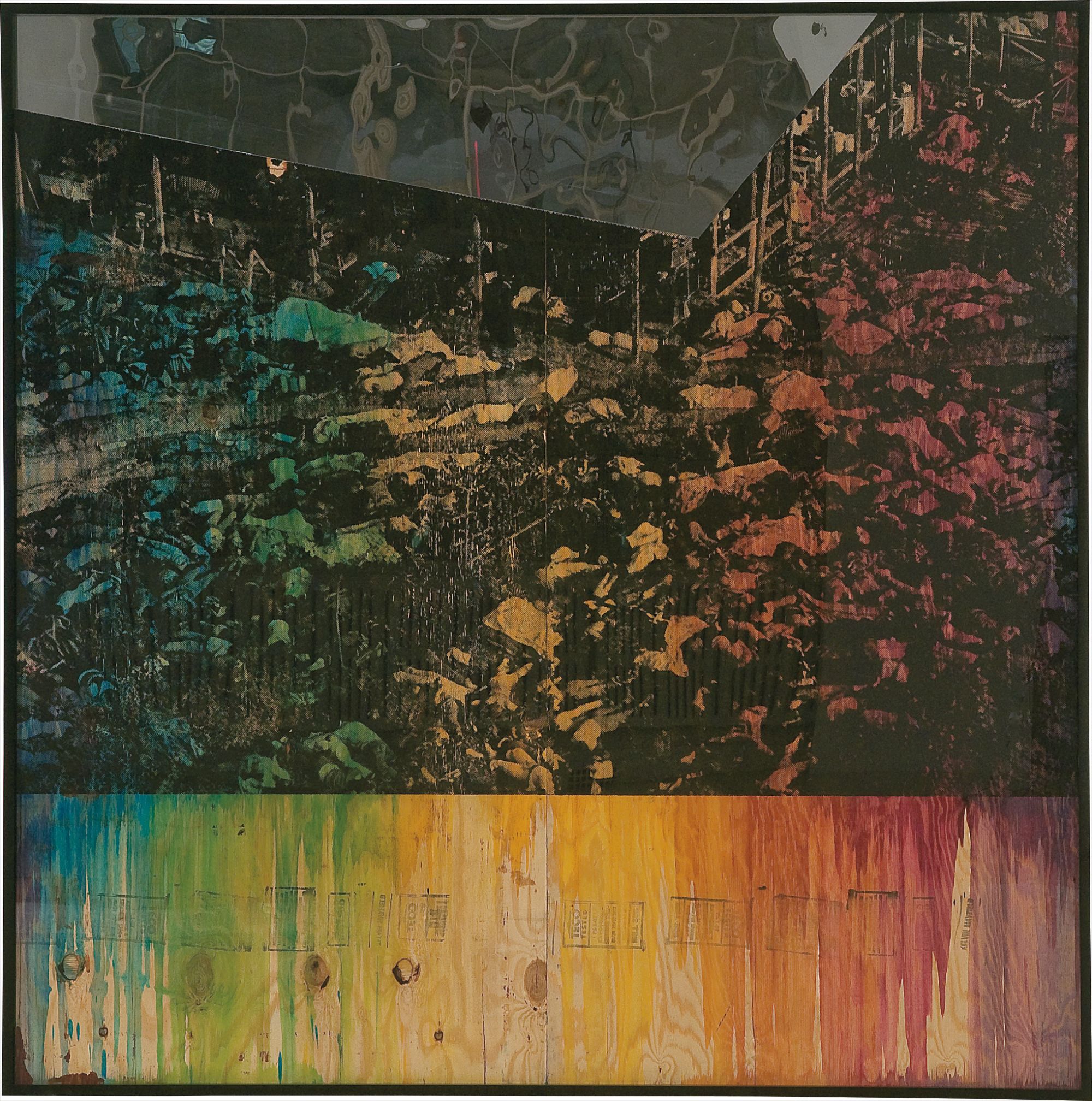
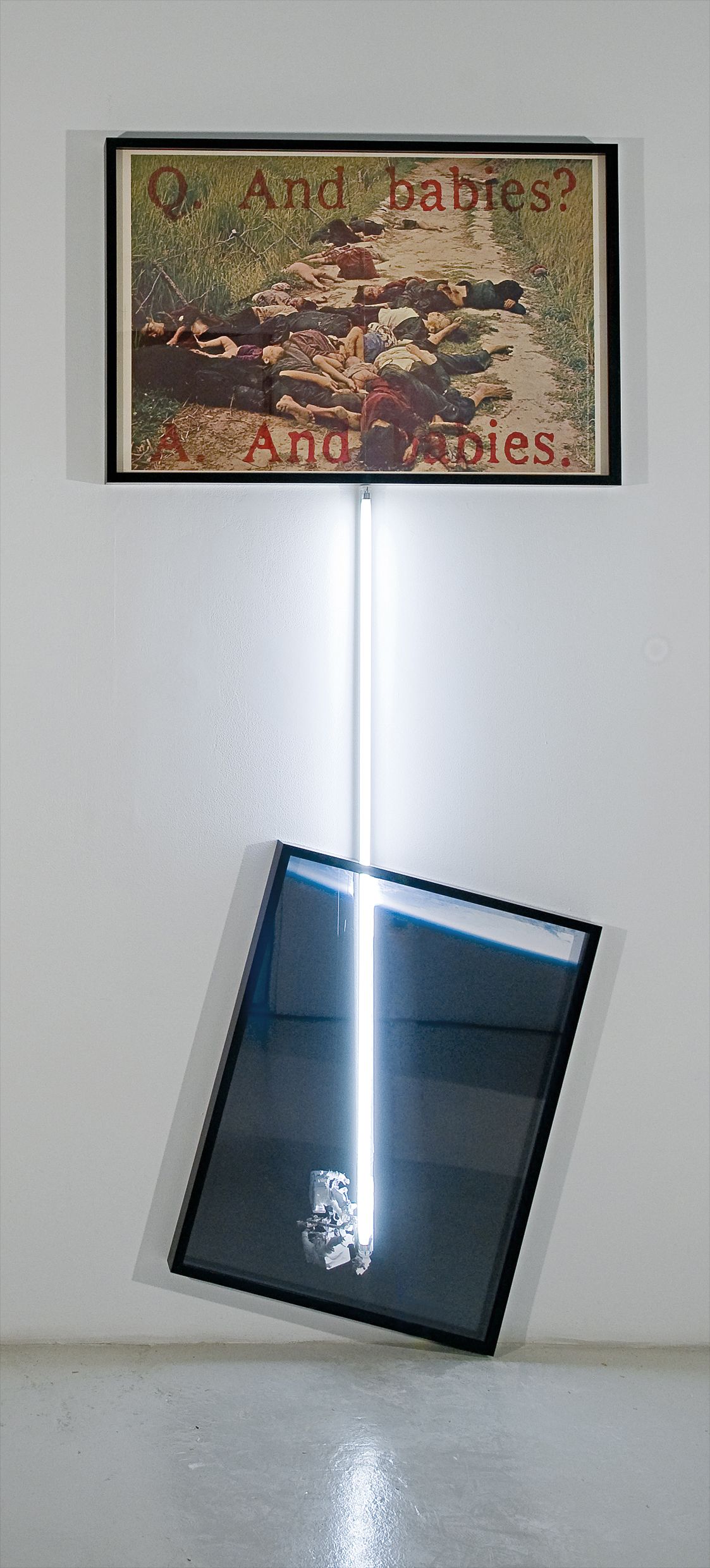
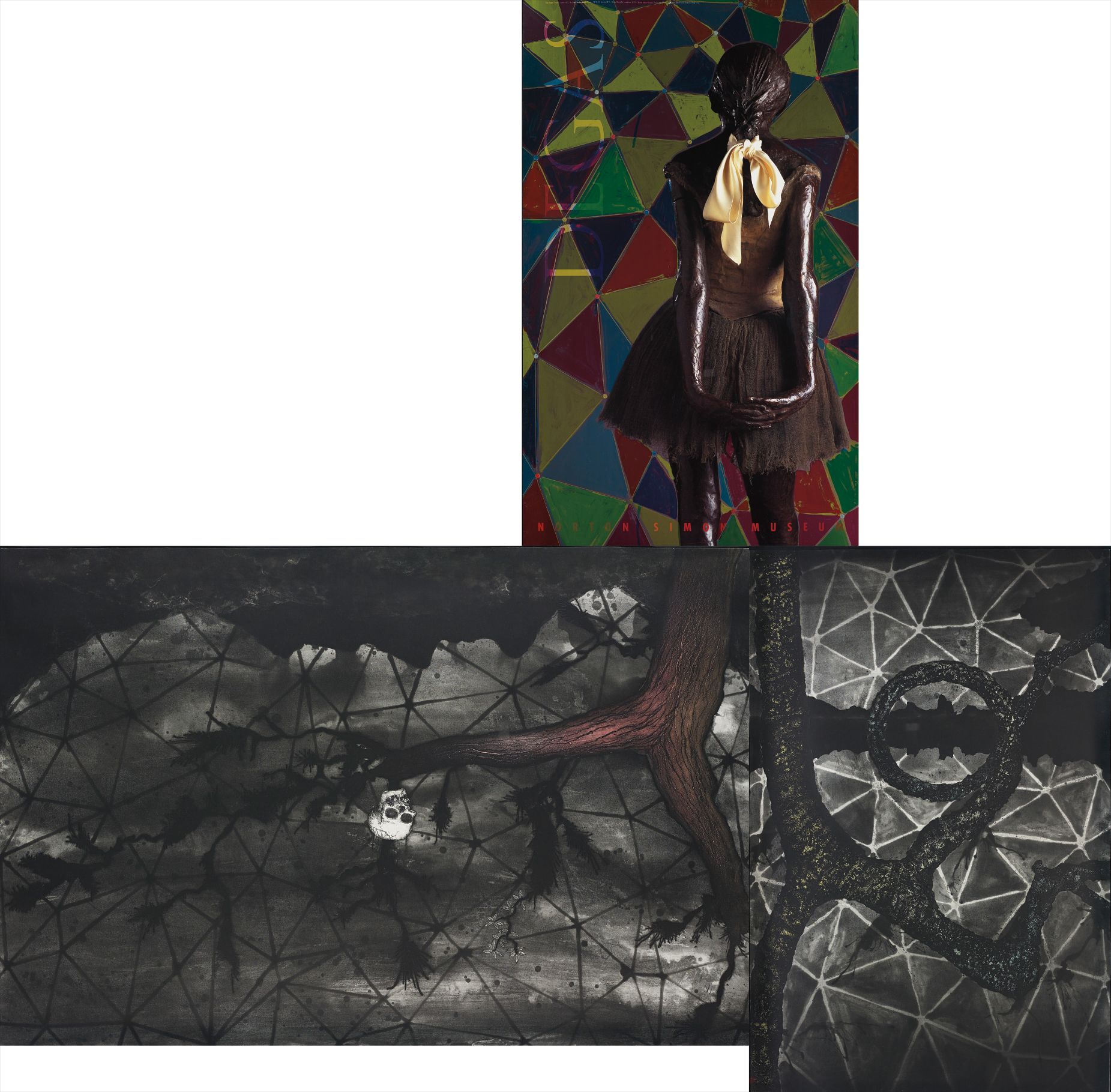
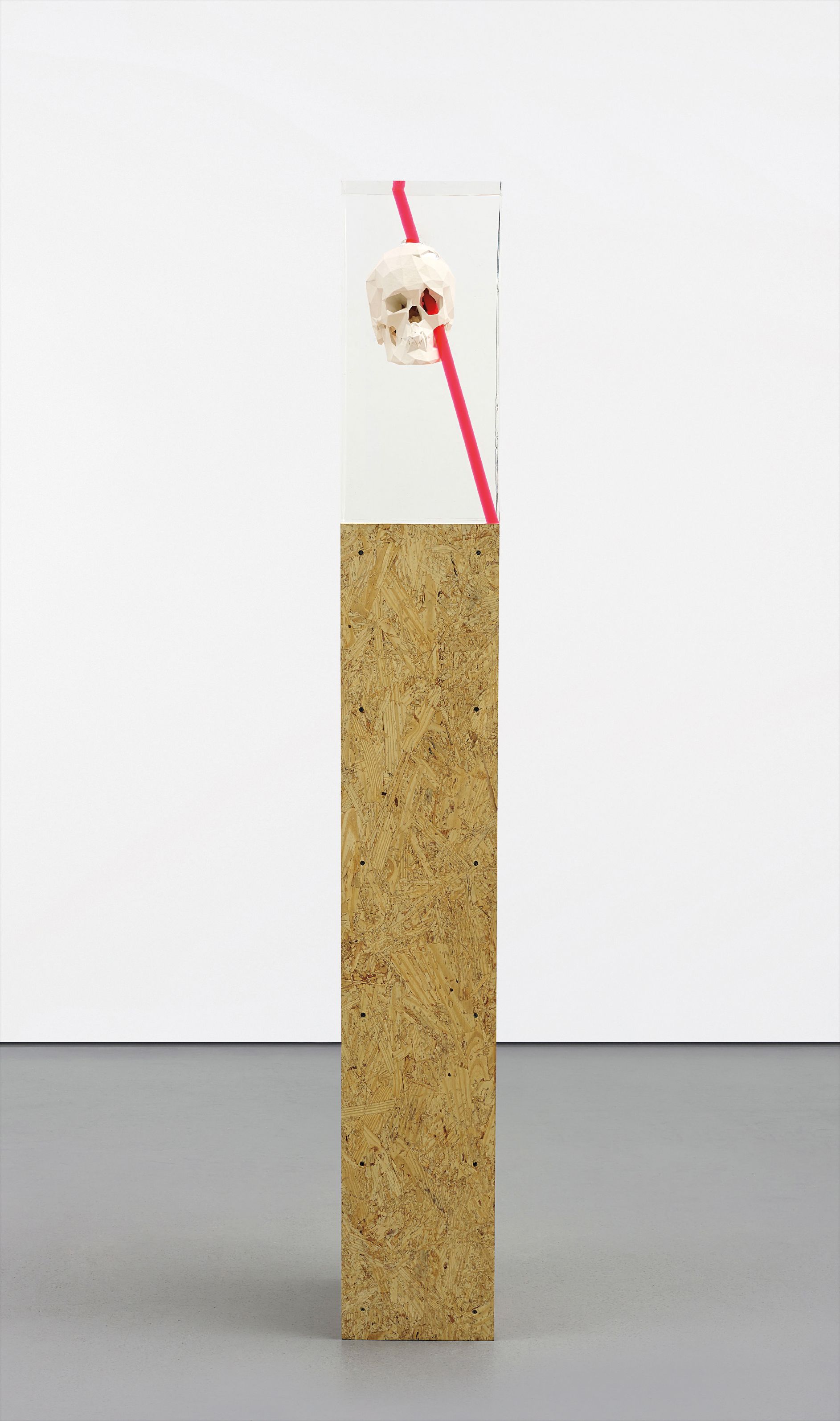
There is a particular kind of American artist who arrives at their practice not through the rarefied corridors of institutional critique but through the back door of the garage, the woodshop, the junkyard, the mythology of the frontier. Matthew Day Jackson is that artist, and in recent years his work has found its most attentive audiences at institutions with the scale and seriousness to hold it. His presentations at the Nasher Sculpture Center in Dallas and the Massachusetts Museum of Contemporary Art in North Adams have confirmed what collectors and curators have long sensed: that Jackson… Continue reading
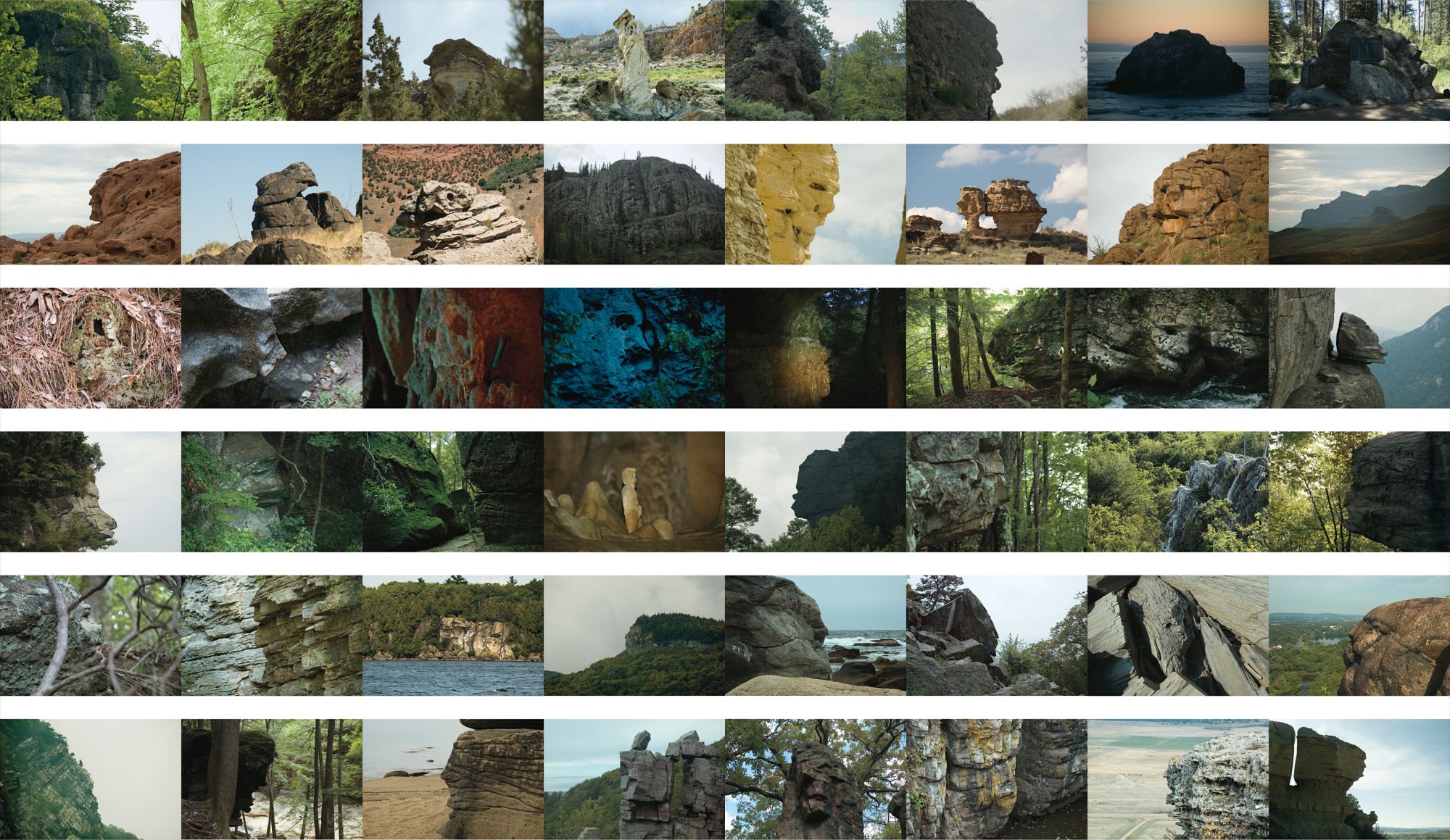
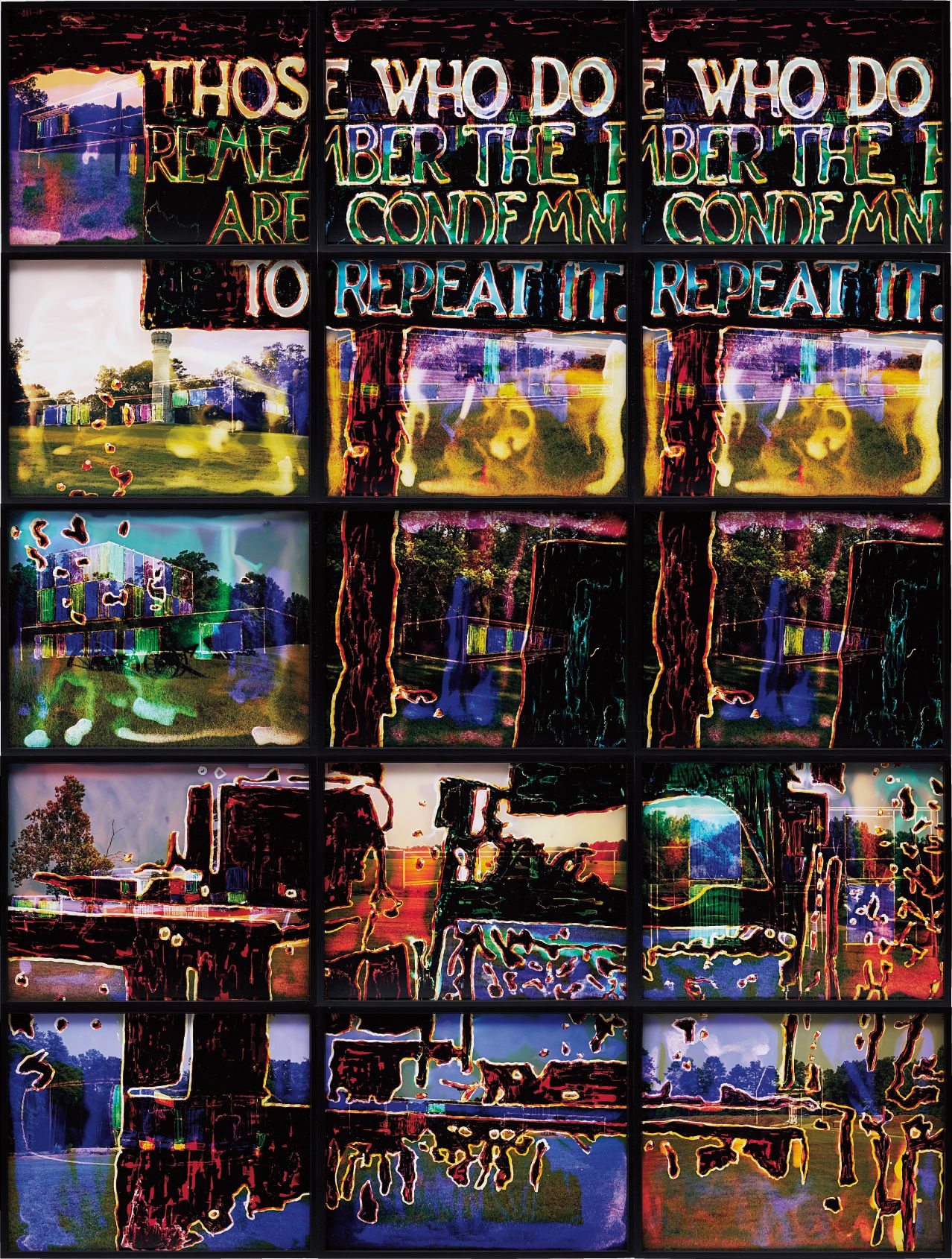
Artists in conversation
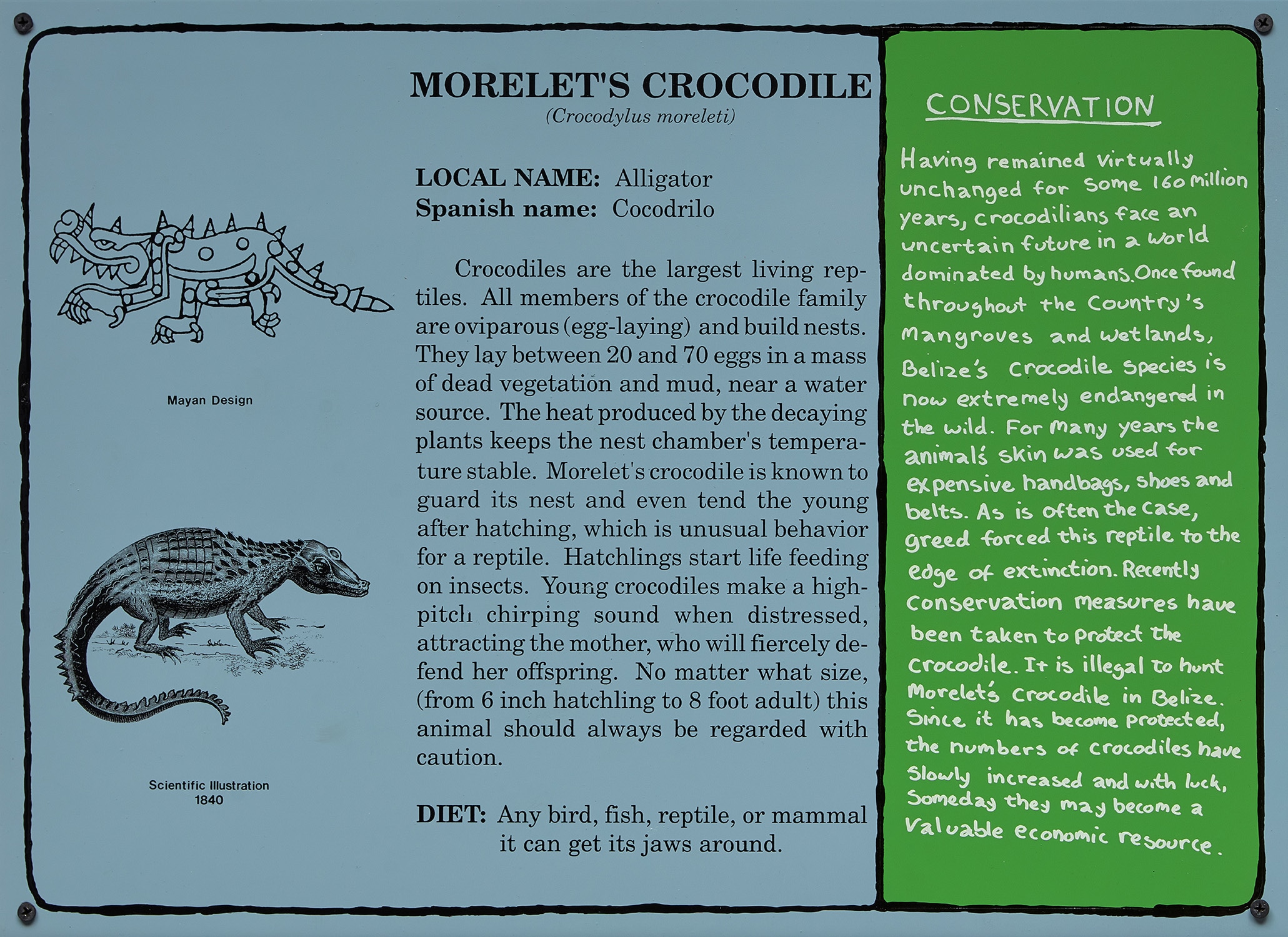
Mark Dion
Dion similarly creates assemblage based installations that interrogate history, science, and cultural mythology through found objects and institutional critique. Both artists use eclectic material accumulation to question American narratives and systems of knowledge.
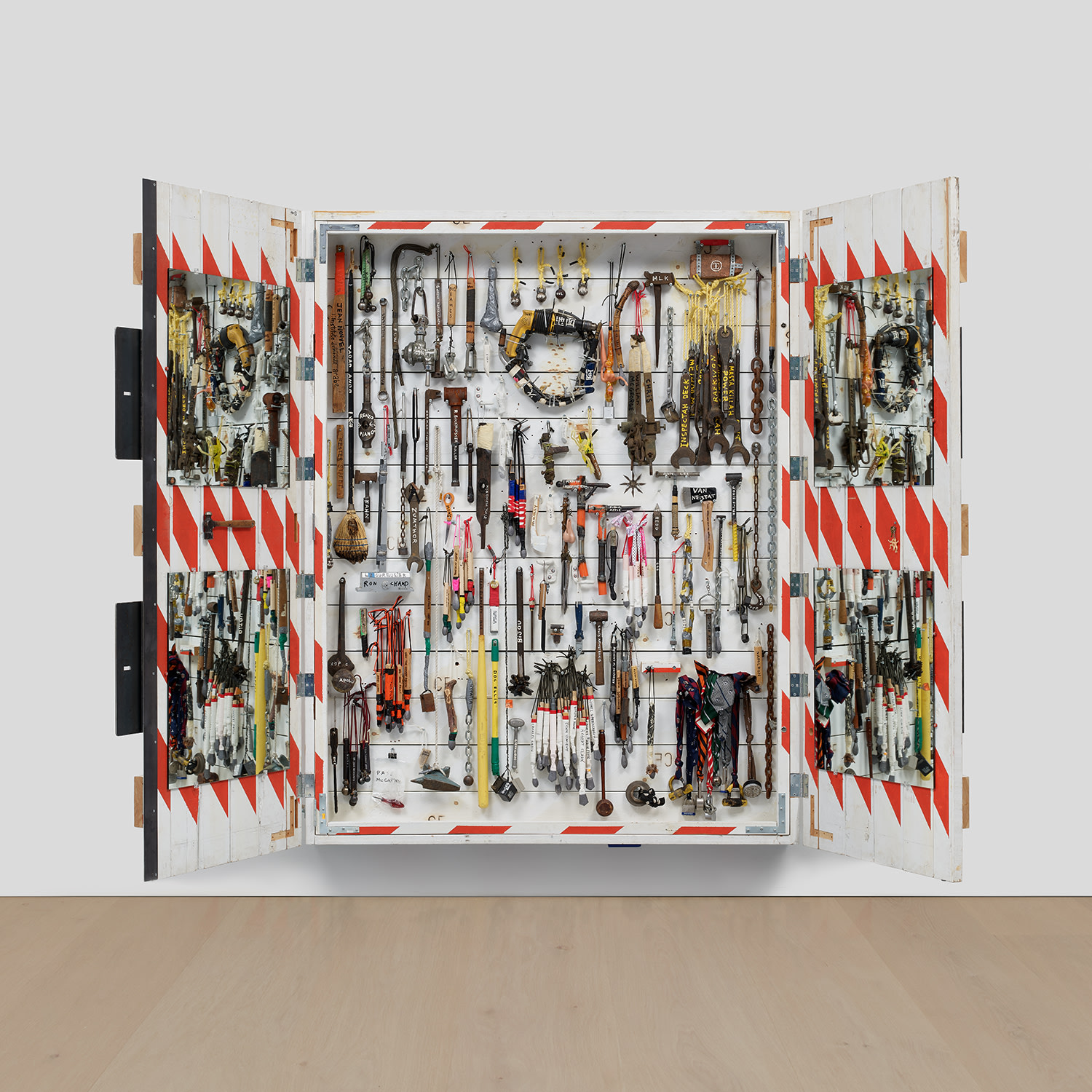
Tom Sachs
Sachs shares Jackson's fascination with space exploration, DIY fabrication aesthetics, and the mythology of American technological progress rendered through sculptural assemblage. Both artists engage consumer culture and industrial materials to examine utopian ideals with a darkly humorous critical eye.
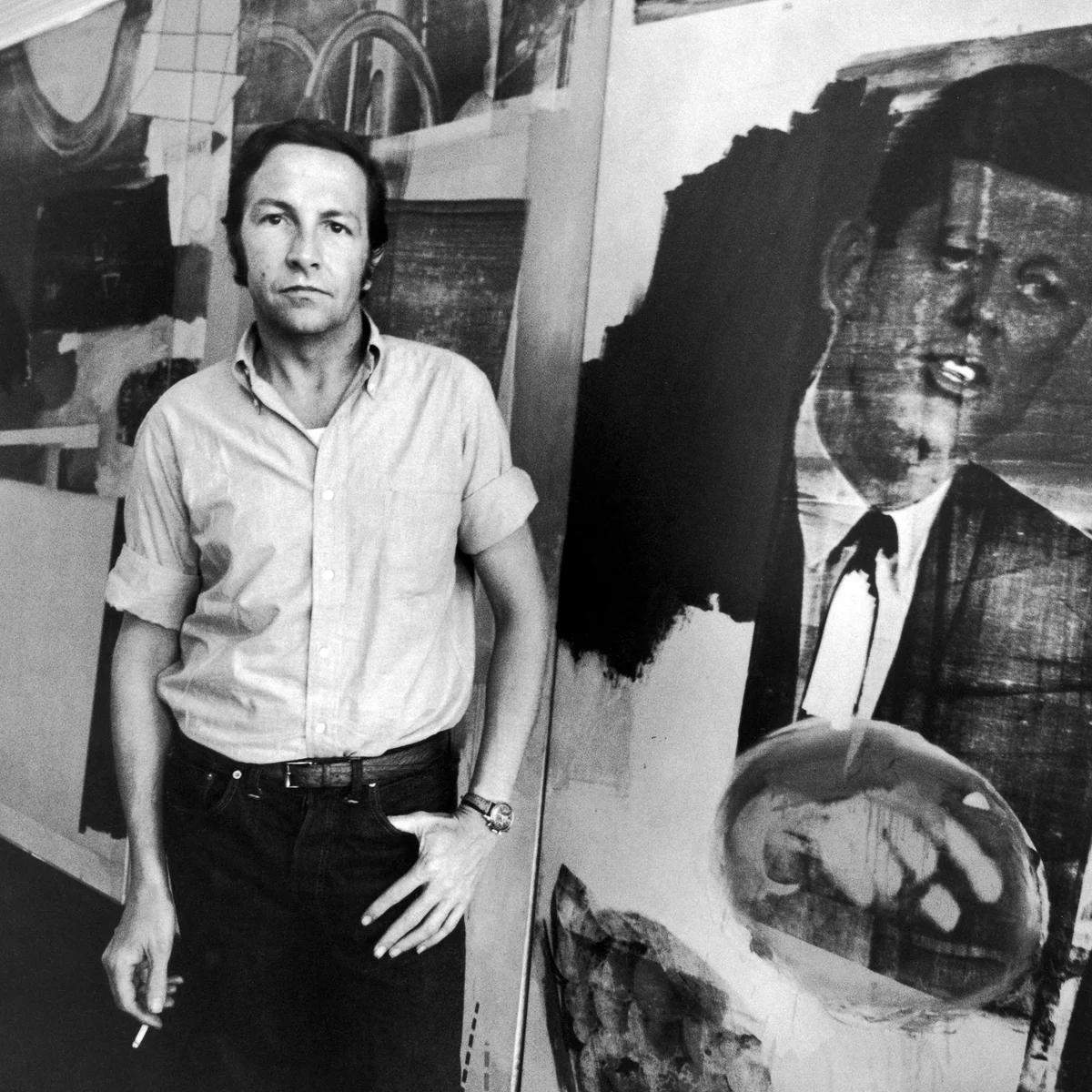
Robert Rauschenberg
Rauschenberg pioneered the combine painting approach of integrating found objects, photography, and mixed media into monumental works that engage American culture and history. His fragmented compositional logic and material promiscuity closely parallel Jackson's working method.
Artists who inspired them
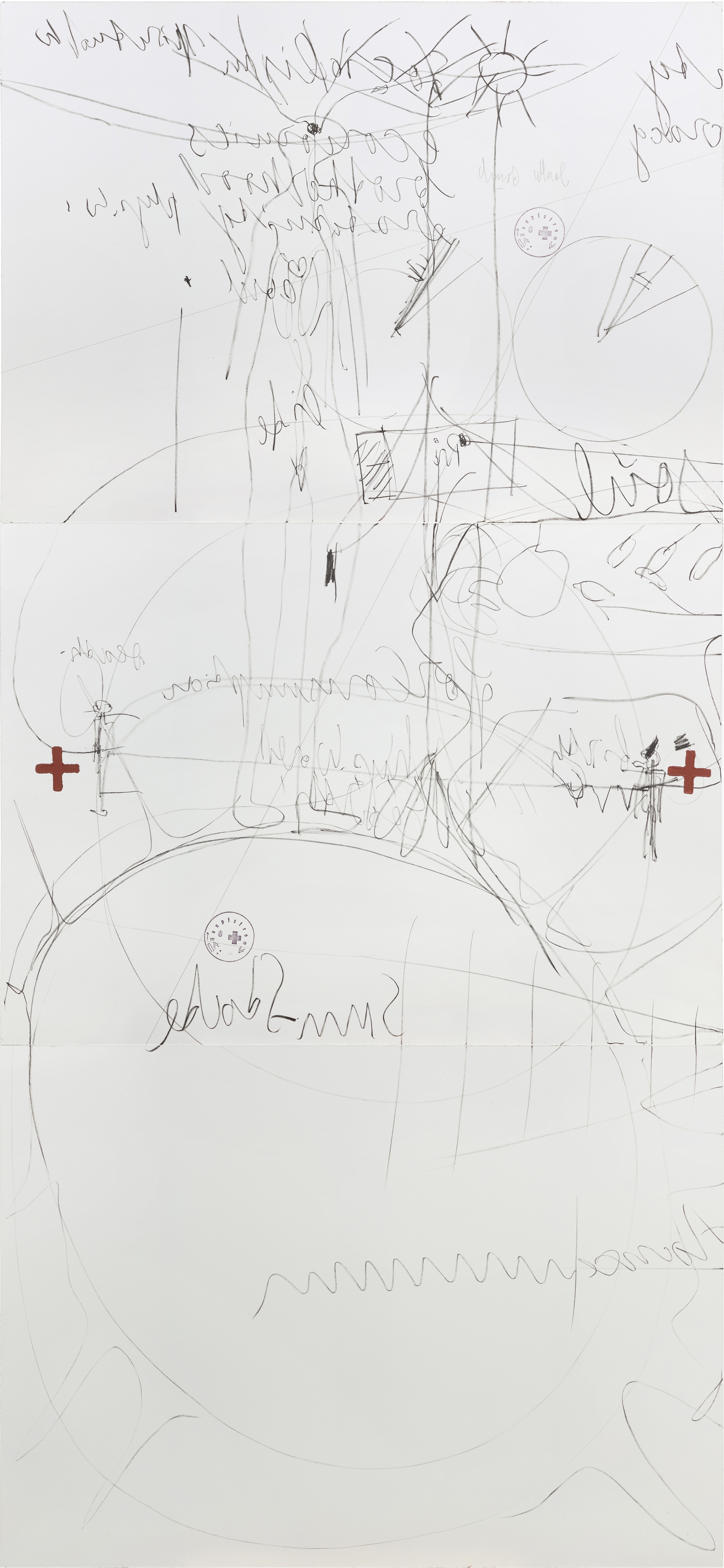
Joseph Beuys
Beuys established a model for using raw and industrial materials to construct mythological and historical narratives within sculpture and installation, a practice Jackson directly builds upon. His integration of personal biography and collective history into objects resonates strongly with Jackson's conceptual approach.
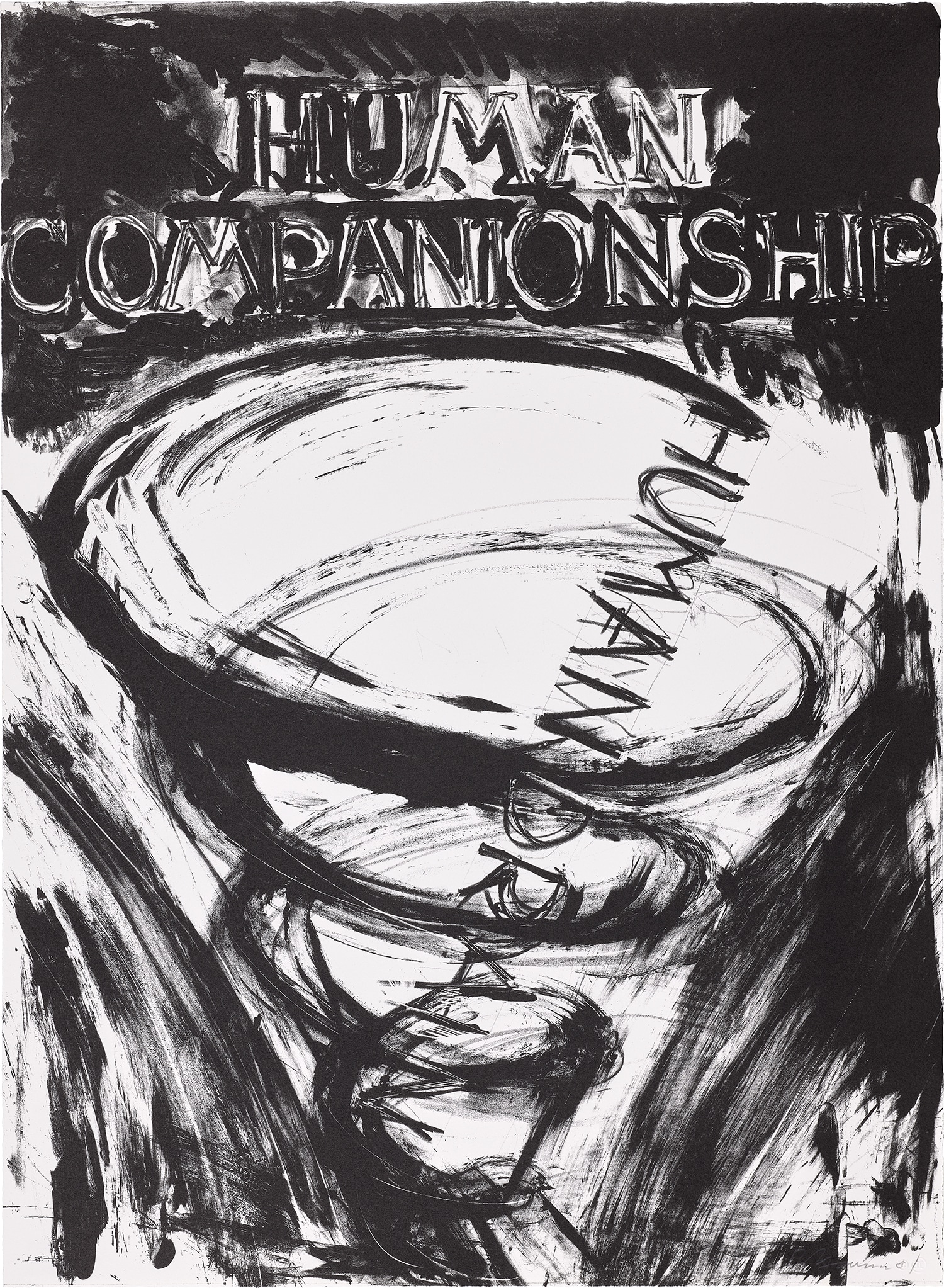
Bruce Nauman
Nauman's expansive use of language, text, and diverse mediums to probe psychological and cultural anxieties provided an important conceptual framework for Jackson. His willingness to shift between sculpture, neon, video, and installation established a precedent for Jackson's own multi medium practice.
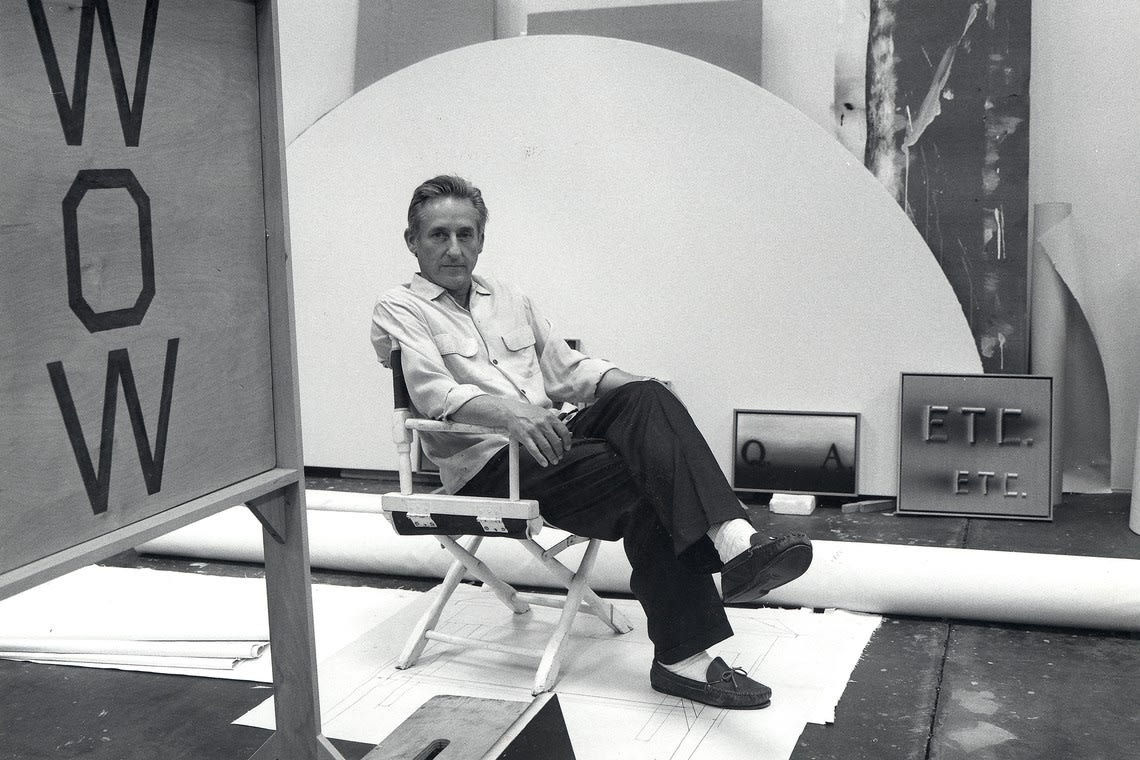
Ed Ruscha
Ruscha's examination of American landscape, vernacular culture, and mythology through a coolly detached visual language informed Jackson's engagement with the iconography of the American West and counterculture. His merging of fine art with graphic and photographic sensibilities parallels Jackson's aesthetic strategies.