John Constable
Artist Spotlight
Constable's Light, Forever Fresh and True
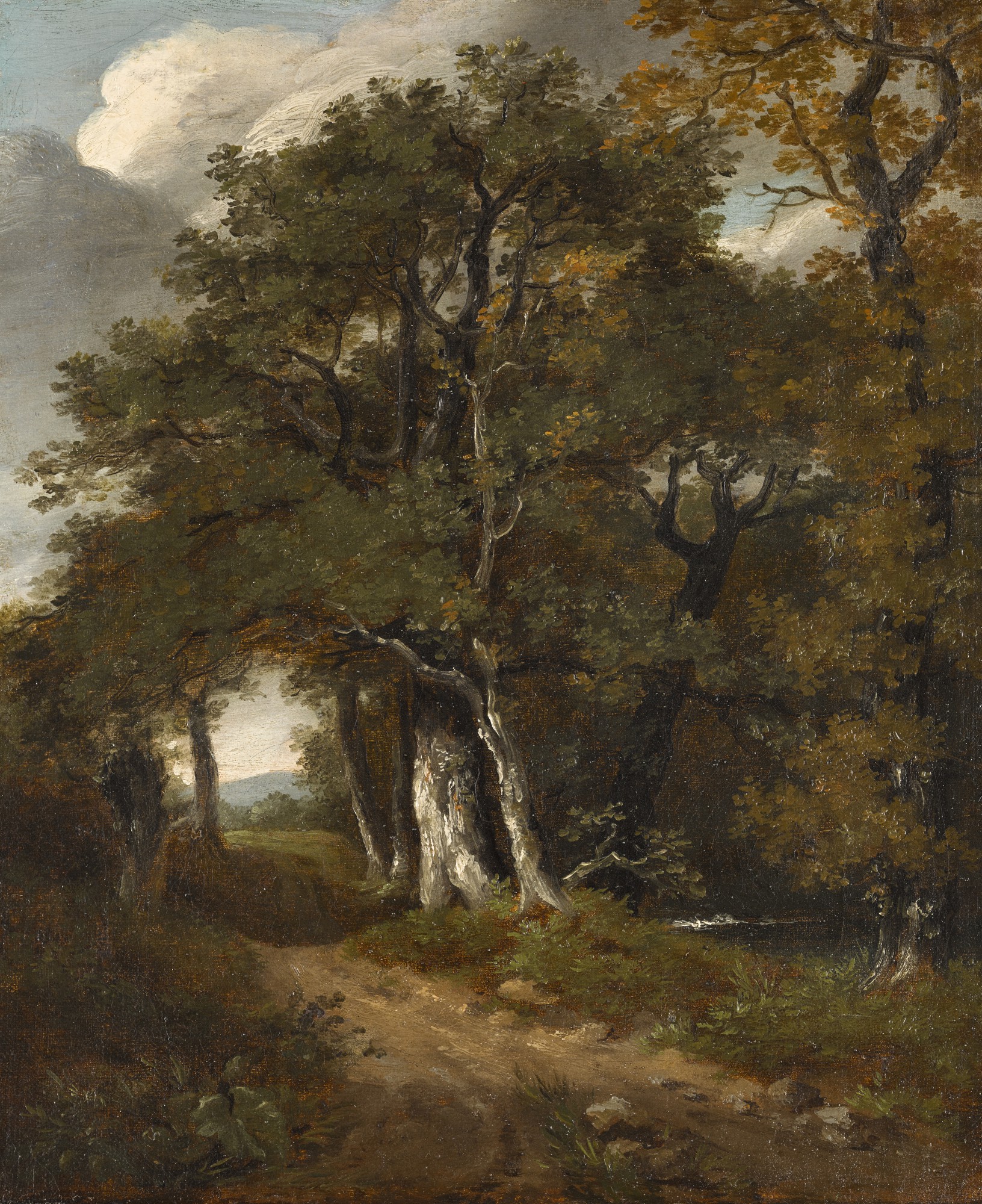
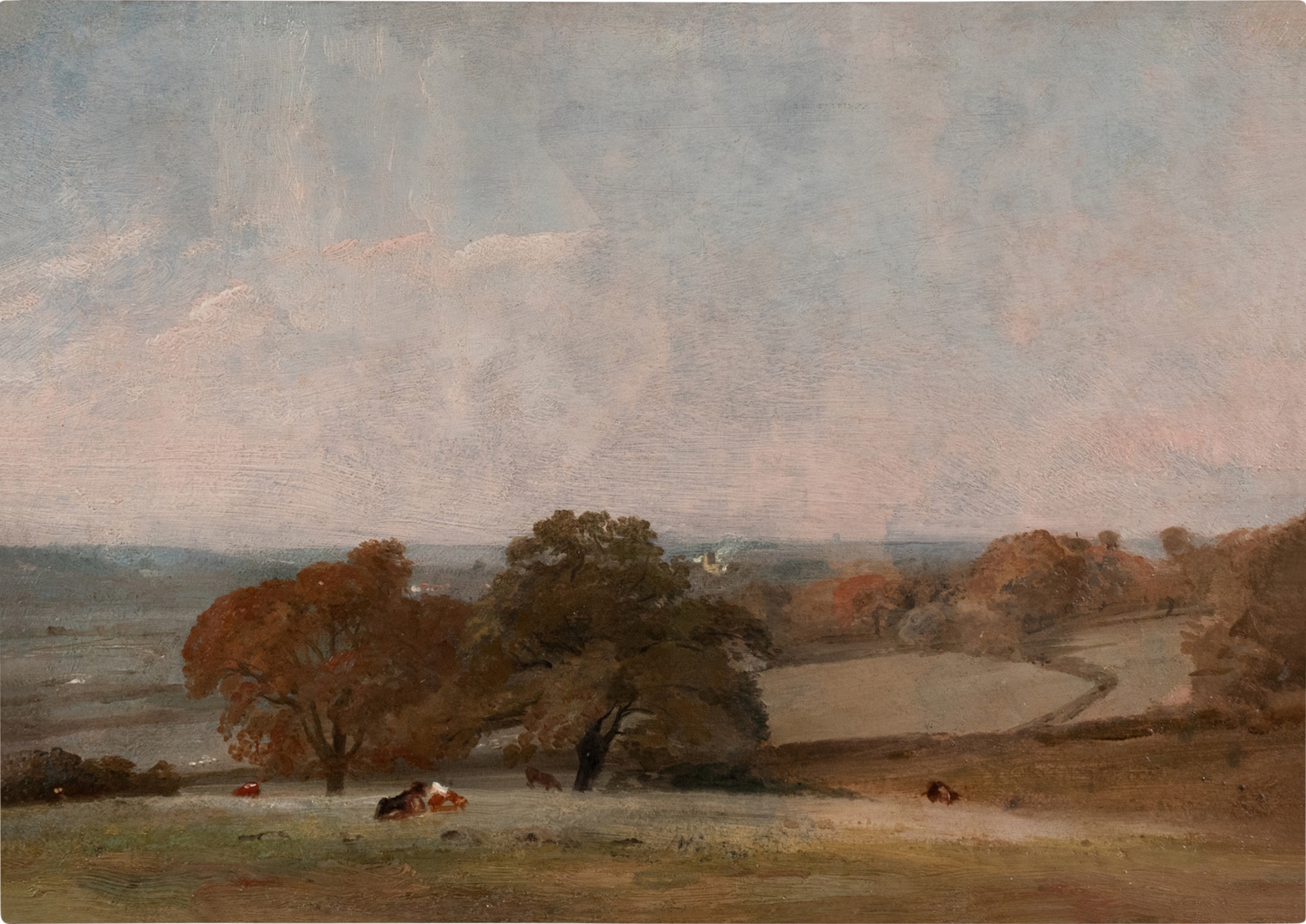
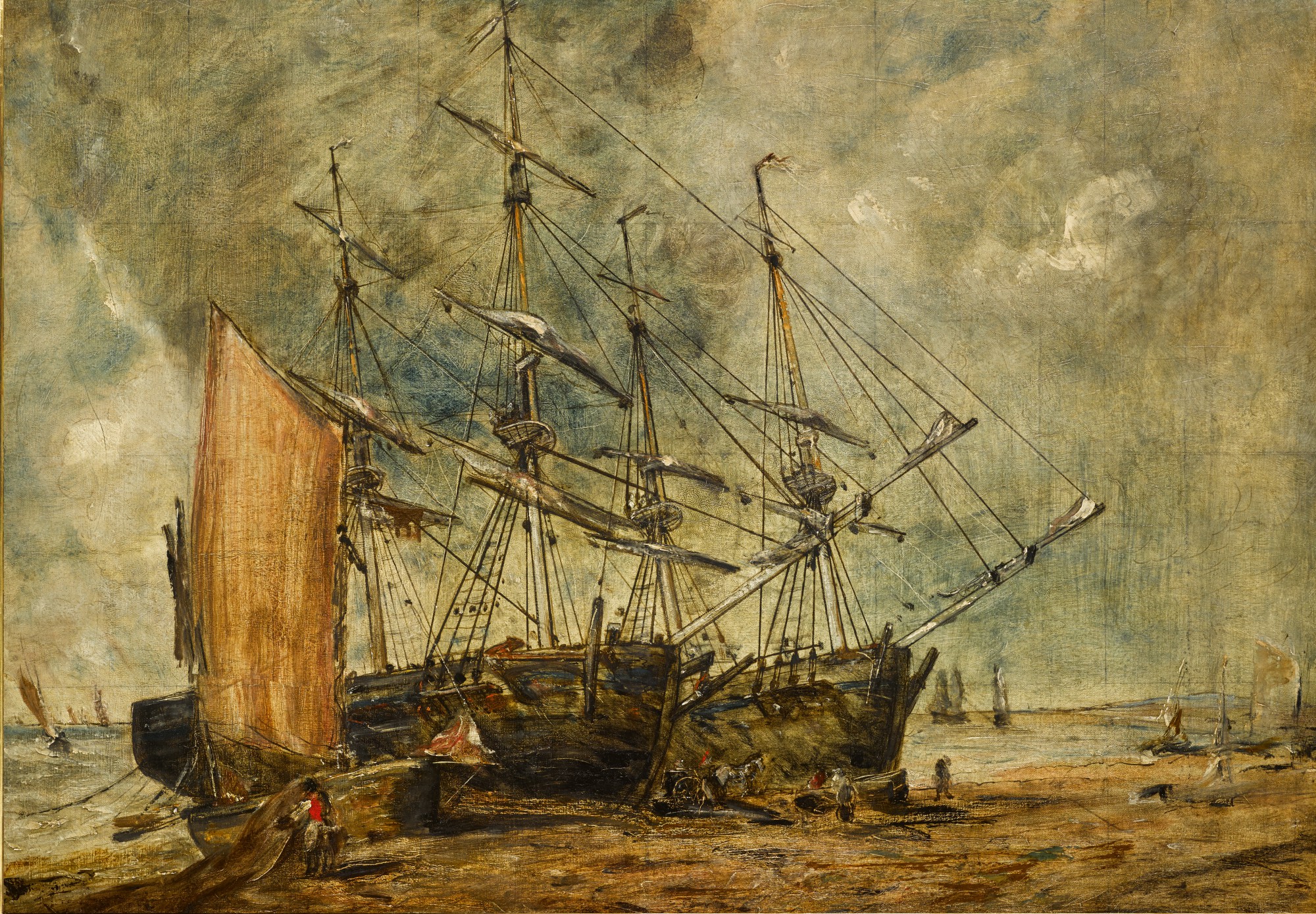
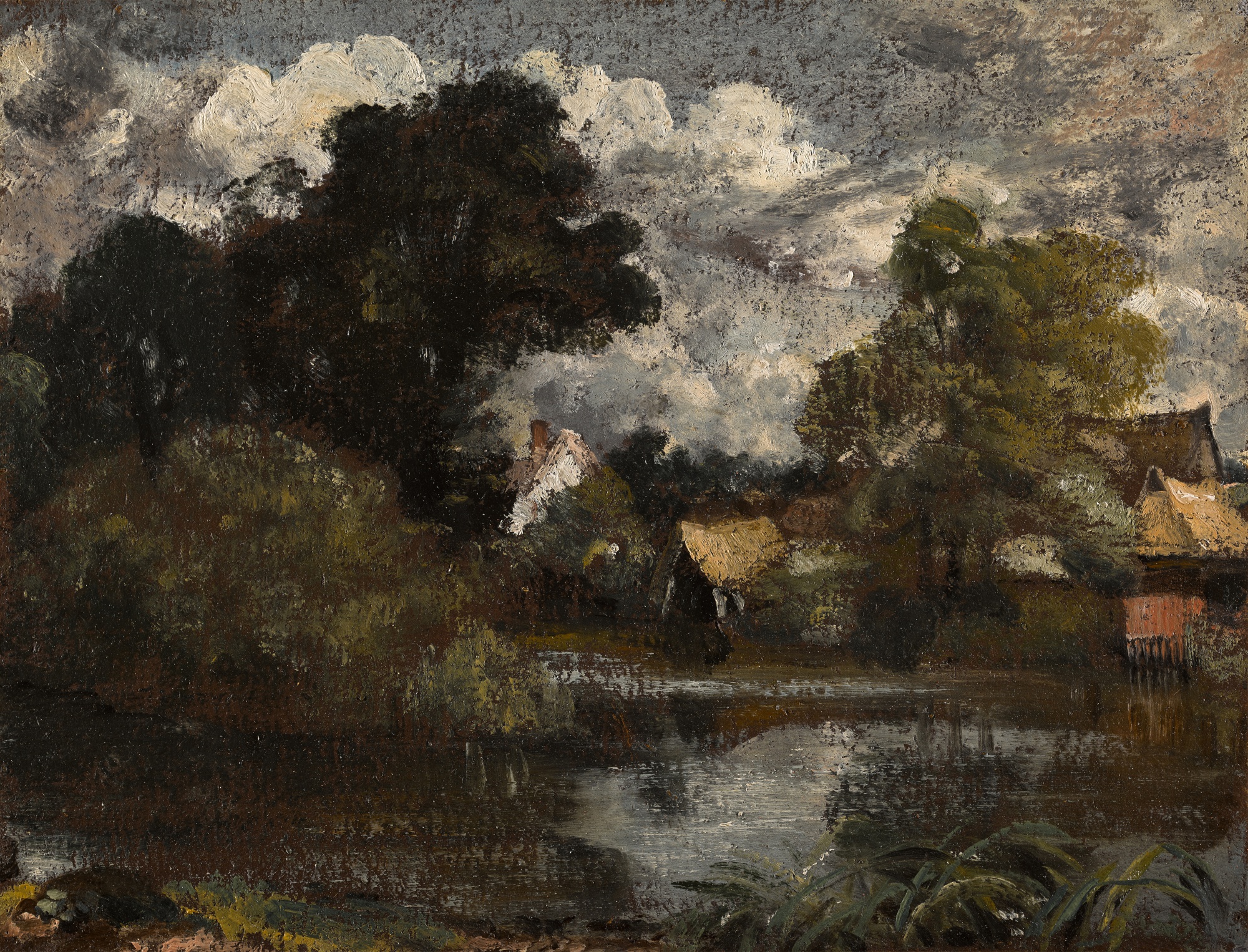
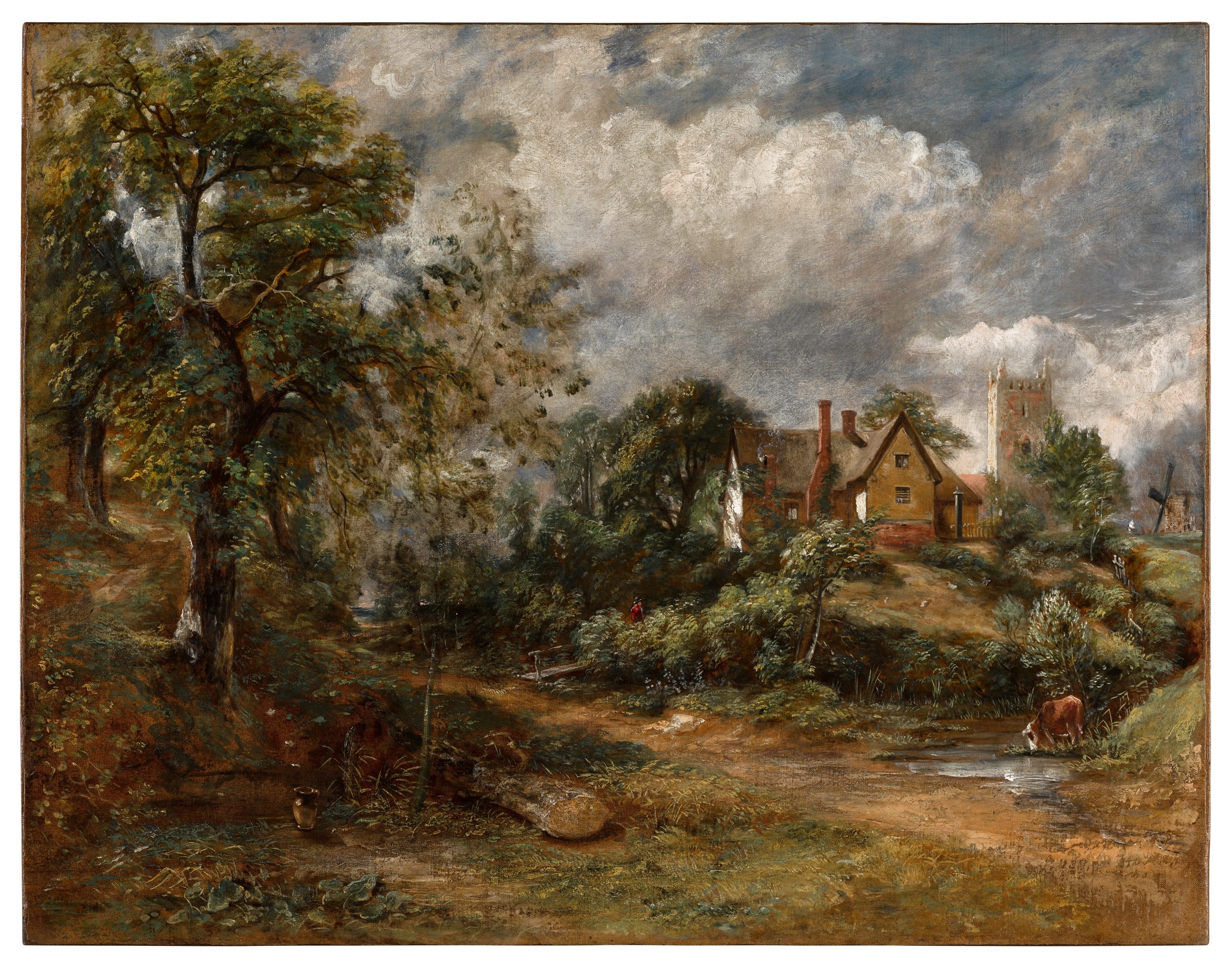
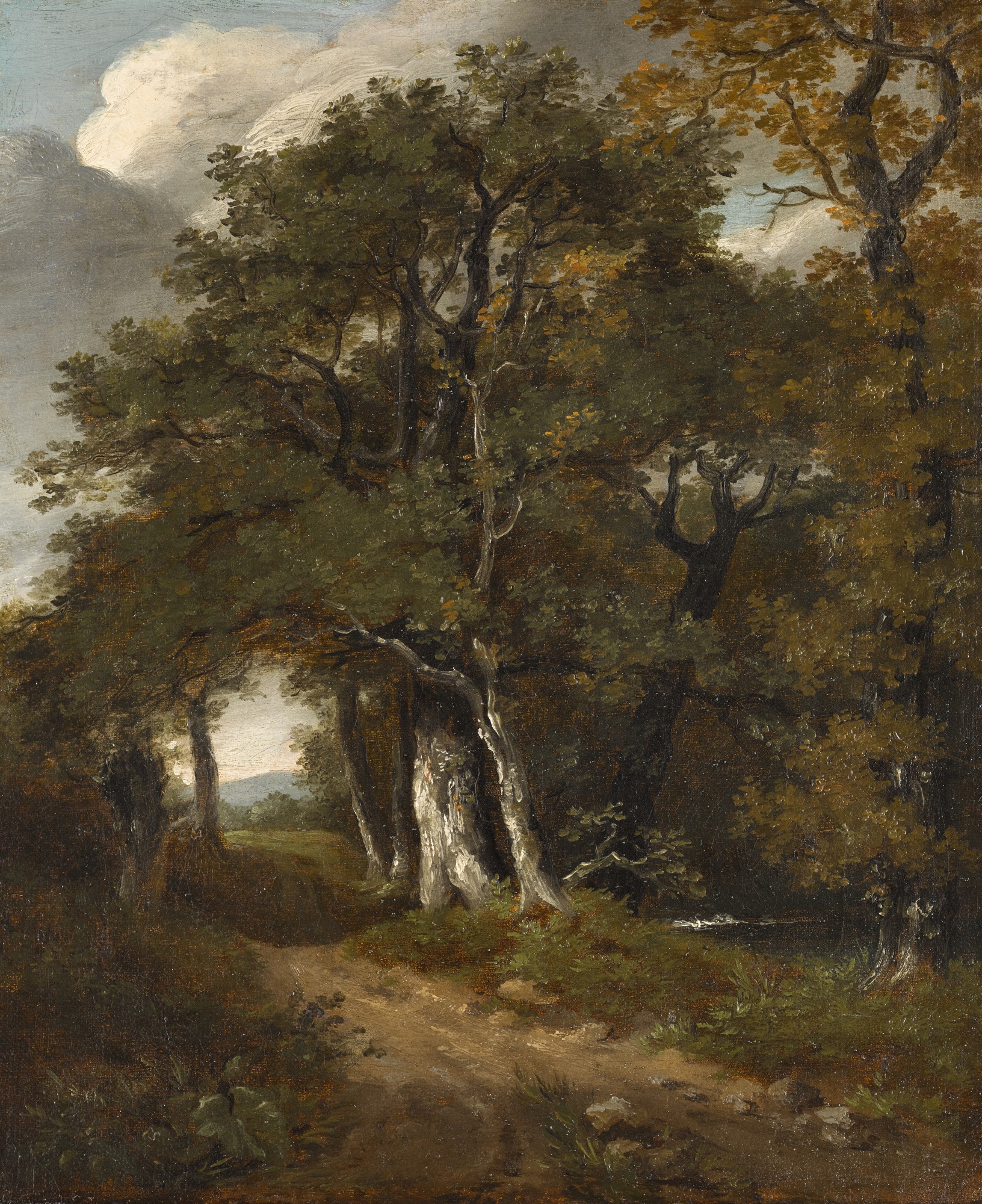
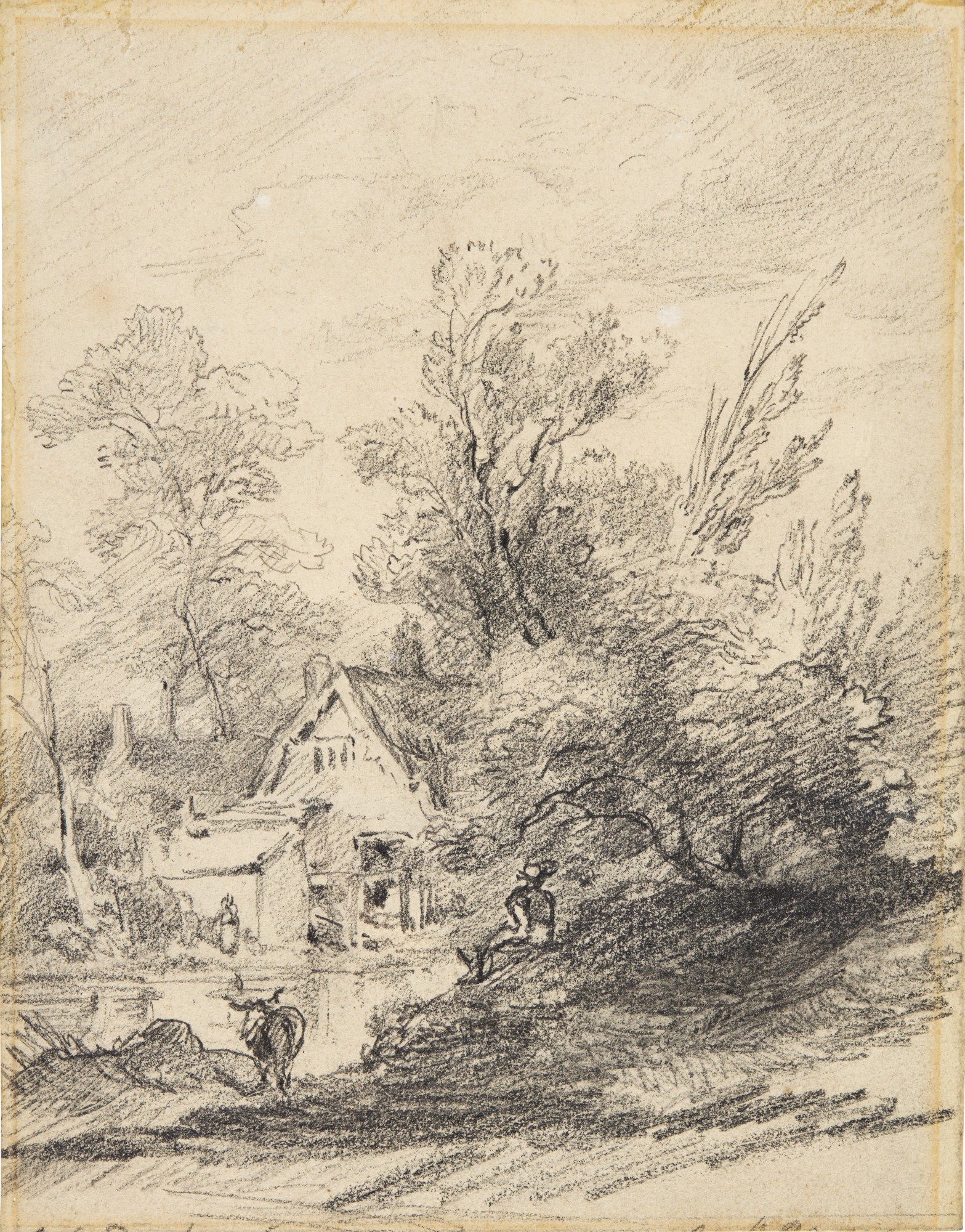
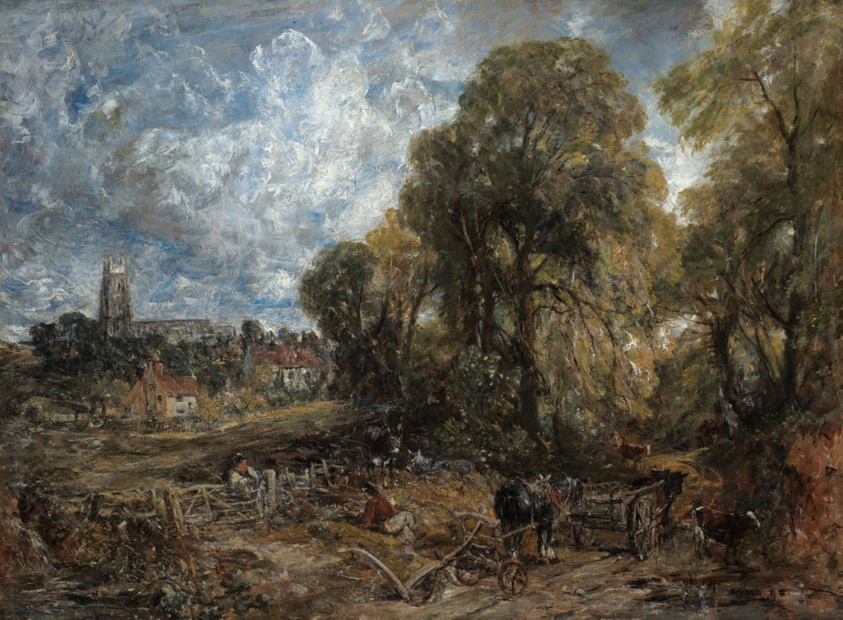
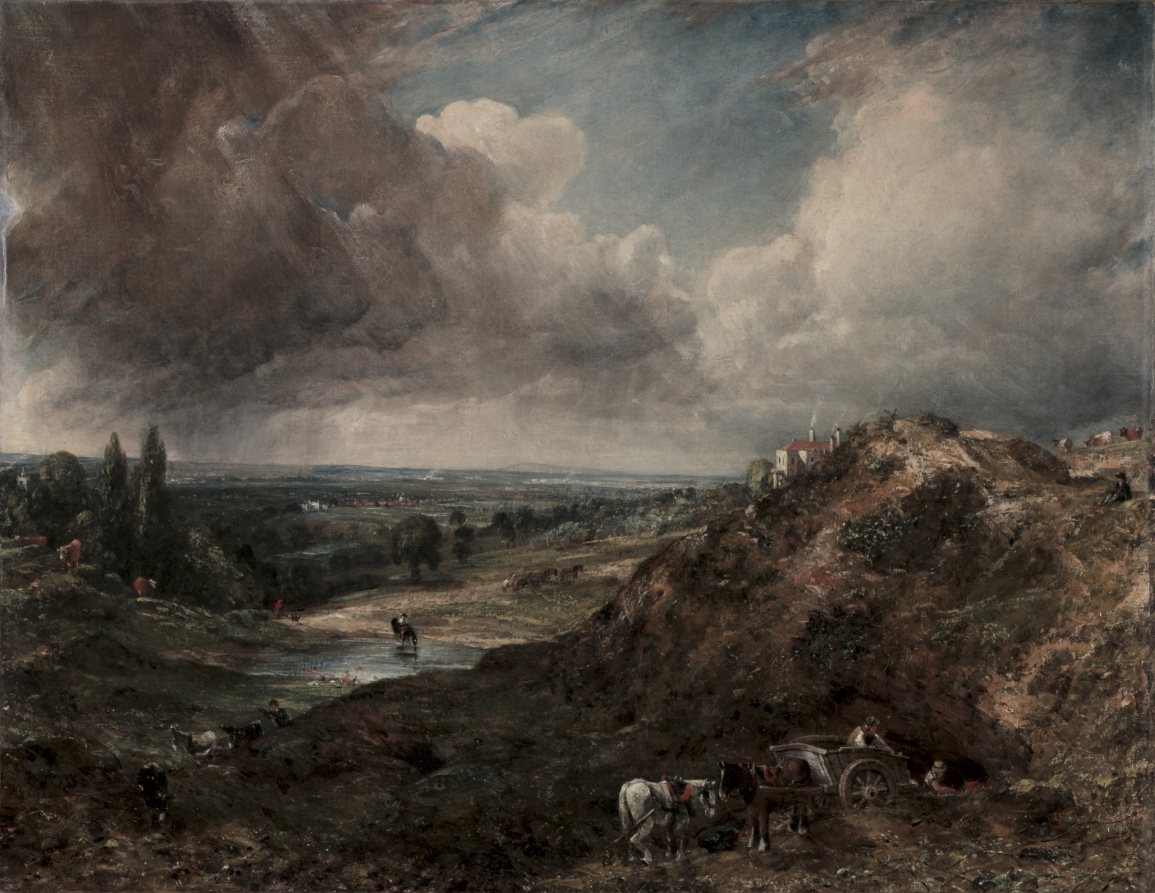
There is a moment in the galleries of the Victoria and Albert Museum in London where visitors reliably slow their pace and fall quiet. It happens in front of John Constable's full scale oil sketches, where the sky seems to breathe and the Suffolk earth appears genuinely wet underfoot. The V&A holds the largest collection of Constable's works in the world, a bequest from the artist's daughter Isabel in 1888, and the paintings remain among the most visited and emotionally affecting works in the building. That a landscape painter working in the early nineteenth century can still stop people in… Continue reading
Artists in conversation
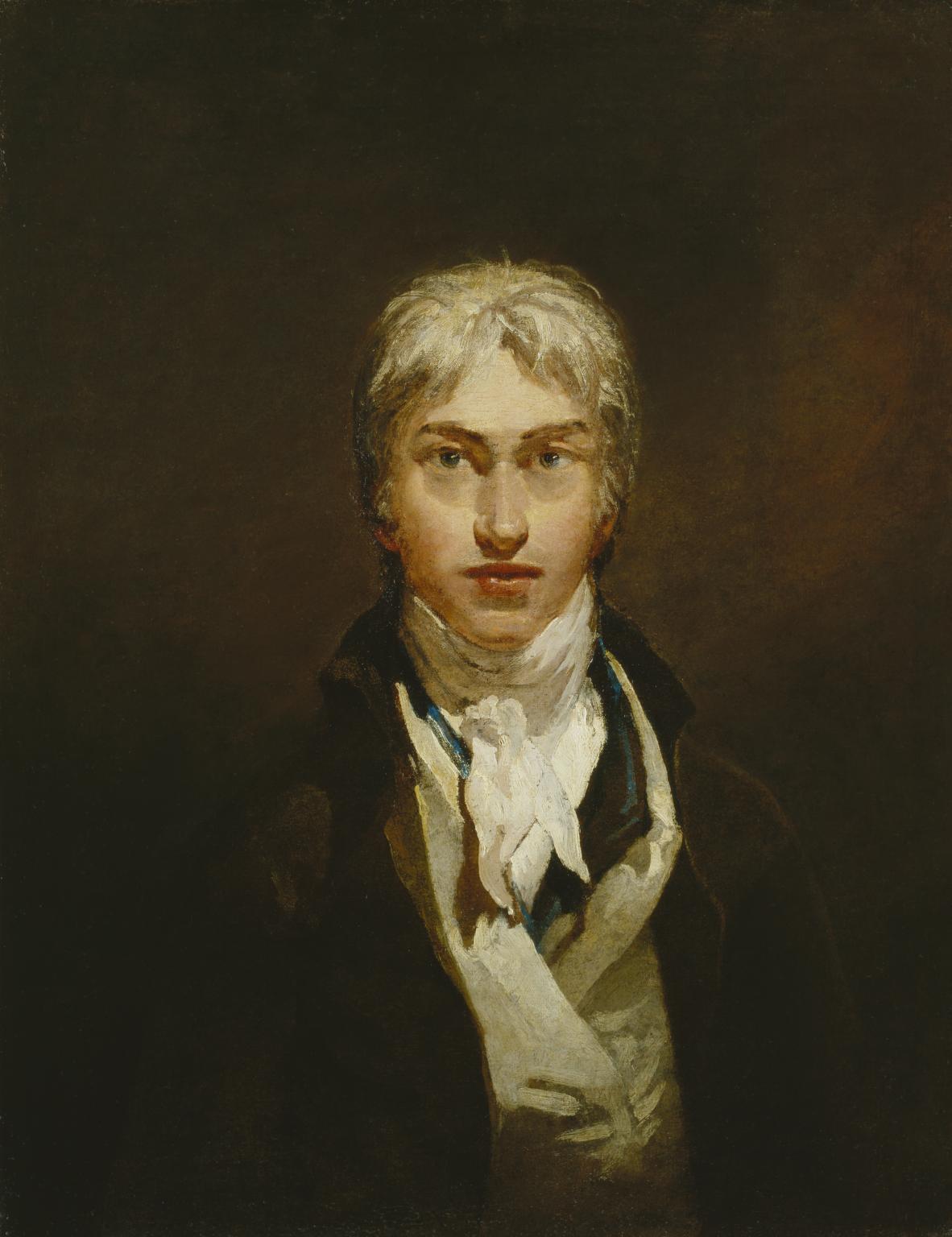
J.M.W. Turner
Turner was a contemporary British Romantic landscape painter who shared Constable's devotion to atmospheric light and natural scenery rendered in oil on canvas. Both artists elevated English landscape painting to a level of serious artistic ambition during the same era.
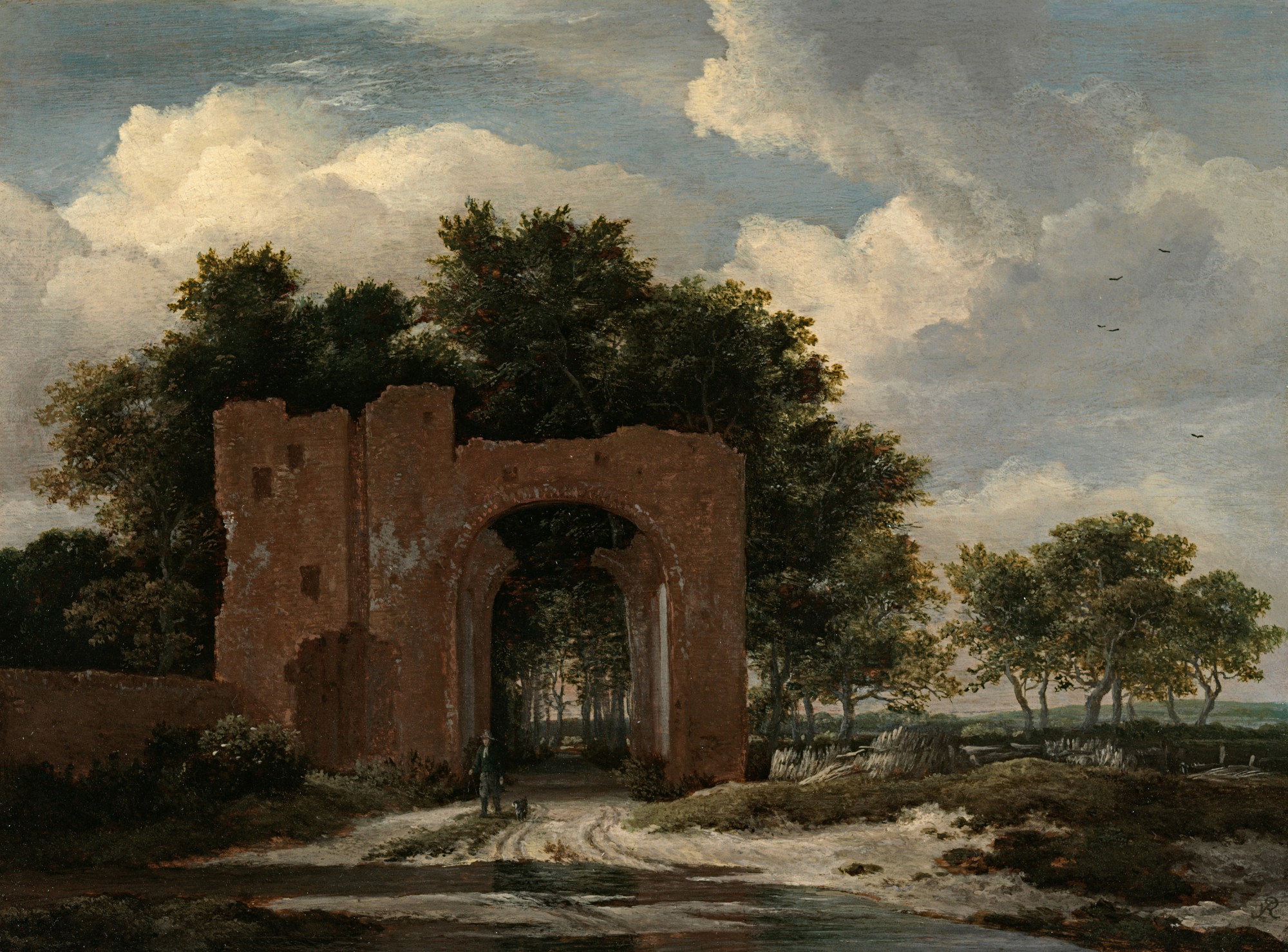
Jacob van Ruisdael
Ruisdael painted dramatic rural landscapes with expressive cloudy skies and naturalistic depictions of the Dutch countryside, qualities that closely parallel Constable's pastoral and atmospheric sensibility. Constable himself admired Ruisdael's work deeply.
Artists who inspired them
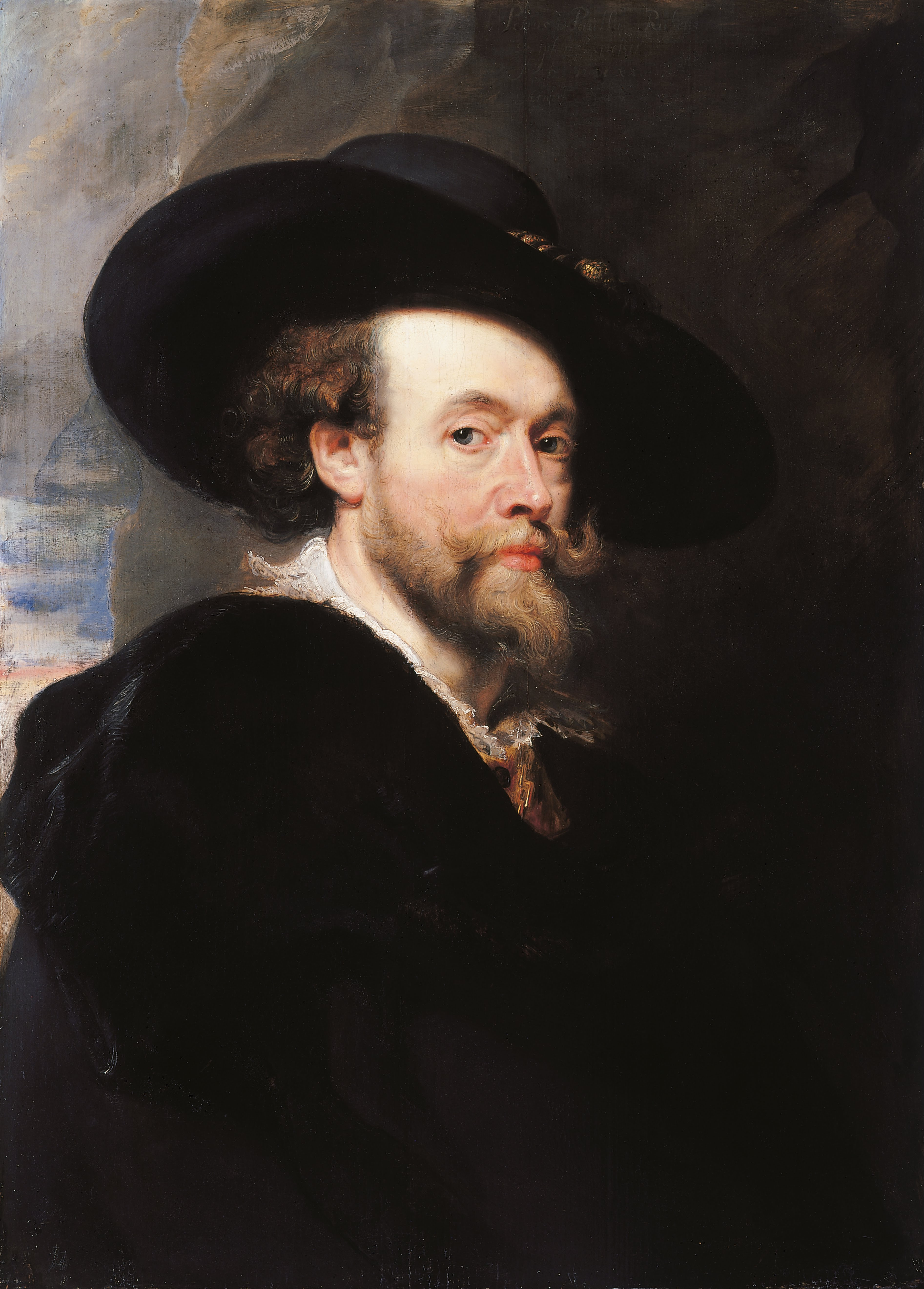
Peter Paul Rubens
Constable greatly admired Rubens's luminous landscape paintings, particularly works like The Rainbow Landscape, which inspired his own exploration of light, movement, and the vibrancy of the natural world. Rubens's dynamic handling of paint and sky directly informed Constable's technique.
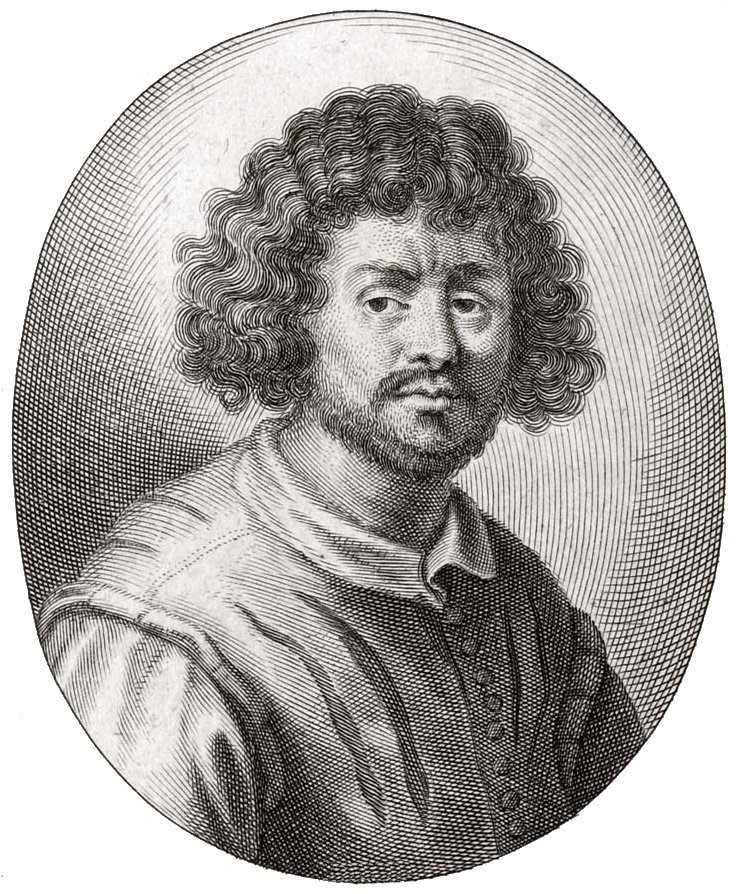
Claude Lorrain
Claude's idealized yet luminous landscape compositions set a standard that Constable both admired and sought to reinterpret through direct observation of nature. The compositional harmony and treatment of light in Claude's work provided a classical foundation that Constable engaged with throughout his career.
Artists they inspired
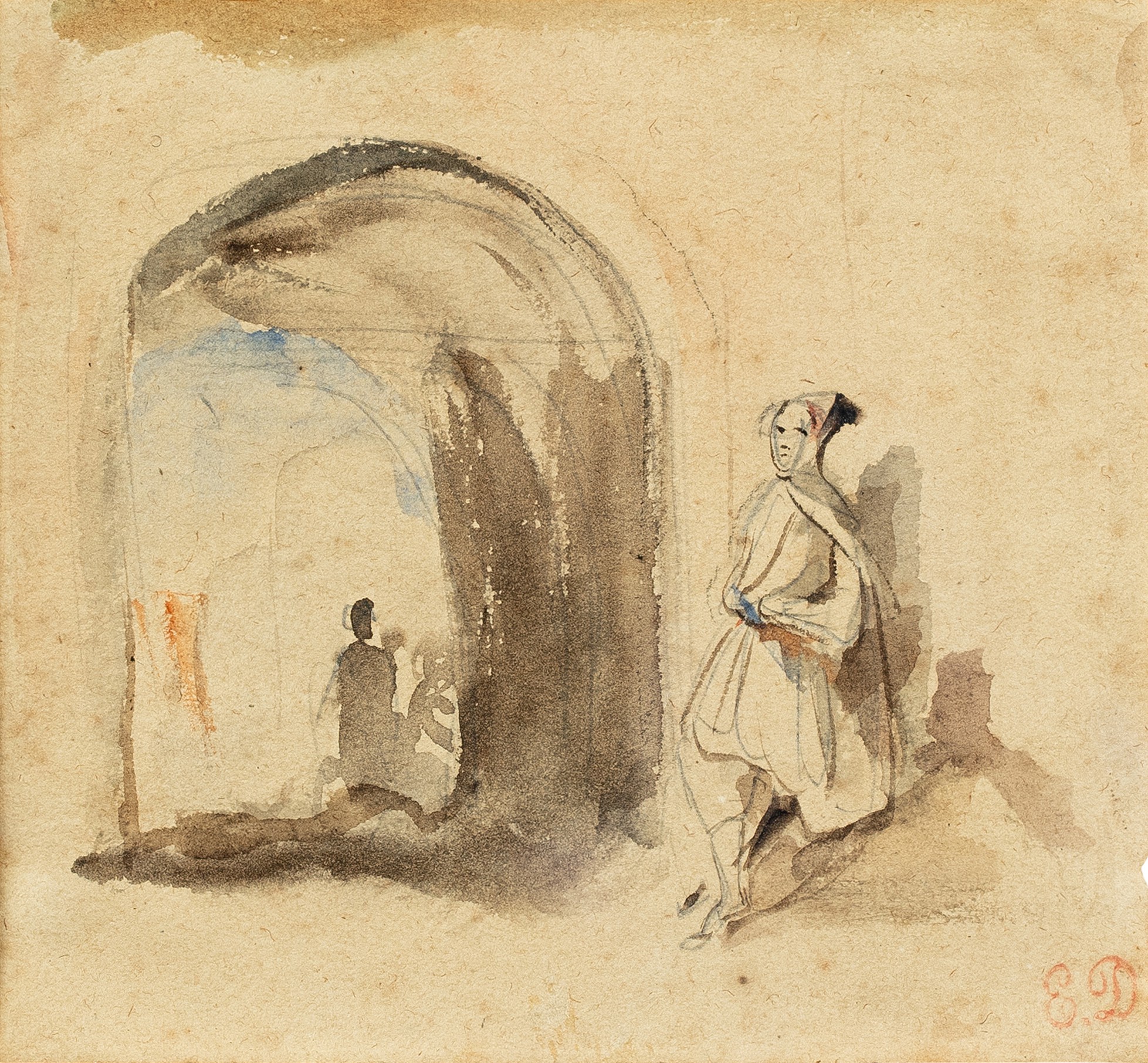
Eugène Delacroix
Delacroix famously revised his painting The Massacre at Chios after seeing Constable's The Hay Wain exhibited in Paris in 1824, adopting a fresher and more vibrant approach to color. Constable's expressive brushwork and luminous naturalism left a direct and documented mark on Delacroix's practice.
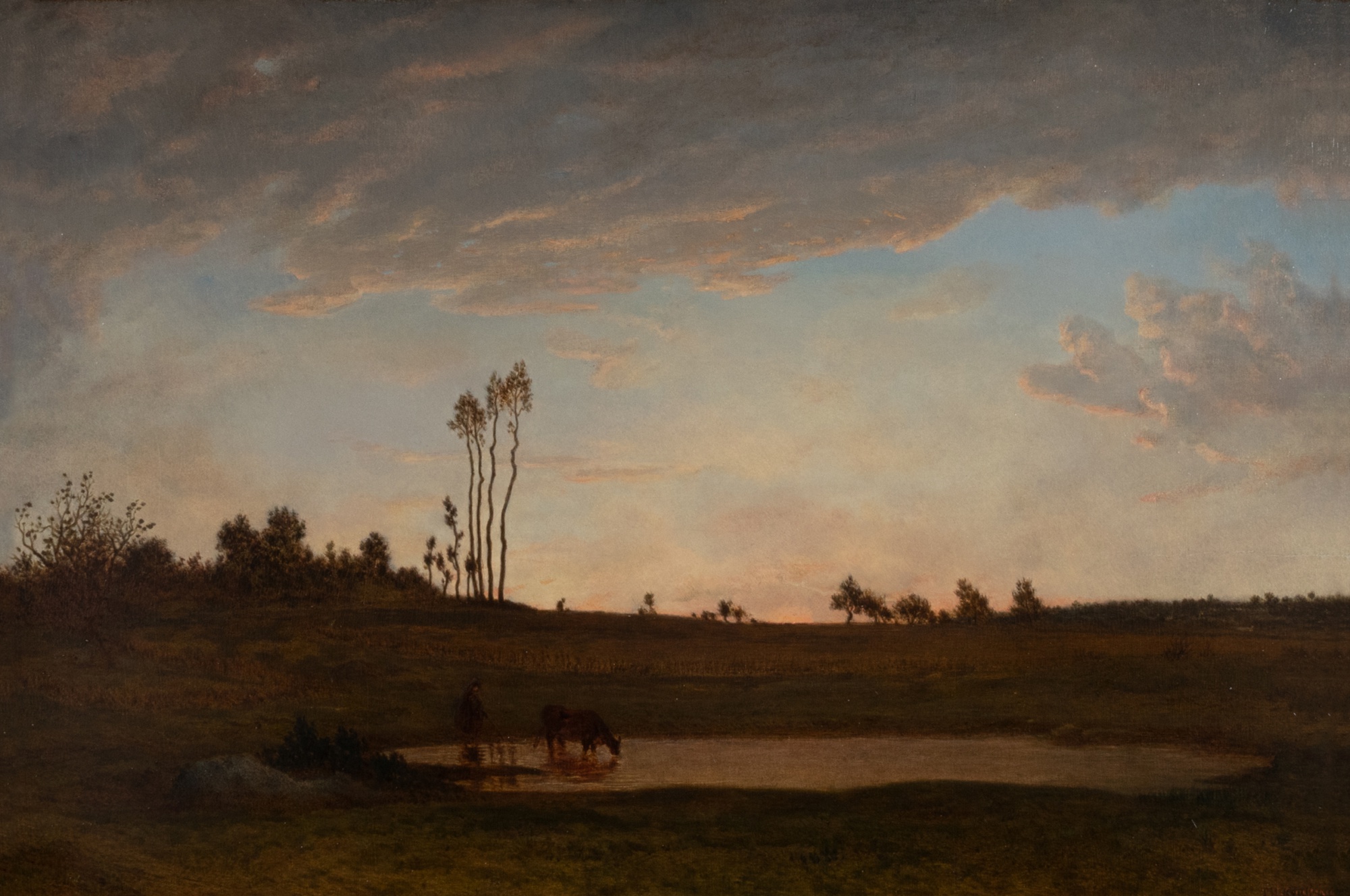
Théodore Rousseau
Rousseau and the Barbizon School painters were profoundly stirred by Constable's landscapes shown in France, which encouraged them to paint outdoors directly from nature with honesty and spontaneity. Constable's example helped legitimize the study of humble rural scenery as a serious artistic pursuit in France.
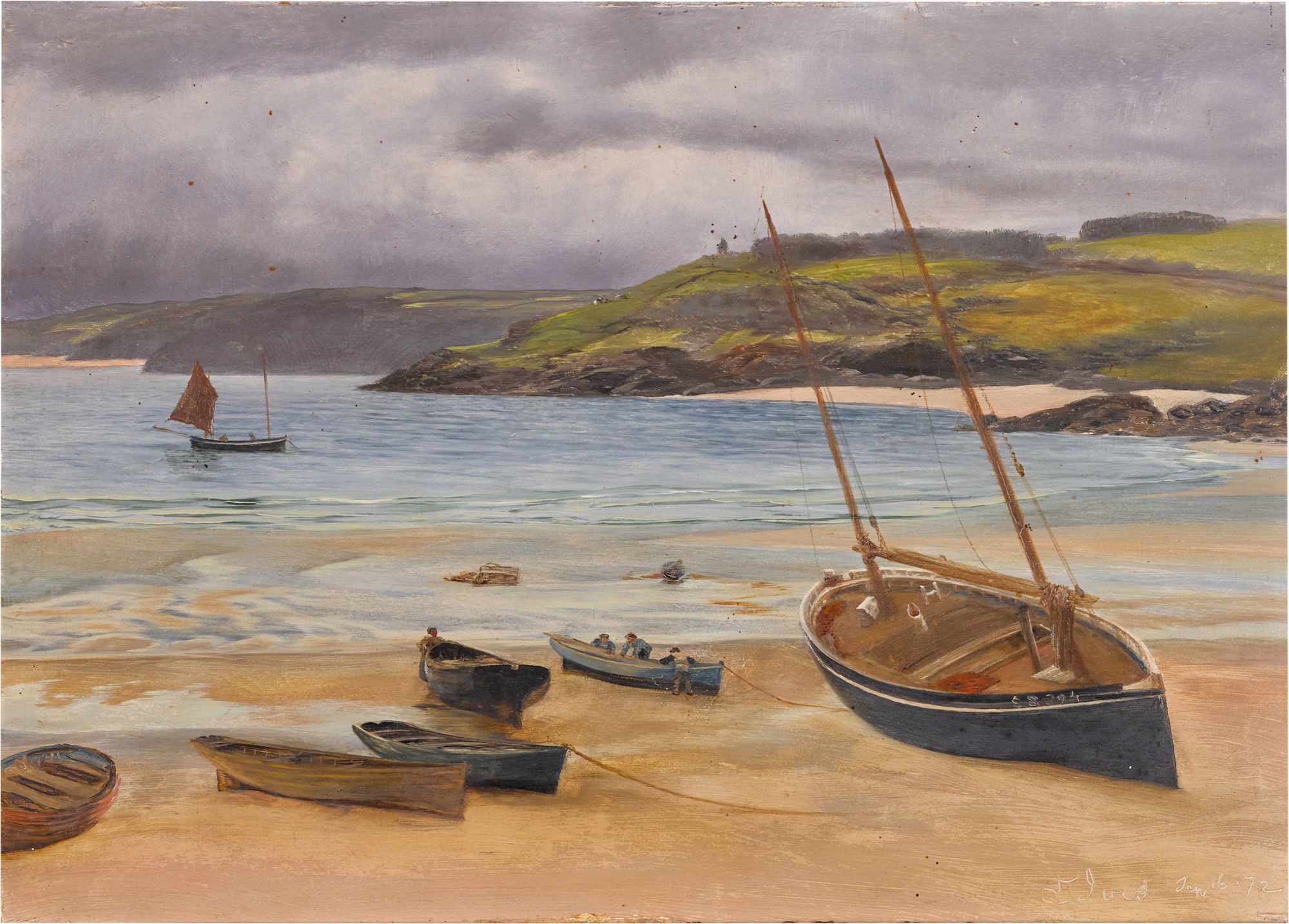
John Brett
Brett carried forward the British tradition of meticulous naturalistic landscape painting that Constable helped establish, applying intense observation to skies, water, and rural terrain. Constable's insistence on direct study of nature as the foundation of landscape art was a guiding principle for Brett's generation.