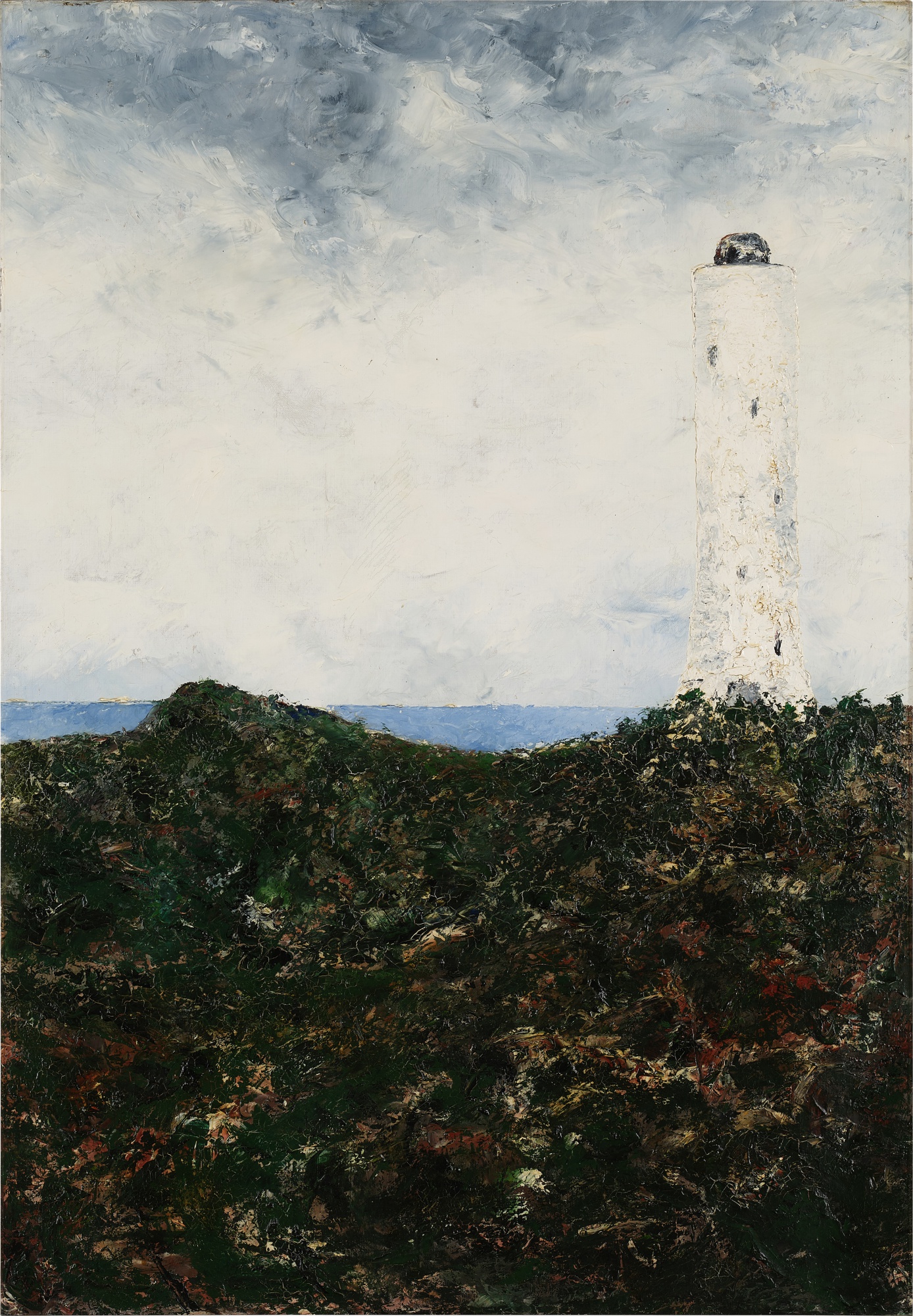
August Strindberg
2
Works
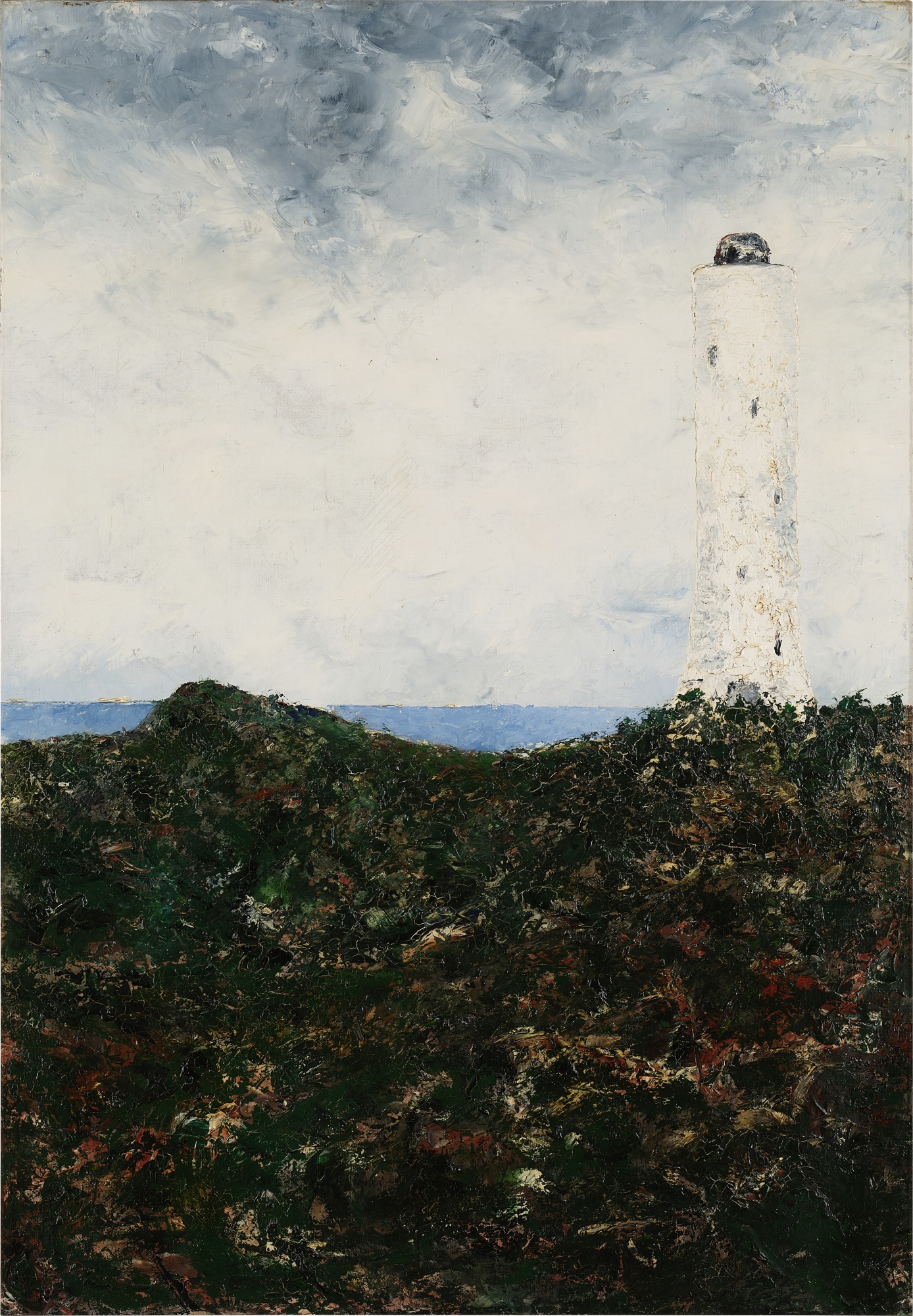
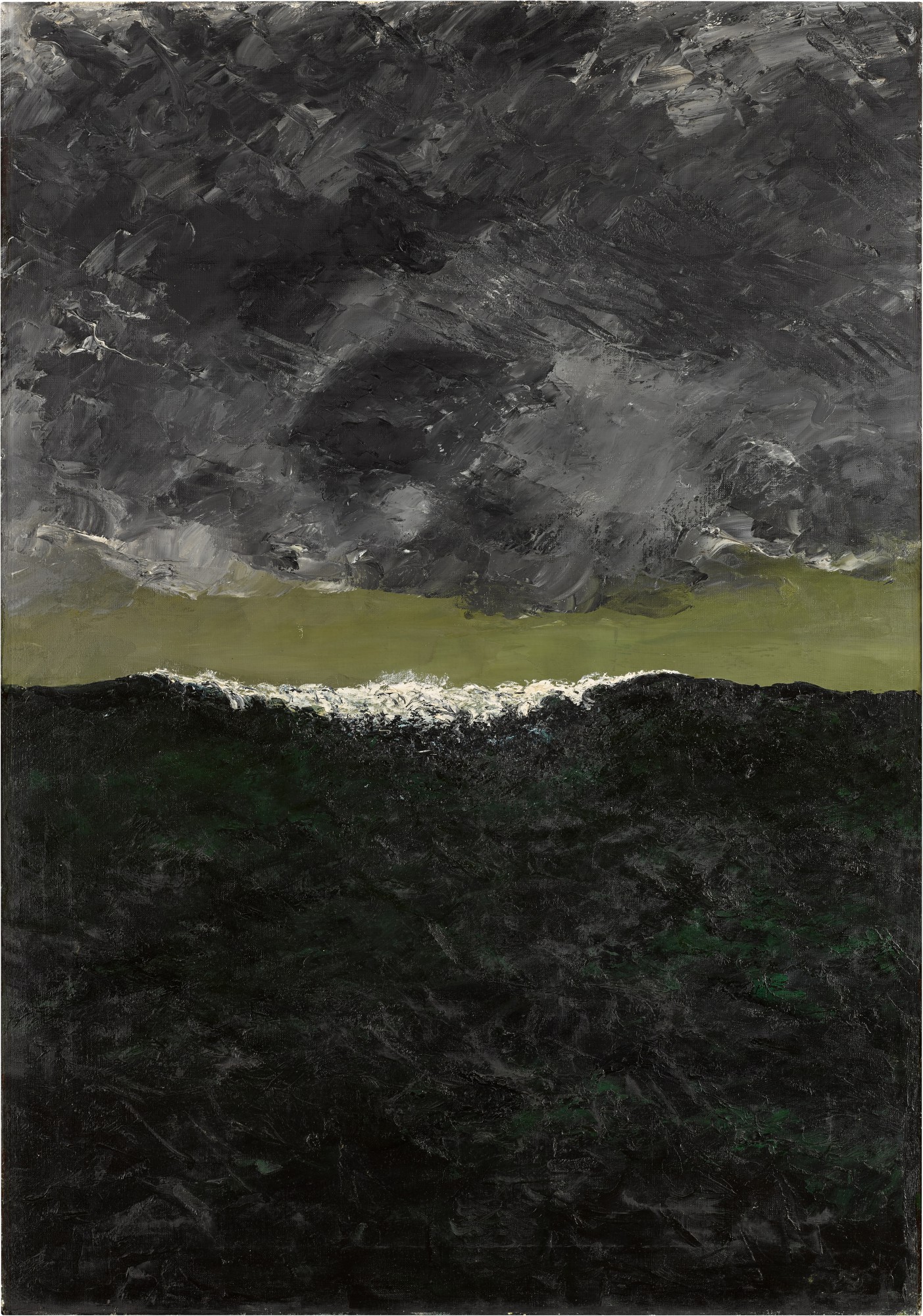
August Strindberg, best known as one of Sweden's greatest playwrights and novelists, was also a passionate and innovative visual artist who produced remarkable paintings during the 1890s and early 1900s. His artistic practice emerged during periods of personal crisis and creative experimentation, particularly during his time in Paris and later in Sweden. Strindberg's paintings are characterized by turbulent seascapes, dramatic skies, and coastal scenes that reflect his interest in natural forces and psychological states. He worked primarily in oil, creating thickly textured works that anticipated aspects of abstract expressionism by several decades. Strindberg's most significant body of visual work consists of his 'Celestographs' or 'crystal paintings', experimental photographic images created without a camera by exposing photographic plates directly to the night sky, and his tempestuous marine paintings. His seascapes, often depicting the waters around the Stockholm archipelago, feature roiling waves and storm-laden atmospheres executed with bold, gestural brushwork and a limited, moody palette of grays, blues, and earth tones. These works demonstrate an expressionistic approach to landscape that was highly unusual for his time, with Strindberg often applying paint with palette knives, his fingers, and other unconventional tools to achieve maximum emotional intensity. Though Strindberg's visual art was not widely exhibited during his lifetime, his paintings have gained considerable recognition in recent decades as significant precursors to modern abstraction and expressionism. Major exhibitions of his artwork have been mounted at institutions including the Musée d'Orsay in Paris and various Swedish museums. His approach to painting was deeply connected to his literary and scientific interests, particularly his fascination with alchemy, chemistry, and the metaphysical dimensions of matter. Today, Strindberg's paintings are held in the collections of the Nationalmuseum in Stockholm and other Scandinavian institutions, where they are valued both for their intrinsic artistic merit and as manifestations of his polymathic genius.
Artists in conversation