
Trevor Paglen
“
Trevor Paglen creates photographs, videos, and installations investigating surveillance, artificial intelligence, and military/intelligence operations. His "Limit Telephotography" series captures secret military sites, and "ImageNet Roulette" (2019) exposed AI bias. His work is held at the Smithsonian, Tate, and the Met.

Artists in conversation
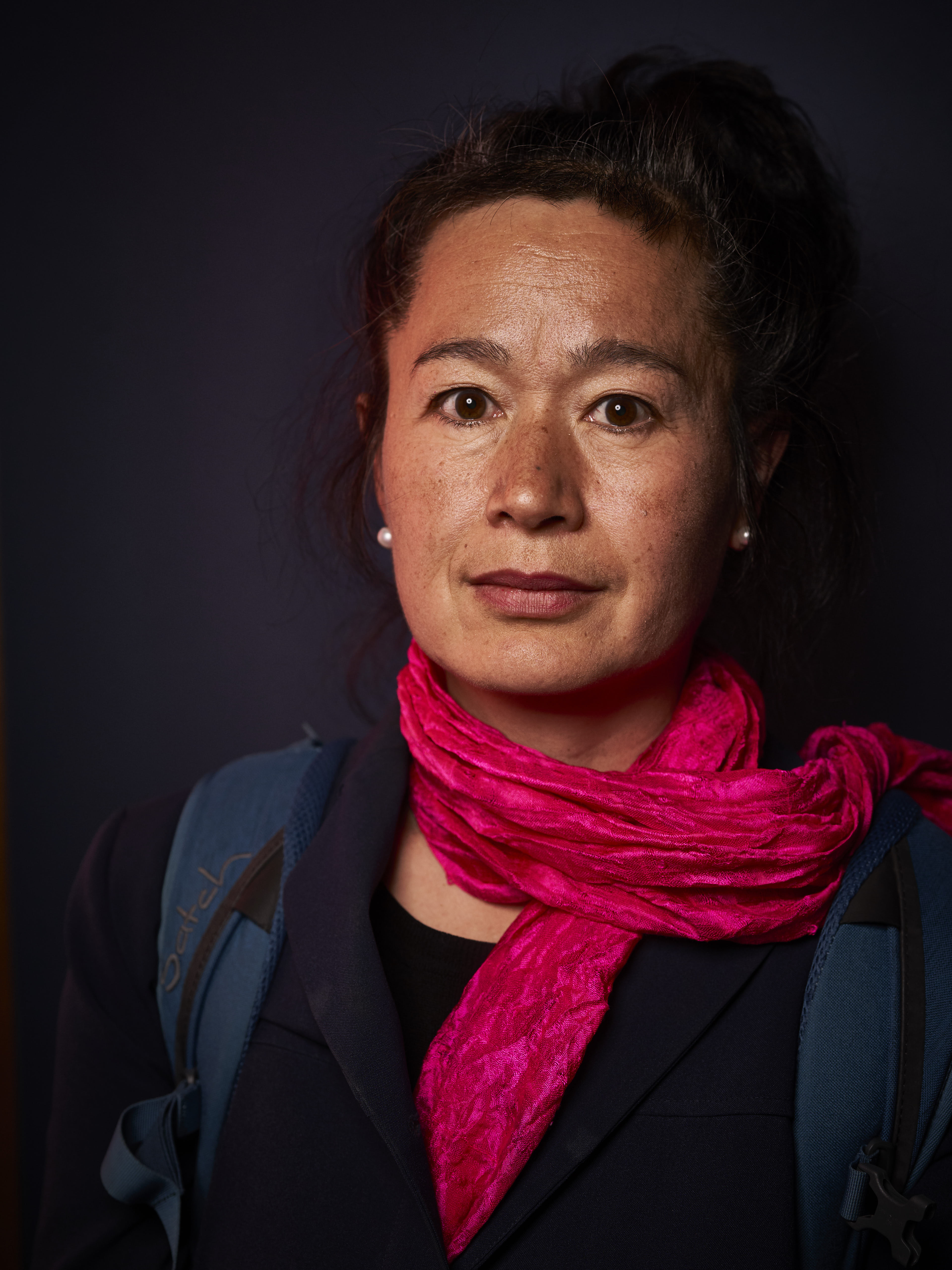
Hito Steyerl
Steyerl shares Paglen's commitment to investigating surveillance, artificial intelligence, and the politics of images through video and installation work. Both artists use conceptual and research driven methods to expose the hidden infrastructures of power and technology.
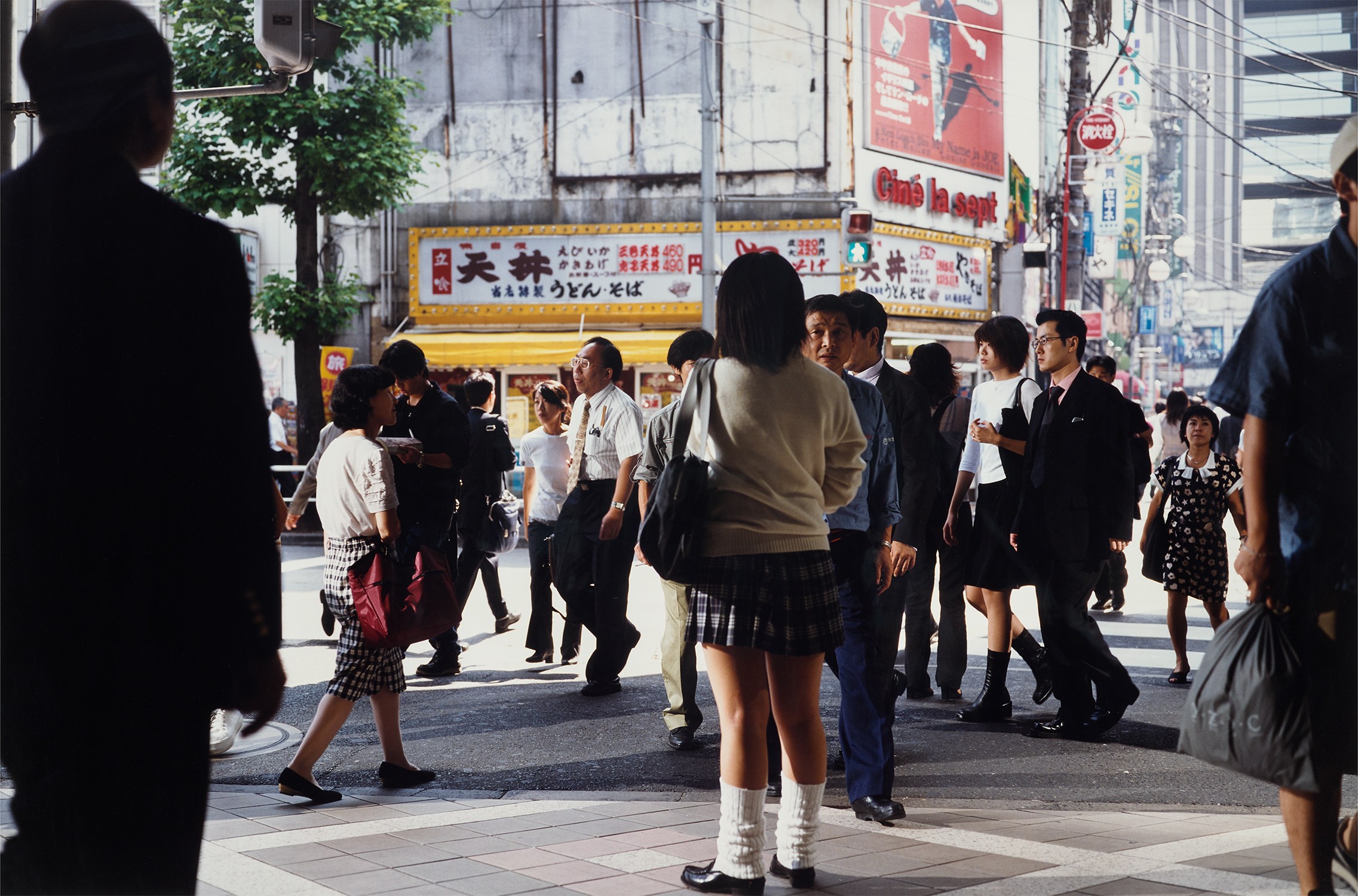
Taryn Simon
Simon similarly uses large format photography and rigorous research to expose concealed or overlooked systems of government, law, and institutional power. Her methodical documentation of secret and restricted spaces parallels Paglen's investigative photographic practice.
Allan Sekula
Sekula combined photography, text, and critical theory to examine geopolitical and economic systems, anticipating Paglen's fusion of documentary imagery with conceptual inquiry. Both artists treat photography as a tool for political and systemic critique rather than mere representation.
Artists who inspired them
Edward Ruscha
Ruscha's deadpan photographic documentation of vernacular American landscapes and structures informed Paglen's approach to photographing ordinary yet charged sites of power. His conceptual use of photography as a systematic survey tool resonates directly in Paglen's limit telephotography work.
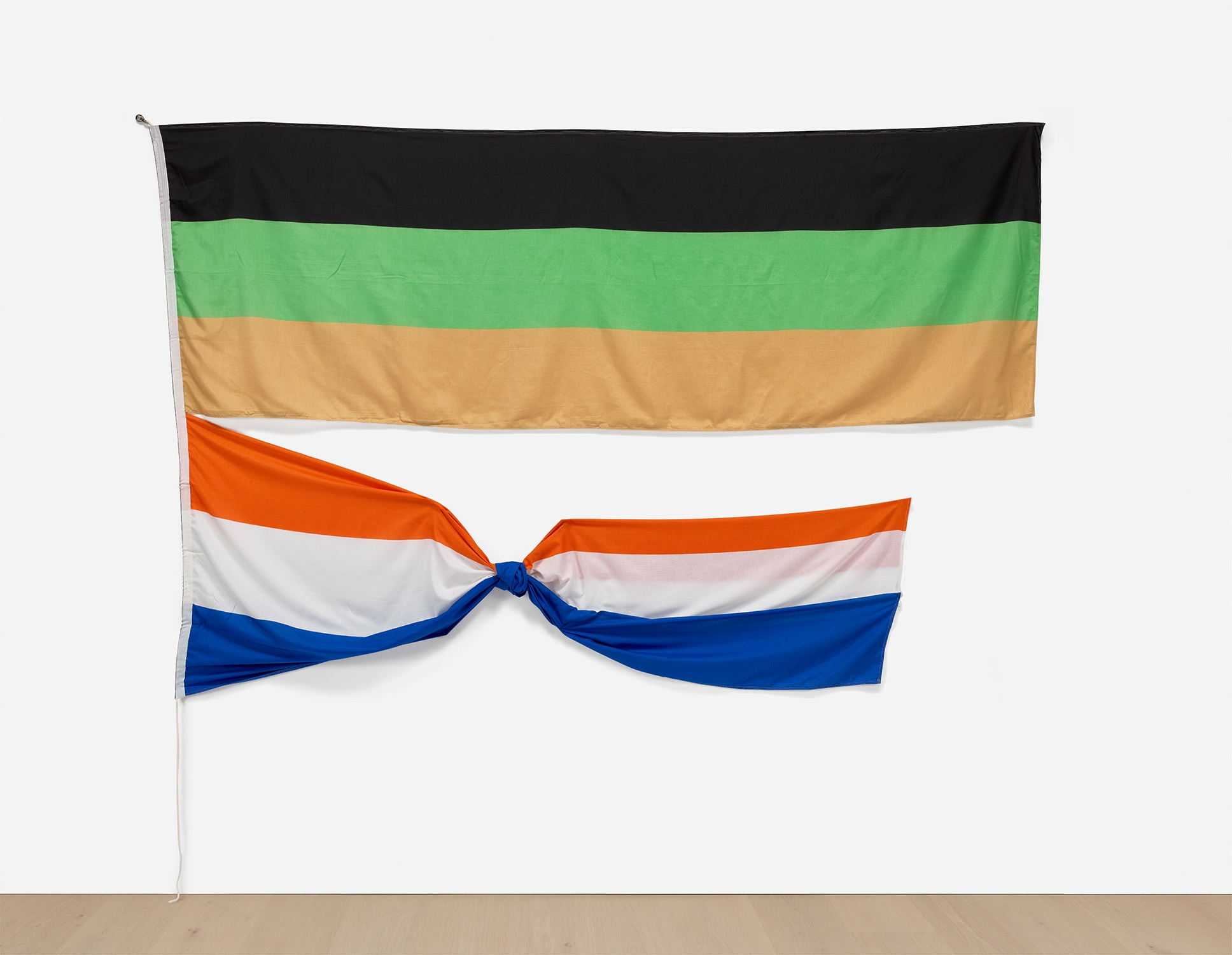
Hans Haacke
Haacke pioneered institutional critique and the use of art to expose the hidden workings of political and corporate power, laying groundwork that Paglen extends into the domain of surveillance and intelligence infrastructure. His research intensive and confrontational conceptual practice is a clear antecedent to Paglen's methodology.
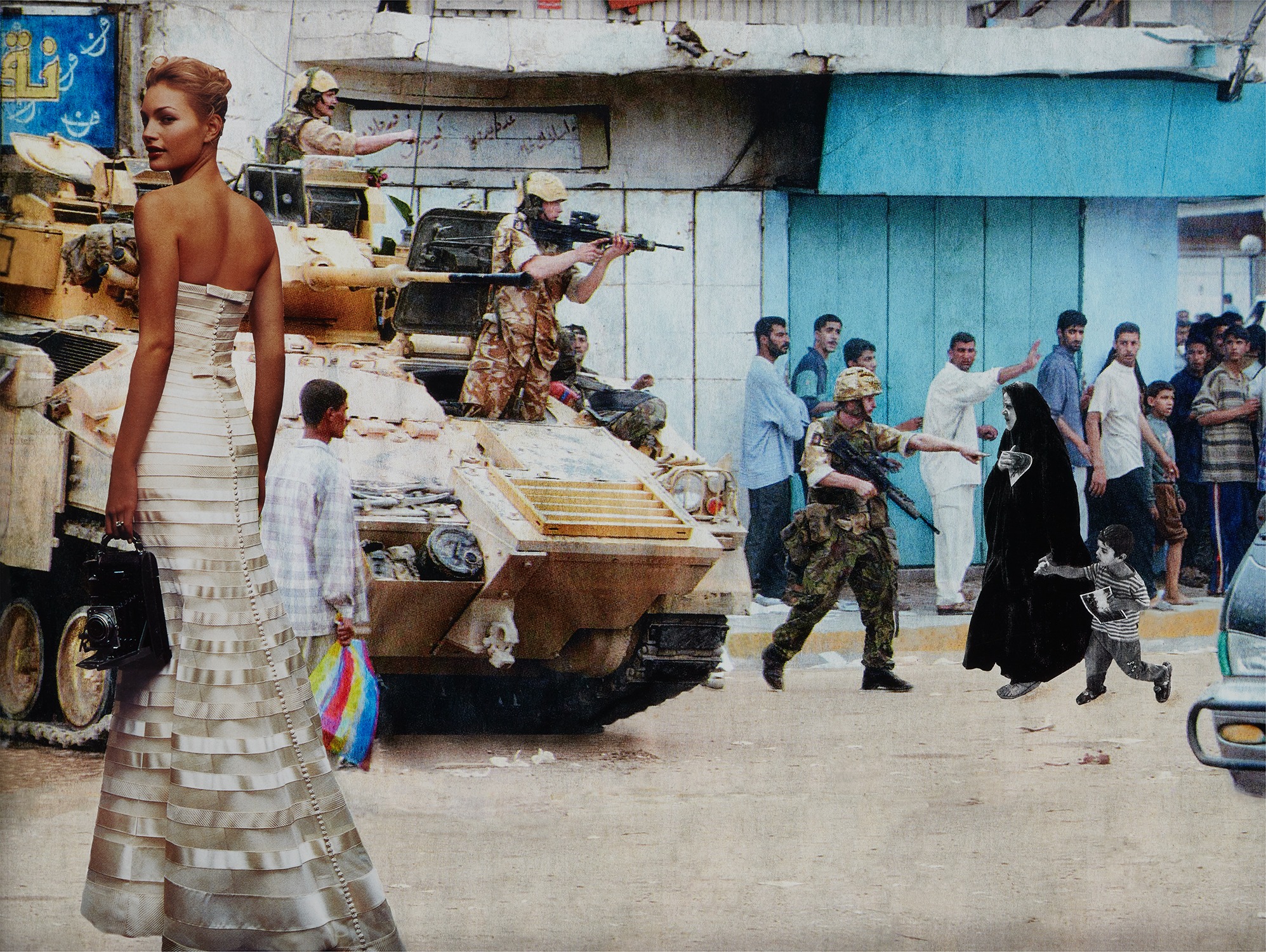
Martha Rosler
Rosler's politically engaged photographic and video work connecting militarism, media, and everyday life provided a model for Paglen's fusion of documentary practice with systemic political critique. Her long career investigating the invisible violences of government and war directly anticipates Paglen's subject matter.