Thought Provoking
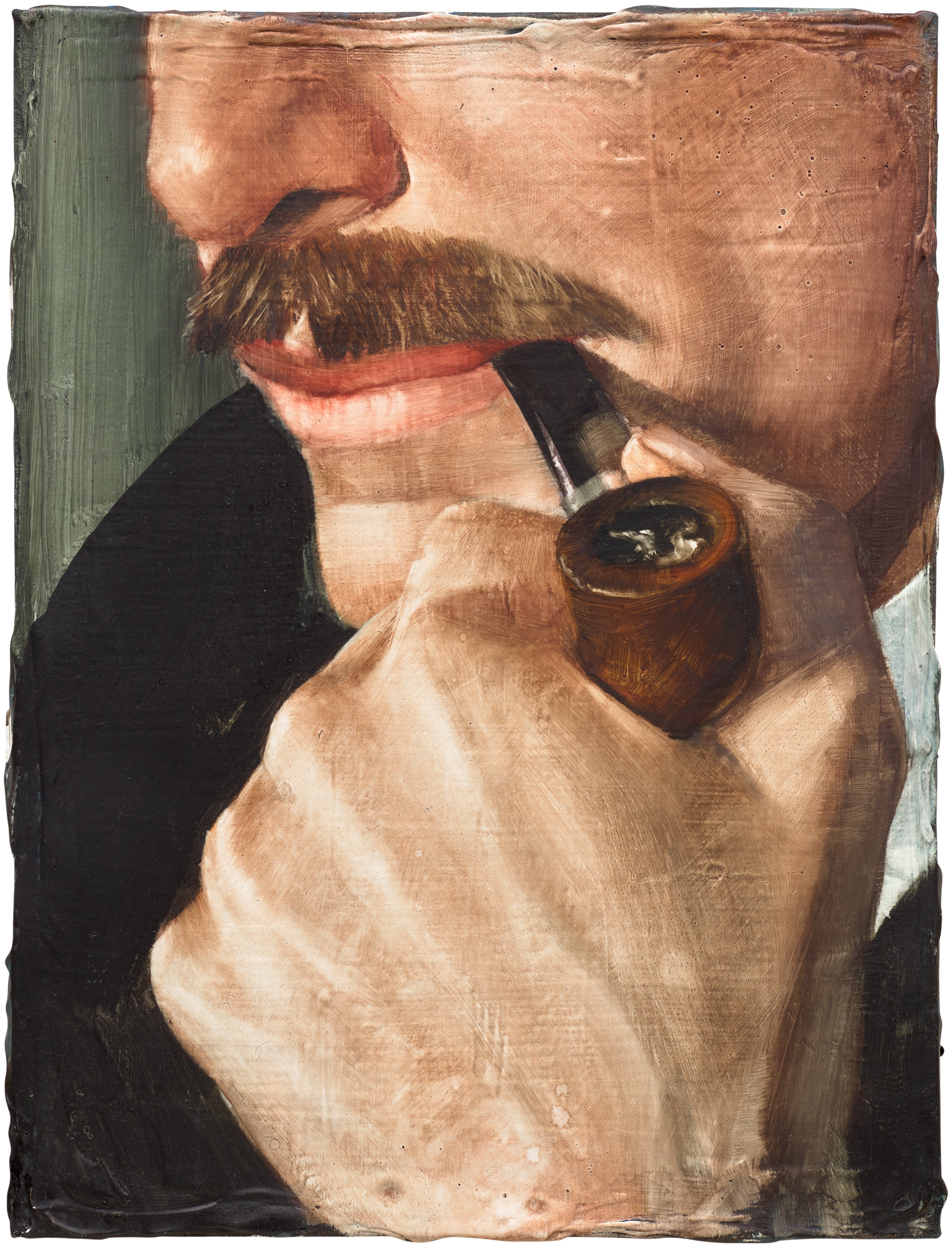
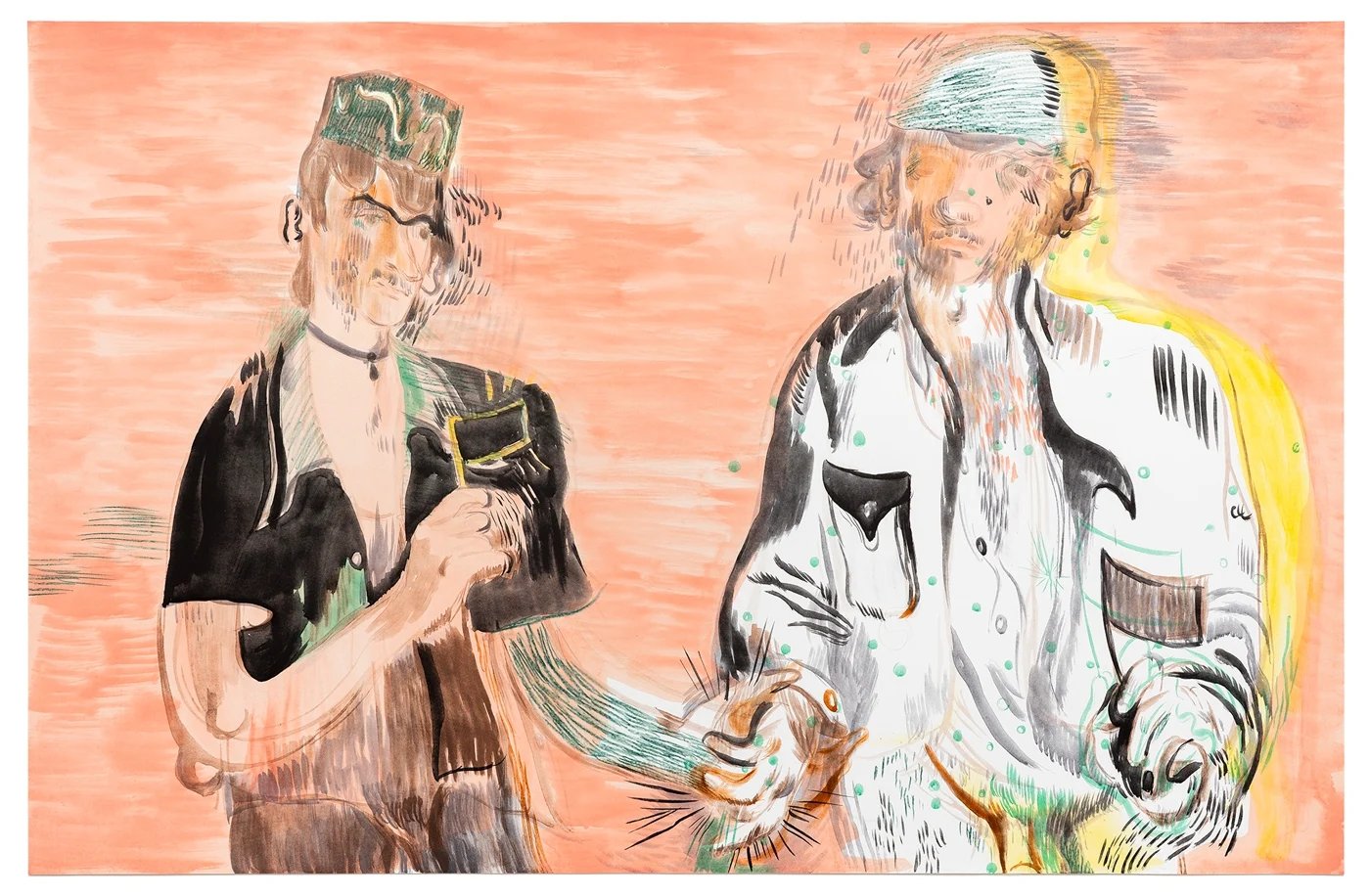
Joseph Yaeger
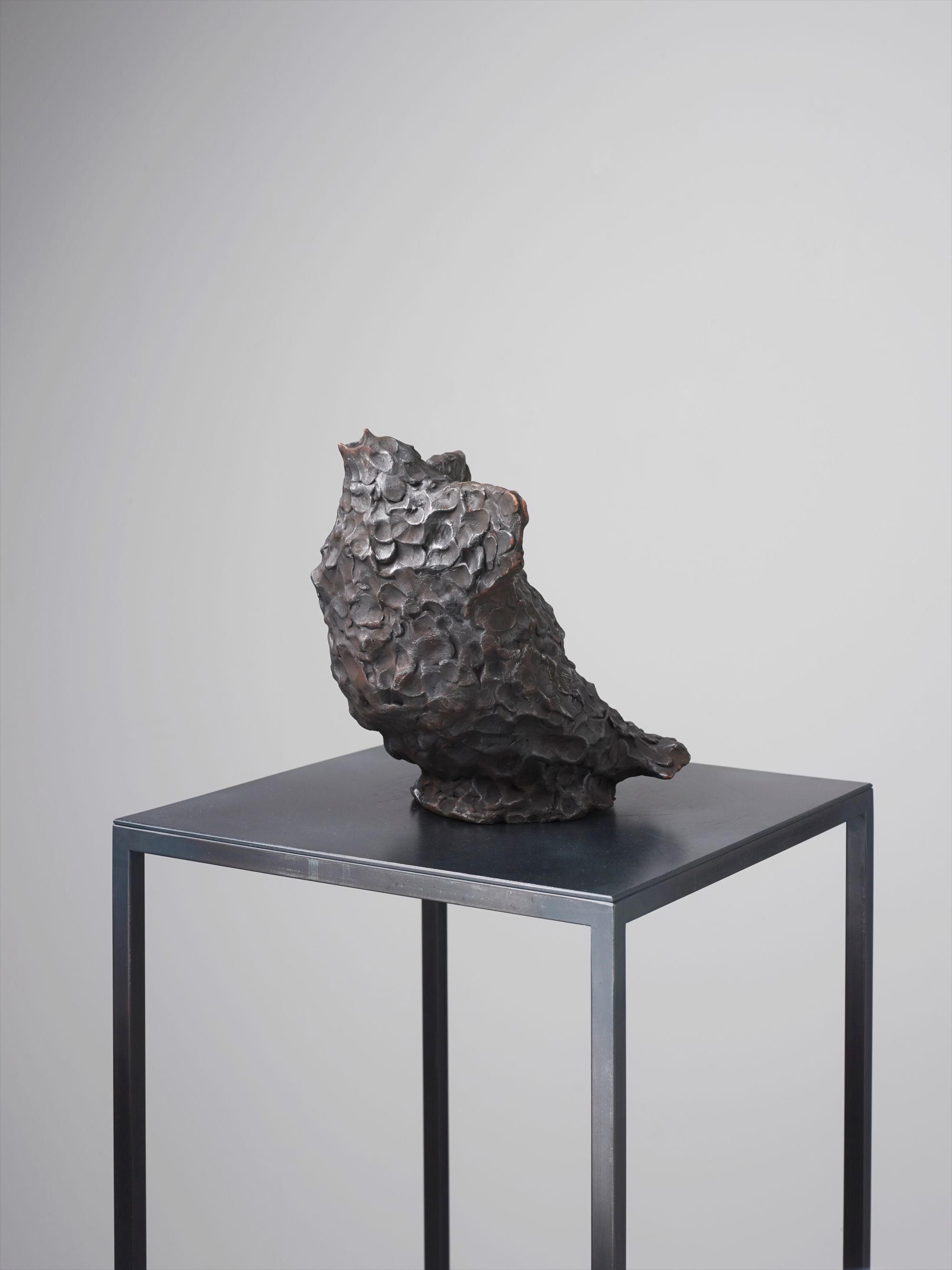
Tyranny of the rational, 2023
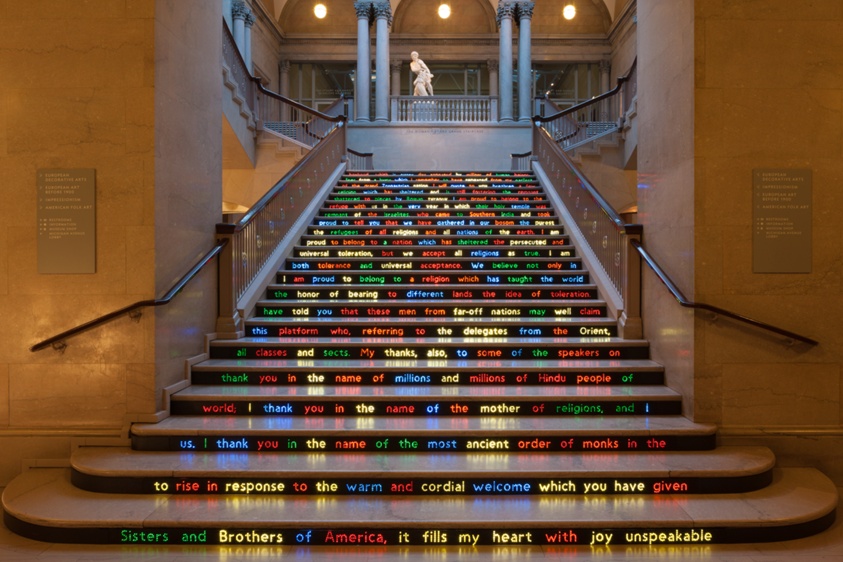



Art That Refuses to Let You Off the Hook
When Kara Walker's monumental sugar sphinx, 'A Subtlety,' occupied the Domino Sugar refinery in Brooklyn back in 2014, it drew over 130,000 visitors in six weeks. People came expecting spectacle and left shaken, some in tears, many in argument with strangers they had just met. That is the particular power of art made not to decorate but to destabilize, and the market for it has never been more serious, more globally distributed, or more urgently relevant to how collectors are thinking about what a collection is actually for. The category that dealers and curators sometimes call conceptually driven or socially engaged work has shed whatever residual reputation it once had for being difficult or uncommercial.
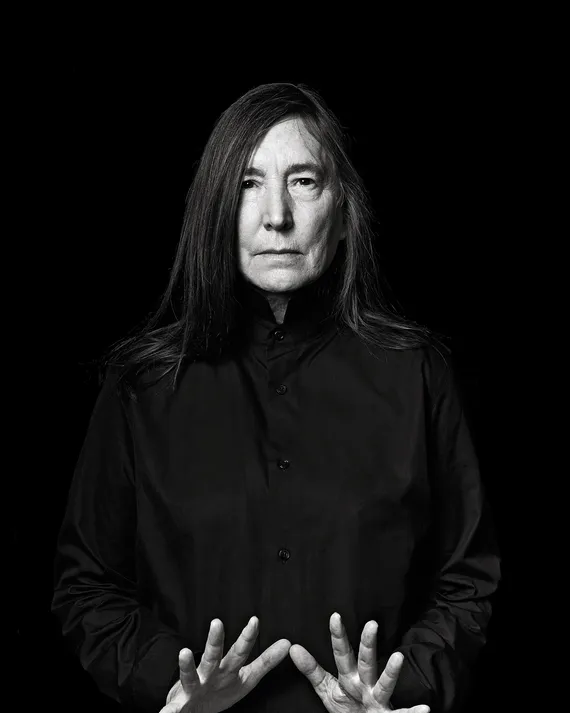
Auction houses have watched this shift play out in real time. Jenny Holzer's LED installations and text works have performed strongly at Christie's and Sotheby's over the past several years, with major pieces clearing well into six figures and institutional competition driving prices higher. Her work sits at the intersection of language, power, and public space in a way that resonates differently depending on who is reading the room, a quality that collectors increasingly seek out rather than avoid. Holzer is among the most seriously represented artists on The Collection, and for good reason.
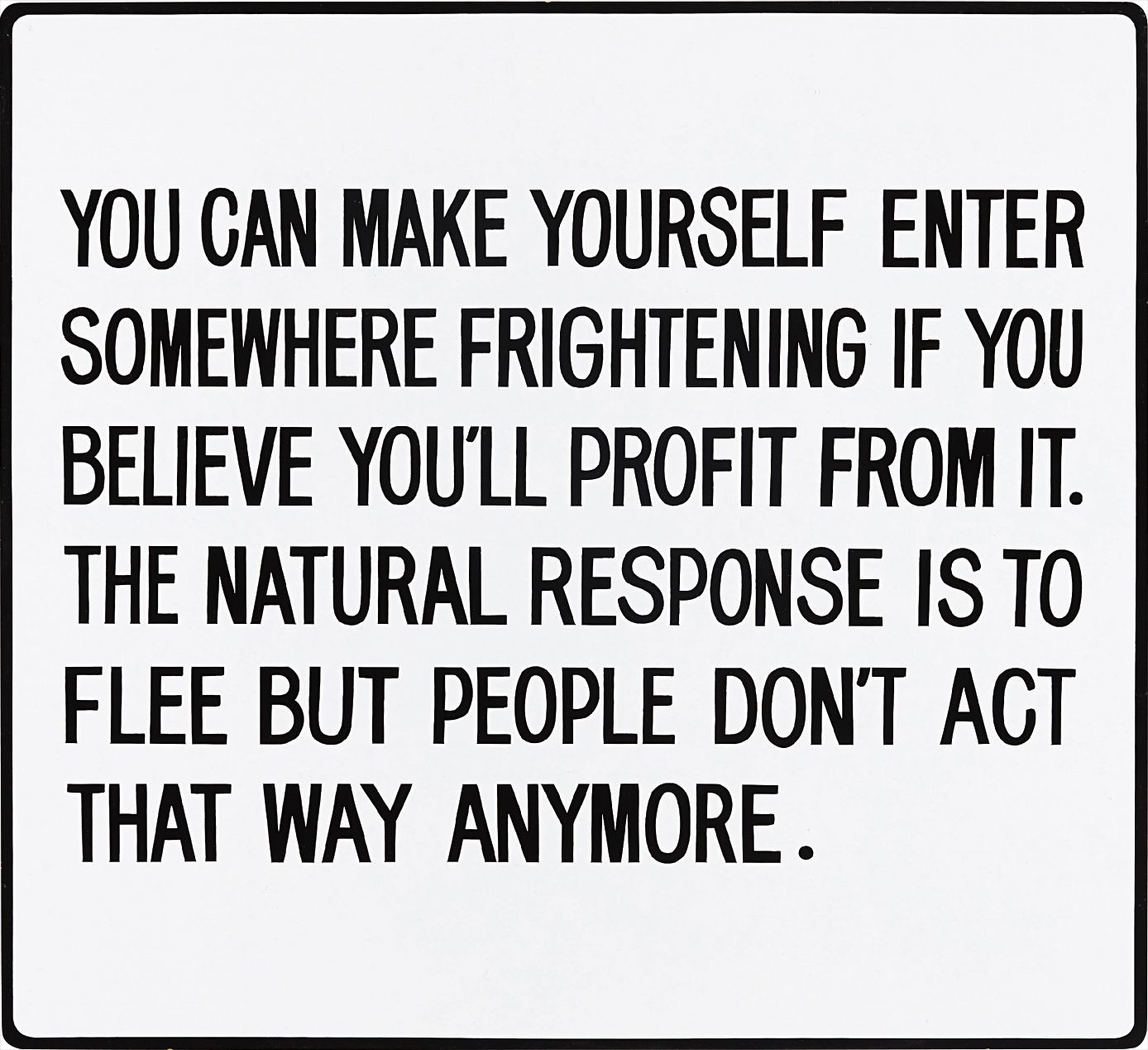
Jenny Holzer
Living Series: You can make yourself enter somewhere…
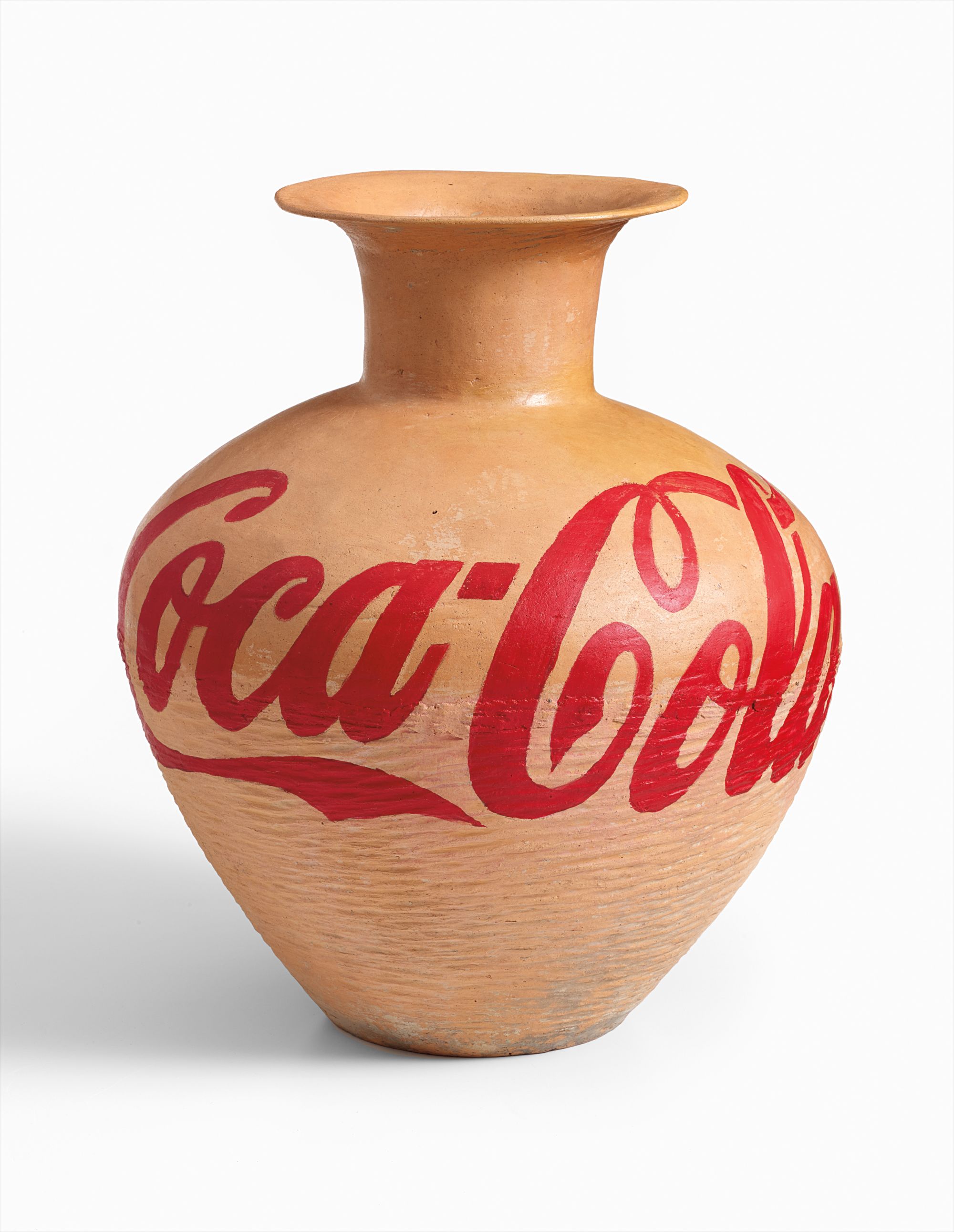
Ai Weiwei continues to generate some of the most talked about results in this space. His 'Sunflower Seeds' installation at Tate Modern in 2010 is now considered a landmark moment for the category, a work that collapsed the distance between political art and aesthetic experience in ways that purists on both sides had to reckon with. At auction, his sculptural and photographic works have drawn competition from collectors across Asia, Europe, and North America, reflecting both his global profile and the appetite for work that carries biographical and geopolitical weight. The breadth of his practice, available across multiple works on The Collection, speaks to how fully his vision translates across medium and format.
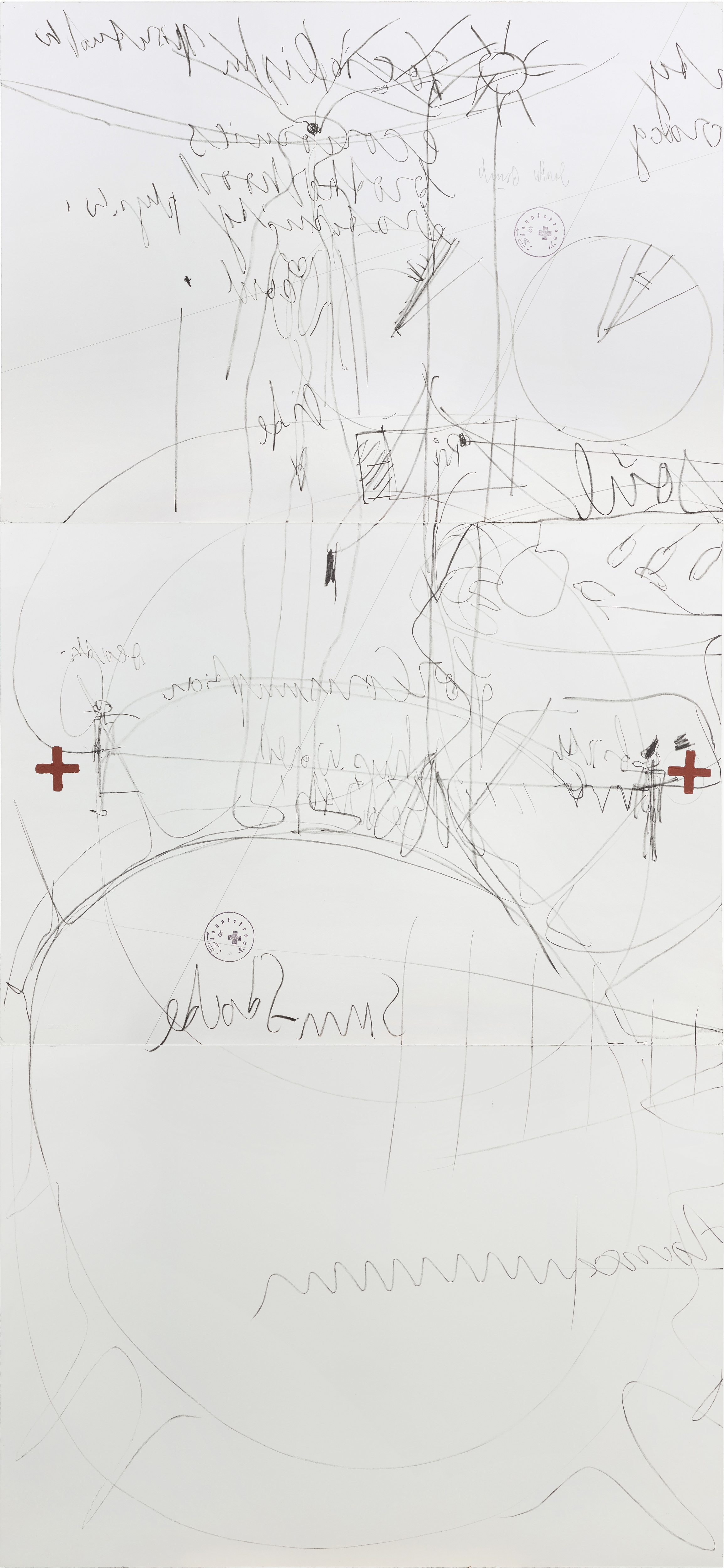
Joseph Beuys remains the philosophical ancestor of much of what makes this category tick. His concept of social sculpture, the idea that every person can be an artist and that art's highest function is the transformation of society, set the template for several generations of practice. Beuys works that come to market through major houses consistently attract serious attention, particularly his multiples and felt and fat works, where the mythological dimension of his biography amplifies the object's presence. Collectors who have built around Beuys tend to think in terms of intellectual legacy as much as aesthetic pleasure, and that orientation shapes everything else they acquire.

Joseph Beuys
We Won't Do It without the Rose (Ohne Die Rose Tun Wir's Nicht)
Museums have been doing some of their most ambitious programming in this territory. The Guggenheim Bilbao devoted a major retrospective to Danh Vō in 2015, and the Danish American artist has since become one of the most closely watched figures in the space where personal history, colonialism, and material culture converge. His works, which often incorporate fragments of historical documents or objects belonging to his family, command significant prices and institutional attention in equal measure. Jitish Kallat, whose work engages the texture of urban life in Mumbai alongside broader questions of time and mortality, has been the subject of solo presentations at institutions including the Art Institute of Chicago.
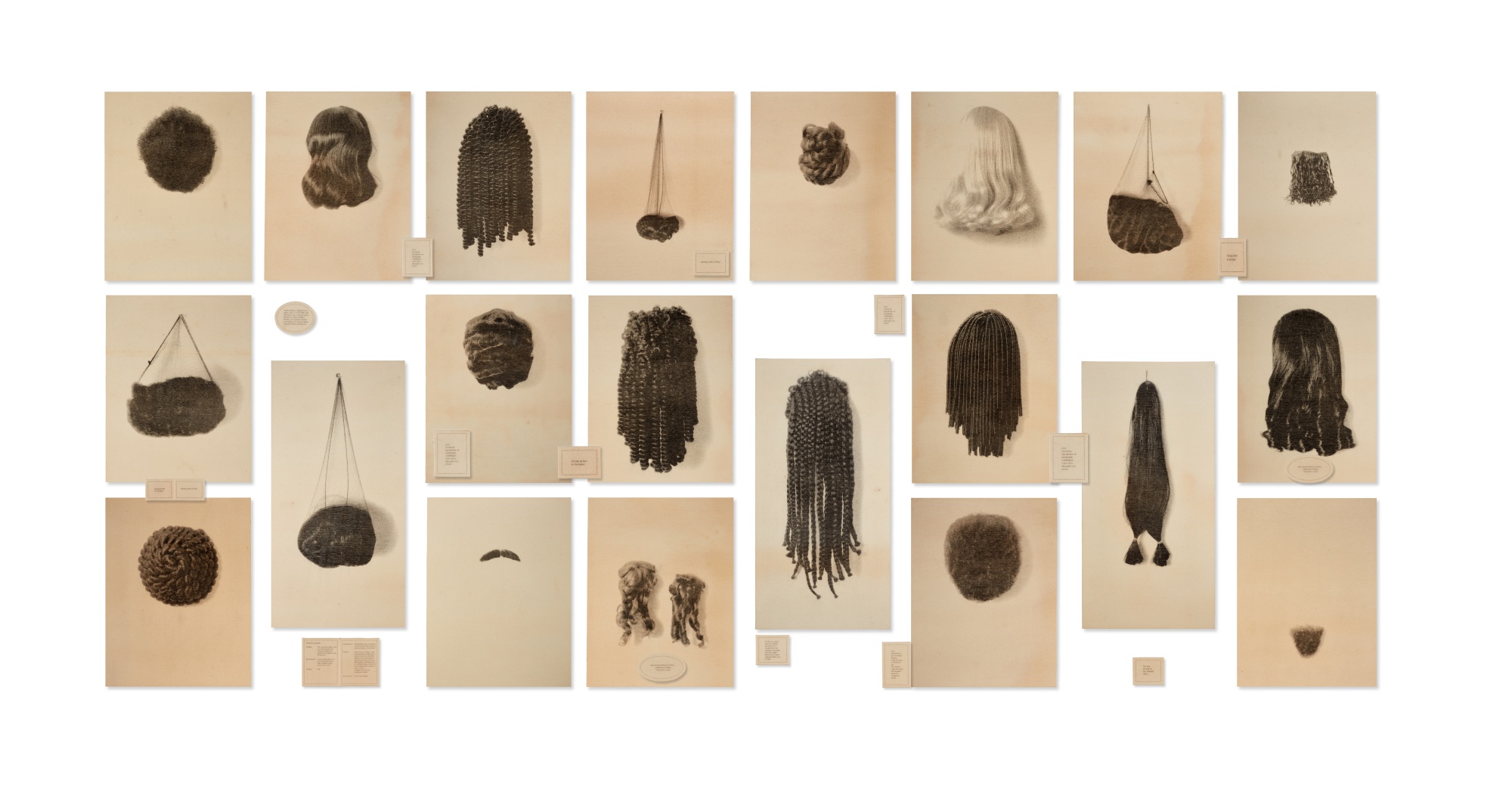
Both artists appear in The Collection and represent the genuinely global character of where this category has traveled. The critical conversation has been shaped in recent years by a handful of key voices. Curator Hans Ulrich Obrist has consistently championed artists working in the space between concept and political urgency. The writing of Saidiya Hartman, though not an art critic by trade, has influenced how a generation of curators reads work by artists like Lorna Simpson, whose layered photographs and films addressing Black female identity and American history have seen strong institutional acquisition from MoMA, the Whitney, and the Art Institute of Chicago.

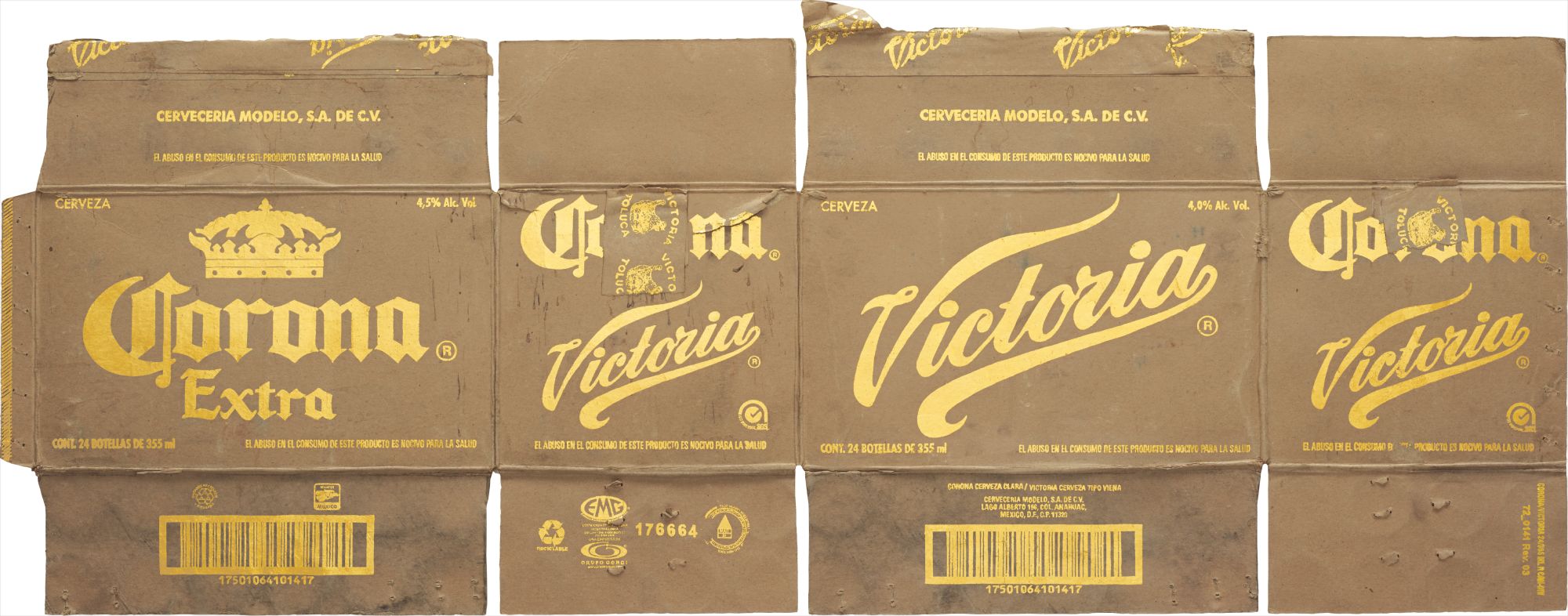
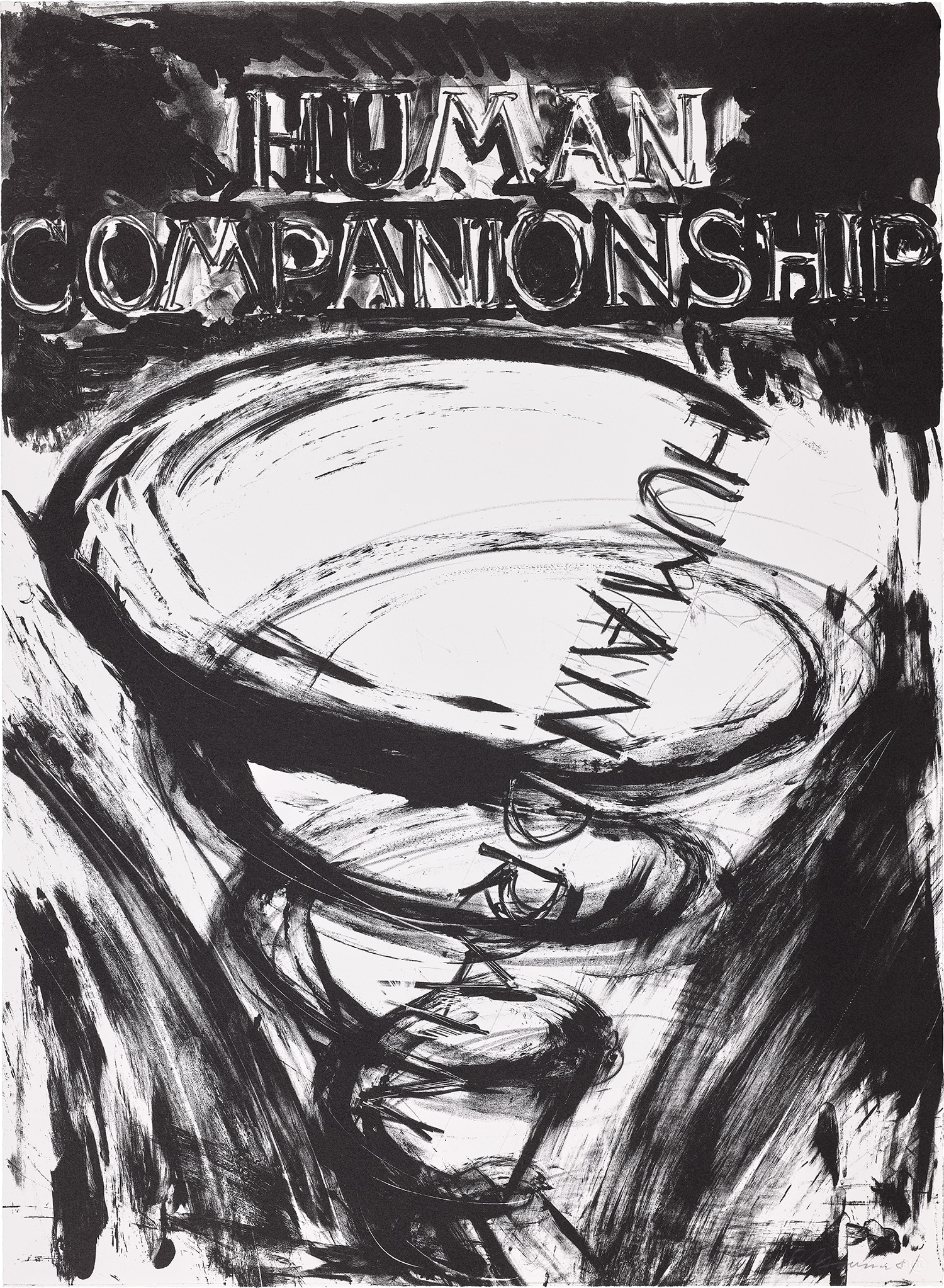
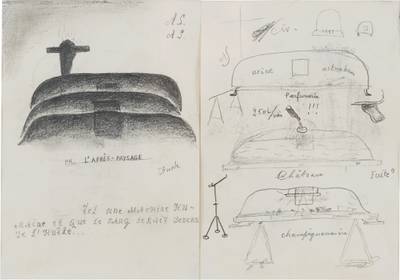
Willem Oorebeek
Un train peut en cacher un autre, 2017
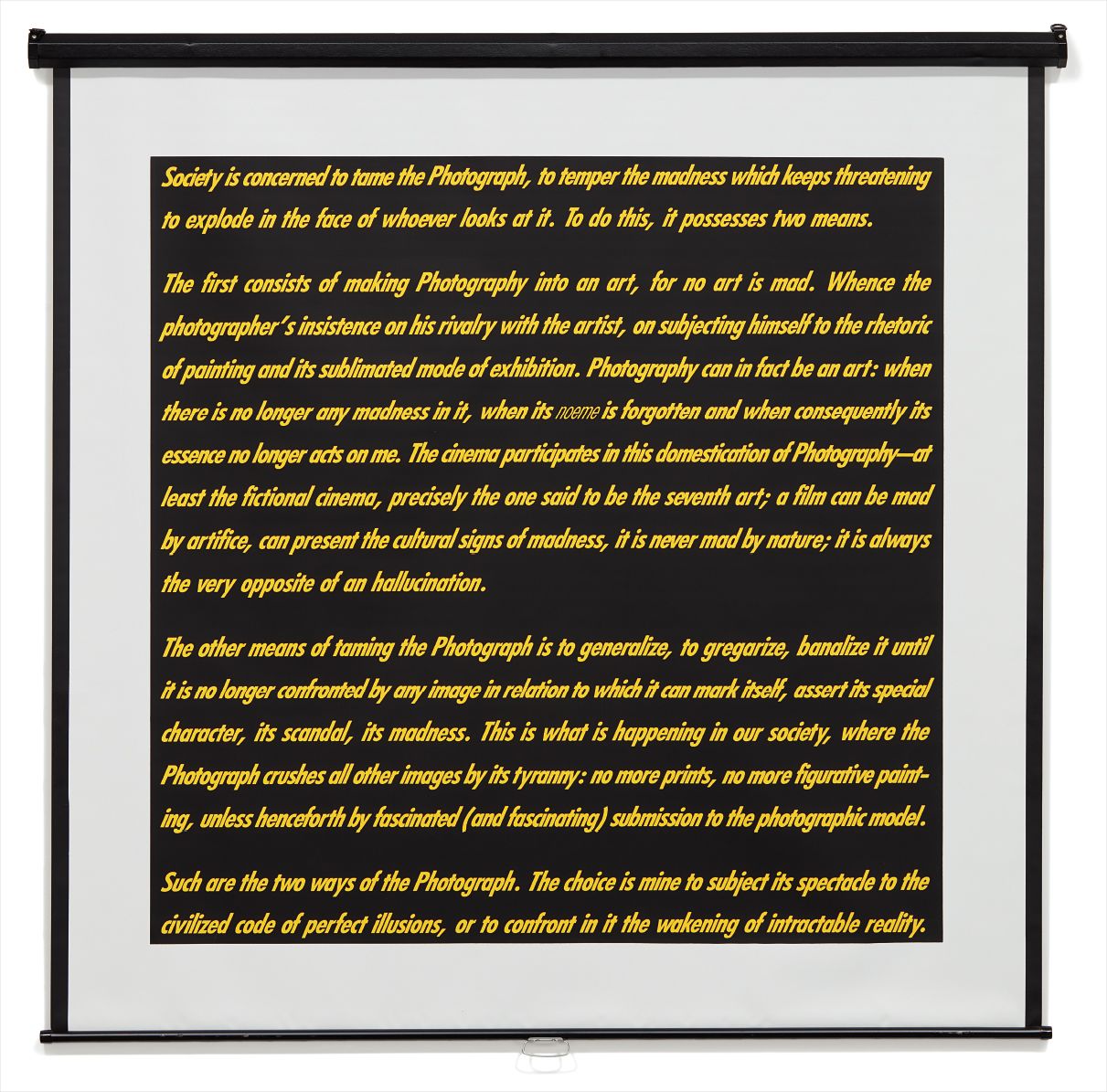
Simpson's auction presence has grown steadily, with works appearing regularly at Phillips and Christie's and finding buyers who recognize her as essential rather than supplementary to any serious collection. Publications including Artforum, Frieze, and e flux have provided the sustained critical infrastructure that keeps the discourse honest and demanding. There is also a renewed interest in artists who use language as primary material. Joseph Kosuth and Lawrence Weiner, both foundational to Conceptual Art's first wave in the late 1960s and early 1970s, remain actively collected and institutionally exhibited, but younger eyes are now looking at them alongside figures like Stefan Brüggemann and Ben Vautier, whose text works feel strangely current in an era saturated with information and skepticism about meaning.
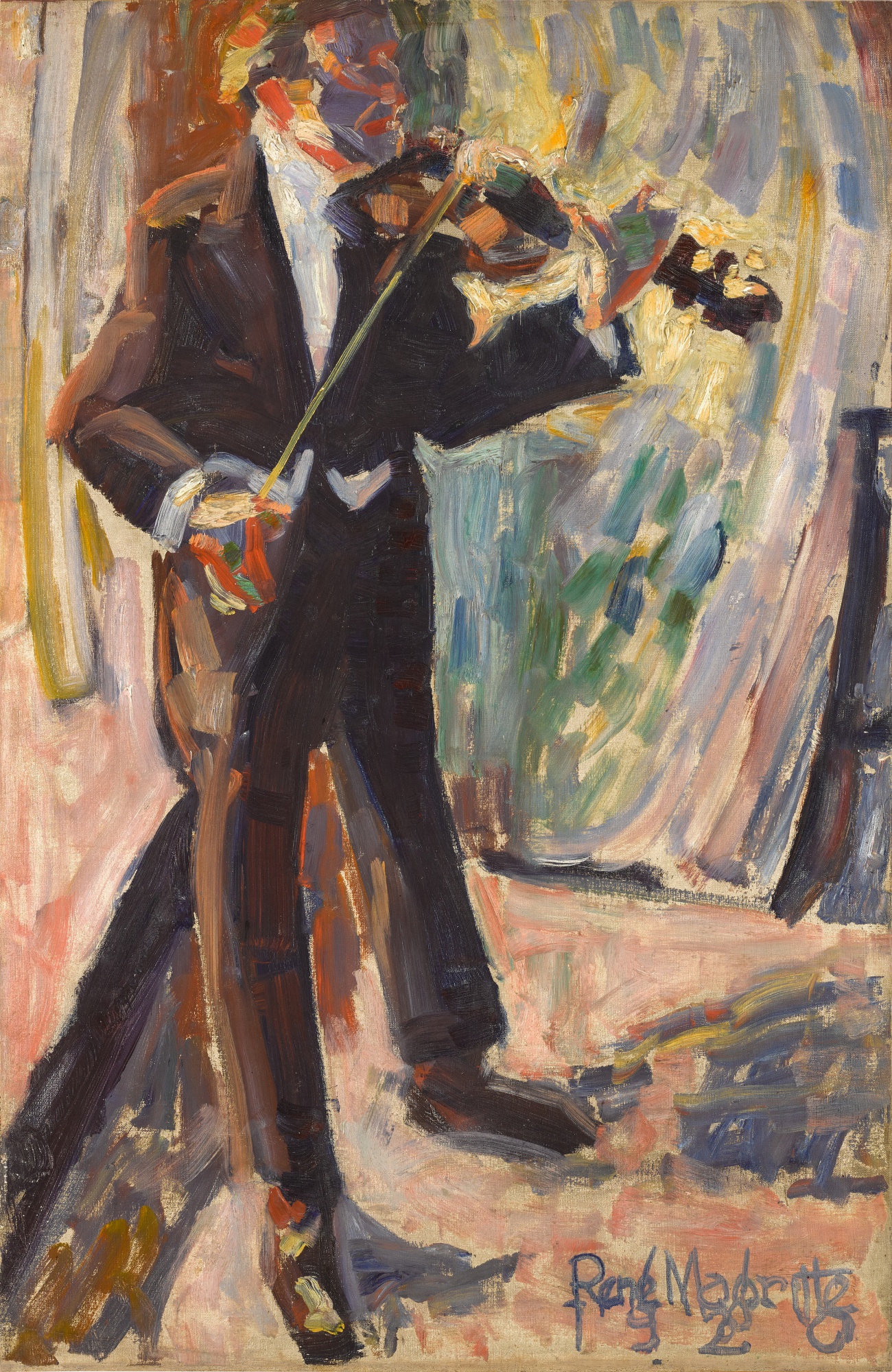
René Magritte, whose philosophical games with representation and language prefigured much of what came after, is experiencing a particular reappraisal, with museum retrospectives and auction results that suggest collectors are reading his work as more than Surrealist charm. What feels most alive right now is the recognition that provocation, when it comes from genuine intellectual and ethical commitment, does not diminish with time. Alfredo Jaar's work on atrocity and representation, Fred Wilson's institutional critique, and Cildo Meireles's politically charged interventions all belong to a body of practice that grows more resonant as the world they respond to becomes more complicated. Institutions including the Hammer Museum, the New Museum, and Tate Modern have made collecting in this space a priority rather than a footnote.
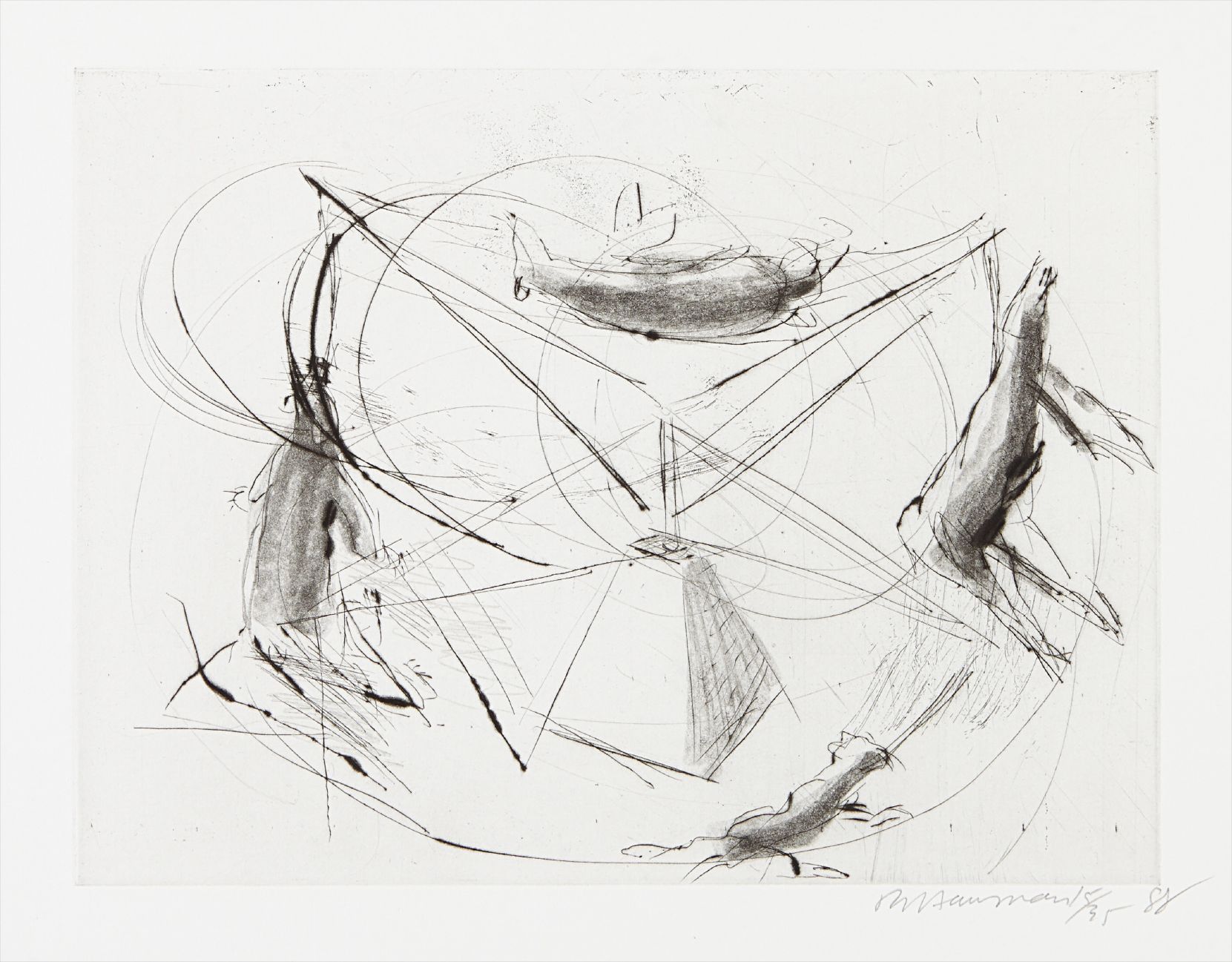
Bruce Nauman
Small Carousel
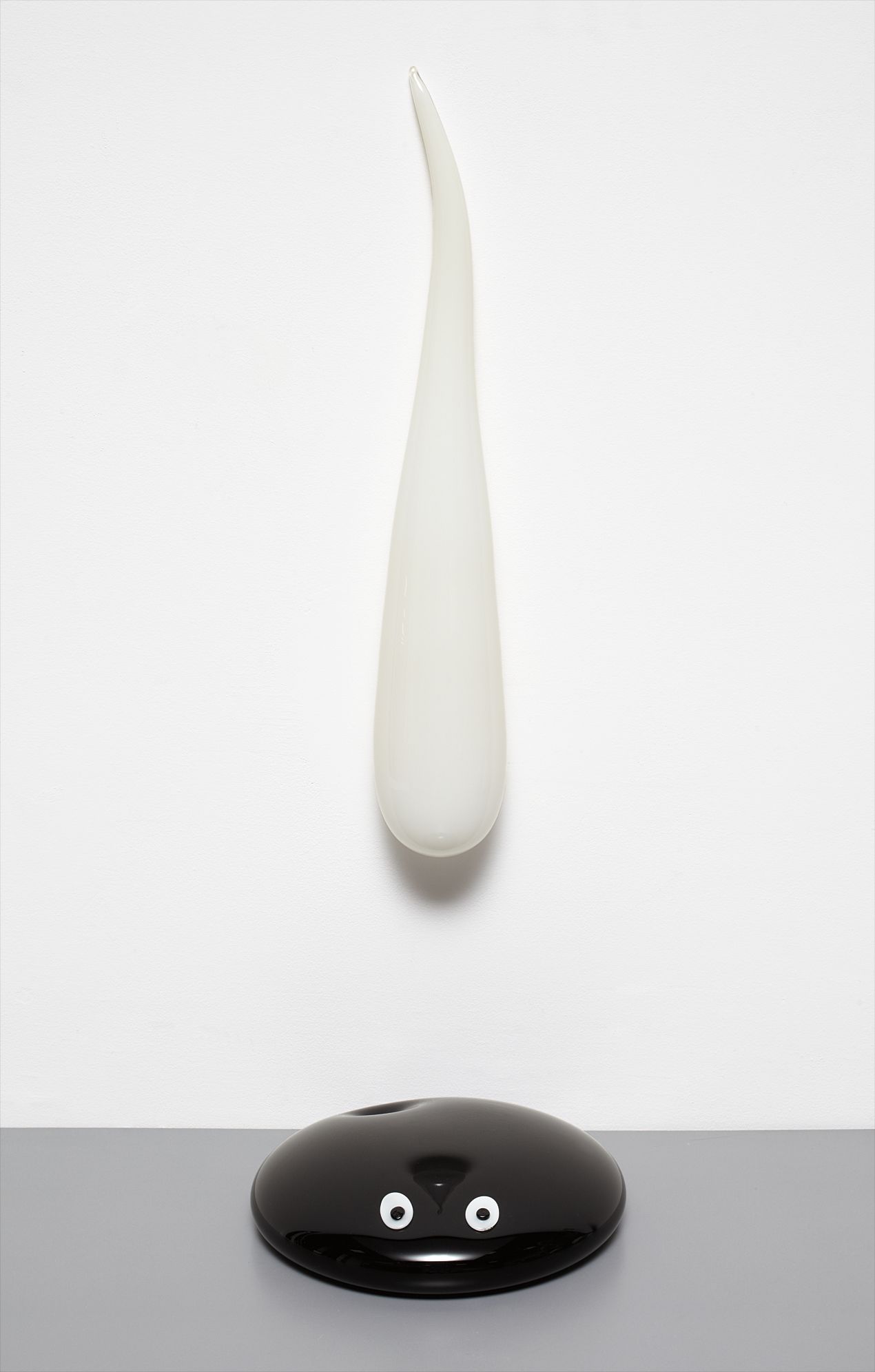
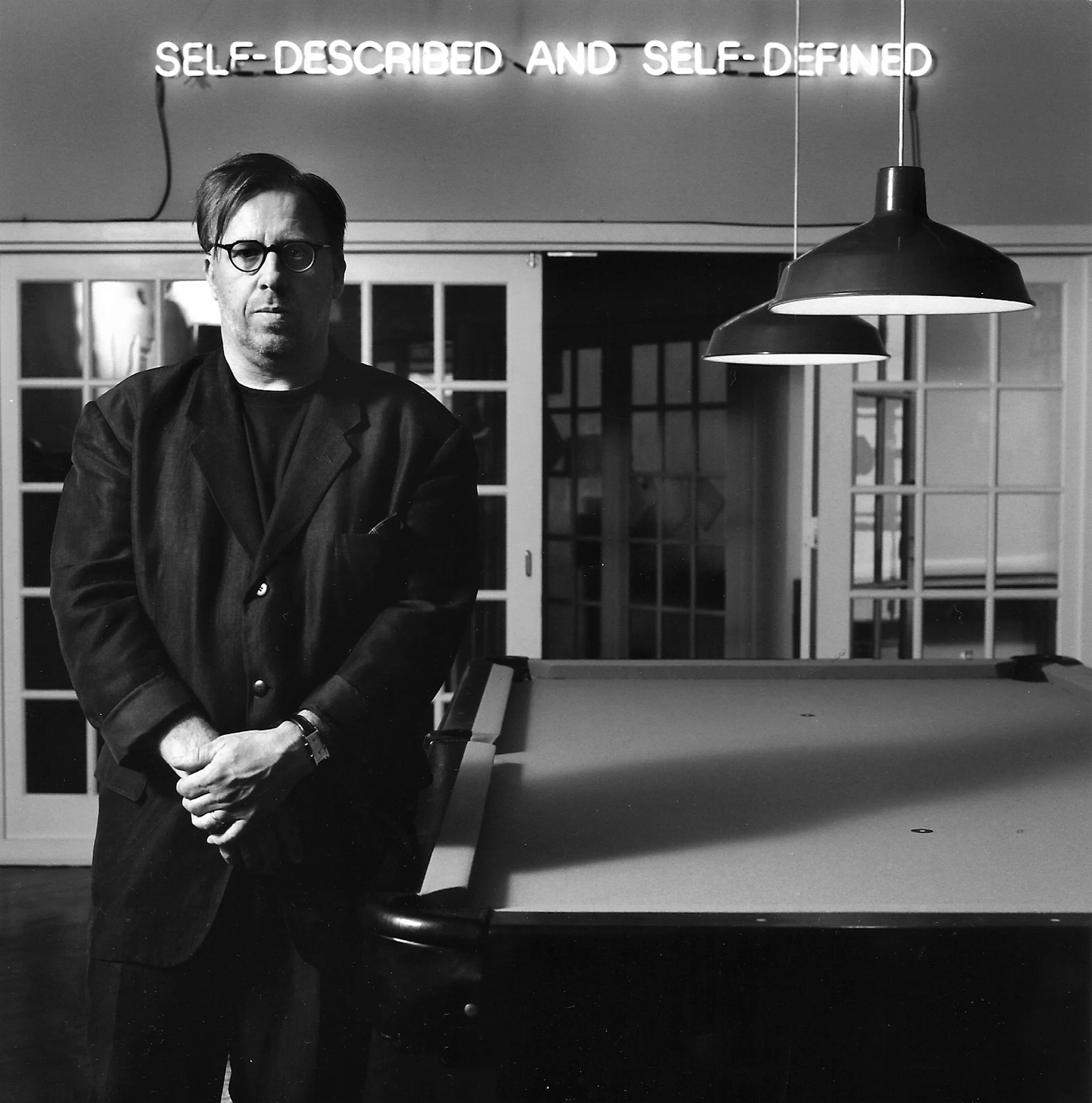
That institutional seriousness pulls the market along with it, and the collectors who moved early are watching their acquisitions become historical. For those building or deepening a collection with The Collection as a resource, the range of artists working in this register is both exhilarating and clarifying. Bruce Nauman's neon and video works, Sigmar Polke's ironic skepticism, Philippe Ramette's absurdist photography, and the quietly devastating objects of Nina Beier and Tom Friedman all suggest different entry points into a conversation that has no single thesis but a very clear ambition. That ambition is to make looking feel like thinking, and thinking feel like responsibility.
It is, in the end, what the best collecting has always been about.