William Freed
1
Works
1
Followers
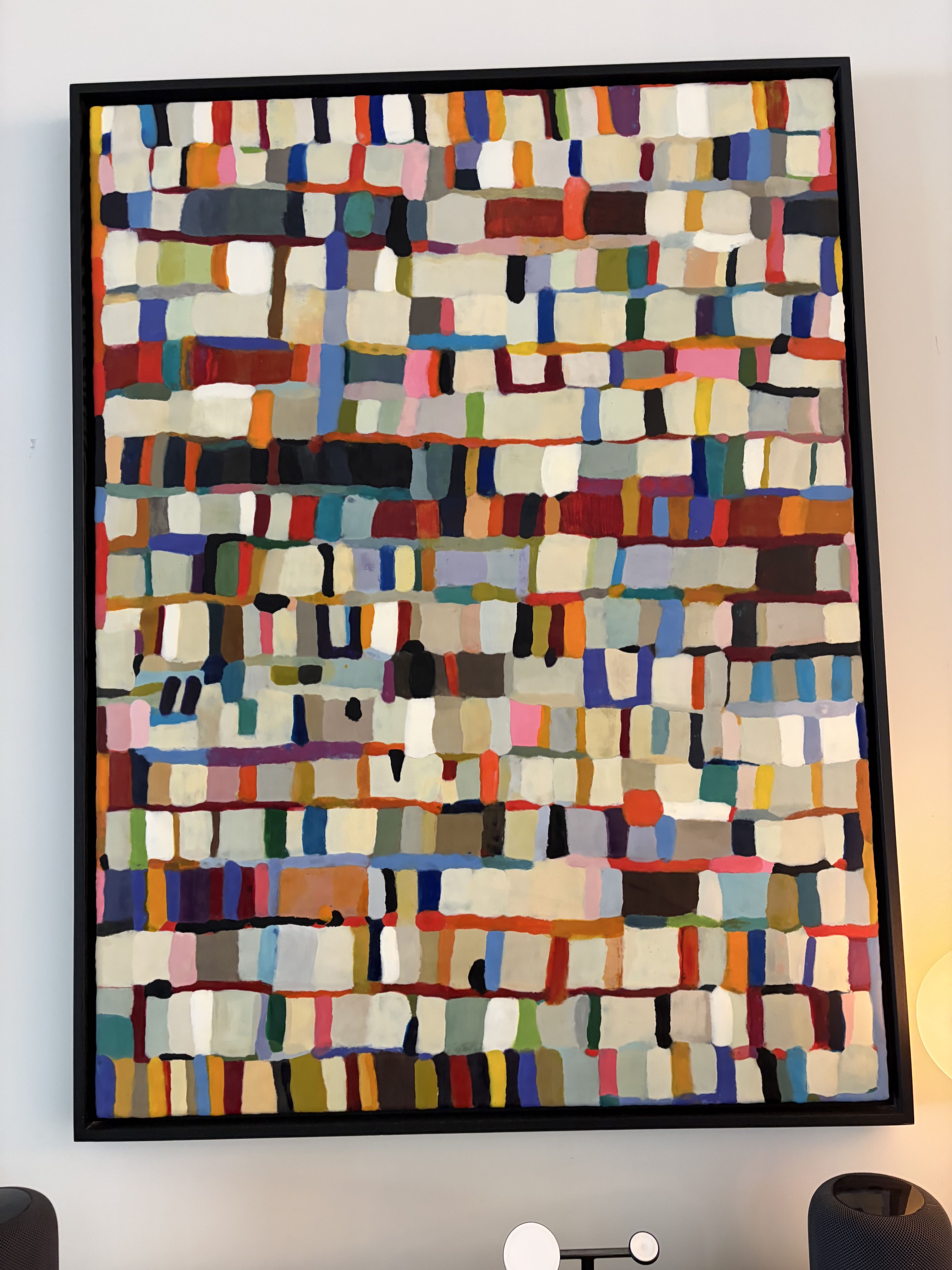
William Freed was an American painter associated with the mid-twentieth century figurative and social realist traditions. Born in 1902, he developed a practice rooted in careful observation of human subjects, urban life, and the rhythms of everyday American experience. His work reflects the broader concerns of artists who came of age during the Depression era, blending empathy for working-class subjects with a painterly sensitivity that drew from both European academic training and American modernist currents. Freed studied at prominent institutions and was part of a generation of artists who sought to make art accessible and socially engaged without abandoning formal craft. Freed's paintings are characterized by warm tonalities, solid draftsmanship, and a humanistic approach to portraiture and genre scenes. He was particularly noted for his depictions of ordinary people rendered with dignity and psychological presence. His work appeared in group exhibitions across American institutions during the mid-century period, and he maintained an active studio practice throughout his career. He was associated with artist communities in New York and was attentive to the social and political dimensions of visual representation, aligning him with other socially conscious painters of his era. Though Freed did not achieve the wide renown of some of his contemporaries, his work has been recognized by collectors and scholars interested in the figurative traditions that persisted alongside and after American abstraction. His paintings are held in private collections and have appeared periodically in regional auction markets and gallery presentations dedicated to mid-century American realism. His legacy reflects the contributions of a dedicated generation of artists who prioritized human connection and narrative clarity in their work.
Collectors
Artists in conversation
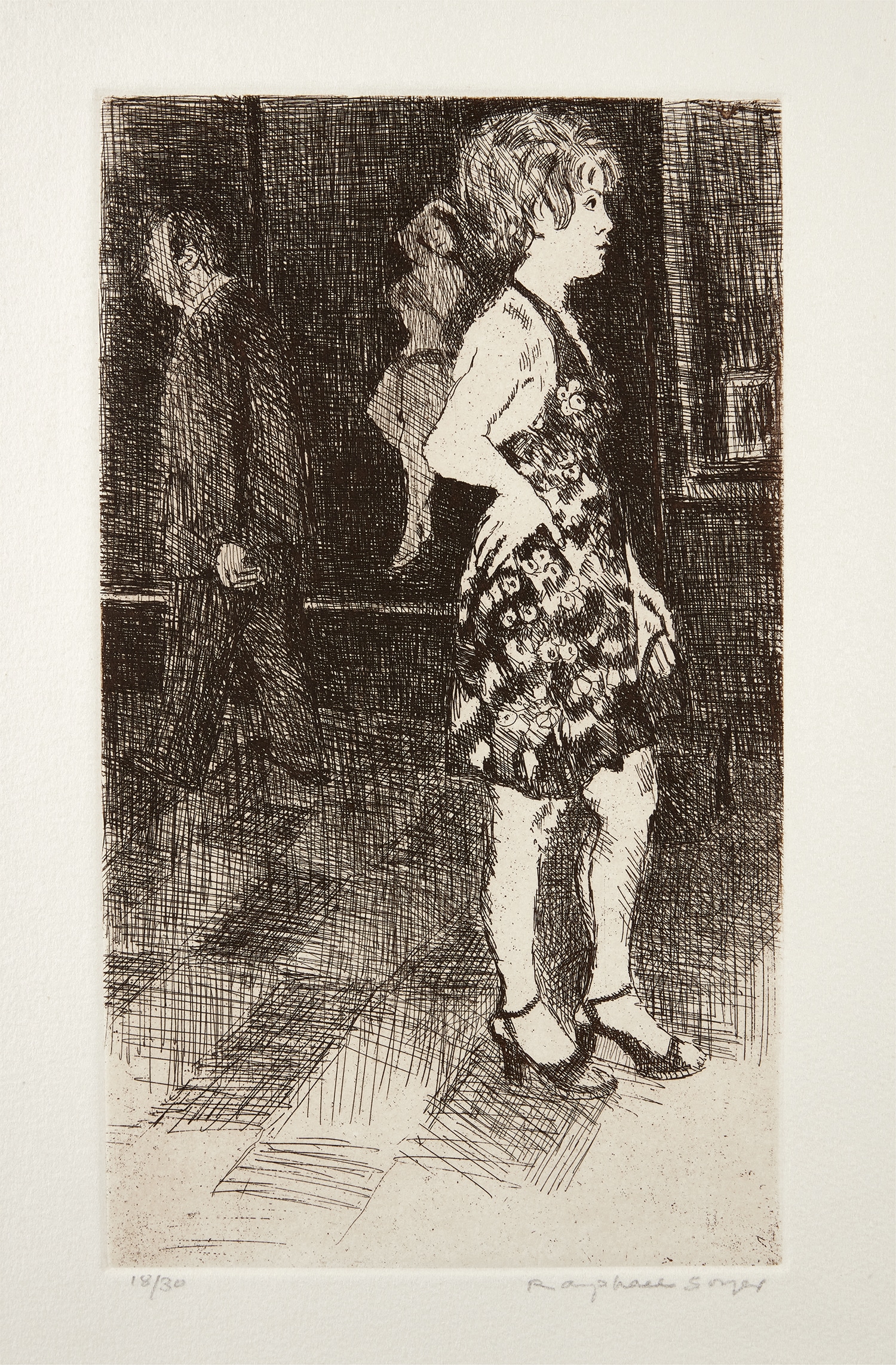
Raphael Soyer
Soyer shared Freed's commitment to empathetic figurative painting rooted in urban working class life and the everyday human experience of Depression era America. Both artists combined European academic painterly traditions with a distinctly American social sensitivity.
Moses Soyer
Moses Soyer's tender observations of ordinary people in urban settings closely parallel Freed's approach to figurative social realism. Both painters treated their subjects with quiet dignity and a warm painterly touch drawn from similar cultural and artistic backgrounds.
Isaac Soyer
Isaac Soyer depicted employment offices, working class interiors, and everyday American figures with the same observational empathy and figurative directness that characterizes Freed's work. Collectors drawn to Freed's social realist humanism would find a natural companion in Isaac Soyer's paintings.
Artists who inspired them
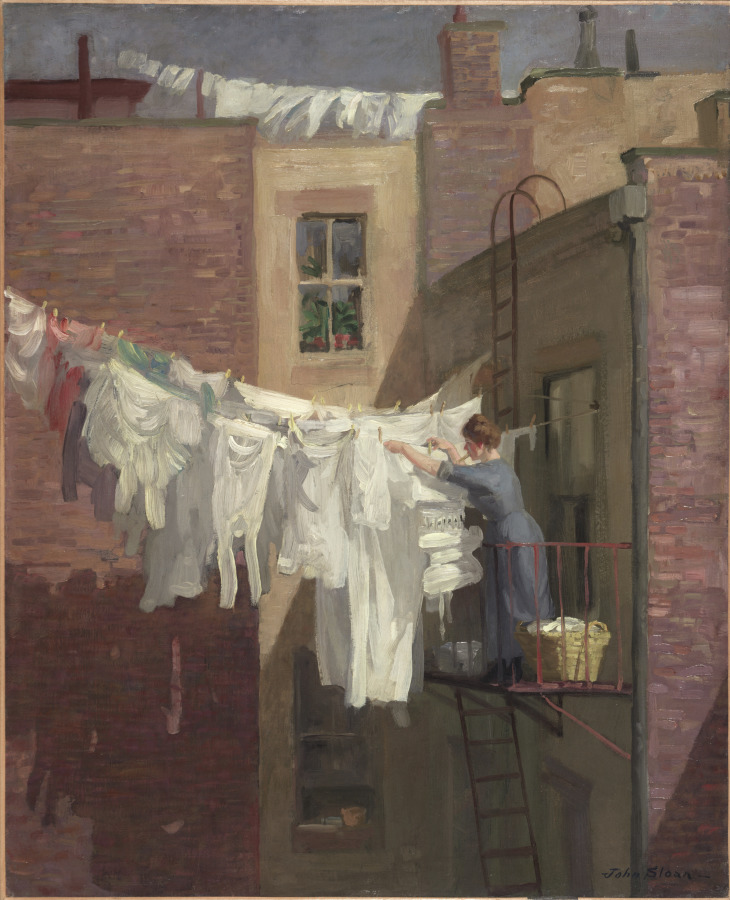
John Sloan
Sloan's Ashcan School precedent of painting gritty urban street life and working class New York subjects with unidealized honesty laid important groundwork for Freed's own approach to American social realist figurative painting. Freed absorbed Sloan's ethos of treating ordinary city life as worthy of serious artistic attention.
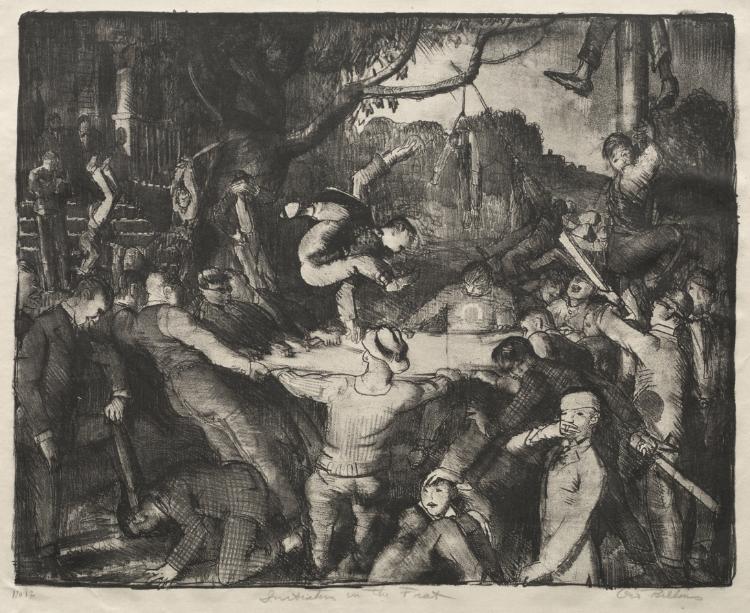
George Bellows
Bellows demonstrated how energetic painterly handling could be combined with forceful social observation of American working class and urban subjects, a combination that shaped the generation of figurative painters Freed belonged to. His example showed that vigorous brushwork and humanist content could reinforce each other.
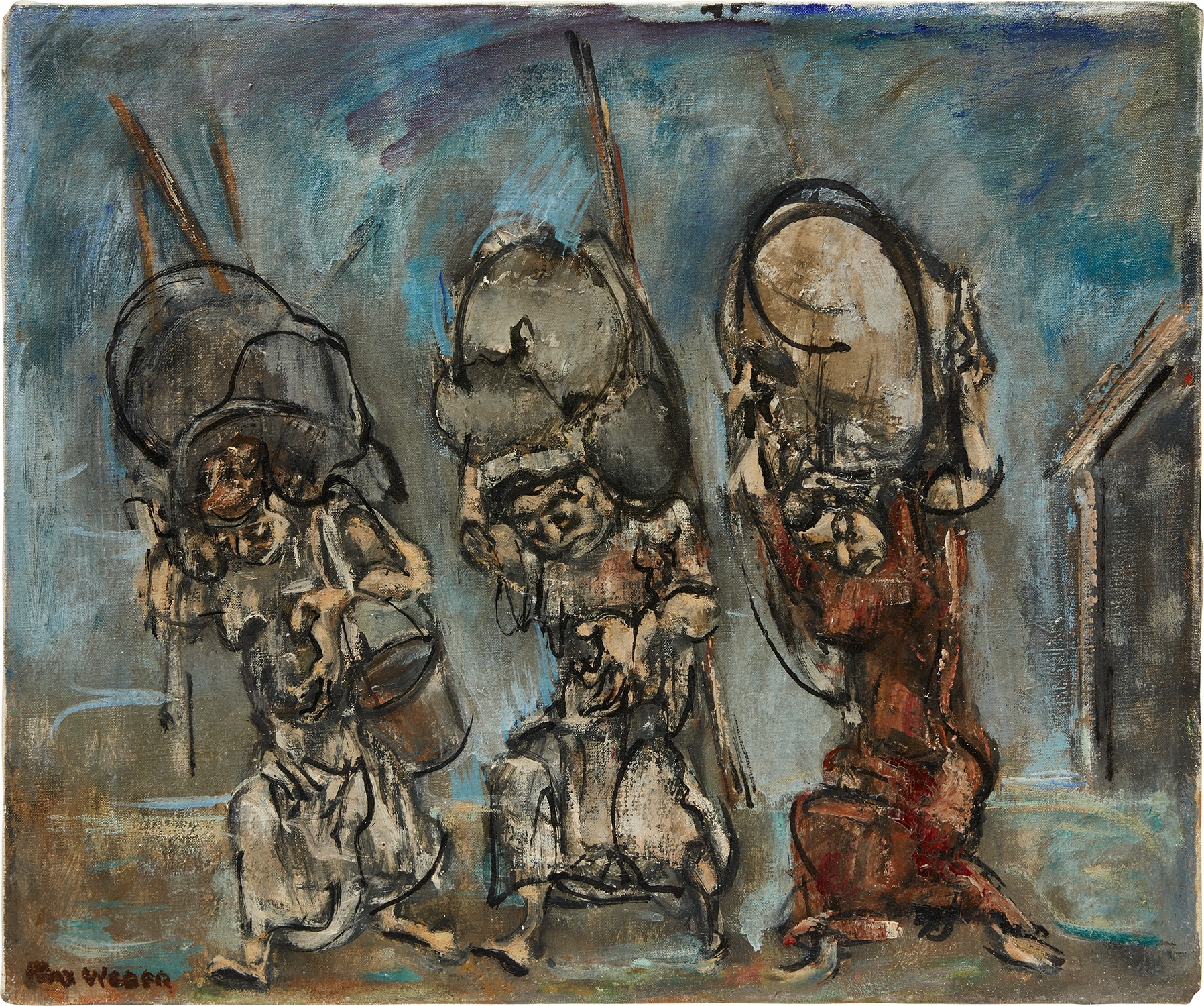
Max Weber
Weber's synthesis of European modernist training with distinctly American urban and immigrant subject matter provided a model for artists like Freed who sought to bridge academic European painting traditions with the realities of American life. His example helped shape how Freed navigated between formal painterly concerns and social content.