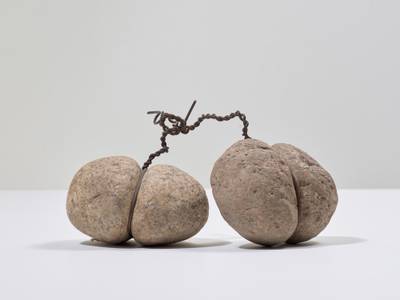
Seung-taek Lee
Seung-taek Lee (born 1932) is a pioneering South Korean conceptual and experimental artist whose career spans over six decades, known for his innovative use of unconventional materials such as wind, rope, stones, and natural elements. His work challenges traditional boundaries between sculpture, performance, and installation, often incorporating themes of nature, gravity, and invisible forces. Considered a foundational figure in Korean avant-garde art, Lee has been recognized internationally for his contributions to conceptual and post-war Asian art movements.
Artists in conversation
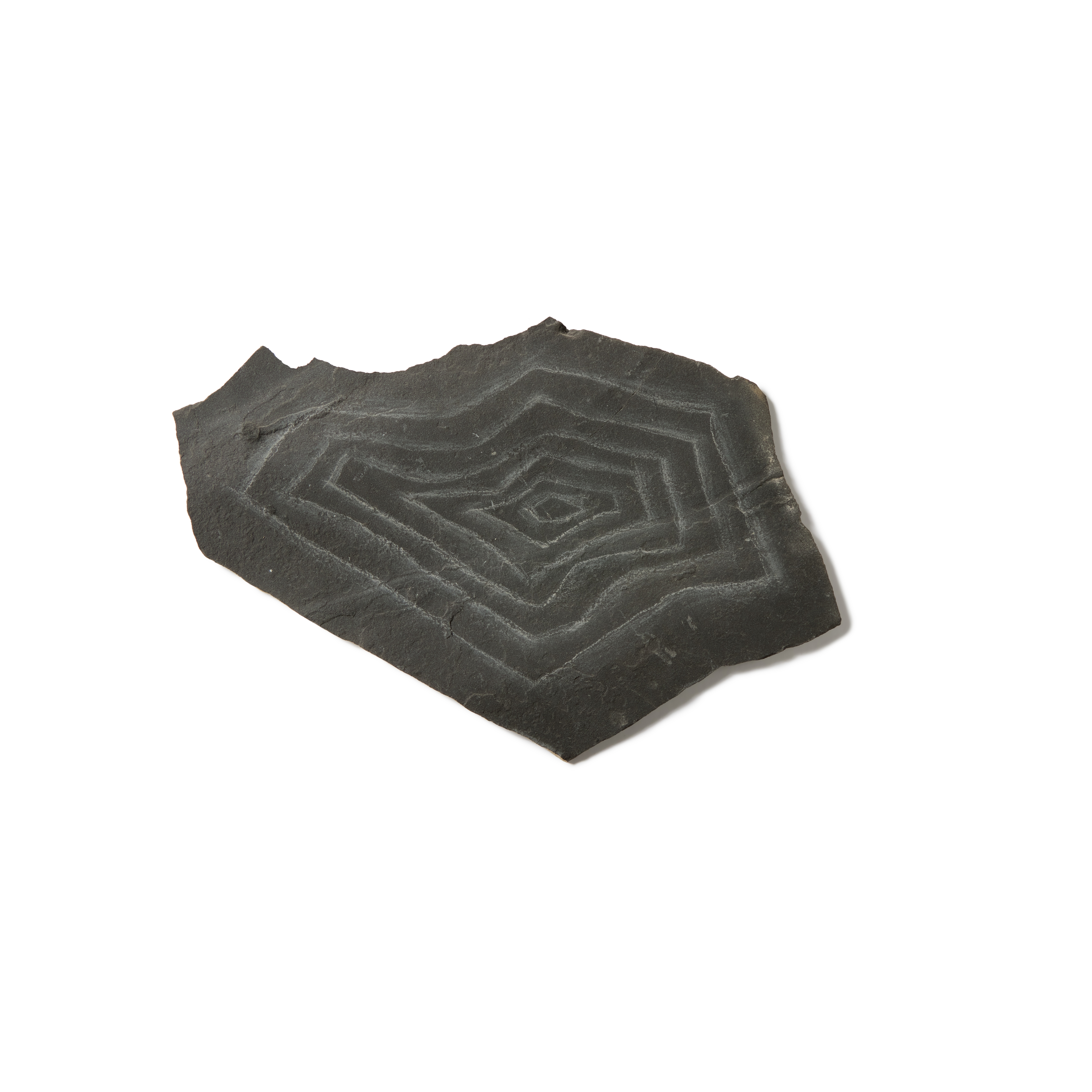
Andy Goldsworthy
Goldsworthy similarly works with natural materials such as stones, leaves, and ice to explore transience and the forces of nature, creating site specific sculptures and installations that share a deep conceptual kinship with Lee's engagement with natural elements.
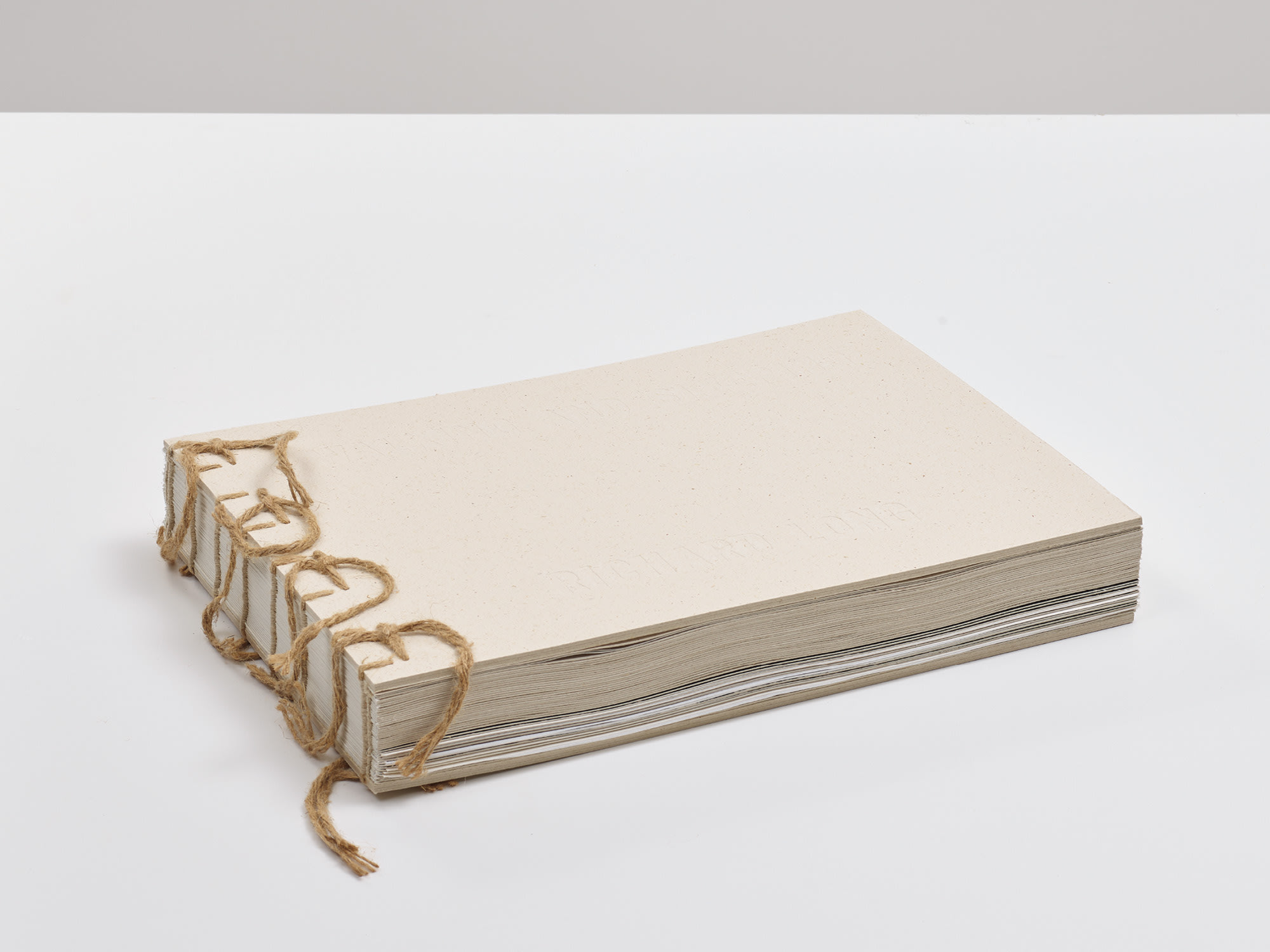
Richard Long
Long uses walking, stones, and elemental materials to create conceptual works that blur the boundaries between sculpture, performance, and landscape, resonating strongly with Lee's use of natural forces and unconventional mediums.
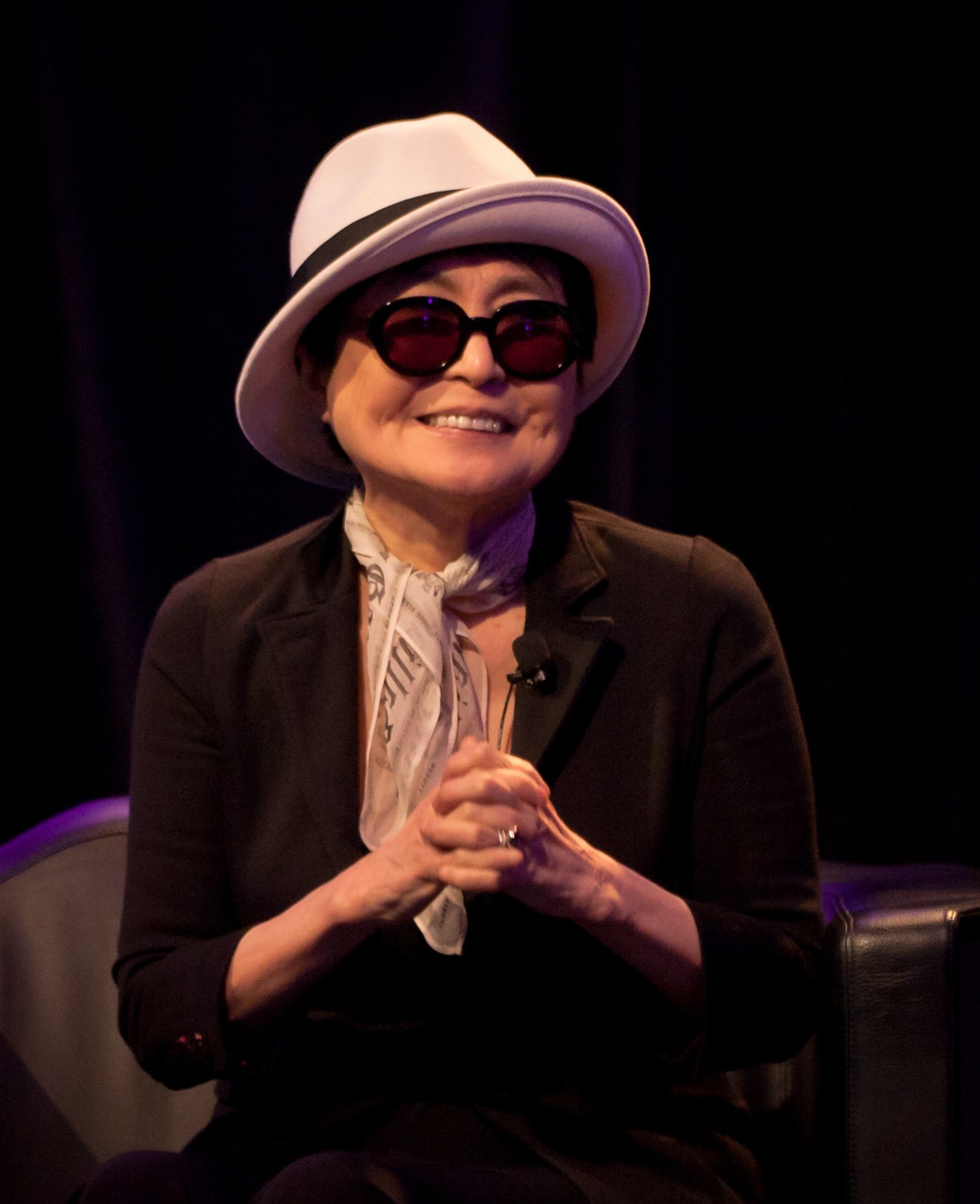
Yoko Ono
Ono's early conceptual and instruction based works engage invisible forces, audience participation, and the dematerialization of the art object, reflecting a parallel avant garde sensibility to Lee's experimental practice across installation and performance.
Artists who inspired them
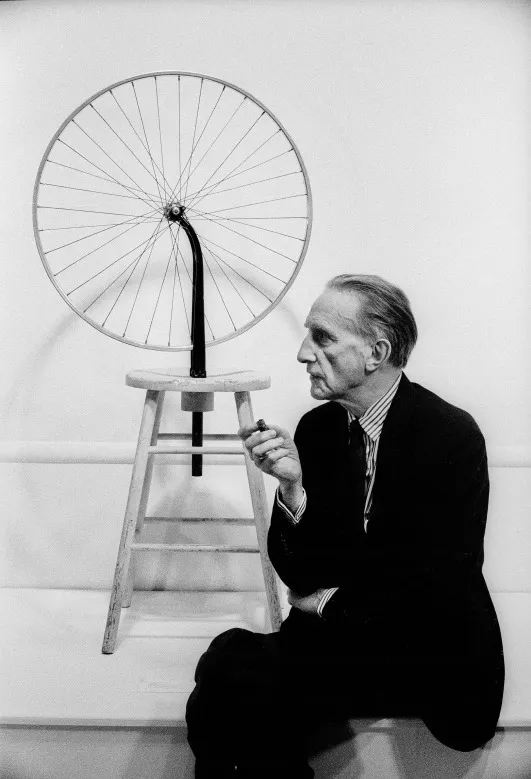
Marcel Duchamp
Duchamp's radical questioning of what constitutes art and his use of everyday objects as conceptual vehicles laid essential groundwork that informed Lee's own dismantling of traditional sculptural conventions and material hierarchies.
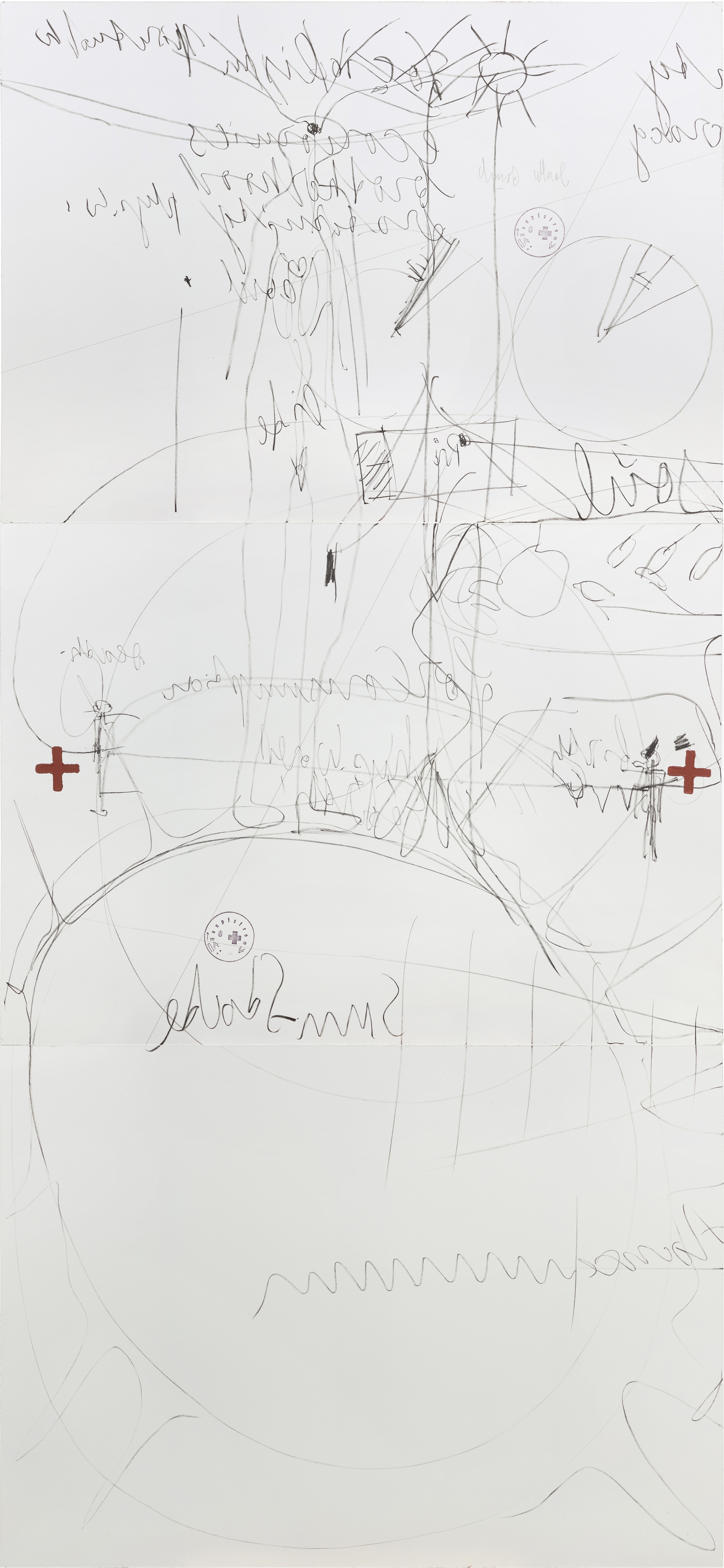
Joseph Beuys
Beuys expanded the definition of sculpture to include energy, process, and natural materials, a philosophical approach that parallels and likely influenced Lee's incorporation of wind, rope, and invisible forces as artistic mediums.
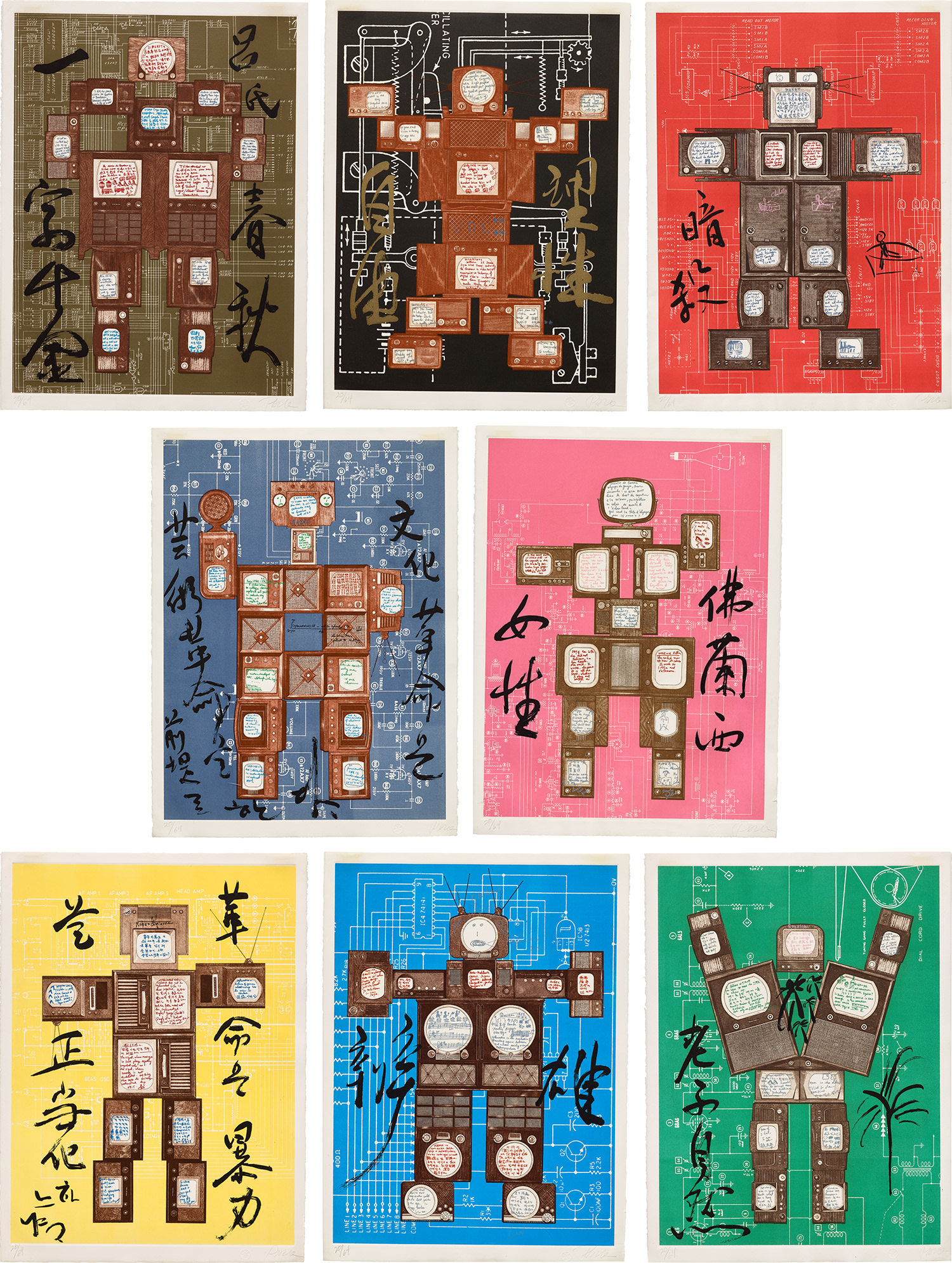
Nam June Paik
As a fellow Korean avant garde pioneer who broke conventional boundaries between art forms, Paik provided a context and precedent within which Lee's own experimental and conceptual strategies could develop and gain international recognition.