Stone
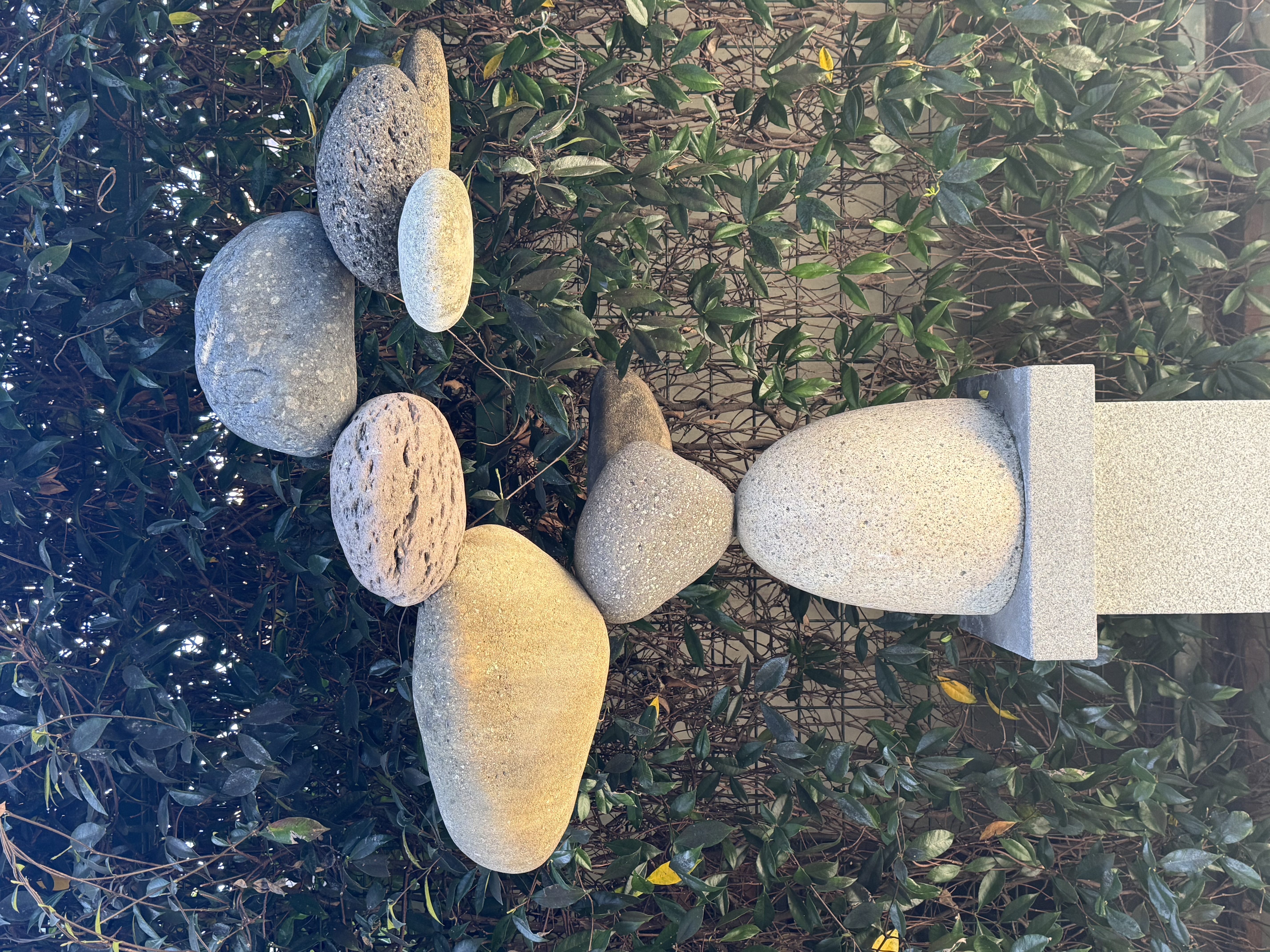
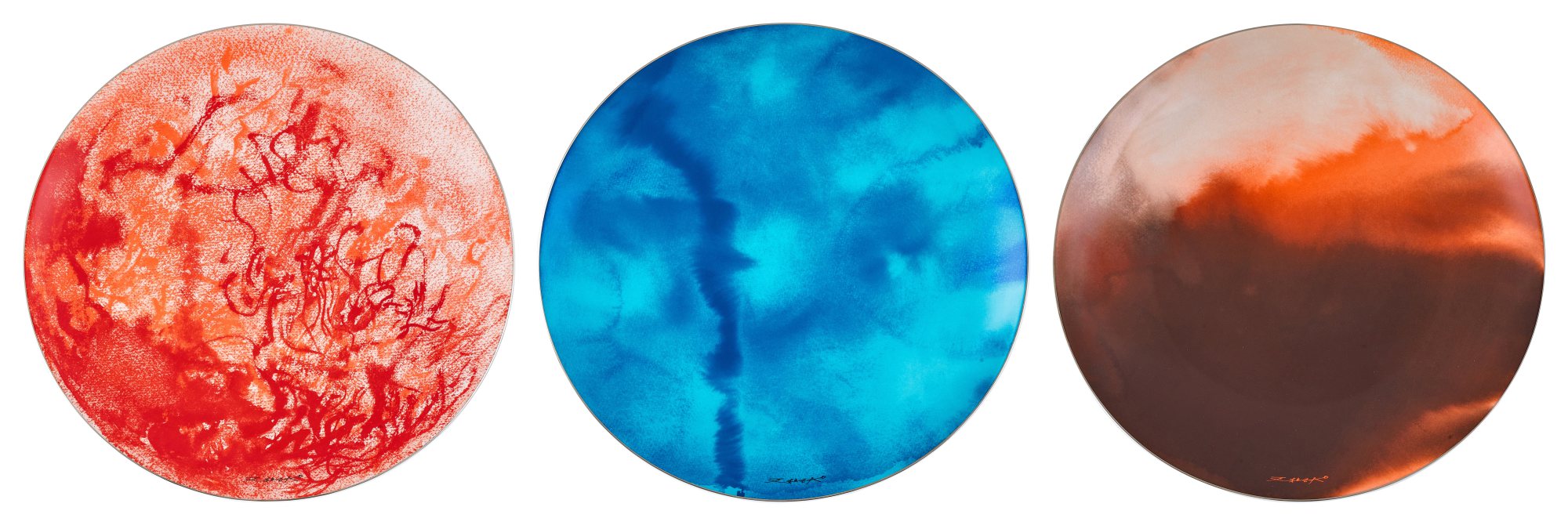
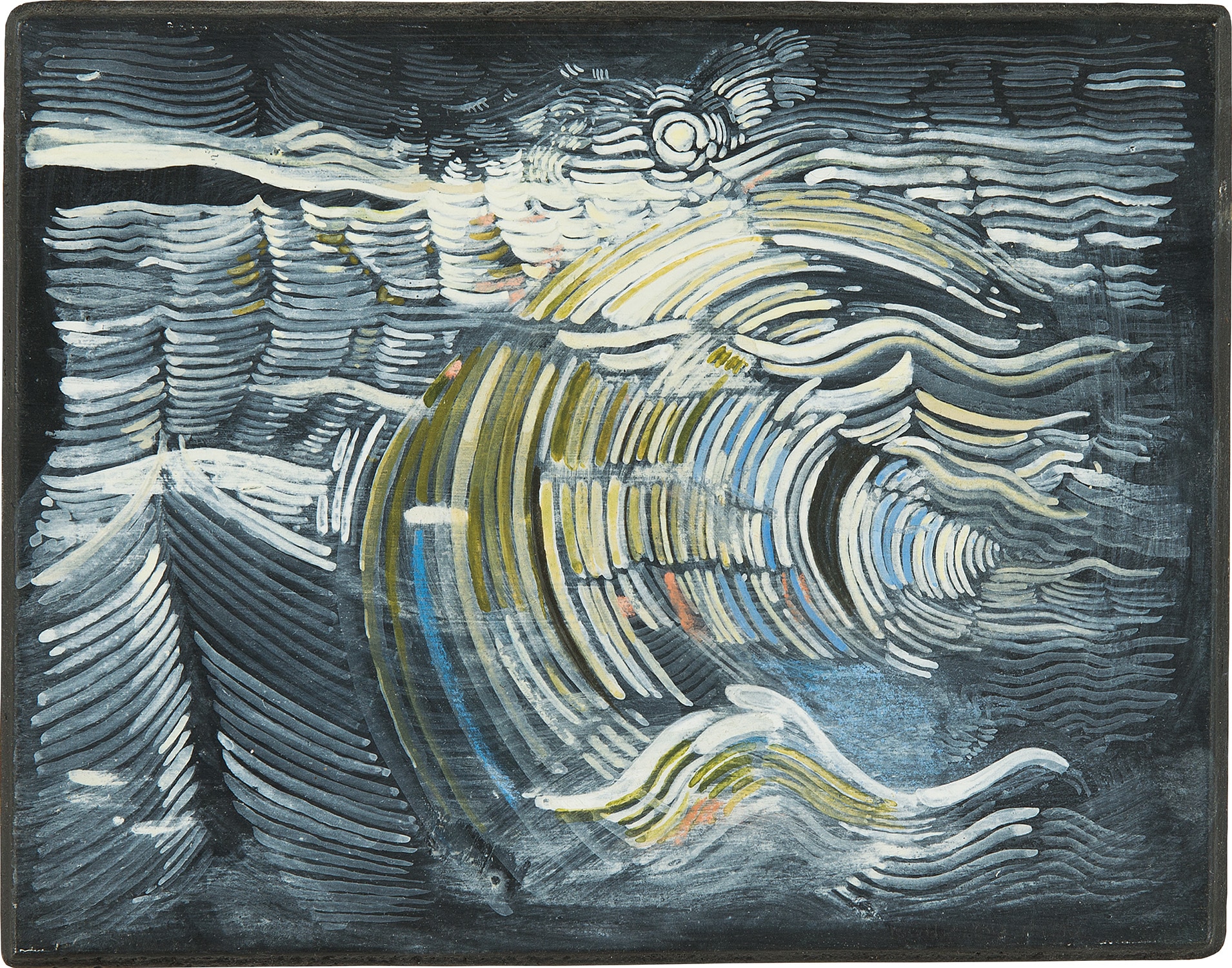
Woods Davy
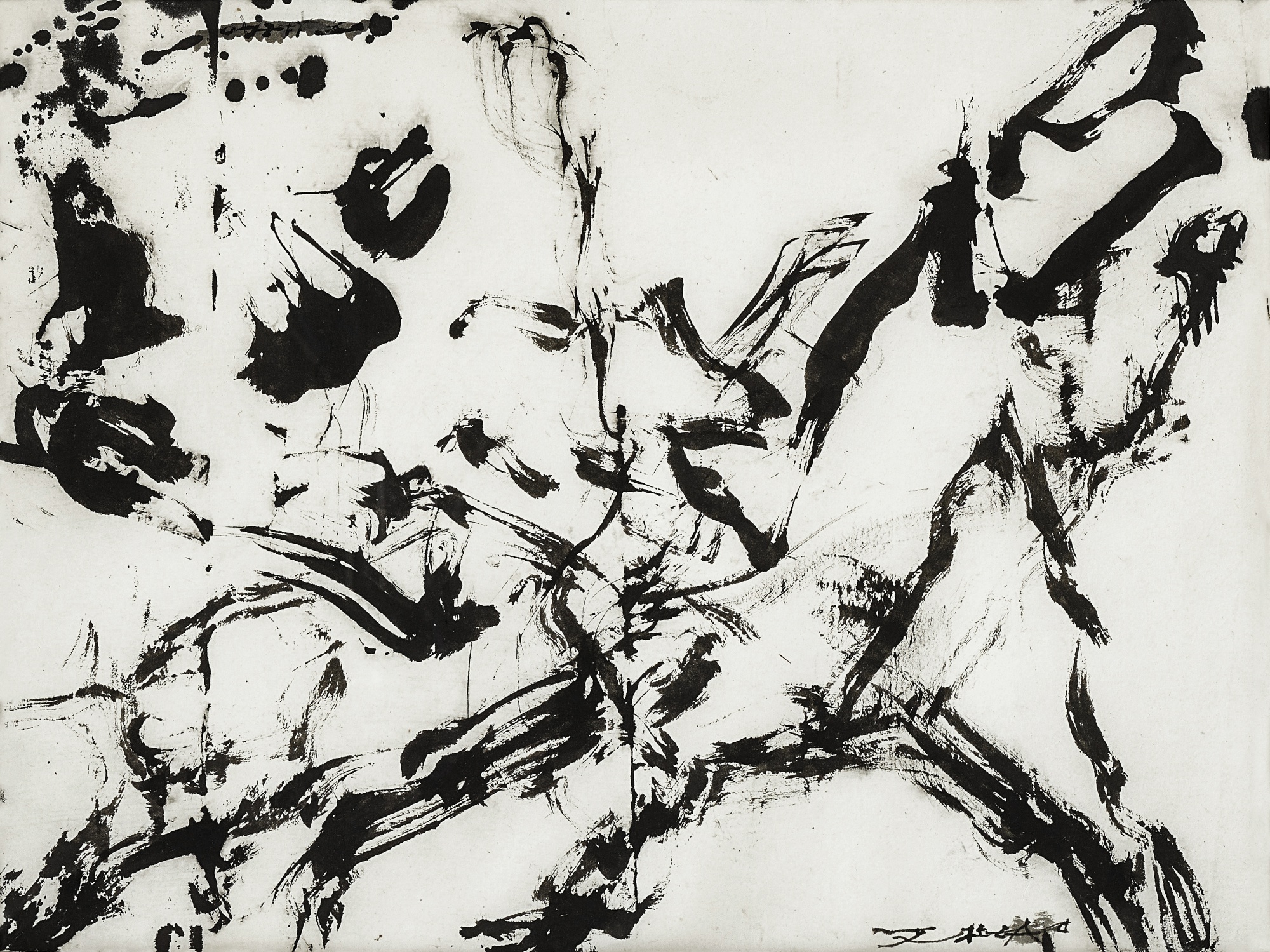
Cantamar 8/30/12, 2012
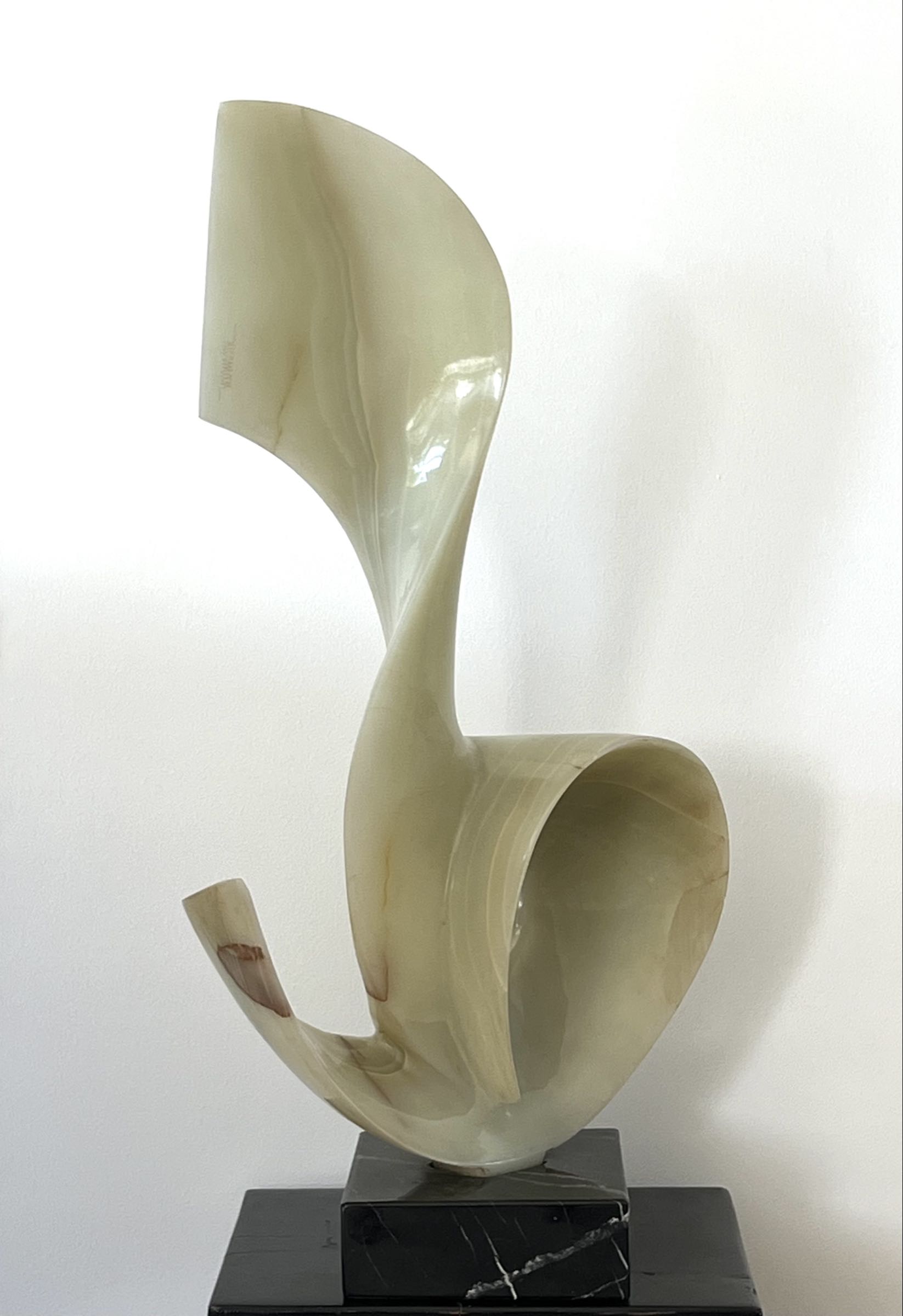
Stone Remembers Everything We Forget
Before paint, before bronze, before the artist even had a name to sign, there was stone. It is the oldest material in the history of human mark making, predating civilization itself, and yet it refuses to become merely historical. Stone carries time inside it. To hold a carved fragment that is four thousand years old is to feel, with startling immediacy, the pressure of another hand.
No other medium offers that particular vertigo, that collapse of distance between the maker and the witness. The earliest stone objects were not art in any sense we would recognize today, and yet they were not not art either. Prehistoric handaxes shaped from flint around 1.5 million years ago show a concern for symmetry and finish that goes well beyond functional necessity.
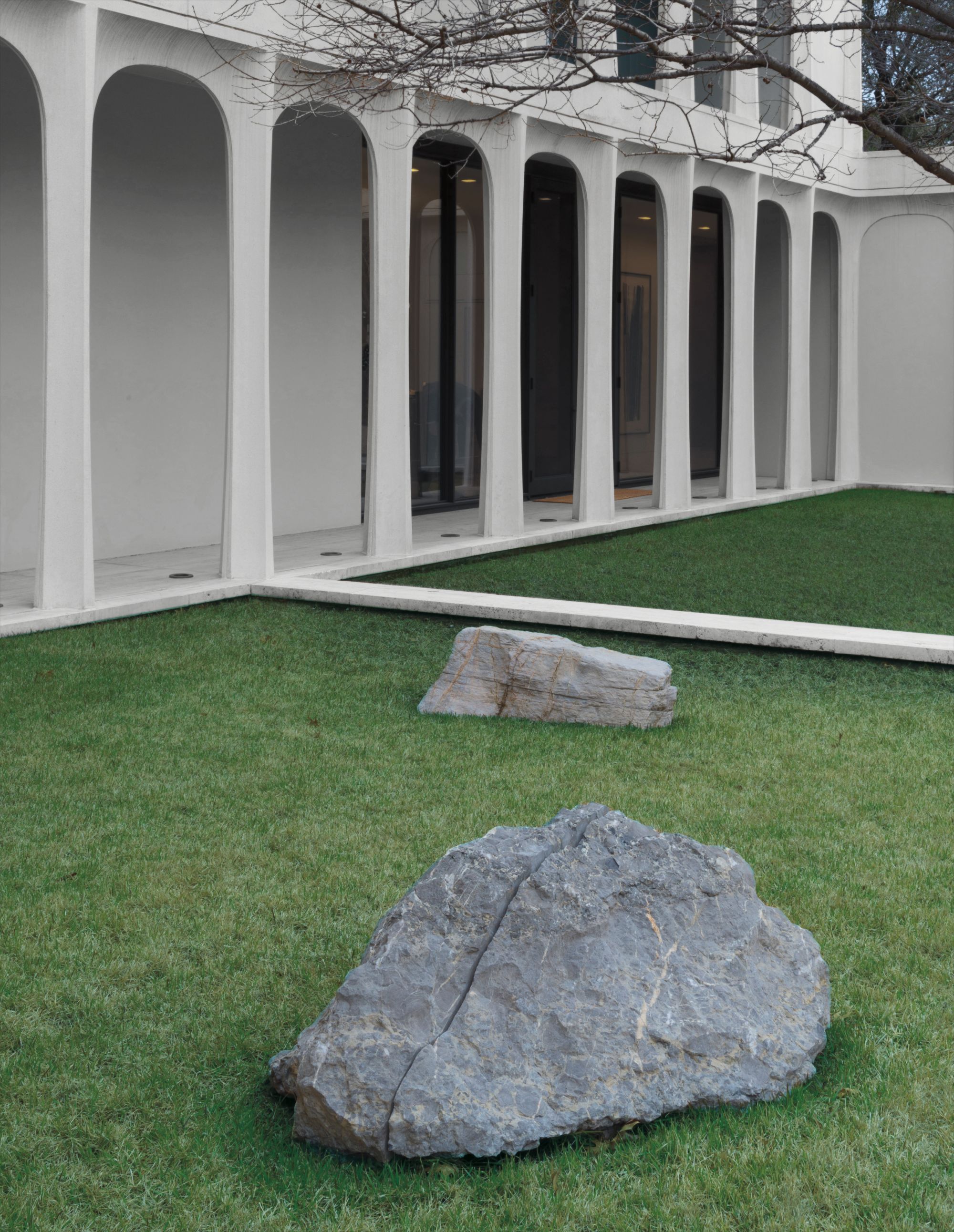
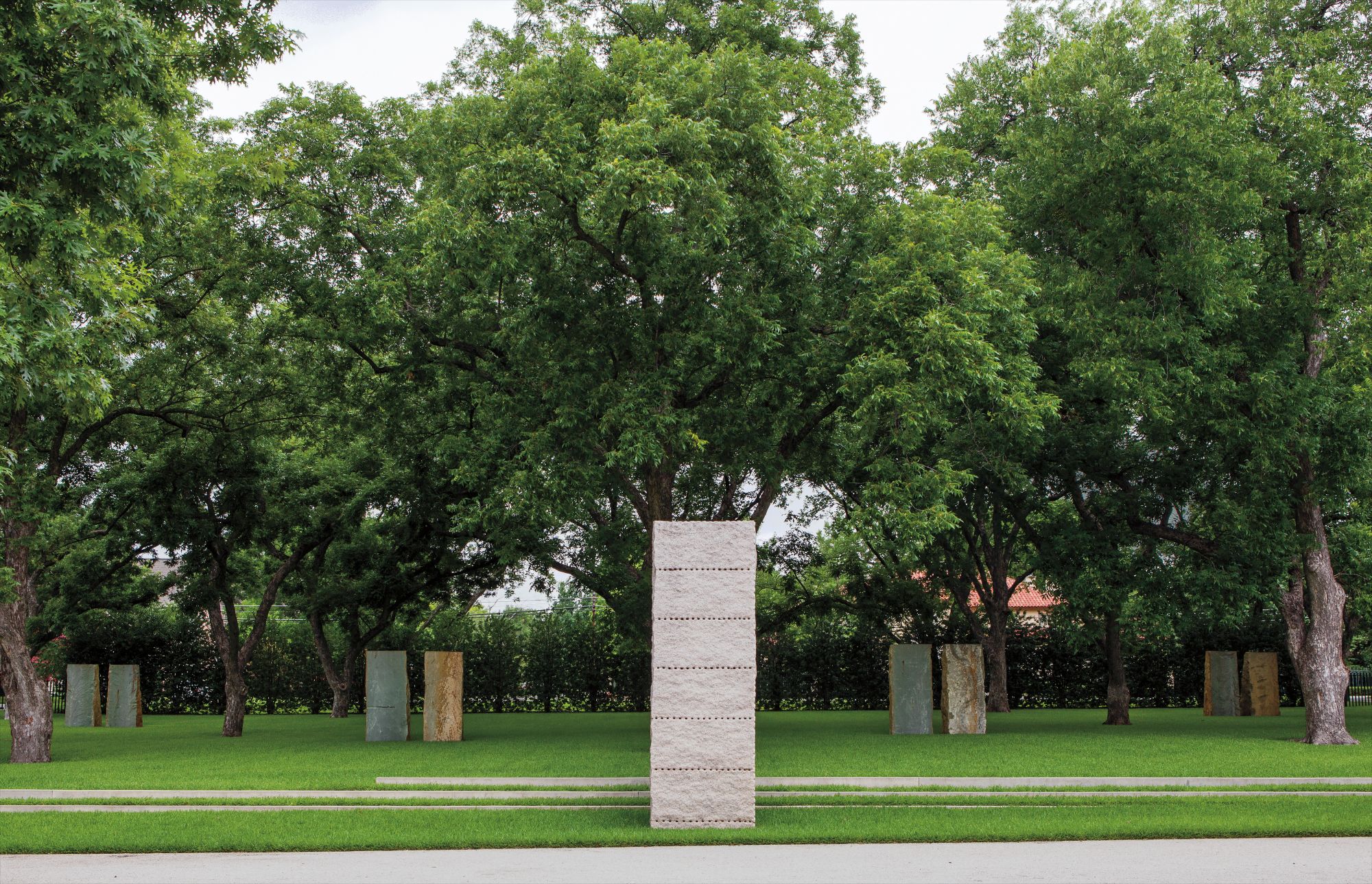
Ulrich Rückriem
Steinrohlinge (Raw Stones) A) horizontal in der Mitte geschnitten (cut horizontally down the middle) B) vertikal in der Mitte geschnitten (cut vertically down the middle)
By the time the great Egyptian workshops were producing their monumental seated figures in the third millennium BCE, an entire philosophy of permanence had crystallized around the material. Stone was chosen because it did not decay, because it could outlast dynasties, because the gods presumably deserved something that would still be standing when their worshippers were dust. The granodiorite and basalt works produced in ancient Egypt represent some of the most compositionally resolved sculpture ever made. The seated torso, the grave and frontal head, the body gathered into itself with absolute stillness: these were formal solutions so powerful that artists would keep returning to them for three thousand years.
The Collection holds several objects that speak directly to this long tradition. An Egyptian granodiorite seated torso of a man and an Egyptian basalt head of a man sit in instructive proximity to a fragmentary Egyptian basalt head from a later period, and together they trace the arc of a sculptural language that valued density and endurance above all else. Granodiorite and basalt are notoriously resistant materials, and to carve them with the detail and control that these works demonstrate, using copper tools and abrasive sand, is an achievement that humbles anyone who has tried to understand it. The stone was not simply shaped.
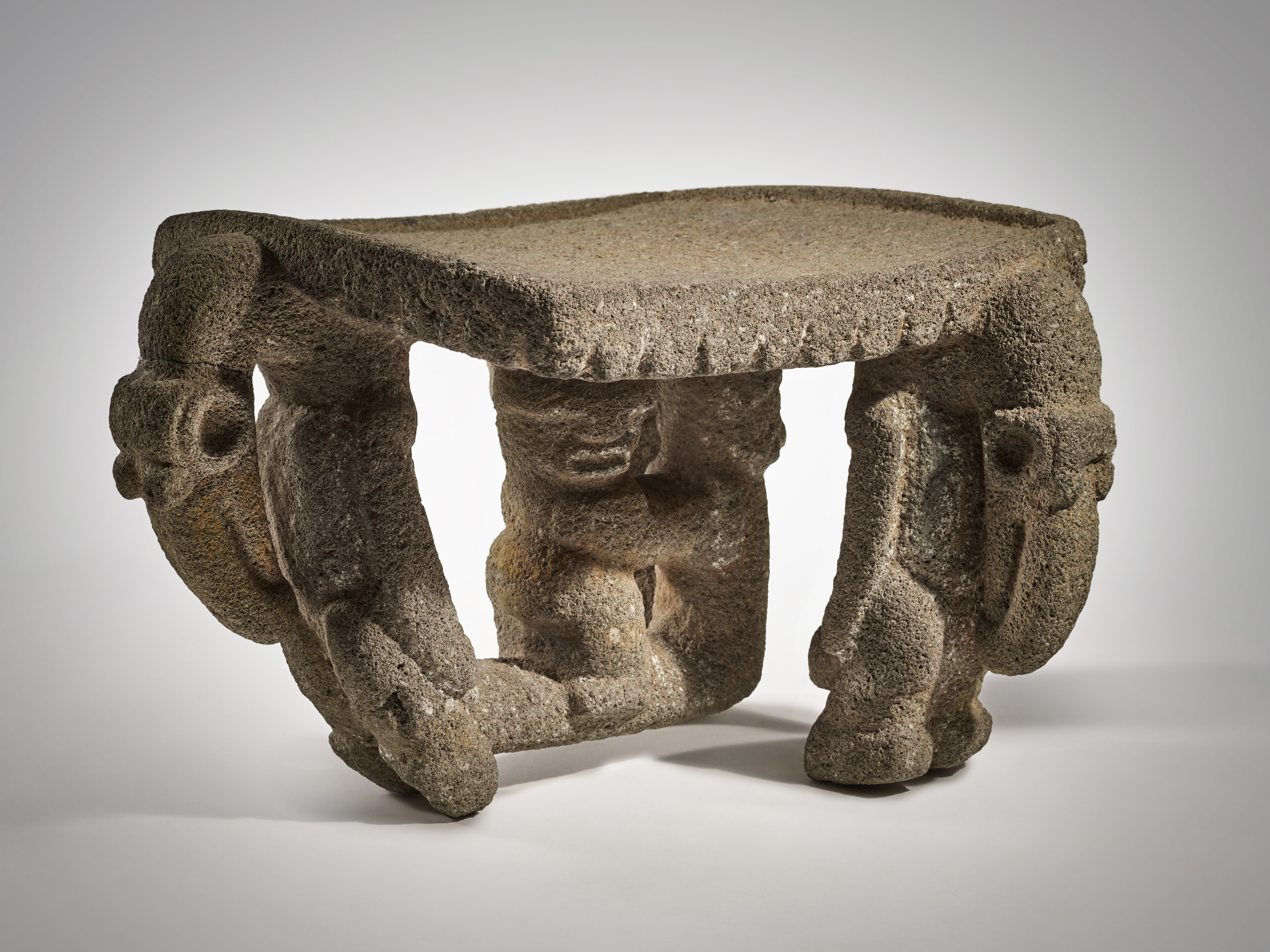
Costa Rican Stone Flying Panel Metate, Late Period IV, circa AD 1 - 500
Costa Rican Stone Flying Panel Metate, Late Period IV, circa AD 1 - 500
It was persuaded. Across other ancient cultures, stone took on very different registers of meaning. The jade dragon plaque and the stone disc bi represented on The Collection speak to Chinese traditions in which specific stones carried cosmological weight, with jade in particular functioning as a moral and spiritual material rather than simply a physical one. In pre Columbian Mesoamerica, volcanic stone was worked into ceremonial objects of extraordinary formal invention.
The Costa Rican stone flying panel metate and the Chontal stone mask and the Veracruz stone manopla all demonstrate how completely a material can be transformed by the conceptual framework brought to it. These are not decorative objects. They are instruments of belief, shaped from the same earth that the cultures who made them understood as sacred. The twentieth century brought stone back to the centre of sculptural discourse in ways that were both radical and deeply traditional.
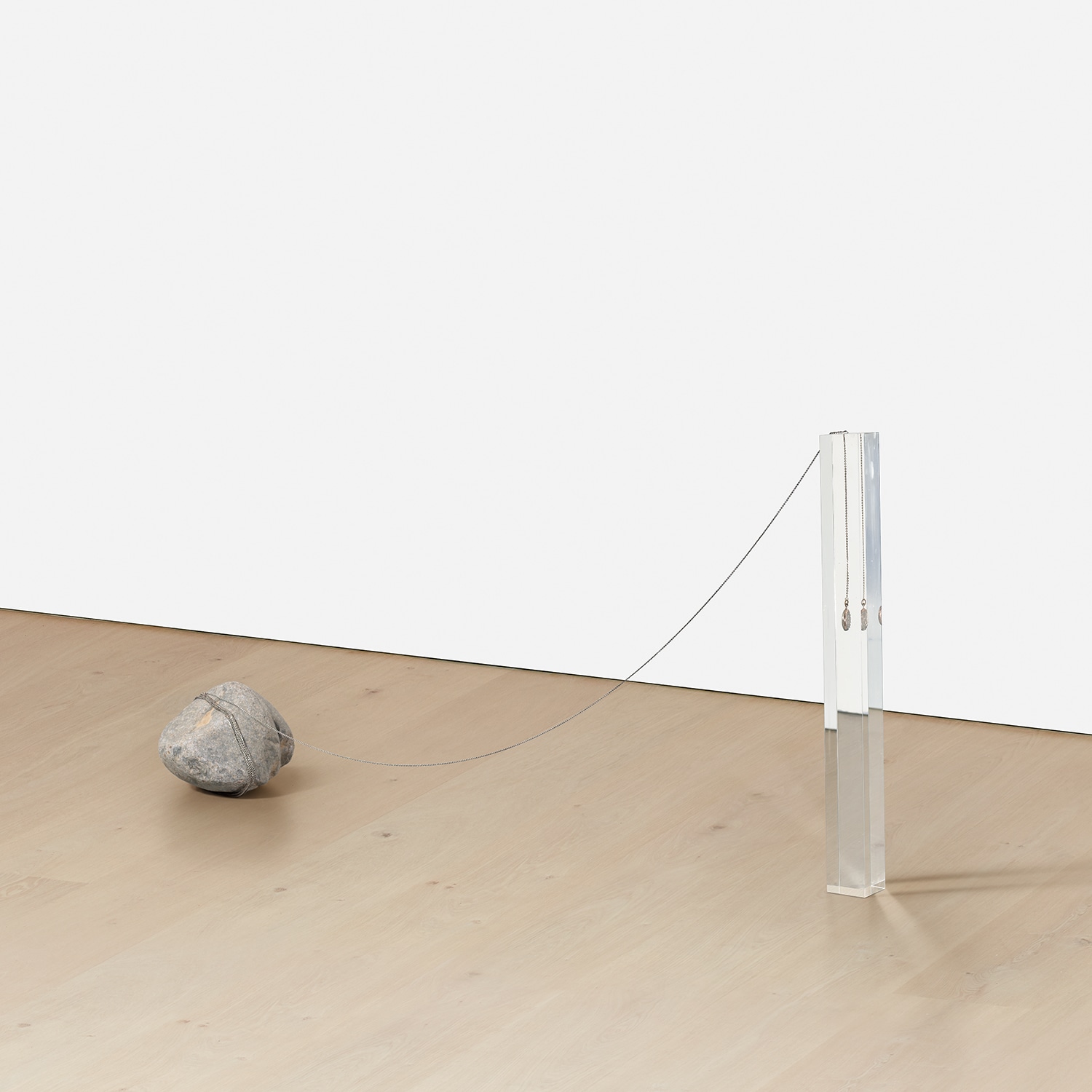
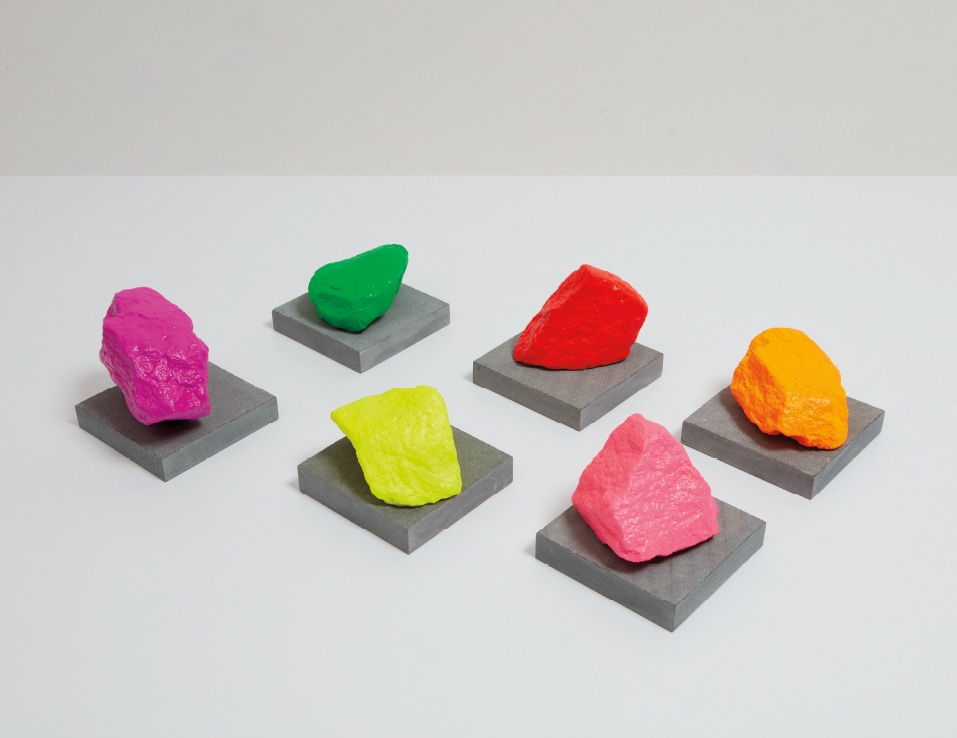
Alicja Kwade
Heavy times (3pm), 2014
Constantin Brancusi, working in Paris in the early decades of the century, insisted on carving directly rather than delegating to assistants, and this direct engagement with material became a touchstone for generations of sculptors who followed. By the 1960s and 1970s, a new generation was asking more fundamental questions about what stone was and what it could mean. Ulrich Rückriem, whose work appears on The Collection, became one of the defining figures of this inquiry. His practice of splitting, cutting, and reassembling stone slabs so that the marks of industrial process remain fully legible was a deliberate refusal of illusionism.
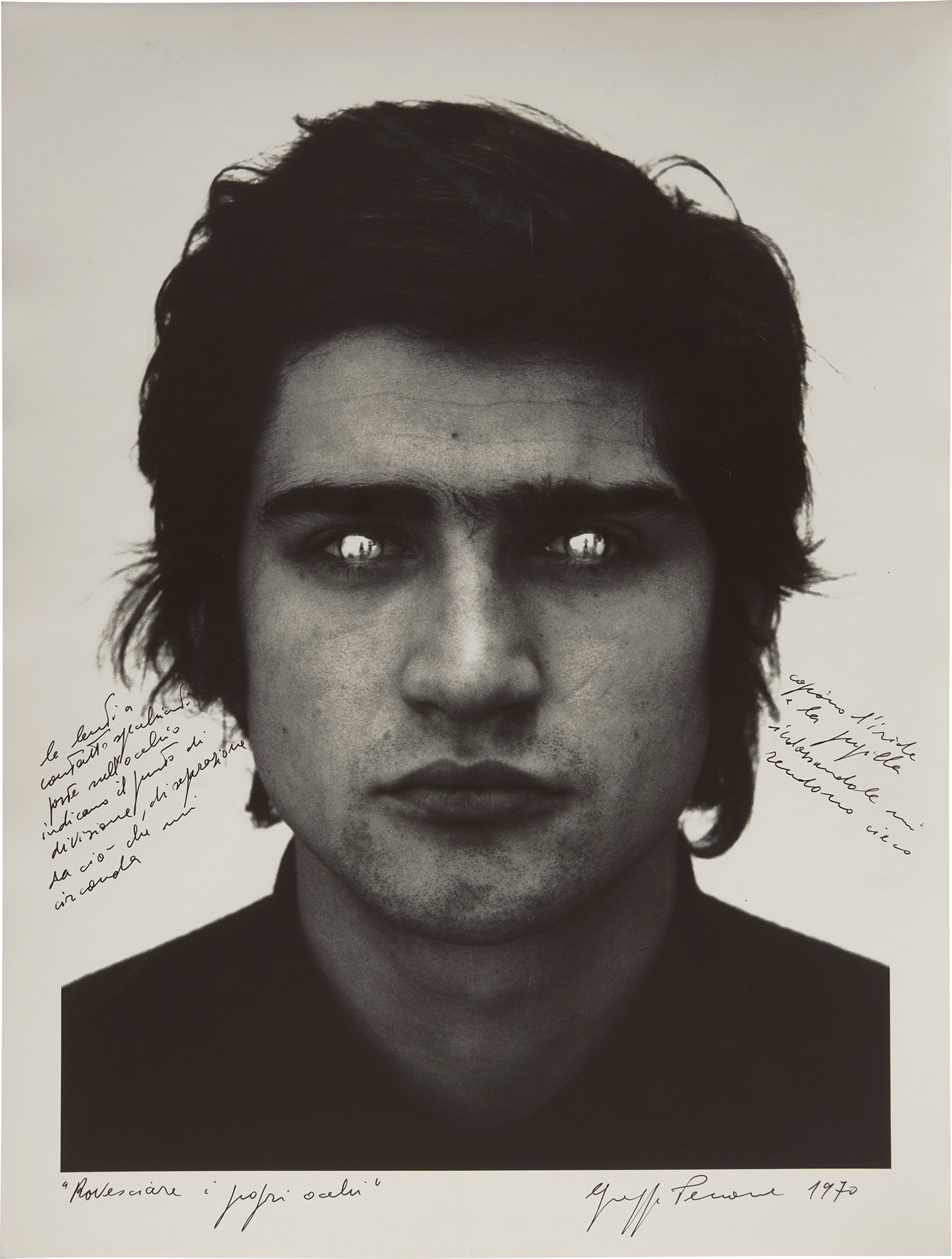
The stone does not pretend to be anything other than what it is. Its weight is real. Its surface bears the evidence of how it was divided. Giuseppe Penone, also represented on The Collection, brought an entirely different sensibility to stone.
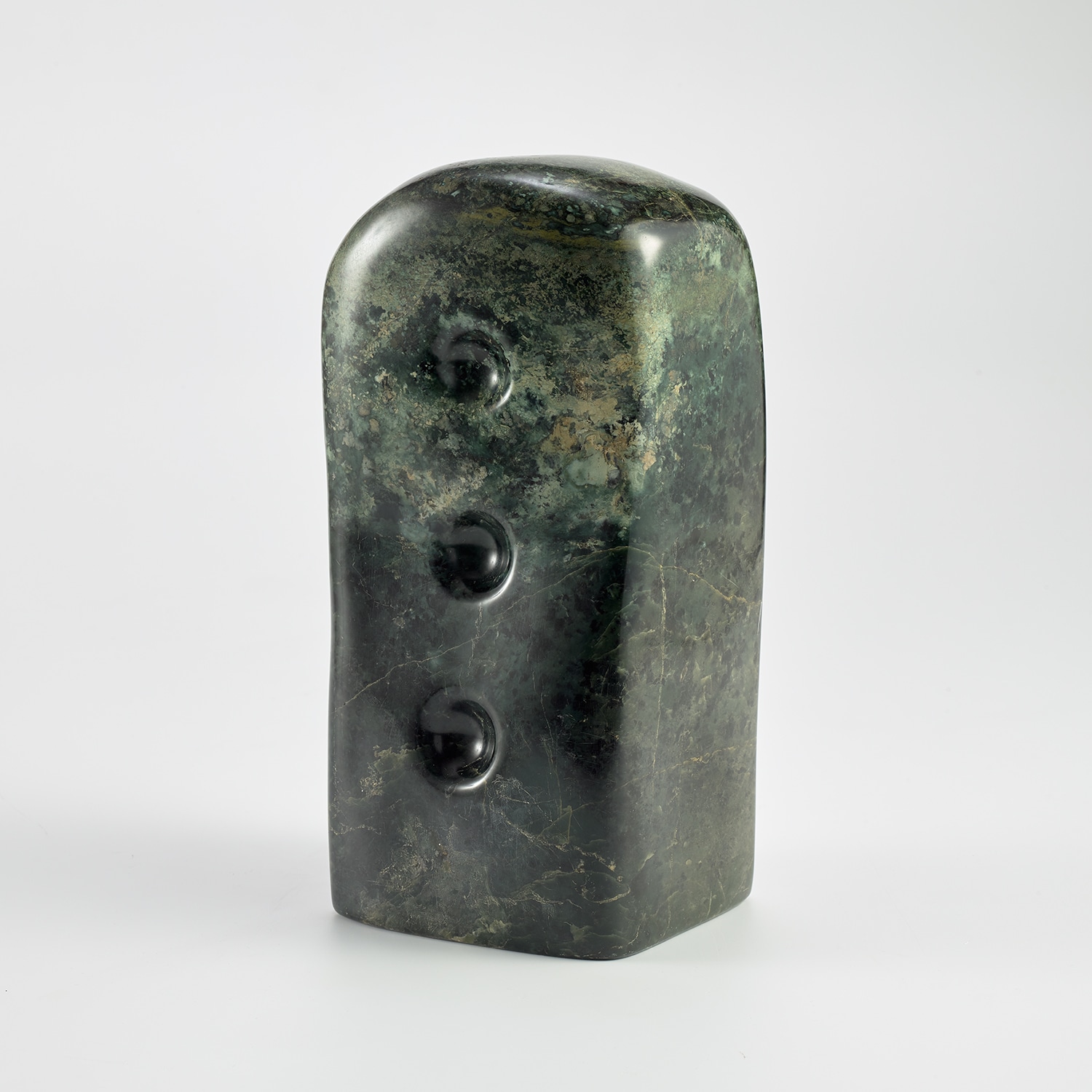
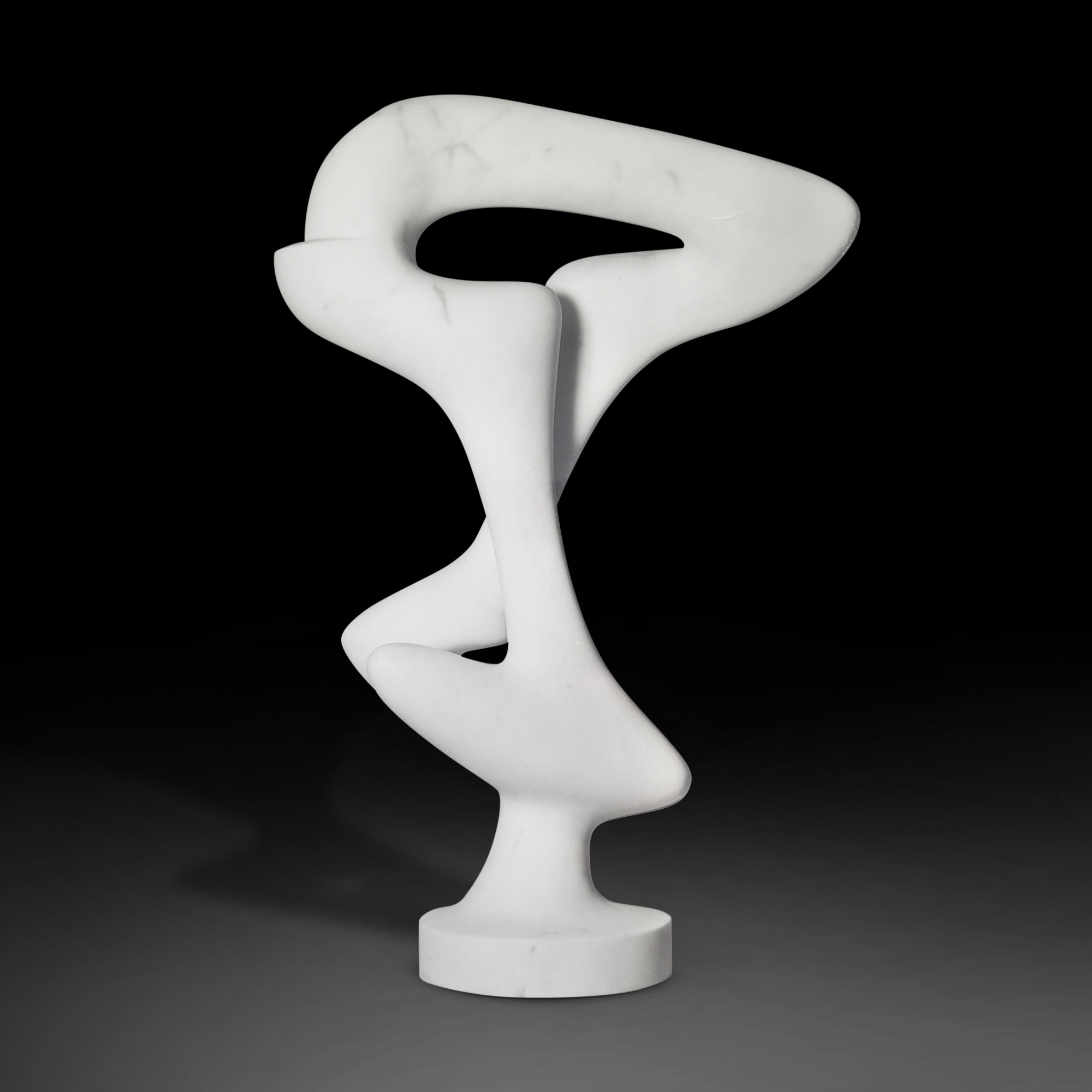
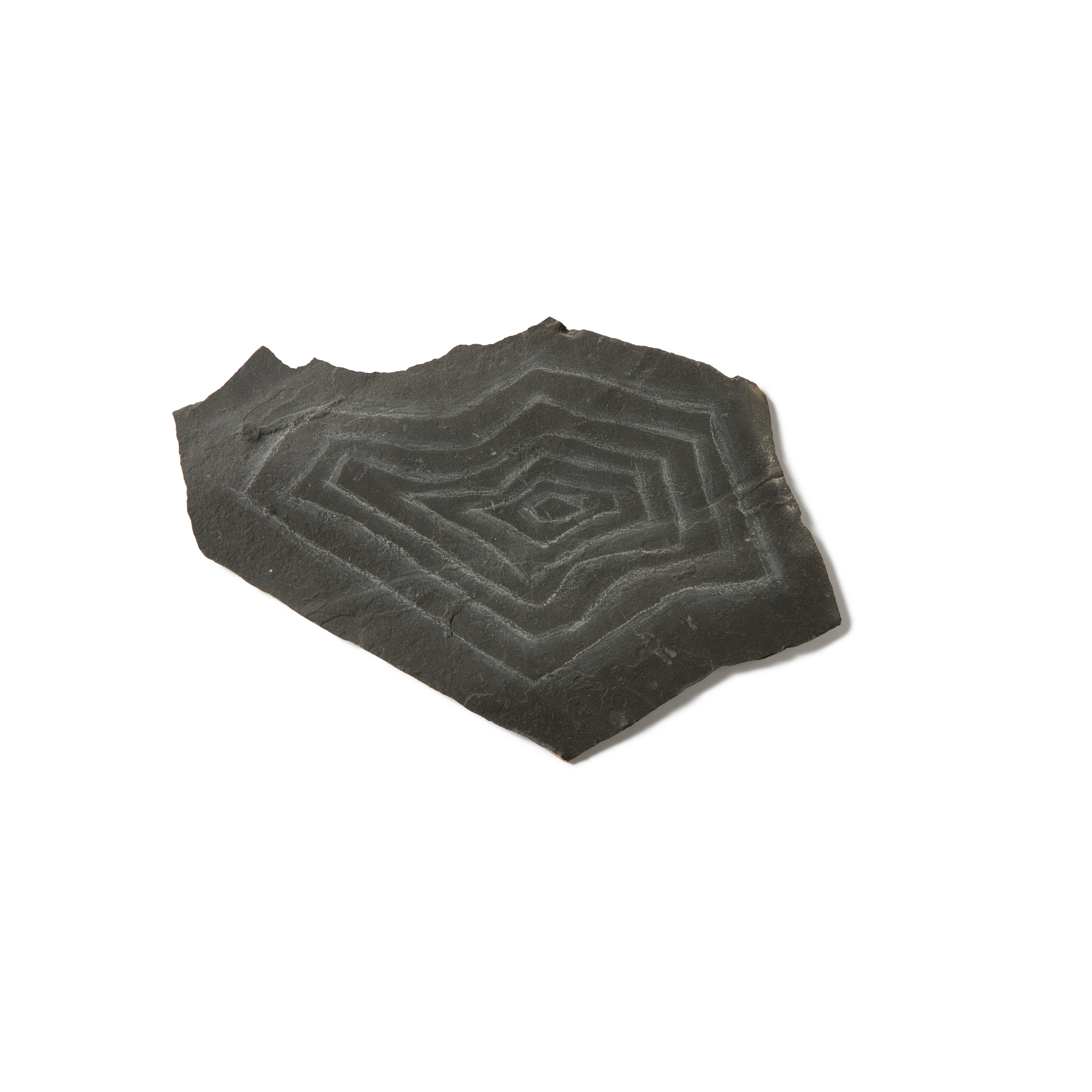
Karl Prantl
Meditation Stone, 1963
Where Rückriem works with geology and geometry, Penone works with memory and the body. His practice draws on Arte Povera, the Italian movement that emerged in the late 1960s and insisted on the poetic potential of humble and natural materials, and his stone works often seem to contain a kind of organic intelligence, as though the material is thinking back at the artist. Karl Prantl, the Austrian sculptor, spent decades working at his field of stones in Burgenland, treating the act of carving as something closer to meditation than production. These artists collectively established stone as a medium for philosophical inquiry rather than simply monumental display.
Andy Goldsworthy approaches stone from a completely different angle, one rooted in landscape and impermanence. His work, often made outdoors using materials found at the site, treats stone as part of an ecological system rather than an isolated object. The sculptures he builds frequently collapse, or are washed away, or simply return to the hillside they came from. This is stone as process rather than monument, and it inverts almost everything that ancient Egypt assumed about the material.
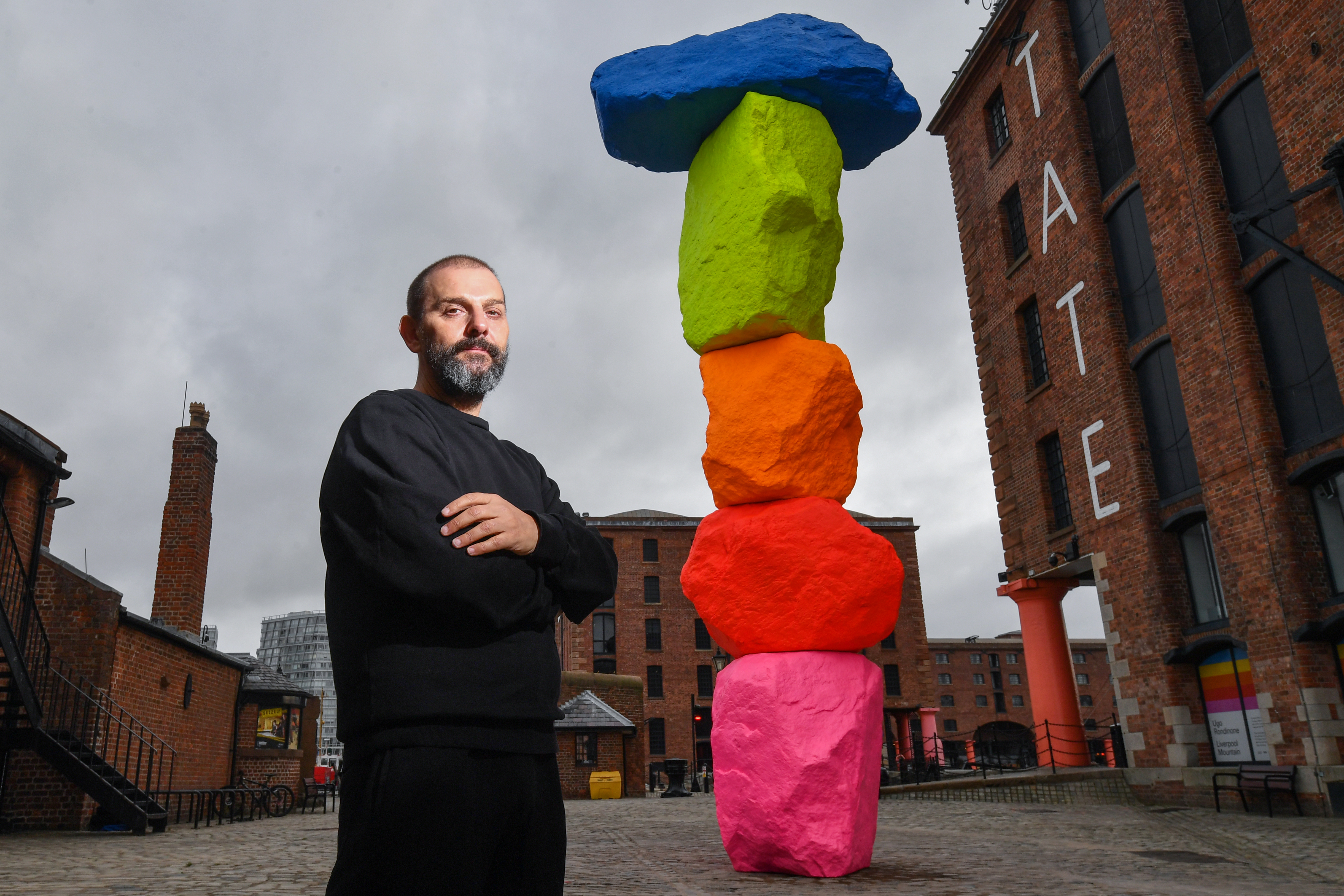
Alicja Kwade, whose conceptual practice engages with physics and perception, has used stone in works that question what we take to be solid and certain. In her hands, a rock becomes a prop in an argument about reality. What unifies these radically different practices, across five thousand years and dozens of cultures, is the stone itself. The material imposes itself.
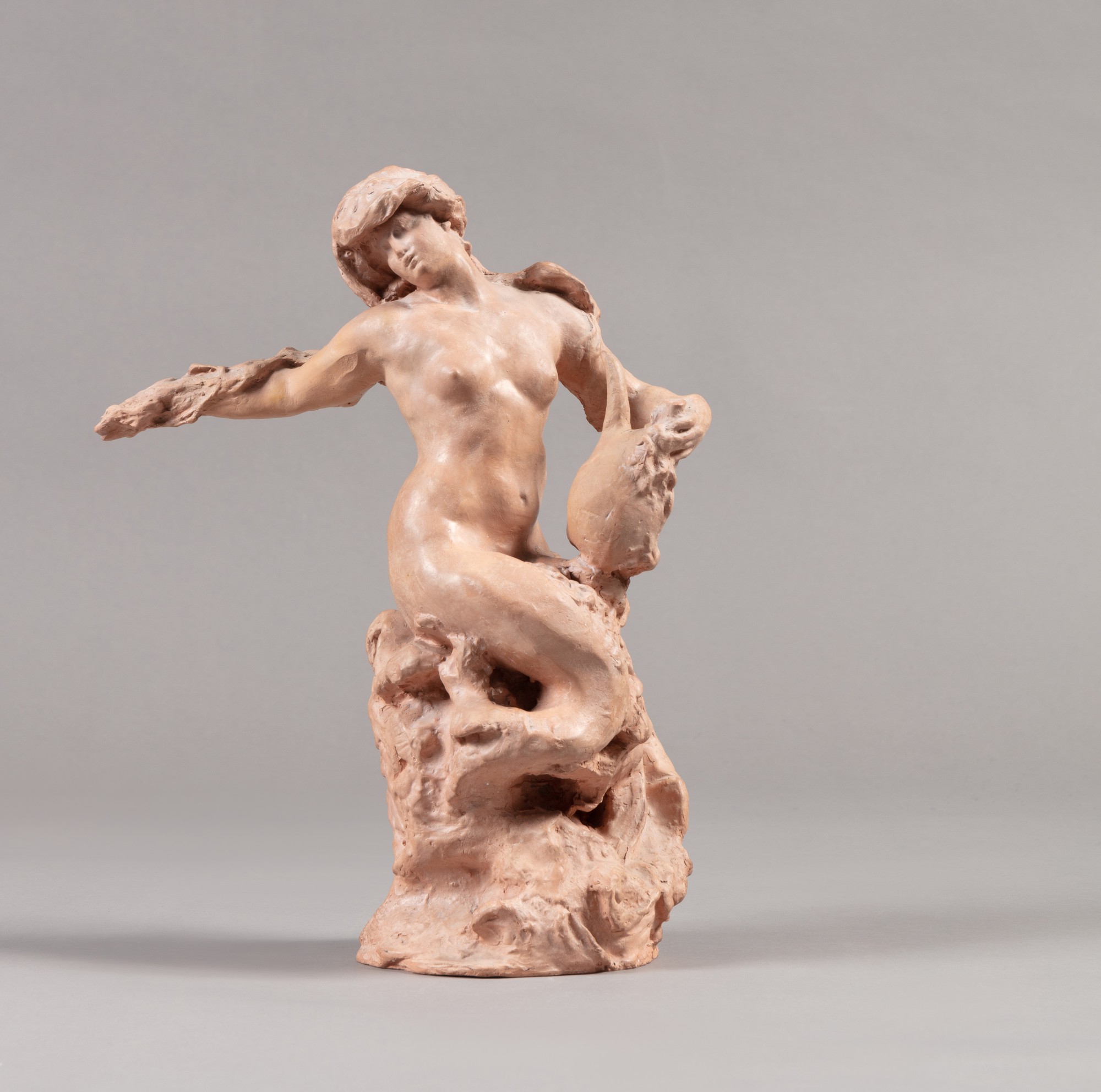
It has a hardness that demands respect, a geological age that puts human timescales into perspective, and a surface that records every contact made with it. Charles Despiau, the French sculptor who worked in the tradition of Rodin but with greater restraint and psychological subtlety, understood this recording quality deeply. So did Jules Desbois, his contemporary, whose sensitivity to surface in stone brought it close to the conditions of flesh. Stone remembers the hand.
It keeps the record of attention paid to it. And in that sense, every carved stone is also a document of time, of labor, of a mind deciding what to preserve.