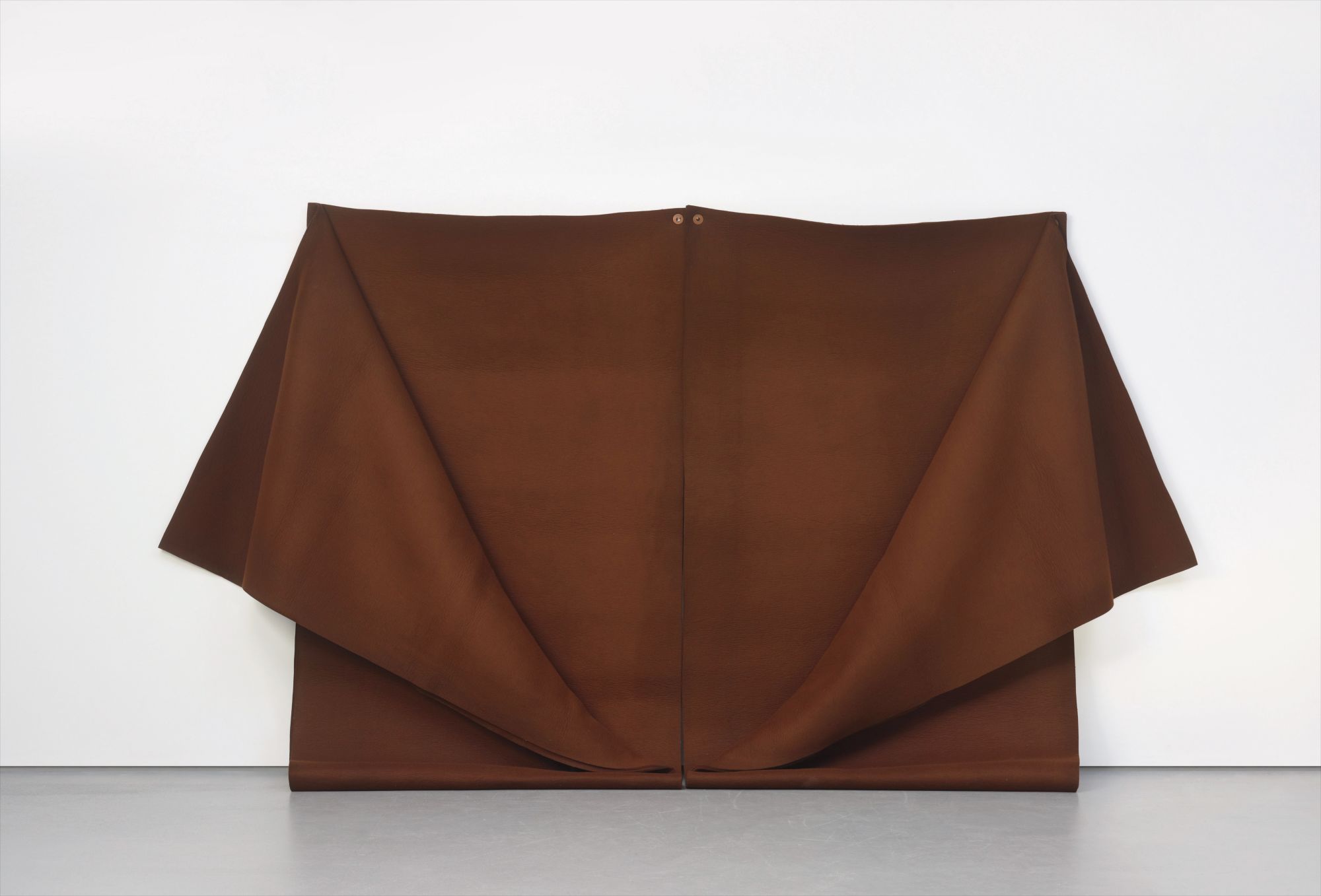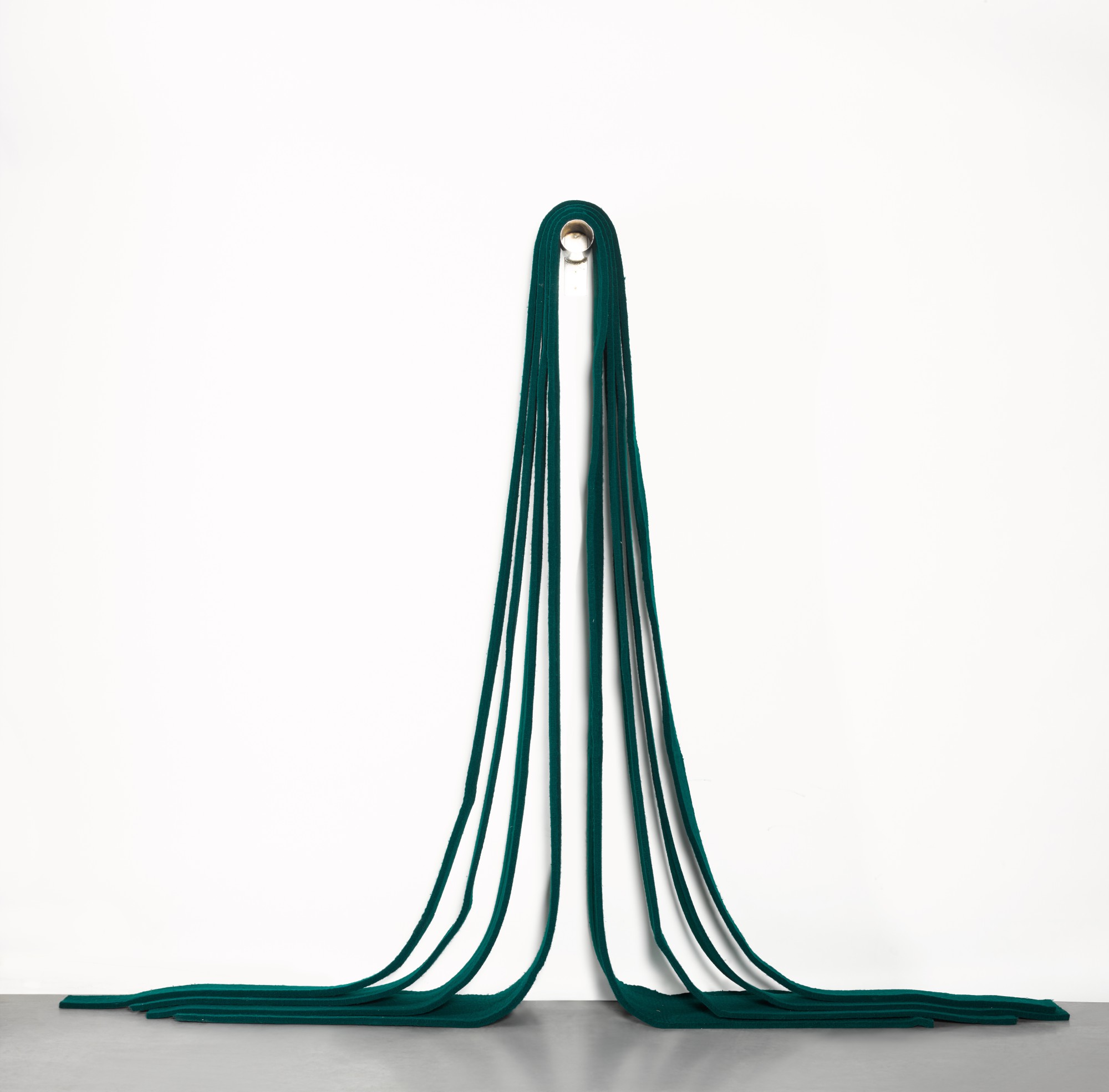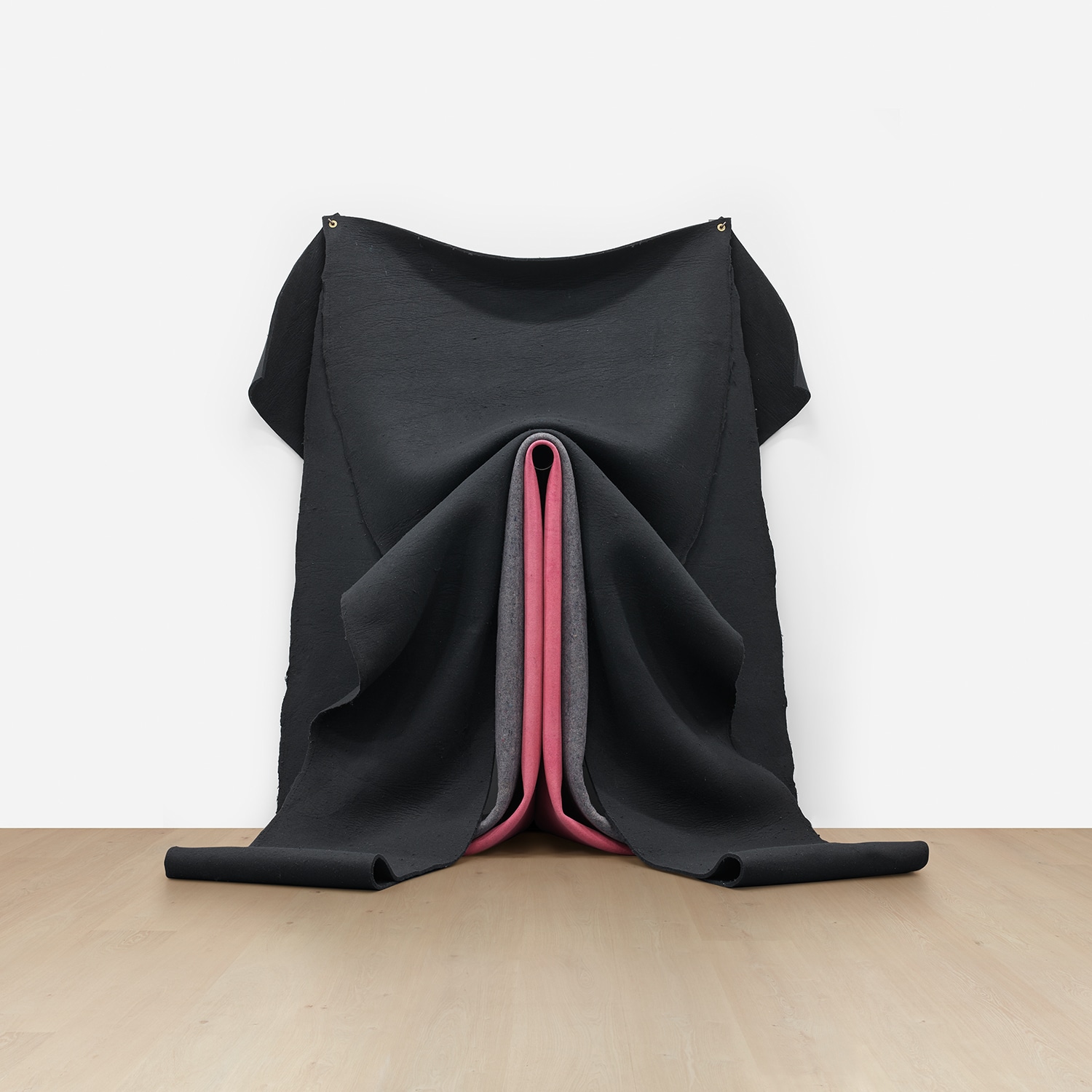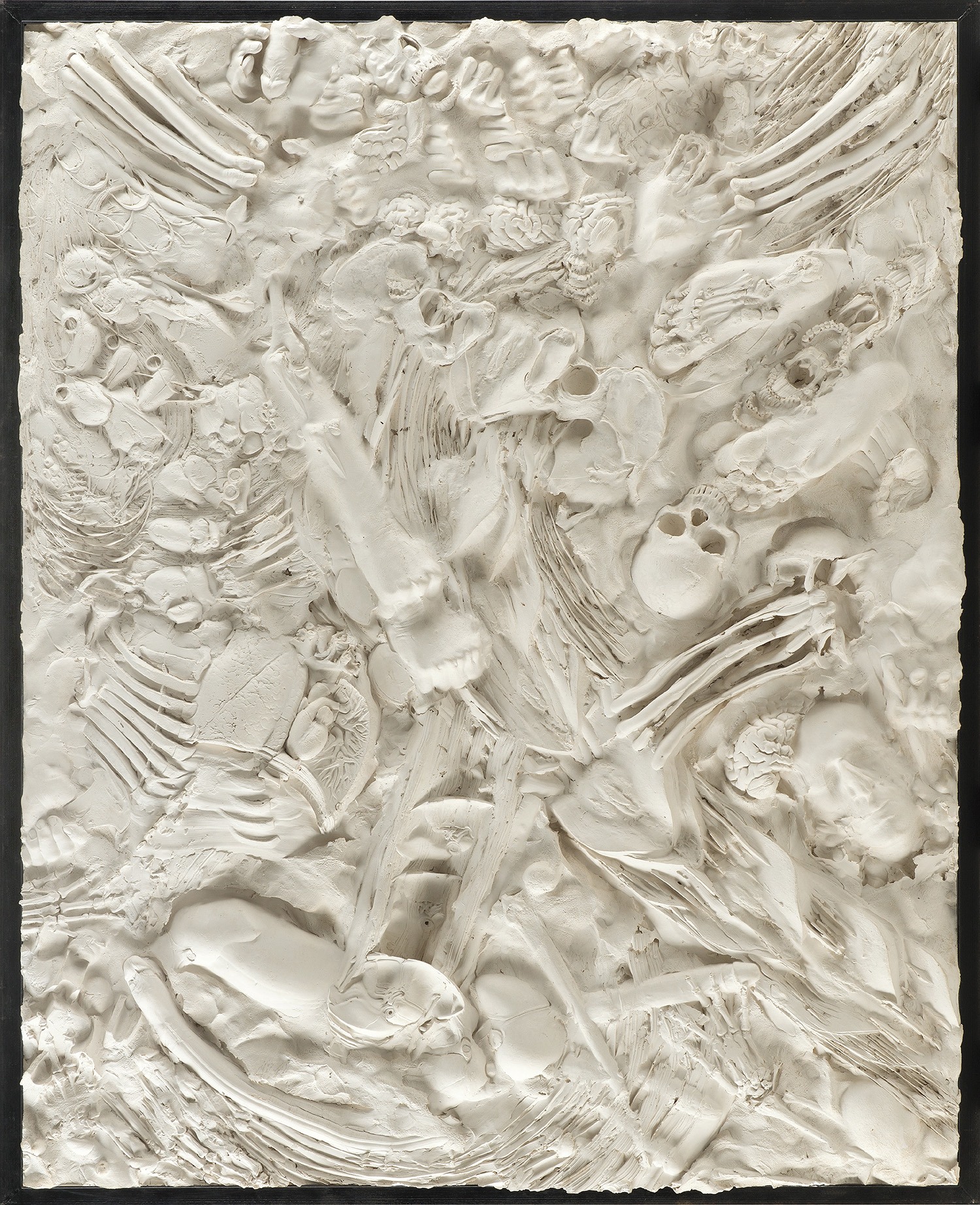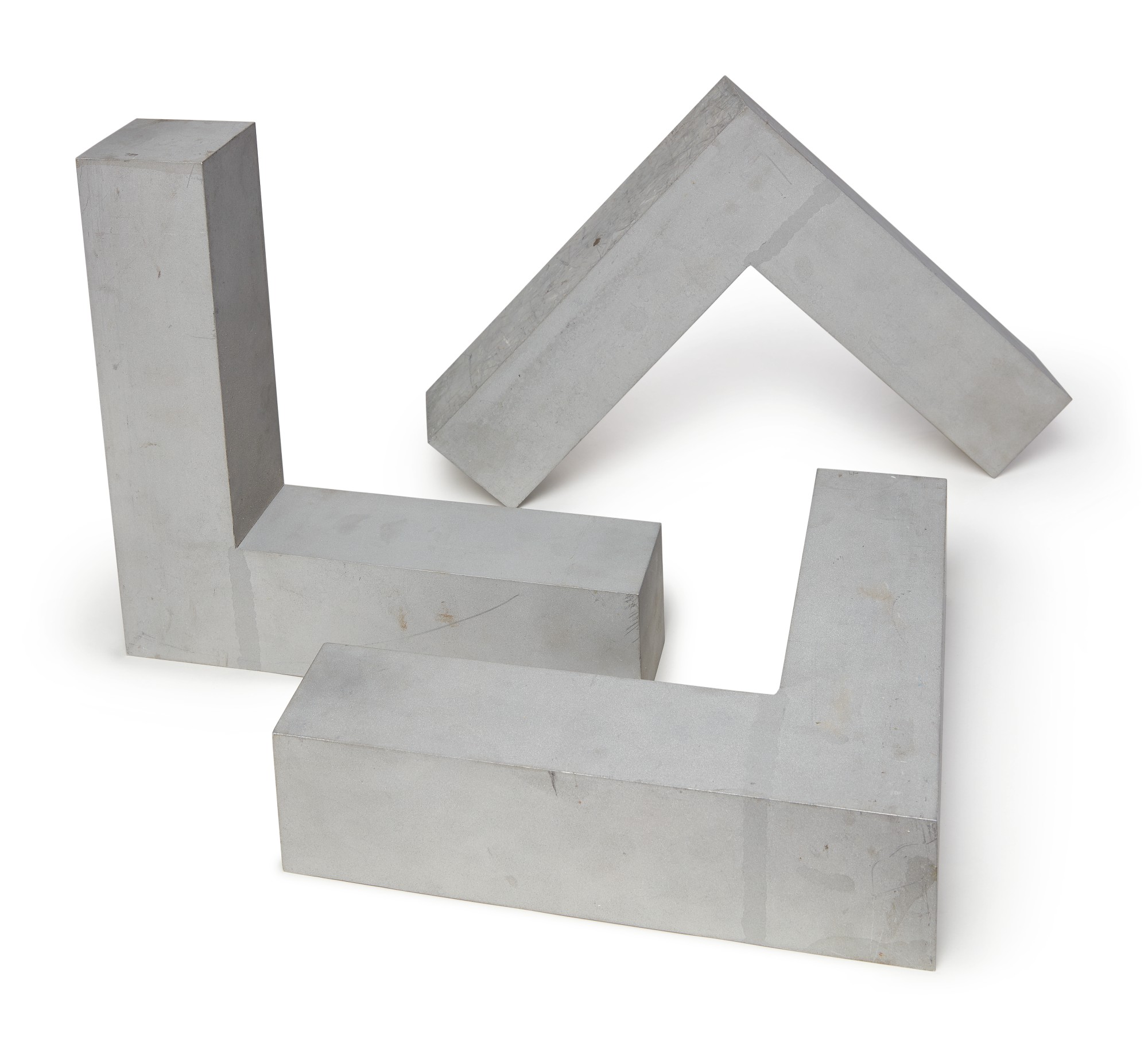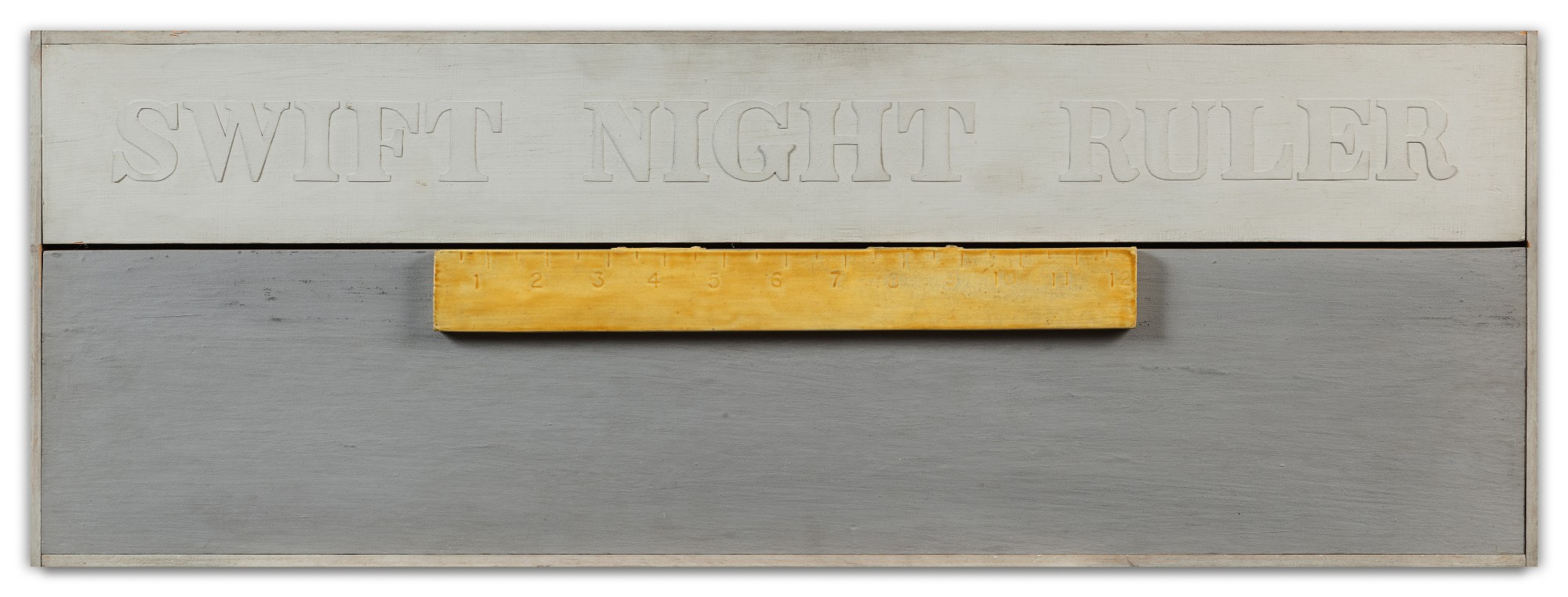
When the Guggenheim Museum staged its landmark survey of Minimalism in 2004, Robert Morris occupied a singular position: not merely as a participant in a movement but as one of its most restless and philosophically rigorous architects. His presence in that conversation, alongside Donald Judd and Dan Flavin, confirmed what critics and curators had long understood. Morris was never content to simply make beautiful objects. He wanted to change the very terms by which art was experienced, and in doing so, he changed everything. Robert Morris was born in Kansas City, Missouri in 1931, and his formation was unusually broad for an artist of his generation. He studied engineering at the University of Kansas City before moving toward philosophy and art history, a combination that would prove decisive. That grounding in systems thinking and rigorous inquiry gave his later practice an intellectual backbone that set it apart from purely intuitive approaches to sculpture. He eventually settled in San Francisco, where he encountered the world of dance and performance through his involvement with the Anna Halprin Dance Workshop. Movement, duration, and the body in space would remain preoccupations throughout his life. By the time Morris arrived in New York in the early 1960s, the downtown scene was electric with possibility. He became close to figures like John Cage, Merce Cunningham, and Yvonne Rainer, and this community of experimentalists deepened his conviction that art could not be separated from the conditions of its making and viewing. He joined the Judson Dance Theater, performing works that blurred the line between sculpture, choreography, and conceptual proposition. This was the crucible in which his mature thinking was formed, and it gave his minimalist sculptures a quality that pure formalism alone could never have produced. The mid 1960s brought Morris to the center of the Minimalist revolution. His grey geometric forms, the cubes, wedges, and beams fabricated in plywood and later in metal, stripped sculpture of color, metaphor, and compositional drama. He wanted the object to exist in real space and real time, experienced by a real body moving through a room. His famous theoretical essays published in Artforum between 1966 and 1968, collected under the title Notes on Sculpture, gave the movement its most articulate philosophical framework. Morris argued that perception was inseparable from physical engagement, that the viewer completed the work. This was a radical repositioning of authority, away from the artist and toward the encounter itself. By the late 1960s, Morris had already grown restless with the cool certainties of Minimalism. His Process Art works introduced chance, gravity, and material behavior as compositional forces. He would scatter felt, arrange steam, or pour earth onto gallery floors, insisting that art could be defined by its conditions of production rather than its finished form. Works from this period show an artist deliberately dismantling the very aesthetic authority his earlier sculptures had commanded. His 1968 exhibition at the Leo Castelli Gallery, where he filled the space with tangled industrial materials, was both a provocation and a revelation. It demonstrated that Morris could inhabit and then shed a movement with equal mastery. Among the works that collectors and institutions prize most highly are the Untitled L Beams, conceived in 1965 and realized in various materials including cast aluminum in the 1970s. These three identical L shaped forms, placed in different orientations on the floor, present a meditation on how context and position transform perception. The same object looks fundamentally different depending on how it meets the ground and the eye. Swift Night Ruler from 1963, a painted wood and cardboard piece, offers a glimpse of Morris in his earliest New York period, when conceptual proposition and physical object were just beginning to find their balance in his hands. Works on paper, including his ink and ink wash drawings, reveal the quieter, more intimate register of his thinking and are among the most accessible entry points into his practice. For collectors, Morris represents a rare convergence of art historical importance and ongoing critical vitality. His works appear regularly at the major auction houses, with strong results reflecting sustained institutional demand. Collectors drawn to the dialogue between Donald Judd and Carl Andre will find in Morris a figure who complicates and enriches that conversation. Where Judd favored precise industrial fabrication and Andre reduced sculpture to a horizontal plane, Morris embraced contradiction and transformation. He is also a natural companion to artists like Richard Serra, whose early work was shaped directly by Morris's Process Art investigations, and to Eva Hesse, whose organic extensions of Minimalism were deeply in dialogue with his ideas. Morris continued to produce ambitious and searching work across five decades, moving through Minimalism, Process Art, Land Art, and large scale installations that took on increasingly dark subject matter. His Firestorm drawings from the 1980s and his later Holocaust memorial works demonstrated an artist willing to risk grandiosity in service of moral urgency. He was never a comfortable figure, and that discomfort was a measure of his integrity. Robert Morris died in 2018, but the questions he posed about space, perception, and the body remain as alive and unresolved as ever. Any collection that aspires to chart the course of postwar American sculpture must reckon seriously with his presence.